In the world of car ownership, nothing’s more frustrating than seeing that oil light flash, especially if your ride has been maintained religiously.
High-mileage ownership is all about trust—trust that your engine won’t suddenly guzzle a quart of oil every 1,000 miles. But here’s the kicker: not all engines age equally. Some remain tight and leak-free even after hitting 200,000 miles, while others start sipping oil like it’s morning coffee before even crossing six figures on the odometer.
You’d expect older cars to burn a little oil, but some models have earned reputations for practically demanding a case of 10W-30 in the trunk.
Meanwhile, others prove that well-engineered pistons and gaskets can survive the long haul without bleeding black gold. Whether you’re buying used or trying to keep your current daily driver running forever, oil consumption is something every gearhead and weekend wrench needs to know about.
Let’s dive deep into the vehicles that stand tall with clean dipsticks even at 200K—and call out the ones that’ll make you feel like you’re constantly babysitting a leaky oil furnace. Because when you’re addicted to driving, the last thing you want is your car addicted to oil.
5 Cars That Don’t Burn Oil Even at High Mileage
These cars are built like tanks when it comes to oil control. Designed with tight tolerances and high-quality seals, they remain trustworthy companions even past 200,000 miles. If you’re looking for long-haul dependability with zero oil drama, these are the unsung heroes of the high-mileage club. Mechanics respect them. Owners love them. And the dipstick? Always clear.
ALSO READ: 5 Toyotas That Still Run With 300k+ Miles and 5 That Break Your Faith in the Brand
1. Toyota Camry (2005–2011 2.4L 4-Cylinder)
Ask any seasoned mechanic about oil-burning cars, and the Toyota Camry from this generation won’t make the list—at least not if it’s got the bulletproof 2.4L 2AZ-FE under the hood. Known for legendary reliability, this engine avoids oil-burning issues that plague many competitors.
With proper maintenance and regular oil changes, it’ll easily crack 250,000 miles without ever asking for a top-up between services. What sets the Camry apart is its rock-solid piston ring design and high-quality valve seals.
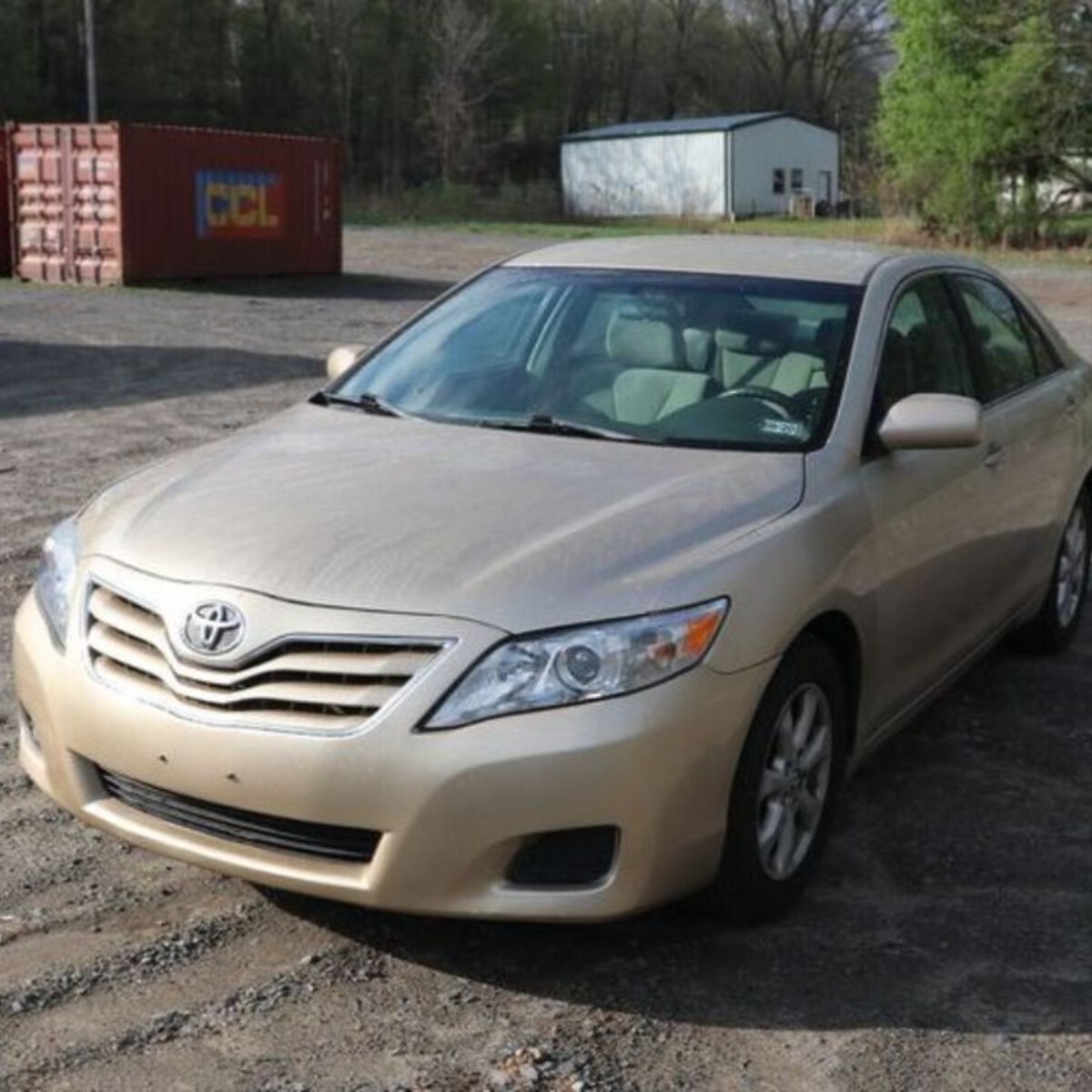
Unlike turbocharged engines or newer designs that chase efficiency at the cost of longevity, this Camry keeps things simple, and simplicity often wins in the long run.
Drivers report consistent dipstick readings even after years of commuting, road trips, and highway punishment.
Another plus? These engines were rarely overstressed. The Camry’s role as a family sedan means it’s often been driven gently, further reducing wear. So if you want a used car that’ll keep its oil in its pan—and not your driveway—this mid-2000s Toyota is your safest bet.
2. Honda Accord (2013–2017 2.4L i-VTEC)
Honda refined the i-VTEC technology to near perfection by the time the 2013 Accord hit the market. The Earth Dreams 2.4L inline-4 might have a fancy name, but it’s built with solid engineering at its core, and one of its best traits?
It doesn’t burn oil even at high mileage. Seriously, Accords are pushing 300,000 miles on original engines with no oil top-up required.
This engine uses low-friction coatings and optimized ring designs that resist wear far better than older iterations.
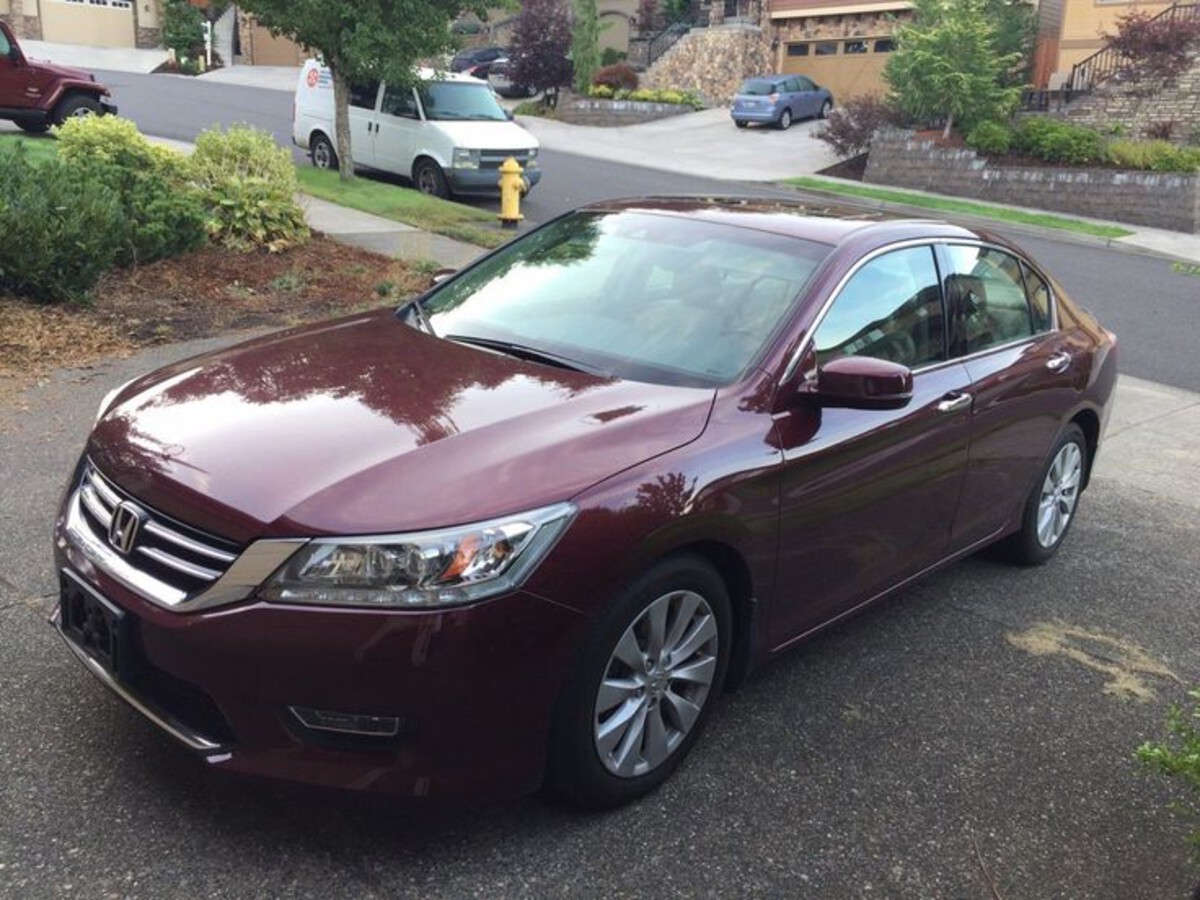
While previous Accords (like the early 2000s 3.0L V6) did have some oil issues, this 2.4L unit rewrote the story.
It’s also an engine that doesn’t rely on turbos or direct injection nightmares, keeping carbon build-up and excessive oil pressure problems at bay.
With regular synthetic oil changes and an eye on the air filter, this Accord can easily become your 250K-mile partner-in-commute.
3. Lexus RX 350 (2010–2015)
Luxury and longevity don’t always go hand-in-hand, but the Lexus RX 350 is the exception. Equipped with Toyota’s rock-solid 3.5L 2GR-FE V6, this SUV has earned its spot as one of the most reliable premium vehicles on the road, particularly for its resistance to oil burning even at sky-high mileage.
This V6 is not just smooth—it’s built to last. With forged internals, excellent thermal management, and valve stem seals

That actually seal, this engine ages gracefully. Owners of RX 350s often brag about going 8,000 miles between oil changes without needing a single top-up. That’s unheard of for many luxury vehicles in the same class.
While newer turbocharged competitors burn oil like it’s a feature, the naturally aspirated 2GR-FE just soldiers on. Plus, the RX’s reputation for gentle driving means most used models haven’t been abused—perfect for buyers seeking oil-free serenity.
4. Mazda3 (2014–2018 Skyactiv 2.0L/2.5L)
Mazda did something special with its Skyactiv engines. The 2.0L and 2.5L variants found in the Mazda3 are not just fuel-efficient and punchy—they’re also impressively clean when it comes to oil usage.
Even after 150,000 miles, most owners report zero oil loss between changes.
Skyactiv tech isn’t just marketing fluff. It’s an integrated system of lightweight internals, high compression, and clever piston ring placement that minimizes blow-by and oil consumption.
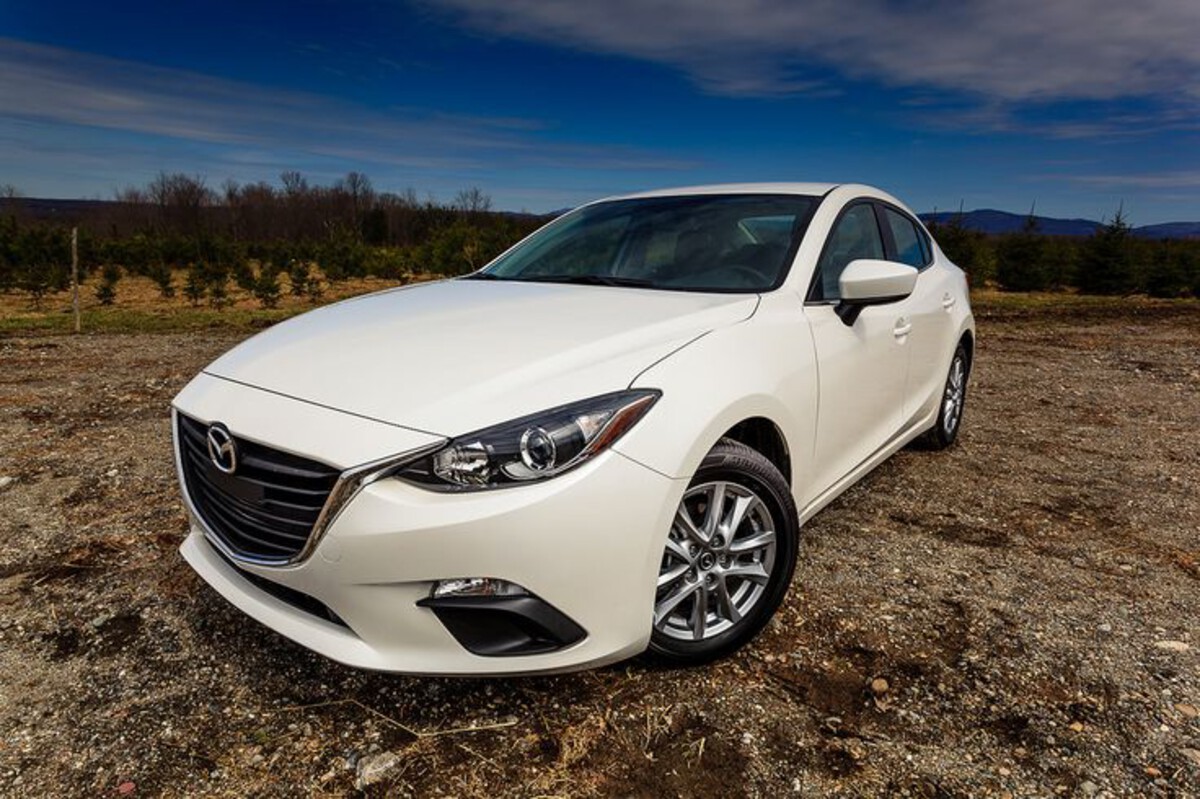
These engines were built to run lean and clean—and they deliver.
Unlike some compact cars that develop leaks or start burning oil by 100K, the Mazda3 continues to run tight well into the high mileage club.
Paired with a manual or slick-shifting automatic, it’s also one of the most fun cars in its class, proving that practicality doesn’t have to be boring.
5. Subaru Outback (2015–2019 3.6R H6)
Subaru’s 2.5L flat-four has long had a reputation for sipping oil, but its 3.6R H6 engine tells a different story.
Found in the higher trims of the Outback, this naturally aspirated boxer-six is one of the few Subaru engines that consistently avoids oil consumption issues, even with 200K+ miles on the clock.
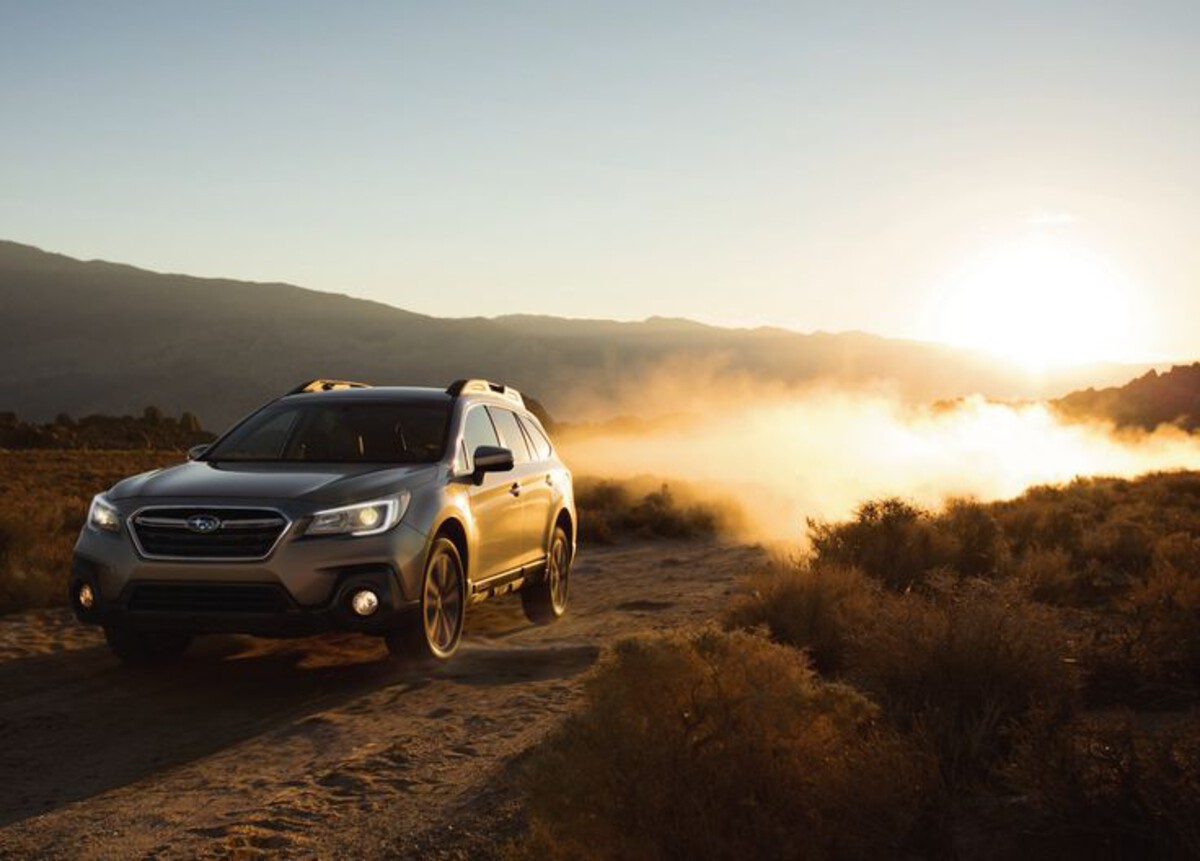
Thanks to better ring design and improved internal tolerances, the 3.6R avoids the pitfalls of its four-cylinder cousins. It’s smooth, powerful, and notably stingy when it comes to oil usage.
This engine also benefits from a traditional automatic transmission, avoiding the CVT issues that plague other Subaru models.
The result? A reliable, comfortable road trip machine that doesn’t need constant dipstick checks. It’s a unicorn in the Subaru world—and for those who want AWD without the oil drama, the 3.6R is a sleeper hit.
5 Cars That Constantly Need Top-Ups
These cars are notorious for oil thirst, even with routine maintenance. Whether due to poor ring design, turbo pressure, or just bad luck, these engines make topping off part of the ownership experience. High mileage only makes it worse. If you hate the sight of a low oil light, steer clear.
ALSO READ: 5 Ford Engines With Legendary Durability and 5 That Constantly Fail
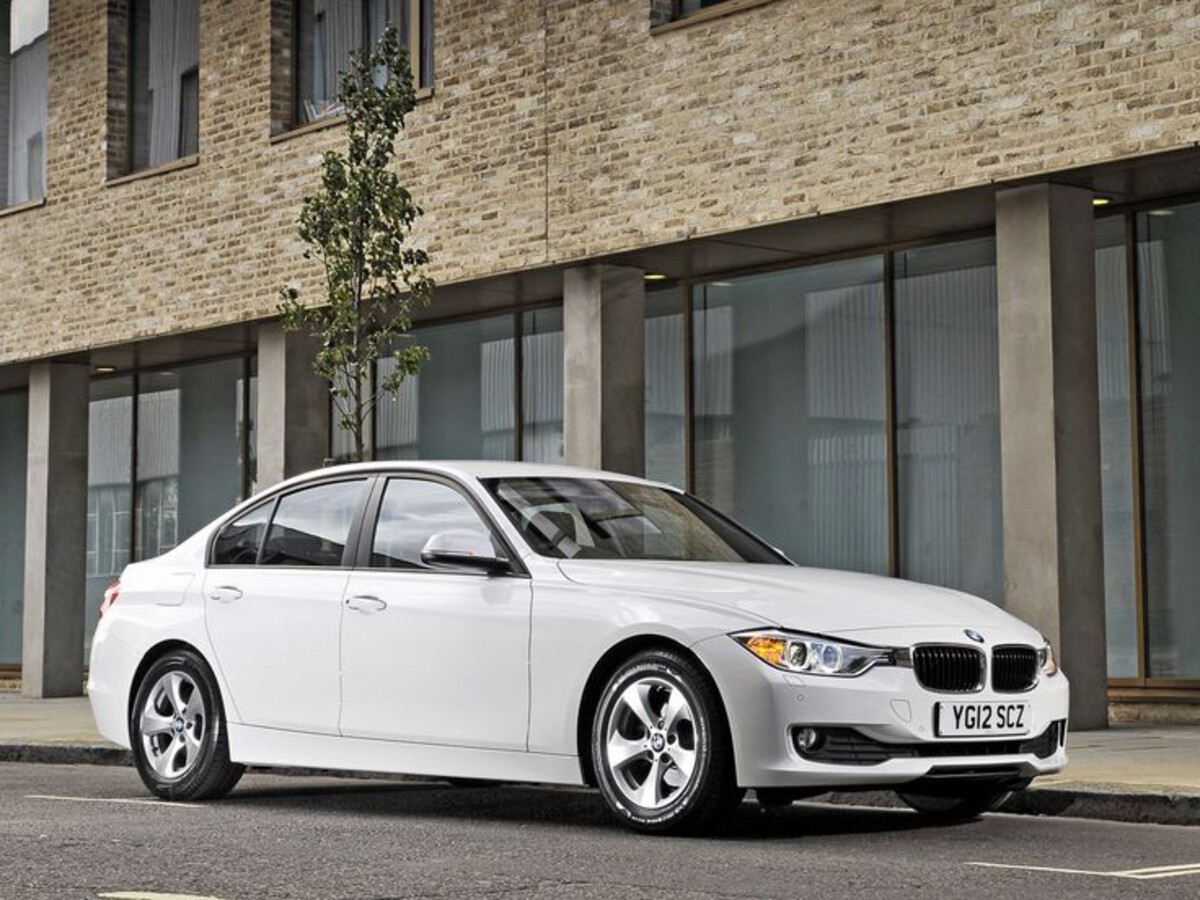
1. BMW 3 Series (2012–2018 N20/N26 Turbo Engines)
The BMW 3 Series is loved for its handling and premium vibes, but under the hood, the N20 and N26 turbocharged 4-cylinders tell a different story.
These engines are infamous for burning oil, especially as mileage creeps past 70K. Whether it’s valve stem seals, turbo seals, or piston ring blow-by, something is always sipping oil.
Many owners report needing a quart every 800–1,200 miles. BMW’s official stance?
“Normal.” That’s not comforting when you’re spending premium money on synthetic oil every month. And don’t expect the oil level sensor to be reliable either—it’s often the first thing to fail.
For enthusiasts, it’s a tough trade-off.
You get sharp driving dynamics but end up babysitting your engine’s appetite for 5W-30. For long-term ownership? It’s a dealbreaker unless you’re fine playing oil butler.
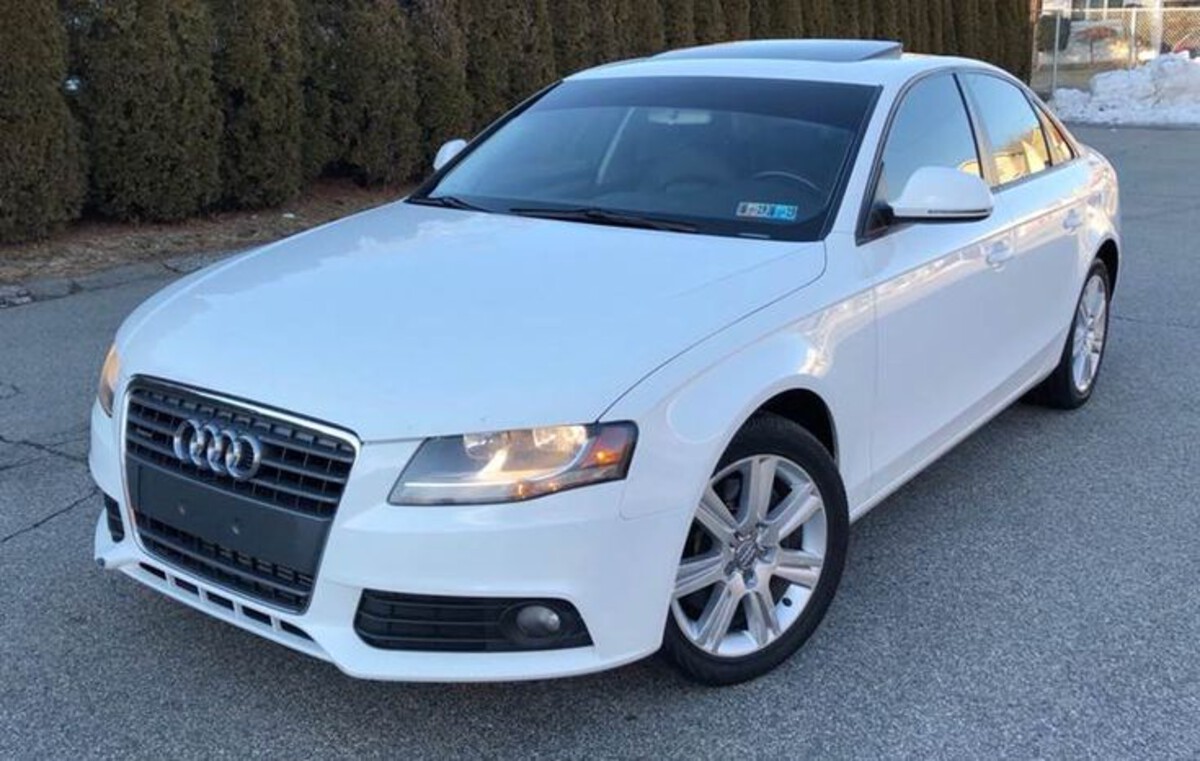
2. Audi A4 (2009–2015 2.0T TFSI)
If there were an award for the king of oil-burning engines, Audi’s 2.0T TFSI from this era would wear the crown—and maybe carry a five-liter jug of oil in the trunk.
These engines are plagued by piston ring issues that cause massive oil consumption, sometimes as early as 40,000 miles. Some owners top up as much oil as they change.
Despite the A4’s sleek styling, refined ride, and luxurious interior, owning one past warranty often turns into a financial nightmare.
Audi even faced lawsuits over this issue, which led to extended warranties and revised piston designs. But even with the factory “fix,” many engines never stop chugging oil like a thirsty camel.
You can love the German driving experience all you want, but if you hate spending $15–$30 every few hundred miles on top-up oil, stay far away.
The 2.0T’s reputation is well-earned, and high-mileage examples are ticking oil bombs.
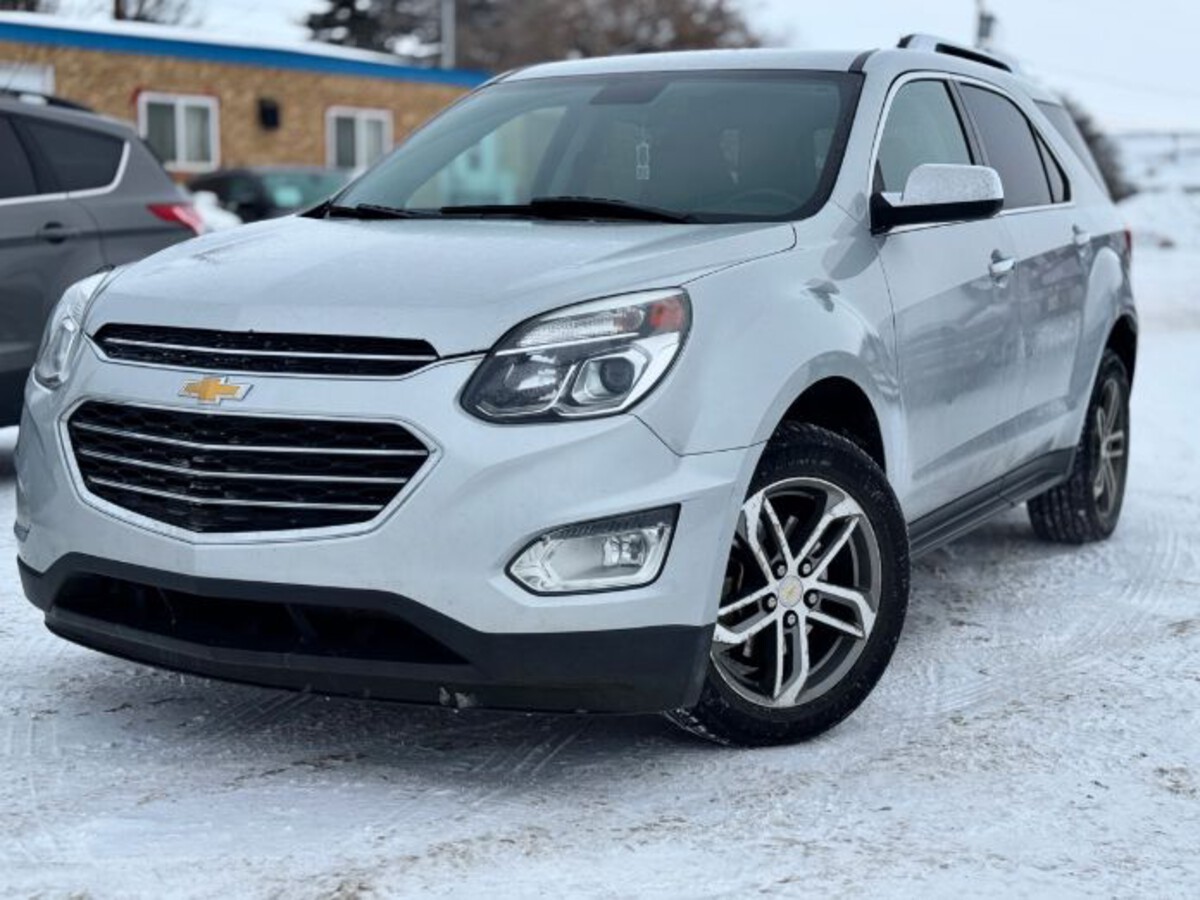
3. Chevrolet Equinox (2010–2017 2.4L Ecotec)
On paper, the Chevy Equinox sounds like a decent family hauler—modern styling, decent MPG, and lots of space. But the 2.4L Ecotec engine under the hood has an ugly secret: it’s one of the worst oil burners in the GM lineup.
These engines are known for excessive oil consumption that starts early and only gets worse with time.
The issue comes down to poor piston ring design and insufficient drainage.
Oil gets trapped, burned off, and never makes it back to the pan.
Many owners report needing to add a quart every 1,000 miles, or less. GM did offer a “Customer Satisfaction Program” to address the problem, but many high-mileage units were left to rot.
If you’re browsing used crossovers and see a 2.4L Equinox in your budget, do yourself a favor: walk away unless it’s been rebuilt. Or keep a case of oil in the cargo area—because you’re gonna need it.
4. Subaru Forester (2011–2015 2.5L FB25)
Yes, Subaru makes a second appearance—this time for the wrong reasons. While the 3.6R boxer engine is a champ, the 2.5L FB25 found in millions of Foresters is an oil-burning nightmare.
Owners across the country reported excessive oil use, often as early as 30,000 miles, due to flawed piston rings and excessive blow-by.
Even Subaru acknowledged the issue by launching service campaigns and lawsuits, but it didn’t fix the core problem for many unlucky owners.

Topping off a quart every 1,200–1,500 miles became part of the ownership routine.
And don’t expect your dipstick to be helpful either—it’s notoriously hard to read accurately on these engines.
Combine that with Subaru’s love for CVTs and head gasket dramas, and you’ve got a car that will test your patience and your wallet.
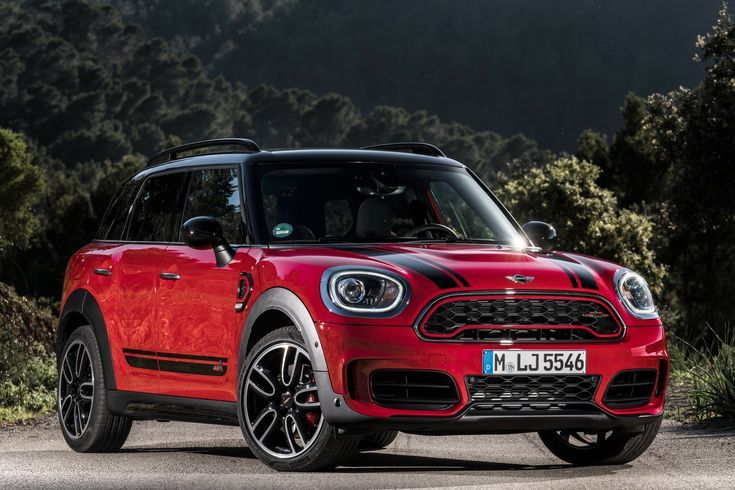
5. Mini Cooper (2007–2015 N14/N18 Engines)
Tiny car, huge oil appetite. The Mini Cooper S with the turbocharged N14 or N18 engine looks like a fun, stylish city rocket—and it is, until you realize it devours oil like it’s part of its diet plan.
BMW’s influence shines here (not in a good way), with engines that burn oil so badly they make older muscle cars look efficient.

Whether it’s valve seal degradation, turbo seal issues, or just plain bad ring design, the oil light on a Mini is more of a suggestion to panic than a helpful indicator.
These engines don’t wait until 100K miles to start consuming oil—it can begin under 50K.
And when you add the price of premium synthetic oil to already expensive maintenance, the Mini quickly becomes less “quirky fun” and more “financial disaster.” Drive one if you love the go-kart feel—but bring oil. Lots of it.
In the realm of long-term car ownership, oil consumption isn’t just a quirk—it’s a red flag. A car that consistently needs top-ups isn’t just annoying; it signals wear and tear that could lead to costly repairs. Whether it’s valve seals, piston rings, or poor engineering, chronic oil burning can turn a dream car into a high-maintenance headache.
But the good news? There are heroes out there—cars like the Toyota Camry, Honda Accord, and Mazda3—that remind us how solid engineering can hold up to time, mileage, and abuse without leaking a drop. These are the rides that make you love checking your oil level, because it hasn’t budged.
On the flip side, German luxury sedans and some American crossovers have proven that high oil consumption can be baked into the DNA of otherwise appealing vehicles. And while the fix might be “just top it off,” the real fix is doing your research and choosing a car that respects your time and wallet.
For high-mileage warriors and oil-change purists alike, remember: some engines age like fine wine, others burn like kerosene.