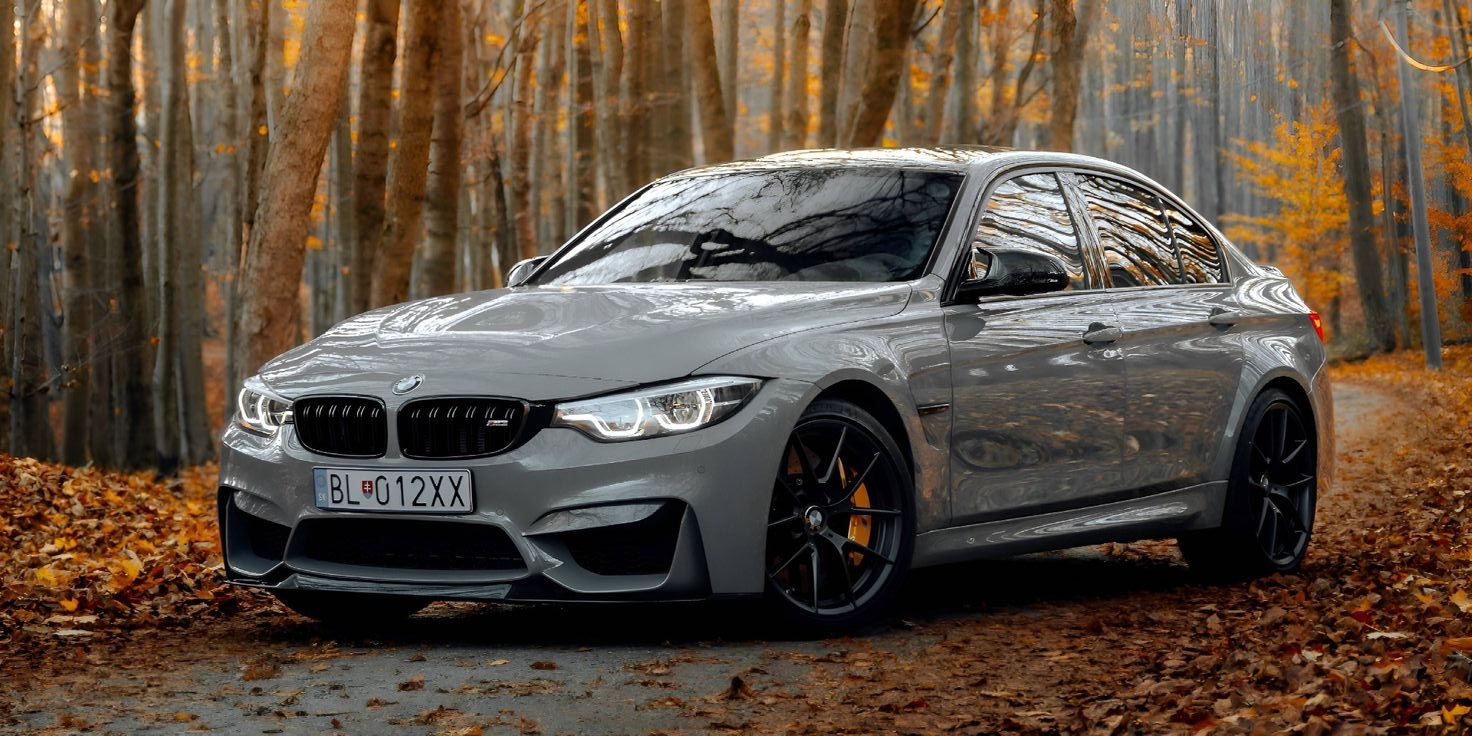
State inspections can be a nerve-wracking experience for car owners. Whether it’s emissions testing or safety requirements, passing a state inspection means your car is roadworthy and compliant with local laws.
But not all cars make it through without hiccups. Some models breeze through inspections year after year, while others seem to always need something fixed—be it faulty sensors, brake issues, or check engine lights that just won’t quit.
Choosing a vehicle that’s inspection-friendly isn’t just about convenience—it’s about long-term savings and peace of mind.
Failing inspections often leads to unexpected repair bills, last-minute garage visits, and the stress of reinspection deadlines. That’s why savvy buyers lean toward models with strong reliability records and minimal maintenance demands.
In this blog, we’ll take a closer look at 5 cars that consistently pass state inspections with flying colors—thanks to their build quality, robust electronics, and durable emissions systems.
Then, we’ll expose 5 cars that frequently fail inspections unless repairs are made, due to aging components, poor-quality parts, or common system faults. If you’re looking to buy a used car or just want to know how your vehicle stacks up, this guide is essential reading.
Let’s explore which models make the grade and which ones need extra homework just to pass.
5 Cars That Pass State Inspection Every Time
Some cars are simply built better for the long haul. They age gracefully, keep their warning lights off, and don’t surprise owners with sudden emissions failures or braking problems. These vehicles are known to pass state inspections year after year with minimal prep.
They’re the darlings of both mechanics and DMV test stations. Whether it’s because of strong engineering or ultra-reliable powertrains, these five models consistently clear the bar for inspections without breaking a sweat—or your wallet.
ALSO READ: 5 Cars That Still Run After a Flood and 5 That Fail in Light Rain
1. Toyota Corolla
The Toyota Corolla is practically synonymous with reliability, and that includes passing state inspections. It’s simple yet solid engineering rarely triggers check engine lights or issues with emissions systems.
The brakes and suspension components also tend to last longer than average, meaning fewer repair-related delays during the inspection process.
Another big plus? Corolla owners usually keep up with maintenance due to the car’s appeal for long-term ownership.
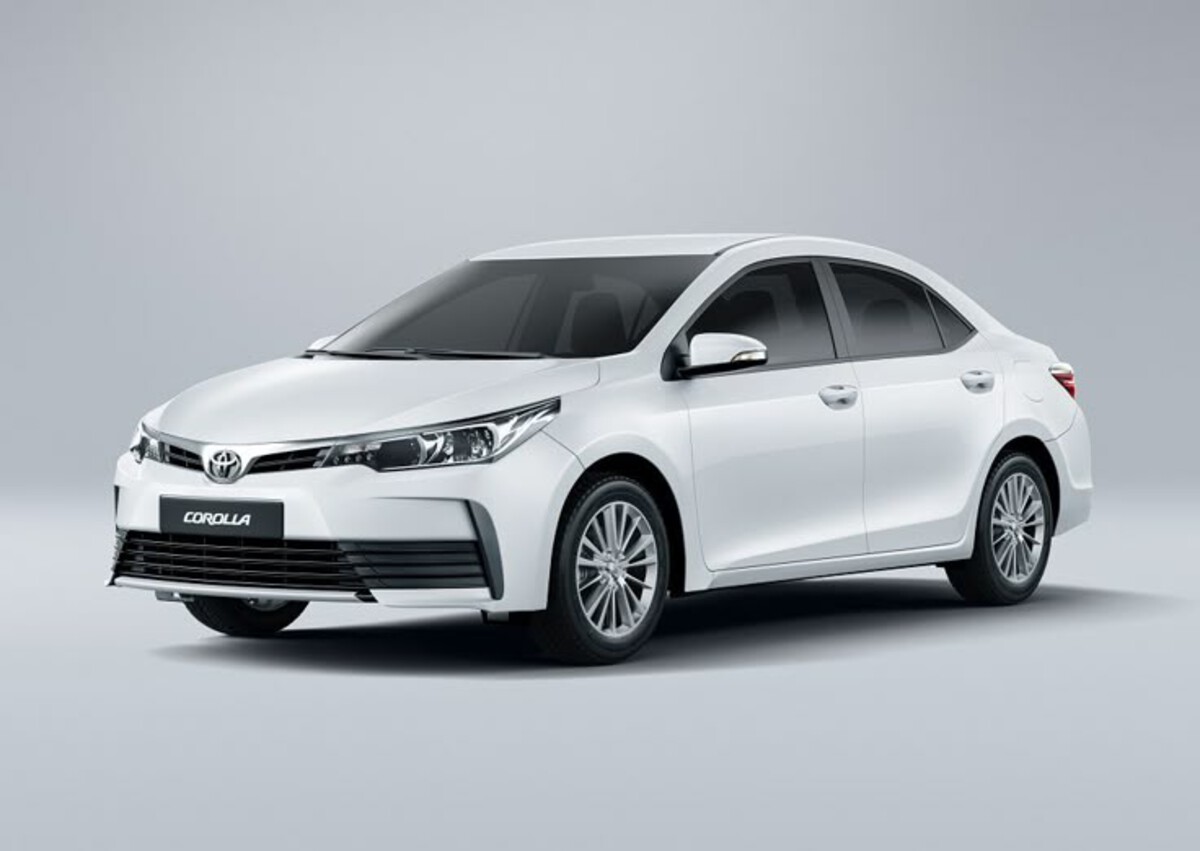
Even older models from the 2000s have a strong record of passing without drama.
Emissions-related components like catalytic converters and O2 sensors are durable and rarely problematic. Plus, the onboard diagnostics are less prone to false error codes compared to other brands.
With no notorious transmission flaws or chronic electronic failures, the Corolla’s longevity is matched by inspection consistency. Mechanics often say, “It’s a Corolla—it’ll pass.”
That kind of confidence says everything. If you’re looking for a compact car that doesn’t make you sweat every time inspection rolls around, the Toyota Corolla is an obvious top-tier choice.
2. Honda Accord
The Honda Accord nails the sweet spot between comfort and reliability, and that includes a stellar inspection record. Thanks to well-engineered engines, dependable transmissions, and reliable electronics, it’s one of the most trusted midsize sedans on the road.
Accord owners rarely encounter inspection-failing issues like airbag warnings, suspension wear, or CEL (Check Engine Light) triggers.
One reason for its success? Honda builds with longevity in mind. Many Accords easily surpass 200,000 miles without needing major emission system work.
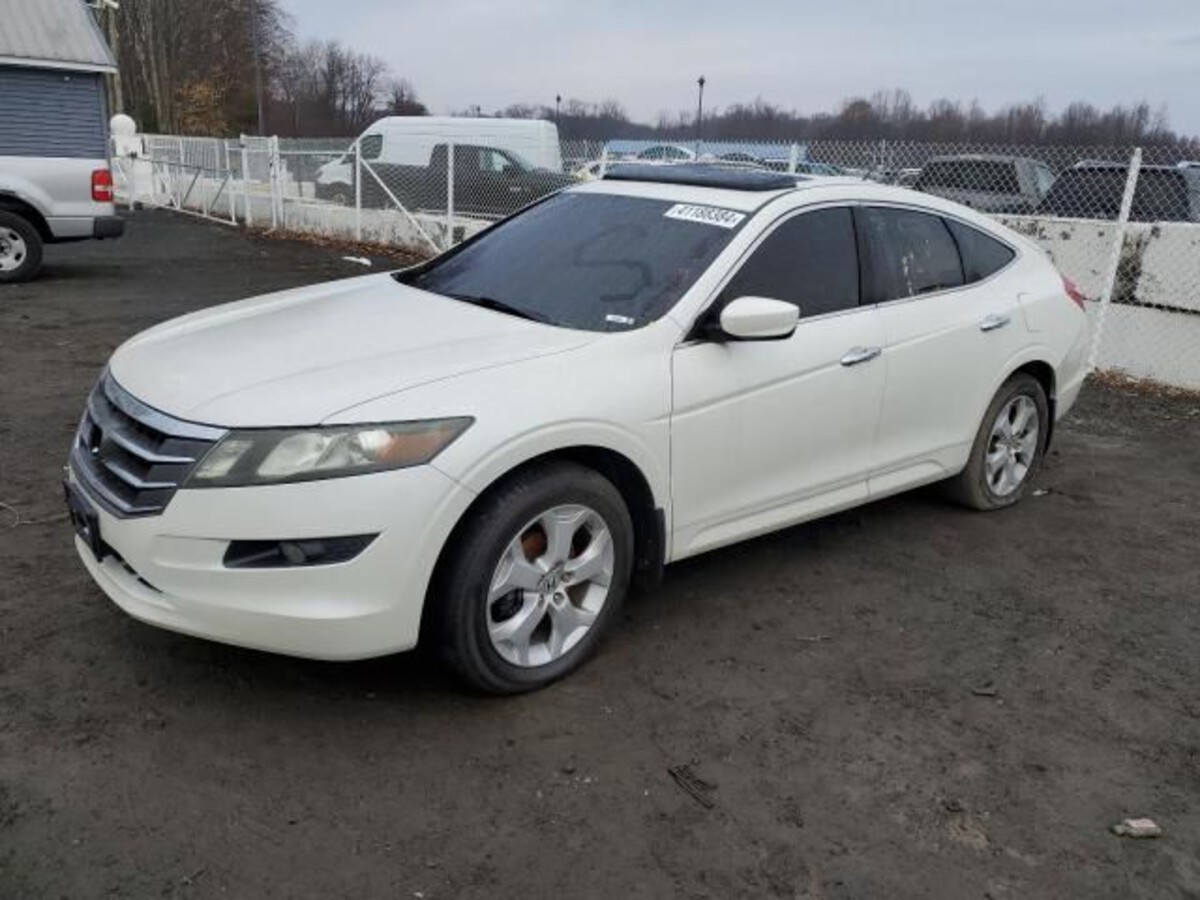
The fuel system, evap components, and oxygen sensors are robust, minimizing the likelihood of inspection-time headaches. And let’s not forget Honda’s near-faultless braking systems, which also help during safety checks.
Additionally, the Accord’s clear and accessible diagnostic codes make issues easy to spot and fix, so owners can handle any minor faults before heading to inspection.
Even mechanics often recommend it to customers who want “something that won’t fail next year.”
In short, the Accord is not just a comfortable family car—it’s also a gold-standard choice when you want a model that stays off the lift and on the road, passing inspections every time.
3. Subaru Forester
The Subaru Forester might be known for its all-weather capabilities, but it’s also one of the most inspection-friendly crossovers on the road.
Owners consistently report minimal issues during state inspections, especially in emissions-prone states like California and New York.
Why the high pass rate? For starters, the Forester’s boxer engine layout and symmetrical all-wheel-drive system are engineered for long-term use without unnecessary strain on components.
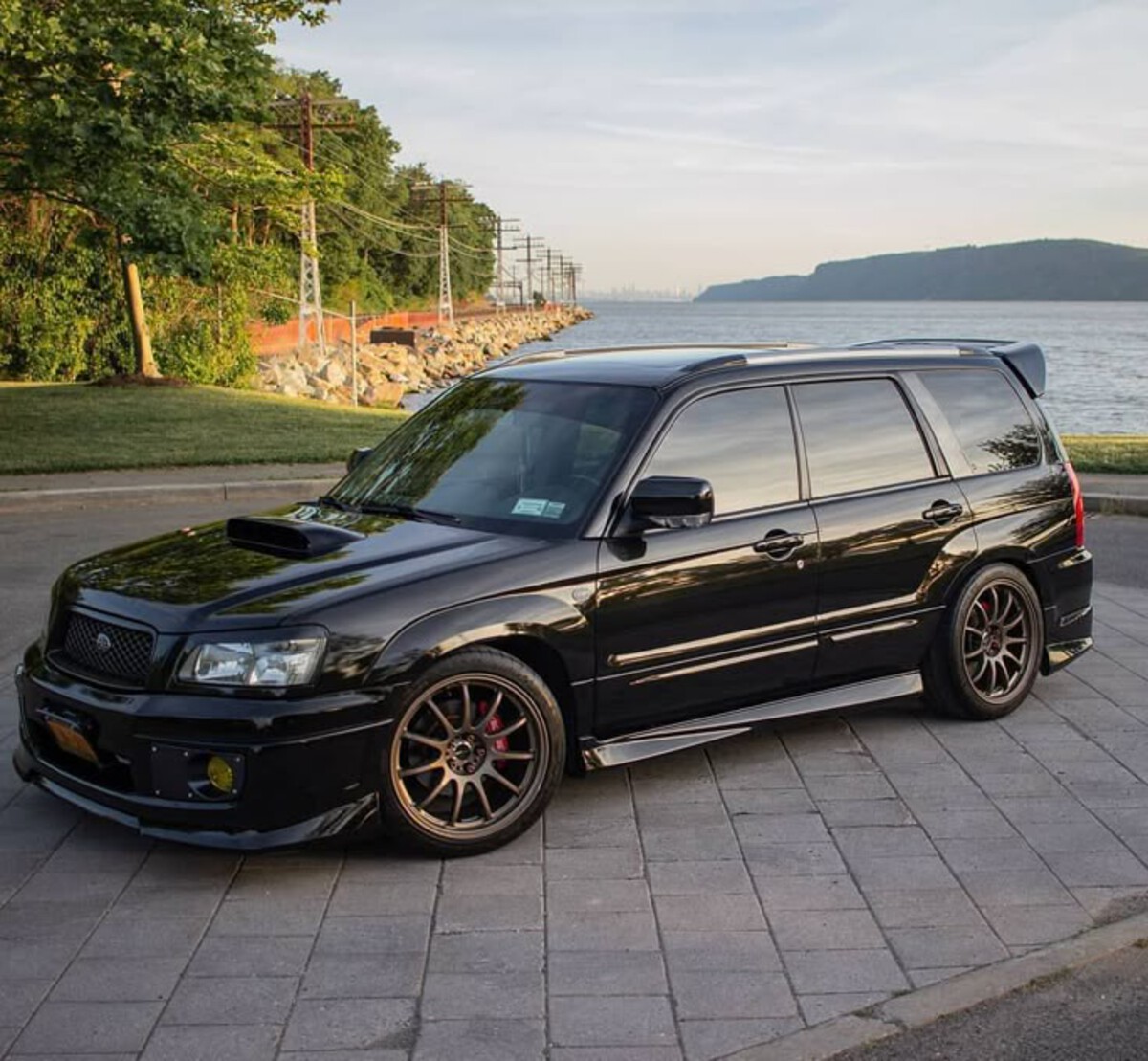
Its emissions systems are solid and don’t frequently suffer from the annoying evap or sensor failures seen in other crossovers.
Subaru also equips its vehicles with high-quality components from the start—O2 sensors, catalytic converters, and fuel injection systems that rarely quit early.
Combine that with loyal owner maintenance habits, and you’ve got a car that just works. Safety components like brakes, lights, and wipers also tend to be reliable, helping the Forester check all the inspection boxes.
While some older Subarus have had head gasket concerns, the Forester—particularly models from 2014 onward—has outgrown most of those gremlins.
If you want a crossover with serious reliability and inspection confidence built in, the Forester is hard to beat.
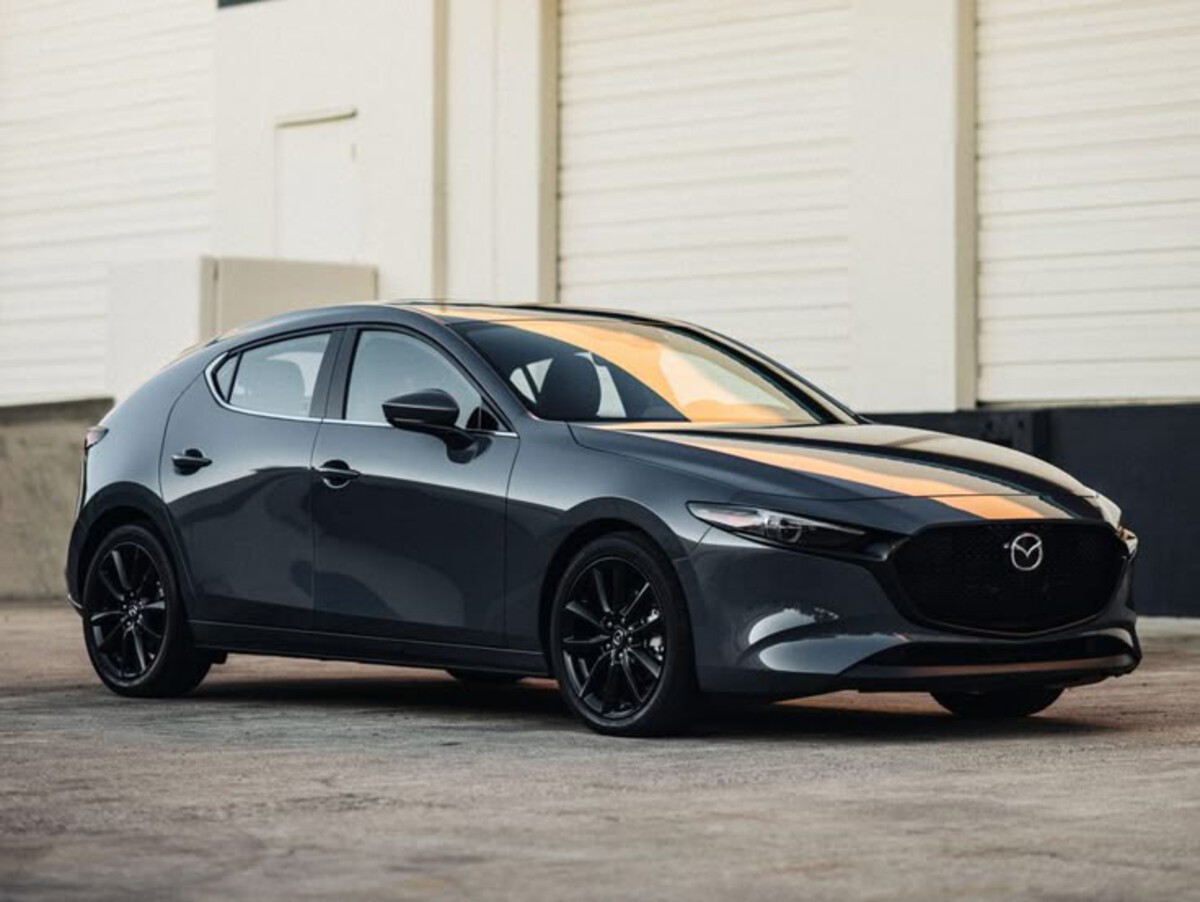
4. Mazda3
Sleek, efficient, and surprisingly robust—the Mazda3 is often overlooked, but it’s one of the most inspection-proof compact cars out there.
It combines sporty design with tight engineering, leading to fewer emissions and safety-related failures during inspection.
Owners appreciate its responsive handling, but mechanics admire the clean diagnostic histories.
The Mazda3 doesn’t throw random warning lights or develop nagging issues in the fuel system. Its exhaust and emissions components tend to last well into six-digit mileage ranges without major faults.
Mazda’s attention to quality means brake wear, suspension health, and lighting systems are all top-tier, especially in models from 2016 and newer.
State inspection centers often note how rarely Mazda3s get flagged for issues beyond routine maintenance. It’s also one of the few compacts where electrical systems rarely flake out over time, helping it shine in safety and emissions testing.
Whether it’s your daily commuter or your teenager’s first car, the Mazda3’s solid inspection track record makes it a worry-free choice.
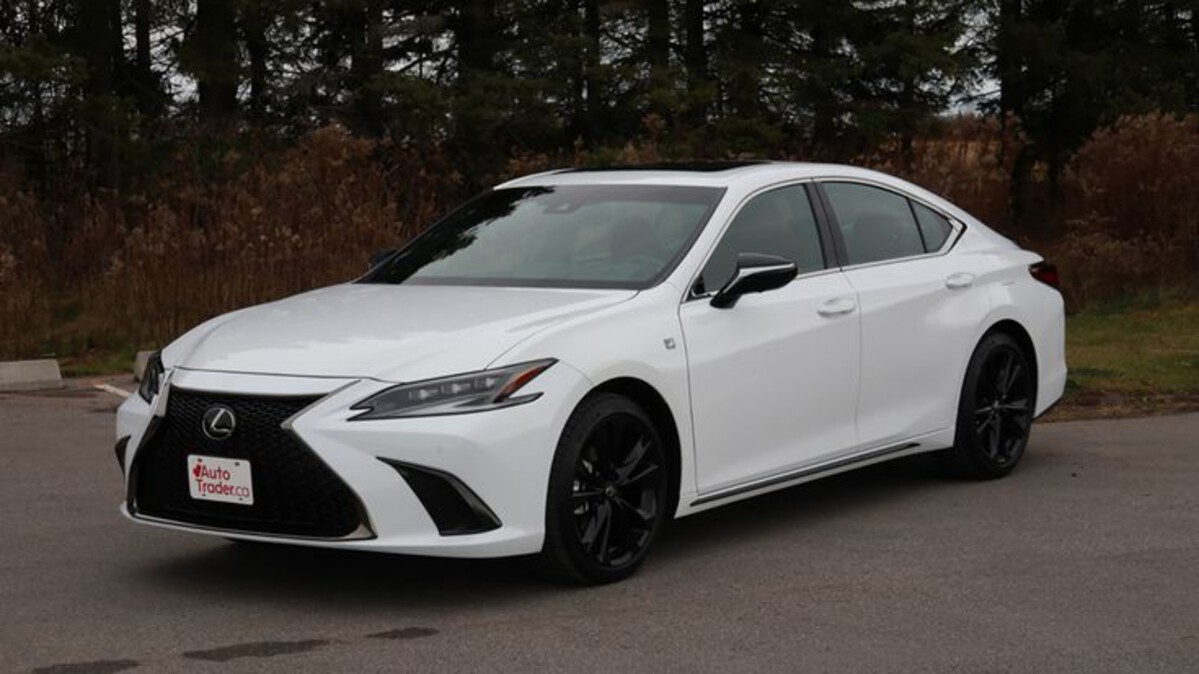
5. Lexus ES350
The Lexus ES350 is the luxury car that doesn’t act like a diva. Underneath, it shares DNA with the Toyota Camry, giving it bulletproof reliability—and that includes passing inspections without fuss.
Owners enjoy plush interiors and quiet rides, while mechanics love the absence of chronic problems.
The ES350’s V6 engine is silky-smooth and durable, with emissions systems that don’t fail early. Oxygen sensors, evap systems, and catalytic converters tend to stay in good shape even after 150,000 miles.
The ES350’s braking and suspension components are also top-grade, and the car’s electronics are some of the most reliable in the luxury class.
That means fewer mysterious warning lights and a high likelihood of clearing both emissions and safety inspections in one go.
For those who want a comfortable, refined ride without inspection surprises, the Lexus ES350 is an exceptional pick.
5 Cars That Rarely Do Without Repairs
Not every vehicle is a star student when it comes to inspections. Some models have notorious issues that almost guarantee at least one failed check per year.
From emissions failures to persistent warning lights and faulty brake systems, these cars often find themselves in the shop before they can pass. If you’re buying used or trying to reduce surprise repair bills, beware of these five models—they often fail the test in more ways than one.
ALSO READ: 5 American Trucks With Japanese-Level Reliability and 5 That Break the Stereotype in a Bad Way
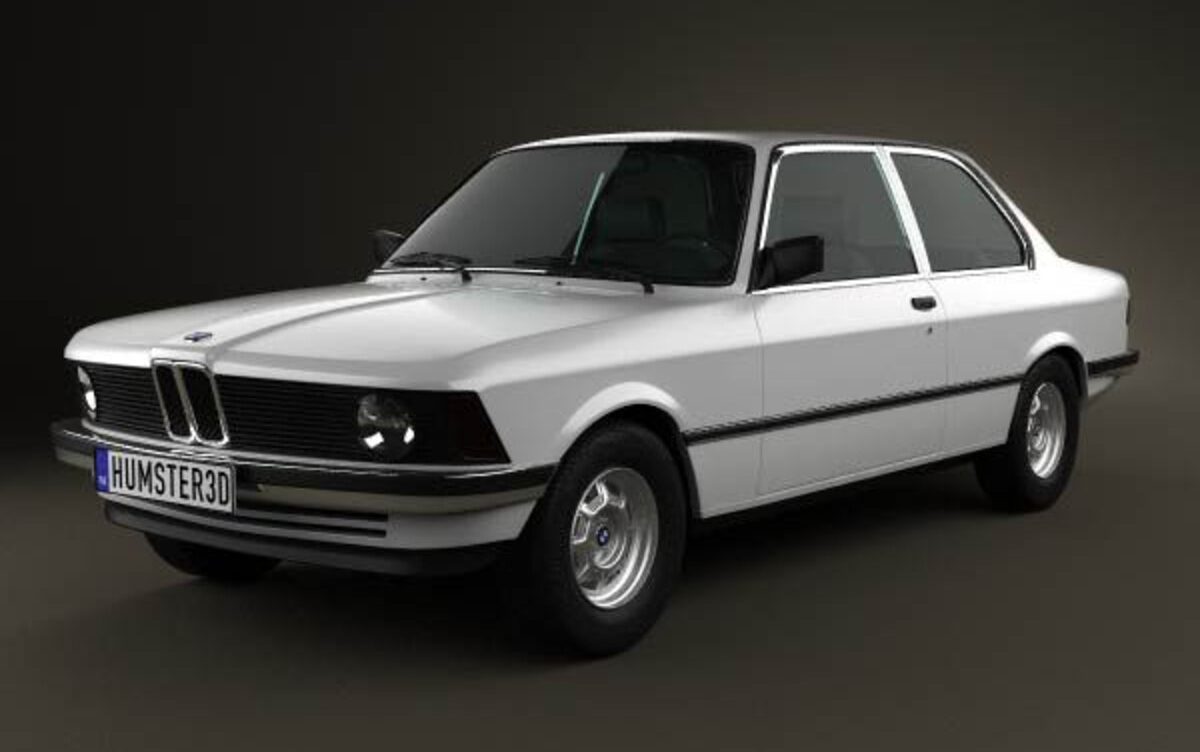
1. BMW 3 Series (Older Models)
The BMW 3 Series, especially models from the early 2000s to mid-2010s, may offer spirited performance and a luxurious cabin, but they’re infamous for inspection-time headaches.
These models frequently fail due to issues like faulty oxygen sensors, leaky vacuum lines, and failing EVAP systems that trip the dreaded check engine light.
Many owners report electrical gremlins—dashboard lights that refuse to turn off, malfunctioning seatbelt sensors, and faulty headlight modules—all of which can raise red flags during state inspections.
And because BMW parts and diagnostics are more complex and costly, a simple issue can quickly turn into a $500 bill just to get a pass.
Brakes and suspension components also tend to wear faster than average, especially on models that haven’t been meticulously maintained. Combine that with emissions system quirks, and you’re almost guaranteed to visit a shop before your inspection sticker is renewed.
While the BMW 3 Series is fun to drive and status-rich, it can be a nightmare when you’re up against a reinspection deadline.
Unless the vehicle has a complete, documented service history, it’s best to think twice if you want stress-free yearly inspections.
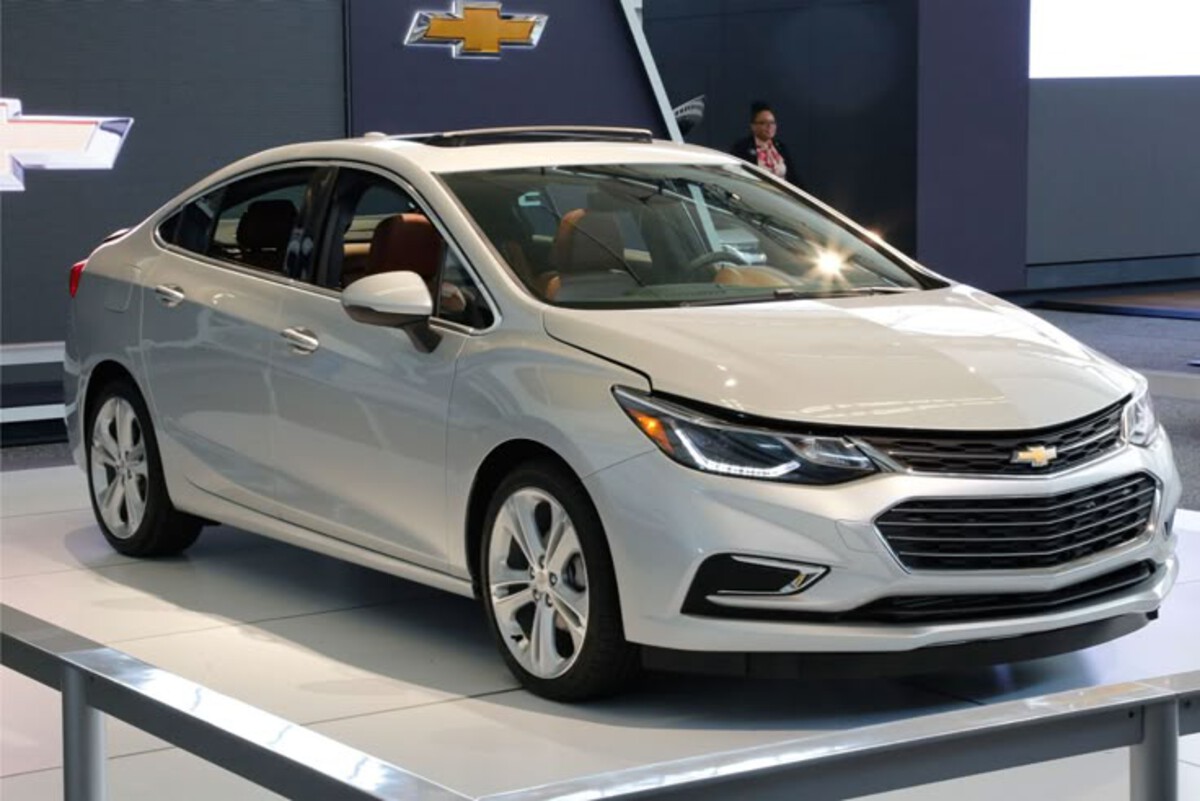
2. Chevrolet Cruze
The Chevrolet Cruze has been a popular compact choice, but unfortunately, it’s also one of the worst offenders when it comes to passing inspections without repairs.
Models from 2011 to 2016 are especially problematic. Engine cooling issues, turbocharger failures, and EVAP system malfunctions are just the beginning.
One of the most common inspection-killers in the Cruze is the “check engine” light, typically related to O2 sensor or catalytic converter trouble.
These systems tend to degrade faster than in most competitors, causing emission failures in states with stricter standards.
Additionally, many owners report persistent electronic glitches—malfunctioning traction control sensors, faulty brake light switches, and airbag indicator errors. These can all contribute to failed safety checks unless addressed beforehand.
What makes things worse is that many of these repairs are recurring. Replacing a sensor or valve might fix the problem for a few months, only for it to fail again.
If you’re driving a Cruze near or past 100,000 miles, it’s highly likely you’ll need to visit a mechanic before each inspection.
Unless you’re ready to invest in regular diagnostic work and patch repairs, the Chevrolet Cruze is not inspection-friendly.
3. Mini Cooper
Mini Coopers might win hearts with their quirky style and go-kart handling, but they regularly lose the battle at the inspection station. Reliability has never been their strong suit, and many owners dread annual inspections due to the sheer volume of potential failures.
Early signs of trouble often include warning lights for airbags, brake systems, or emissions components—all of which are automatic fails.
Timing chain issues in some models also lead to rough idling and poor emissions performance, tripping codes that demand repairs before an inspection can proceed.
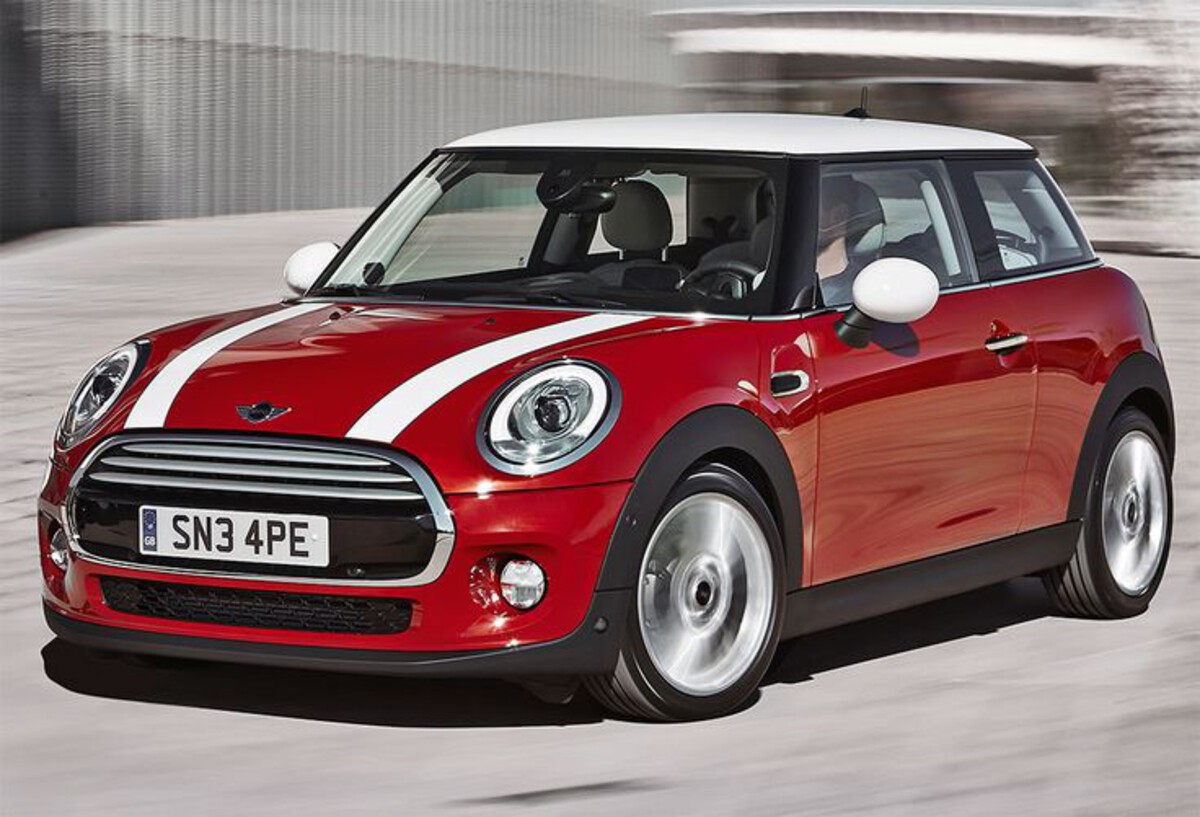
The complexity of the Mini’s engine bay makes even minor repairs difficult and costly, which means many owners defer maintenance until inspection forces their hand.
Electrical components are another sore spot, with numerous reports of failing window regulators, lighting system errors, and malfunctioning sensors.
All of these contribute to a high likelihood of inspection failure unless you’re obsessive about upkeep. A Mini might look great on the outside, but under the hood, it’s a maze of fragile parts waiting to trigger a fail.
4. Dodge Journey
The Dodge Journey is often sold as a budget-friendly family hauler, but its long-term dependability—especially at inspection time—is poor. Owners often find themselves repairing multiple systems just to meet state inspection standards.
Brake rotors, suspension components, and control arms wear out quickly, making safety inspections a gamble unless these parts are recently replaced.
Add in spotty build quality, and you get nagging problems with lights, horn functionality, or wipers—not always major but enough to fail a safety check.
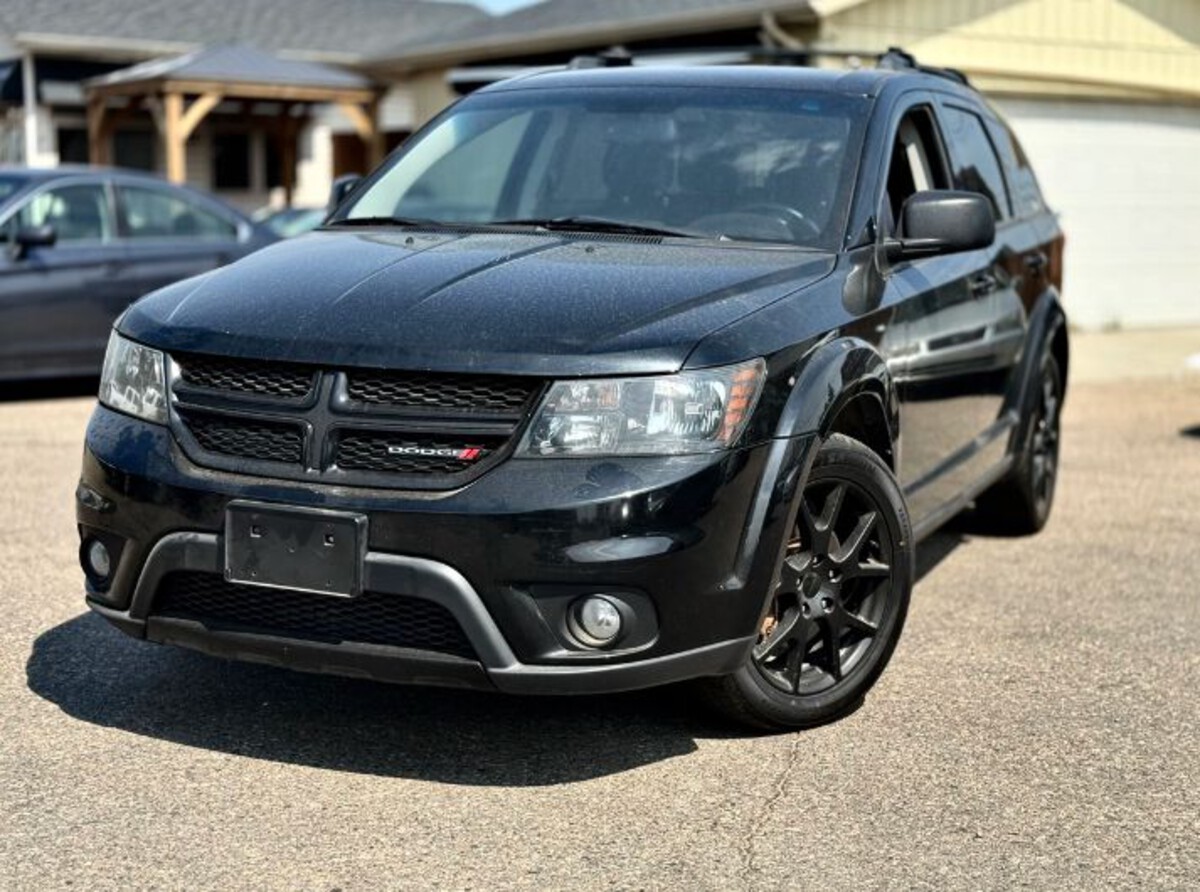
The real problem, though, is under the hood. Emissions-related problems such as failing EGR valves, worn-out catalytic converters, and leaky fuel vapor lines are common in Journeys with more than 80,000 miles.
Add to that transmission quirks and engine misfire codes, and you’re often looking at a stack of repairs before passing.
Mechanics frequently warn buyers away from used Dodge Journeys for this reason: unless the maintenance is impeccable, you’ll likely spend inspection season at the shop instead of behind the wheel.
5. Volkswagen Passat (2006–2015)
Volkswagen’s Passat may offer a refined driving experience and solid fuel economy, but inspection time can be a different story, especially for models built between 2006 and 2015.
These versions are plagued with check engine lights triggered by common emissions failures, from bad purge valves to flaky MAF sensors.
One of the biggest culprits is the EVAP system, which often causes the vehicle to fail smog tests unless the issue is specifically addressed beforehand.
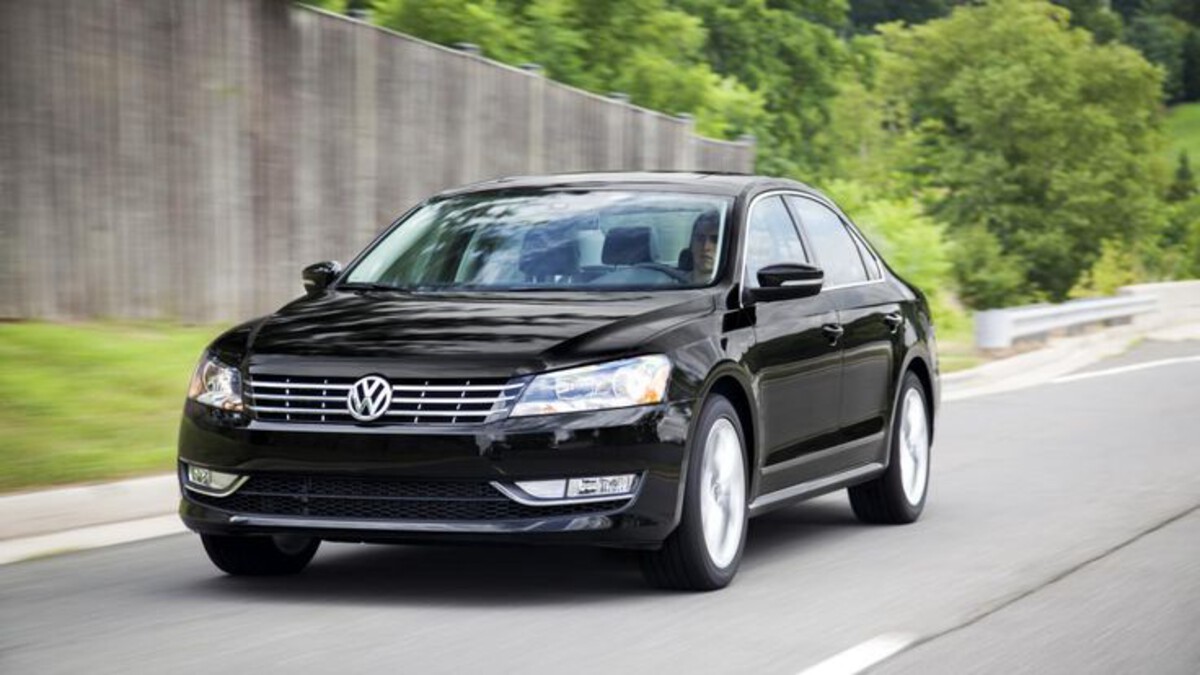
Add to that aging catalytic converters and problematic PCV valves, and you’re facing multiple potential points of failure.
Safety inspections can also be tricky. ABS sensor faults, airbag light issues, and burned-out bulbs tied to electrical faults are all common—and they’re not quick fixes.
Even owners who stay on top of regular oil changes often find themselves chasing faults in the electrical system or fuel line diagnostics.
While newer Passats have improved, older ones can be an annual gamble. If you’re hoping for a smooth ride through your next state inspection, this VW might leave you stranded at the testing center.
When it comes to passing state inspections, the difference between peace of mind and constant stress often comes down to the car you drive. Vehicles like the Toyota Corolla, Honda Accord, Subaru Forester, Mazda3, and Lexus ES350 are not just reliable—they’re built to last without throwing unexpected issues that lead to inspection failures. Their emissions systems hold up, electronics behave, and they’re less prone to the mechanical gremlins that keep others off the road.
On the other hand, cars like the BMW 3 Series (older models), Chevrolet Cruze, Mini Cooper, Dodge Journey, and Volkswagen Passat (2006–2015) often struggle to meet even basic inspection standards without repairs. From bad sensors to worn-out emissions parts and unpredictable electronics, these models make inspections an annual chore—and an expensive one.
Whether you’re shopping used or just want fewer headaches during renewal season, your choice of car plays a huge role. Reliable vehicles won’t just save you time and money—they’ll also keep you road legal without the hassle. In the end, it’s not just about getting from point A to B; it’s about getting there without detours to the repair shop.