
In a world where most drivers clock an average of 40-60 miles a day, there’s a special breed of machines that can run 500 miles daily without breaking a sweat.
Whether you’re a rideshare warrior, a regional rep, or just someone chasing the open road, these cars are built for relentless performance. We’re talking bulletproof powertrains, ultra-comfy cabins, efficient fuel systems, and time-tested durability.
A true high-mileage warrior doesn’t just survive — it thrives under daily torture. From seamless highway cruising to maintaining cabin comfort mile after mile, these five cars were practically born for cross-country marathons.
In contrast, some vehicles barely handle 50-mile stints before needing rest or a mechanic. Those are the models that might seduce you with sleek looks or a budget price tag, but can’t withstand even light-duty long-distance travel. So if you’re looking for a car that can genuinely handle brutal mileage, or want to know which ones to avoid, this guide is your roadmap.
Let’s dive into the five best cars for 500 miles a day — and five you should never trust past your morning commute.
5 Cars That Can Handle 500 Miles Daily
These high-mileage champions deliver reliability, comfort, and performance on the open road. From legendary sedans to rugged hybrids, they’re designed to eat up the miles with minimal wear and maximum peace of mind.
ALSO READ: 5 Affordable Cars That Survive Anything and 5 That Don’t Survive the First Owner
1. Toyota Camry (2012–2022)
It’s no surprise that the Toyota Camry tops this list. With a reputation for outlasting most of its rivals, the Camry is a poster child for long-distance dependability.
Equipped with the bulletproof 2.5L four-cylinder or the smooth 3.5L V6, it can handle consistent 500-mile days with minimal strain on the engine or transmission.
Owners regularly report clocking over 300,000 miles with basic maintenance, and still getting solid MPG.
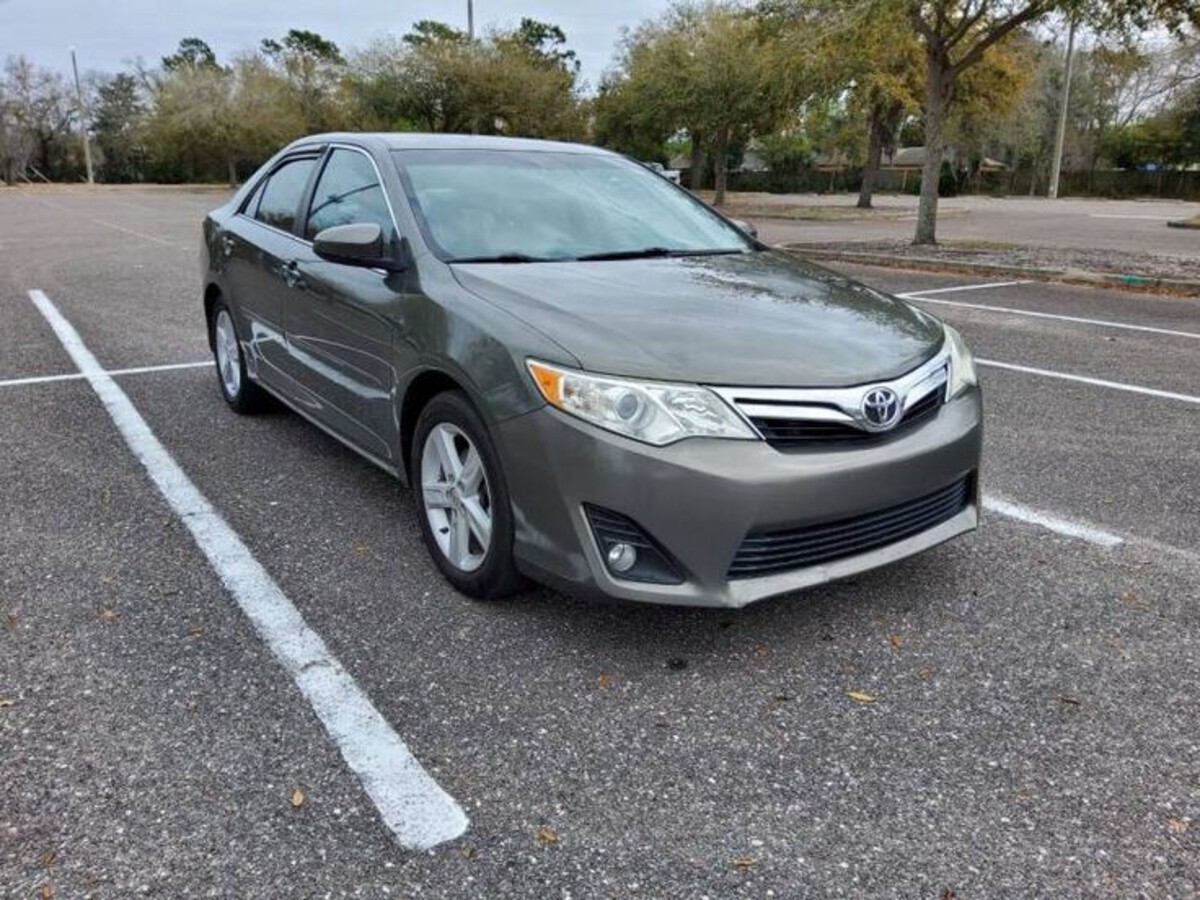
The Camry also shines when it comes to comfort. Spacious seating, intuitive controls, and minimal road noise make highway journeys far more tolerable.
Whether you’re taking a solo ride across states or hauling a full carload, the Camry handles it like a pro.
The ride is firm enough for control, yet soft enough for long-haul relaxation. Add to that a massive aftermarket parts network, cheap maintenance costs, and excellent fuel economy, and it becomes obvious why the Camry is a long-haul warrior.
If your daily route eats asphalt for breakfast, this car is ready to go the distance — every single day.
2. Honda Accord (2013–2021)
The Honda Accord blends bulletproof engineering with high-mileage stamina. Its 2.4L Earth Dreams engine is efficient, reliable, and rarely breaks under pressure.
Opt for the 3.5L V6 and you’ll still enjoy effortless cruising, even when pushing 500 miles daily. The powertrain stays composed even in harsh climates or with stop-and-go city driving mixed in.
Comfort plays a big role here, too. The Accord’s seats remain supportive even after hours behind the wheel.
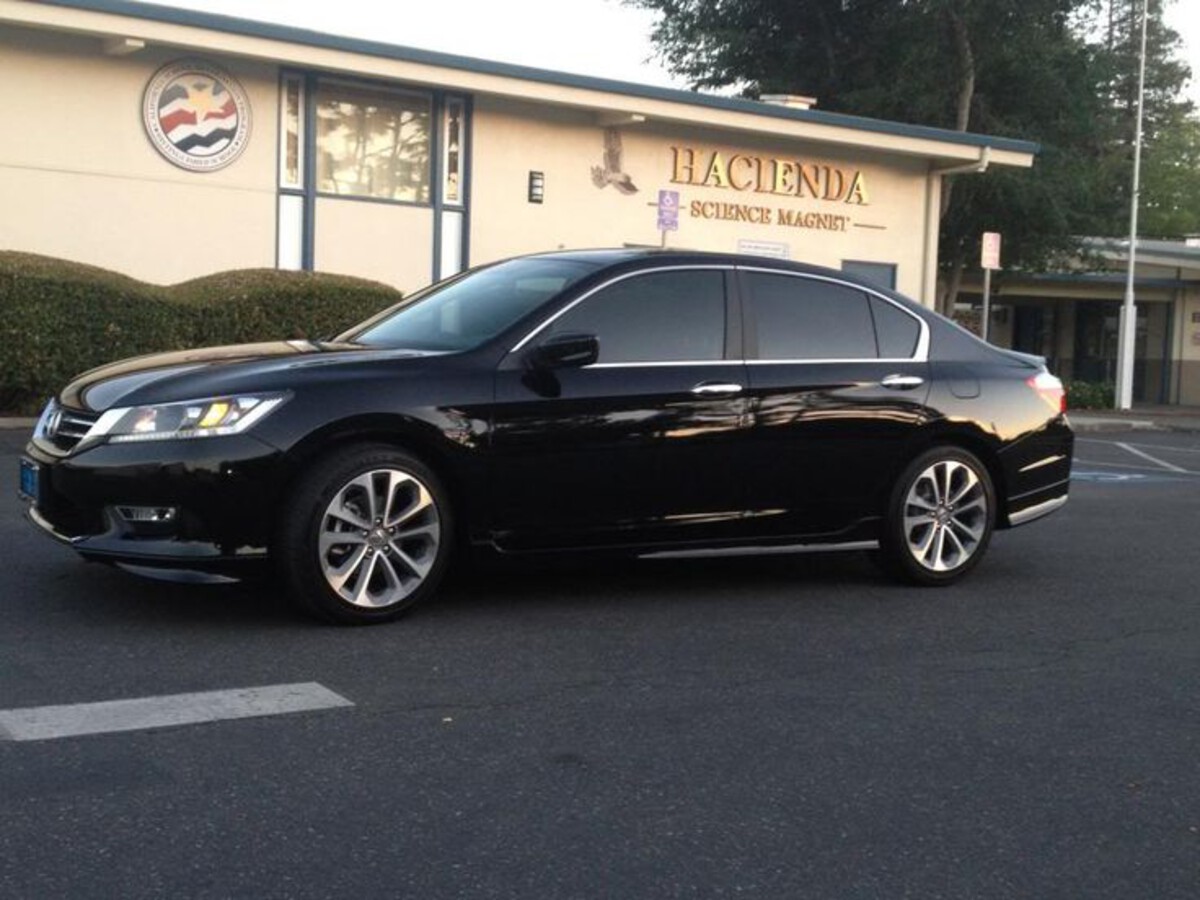
Cabin noise is minimal, and everything from climate control to infotainment just works — no drama.
Transmission problems? Rare. Engine failures? Nearly unheard of if properly maintained. The car doesn’t just survive punishing mileage — it flourishes in it.
Used by Uber and Lyft drivers for years, the Accord has proven its mettle in real-world endurance. Maintenance is straightforward and affordable, thanks to accessible parts and a robust service network.
So if your route spans highways, traffic, and everything in between, the Accord is your tireless companion.
3. Lexus ES350 (2010–2020)
Luxury and longevity don’t always mix, but the Lexus ES350 makes it happen effortlessly.
Built on the same platform as the Camry but with a smoother 3.5L V6 and more premium appointments, the ES350 is the long-distance driver’s luxury dream.
This car can chew through 500 miles a day for years, barely showing wear, and doing it with elegance.
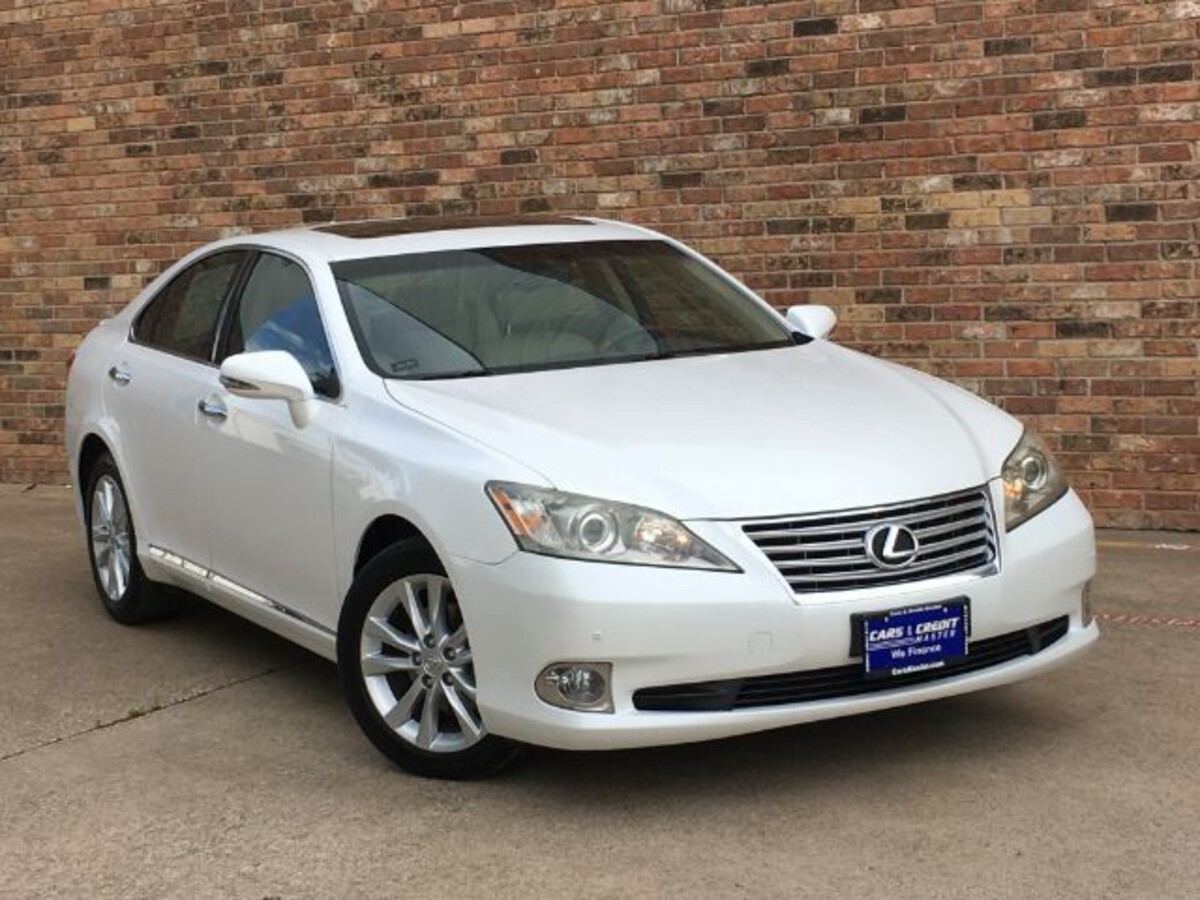
The ES350’s leather seats, whisper-quiet cabin, and silky ride make marathon drives feel like a stroll. Its engine is stress-free even at higher speeds, and the 6-speed automatic transmission is a smooth operator.
No CVT headaches, no turbo complications — just good old-fashioned Japanese reliability in a plush package.
Many Lexus ES owners report 250,000–300,000 miles without major engine or transmission issues. With regular oil changes and timely maintenance, the ES350 is as reliable as it is refined.
If you want long-range comfort without sacrificing reliability, this is your ride.
4. Toyota Prius (2010–2019)
The Prius is often underestimated, but ask any delivery driver or rideshare operator: this car is a long-distance beast. Its 1.8L hybrid drivetrain is shockingly resilient.
Many Prius owners cross 300,000 miles with ease, and driving 500 miles a day is just another Tuesday for this hybrid.
Its high fuel economy (50+ MPG) means fewer gas stops and more efficient travel. Even when driven hard, the battery and motor combination hold up well.
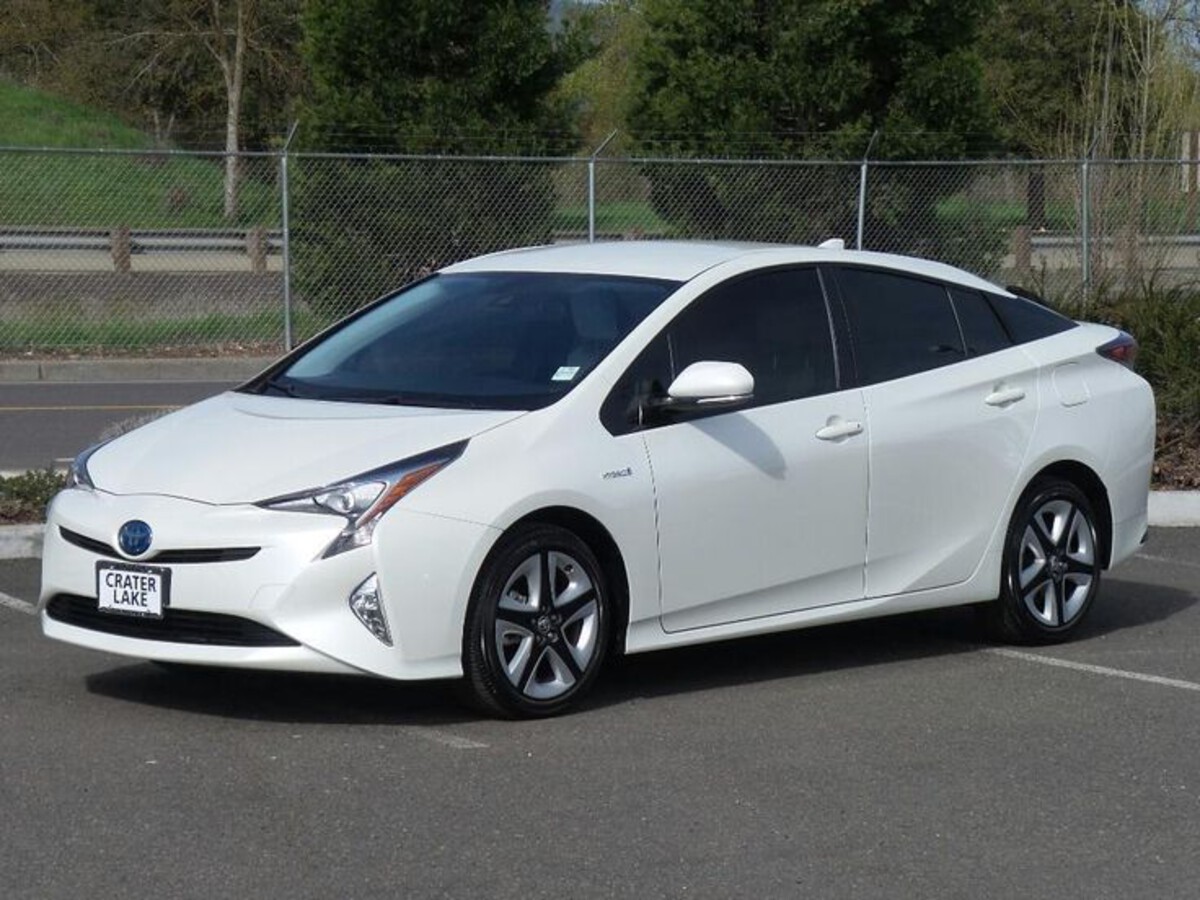
The regenerative braking system also reduces wear on brakes, a major advantage over time.
Inside, the Prius offers plenty of space and comfort for front passengers. While it’s not flashy, its utilitarian design keeps things simple and intuitive, which is perfect for long-haul driving.
Battery replacement might sound scary, but it usually only becomes a concern after 10+ years or 200,000+ miles. And even then, it’s cheaper than an engine rebuild.
In terms of durability, low maintenance costs, and day-in-day-out performance, the Prius is a daily-mileage king.
5. Subaru Outback (2015–2021)
Want something that can handle cross-country drives in all seasons? The Subaru Outback has your back.
Moreover, with symmetrical all-wheel drive, a spacious cabin, and the dependable 2.5L or 3.6L engine, the Outback is designed for long distances and rough roads alike.
Comfort is a major perk — its suspension soaks up highway bumps with ease, and there’s enough cargo room for serious travel.
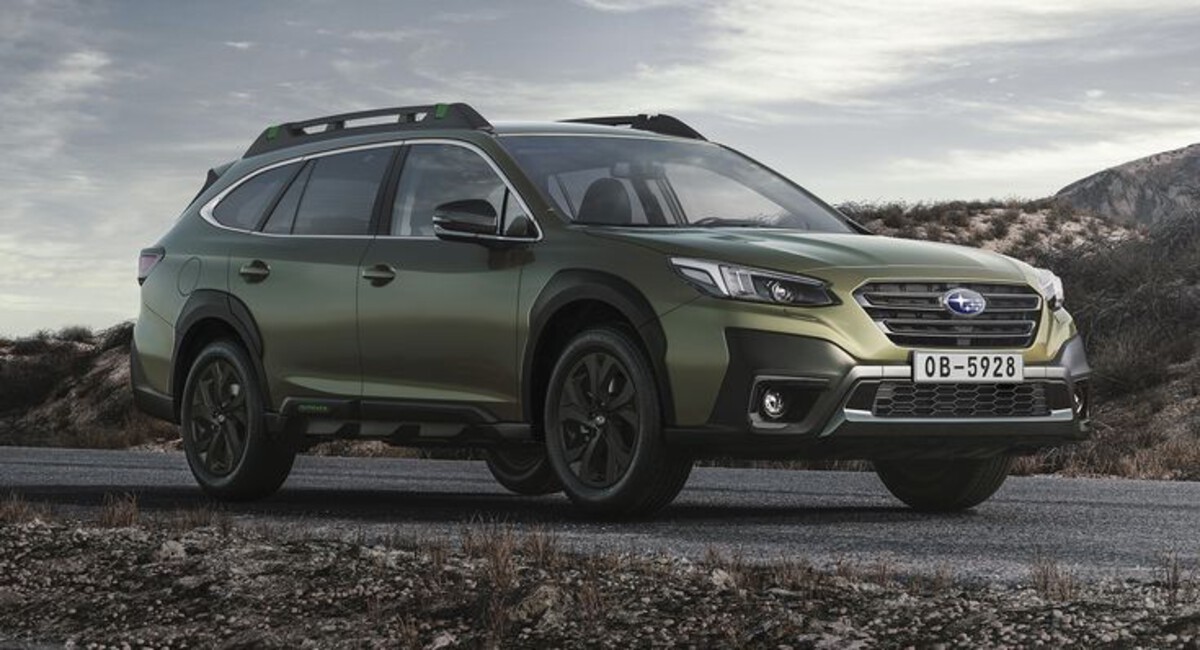
The driving position is relaxed and visibility is excellent, reducing fatigue. It’s a favorite among traveling salespeople, road-tripping families, and off-grid nomads alike.
Yes, early CVT issues haunted Subarus, but post-2015 models ironed most of them out. With proper servicing, the Outback consistently lasts over 250,000 miles.
From snowy mountain passes to desert highways, it handles 500-mile hauls without blinking.
5 Cars That Break After 50 Miles
These cars may look promising, but they’re notorious for poor reliability, overheating, or part failures even on moderate drives. Take them beyond city limits, and you’re playing a risky game with your wallet and patience.
ALSO READ: 5 Trucks With Bed Frames That Never Rust and 5 That Flake After One Winter
1. Fiat 500L (2014–2020)
Marketed as a quirky, practical urban car, the Fiat 500L quickly turned into a mechanical nightmare for many owners.
The 1.4L MultiAir turbo engine is prone to overheating, oil leaks, and turbo failures, especially on extended drives. Add a slow, jerky transmission and countless electrical bugs, and you’ve got a recipe for daily-driving disaster.
Driving 500 miles in a 500L? You’d better bring a prayer and a backup vehicle.

Owners often report breakdowns in under 50 miles when the engine’s under strain. Roadside assistance becomes a routine rather than a backup plan.
The interior may offer space and clever design, but none of that matters when you’re stuck on the side of the highway.
The infotainment system frequently crashes, and the climate controls sometimes give up entirely. Plus, part availability is a problem — you’ll likely wait weeks for repairs. This car is best left for grocery runs and short commutes.
2. Dodge Journey (2009–2020)
The Dodge Journey may look like a road-trip warrior on paper, but its real-world performance on long drives is a different story.
Most models come with a sluggish 2.4L four-cylinder engine that struggles under load, especially when driving uphill or cruising for long hours.
Push it too far, and overheating becomes a genuine risk. The 6-speed automatic transmission is also a known weak link, often failing under sustained high-mileage use.
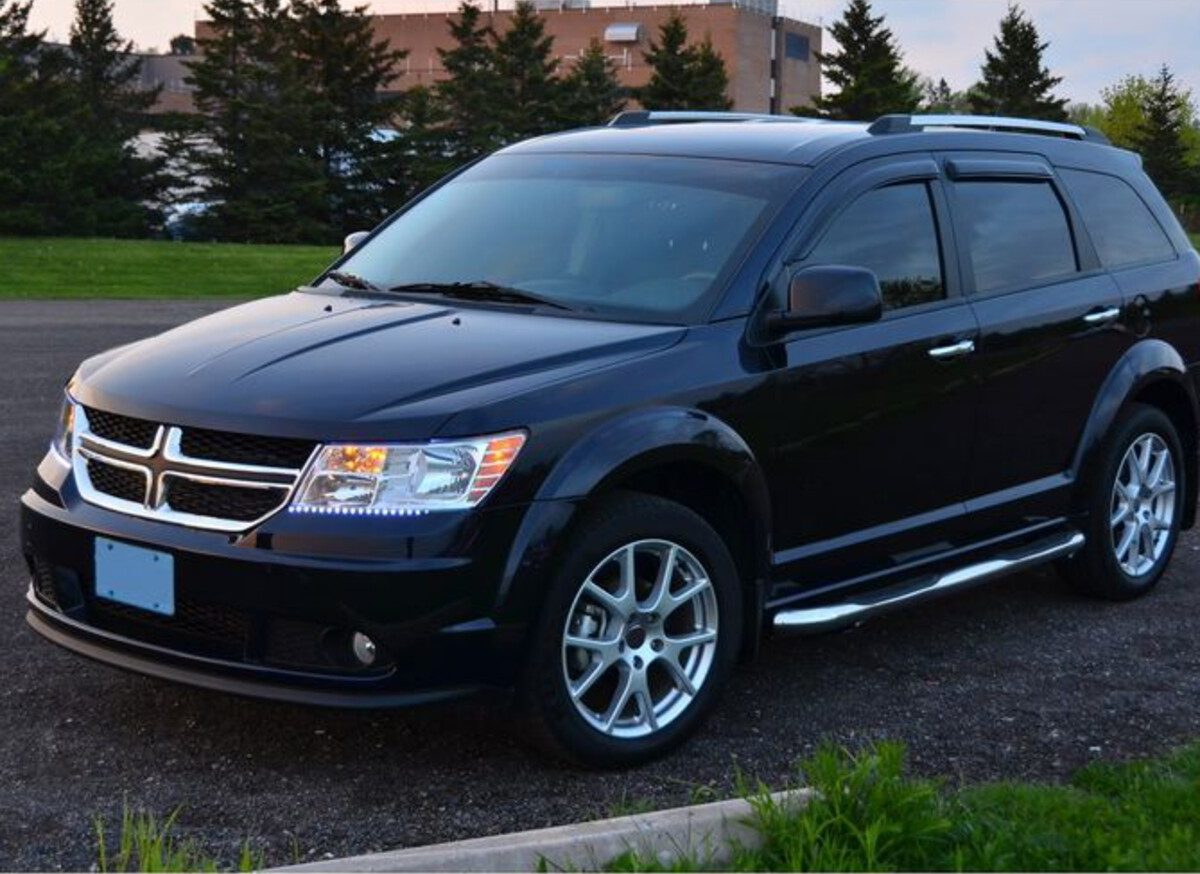
The interior might be roomy, but that comfort is quickly overshadowed by constant check engine lights, electrical gremlins, and worn-out suspension parts.
Even basic things like door handles and air conditioning systems are known to give out early. Some owners report issues within the first 30,000 miles — and that’s with mild use.
Trying to run 500 miles daily in a Dodge Journey will feel like dragging a dying horse uphill.
You’ll either end up stuck at a repair shop or Googling “car rentals near me” way too often. It may be cheap up front, but when it comes to long-term driving, the Journey is anything but a smart one.
3. MINI Cooper S (2011–2016)
The MINI Cooper S might be a joy to drive in the city, but stretch it over 50 miles — especially at highway speeds — and its flaws start showing fast.
The 1.6L turbocharged engine is notorious for carbon buildup, overheating, and even complete engine failure.
Water pumps and thermostats are common failure points, and the timing chain tensioner is practically a ticking time bomb.
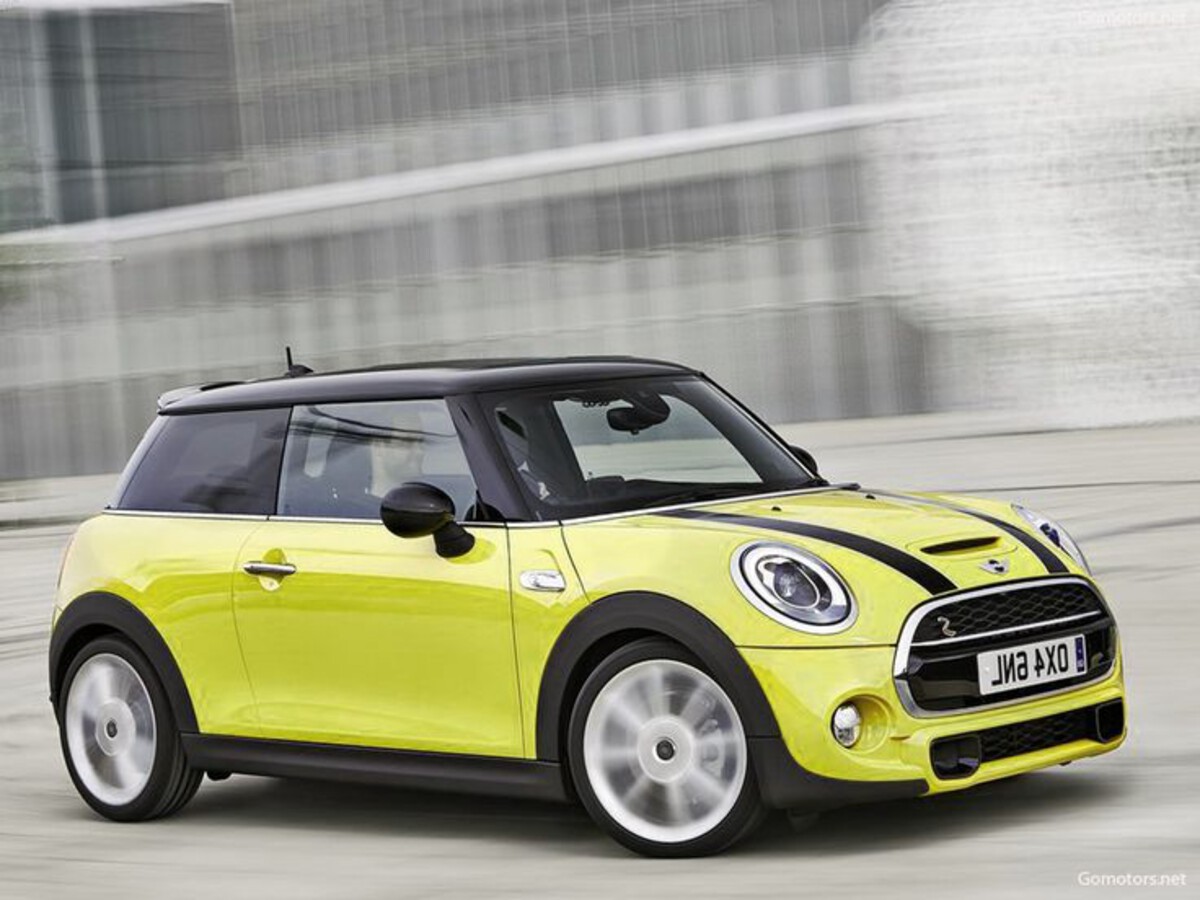
MINIs are also plagued with electrical glitches — from faulty windows to random warning lights, many of which can leave you stranded or force a visit to a specialist mechanic.
Not exactly what you want if you’re banking on this car for high-mileage daily use.
Repairs are expensive, parts are often delayed, and mechanics experienced with MINIs are harder to find in rural areas.
While the go-kart handling might make short drives fun, a 500-mile trip will quickly feel like a mechanical gamble. Unless you like breakdowns or budgeting for a tow truck, this car is best kept in the city.
4. Chevrolet Aveo (2005–2011)
The Chevrolet Aveo is the ultimate example of a car that wasn’t made for endurance. Designed as an entry-level compact, it struggles to keep up on highways for extended periods.
The tiny 1.6L engine over-revs constantly during long-distance travel, often leading to head gasket failures or overheating before even hitting the 100,000-mile mark.
Transmission issues are also prevalent, particularly in earlier automatic models.
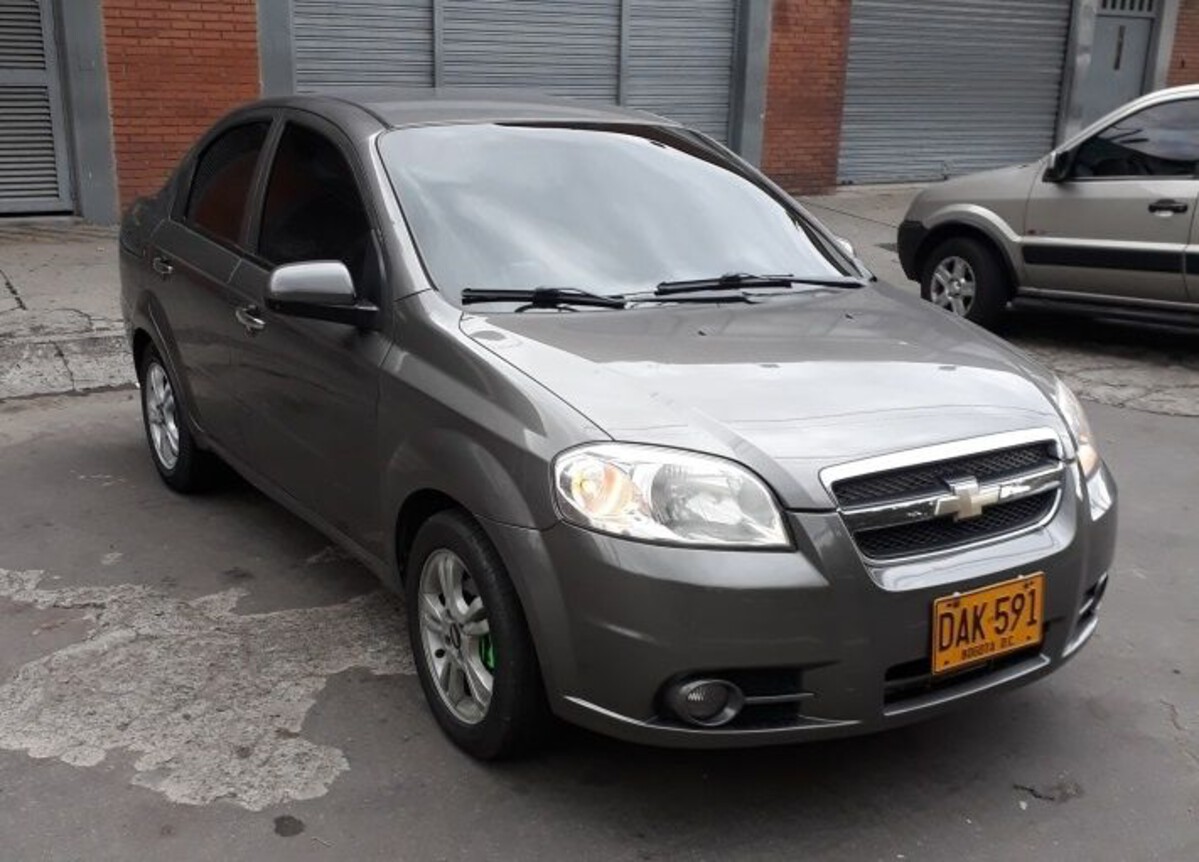
Combine that with fragile suspension components and poor build quality, and you’ve got a car that’s better left for neighborhood errands.
Try pushing the Aveo past 50 miles regularly, and you’ll notice it fights you every step of the way — vibrating, overheating, or worse.
Even routine maintenance doesn’t guarantee long life. Timing belt failures are common, and many owners report major mechanical problems before even hitting 75,000 miles.
If you’re relying on the Aveo for high-mileage trips, be prepared for breakdowns — and bring a friend with jumper cables.
5. Jeep Compass (2007–2017)
Despite the rugged Jeep name, the first-generation Compass is anything but trail-ready or long-distance capable. Its underpowered 2.0L and 2.4L engines constantly strain under highway driving conditions.
The CVT (Continuously Variable Transmission) is particularly failure-prone, often overheating or slipping during prolonged use, making any 500-mile trip nerve-wracking.
Comfort is minimal too — rough ride quality, cheap interior materials, and noisy road feedback make every mile feel like double.
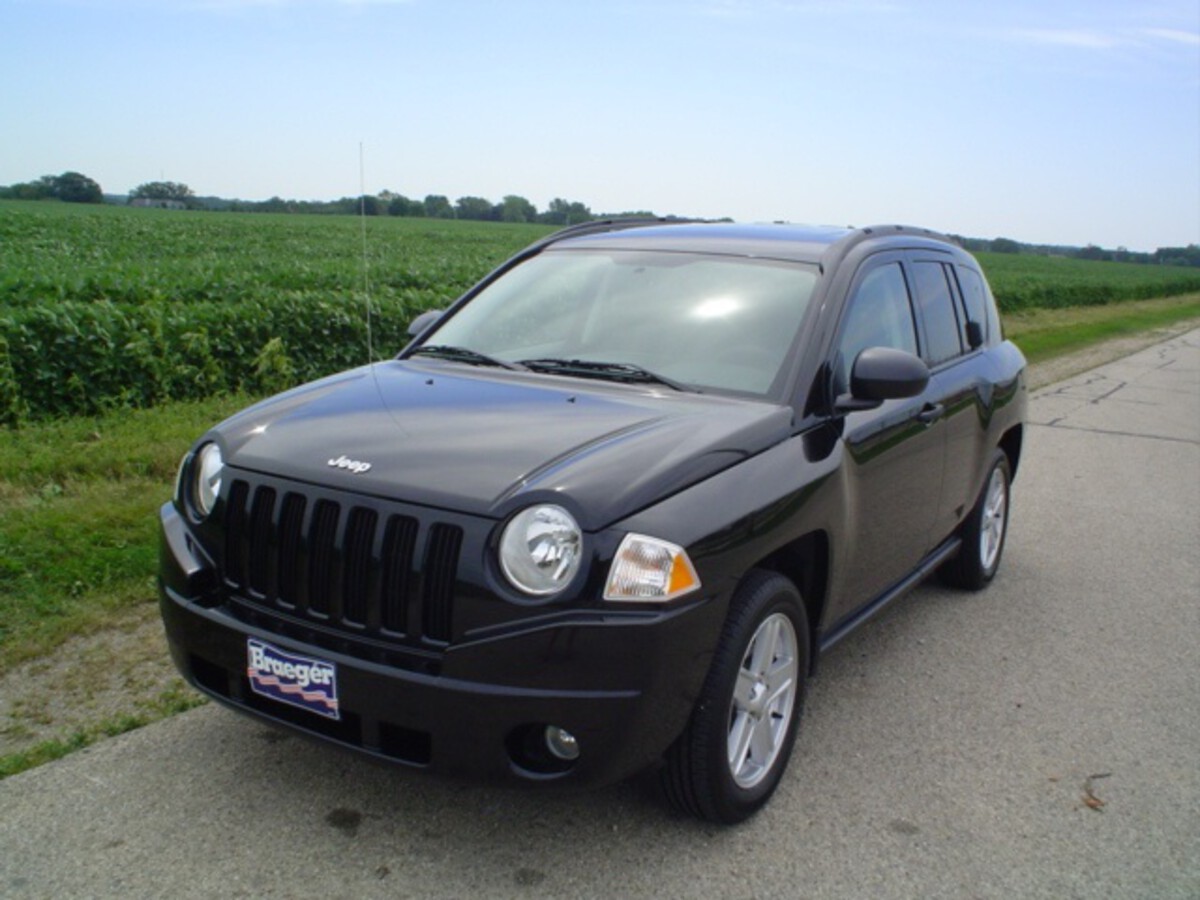
Owners often report issues with wheel bearings, suspension components, and electrical problems within the first 60,000 miles.
Some even experience complete engine or transmission failure by 90,000 miles — well below long-haul expectations.
The Compass looks the part of a rugged, road-ready SUV, but it’s more of a driveway ornament than a reliable traveler.
Use it for a short grocery run or quick school drop-off? Maybe. Use it for daily 500-mile commutes? You’re asking for expensive trouble.
If your lifestyle or job requires pounding pavement day in and day out, your car becomes more than just transportation — it’s your daily partner, your comfort zone, and your most reliable tool. That’s why choosing a vehicle that thrives under daily high-mileage pressure is essential.
The right car will give you peace of mind, low operating costs, and minimal downtime. Models like the Toyota Camry, Honda Accord, and Lexus ES350 are proof that long-distance champions do exist — and they’ll go the extra mile without asking for much in return.
On the flip side, some cars simply aren’t built for the grind. They might look appealing at first glance or come with attractive price tags, but when tested with real-world distance, their flaws come crashing down — sometimes literally.
If you’re planning on logging 500 miles a day, avoid models like the Fiat 500L or Jeep Compass unless you enjoy constant repairs and sky-high maintenance bills.
The bottom line? Mileage matters — and so does your choice of machine. Pick one of the proven warriors above, and you’ll stay on the road longer, safer, and happier.