When shopping for an affordable car, most people focus on the sticker price, but that’s only part of the story. What drains your wallet isn’t the monthly payment—it’s the unexpected trips to the mechanic.
Some budget-friendly rides deliver years of worry-free driving with dealer-level reliability, while others quickly become driveway decorations that nickel-and-dime you to death. If you’re eyeing long-term peace of mind, you need a car that’s not just cheap to buy but built to last with minimal maintenance.
In this blog, we’ve put together a battle-tested list of 5 affordable cars known for ironclad reliability and 5 that are infamous for constant repairs.
These cars may seem similar on paper, but ownership experiences vary wildly depending on what’s under the hood—and how well it’s built. Whether you’re buying your first car, hunting for a dependable daily driver, or just sick of mechanic bills, this list will steer you in the right direction.
Let’s break down which budget-friendly vehicles will stick by your side like a loyal pup, and which ones will leave you stranded on the highway, wondering why you didn’t just take the bus.
5 Affordable Cars With Dealer-Level Reliability
These cars prove you don’t need to spend big bucks to get long-lasting quality. They’re trusted by mechanics, praised by owners, and built to go the distance. With strong engines, durable transmissions, and minimal fuss, these budget warriors deliver dealer-level reliability without the dealer price. If you want a car that just works—year after year—these are the ones to trust.
ALSO READ: 10 Battery Brands That Rarely Fail – Performance, Power, and Peace of Mind Guaranteed
1. Toyota Corolla (2014–2019)
It’s no surprise the Toyota Corolla leads this list—it’s the gold standard in affordable reliability. With a reputation built over decades, the 2014–2019 models offered exceptional fuel economy, solid build quality, and ultra-low maintenance needs.
Its 1.8L 4-cylinder engine is known for smooth operation and lasting well over 300,000 miles with basic care.
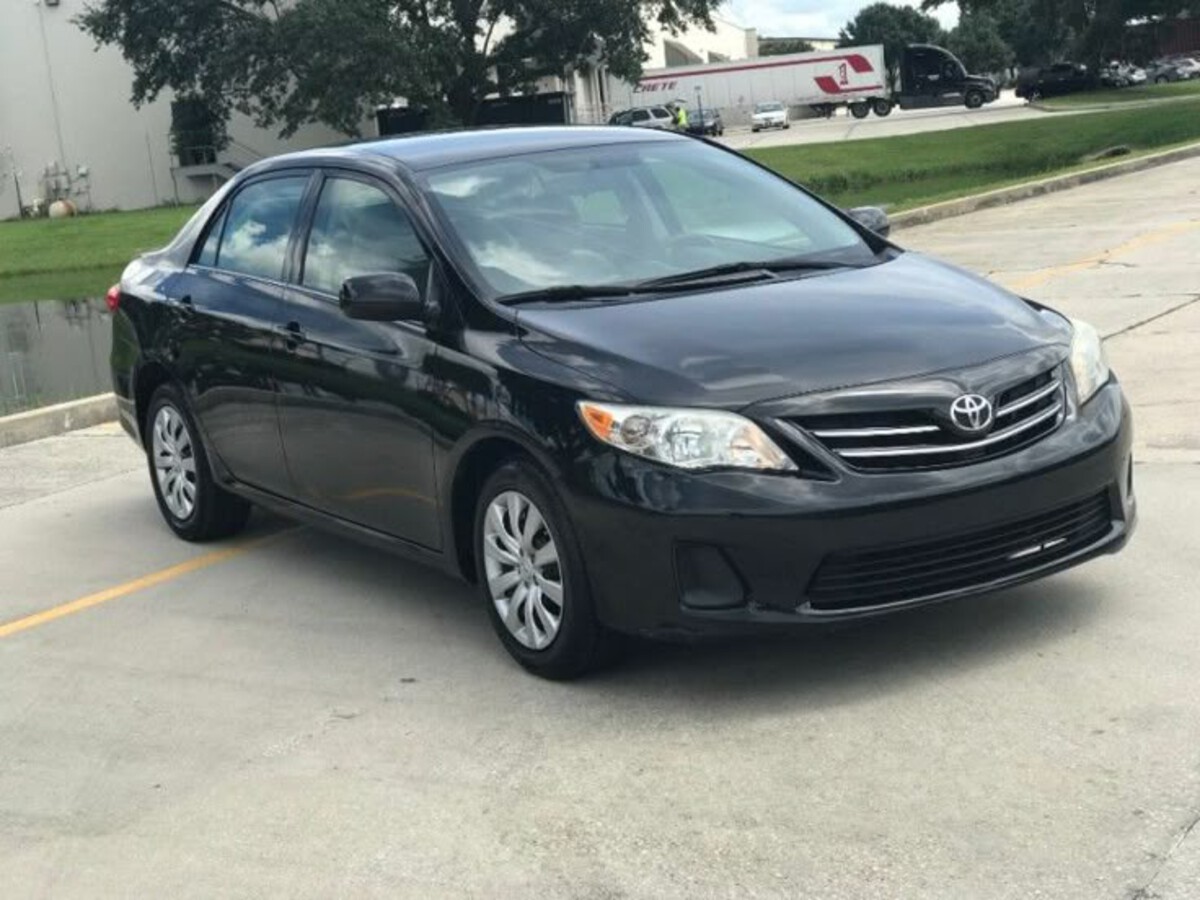
Beyond the bulletproof engine, the Corolla’s CVT transmission is more reliable than most, and interior components hold up better than anything else in its class.
Parts are inexpensive, and because Toyota sold millions, service is easy and affordable. You’ll also find a surprisingly quiet cabin and decent tech in the later years, making it feel more upscale than its price tag suggests.
For commuters, college students, or anyone who wants low stress from point A to B, the Corolla is a no-brainer.
It’s not flashy, but when your friends are stuck at the dealership for the third time this year, you’ll be glad you made the boring but brilliant choice.
2. Honda Fit (2015–2020)
The Honda Fit is a subcompact miracle.
Don’t let its size fool you—it offers massive interior space thanks to Honda’s “Magic Seat” system, exceptional fuel efficiency, and a track record of mechanical reliability that puts luxury brands to shame.
Its 1.5L engine is simple but rock-solid, and the manual transmission variant is practically unkillable.
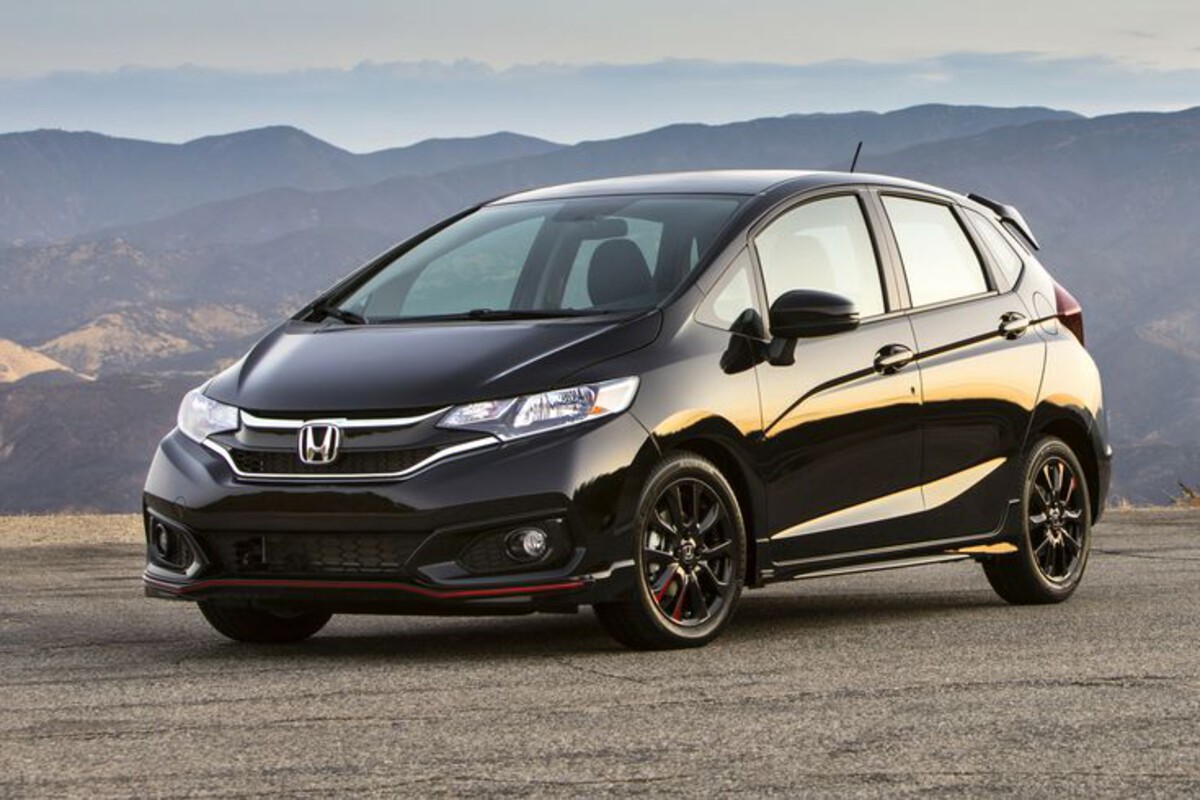
From city driving to light road trips, the Fit does it all. Plus, it’s incredibly cheap to service, with most routine maintenance doable in your driveway.
Even the CVT models, often a concern in other cars, have shown strong longevity when serviced regularly. Owners rave about hitting 200,000 miles with ease.
If you’re after a nimble, fuel-efficient car that doesn’t cost a fortune to maintain, the Honda Fit delivers. It’s the ultimate example of smart engineering on a budget.
3. Mazda3 (2014–2018)
The Mazda3 blends driving joy with affordability and long-term dependability. Between 2014 and 2018, Mazda perfected this formula, offering sporty handling, premium interiors, and bulletproof SkyActiv engines—all without breaking the bank.
These engines, especially the 2.0L and 2.5L variants, are known for lasting upwards of 250,000 miles with minimal issues.
Unlike other budget cars that sacrifice quality, the Mazda3 feels upscale.
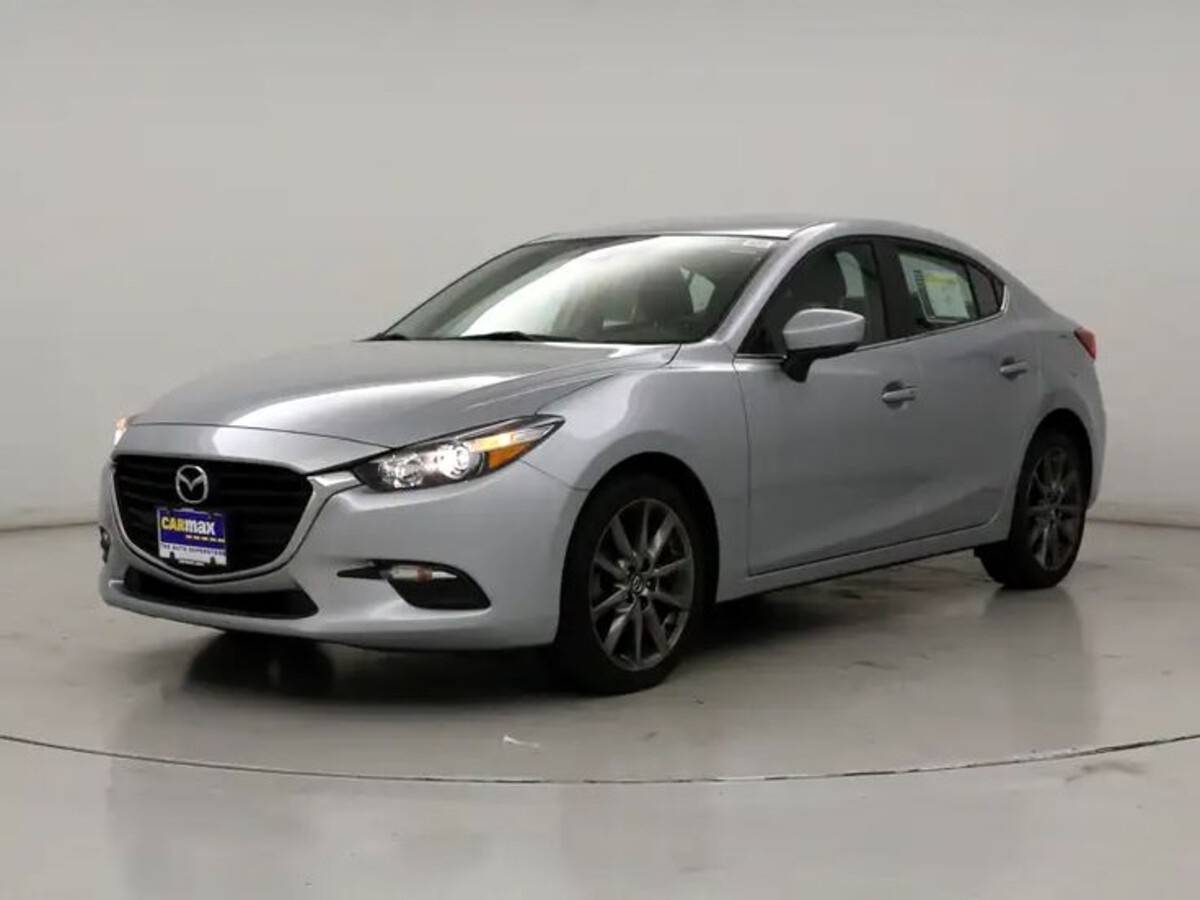
There’s no unnecessary complexity under the hood, and common maintenance items—like brakes and filters—are both cheap and easy to replace.
The automatic transmission is also well-regarded, free from the dreaded CVT quirks.
Mazda may not have the same reliability halo as Toyota or Honda, but this generation of the Mazda3 deserves recognition. It offers engaging driving dynamics with the same longevity and fewer annoying quirks than rivals in its price bracket.
4. Hyundai Elantra (2017–2020)
Hyundai has come a long way from its early days. The 2017–2020 Elantra is a perfect example of the brand’s transformation, offering strong reliability, excellent standard features, and one of the best warranties in the industry.
The 2.0L engine in base trims is simple and proven, avoiding the issues of the turbocharged variants.
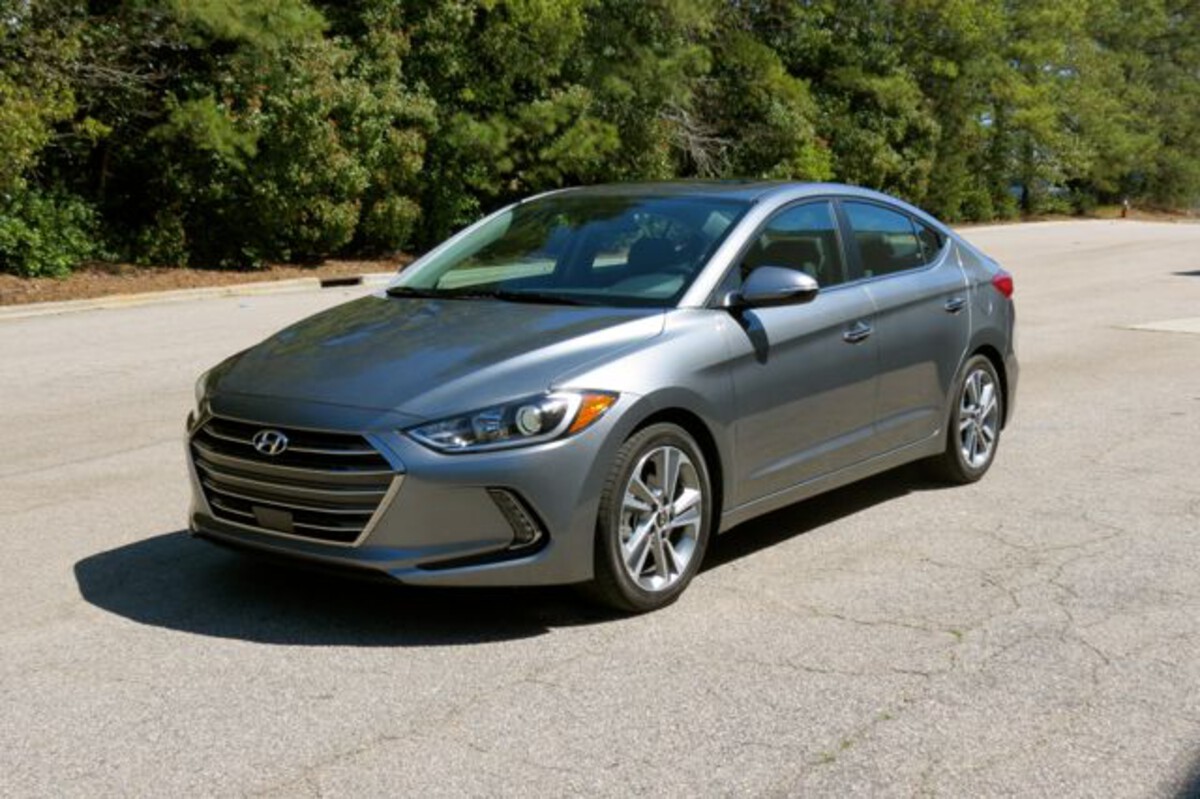
This Elantra is a budget buyer’s dream—cheap to buy, affordable to fix, and with decent comfort and tech. Parts are easy to find, and mechanics don’t shy away from working on them.
Reliability scores during these years were strong, and many owners report over 150,000 miles with just routine maintenance. While it doesn’t have the legacy of Toyota, Hyundai’s value-packed Elantra has proven itself a smart, dependable buy.
5. Nissan Sentra (2013–2017)
The Nissan Sentra might raise eyebrows, but during 2013–2017, this compact sedan quietly became one of Nissan’s most dependable models.
Avoiding some of the earlier CVT issues and sticking with basic engine designs, the Sentra earned a reputation for being simple, spacious, and surprisingly durable, especially the S and SV trims.
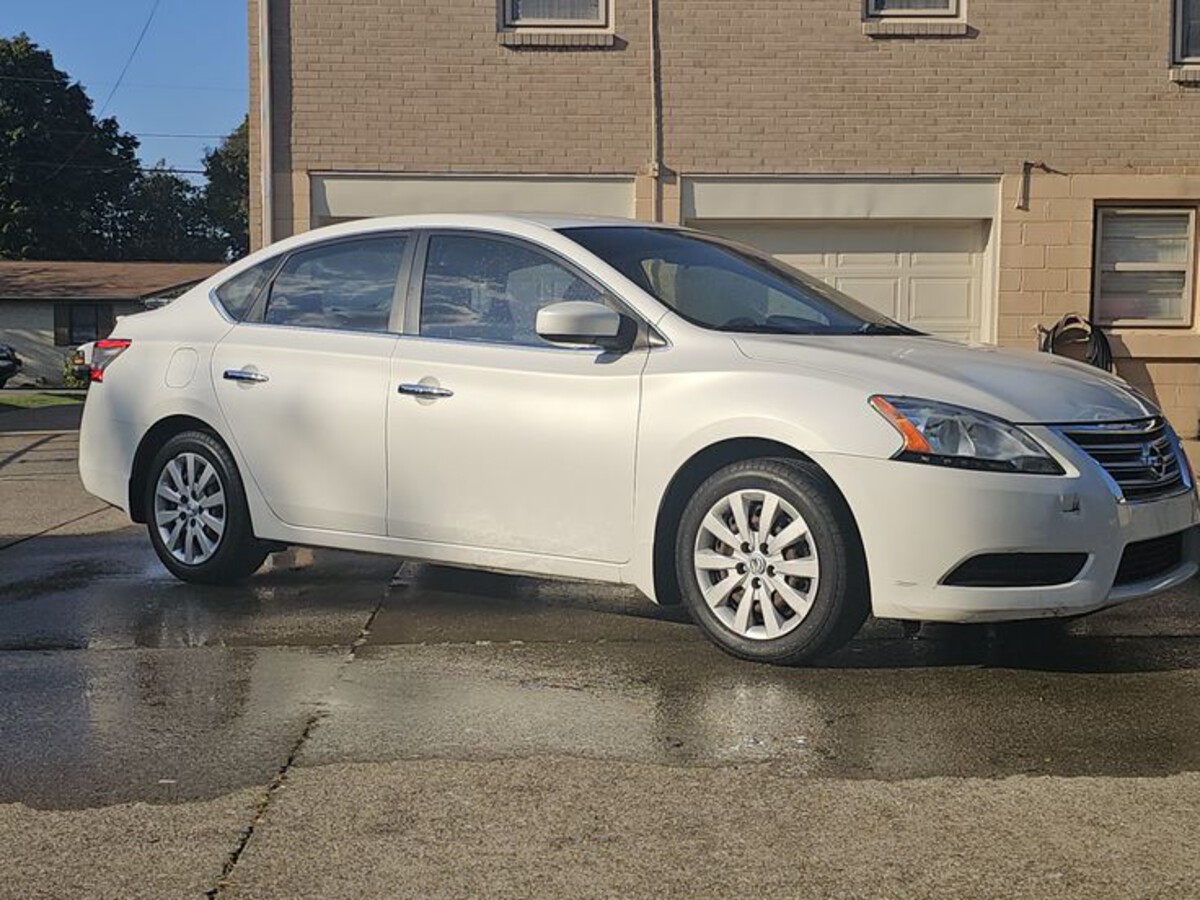
With proper care, these Sentras regularly reach 180,000+ miles. The 1.8L engine may not be exciting, but it’s efficient and built to last.
Repairs are cheap, parts are everywhere, and the cabin is roomier than you’d expect at this price point.
While Nissan’s reputation took a dip due to CVT issues in other models, this particular range of Sentras proves that not all affordable cars are built equal, and this one definitely leans toward the reliable end.
5 That Always Need Service
These cars may seem like a bargain at first, but they’ll drain your wallet with constant issues. Whether it’s faulty transmissions, weak engines, or electrical gremlins, these are the cars mechanics love—because they keep coming back. If you want to avoid stress, roadside assistance calls, and surprise bills, steer clear of the following money pits.
ALSO READ: 5 Fluids You Should Always Keep Full to Protect Performance and Ensure Safety
1. Dodge Dart (2013–2016)
The Dodge Dart came back to life in 2013 with promises of style, technology, and European-inspired engineering. On paper, it looked like a strong contender in the compact sedan market.
But in practice, it quickly developed a reputation for being one of the most frustrating vehicles to own in its class.
The biggest culprit? It’s a troublesome transmission, particularly the dual-clutch automatic found in many trims. Owners commonly report harsh shifting, laggy acceleration, and outright transmission failure before reaching 100,000 miles.
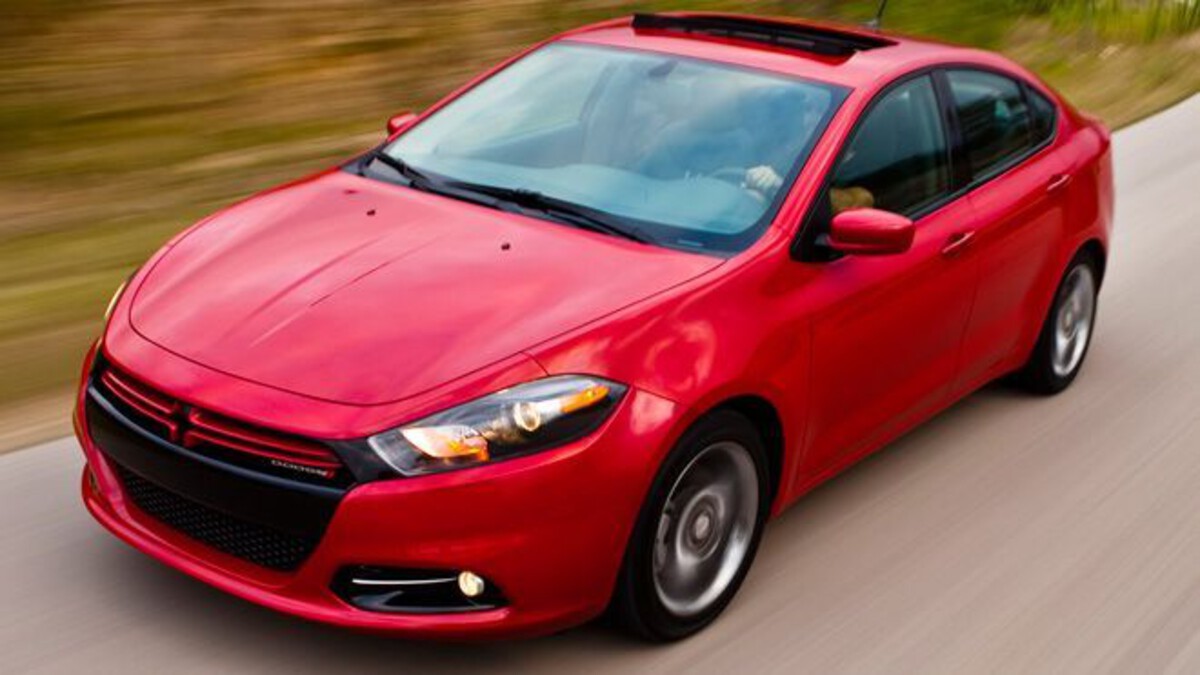
But the headaches don’t stop there. Engine stalling issues, faulty sensors, and repeated electrical glitches turn everyday drives into stressful gambles.
Simple components like throttle position sensors or backup cameras often fail early and require costly replacements. These frequent malfunctions lead to shop visits that rack up bills fast.
Adding insult to injury, replacement parts can be hard to source, and since the Dart was discontinued in 2016, Fiat-Chrysler’s long-term support for the model is limited.
This leaves many mechanics forced to work around vague diagnostics and non-standardized components.
Despite its sporty looks and modern features, the Dodge Dart became a textbook example of form over function. It’s a car that overpromised and underdelivered—flashy on the lot but a financial burden in the long run.
2. Chevrolet Cruze (2011–2015)
At first glance, the Chevrolet Cruze appears to be a practical, budget-friendly compact sedan with decent fuel economy and a comfortable ride.
But beneath its sensible exterior lies a car that has left thousands of owners regretting their purchase, especially the 2011–2015 models equipped with the 1.4L turbocharged engine.
These models are notorious for blown head gaskets, coolant leaks, and chronic overheating, often requiring major repairs before reaching even 100,000 miles.
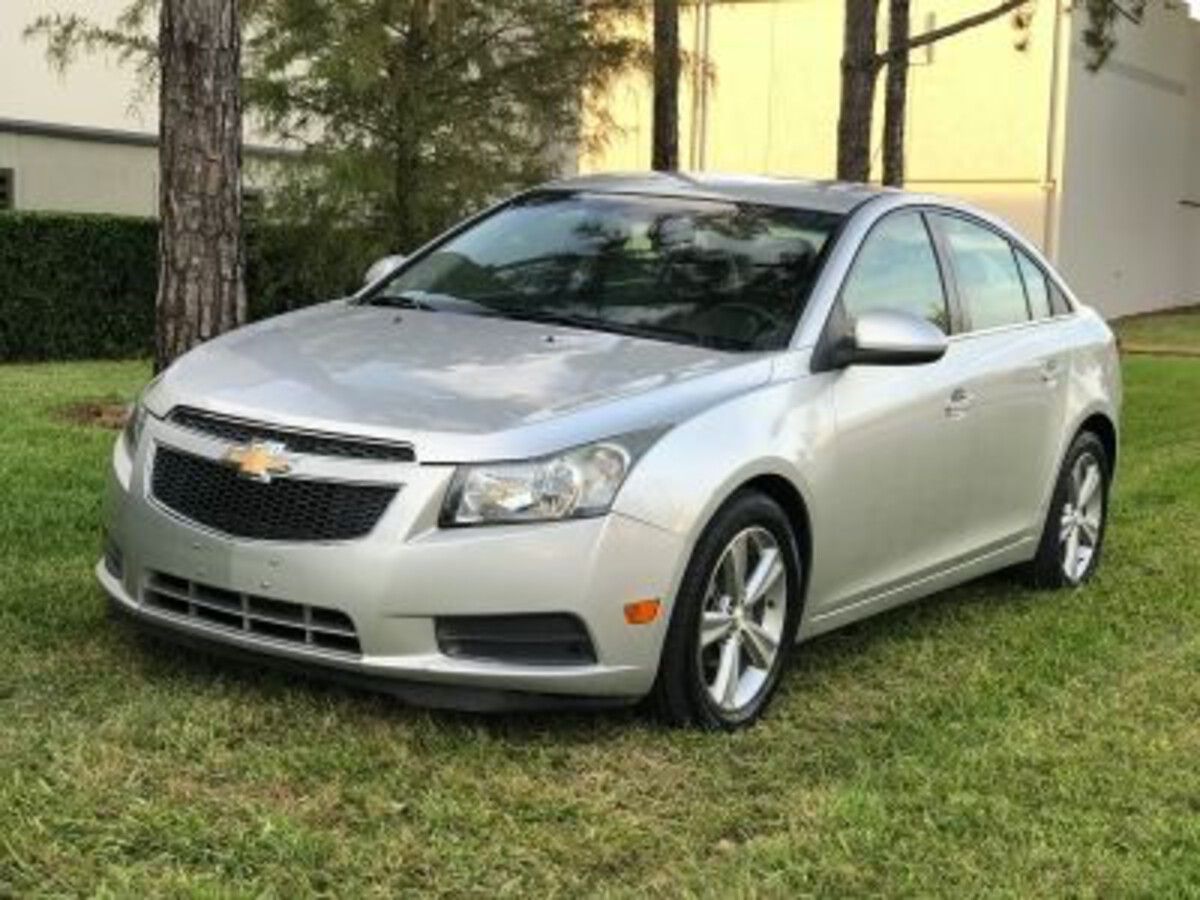
Water pump failures are common and frequently recur. Combine that with electrical system issues, turbo problems, and sensors that love to trigger the check engine light, and you’ve got a car that keeps coming back to the shop.
The issues are so frequent that many owners report having multiple repairs in a single year.
To make things worse, even routine maintenance like changing spark plugs or fixing a thermostat can be labor-intensive and costly, thanks to cramped engine bays and poorly laid-out components.
Parts wear out prematurely, and mechanics often warn buyers to steer clear unless they’re prepared for frequent surprises.
While the Cruze may be appealing for its low used prices, the savings vanish quickly in the face of constant repairs and time off the road. It’s a classic example of a car that’s cheap to buy but expensive to own.
3. Ford Focus (2012–2016)
The 2012–2016 Ford Focus could have been a top contender in the compact car segment—it offered a sleek design, great fuel economy, and impressive handling.
But under the surface, it harbored one of the most controversial components in recent automotive history: the PowerShift dual-clutch transmission.
Designed to deliver the efficiency of a manual with the convenience of an automatic, it instead became a mechanical nightmare.
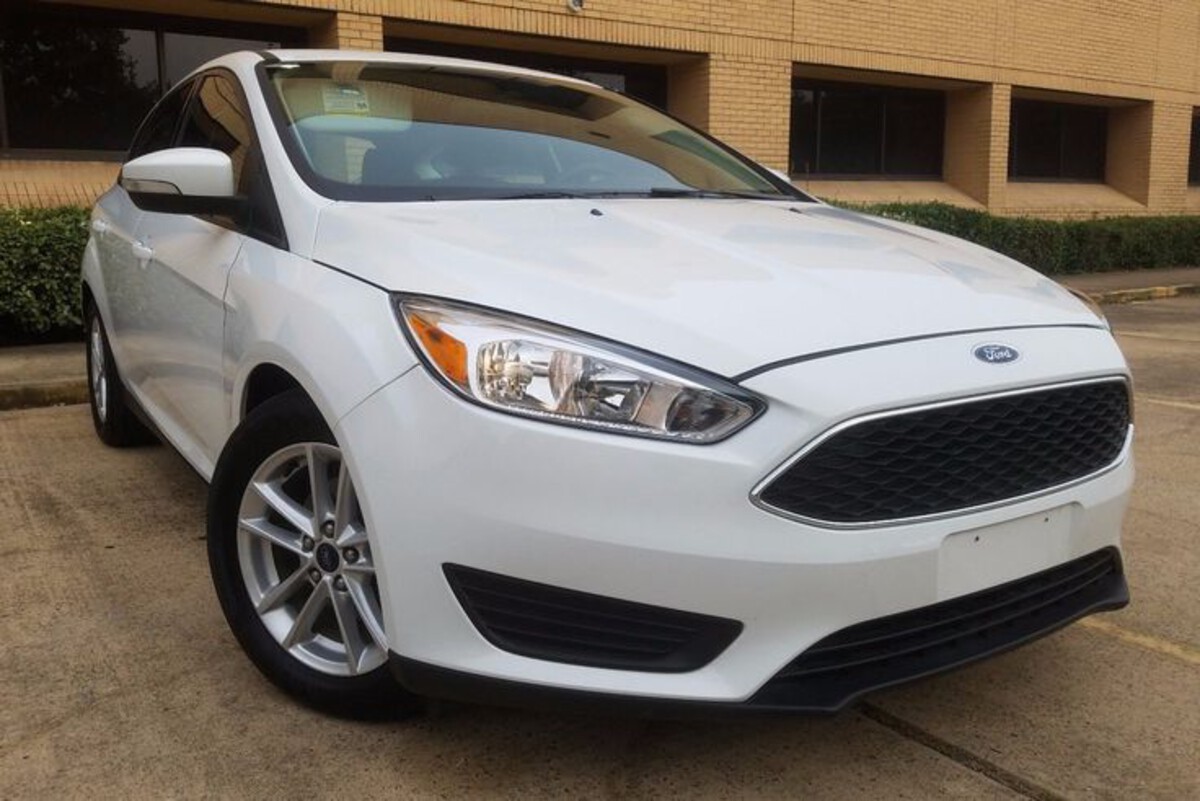
Owners commonly experienced hesitation, shuddering, hard shifting, and complete transmission failures—sometimes within the first 50,000 miles.
These problems were so widespread that they led to multiple lawsuits, class-action settlements, and buyback programs. Even when repaired, many cars developed the same issues again, making trust in the fix difficult.
But the problems didn’t stop there. Faulty ignition components, stalling, rapid suspension wear, and electrical issues added to the list of headaches.
While the manual transmission models are more reliable, they’re harder to find on the used market—most Focuses came with the problematic PowerShift system.
It’s a disappointing story for a car that could have been great. The Focus had all the ingredients for success, but poor execution—especially in its transmission design—left many owners dealing with high repair costs and ongoing frustrations. For used car buyers, it’s a risk that’s hard to justify.
4. Mini Cooper (2011–2015)
Mini Coopers are undeniably fun to drive, with their sharp handling, iconic styling, and premium feel in a small package.
They attract buyers looking for something different—something with personality. But that character often comes at a steep cost.
Despite their charm, Mini Coopers from 2011 to 2015 are among the most maintenance-heavy small cars on the market, plagued by a wide range of mechanical issues.
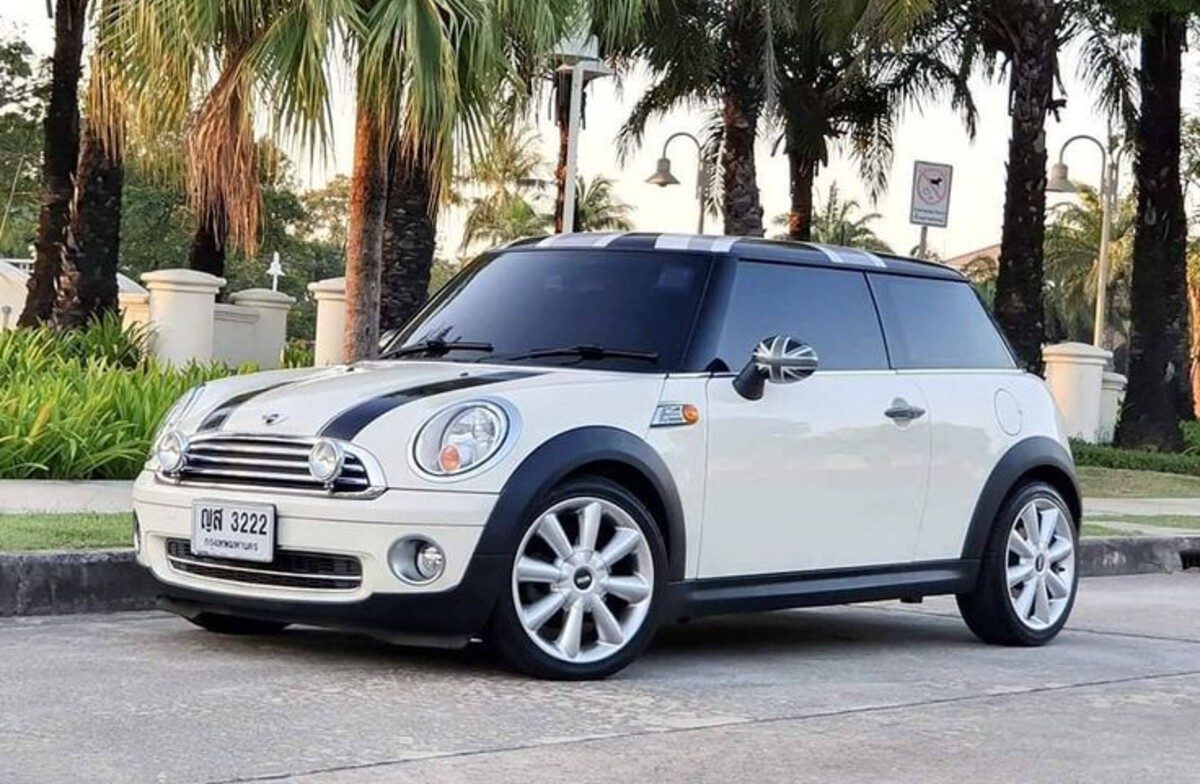
One of the most common and expensive problems involves the timing chain tensioner, which can fail early and catastrophically if not addressed.
Other known trouble spots include failing water pumps, leaky thermostats, unreliable turbochargers in S models, and finicky electronics that cause everything from malfunctioning lights to random warning messages.
These aren’t isolated problems—they’re recurring complaints across thousands of owner reports.
What makes it worse is the BMW engineering influence. While it gives the Mini its performance edge, it also brings the same costly complexity.
Diagnosis often requires specialized tools, and parts prices can rival those of premium German brands. Labor costs add up quickly.
A used Mini Cooper might look like a great deal with its upscale interior and sporty vibe. But in reality, it’s often a money pit disguised as a bargain. Fun at first—regret later.
5. Fiat 500 (2012–2017)
The Fiat 500 may win hearts with its retro charm and compact design, but beneath its quirky exterior lies a car that consistently frustrates owners and mechanics alike.
Across almost every model year from 2012 to 2017, the 500 has suffered from a laundry list of problems, most notably, transmission issues that cause jerky shifting, hesitation, and in some cases, complete failure.
To make matters worse, many of these issues surface well before 100,000 miles.
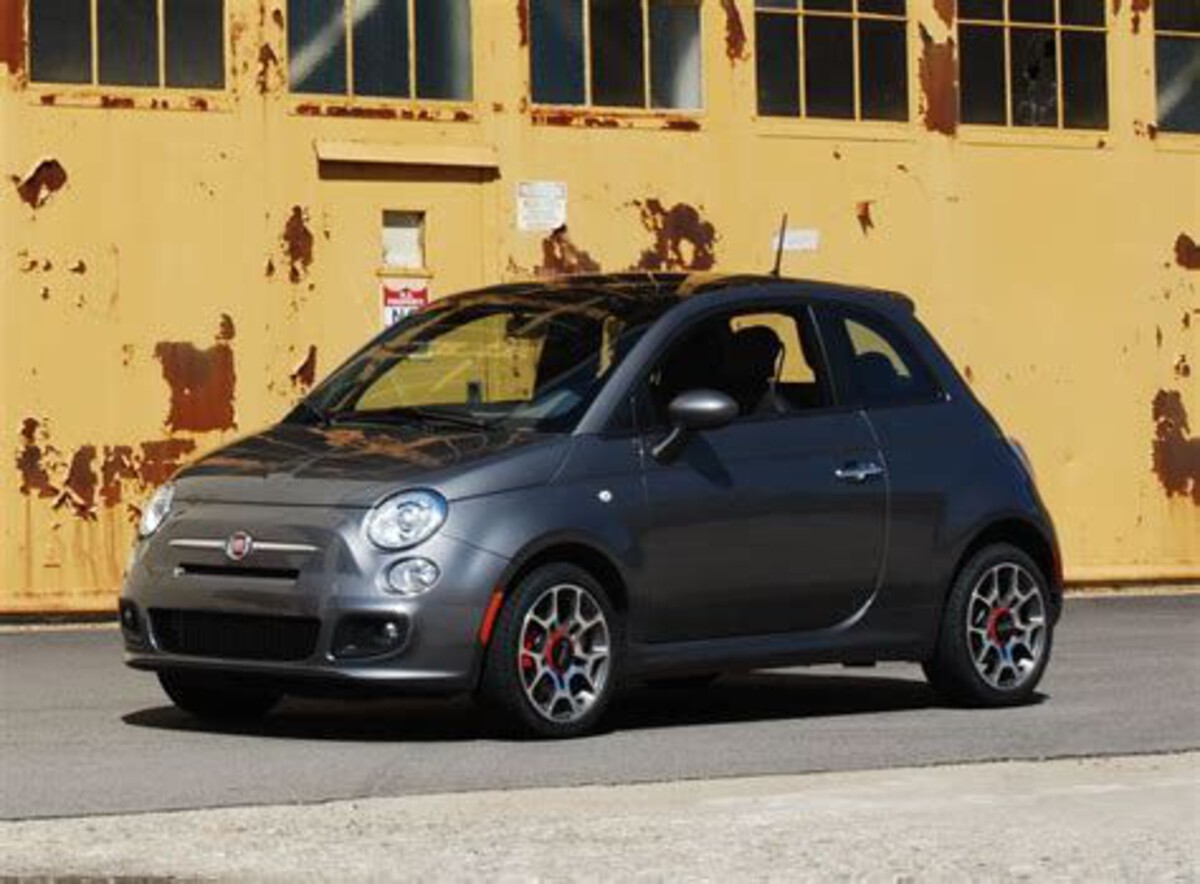
Beyond the gearbox, the Fiat 500 also struggles with excessive oil consumption, premature suspension wear, and recurring electrical faults that result in dash lights randomly lighting up.
Even minor repairs can turn into major expenses due to awkward part placement and poor serviceability. Mechanics often complain that the design makes routine maintenance more time-consuming than it should be.
The 500L, Fiat’s larger and supposedly more practical sibling, fares even worse. Its unusual layout and problematic dual-clutch transmission have earned it a reputation as one of the least reliable small cars in its class.
Pair that with limited parts availability and underwhelming dealer support in many regions, and the Fiat 500 becomes a car that demands far more attention—and money—than it’s worth. What starts as a cute city cruiser often ends as a cautionary tale.
A low purchase price doesn’t mean a car is truly affordable. The true cost of ownership includes maintenance, reliability, and your peace of mind.
While some budget cars will faithfully serve you for years with little more than oil changes, others will chain you to the repair shop with costly surprises.
Models like the Toyota Corolla, Honda Fit, and Mazda3 prove that reliable budget cars do exist, blending value and long-term dependability. They save money not just at the dealership, but every mile you drive.
On the flip side, Dodge Dart, Chevy Cruze, and Mini Cooper are cautionary tales of how flashy design or tech can’t make up for weak engineering.
These vehicles might offer more features up front, but they’ll likely cost you more in frustration, time, and cash down the road.
So if you’re in the market for an affordable car, don’t just ask “What’s the price?”—ask, “How often will I need a tow truck?” Choose wisely, and you’ll end up with a car that works with you, not against you.