
Let’s face it—clutches aren’t supposed to last forever. They’re wear-and-tear items, expected to eventually give up after years of gear-slamming, hill-holding, and city-traffic abuse.
But every now and then, you come across a car that absolutely shatters the rulebook—200,000+ miles, same clutch, no drama. No shuddering, no slipping, no smell of burning lining. Just old-school mechanical reliability.
And then… there are the divas. The cars that treat clutches like consumables, begging for a new one almost every year—or sooner if you actually enjoy driving them the way they were advertised. These models might offer performance or luxury, but under the hood, they hide a ticking time bomb for your wallet.
This article isn’t just for the gearheads or the spreadsheet warriors tracking maintenance costs—it’s for anyone who wants to know what they’re really getting into.
We’re breaking down five cars that are known clutch heroes, surviving over 200,000 miles on their original units with minimal fuss. Right after that, we’re calling out five notorious clutch munchers that’ll keep your mechanic’s calendar booked—and your bank account drained—if you don’t drive with kid gloves.
Cars With Original Clutches After 200k Miles
So whether you’re buying used, planning for the long haul, or just plain curious, this list gives you the unfiltered reality. Clutch longevity isn’t just about driving style—it’s about design, engineering priorities, and sometimes, just plain luck. Let’s separate the reliable from the ridiculous.
1. Honda Civic (2001–2011)
The Civic’s light curb weight, low-torque engine, and bulletproof transmission make it one of the most reliable manual cars on the road.
The 2011 Honda Civic lineup, equipped with front-wheel drive, presents several engine and transmission configurations. The DX, LX, and EX trims all feature a 1.8-liter four-cylinder engine delivering 140 horsepower and 128 pound-feet of torque.
A five-speed manual transmission comes standard, while a five-speed automatic is available as an option. When paired with the automatic, the Civic sedan achieves a 0-60 mph time of 9.6 seconds, which is typical for its class. However, models equipped with the manual transmission are noticeably quicker.
The GX trim also uses a 1.8-liter engine, but it runs on compressed natural gas and produces 113 horsepower. Though its cruising range is limited to around 200 miles, owners can opt to install a home refueling station. Notably, the GX is considered “America’s cleanest mass-production internal-combustion-engine car in terms of tailpipe emissions.”
For those prioritizing fuel efficiency, the Civic Hybrid combines a gasoline engine with an electric motor. It houses a 1.3-liter four-cylinder engine rated at 110 horsepower and is mated to a continuously variable transmission (CVT).
Meanwhile, the performance-focused Civic Si is outfitted with a 2.0-liter engine producing 197 horsepower, along with a limited-slip front differential. It’s exclusively offered with a six-speed manual gearbox. The Civic Si accelerates from zero to 60 mph in just 7.1 seconds.
Most Civic models are known for their above-average fuel economy. The standard 1.8-liter engine achieves EPA ratings of 25 mpg in the city, 36 mpg on the highway, and 29 mpg combined when equipped with an automatic transmission. The manual version returns slightly lower numbers at 26 city, 34 highway, and 29 combined.
The GX comes in close, posting estimates of 24/36/28 mpg. At the top of the efficiency spectrum, the Hybrid delivers 40 mpg city, 45 highway, and 42 combined. In contrast, the Civic Si, with its performance-oriented setup, posts 21 mpg city, 29 highway, and 24 combined.
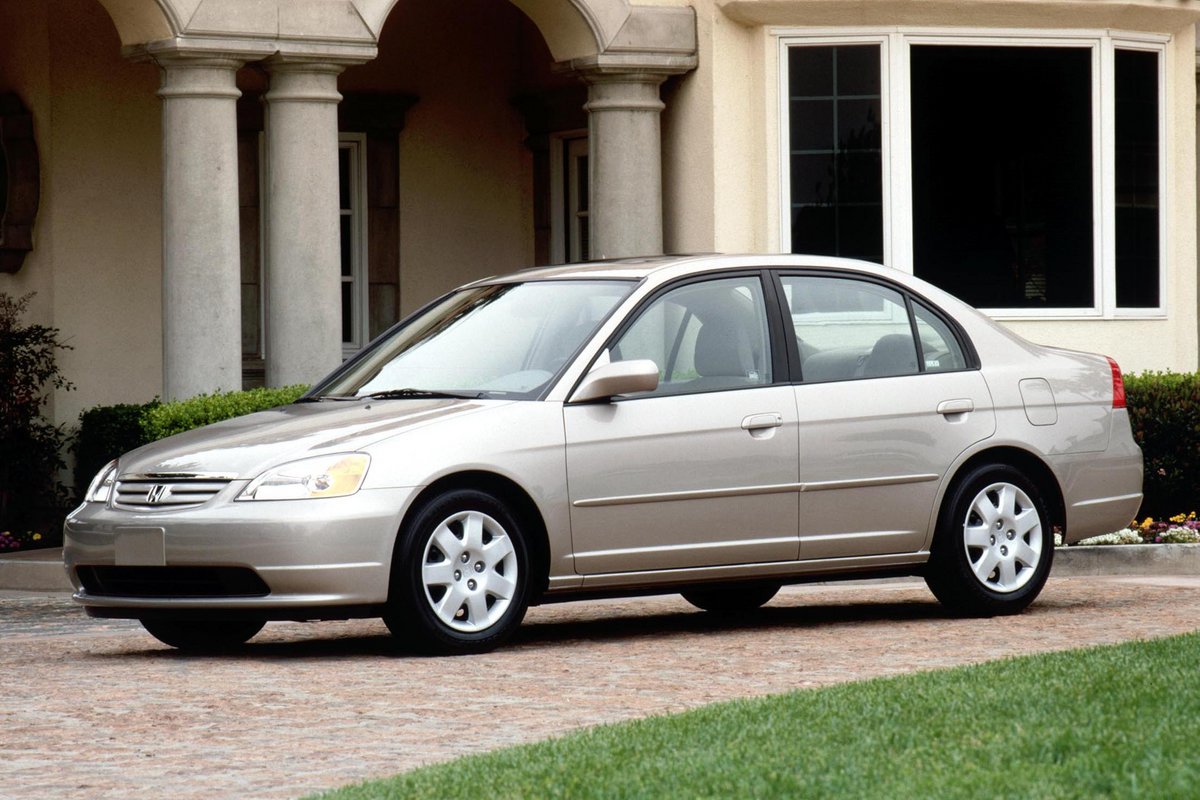
Many owners report factory clutches lasting over 200,000 miles, especially in the 7th and 8th-generation models with D-series and R-series engines.
Common factors:
- Smooth engagement
- Low drivetrain stress
- Quality OEM clutch materials
Also Read: Top 5 Hybrids With the Quietest, Smoothest Switchovers
2. Toyota Corolla (1998–2008)
Like the Civic, the Corolla combines low torque with gentle engagement characteristics. Drivers often treat these cars conservatively, which helps the clutch last well past 200k miles.
Since its debut in 1968, the Toyota Corolla has gone through numerous transformations. Throughout its long and storied history, it has been offered in a range of body styles, including hatchback, coupe, wagon, and sedan. Its widespread appeal has helped make it the second best-selling vehicle in history, a testament to the loyalty it has earned around the globe.
Now fully redesigned, the latest Toyota Corolla is poised to further boost its worldwide sales figures and set a new benchmark for compact cars.
Simply put, there’s nothing else quite like it in the under-$20,000 category—aside from the re-badged Chevrolet Prizm—that delivers such a high level of refinement and convenience.
What really stands out about this new model is what’s under the hood. Powering the Corolla is a 1.8-liter, all-aluminum, DOHC four-cylinder engine nestled neatly between the grille and the firewall.
This engine produces 120 horsepower and 122 foot-pounds of torque, representing a noticeable improvement over the previous year’s model.
Not only does it offer increased performance, but it also manages to be 10 percent more fuel-efficient. When paired with a five-speed manual transmission, drivers can expect 31 mpg in the city and 38 mpg on the highway—solid numbers for this segment.
Toyota’s renewed focus on safety is equally commendable. For the 1998 model year, all Corollas are available with four-wheel antilock brakes and side-impact airbags.
As Toyota proudly claims, the Corolla is the cheapest car that drivers concerned about their safety can outfit with seat-mounted side airbags. Families will also appreciate that the CE and LE trims can be ordered with an integrated child seat, a rare option at this price point.
The Corolla also receives a newly redesigned exterior for 1998. While we find the updated styling tasteful, in typical Toyota fashion, it avoids taking any bold risks. That means the new look won’t offend anyone—but it won’t exactly turn heads either. Still, the redesign serves a purpose beyond aesthetics.
The sleeker body contributes to lower noise, vibration, and harshness (NVH) levels, helped along by flush-mounted side windows and Lexus-inspired sound insulation techniques. Additionally, the new body improves torsional rigidity, making this version of the Corolla a more engaging drive than the one it replaces.
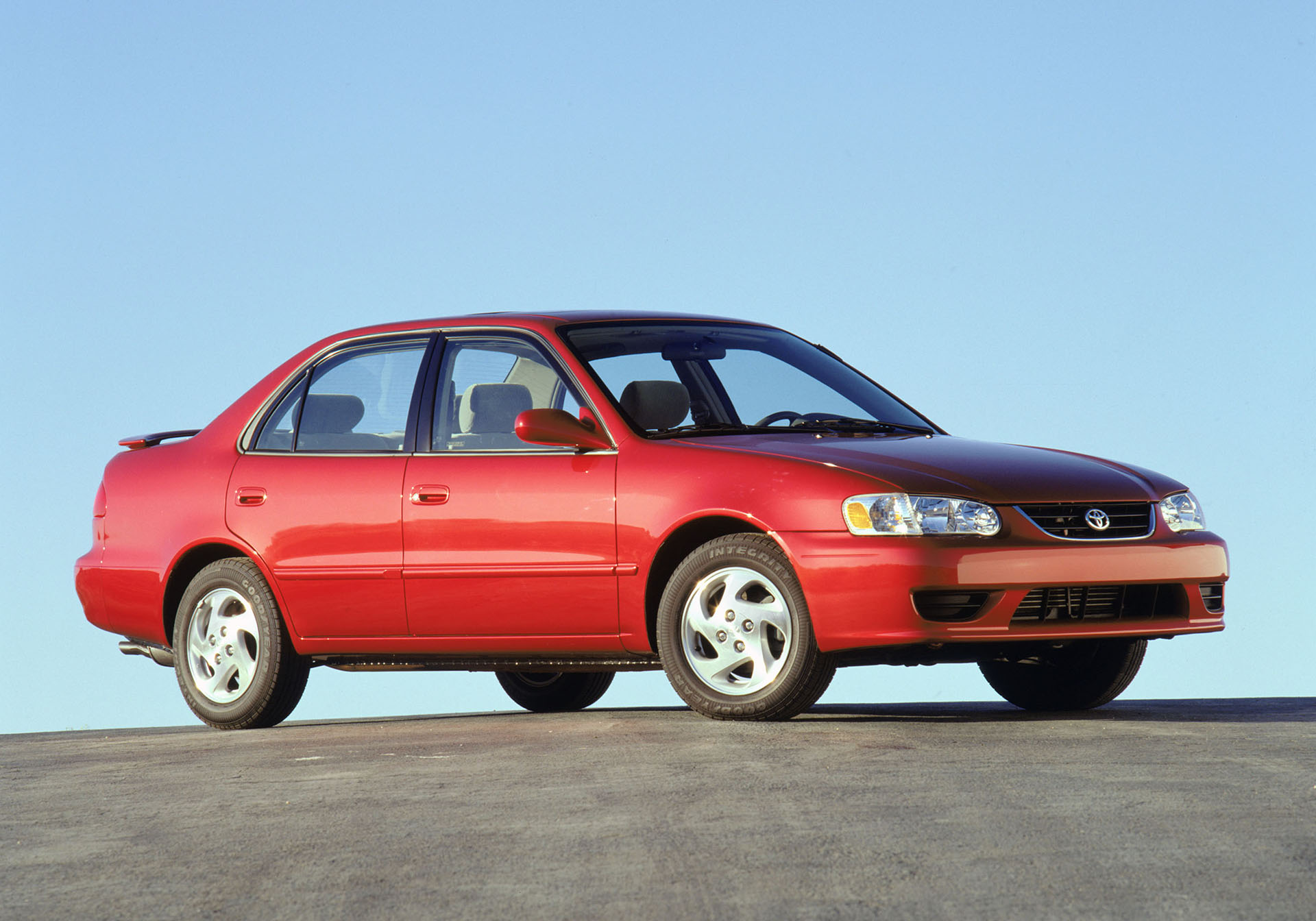
The C59 and C50 transmissions are known for their smooth actuation and long wear intervals.
Common factors:
- Low-end torque tuning
- Simple transmission design
- Conservative driving demographic
3. Mazda MX-5 Miata (1990–2005)
Miatas are lightweight and designed for driving engagement, but surprisingly, their clutch components go the distance.
Unlike most vehicles in today’s new car landscape, the 2023 Mazda MX-5 Miata doesn’t pretend to be practical or versatile. It’s not focused on cutting-edge technology, spacious comfort, or hauling passengers—it only has two seats, after all. Instead, this compact convertible is laser-focused on one core experience: pure driving enjoyment.
With sharp steering, agile handling, and a classic rear-wheel-drive layout, it delivers a visceral connection to the road that’ll leave you grinning as you carve up winding backroads. While its 181 horsepower may not be enough to dominate a drag strip, this sports car isn’t about straight-line speed.
While its engaging handling and open-air freedom are undeniably appealing, the Miata won’t suit everyone. Its compact cabin is extremely tight, forcing taller drivers to either squeeze in awkwardly—or skip it altogether.
The trunk is equally limiting—packing for a weekend trip with two people will be a challenge unless you travel extremely light. On top of that, the Mazda falls behind some competitors when it comes to in-car technology and advanced driver assistance features.
If these limitations are deal-breakers, there are alternatives worth considering. The Toyota GR86 and Subaru BRZ are the Miata’s closest competitors in size, price, and driving excitement.
If you’re looking for something roomier and more powerful, the Ford Mustang—available as both a coupe and convertible—might be your best bet. And if front-wheel-drive fun is more your speed, the Volkswagen Golf GTI delivers added practicality without sacrificing the thrill.
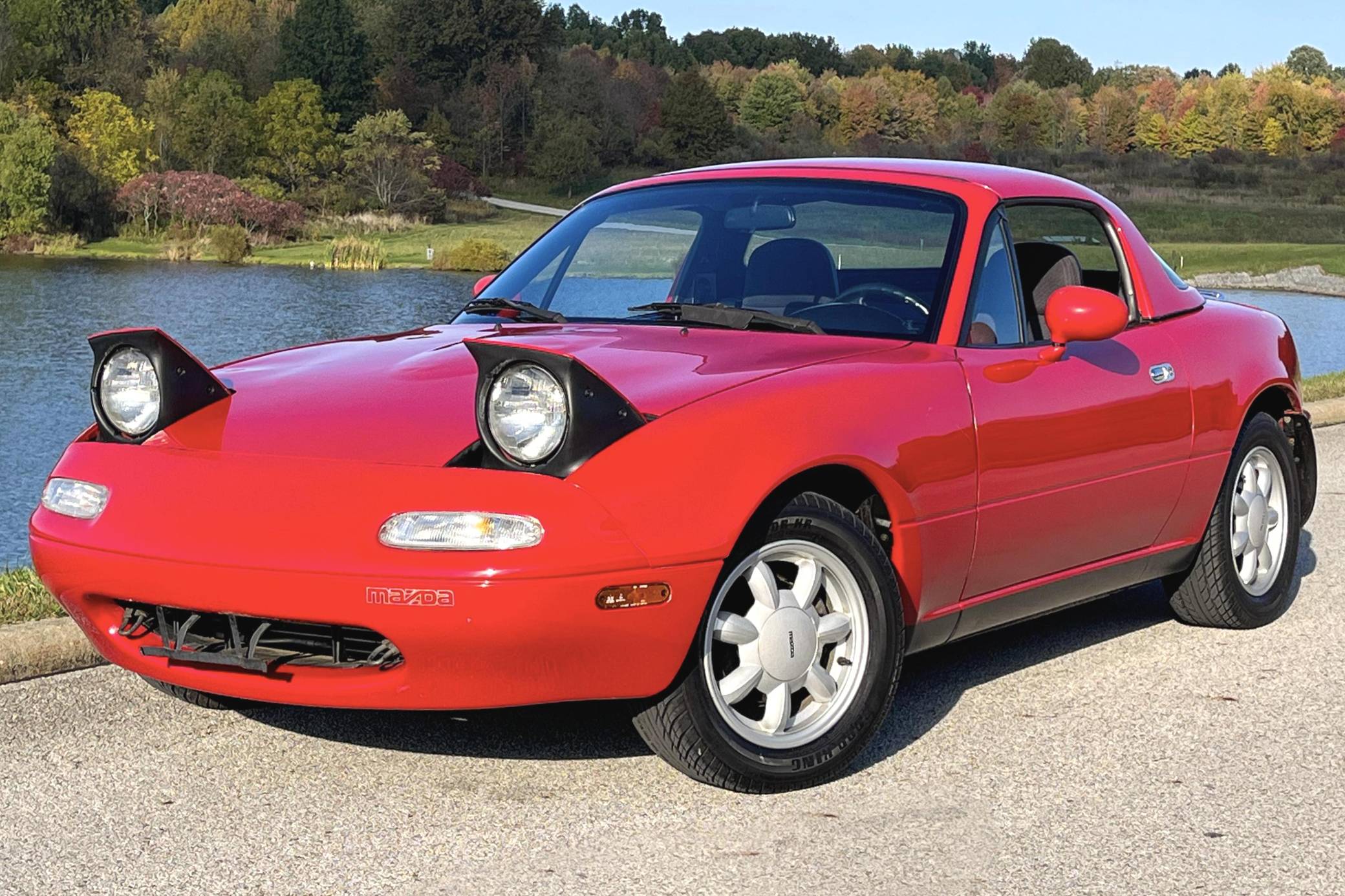
Enthusiasts who treat their cars well can see 200k miles or more on the original clutch a testament to the engineering behind the 5-speed and 6-speed gearboxes.
Common factors:
- Lightweight chassis
- Balanced power delivery
- Robust drivetrain components
Also Read: 5 Trucks With the Best Auto-Lockout Prevention and 5 That Lock You Out
4. Subaru Impreza 2.5 RS / WRX (pre-2007 NA models)
Naturally aspirated Impreza models, especially the 2.5 RS, have durable clutches that can survive 200k miles in the hands of moderate drivers.
The 2024 Impreza’s 2.5-liter engine delivers a brisk launch, but its eagerness starts to fade once you get past the 30 mph mark. That said, it still manages to edge out the 2023 Mazda 3 2.5 S Carbon AWD hatchback, despite the Mazda having a slightly more powerful, naturally aspirated inline-four—unlike the Subaru’s flat-four.
When it comes to 0-60 mph acceleration, the Mazda trails by 0.2 seconds, hitting the mark in 7.6 seconds, and in the quarter-mile, the Impreza also maintains the lead with the same time advantage and an extra 0.6 mph of trap speed.
However, simply flooring the gas pedal isn’t the most effective way to get the Impreza up to speed. Unlike the Mazda 3, which comes with a conventional six-speed automatic transmission, the Impreza 2.5 uses a CVT.
This setup can feel surgey off the line, but under hard throttle it eventually does a respectable job of imitating gear changes. We found the best acceleration results came from brake-torquing to 2,200 rpm before lifting off the brake.
Launching this way gives the hatchback a smooth yet firm initial pull—but that assertiveness quickly settles into a more lethargic pace. Getting from a standstill to 100 mph takes just over 20 seconds, which underscores the Impreza’s limitations in sustained acceleration.
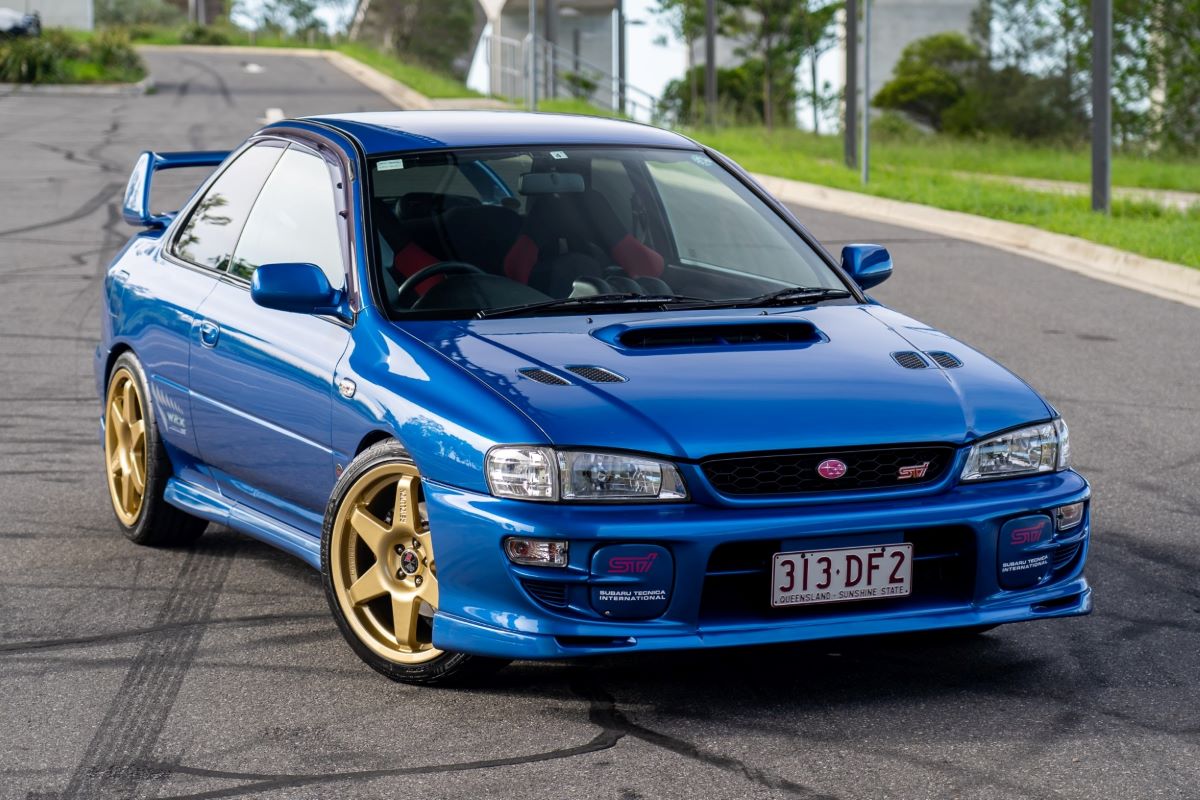
Their AWD system does add some stress, but Subaru used strong organic clutches in these models that wear slowly.
Common factors:
- Strong clutch materials
- Modest power output in NA trims
- AWD traction reducing slippage
5. BMW E30 3-Series (1980s–early 1990s)
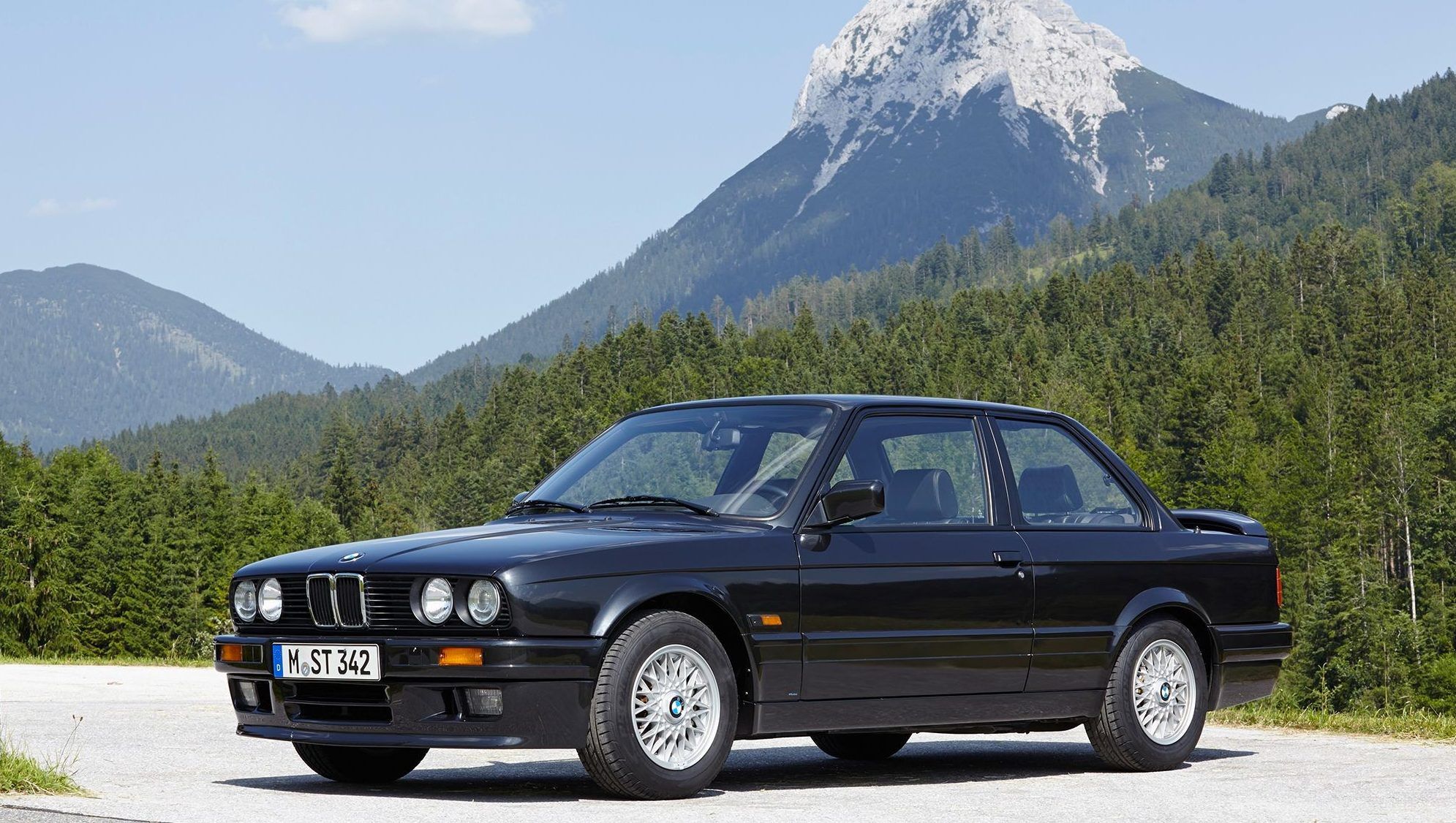
These iconic German coupes and sedans, especially in 318i and 325e trims, are often seen with original clutches even past 200k. Their mechanical precision and overbuilt components helped them stand the test of time.
They say that when an editorial team at a well-respected automotive magazine received the official photos of the new 3-Series, they initially believed Munich had made a mistake—thinking the envelope contained images of the outgoing model instead.
It’s easy to see why: at first glance, the new “thirtieth,” designed under the leadership of Klaus Lute, appeared to be a natural evolution of the E21.
The iconic “shark” grille was gone, and now every variant, regardless of engine size, featured “four-eyed” headlights. But the real progress was underneath—this new design brought measurable aerodynamic improvements. Lifting power, for instance, was cut by 15 percent.
The defining characteristic of the E30 lineup was “variety.” Unlike its predecessor, this generation expanded dramatically in form and function. It introduced five distinct body styles: both 2-door and 4-door sedans, a wagon, and two convertibles—one produced in-house by BMW and the other a Munich-approved version crafted by coachbuilder Baur.
In 1985, the range welcomed the diesel-powered 324d, capable of 165 km/h while returning 6.9 liters per 100 km. That same year, BMW made history by launching its first all-wheel-drive model—the 325iX, producing 171 horsepower.
Following the 1987 facelift—with later production units often referred to as E30 Series 2—a sleek station wagon joined the mix. Updates weren’t limited to the body style: the engine range evolved, and cosmetic tweaks included a revised front bumper, redesigned taillights, and the removal of chrome trim around the side windows.
And of course, no discussion of the E30 would be complete without mentioning the M3, a car that wasn’t just special—it was destined to become a true legend.
Common factors:
- High-quality German clutch components
- Direct mechanical linkages
- Enthusiast maintenance
Cars That Need Clutch Replacements Yearly
Whether it’s due to design quirks, weak components, or just high-strung performance setups, these are the cars notorious for needing frequent clutch replacements. If you’re thinking about buying one, be ready to keep your mechanic on speed dial.
1. Ford Focus SVT (2002–2004)
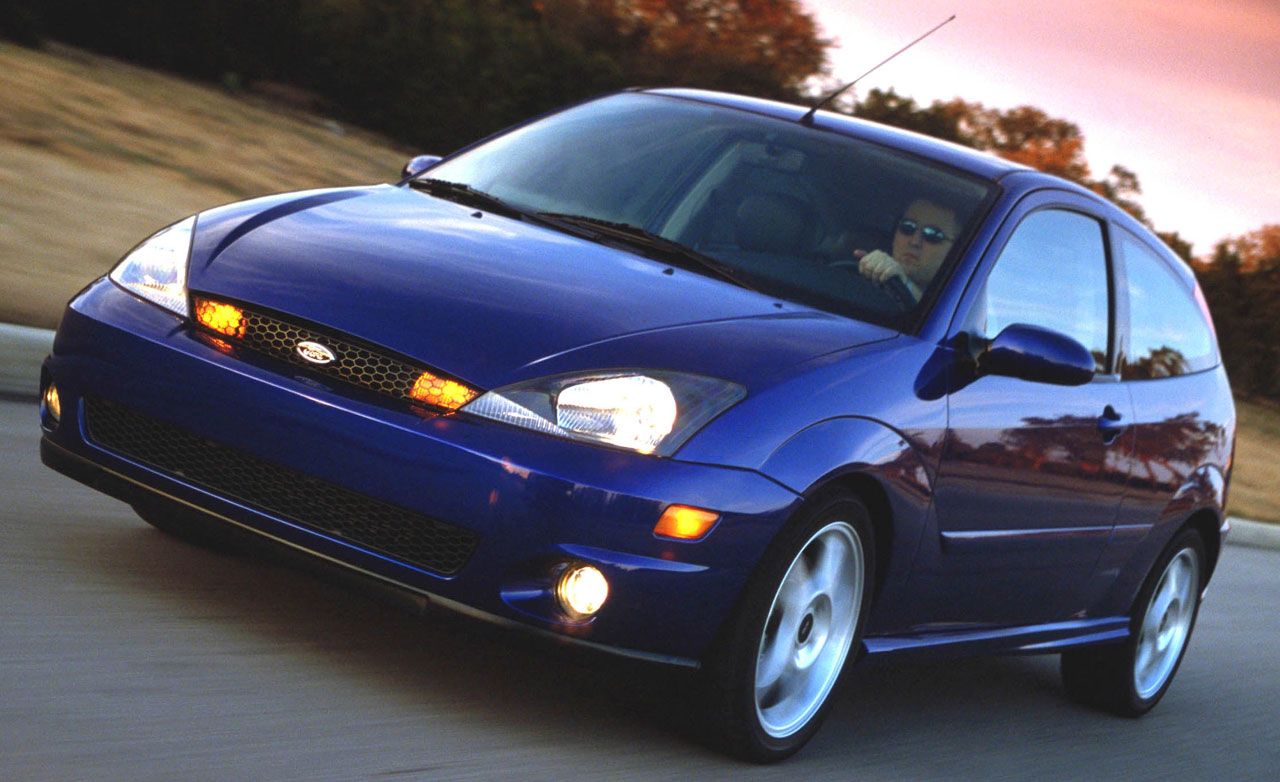
This hot hatch had a performance clutch system that often couldn’t handle stop-and-go city driving. Owners regularly report needing a clutch every 20k–30k miles, making it a yearly expense for daily drivers.
The SVT Focus is a welcome break from Ford’s long-standing tradition of half-hearted performance models—a genuine street weapon that stands out in stark contrast to the dull badge-engineered attempts of the past.
It’s also a major point of pride for the team at Ford SVT Engineering, the hard-charging division behind the brand’s Special Vehicle Team. Chief engineer John Coletti and his crew pushed back hard—fighting, pleading, and refusing to compromise—to ensure that the U.S. version of this compact powerhouse didn’t end up as a diluted version of Europe’s Focus ST170.
And they pulled it off. Sure, a few enthusiasts still pine for the wilder 220-hp turbocharged Focus RS from across the Atlantic—a car that, unfortunately, will never make it to American showrooms. Still, there’s broad agreement that the Focus SVT is among the most engaging Ford models in recent memory.
Let’s break it down: the foundation here is the Focus ZX3, a compact three-door hatchback with loads of driving potential held back only by its modest output. That limitation is no small thing—its 130 hp and 135 lb-ft of torque mean it takes 8.7 seconds to reach 60 mph.
We haven’t yet tested a production SVT model at the track, but early estimates suggest it could shave at least a full second off the 0–60 sprint—possibly more. That makes sense, considering the SVT version produces 170 horsepower and 145 pound-feet of torque.
There’s no mystery behind that extra power. SVT engineers started with Ford’s DOHC 16-valve Zetec four-cylinder, then swapped in higher-compression pistons, bumping the ratio from 9.6:1 to 10.2:1.
They also reworked the cam profiles, introduced variable intake-cam timing, and added a two-stage intake manifold, redesigned exhaust headers, a low-restriction catalytic converter, and a freer-flowing muffler that adds a subtly aggressive note to the exhaust tone.
But the SVT magic doesn’t stop with the engine. Nearly every part of the standard ZX3 suspension, including the bushings and anti-roll bars, has been upgraded for better performance, immediately noticeable in the car’s improved roll stiffness.
Stopping power has also been significantly boosted, with 11.8-inch vented front rotors and solid rear discs replacing the base model’s rear drum brakes—ensuring the SVT Focus has the brakes to match its newfound speed.
Common issues:
- Small friction disc
- Aggressive engagement
- Weak pressure plate design
2. Mini Cooper S (2007–2013)
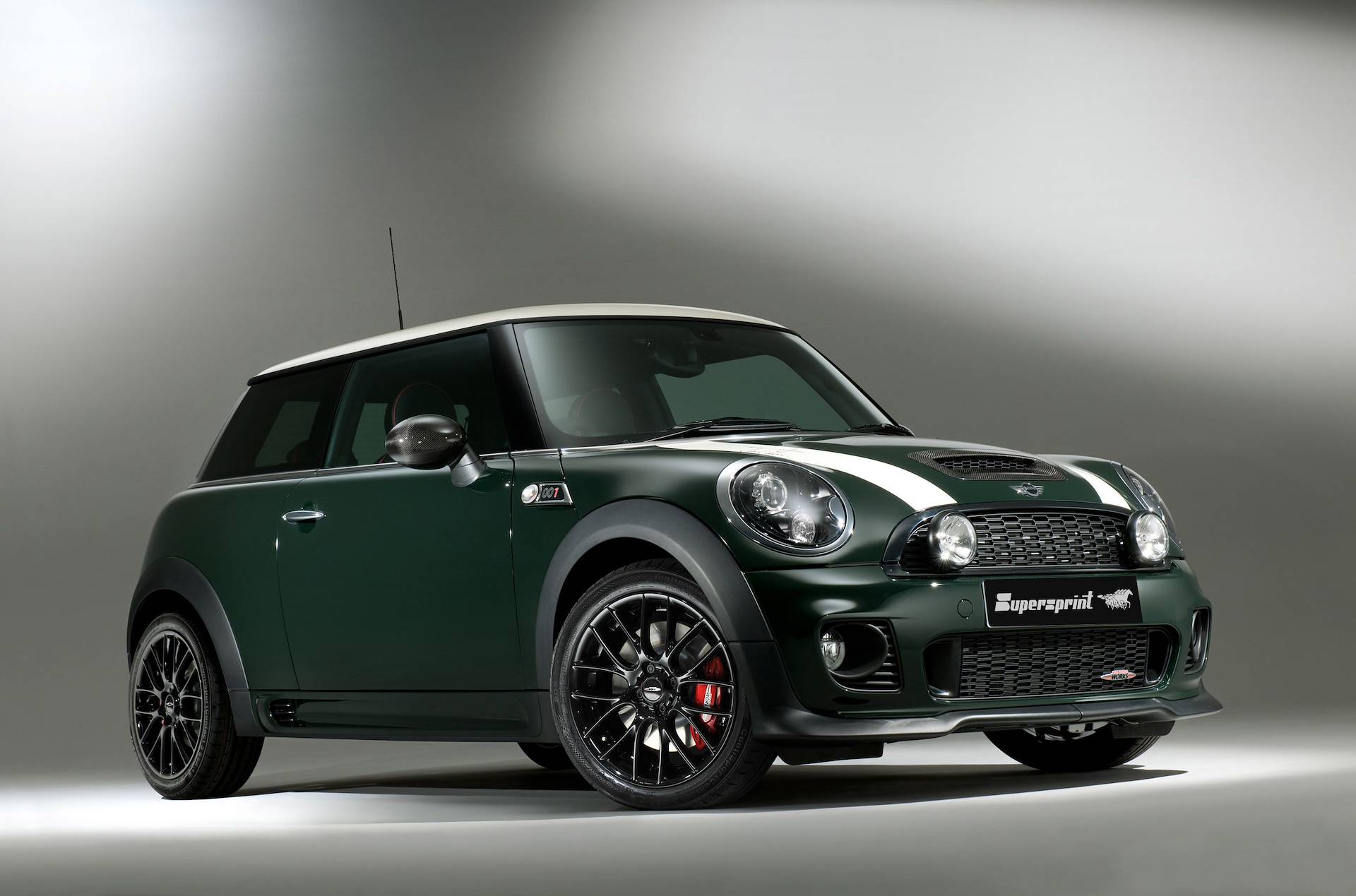
Turbocharged Coopers, especially with performance packages, are notorious for clutch failure before 60k with some going out annually under spirited driving.
The latest Mini Cooper S comes equipped with a turbocharged 2.0-liter four-cylinder engine delivering 201 horsepower and 221 lb-ft of torque.
Power is sent solely to the front wheels via an eight-speed automatic transmission—a manual option is no longer available. In performance testing, the Cooper S accelerated from 0 to 60 mph in 6.4 seconds, and completed the quarter mile in 14.5 seconds at 97.8 mph. Under hard braking, it came to a stop from 60 mph in 120 feet, and managed 0.89 g on the skidpad.
Those figures, while decent in isolation, become less impressive when compared with the past. In 2015, a similarly equipped Mini Cooper S was tested, and you’d expect the new model to outshine it nearly a decade later. But that’s not the case.
The 2015 version reached 60 mph in 6.8 seconds and covered the quarter mile in 14.6 seconds—nearly identical numbers. Even more striking, the older Mini braked from 60 mph in just 101 feet, and achieved 0.92 g on the skidpad—both better than the current car.
In terms of outright performance, Mini hasn’t moved the needle forward. In fact, some aspects have taken a step back. It’s important to remember the Cooper S isn’t the top-dog in the Mini performance lineup—that title will go to the upcoming John Cooper Works model.
Defenders of the brand may argue that the JCW is the true track-focused version, and that point is fair. But it doesn’t change the reality: the Cooper S just isn’t what it used to be.
The combination of torque and tight packaging strains the drivetrain.
Common issues:
- Small clutch disc
- Overheating in traffic
- Difficulty cooling due to engine bay layout
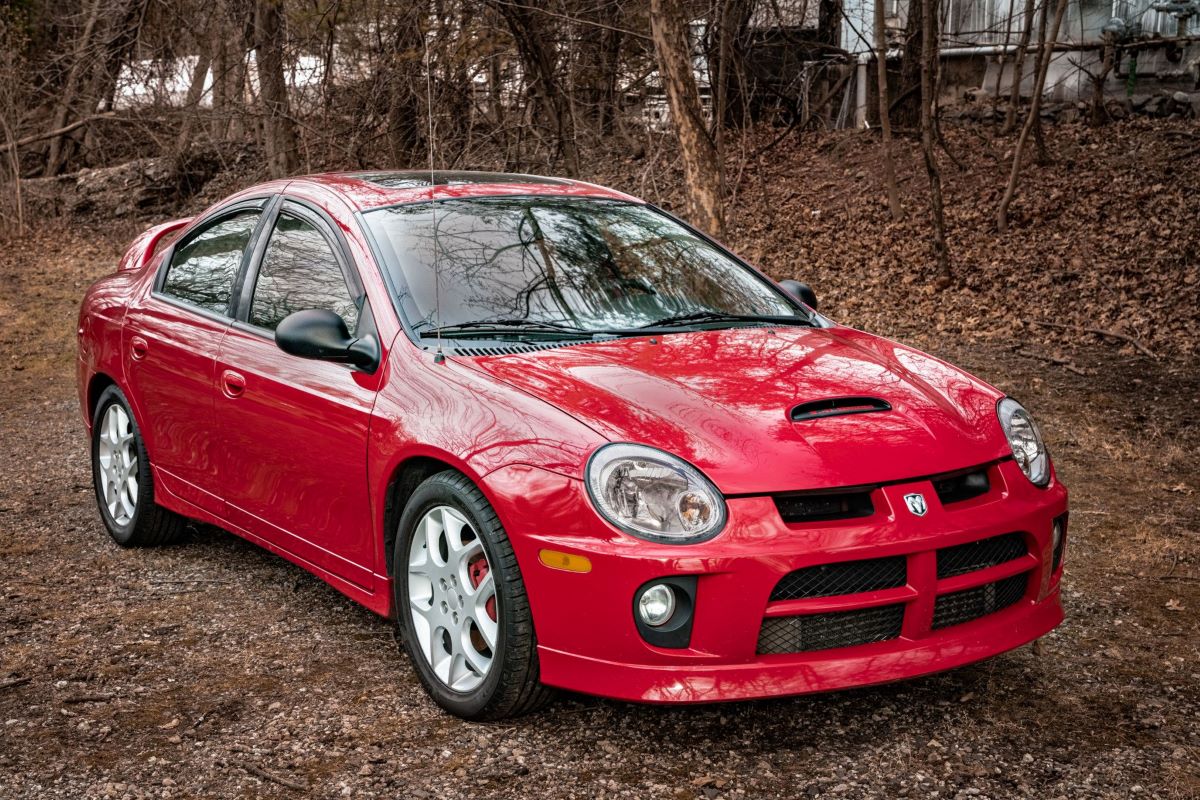
3. Dodge Neon SRT-4 (2003–2005)
The SRT-4 is quick and cheap fun, but its OEM clutch couldn’t keep up with the car’s torque. Many owners pushed them hard, leading to clutch burnout within a year, especially when modded.
The Dodge Neon SRT-4 is a high-performance compact sedan that was produced from 2003 to 2005. Known for its remarkable power and thrilling driving dynamics, the SRT-4 stood out in its segment thanks largely to its potent engine.
At the heart of the Neon SRT-4 is a turbocharged 2.4-liter inline-4 engine. This motor combines a cast iron block with an aluminum cylinder head, striking an ideal balance between strength and weight savings.
The addition of a turbocharger significantly boosted the engine’s output, making the car a genuine performer on the road. The engine delivers 230 horsepower and 250 lb-ft of torque, with a compression ratio of 8.1:1. Its DOHC setup ensures efficient breathing, adding to the engine’s overall responsiveness and high-revving character.
Maintaining the SRT-4’s performance requires using the correct engine oil and adhering to specific service intervals. The recommended oil type is synthetic, with a viscosity rating of 5W-30 and an API SN certification. Regular maintenance is crucial to keeping the engine running at its best.
Oil should be changed every 5,000 miles or six months, whichever comes first. The oil filter should be replaced during every oil change, and a general maintenance check is advised every 3,000 miles to ensure everything stays in proper working order. Following these guidelines will help keep the SRT-4’s engine healthy, efficient, and ready to deliver its signature performance.
With a clear understanding of the engine specifications and maintenance requirements, SRT-4 owners can make informed choices about how to care for their vehicle.
Routine service isn’t just a recommendation—it’s a necessity for preserving the longevity and driving thrill of this turbocharged compact. Whether you’re chasing speed, carving corners, or simply enjoying the rumble under the hood, proper upkeep ensures the Dodge Neon SRT-4 continues to deliver the kind of experience it was built for.
Common issues:
- Clutch slippage under boost
- Fragile pressure plate
- Aggressive launches shortening lifespan
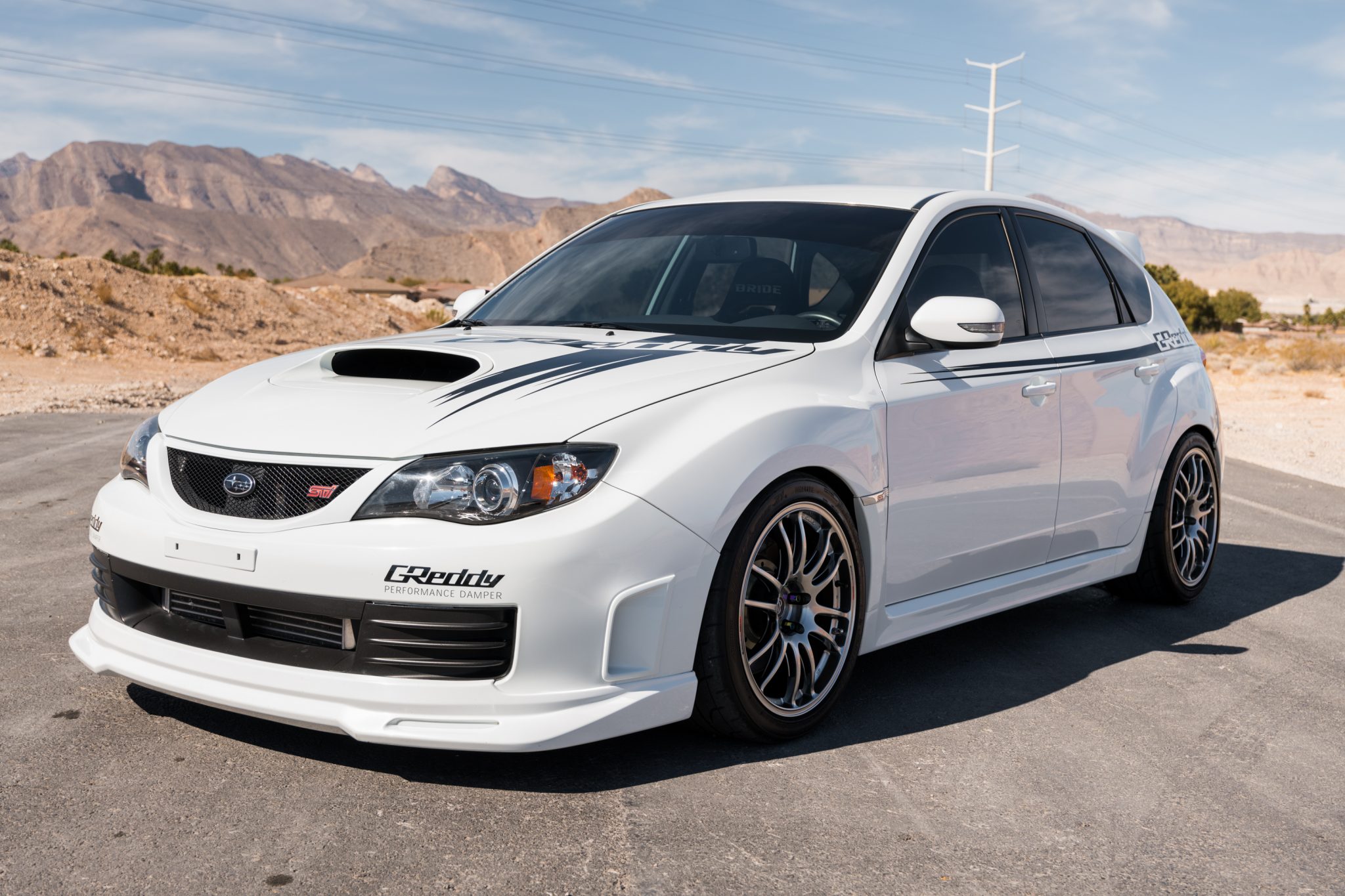
4. Subaru WRX (2008–2014)
While earlier WRXs fared better, this generation saw increased torque but not a corresponding improvement in clutch design. Hard launches and AWD traction often cooked the clutch quickly.
The 2014 Subaru Impreza WRX and WRX STI are a lineup of performance-driven sedans and hatchbacks that trace their roots back to Subaru’s rallying heritage.
Built on the previous-generation Impreza platform, these machines were engineered with serious driving enthusiasts in mind—those who live for carving back roads on the weekends or pushing the limits at the track.
With sharp handling and aggressive powertrains, the 2014 WRX and STI deliver an undeniably fun driving experience. That said, these models mark the end of an era. Subaru was gearing up for a major overhaul with the 2015 WRX redesign, which makes the 2014 versions feel like both a sendoff and a turning point.
If you’re considering buying a 2014 WRX or STI, you’re essentially choosing between a modern classic of the rally-inspired world and a performance car that’s creeping past its prime.
On paper, though, the numbers still hold strong. The base WRX is powered by a turbocharged 2.5-liter flat-four engine producing a solid 265 horsepower. The STI ups the ante with a more advanced version of that engine, cranking out 305 hp.
Subaru’s signature symmetrical all-wheel-drive system ensures that power is efficiently delivered to the pavement, and in the STI, the inclusion of both front and rear limited-slip differentials gives it phenomenal grip—especially appealing to drivers who face bad weather or just like to drive hard, regardless of conditions.
But when you look past the performance specs, the 2014 WRX and STI show their age. The interior is where things start to fall apart. Hard plastics dominate the cabin, and the build quality simply doesn’t measure up to what buyers expect at this price point.
The audio system from the factory is underwhelming, and the optional navigation unit lags behind the competition with outdated software and a clunky interface that’s more frustrating than functional. It’s clear that refinement and tech were not priorities during this generation’s development.
When it comes to alternatives, the only direct rival worth mentioning is the 2014 Mitsubishi Lancer Evolution. A long-time adversary of the STI, the Evo offers similar specs: nearly 300 horsepower and a rally-style all-wheel-drive setup.
It also suffers from the same outdated and Spartan interior, so you’re not escaping that issue by going Mitsubishi. That said, the Evo does have one trick up its sleeve: an available automated manual transmission.
That feature makes it a more practical option in households where not everyone wants to row their own gears or deal with the clutch pedal. So, while the 2014 WRX and STI still bring the heat, the real question is whether you’re okay with the compromises that come with buying a performance legend at the tail end of its production run.
Common issues:
- Clutch chatter
- Weak throwout bearings
- Turbo lag leading to abrupt engagement
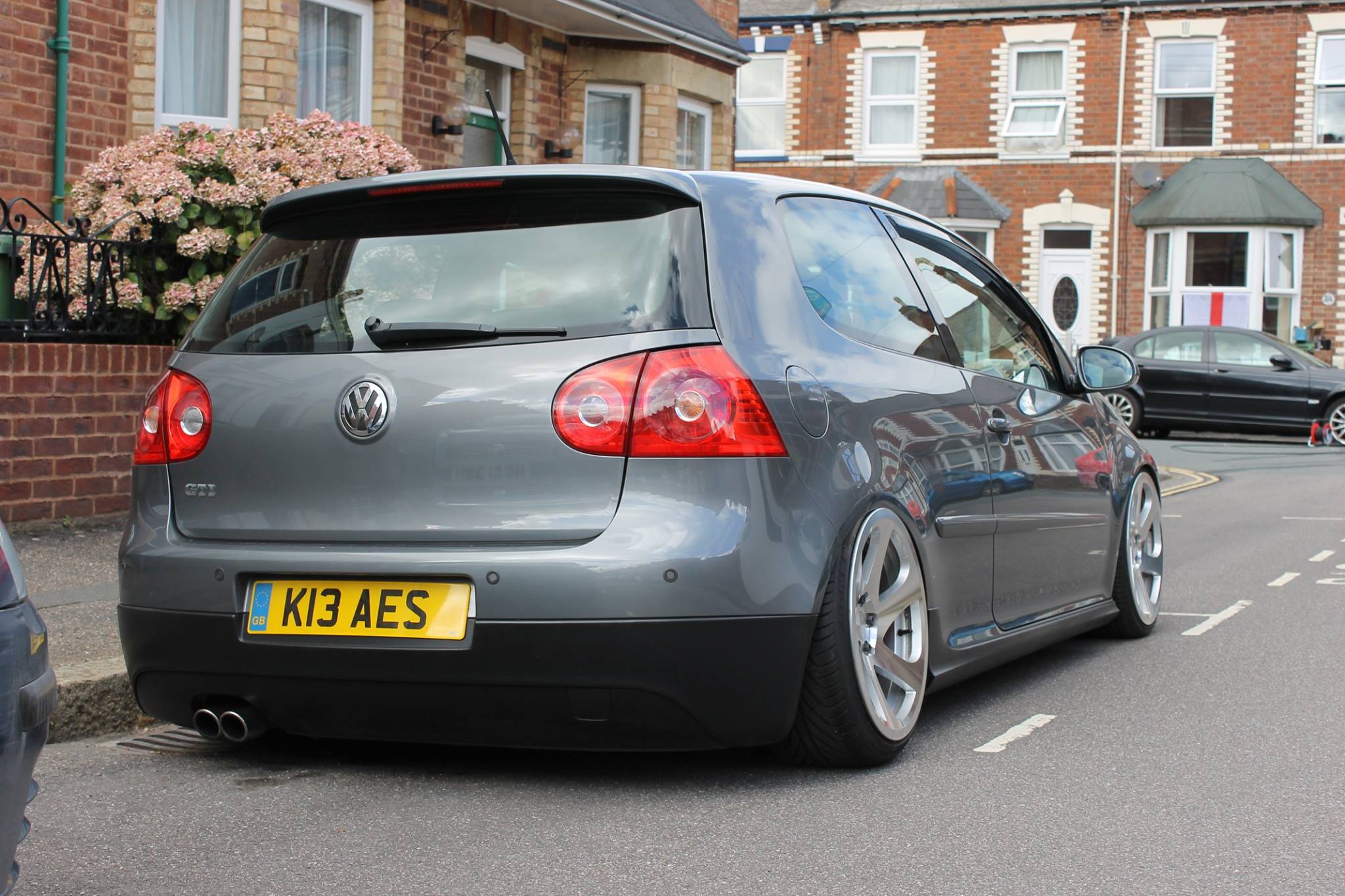
5. Volkswagen GTI (2006–2014, Mk5 and Mk6)
Though fun to drive, these GTIs particularly with the 2.0T FSI and TSI engines are known for clutch wear. The dual-mass flywheel design adds complexity, and the stock clutches can barely manage stock torque, let alone tuned setups.
Volkswagen’s legendary hot hatch receives a notable update for 2025. The refreshed GTI introduces sharper styling, improved user interfaces, and a new AI-powered digital assistant.
While the power increase is modest, the GTI remains as enjoyable to drive as ever. Its key competitors include the Honda Civic Si, Hyundai Elantra N, and Subaru WRX, all of which offer their own takes on affordable performance.
At the 2024 Consumer Electronics Show in Las Vegas, Volkswagen revealed a camouflaged prototype of the 2025 GTI that, at first glance, looked nearly identical to the outgoing model.
However, now that the full reveal is here, the updated design cues are more apparent. The front end features narrower headlights and a reworked fascia with hook-like details influenced by the Golf R. Around the back, subtle updates include newly styled taillight clusters that give the hatchback a more refined appearance.
Performance-wise, the 2025 GTI maintains its 241 horsepower and 273 lb-ft of torque from a turbocharged 2.0-liter inline-four engine. The power is now routed exclusively through a seven-speed DSG dual-clutch automatic transmission, as the six-speed manual has been officially discontinued—an unfortunate move for driving purists.
Nonetheless, the DSG’s rapid shifts help the GTI achieve an estimated 0–60 mph time of 5.4 seconds. Fuel economy remains consistent, with an EPA rating of 24 mpg in the city and 34 mpg on the highway.
Inside, the 2025 GTI retains the same dimensions as the 2024 model. The front seats are spacious, supportive, and comfortable, but the rear seat offers limited legroom. Despite this, the GTI’s hatchback design continues to provide excellent cargo versatility for daily use.
It’s important to note that cargo capacity can be tricky to compare directly between hatchbacks and sedans, as different measurement standards are used. Overall, the 2025 Volkswagen GTI brings subtle improvements while retaining the core characteristics that have made it a favorite among hot hatch fans.
Common issues:
- Weak friction material
- Dual-mass flywheel failure
- Poor heat dissipation
While proper driving habits and clutch modulation play a major role in longevity, it’s clear some cars are engineered with durability in mind and others with performance that comes at the cost of wear and tear.
If you’re shopping for a long-lasting manual car, stick with proven models like the Honda Civic or Toyota Corolla.
But if you like performance compacts like the GTI or WRX, budget for annual clutch work especially if you drive enthusiastically.
