
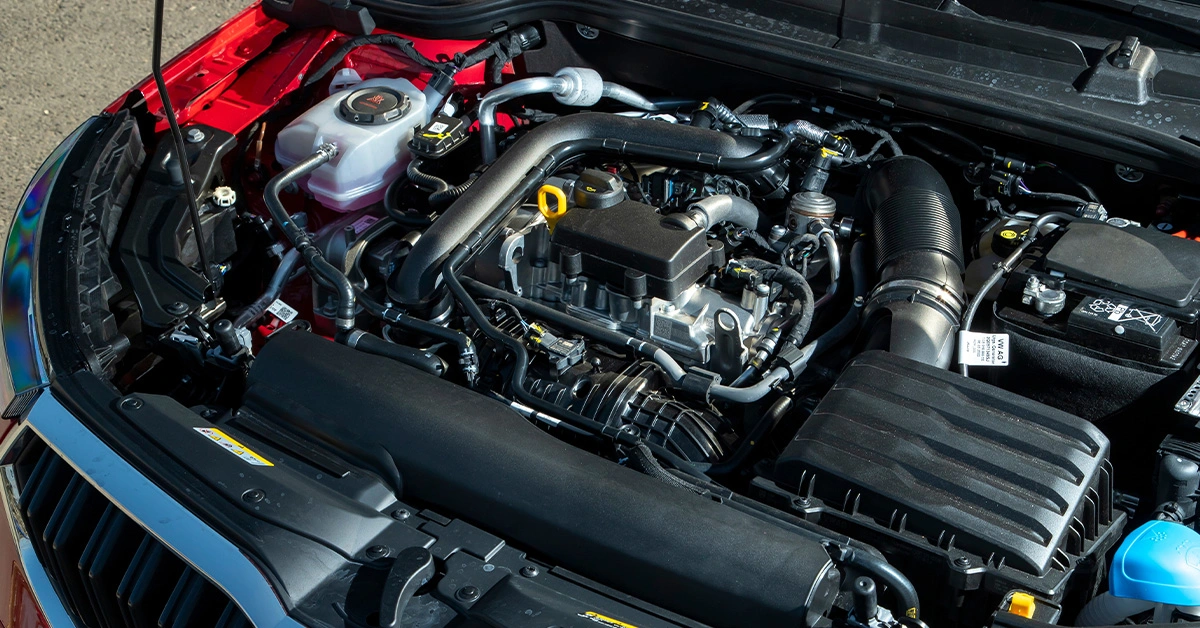
When people think of improving engine performance, they often envision costly rebuilds or advanced tuning. However, many affordable upgrades can significantly improve engine health and longevity—often with added performance as a bonus.
These enhancements focus on optimizing efficiency, reducing friction, and improving fuel and air delivery without breaking the bank. By upgrading smarter, not just bigger, you can reduce stress on internal components, lower emissions, and boost responsiveness.
This guide explores 10 budget-friendly upgrades—backed by solid mechanics—that can make a big difference in how your engine performs, runs, and lasts, even if you’re on a modest budget.
1. Synthetic Lubricants: Cleaner, Cooler, Stronger
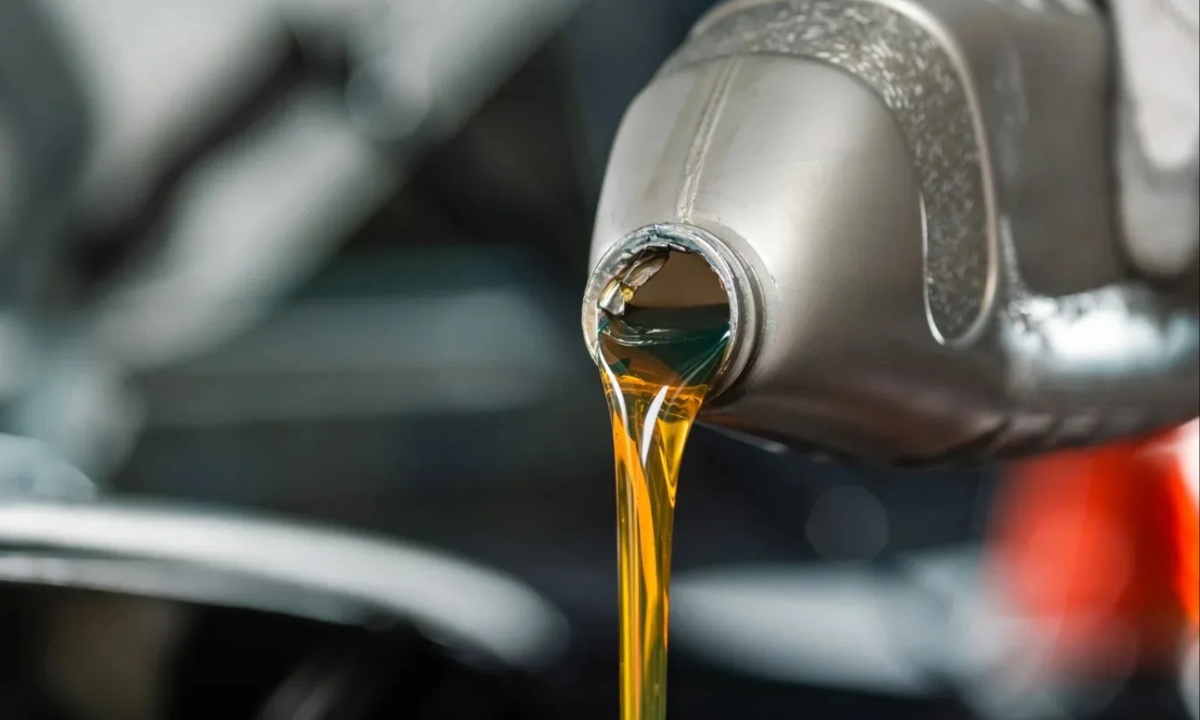
Switching to synthetic lubricants, like Mobil 1™, is one of the easiest and most affordable ways to protect engine health. These oils offer superior lubrication, reduce internal friction, and maintain stability in extreme temperatures.
Where conventional oils can break down under high heat or stress, synthetic blends hold their structure—reducing wear on moving parts. They also improve cold-weather start-up performance and resist deposit formation.
Long-term use can extend engine life and increase efficiency. Though slightly more expensive than conventional oil, the benefits in protection and potential fuel savings easily justify the upgrade, especially for high-mileage or performance-focused engines.
2. Ignition System Refresh: Small Spark, Big Impact
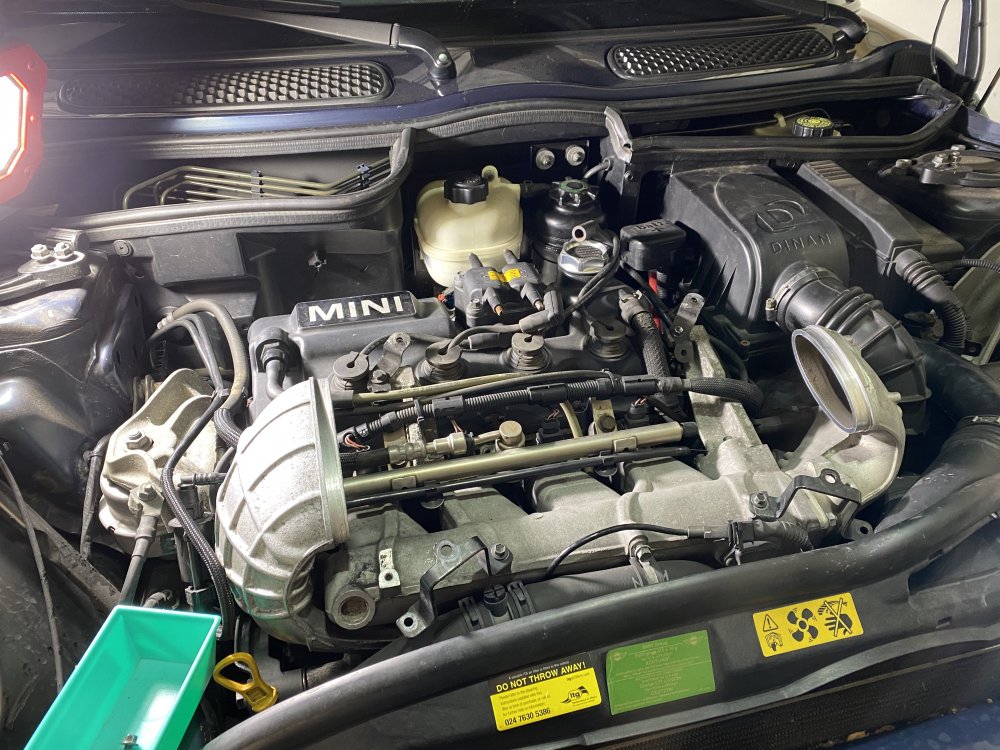
Modern ignition systems are low-maintenance, but neglecting them can result in poor combustion, misfires, and lower power. Replacing worn spark plugs, aging ignition coils, and degraded wires with high-quality aftermarket or OE-grade components restores a strong, consistent spark.
This leads to more efficient fuel burn, reduced emissions, and smoother engine operation. Even subtle misfires can cause fuel waste and increase internal stress. Platinum or iridium-tipped plugs last longer and perform better under heat.
Best of all, this upgrade is very affordable and can often be done with basic tools in a driveway—making it a must for any health-conscious engine owner.
3. Fuel Line Right-Sizing: Feed Your Engine Properly
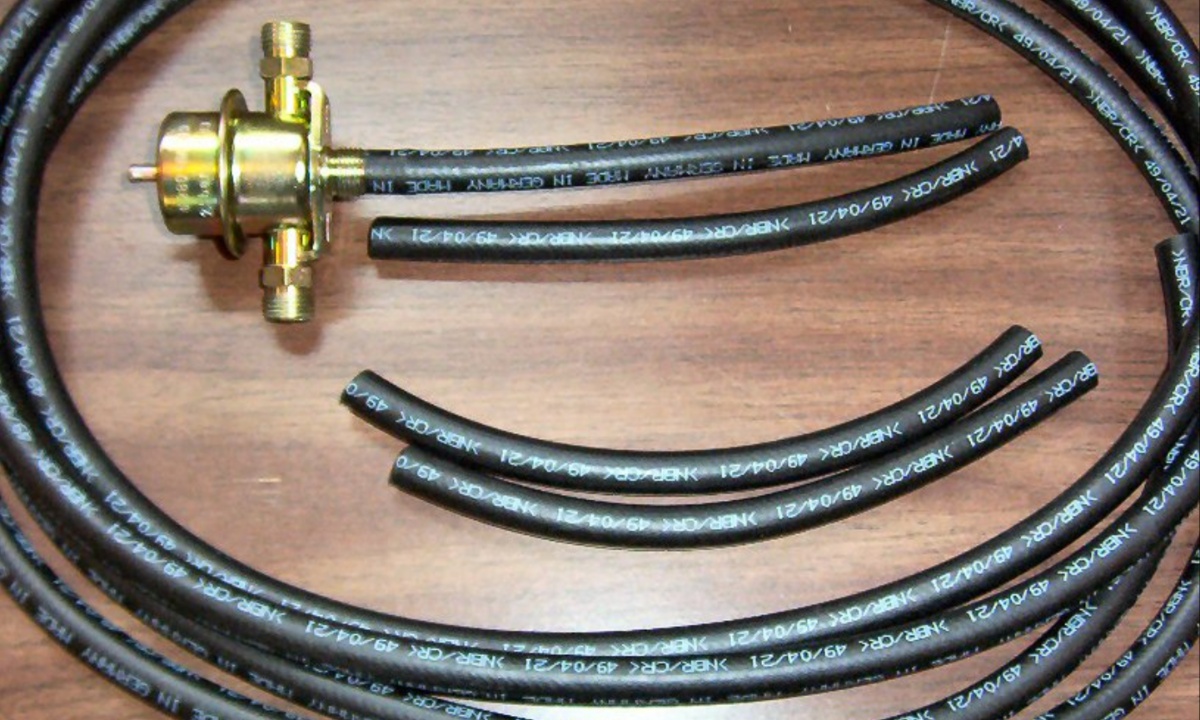
Fuel starvation can cause more than just power loss—it can lean out your engine and create damaging detonation. A surprisingly overlooked upgrade is ensuring your fuel line is the correct size.
Engines making over 400 horsepower should never rely on a 5/16-inch line. Upgrading to a 3/8- or 7/16-inch fuel line ensures consistent pressure and volume, especially at wide-open throttle.
This simple fix guarantees that your engine receives the fuel it needs under demand. Combined with an inline filter, this affordable upgrade reduces risk, protects internal components, and supports stable combustion—critical for engine health and power.
4. Jet Tuning: Fine-Tune Without Guesswork
Carbureted engines benefit immensely from precise jet tuning. Often overlooked, experimenting with primary and secondary jet sizes using a Holley jet kit can lead to more efficient fuel delivery. Too rich or too lean can stress the engine, hurt power, and increase wear.
Begin by adjusting one jet size at a time and use spark plug readings after a wide-open throttle shutdown to guide changes. Running slightly rich is safer than too lean. Removing internal bowl screens and relying on a good inline filter improves fuel flow. For just a few dollars, jet tuning ensures the engine runs cleaner and cooler.
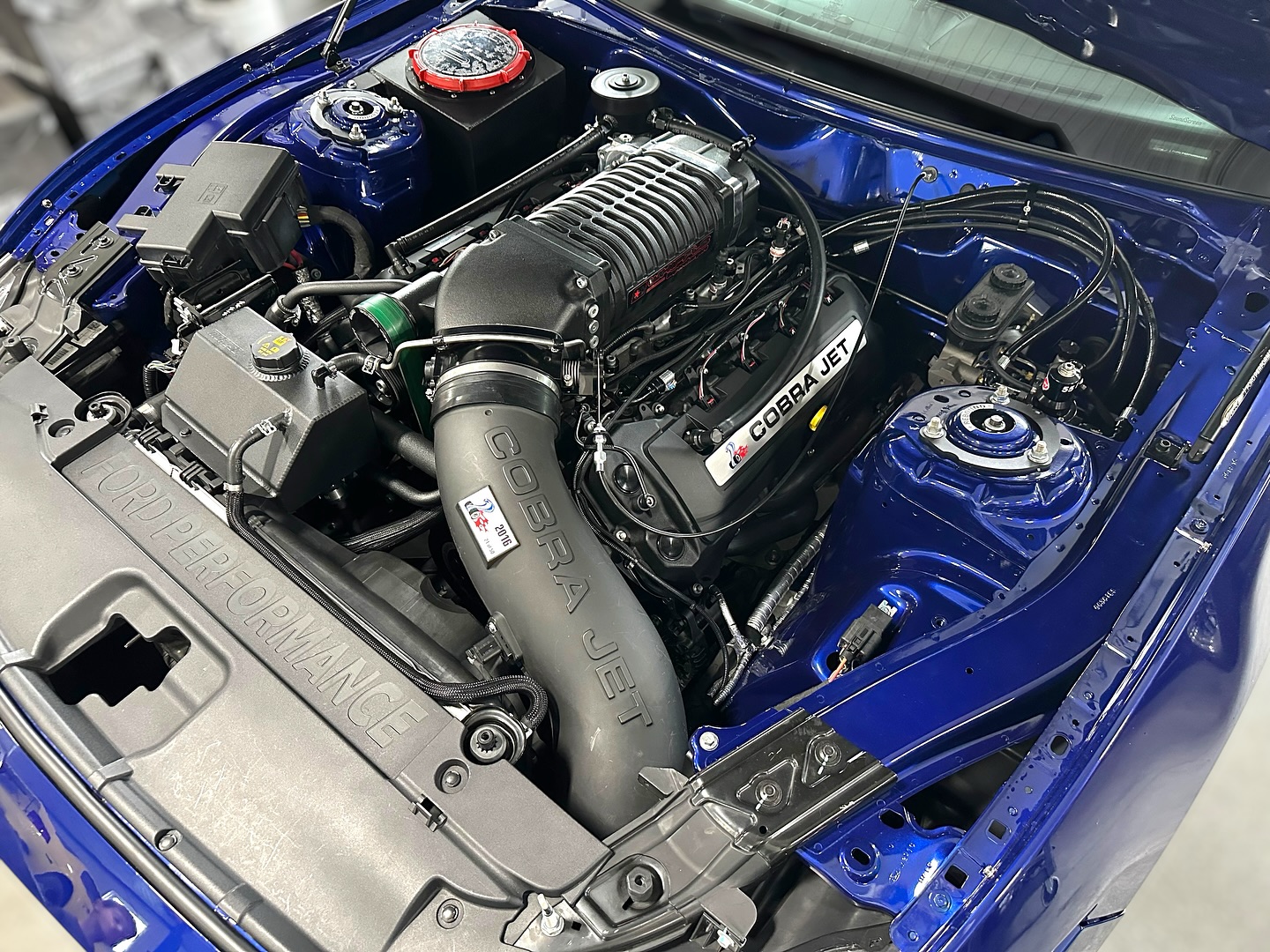
5. Cylinder Head Matching: Flow, Not Just Size
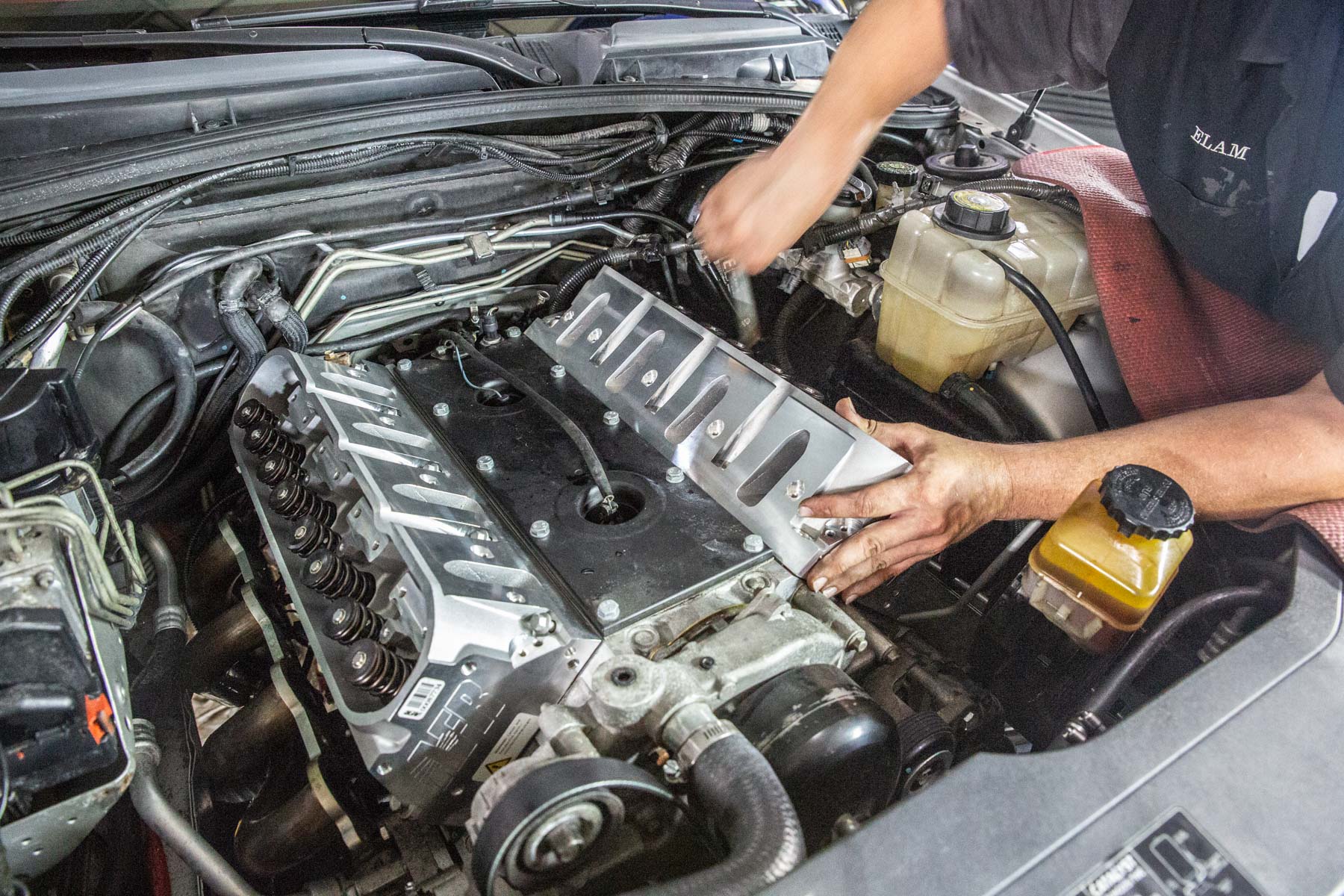
Cylinder heads play a huge role in how an engine breathes, but bigger isn’t always better. Matching the right heads with your camshaft and engine displacement ensures optimal airflow and combustion.
Proper port size and valve diameter promote intake velocity and exhaust scavenging, both vital for clean, efficient engine operation. Rather than going for maximum flow, prioritize heads that complement low- to mid-range torque. This strategy improves drivability and fuel efficiency.
Today’s aftermarket heads are more accessible than ever, offering improved cooling and durability for reasonable cost—making them a health-boosting upgrade that’s both practical and powerful.
Also Read: 5 Cars With Clutch Pedals That Last a Lifetime and 5 That Break Legs and Budgets
6. Throttle Body and Injectors: Air and Fuel in Harmony
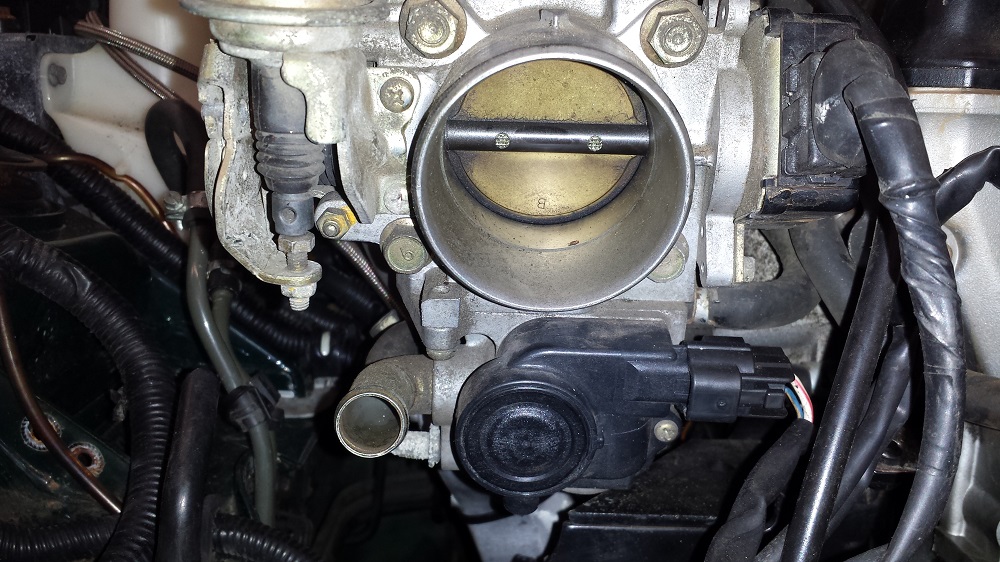
Upgrading to a larger throttle body can improve horsepower, but it also promotes better engine balance when paired correctly with fuel injectors. Oversized throttle bodies without fuel support can lean out the mixture and damage the engine.
When done right—with proportional injector upgrades and tuning—the engine receives a balanced air-fuel mix that improves combustion and reduces knock. After installation, a dyno session or ECU remap ensures the engine isn’t running rich or lean.
These upgrades aren’t costly individually but offer large benefits when combined, especially in terms of long-term reliability and responsiveness.
7. Reducing Internal Friction: Free Power, Less Wear
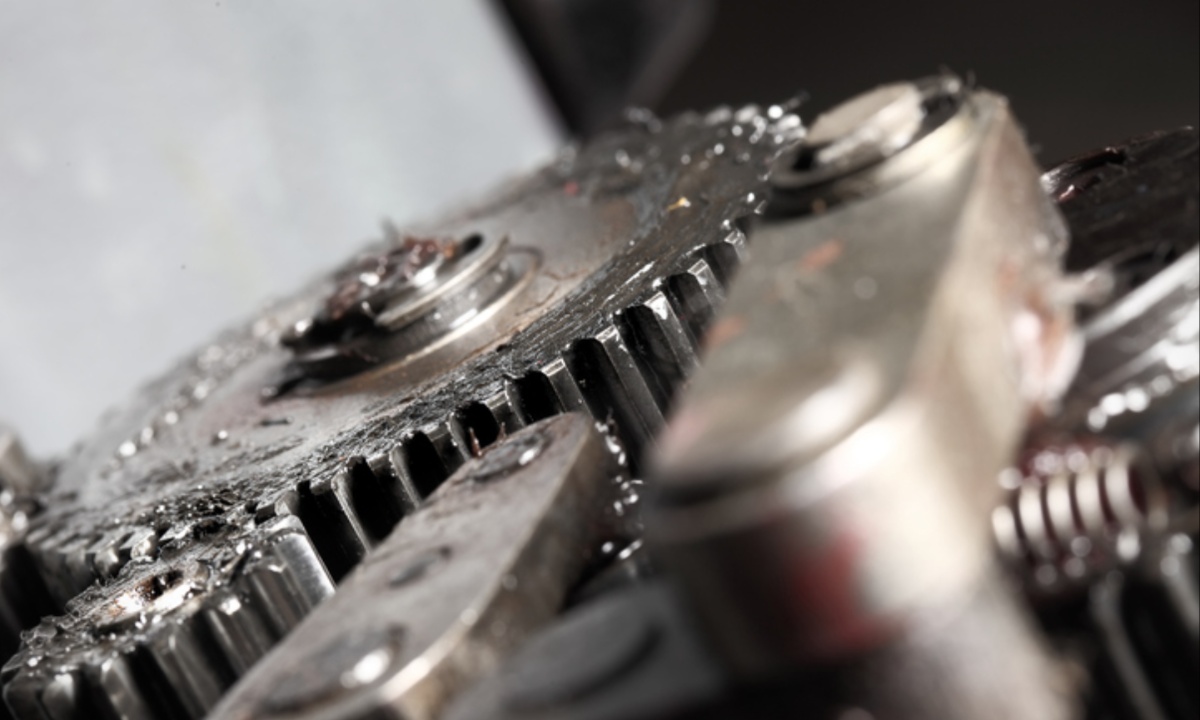
Much of an engine’s power is lost to internal friction. Simple upgrades like roller rocker arms, low-tension piston rings, and windage trays reduce mechanical resistance, freeing up power that already exists. Reducing friction also minimizes heat generation and lowers wear on vital components like bearings and cylinder walls.
Though some of these upgrades come with trade-offs in long-term durability, they can be carefully implemented for noticeable benefits. Think of them as long-term investments in efficiency: less strain on the engine equals longer life, better mileage, and smoother operation—especially when paired with proper lubrication and cooling.
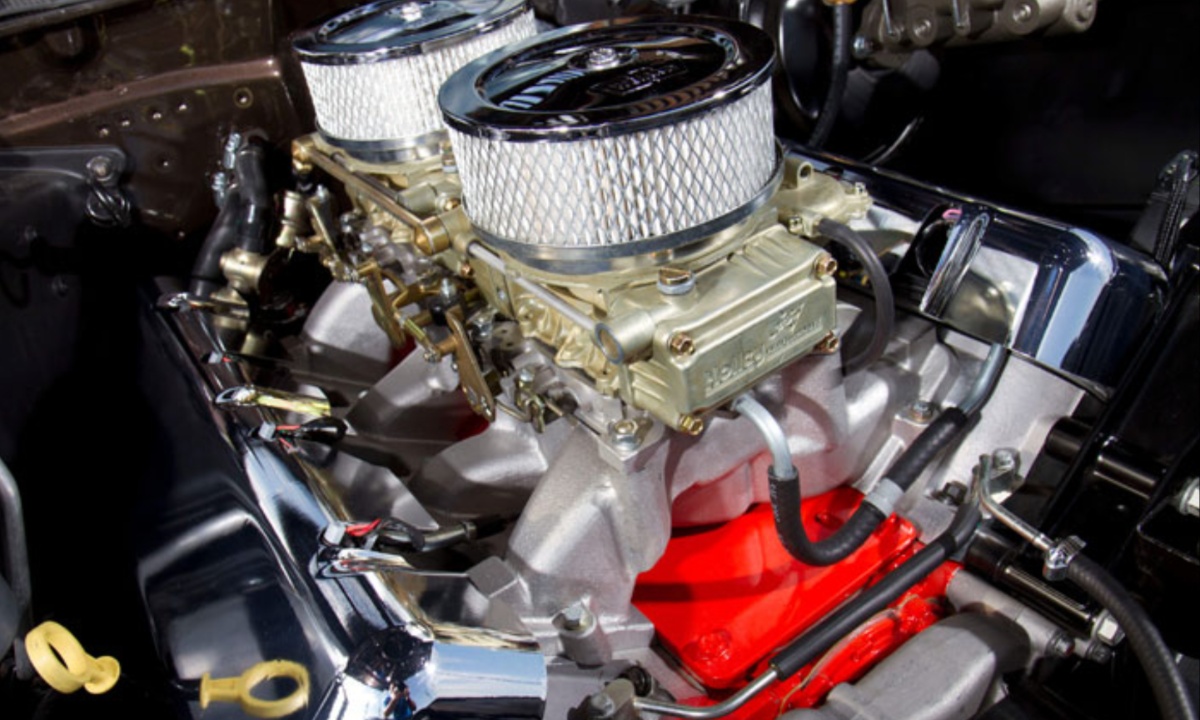
8. Dual-Plane Intake Manifold: Street Torque Reimagined
A dual-plane intake manifold is an excellent way to improve engine efficiency on the street. Unlike single-plane versions that favor peak horsepower, dual-plane manifolds use longer runners to promote low- and mid-range torque.
This means better fuel burn and cleaner combustion in real-world driving conditions, where most time is spent below 5000 RPM. Increased torque at lower speeds helps reduce engine load, minimizing wear and improving throttle response.
Adding a carburetor spacer can further enhance these effects. This budget-friendly upgrade boosts both performance and longevity, making it a smart move for anyone looking to build a balanced, durable engine.
9. Velocity Stack: Airflow Made Easy
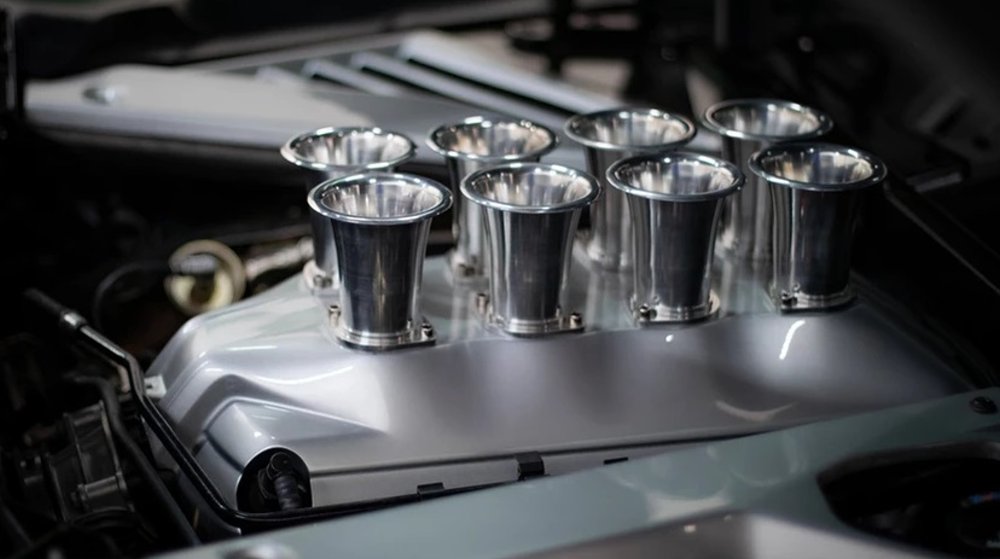
A velocity stack smooths incoming air at the throttle body or carburetor entrance, reducing turbulence and increasing air velocity. This not only improves airflow efficiency but also enhances fuel atomization, which is key to clean combustion and consistent power.
The better the air enters, the better the fuel mixes—translating to smoother acceleration, reduced knock, and better fuel use. Velocity stacks are easy to install and relatively inexpensive.
Though they’re often found in racing applications, street cars benefit from them too, especially when combined with an upgraded intake system. A cleaner burn equals less carbon, reduced emissions, and healthier engine internals.
10. Compression & Cam Matching: Controlled Power Gains
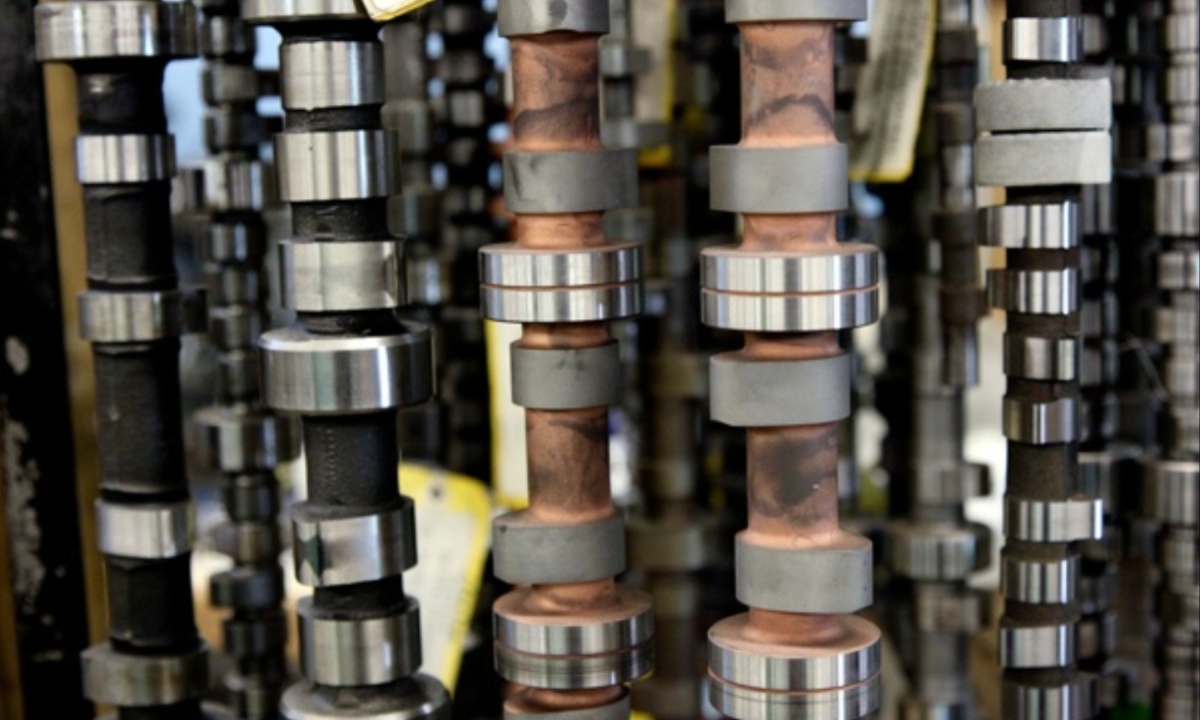
Increasing compression can add power and improve efficiency, but only when matched properly with camshaft specs and fuel quality. Higher compression creates more cylinder pressure, which can result in cleaner, more powerful combustion.
However, it also raises the risk of knock if not managed with the right cam timing and octane levels. The key is balance—moderate increases (e.g., up to 10.0:1) paired with a camshaft that promotes cylinder filling and scavenging.
When done carefully, this upgrade improves combustion efficiency and thermal performance, leading to smoother operation and greater longevity. Consult a builder or tuner to avoid overreaching and damaging internals.
Improving engine health doesn’t require deep pockets—just smart choices. These 10 affordable upgrades, when applied correctly, not only enhance performance but also reduce wear, heat, and stress on vital components.
From better lubrication to cleaner combustion and improved fuel flow, every change contributes to a more efficient and durable engine. It’s not about chasing horsepower at all costs—it’s about building a powertrain that’s balanced, responsive, and reliable.
Whether you’re tuning a daily driver or a weekend machine, the right upgrades done with care can mean more driving, less fixing, and a longer life for your engine.
Also Read: 5 Cars With Original Clutches After 200k and 5 That Need Replacements Yearly
