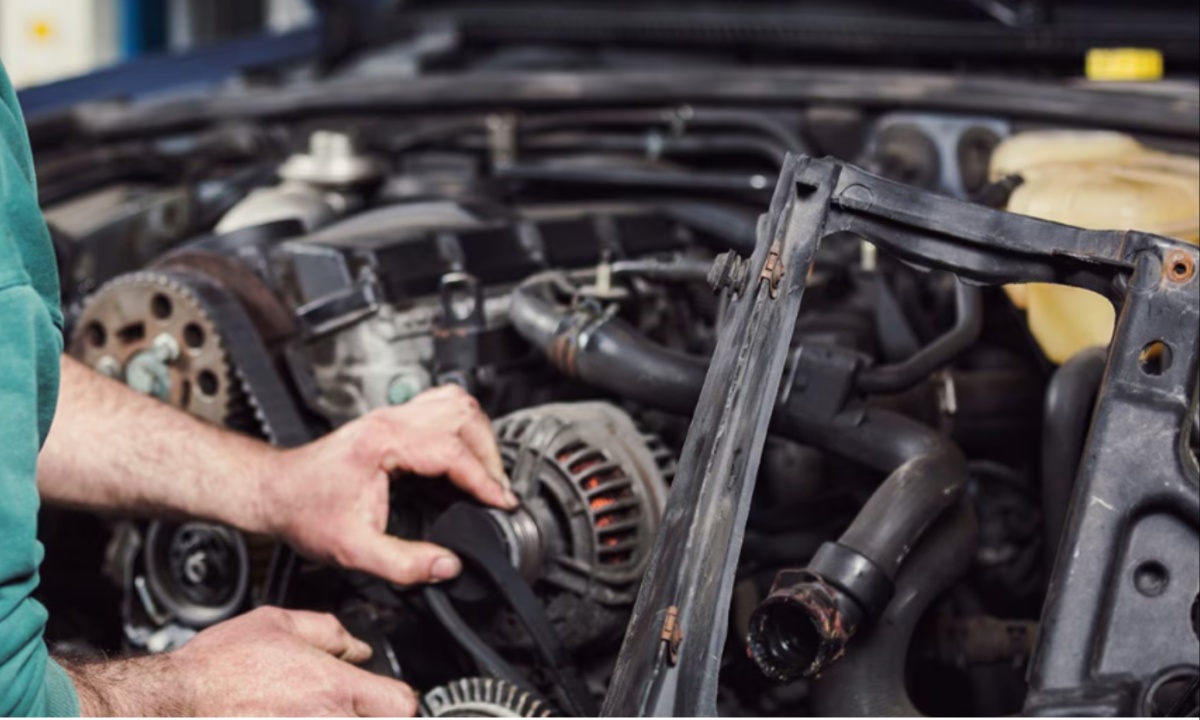
A well-built vehicle, when properly maintained, can easily last beyond 15 years—and save thousands in replacement costs. Longevity comes down to consistent care, attention to detail, and proactive maintenance. Whether you drive daily or occasionally, the secret to keeping your car running lies in habits that preserve both its performance and appearance.
From regular oil changes to avoiding rust damage, applying these strategies will protect your investment for years to come. Here are 10 actionable tips, drawn from expert advice, to help you maximize your vehicle’s lifespan and reliability well past the 15-year mark.
1. Change the Oil and Filters Regularly
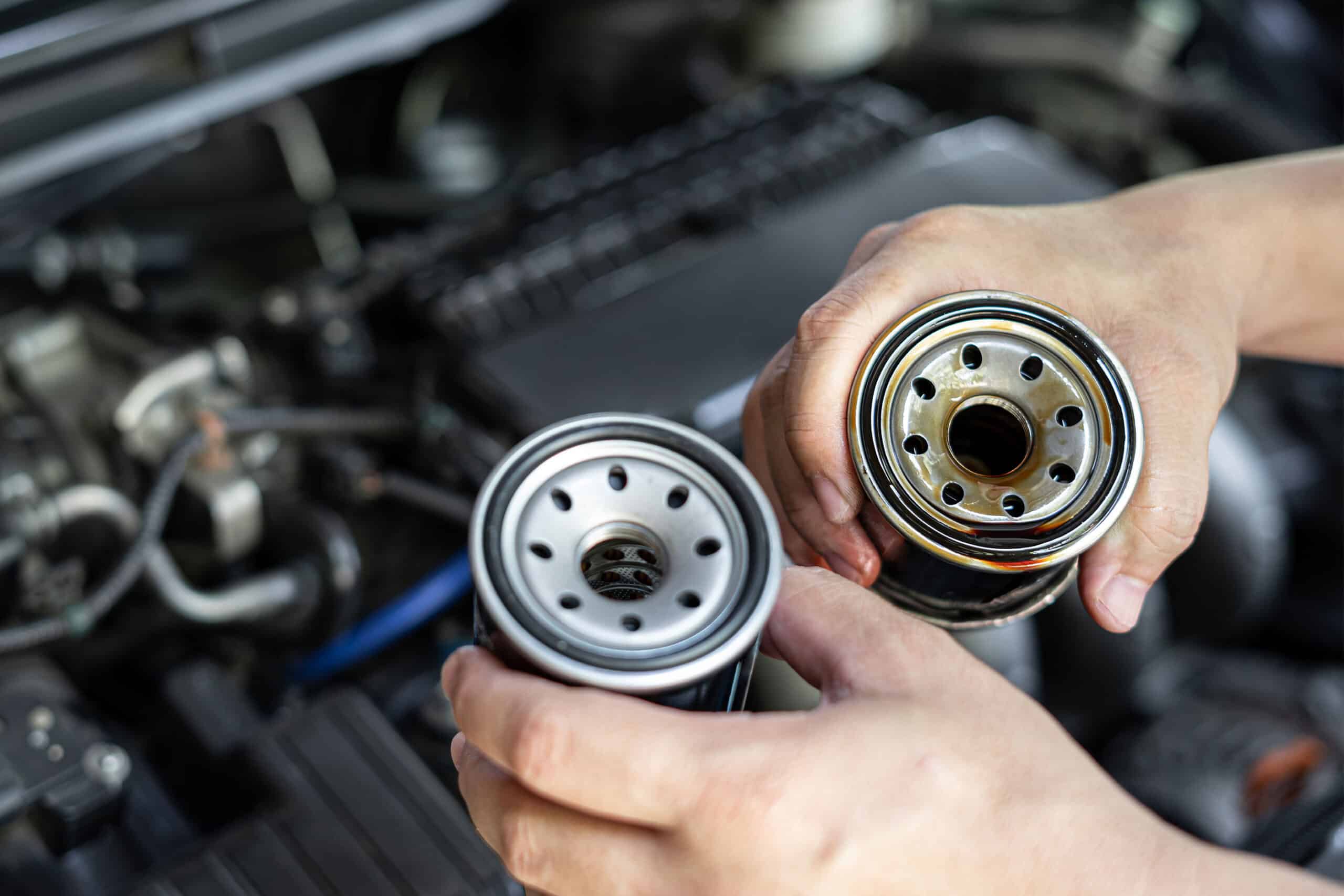
At the core of engine health is timely oil maintenance. Use high-quality synthetic oil for superior lubrication and fuel economy. Stick to the manufacturer’s oil change schedule and never exceed recommended levels, as overfilling can damage the engine. Change the oil filter along with the oil to keep contaminants out.
Even advanced cars that offer oil sensors still benefit from occasional manual dipstick checks. Keeping the engine properly oiled prevents friction damage, improves efficiency, and extends the vehicle’s operating life. Neglecting this single task can result in premature engine failure, making it a non-negotiable tip for long-term ownership.
2. Wash and Wax for Exterior Protection
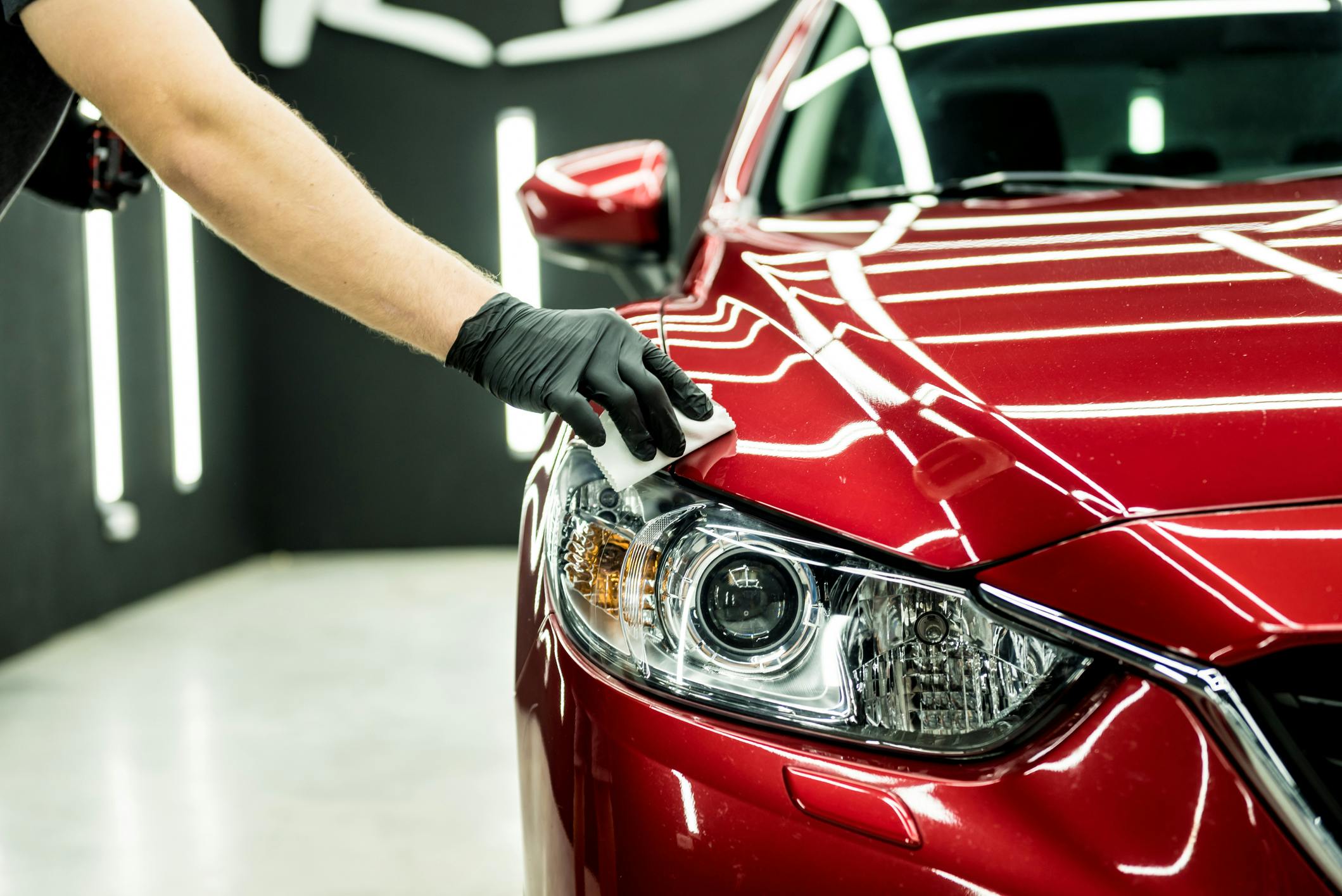
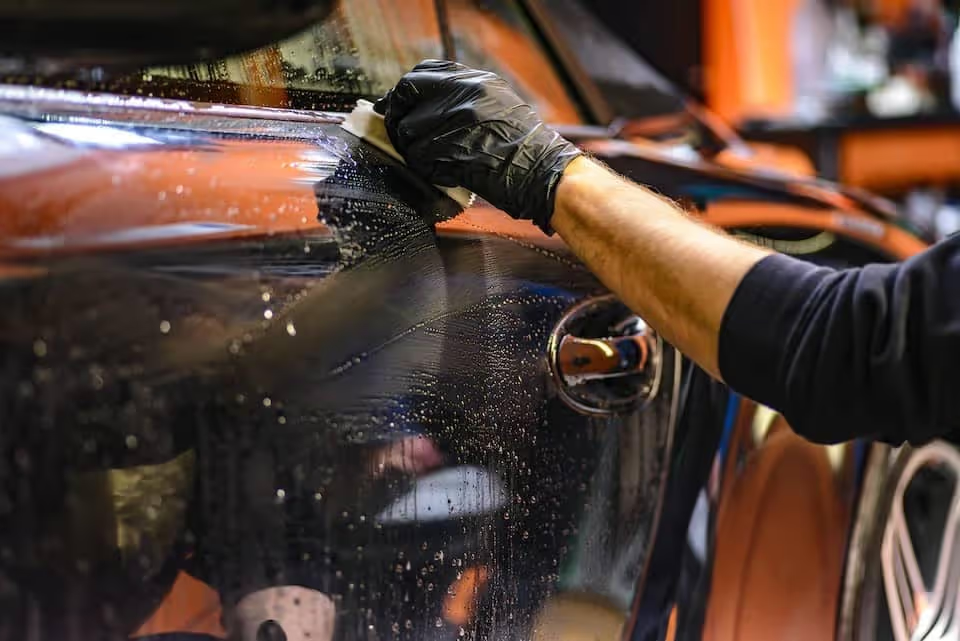
Preserving the vehicle’s exterior keeps it looking great and prevents rust and corrosion. Hand-washing once a week with car-safe soap removes harmful debris, especially after driving on salted roads during winter. Monthly waxing adds a protective layer against UV rays, moisture, and pollutants.
While ceramic coatings offer superior, long-term protection, PTFE polishes are more affordable and easier to apply. Avoid using dish soap or automatic car washes that may damage the paint.
A clean, polished exterior not only improves aesthetics but also helps maintain resale value by preventing long-term deterioration of the car’s paint and body panels.
3. Flush and Monitor All Fluids
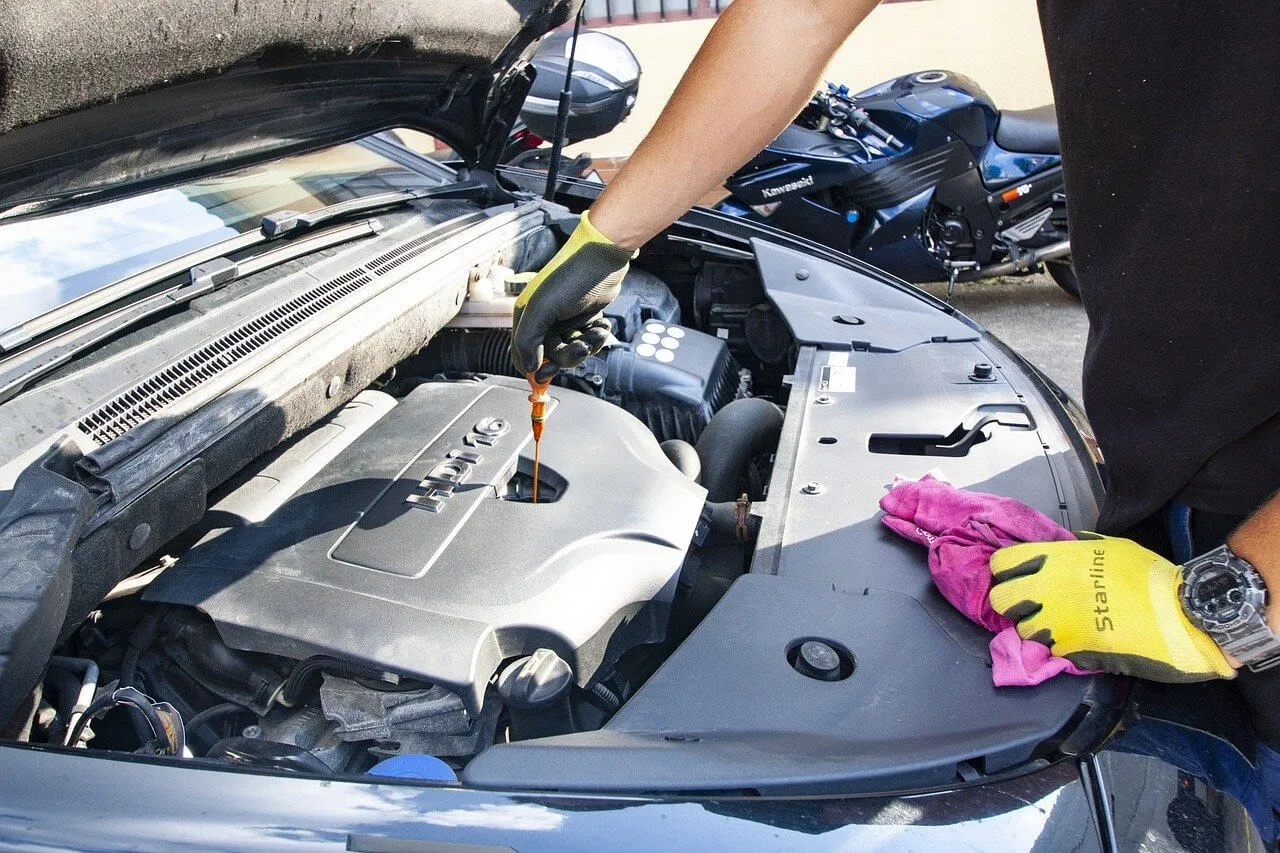
Changing essential fluids is one of the most critical longevity tasks. This includes transmission fluid, brake fluid, coolant, and power steering fluid. These systems rely on clean, sufficient fluid to operate safely and efficiently. Brake fluid should be flushed every two years, while others follow manufacturer guidelines.
Letting fluids run low or deteriorate causes internal damage that often results in costly repairs. Some fluids, like differential oil, are difficult to access but still require occasional service. Whether you do it yourself or hire a mechanic, fluid maintenance ensures that your vehicle’s internal systems remain lubricated and responsive.
4. Use Diagnostics to Stay Ahead of Problems
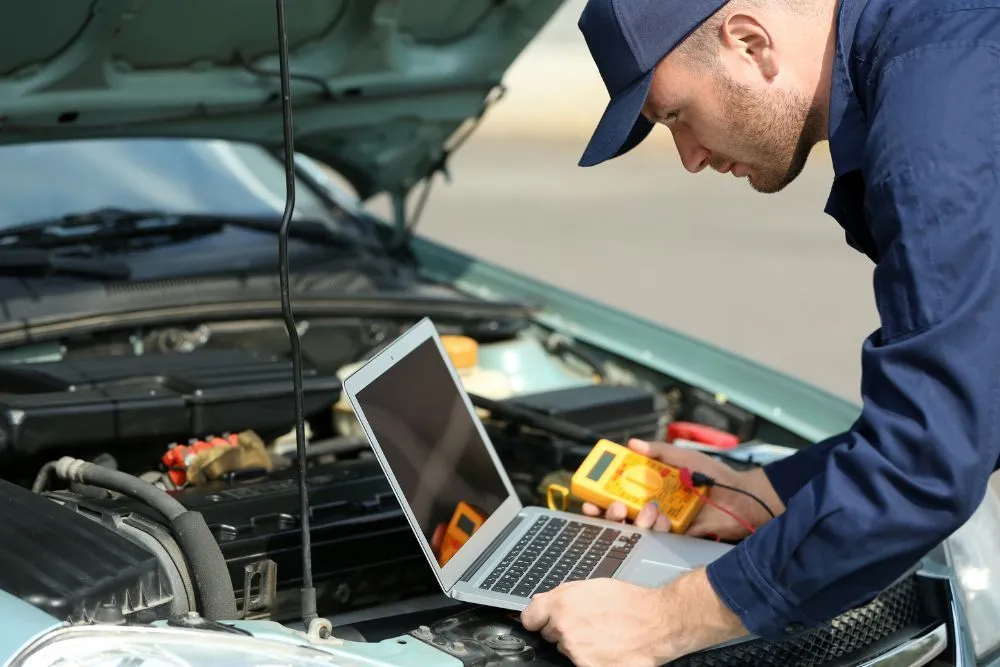
Investing in an OBD (Onboard Diagnostics) scanner is a simple way to stay on top of emerging issues. When the Check Engine light comes on, use the scanner to read the fault code and research its meaning. Some issues may be minor, like a loose gas cap, while others—such as misfires—require immediate attention.
Basic scanners are affordable and provide valuable insights. For advanced users, professional-grade diagnostic tools offer dealership-level data. Even if repairs are done by a mechanic, knowing the source of a warning light gives you control and can help avoid unnecessary or inaccurate fixes.
5. Keep the Electrical System Healthy
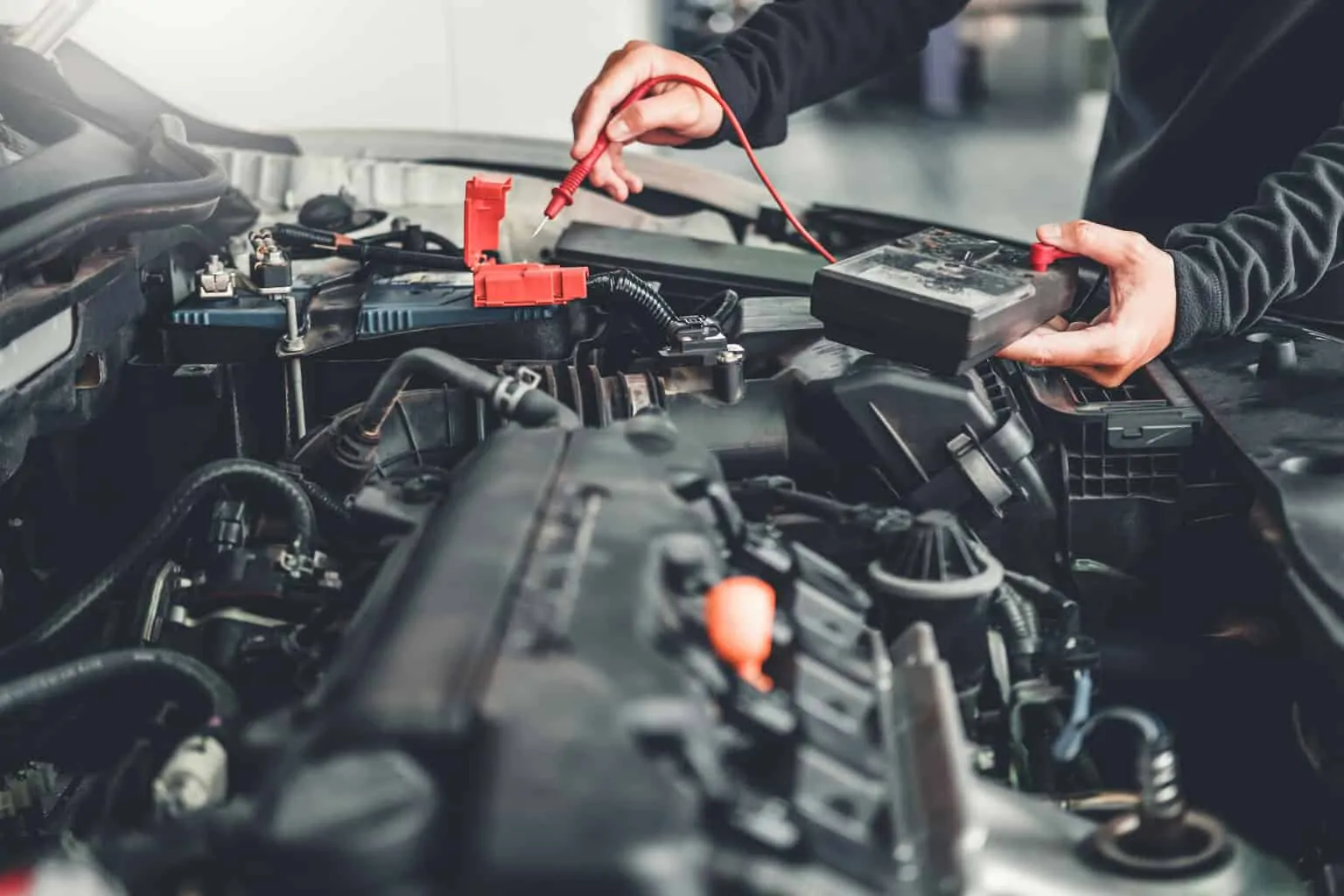
The car’s electrical system powers crucial components such as lights, ignition, and sensors. Although usually low-maintenance, problems can arise due to water exposure or rodent damage. Avoid driving through deep water, and inspect under the hood monthly for chewed wires or corrosion.
Rodents are attracted to soy-based wire coatings, which can be expensive to replace if damaged. If you’re storing your car, consider rodent deterrents and moisture-absorbing products in the garage.
Preventative care of the electrical system ensures the reliability of your car’s electronic functions and can save you from complicated and costly repairs down the road.
Also Read: 10 Cars That Survive Teen Drivers Built Tough Safe Smart and Budget Friendly
6. Store It Smartly: Use a Cover or Garage
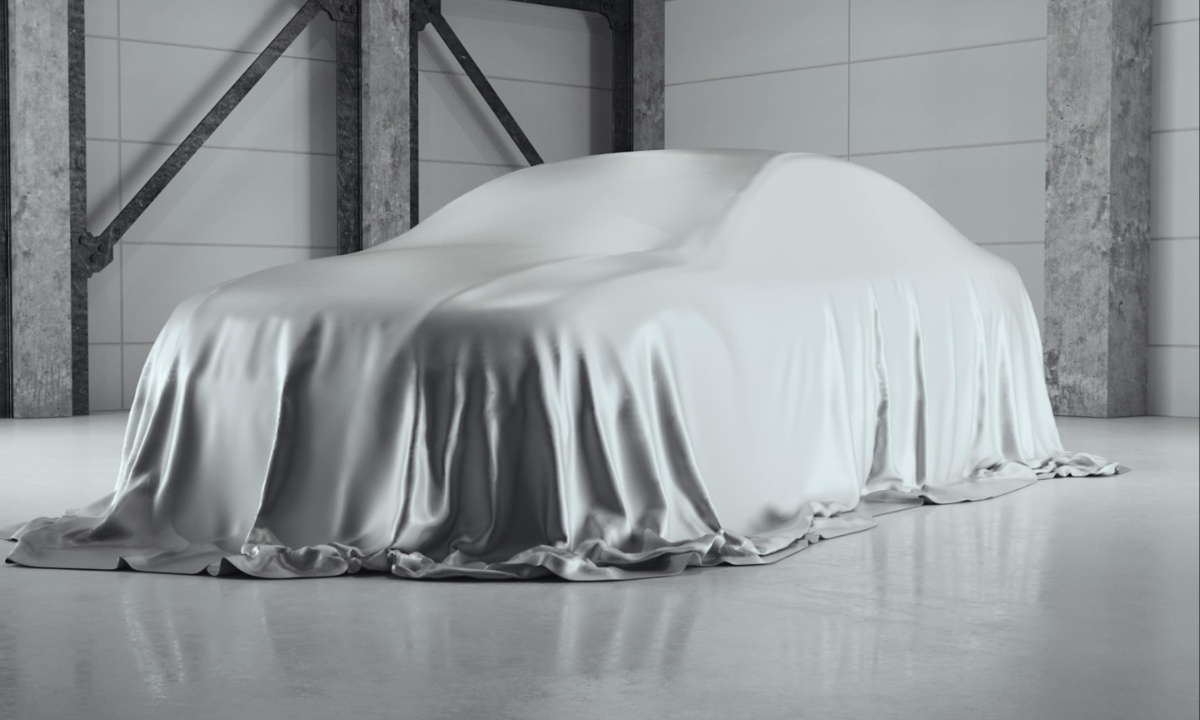
Environmental exposure is a major threat to your vehicle’s longevity. Whenever possible, park your car in a garage to shield it from harsh weather, UV rays, and falling debris. If a garage isn’t available, invest in a high-quality car cover that fits snugly.
It protects against sun damage, bird droppings, dust, and tree sap—all of which can stain or degrade exterior surfaces. Over time, this kind of physical protection keeps the paint vibrant and prevents rust from taking hold. A covered car weathers the elements far better, extending both cosmetic and structural integrity beyond the 15-year mark.
7. Care for the Interior Like the Exterior
Your car’s interior also plays a role in long-term enjoyment and resale value. Dirt and neglect can damage seats, dashboards, and carpet over time. Use products made specifically for automotive surfaces—never household cleaners. For leather surfaces, apply leather-specific cleaner and conditioner regularly to avoid cracking.
Avoid ammonia-based products, which can dry out materials. Clean spills immediately and vacuum regularly to prevent permanent stains and odors. Maintaining a clean interior helps avoid costly refurbishing later on and ensures the comfort and pride of owning a well-kept car for years—even decades—after it leaves the dealership lot.
8. Stay on Top of Suspension and Steering
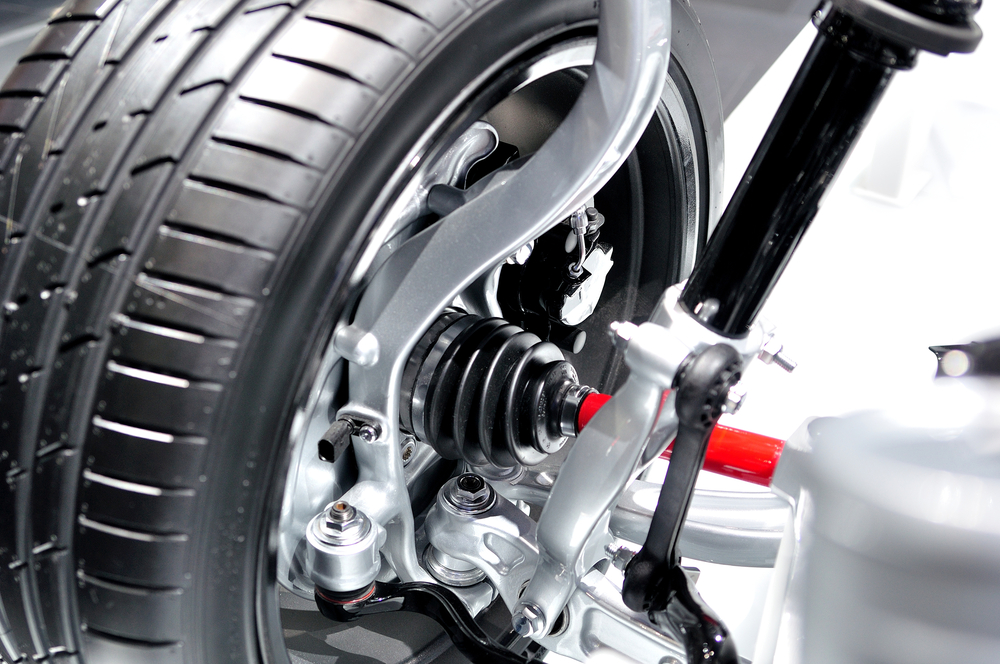
A smooth ride is a sign of a healthy suspension. Components like shocks, struts, and springs wear out gradually, especially on rough roads. If your car feels bouncy, dips when braking, or handles poorly in corners, it’s time for an inspection. These symptoms can compromise safety and make your car harder to control.
Ignoring suspension issues accelerates wear on tires and other systems. Address them early to keep your car handling as it should. Regular suspension maintenance not only makes driving more enjoyable but also keeps the vehicle safe and stable throughout its extended lifespan.
9. Monitor and Maintain the Transmission
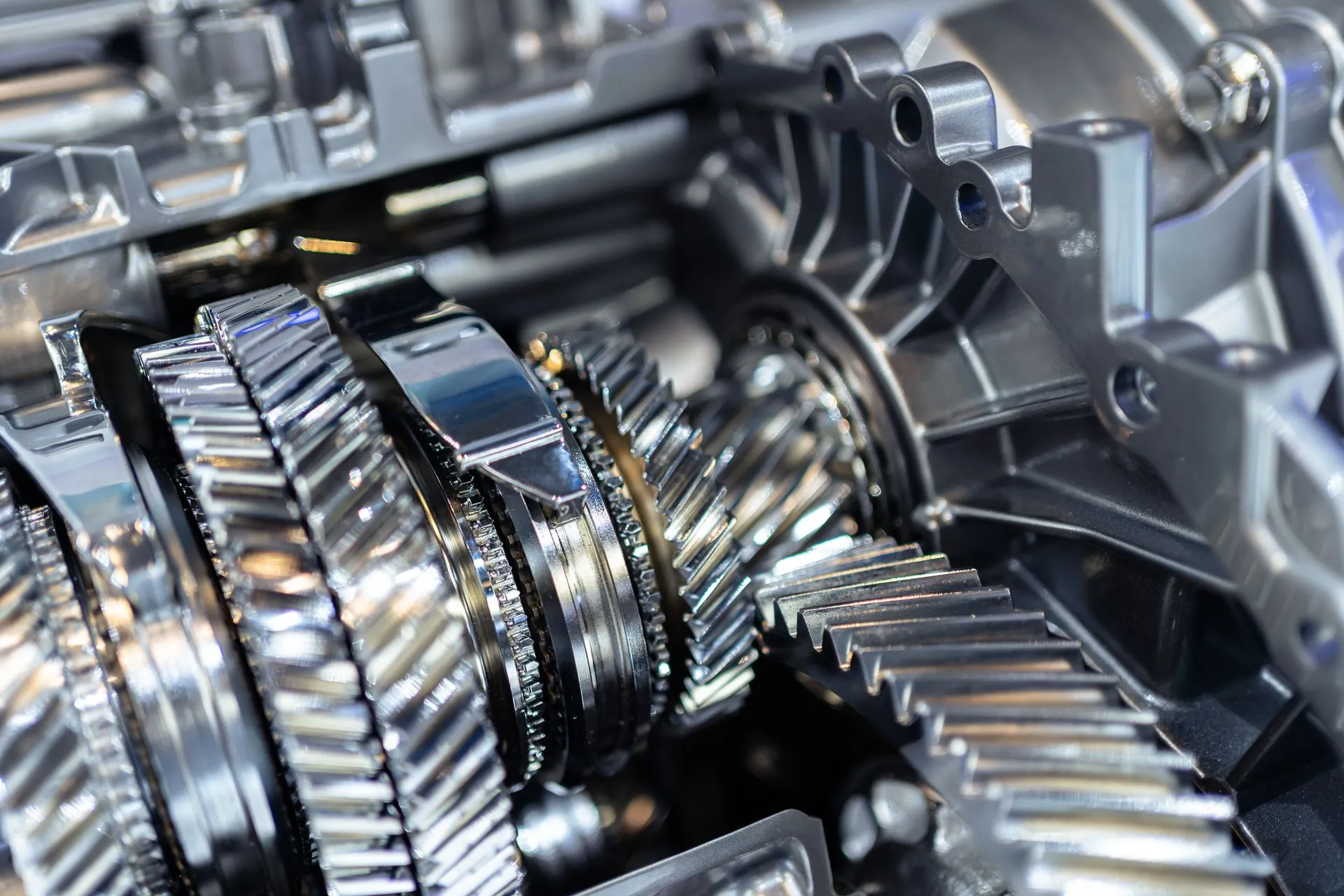
The transmission transfers engine power to the wheels—making it crucial to vehicle operation. Transmission failure is one of the most expensive repairs, but much of it is preventable. Warning signs include rough shifting, slipping gears, or a burning smell.
While internal repairs require a specialist, you can help avoid issues by checking and replacing transmission fluid as recommended. Stick to the service schedule and be proactive at the first sign of trouble.
A healthy transmission keeps your car running smoothly and helps it reach that 15-year milestone without breaking the bank on unexpected drivetrain repairs.
10. Don’t Overlook the Brakes
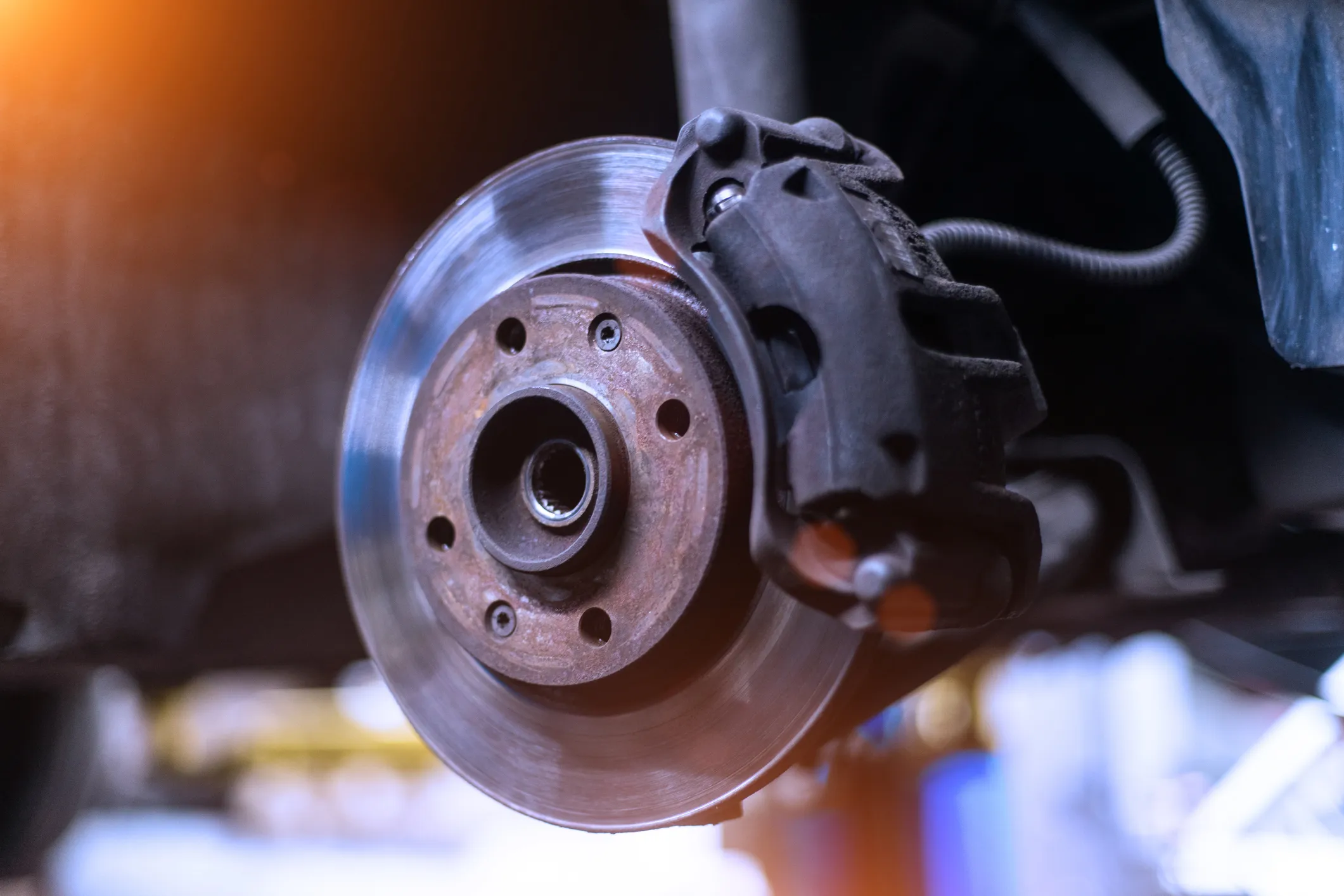
Brakes are essential for your safety and must be maintained meticulously. Flush the brake fluid every two years to remove moisture that can cause corrosion and reduce stopping power. Keep an ear out for squealing or grinding sounds that signal worn brake pads or rotor damage.
Ignoring brake issues doesn’t just shorten your vehicle’s life—it puts you and others at risk. Replacing pads and fluid is relatively simple and inexpensive compared to major brake system repairs. Prioritizing brake maintenance ensures that your car not only lasts but also remains safe throughout its many years of service.
Taking the time to care for your car through these ten tips doesn’t just extend its life—it enhances your ownership experience. From engine oil to brake pads, every small task contributes to a larger picture of reliability and value. A car that’s well-maintained looks better, runs smoother, and avoids the surprise of costly breakdowns.
With consistent effort, even an average vehicle can surpass 15 years on the road. Whether you’re saving money or preserving a beloved ride, these habits ensure your car stays dependable well beyond expectations—and proves that durability is mostly about discipline.
Also Read: 5 Cars That Don’t Need Suspension Work for 10+ Years and 5 That Always Squeak