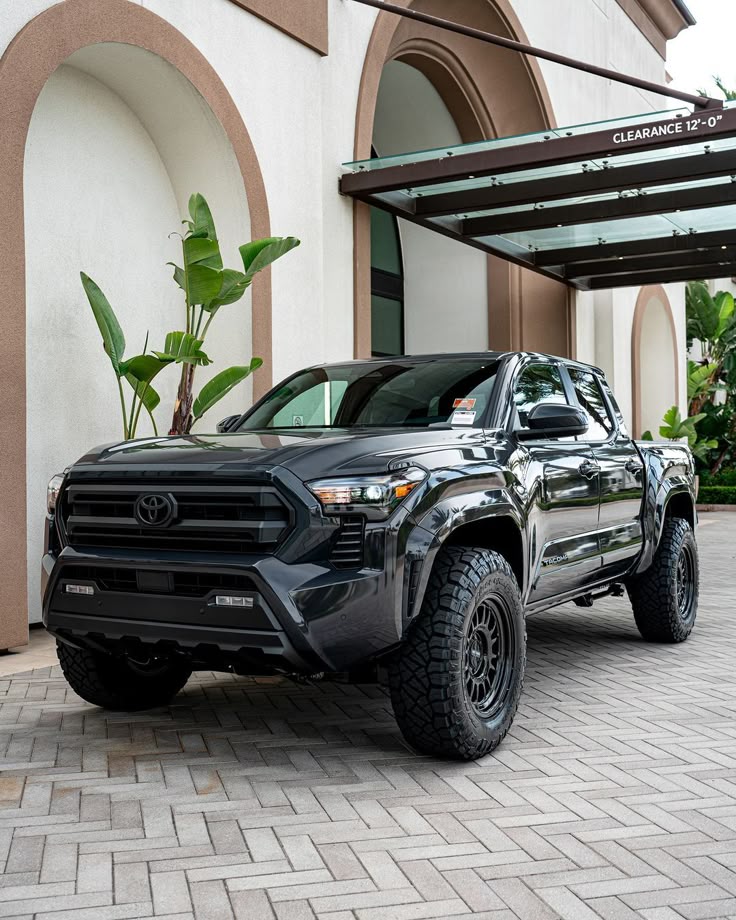
Toyota’s reputation for rock-solid reliability has long been a major reason buyers keep coming back. Known for building cars that rack up hundreds of thousands of miles without drama, Toyota has established itself as a global leader in engineering dependability.
From taxis in Southeast Asia to family sedans in North America, Toyotas often live long, loyal lives. But here’s the twist: not every Toyota carries the same bulletproof legacy. While many models are praised for running forever with minimal maintenance, others have been plagued by issues you’d never expect from the brand.
This list takes a close look at the five Toyotas that consistently prove themselves in the long haul—vehicles that owners trust to outlast trends, resale cycles, and sometimes even the owners themselves.
But we’re not stopping there. We’re also diving into five Toyotas that shocked buyers with unexpected engine troubles, transmission problems, or poor build quality—models that prove even Toyota can occasionally miss the mark.
Whether you’re shopping for your next daily driver, investing in a secondhand Toyota, or just curious to know which models live up to the legend and which fall short, this blog’s got the full breakdown. Buckle up—because reliability isn’t always where you expect it.
5 Toyotas That Run Forever
These Toyotas are the gold standard of long-term ownership. Known for their indestructible engines, overbuilt drivetrains, and minimal electronic fuss, these models regularly see 300,000 miles and beyond. From rugged trucks to no-nonsense sedans, these vehicles are often called “bulletproof” by enthusiasts.
Routine oil changes and basic care are all they need to keep chugging along. If you’re looking for a Toyota that will practically outlive you, these five picks have earned their keep in garages around the world.
ALSO READ: 5 Affordable Cars With Dealer-Level Reliability and 5 That Always Need Service
1. Toyota Land Cruiser
The Toyota Land Cruiser is the very definition of overbuilt. For decades, it’s been Toyota’s flagship when it comes to off-road capability, and its longevity is legendary.
Owners regularly report 400,000+ miles with original engines and minimal issues. Its 4.7L and 5.7L V8s are known for their ability to handle neglect, extreme climates, and heavy towing without a hiccup.
What makes the Land Cruiser so indestructible is Toyota’s relentless focus on durability. Everything from the frame to the electronics is built to military-grade toughness.
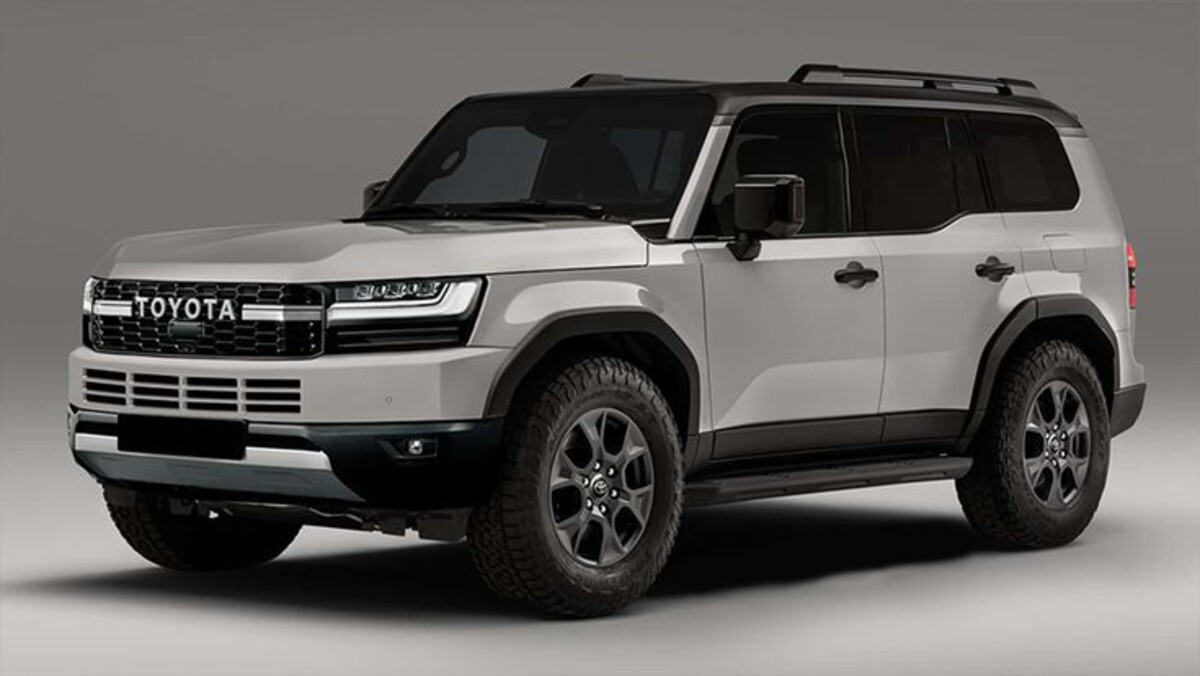
That’s why Land Cruisers are still in service in some of the harshest parts of the world, from the African savanna to Australian mining fields.
Yes, it’s expensive upfront. And yes, it drinks gas like a college student at a tailgate. But if you want a vehicle that’ll outlast trends, technology, and probably a few other cars in your garage, this is the one.
Even older models from the ’90s still fetch high resale values today—a testament to how much faith people place in their endurance.
When it comes to Toyotas that run forever, the Land Cruiser isn’t just at the top of the list—it is the list.
2. Toyota Corolla
The Toyota Corolla may not be flashy, but it’s hands-down one of the most reliable cars ever made. For over 50 years, this compact sedan has been a go-to choice for people who want dependable, worry-free driving.
Its secret? Simplicity. Toyota keeps the Corolla’s engine and transmission relatively basic, which means fewer components that can go wrong.
Whether it’s the bulletproof 1.8L engine from the early 2000s or the newer fuel-efficient powertrains, Corollas just don’t quit.
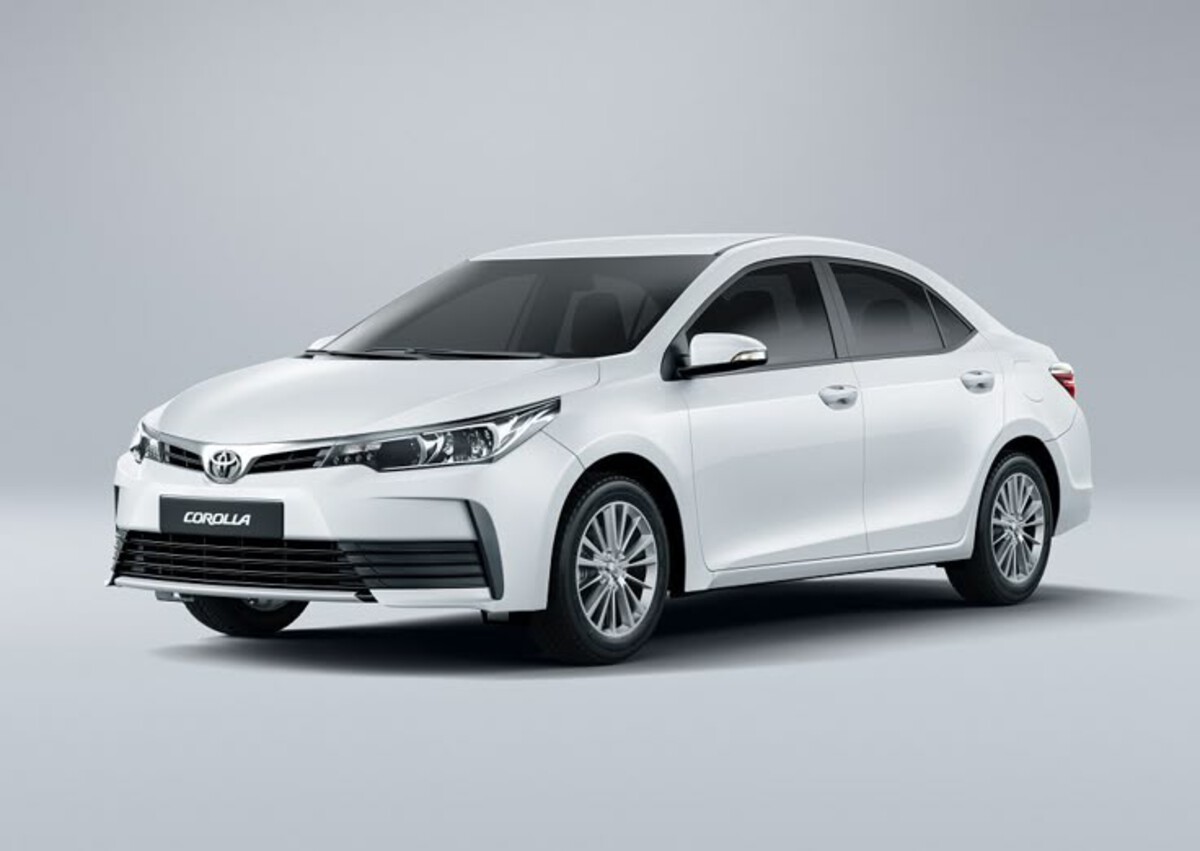
Many owners hit 300,000 miles without major repairs, and maintenance costs stay low due to its massive parts availability and easy serviceability.
The Corolla doesn’t try to impress with turbochargers or complicated electronics—it just delivers the essentials. And while its styling and driving dynamics may be bland to some, the car’s core strength lies in doing everything reliably.
It’s a favorite of rideshare drivers, college students, and retirees alike—all people who need their car to just work every single day.
If you’re hunting for a Toyota that can handle years of commuting, errands, or road trips with minimal complaint, the Corolla is a no-brainer. It’s not just a car—it’s peace of mind on wheels.
3. Toyota 4Runner
The Toyota 4Runner is the SUV you buy when you want to abuse it and still expect it to show up for work the next day. With its rugged body-on-frame design and old-school 4.0L V6 engine, the 4Runner hasn’t changed much in years—and that’s precisely why it lasts forever.
This SUV laughs in the face of snow, mud, and desert heat. It’s not loaded with delicate sensors or finicky tech—just durable parts and a drivetrain built for real-world punishment.
Many owners take their 4Runners off-roading every weekend, rack up over 250,000 miles, and still daily drive them to work without issue.
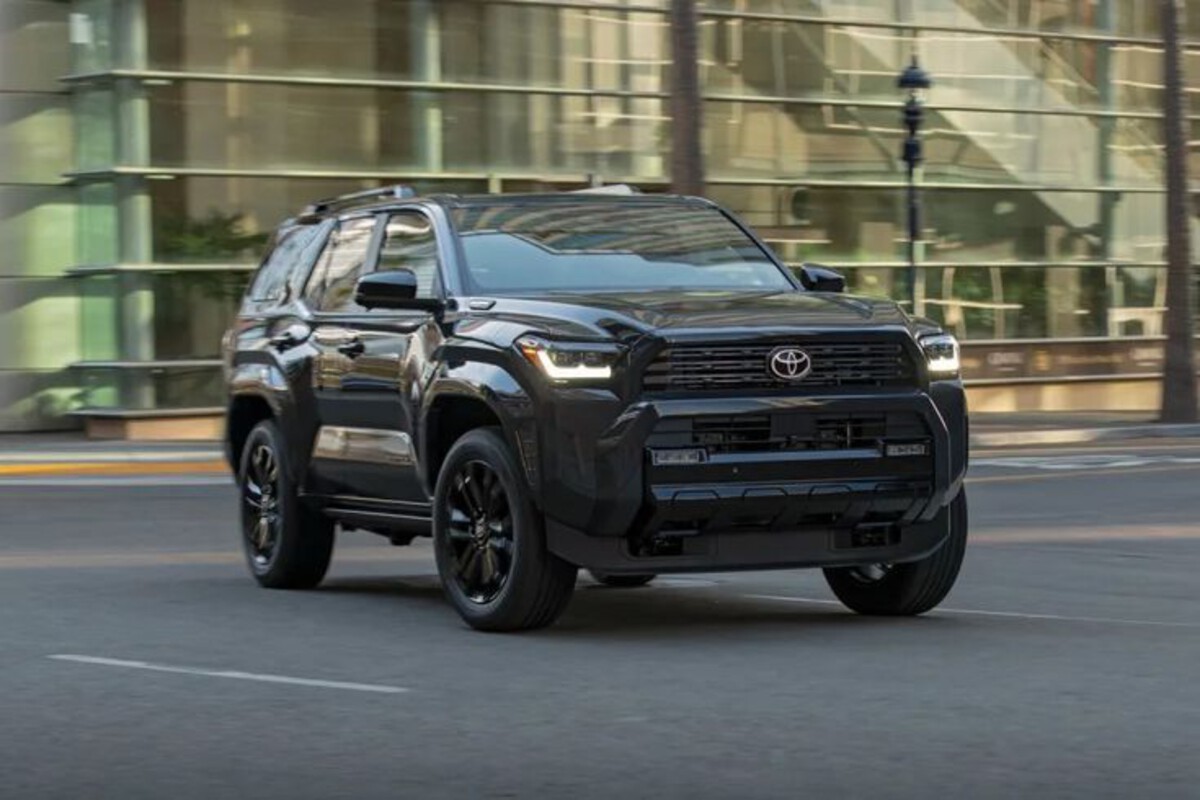
Even the interior is built for endurance. Hard plastics may not scream “luxury,” but they hold up better than soft-touch materials over time. The electronics are minimal and functional—no touchscreen gimmicks or fragile buttons.
Sure, the gas mileage isn’t great, and the ride is stiff compared to unibody crossovers. But if you’re prioritizing long-term reliability over plushness, few vehicles beat the 4Runner.
Whether you’re climbing mountains or just want a tough-as-nails daily driver, the 4Runner earns its reputation as one of the most durable Toyotas ever built.
4. Toyota Camry
The Toyota Camry has long been the poster child of midsize sedan reliability. With over 20 million sold globally, its success isn’t based on flash—it’s all about consistency and dependability. Whether you grab a model from the ’90s or something fresh off the lot, the Camry just keeps running.
Older Camrys are known for their bulletproof 2.2L and 3.0L engines, while newer ones benefit from the rock-solid 2.5L Dynamic Force four-cylinder. Even hybrid models have proven impressively durable. Transmissions are smooth and rarely fail, and suspension components can last years without issue.
The Camry also holds up well in terms of ownership cost.
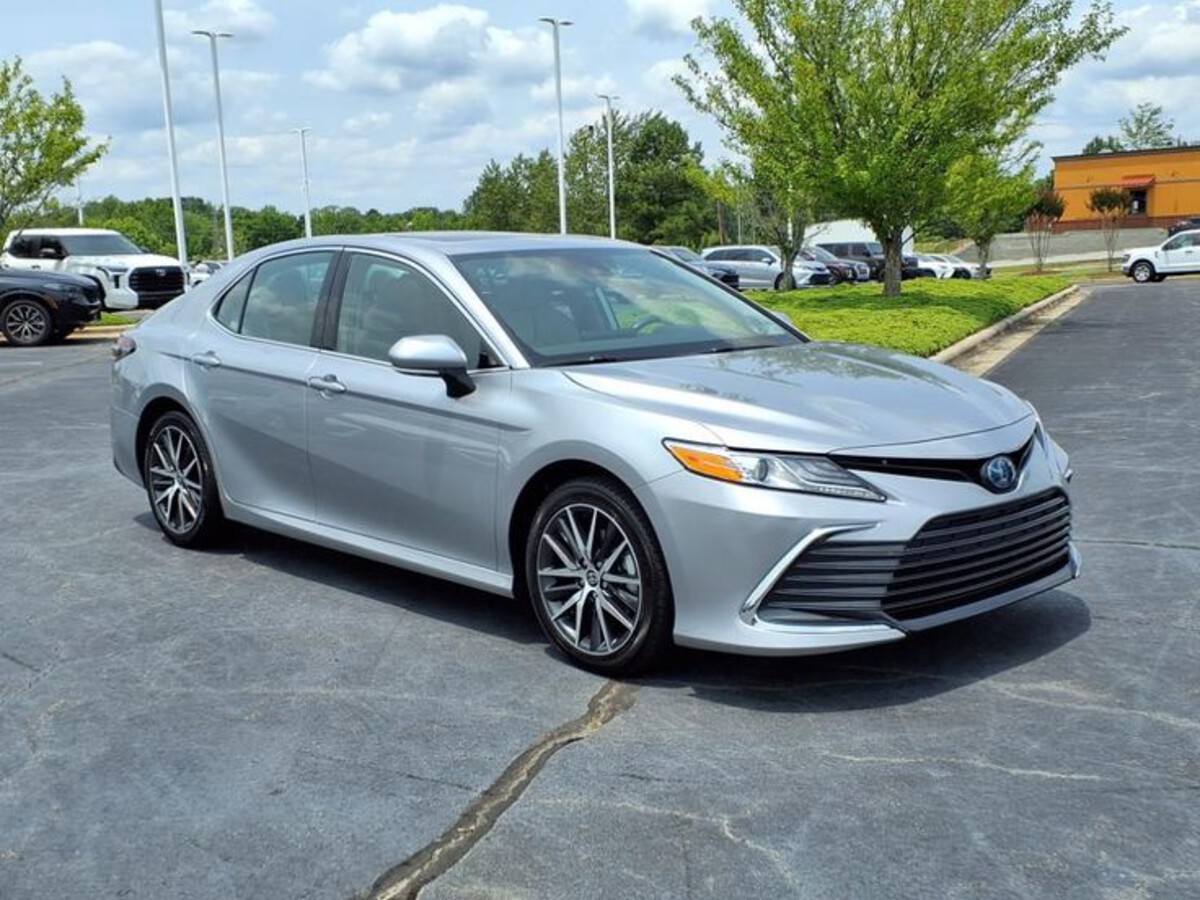
Parts are cheap, repairs are infrequent, and you don’t need a degree in engineering to do basic maintenance. Many owners report hitting 300,000 miles with regular oil changes and minor service.
This is the car you recommend to your cousin heading to college, or your parents looking for a low-maintenance daily. It’s comfortable, easy to drive, and rarely lets you down. In short, it just works.
In the world of Toyotas that last forever, the Camry sits right up there with the best—and it does it all without asking for much in return.
5. Toyota Tacoma
The Toyota Tacoma is the compact truck that refuses to die. With a reputation built on toughness, this pickup has been a favorite for off-roaders, tradesmen, and weekend adventurers alike. The Tacoma’s 2.7L and 4.0L engines are known for being near-indestructible, with many trucks clocking 300,000+ miles.
Its simplicity is key to its longevity. The older Tacomas especially are devoid of overcomplicated electronics, allowing the mechanical parts to shine.
Add in its tough frame, proven 4WD systems, and high ground clearance, and you’ve got a recipe for long-term reliability.
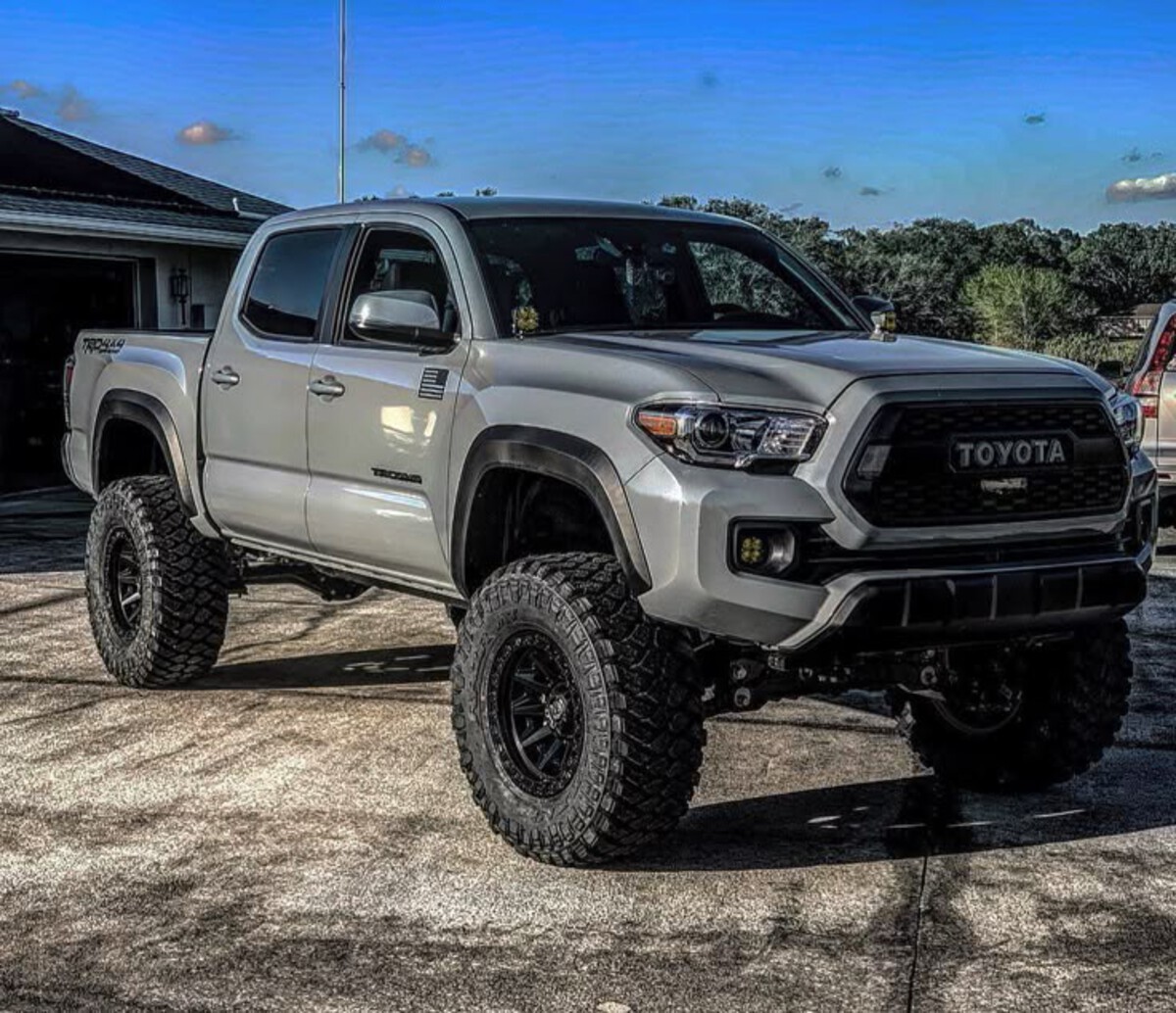
Owners praise it for needing minimal maintenance—oil changes, fluid flushes, and that’s it. Even when abused on trails or loaded with gear, the Tacoma rarely breaks a sweat. And when it does need repairs, parts are cheap and widely available.
It’s not the most luxurious ride, nor the fastest, but it does exactly what a truck is supposed to do—work hard and last long.
If you’re looking for a truck that can handle years of hauling, camping, and the daily grind without breaking the bank, the Tacoma is the definition of “buy it once, drive it forever.”
5 Toyotas That Suffer Surprise Reliability Issues
Not every Toyota is bulletproof. Some models, despite wearing the legendary badge, have surprised buyers with unexpected reliability woes. From faulty transmissions to excessive oil consumption, these Toyotas have left many owners frustrated.
It’s not always about bad engineering—sometimes it’s a rushed redesign, over-complicated tech, or supply chain mishaps. If you’re shopping for a used Toyota, keep a sharp eye on these five. They might look reliable on the surface, but under the hood, they tell a different story.
ALSO READ: 5 Engines That Thrive at High RPM and 5 That Can’t Handle Daily Driving Stress
1. Toyota RAV4 (2006–2008) – Unexpected Engine Woes
The Toyota RAV4 has a solid reputation overall, but not every generation has been flawless. The 2006–2008 RAV4 models, in particular, were plagued by a serious issue: excessive oil consumption.
Owners reported burning through a quart every 1,000 miles—sometimes even more—despite regular maintenance.
Toyota eventually acknowledged the problem and issued a TSB (Technical Service Bulletin), but not before many engines suffered damage or required expensive rebuilds.
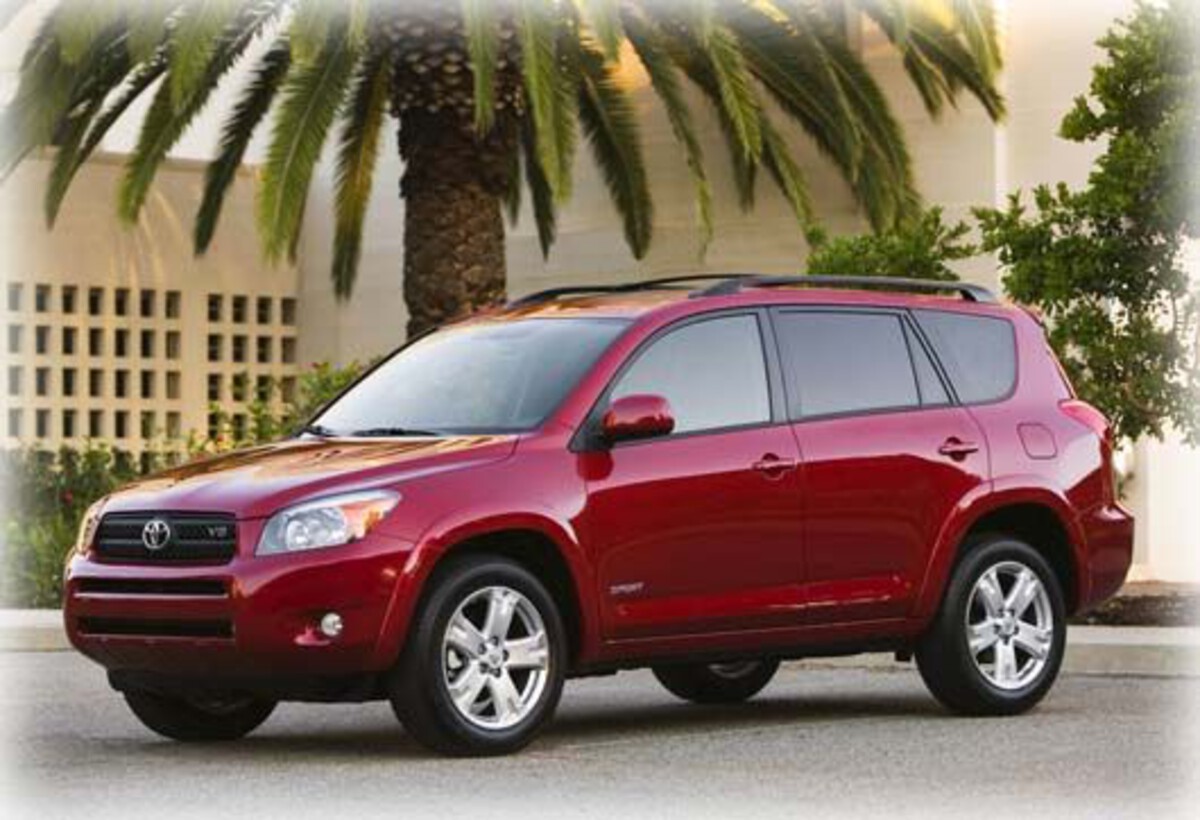
The culprit? Faulty piston rings in the 2.4L four-cylinder engine. While not every RAV4 in this range was affected, the problem was widespread enough to hurt buyer confidence.
Even worse, many owners didn’t notice the issue until engine damage had already occurred—hence the “surprise” part of these reliability problems.
Aside from the engine troubles, these RAV4s were decent vehicles. They offered solid all-wheel-drive performance, ample cargo room, and good fuel economy. But when your engine burns oil like a two-stroke dirt bike, all the features in the world don’t matter.
If you’re buying used, avoid these specific years, or be absolutely sure the engine issue has been addressed. It’s a rare stumble from a brand that usually prides itself on bulletproof engineering.
2. Toyota Sienna (2011–2014) – Transmission & Sensor Troubles
Minivans are supposed to be the ultimate family haulers, and the Toyota Sienna generally fits that bill. But the 2011–2014 Sienna models came with a few unexpected headaches, particularly related to the transmission and electronic components.
Owners complained of hard shifts, delayed engagement, and complete transmission failure—often well before 100,000 miles.
While not every van had issues, the frequency of complaints was high enough to dent the model’s otherwise clean reputation.
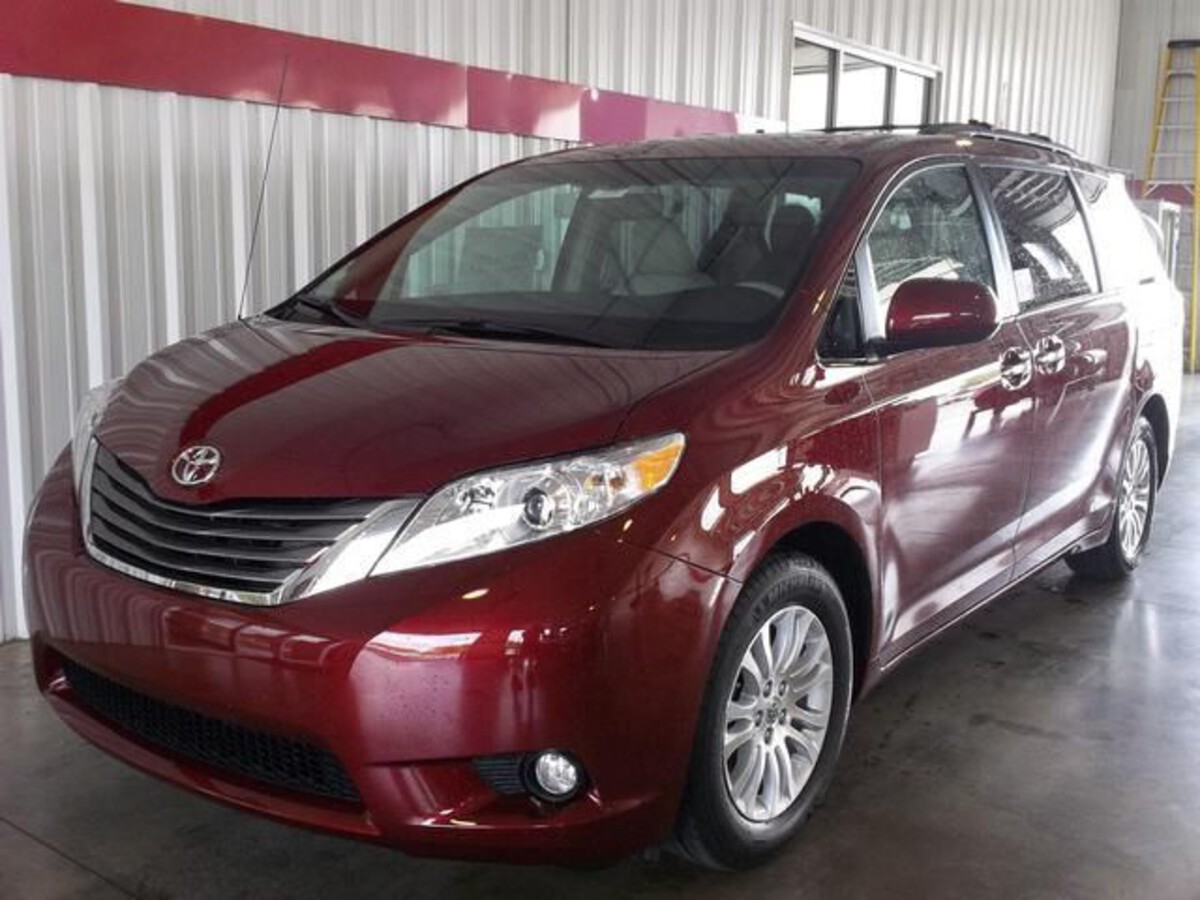
Even more frustrating was Toyota’s slow response; many customers said dealerships were reluctant to admit a widespread issue existed.
Compounding the frustration were numerous electrical gremlins: door sensors failing, power sliding doors randomly stopping, backup cameras flickering or going black. These aren’t catastrophic problems on their own, but in a vehicle designed to safely transport children and groceries, reliability matters.
The 3.5L V6 engine itself is solid, but when paired with a jittery transmission and glitchy electronics, the ownership experience suffers. Some owners reported spending thousands trying to chase down various issues that shouldn’t exist in a Toyota.
If you need a Sienna, look for models outside this range, or budget for potential repairs. These years remind us that even Toyota can slip when it comes to family-focused functionality.
3. Toyota Prius (2010–2014) – Battery & Inverter Issues
The Toyota Prius revolutionized the hybrid market, but the 2010–2014 models proved that even pioneers can trip. These Prii were known for premature battery failure and a slew of hybrid system issues, especially as they aged past the 100,000-mile mark.
The most common complaint? The hybrid battery pack is losing capacity early. Replacing it isn’t cheap, often running $2,000–$3,000.
But the bigger concern was the inverter failure, which could cause the car to shut down mid-drive. That’s more than an inconvenience—it’s a safety hazard.
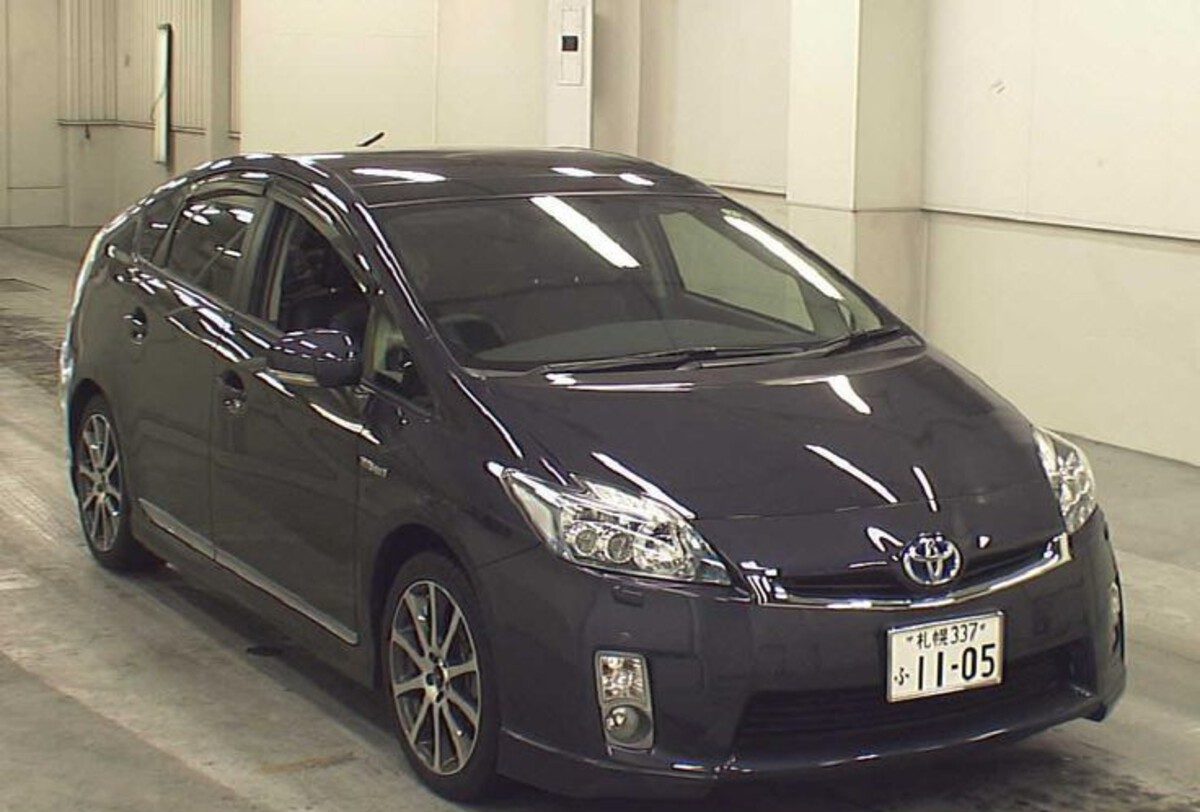
Toyota did issue recalls and software updates for some of these problems, but the damage to customer trust was already done. For a car marketed as the future of efficiency and low maintenance, this generation was surprisingly expensive to own once out of warranty.
Additionally, the interior materials didn’t hold up well, and some owners noted rattles and failing electronics. Combine that with the stress of potential hybrid system failure, and you get a Prius that feels risky instead of revolutionary.
Later models (2015 and beyond) have improved significantly. But if you’re buying used, be extra cautious with this generation. You might save on fuel, but you could end up paying a steep price in repairs.
4. Toyota Avalon (2005–2007) – Oil Leaks & Engine Sludge
Luxury meets longevity… except when it doesn’t. The Toyota Avalon is typically seen as a more refined, full-size Camry with a smooth V6 and plush ride.
But the 2005–2007 Avalon lineup brought along some ugly surprises, most notably oil leaks and sludge-related engine problems.
The 3.5L V6 engine in these models was powerful and refined, but poor PCV system design and engine ventilation led to oil gelling and sludge formation.
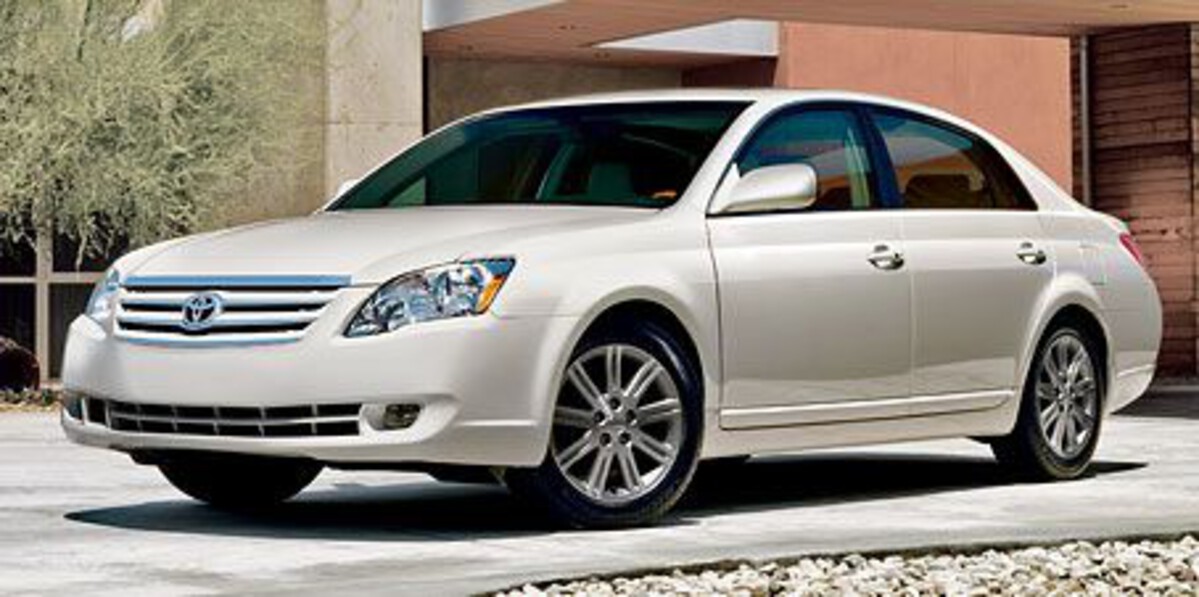
Once sludge builds up, oil can’t properly lubricate the engine, leading to overheating, poor performance, and in worst cases, complete engine failure.
This issue wasn’t exclusive to Toyota, but given the brand’s rock-solid reputation, it caught a lot of loyal buyers off guard.
The fix often involved an expensive engine flush or rebuild, and some unlucky owners had to replace the motor entirely. Toyota did settle a class-action lawsuit over the issue, but not every car qualified.
To make things worse, early transmission problems also emerged, with some Avalons slipping gears or jerking during acceleration. It’s rare for a Toyota to have two major powertrain concerns in one model—but the Avalon from this era did.
If you’re eyeing one, make sure it has thorough service records and no signs of oil contamination. Otherwise, this luxury cruiser might not go the distance.
5. Toyota Matrix (2009–2010) – Water Pumps & ECU Fails
The Toyota Matrix was meant to be a sporty, versatile hatchback that combined Corolla-like reliability with added practicality.
And for the most part, it delivered—except for the problematic 2009–2010 models that faced serious reliability concerns early on.
A common issue was premature water pump failure, sometimes as early as 40,000 miles.
Once the pump goes, overheating follows—and that’s a one-way ticket to warped heads and engine trouble. Complicating matters, the symptoms often went unnoticed until serious damage occurred.
Then there’s the infamous electronic control unit (ECU) problems.
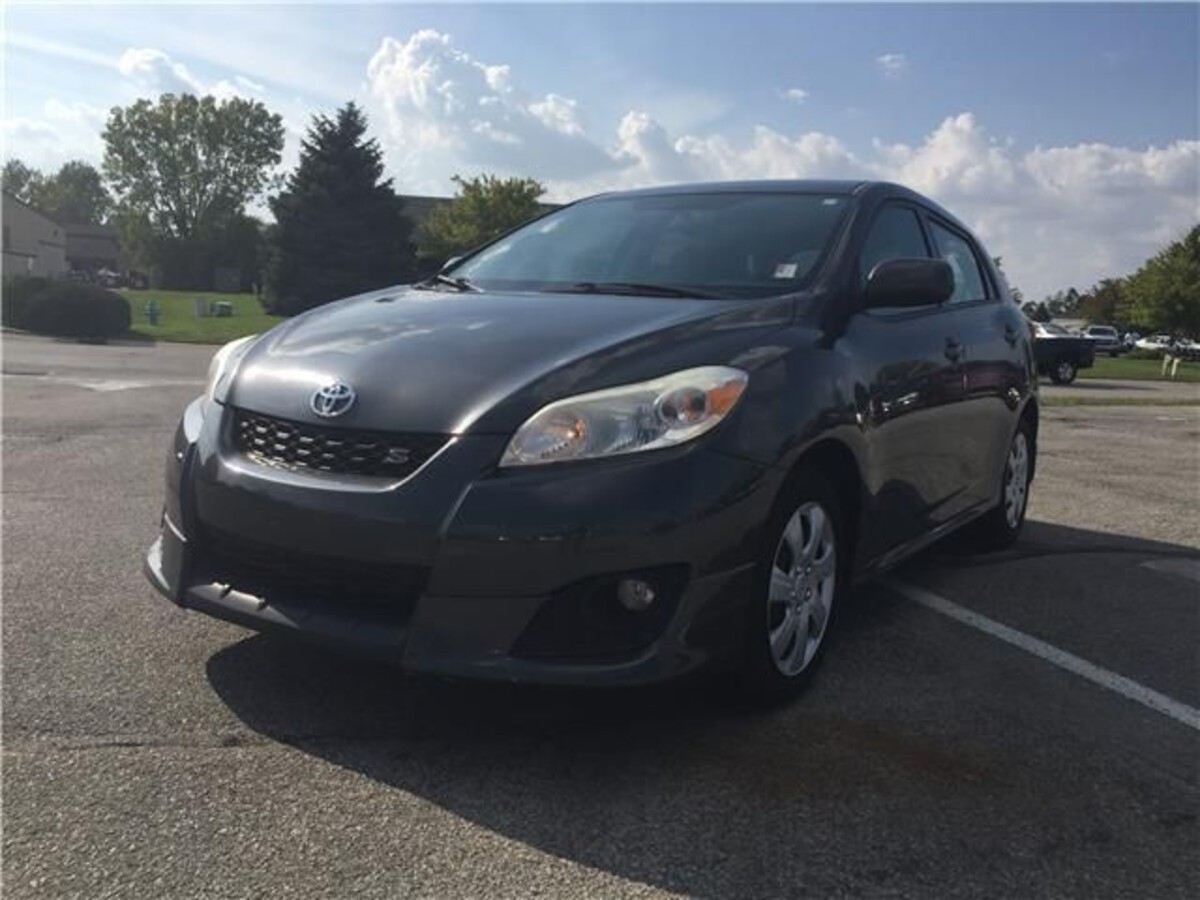
The ECU is the brain of the car, and in these Matrix models, it could randomly fail, causing hard starts, erratic idling, or even stalling while driving. ECU replacement isn’t cheap, and many frustrated owners had to fight for warranty coverage.
The Matrix was also known for rough ride quality and weak interior build in this generation, especially compared to the bulletproof earlier models (2003–2008). As a result, resale values dropped, and buyer confidence took a hit.
Overall, the Matrix is still a decent Toyota, but these model years are best avoided unless meticulously maintained.
They remind us that even reliable nameplates can have their off years, especially when cost-cutting or rushed updates enter the mix.
Toyota has spent decades earning its crown as the king of long-lasting vehicles, and for the most part, it still deserves it.
Models like the Land Cruiser, 4Runner, Tacoma, Corolla, and Camry continue to win hearts (and rack up miles) because of their rock-solid engineering and minimal maintenance demands. These are the Toyotas you buy when you want to forget about the mechanic and focus on the road ahead.
But no brand is immune to missteps, and Toyota is no exception. The RAV4’s oil-burning issues, the Prius’s hybrid headaches, the Avalon’s sludge fiasco, and the Matrix’s surprising ECU problems all serve as cautionary tales.
These cars weren’t poorly designed from top to bottom, but specific components failed to live up to Toyota’s own high standards.
So, what’s the takeaway? Don’t assume every Toyota is indestructible just because of the badge. Research the model years, check known issues, and always dig into maintenance history, especially when shopping used.
The good news? Toyota still builds more winners than losers. And if you choose wisely, your Toyota might just be the last car you’ll ever need to buy.