When it comes to owning a truck, reliability and ease of maintenance can make or break your experience—especially if you’re the hands-on type who prefers to pop the hood rather than pick up the phone and book a service appointment.
Some trucks are built with DIYers in mind: accessible engine bays, straightforward parts, and predictable maintenance routines that don’t require a degree in mechanical engineering. These are the pickups that let you change your oil, replace filters, and even tackle more involved jobs on a Saturday afternoon with a basic set of tools.
Then there are the other kinds—the trucks that seem designed to keep your local mechanic in business. Whether it’s because of tightly packed engine compartments, finicky electronics, specialty tools, or just poor design choices, these are the models that punish owners who dare to do their own maintenance. Owning one means spending more time in the waiting room of a service center than on the road or in your garage.
In this article, we’re breaking it down for you. We’ll highlight five trucks that are surprisingly easy to maintain on your own, even if you’re just a weekend wrench.
Trucks With Easy DIY Maintenance
And we’ll call out five that, frankly, are better left to the pros—either because they’re frustrating to work on, expensive to fix, or just plagued with reliability issues. If you’re shopping for a truck and want to avoid constant shop visits—or if you’re tired of getting gouged by repair bills—this list will point you in the right direction.
1. Toyota Tacoma (2005–2023)
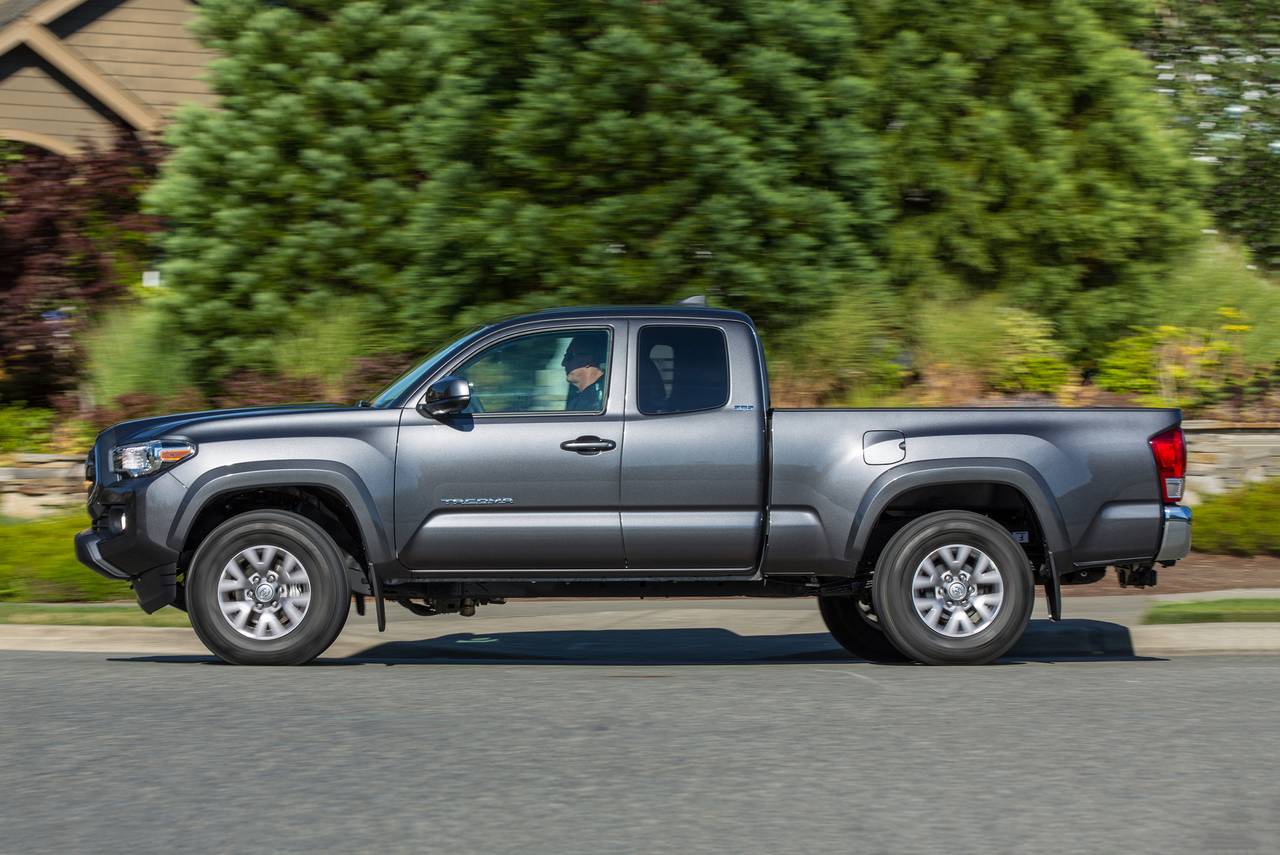
The Tacoma has built a reputation not only for bulletproof reliability but also for being incredibly accessible under the hood.
Oil filters and drain plugs are within easy reach, and even jobs like changing spark plugs or replacing the air filter can be done in under an hour. The engine bay isn’t overly cramped, and Toyota offers plenty of documentation.
For 2008, the Toyota Tacoma midsize pickup carries over without any updates. Toyota appears to be sticking with the old adage: “If it ain’t broke, don’t fix it.”
Though it’s often lumped in with compact pickups, the current-generation Tacoma—completely redesigned three years prior—is really a midsize truck.
Its standout feature is versatility, offering an extensive range of cab configurations, bed lengths, and trim levels. Whether you’re after a bare-bones standard cab workhorse or a well-appointed crew cab with solid towing and hauling chops, there’s a Tacoma build that fits the bill.
The breadth of available body styles is no joke. If you go for a Double Cab model with the long bed, you’ll find that this supposedly “compact” truck actually surpasses some full-size domestic short-bed pickups in both wheelbase and overall length.
Equally noteworthy is the Tacoma’s roomy interior and lineup of clever features. It comes equipped with a tough composite cargo bed that resists scratches and dents, and includes built-in storage compartments, adjustable tie-down cleats, and an optional 400-watt power outlet.
The available 236-horsepower V6 may not dominate the spec charts, but it delivers a smooth, wide power band that’s more than enough in the real world.
All told, the Tacoma checks nearly every box. It’s versatile, well-built, reliable, and easy to drive—qualities that have earned it back-to-back Editors’ Most Wanted awards. We still think the Nissan Frontier is worth a look, but for anyone in the market for a compact or midsize pickup, the 2008 Toyota Tacoma stands out as an easy recommendation.
The Tacoma’s engine options vary by cab style. Regular and Access Cab models are available with either a four-cylinder or V6, while the Double Cab comes with the V6 only. The 2.7-liter inline-four generates 159 horsepower and 180 lb-ft of torque
. The more robust 4.0-liter V6 delivers 236 horsepower and 266 lb-ft of torque. Transmission choices for the four-cylinder include a five-speed manual or a four-speed automatic, whereas the V6 is paired with either a six-speed manual or five-speed automatic.
In our testing, even a Double Cab V6 Tacoma outfitted with four-wheel drive and a long bed managed a 0-60 mph sprint in just 7.8 seconds—making it one of the quicker midsize trucks out there. Rear-wheel drive comes standard across all body styles, with four-wheel drive available. When properly equipped, the Tacoma can tow up to 6,500 pounds.
Common DIY Tasks:
- Oil and filter changes
- Front/rear brake pads
- Transmission fluid flush
- Radiator replacement
Also Read: Top 5 Hybrids With the Quietest, Smoothest Switchovers
2. Ford F-150 (2009–2020)
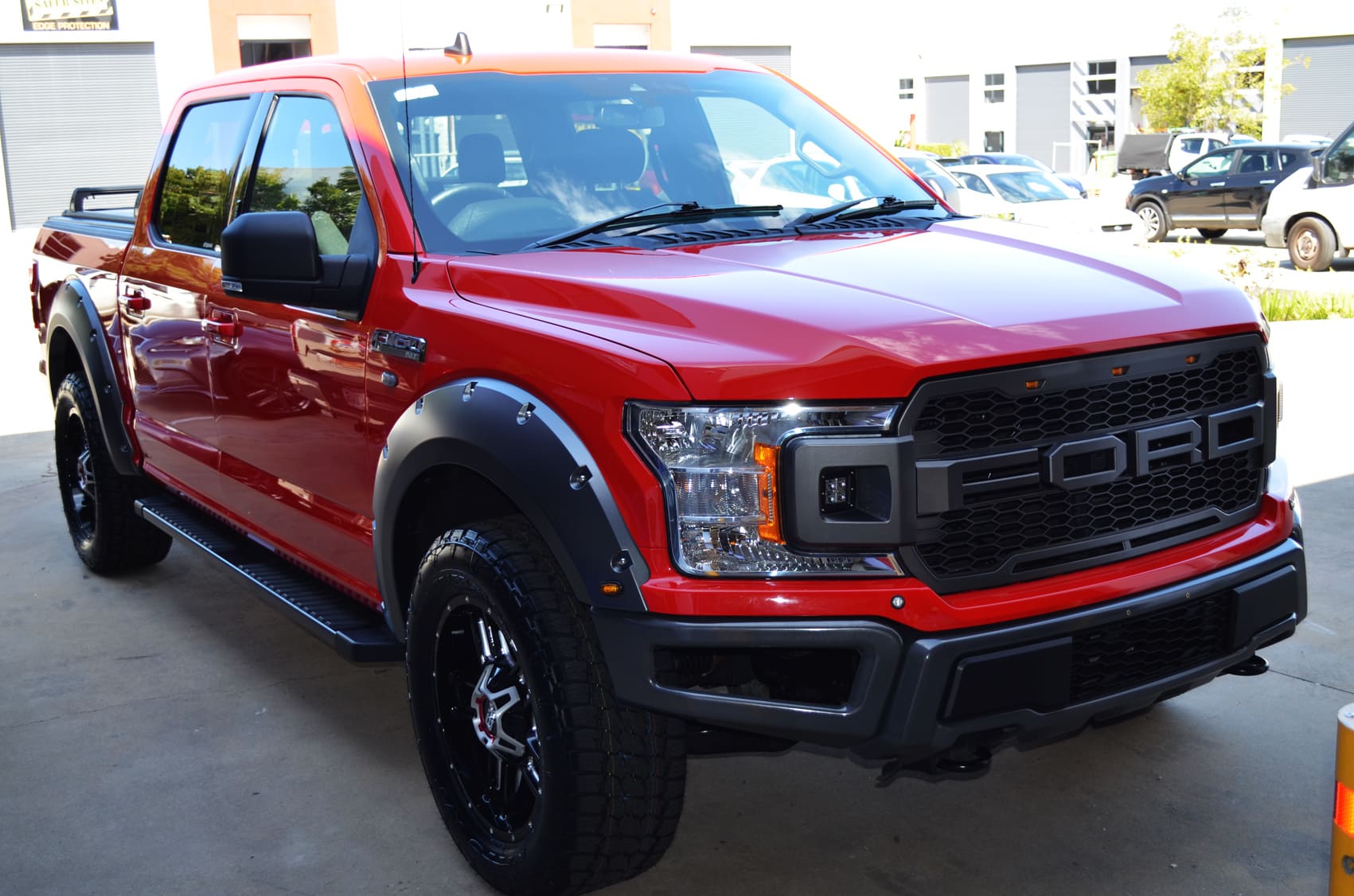
Ford’s F-150 has always catered to the working class, and its design reflects that. The EcoBoost engines can be tight, but the naturally aspirated V8s and V6s are easier to work on. Parts are plentiful and affordable, and there’s no shortage of YouTube tutorials.
the 2011 updates pushed the Ford F-150 right back to the front of the full-size truck class. They praised its ride for being smooth, composed, and sturdy. The new engines were a particular highlight, with many noting that even the base V6 outperformed the six-cylinder options offered by competitors.
All three engines earned strong reviews, with special praise going to the EcoBoost V6, which critics said delivers impressive acceleration and gives the F-150 a quick, responsive feel. In terms of fuel economy, a two-wheel-drive F-150 powered by the base V6 is rated at 17 mpg in the city and 23 mpg on the highway—slightly edging out most of its direct rivals.
The F-150 lineup offers an outstanding range of refined engine choices, most of which are paired with Ford’s 10-speed automatic transmission. Interestingly, the most potent option isn’t a traditional V-8, but rather a robust twin-turbocharged 3.5-liter EcoBoost V-6, delivering 375 horsepower and 470 lb-ft of torque.
This setup enables the truck to tow a class-leading 13,200 pounds. At the entry level, the F-150 comes with a 290-hp 3.3-liter V-6, the only engine in the lineup still coupled with a six-speed automatic. Other available options include an all-new twin-turbo 2.7-liter EcoBoost V-6 rated at 325 horsepower and a revised 5.0-liter V-8 producing 395 horsepower and 400 lb-ft of torque.
When properly equipped, the F-150 ranks among the best in its segment for acceleration, handling, and braking, although performance from the base engine feels underwhelming. While the ride is smooth on decent pavement, harsher bumps can unsettle the rear end with noticeable jitters.
At its most luxurious trim levels, the F-150 features front seats that offer massage functions in addition to being heated, cooled, and leather-wrapped. Higher trims also extend the leather treatment to the rear seats and steering wheel, with heating options available for both. Inside, the F-150 presents an interior that’s both efficient and attractive in its layout.
All major controls are easily accessible and straightforward to use. While overall cargo space is comparable to that of its full-size truck rivals, the F-150 offers ample storage throughout the cabin, including numerous compartments and storage bins that make smart use of interior space.
The F-150’s available infotainment setup stands out for its sharp graphics and wealth of features. Ford’s Sync 3 system, paired with an available 8.0-inch touchscreen, is intuitive and flexible. It supports voice commands, touchscreen gestures, knobs, and buttons, making for an easy learning experience. Bluetooth pairing works effortlessly and delivers clear call quality.
Optional tech includes a 4G LTE mobile hotspot, along with Apple CarPlay and Android Auto compatibility. New for the year is a 10-speaker Bang & Olufsen audio system, replacing the previously offered Sony unit.
Common DIY Tasks:
- Coil pack and spark plug swaps
- Belt and hose replacements
- Differential fluid changes
- Air filter and PCV valve access
3. Chevrolet Silverado 1500 (1999–2006)
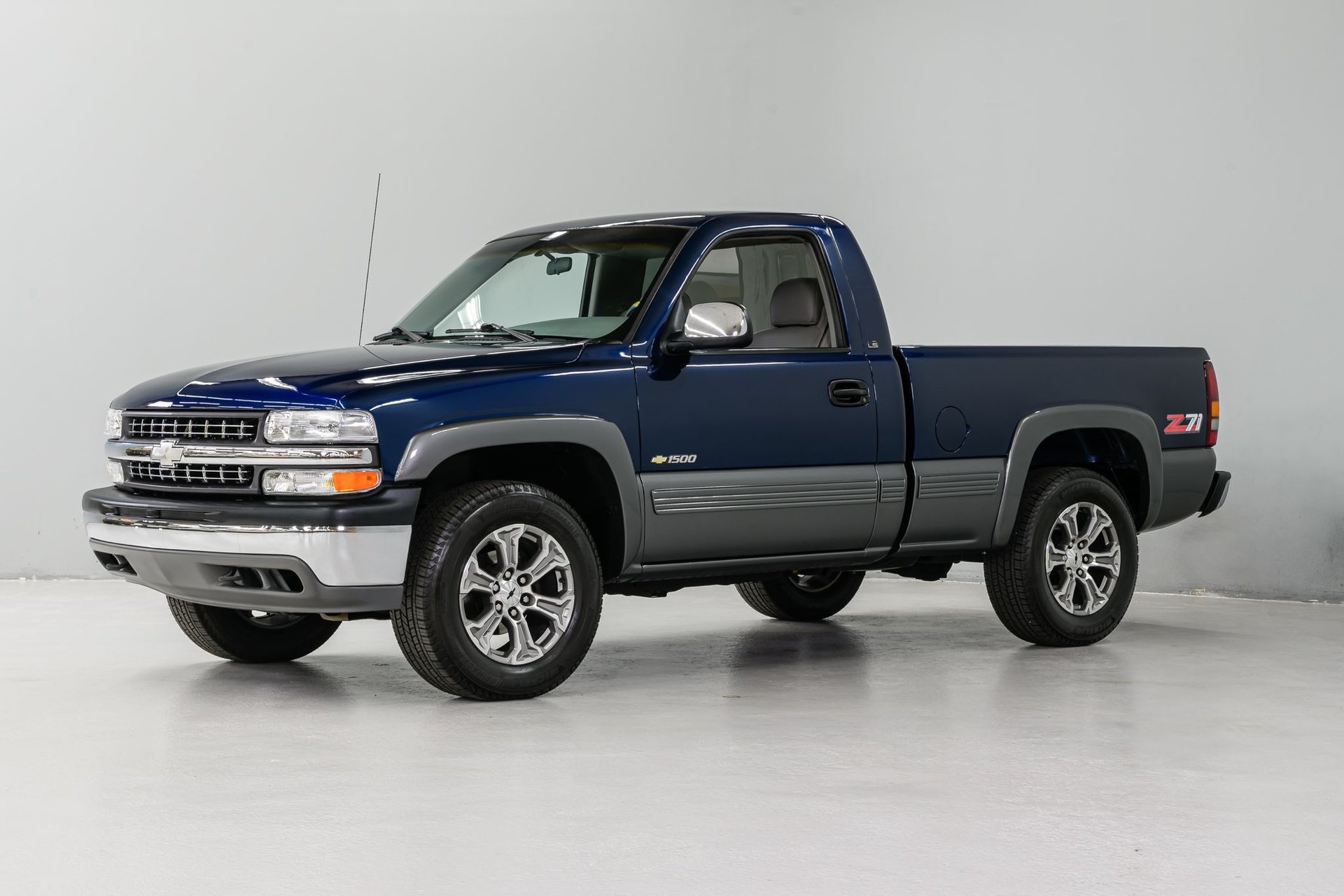
This generation of Silverado is loved by backyard mechanics for its simplicity. The LS-based engines are spaciously housed and modular in nature. No proprietary tools are required for common fixes, and repair guides are everywhere online.
Now in the third year of its current generation, the Chevrolet Silverado has matured into a truck with fewer rough edges, earning recognition for its blend of speed and comfort.
With best-in-class engine power and a clean, unfussy design, Chevy’s top-selling pickup continues to raise its profile with smart, forward-thinking features that help it stand out in the otherwise predictable world of half-ton trucks.
Chevrolet is making history by introducing the PRO TEC truck box for the first time on extended cab 4X4 models equipped with the Z71 package.
This factory-installed composite bed alternative to traditional steel or aftermarket liners is 50 pounds lighter than its steel counterpart and resists dents, scratches, and corrosion. It also features a redesigned tailgate that’s easier to open and close, while boosting load capacity from 600 to 1,000 pounds.
Engine options for the Silverado are diverse, starting with a 4.3-liter V6 and topping out with a 5.3-liter V8. The majority of buyers tend to go for the 4.8-liter and 5.3-liter Vortec V8s, which produce 270 and 285 horsepower, respectively. Silverado models with automatic transmissions also include a tow-haul mode to enhance drivability when hauling heavy loads.
Underpinning the entire truck is a rigid, three-piece frame that balances strength and lightness, contributing to a comfortable ride and a quiet cabin. Advanced steering, suspension, and braking systems give the Silverado a refined feel on the road.
All models come with four-wheel disc antilock brakes, and despite its size, steering remains precise—thanks in large part to the power rack-and-pinion setup used on models with a GVWR under 6,400 pounds. For buyers who want improved traction without stepping up to a 4WD system, Chevrolet now offers electronic traction assist for 2WD models as a cost-effective solution.
Common DIY Tasks:
- Valve cover gaskets
- Radiator and fan clutch work
- Starter and alternator replacement
- Steering components (tie rods, idler arms)
4. Nissan Frontier (2005–2019)
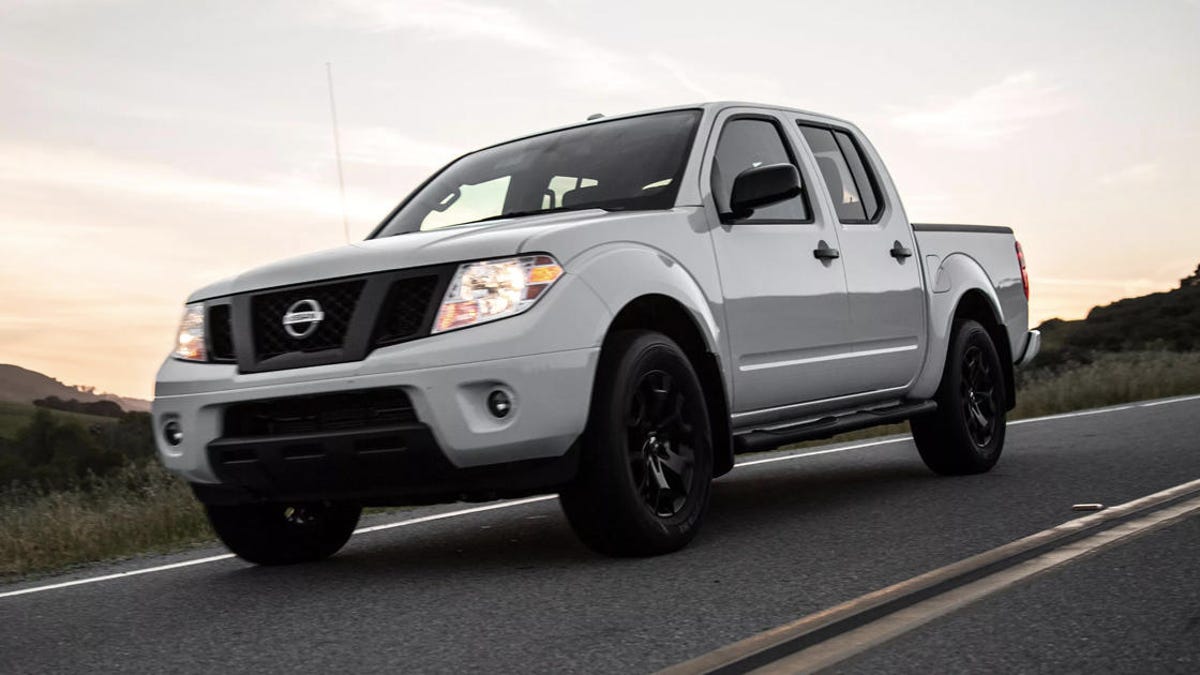
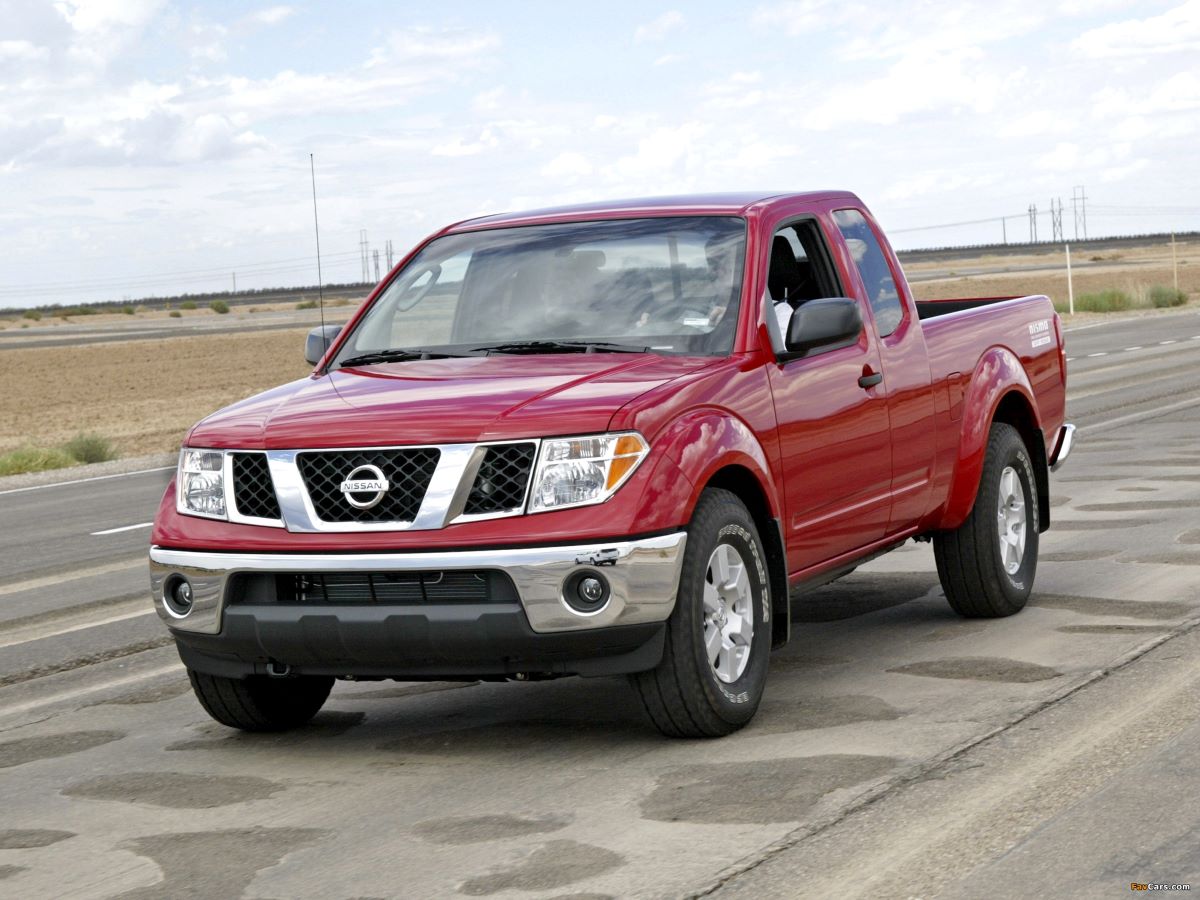
The Frontier shares a lot of components with other Nissan vehicles, and its 4.0L V6 is relatively simple to maintain. The engine bay is logically laid out, making most routine maintenance straightforward. Parts are cheap, and maintenance intervals are long.
The 2007 Nissan Frontier carries the DNA of its bigger brother, the Nissan Titan. It borrows the Titan’s bold styling and muscular stance, along with a lineup of smart, practical features. Among them are a versatile bed channel tie-down system, a factory-applied spray-in bedliner, and a fully boxed frame designed to handle the abuse of regular off-road use on rock-strewn terrain.
Buyers can choose between two body styles: the extended cab (referred to as the King Cab) and the crew cab. A regular cab version is not offered. While both configurations share the same overall length, the crew cab stands out by offering increased passenger space and forward-hinged rear doors, making it more practical for those needing rear seat access.
The trade-off is a reduction in standard bed length—however, for 2007, SE and LE Crew Cab models can now be ordered in a long-bed version with a 6-foot, 1-inch bed, extending the truck’s cargo capabilities by over a foot.
Inside, all Frontier models feature split-folding rear seats that stow upright, allowing the cabin itself to serve as additional storage space. Comfort inside the cab is decent, though the use of hard plastics throughout the interior stands out more than it should at this price point.
For performance, we typically suggest opting for the Frontier’s top-tier engine: a 4.0-liter V6 producing 261 horsepower and 281 pound-feet of torque. This strong powertrain delivers confident low-end torque across the board, and with the towing package, gives the Frontier the capability to tow up to 6,300 pounds.
Thanks to its smart packaging, powerful engine, and rugged attitude, the V6-equipped Nissan Frontier sits comfortably at the top of the midsize truck segment. That said, if you’re considering a smaller pickup, overlooking the Frontier’s main competitor—the Toyota Tacoma—would be a mistake.
While the Tacoma doesn’t offer the same comfort or cabin functionality and has a stiffer on-road demeanor, it edges out the Frontier in acceleration due to a lighter curb weight and features a more upscale interior. Ultimately, though, the 2007 Nissan Frontier is our top recommendation for a midsize truck, even if both of these segment leaders are excellent choices.
Common DIY Tasks:
- Timing chain tensioner inspection
- Oil/filter/transmission fluid change
- Brake and suspension work
- Spark plugs (with basic hand tools)
5. Dodge Ram 1500 (1994–2001)
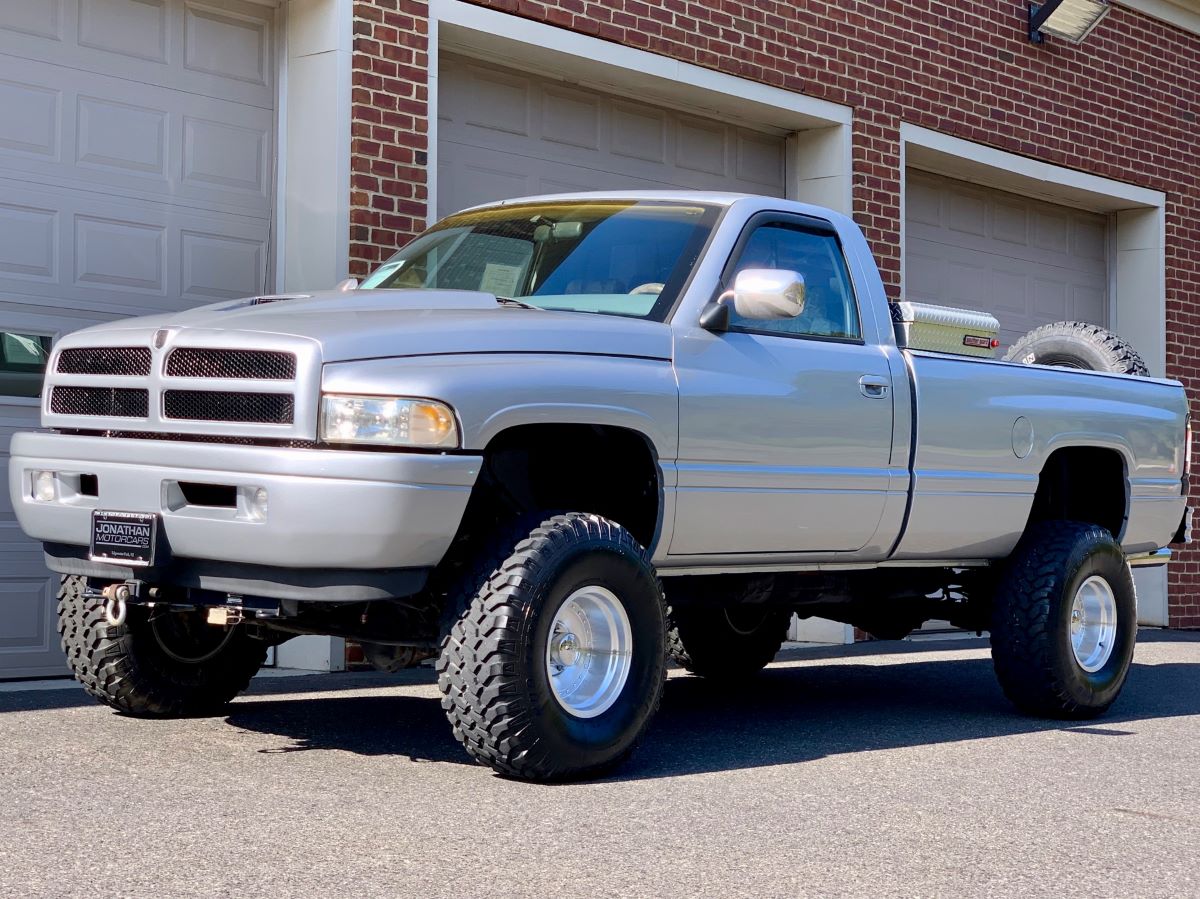
These older Rams, especially the ones with the 5.2L and 5.9L Magnum V8s, are a favorite among DIYers. No computer-controlled nightmares, plenty of room in the engine bay, and simple sensors make this truck a breeze to maintain.
The Dodge team likely realized they had struck gold the moment they revealed the bold Ram Pickup back in 1994. Its daring, polarizing design immediately drew attention, and decades later, it still commands a second glance.
The Ram is offered in a wide array of configurations—Regular Cab, Club Cab, and Quad Cab—across half-ton, three-quarter-ton, and one-ton versions. Every model comes powered by a Magnum engine, ranging from modest to downright massive.
At the practical end of the scale is a 3.9-liter V6 producing 175 horsepower, while at the opposite extreme, the heavy-duty 2500 and 3500 trucks pack an 8.0-liter V10 generating 310 horsepower (305 in California).
Bridging the gap are a 5.2-liter V8 making 230 horsepower and a 5.9-liter V8 with 245 horses. For those wanting serious pulling power, there’s a brawny 5.9-liter, 24-valve inline-six turbodiesel delivering 450 pound-feet of torque. It’s loud, torquey, and durable—but you’ll need to fork over roughly an extra five grand for the privilege.
Common DIY Tasks:
- Water pump and thermostat
- Exhaust manifold swaps
- Rear drum brake service
- Distributor cap and rotor maintenance
Also Read: 12 Popular Cars Everyone Hates and 10 That Drivers Actually Love
Trucks That Require Constant Shop Visits
In this article, we’re zeroing in on the trucks that just can’t seem to stay off the lift—whether it’s due to chronic engine problems, weak transmissions, or a long list of recalls and known issues.
These aren’t just anecdotal horror stories either—we’ve looked at reliability ratings, ownership reports, and real-world data to bring you the truth. If you’re shopping for a used truck or thinking about what to avoid in your next purchase, this list is a must-read.
1. Ford F-150 EcoBoost (2011–2016)
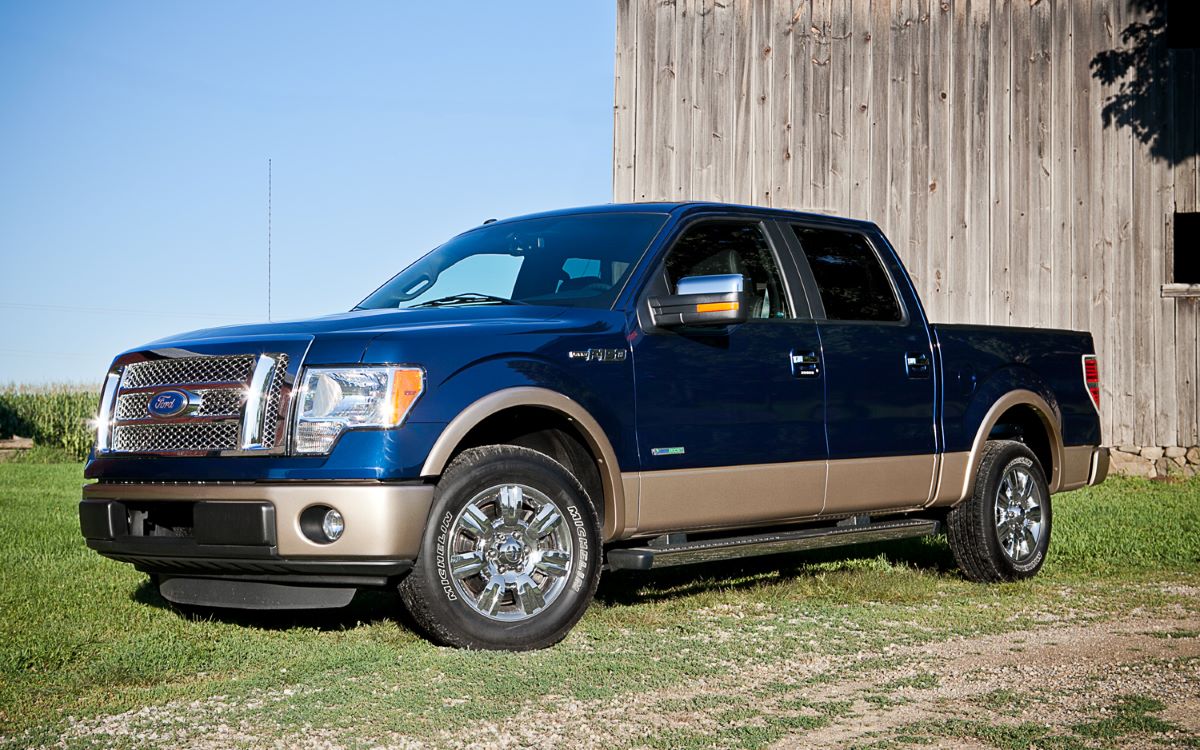
While powerful and efficient, the 3.5L EcoBoost is a complicated turbocharged engine with carbon buildup issues and hard-to-reach components.
Ford already had a solid grasp on what makes the luxury-truck lifestyle so appealing, but we knew we had to get firsthand experience with the new-for-2013, range-topping $53,890 4×4 Limited.
So, we passed on most of the optional extras and locked one down for testing. Our truck came with a few modest add-ons, including a spray-in bedliner ($475), a tailgate extender ($250), a tailgate step ($375), and a coat of White Platinum Metallic paint ($595), bringing the final price to $55,585.
For the budget-conscious, it’s worth noting that a similarly configured F-150 XL—featuring a SuperCrew cab, EcoBoost engine, six-speed automatic transmission, four-wheel drive, and a 5.5-foot bed—starts at just $37,425. Of course, any indulgent extras would have to be added one by one.
What you get for the roughly $16,000 premium is an impressive collection of high-end features and tech that define the modern luxury pickup.
We’re talking heated and cooled leather-trimmed front seats, heated 60/40-split rear seats, a power sunroof, a two-tone leather-wrapped steering wheel with power tilt and telescoping functions, ambient interior lighting, a rearview camera, a 110-volt power outlet, remote start, satellite radio, navigation, and Ford’s Sync with MyFord Touch.
Special mention goes to the range of adjustment on both the power-adjustable pedals and the 10-way power driver’s seat—because if we found one perfect driving position, we found half a dozen.
Spark plug changes and vacuum line repairs often require removing major engine covers or intake components.
Common Headaches:
- Turbo wastegate and boost leak issues
- Carbon buildup in intake valves
- Coolant leaks from timing cover area
- Intake manifold removal for basic repairs
2. Ram 1500 5.7L HEMI (2013–2018)
The HEMI engine is notoriously cramped in the engine bay. Accessing the rear spark plugs or even changing the alternator can be a nightmare without a lift.
Boasting the only diesel engine available in a light-duty full-size truck, the Ram 1500 secures its place with the best EPA-estimated fuel economy in its class.
But the appeal of the Ram 1500 doesn’t rest solely on its “EcoDiesel” V6. For those who prefer a more classic, throaty engine sound, Ram still offers its muscular 5.7-liter V8. And even the standard gasoline V6 performs well, offering respectable acceleration and towing capacity that cater to budget-conscious buyers.
Beyond its engine lineup, the Ram 1500 sets itself apart with the most refined interior in the full-size pickup segment. High-quality materials and an optional 8.4-inch touchscreen interface—praised for its intuitive design—elevate the cabin experience.
Another standout is the Ram’s class-exclusive coil-spring rear suspension, which delivers a smooth and composed ride both on pavement and off.
Road noise is impressively muted at highway speeds, and when combined with the supple suspension tuning, it creates a ride that feels nearly luxurious. Whether you need a no-frills work truck, a feature-rich family hauler, or something that blends the two, the 2015 Ram 1500 fits the bill.
As you explore your options in the pickup market, you’ll undoubtedly come across rivals like the 2015 Chevrolet Silverado 1500 and its more refined counterpart, the GMC Sierra.
Both offer robust gasoline V6 and V8 engines, along with cabins that rival the Ram’s in comfort and tech. Then there’s the 2015 Toyota Tundra, equipped with a potent V8, though it trails behind when it comes to fuel efficiency and overall refinement.
No list would be complete without the 2015 Ford F-150, redesigned from the ground up with an aluminum body and two punchy turbocharged gas engines. Yet, even with competition this fierce, the 2015 Ram 1500 continues to be one of the top recommendations for anyone seeking a light-duty full-size pickup.

Add in lifter failure issues (with cam damage) and MDS system quirks, and shop visits become regular.
Common Headaches:
- Lifter tick and camshaft wear
- Exhaust manifold bolt breakage
- Complicated PCV system repairs
- Poor access to rear cylinder head components
3. Chevrolet Silverado 1500 (2014–2018) 5.3L EcoTec3
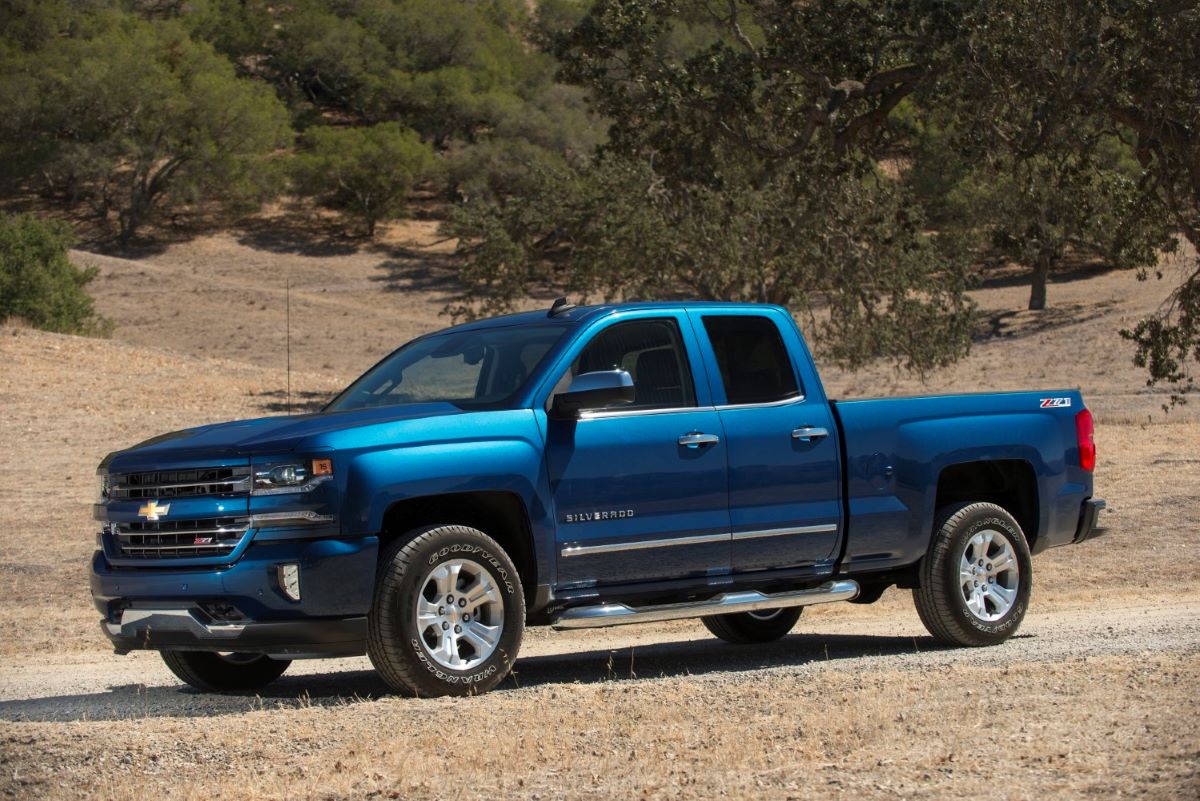
GM’s newer EcoTec3 engines feature cylinder deactivation and direct injection, both of which add complexity.
Oil pump failures, camshaft actuator issues, and Active Fuel Management (AFM) problems are all frequent none easy to fix at home.
Truthfully, the only significant mechanical update lies in the expansion of the 8L90 eight-speed automatic transmission to select Silverado models equipped with the 5.3-liter V-8 engine. Previously paired only with the 6.2-liter V-8, the eight-speed is now available on LTZ and High Country trims with the smaller V-8.
All other trims—including those powered by the base V-6—continue to rely on the aging six-speed automatic. While the cautious nature of the 2016 refresh may be acceptable in most respects, this is one area where Chevrolet should have pushed further.
The six-speed automatic exhibits sluggish behavior when it comes to downshifting. “Once its electronics register a kickdown at cruising speed, it momentarily engages fourth before pausing and belatedly grabbing third.”
Compounding this issue, the six-speed’s limited number of gears means it tends to hold lower ratios longer—even during light throttle input. In contrast, the eight-speed transmission provides a broader ratio range and snappier shifts, enabling more responsive acceleration at lower engine RPMs.
This not only enhances driving dynamics but also stands to benefit real-world fuel economy. “Kickdown requests are met with a lower gear and far less hesitation.”
Common Headaches:
- Oil consumption due to AFM
- Failed lifters requiring top-end rebuild
- Timing chain tensioner issues
- Oil pressure sensor buried behind the intake
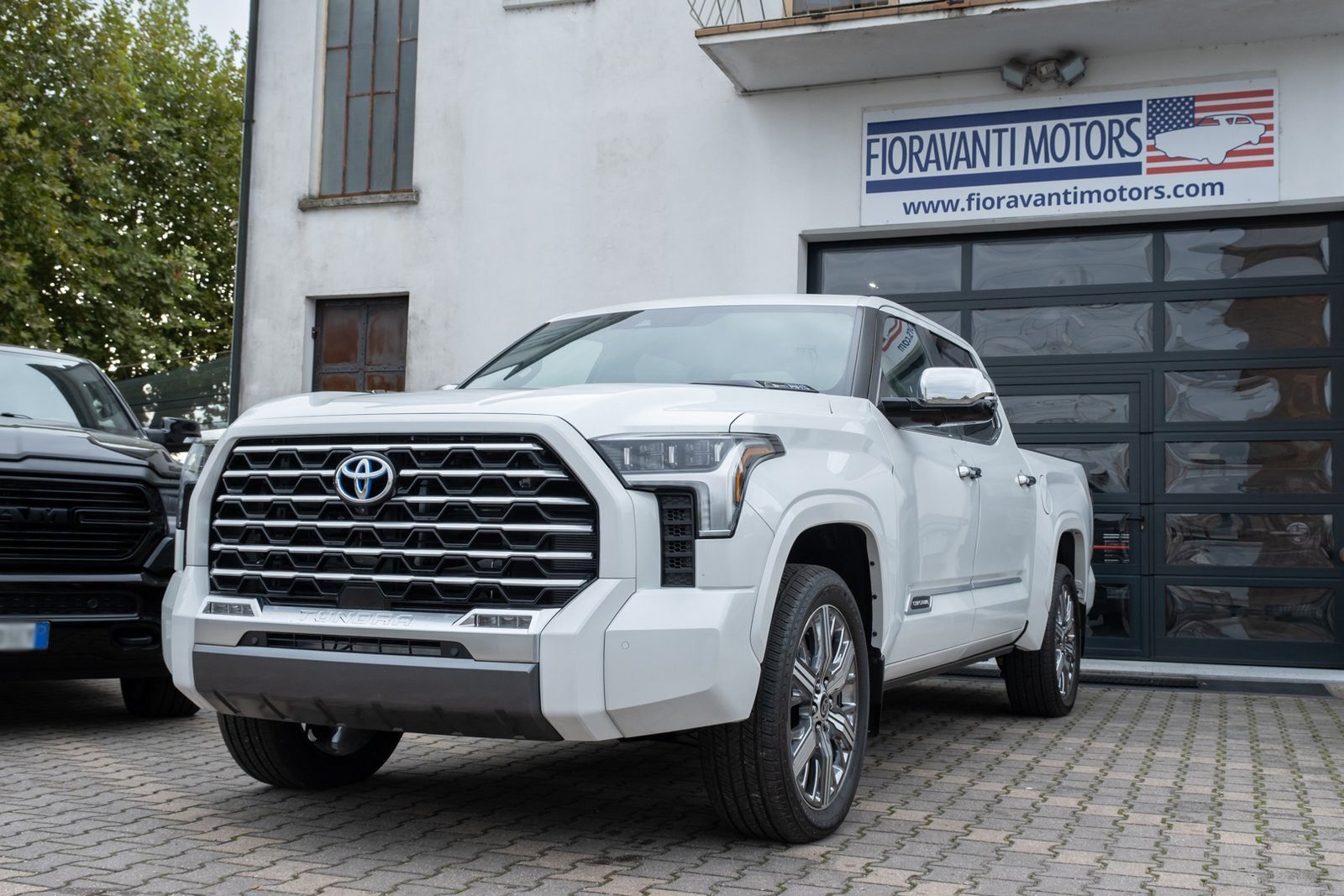
4. Toyota Tundra (2022–Present, Twin-Turbo V6)
Toyota’s switch from the old 5.7L V8 to a twin-turbo V6 in the newer Tundra added complexity and tightly packaged components. Routine maintenance like belt replacements, turbo line inspections, or even spark plugs can now require partial disassembly.
Truthfully, the only significant mechanical update lies in the expansion of the 8L90 eight-speed automatic transmission to select Silverado models equipped with the 5.3-liter V-8 engine. Previously paired only with the 6.2-liter V-8, the eight-speed is now available on LTZ and High Country trims with the smaller V-8.
All other trims—including those powered by the base V-6—continue to rely on the aging six-speed automatic. While the cautious nature of the 2016 refresh may be acceptable in most respects, this is one area where Chevrolet should have pushed further.
The six-speed automatic exhibits sluggish behavior when it comes to downshifting. “Once its electronics register a kickdown at cruising speed, it momentarily engages fourth before pausing and belatedly grabbing third.” Compounding this issue, the six-speed’s limited number of gears means it tends to hold lower ratios longer—even during light throttle input.
In contrast, the eight-speed transmission provides a broader ratio range and snappier shifts, enabling more responsive acceleration at lower engine RPMs. This not only enhances driving dynamics but also stands to benefit real-world fuel economy. “Kickdown requests are met with a lower gear and far less hesitation.”
Common Headaches:
- Turbo coolant line issues
- Spark plug access under covers and piping
- Lack of third-party guides for newer engine
- Dealer-only parts and limited aftermarket support
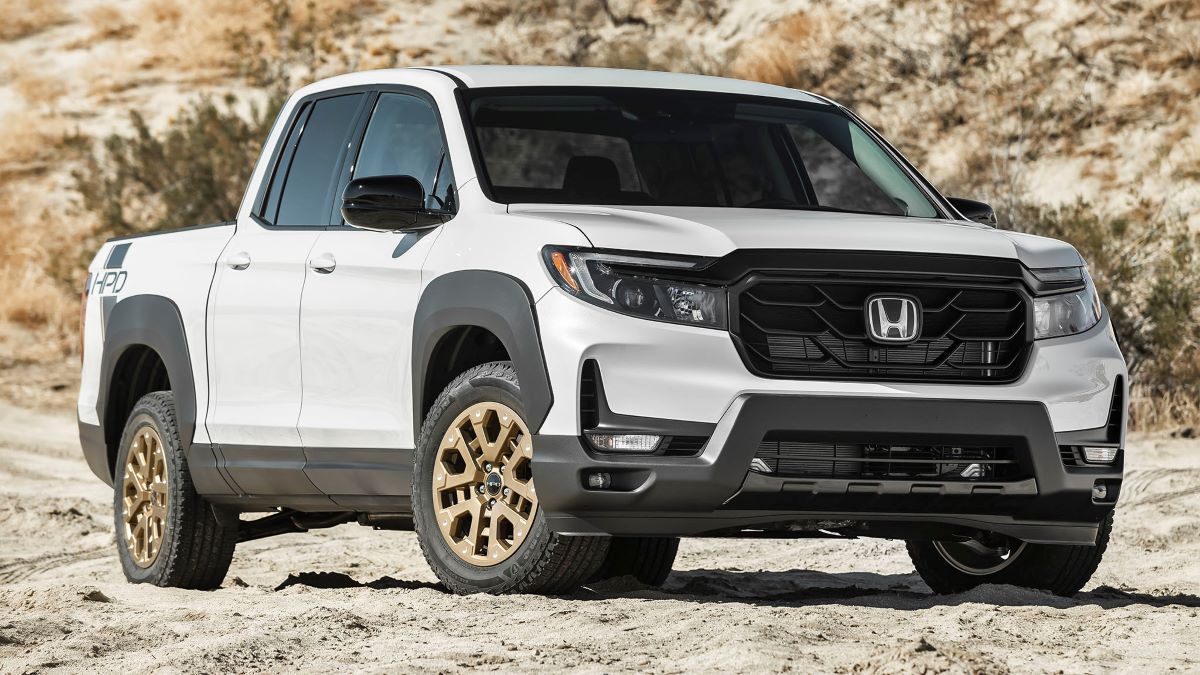
5. Honda Ridgeline (2017–2023)
Though technically a unibody truck, the Ridgeline hides its transverse V6 engine under layers of complexity. The engine bay is compact, access to key components is poor, and fluid changes (especially the transmission) require very specific procedures. The 2018 Honda Ridgeline stands out as the most well-balanced midsize pickup available today.
While its 5,000-pound towing capacity may not seem as impressive on paper compared to some rivals, and it’s not as capable at rock crawling as certain off-road-focused models, the Ridgeline makes up for it with impressive comfort, adaptability, and practical utility. It also avoids many of the typical compromises that come with owning a pickup.
Following its redesign and reintroduction just the year before, the Ridgeline distinguishes itself from its primary midsize rivals. Unlike most competitors, it rides on a unibody platform rather than the traditional body-on-frame design, and it features independent suspension on all four wheels.
These engineering choices result in ride quality and handling that feel more car-like than truck-like. It also boasts a highly functional cargo bed, complete with an in-bed trunk for secure storage and the ability to fit 4-by-8-foot sheets of plywood lying flat. Inside, the cabin offers generous space for both driver and passengers.
Though the Ridgeline doesn’t carry the rugged image or aggressive styling found in many other trucks, we see it as the smarter pick for the vast majority of buyers. It handles all typical truck duties with ease—and adds a few thoughtful extras, too.
Edmunds logged over 21,000 miles over the course of a year with a Honda Ridgeline. To learn more about our hands-on experience, visit the long-term page for our 2017 Honda Ridgeline RTL-E. We examined everything from seat comfort and real-world MPG to the utility of the Ridgeline’s two-way tailgate and lockable in-bed trunk—and even put it through off-road testing.
This midsize truck truly sets itself apart from the competition, and we detail how. Since the 2018 Ridgeline is virtually identical to the 2017 model, all our findings still hold true.
Common Headaches:
- Transmission fluid service requiring scan tools
- Difficult rear bank spark plug access
- Engine mounts fail frequently and are hard to replace
- Special procedures for timing belt and water pump
If you’re the kind of truck owner who enjoys working on your own vehicle, sticking with models like the Tacoma, older Silverados, or early Rams will save you time, money, and frustration.
But if you prefer modern tech and features, be prepared today’s turbocharged, sensor-laden, and tightly packaged trucks like the EcoBoost F-150 or new Tundra will likely send you to the shop more often than your garage.
Understanding your comfort level with DIY maintenance can be just as important as horsepower or towing capacity when choosing your next truck.