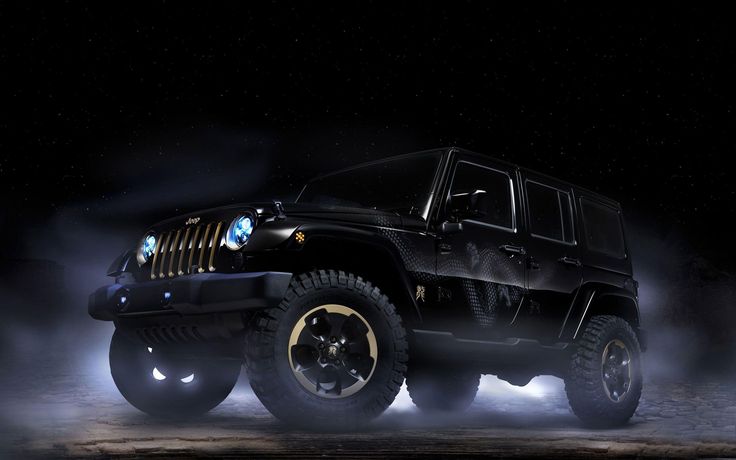
When you hear “Jeep,” the first thing that likely comes to mind is rugged terrain, trail domination, and a vehicle that can conquer the wild without breaking a sweat. And while that’s true for many models, not every Jeep lives up to the legendary off-road reputation.
Some shine with bulletproof drivetrains, solid axles, and a loyal following built around years of real-world trail experience. Others? They crumble under pressure—literally.
Whether due to weak components, poor engineering choices, or being overhyped crossovers disguised as trailblazers, not all Jeeps are created equal.
For die-hard off-roaders, choosing the right Jeep is the difference between scaling boulders with ease or waiting for a tow truck in the middle of nowhere.
You want a rig that laughs in the face of mud pits and rock gardens, not one that whimpers at the first sign of rough terrain. This blog is your field guide.
We’re diving into 5 Jeeps that thrive in off-road conditions, withstanding abuse for miles and years, versus 5 that fall apart when the going gets tough. Whether you’re an overland adventurer or weekend trail warrior, knowing which models to trust and which to avoid can save you serious money—and major headaches—down the line.
5 Jeeps That Survive Off-Roading
Some Jeeps are built with off-roading in their DNA—solid axles, lockers, high ground clearance, and decades of engineering refinement. These models are the backbone of Jeep’s legendary status. Whether you’re climbing Moab’s red rocks or cruising through swampy trails, these rigs won’t let you down.
They’re overbuilt, underrated by the uninitiated, and adored by serious off-roaders who know what real trail-tested capability looks like. Let’s break down the five toughest Jeeps that survive whatever you throw their way.
ALSO READ: 5 Toyotas That Run Forever vs 5 That Suffer Surprise Reliability Issues
1. Jeep Wrangler Rubicon (JL)
When you think of off-road royalty, the Jeep Wrangler Rubicon JL is sitting on the throne. This isn’t just another 4×4—it’s a purpose-built beast made for those who dare to leave pavement behind.
Moreover, with Dana 44 axles front and rear, electronically locking differentials, a disconnecting front sway bar, and rock rails right out of the factory, the Rubicon JL laughs at terrain that would shred lesser SUVs.
Powered by either the trusty 3.6L Pentastar V6 or the turbocharged 2.0L I4, the Rubicon delivers torque right where you need it.
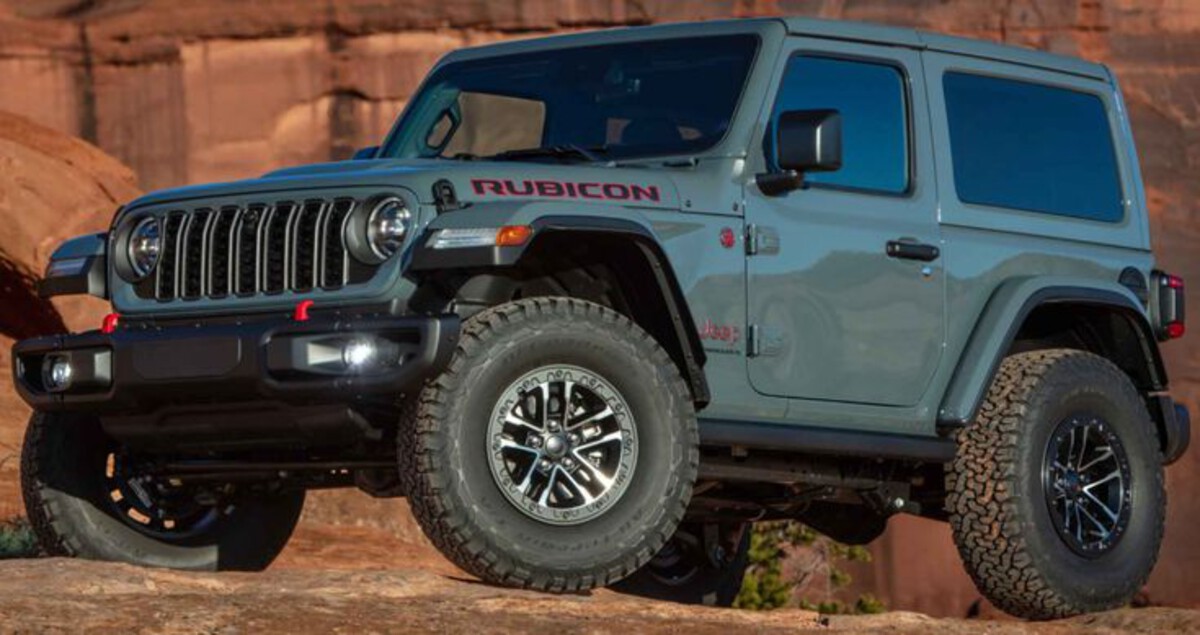
Add to that the standard 33-inch tires (and optional 35s with the Xtreme Recon package), 10.8 inches of ground clearance, and rock-crawling low-range gearing, and you’ve got a rig that’s ready for the nastiest trails in North America.
Real-world users rave about its articulation, water fording capability, and how it handles punishment without breaking a sweat.
While it’s no luxury cruiser on-road, off-road is where this Jeep lives, thrives, and destroys the competition. It’s pricey, sure, but worth every penny for serious adventurers.
Bottom line: The Rubicon JL isn’t just capable; it’s legendary. If your goal is to tackle the harshest terrain without lifting a wrench every week, this Jeep is your best bet.
2. Jeep Grand Cherokee Trailhawk (WK2)
You wouldn’t expect luxury and off-roading to mix well, but the Jeep Grand Cherokee Trailhawk WK2 proves otherwise. It’s the rare SUV that balances trail muscle with premium comfort.
And while not built for hardcore rock crawling like the Wrangler, it dominates in terrains where traction and control are key.
Armed with Jeep’s Quadra-Drive II 4WD system and an electronic limited-slip rear differential, the Trailhawk can send power to the wheel that needs it most.
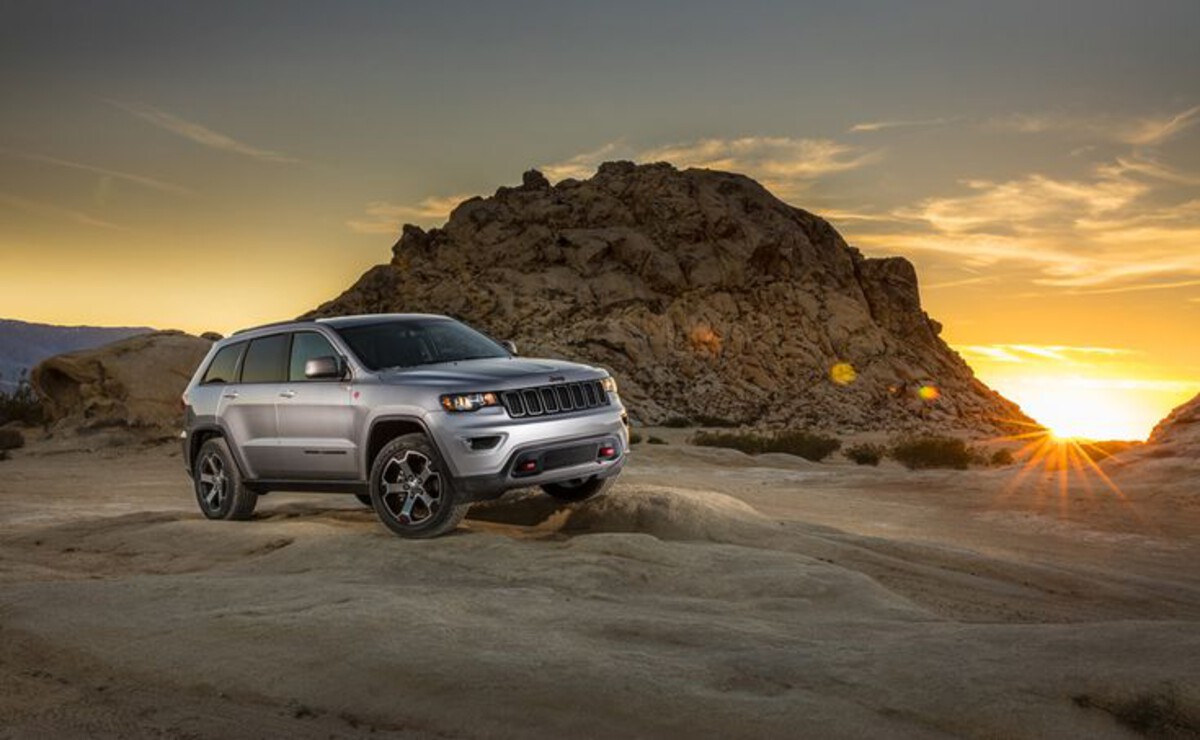
Combine that with the adjustable air suspension that provides up to 10.8 inches of ground clearance, and you’ve got an SUV that can handle everything from snow-covered passes to desert dunes.
The underbody skid plates, tow hooks, and Selec-Terrain system with Rock Mode further cement its off-road credentials.
And unlike many competitors, the Trailhawk backs its rugged image with actual capability, not just cosmetic cladding and marketing.
Drivers love how it transitions from highway cruiser to backcountry explorer with the flip of a switch.
It won’t handle extreme trails like a Wrangler Rubicon, but for moderate off-roading with serious dependability, the Trailhawk WK2 delivers in spades.
Simply put: it’s the sleeper off-roader in Jeep’s lineup—quietly conquering trails while keeping you in ventilated leather seats.
3. Jeep Cherokee XJ (1984–2001)
The Jeep Cherokee XJ is a legend that refuses to die. Built like a tank and often seen climbing rocks older than itself, the XJ is the classic Jeep that built its reputation one trail at a time.
Despite its boxy 1980s look, it’s what’s underneath that makes this model a beast.
The unibody construction was revolutionary at the time, blending the strength of a frame with the agility of a car-like body.
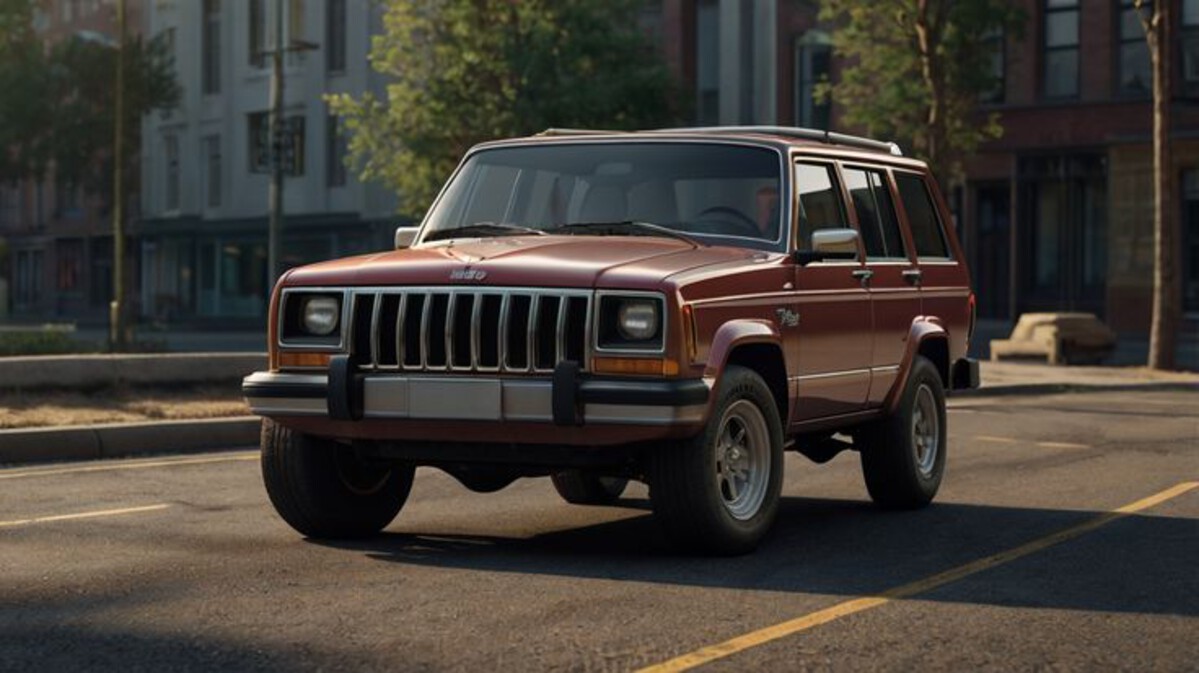
Combine that with the bulletproof 4.0L inline-six engine, solid front and rear axles, and minimal electronic interference, and you’ve got a machine that’s simple, reliable, and tough as nails.
It’s become a favorite among off-roaders for good reason. The aftermarket support is massive, parts are dirt cheap, and even stock models can handle surprisingly rugged terrain.
Whether you’re rock crawling, mudding, or trail cruising, an XJ can do it all—and do it repeatedly without falling apart.
Sure, they’re old and lack modern safety features or comfort. But what you lose in tech, you gain tenfold in durability. Many XJs are still tearing up trails after 300,000 miles, proving they’re more than just a cult classic.
If you want a no-nonsense Jeep that takes a beating and asks for more, the Cherokee XJ delivers without fail.
4. Jeep Wrangler TJ (1997–2006)
Ask any hardcore Jeeper and they’ll likely name-drop the TJ generation of Wranglers. It’s the perfect balance of old-school durability and modern convenience.
Moreover, with its coil spring suspension (a major upgrade from the YJ’s leaf springs), the TJ brought real comfort to off-roading without sacrificing trail performance.
Powered by the iconic 4.0L straight-six engine—renowned for its reliability and torque—the TJ is nearly unkillable.
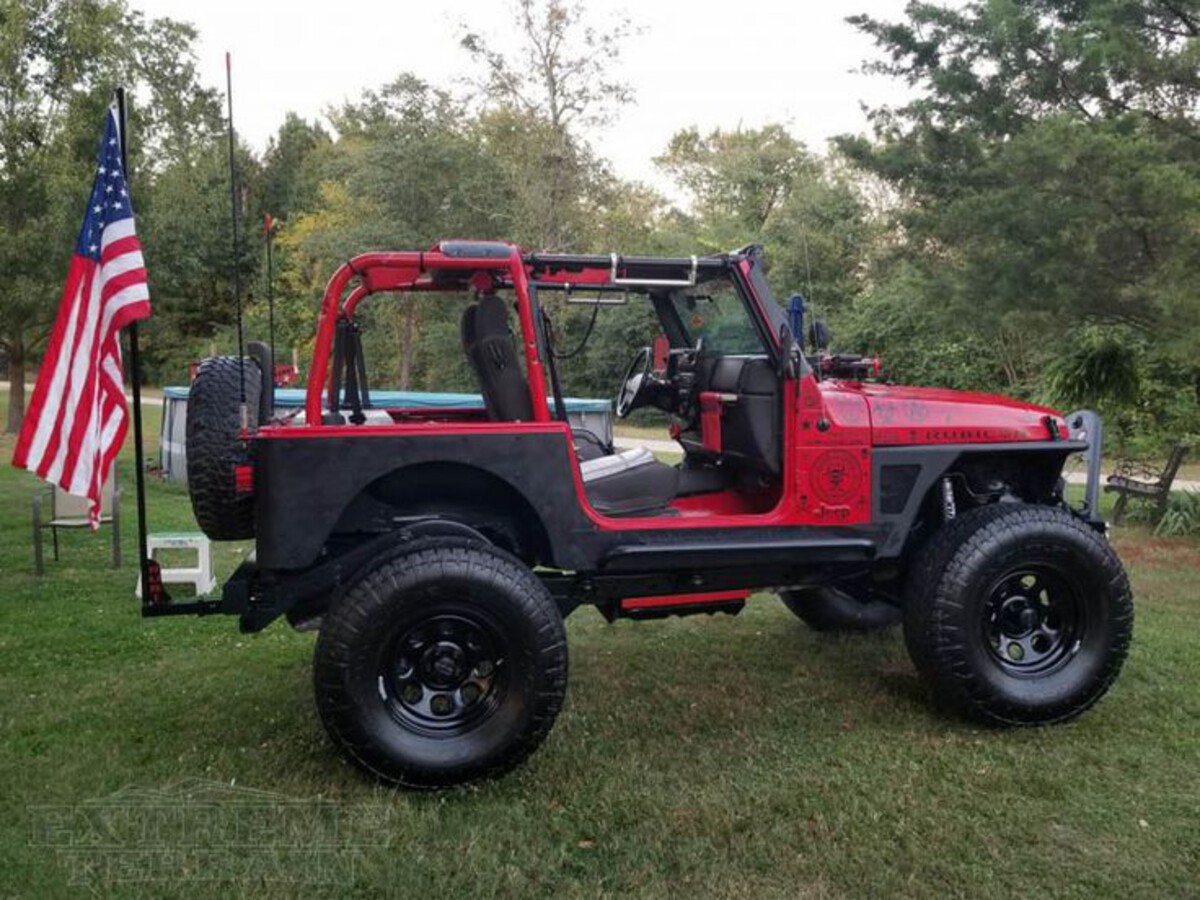
The Rubicon trim in this generation introduced serious upgrades: Dana 44 axles, front and rear lockers, and a 4:1 low-range transfer case. This was the Wrangler that truly earned the Rubicon badge.
What makes the TJ special is its simplicity. No complicated electronics or fragile sensors. You can wrench on it yourself, upgrade it easily, and hit the trails hard. Whether you’re crawling rocks or fording rivers, the TJ just gets the job done—day in, day out.
While it doesn’t have the creature comforts of the JL or JK, it’s a dream platform for off-road purists. It’s compact, agile, and battle-tested on trails across the world.
For those who want rugged dependability in a small package, the TJ is one of the best off-road Jeeps ever made.
5. Jeep Gladiator Mojave (JT)
The Gladiator Mojave flips the script on traditional Jeep off-roading by focusing on high-speed desert domination instead of rock crawling. It’s the Jeep for those who love wide-open throttle over dunes, dry riverbeds, and dusty trails.
This midsize truck is no poser. The Mojave edition includes Fox 2.5-inch internal bypass shocks with external reservoirs, hydraulic jounce bumpers, reinforced frame components, and a Desert Rated badge—yes, that’s a real thing.
Jeep designed it specifically to take on high-speed terrain abuse.
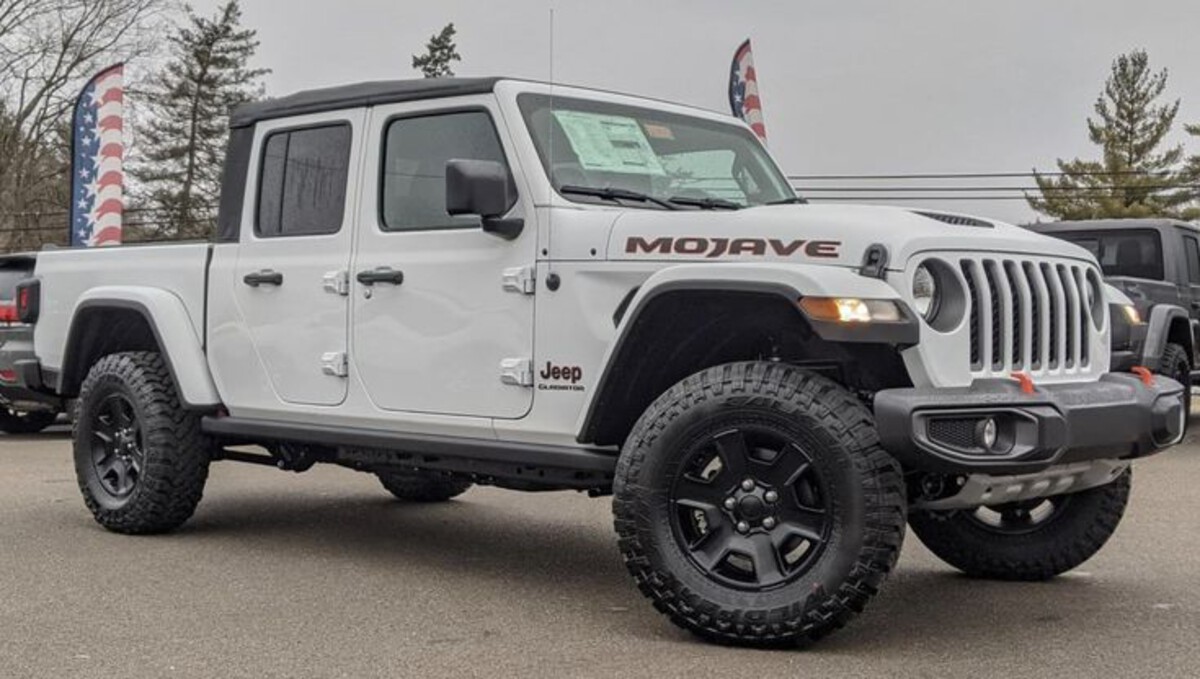
With 11.6 inches of ground clearance, a 1-inch front suspension lift, and 33-inch Falken Wildpeak tires, the Gladiator Mojave eats rough terrain without breaking a sweat.
The 3.6L Pentastar V6 delivers solid power, and the longer wheelbase gives it better high-speed stability, though at the expense of tight rock crawling maneuverability.
It might not be the first choice for tight, twisty forest trails, but if your playground is the Mojave Desert or Baja-style terrain, this Jeep delivers.
Trail lovers call it the Raptor-fighter of the Jeep world—not because it outperforms in every metric, but because it’s the only Jeep engineered for that kind of action.
For off-roaders who love speed and sand, the Gladiator Mojave is the king of the dunes.
5 Jeeps That Fall Apart
Not every Jeep earns its stripes. While the brand has built its name on trail toughness, some models fail to live up to the legacy. These Jeeps either suffer from poor build quality, fragile components, or an identity crisis trying to mix mall-crawler comfort with off-road aesthetics.
They look the part but don’t play it well. If you’re thinking of hitting the trails, steer clear of these models—they’re more likely to break down than break new ground.
ALSO READ: 5 BMWs That Hit 150,000 Miles vs 5 That Drain Your Wallet
1. Jeep Compass (2011–2016)
The first-generation Jeep Compass tried to cash in on the Jeep name while offering none of the capabilities. Jeep fans were left scratching their heads—and rightfully so.
While it had a seven-slot grille and SUV-like posture, underneath it was just a lifted Dodge Caliber with front-wheel drive roots.
The 2011–2016 Compass was marketed as an “urban crossover” with off-road style, but it was all bark and no bite.
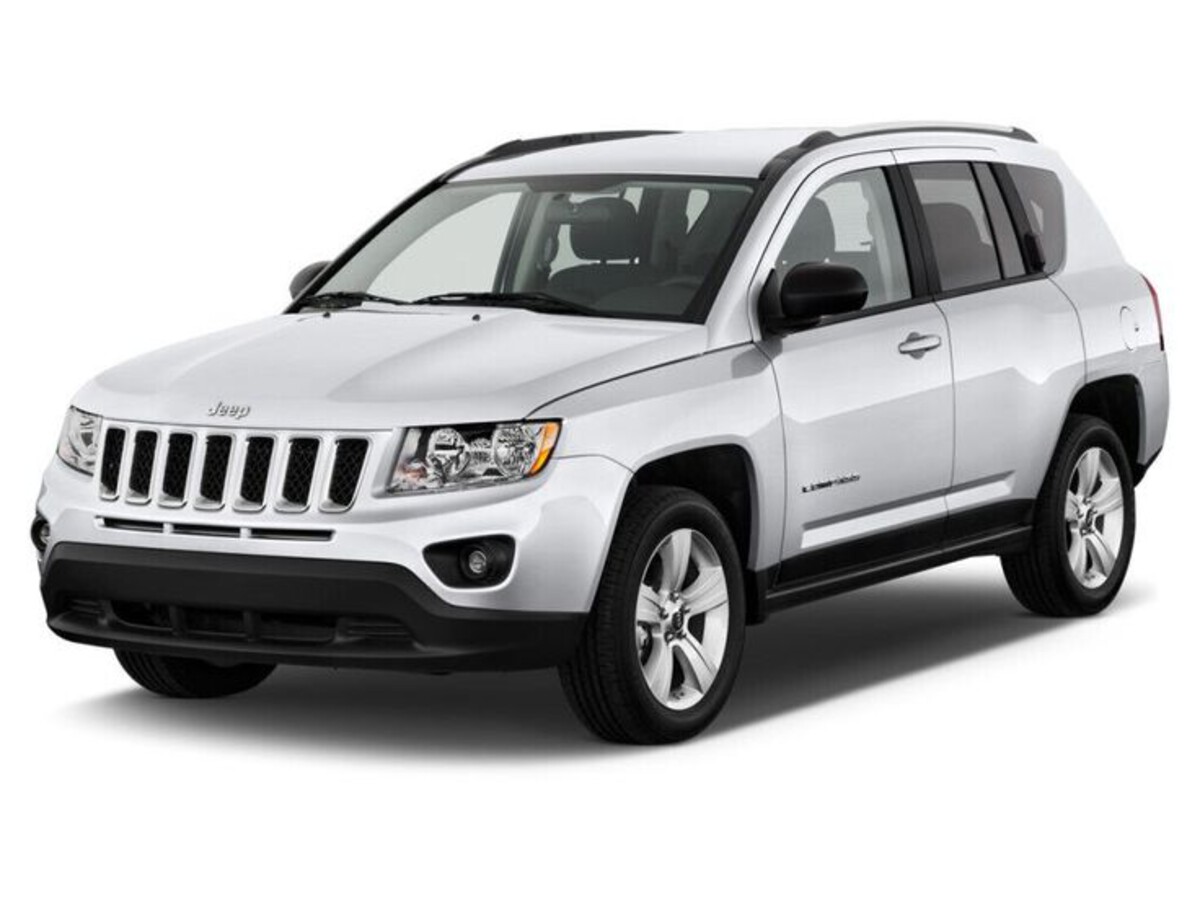
It lacked low-range gearing, had poor approach and departure angles, and most trims didn’t even come with full-time all-wheel drive.
Even the so-called “Trail Rated” versions were underwhelming on trails and failed to handle serious off-road obstacles.
On top of its performance letdown, reliability was spotty. Transmission failures, interior rattles, and suspension issues were all too common.
Owners reported frequent trips to the shop for things you’d never want to worry about on a trail, like electrical faults and drivetrain glitches.
In essence, the Compass was a budget crossover in a Jeep costume. It may have been fine for snowy commutes or gravel roads, but serious trail work? Forget it.
If you’re looking to explore rugged terrain, this Compass won’t help you find your way. It’s better left in suburban parking lots, far from where real Jeeps roam.
2. Jeep Liberty (2002–2012)
The Jeep Liberty had potential. With its boxy design, available 4WD, and Jeep badging, it should have been a capable off-roader.
Unfortunately, both generations of the Liberty fell flat on execution—and reliability. The 2002–2007 KJ Liberty had some trail cred thanks to solid axles and available low-range, but it was plagued with quality-control issues.
Early models had problems with the window regulators failing repeatedly, while others suffered from premature suspension wear, faulty head gaskets, and transmission problems.
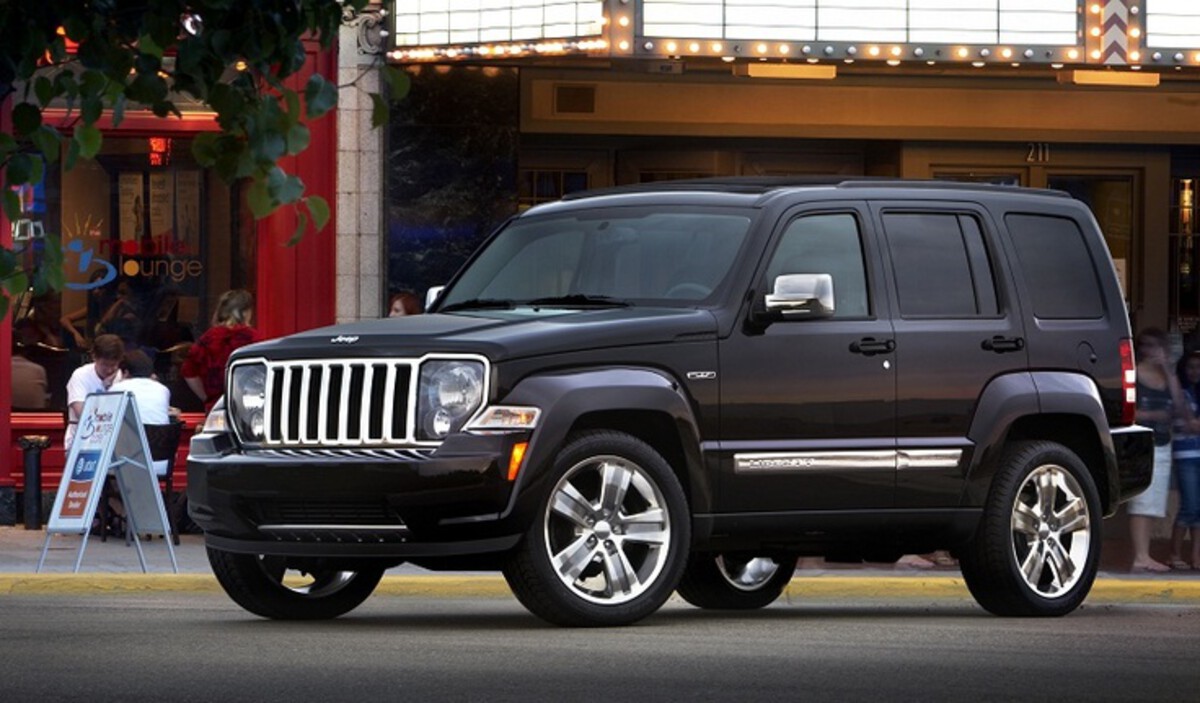
Things didn’t improve with the 2008–2012 KK generation. It went more SUV than off-roader and lost much of its trail-ready heritage.
Jeep dialed up the styling and comfort but left ruggedness behind. The electronic stability systems were overly sensitive, the suspension lacked articulation, and the underbody protection was virtually nonexistent.
Even with Jeep’s Selec-Trac system, the Liberty was neither a rock crawler nor a reliable daily driver. Trail breakdowns became common complaints from frustrated owners.
It tried to sit between a Wrangler and a Grand Cherokee, but instead landed in a no-man’s land of mediocrity. If you want a reliable off-roader, the Liberty just isn’t it.
Whether due to mechanical woes or lackluster trail performance, the Liberty’s legacy is more regret than respect in the off-road world.
3. Jeep Renegade (2015–Present)
The Jeep Renegade is a fun-looking compact crossover with youthful energy—but it’s far more “city slicker” than trail conqueror. Despite Jeep slapping a Trailhawk badge on it, the Renegade lacks the core off-road DNA that defines the brand.
Built on a Fiat-derived platform and manufactured overseas, the Renegade is more Italian city car than American rock crawler.
Even the Trailhawk version, while offering modest ground clearance and skid plates, doesn’t have a true low-range gear system—it relies on simulated off-road modes and traction control gimmicks.
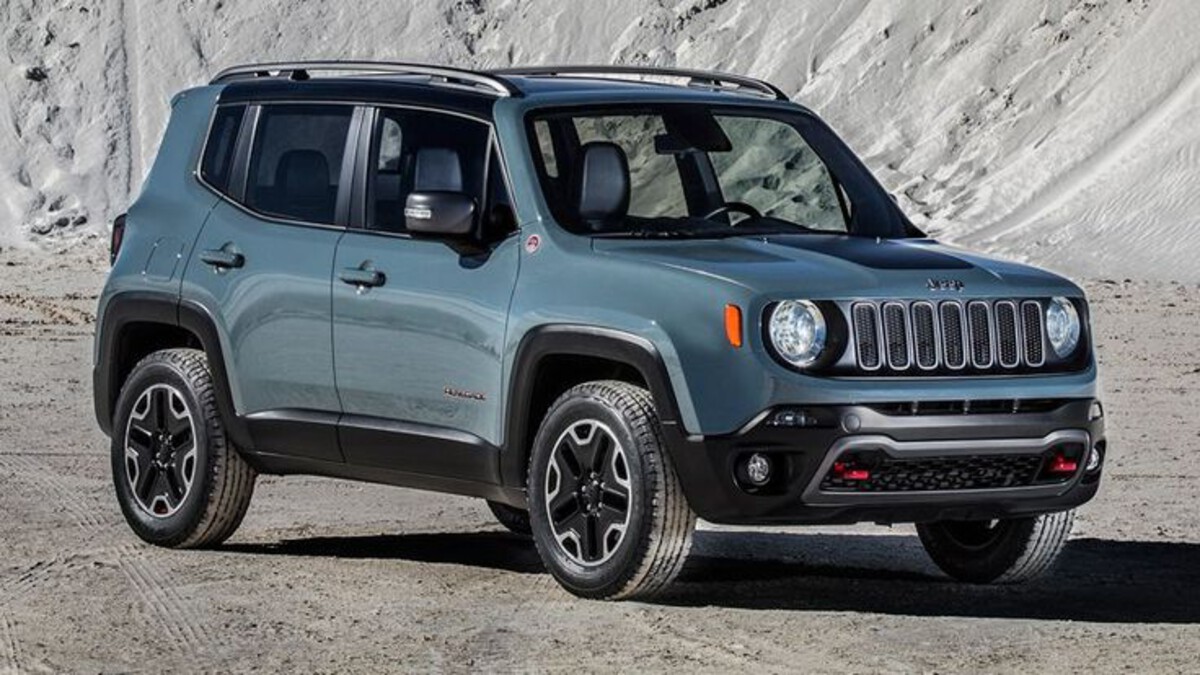
That might help in sand or snow, but it’s laughably ineffective in real rock or mud environments.
Performance aside, its mechanical reliability has also been shaky. Transmission issues, electrical gremlins, and turbocharger failures (on the 1.4L engines) have left many owners with buyer’s remorse.
And let’s not forget: the Renegade is cramped, underpowered, and struggles to deliver a comfortable ride even on pavement. While it may look rugged in marketing photos, in the real world, the Renegade is the kind of Jeep that’s all style, no substance. For trail lovers, it’s more of a novelty than a true companion.
Bottom line: the Renegade might survive a dirt road, but throw it at real off-road challenges and it folds faster than a rooftop tent in a storm.
4. Jeep Commander (2006–2010)
The Jeep Commander arrived with big promises and even bigger dimensions. On paper, it seemed like a great idea—a 7-seat Jeep with boxy styling and available V8 power. But off-road reality was less impressive.
While some versions came with Quadra-Drive II and low-range gearing, the Commander’s long wheelbase, low ground clearance, and excessive weight made it clumsy and underwhelming off-road.
It often bottomed out on rocky terrain, lacked articulation, and felt more like a mall crawler than a trail conqueror. Its problems didn’t end at trail performance. The Commander suffered from chronic reliability issues, especially with its electronics.
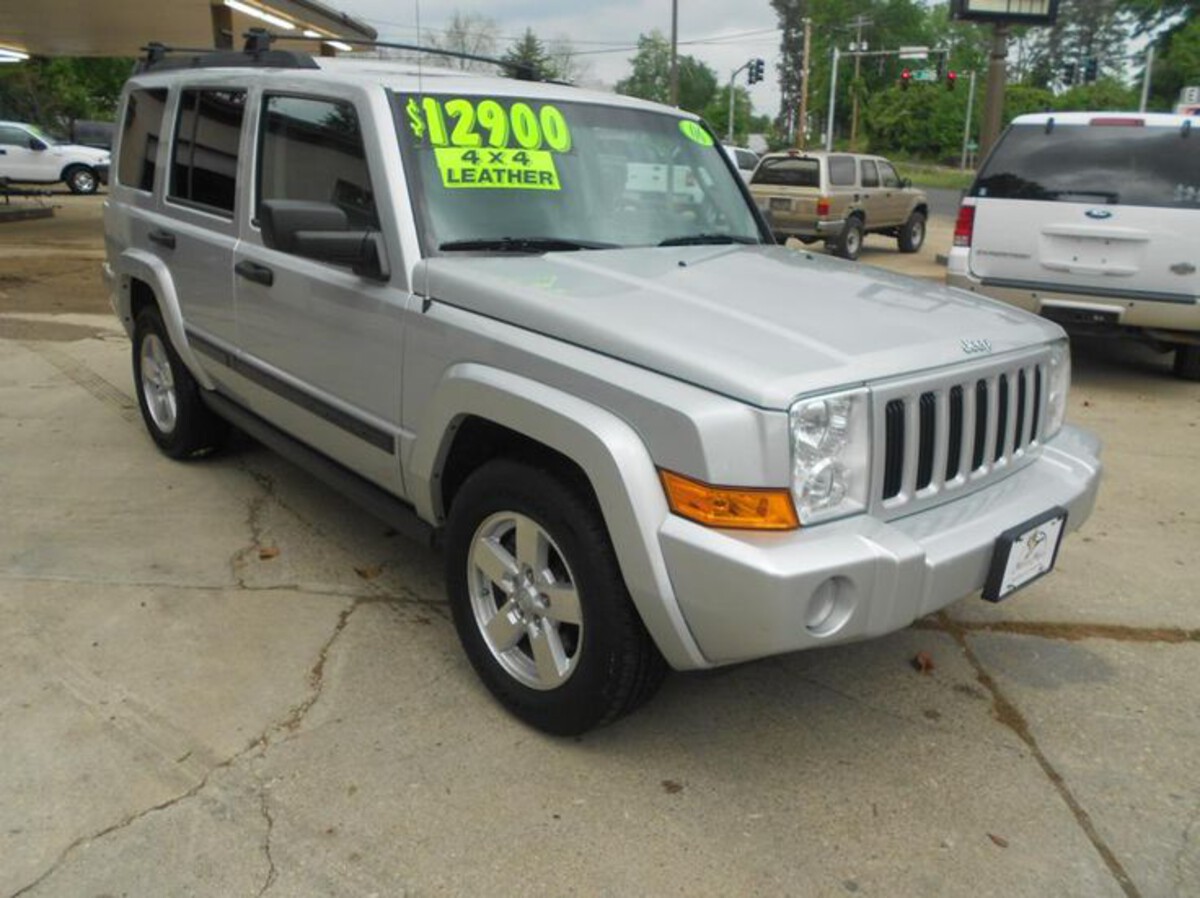
Faulty sensors, leaky sunroofs, failing power windows, and check-engine lights were just part of the ownership experience. And the V8 engine options, while powerful, were thirsty and prone to engine trouble after high mileage.
Owners frequently reported suspension issues and drivetrain failures that required expensive repairs. Despite being aimed at families who wanted adventure, it quickly gained a reputation for being unreliable and high-maintenance.
The Commander tried to be everything—big, powerful, and trail-ready—but ended up being an awkward compromise that pleased no one.
Jeep discontinued it after just four years, and today it serves as a warning: just because it’s big and boxy doesn’t mean it’s trail tough.
5. Jeep Patriot (2007–2017)
The Jeep Patriot is perhaps the most ironic nameplate in the lineup—because it betrayed everything Jeep once stood for. Despite bold styling and optional four-wheel drive, it was an economy car dressed up as an off-roader.
Sharing its platform with the Compass and Dodge Caliber, the Patriot suffered from the same design flaws: a car-based unibody frame, poor suspension travel, and no true off-road hardware.
The “Freedom Drive II” package offered some minor trail enhancements, like hill descent control and slightly raised ground clearance—but even that couldn’t save the Patriot from its on-trail incompetence.
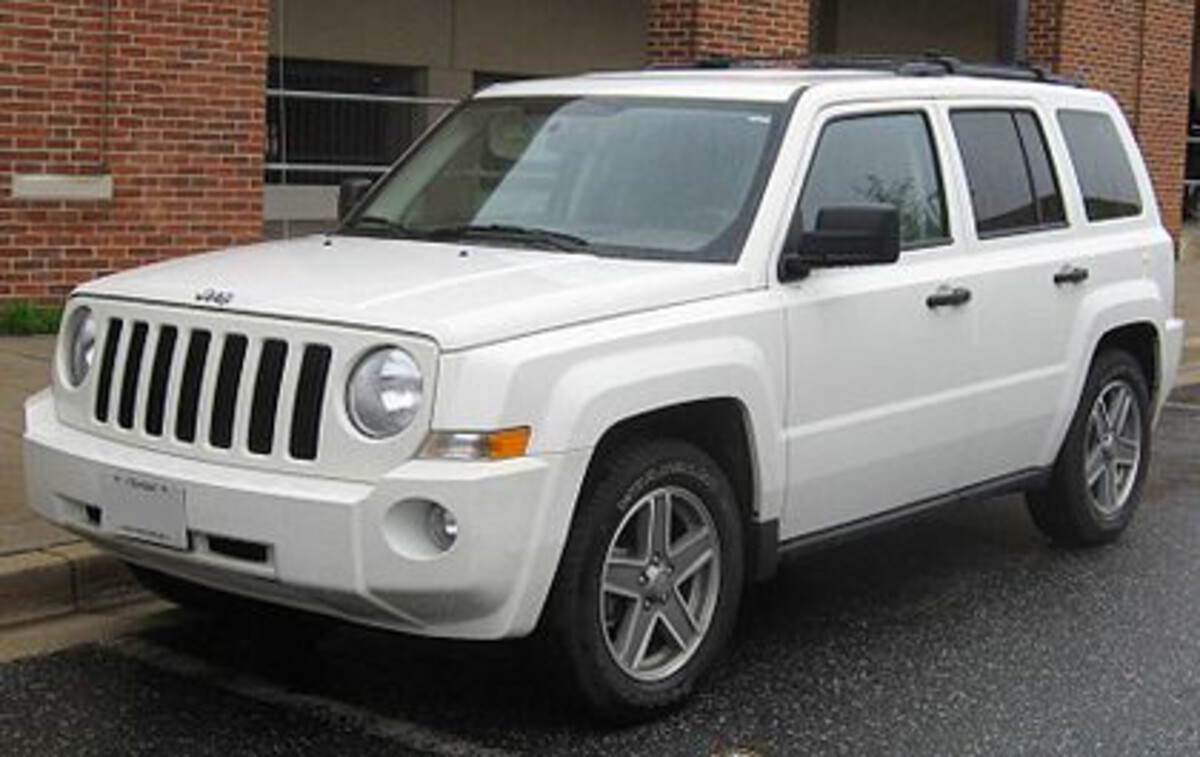
Owners complained about a gutless 2.0L or 2.4L engine paired with one of the worst CVTs in modern automotive history. The transmission often failed before 100,000 miles, with high replacement costs and inconsistent power delivery.
Off the road, the Patriot felt jittery, unstable, and uncomfortable. It lacked the toughness needed to tackle rocks or deep mud. Even light-duty trail riders were left frustrated with the Patriot’s limitations.
Ultimately, the Patriot tried to offer a Jeep badge at a bargain price—and that compromise showed everywhere. It was cheap, unreliable, and underwhelming on every front.
If you want to get stuck halfway up a trail with a flashing dash light and zero traction, then by all means, bring a Patriot. Otherwise, steer clear.
Jeep’s legacy was built on vehicles that don’t just survive off-road—they thrive in it. But in the pursuit of appealing to broader audiences, some models have sacrificed trail capability for commuter comfort or marketing hype. As we’ve seen, not every Jeep earns its stripes when the trail gets rough.
Models like the Wrangler Rubicon JL, XJ Cherokee, and Gladiator Mojave are the standard-bearers, made for terrain that breaks lesser vehicles. Their durability, simplicity, and off-road engineering prove that Jeep’s original spirit still lives on. These rigs not only survive, they dominate off-road environments and carry a reputation earned the hard way—through mud, rocks, and grit.
On the flip side, Jeeps like the Compass, Renegade, and Patriot may look trail-ready but crumble when challenged. Whether it’s underwhelming performance, reliability issues, or plain bad engineering, these models remind us that not all with a Jeep badge are created equal.
If you’re looking to join the off-road crowd, choose wisely. A proper Jeep will take you where roads end and adventure begins. A poser will leave you stranded—both literally and metaphorically.
Know your Jeeps. Trust the legends. Avoid the liabilities. Because out there, only the real ones make it back in one piece.