Nissan has been a household name in the automotive world for decades, known for blending reliability with affordability. From family sedans to rugged SUVs and work-ready trucks, the brand has something for everyone.
However, when it comes to long-term ownership, not all Nissans are created equal. Some models have proven their worth by effortlessly cruising past the 100,000-mile mark without skipping a beat, while others seem destined for an early grave.
For buyers focused on long-term value and durability, knowing which Nissans hold up and which fall apart is critical.
Whether you’re buying used or considering how long your current ride will last, understanding the performance and longevity of Nissan models is more important than ever.
A dependable car can save you thousands in repair bills and reduce the stress of constant maintenance. Conversely, a poorly engineered model can become a financial burden far too soon.
In this blog, we dive into 5 Nissans that are celebrated for their long-lasting reliability and 5 that are notorious for falling apart before they hit the 100,000-mile milestone.
Our breakdown is based on owner reviews, mechanical data, and real-world performance reports. Buckle up—this guide might just save you from a premature breakdown or steer you toward a Nissan that keeps going strong for years to come.
5 Nissans That Exceed 100,000 Miles
Some Nissans are engineered to go the distance—past 100,000 miles and well beyond. These vehicles have earned reputations for resilience thanks to solid engine designs, dependable transmissions, and manageable maintenance costs.
Whether you’re driving cross-country or using them as daily commuters, these models consistently prove their worth over time. If you’re seeking a Nissan that won’t leave you stranded, these five reliable champs should be at the top of your list.
ALSO READ: 10 Tire Brands That Survive Long Road Trips and Handle Every Driving Condition
1. Nissan Altima (2007–2012) – The Commuter’s Dream
The 2007–2012 Nissan Altima has earned a strong reputation as a reliable mid-size sedan that regularly surpasses 100,000 miles.
It features a choice between a 2.5-liter four-cylinder or a 3.5-liter V6 engine—both known for their durability and fuel efficiency. With proper care, many Altimas in this generation can cross 200,000 miles, making it a favorite among budget-conscious drivers.
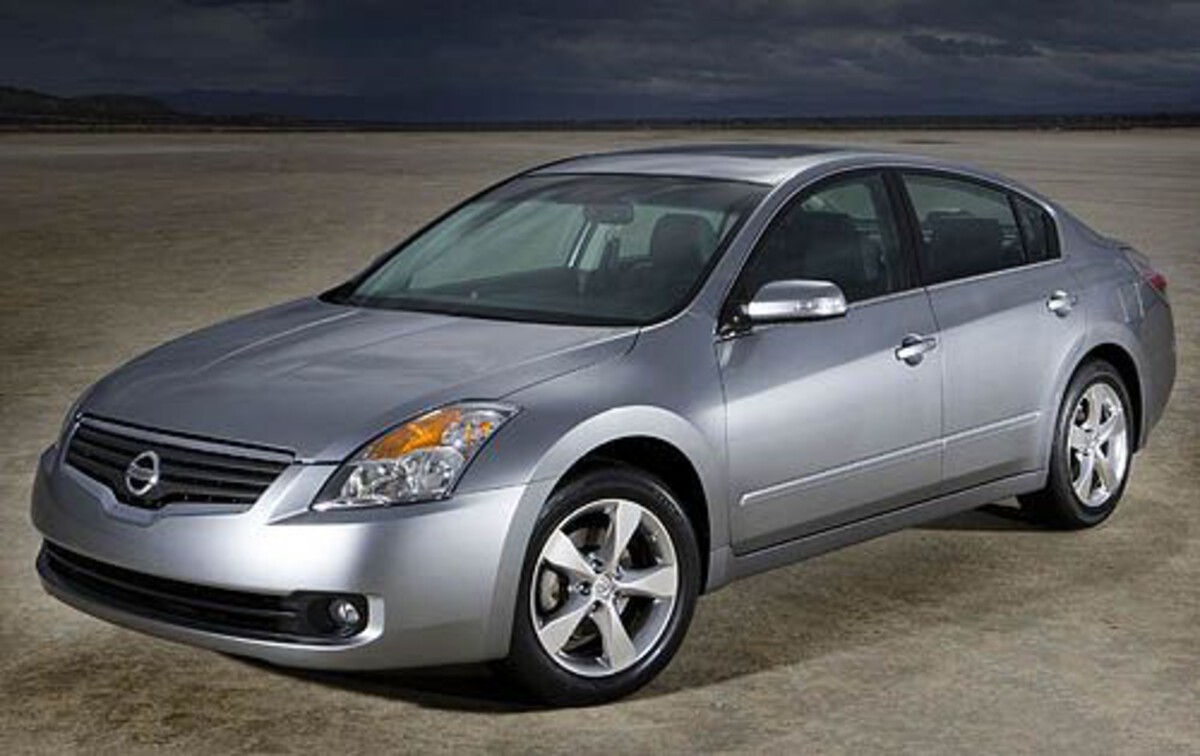
Owners often praise its smooth ride, roomy interior, and relatively low maintenance costs. The Continuously Variable Transmission (CVT) used in this generation had a few early complaints, but Nissan improved the technology significantly over time. Regular fluid changes and timely servicing are key to keeping the CVT trouble-free.
The Altima’s value lies not just in its longevity, but in its day-to-day reliability. It’s not a flashy car, but for commuters or families, it delivers dependable performance year after year.
Safety ratings were strong for its time, and used models are widely available at affordable prices.
If you need a daily driver that won’t die young or break the bank, the 2007–2012 Altima is a proven winner that earns its mileage stripes.
2. Nissan Frontier (2005–2019) – The Durable Workhorse
The Nissan Frontier, especially models from 2005 to 2019, has proven to be one of the most reliable midsize trucks available.
Built with a rugged body-on-frame design and a rock-solid V6 engine, the Frontier can routinely hit 200,000 miles with minimal drama. Mechanics often cite the simplicity of its engineering as a big plus for long-term ownership.
What makes the Frontier stand out is its lack of unnecessary complexity.
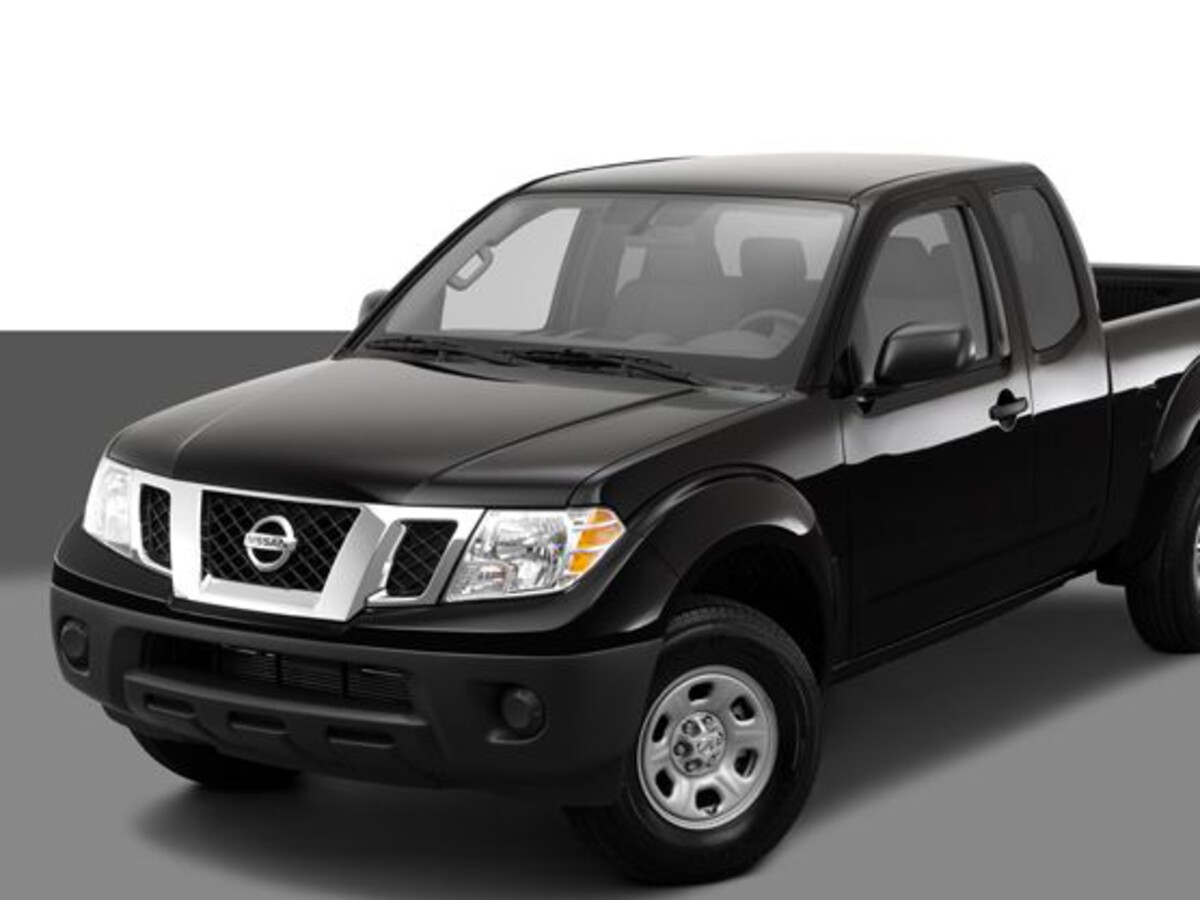
It’s a straightforward truck with just enough modern features to stay competitive. Whether you’re hauling gear, towing loads, or off-roading, the Frontier handles it all without excessive wear and tear.
Its 4.0-liter V6 engine, in particular, is known for being nearly bulletproof when maintained properly.
While it’s not the most modern or refined truck on the market, that’s actually part of its charm and strength. It has fewer high-tech parts that can fail over time, which keeps repair costs down.
With a well-earned reputation for reliability and real-world toughness, the Nissan Frontier is one of the brand’s true long-distance champions.
3. Nissan Maxima (2011–2014) – The Sporty Survivor
The 2011–2014 Nissan Maxima combines sportiness with long-term dependability. Its 3.5-liter V6 engine, shared with other reliable Nissan models, is the heart of this performance sedan.
With regular maintenance, Maximas from this era can easily exceed 150,000 miles—and many stretch well past 200,000.
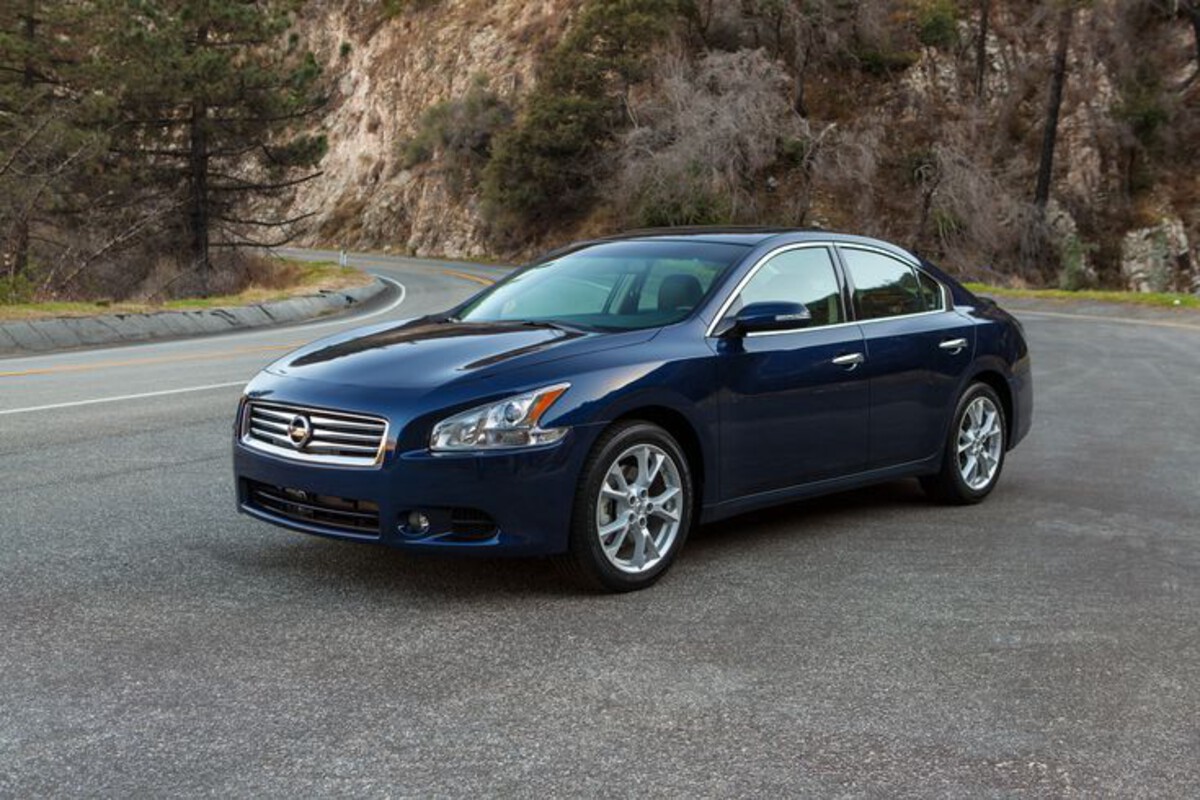
What sets the Maxima apart is its balance of luxury, power, and reliability. It delivers a smooth yet engaging ride, and the upscale interior makes it feel like a premium vehicle.
The CVT in this model is more refined than earlier versions and holds up well when fluid is changed regularly. Suspension parts may need replacing over time, but that’s typical for a car in this segment.
The Maxima is ideal for drivers who want a bit of driving excitement without sacrificing reliability. It’s not the cheapest Nissan to maintain, but it rewards you with performance and endurance.
For a powerful sedan that holds its own on the road for the long haul, the 2011–2014 Maxima is a standout.
4. Nissan Xterra (2005–2015) – Off-Road and Long-Lasting
Built for adventure, the Nissan Xterra from 2005–2015 is not only rugged but surprisingly durable. This SUV, designed on the same platform as the Frontier, shares its rock-solid 4.0-liter V6 engine and a reputation for reliability.
Xterras commonly reach 200,000 miles when properly serviced, even after years of rough use. The Xterra is beloved among off-roaders, campers, and outdoor enthusiasts.
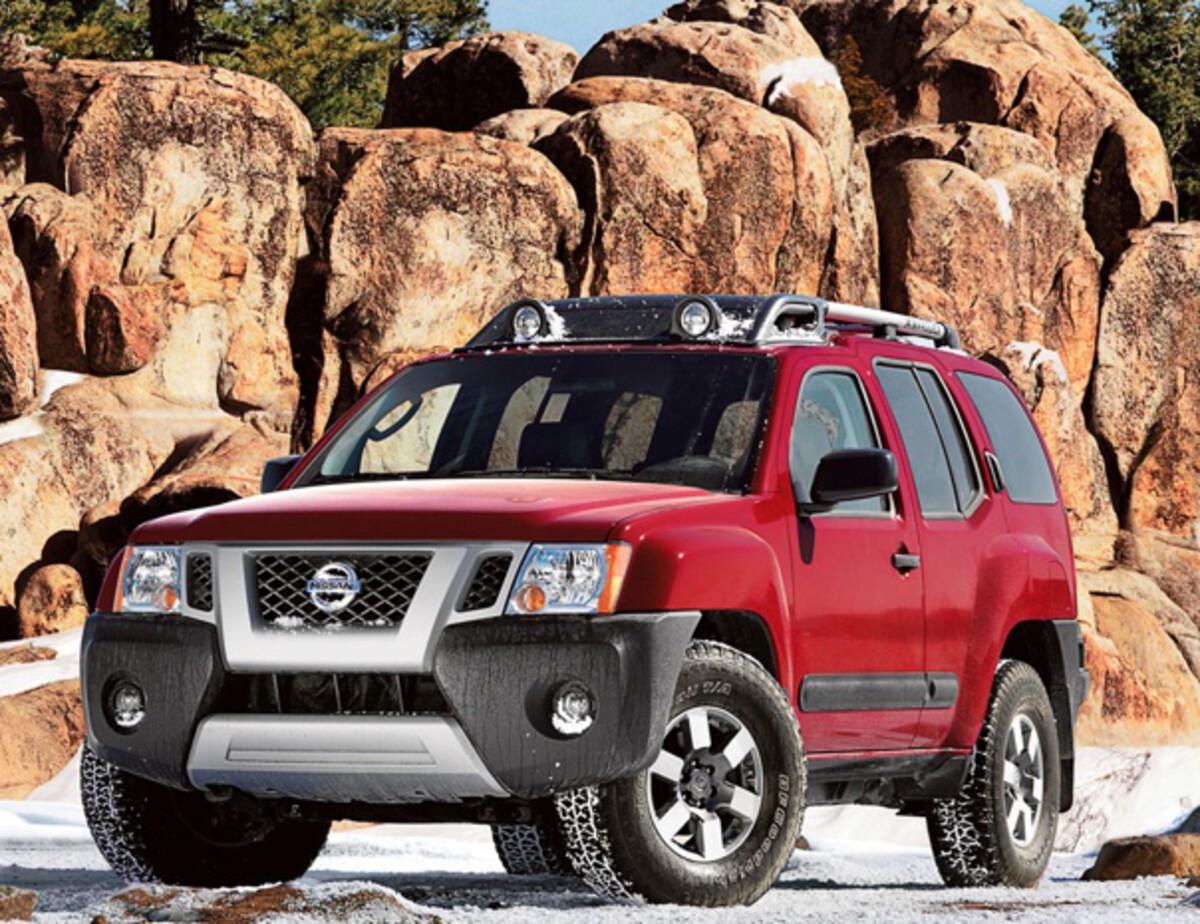
It boasts high ground clearance, solid 4WD systems, and simple mechanics that don’t fail easily. While it’s not a luxury ride by any means, its utilitarian design is what makes it such a long-lasting companion.
Rust can be a concern in older models if not addressed, especially in snowy climates, but overall the Xterra ages well.
It’s not uncommon to see decade-old Xterras still tackling trails with no major issues. For those seeking an SUV that’s just as tough as it is reliable, the Nissan Xterra is one of the brand’s longest-living legends.
5. Nissan Versa (2007–2012) – Budget-Friendly and Reliable
The Nissan Versa from 2007–2012 may not be exciting, but it has earned praise for being one of the most dependable subcompact cars in its class.
Built with simplicity in mind, these models are easy to maintain, with engines that regularly surpass 100,000 miles—often heading toward 200,000.
Versas of this era came with a basic 1.6 or 1.8-liter engine and a choice of manual or automatic transmission. While early CVTs had some hiccups, the manual versions in particular are practically bulletproof.
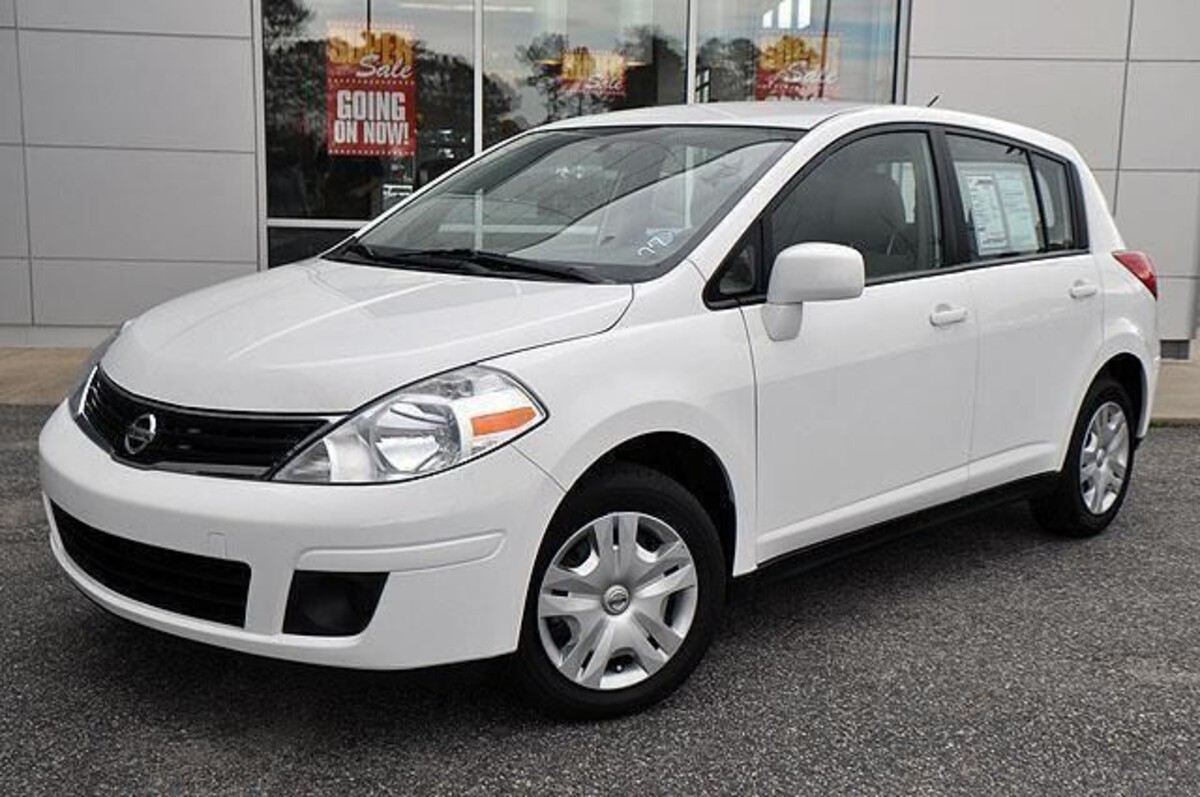
The lack of complex electronics means fewer things can go wrong over time. While it lacks the style or power of other models, the Versa shines in reliability, fuel economy, and low ownership costs.
It’s a favorite among first-time drivers, students, and anyone looking for a cheap car that won’t give up early. For buyers needing a no-frills, high-mileage survivor, the Nissan Versa delivers exactly that.
5 Nissans That Die Young
Not every Nissan is built to last. Some models have gained notoriety for their mechanical issues, premature breakdowns, and costly repairs before hitting even 100,000 miles.
Whether it’s transmission failures, engine problems, or electrical nightmares, these Nissans have left many owners frustrated and financially drained. If you’re considering a used model, steer clear of these five to avoid a vehicle that might leave you stranded—and regretting your purchase—all too soon.
ALSO READ: 5 Wagons That Just Keep Running and 5 That Are a Mechanic’s Dream For Revenue
1. Nissan Pathfinder (2013–2016) – CVT Catastrophe Waiting to Happen
The 2013–2016 Nissan Pathfinder seemed promising on paper—a family SUV with third-row seating and a sleek design.
But in reality, this generation became a poster child for premature failure, mostly due to one critical flaw: the Continuously Variable Transmission (CVT). Owners frequently report transmission issues as early as 60,000 miles, ranging from shuddering and jerking to complete failure.
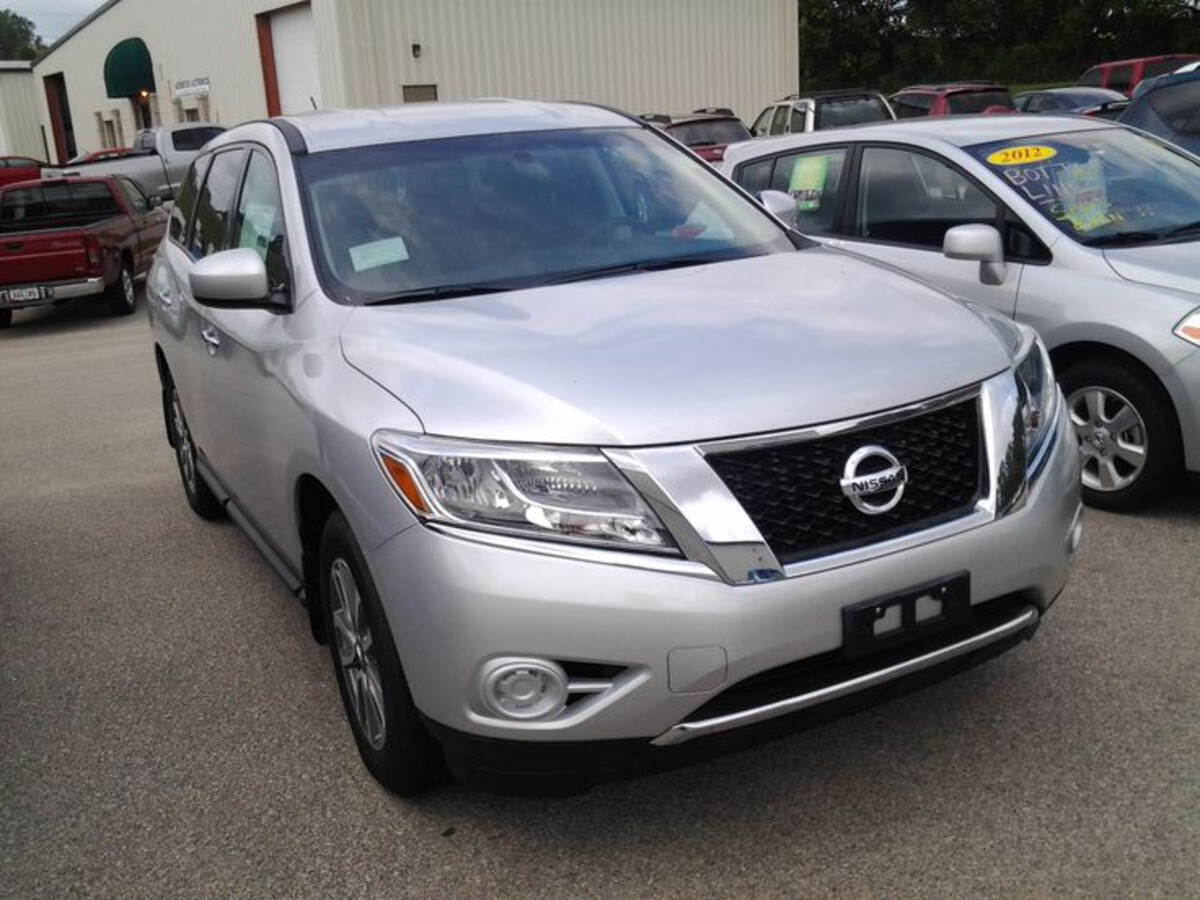
While Nissan extended the warranty for some CVTs, many owners still faced huge out-of-pocket expenses. Even after transmission replacements, some Pathfinders continue to experience drivability issues.
The problem is so widespread that class-action lawsuits have been filed against Nissan. Besides transmission troubles, this generation also suffers from faulty climate control systems, early suspension wear, and electronic glitches.
For a vehicle meant to transport families safely and reliably, the 2013–2016 Pathfinder has been a major disappointment. If you’re considering a used Pathfinder, it’s best to look for earlier, more reliable generations—or skip it altogether.
2. Nissan Sentra (2013–2017) – Cheap Build, High Costs
The 2013–2017 Nissan Sentra is often marketed as an affordable, fuel-efficient sedan, but what it saves you at the dealership, it may cost you in the long run.
This generation is plagued by persistent CVT issues, which usually appear before 100,000 miles. Many owners report transmission replacements, loss of power, and acceleration problems that make driving unsafe. Unfortunately, the Sentra’s problems don’t stop there.
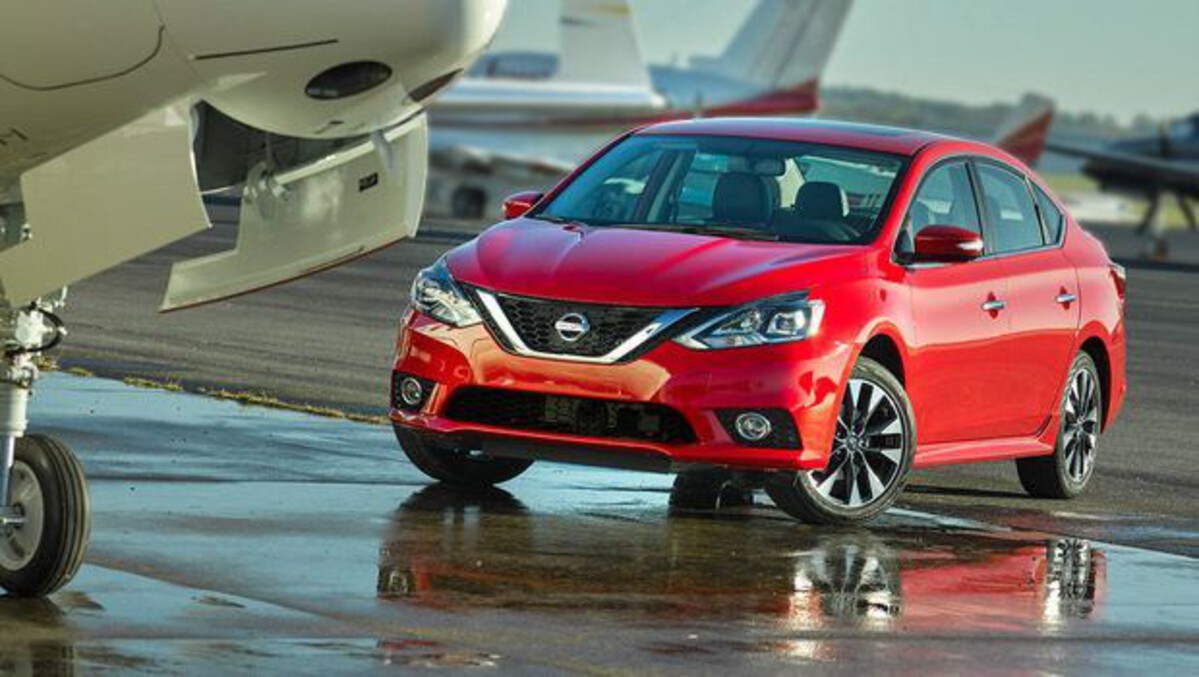
The interior materials are cheap and wear quickly, suspension components tend to fail early, and engine mounts have a reputation for collapsing under normal use. While fuel economy is decent, it doesn’t make up for the frequent visits to the mechanic.
In an effort to compete with budget-friendly compacts, Nissan seems to have cut corners with this Sentra. It’s one of the most complained-about models in the company’s lineup during this time frame.
If you want a Sentra that lasts, it’s better to seek out older models from the early 2000s, which were far more dependable.
3. Nissan Juke (2011–2017) – Quirky Looks, Questionable Lifespan
The Nissan Juke carved out a niche with its funky styling and turbocharged fun, but under the hood lies a ticking time bomb.
The 1.6-liter turbo engine is prone to failure, especially if regular maintenance is ignored even slightly. Oil consumption, turbocharger failure, and engine overheating are all too common—and often happen before the 100,000-mile mark.
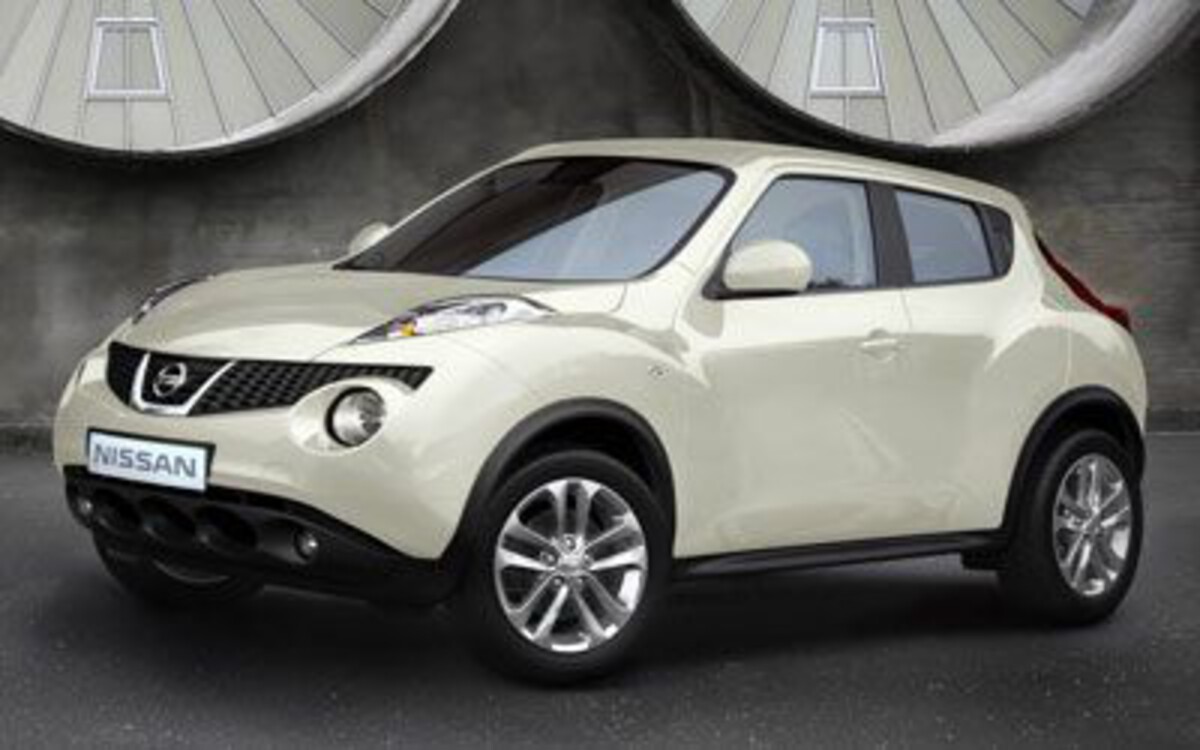
To make matters worse, the Juke also suffers from—you guessed it—CVT transmission issues. Drivers report slipping, whining noises, and jerky performance that worsen quickly.
These problems often require expensive repairs, sometimes costing more than the vehicle’s value.Though the Juke’s unique design appeals to a younger audience, many buyers find themselves burned by its mechanical unreliability.
If you’re after a stylish crossover with long-term durability, it’s best to skip the Juke and explore more stable options like the Honda HR-V or Mazda CX-3.
4. Nissan Murano (2009–2014) – Smooth Ride, Short Lifespan
The second-generation Nissan Murano (2009–2014) impresses with its upscale ride quality and attractive design. But unfortunately, it’s another CVT casualty.
Owners often report complete transmission failures before 100,000 miles, and even those who haven’t experienced total breakdowns report symptoms like slipping, lagging, and sudden power loss.
Electrical issues are also rampant in this generation. Common complaints include faulty power windows, malfunctioning sensors, and unpredictable electronic controls.
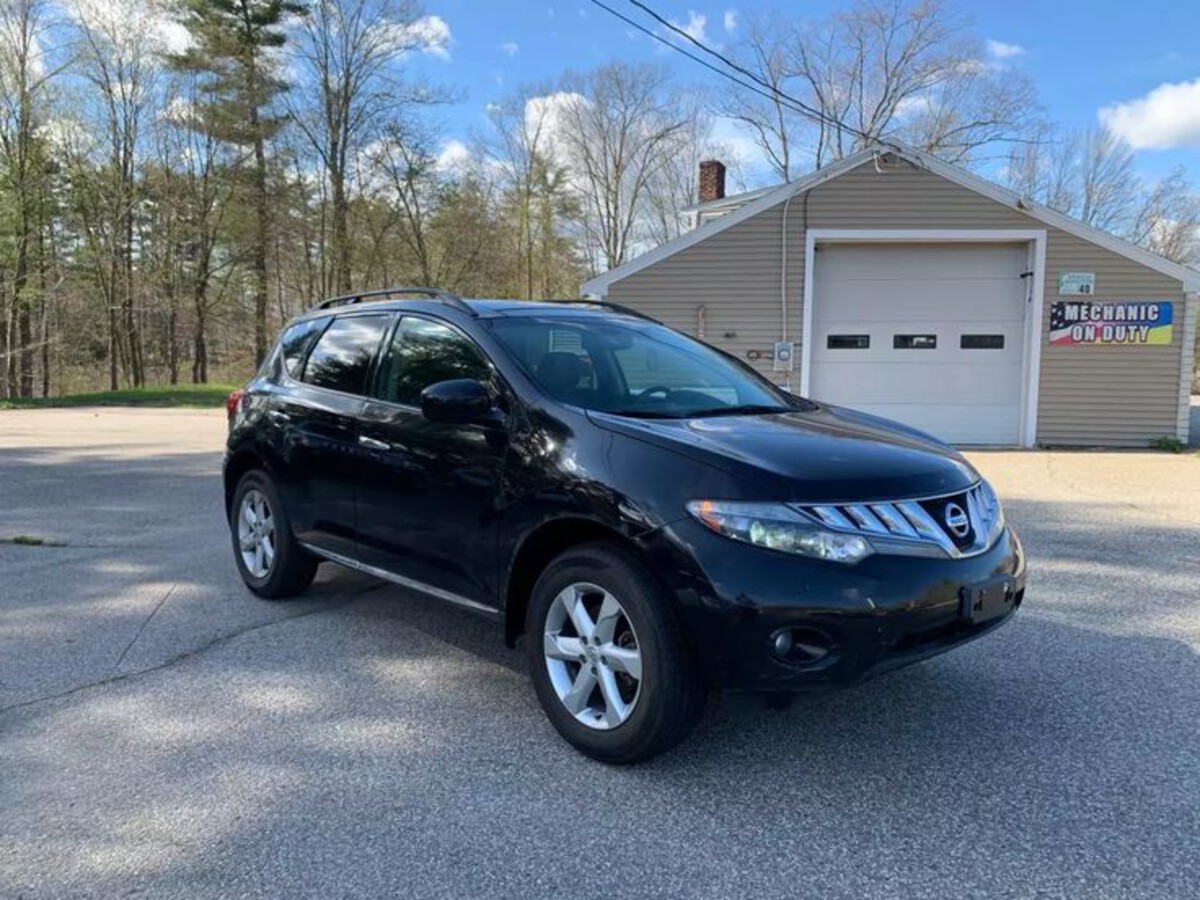
When combined with steering rack problems and premature suspension wear, it becomes clear the Murano is not built for longevity.
While it may seem like a premium choice on the used car lot, its long-term reliability is questionable. High repair costs and frequent issues make this a risky investment.
Unless you’re willing to budget thousands in potential repairs, steer clear of this otherwise good-looking SUV.
5. Nissan Quest (2011–2016) – The Minivan That Missed the Mark
Minivans are supposed to be durable family haulers, but the 2011–2016 Nissan Quest fails to live up to that standard. Like many other Nissans from this era, it’s bogged down by an unreliable CVT that often gives out prematurely.
Parents have reported transmission failures while driving with children, leading to a surge in negative reviews and safety concerns.
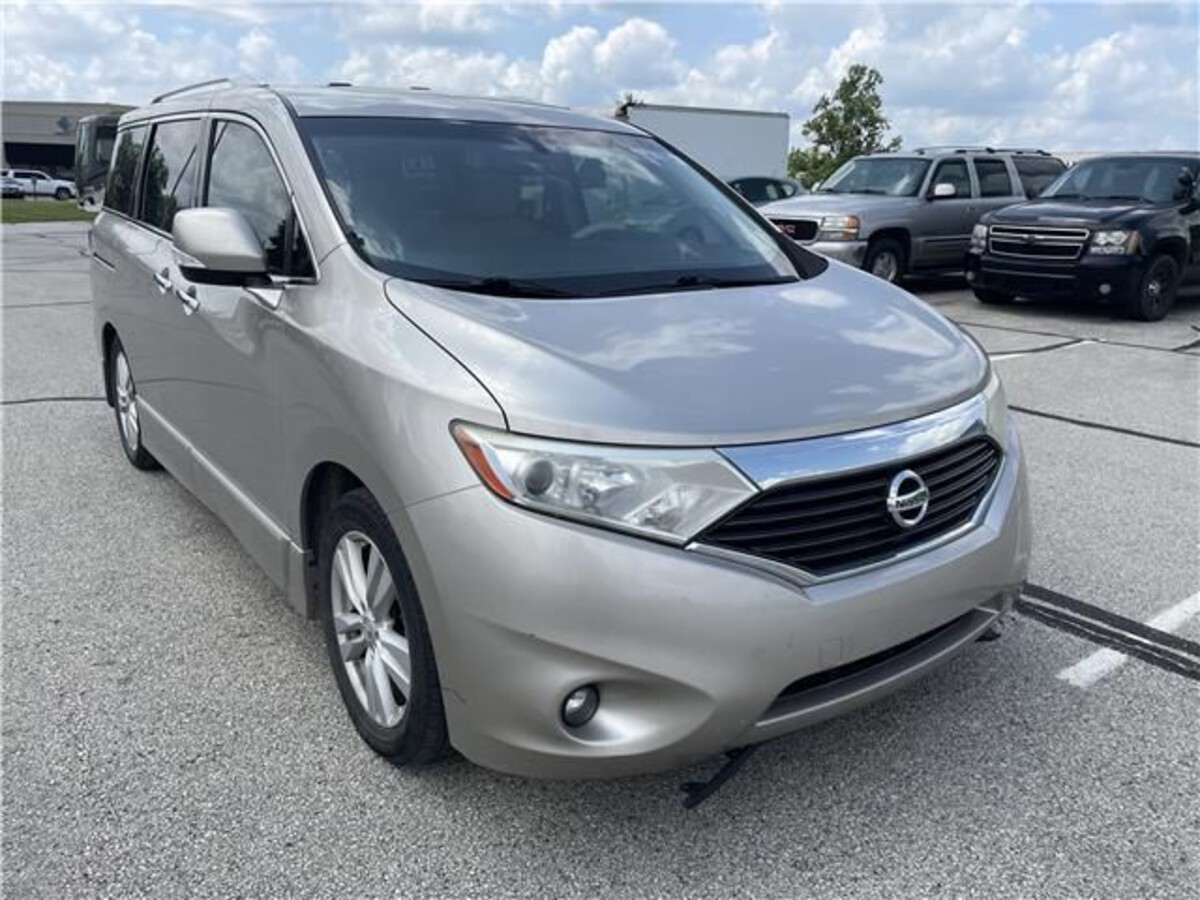
Beyond the transmission, the Quest has suffered from brake issues, power steering problems, and faulty sliding doors. Its resale value has plummeted due to these concerns, and even Nissan loyalists often look elsewhere when it comes to family vehicles.
The Quest’s interior is spacious and unique, but looks can be deceiving. It’s one of the least recommended minivans in recent history, primarily due to its inability to last past 100,000 miles without major issues.
If you’re looking for a dependable family hauler, the Honda Odyssey or Toyota Sienna is a far safer bet.
Nissan has delivered some truly impressive long-lasting vehicles over the years—models like the Altima, Frontier, and Maxima continue to win over drivers with their durability and ease of ownership.
These cars are proof that with solid engineering and proper maintenance, a Nissan can easily exceed 100,000 miles—and even double that. On the flip side, certain models have gained notoriety for early breakdowns and repeated mechanical failures.
From the troubled CVTs in the Sentra, Juke, and Pathfinder to the overall poor build quality of the Quest, these vehicles have left many owners frustrated and financially strained.
In most cases, poor long-term performance is tied to unreliable transmission systems, lack of quality control, or over-complicated electronics.
The key takeaway? Not all Nissans are equal. If you’re shopping used or trying to determine whether to keep your current ride, be informed. Look beyond the badge and pay attention to model years, drivetrain components, and ownership histories.
Choose one of the proven long-haulers if you want peace of mind and value. Avoid the early failures unless you’re prepared for a repair bill rollercoaster. In the end, reliability isn’t just about luck—it’s about picking the right Nissan from the start.