
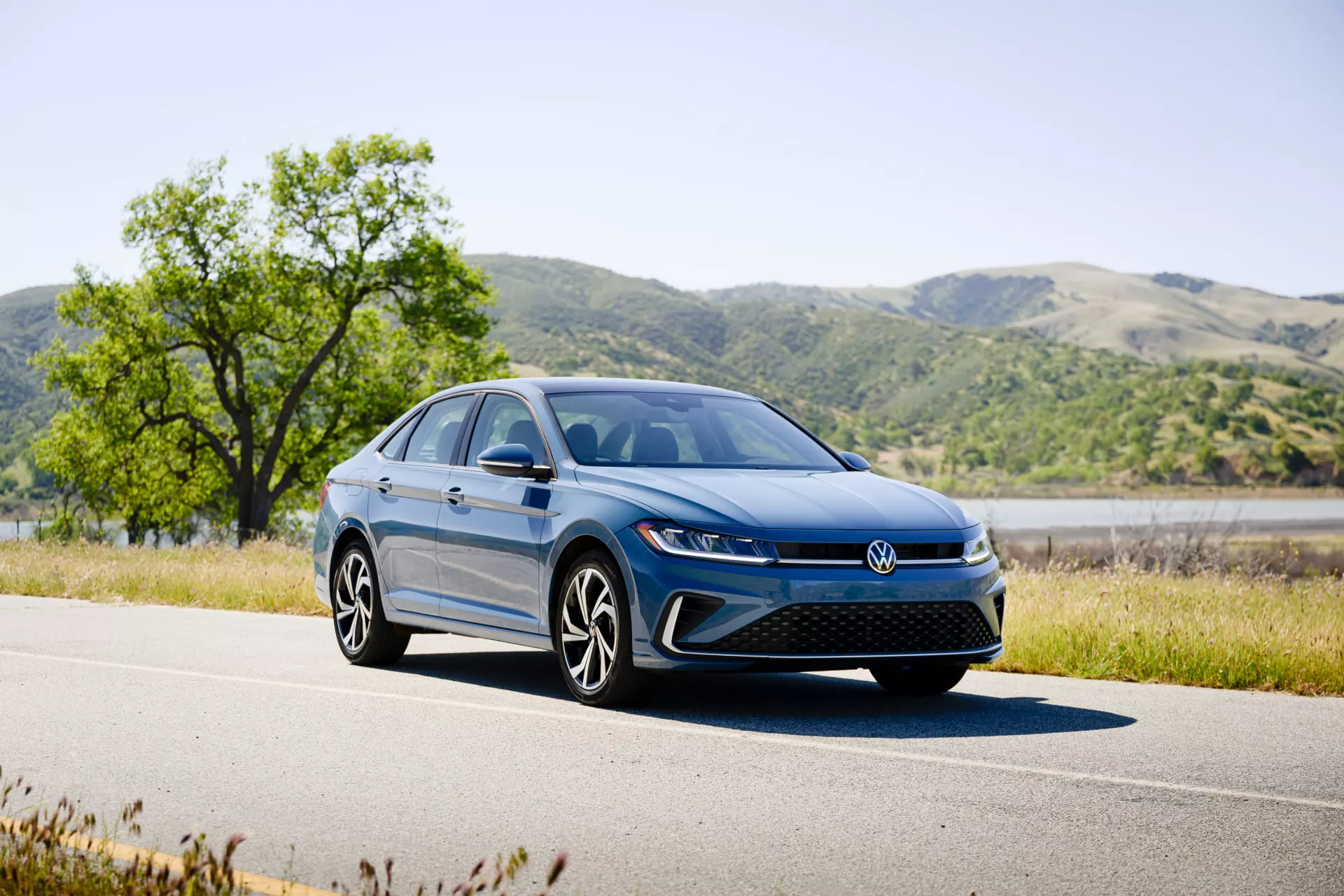
Few car issues are as universally annoying as exhaust problems or persistent check engine lights. These two categories represent opposite ends of the ownership spectrum: one speaks to a vehicle that just works, while the other reminds you that something—anything—might fail at any moment.
In an age where emissions regulations are strict and vehicle electronics are increasingly complex, understanding which vehicles can save you from these headaches is more critical than ever.
On one hand, there are cars that rarely, if ever, suffer from exhaust issues—thanks to solid engineering, high-quality materials, and long-lasting catalytic converters.
These vehicles manage to avoid the usual problems like broken exhaust manifolds, leaky mufflers, or premature emissions system failures. For buyers looking for reliability and long-term ownership without unexpected repair bills, these cars are a breath of fresh air—literally.
Then there are the vehicles that constantly throw error codes, driving owners and mechanics up the wall. These aren’t just isolated incidents—they’re symptoms of deeper flaws in electronics design, sensor reliability, or overly sensitive emissions and engine control systems.
In some cases, even after repairs, the lights just keep coming back on. This list is a warning for anyone who values peace of mind and wants to avoid the diagnostic limbo of chasing never-ending fault codes.
Also Read: 5 Used Luxury Cars Cheap to Maintain vs 5 That Bankrupt You in Repairs
5 Vehicles That Don’t Need Exhaust Work
For many vehicle owners, the exhaust system is something they don’t even think about—until something goes wrong.
Whether it’s a rotten egg smell, a drop in performance, a rattling noise, or a dreaded emissions failure, exhaust system problems can be expensive and annoying.
But some cars seem to defy these problems entirely, going 10–15 years without ever needing to touch the catalytic converter, flex pipe, or muffler. That kind of peace of mind is increasingly rare, especially as emissions controls become more complex and tightly regulated.
Why highlight vehicles that don’t need exhaust work? Because in real-world ownership, this system often represents a hidden long-term cost.
Many owners don’t realise until it’s too late that rust, thermal cracking, or poor design can force them into a repair job costing $ 2,000 or more—especially if it involves the catalytic converter.
In some parts of the world, failing an emissions test means you can’t even legally drive the car until the repair is made.
This list celebrates five vehicles renowned for their exceptional exhaust system durability, often praised by mechanics for their long-term reliability. We looked at owner reports, mechanic testimonials, exhaust system layouts, and regional climate performance (especially rust resistance).
These vehicles combine smart engineering with rust-proofing and long-lasting components, saving owners years of frustration and thousands of dollars.
If you want a car that’ll pass every inspection, run clean, and never force you to track down a new muffler or cat, these five picks are your best bet. Let’s break down what makes them last—and why they’ve earned their place on this list.
1. Toyota Camry (2007–2017)
The Toyota Camry from 2007 to 2017 is a textbook example of quiet, reliable engineering—and that includes its exhaust system.
While this midsize sedan is widely recognized for bulletproof engines and smooth transmissions, many owners and mechanics alike point to the Camry’s exhaust system as one of the least problematic in the entire industry. It’s the kind of car where the exhaust stays forgotten—and that’s a very good thing.
First, the materials. Toyota used stainless steel for both the piping and the muffler assembly in this generation, which resists rust far better than the aluminized steel used by many competitors.
For owners in rust-prone regions with road salt and winter grime, this alone is a game-changer. There are countless Camrys still on the road with 200,000 miles or more and the original exhaust still humming quietly beneath the chassis.
Next, design. The exhaust system on these models is remarkably well-routed and protected. Heat shields are well-placed, bends are smooth, and hangers resist vibration-induced cracking.
Even the welds—often weak points in cheaper systems—hold up well over time. Toyota’s engineers built this car with longevity in mind, and it shows in the absence of failure points.
Catalytic converter performance is also worth noting. Many Camry owners pass multiple smog tests over a decade or more without ever needing emissions-related service.
The upstream and downstream oxygen sensors are not only durable but rarely trigger false CELs, a major annoyance in many other vehicles.
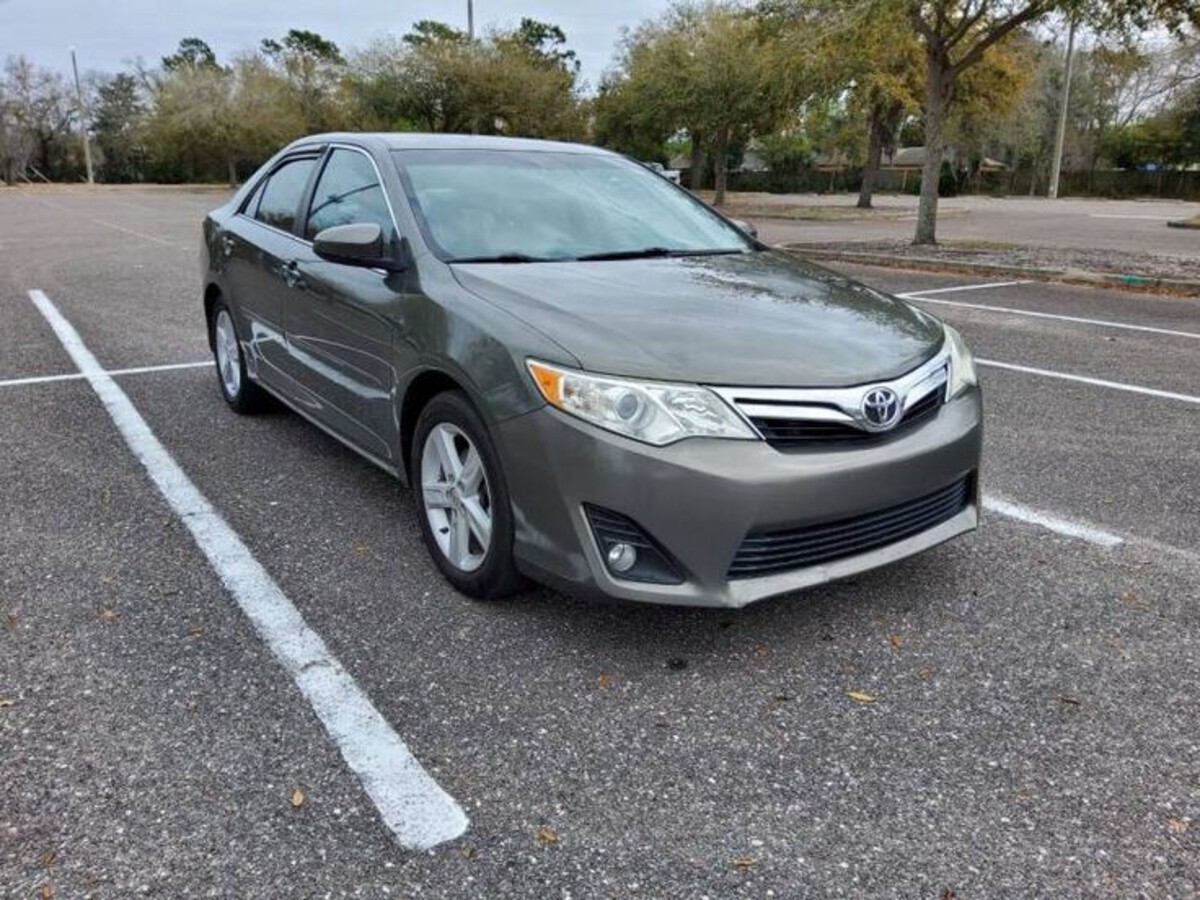
Mechanics routinely report that Camrys of this generation are among the least likely cars to come in for muffler replacements or converter failures. Even in extreme climates, the most common exhaust complaint is “it’s still original.”
For drivers who value low maintenance costs and long-term reliability, the 2007–2017 Toyota Camry is a smart bet. Not flashy. Not noisy. Just steady, solid, and immune to the kinds of exhaust problems that send other cars to the shop.
Also Read: 5 Cars With Reliable Infotainment Systems and 5 That Glitch Nonstop
2. Honda CR-V (2012–2018)
The 2012–2018 Honda CR-V is one of those vehicles that owners tend to hang onto—not because it’s flashy or sporty, but because it almost never causes trouble. A big part of that durability lies in its remarkably robust exhaust system.
For a compact crossover subjected to daily commuting, family hauling, and harsh weather, the CR-V’s ability to resist exhaust-related issues is exceptional.
Let’s start with materials. Honda uses high-grade stainless steel for the exhaust pipes and muffler in this generation of CR-V.
That makes a huge difference in regions with snow, ice, and salt. Rust is a major reason why exhaust components fail prematurely, especially in the Midwest and Northeast, but the CR-V shrugs off those conditions with ease. It’s common to find 10-year-old examples in snowy states with the full factory exhaust system still intact and leak-free.
The layout of the system is also a factor. Honda tucked the exhaust piping high up within the frame, reducing its exposure to road debris, water, and slush.
Strategic placement of heat shields and reinforced joints ensures that vibration or flexing doesn’t lead to cracking—a common issue in lesser designs. Everything from the hangers to the resonators seems engineered for long life.
Catalytic converter reliability in the CR-V is another highlight. It’s not uncommon for owners to drive well past 200,000 miles without ever dealing with a failed converter or O2 sensor.
The emissions systems don’t seem to get bogged down with phantom codes or erratic sensor behavior, which makes this vehicle especially appreciated by owners tired of unexpected check engine lights.
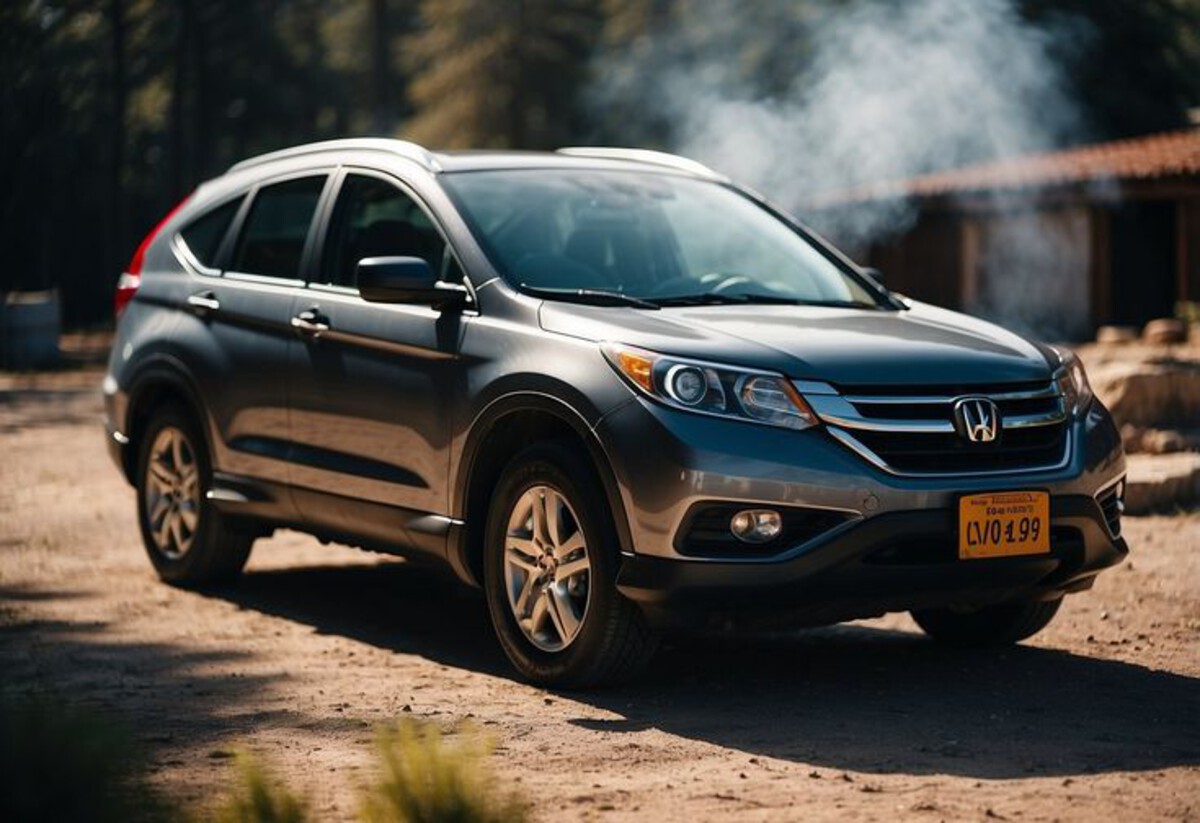
Mechanics often comment on how rarely they need to service a CR-V’s exhaust, even on older high-mileage examples. That makes this model especially appealing for budget-conscious families and commuters who just want something that works without drama.
In a segment filled with crossovers that develop leaks, noisy mufflers, or emissions faults by 100,000 miles, the 2012–2018 Honda CR-V stands out as a vehicle where the exhaust system simply isn’t a concern.
If you want to avoid emissions headaches and undercarriage rust battles, this is one compact SUV that delivers quiet confidence year after year.
3. Lexus RX (2010–2015)
The 2010–2015 Lexus RX isn’t just one of the most comfortable and refined luxury crossovers in its class—it’s also a quiet champion when it comes to long-term durability, especially in the exhaust department.
While some luxury vehicles are notorious for pricey catalytic converter failures or complicated exhaust layouts, the RX bucks the trend. It’s a rare example of a high-end SUV that manages to combine luxury with lasting, low-maintenance engineering beneath the surface.
The RX benefits greatly from Toyota’s well-established approach to exhaust design. The stainless-steel piping used throughout the system resists rust and corrosion far better than most competitors in the luxury space.
Even after ten winters, many owners report their RX still running with the original exhaust components intact, with no leaks, rattles, or check engine lights related to emissions.
Another strength lies in Lexus’s material quality. The catalytic converters in the RX aren’t just efficient—they’re built to last.
In fact, their durability is part of what makes them a frequent target for theft, but actual failure due to clogging or inefficiency is exceedingly rare.
Combined with well-calibrated oxygen sensors that don’t produce false codes, this makes the RX a favorite among owners who’ve dealt with emissions issues in other vehicles.
The exhaust system layout itself is impressively straightforward. There’s no convoluted routing or awkward bends to create weak points.
Lexus ensures each weld and flange is securely fitted and shielded from the elements, making the RX more resistant to fatigue, vibration, and road salt damage than many of its German or American counterparts.
Mechanics frequently note that RX owners rarely come in for exhaust-related repairs—even on vehicles with well over 150,000 miles.
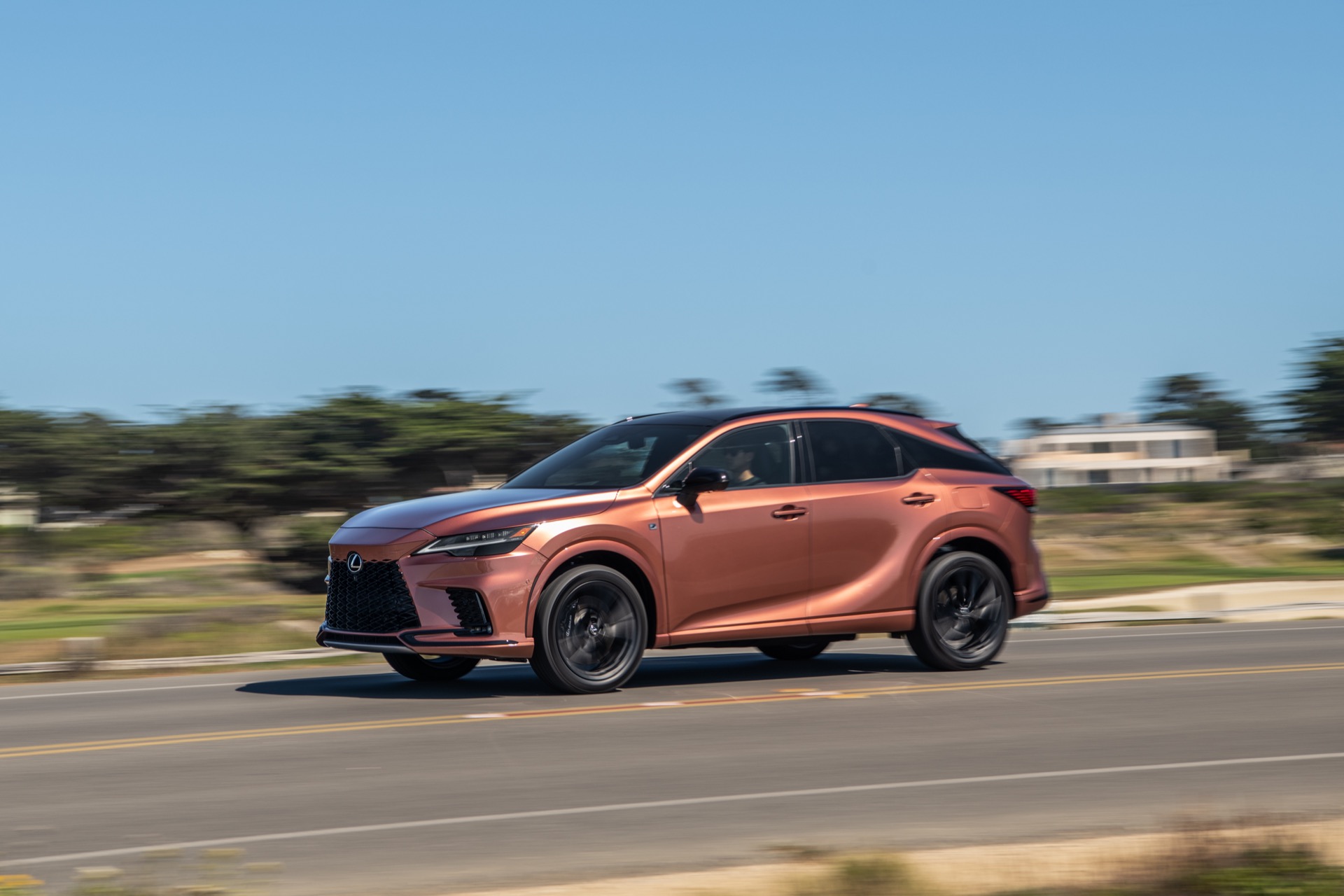
There’s also an overall absence of annoying issues like flex pipe leaks or resonator failures, which are common in many other luxury SUVs after a few years of driving.
In short, if you want the comfort of a luxury vehicle without inheriting the high-maintenance behavior often associated with European brands, the 2010–2015 Lexus RX is a smart pick.
It offers the smooth, quiet ride you’d expect from Lexus—made possible in part by an exhaust system that just won’t quit.
4. Subaru Outback (2015–2019)
The 2015–2019 Subaru Outback strikes a balance between rugged capability and daily drivability, making it one of the most popular wagons in North America.
But beyond its symmetrical all-wheel drive and off-road readiness lies a less-discussed advantage: an extremely dependable exhaust system.
For a car so often driven in harsh climates, dirt roads, and salted highways, the Outback’s ability to keep its exhaust trouble-free is impressive—and rare.
What sets this generation apart is Subaru’s thoughtful engineering, especially concerning corrosion resistance. Recognizing that many Outback owners live in snow-prone areas, Subaru improved its underbody sealing and drainage channels.
These enhancements prevent water accumulation and slush from pooling around vulnerable components like the mid-pipe or muffler hangers. Combine this with the use of stainless steel piping, and you’ve got an exhaust system built for the long haul.
Subaru also addressed common weak points seen in earlier models. For instance, flex pipes and exhaust joints in the 2015+ generation were redesigned to be more robust, reducing the risk of leaks caused by chassis flex or road vibration.
Heat shields are properly secured and less prone to the rattling or rusting out that plagued previous years. The exhaust hangers themselves are made of high-quality rubber that resists cracking, even in freezing conditions.
Then there’s the emissions system, which is surprisingly durable despite being under constant strain in extreme climates. The catalytic converters and O2 sensors are rarely a cause for concern.
Unlike other AWD vehicles with complex emissions layouts that often trigger check engine lights, the Outback’s system remains calm and cooperative—no ghost codes, no phantom failures.
Owners report running these vehicles well past 150,000 miles with their entire exhaust system still intact and untouched. Even mechanics who work in rust belts are surprised by how well these components hold up in real-world conditions.

It’s not uncommon to find Outbacks from this generation still wearing their original mufflers, resonators, and cats after nearly a decade.
For outdoor enthusiasts, commuters in winter states, or anyone who doesn’t want to worry about a rusted exhaust falling apart, the 2015–2019 Subaru Outback delivers. It’s a go-anywhere, year-round machine—and the exhaust system is one of its most underappreciated strengths.
Also Read: 5 Fords Built to Last vs 5 That Need Constant Repairs
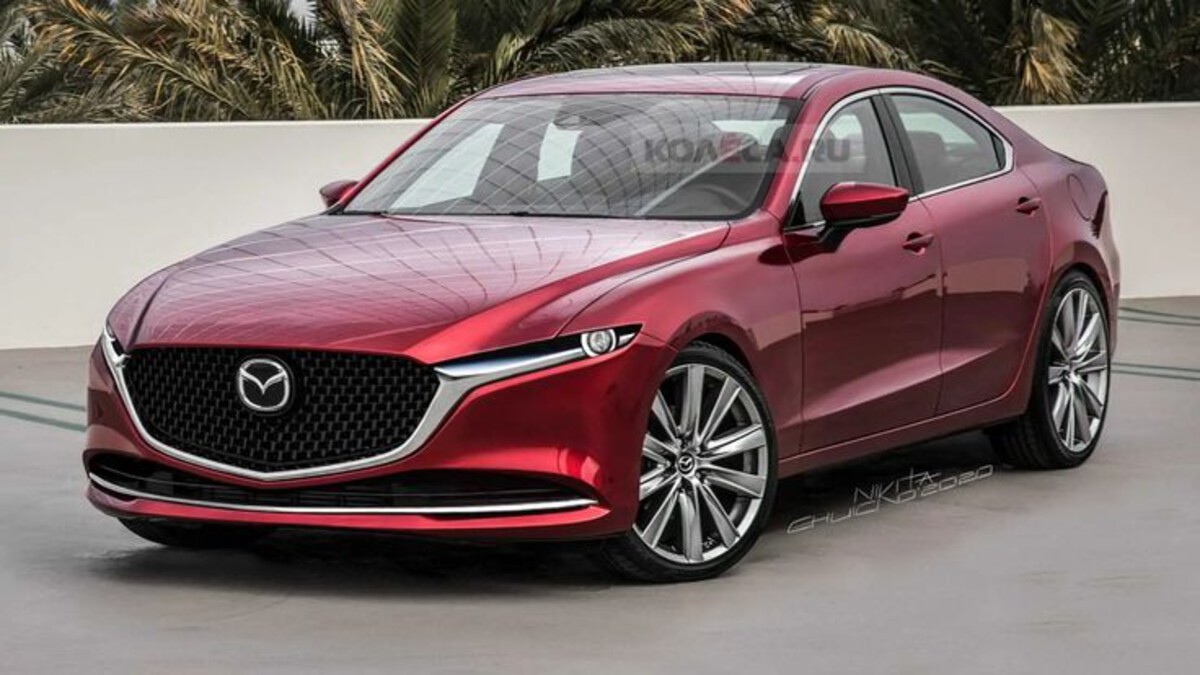
5. Mazda6 (2014–2021)
The 2014–2021 Mazda6 is often praised for its sharp styling, engaging handling, and upscale interior—but one of its most overlooked strengths is its exhaust system durability.
While many midsize sedans face catalytic converter failures or corroded mufflers by the time they hit 100,000 miles, the Mazda6 from this generation stands out for having one of the most resilient exhaust setups in its class.
A big part of the credit goes to Mazda’s SKYACTIV engineering philosophy, which took a clean-sheet approach to engine and exhaust design.
Instead of relying on bolt-on solutions, Mazda built the catalytic converter directly into the exhaust manifold—reducing the number of components and joints where leaks or failures typically occur.
This integration simplifies the system, increases thermal efficiency, and drastically lowers the chances of early failure.
Mazda also used high-quality stainless steel throughout the exhaust system, including heat-treated flanges, heavy-duty welds, and rust-resistant hangers.
The layout underneath the car is clean, minimal, and well shielded, which reduces exposure to road grime, water, and winter salt.
The result? Even in areas like the Northeast or Midwest, Mazda6 owners routinely drive well into six-digit mileage territory with their factory exhaust components still going strong.
The O2 sensors and catalytic converters are also tuned to work harmoniously with the SKYACTIV engine’s lean-burn strategy, which reduces stress on the emissions system as a whole.
This has led to fewer check engine light complaints related to emissions, unlike in many competing sedans from the same period. Mechanics frequently report that they “don’t see these in for exhaust work,” a clear testament to the design’s long-term reliability.
Mazda’s attention to detail extends even to the muffler, which rarely suffers from premature failure or drone—a testament to good engineering rather than just good luck.
For owners, this means less noise, fewer repair bills, and greater confidence when facing annual inspections or emissions testing.
For drivers looking for a midsize sedan that blends efficiency, driving enjoyment, and low long-term maintenance costs, the 2014–2021 Mazda6 delivers across the board.
It’s a vehicle that not only looks and feels sporty, but also quietly avoids the expensive exhaust repairs that plague so many others in its segment.
5 Vehicles That Constantly Throw Codes
A check engine light that won’t stay off is more than a minor annoyance—it’s often the beginning of a long, frustrating journey filled with guesswork, diagnostic tools, and recurring repair bills.
While all modern vehicles can experience the occasional sensor glitch or emissions hiccup, some cars take it to an entirely different level. These are the models that seem to live with their warning lights on, no matter how many times they’re serviced.
Why does this happen? Often, it comes down to overly sensitive onboard diagnostics, low-quality sensors, poor grounding, or flawed emissions system design. In other cases, it’s a combination of all the above.
The result: owners spend months chasing phantom problems, replacing one part after another, only to have the same error return a few hundred miles later.
These vehicles tend to develop a reputation not just among drivers, but also among mechanics—many of whom come to expect code-related issues as a regular feature of these models.
Sometimes, the car isn’t even misbehaving physically, but the engine control module (ECM) still insists there’s a fault. And once that check engine light is triggered, it can affect everything from fuel economy and drivability to emissions testing and resale value.
This list focuses on five of the most notorious offenders—vehicles known for persistent, recurring, and often mysterious codes.
From unreliable sensors and evaporative system failures to problematic turbo setups and poor wiring harness design, these cars cause more diagnostic headaches than most owners bargained for.
If you value reliability and don’t want to spend your weekends with a code reader in hand or live in fear of emissions tests, these are the cars you’ll want to avoid—or at the very least, approach with caution. Let’s start with one of the most infamous culprits of all.
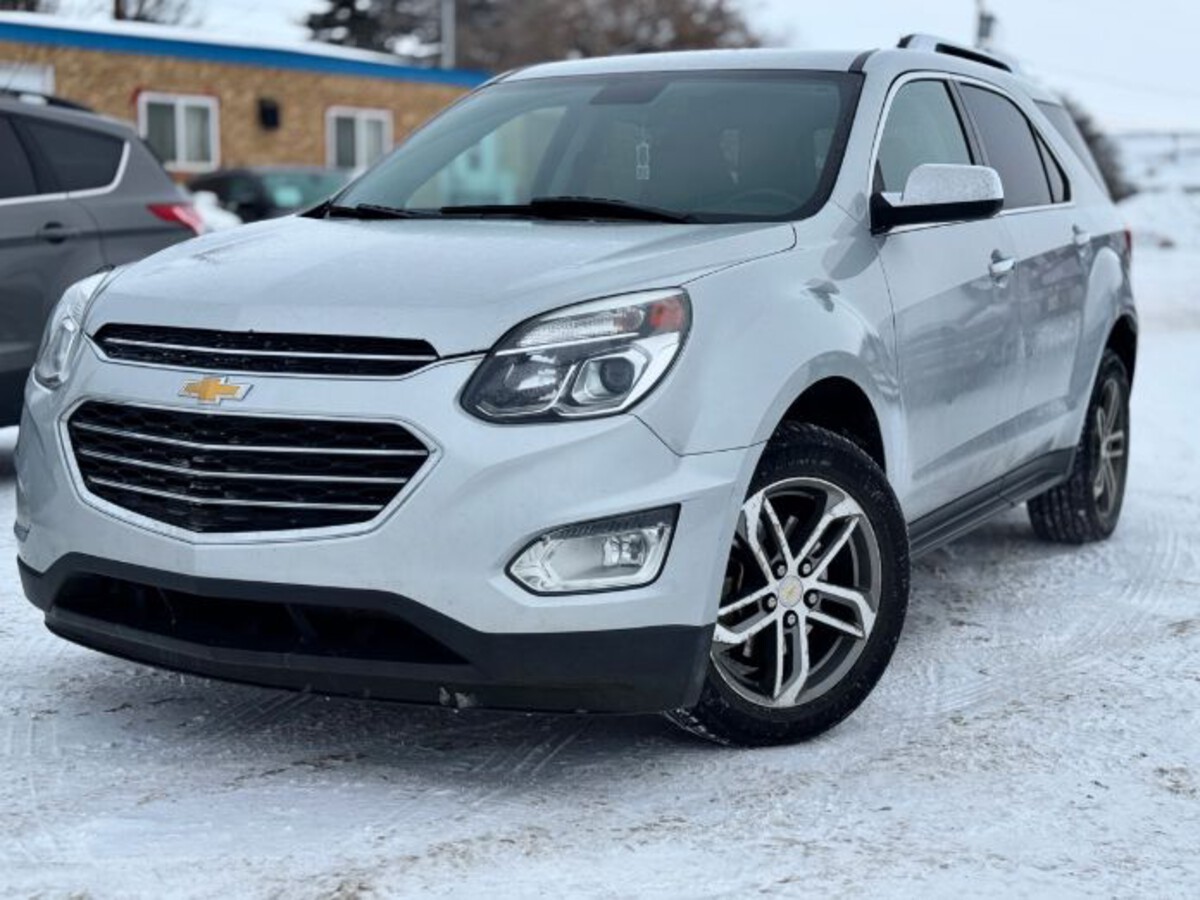
1. Chevrolet Equinox (2010–2017)
The 2010–2017 Chevrolet Equinox may have been a sales success, but under the hood, it’s been a minefield of issues—many of which revolve around one persistent theme: constant check engine lights.
While it promised practical utility and fuel-efficient engines, especially with the popular 2.4L four-cylinder, it instead delivered a frustrating ownership experience for many drivers who found themselves endlessly chasing fault codes.
At the heart of the problem is the 2.4L Ecotec engine, which is notorious for oil consumption. When oil levels drop, the timing chain tensioner suffers, sensors start misbehaving, and eventually, fault codes appear for everything from camshaft position sensors to misfires.
It doesn’t help that GM’s PCV (positive crankcase ventilation) design in this generation is also prone to clogging and freezing in cold climates, often triggering lean codes or even blowing out rear main seals.
Another frequent offender is the EVAP (evaporative emissions) system. Many Equinox owners deal with recurring P0442 or P0455 codes, typically indicating a small or large leak. Unfortunately, these aren’t always actual leaks—just bad sensors or faulty solenoids.
But because the system is so sensitive and the diagnostics so vague, owners often end up replacing gas caps, purge valves, and canisters without ever finding lasting relief.
Add to this a series of oxygen sensor failures, throttle body issues, and faulty intake solenoids, and you’ve got a vehicle that seems almost designed to keep the check engine light glowing.
Even when these components are replaced, the light may return days or weeks later with a new—and often unrelated—code. It’s a never-ending game of diagnostic roulette.
Mechanics frequently describe the Equinox as a “regular visitor” for code-related complaints. The issues aren’t just limited to high-mileage examples; many start experiencing these problems before hitting 80,000 miles.
For owners living in states with mandatory emissions inspections, this can become a serious headache.
While the Equinox might offer a comfortable ride and practical space, those benefits are quickly overshadowed by its chronic CEL behavior.
If you’re considering one of these as a used vehicle, be prepared to either become very familiar with OBD-II scanners—or very familiar with your local repair shop.
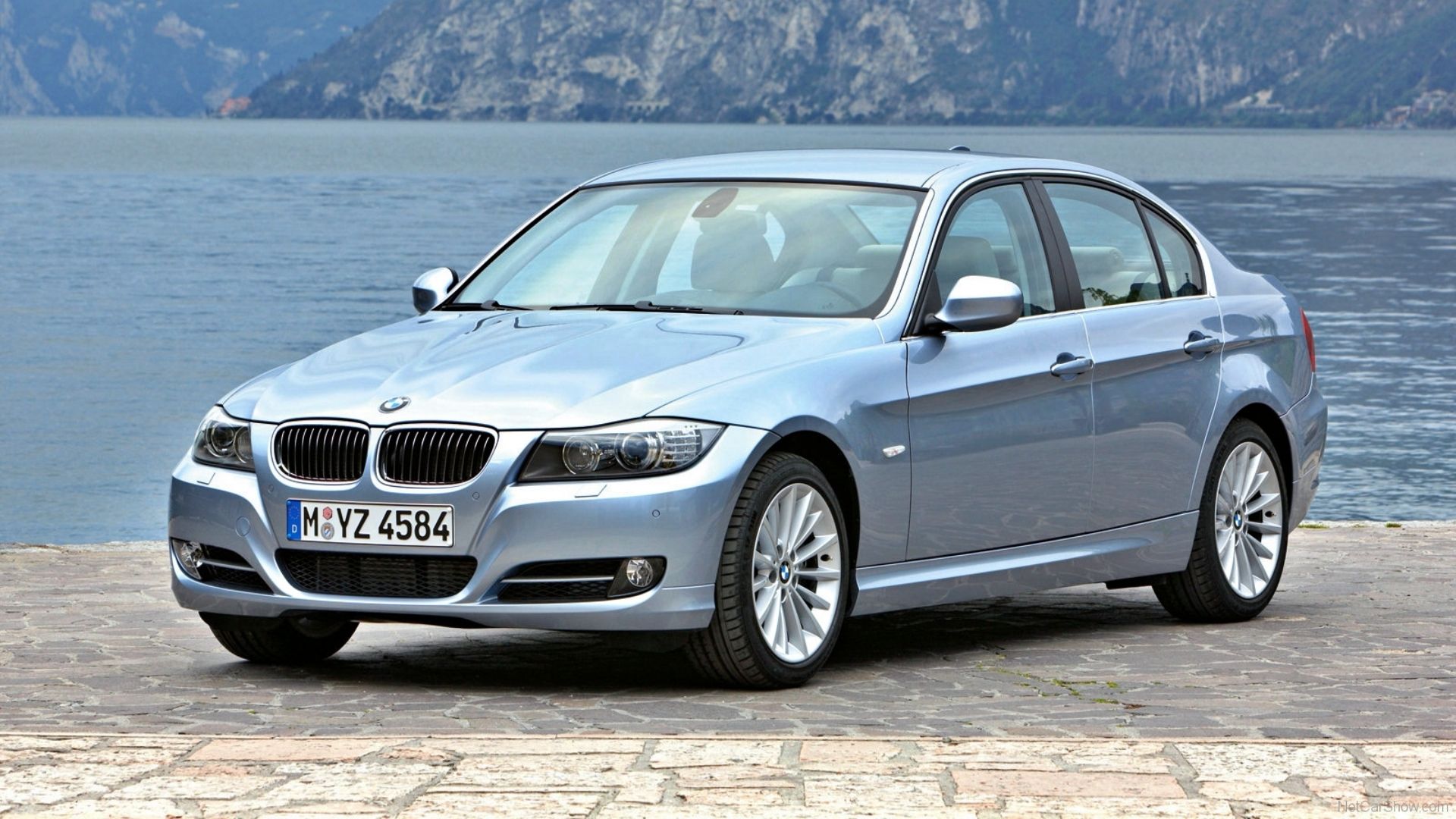
2. BMW 3 Series (2006–2013, E90)
The BMW 3 Series E90 generation (2006–2013) remains one of the most desirable used European sedans due to its sharp handling, premium interior, and engaging driving dynamics. But behind the driving excitement lies a reputation for some of the most persistent and frustrating check engine light issues in the industry.
Whether it’s the inline-six 328i or the turbocharged 335i, the E90 lineup is infamous among mechanics and owners alike for constantly throwing fault codes across a wide range of systems.
A major contributor is BMW’s complex sensor and emissions setup. The E90 is packed with multiple oxygen sensors, mass airflow sensors, VANOS (variable valve timing) solenoids, and high-precision fuel system components—all of which are prone to failure over time.
Even when the engine is running fine, a single degraded sensor can trigger multiple cascading codes, often resulting in expensive diagnostics and uncertain repairs.
The 335i, with its twin-turbo N54 or single-turbo N55 engines, is particularly problematic. The N54, while powerful, suffers from wastegate rattle, high-pressure fuel pump (HPFP) failure, and direct injection carbon buildup—each capable of illuminating the check engine light repeatedly.
Codes for misfires, lean conditions, turbo underboost, and VANOS faults are extremely common. Worse yet, some of these codes will return even after seemingly correct repairs due to software calibration mismatches or sensor lag.
The 328i is somewhat more reliable, but still experiences regular VANOS solenoid faults, intake manifold runner problems, and crankcase ventilation issues.
Even a worn gas cap can trigger EVAP codes that seem simple at first, but prove stubborn to erase long-term. Many owners report needing to “clear codes every few weeks” just to keep the dashboard clean.
BMW’s diagnostic software often complicates things further. Fault codes are often vague, require brand-specific scan tools, and sometimes lead to multiple possible causes. That adds up to increased labor costs and more time in the shop than on the road.
For all its performance and driving appeal, the E90-generation 3 Series can be an electrical and emissions nightmare as it ages.
Owners should budget for regular diagnostics, sensor replacements, and the occasional deep dive into obscure code charts—because with this BMW, the check engine light is more a feature than a warning.
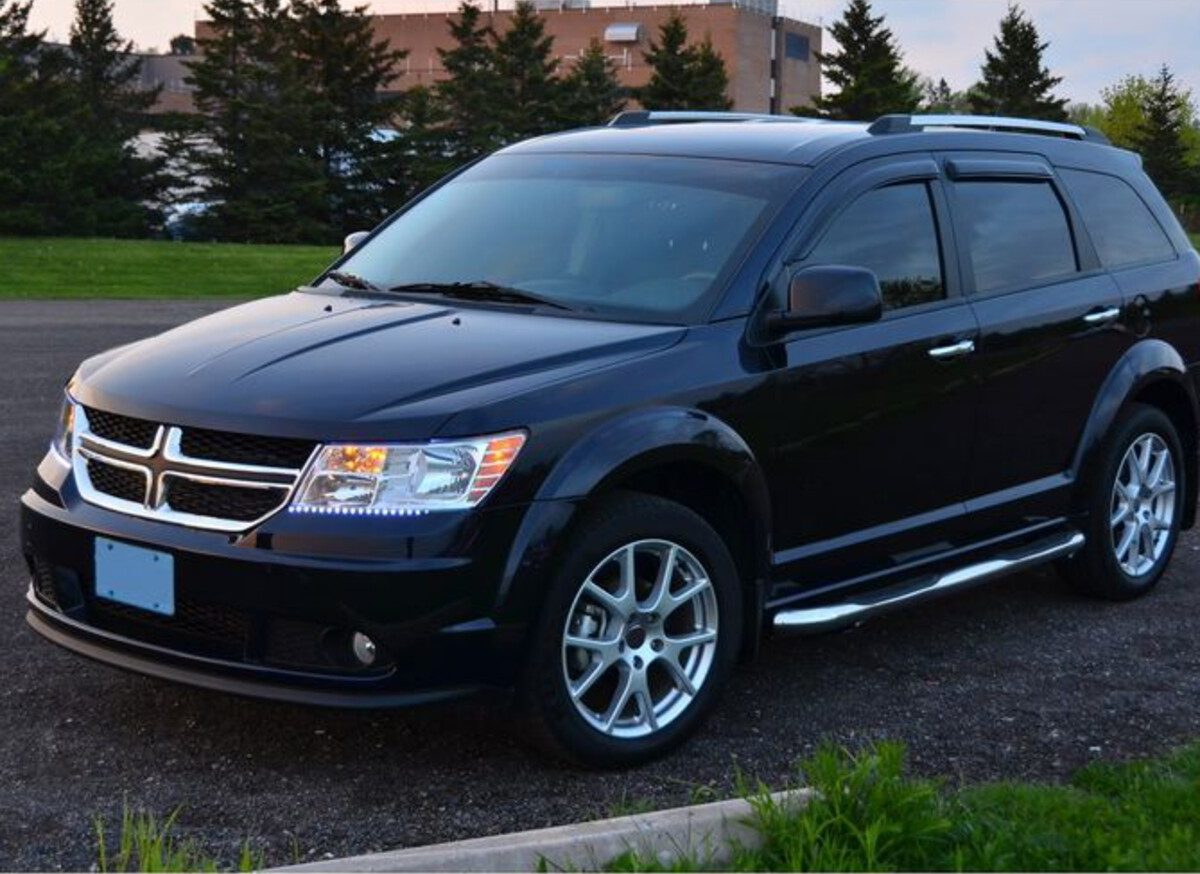
3. Dodge Journey (2009–2020)
The Dodge Journey, sold from 2009 to 2020, was marketed as a practical, budget-friendly crossover with family appeal. But what it delivered in affordability, it often took back in reliability—particularly when it comes to its persistent habit of throwing check engine lights.
Despite spanning more than a decade in production, the Journey’s underlying problems remained remarkably consistent, especially around engine sensors, electrical faults, and emissions components.
The base 2.4L four-cylinder engine, shared with other Chrysler vehicles, is a common offender. Owners often face recurring codes like P0171 (system too lean), P0420 (catalytic converter efficiency), and P0440-series EVAP codes.
These can stem from faulty upstream or downstream oxygen sensors, bad purge solenoids, or degraded fuel-air mixture readings—all of which seem to appear well before the 100,000-mile mark.
Even when components are replaced, the same codes frequently return, suggesting a systemic issue rather than just wear and tear.
The V6 models, particularly those with the Pentastar 3.6L, fare slightly better in performance but still suffer from recurring emissions faults. PCV valve failures, camshaft position sensor glitches, and cylinder misfire codes pop up more frequently than they should.
Compounding the issue is Dodge’s less-than-stellar engine calibration, which often leads to CELs being triggered by transient or minor sensor fluctuations.
Then there’s the electrical system. Owners report body control module faults, premature alternator issues, and wiring harness corrosion—all of which can generate random codes that don’t clearly trace to a single fault.
In some cases, mechanics must clear dozens of stored codes just to isolate one actionable problem, creating labor costs that quickly add up.
The EVAP system is another weak point. Leaky purge valves, loose fuel filler necks, and failing pressure sensors mean P0455 and related codes are a Journey trademark. These problems don’t just illuminate the CEL—they often result in failed emissions tests and dealer visits that lead nowhere.
While the Dodge Journey might be tempting due to its low resale prices and roomy interior, it’s a classic case of “you get what you pay for.” The real cost is in the endless cycle of diagnostics and parts swapping.
For many owners, the check engine light becomes a permanent fixture on the dashboard—and a constant reminder of what the Journey lacks in long-term dependability.
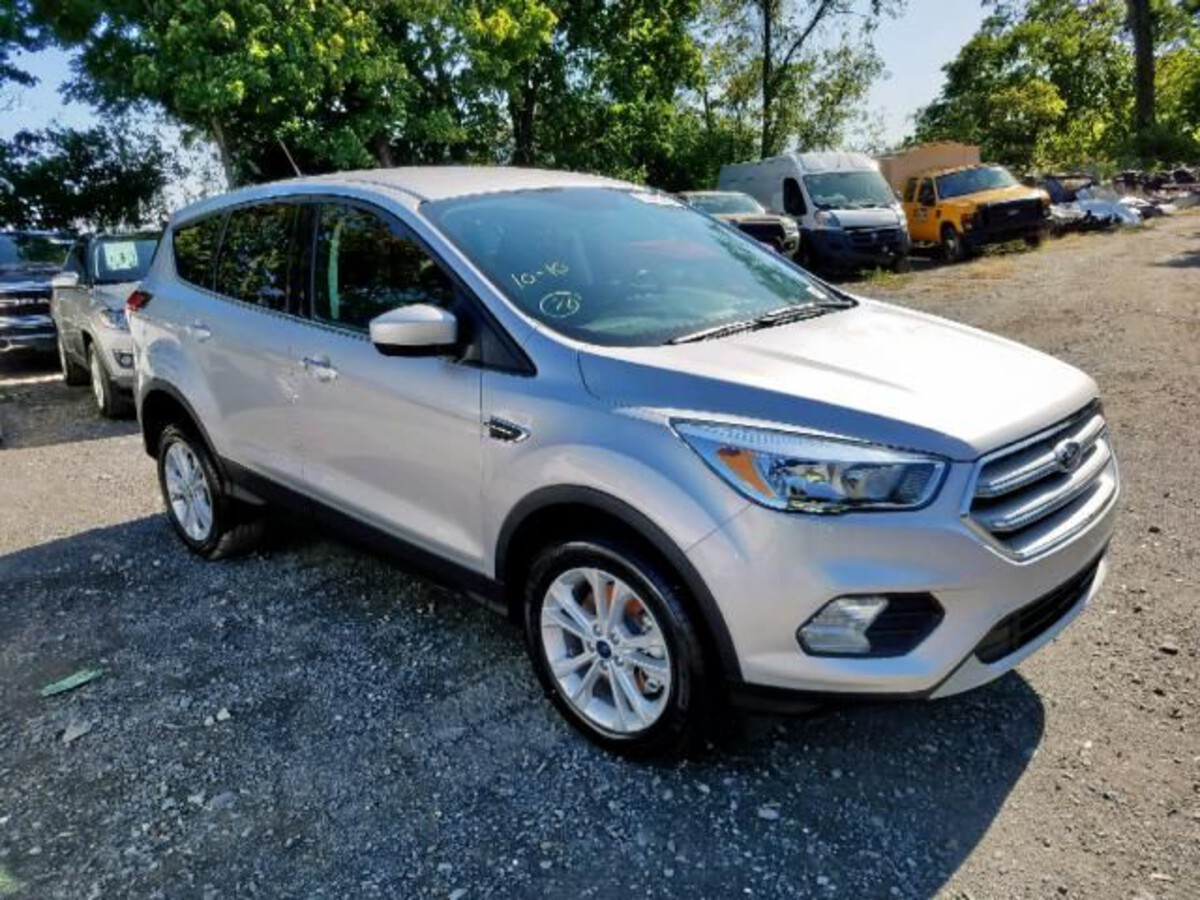
4. Ford Escape (2013–2019)
The 2013–2019 Ford Escape, especially in its turbocharged EcoBoost configurations, promised modern styling, efficient power, and competitive tech—but it has developed a troubling reputation for persistent check engine lights.
While the Escape checks the right boxes on paper, its real-world reliability often leaves owners frustrated, particularly when it comes to code-related problems that recur no matter how many repairs are made.
The core issue lies in the EcoBoost engines, particularly the 1.6L and 2.0L turbocharged variants. These motors are complex, and while they deliver impressive performance, they rely heavily on precise sensor readings to maintain fuel-air balance and boost levels.
Unfortunately, this sensitivity means even a slightly degraded sensor can trigger a host of engine fault codes, often including misfires (P0300-P0304), turbo underboost (P0299), or fuel system lean conditions (P0171/P0174).
The turbocharger system itself is another common trigger. Faulty boost control solenoids, cracked charge pipes, or sticky wastegate actuators result in underboost codes that can be intermittent—making them hard to diagnose and even harder to fix permanently.
Many owners report repeated trips to the dealer for the same CEL, only to have it reappear a few weeks or months later.
Another notorious issue is the coolant intrusion problem, especially in the 1.6L engine. When coolant leaks into the combustion chamber, it can result in rough starts, misfire codes, and eventual engine failure.
Even before symptoms become catastrophic, the check engine light often acts as the first—and sometimes only—warning.
The EVAP system doesn’t escape scrutiny either. Escapes are prone to P0456 and P0457 codes related to minor and major vapor leaks. Sometimes it’s a loose gas cap. Other times, it’s a failed purge valve or charcoal canister. In either case, the light keeps returning.
Ford’s diagnostic software and electronics aren’t always helpful, either. Many codes return even after resets, and some require software reprogramming—a fix that isn’t guaranteed to stick. For owners who don’t have access to a dedicated OBD-II scanner, the Escape becomes a guessing game.
While the Ford Escape might appeal as a budget-friendly turbo crossover, the number of ongoing CEL issues makes it a risky choice. Owners often trade performance for peace of mind—and this generation of Escape delivers neither consistently.
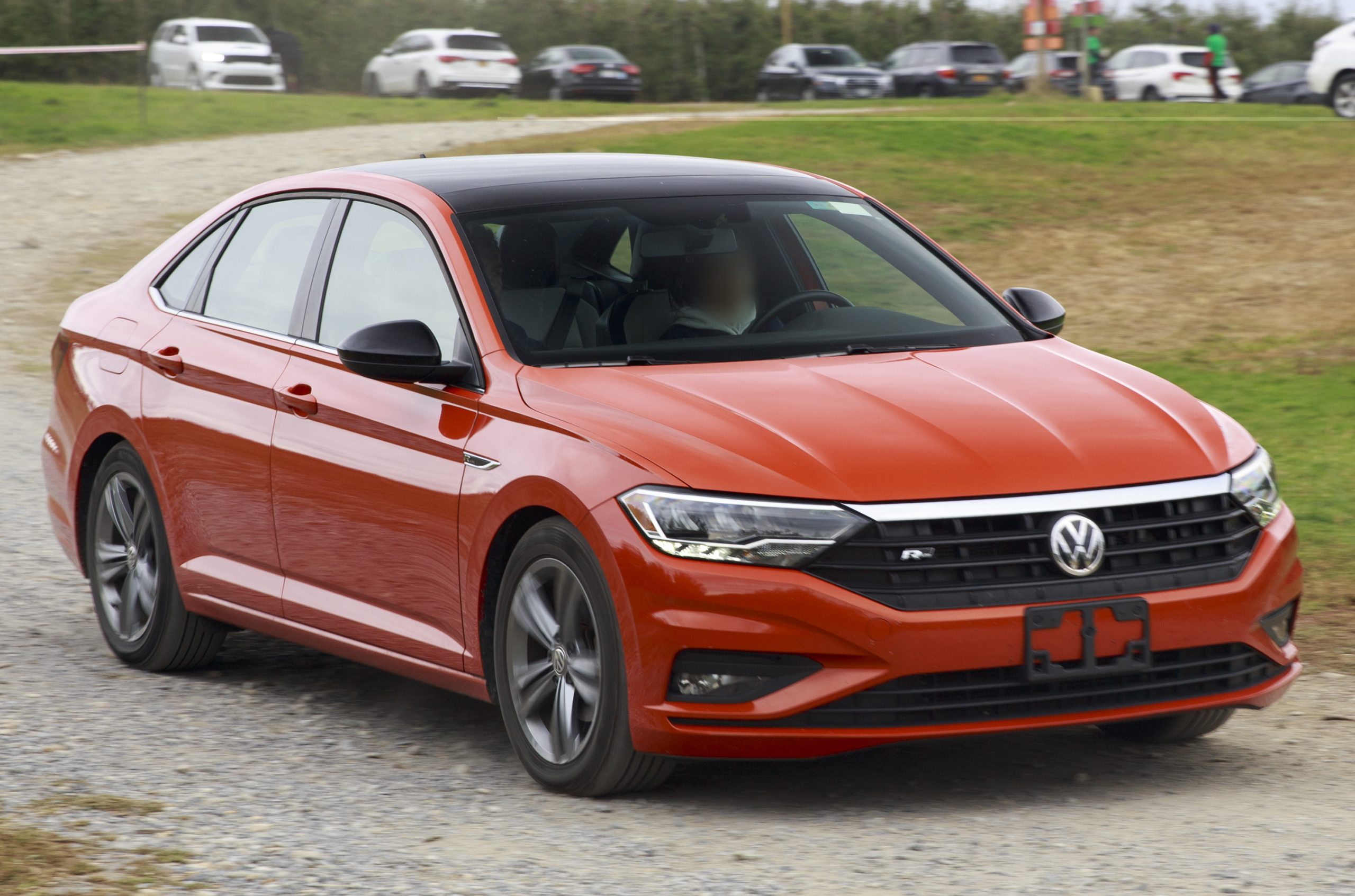
5. Volkswagen Jetta (2011–2018)
The 2011–2018 Volkswagen Jetta, especially in its base and turbocharged trims, presents a mixed bag: a refined ride, solid handling, and European styling—paired with a frustratingly high rate of check engine light issues.
While VW fans praise its driving dynamics, many owners have learned to live with the glow of the CEL on their dash, often caused by chronic emissions and sensor failures.
A major contributor is the 1.4L and 1.8L TSI turbocharged engines used in many models during these years. While efficient and punchy, these engines are notorious for producing codes related to boost pressure (P0299), misfires (P0300–P0304), and EVAP leaks.
The turbo systems, while compact, often suffer from worn diverter valves or cracked PCV diaphragms, which cause rough running and fault codes without obvious symptoms.
The EVAP system on the Jetta is especially fragile. Codes like P0441 (incorrect purge flow), P0456 (small leak), or P2404 (leak detection pump sensor) are common, and repairs are often more involved than on Japanese or American vehicles.
A simple issue like a loose gas cap can snowball into full purge valve replacements, and even then, the code may return due to subtle leaks elsewhere.
Oxygen sensor and mass airflow sensor issues are also frequent, often triggering lean condition or fuel trim codes.
In many cases, the sensors themselves aren’t even faulty—the problems stem from tiny vacuum leaks or unsealed intake boots. Unfortunately, that doesn’t stop the CEL from lighting up or the engine from entering limp mode.
The 2.0L engine found in earlier trims of this generation also suffers from timing chain tensioner failures, which can cause erratic timing codes and even catastrophic engine damage if not caught early.
Meanwhile, carbon buildup on intake valves—especially in direct injection models—can trigger misfire and performance-related codes after as little as 60,000 miles.
Mechanics often describe these Jettas as “code-happy,” especially once they cross the 80,000-mile mark.
Even if the car drives fine, owners often find themselves clearing codes every inspection cycle, replacing sensors that didn’t need replacing, and living with a sense of electronic unease.
While the Jetta offers European refinement at a more accessible price, the cost often comes in the form of never-ending CELs. Unless you’re ready to become fluent in Volkswagen-specific diagnostics, this is one compact car that may test your patience far more than expected.
When it comes to long-term car ownership, peace of mind isn’t just about what a vehicle can do—it’s about what it won’t do.
That’s what separates the vehicles that quietly run year after year from those that demand constant attention, diagnostics, and unexpected repairs.
Whether it’s avoiding costly exhaust system failures or sidestepping the chaos of endless check engine lights, these two categories reveal a deeper truth: the most valuable trait a car can offer is predictability.
Also Read: 5 Off-Road Trucks That Withstand Abuse vs 5 That Break on the Trail
