Let’s get one thing straight — driving a manual car is a dying art, but for enthusiasts, it’s a badge of honor. That third pedal represents control, connection, and, let’s be honest, a little bit of masochism. Because while rowing your own gears might make you feel like a track day hero, it also opens the door to one of car ownership’s least glamorous realities: clutch repairs.
Some manual cars handle this gracefully. They’re engineered to last, with clutch systems so bulletproof you might sell the car before ever replacing them.
They’re a mechanic’s recurring dream — or your wallet’s worst nightmare. From engines that have to be pulled to access the clutch, to hydraulic systems that mysteriously fail twice a year, these are the cars that test your patience (and your bank balance).
Manual Cars That Never Need a Clutch
In this article, we’re diving into both ends of the spectrum. First, the 5 manual transmission cars that rarely, if ever, need a clutch replacement — either because of brilliant design or just sheer mechanical luck. Then, we’re rolling out 5 that’ll make you regret ever learning to drive stick, thanks to overengineered nightmares and parts that cost more than your mortgage payment.
If you’re shopping for a stick-shift — or wondering whether to keep the one you’ve got — this list might just save you from a world of pain (or at least point you toward one hell of a reliable ride).
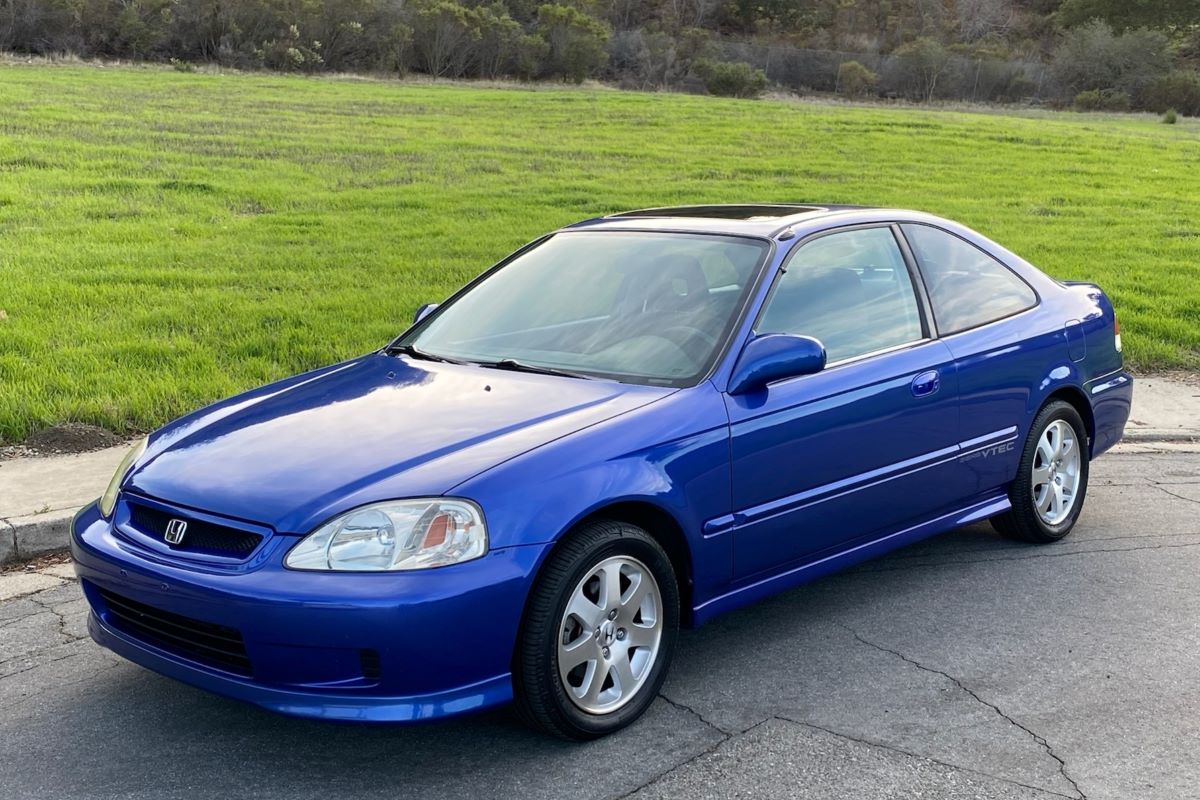
1. Honda Civic (2000–2011)
The Honda Civic, especially the 7th and 8th generation models, features lightweight components and a forgiving clutch setup that’s nearly indestructible with proper driving.
Since its debut in 1973, the Honda Civic has remained one of the most beloved vehicles in the American market. Its appeal lies in a combination of fuel-efficient and clean engines, lively performance, and a well-earned reputation for reliability and longevity. Over the years, the Civic has consistently set the standard in the economy car segment.
After its redesign in 2001, it became the best-selling small car that year. Now, for 2003, the addition of the Civic Hybrid further elevates the model’s already strong standing.
Currently, the Civic Hybrid is available exclusively as a sedan. Feature-wise, it closely mirrors the well-equipped EX trim. Most amenities come standard, including power windows, door locks, and mirrors; automatic climate control; a CD player; keyless entry; and cruise control.
The 2003 Civic Hybrid’s powertrain is built around a simple but effective concept: utilize a highly efficient gasoline engine and enhance its performance with an electric motor. While the technology might seem intricate at a glance, the Hybrid’s system delivers a straightforward and effective answer to the challenge of blending fuel economy with performance.
Honda’s answer is its Integrated Motor Assist (IMA) system — a “hybrid” design that uses both a gasoline engine and an electric motor. Originally introduced in the Honda Insight, this setup enables the Civic Hybrid to operate with a smaller gas engine than other Civic models, without any major drop in performance.
Though based on the Insight’s layout, the Civic Hybrid’s IMA system represents a more advanced iteration. It still consists of three main components: a gasoline engine, an electric motor, and an energy storage unit.
The engine is a 1.3-liter inline-four. Despite its modest hardware, a single overhead camshaft and two valves per cylinder (a rarity for Honda engines, which typically feature more sophisticated valvetrains) — it’s one of the brand’s most technologically refined units.
Every aspect is optimized for combustion efficiency and fuel economy. The engine even deactivates up to three cylinders during deceleration to aid battery recharging. Alone, the engine produces 85 horsepower and 87 lb-ft of torque.
Situated between the engine and transmission, the electric motor supplements acceleration and captures braking energy through regenerative braking. It contributes 13 horsepower and 46 lb-ft of torque. The motor draws power from a nickel-metal hydride battery, which is housed in what Honda calls the Intelligent Processing Unit (IPU), located between the rear seatbacks and the trunk.
The gasoline engine handles most of the propulsion duties, with the electric motor stepping in to assist when needed. Together, they produce a total of 93 horsepower at 5,700 rpm and 116 lb-ft of torque at 1,500 rpm. The standard transmission is a five-speed manual, while a continuously variable transmission (CVT) is optional. Choosing the CVT lowers torque output to 105 lb-ft.
While not built for speed, the Civic Hybrid’s performance is on par with that of a conventional Civic. With the manual transmission, it achieves an impressive 46 mpg in the city and 51 mpg on the highway. Models equipped with the CVT are rated at 48 mpg city and 47 mpg highway. The EPA classifies the Civic Hybrid as an Ultra Low Emissions Vehicle (ULEV).
A major selling point of the Civic Hybrid is its interior, which is nearly identical to that of the regular Civic. Passengers will find ample space both in the front and rear, user-friendly controls, and high-quality materials throughout.
The Hybrid features a few unique interior elements such as a combined digital-analog instrument cluster with an IMA system indicator, two-tone dashboard, distinctive console trim, and upgraded seat fabric.
The main compromise is in cargo capacity — the Hybrid offers 10.1 cubic feet of trunk space compared to 12.9 cubic feet in the standard Civic sedan.
In contrast to earlier hybrids like the Insight and the Toyota Prius, the Civic Hybrid is a fully practical vehicle suitable for everyday driving. Its road manners align closely with those of other Civics, though the steering feel is somewhat muted, even with firmer springs and stiffer shocks.
On twisty roads, some body lean is noticeable, which is understandable considering the Hybrid weighs about 200 pounds more than the Civic LX. Nonetheless, ride comfort is excellent.
The Civic Hybrid rides on the same suspension architecture as its siblings — a MacPherson strut front setup and a reactive-link double-wishbone arrangement at the rear. Many owners report original clutches lasting beyond 200,000 miles with only occasional adjustment.
What Helps:
- Low-torque engines that don’t stress the clutch
- Smooth hydraulic actuation
- Easy rev-matching
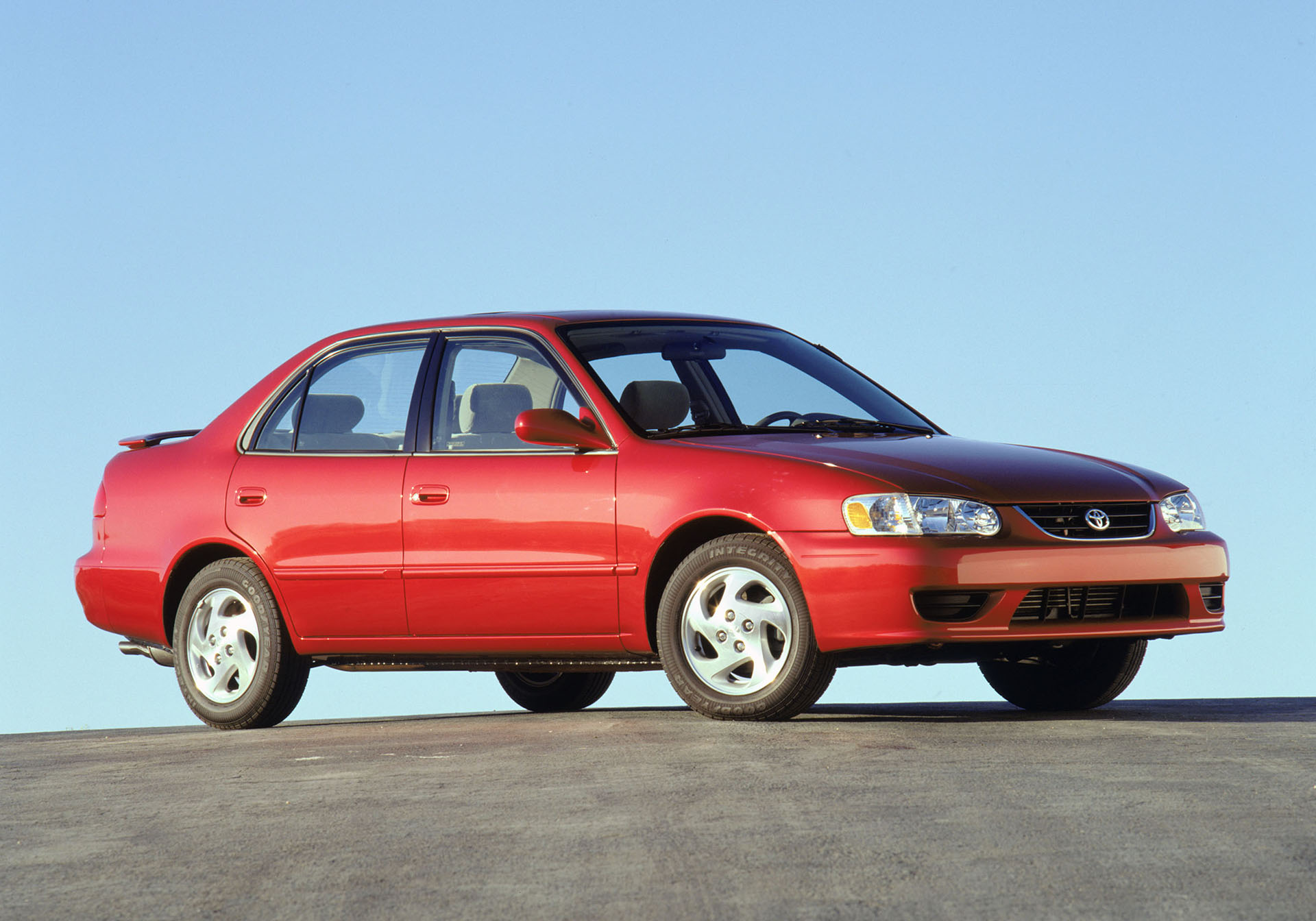
2. Toyota Corolla (1998–2008)
These manual Corollas are simple, honest economy cars that were engineered for durability. Their clutch components are robust, and the cars weigh so little that wear is minimized over time.
Toyota’s long-standing Corolla has seen countless transformations since its debut in 1968. Throughout its extensive history, the Corolla has taken on many forms — hatchback, coupe, wagon, and sedan. Its broad appeal and global popularity have made it the best-selling nameplate in automotive history, with millions of drivers forming lasting connections with this iconic car.
In recent years, however, the Corolla has faced stiff competition, and rivals have begun to surpass it in key areas. In response, Toyota has introduced an all-new Corolla for 2003, designed to better meet the expectations of today’s car buyers. This new generation brings more size, greater power, and added refinement compared to its predecessor.
The enhanced performance comes courtesy of a 1.8-liter four-cylinder engine generating 130 horsepower. Utilizing Toyota’s VVT-i (Variable Valve Timing with intelligence) technology, this engine delivers strong acceleration across the rpm range.
It’s also environmentally friendly enough to qualify the vehicle for ULEV (Ultra Low Emission Vehicle) status. Buyers can choose between a five-speed manual transmission or a four-speed automatic — a welcome change from last year’s outdated and underwhelming three-speed automatic, which has been rightfully retired.
The familiar trim hierarchy remains: the base CE, the mid-range LE, and the sport-oriented S. Across the board, standard features have increased. Even the CE now includes amenities such as air conditioning with micron filtration, a CD player, power steering, power mirrors, an external temperature display, 60/40 split-folding rear seats, and 15-inch wheels.
The S trim adds visual and tactile enhancements like “sporty” accents — body-colored rocker panels and door handles, smoked headlights, foglights, unique gauge designs, and a leather-wrapped steering wheel.
Opting for the LE brings in upscale touches such as imitation wood trim, a vertical seat height adjuster (also included in the S), and remote keyless entry. Available options across trims include upgraded sound systems, anti-lock brakes (ABS), side airbags, cruise control, leather upholstery, and a power sunroof.
Inside, Toyota has implemented a variety of updates aimed at improving passenger comfort and cabin quality. The interior is now more spacious, offering increased overall volume and a greater sense of openness.
Controls have been reengineered for easier reach and improved tactile feedback. While some legroom has been compromised due to the new, higher seating positions, other key passenger dimensions have been expanded. Even the trunk has grown, now offering 13.6 cubic feet of cargo space.
The added interior space is largely a result of the Corolla’s increased overall size. Despite this growth, curb weight has only gone up by about 50 pounds.
Toyota claims that the new Corolla offers a more substantial feel on the road, with a ride that is simultaneously firmer and more composed. The front suspension remains a MacPherson strut design, while the rear now features a torsion beam setup.
These comprehensive updates build upon the Corolla’s established strengths — most notably its reputation for reliability and impressive resale value. With sleeker styling, a roomier cabin, an upgraded powertrain, and more standard features, the 2003 Corolla is well-positioned to continue its legacy of success.
What Helps:
- Simple, cable-based clutch design
- Smooth, low-power inline-4 engines
- Long clutch throw that avoids harsh engagements
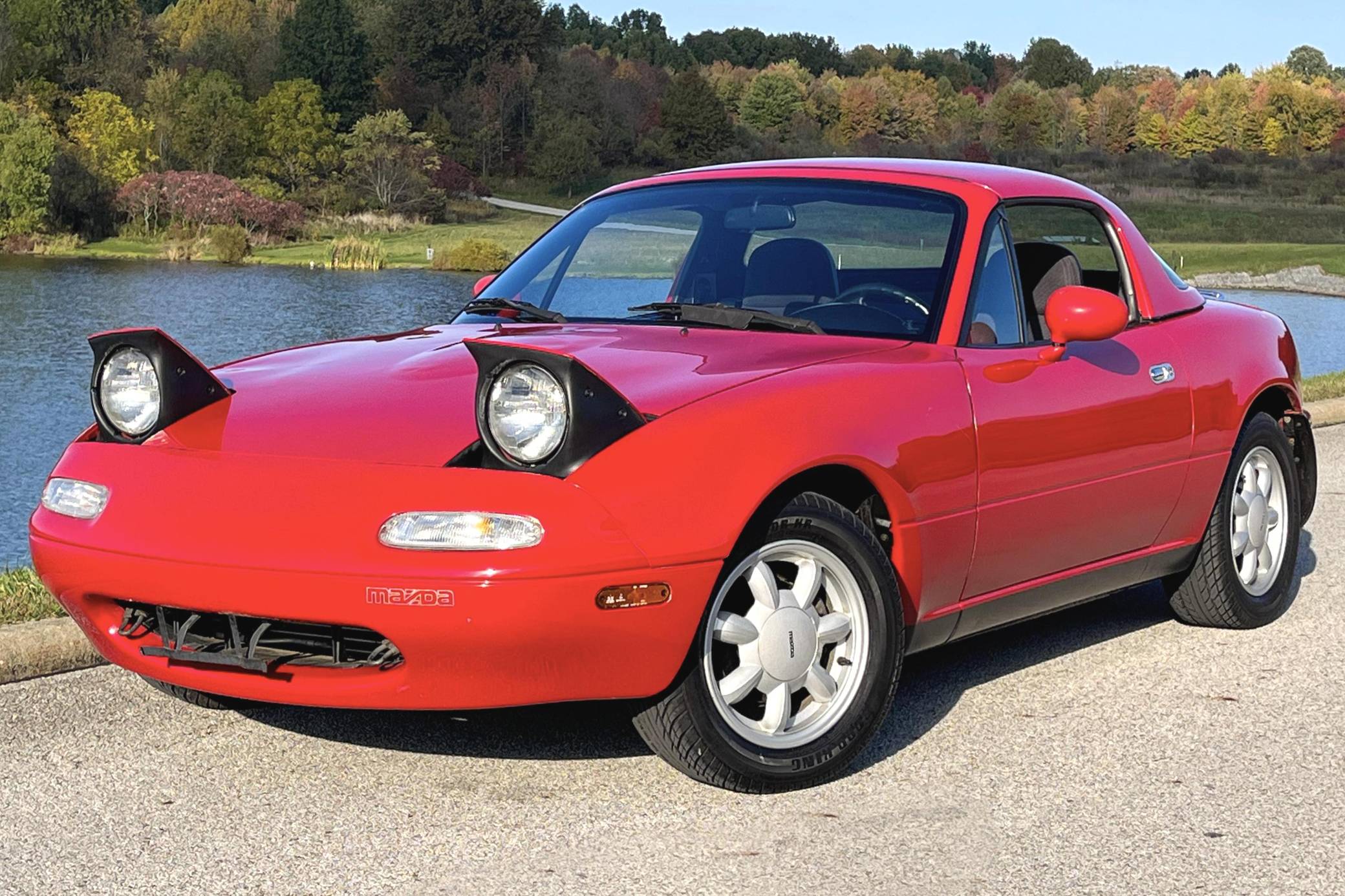
3. Mazda MX-5 Miata (NA & NB, 1990–2005)
The Miata’s clutch is praised for its lightweight feel and longevity. Enthusiasts often drive them spiritedly, yet the clutch still holds up thanks to the car’s sub-2,400 lb curb weight.
When the Mazda MX-5 Miata first appeared at the 1989 Chicago Motor Show, few could have predicted the lasting impact this compact roadster would have on the automotive world.
Over the past three decades, other sports cars have come along that are lighter, more agile, or far more powerful. Still, when it comes to pure driving enjoyment, the Miata has consistently delivered an experience that exceeds expectations for its size and price.
Part of the reason for its lasting appeal isn’t just Mazda’s time-tested formula of light weight paired with rear-wheel drive. It’s also due to how widespread and accessible the Miata has become.
With over a million MX-5s sold, the car is a common sight on roads across North America. Whether you’re in sunny Florida or snowy Alaska, chances are you’ll spot one — often listed as a well-used bargain on Craigslist. The financial entry point for owning a Miata is relatively low, and what awaits on the other side is a car that offers an abundance of fun for the price.
For some drivers, the Miata serves as an introduction — a sort of gateway sports car that eventually leads them to something like a used Corvette. For others, the charm of Miata ownership never fades, and it becomes a long-term companion. What follows is a look back at more than 30 years of Mazda’s iconic roadster and what has made it such an enduring presence in the world of driving enthusiasts.
What Helps:
- Low vehicle weight
- Excellent driver feedback
- Proven drivetrain layout
4. Subaru Impreza 2.5RS (1998–2001)
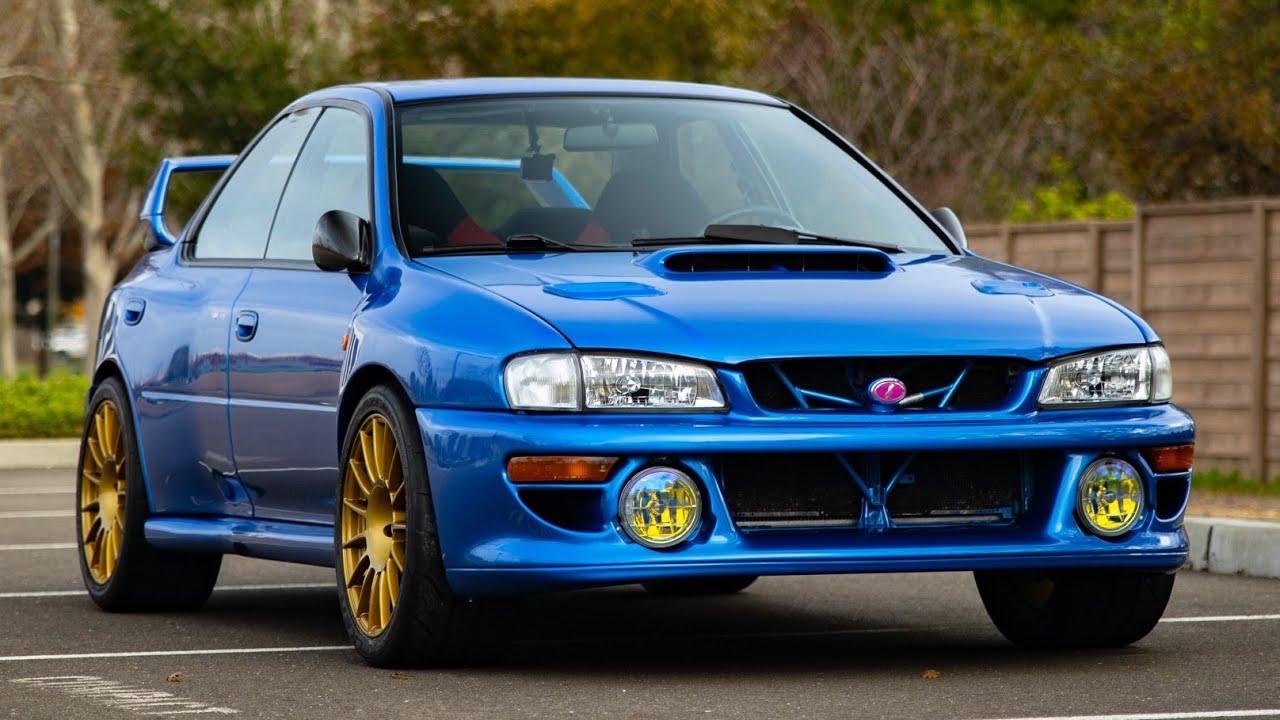
Before turbocharged WRX models became the norm, the naturally aspirated 2.5RS was known for its clutch resilience. Many examples still run with the original clutch even after decades of daily use.
On the Impreza 2.5RS, the hood vents and air scoop serve no real purpose—Subaru’s own materials refer to it as a “passive air scoop”—and the oversized rear wing cuts directly through the driver’s rearward line of sight in a way that quickly becomes annoying.
Beyond aesthetics, the only real functional outcome of these add-ons is an increase in aerodynamic drag. While the base Impreza L coupe has a coefficient of drag (Cd) of 0.32, the 2.5RS registers a higher 0.35.
Finding a reasonable, functional justification for the World Rally Championship (WRC) styling cues is a stretch—unless you plan to strap a dozen pizzas to the rear wing—but it’s not hard to grasp why Subaru chose to apply them.
For starters, even though performance rallying barely registers on the radar of most American motorsports fans—ranking somewhere near curling in terms of viewership—winning two consecutive World Rally Championships is still a major achievement.
This isn’t some lightweight show; it’s high-stakes, full-throttle racing that demands serious driving skill, nerves of steel, and robust engineering. On top of that, without the scoop and wing, the Impreza two-door has very little visual presence and bears an uncanny resemblance to a dated Dodge Shadow—hardly a head-turner.
Still, once you’re behind the wheel, settled into the excellent driver’s seat, and the flat-four engine lets out its distinct and assertive growl, the visual gimmickry starts to fade into the background—aside from that persistent annoyance of seeing nothing but spoiler in your rearview mirror.
Yes, that bark turns into quite a bite when the throttle’s wide open—the 2.5RS registers 82 dBA under full acceleration, compared to just 75 dBA in the 2.2-liter Impreza L—and that can become tiring during long cruises above 80 mph. But there’s a satisfying edge to that sound that suits the car’s aggressive character.
Staying true to the pocket-rocket formula, Subaru pulled a familiar move: take a bigger engine from elsewhere in the lineup and drop it into their smaller, lighter car.
The standard Impreza engine is a single-overhead-cam, 16-valve, 2.2-liter flat-four (the 1.8-liter was discontinued for 1998), rated at 137 horsepower and 145 pound-feet of torque. The 2.5RS, however, borrows its engine from the Legacy: a twin-cam 2.5-liter version with a larger bore and longer stroke, delivering 165 horsepower and 162 pound-feet of torque.
What really matters here, though, is torque. The Subaru flat-four isn’t particularly rev-happy, but its torque delivery resembles something out of the steam age.
It starts producing usable pull just off idle and feels genuinely forceful by the time you hit 1,500 rpm. This early and accessible torque gives the 2.5RS a muscular, responsive feel that fits the car’s rally-inspired image—even if some of that image is more cosplay than competition-ready.

What Helps:
- Mild torque output
- All-wheel-drive engagement spreads load evenly
- Basic and bulletproof clutch hydraulics
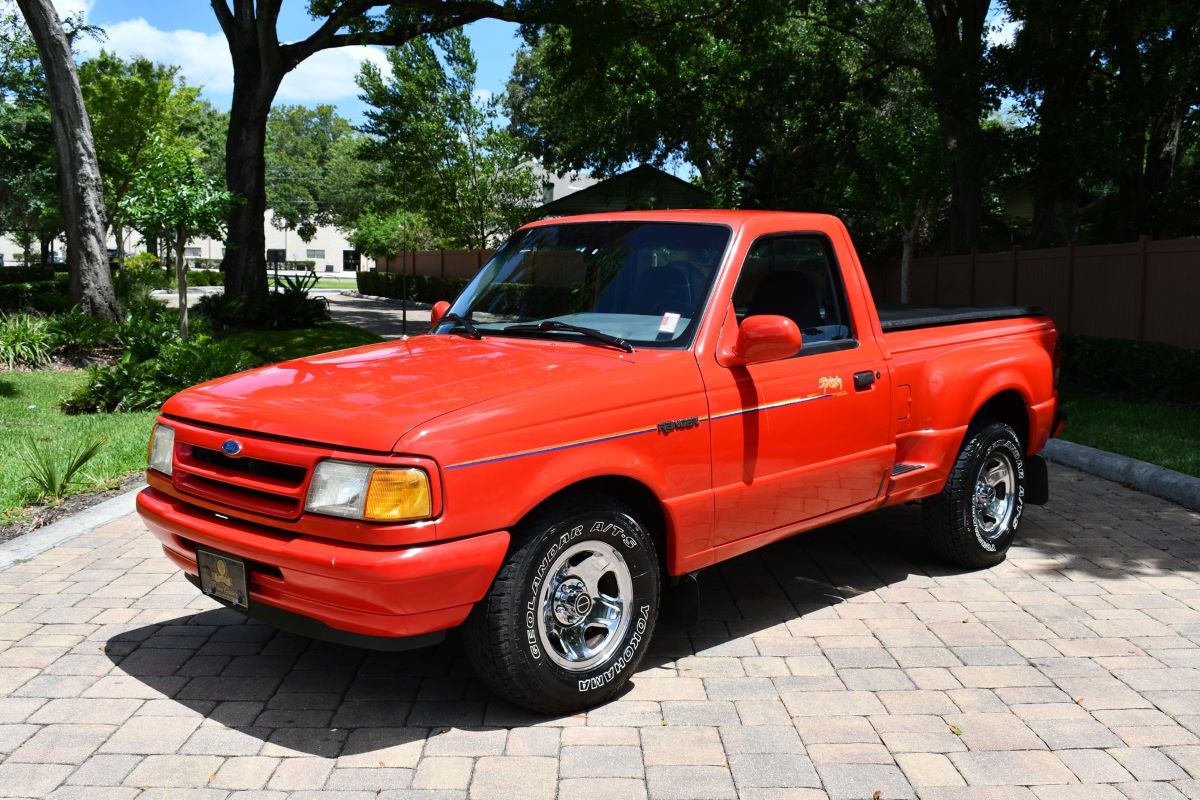
5. Ford Ranger (1993–2011, Manual Versions)
The old-school Ford Ranger manuals, especially with the 2.3L or 3.0L engines, are truck-tough. Their clutches seem to last forever under typical use, and parts are cheap if replacement is ever needed.
Whether you’re drawn to compact trucks for their image or their practicality, Ford is ready to win you over with the Ranger—one of its most successful models in the segment. On 2WD variants, the standard engine is now a new 2.3-liter four-cylinder.
For 4WD models, a 3.0-liter V6—no longer a flexible-fuel engine—is standard. And for those craving more muscle, Ford now offers the Explorer’s SOHC 4.0-liter V6, producing 207 horsepower at 5,250 rpm and 238 lb-ft of torque at 3,000 rpm. That’s a 47-horsepower increase over the previous pushrod-style 4.0-liter engine.
With this upgraded V6, the Ranger’s acceleration is noticeably stronger, particularly off the line or during highway merging and passing. As before, the 4.0-liter engine is paired exclusively with a five-speed automatic transmission. Four-wheel drive is managed via a rotary knob that operates Ford’s unique pulse-vacuum engagement system.
In terms of handling, the Ranger is a confident performer. It delivers a composed ride overall, offering good steering feedback and making cornering and maneuvering feel natural and precise.
Body control remains respectable in turns, and most occupants will find the ride comfortable, although it can become a bit bouncy at lower speeds around town. That said, fuel economy takes a hit when paired with the larger V6 and automatic transmission.
The four-door SuperCab version—offered in both 2WD and 4WD—makes loading cargo more convenient with rear doors that open from either side of the truck. These doors are hinged off the rear corner pillars and swing open 90 degrees, creating a wide, pillar-free entryway into the rear compartment. It’s a particularly useful feature when stowing gear or larger items.
The full Ranger lineup also includes regular cab models, along with short- and long-wheelbase options for both two- and four-wheel drive.
In terms of safety, all Rangers come with dual airbags and side-impact protection beams. SuperCab models in both drivetrain configurations add side-door intrusion beams to the rear doors for enhanced side-impact protection. Anti-lock brakes are standard across the board, and a dash-mounted switch allows the front passenger airbag to be deactivated if necessary.
Ford has dominated the small truck segment for years, and the Ranger continues to carry that legacy. With sharp looks, solid build quality, and an enjoyable driving experience, it remains a standout in the compact pickup category.
While the Dodge Dakota and Toyota Tacoma are still the Ranger’s toughest rivals—the Dakota offering more size and available V8 power—we strongly recommend taking a close look at the refreshed 2001 Ford Ranger. It’s a smart blend of capability and refinement in a proven package.
What Helps:
- Rugged drivetrain components
- Large clutch surface area
- Simple access and cheap parts
Manual Cars With Nightmare Clutch Repairs
Whether it’s labor costs through the roof, obscure parts that are always on backorder, or just plain overcomplicated design, these are the vehicles that make experienced techs groan and DIYers cry.
If you’re thinking about buying one of these manuals — or already own one — consider this your warning. And if you’ve already survived a clutch job on one of these beasts? You’ve earned your battle scars.
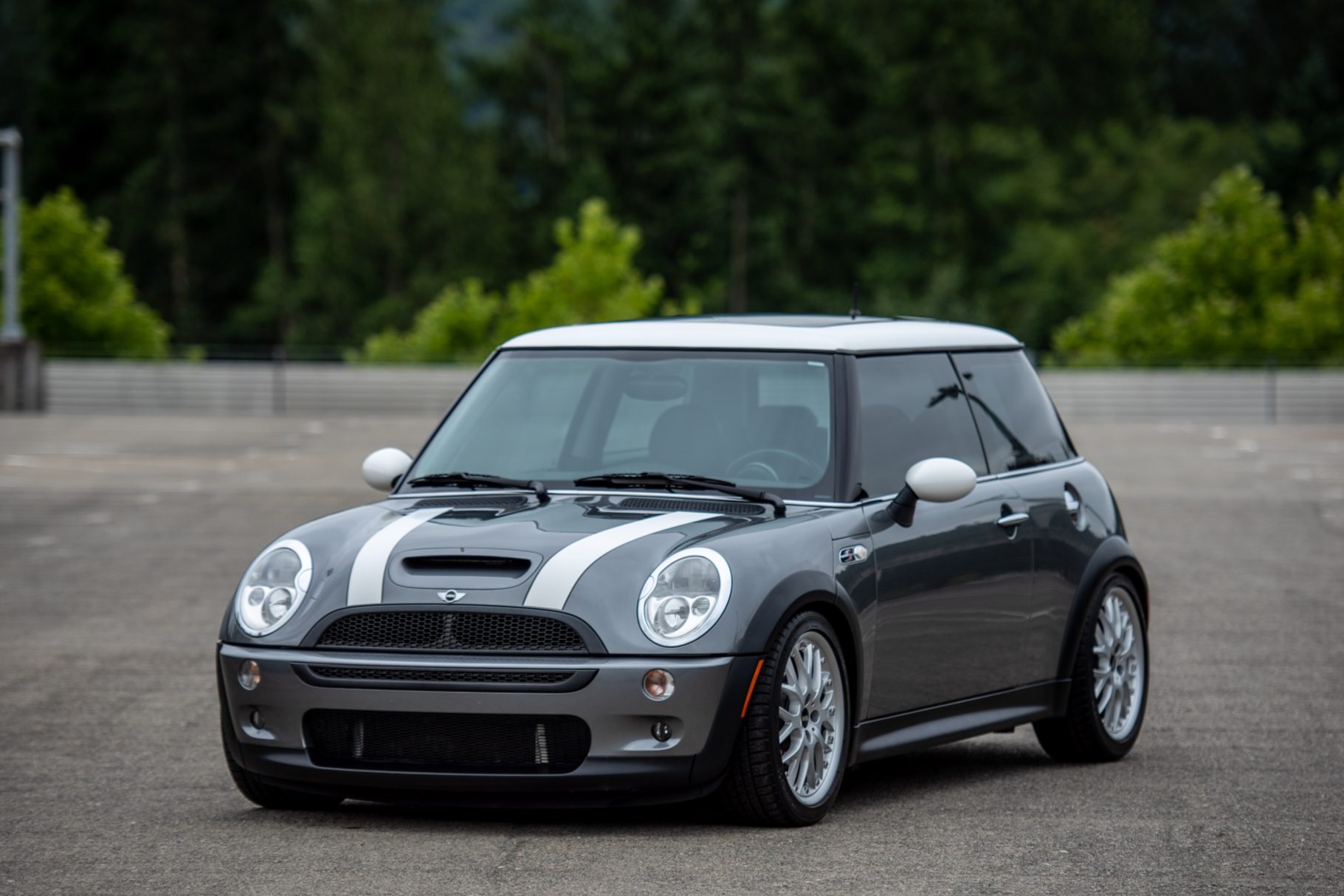
1. Mini Cooper S (2002–2013)
Replacing the clutch in a Mini Cooper S is a wallet-crushing job, often over $2,000 due to tight engine bay packaging and the need to drop the subframe.
After disappearing from American roads in the early 1960s, the Mini is making a long-awaited return to the U.S. market for 2002—this time under the stewardship of BMW. That’s right: BMW now owns the Mini name.
While this reborn Mini Cooper bears a strong resemblance to the iconic original and still sends power to its front wheels, it’s an entirely modern machine in just about every other way.
Frankly, we’re fine with that—especially when it means BMW-engineered suspension, steering, and braking systems are part of the package. Even better, pricing kicks off at a reasonable $16,850.
This lovable three-door hatchback will be offered in two flavors: the Cooper and the Cooper S. The standard Cooper comes with a 1.6-liter, 16-valve inline four-cylinder engine producing 115 horsepower at 6,000 rpm and 110 pound-feet of torque at 4,500 rpm. That output may not seem impressive by contemporary standards, but with just 2,300 pounds to move, this engine doesn’t have much weight to haul.
A five-speed manual transmission comes standard, but if rowing your own gears isn’t your thing, there’s an optional continuously variable automatic transmission (CVT). This unit also features a six-speed Steptronic automanual mode for drivers who still want some control without the clutch.
For those who crave more power, the sporty Cooper S delivers. Thanks to an intercooled supercharger, it cranks out a robust 163 hp at 6,000 rpm and 155 lb-ft of torque at 4,000 rpm. It’s mated exclusively to a six-speed manual transmission, emphasizing the S model’s driver-focused nature. Keep in mind, both models are tuned for performance and thus call for premium fuel.
Why It’s a Nightmare:
- Labor-intensive disassembly
- Clutch wear is frequent, especially on supercharged/turbocharged models
- Dual-mass flywheel issues compound cost
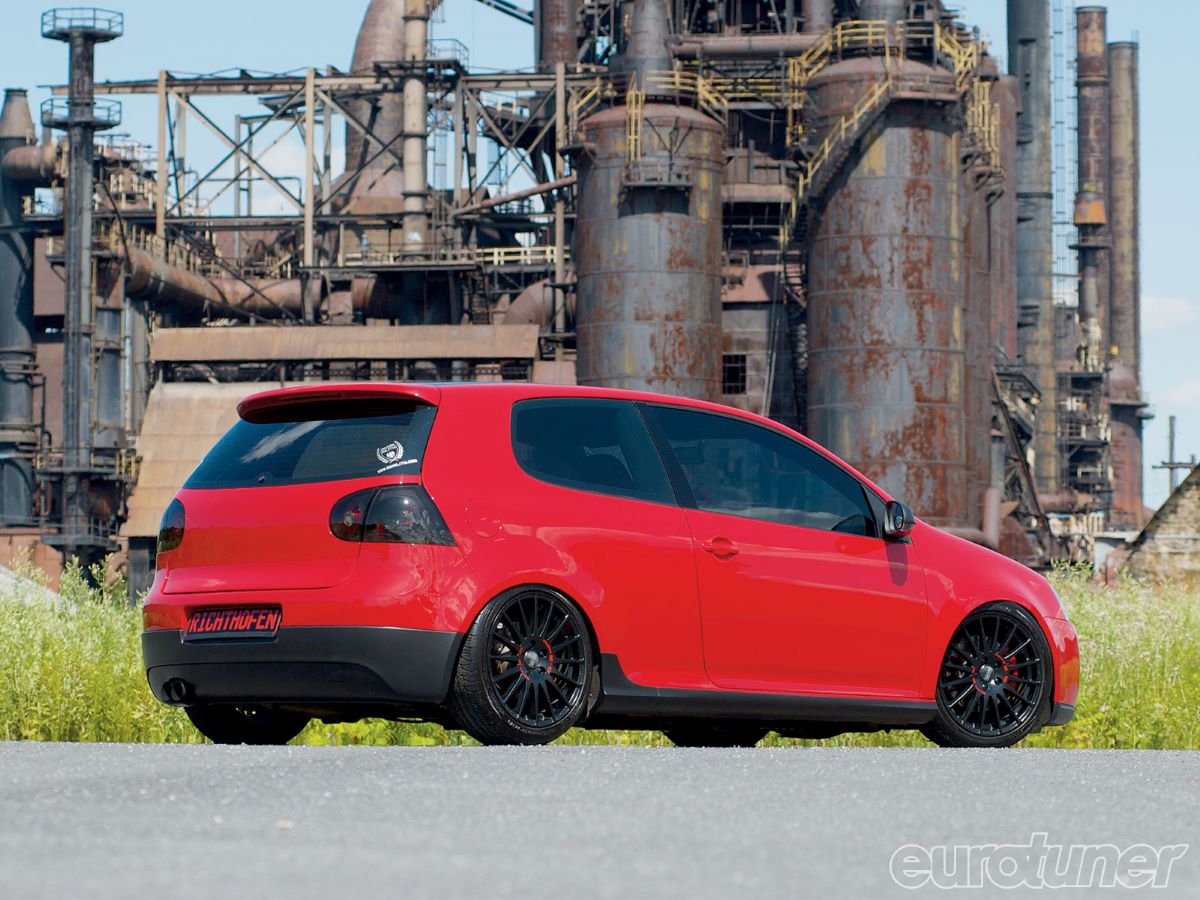
2. Volkswagen GTI (Mk5 & Mk6, 2006–2014)
The GTI’s clutch tends to wear quickly under spirited driving. When it’s time for replacement, you’re looking at 10+ hours of labor and a costly flywheel that often needs replacing too.
Now in its fifth generation, the GTI lineage continues to serve as a reminder of Volkswagen’s “less is more” era. Long before the days of Phaetons, W-8-powered Passats, and engineers getting sidetracked by electrically controlled air vents or the complexities of the W-12 intake system, Volkswagen nailed the formula for a lightweight, no-nonsense, practical performance car—the GTI.
It was fast, affordable, spacious, handled beautifully, had solid build quality, and most importantly, it made driving genuinely enjoyable in a world bound by 55-mph speed limits.
Over time, the GTI’s once-earned reputation began to dilute, shifting from a truly distinct model to more of a dressed-up trim package at the top of the Golf range. But even during those less inspired years, there were bright spots.
Every now and then, VR6-powered screamers and the wonderfully unfiltered 20th-anniversary special reminded us that there were still people within VW who understood exactly what a GTI should be.
So when the fifth-generation GTI showed up echoing the spirit of the original and second-gen models, we didn’t hesitate to include it on our 10Best list—and we added one to our long-term test fleet.
While we’ve been known to get a bit carried away with optioning out test vehicles, we deliberately kept things simple with the GTI. We passed on 18-inch wheels, leather seats, navigation, heated seats, and automatic climate control.
Instead, we went with just Option Package 1 (sunroof and satellite radio) for $1,370 and Volkswagen’s excellent twin-clutch Direct Shift Gearbox (DSG) for $1,075. That brought our total to $25,065. Though we’d have been perfectly satisfied with the standard six-speed manual, we chose the more complex DSG to find out whether 40,000 hard-driven miles would change the way we felt about it.
Why It’s a Nightmare:
- Dual-mass flywheel failure is common
- Turbo torque strains OEM clutches
- High parts and labor cost
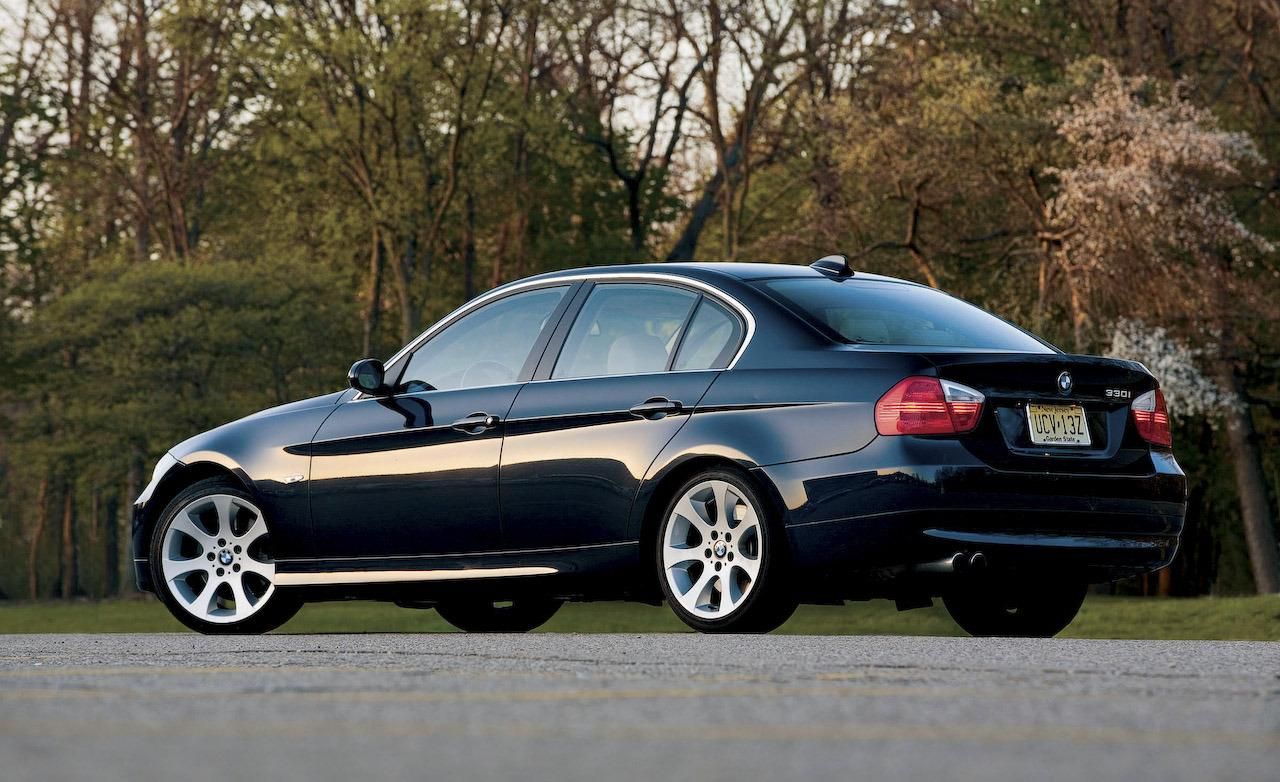
3. BMW 3 Series (E90, 2006–2011)
BMWs from this era are not friendly to clutch jobs. Parts are expensive, and labor is extensive thanks to complex transmission mounting and tight tolerances.
The BMW 3 Series E90 sedan offers a surprisingly accommodating interior, boasting exceptional build quality along with carefully selected, high-grade materials and surfaces throughout the cabin.
The front seats provide ample space and comfort, but the rear is noticeably tighter. While two adults can fit in the back, taller passengers will likely find the headroom insufficient. Fitting three across is possible, though only for shorter journeys. The Coupe is even less generous with space and requires the usual contortions to access the rear seats typical of two-door cars.
The Convertible’s rear seats are best reserved for small children. When it comes to cargo capacity, the E90 holds its own in its segment: the trunk allows for at least 9 cubic feet of storage in the Convertible, 11 cubic feet in the Coupe, and 12 in the sedan. The wagon variant, with the rear seats folded, offers a maximum cargo volume of 60.9 cubic feet.
In the 2006 model year, the lineup consisted of the 325 and 330 trims, available in both sedan and wagon forms. Notably, the Coupe and Convertible that year were not yet part of the E90 generation and remained based on the previous E46 3 Series architecture.
It wasn’t until 2007 that the E90 platform extended to include Coupe and Convertible versions, at which point the trim names also changed: the 325 was replaced by the 328, and the 330 made way for the 335. In the E90’s final production year—2011—a special 335is model was added to the range.
It’s important to note that the E90 is now an aging vehicle, and none of its trims were ever offered with Apple CarPlay or Android Auto. That said, BMW’s optional smartphone interface with BMW Apps was available on some models, so you’ll want to verify whether a specific car has it equipped. Similarly, features like Bluetooth connectivity and navigation were not standard but offered as optional extras.
Why It’s a Nightmare:
- Expensive OEM clutch kits
- Prone to leaking slave cylinders (inside the bellhousing)
- Requires special tools for transmission removal
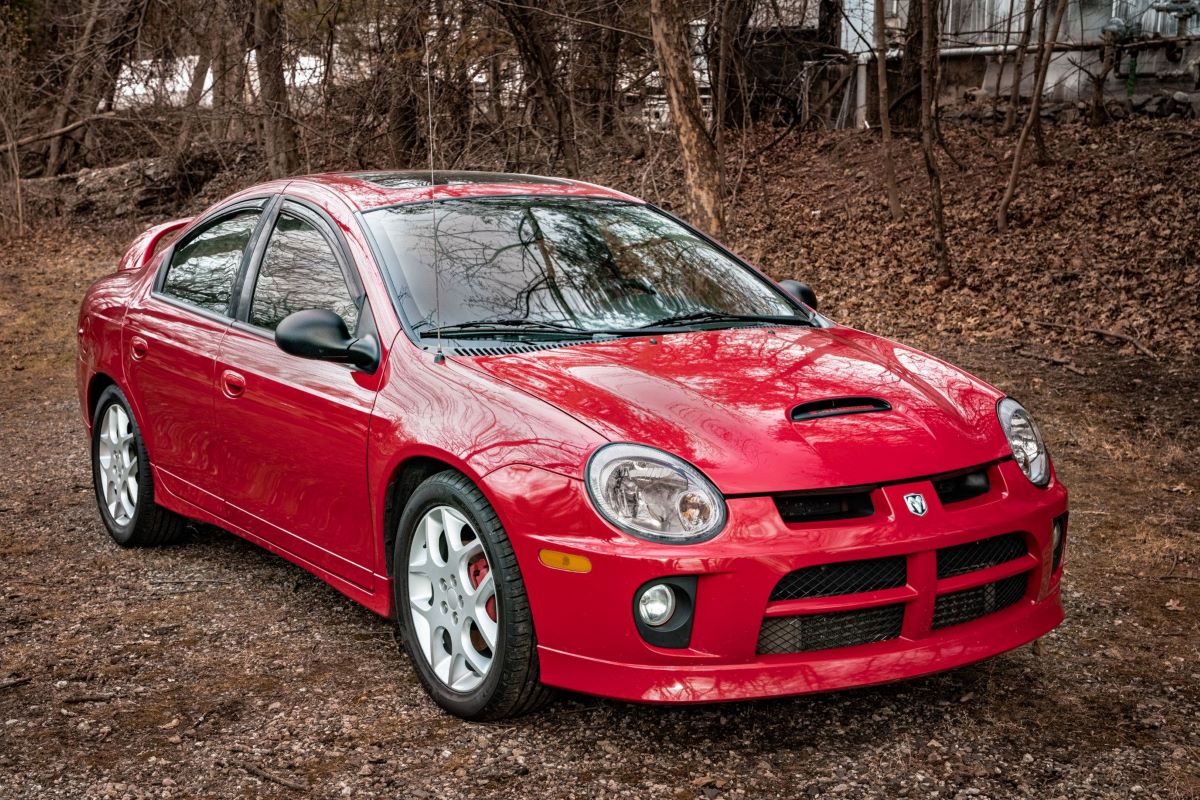
4. Dodge Neon SRT-4 (2003–2005)
Aggressive turbo torque combined with a weak stock clutch leads to frequent replacements, especially in tuned examples. And getting to the clutch is no easy feat.
Inside, it was immediately clear that Dodge aimed to keep costs as low as possible. Cheap materials were evident throughout the cabin, and even the factory-installed boost gauge looked like it had been slapped on as an afterthought once the car rolled off the line.
But this was all by design—Dodge’s goal was to deliver a sport compact car priced under $20,000, making it significantly more affordable than rivals like the Subaru Impreza WRX or the Mitsubishi Lancer Evo, albeit with less power. The car came with power windows—but only for the front seats.
Under the hood, the Dodge Neon SRT4 packed a 2.4-liter turbocharged engine paired with a standard 5-speed manual transmission. In its debut year, the setup produced 215 horsepower and came with an open differential.
Starting in 2004, Dodge turned up the heat—boosting output to 230 horsepower and upgrading the transmission with a limited-slip differential for better traction and performance.
Why It’s a Nightmare:
- Weak OEM clutch can’t handle stock torque
- Turbo tuning worsens clutch lifespan
- Engine bay is cramped for FWD transmission work
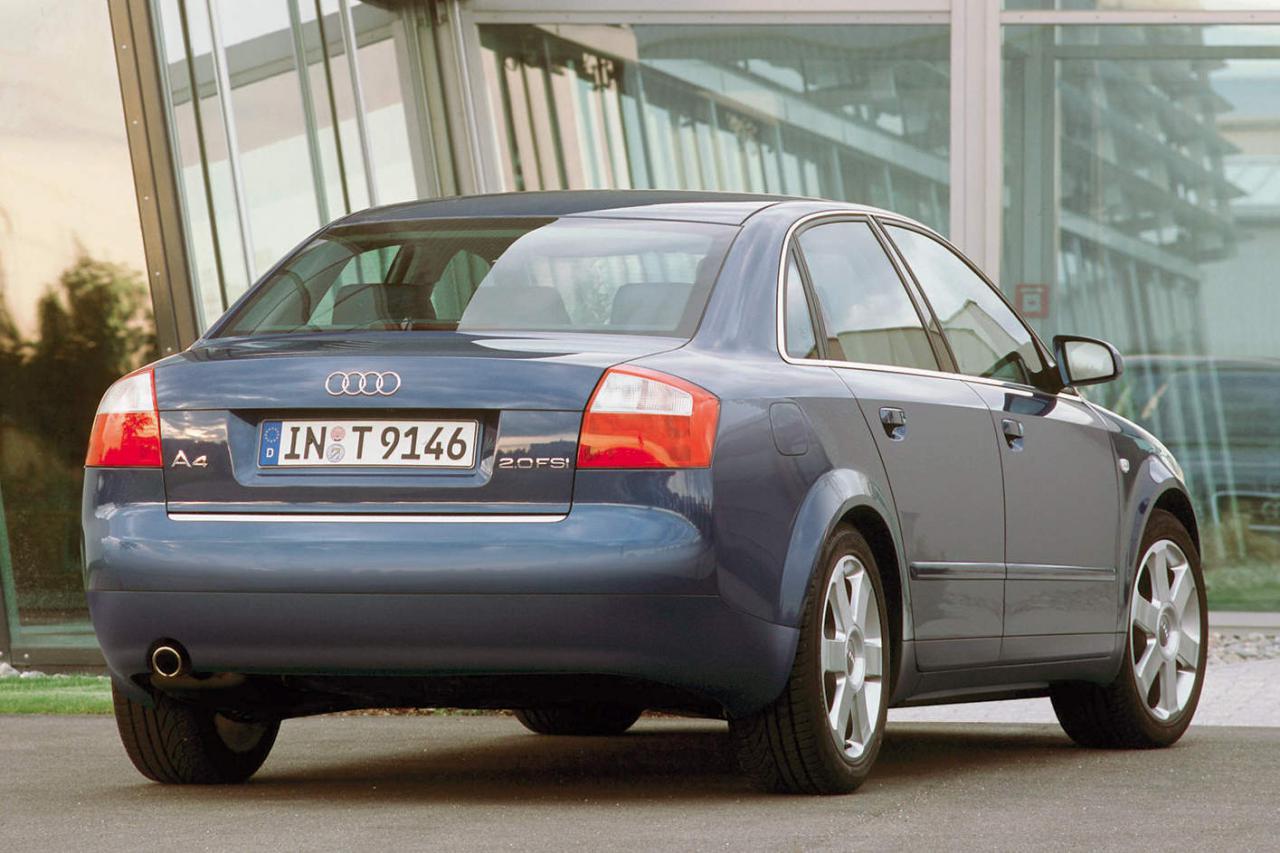
5. Audi A4 (B6/B7, 2002–2008)
Like many German sedans, the Audi A4’s clutch repair costs spiral due to difficult access and common failure of the dual-mass flywheel. Often costs exceed $2,500.
We’ve held the A4 in high regard ever since it first arrived, consistently ranking it among the best-equipped and most enjoyable vehicles to drive in its segment.
Still, seven years is a long lifespan in the entry-level luxury market, so for the 2002 model year, Audi rolled out a complete redesign of the A4. The updated sedan came first, followed by the wagon—referred to as the Avant in Audi-speak—and eventually the convertible, or Cabriolet.
This generation wore sharper lines, clear-lens headlights, dual exhaust tips, and a high beltline. While the Cabriolet clearly shares the visual DNA of its A4 siblings, its sleeker silhouette and bold aluminum trim elements give it a slightly more aggressive edge.
A significantly updated A4 arrived midway through 2005. Audi didn’t call it an all-new model, instead describing it as 60-percent new. The underlying platform, cabin layout, and general dimensions remained mostly intact. But visually, the refreshed model featured bold new bodywork.
Beneath the surface, the front suspension was revised with several components sourced from the performance-oriented S4. The rear received even more substantial updates, including control arms and wheel carriers also taken from the S4, along with A6-sourced shock absorbers. Audi also introduced two new direct-injection gasoline engines.
The familiar turbocharged 1.8T was enlarged to 2.0 liters and fitted with direct injection, pushing output to 200 horsepower. The V6 was bumped from 3.0 to 3.2 liters, also with direct injection, producing 255 horsepower. Both engines came paired with six-speed transmissions, whether you opted for the manual or the automatic.
Why It’s a Nightmare:
- Dual-mass flywheel almost always needs replacing
- Transmission must be dropped with precise alignment
- Hydraulic throwout bearing inside bellhousing can fail prematurely
If you’re looking for a manual car that won’t punish you with clutch repairs, older Japanese compacts and basic trucks are your safest bet.
They’re engineered with simplicity in mind and have decades of proven reliability. On the other hand, turbocharged compacts and luxury European models tend to wear out their clutches faster and require extensive labor to replace.
If you drive hard or plan on tuning, be prepared some clutches simply aren’t built to last. Always test the clutch before buying a used manual car, and if possible, check service history for signs of replacement or premature wear.