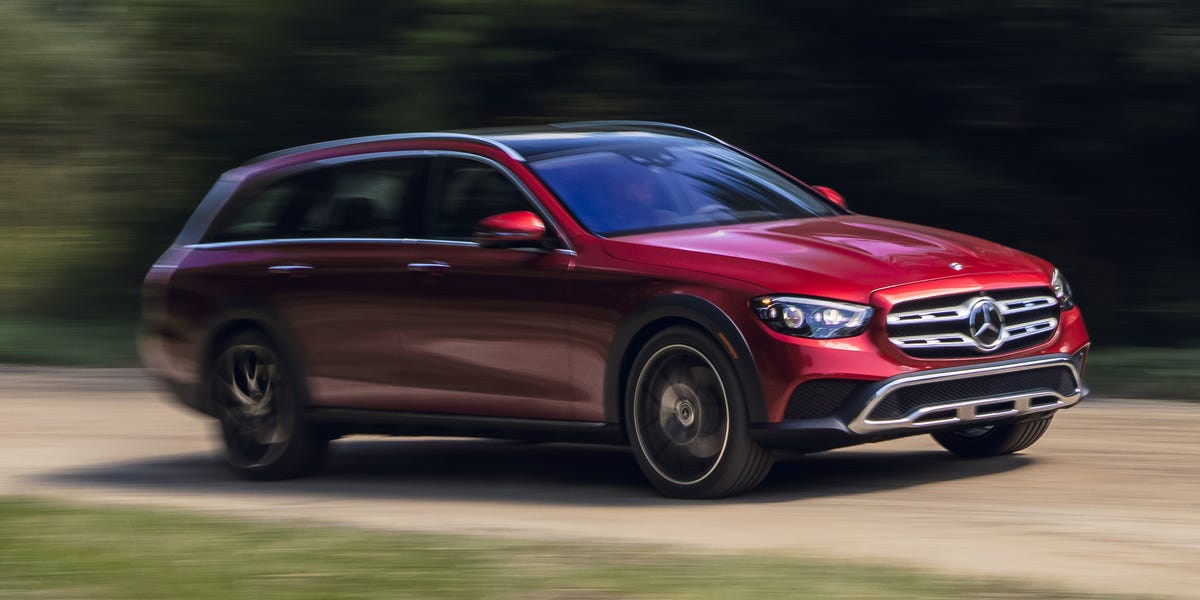
Whether you’re hauling a boat to the lake, pulling a camper across the country, or dragging a trailer full of supplies for work, towing pushes a car or truck to its mechanical limits.
While some vehicles are built for the job and thrive under pressure, others crumble—literally and figuratively—under the weight. And no, it’s not always about horsepower or torque. Towing prowess depends on a blend of engineering, cooling systems, transmission strength, chassis durability, and plain old reliability.
In this article, we’re putting the spotlight on two very different kinds of vehicles: the champions that shrug off towing duty like it’s nothing, and the pretenders that fall apart when asked to pull their weight. We’ll break down five cars and trucks that have proven themselves towing warriors, trusted by owners and praised by experts.
Cars That Survive Towing Duty
Then, we’ll expose five vehicles that might look tough but reveal serious flaws when the load gets heavy. If you’re thinking of towing anything heavier than your weekly groceries, this list could save you from a burned-up transmission—or worse. Let’s get into it: the haulers vs. the heartbreakers.
1. Volvo V70/XC70 (2001–2016)
Towing Capacity: Up to 3,300 lbs (with turbo engine and towing package)
The Volvo V70 and XC70 wagons are built like tanks with durable five-cylinder or inline-six engines. They’re popular in Europe for towing caravans, and with proper maintenance, the drivetrain can handle years of loaded highway pulls. Its long wheelbase also aids trailer stability.
In 2007, while Volvo was fully owned by Ford, the company unveiled the third generation of the V70 in February, continuing its legacy of Swedish station wagons.
Although it was marketed as an estate version of the S60 lineup, the 2007 V70 had more in common with Volvo’s flagship model, the S80. Both vehicles were built on the P3 platform, unlike the S60, which was still based on the older P2 architecture.
This generation of the V70 represented a noticeable shift away from the boxy design of its predecessor. The body was sculpted with curves throughout, leaving virtually no flat surfaces—even the roof, which was gently arched and sloped down toward the rear tailgate.
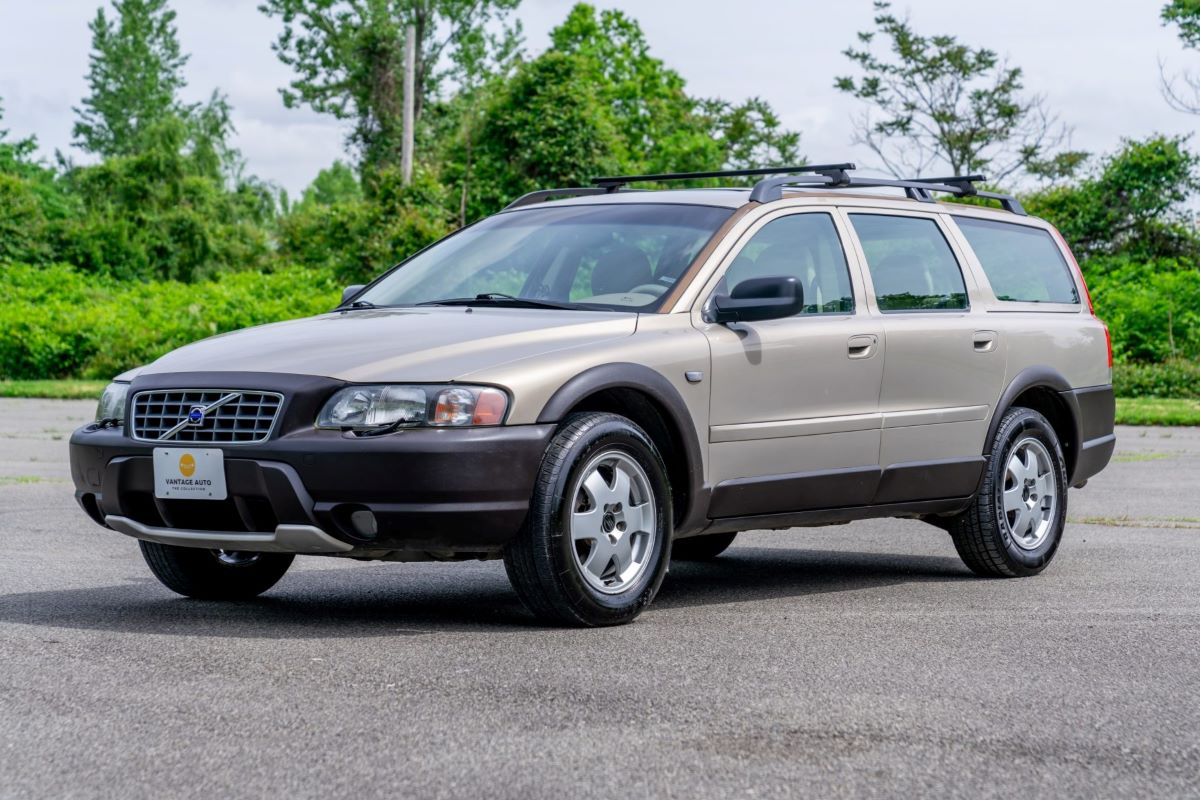
The B- and C-pillars were blacked-out, resembling those of the C30 compact hatchback. At the rear, the tall, high-positioned taillights echoed the design seen on the older 850 Station Wagon.
Inside, Volvo demonstrated its attention to detail with a distinctive design language. The dashboard embraced a minimalist aesthetic, with most areas left uncluttered. The only segment densely populated with buttons was the center stack, where Volvo chose to use a distinctive airflow control design: buttons “shaped like a seated passenger.”
In addition to the front bucket seats for the driver and passenger, the V70 could comfortably accommodate three adults in the rear. The 40:20:40 split-folding rear bench allowed the cargo capacity to expand from 815 liters (28.8 cu-ft) to a generous 1,600 liters (56.5 cu-ft) when folded flat.
Common Praise: Transmission coolers and beefed-up axles make them especially resilient.
Also Read: 5 SUVs Rated Best for Winter-Tire Fitment and 5 With Clearance Issues
2. Subaru Outback (2010–Present)
Towing Capacity: 2,700 to 3,500 lbs (with 3.6R or turbocharged XT models)
Standard all-wheel drive and a robust chassis give the Outback great towing confidence. The boxer engines, especially the 3.6-liter flat-six and newer turbocharged 2.4, handle moderate towing without excessive strain.
Common Praise: Cooling systems are up to the task, and CVTs in newer models are surprisingly durable when not pushed past capacity.
Even if the 2013 Subaru Outback never set tire on the Australian terrain that inspired its name, it’s comforting to know that rough, uneven desert paths are hardly a challenge for Subaru’s crossover wagon.
With its standard all-wheel drive and 8.7 inches of ground clearance, the Outback proves to be a capable adventure companion—confidently tackling dirt trails and snowy roads, even if hardcore off-roading isn’t in its playbook.
The addition of a new, more fuel-efficient four-cylinder “boxer” engine enables the Outback to walk the line between adventurous spirit and everyday practicality. When paired with Subaru’s second-generation CVT, the four-cylinder model delivers an impressive 30 mpg on the highway.
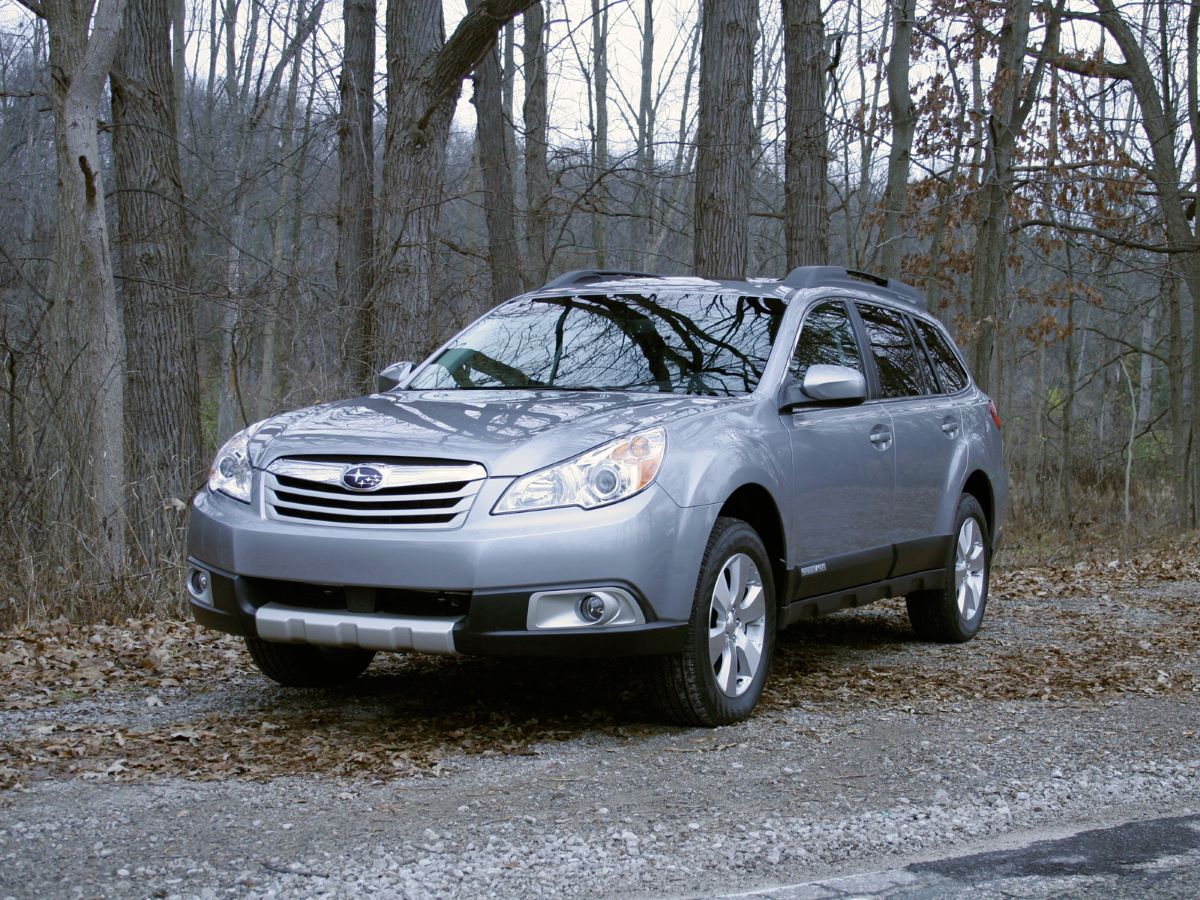
It maintains a composed and comfortable ride while still offering the freedom to venture off the pavement when the mood strikes. For drivers who want stronger performance or plan to make full use of the Outback’s 3,000-pound towing capacity, a more powerful six-cylinder engine is available.
Inside, the Outback features a stylish and roomy cabin, offering ample head- and legroom—even for rear passengers. Its spacious cargo area and innovative roof rack with fold-out crossbars, along with a wide range of dealer-installed accessories, make it a practical option compared to larger crossovers. Few vehicles match the Outback’s ability to haul the bulky gear that comes with an active, outdoor lifestyle.
For 2013, Subaru also introduces the optional EyeSight system. This setup utilizes two cameras mounted on the windshield to manage adaptive cruise control, warn drivers when the vehicle drifts from its lane, and apply the brakes to help avoid or reduce the impact of a collision.
This level of safety tech is typically reserved for luxury brands, so seeing it available in a mainstream vehicle is a promising development.
3. Mercedes-Benz E-Class Wagon (Diesel Models, W211/W212)
Towing Capacity: Up to 4,200 lbs (in Europe)
European-spec E-Class wagons, especially diesels like the E320 CDI or Bluetec models, were built for autobahn-speed towing. The diesel torque is ideal for trailers, and the E-Class suspension manages weight with grace.
This comprehensive review of the 2003–2009 Mercedes-Benz E-Class W211 explores the vehicle’s standout qualities, frequently reported issues, fuel efficiency, and safety ratings.
Since its inception, the Mercedes-Benz E-Class has consistently ranked among the brand’s most refined, well-constructed, and elegantly designed offerings. As part of the mid-sized luxury segment, the W211 E-Class distinguishes itself through its sleek finish, smooth yet sophisticated design, advanced technology features, and impressive safety credentials.
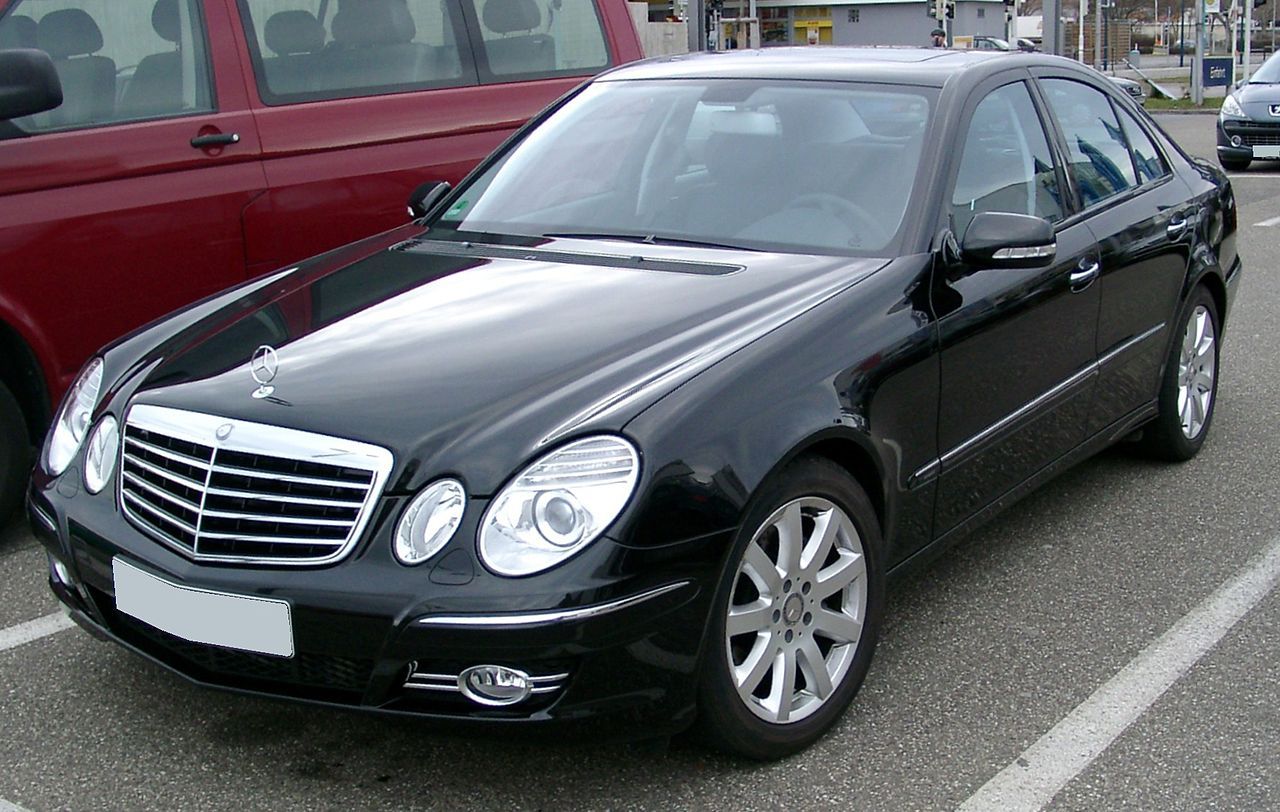
The W211 introduced a significant shift in styling from previous E-Class generations. Mercedes-Benz moved away from the angular, boxy aesthetic in favor of fluid, sweeping lines and understated curves, all anchored by the iconic Mercedes-Benz grille.
These refined design elements continue inside, where the cabin layout offers generous space for passengers while ensuring the driver enjoys optimal comfort behind the wheel.
Although the W211 aimed to set a new benchmark in the mid-size luxury sedan category, some owners have pointed out recurring mechanical issues that can become expensive if regular maintenance is neglected. Still, the W211 E-Class remains a premium 6-cylinder executive sedan—one that radiates sophistication and makes a bold impression wherever it arrives.
Common Praise: Air suspension systems keep ride height stable and safe under load.
4. Chrysler 300C HEMI (2005–2023)
Towing Capacity: 3,800 lbs (with towing package)
The HEMI V8 in the 300C isn’t just powerful it’s overbuilt for longevity. Its robust cooling system and rear-wheel-drive layout make it suitable for towing mid-sized trailers and boats.
Common Praise: The 5-speed and 8-speed automatics handle the load better than many front-drive platforms.
The 2007 Chrysler 300 offers multiple engine configurations, beginning with the base model, which comes equipped with a 2.7-liter V6 engine mated to a four-speed automatic transmission. Most automotive reviewers agree that this engine lacks the necessary power for a vehicle of this size.
We spent an hour driving a base 300. The engine was reasonably calm at cruising speeds but quickly broke a sweat during simple maneuvers in suburban traffic.”
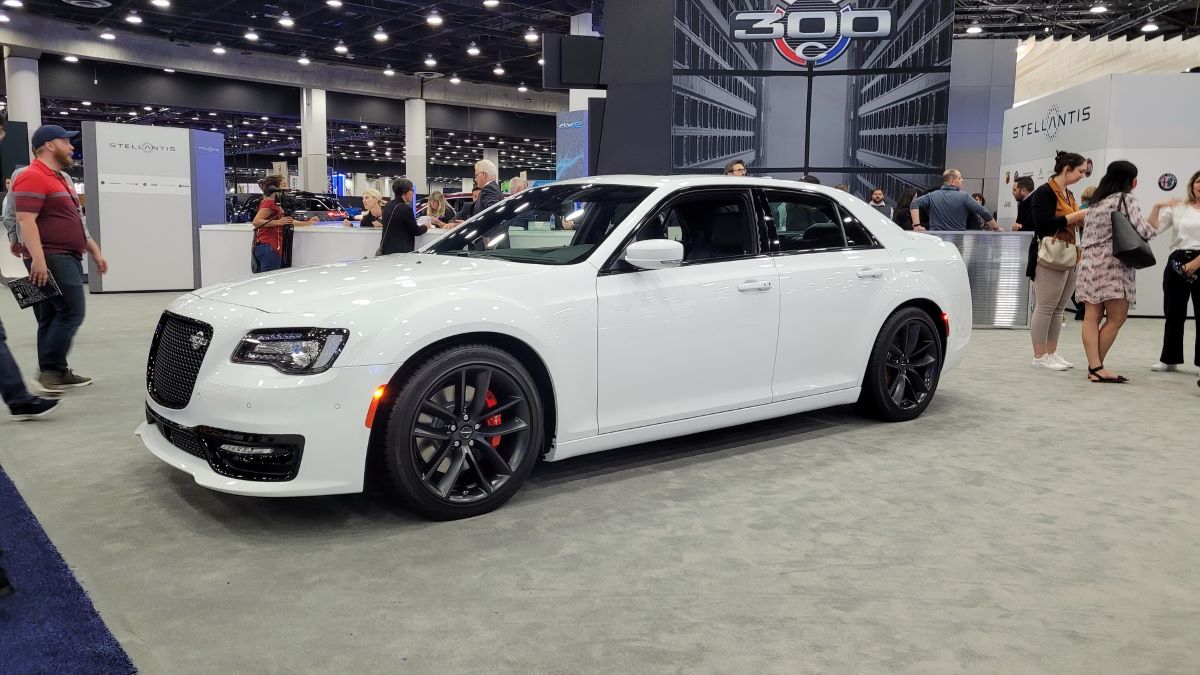
Except for a slight snarl when pushing hard while climbing, the V-6 is very quiet.” The base trim is rated by the EPA at 26 mpg on the highway and 18 mpg in the city. The V6 engine suits “more sedate drivers,” delivering “smooth, civilized performance.”
Moving up the range, the Chrysler 300 Touring and Limited trims still feature a V6 engine but increase output to 250 horsepower and come with a five-speed automatic transmission. However, these variants have received limited attention from reviewers, who largely directed their focus to the more powerful models—the 300C and 300C SRT8.
The 300C comes with a 340-horsepower V8 engine, while the performance-focused 300C SRT8 pushes that up to 425 horsepower. These versions have garnered praise across the board.
Also Read: 5 Engines That Never Burn Coolant and 5 That Always Need Top-Ups
5. Toyota Camry V6 (2007–2017)
Towing Capacity: Around 1,000–1,200 lbs (officially); some owners exceed this with care
While not rated for high towing, the V6 Camry has a legendary engine and transmission combo that can withstand occasional trailer duty, especially small campers and utility trailers. Some Australian owners tow well beyond U.S. limits.
Common Praise: Bulletproof 2GR-FE V6 handles the heat with no drama if proper cooling is added.
The 2007 Toyota Camry is a four-door sedan with a base MSRP of $23,540.00. It comes with a 3-year/36,000-mile warranty and is equipped with a 3.5-liter V6 engine that delivers 268 horsepower at 6,200 rpm and 248 ft-lb of torque at 4,700 rpm.
The engine features a DOHC valve configuration, has a displacement of 211 cubic inches (or 3500 cc), and uses gasoline. It requires 6.4 quarts of engine oil, with 5W-30 recommended.
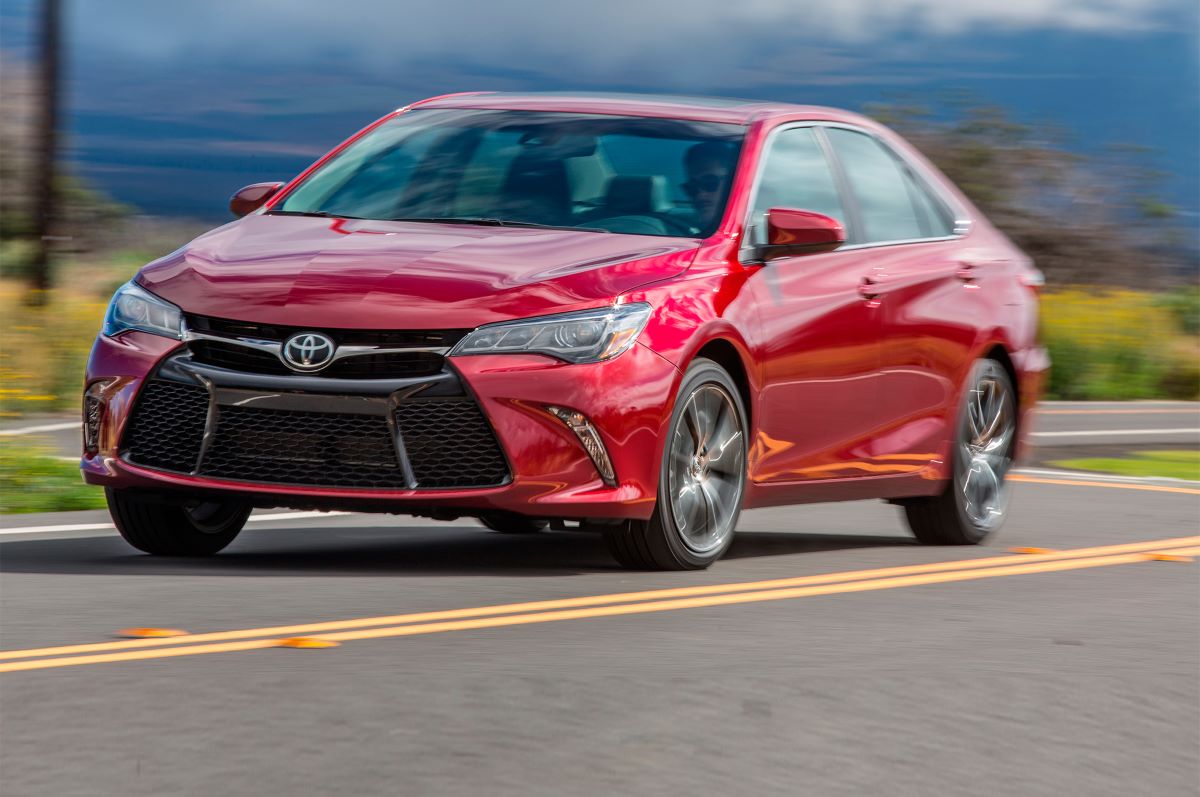
Paired with a 5-speed automatic transmission, the Camry achieves an EPA-estimated fuel economy of 22 mpg in the city and 31 mpg on the highway. The car has a curb weight of 3,461 pounds and seats up to five passengers.
In terms of size and technical specs, the 2007 Camry measures 189.2 inches in length and holds 18.5 gallons of fuel. It rides on P215/60R16 tires and features a braking system composed of dual hydraulic disc brakes in the front and dual disc brakes in the rear.
The Camry is available with both front-wheel drive (FWD) and all-wheel drive (AWD), offering two driveline modes for varying conditions. Overall, the 2007 Camry blends solid performance, comfort, and efficiency in a reliable midsize sedan package.
Cars That Burn Up Quickly Under Towing Duty
These are the models that overpromise and underdeliver when asked to tow, no matter how gently you drive or how well you maintain them. If you’re in the market for a car you can rely on for occasional hauling or road trips with gear in tow, these are the ones to avoid. Let’s break down the cars that burn up quickly when towing puts them to the test.
1. Ford Focus (2012–2018, Dual-Clutch Models)
Towing Capacity: 1,000 lbs (max)
The dry dual-clutch transmission in the Focus was already failure-prone without towing. Adding any significant load exacerbates shuddering, overheating, and long-term damage.
Launched at the beginning of the 21st century, the original Ford Focus made a strong impression. It was engaging to drive, adaptable, and offered in several different body styles. However, as time went on and newer, more refined competitors entered the market, the Focus began to lose its edge, settling into a more average standing among compact cars.
That changed with the arrival of the current-generation Focus, which debuted in 2012 and has since become one of the top choices in its class. The 2014 Ford Focus, available in both sedan and hatchback versions, stands out for its energetic performance, premium-feeling interior, composed ride quality, and impressive fuel efficiency.
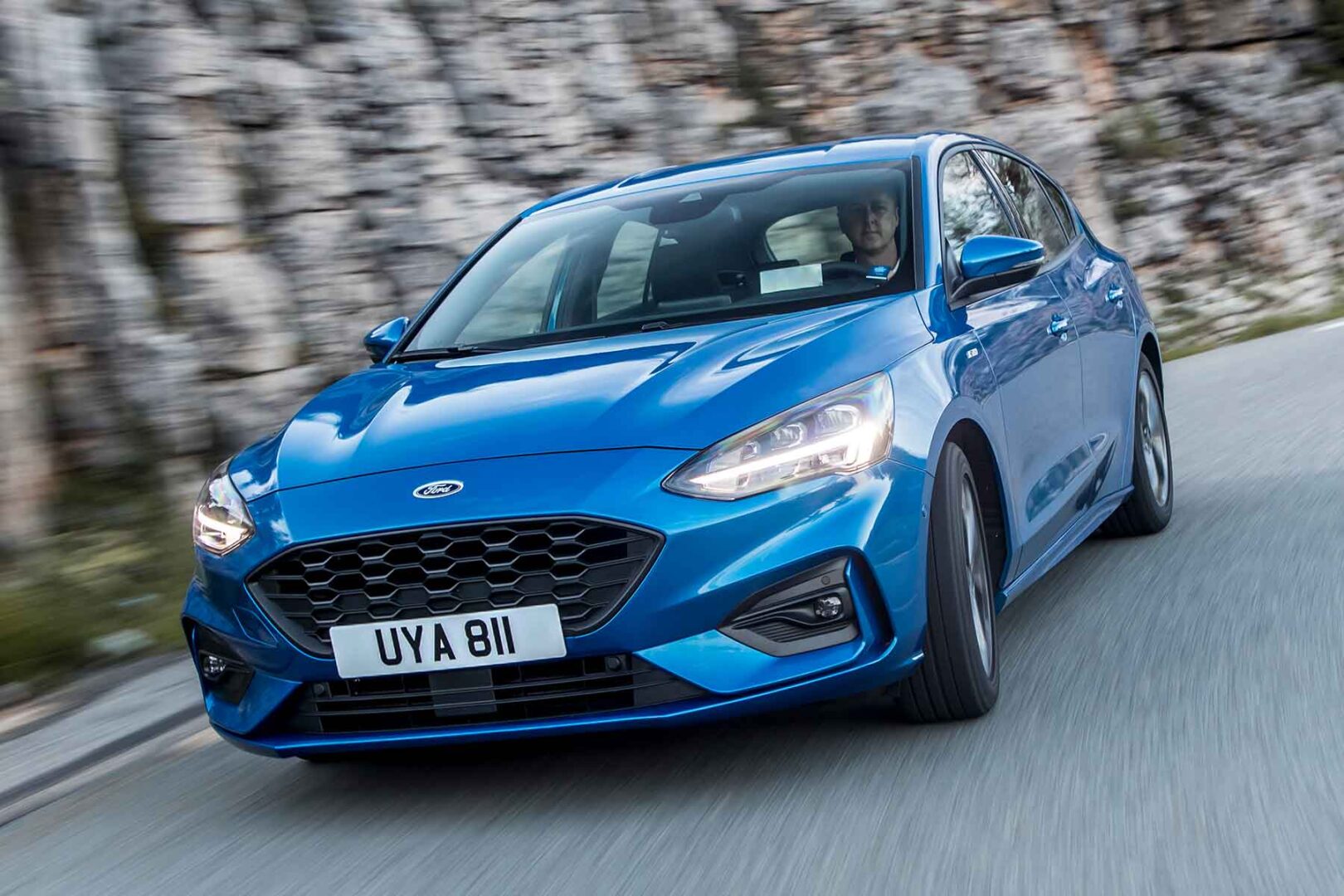
One of the Focus’ standout qualities is its wide range of high-tech convenience features. A notable example is the automated parallel parking system, which can expertly maneuver the car into a parking space without the driver having to touch the steering wheel.
The vehicle also includes Ford’s Sync system, “one of the first voice control systems to be offered in any car.” Additionally, the MyFord Touch interface—with its customizable control screens—has generated a variety of reactions.
Initially criticized for being difficult to operate, it has seen improvements through software updates, though it still tends to lag and can be unreliable at times. Even if you’re not especially interested in tech features, the availability of both hatchback and sedan options, along with a diverse selection of trims, gives the Focus broad appeal.
There are also versions for specific needs, such as the all-electric and high-performance models. The Focus Electric is powered by a 107-kilowatt (143-horsepower) electric motor and can be fully recharged in roughly four hours using a 240-volt outlet. It also supports smartphone integration, allowing owners to monitor the vehicle’s charging progress remotely.
Common Complaints: Overheating clutches, transmission failure lights, and poor low-speed control with trailers.
2. Nissan Altima (2013–2020, CVT Models)
Towing Capacity: Not recommended
The Altima’s CVT is infamous for its fragility under even normal driving. Towing, especially in hot weather or hills, causes rapid CVT fluid breakdown and internal belt wear.
The 2015 Nissan Altima hits the sweet spot as a family sedan in nearly every way. If fuel economy is your top priority, you’ll find both the four-cylinder and V6 engines to be among the best in their class. Need some power? Even the base four-cylinder version can sprint to 60 mph in under 8 seconds.
When it comes to driving experience, the Altima offers a quiet, composed ride along with the kind of nimble handling that has consistently distinguished it from the competition. As for safety, just take a look at the crash-test ratings—they’re nearly flawless in every category. On paper, it seems Nissan may have created the ideal midsize car.
But despite all of its strengths, the Altima might not be the perfect fit for everyone. A key concern for some drivers is the continuously variable automatic transmission (CVT).
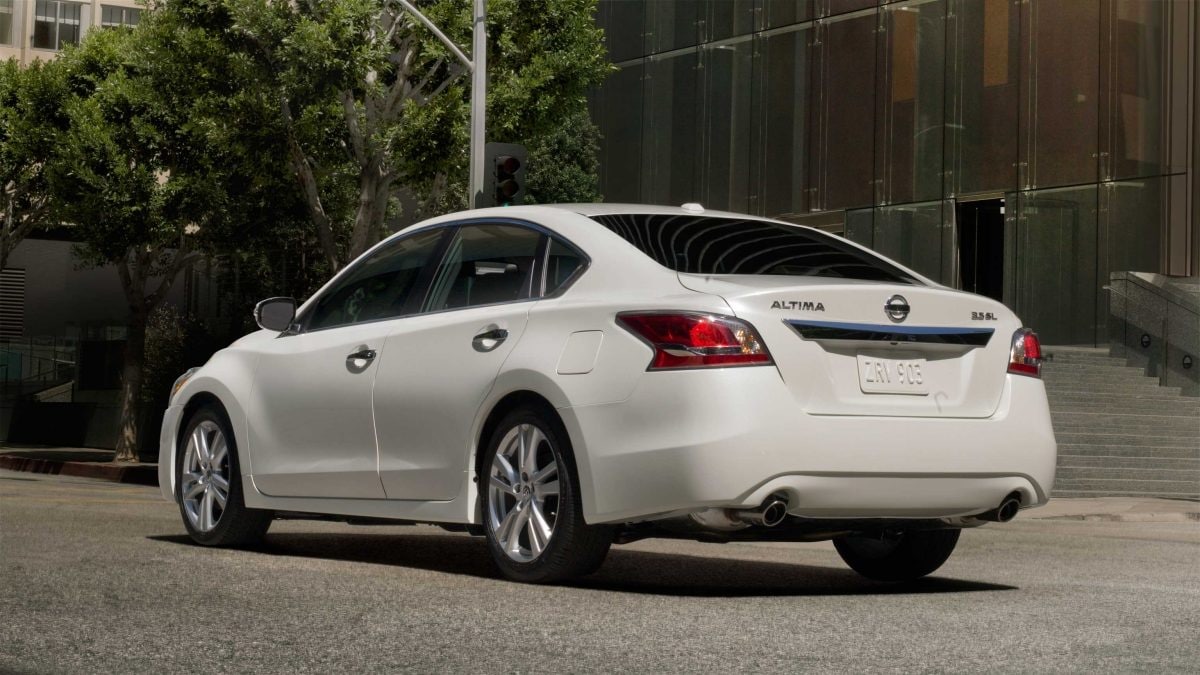
While it’s designed to improve fuel efficiency, it can be a bit intrusive in daily driving. The CVT tends to rev the engine noisily under moderate acceleration and can make the car feel sluggish by holding low RPMs while cruising—especially in the four-cylinder variant.
Additionally, rear seat space may leave taller passengers wanting more. Though the Altima’s backseat is comfortable, it doesn’t quite match the near full-size rear accommodations offered by several rivals.
Take, for instance, the roomy Honda Accord, which offers more rear passenger space, though its four-cylinder models also feature a CVT that can take some time to get used to. Then there’s the 2015 Ford Fusion, which shares the Altima’s slight limitation in rear headroom, but stands out for its sleek styling and well-rounded performance.
Another worthy alternative is the 2015 Mazda 6, which might not have the same level of high-tech infotainment features as the Altima, but makes up for it with excellent fuel economy and sharper, more engaging handling.
Common Complaints: Slipping, whining noises, and eventual complete failure after repeated towing attempts.
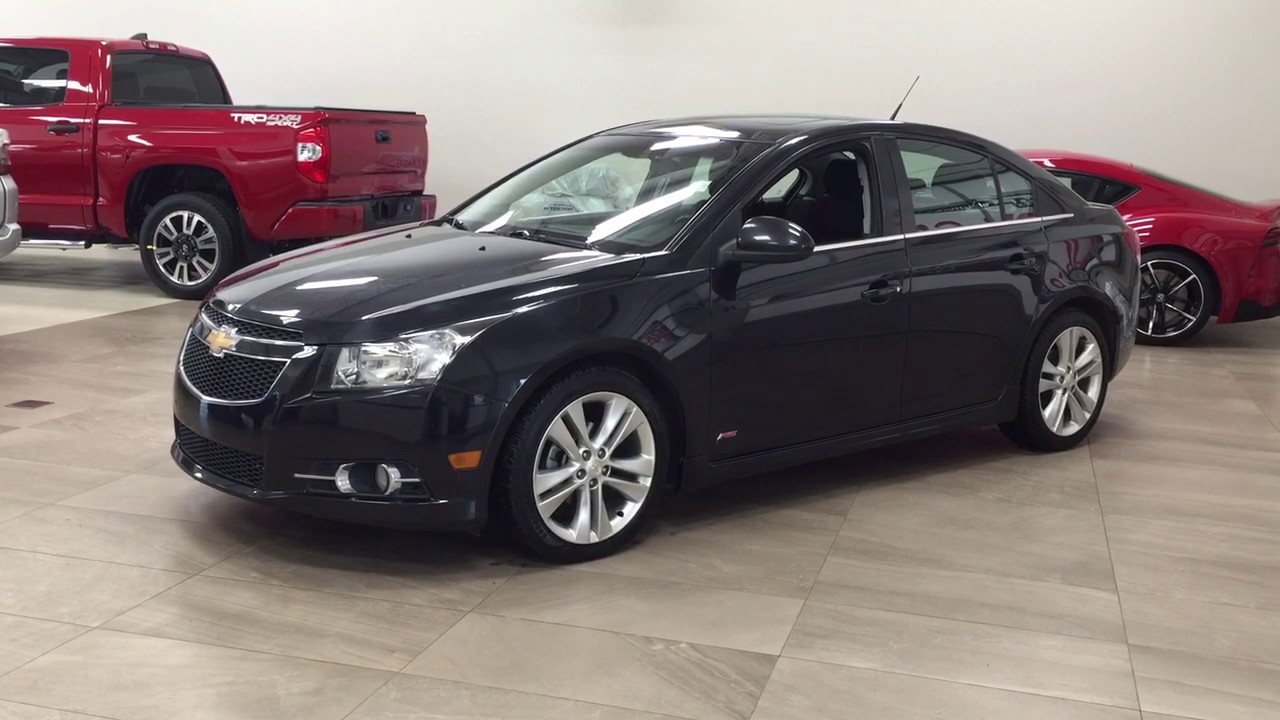
3. Chevrolet Cruze (2011–2019)
Towing Capacity: Technically not rated for towing
The Cruze’s 1.4L turbocharged engine and compact automatic transmission aren’t built for towing stress. Overheating, blown head gaskets, and turbo failures are common when pushed beyond commuter duty.
A new addition to the Cruze lineup for 2014 is a 2.0-liter turbocharged diesel inline-four engine, which enables the vehicle to achieve an impressive EPA-estimated 46 mpg on the highway.
This new diesel model comes equipped with a six-speed automatic transmission, 17-inch alloy wheels, low rolling resistance tires, an aerodynamic package, and leather upholstery. Additionally, the 2014 Cruze introduces several fresh exterior paint options across the range, including Red Hot, Rainforest Green Metallic, Tungsten Metallic, and Blue Ray Metallic.
The Chevrolet Cruze serves as the brand’s fuel-efficient compact sedan offering, positioned below the midsize Malibu and above the subcompact Spark and Sonic in Chevrolet’s lineup. It offers a choice of three different powertrains while delivering premium safety technology such as blind-spot monitoring and rear cross-traffic alert—features that are typically found on more expensive vehicles.
The 2014 Chevrolet Cruze is available with two gasoline engine options along with a newly introduced diesel variant. Most trims—excluding the LTZ—are available with either a six-speed manual or six-speed automatic transmission, while the LTZ trim is offered exclusively with an automatic.
The base LS models feature a 1.8-liter inline-four engine that delivers 138 horsepower and 125 lb-ft of torque, achieving an EPA-rated 22-25 mpg in the city and 35-36 mpg on the highway, depending on the transmission selected. For the LT, LTZ, and Eco trims, the Cruze swaps in a turbocharged 1.4-liter inline-four engine.
While it also produces 138 horsepower, torque increases to 148 lb-ft and is delivered lower in the rev range for more responsive performance.
Non-Eco 2014 Cruzes equipped with this engine are rated at 26 mpg city and 38 mpg highway, while the Eco trim pushes the efficiency envelope further with ratings of 26-28 mpg city and 38-42 mpg highway, with the best highway numbers achieved when paired with the six-speed manual transmission.
However, the standout performer in the fuel economy department is the all-new 2.0-liter clean turbodiesel. This engine produces 151 horsepower and a robust 264 lb-ft of torque, with an EPA-estimated 27 mpg city and a segment-leading 46 mpg highway.
It is exclusively available with a six-speed automatic transmission. For added performance, the turbodiesel includes an overboost function that temporarily increases torque to 280 lb-ft for up to 10 seconds.
While it was named a Top Safety Pick by the Insurance Institute for Highway Safety (IIHS) in 2013, it received a “marginal” score in the small overlap front test and did not meet the more rigorous standards required for the 2014 Top Safety Pick designation.
Nonetheless, the Cruze leads its class by offering 10 airbags as standard equipment. Buyers can also opt for the Enhanced Safety Package, which includes advanced crash-avoidance features such as blind-spot monitoring, rear cross-traffic alert, and rear park assist.
Common Complaints: Cooling system failures, turbo lag under load, and engine overheating.
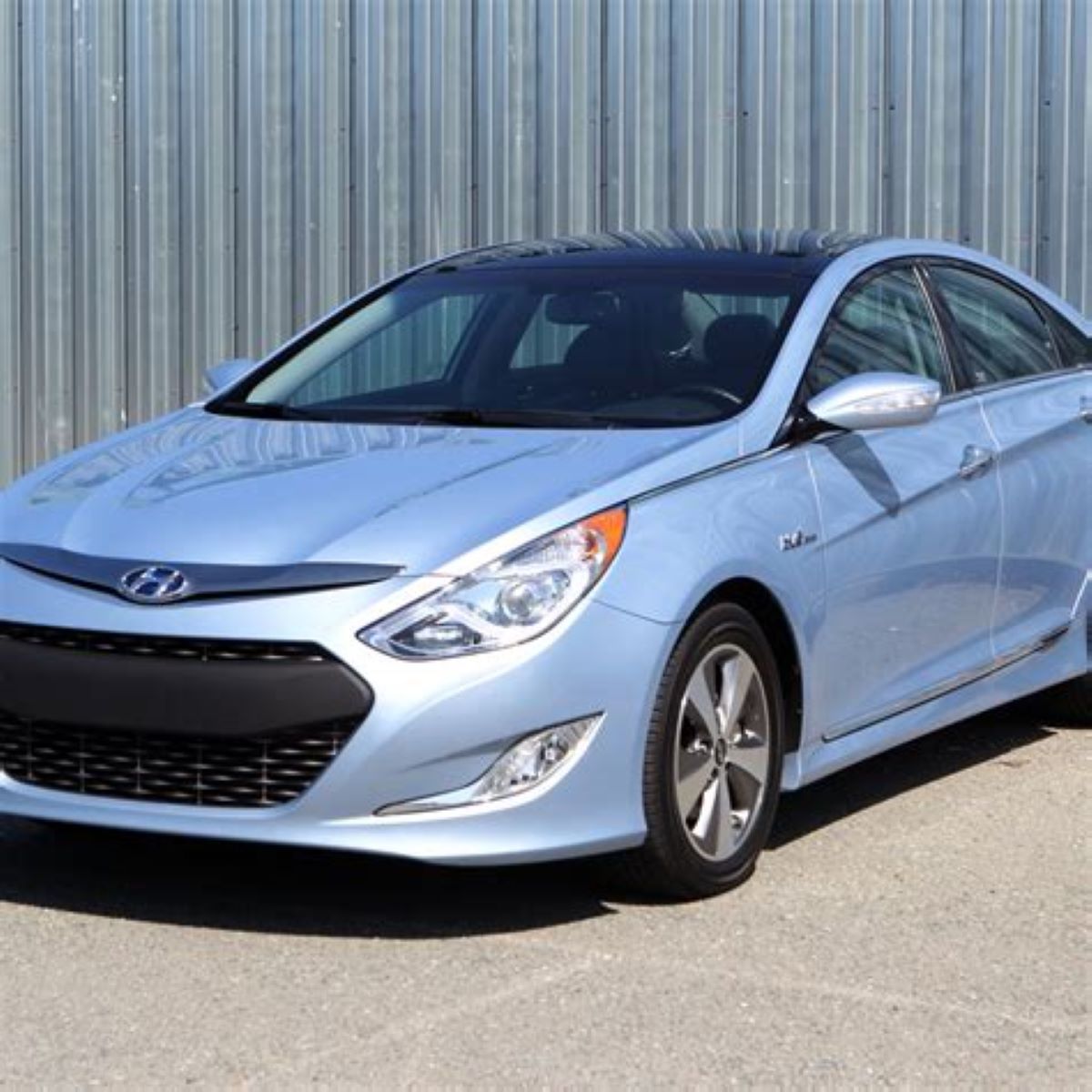
4. Hyundai Sonata (2011–2019, 2.4L Models)
Towing Capacity: 1,000 lbs (light-duty only)
The 2.4L engines in these models suffer from oil starvation issues even without towing. When asked to pull a load, they’re prone to knocking, oil consumption, and engine failure.
Common Complaints: Seized engines, recall-worthy failures, and inadequate transmission cooling.
Buyers of the new Sonata can choose between two engines: a standard 2.4-liter inline-four or a more powerful 2.0-liter turbocharged version. The base engine delivers an impressive 198 horsepower—or 200 in the SE trim—and achieves an efficient 26 mpg in combined driving when paired with a six-speed automatic transmission.
This setup not only offers quick acceleration and commendable fuel economy but also operates with a smooth and polished character. For those seeking extra performance, the turbocharged engine delivers 274 horsepower and, impressively, manages to return nearly the same combined fuel efficiency as the base engine.
What makes this even more notable is that the Sonata is one of only two vehicles in its class—the Honda Accord being the other—that is spacious enough to be classified as a “large” sedan by the EPA. Hyundai also enhanced the 2011 Sonata’s handling dynamics, giving it a firmer and more balanced driving feel.
However, it still falls short of the sportier benchmarks set by competitors like the Ford Fusion Sport, Nissan Altima, and Mazda 6. The SE trim narrows that gap slightly with its sport-tuned suspension, although this comes at the cost of a stiffer and less forgiving ride.
As expected from Hyundai, the Sonata comes with a compelling value advantage. Even though its starting price is often a few thousand dollars lower than many of its rivals, the base GLS trim includes a generous list of standard equipment, features such as satellite radio, iPod connectivity, and Bluetooth with phonebook download—many of which are optional or not even offered on competing models.
At the top end of the range, the Sonata Limited includes nearly every available feature as standard, with the sole exception of navigation.
The Hyundai Sonata comes equipped across all trim levels with a 2.4-liter direct-injected four-cylinder engine that delivers 198 horsepower and 184 pound-feet of torque. The SE variant gains a slight performance edge thanks to its dual exhaust system, offering 200 horsepower and 186 lb-ft of torque.
A six-speed manual transmission comes standard on the GLS trim, while a six-speed automatic is available as an option for that model and is standard equipment on the SE and Limited trims.
For those seeking greater performance, a robust 2.0-liter turbocharged engine is offered on the SE and Limited models. This upgraded powerplant produces 274 horsepower and 269 lb-ft of torque.
When put through performance tests, a Sonata GLS with the 2.4-liter engine and automatic transmission achieved a 0-60 mph time of 8.2 seconds. Predictably, the 2.0-liter turbocharged version delivers much quicker acceleration, needing only 6.7 seconds to hit 60 mph.
Fuel economy ratings from the EPA are especially commendable for a midsize sedan. The 2.4-liter engine paired with the manual transmission is rated at 24 mpg in the city, 35 mpg on the highway, and 28 mpg combined.
When equipped with the automatic transmission, those numbers shift slightly to 22 city, 35 highway, and 26 combined. Remarkably, the high-powered 2.0-liter turbocharged engine still manages a competitive 22 mpg city, 33 mpg highway, and 26 mpg combined.
On the safety front, every Sonata comes generously equipped with features such as antilock brakes, traction and stability control, front-seat side-impact airbags, full-length side curtain airbags, and active front head restraints.
In the federal government’s updated and more rigorous crash testing procedures for the 2011 model year, the Sonata earned the highest possible rating of five stars for overall crash protection. It received four out of five stars for front-impact protection and a full five stars for side-impact protection.
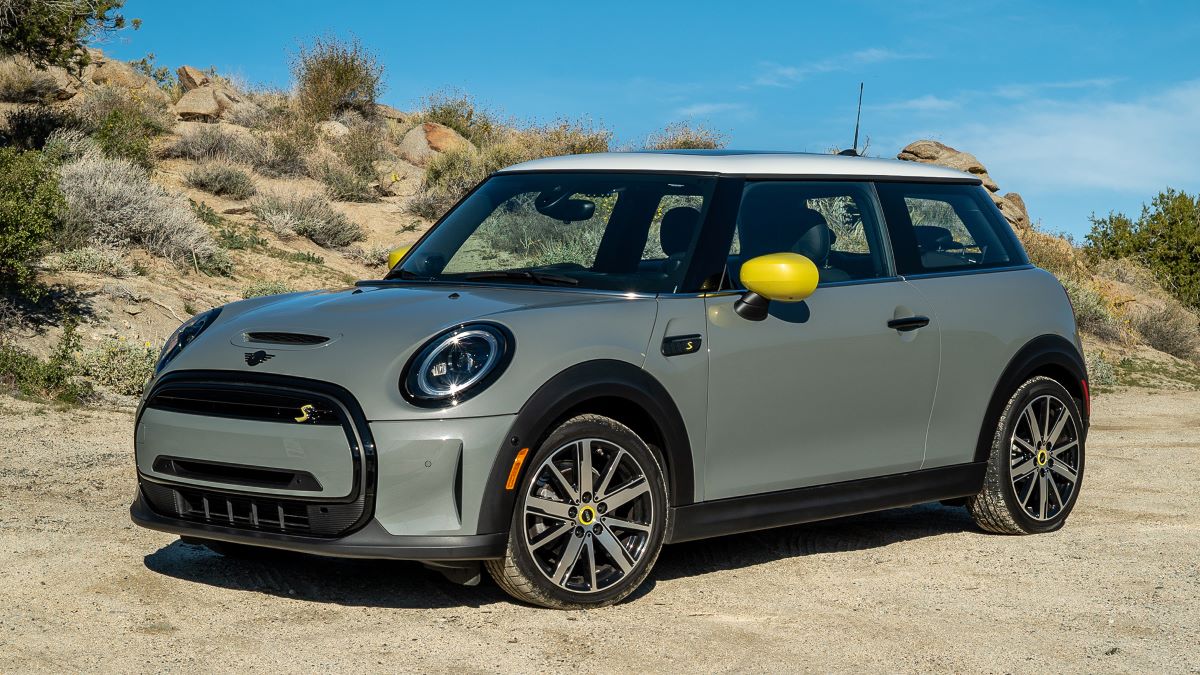
5. Mini Cooper (Any Model/Year)
Towing Capacity: Not designed for it
While Minis are sporty, their small turbo engines and fragile automatic transmissions are easily overwhelmed by trailer loads. Even light-duty towing puts strain on their small cooling systems and clutches.
The 2015 Mini Cooper Hardtop—Mini’s label for both the two- and four-door hatchback variants—enters its second year as part of the third-generation Mini lineup.
The previous year’s complete redesign introduced a pair of new turbocharged engines, a significantly improved automatic transmission, larger exterior dimensions, a revamped interior with higher-quality materials, and a range of new features.
For 2015, the key additions are the introduction of a four-door Cooper hatchback, which provides more cargo space and seating for five, along with a new, more potent John Cooper Works hardtop model.
If there’s a central theme for the 2015 Mini Cooper, it’s growth in size while holding on tightly to the brand’s trademark fun factor. The two-door hatchback is now bigger than the outgoing model, but it still remains compact enough to earn its Mini badge.
The new four-door hatchback is just 6.3 inches longer than the two-door, meaning it remains well-suited for tight parking situations. Inside, passenger space slots in between that of the smaller two-door and the larger Countryman.
The two-door’s backseat has more room than in the previous generation, and the four-door adds an additional seat for a total of five, though both configurations remain cramped for adults in the rear.
Likewise, the two-door’s maximum cargo space has increased by more than 50 percent, reaching 38 cubic feet, while the four-door edges slightly higher at 40.7 cubic feet. Still, these figures fall short of what’s available in a rival like the Volkswagen Golf. If practicality tops your checklist, this likely isn’t your ideal match.
On the other hand, few cars are as easy to park as the Mini, and its agile, eager-to-go handling is hard to beat in this class. The standard turbocharged three-cylinder engine found in the base hatchback, as well as the upgraded four-cylinder in the Cooper S, both stand out for delivering solid power and strong fuel economy.
For even more performance, the new John Cooper Works model offers a thrilling 228-horsepower turbocharged engine. Meanwhile, the convertible model retains Mini’s previous-generation 1.6-liter four-cylinder engine.
While the base engine in the convertible feels underwhelming, opting for either the Cooper S or John Cooper Works variant transforms it into a joy to drive, especially when working through the gears.
If your search is focused on a stylish subcompact, the 2015 Volkswagen Golf—and its sportier sibling, the GTI—deserve serious consideration. Both offer similar levels of refinement, engaging driving characteristics, and greater interior space, all wrapped in a compact, efficient design.
Common Complaints: Transmission failure, overheating, suspension wear, and power steering issues.
Tips for Towing with a Car:
- Always Check the Official Towing Rating.
- Add a transmission cooler if towing regularly.
- Use trailer brakes if the load exceeds 1,500 lbs.
- Keep speeds moderate and avoid hills when possible.
- Change transmission and coolant fluids more frequently.
Whether you’re pulling a small camper or just hauling some yard equipment, choosing the right car makes the difference between smooth sailing and a breakdown on the roadside. Stick to the proven workhorses, and your car will thank you.