Crossing the 100,000-mile milestone is a badge of honor for most vehicles — a sign of dependable engineering and quality craftsmanship. Unfortunately, not all cars make that journey gracefully. Many models may look great on the surface or offer exciting features, but once the odometer climbs, underlying reliability issues often emerge.
This list highlights ten vehicles that routinely fall short of long-term dependability. Whether plagued by transmission failures, electrical problems, or high maintenance costs, these cars can become financial burdens after 100K miles. For buyers seeking true value and longevity, these are the models best avoided down the road.
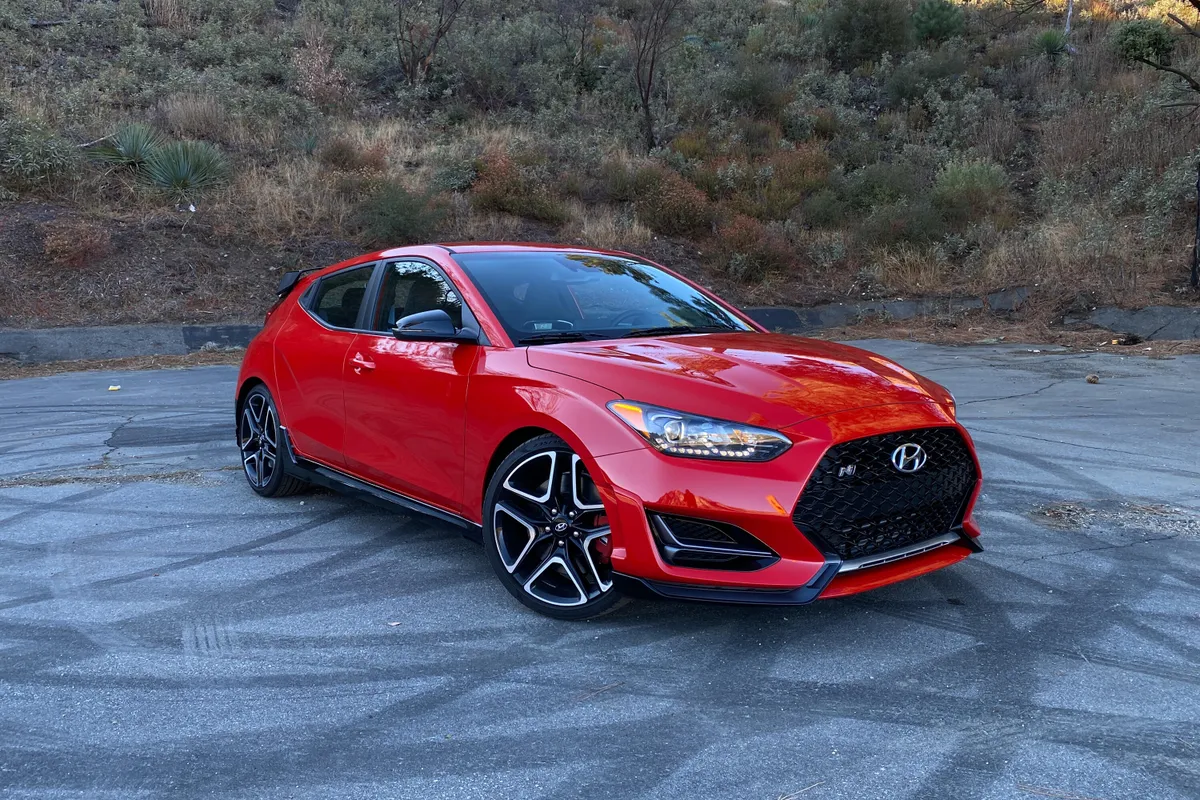
1. Hyundai Veloster: Unreliable Under the Hood
The Hyundai Veloster grabs attention with its sporty styling and unique three-door layout, but its mechanical reliability often disappoints. Many owners report serious issues with the engine and transmission before reaching 100,000 miles.
Faulty clutches, inconsistent build quality, and early powertrain failures undermine its potential as a long-term daily driver. While fun to drive initially, the Veloster tends to become more frustrating over time.
Repair costs can accumulate quickly, making it difficult to justify continued ownership. For those who prioritize durability over design quirks, this hatchback might not be the dependable choice you’re hoping for past six digits.
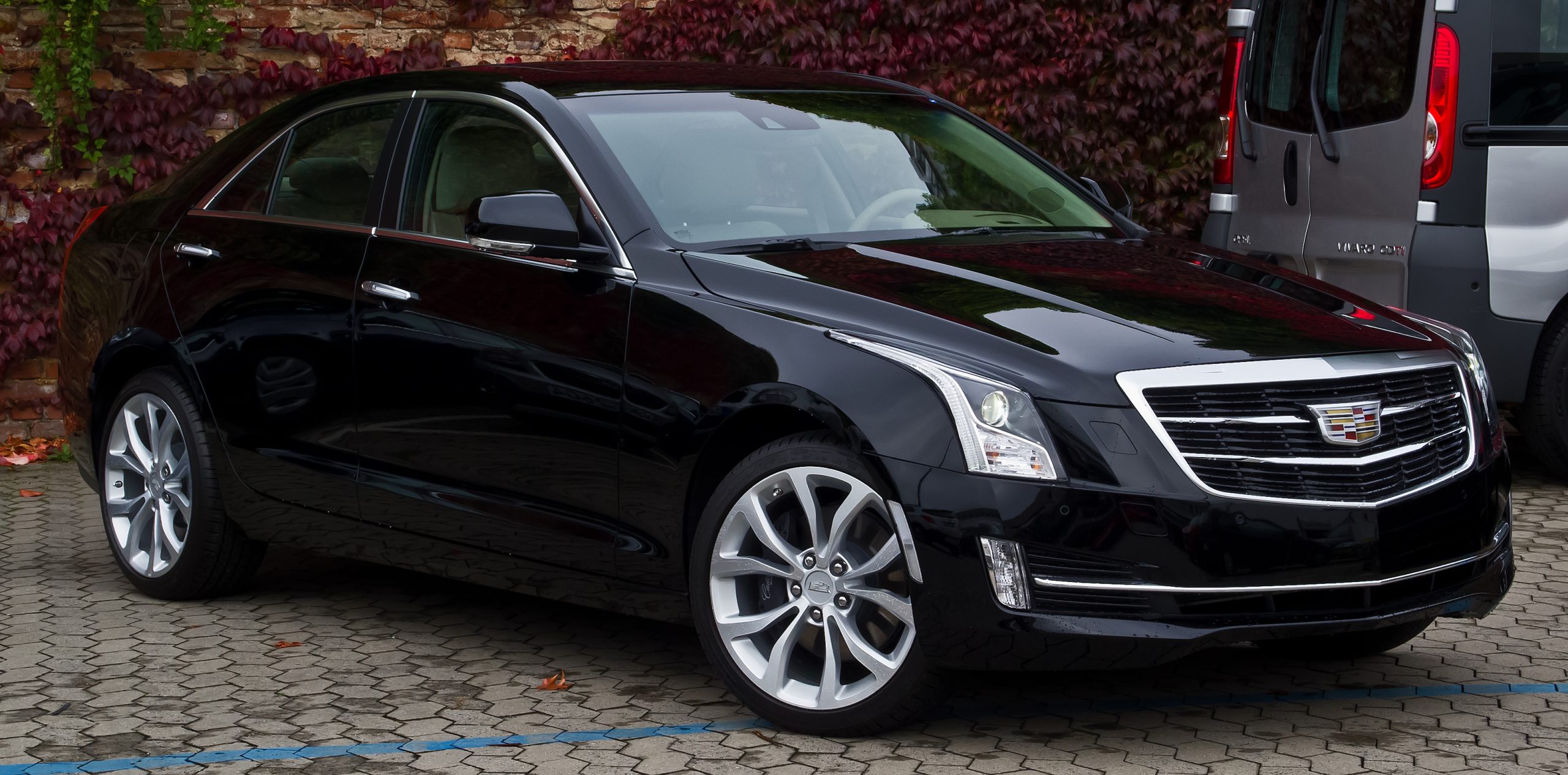
2. Cadillac ATS: Luxury That Doesn’t Last
Sleek styling and crisp handling give the Cadillac ATS a premium appeal, but its reliability track record tells another story. Engine troubles, electrical glitches, and transmission failures often plague this compact luxury sedan before the 100,000-mile mark. These issues aren’t just annoying — they’re expensive.
Maintenance costs for the ATS can quickly spiral, leaving owners with a luxury badge and a hefty repair bill. While it may deliver a refined driving experience early on, its inability to go the distance makes it a poor choice for long-term ownership. Luxury should last, but with the ATS, that’s rarely the case.
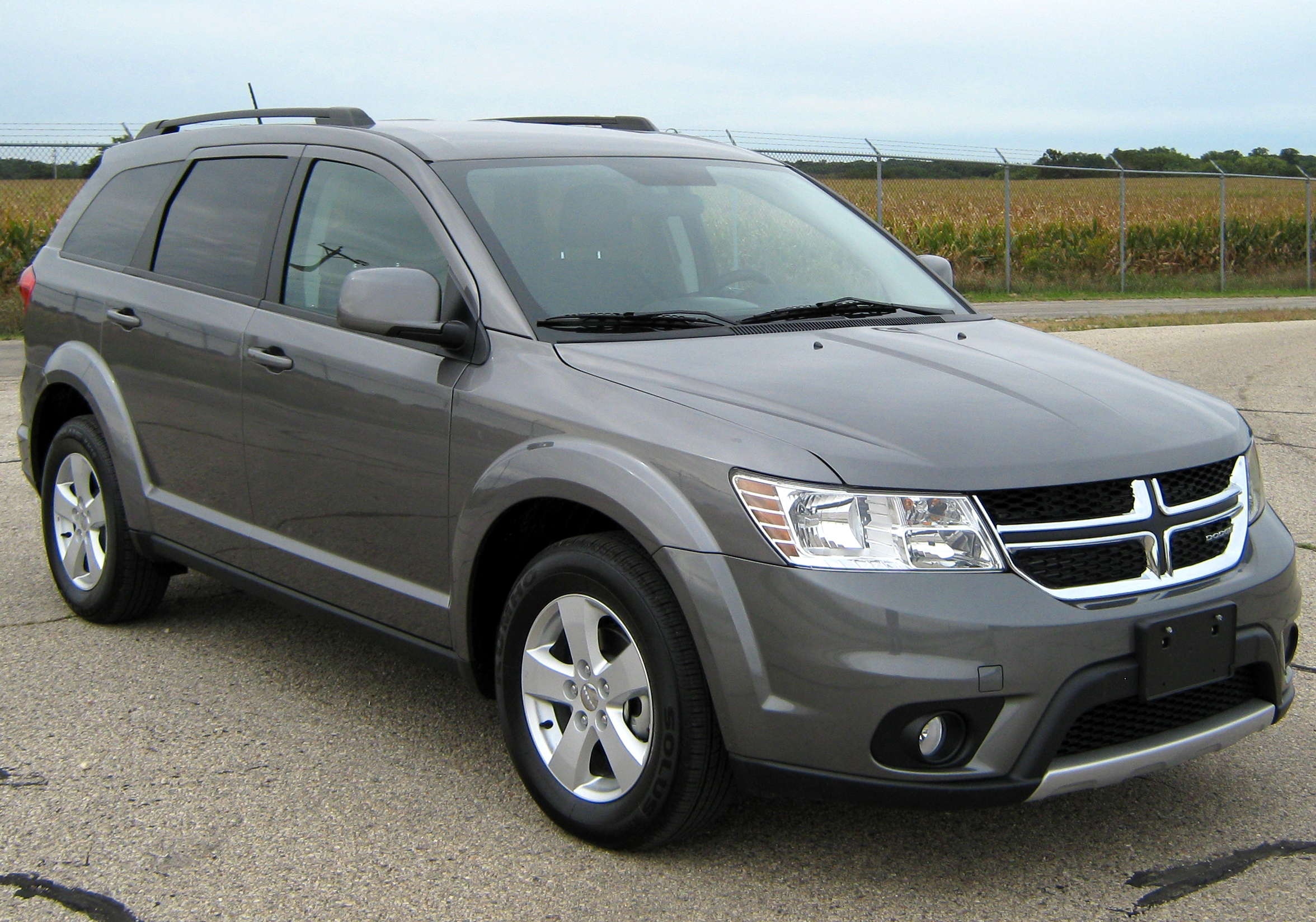
3. Dodge Journey: The SUV That Doesn’t Go Far
Marketed as a family-friendly, budget-conscious SUV, the Dodge Journey rarely lives up to its name. Frequent complaints about premature engine and transmission failures make it unreliable past 100,000 miles. Add in electrical issues and weak overall build quality, and you have a vehicle better suited for short drives than long-term use.
While the spacious interior and convenience features are appealing, they don’t make up for its chronic mechanical failures. The Journey might sound like the perfect road trip companion, but it’s more of a stop-and-fix vehicle. In terms of reliability, this SUV struggles to complete the journey.
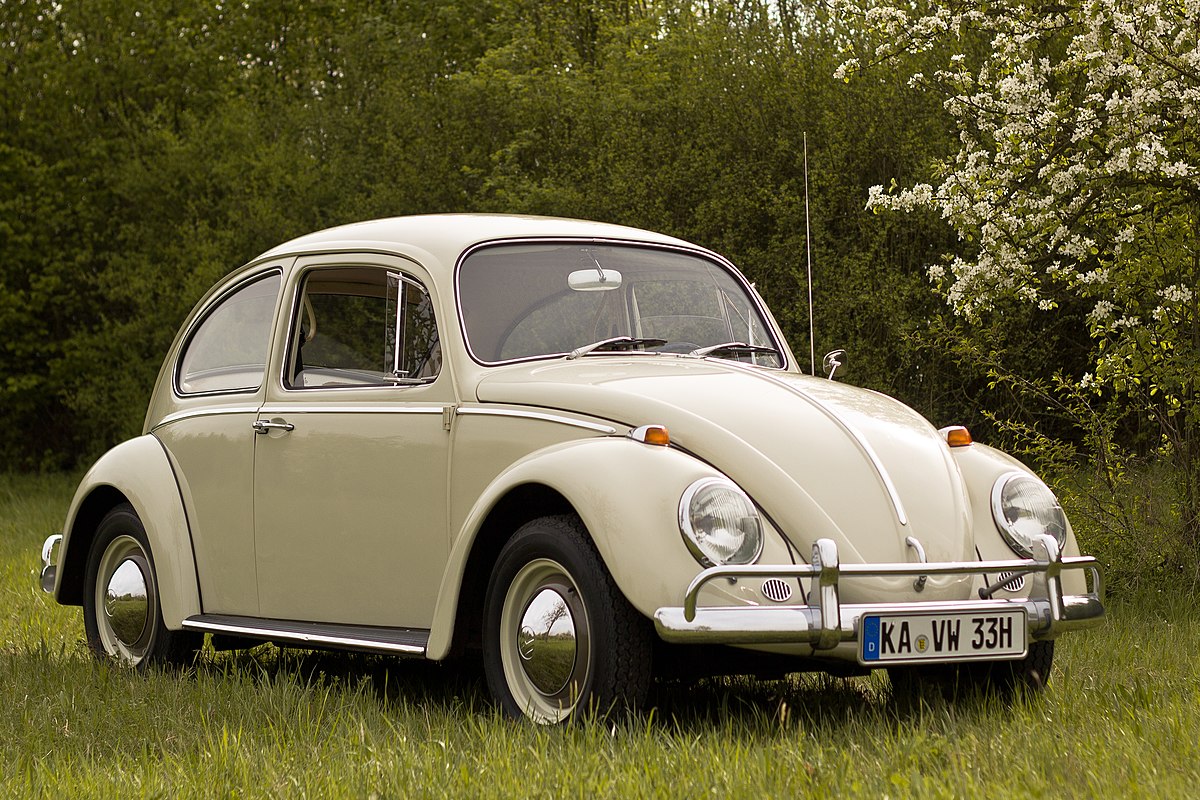
4. Volkswagen Beetle: Retro Appeal, Recurring Repairs
The Volkswagen Beetle may win hearts with its vintage charm and quirky aesthetics, but that nostalgia comes at a cost. As it approaches 100,000 miles, owners often encounter electrical failures, engine malfunctions, and costly transmission issues. These persistent problems can turn ownership into a repair-heavy affair.
While it offers a fun and distinctive ride, long-term dependability is not its strong suit. Maintenance expenses quickly add up, especially considering the high price of imported parts. For all its visual flair and historical appeal, the modern Beetle lacks the rugged durability necessary to stand the test of time on today’s roads.
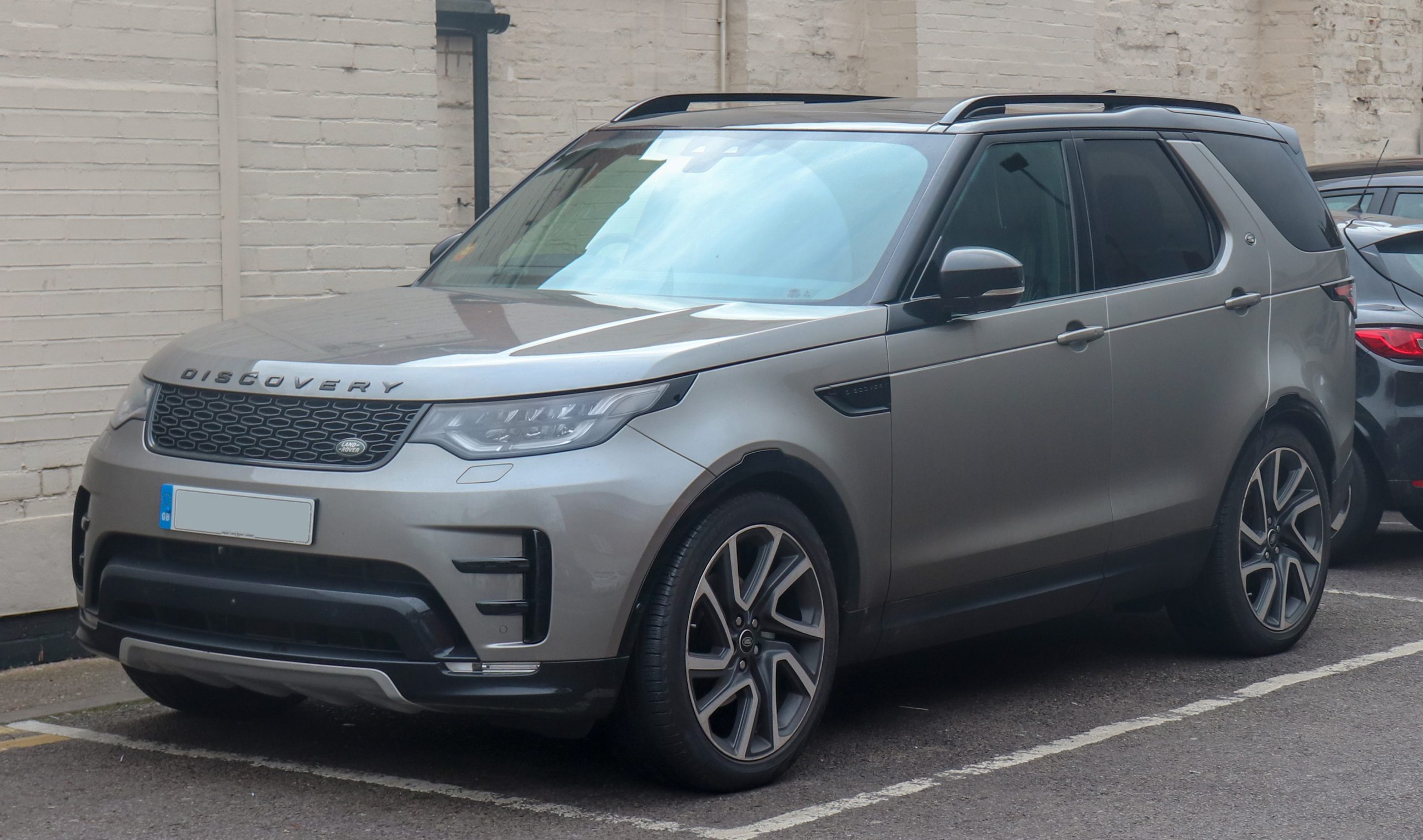
5. Land Rover Discovery: Adventure Cut Short
With its off-road prowess and upscale features, the Land Rover Discovery seems like a dream for adventurous drivers. But as the miles add up, the reality becomes far less inspiring. Mechanical failures involving the engine, transmission, and complex electronics commonly emerge before the 100,000-mile mark.
Maintenance costs for the Discovery are notoriously high, and parts can be hard to find and expensive. Even routine fixes often require specialist attention. Despite its luxury and rugged design, the Discovery isn’t built to endure. For those seeking dependable performance beyond the showroom, this SUV is a gamble not worth taking.
Also Read: 10 Cars That Survive Teen Drivers Built Tough Safe Smart and Budget Friendly
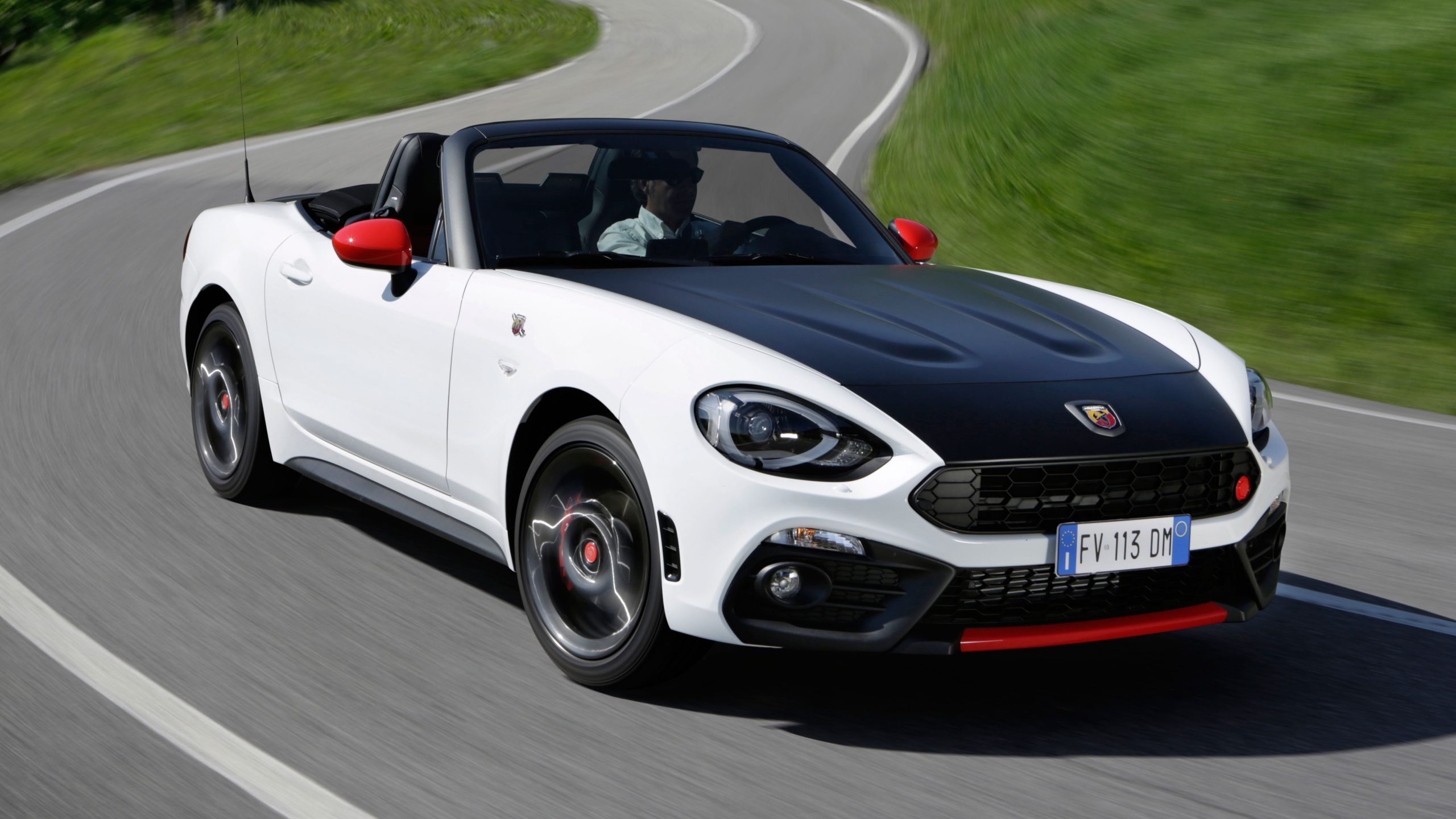
6. Fiat 124 Spider: A Short-Lived Romance
The Fiat 124 Spider offers plenty of charm with its retro design and lively handling, but it struggles to deliver long-term value. Reliability issues often crop up early, including faulty turbochargers, oil leaks, and recurring electrical problems. These concerns usually appear well before 100,000 miles, cutting the vehicle’s lifespan short.
As a convertible, it’s a fun choice for weekend getaways, but daily driving and high-mileage use reveal its weaknesses. Repair costs are high, and parts availability can be a headache. For all its driving joy and aesthetic flair, the 124 Spider is better as a fleeting fling than a lasting partner.
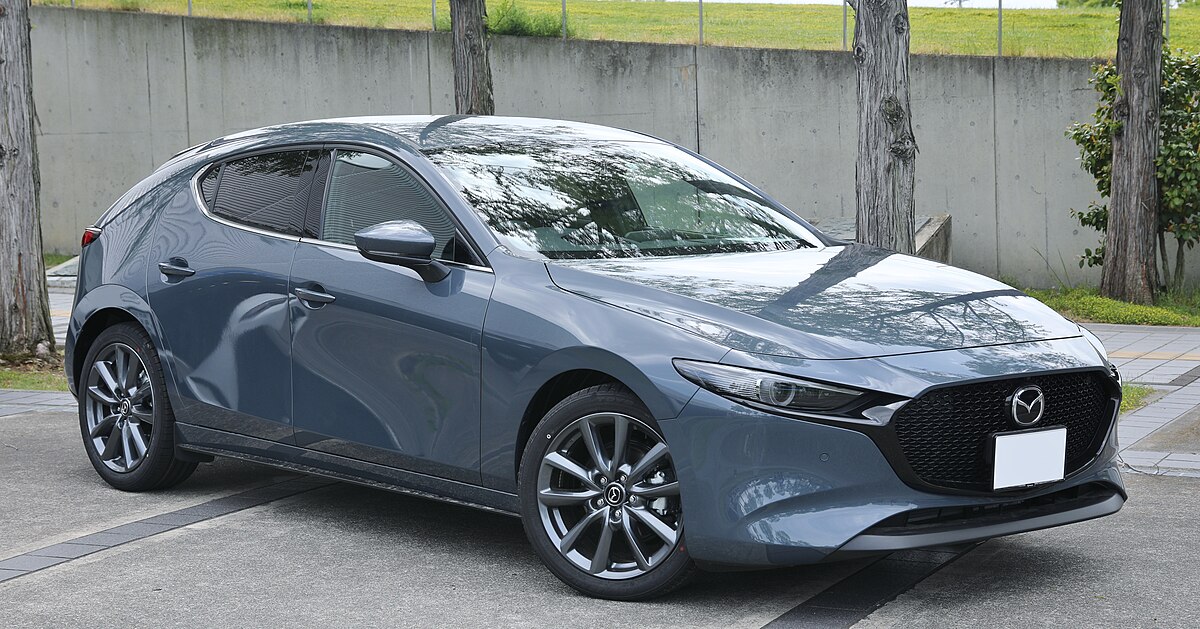
7. Mazda 3: Driving Thrill, Diminishing Trust
The Mazda 3 is praised for its sharp handling and dynamic performance, but its long-term reliability leaves room for concern. Owners frequently report issues such as excessive oil consumption and electrical malfunctions as mileage increases. These problems tend to surface before 100,000 miles, often requiring costly repairs.
While the vehicle excels in providing a fun and responsive drive, mechanical flaws can undermine its appeal for those seeking dependable transport. Mazda’s stylish compact might win in the looks and excitement department, but it falters in durability. It’s a car that delivers early satisfaction, not lasting security on the road.
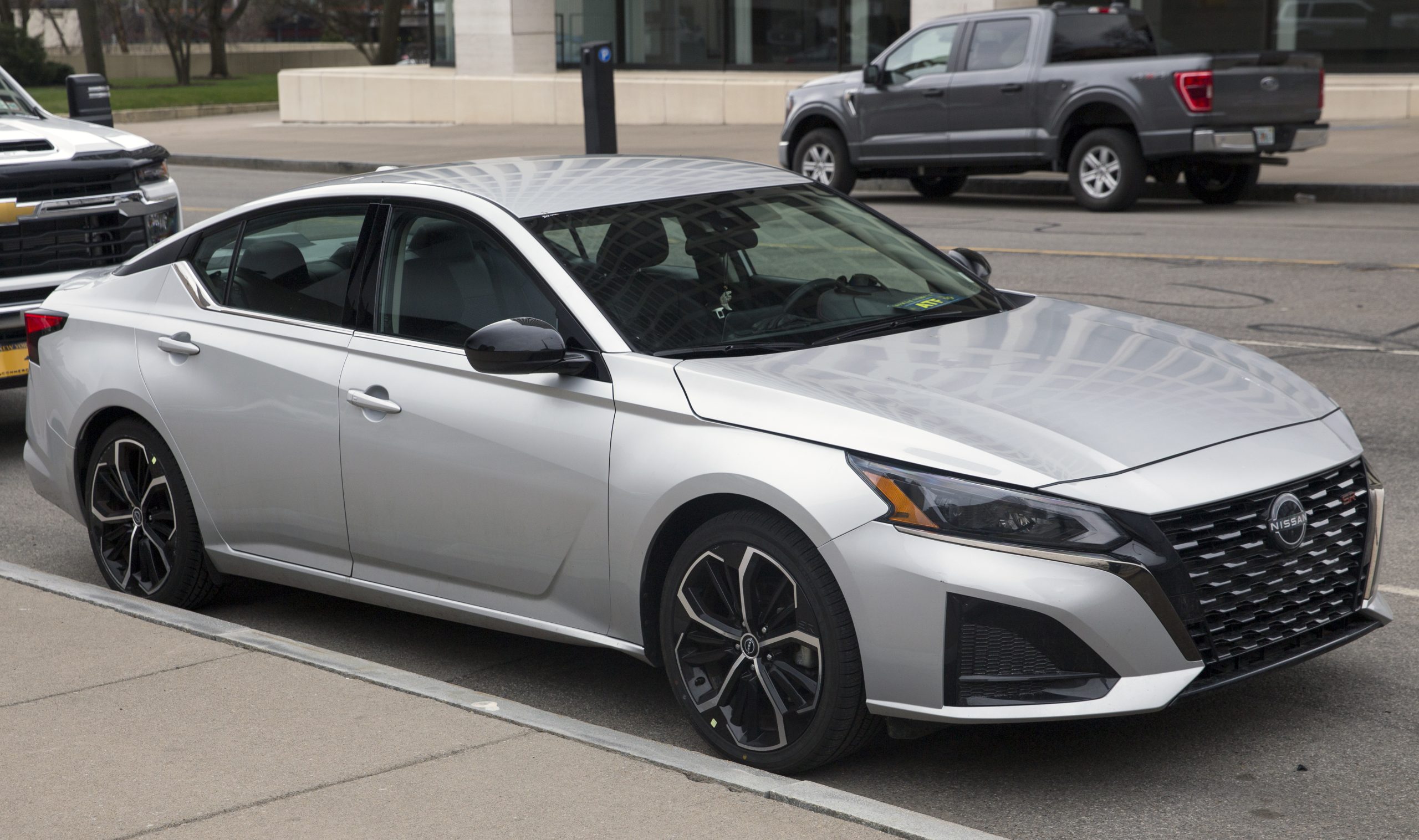
8. Nissan Altima: Budget Buy, Expensive Burden
The Nissan Altima offers initial affordability and decent fuel economy, but long-term reliability is a concern. One of the most consistent complaints is premature transmission failure, which frequently occurs before the car reaches 100,000 miles. Build quality also falls short, contributing to a range of mechanical issues over time.
While some Altimas can pass the six-digit milestone with careful upkeep, it’s far from guaranteed. As maintenance demands increase, ownership becomes less cost-effective. What begins as a budget-friendly commuter often evolves into an ongoing repair project. For peace of mind and long-term value, the Altima is a risky bet.
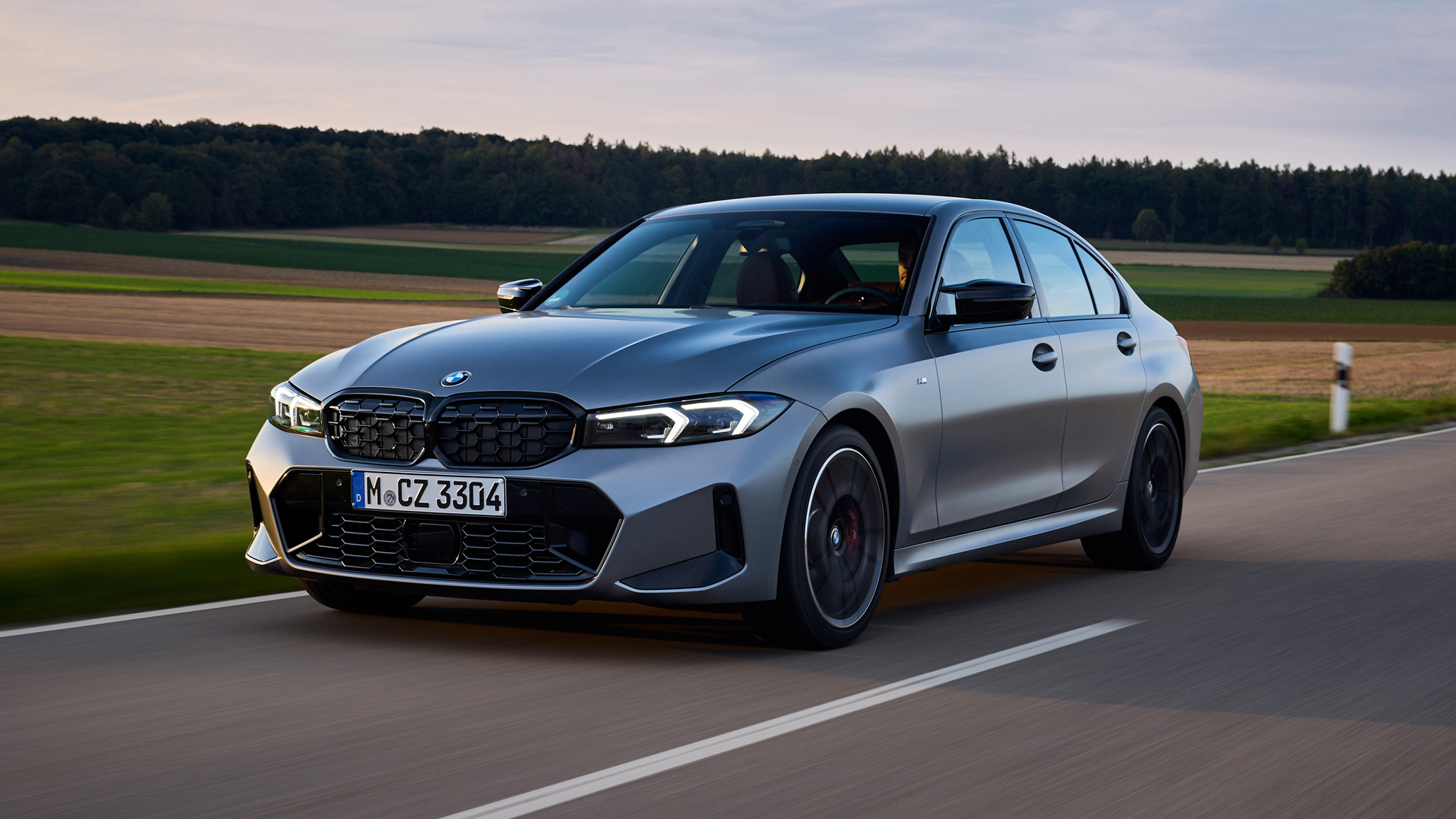
9. BMW 3 Series: High Maintenance, Low Mileage Potential
The BMW 3 Series promises precision engineering and luxury driving dynamics, but it’s a tough car to trust after the odometer nears 100,000 miles. Engine cooling issues, turbo failures, and complex electronic faults are all too common in aging models. Repairing a BMW isn’t cheap — parts and labor often come with a premium.
While it delivers an exhilarating drive, the 3 Series demands significant investment to stay on the road. For buyers who expect both luxury and reliability, this model rarely delivers both. It’s a great car for short-term enjoyment, but a questionable choice for the long haul.
10. Chrysler 300: Elegance Undone by Reliability Woes
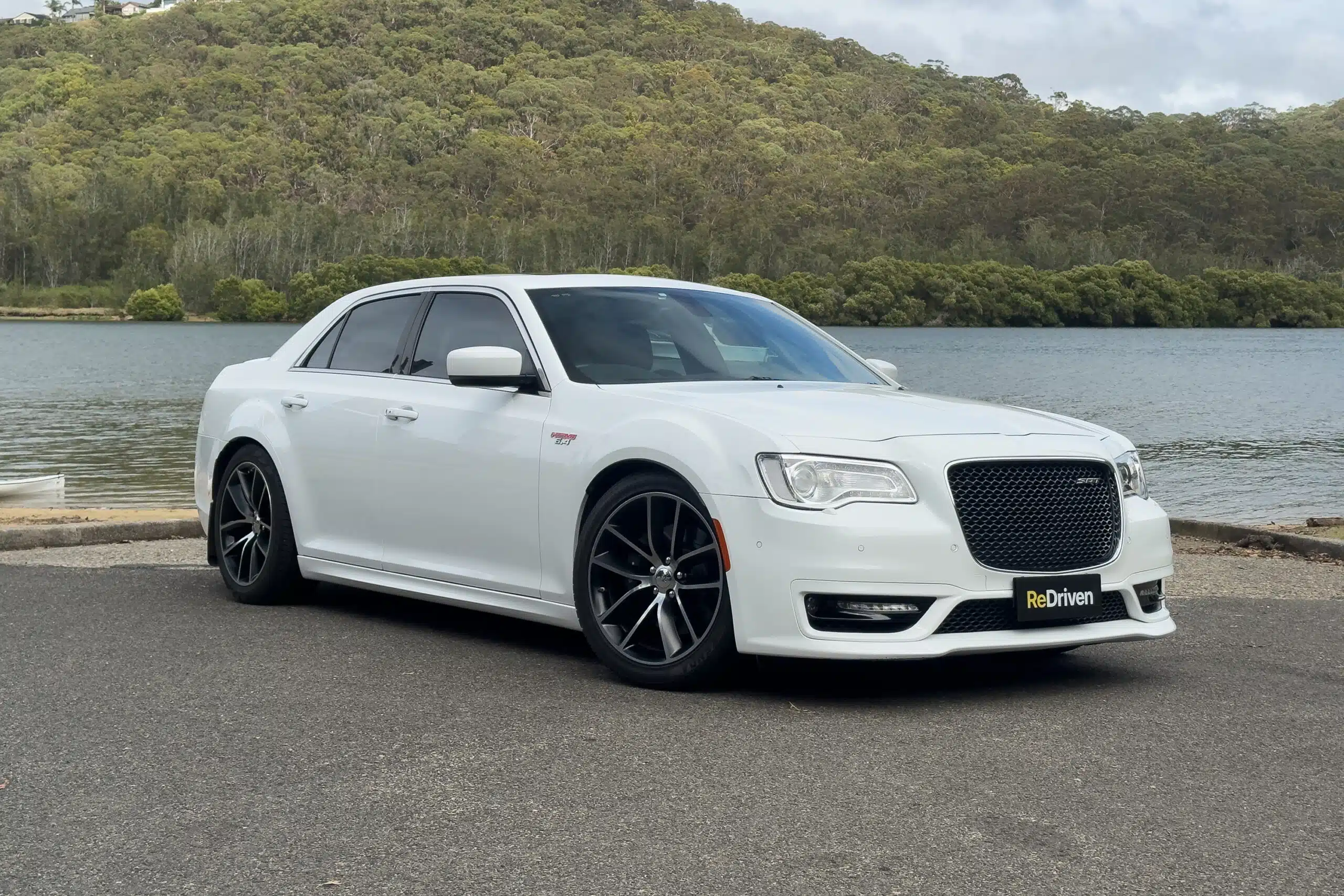
The Chrysler 300 makes a strong first impression with its bold styling and spacious interior, but those qualities fade fast under the weight of mechanical issues. Transmission problems, electrical faults, and engine failures often appear early — sometimes well before 100,000 miles.
Despite a powerful engine and smooth ride, its frequent breakdowns and high maintenance costs tarnish the ownership experience. While it’s visually striking and comfortable, the Chrysler 300 lacks the dependability to be a true long-term performer.
For drivers hoping to invest in a luxury sedan that endures, this model frequently disappoints as the miles pile on.
A car’s true value is measured not by its initial features, but by how well it stands the test of time. The vehicles listed above may impress on paper — some offer style, performance, or brand prestige — but they often crumble under the pressure of extended ownership.
Reaching 100,000 miles shouldn’t be a heroic feat, yet for these models, it often is. From excessive repair costs to consistent mechanical failures, these cars remind us that not all that glitters is gold. If longevity and peace of mind matter most, consider skipping these options and choosing something more proven and dependable.
Also Read: 10 Cars Mechanics Secretly Drive Themselves: Reliable, Affordable, Easy to Maintain Daily Drivers