When you’re shelling out serious cash for a car, speed and style are cool—but let’s be real, longevity is king. No one wants to be stranded on the side of the road six months after dropping their savings on a “great deal.” Some cars earn cult status not because they’re flashy, but because they just won’t die.
We’re talking about those over-engineered, borderline indestructible machines that seem to laugh in the face of time. Old-school SUVs built like brick walls, legendary sedans that chew up miles without complaint, and off-road beasts that keep going even after decades of punishment.
But then there’s the dark side—cars that look good on paper, maybe even drive great at first, but age like unrefrigerated milk. Plastic parts, fragile sensors, sloppy manufacturing… suddenly, every trip to the mechanic feels like a game of Russian roulette. These are the cars that start falling apart right after the warranty ends—sometimes even before.
This post lays it all out: five rock-solid, war-ready vehicles that can take a beating and still run strong, and five that you’ll probably regret owning once reality sets in.
If you’re shopping used or just trying to avoid a future headache, this is the kind of info that could save your wallet (and your sanity). Let’s cut through the hype and talk about which rides are truly worth your trust—and which ones will leave you questioning every decision you’ve made.
5 Overbuilt Tank-Like Cars
These are the legends of longevity—cars that just don’t know how to quit. They’re not just reliable; they’re borderline indestructible. Whether it’s a body-on-frame SUV that’s seen more dirt trails than city roads or a sedan known for crossing 300,000 miles without blinking, these vehicles were clearly built with durability in mind.
No fancy gimmicks, no overcomplicated tech—just solid engineering and quality parts that stand up to real-world abuse.
These cars have earned their reputation in harsh conditions: desert heat, icy winters, rural backroads, and everything in between. You’ll find them still running strong in taxi fleets, rural towns, and even war zones.
They’re the kinds of vehicles that get passed down from parent to kid, and still have plenty of life left in them. Ask any seasoned mechanic—they’ll tell you these are the cars that rarely need more than basic maintenance.
Here are five cars that feel like they were designed to outlive us all.
ALSO READ: 5 Nissans That Exceed 100,000 Miles vs 5 That Die Young
1. Toyota Land Cruiser (J80 & J100)
If you’re talking about automotive tanks, the Toyota Land Cruiser J80 and J100 generations sit at the throne. Built with a bulletproof inline-six engine (the 1FZ-FE in the J80) and solid front and rear axles, these SUVs are known to cross the 400,000-mile mark without breaking a sweat.
Originally engineered for global military and humanitarian missions, the Land Cruiser is not just durable—it’s engineered for survival in the most unforgiving terrains on Earth.
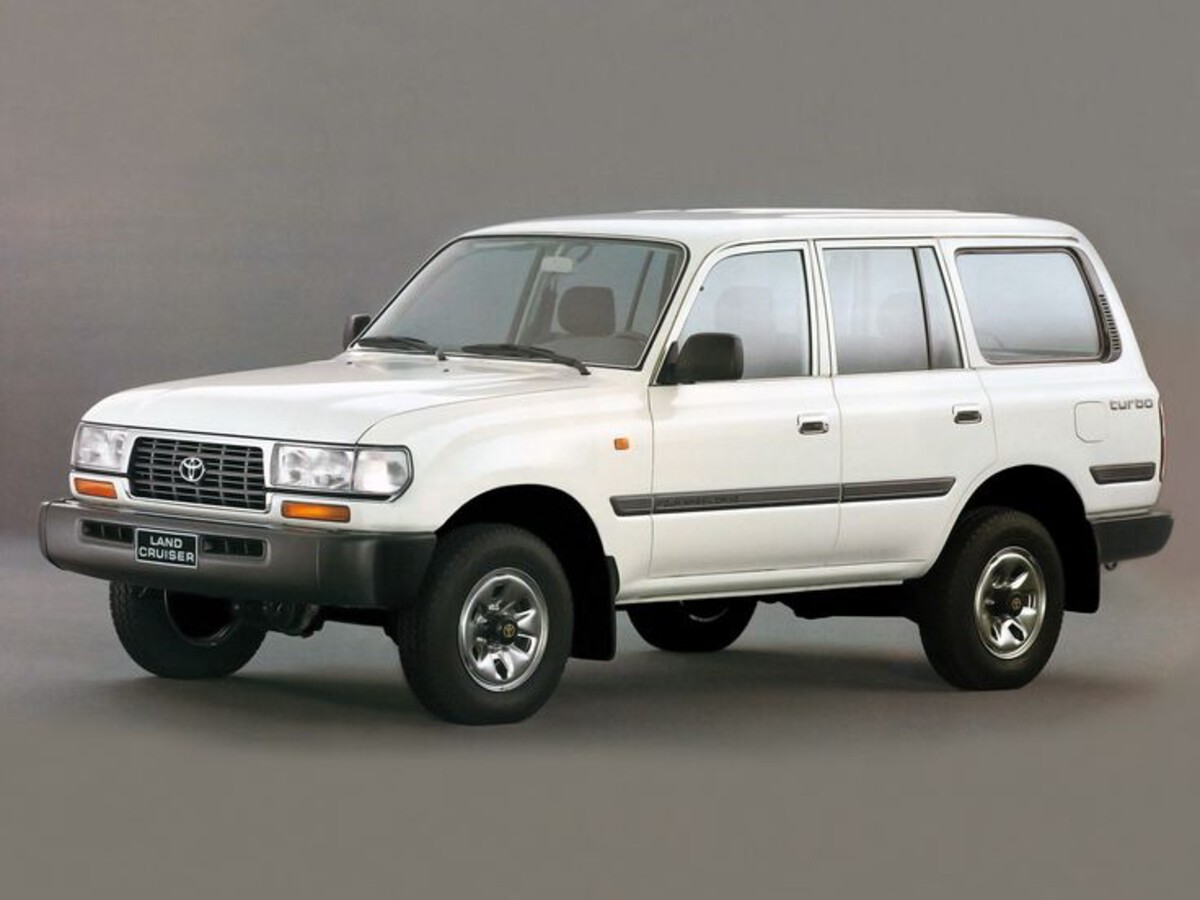
Owners swear by the Land Cruiser’s ability to keep going no matter what—desert heat, jungle mud, or snow-covered mountains. The frame is overbuilt, and the body is engineered to take abuse. Even the suspension system is set up to favor durability over luxury. Yes, it’s thirsty on gas and isn’t the flashiest SUV out there—but it was never meant to be.
The Land Cruiser commands a premium in the used market because people know what they’re getting—reliability, longevity, and peace of mind. It’s not just a car; it’s a companion that can outlive multiple owners. Whether you’re on an African safari or doing school drop-offs, the Land Cruiser doesn’t know how to quit. If there’s one car that can handle the end of the world, it’s this one.
2. Volvo 240 Series
The Volvo 240 wasn’t fast, sexy, or exciting—but it was immortal. Produced between 1974 and 1993, this Swedish brick on wheels became a legend in reliability circles. Its boxy shape wasn’t just aesthetic—it was practical, roomy, and built like a tank. The 240 was favored by families, police departments, and taxi services alike for one reason: it simply refused to die.
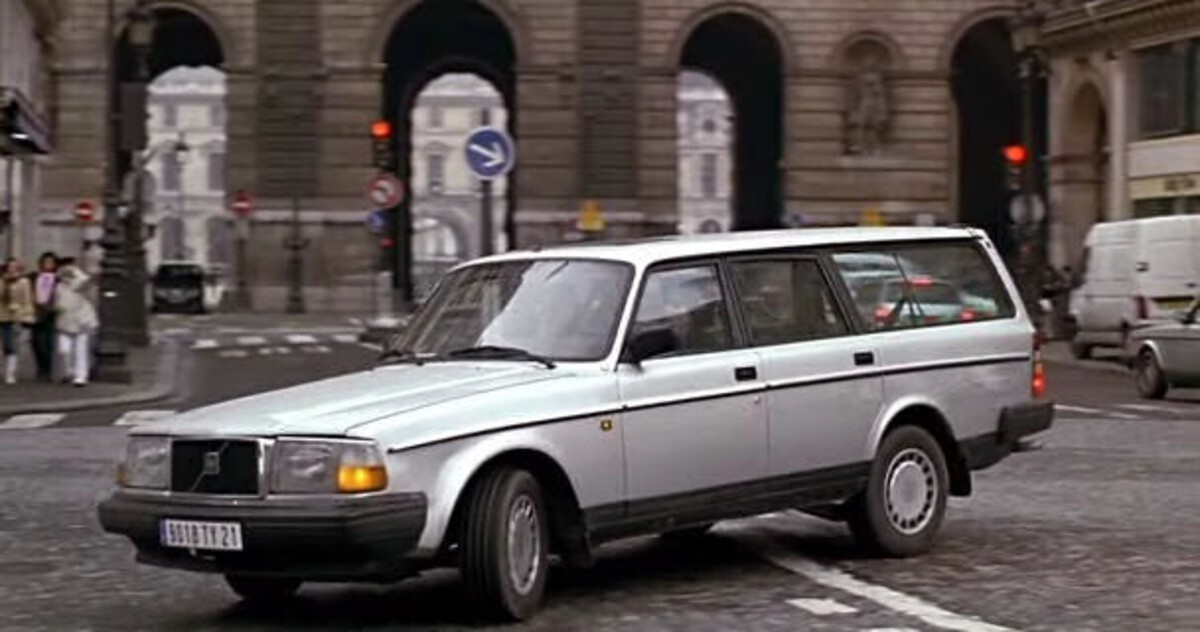
Under the hood, most models housed the B21 or B230 engines—inline-four workhorses known for their mechanical simplicity and absurd durability. Timing belts were easy to change, and the engines could run even when neglected. Plus, Volvo’s early commitment to safety made the 240 one of the toughest, most crash-resilient vehicles of its time.
Rust protection was ahead of its era, and the interior plastics were thick and high quality. It’s not uncommon to find 240s still rolling with 300,000+ miles, often with original engines and transmissions. Owners form emotional bonds with these cars because they’re loyal, predictable, and built with an engineer’s sense of longevity.
Today, the 240 has become a cult classic. Whether it’s doing daily duty or preserved in vintage collections, the 240 is a shining example of how reliability can outlast fashion. It’s more than just a car—it’s a statement of practicality and patience.
3. Mercedes-Benz W123
Talk about overengineering—Mercedes-Benz’s W123 series (1976–1985) was built to a standard, not a price. These sedans, wagons, and coupes were engineered during a time when Mercedes prided itself on unmatched durability and mechanical precision. The W123 wasn’t just a luxury car—it was a global workhorse that racked up insane mileage figures, often in harsh climates.
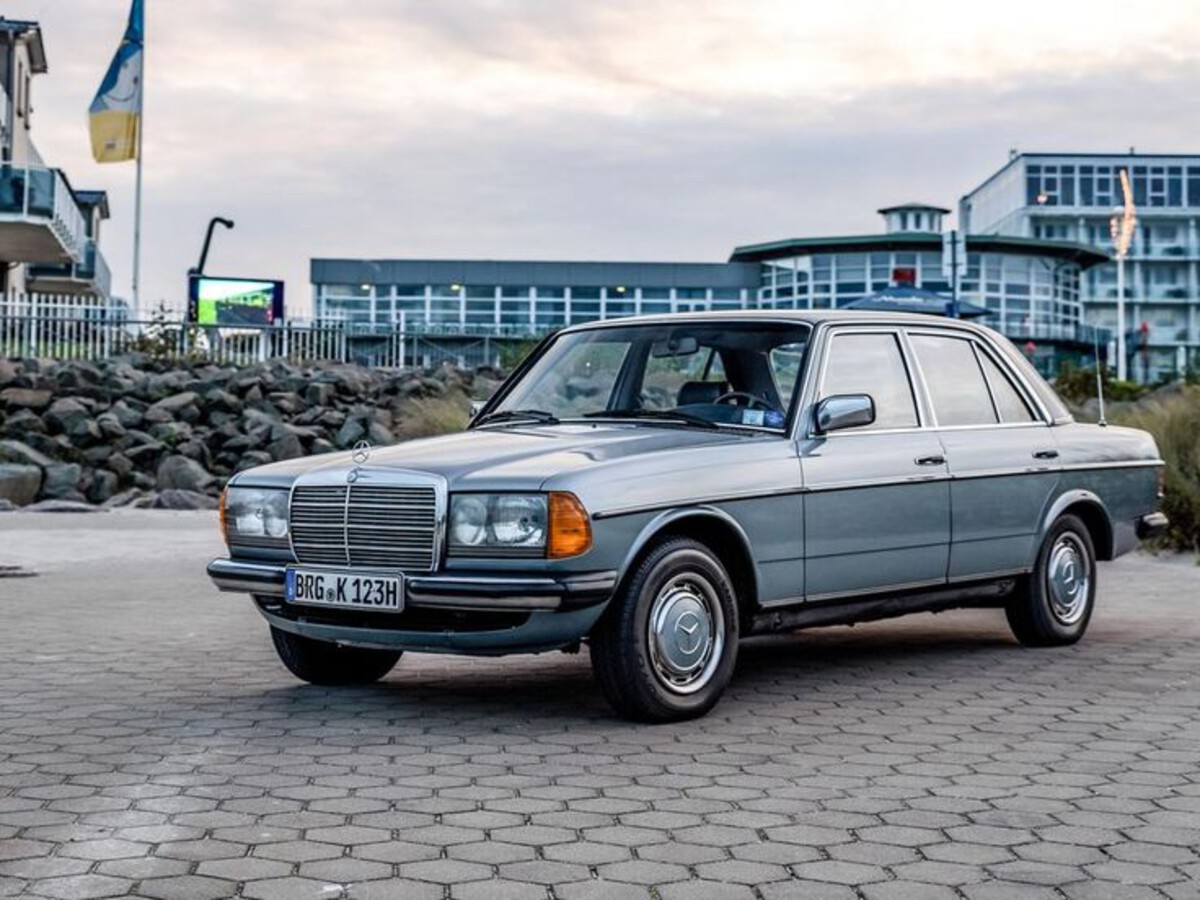
The diesel variants, especially the 240D and 300D, are almost mythically durable. With minimal electronics and ultra-reliable inline-four or inline-five diesel engines, these cars are known to eclipse 500,000 miles with just basic maintenance. Taxi drivers in Africa, the Middle East, and Europe used (and still use) them because they were so rugged and easy to repair.
Built with solid metal panels, high-quality glass, and interiors that aged gracefully, the W123 feels like a rolling vault. The suspension soaked up rough roads, and the brakes and steering were incredibly reliable. Even after decades, parts availability remains strong due to Mercedes’ legacy support.
Yes, they’re slow by today’s standards, and they smell a little like diesel and nostalgia. But the W123 wasn’t about speed—it was about forever. It’s the kind of car that makes you believe machines can have souls, especially when they’ve outlived your entire garage.
4. Lexus LS400 (UCF10)
The Lexus LS400, introduced in 1989, was Toyota’s take on what a luxury car should be if built with surgical precision. The result? A V8-powered sedan that changed the game—and redefined reliability in the luxury segment. This was Toyota’s moonshot: over 400 prototypes, millions of test miles, and an obsessive focus on quietness, quality, and durability.
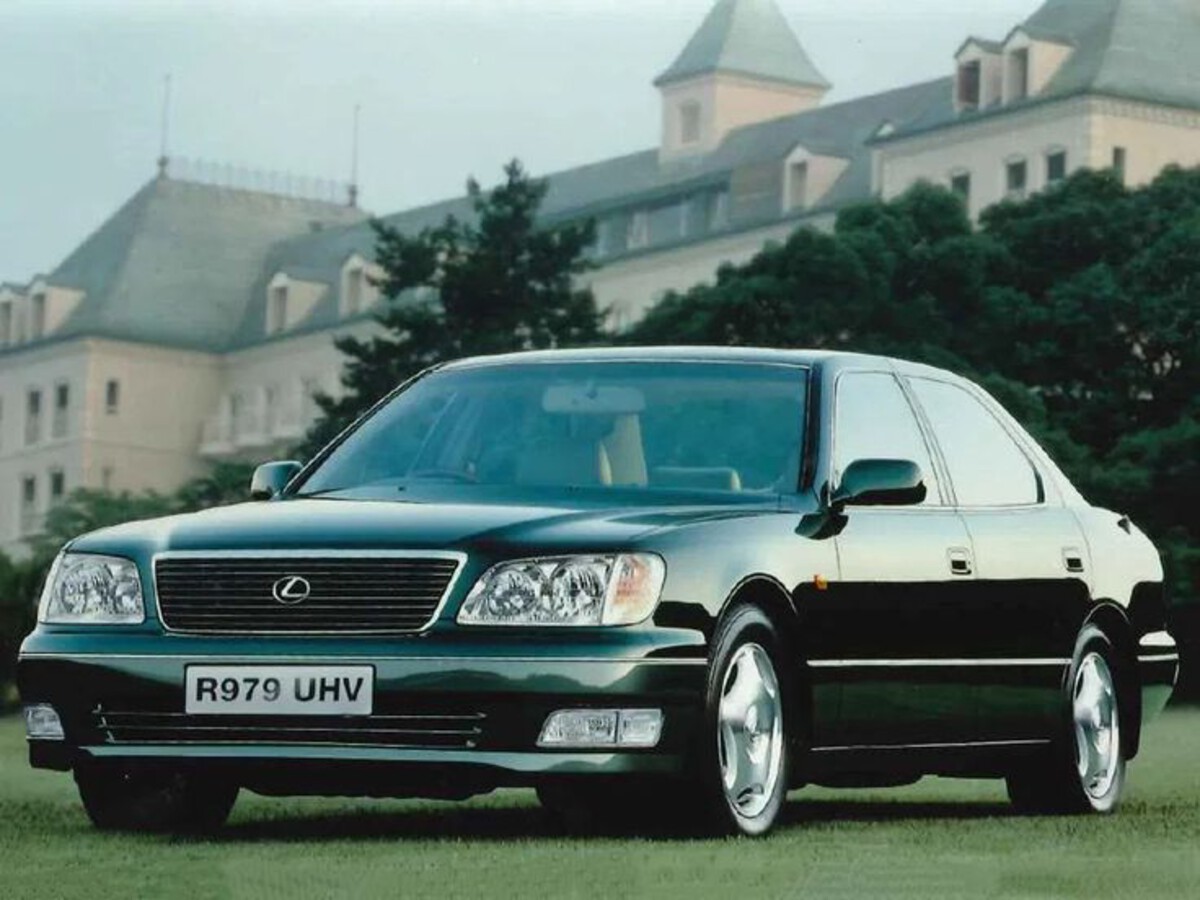
Powered by the 1UZ-FE engine—a 4.0L all-aluminum V8 that’s nearly indestructible—the LS400 could clock 400,000+ miles with minimal trouble. The powertrain was mated to a buttery-smooth automatic transmission, and the entire chassis was built like a high-end bank vault. Everything from the door seals to the suspension was designed with long-term durability in mind.
Despite being packed with features, the electronics rarely fail. Even the leather and interior trim wear slowly compared to German rivals. Enthusiasts still seek these cars for daily driving or VIP-style modification because the base platform is so overbuilt.
The LS400 delivered luxury, silence, and bulletproof reliability in one package. In many ways, it embarrassed the German brands of its time by proving that luxury didn’t have to mean “high maintenance.” It’s a car that not only lasts—it ages with grace. The LS400 didn’t just set a new standard—it became a timeless legend.
5. Honda Accord (1994–1997)
When people talk about cars that “just keep running,” the mid-90s Honda Accord is always in the conversation. The fifth-generation Accord (1994–1997) represented peak Honda engineering—simple, reliable, and made from high-quality materials. It had everything you needed and nothing you didn’t.
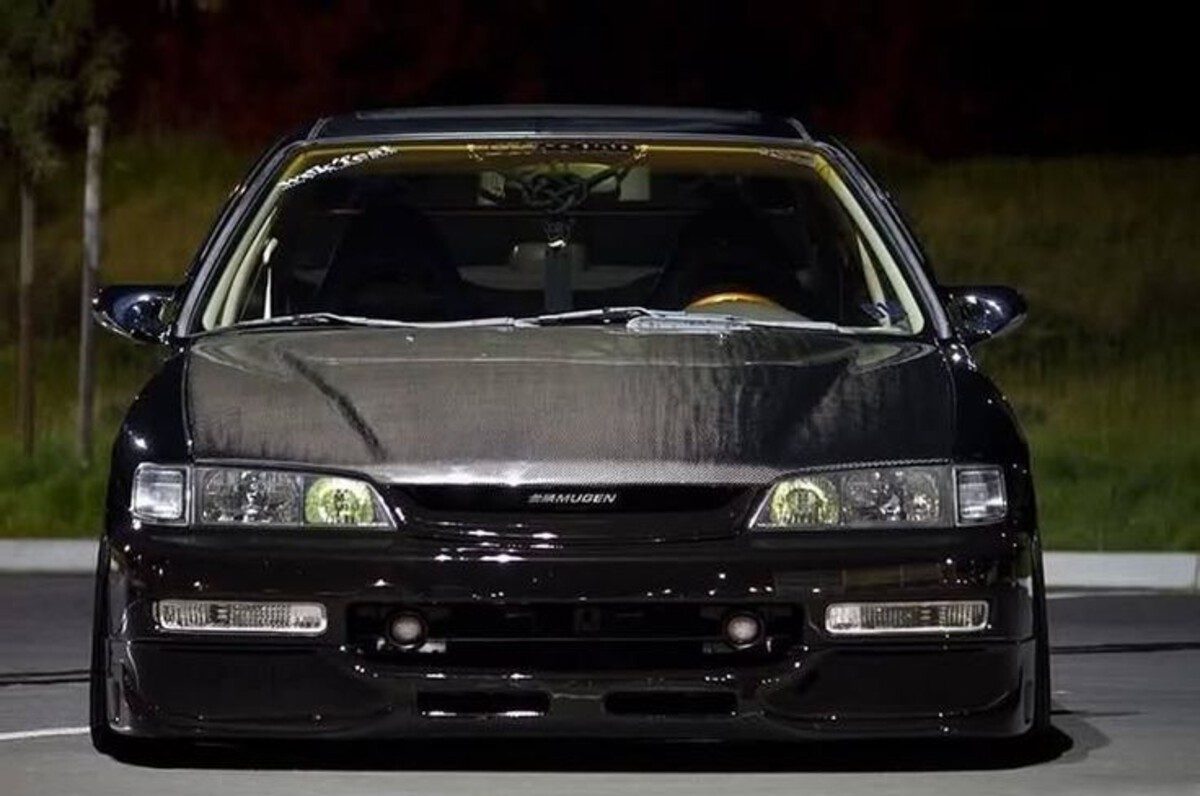
Powered by Honda’s legendary F-series inline-four engines, these Accords were known to run smoothly well past 300,000 miles with only basic maintenance. The transmissions were robust, the suspensions were well-balanced for comfort and handling, and the overall build quality was far ahead of most competitors in the segment. You could daily drive it, road trip it, or even autocross it—these cars just worked.
One major reason for their long life? Honda’s obsessive attention to detail. From the way the panels were aligned to the rock-solid engine mounts and intuitive dashboard layout, it felt like everything was built by people who cared.
These Accords earned a reputation for being the kind of car that never lets you down. They didn’t have the flashy tech or digital gimmicks seen today—but they had integrity in every bolt and bracket. Even now, they’re sought after by those who want a reliable daily or project car. In a world full of disposable vehicles, the old Accord is a testament to timeless dependability.
5 That Fall Apart Early
Some cars are built to last. Others? Not so much. They might grab your attention with sleek styling, fancy tech, and a price that feels too good to pass up—but give it time, and the cracks start showing. Early engine troubles, bizarre electrical glitches, and cheap interior materials that fall apart faster than you’d expect are all red flags that start popping up.
What looked like a sweet deal quickly turns into a headache. These are the cars that end up earning a reputation for unreliability—not because of one bad batch, but because they consistently disappoint. If you like your weekends free and your wallet intact, these rides aren’t for you. Repairs pile up, warranties expire too soon, and suddenly that affordable price tag doesn’t seem so affordable anymore.
They overpromise and underdeliver. So unless you enjoy surprise dashboard lights and expensive “check engine” mysteries, you’re better off skipping the eye candy and picking something proven. Because when life hits hard—and it will—you want a car that doesn’t fold under pressure.
ALSO READ: 5 Subarus That Run Forever vs 5 With Notorious Head Gasket Issues
1. Chrysler Sebring (2001–2006)
The early 2000s Chrysler Sebring was marketed as a stylish mid-size offering, but under the hood, it was a masterclass in how not to build a durable car. While it looked decent with its sleek lines and available convertible version, the mechanical reliability was nothing short of a disaster.
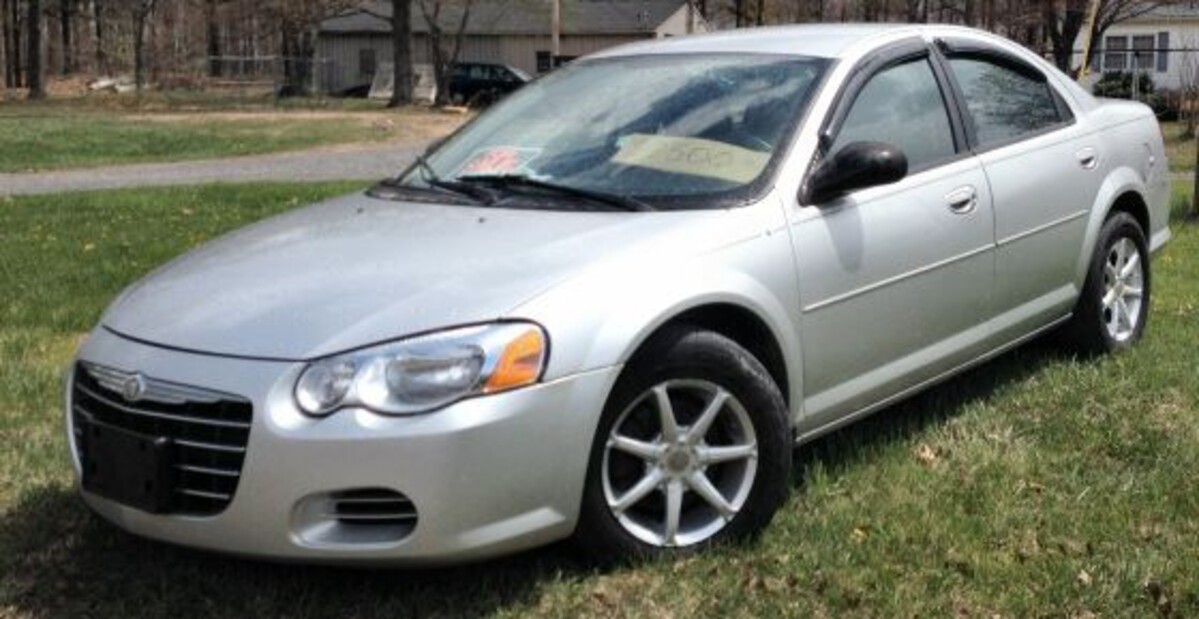
One of the biggest problems was its engine options, particularly the 2.7L V6, which was notorious for sludge buildup and early engine failure, often before reaching 100,000 miles.
Poor cooling system design and cheap internal components only made things worse. Add in fragile transmissions and unreliable electronics, and you have a car that was more likely to be seen on the side of the road than in your driveway.
Interior materials didn’t fare any better. Dashboards cracked, trim peeled, and buttons faded or broke with minimal use. Owners complained of constant repairs, and resale value tanked quickly. Even routine maintenance was complicated by poor under-hood layouts and low-quality parts.
In short, the Sebring was a car that aged like milk. What might have seemed like an affordable, attractive buy at the time turned into a rolling headache for many owners. If you ever wonder why Chrysler’s reputation dived in the 2000s, look no further than the Sebring.
2. Mini Cooper (2007–2013)
The second-generation Mini Cooper (known internally as the R56) looked like a charming blend of retro flair and go-kart fun, but behind that quirky styling was a frustrating ownership experience for many. BMW’s influence brought complexity, but not durability.
The turbocharged 1.6L engine in the Cooper S models had notorious issues with carbon buildup, timing chain tensioner failures, and oil consumption.
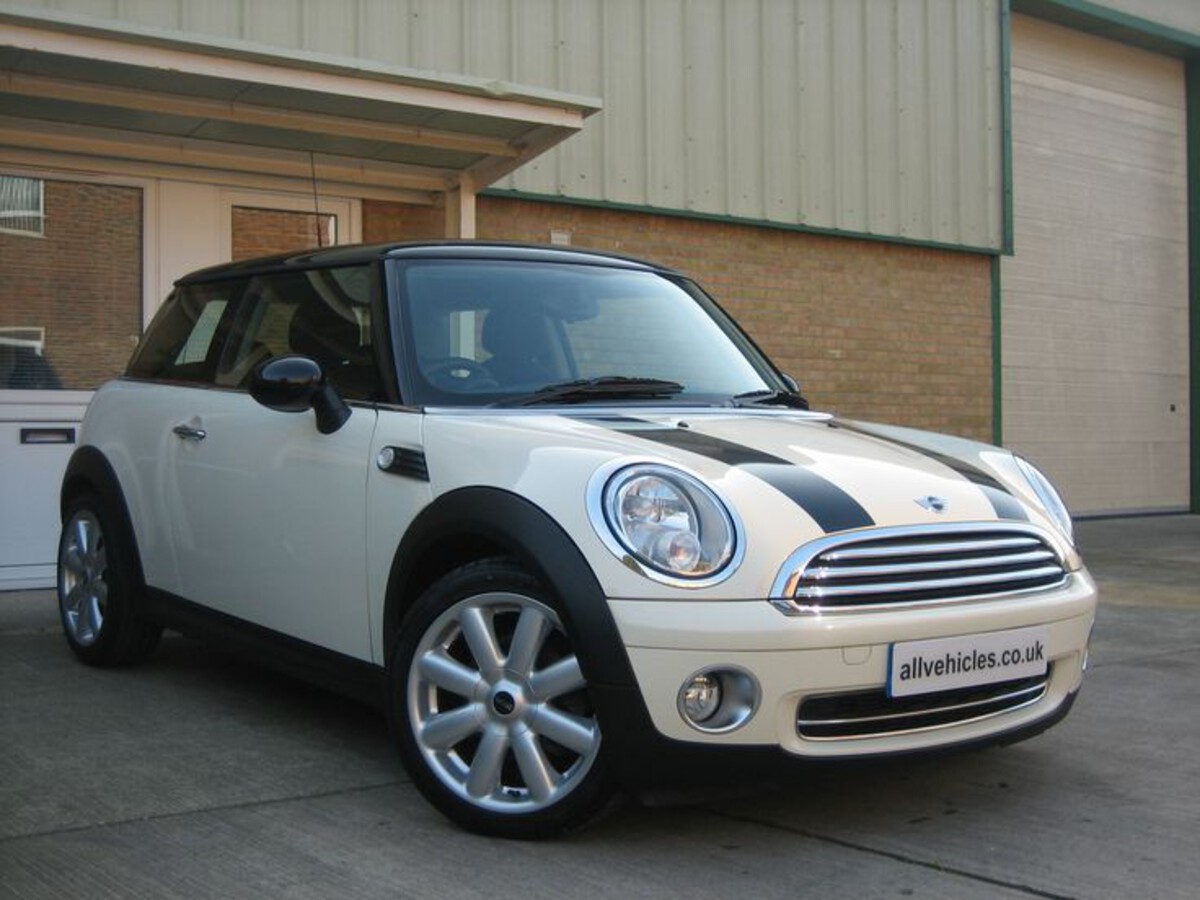
These weren’t just minor annoyances—they often led to catastrophic engine failure before 100,000 miles if not caught early. Even the naturally aspirated base models weren’t free of problems, with inconsistent idles, ECU glitches, and frequent check engine lights.
The automatic transmissions in these models also had a high failure rate, and replacements weren’t cheap. To make matters worse, parts and labor costs were more than BMW’s budget, making even simple repairs surprisingly expensive.
Inside, the unique but cluttered dash layout aged poorly, with fragile plastics and intermittent electrical faults. Owners often fell in love with the aesthetics but were burned by long-term ownership costs and constant repairs.
Despite its fun-to-drive nature, the Mini Cooper R56 is a prime example of a car that lacks the reliability to match its charm. If you’re not ready to spend weekends fixing it or a fortune keeping it running, this is one to avoid.
3. Fiat 500 (2012–2019)
When Fiat returned to the U.S. market with the 500, hopes were high for a fun, compact, European-style city car. But reality hit hard. While the 500 charmed drivers with its retro looks and nimble size, it quickly gained a reputation for mechanical and electrical gremlins that made ownership more frustrating than fun.
The biggest offenders were transmission problems—especially the automatic variants, which suffered from jerky shifting, laggy response, and premature failure.
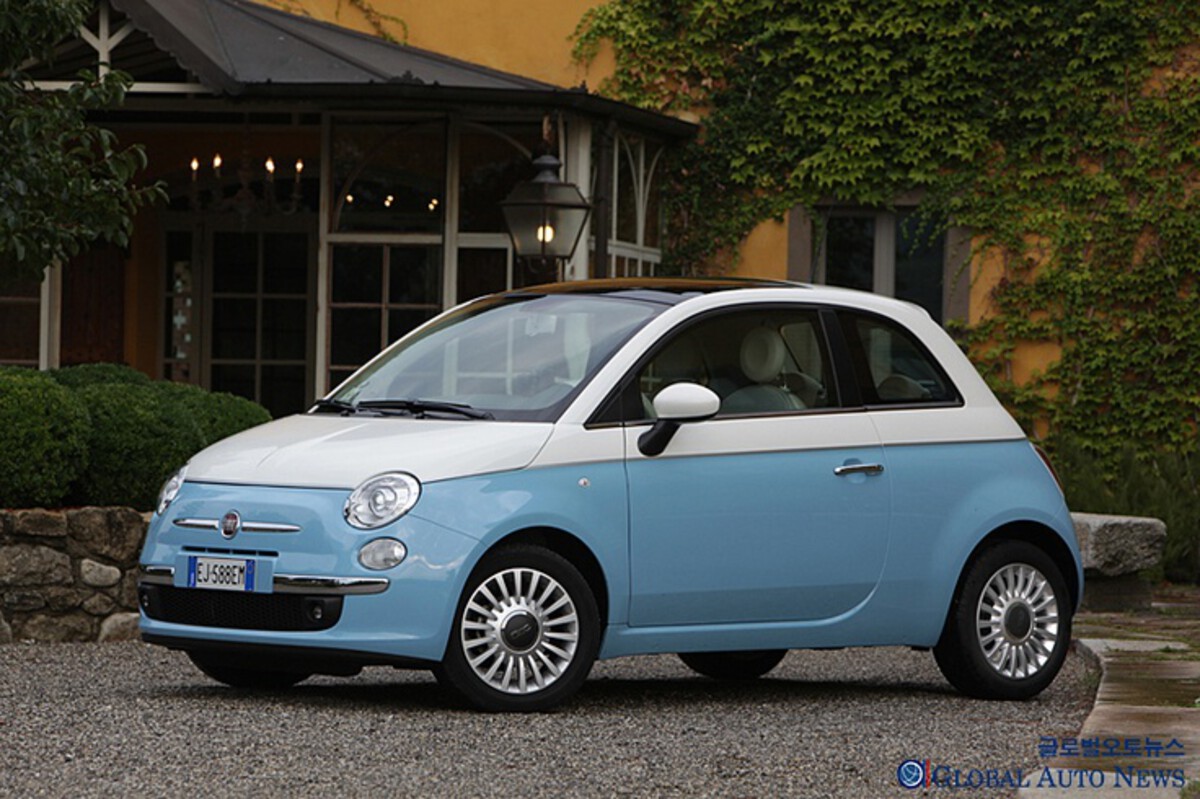
Many owners reported complete transmission replacements well before 70,000 miles. Manual transmissions weren’t much better, with clutch issues popping up early.
Engine reliability wasn’t stellar either. Oil leaks, overheating, and sensor malfunctions were all common complaints. Even basic components like power windows, door locks, and infotainment systems often stopped working due to poor wiring and cheap electronics.
The interior looked funky and modern, but used low-quality plastics that scratched and wore down quickly. Road noise and rattles became evident within the first few years.
The Fiat 500 might have been a fun weekend toy for some, but as a long-term daily driver, it struggled to stay roadworthy. In short, the 500 proved that cute doesn’t equal quality, and left many owners regretting their decision to choose style over substance.
4. Chevrolet Aveo (2004–2011)
The Chevrolet Aveo was built to be cheap, and it shows in every bolt and panel. Originally designed by Daewoo and rebadged for the American market, the Aveo was intended to be a budget-friendly compact. While it delivered on affordability, it failed spectacularly on longevity.
First, the engines—especially the early 1.6L inline-fours—were gutless and prone to premature timing belt failures, which could cause catastrophic engine damage.
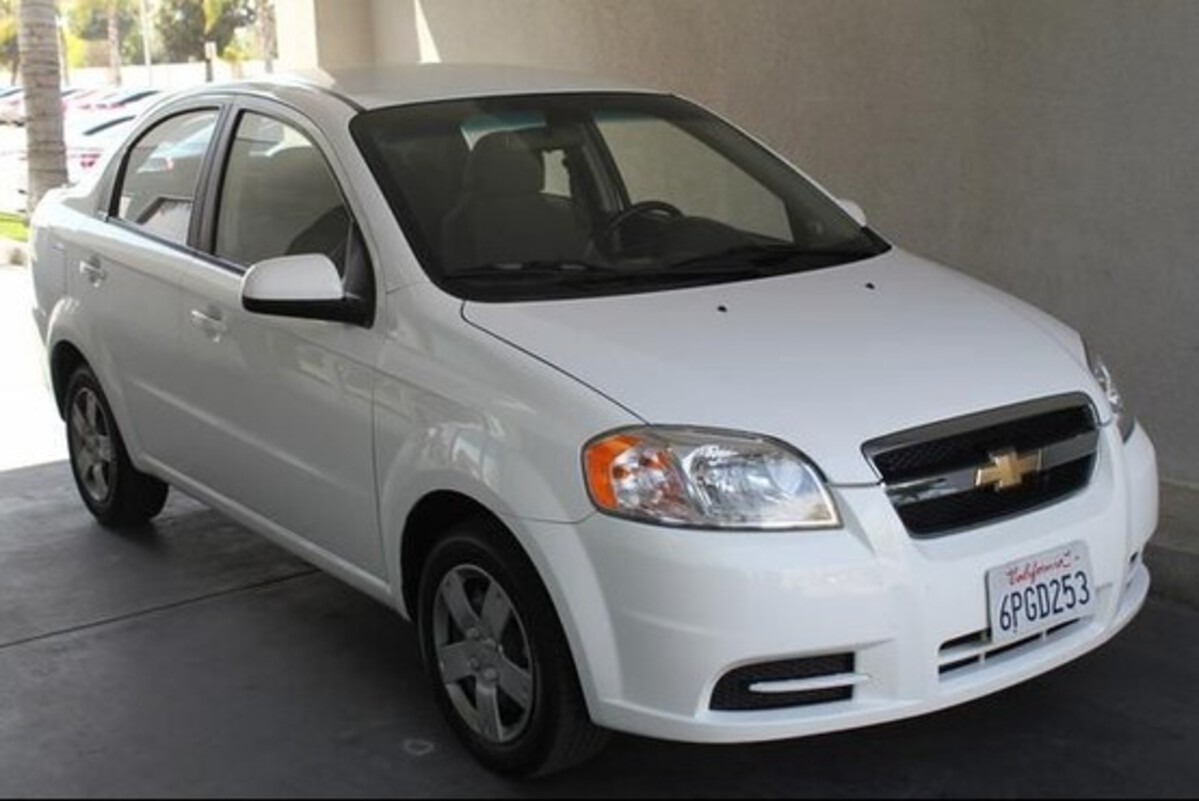
Spark plug fouling, fuel pump issues, and overheating were common themes among long-term owners.
The transmission, manual or automatic, was clunky and unreliable, often leading to expensive repairs within the first 60,000 to 80,000 miles. Suspension parts wore out quickly, and brake rotors warped far too soon.
Inside, the story didn’t get better. The cabin materials were as flimsy as paper, dashboard panels creaked and cracked, and seats lost their shape after a few years. Even the basic electronics, like power windows and radios, frequently malfunctioned.
The Aveo was built to hit a low price point, and that goal overshadowed any attempt at real engineering quality. As a result, the car earned a reputation for falling apart far earlier than its competitors. If you needed a disposable car, it did the trick. But for anyone expecting durability? The Aveo was a disappointing gamble.
5. Dodge Journey (2009–2020)
The Dodge Journey tried to be everything: a budget SUV with room for seven, modern styling, and family-friendly features. But it ended up being a masterclass in mediocrity and early failures. From its debut, the Journey struggled with mechanical reliability and quality control issues that plagued nearly every model year.
The base 2.4L engine was underpowered and strained under load, but the 3.6L Pentastar V6—while more powerful—was paired with a problematic 6-speed automatic transmission that frequently failed prematurely.
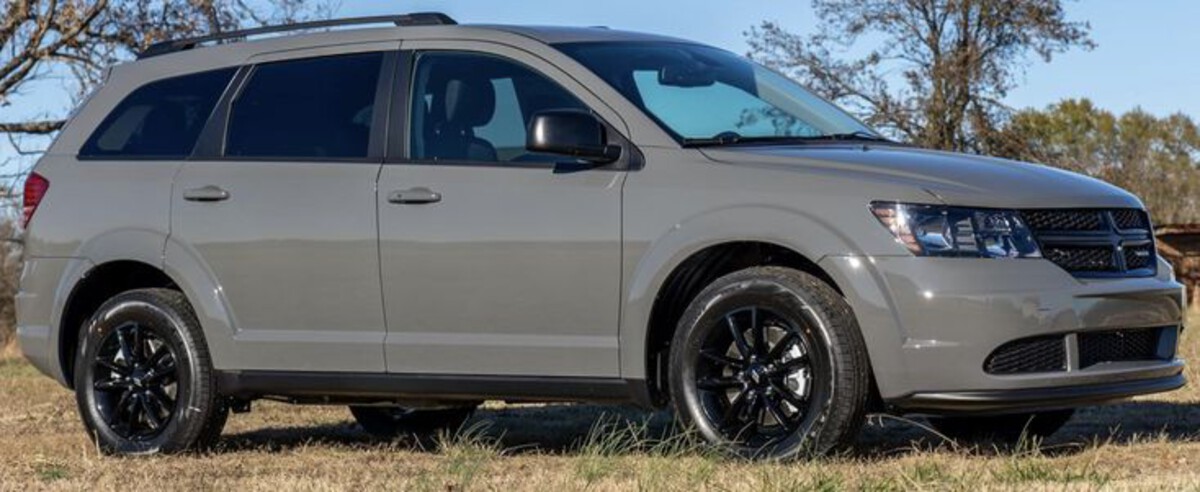
Engine overheating, head gasket failures, and oil leaks were among the top complaints.
But the Journey’s issues weren’t limited to the powertrain. Electrical problems ran rampant—instrument clusters would flicker, power windows would stop working, and keyless entry systems failed randomly. The suspension system wore out far too early, leading to clunky, noisy rides even at relatively low mileage.
The interior, while spacious, felt like a sea of cheap plastic. Touchscreens lagged, trim pieces broke easily, and climate control knobs often came loose. Resale value plummeted due to these well-known issues.
The Dodge Journey looked like a decent deal on paper—but in real-world ownership, it proved to be a money pit. For families seeking a dependable ride, the Journey was often a shortcut to frustration and a stack of repair bills.
Not every car is built to last—and that truth hits hard once the miles start adding up. Some cars are just different. They’re not flashy, not overhyped, but built like tanks with reliability baked into their DNA.
Think Toyota Land Cruiser, Lexus LS400, or the old-school Honda Accord. These aren’t just rides; they’re lifers. They can take a beating, rack up miles, and still start without hesitation. That’s not magic—it’s smart engineering, no-nonsense design, and parts that don’t crap out under pressure.
Then there are the “looks good on paper” types. Shiny, tech-packed, stylish, affordable—but only at first glance. Take the Fiat 500: quirky and cute, but a headache waiting to happen.
Or the Dodge Journey—tries to be versatile but ends up being a letdown in almost every category. These are the kinds of cars that start falling apart the minute the warranty expires. Weak transmissions, constant warning lights, cheap interiors… the problems pile up fast.
So, if you’re in the market—especially for a used car—ditch the marketing fluff. Ask the hard questions: Does this car have a track record? Are parts easy to find? What’s the repair cost after the honeymoon period?
This list separates the real ones from the regrets. Five that’ll still be with you long after your phone stops getting updates, and five that might leave you stranded before you even finish paying them off. Because in the end, a car isn’t just about touchscreen size or paint finish—it’s about how it handles life when it stops going easy.
Longevity matters. And when the towing truck is on speed dial, you’ll wish you chose better.