Finding a reliable used car under $10,000 might feel like searching for a unicorn in today’s automotive market, but with careful research and insight, that tight budget can still fetch a dependable ride.
Whether you’re a first-time car buyer, a college student, or someone just looking for an efficient daily driver, there are still options that won’t have you constantly calling a tow truck or draining your wallet at the repair shop. The key lies in separating genuine workhorses from flashy lemons.
Used car reliability is influenced by several factors — engine durability, transmission performance, electronics, maintenance history, and even rust resistance.
Some models from Toyota, Honda, and even Ford continue to perform admirably well even after crossing the 100,000-mile mark. The bad news? Others from brands like Dodge or Volkswagen might offer tempting features but bring frequent breakdowns and costly surprises.
This guide presents a definitive list: 5 reliable used cars under $10,000 that are praised for their longevity, low maintenance costs, and real-world dependability, followed by 5 used models that might look appealing on paper but are notorious for mechanical issues, poor resale value, or hard-to-find replacement parts.
Each vehicle’s section includes key specs, engine reliability, ownership costs, common issues (if any), and practical buying tips. SEO traffic phrases like “best used cars under $10,000,” “reliable cheap cars,” “used car models to avoid,” and “low-maintenance used vehicles” are integrated naturally to help guide readers and boost visibility.
Before you commit to a car based on price or appearance alone, read this full breakdown. A smart choice today can save you thousands tomorrow — and that’s not just marketing fluff, it’s real talk from the trenches of used car ownership.
5 Reliable Used Cars Under $10,000
These five models prove that “budget-friendly” doesn’t have to mean “problem-prone.” Each one has a strong reputation for lasting beyond 200,000 miles with minimal drama.
They benefit from bulletproof powertrains, low-cost parts, and straightforward maintenance. Whether you need a commuter, family sedan, or something with a bit more flair, there’s a reliable option here that won’t push your budget to the breaking point.
Toyota and Honda dominate this list — and it’s no surprise why. These brands consistently top reliability rankings from J.D. Power and Consumer Reports. But that doesn’t mean American automakers are left out. Ford and Hyundai also make a solid showing with specific models that punch well above their price bracket.
The cars listed below are easy to find on the used market, affordable to maintain, and widely praised by owners. Importantly, they have also stood the test of time mechanically.
Let’s break down what makes each one of them a steal under $10K — and what you should look out for before buying to ensure you don’t end up with a worn-out version.
ALSO READ: 5 Engines That Never Misfire and 5 That Can’t Go a Month Without Trouble
1. 2010–2013 Toyota Corolla
If there’s one car that defines no-nonsense reliability, it’s the Toyota Corolla — especially from the 10th generation (2009–2013). For under $10,000, you can easily find a well-maintained 2010 to 2013 Corolla with under 120,000 miles, and it’ll likely have years of life left in it.
Equipped with a 1.8-liter 4-cylinder engine (the 2ZR-FE), these Corollas are known for their bulletproof powertrains.
The engine delivers decent performance at 132 hp while maintaining excellent fuel economy—up to 35 mpg highway. Transmission choices include a 4-speed automatic or 5-speed manual, both praised for smooth operation and long-term durability.
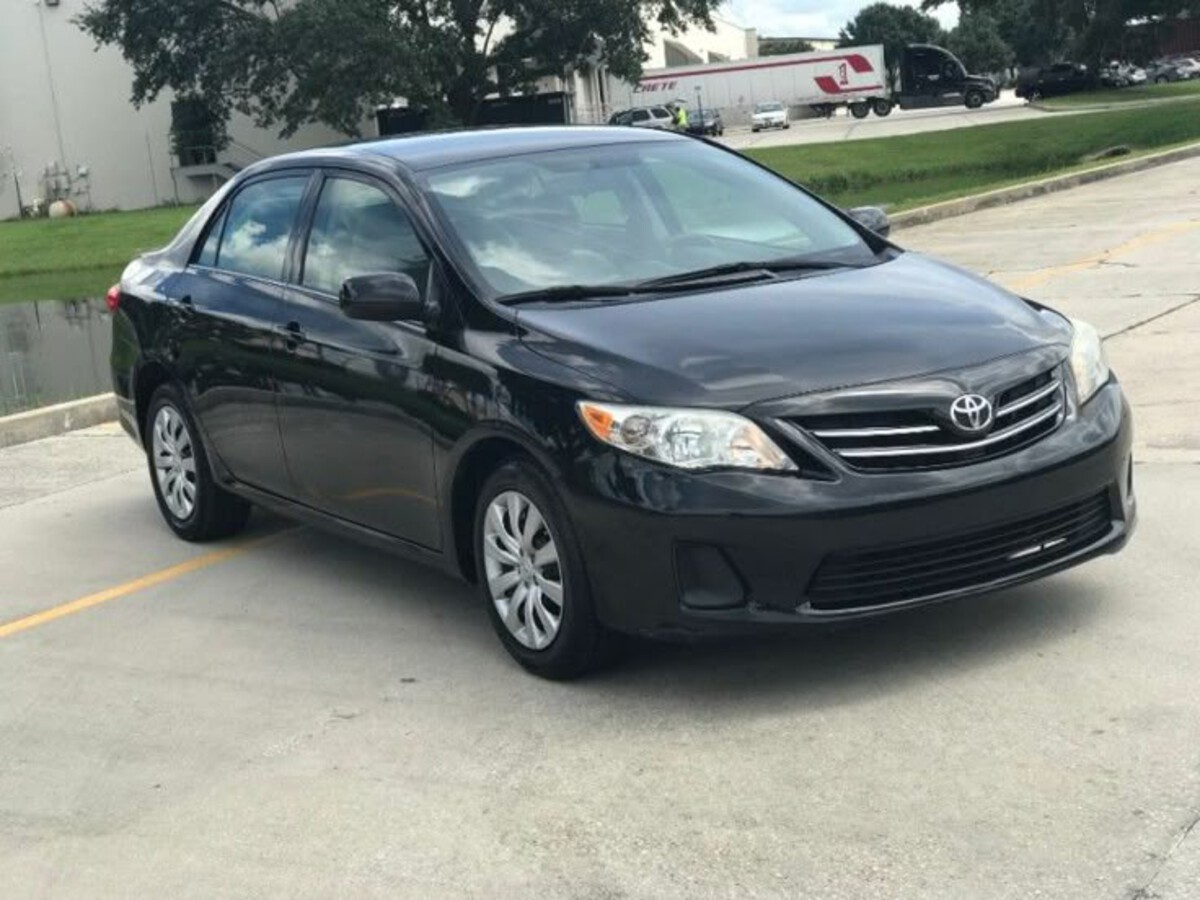
What makes this Corolla stand out is its simplicity. No complicated tech systems to fail, minimal electronics, and basic but functional interiors make it ideal for budget-conscious buyers. Maintenance is straightforward, with cheap parts and easy access to service.
Few and far between. Some owners report oil consumption after 100,000 miles, but that’s manageable with regular checks. Rust is rare, especially in southern or western states. Safety ratings are decent for the time, and later models in this range even include stability control and side-curtain airbags.
Overall, the Corolla isn’t flashy, but that’s not the point. It’s a reliable daily driver that’s easy to own, cheap to fix, and practically begs to be driven past 200,000 miles. If dependability is your priority, the Corolla should be first on your shortlist.
2. 2006–2011 Honda Civic
The Honda Civic from the 8th generation (2006–2011) is a favorite in the used car market, and for good reason. Sleek, efficient, and incredibly reliable, Civics from this era are still going strong on the road today.
With a budget of $10,000, you can often land a well-kept example with around 100,000–140,000 miles — a sweet spot for value and remaining lifespan.
Under the hood, the base models carry a 1.8-liter i-VTEC engine producing 140 horsepower. It’s not a speed demon, but it’s efficient, delivering up to 36 mpg highway, and more importantly, it’s built to last.
The engine and transmission combination (5-speed manual or automatic) is widely praised for low failure rates and minimal upkeep.
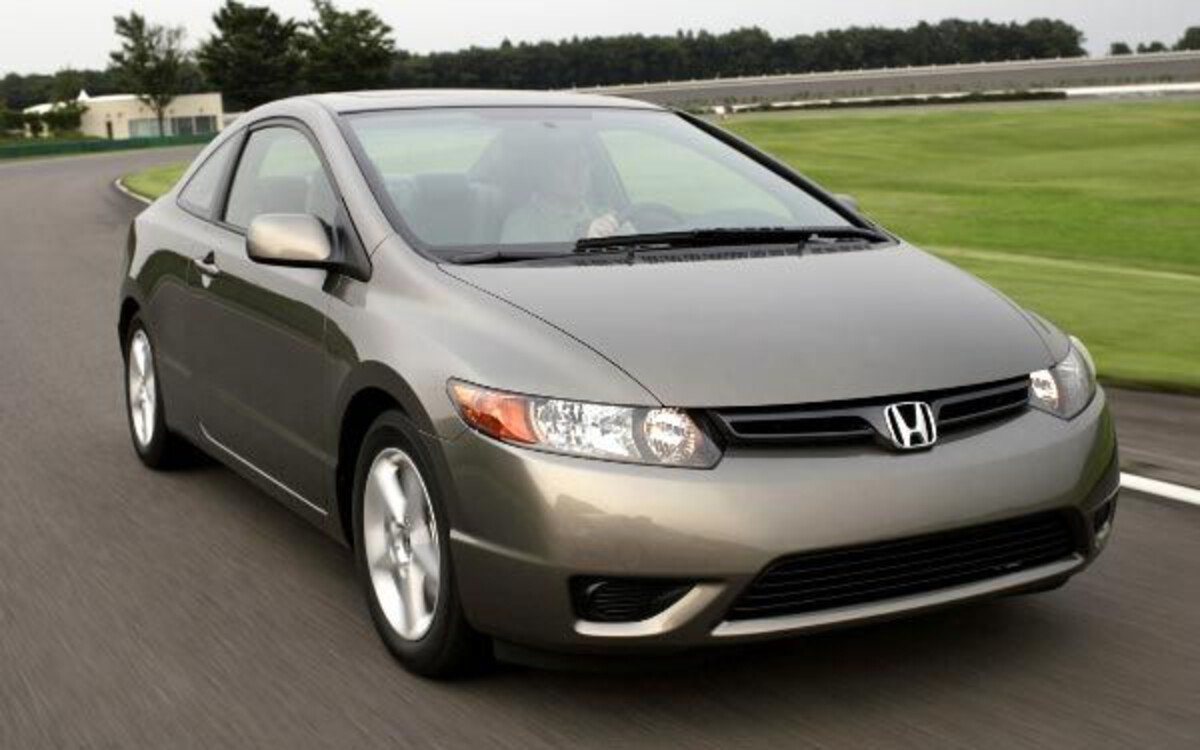
Interior quality is respectable for its age. You’ll find functional design, good visibility, and adequate space for a compact sedan. The coupe variant is a sporty option for younger drivers, while the sedan suits families and commuters.
Maintenance costs are minimal, and replacement parts are cheap and readily available. The Civic is one of the most DIY-friendly cars in its class.
There are a few caveats: earlier models (2006–2008) had occasional issues with cracking engine blocks and weak suspension components. However, most of those were either recalled or repaired, and post-2009 models are especially solid.
In terms of reliability, resale value, and low cost of ownership, the 8th-gen Honda Civic still delivers big. It’s a wise used-car buy for anyone who wants something stylish, efficient, and rock-solid for everyday driving.
3. 2012–2014 Hyundai Elantra
The 2012–2014 Hyundai Elantra marked a major leap in Hyundai’s design and quality. Unlike older models that struggled with long-term dependability, this generation of Elantra proved to be surprisingly reliable, stylish, and affordable. Best of all, it’s still easy to find one in excellent condition for under $10,000.
The Elantra came with a 1.8-liter 4-cylinder engine producing 148 horsepower, paired with either a 6-speed manual or 6-speed automatic. It’s not as refined as a Toyota or Honda, but for commuting and daily errands, it gets the job done smoothly and economically, with up to 38 mpg highway.
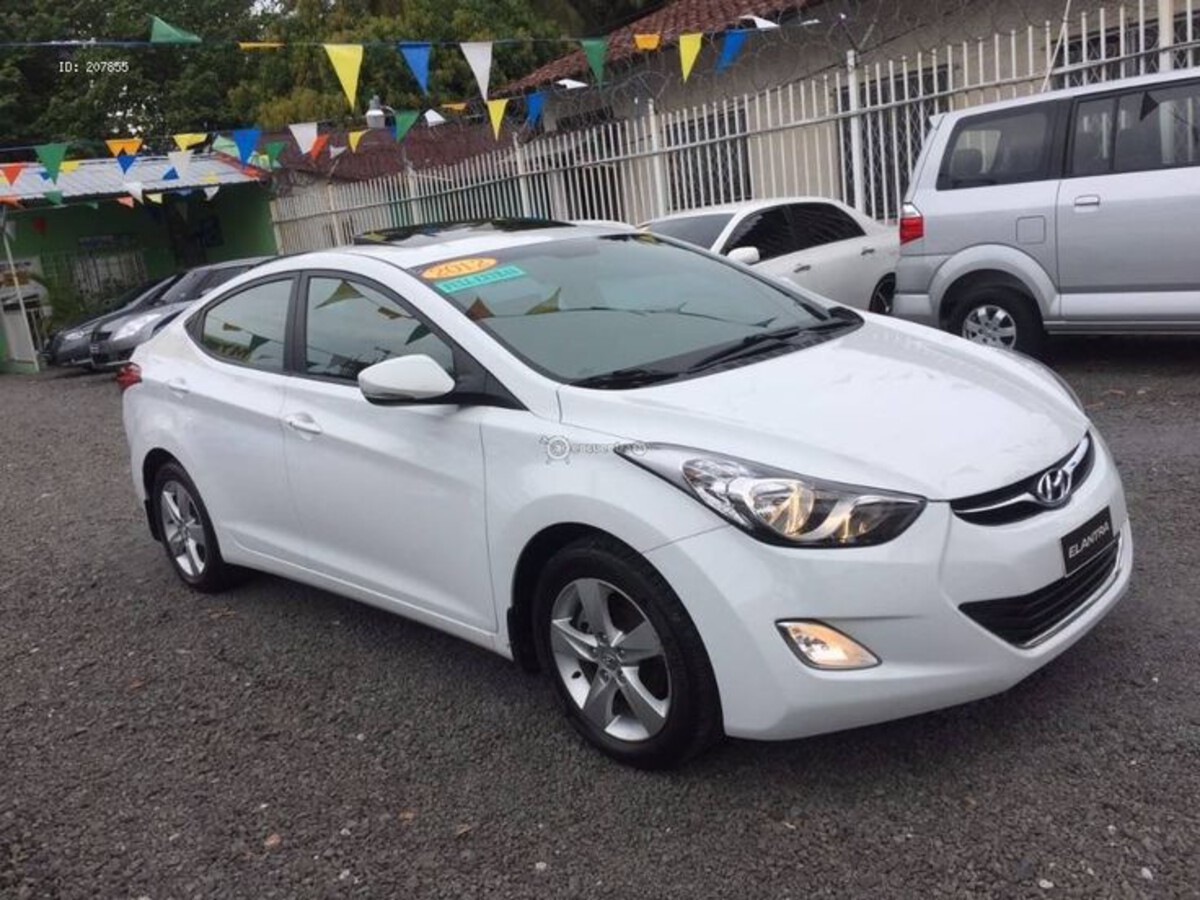
Inside, the Elantra offers one of the roomiest cabins in the compact segment. It seats five comfortably and has a well-laid-out dashboard with features that were ahead of their time — like Bluetooth, heated seats, and keyless entry on higher trims.
Reliability-wise, the Elantra holds up well if it’s been maintained regularly. Common issues include premature wear on suspension components and a few complaints about transmission hesitation, but these are relatively minor and rare. It also has a solid safety rating, making it a good choice for younger or first-time drivers.
Hyundai’s original 10-year/100,000-mile powertrain warranty means many examples still have partial coverage if they’ve been properly transferred. That’s a huge bonus in the sub-$10K market.
For buyers who want something newer-looking, efficient, and packed with features — without sacrificing reliability — the 2012–2014 Elantra is a seriously underrated gem.
4. 2009–2011 Ford Fusion
Ford’s first-generation Fusion earned a reputation for being one of the most durable American sedans of its era, especially the models between 2009 and 2011. With a solid build, straightforward engineering, and impressive safety scores, the Fusion stands out as a smart used car buy under $10,000.
You’ll typically find two main engine options: a 2.5-liter 4-cylinder producing 175 hp and a 3.0-liter V6 with 240 hp. While the V6 adds a bit more punch, the 4-cylinder is the better long-term choice — it’s reliable, fuel-efficient (up to 33 mpg highway), and easier to maintain.
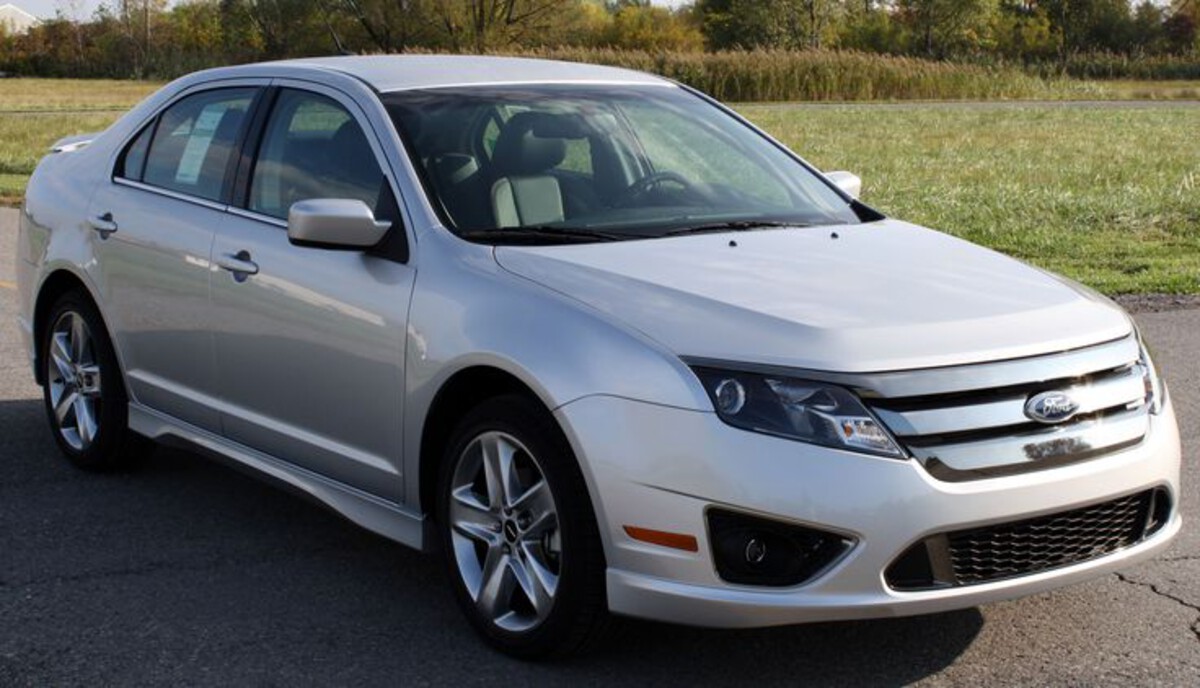
The Fusion’s spacious interior and supportive seating make it a comfortable daily commuter. The controls are intuitive, and higher trims may include Bluetooth, SYNC infotainment, and heated leather seats — rare finds in this price range. Rear legroom and trunk space are also standouts for the segment.
Maintenance is generally inexpensive, and parts are widely available. These cars were built in large numbers, which also keeps prices down.
Known trouble spots include power steering issues in earlier models (usually fixed by 2009) and occasional automatic transmission complaints. But overall, the Fusion is regarded as a long-lasting sedan when regularly serviced.
Crash test scores from the IIHS and NHTSA are excellent, adding another layer of peace of mind. It may not be as popular as a Camry or Accord, but the 2009–2011 Fusion offers excellent value, American reliability, and comfort in a package that still holds up today.
5. 2007–2011 Honda Fit
Don’t let its size fool you — the Honda Fit packs serious value into a subcompact frame. The 2007–2011 Fit models are some of the most versatile and reliable small cars you can buy for under $10,000. With clever engineering and Honda’s famous build quality, this little hatchback punches way above its weight.
The Fit is powered by a 1.5-liter i-VTEC engine that makes 109 horsepower. While that may sound modest, the car’s low weight and sharp handling make it surprisingly fun to drive, especially with the 5-speed manual. Even the automatic variant is smooth and reliable. Fuel economy is a standout — expect up to 35 mpg on the highway.
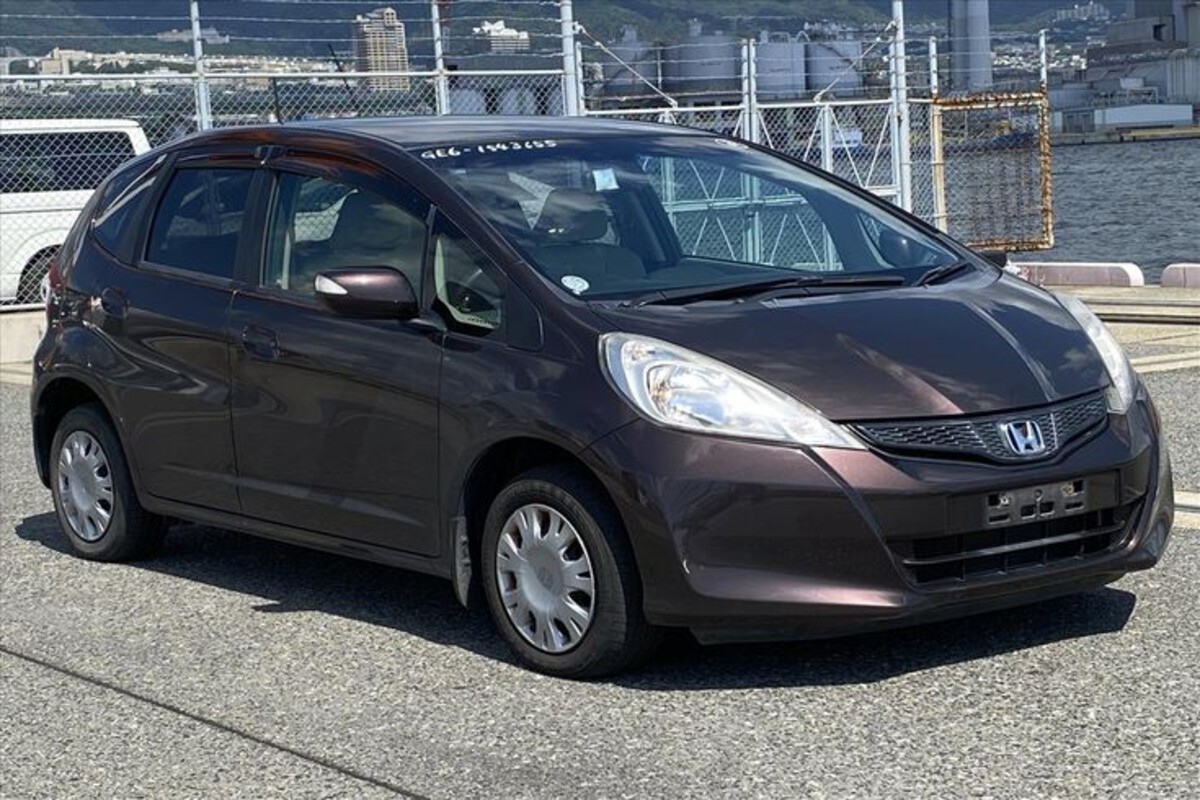
Where the Fit really shines is interior packaging. Its “Magic Seat” rear folding system allows for multiple cargo and seating configurations, giving it the utility of a much larger vehicle. Despite being a subcompact, it’s shockingly spacious inside, both for passengers and cargo.
Honda’s track record for reliability is fully intact here. Common issues are minimal, with some owners reporting worn motor mounts or minor AC problems after 100,000 miles — nothing that breaks the bank. With regular oil changes and basic maintenance, these cars easily hit 200,000+ miles.
The Fit also has strong safety scores and a reputation for holding its value better than most cars in its class. It’s ideal for city dwellers, students, or anyone who wants a dependable, fuel-efficient car with more practicality than meets the eye.
5 Used Models to Avoid Under $10,000
While some used cars deliver years of faithful service, others seem built to drain your bank account. Just because a car looks good on the outside — or comes loaded with tech — doesn’t mean it’ll hold up in the long run.
This next list is a cautionary guide for used car buyers on a budget: five models under $10,000 that may be easy to find, but difficult to keep running reliably.
These vehicles are notorious for chronic mechanical issues, expensive repairs, and questionable reliability histories. Whether it’s poor engine design, faulty electronics, or early transmission failure, each one comes with well-documented red flags. In many cases, repair costs can quickly exceed the car’s value.
Of course, there are exceptions — some owners get lucky with these models. But when reliability is your top priority, especially on a budget, it’s best not to roll the dice.
Below are five used models to avoid under $10K, along with honest breakdowns of what typically goes wrong, how much it’ll cost you, and why it’s safer to steer clear — literally.
ALSO READ: 5 Chevrolets Known for Reliability vs 5 That Disappoint Owners
1. 2012–2014 Dodge Avenger
The Dodge Avenger might look aggressive and sporty on the outside, but underneath its bold styling lies a car that too often disappoints with poor reliability, cheap interior materials, and serious long-term mechanical issues.
While it’s easy to find a used 2012–2014 Avenger for well under $10,000, that low price can come at a high cost in repairs and frustration.
Most Avengers from this generation come with either a 2.4-liter 4-cylinder or a 3.6-liter V6. On paper, the V6 offers good performance, but both engine options are plagued by inconsistent build quality.
Frequent issues include faulty TIPM modules (Totally Integrated Power Module), premature suspension wear, and transmission problems, especially with the 6-speed automatic.
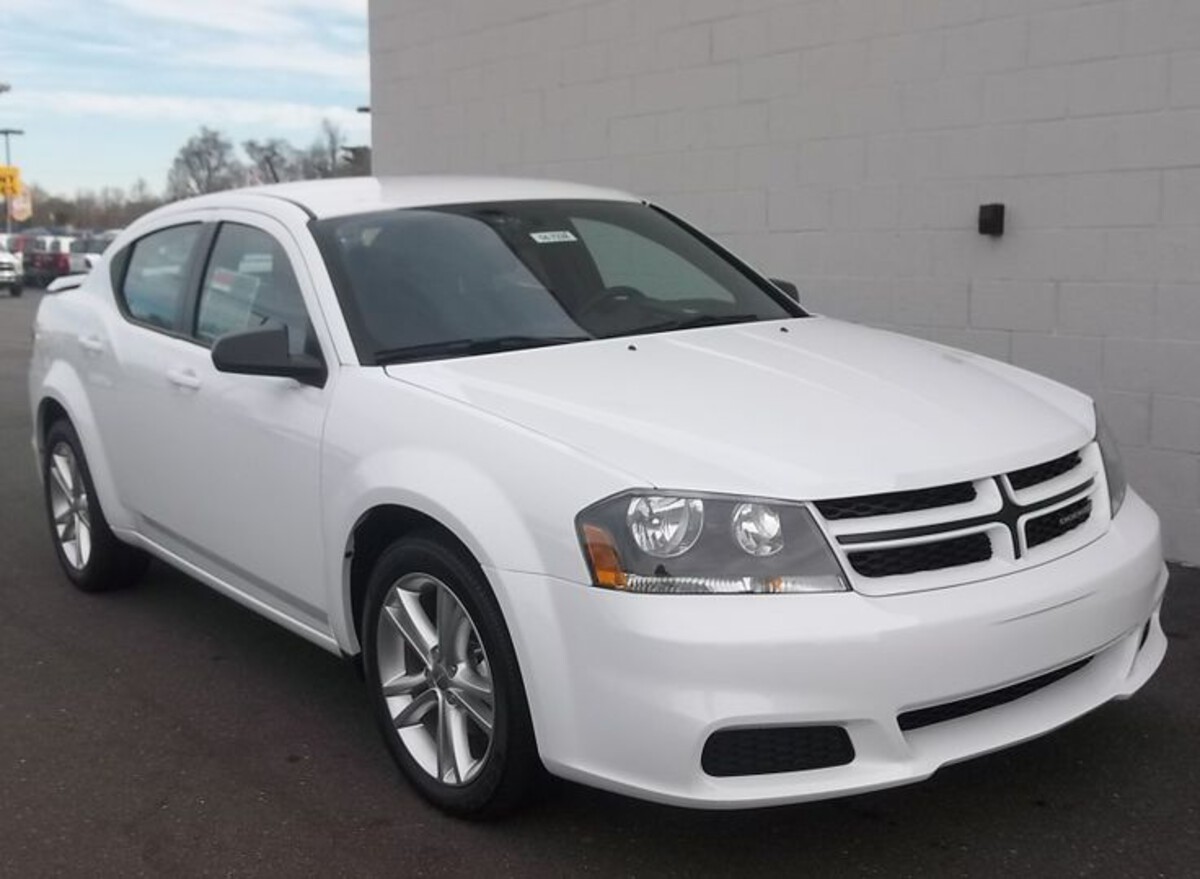
Interior quality is another major drawback. Hard plastics, rattles, and poor cabin ergonomics make for a cheap and uninspiring ride. The seats are uncomfortable on long drives, and the infotainment systems are outdated and glitchy by today’s standards.
Fuel economy is mediocre for its class, and resale value is abysmally low. But the real problem? The Avenger consistently ranks among the lowest in owner satisfaction and reliability surveys from J.D. Power and Consumer Reports.
Even basic maintenance can turn into expensive headaches thanks to poorly designed components and hard-to-access engine bays. While you might find a one-owner model with a clean history, the risk-to-reward ratio simply isn’t worth it.
For under $10K, you’re better off skipping the Avenger in favor of a Ford Fusion, Mazda6, or Honda Accord — all of which offer more dependability, better driving dynamics, and greater long-term value.
2. 2007–2011 Chevrolet Malibu
At first glance, the 2007–2011 Chevrolet Malibu may seem like a smart used-car buy — affordable, roomy, and widely available. However, once you dig deeper, you’ll discover it’s a model plagued with reliability woes, subpar build quality, and costly repairs that make it one of the riskiest budget buys under $10,000.
Powered by either a 2.4-liter 4-cylinder or a 3.6-liter V6, the Malibu struggles with mechanical consistency. The 4-cylinder variant suffers from timing chain issues, while the V6 is known for excessive oil consumption and overheating problems. In both versions, transmission failures are all too common, especially after 90,000–110,000 miles.
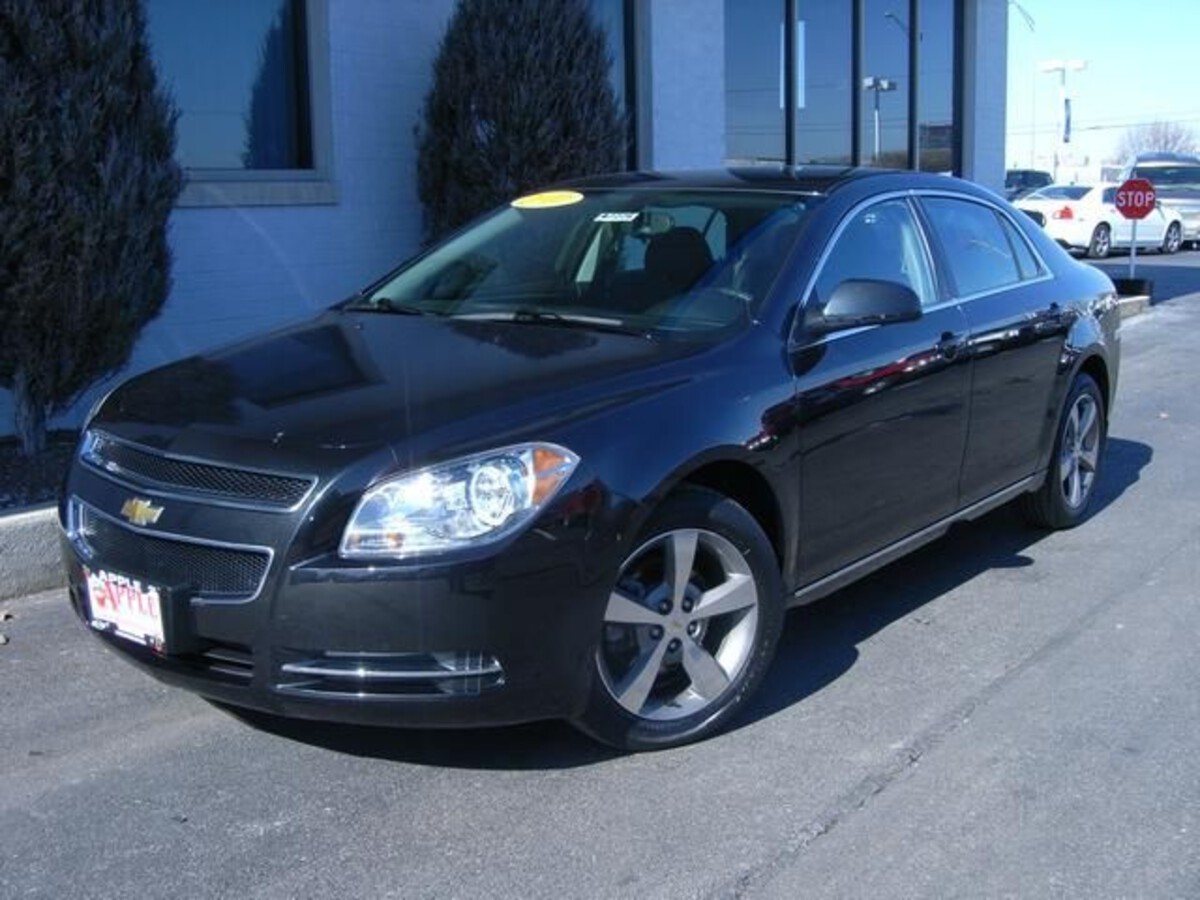
Electrical gremlins are another recurring nightmare. Power locks, dashboard displays, and sensors frequently malfunction, requiring repeated trips to the mechanic. Many owners also report issues with the electric power steering system — an expensive fix that can fail without warning.
The interior is uninspiring, with lots of cheap plastic, creaky panels, and rapidly wearing upholstery. The driving experience is numb, and the handling lacks the precision found in better-engineered competitors.
Crash test scores are decent, but that’s about the only bright spot. From a resale and reliability standpoint, the Malibu fares poorly. The 2008 and 2010 model years are particularly problematic.
Unless you enjoy rolling the dice on a vehicle that might leave you stranded, steer clear of this Malibu generation. Instead, consider a used Toyota Camry or Hyundai Sonata — both are safer bets and far more rewarding in the long run.
3. 2002–2010 Volkswagen Passat
The Volkswagen Passat from 2002 to 2010 may appeal to buyers seeking a European driving experience at a budget price, but under $10,000, most Passats from this era come with a host of headaches.
While they boast a refined interior and tight handling, the tradeoff is steep: fragile electronics, costly repairs, and poor long-term reliability.
This generation of Passat came with multiple engine options — including the 1.8T turbocharged four-cylinder, 2.0T, 3.6L VR6, and even a TDI diesel in certain years. Unfortunately, nearly every engine variant has known issues.
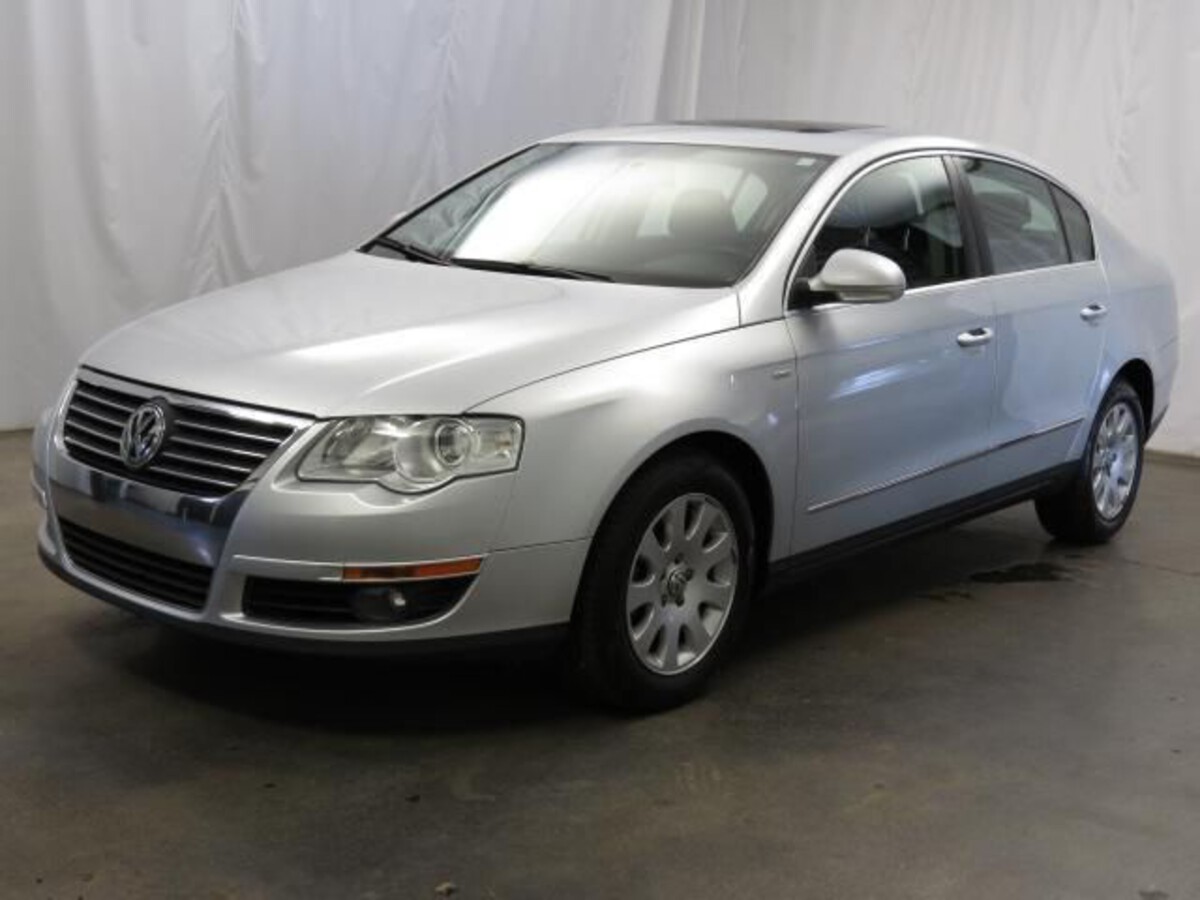
The 1.8T, while popular, suffers from oil sludge buildup if not meticulously maintained. The VR6 is powerful but has complex timing chain issues and is extremely expensive to repair.
Transmission troubles are common — especially with the automatic Tiptronic units. Many fail before 100,000 miles, with replacement costs often exceeding the value of the vehicle. The dual-mass flywheel and DSG systems also add complexity and maintenance headaches.
What really ruins the ownership experience is the electrical system. Faulty sensors, failing modules, and constant “check engine” lights are routine complaints. Window regulators, power locks, and infotainment systems are all prone to breaking.
While it drives well when working, the Passat becomes a money pit as it ages. Even basic maintenance like brake jobs or timing belt replacements can cost more than double what you’d pay on a Honda or Toyota.
Unless you’re a seasoned DIY mechanic with a garage full of tools and a deep love for German engineering, skip the Passat and opt for something simpler and more reliable. Long-term ownership will be smoother and far less stressful.
4. 2007–2012 Nissan Altima
Nissan’s Altima has long been a top seller, but the 2007–2012 generation comes with serious red flags that make it a risky used-car purchase under $10,000.
At first glance, these cars appear stylish, well-equipped, and comfortable — and they are. But behind that veneer lies one of the most problematic CVT transmissions in modern automotive history.
Nissan equipped most Altimas from this generation with a Continuously Variable Transmission (CVT) that quickly became notorious for premature failure. Many owners reported issues as early as 60,000 miles, with repair costs ranging from $3,000 to $4,000. Even with transmission replacements, recurring failures are common.
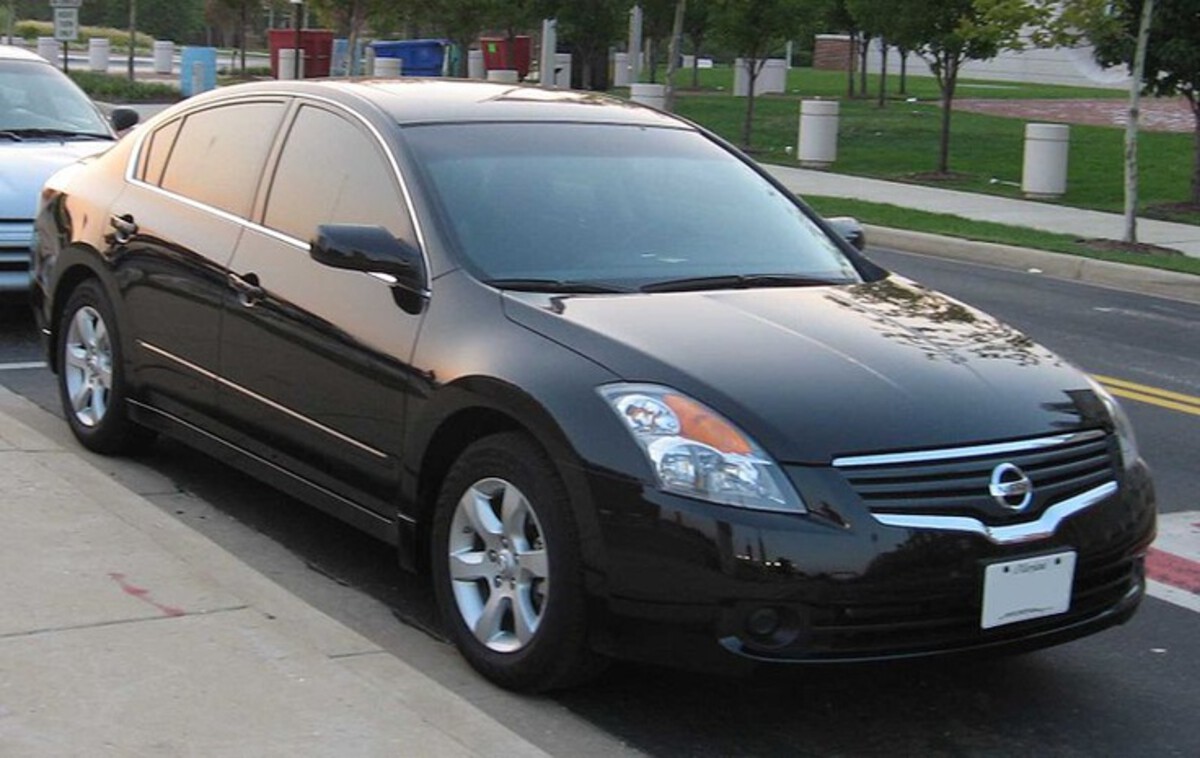
The 2.5-liter 4-cylinder engine (QR25DE) is otherwise decent but suffers from excessive oil consumption and occasional head gasket problems. The V6 models are quicker but even thirstier and come with the same unreliable CVT.
Other concerns include weak motor mounts, noisy suspensions, and widespread electrical issues. The push-button start system is prone to malfunction, leaving owners stranded unless they replace the entire ignition module — a costly fix.
Interior materials are a mixed bag. While the cabin feels spacious, dashboard warping and peeling surfaces are common after a few years of sun exposure. Build quality just doesn’t hold up compared to rivals like the Honda Accord or Mazda6.
Altimas from this era also depreciated faster than the competition, reflecting their reliability problems. While some later models had improved CVT tuning, the risk remains too high in the sub-$10,000 market.
Unless the car comes with documented transmission replacement and low miles, you’re better off walking away. The repair costs simply outweigh the initial affordability.
5. 2008–2012 Chrysler Sebring
The Chrysler Sebring from 2008–2012 is another prime example of a car that might look good on paper — low price, decent features, and stylish design — but falls apart in execution. It’s one of the most poorly rated sedans in terms of reliability and owner satisfaction, and it’s best avoided even at a rock-bottom price.
The base engine, a 2.4-liter 4-cylinder, is underpowered and unrefined, while the optional V6s are plagued by timing chain issues and excessive oil consumption. No matter which engine you choose, you’re likely in for frequent trips to the mechanic.
The 4-speed automatic transmission is outdated and prone to rough shifting and early failure. Meanwhile, suspension components wear out quickly, causing clunky rides and expensive replacements.
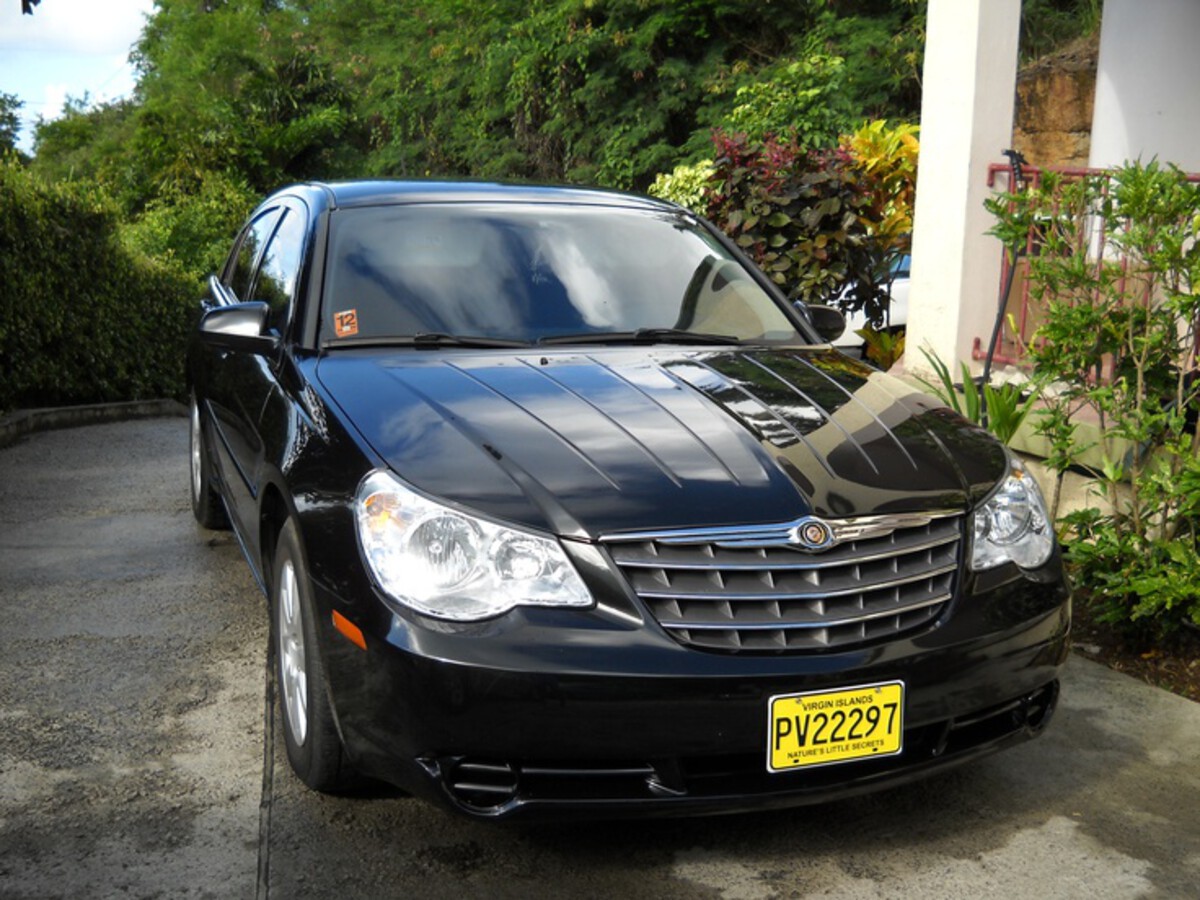
Inside, the Sebring is even more disappointing. Cheap plastics, ill-fitting trim pieces, and seats that flatten out after long drives all contribute to a low-rent driving experience. The dashboard is cluttered, and the audio systems are basic at best. Electronic issues, including window regulator failures and faulty airbag sensors, are common.
To make matters worse, resale value is practically non-existent. Even low-mileage Sebrings sell for a fraction of their original MSRP — a clear signal that buyers have lost confidence in this model.
Consumer Reports ranked the Sebring as one of the worst used cars in its segment during these years. With so many other reliable midsize sedans available under $10,000, there’s simply no reason to take a gamble on this one.
Steer clear of the Sebring and look at used options like the Mazda6 or Hyundai Sonata instead. You’ll get a far more enjoyable and dependable vehicle for the same money — without the stress.
ALSO READ: 5 Cars That Pass State Inspection Every Time and 5 That Rarely Do Without Repairs
In the used car world, the price tag doesn’t tell the whole story. That tempting $6,000 car might cost you $3,000 in repairs within the first year — while a slightly older, higher-mileage model with a proven track record might serve you faithfully for years with just basic maintenance.
That’s why focusing on long-term reliability and ownership cost is far more important than simply finding the newest model or the one with the most features.
The five reliable used cars we featured — including the Toyota Corolla, Honda Civic, and Ford Fusion — have all stood the test of time. These vehicles were engineered for dependability, ease of repair, and efficient performance.
They have vast parts availability, strong aftermarket support, and a dedicated ownership base — all of which reduce your cost of ownership and increase peace of mind.
In contrast, the five models to avoid — like the Chrysler Sebring and Dodge Avenger — may be alluring because of low up-front prices, but they’re often plagued by chronic mechanical failures and poor resale value. Over time, their true costs become painfully clear.
If you’re shopping with a $10,000 budget, the smartest move isn’t just to get the best-looking car — it’s to get the best long-term value. Use tools like Carfax, service history reports, and mechanic pre-purchase inspections to ensure you’re getting a well-maintained example.
Remember, a reliable used car should do more than get you from Point A to Point B — it should do so safely, affordably, and without surprise breakdowns. With the right choice, even a modest budget can get you a ride that’s dependable, efficient, and built to last.