When it comes to family vehicles, few decisions are more important—or more stressful—than choosing the right SUV. You’re not just picking a ride; you’re picking a mobile fortress for your kids. It needs to be safe, reliable, and built to last more than just a couple of school years.
Yet, not all SUVs are created equal. While some prove to be dependable workhorses that keep your children safe year after year, others quickly become money pits, breaking down when you need them most.
In today’s SUV market, flashy tech and aggressive styling can distract from what really matters: long-term safety and mechanical reliability.
A five-star crash test rating or a handful of safety features might look good on paper, but what happens when the transmission fails before your toddler even starts kindergarten? Or when your supposedly “family-friendly” SUV racks up thousands in repairs before your first road trip?
SUVs That Keep the Kids Safe for Years
That’s why we’ve done the digging for you. In this article, we highlight five SUVs that consistently deliver peace of mind—offering rock-solid safety records and lasting reliability. And because it’s just as important to know what to avoid, we’re also calling out five SUVs that tend to disappoint, breaking down frequently, costing families time, money, and confidence.
If you’re looking for a vehicle that’ll grow with your family—and not give you grey hairs along the way—read on.
1. Toyota Highlander
The Highlander is a top pick for safety and durability. With Toyota’s renowned reliability, this SUV features advanced driver-assistance systems like adaptive cruise control, automatic emergency braking, and lane departure warning all standard.
The 2025 Highlander comes with two available powertrains: a conventional gasoline engine and a hybrid setup. However, the Highlander Hybrid is reviewed in a separate piece.
The gasoline-powered model featured here is equipped with a 265-hp, turbocharged 2.4-liter four-cylinder engine. This is paired with an eight-speed automatic transmission and can be configured with either front-wheel or all-wheel drive.
The Highlander prioritizes ride quality over sportiness, offering the composed and consistent handling characteristics that make it ideal for family transport. While it doesn’t offer a particularly engaging driving experience, drivers who value a smooth and steady ride will find that the Highlander delivers on that front.
During testing, our drivers managed to bring the all-wheel drive version of the Highlander up to 60 mph in a relaxed 7.2 seconds. The Highlander Hybrid, although significantly more fuel-efficient, stays surprisingly close in performance—lagging just a tenth of a second behind the gas-powered version in the 60-mph sprint.
According to EPA estimates, the Highlander achieves 22 mpg in the city and 29 mpg on the highway. Opting for all-wheel drive results in a 1-mpg drop in both categories.
At the time of writing, the Highlander has not yet been tested on our 75-mph highway fuel economy route, but we plan to update this article once that data becomes available.
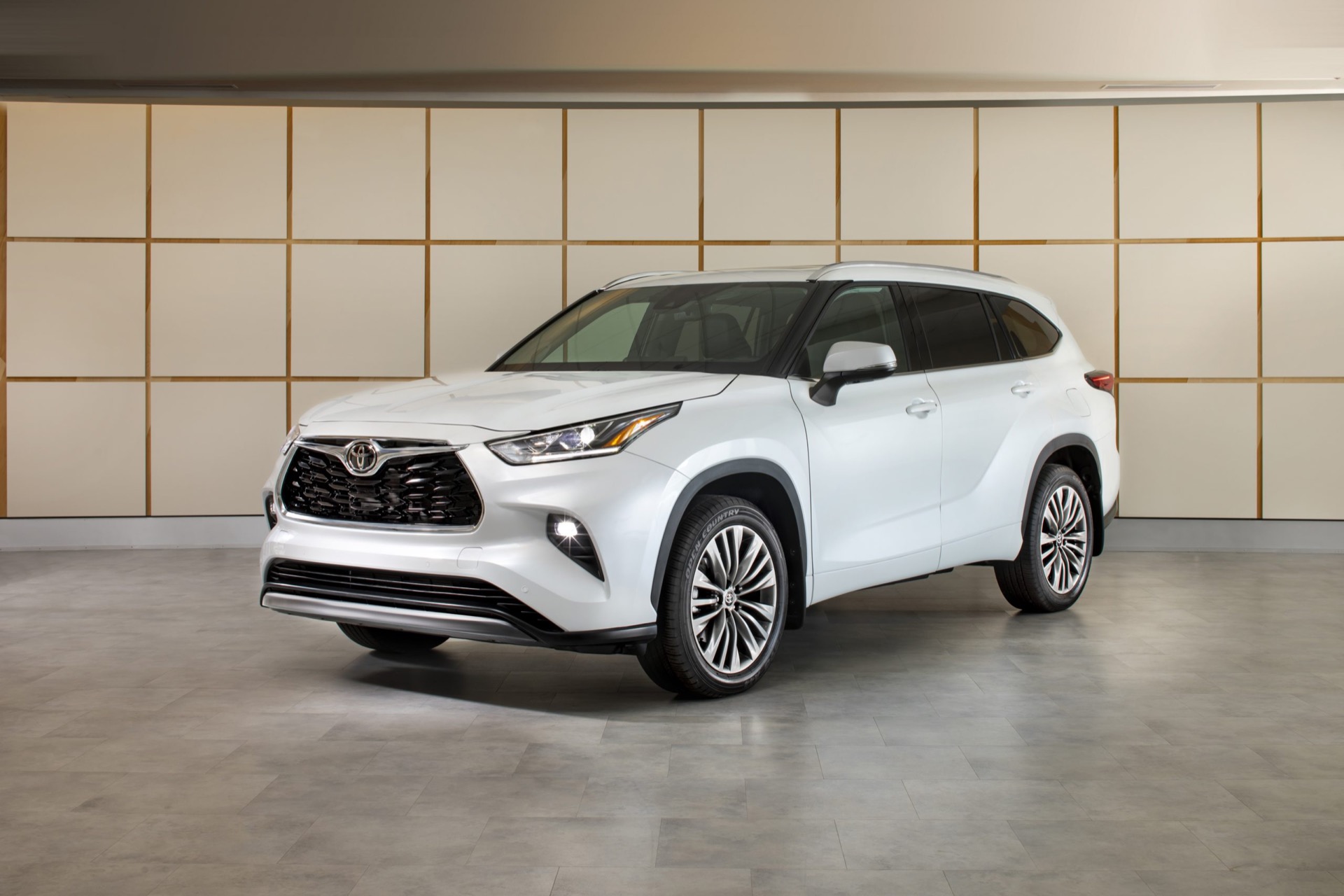
The entry-level LE trim accommodates eight passengers, but choosing second-row captain’s chairs—available from the XLE trim and upward—reduces seating to seven.
Passenger space in the Highlander is either comparable to or slightly more generous than what’s found in the Mazda CX-90. However, the Chevrolet Traverse still leads in overall interior room, particularly in the third row, which offers nearly six additional inches of legroom over the Highlander—enough to comfortably seat adults.
A similar story plays out in terms of cargo space: the Highlander’s third row accommodates four carry-on suitcases, whereas the Traverse can manage six. The cabin features materials of solid quality, and the layout leans more toward functional and user-friendly than cutting-edge or stylish.
The LE and XLE trims are equipped with an 8.0-inch infotainment touchscreen. A larger 12.3-inch screen is available as an option on the XLE and comes standard on both the Limited and Platinum trims.
In the latter, a 12.3-inch digital gauge cluster is also included, while lower trims retain traditional analog gauges paired with a smaller 7-inch digital display. A six-speaker audio system is standard across the lineup, but an 11-speaker JBL premium sound system is offered on the XSE and comes standard on the Limited and Platinum models.
Every Highlander variant includes SiriusXM satellite radio, a 4G LTE Wi-Fi hotspot, and compatibility with Apple CarPlay, Android Auto, and Amazon Alexa. A wireless smartphone charging pad is also standard starting from the XLE trim. Built-in navigation is available on the XSE and included as standard equipment on the top two trims.
- Longevity: Many Highlanders easily surpass 200,000 miles with basic maintenance.
- Crash Ratings: 5-star NHTSA rating and IIHS Top Safety Pick+.
2. Honda Pilot
The Pilot combines spacious third-row seating with Honda’s strong safety suite (Honda Sensing). It’s a go-to for large families looking for a comfortable and secure ride.
With its three rows of seating, decent power output, and a lineup that spans six trims, several of which offer both front-wheel and all-wheel drive, the Pilot stands out as a flexible choice in a segment where consumers value variety.
While the top-tier trims come loaded with luxury touches, their higher price tags push many buyers toward the entry-level and midrange options.
We’re fans of the TrailSport, which offers slightly enhanced functionality along with a more rugged appearance, but for 2025, the only update to the lineup is the addition of the Black Edition a $1,500 appearance package that doesn’t include any additional features.
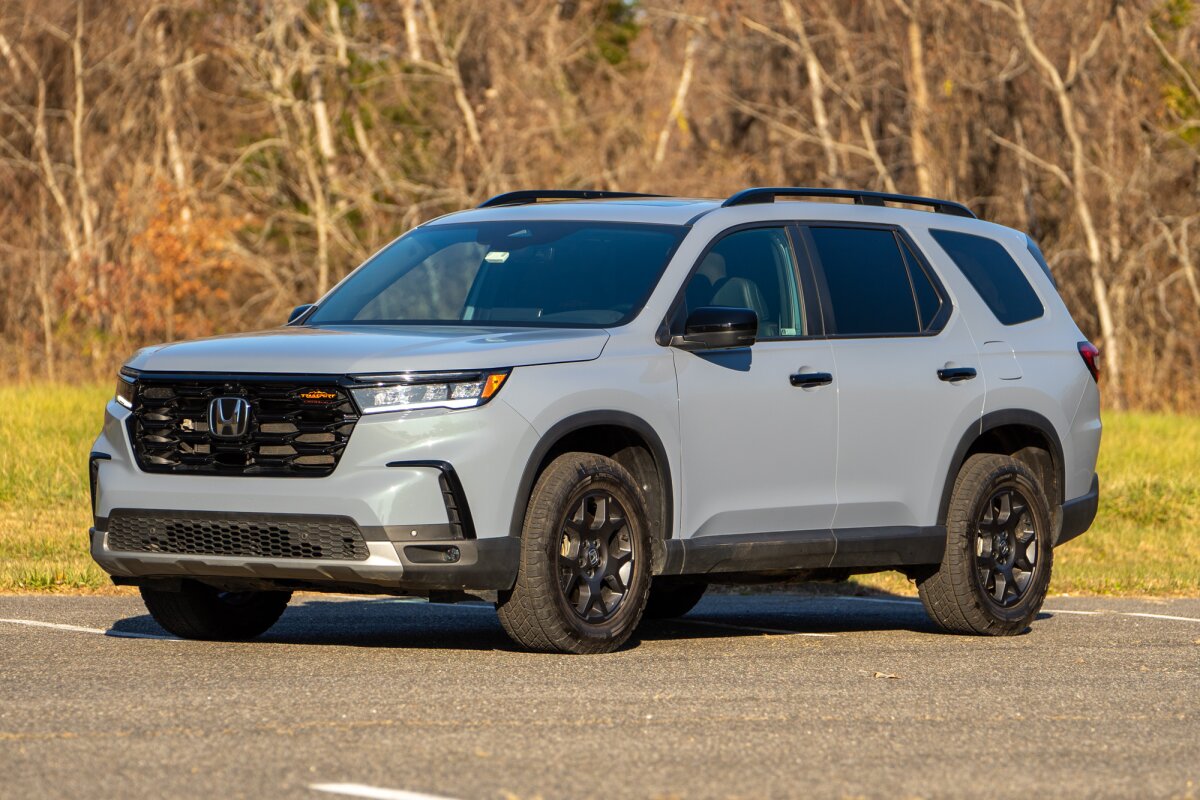
As far as family SUVs go, the Pilot is a strong contender when it comes to moving people, delivering practicality with a driving experience that’s just as utilitarian and forgettable as many of its rivals.
Unlike the Ridgeline, which shares its platform, the Pilot doesn’t go head-to-head with rugged, truck-based body-on-frame SUVs, meaning it doesn’t automatically win on comfort or road manners. Instead, its main competition lies within the core of the American SUV market: three-row crossovers.
And there are plenty of them, many of which are genuinely excellent, placing the Pilot squarely in the middle when it comes to driving dynamics and comfort. That said, what sets it apart is its extremely practical interior, the wide range of trims and drivetrain choices, and overall everyday usefulness.
- Longevity: Known to reach 250,000 miles without major issues.
- Crash Ratings: 5-star NHTSA and IIHS Top Safety Pick status in most model years.
Also Read: 5 Engines With Legendary Camshafts and 5 That Always Need Top-End Work
3. Subaru Ascent
Standard all-wheel drive and Subaru’s EyeSight safety system make the Ascent a great choice for families in snowy or rural areas. It also packs excellent crash protection.
Equipped with the brand’s signature all-wheel-drive system, the Ascent is built to handle year-round family adventures with confidence. Its 260-horsepower turbocharged 2.4-liter four-cylinder engine delivers average acceleration and tends to get loud under strain, but it’s capable of towing a camper trailer or a speedboat.
The continuously variable automatic transmission (CVT) — a gearless setup — adds to the overall noise, although it generally responded well and operated smoothly.
For those seeking more involvement, steering wheel-mounted paddle shifters are included, offering manual control over the transmission. It did take some time to adjust to the Ascent’s throttle behavior, which proved overly sensitive at lower speeds around town. On the plus side, the Ascent offers a smooth and compliant ride.
Even though our test vehicle was outfitted with 20-inch wheels, it still managed to cushion impacts effectively and isolate occupants from rough road surfaces. However, highway cruising revealed a fair amount of wind and road noise.

While the Ascent doesn’t match the engaging driving experience of the Mazda CX-90, this sizable three-row SUV felt well-balanced during regular driving. Its steering was light, precise, and capable of handling quick direction changes with ease, while maintaining a calm demeanor at higher speeds.
At our test facility, the Onyx Edition Limited trim of the Ascent accelerated to 60 mph in 6.8 seconds. That time is a bit behind competitors like the Mazda CX-90 and Hyundai Palisade, which completed the same run in 6.3 and 6.4 seconds, respectively.
All Subaru Ascent models are rated to tow up to 5,000 pounds. In our 40,000-mile long-term test, we put that capability through its paces by hauling various loads, including snowmobiles and even an Airstream camper. During these towing sessions, we observed fuel economy occasionally dropping into the single-digit range.
The EPA rates the Ascent Premium trim at 20 mpg in city driving and 26 mpg on the highway. Higher trims reduce those numbers by 1 mpg across the board. Despite that, the Ascent posts EPA figures that are better than average, and it backed up those ratings in our 75-mph real-world fuel economy test.
- Longevity: Built with the same solid reliability as the Outback, often lasting 200k+ miles.
- Crash Ratings: Top-tier crash test scores from both NHTSA and IIHS.
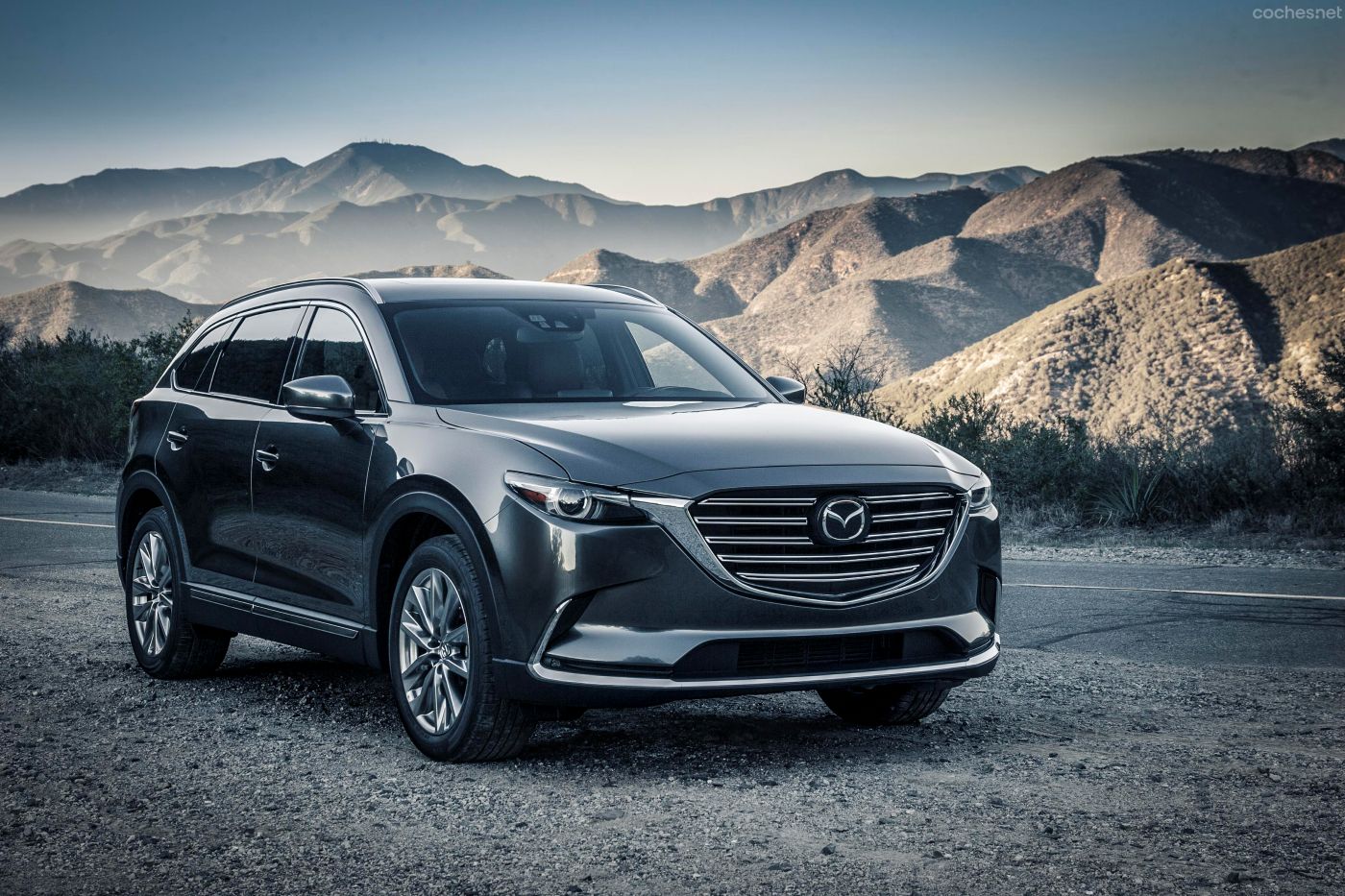
4. Mazda CX-9
The CX-9 is praised for its sharp handling and premium cabin, but it doesn’t skimp on safety either. It includes blind-spot monitoring, rear cross-traffic alert, and more standard.
Maturity doesn’t have to mean giving up on fun. If you’re feeling the pressure to swap your sporty two-door coupe for a family-sized box on wheels — but aren’t ready to surrender driving enjoyment — the 2023 Mazda CX-9 might just be your saving grace.
That said, this driver-focused approach does come with trade-offs. The CX-9’s sleeker, more compact design means it can’t compete with roomier rivals when it comes to passenger and cargo space.
But while it might be tighter inside, the interior is far more refined than many expect — featuring upscale materials and a clean, timeless layout.
From a practicality standpoint, the CX-9 may be trailing its more spacious peers, but for buyers who place driving enjoyment near the top of their wish list, this Mazda remains a compelling option in the crowded SUV field.
Mazda has discontinued the base Sport trim for 2023, which bumps the CX-9’s starting price north of $40,000. Fortunately, enhancements to the Touring trim help justify the added cost. Now standard are second-row captain’s chairs, leather upholstery in black or tan, a power sunroof, fog lamps, and a wireless smartphone charging pad.
Even the entry-level Touring model comes well-equipped, featuring amenities such as a power liftgate, leather seating, power-adjustable front seats, and keyless entry with push-button ignition.
It also includes second-row captain’s chairs as standard — a highly sought-after feature among buyers of three-row SUVs. If you prefer a second-row bench seat instead, the Touring Plus trim offers that option.
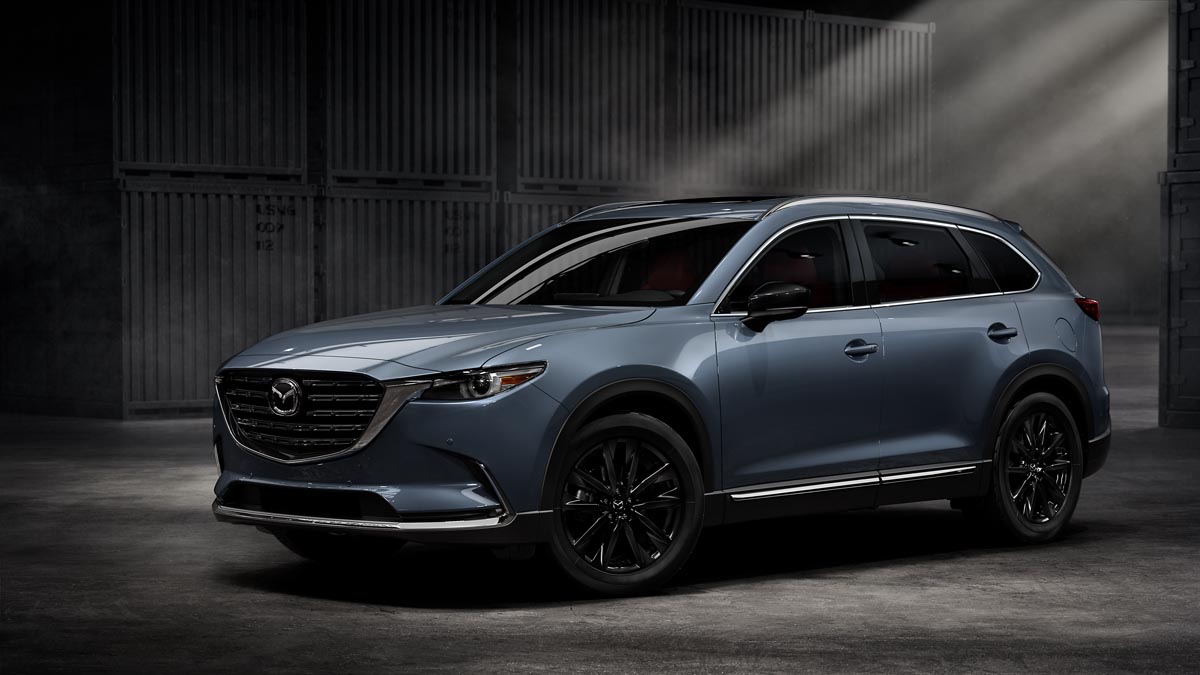
In a segment where V-6 engines are the norm, Mazda went against the grain by fitting the CX-9 with a turbocharged four-cylinder as its sole powerplant — aiming for a slight edge in fuel economy.
While that advantage is modest, the engine delivers a satisfying growl and proved itself during our acceleration testing. In fact, the Grand Touring model we tested sprinted from zero to 60 mph in 7.1 seconds, putting it on par with several class rivals.
The CX-9 positions itself as the driving enthusiast’s family SUV. It feels impressively nimble, almost as if you’re piloting a smaller vehicle. Its suspension tuning leans firm, but it maintains enough compliance to absorb rough patches of pavement without jarring the cabin.
While the steering isn’t quite as communicative as some other Mazdas, it still brings a level of energy that’s often missing in this category. The combination of precise steering and a taut suspension delivers confident cornering and a lively driving feel that sets the CX-9 apart.
- Longevity: With proper care, many units last 180k to 220k miles.
- Crash Ratings: IIHS Top Safety Pick+ and strong NHTSA scores.
Also Read: 5 Cars With Reliable Infotainment Systems and 5 That Glitch Nonstop
5. Volvo XC90
Volvo’s reputation for safety is well earned, and the XC90 is the flagship example. Its suite includes pilot assist, run-off road protection, and one of the best safety cage designs on the market.
The 2025 XC90 remains Volvo’s stalwart entry in the three-row SUV segment. Now eight years into its current generation, it’s starting to show its age, but that doesn’t mean it’s lost its edge.
In fact, the XC90 continues to embody what Volvo excels at: a beautifully designed cabin, spacious accommodations in the first and second rows, and a generous list of standard driver assistance technologies.
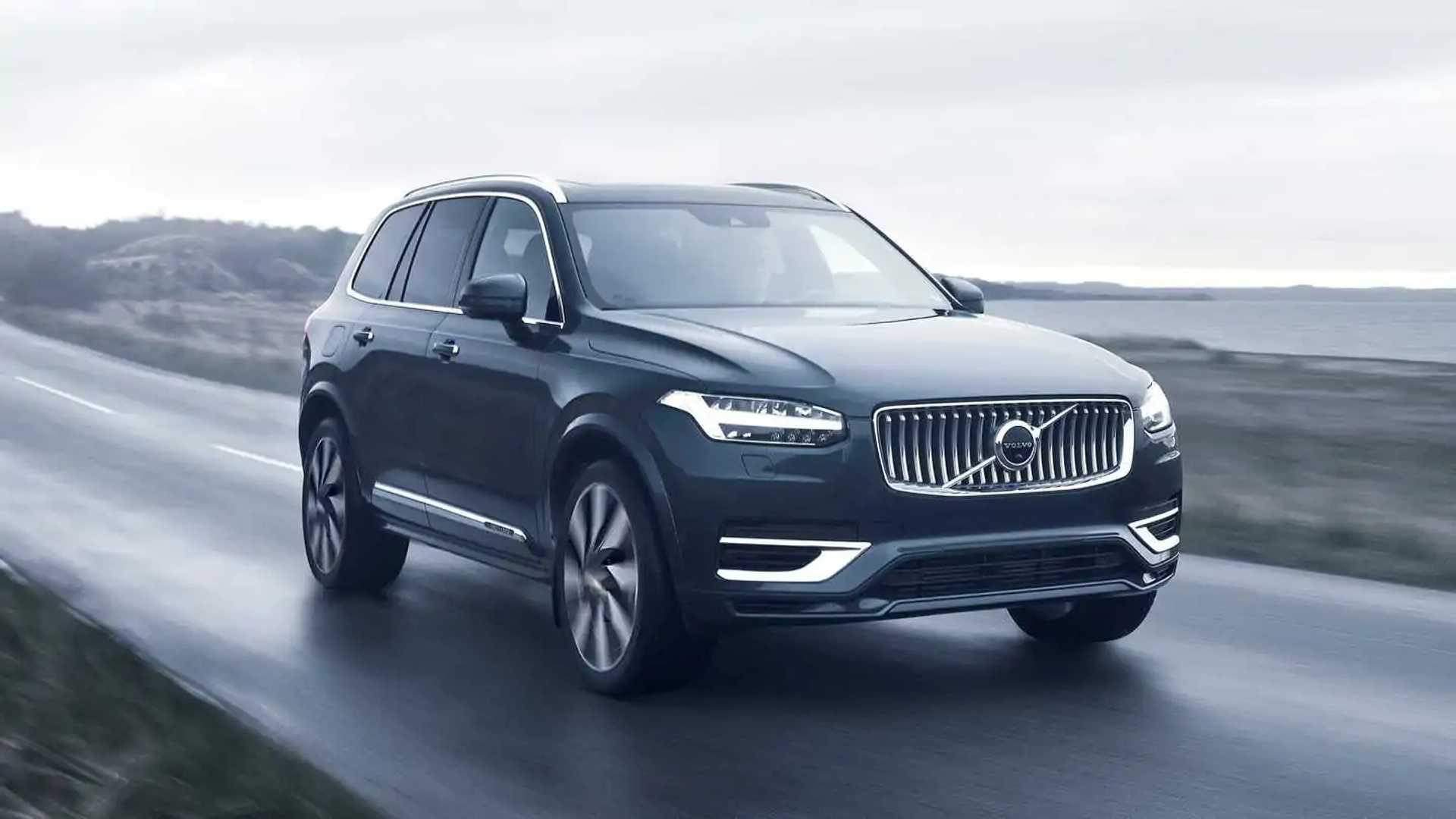
A notable highlight is its available plug-in hybrid powertrain, which allows for limited all-electric driving before seamlessly transitioning to its conventional gasoline engine. Volvo has recently introduced the EX90 — a fully electric, three-row crossover that now sits atop the brand’s lineup as its new flagship.
With Volvo’s clear commitment to expanding its electric vehicle offerings, it’s likely that the XC90 will remain in the lineup for a while longer before eventually being phased out. Even so, for buyers who prioritize safety, comfort, and understated Swedish luxury, the XC90 continues to be a compelling choice.
- Longevity: European luxury without the headaches—many go 200,000+ miles.
- Crash Ratings: One of the highest scores in Euro NCAP, NHTSA, and IIHS testing.
SUVs That Constantly Break
In this article, we’re cutting through the marketing hype and glossy brochures to expose the SUVs that just don’t hold up. Whether it’s poor build quality, chronic mechanical failures, or just plain bad engineering, these are the vehicles you’ll wish you never bought.
So if you’re in the market—or you just want to know if your SUV is one of the repeat offenders—read on. We’re calling them out by name.
1. Dodge Journey
The Journey is cheap to buy but expensive to own. Poor build quality, outdated safety features, and a weak powertrain make it a liability for families.
After more than ten years on the U.S. market, the Dodge Journey hasn’t evolved much—it’s still stuck in the same routine, with very few changes made over the years.
This lack of modernization places it well behind today’s more advanced midsize SUVs. On the upside, it also means the Journey comes with a much lower price tag, making it an attractive option for buyers focused on affordability.
However, shoppers who prioritize overall value may be discouraged by the absence of smartphone connectivity and important driver assistance tech like blind spot monitoring. While the Journey still holds its own in terms of interior space and initial cost, it stumbles hard when it comes to cargo room and fuel efficiency.
Compared to far more competent rivals like the Kia Sorento and Honda Pilot, the Journey simply lacks the relevance and refinement to compete—especially now that it’s stuck with a single, underpowered 173-horsepower four-cylinder engine.
The 2020 Journey lineup has been simplified, which makes the buying process more straightforward. The SE Value trim serves as the base model, starting at an MSRP of $23,495. The only remaining upgrade is the Crossroad, which raises the price to $28,595.
All-wheel drive is no longer an option, so these are the only two trims available. A few optional packages remain, but no matter how you configure it, the Journey is still one of the most budget-friendly SUVs on the market.
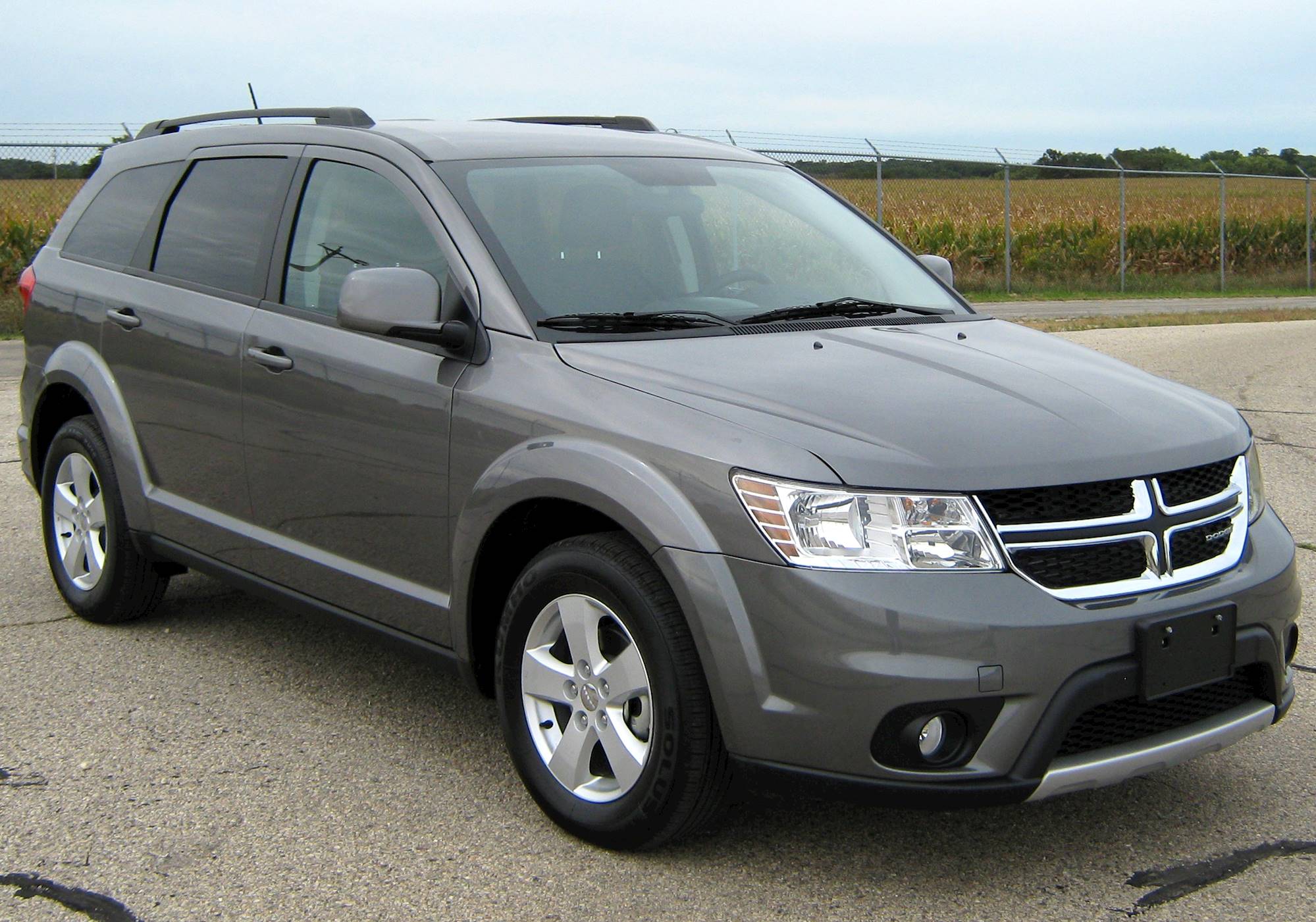
Most vehicles go through at least one refresh midway through their life cycle—usually within the first few years—but the Journey has long overstayed its welcome without meaningful updates. And it shows. On the road, it behaves like “a rickety old man on roller skates,” to put it bluntly.
The steering is vague and lacks feedback, with poor on-center feel, and when you add the vehicle’s hefty weight into the equation, it’s clear this SUV was never meant to be hustled through curves. At low speeds and in parking lots, it’s a bit more tolerable—but that’s about the extent of its composure.
The braking system mirrors the steering in terms of performance: it’s functional for in-town driving but noticeably weak at highway speeds, where it struggles to inspire confidence.
Even more concerning is the Journey’s overall handling. There’s excessive body roll, and the tires simply don’t grip the pavement well, leading to an unsettling driving experience overall.
Given all that, it might actually be a blessing in disguise that the Journey only offers a small four-cylinder engine. At slower speeds, its limitations are less obvious.
But push it harder, and its shortcomings become glaring. Unfortunately, even comfort isn’t a saving grace—the ride is mediocre at best, and often downright uncomfortable.
- Common Issues: Frequent electrical failures, engine overheating, and brake wear.
- Longevity: Struggles to make it past 120,000 miles without major repairs.
2. Chevrolet Traverse (1st Gen, 2009–2017)
Though spacious, early Traverse models suffer from transmission failure, timing chain issues, and persistent check engine lights.
The Chevrolet Traverse offers a wealth of available features and a spacious interior, making it an ideal choice for large families or avid travelers. It provides seating for seven, complete with a third row and generous cargo capacity behind it.
For the 2020 model year, the Traverse received several updates, including a refreshed exterior design, a restyled interior, and a broader range of safety features.
The front grille was redesigned, and both the front and rear fascias were updated. LED headlamps and taillamps were added, along with four new wheel designs. Apple CarPlay and Android Auto were made available, alongside a new 8-inch diagonal driver information center and a wireless charging pad.
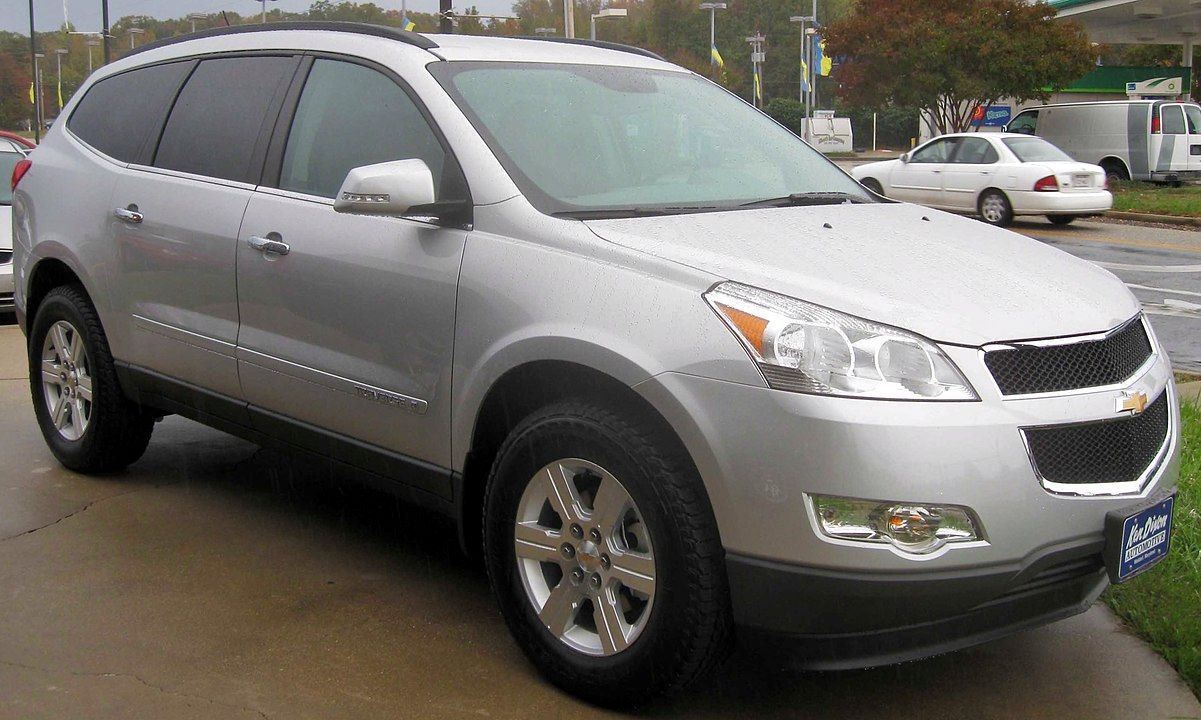
The Traverse lineup included seven trim levels: L, LS, LT Cloth, LT Leather, RS, Premier, and High Country.
In terms of safety, the Traverse didn’t cut corners. Features such as Adaptive Cruise Control, Automatic Emergency Braking, Front Pedestrian Braking, Lane Keep Assist, Forward Collision Alert, Auto High Beam, and a Safety Alert Seat came standard on the Premier and High Country trims.
Starting in 2020, the V6 engine became standard across all trims, and an HD rearview camera was included as a standard feature.
Powering the Traverse is a 3.6-liter V6 engine that delivers 310 horsepower. The base L trim is offered exclusively with front-wheel drive, while all other trims provide the option for all-wheel drive.
- Common Issues: Transmission failure as early as 60,000 miles, costly engine repairs.
- Longevity: Many owners report serious problems before hitting 100,000 miles.
3. Ford Explorer (2011–2015)
This Explorer generation had promise but was plagued with power steering failures, exhaust fume leaks, and MyFord Touch system malfunctions.
Backed by a solid track record of dependable performance and well-rounded features, the 2013 Ford Explorer adds a modern spin to its classic design, aligning with contemporary trends. With multiple trim levels available, buyers have the flexibility to tailor their Explorer to their preferences.
Whether prioritizing power or luxury, the Explorer stands out as a highly customizable SUV that holds a strong position in a competitive market. No matter the configuration, owners will appreciate the Explorer’s style, comfort, and overall performance.
For 2013, Ford broadens the Explorer lineup with the introduction of the new Explorer Sport. This performance-oriented variant is powered by Ford’s 3.5-liter EcoBoost twin-turbo V6 engine.
Additional enhancements include a stiffer chassis, sport-tuned steering, exclusive 20-inch wheels, and a distinctive blackout grille. All 2013 Explorers now come equipped with the updated Sync system featuring the MyFord Touch infotainment interface.
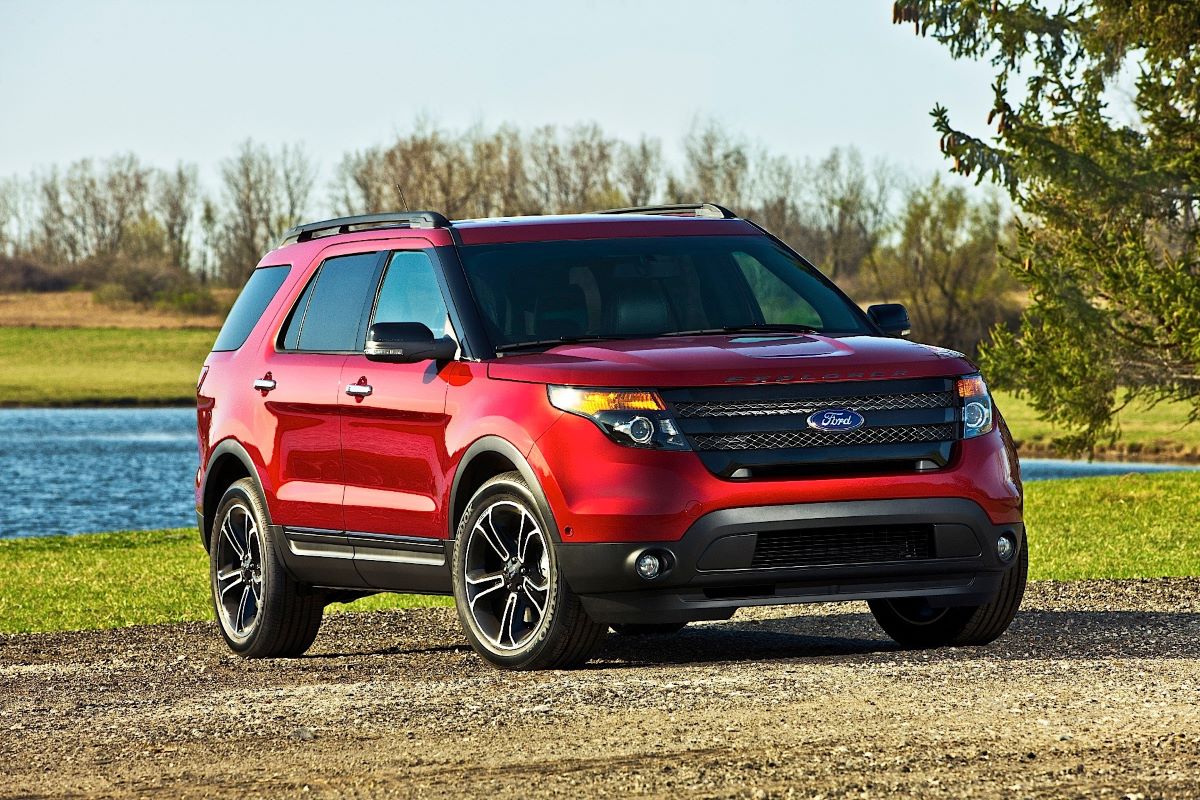
With a look that blends toughness and sophistication, the 2013 Explorer retains the recognizable design cues of previous generations while adding subtle, contemporary updates.
Size-wise, it falls in the middle range compared to its primary rivals in terms of overall length, but it remains the widest in its class. Despite its muscular build, its smooth lines and aerodynamic styling help give it a leaner, more refined appearance.
At the front, sleek headlamps and sculpted fender flares elevate its visual appeal, while grille design varies by trim. The base model features a gray plastic grille, the XLT adds a body-colored version, and the Limited is upgraded with an elegant satin-chrome grille.
Wheel options also change depending on the trim: the base model is equipped with standard 17-inch wheels with plastic covers; the XLT receives 10-spoke, 18-inch painted aluminum wheels; and the Limited rolls on distinctive 20-inch painted aluminum wheels with a flower-petal design.
Standard exterior features include a roof rack and privacy glass, while a dual-panel sunroof is available as an option.
The Explorer also offers a range of exterior paint choices, with additional color options available at higher trim levels. Notable color selections include Ruby Red Metallic Tinted Clearcoat, Deep Impact Blue Metallic, and Green Gem Metallic.
- Common Issues: Electrical system bugs, drivetrain troubles, and HVAC problems.
- Longevity: Many units require thousands in repairs before reaching 150,000 miles.
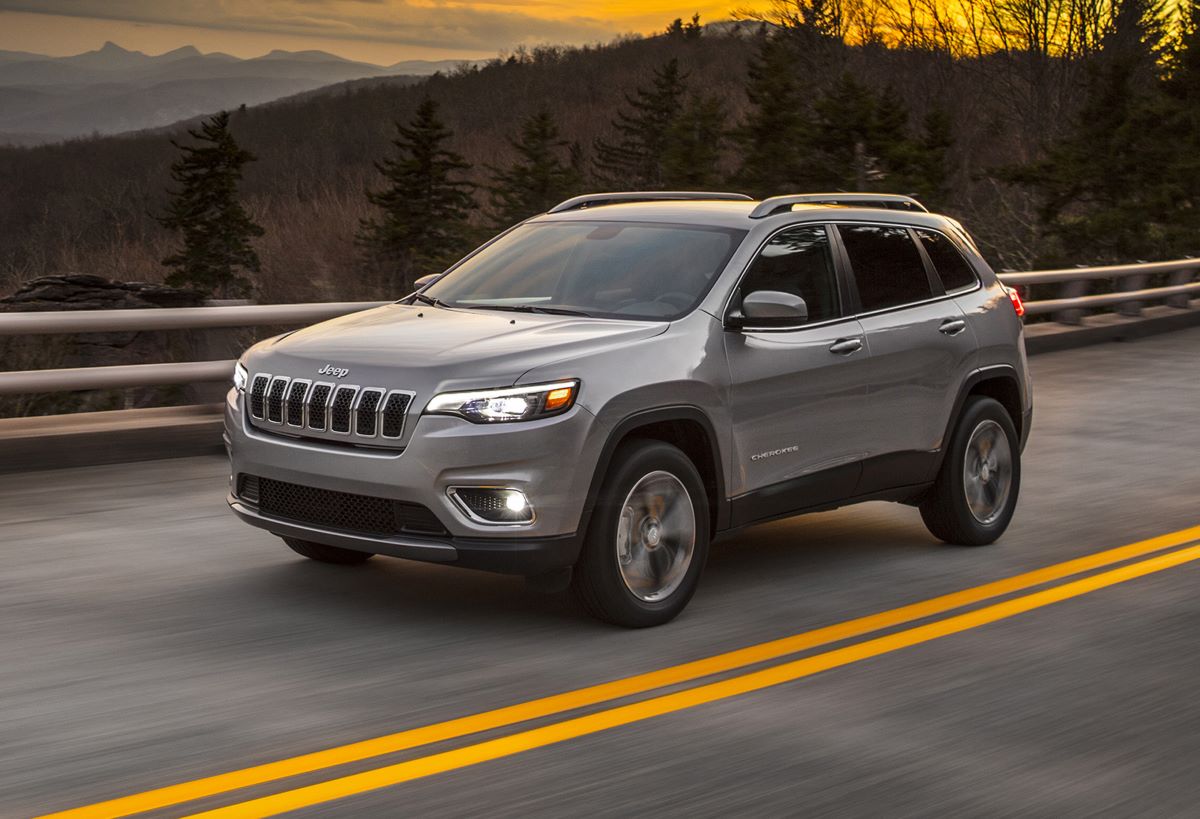
4. Jeep Cherokee (2014–2019)
While the Cherokee has off-road potential, the 9-speed transmission proved problematic. Countless owners reported lurching, gear slipping, and ECU issues.
All 2015 Jeep Cherokee models come standard with a 2.4-liter four-cylinder engine producing 184 horsepower and 171 pound-feet of torque.
For those seeking more power, a 3.2-liter V6 engine delivering 271 hp and 239 lb-ft of torque is available on every trim except the base Sport. Regardless of engine choice, both are paired with a nine-speed automatic transmission as standard equipment.
Buyers can choose between front-wheel drive and four-wheel drive for either engine, though the Trailhawk trim comes exclusively with 4WD. Jeep provides two four-wheel-drive systems.
The entry-level Active Drive I system, standard on 4WD versions of the Sport, Latitude, and Limited trims, requires no driver engagement and is well-suited for snowy or slippery conditions. For more serious off-road use, Jeep offers the upgraded Active Drive II system, which includes low-range gearing for increased off-road capability.
This system is standard on the Trailhawk and optional on other 4WD trims. The Trailhawk also stands apart with its locking rear differential, which improves traction on especially rugged terrain.
All four-wheel-drive Cherokee models include a Selec-Terrain system that lets the driver choose between Auto, Snow, Sport, and Sand/Mud modes to better adapt to changing surfaces. The Trailhawk version adds a fifth setting—Rock mode—for even more off-road versatility.
Hill start assist is included on every Cherokee, but only the Trailhawk gets hill descent control as standard. Additionally, every 2015 Cherokee is eligible for a towing package, and when properly equipped, V6-powered versions can tow up to 4,500 pounds.
This is the Selec-Terrain dial featured in most four-wheel-drive Cherokee models. On the Trailhawk, the dial includes the Rock mode option.
Due to the range of available engine and drivetrain configurations, the 2015 Jeep Cherokee receives varied EPA fuel economy estimates.
With the four-cylinder engine and front-wheel drive, the Cherokee earns a rating of 25 mpg combined (22 city/31 highway). Models equipped with the V6 and front-wheel drive return 24 mpg combined (21 city/29 highway).
- Common Issues: Faulty transmission, frequent software updates, and engine stalls.
- Longevity: Major issues can arise before the 100k-mile mark.
5. GMC Acadia (2007–2016)
Like its sibling, the Chevrolet Traverse, early Acadias suffered from similar drivetrain and electrical issues that impacted long-term reliability.
As one of four related models, the 2010 GMC Acadia faces a challenge in distinguishing itself from its siblings. Still, it manages to offer some appealing advantages compared to its platform-mates—even if we remain skeptical that GM needs four variations of the same large crossover SUV.
The Acadia may not be as upscale as the Buick Enclave, but it’s more affordable, and its interior finishes outshine those in the Chevy Traverse and Saturn Outlook.
That said, the Acadia matches its counterparts in capability, making it a solid contender in the large three-row crossover SUV category.
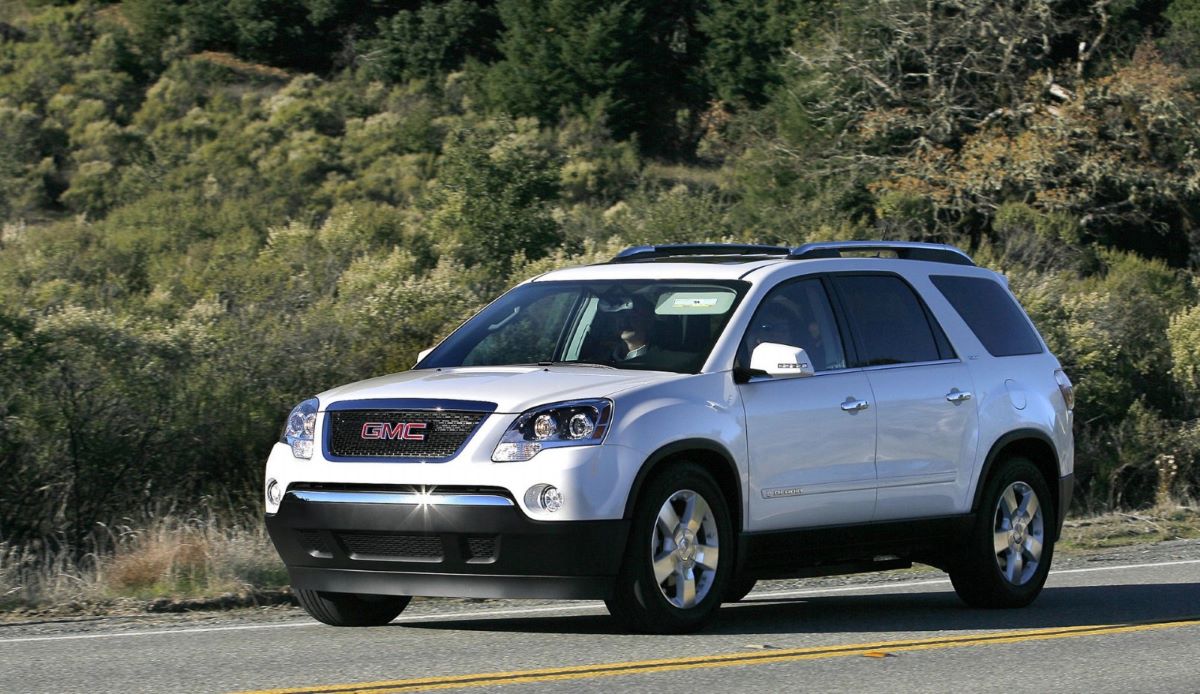
Thanks to its unibody construction—unlike the heavier, less refined body-on-frame setups found in traditional full-size SUVs—the Acadia delivers better handling, more efficient interior space, and improved crash safety. It’s equipped with a smooth, robust direct-injected V6 engine and is offered in both front- and all-wheel-drive versions.
Long-distance families will appreciate the SUV’s plush ride and available rear-seat entertainment system. And unless you’re ready to embrace the minivan life, only something as large as a Chevy Suburban can surpass the Acadia’s massive 117 cubic feet of maximum cargo space.
Of course, the 2010 Acadia isn’t without its flaws. While the cabin layout is pleasing to the eye, the materials used could use an upgrade. The third-row seating also lags behind the Ford Flex in comfort—a common issue across GM’s crossover SUV lineup.
Visibility isn’t as good as it is in the Flex either. Lastly, some of our editors have criticized the Acadia for feeling somewhat heavy and less agile on the road, especially when compared to smaller and more responsive competitors.
- Common Issues: Failing power steering, blown head gaskets, and failing AC systems.
- Longevity: Reliability drops significantly after 90,000 miles without meticulous maintenance.
The SUV you choose can make all the difference when it comes to the safety and well-being of your family. Models like the Toyota Highlander and Subaru Ascent deliver peace of mind with stellar safety records and proven dependability.
On the flip side, SUVs like the Dodge Journey and Jeep Cherokee may leave you wishing you’d done more research before buying.
For families that rely on their vehicle every day, investing in one of the safer, longer-lasting options will save more than just money it can spare you stress and even prevent accidents in the long run.