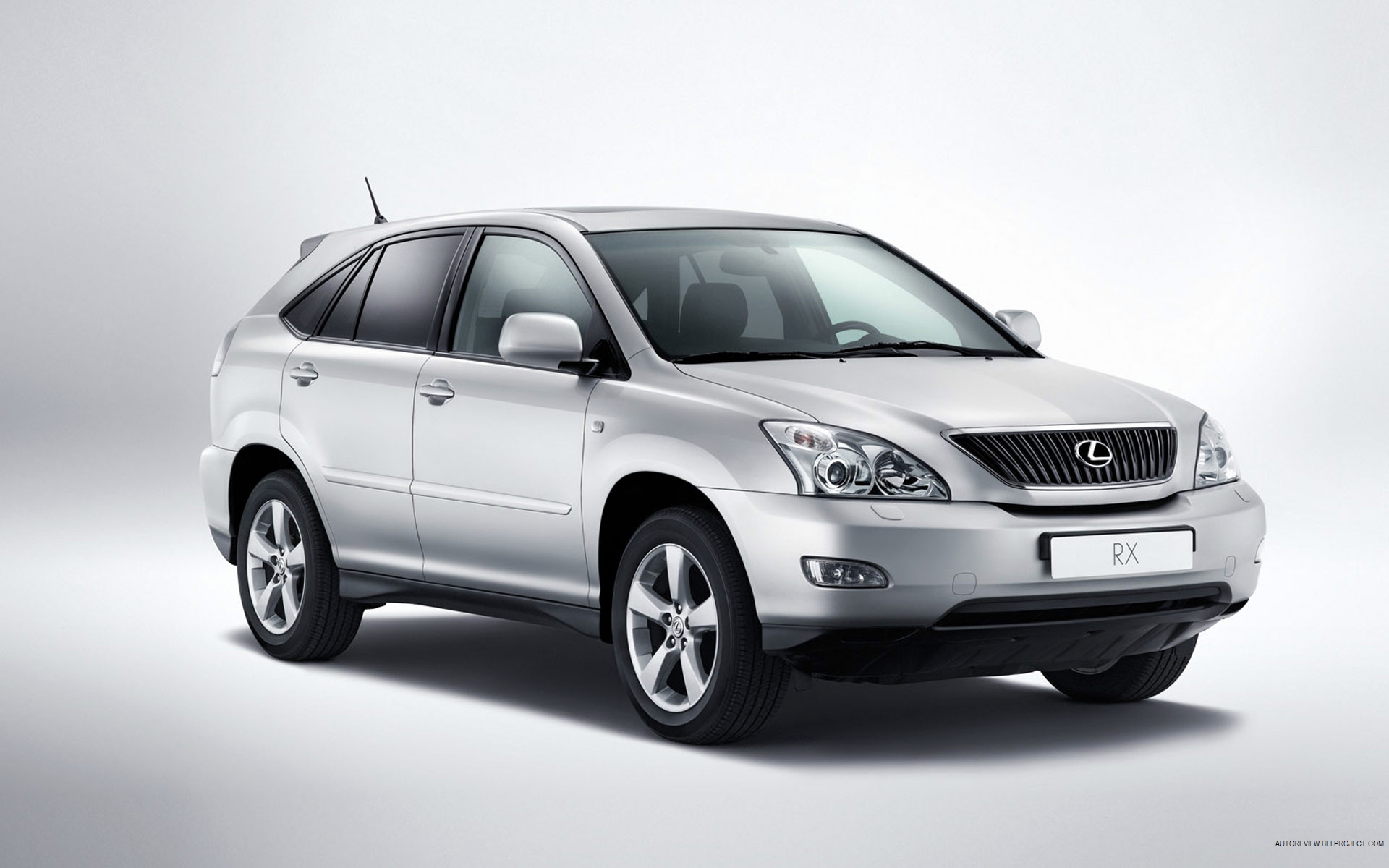
When it comes to car reliability, most of the spotlight falls on engines, transmissions, and fuel economy. But if you’ve ever been stranded in a parking lot with a dead battery—or watched your dashboard light up like a Christmas tree on a random Tuesday—you already know that a vehicle’s electrical system can make or break your driving experience. At the heart of that system? The alternator.
Some vehicles are equipped with alternators so dependable they seem almost invincible—quietly humming away for hundreds of thousands of miles, keeping the battery charged and your electrical systems running without a hiccup. Others… not so much.
Whether due to poor design, undersized components, or just plain bad luck, certain vehicles have a reputation for eating batteries alive or leaving you reliant on jumper cables more often than you’d like.
In this article, we’re diving into 5 vehicles known for their bulletproof alternators—machines that rarely let you down electrically—and contrasting them with 5 infamous battery killers, vehicles that have become notorious for electrical gremlins, charging issues, and mysterious power drains.
Vehicles With Legendary Alternators
Whether you’re buying used, looking to upgrade, or just want to know what’s under the hood of your current ride, this list will give you the heads-up you need to avoid a dead start and maybe save yourself a few hundred bucks (and headaches) down the road.
1. Toyota Land Cruiser
The Toyota Land Cruiser is built for durability and off-road toughness, and its alternator reflects that legacy. Owners often report the factory alternator lasting over 200,000 miles without failure.
Whether you’re running auxiliary lights, winches, or other accessories, the Land Cruiser’s alternator delivers consistent output under pressure.
This SUV was designed with global reliability in mind making it a favorite for long expeditions and harsh environments.
Arnold Schwarzenegger’s iconic “I’ll be back” wasn’t just a movie line—it was a promise. And much like the Terminator, the Toyota Land Cruiser has kept its word.
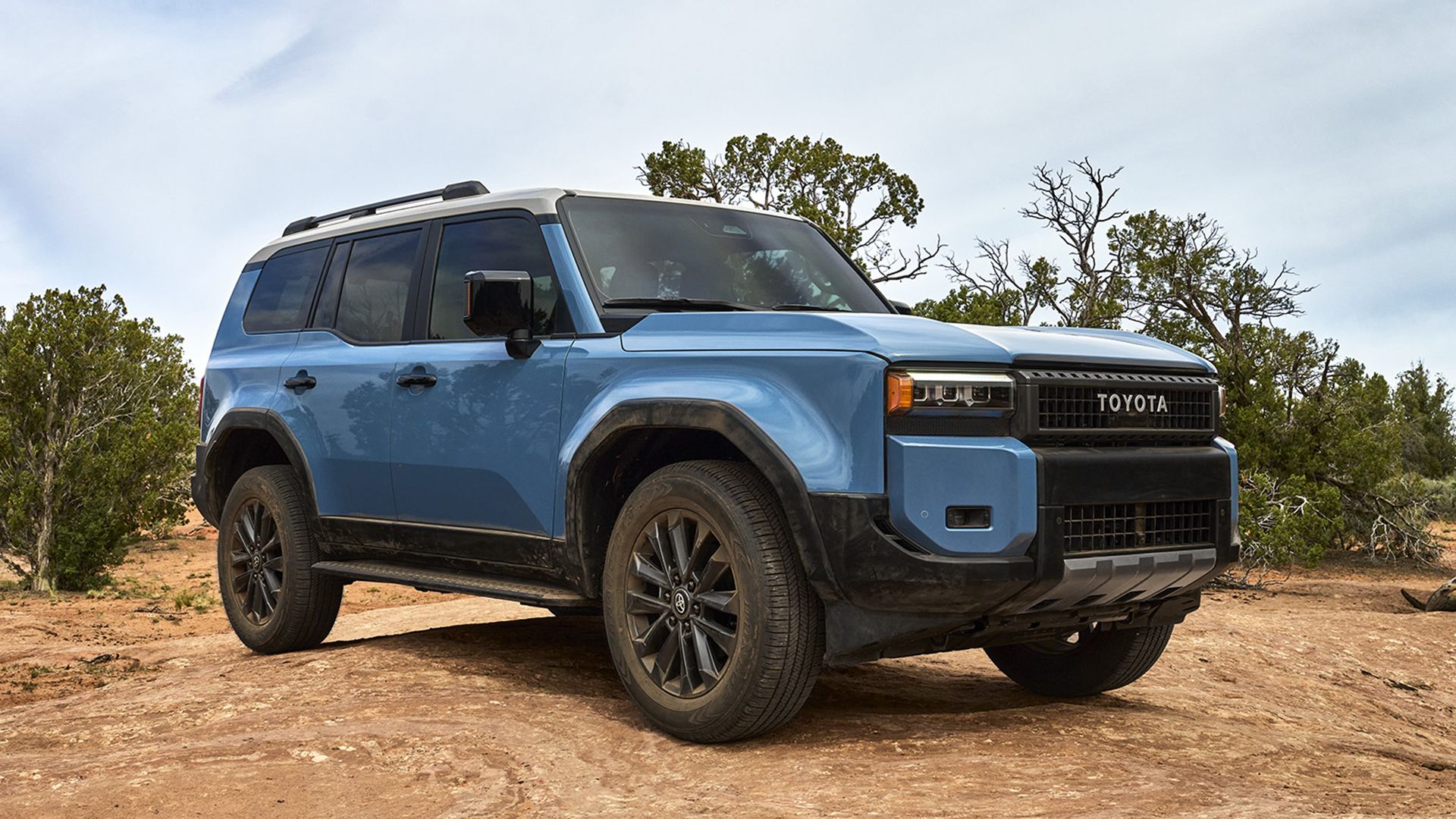
After being discontinued following the 2021 model year, this legendary off-roader has smashed its way back into the lineup for 2024—reborn with a leaner frame, a hybrid heart, and a more accessible price tag.
Gone is the full-size luxury barge of yesterday. The 2024 Land Cruiser now slots in as a midsize SUV, positioned squarely between the rugged 4Runner and the family-hauling Sequoia in Toyota’s truck-based SUV hierarchy.
It’s even sharing DNA with the newly redesigned Lexus GX, but make no mistake—the Land Cruiser still marches to the beat of its own tough, trail-conquering drum.
One of the biggest headlines? No more V8. Instead, under the hood lies a turbocharged 2.4-liter four-cylinder engine paired with a hybrid system. Combined output is an impressive 326 horsepower and a massive 465 lb-ft of torque. On paper, a turbo-four in a Land Cruiser might sound like heresy—but in practice, it works.
Thanks to the electric motor’s instant torque, throttle response is sharp and immediate, especially off the line. It feels quicker and more refined than the old V8, and the fuel economy leap is undeniable: from a thirst-heavy 14 mpg combined to a far more reasonable 23 mpg.
2. Honda Accord (2003–2012)
The seventh and eighth generations of the Honda Accord feature alternators that rarely give up early. These vehicles are praised not just for overall reliability, but for rock-solid electrical systems.
It’s not uncommon to see original alternators pushing past 150,000 miles. When paired with proper battery maintenance, the Accord remains one of the most dependable mid-size sedans on the road.
Honda takes a bold leap for 2005 with the introduction of the Hybrid Accord. Rather than add a hybrid motor to its four-cylinder, Honda bolts its third-generation IMA system to the Accord’s already-potent V6.
In one fell swoop the Accord hybrid has become the class leader in fuel economy (30 city, 38 highway) and power (255 horsepower).
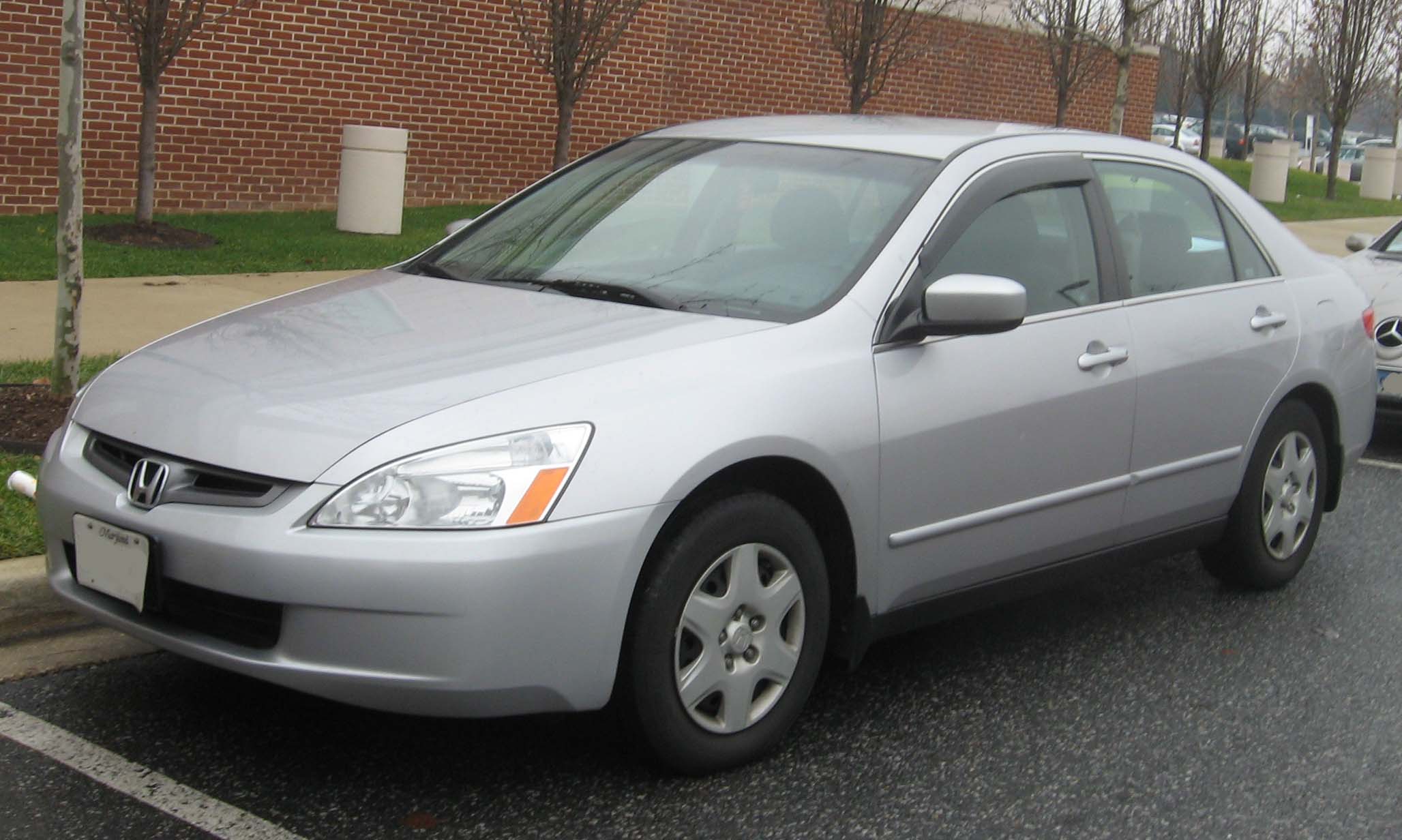
Other changes for the 2005 Honda Accord this year include new wheel cover designs for the LX and EX trims, a new coin pocket design, illuminated steering wheel controls and improved rear styling in sedans with redesigned taillamps.
In addition, front-seat side airbags and full-length head curtain airbags are now available on all trim levels all the way down to the base DX model.
For 2005, Honda makes a daring move by launching the Hybrid Accord. Instead of pairing a hybrid motor with the four-cylinder engine, Honda integrates its third-generation IMA system with the Accord’s already powerful V6.
As a result, the Accord Hybrid instantly claims the top spot in its class for both fuel efficiency—“30 city, 38 highway”—and performance, delivering “255 horsepower.”
Beyond the new hybrid variant, the 2005 Accord lineup receives a few thoughtful upgrades. The LX and EX trims feature updated wheel cover designs, while a redesigned coin pocket enhances interior convenience.
Inside, illuminated steering wheel controls offer better visibility, and the sedan versions get a fresher look out back thanks to redesigned taillamps.
Safety also sees a significant boost this year. Front-seat side airbags and full-length head curtain airbags are now available on all trim levels, including the entry-level DX model—a notable expansion of standard and optional protection features across the board.
3. Ford Crown Victoria
Fleet vehicles like the Crown Vic require dependable electrical systems, and Ford delivered.
Its alternators are known for simple construction and long life often powering emergency lights, radios, and dash cams for police and taxi services without failure.
With minimal electronics compared to modern vehicles, the alternator isn’t overburdened, which helps extend its lifespan even further.
The 2010 Ford Crown Victoria is a four-door sedan known for its rugged simplicity and long-standing popularity among fleet buyers and law enforcement agencies. With a base MSRP of $22,417.00, it comes backed by a 3-year/36,000-mile warranty, offering a practical and reliable ownership experience.
Under the hood, the Crown Victoria is powered by a Modular V-8 4.6L engine with 8 cylinders and a SOHC valve configuration, displacing 281 cubic inches (4601 cc).

This engine produces 239 horsepower at 4900 rpm and 287 lb-ft of torque at 4100 rpm, delivering solid performance for a full-size sedan. It runs on gasoline and uses 5W-20 oil, with an engine oil capacity of 5.7 liters (6 US quarts).
Despite its size, the Crown Victoria manages respectable fuel economy, rated at 17 mpg in the city and 25 mpg on the highway. The car’s curb weight ranges from 4,101 to 4,134 pounds, and it rides on P225/60R16 tires. Stopping power comes from dual hydraulic disc brakes at both the front and rear, ensuring consistent and effective braking performance.
The vehicle is equipped with a 4-speed automatic transmission, providing smooth and reliable gear shifts through its 4-speed system.
In terms of dimensions and practicality, the Crown Victoria stretches to 212 inches in length and includes a 19-gallon fuel tank, giving it decent cruising range between refueling. It also offers seating for up to six people, making it a comfortable and spacious option for families, transport services, or anyone in need of a no-nonsense, full-size American sedan.
4. Lexus RX350 (2007–2015)
Lexus has a reputation for reliability, and the RX350’s alternator contributes to that image. Owners rarely encounter electrical issues, and factory alternators are known to last up to 180,000 miles or more.
Even with luxury features like power liftgates, heated seats, and infotainment systems, the RX350 manages to avoid battery drain thanks to a well-balanced alternator design.
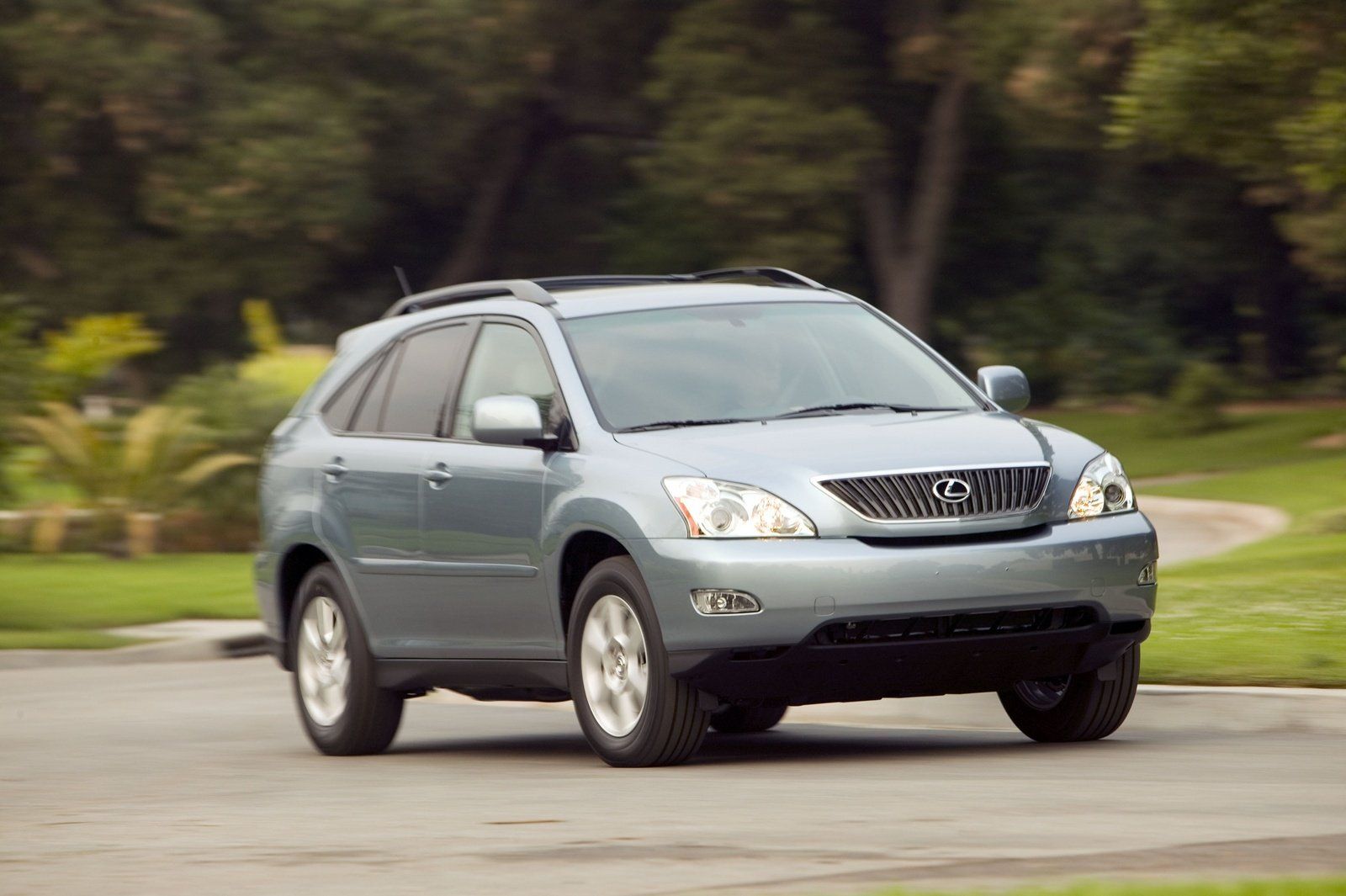
The Lexus RX 350 remains the brand’s top-selling model and continues to be a strong contender in the luxury crossover SUV segment. Buyers are drawn to the 2012 RX 350 for its refined design, quiet and upscale cabin, and an abundance of standard features. For those with an eye toward fuel efficiency, Lexus introduced a hybrid version—the RX 450h—back in the 2010 model year.
Offered in both front-wheel drive (FWD) and all-wheel drive (AWD) configurations, the RX 350 is powered by a 3.5-liter V-6 engine that produces 270 hp and 248 lb-ft of torque. While this amount of power is ample for most driving scenarios, the RX is engineered more for comfort and cruising than for spirited performance.
It’s not the kind of crossover you’d take to carve corners, but it excels in delivering a smooth and composed ride. Inside, the spacious cabin comfortably accommodates a family of five and is equipped with a range of modern technology features.
One of the most notable additions for 2012 is the introduction of the Lexus Remote Touch controller, which is used to navigate the infotainment system. The controller is shaped like a computer mouse and functions in a similar manner, allowing users to easily interact with the on-screen menus.
Rear-seat passengers are treated to an available entertainment system featuring two high-definition, seven-inch screens for watching DVDs. Another available option is the head-up display, which projects high-intensity LED information—such as speed, navigation, and audio data—directly onto the windshield for easier viewing while driving.
This model continues in its SUV body style and is paired with a 6-speed automatic transmission. As a carryover from the generation that debuted in 2010, the 2012 RX 350 remains largely unchanged, though a few updates are worth noting. Nebula Gray Pearl replaces the previous Smoky Granite Mica exterior color, and a multimode automatic transaxle warning indicator has been added.
Lexus also notes that the RX 350 is now capable of running on 87 octane fuel, making ownership slightly more economical. A newly available appearance package includes 19-inch wheels with a chrome finish and halogen headlights with black trim, adding to the vehicle’s visual appeal.
The RX 350’s exterior is defined by its sloping roofline and sharply defined body lines, which were part of the comprehensive 2010 redesign.
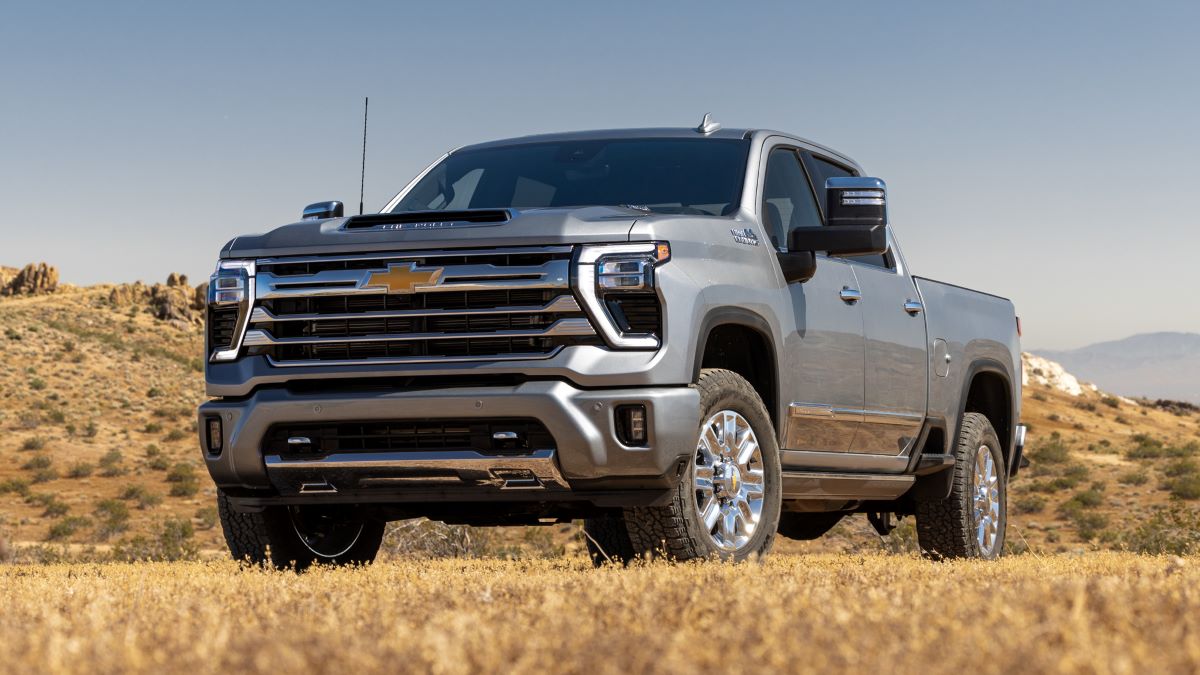
5. Chevrolet Silverado 2500HD (Duramax Diesel)
Heavy-duty pickups demand robust electrical systems, and the Silverado 2500HD equipped with the Duramax diesel engine doesn’t disappoint.
Its alternator is not only durable, but also high-output, designed to handle towing accessories, trailers, and aftermarket add-ons.
Many owners report no alternator issues even after years of hauling and plowing, making it a staple among hardworking trucks.
The Lexus RX 350 remains the brand’s top-selling model and continues to be a strong contender in the luxury crossover SUV segment. Buyers are drawn to the 2012 RX 350 for its refined design, quiet and upscale cabin, and an abundance of standard features.
For those with an eye toward fuel efficiency, Lexus introduced a hybrid version—the RX 450h—back in the 2010 model year.
Offered in both front-wheel drive (FWD) and all-wheel drive (AWD) configurations, the RX 350 is powered by a 3.5-liter V-6 engine that produces 270 hp and 248 lb-ft of torque. While this amount of power is ample for most driving scenarios, the RX is engineered more for comfort and cruising than for spirited performance.
It’s not the kind of crossover you’d take to carve corners, but it excels in delivering a smooth and composed ride. Inside, the spacious cabin comfortably accommodates a family of five and is equipped with a range of modern technology features.
One of the most notable additions for 2012 is the introduction of the Lexus Remote Touch controller, which is used to navigate the infotainment system. The controller is shaped like a computer mouse and functions in a similar manner, allowing users to easily interact with the on-screen menus.
Rear-seat passengers are treated to an available entertainment system featuring two high-definition, seven-inch screens for watching DVDs. Another available option is the head-up display, which projects high-intensity LED information—such as speed, navigation, and audio data—directly onto the windshield for easier viewing while driving.
This model continues in its SUV body style and is paired with a 6-speed automatic transmission. As a carryover from the generation that debuted in 2010, the 2012 RX 350 remains largely unchanged, though a few updates are worth noting.
Nebula Gray Pearl replaces the previous Smoky Granite Mica exterior color, and a multimode automatic transaxle warning indicator has been added.
Lexus also notes that the RX 350 is now capable of running on 87 octane fuel, making ownership slightly more economical. A newly available appearance package includes 19-inch wheels with a chrome finish and halogen headlights with black trim, adding to the vehicle’s visual appeal.
The RX 350’s exterior is defined by its sloping roofline and sharply defined body lines, which were part of the comprehensive 2010 redesign. It features a sleek profile and wide, muscular shoulders.
Standard exterior features include 18-inch wheels, fog lights, LED brake lights, side mirrors with integrated LED turn signals, a rear spoiler, and automatic on/off headlights.
The spoiler serves a triple purpose by concealing the rear wiper, AM/FM radio antenna, and rear brake light. For those wanting an extra touch of luxury, HID headlights and 19-inch wheels are available as optional upgrades.
Inside the RX 350, an organic white light-emitting diode (OLED) multi-information display comes standard, along with steering wheel-mounted controls.
Both the driver and front passenger seats are 10-way adjustable, while the rear seats recline and fold in a 40/20/40 configuration for added versatility. The cabin is adorned with elegant wood trim on the center console and switch plates, with finish options including Genuine Walnut or Bird’s Eye Maple.
The Remote Touch control, mentioned earlier, can also be used to navigate the multi-information display and is positioned for convenient driver access. Overall, the layout places most switches and buttons within easy reach of the driver.
Vehicles That Constantly Drain Batteries
From power-hungry infotainment systems to constant background diagnostics and faulty modules, these battery bandits keep your alternator and your patience on edge.
In this article, we’re pulling back the curtain on vehicles that are notorious for draining batteries. Whether you’re a buyer looking to steer clear of electrical headaches or a current owner trying to figure out why your jump starter is working overtime, this list might just save you a tow truck call or five.
1. BMW 5 Series (E60, 2004–2010)
Despite its luxury appeal, the E60-generation BMW 5 Series suffers from parasitic electrical draws and alternator issues.
The car’s complex network of modules and sensors often remains active even when the vehicle is off, draining the battery overnight.
Add to that an alternator prone to early failure, and you have a car that might require a jumpstart more often than expected.
BMW launched the fifth generation of the 5 Series in the summer of 2003, and while the engineering underneath impressed, the design sparked widespread backlash. The styling caught many customers off guard—and not in a good way.
In the early 1990s, BMW brought on American designer Chris Bangle to overhaul the brand’s entire design philosophy. Initially, some of the results were well-received.
But when BMW rolled out the 7 Series (E65) and then the 5 Series (E60), things took a turn. These models did not sit well with BMW’s loyal fan base. The “flame surfacing” design concept envisioned by Bangle wasn’t for everyone.
In fact, the fifth-gen 5 Series triggered especially strong criticism, largely because it followed the E39, an earlier model widely praised for its clean, balanced styling. Sales of the E60 struggled as a result, frustrating shareholders.
Over its seven-year production span, the E60 offered as both a sedan and a station wagon, sold over 100,000 fewer units than its predecessor. Still, the E60 had its strengths. It was ahead of its time in technology, and earned praise for its smooth, refined engines, luxurious interior, and comfortable ride quality.
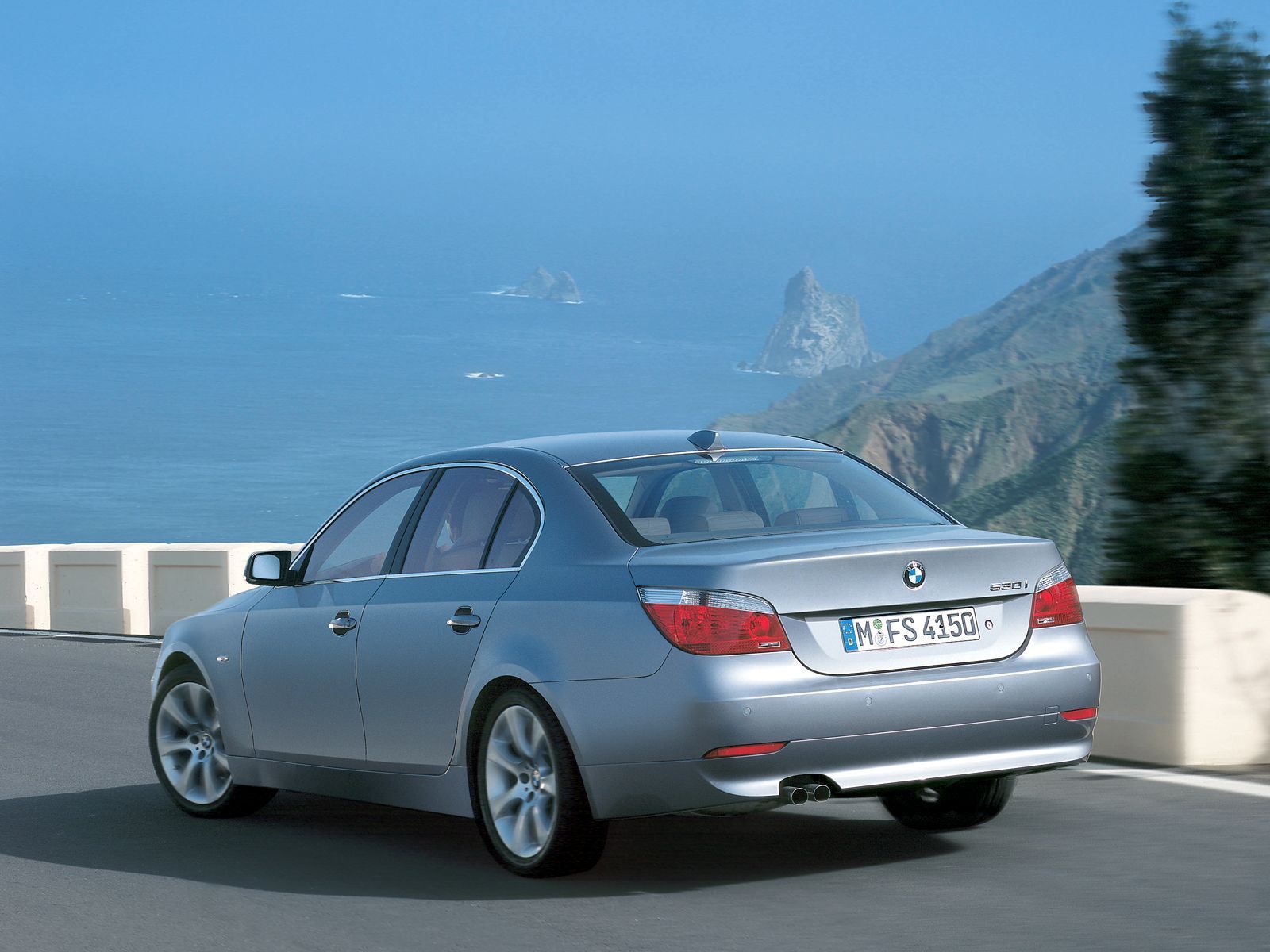
Visually, the front end of the E60 was bold and unusual. Swept-back headlights gave the car a futuristic appearance, resembling wings that extended from either side of BMW’s signature kidney grille.
That grille—with vertical slats—was built directly into the bumper instead of the hood, a surprising choice at the time, though one that made functional sense. Below, the bumper featured a wide lower grille that housed integrated fog lamps and an upside-down trapezoidal air intake.
From the side, the E60’s smooth, curving lines were abruptly interrupted by the shape of the trunk. A sharp diagonal cut started from the C-pillars and extended visually toward the rear bumper.
This, combined with a disproportionately large rear overhang, gave the car an unbalanced and heavy-looking stance—even if the actual weight didn’t support that impression.
At the rear, the triangular taillights framed the back fascia, but they also limited trunk access. While the trunk had enough capacity to carry four golf bags, actually fitting them in required effort and careful arrangement.
Inside, the design stirred more debate. The “double-bubble” dashboard was a point of contention, as it featured two distinct clusters: one directly in front of the driver for instruments, and another housing the 6.5” infotainment screen positioned at the top of the center stack.
Between the front seats, BMW placed the rotary controller for the iDrive infotainment system. Though it offered strong ergonomics, allowing the driver to operate it without looking, it wasn’t exactly praised for its visual appeal.
2. Jeep Grand Cherokee (2011–2014)
Owners of this generation Grand Cherokee often report battery and alternator problems. A common complaint is the vehicle shutting down electrical systems suddenly due to low battery, even with relatively new batteries installed.
The alternator struggles to keep up, and the TIPM (Totally Integrated Power Module) adds further unpredictability to the vehicle’s charging system.
The 2012 Jeep Grand Cherokee brings to mind Rocky Balboa before his fight with Ivan Drago — the determined underdog turned serious contender.
Before its complete redesign the previous year, the Grand Cherokee was known for its strong off-road chops but struggled with a lackluster interior, limited passenger room, and a V6 engine that lacked power but drank fuel like a V8.
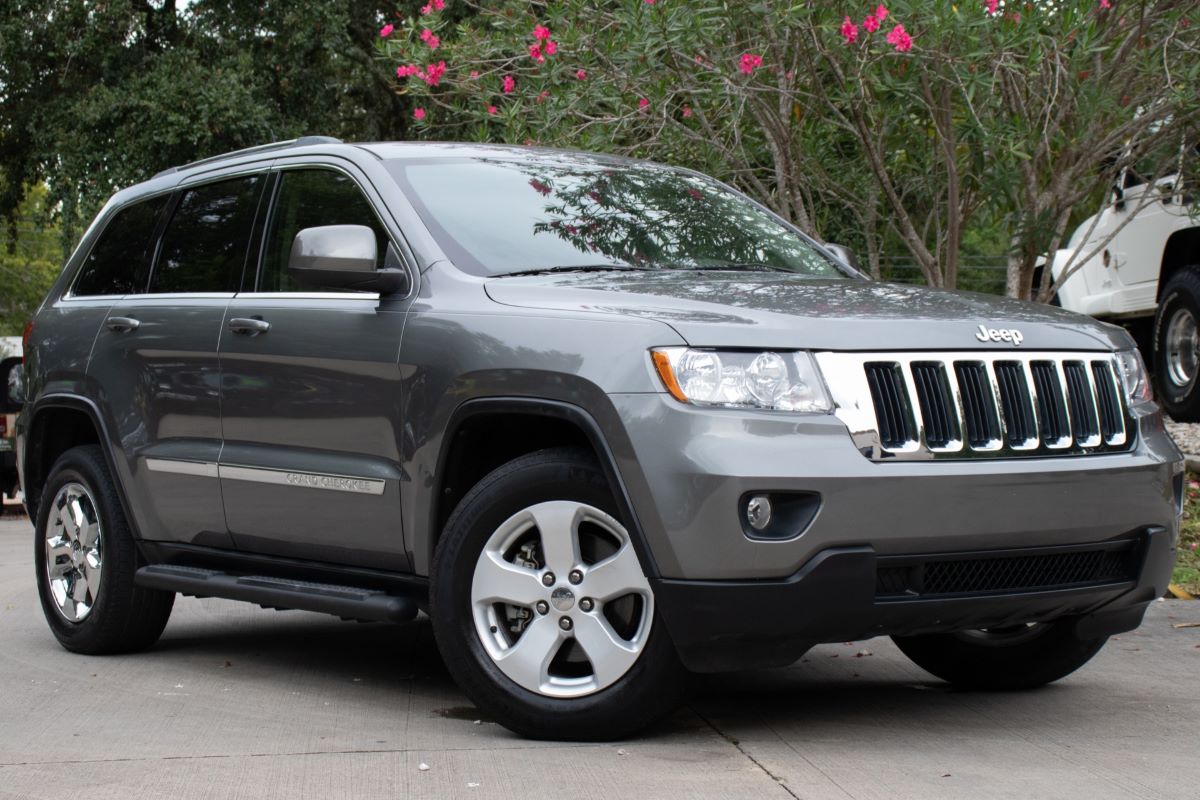
Fast-forward to 2012, and the Grand Cherokee has emerged in peak condition, sporting a refined and more spacious cabin, a stronger V6, and an overall driving experience that’s far more polished. It now stands tall among the top midsize SUV contenders.
What helps elevate the Grand Cherokee even further is its connection to the Mercedes-Benz ML-Class. During its development phase, Jeep was still under the DaimlerChrysler umbrella, and the resulting DNA shows. The Grand Cherokee carries a distinctly premium aura, with materials and craftsmanship that far surpass its earlier versions.
Put a pre-2011 Grand Cherokee next to this newer model and drive them back to back — the improvements in cabin finish, ride comfort, and performance refinement are night and day. For 2012, Jeep squeezes out slightly better fuel economy as well, gaining 1 mpg on the highway for both engines.
This comes courtesy of more efficient power steering in the V6 and an updated six-speed transmission mated to the V8. And let’s not forget the return of the fire-breathing Grand Cherokee SRT8, boasting a jaw-dropping 470-horsepower V8.
Still, for all its newfound civility, the 2012 Grand Cherokee doesn’t forget its off-road roots. It remains as capable on the trail as ever.
The available “Quadra-Lift” adjustable air suspension can raise or lower the ride height — from 6.6 inches for easier access to passengers and gear on the roof, all the way up to 10.7 inches for tackling rugged terrain.
Meanwhile, the “Selec-Terrain” system gives drivers the ability to optimize powertrain and suspension settings depending on the terrain ahead, whether that’s snow, mud, sand, or rock.
3. Dodge Journey
The Dodge Journey is infamous for electrical gremlins. Battery drain is a recurring issue, often caused by malfunctioning modules that stay powered when the vehicle is off.
Additionally, the factory alternators on many models are known to fail early, compounding the problem.
Replacing one component often leads to discovering several others needing attention making it a nightmare for DIYers and mechanics alike.
The Journey SE and Crossroad trims are saddled with an underwhelming four-cylinder engine that’s best steered clear of — though you won’t have much choice, as the more capable V-6 is no longer available.
The 172-hp engine lacks the muscle to move the vehicle with any urgency, and it’s further hamstrung by a four-speed automatic transmission that’s hesitant to downshift, making already sluggish performance feel even duller in real-world driving situations.
Three-row crossovers aren’t exactly known for delivering driving thrills, so their dynamics tend to be judged with tempered expectations. Even by that relaxed standard, the Journey fails to impress. Its handling is heavy and unwieldy, and the transmission’s slow responses drag down the experience even more.
The vehicle leans excessively through turns, exhibiting pronounced body roll and vague steering that doesn’t inspire confidence. That said, the upside to all this softness is a freeway ride that remains cushy and reasonably smooth.
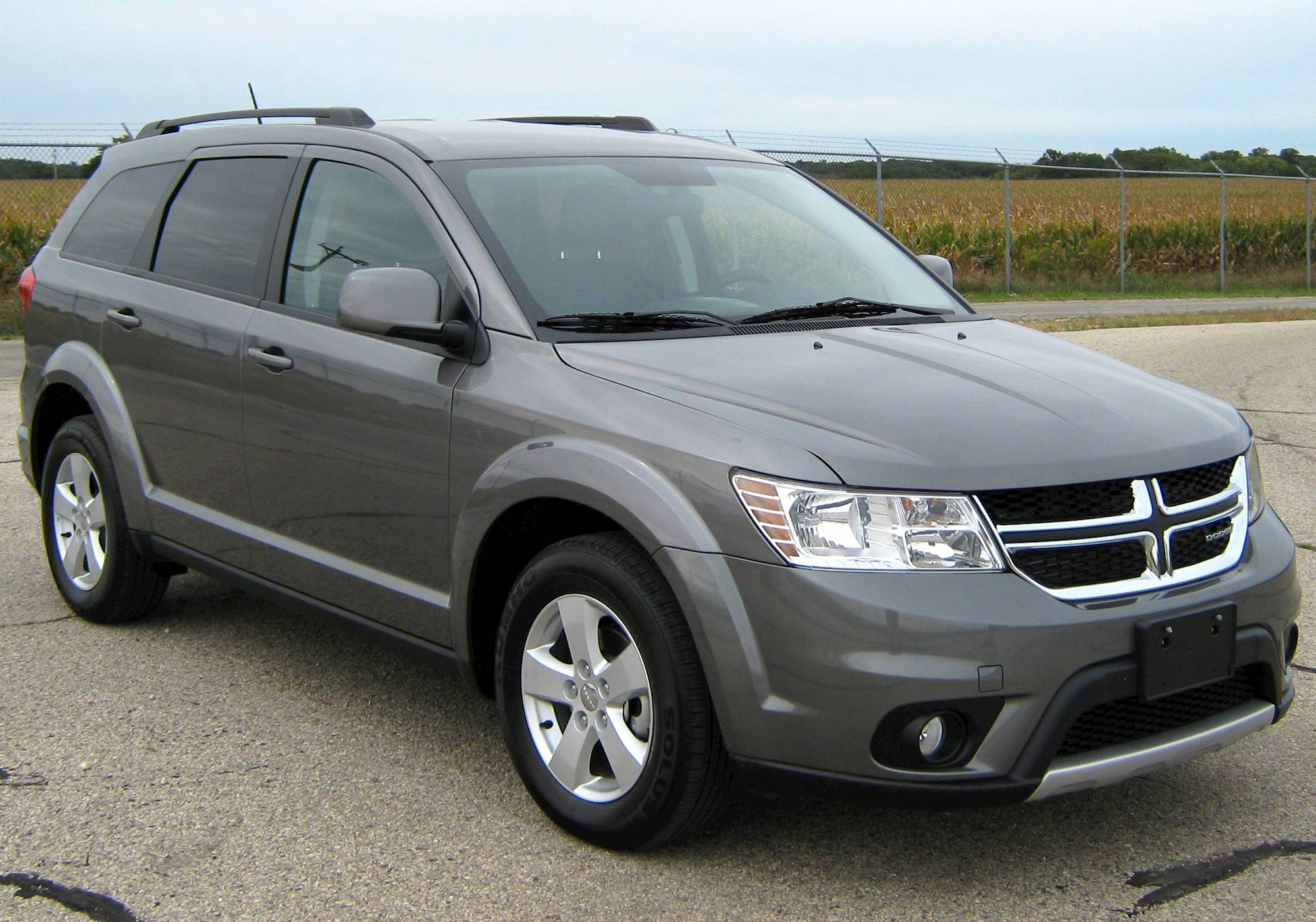
When it comes to fuel economy, the Journey’s four-cylinder engine brings up the rear among similarly equipped competitors.
The EPA rates it at just 19 mpg in the city and 25 mpg on the highway — numbers that lag well behind rivals. For comparison, the 2019 Honda CR-V achieves 26 mpg city and 32 highway, while the 2019 Toyota C-HR is rated at 27 mpg in the city and 31 mpg on the highway.
Inside, the Journey doesn’t aim for luxury, and it shows. The cabin is basic, though the controls are intuitive and easy to use.
Still, space in the third row is extremely limited, even children won’t be comfortable unless those in the second row are willing to sacrifice their own legroom. Materials throughout the interior fall short of expectations, especially in the higher trims.
Notable offenders include a cheap-feeling shifter and hollow-sounding door trim. Furthermore, several premium features such as a power-adjustable front passenger seat, ventilated front seats, and heated rear seats are completely missing from the options list.
Where the Journey does redeem itself is in overall practicality. The interior is flexible and geared toward function, with ample storage cubbies and smart organizational features.
While its total cargo volume is smaller than that of many competitors, it offers impressive storage solutions. The 50/50-split third row and 60/40-split second row can be folded flat to expand cargo space.
In addition to conventional console storage, there’s a sizable bin tucked under the front passenger seat cushion and a pair of large underfloor storage compartments beneath the second row. These thoughtful details help the Journey serve as a decent hauler for daily errands and weekend runs, even if it trails behind in most other areas.
4. Nissan Altima (2013–2018)
Many owners of the fifth-generation Altima report frustrating electrical issues tied to alternator failure and battery drain.
Even when batteries are replaced, alternators often can’t maintain charge levels.
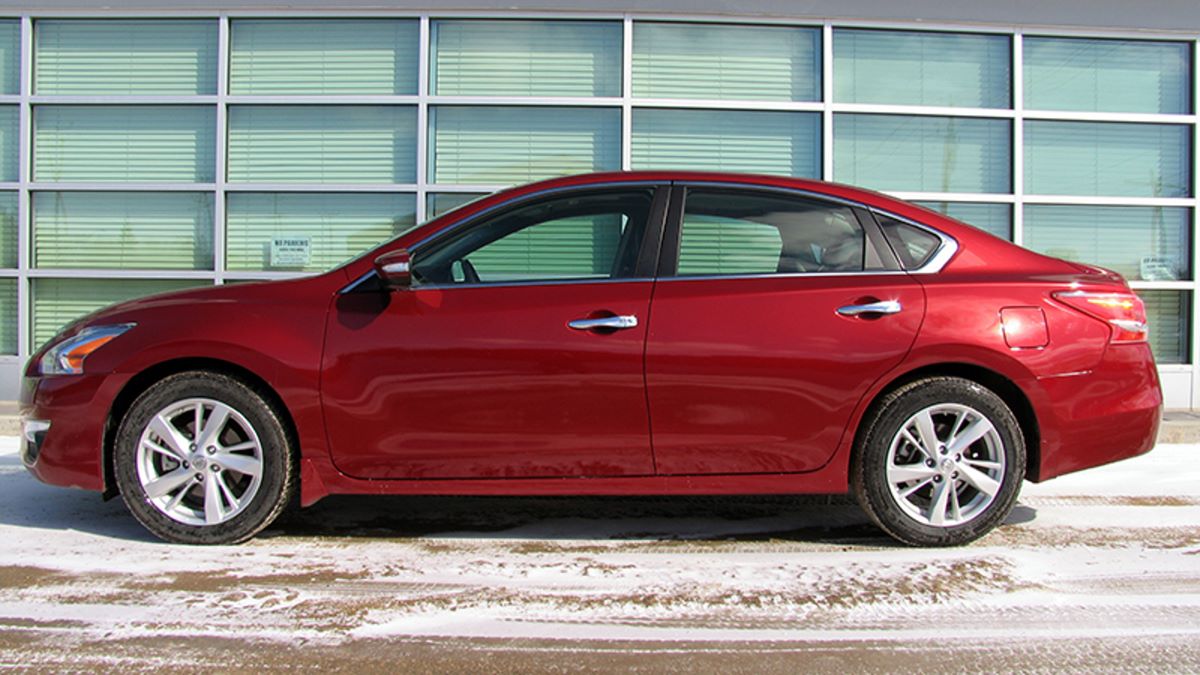
Some models also suffer from intelligent key modules or radio systems that continue drawing power after the car is shut off, leaving owners stranded unexpectedly.
Nissan approached the 2013 redesign of the Altima sedan with a measured hand. While the overall appearance doesn’t mark a radical departure from its predecessor, the comprehensive restyling inside and out reflects the model’s evolution toward a more refined and upscale direction.
As the best-selling vehicle in Nissan’s lineup, the Altima now boasts significantly improved fuel economy, even though most of its major mechanical elements carry over. Specifically, the four-cylinder 2013 Altima now ranks as one of the most fuel-efficient midsize sedans in its price class.
The previous-generation Altima earned praise for its responsive handling, composed ride, and intuitive electronic features — qualities that continue in the 2013 model.
However, these are now enhanced by a more sophisticated and better-appointed interior. The cabin stands out with its more dynamic design, soft-touch surfaces, and newly designed front seats that offer improved comfort.
The test vehicles we’ve driven also exhibited exceptional fit and finish, reinforcing Nissan’s attention to quality. The only notable drawback is limited rear headroom, which remains a concern for taller passengers.
As before, the Altima sedan offers two engine options: a 2.5-liter four-cylinder and a 3.5-liter V6. The V6 delivers brisk and satisfying acceleration, but for the majority of buyers, the four-cylinder will provide more than enough power for everyday driving.
Nissan continues to use a continuously variable transmission (CVT) instead of a traditional automatic. While the CVT’s lack of fixed gear shifts may feel unfamiliar at first, its responsiveness — particularly during passing is impressive.
This transmission is largely responsible for the Altima’s standout fuel efficiency. When paired with the four-cylinder engine, the 2013 Altima achieves an EPA-rated 31 mpg combined, putting it at the top of the class among non-hybrid, gasoline-powered midsize sedans.
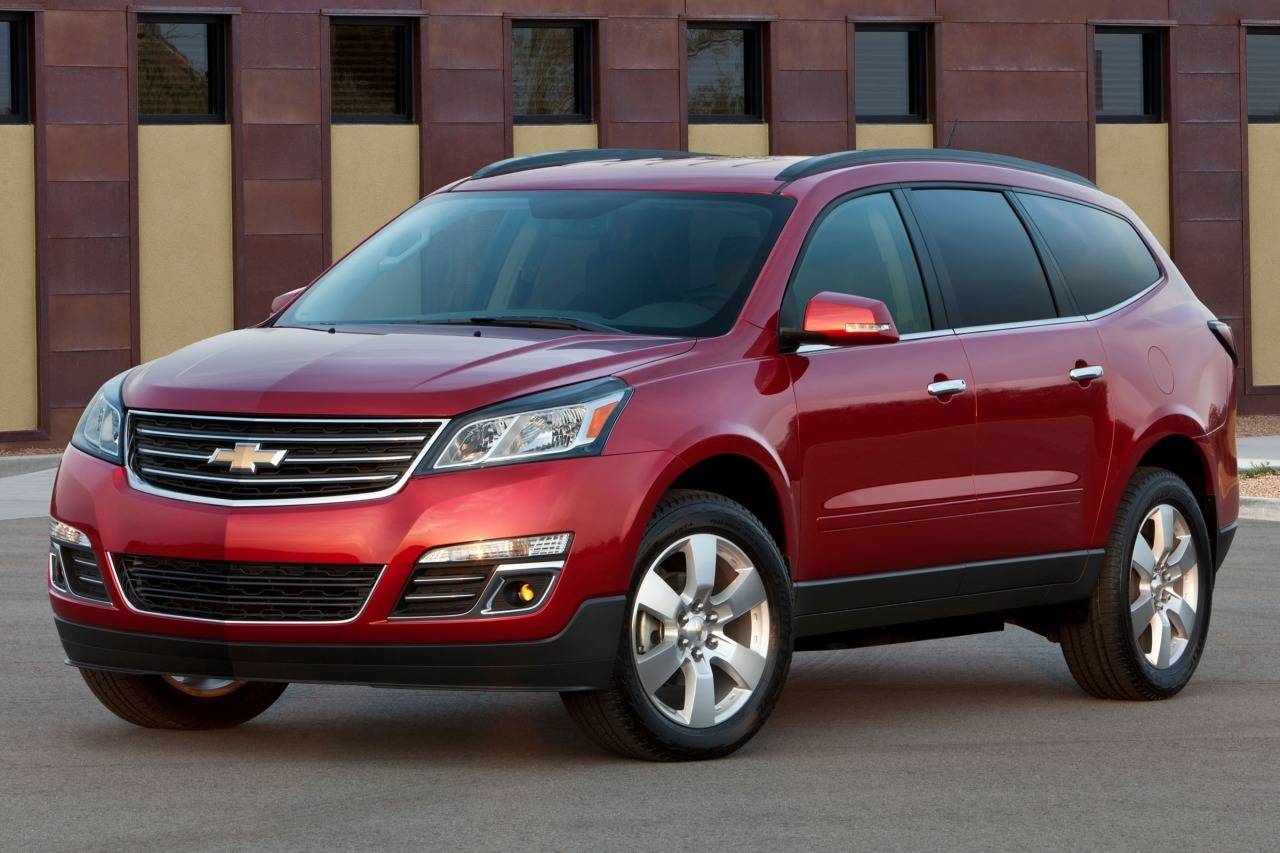
5. Chevrolet Traverse (2009–2012)
This early run of the Traverse SUV had widespread electrical system issues, with alternators frequently underperforming.
Even new units sometimes fail to fully charge the battery, especially when the vehicle is loaded with accessories like rear entertainment systems or additional lighting.
Stepping into the gap left by traditional minivans is the large crossover SUV, a vehicle that blends the family-oriented practicality and car-like handling of a minivan with the rugged styling and adventurous spirit typically associated with SUVs.
Within this increasingly popular segment, the 2010 Chevrolet Traverse stands out as a strong contender, offering a well-balanced mix of spaciousness, comfort, and performance at a price point that makes it especially appealing.
The Traverse is one of four General Motors siblings based on the “Lambda” platform — a family that also includes the Buick Enclave, GMC Acadia, and the now-discontinued Saturn Outlook.
Despite concerns that four near-identical crossovers might oversaturate the market, each has carved out a niche, with the Traverse emerging as the value-focused option.
Like its platform mates, the Traverse offers significantly more passenger and cargo capacity than most full-size, truck-based SUVs, while delivering a smoother, more refined driving experience and improved fuel efficiency.
Although it’s positioned as the entry-level model among its Lambda siblings, the Traverse doesn’t come across as a bare-bones offering. It borrows several attractive design elements from the popular Malibu, such as the signature split mesh grille on the exterior and the dual-cockpit layout inside.
Overall, it makes a strong visual and functional impression. Of course, it’s not without its drawbacks — outward visibility is somewhat limited, and the third-row seat lacks the comfort of what you’d find in the Ford Flex.
Additionally, the driving dynamics aren’t as engaging as those of the Mazda CX-9. Still, for buyers seeking a capable, spacious, and well-rounded people mover that avoids the typical “mom-mobile” stereotype, the Traverse is a compelling option worth serious consideration.
The Chevrolet Traverse is offered with a single powertrain setup: a 3.6-liter V6 engine paired with a six-speed automatic transmission that includes manual shift control.
In the LS and LT trim levels, this engine delivers 281 horsepower and 266 lb-ft of torque through a single exhaust system. In the higher-end LTZ trim, dual exhaust outlets help bump those numbers up to 288 horsepower and 270 lb-ft of torque.
Fuel economy ratings from the EPA place the front-wheel-drive Traverse at 17 mpg in the city, 24 mpg on the highway, and 19 mpg combined.
The all-wheel-drive versions return nearly identical figures at 16 mpg city, 23 mpg highway, and 19 mpg combined. When properly equipped, the Traverse can tow up to 5,200 pounds, adding a layer of utility that families and adventurers alike will appreciate.
Owners often battle repeat dead battery scenarios, and diagnosis is further complicated by hidden draws in the system.
While alternators don’t get the attention that engines or transmissions do, they are the unsung heroes of automotive reliability.
Vehicles like the Toyota Land Cruiser and Honda Accord show what’s possible when engineering meets endurance.
Meanwhile, others like the BMW 5 Series and Jeep Grand Cherokee highlight how poor electrical design or fragile alternators can quickly turn ownership into a stressful cycle of battery replacements and mechanic visits.
If long-term reliability matters to you, it’s wise to pay attention not just to horsepower, but to the charging system that keeps your car running.