
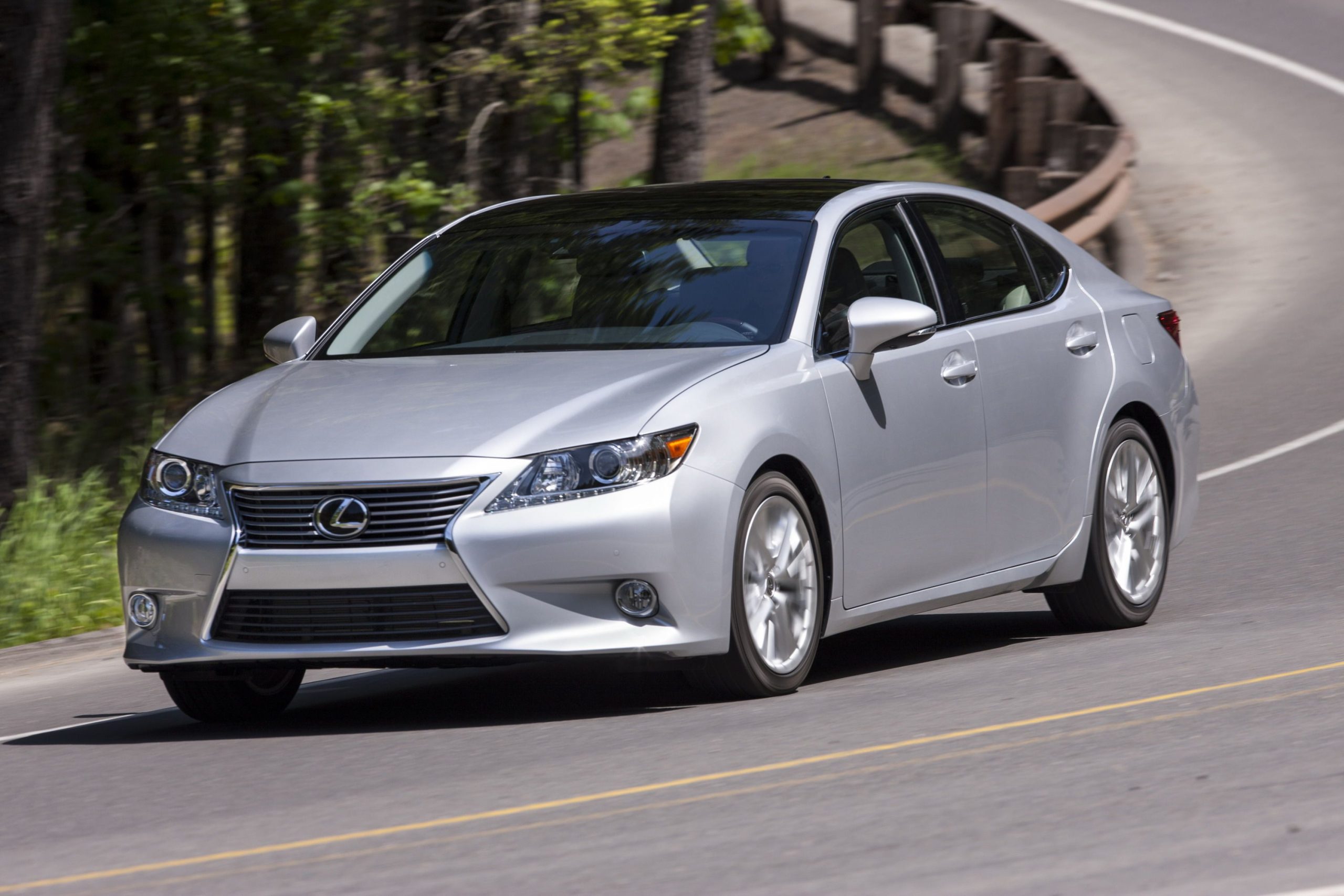
Brakes are one of those car components you don’t think much about, until they start squealing, grinding, or failing entirely.
They’re critical to safety and driving confidence, but not all brake systems are built the same. Some cars go well over 100,000 miles on their factory brakes with minimal fuss, while others start chewing through pads and rotors like they’re disposable.
Blame it on weight, design, cheap materials, or just poor engineering, but the reality is that brake longevity can vary drastically from one model to another, even within the same brand.
If you’re looking to keep maintenance costs low or avoid frequent trips to the shop, knowing which vehicles have durable, well-calibrated brake systems can save you both money and headaches.
In this article, we’ve rounded up five cars known for their long-lasting brakes, the ones owners and mechanics alike praise for making it to the six-figure mileage mark without a brake job.
Cars With Brakes That Last 100k Miles
On the flip side, we’ll also highlight five cars notorious for premature brake wear, whether it’s due to aggressive weight distribution, poor-quality components, or just flawed design.
These aren’t guesses or generic assumptions, we’ve looked at owner reports, mechanic insights, and real-world data to bring you the truth about which cars can go the distance and which ones will drain your wallet faster than you can say “brake pad replacement.”
1. Toyota Camry
The Toyota Camry continues to prove that reliability isn’t limited to engines alone. Thanks to its smooth power delivery, predictable stopping behavior, and relatively lightweight frame, many Camry owners report brake pads lasting well over 100,000 miles especially when driven in highway-heavy conditions.
Toyota’s engineering emphasizes smooth deceleration and efficient brake force distribution, which helps reduce wear significantly.
Now in its ninth generation, the 2025 Toyota Camry arrives with a notable shift in philosophy: it’s now offered exclusively with hybrid powertrains, available in both front- and all-wheel-drive layouts.
The Camry retains its familiar sedan silhouette, the roofline carries over unchanged from the previous model — but both the front and rear fascias have been redesigned to align with Toyota’s current styling direction.
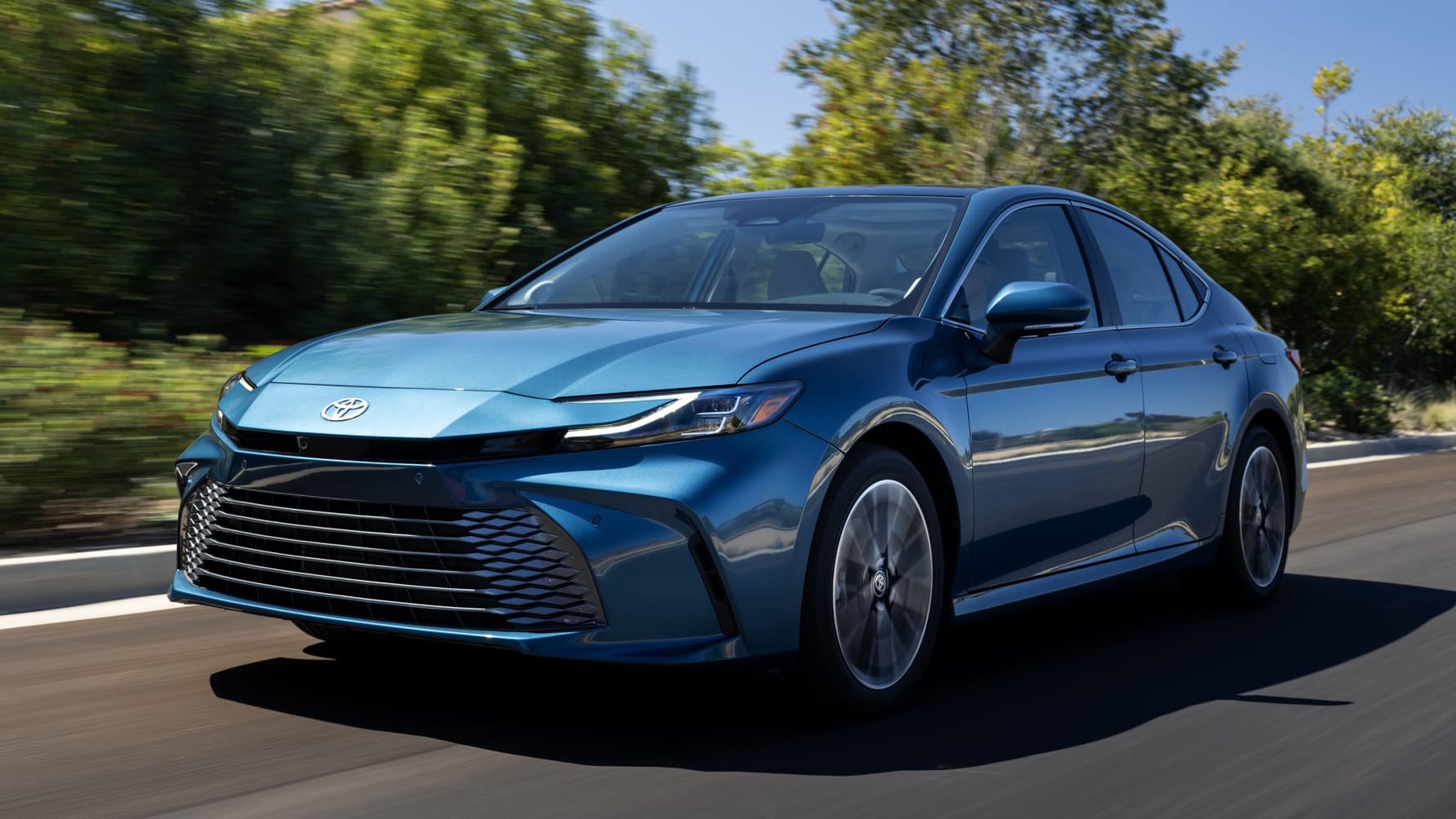
Buyers can still select between the comfort-oriented LE and XLE trims or opt for the sportier SE and XSE models. On one side of the lineup sits the comfort-focused XLE trim.
Shown here in Wind Chill Pearl, it has the reserved, practical look buyers have come to associate with the Camry. But beneath that familiar styling lies a substantial evolution.
Powering the 2025 Camry is Toyota’s fifth-generation hybrid system, which now generates 225 hp in its front-wheel-drive version. Despite the power bump, up 23 hp from before, fuel economy also improves, now rated at 47/48/48 mpg city/highway/combined.
Ride quality in the XLE is soft and controlled, soaking up road imperfections with ease. While there’s some noticeable tire slap over sharper edges, overall composure and comfort make it a competent daily driver.
Despite its cushier setup, the Camry doesn’t feel disconnected. Many of our editors were surprised by how pleasant it was to drive on twisty roads, where the hybrid drivetrain held its own.
That said, there are some drawbacks. A few judges found the brake pedal feel lacking — describing it as squishy, nonlinear, and ultimately wooden.
Inside, while the layout and design are modern and attractive, the materials come off as cheap in places. Squeaks and rattles also showed up during testing on rougher roads, detracting from an otherwise quiet ride.
“The back seat is comfortable, there are power ports everywhere, a wireless charge pad, the interior infotainment gets the job done in a simple-enough layout and format, and it’s easy to pair a phone.” In terms of fulfilling its everyday function, the XLE hits the mark.
At the other end of the spectrum is the sportier, range-topping XSE model, which carries a higher tested price of $42,260. It positions itself as the more engaging drive, equipped with a sport-tuned suspension and enhanced exterior trim for a more aggressive aesthetic. The interior carries the same theme, featuring the vibrant Cockpit Red upholstery as standard.
The XSE’s stiffer suspension setup, thanks to upgraded springs, dampers, and rear anti-roll bar — makes for sharper handling, especially on curvy roads.
The all-wheel-drive version we tested makes 232 hp, and the inclusion of a third electric motor delivers added low-end torque. That extra thrust tapers off at highway speeds, but around town, it adds a livelier feel.
“Pretty much everything about the XLE you can ascribe to the XSE,” said director of editorial operations Mike Floyd, “except it was a smidge more buttoned down on the winding track, thanks to its sport tuning and AWD, which gave it a predictably more sorted feel.”
The Camry XSE offers more fun behind the wheel, but that comes at the expense of ride comfort and everyday refinement.
It’s more comfortable, better suited for daily use, and its lower price leaves room in the budget to add all-wheel drive. While the XSE does bring more performance, the XLE strikes a better balance of practicality and polish.
If Toyota can address some of the Camry’s remaining shortcomings, like the flimsy door feel and noisy B-pillars, this new generation hybrid stands to become one of the most well-rounded sedans in its class.
2. Honda Accord
Like its rival the Camry, the Honda Accord delivers exceptional brake life, especially in the non-sport trims.
The Accord’s brake system is known for even wear and minimal rotor warping, and many drivers report original brakes lasting 90,000 to 110,000 miles with moderate care.
Honda’s use of higher-quality pad compounds and effective cooling design keeps heat and fade at bay, boosting longevity.
The Honda Accord has long stood as a benchmark for what a well-rounded midsize sedan should be. Over the years, it has consistently proven itself as one of the top choices in the segment and for good reason.
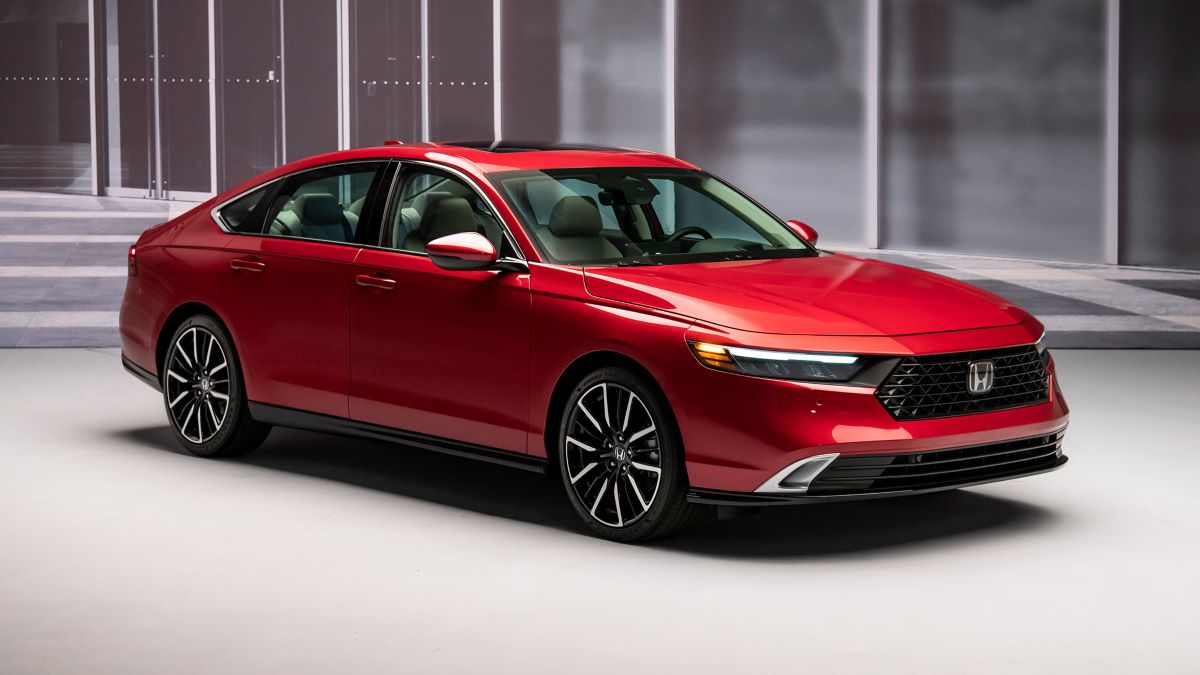
Among its most notable strengths are impressive fuel efficiency, a comfortable and spacious cabin, and a driving experience that feels effortless and composed. Honda’s longstanding reputation for reliability only reinforces the Accord’s appeal. With the arrival of the 2025 model, many of these core qualities remain firmly in place.
The Accord entered its 11th generation with a redesign for the 2023 model year. One of the key updates was the introduction of a hybrid powertrain as standard in the higher trim levels and this change works in the car’s favor.
The hybrid setup delivers a total output of 204 horsepower and returns an impressive 44 mpg combined (with the EX-L Hybrid trim achieving up to 48 mpg combined).
Beyond efficiency, the Accord impresses with a roomy interior that offers generous space for both front and rear passengers.
The seats are supportive and comfortable, and the car comes equipped with a well-executed array of driver assistance features. Altogether, the Honda Accord continues to embody the qualities that make it a smart, reliable, and balanced choice for families seeking a capable sedan.
Also Read: 5 Cars With Longest-Lasting Batteries and 5 That Constantly Need Jump Starts
3. Lexus ES350
Luxury meets long-term savings in the Lexus ES350, a car that shares much of its hardware with the Toyota Camry. The ES350 benefits from refined braking components and a softly tuned drivetrain that puts minimal stress on the pads.
Brakes lasting 100,000 miles are common in this executive sedan, especially for drivers who favor cruising over aggressive city driving.
Some drivers simply want a car that checks the essential boxes: comfort, safety, reliability, efficiency, and a lack of unnecessary flash. The Lexus ES fits that bill exceptionally well. Inside the cabin, the ES impresses with its spacious seating and premium materials, creating an atmosphere that feels both upscale and serene.
Although the base infotainment touchscreen is on the smaller side, the available upgraded unit offers more screen real estate, and both versions perform their duties well enough for everyday use.
Lexus also includes a wide array of driver assistance technologies as standard, features that many European brands make you pay extra for. These systems are not just present; they work exceptionally well and add to the ES’s overall value.
Where the ES doesn’t quite deliver is in the driving experience. None of its available powertrains feel particularly refined. There’s more engine noise and vibration than expected from a car in this class, and acceleration across the lineup is underwhelming.
Additionally, while ride quality is generally smooth, rough road surfaces can upset the car’s composure, detracting from the tranquil experience Lexus is known for.
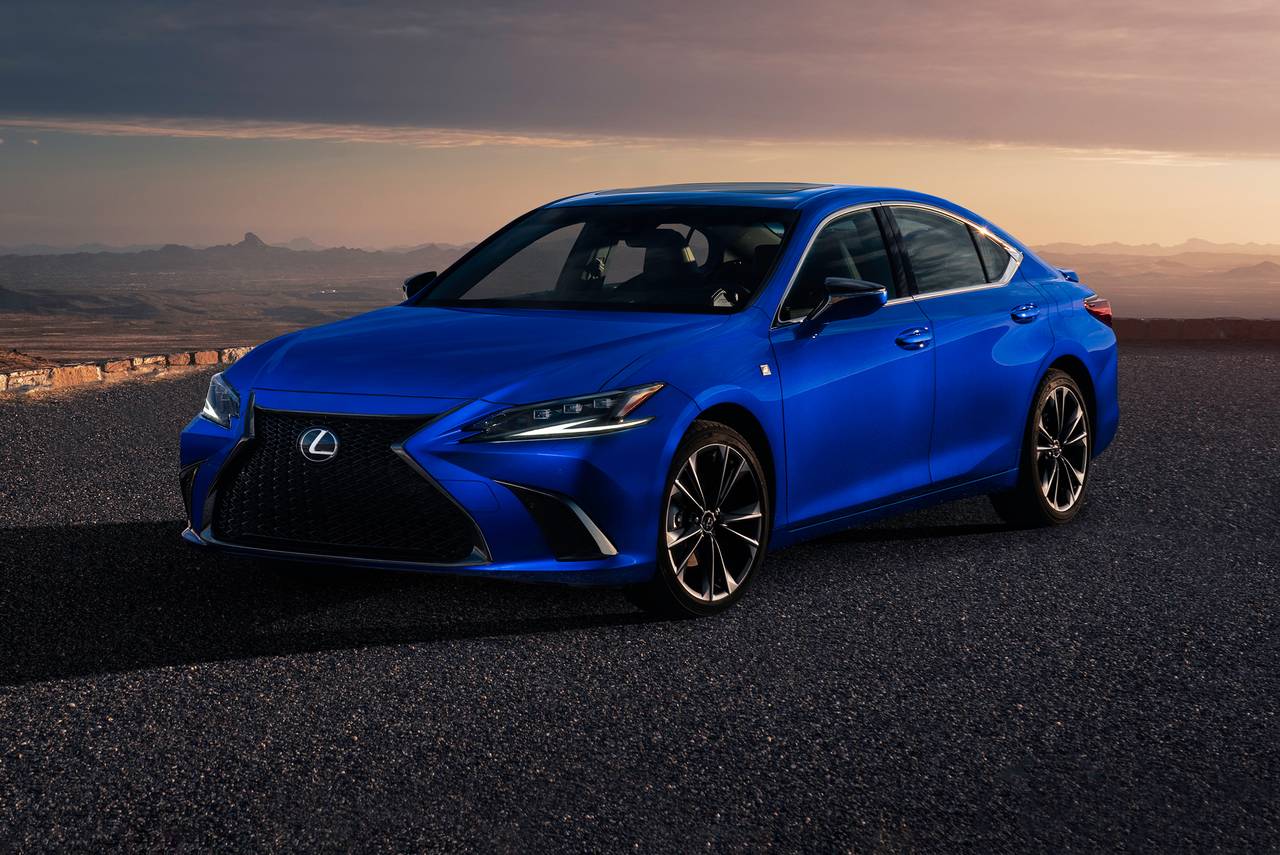
That’s not to say the ES drives poorly, it’s more that its competitors drive noticeably better. Rivals tend to offer quicker acceleration, sharper handling, and more engaging dynamics, all while maintaining a comparable level of comfort.
Still, the ES holds strong appeal for those who focus on practical priorities. Its reliability, generous list of safety features, and overall comfort give it serious credibility. It may not thrill behind the wheel, but it succeeds in the areas that matter most to the majority of buyers.
Lexus offers three distinct powertrains in the ES lineup. The ES250 comes with all-wheel drive and a 2.5-liter inline-four engine that produces 203 horsepower and 184 lb-ft of torque. It’s rated at 25 mpg in the city and 34 mpg on the highway, with an estimated 0–60 mph time of 8.6 seconds.
The ES350 sticks with front-wheel drive and upgrades to a 3.5-liter V-6, generating 302 horsepower and 267 lb-ft of torque. Its fuel economy comes in at 22 mpg city and 32 mpg highway, and it’s expected to accelerate to 60 mph in 6.6 seconds.
The most efficient option is the ES300h hybrid, which pairs a 2.5-liter inline-four with an electric motor for a combined 215 horsepower and 163 lb-ft of torque. It achieves an excellent 43 mpg in the city and 44 mpg on the highway, with a 0–60 mph time of 7.3 seconds.
These include front automatic emergency braking, rear cross-traffic alert, automatic high-beams, blind-spot monitoring, lane keep assist, and adaptive cruise control—all of which contribute to a safer, more confident driving experience.
4. Mazda3 (2.0L trims)
Mazda’s compact sedan may be a surprise here, but the base-trim Mazda3 with the 2.0L engine is lighter and more efficient than many of its rivals, which translates to less brake wear.
Owners frequently report that the original pads last beyond 90,000 miles, and sometimes even beyond 110,000 miles with gentle driving. It’s a testament to Mazda’s attention to balance and chassis refinement.
The 2021 Mazda 3 sedan is offered in three trim levels, each aligned with a specific engine configuration: the Mazda 3 2.0, Mazda 3 2.5 S, and Mazda 3 2.5 Turbo.
Among these, the mid-tier 2.5 S trim offers the option of all-wheel drive, while the more powerful Turbo model includes it as standard. Both the 2.5 S and Turbo trims can be further enhanced with optional packages.
For buyers seeking a different layout, the Mazda 3 is also available in a hatchback body style, broadening the appeal of this compact car.
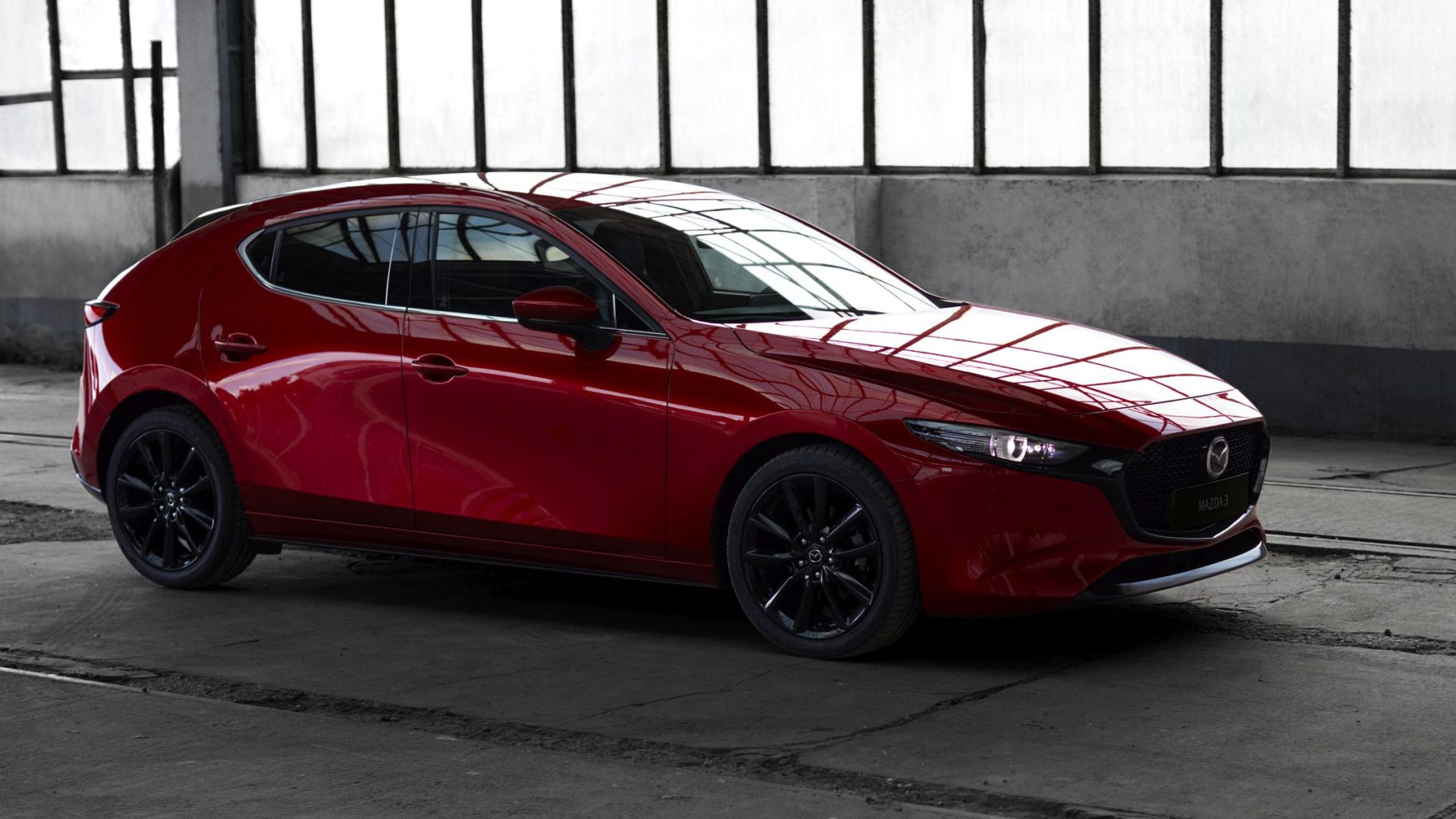
At the entry level, the Mazda 3 2.0 comes only with front-wheel drive. Standard features for this trim include a 2.0-liter four-cylinder engine producing 155 horsepower and 150 lb-ft of torque, paired with a six-speed automatic transmission.
It rides on 16-inch alloy wheels and comes equipped with LED headlights, rain-sensing windshield wipers, and 60/40-split folding rear seats for added practicality.
Remote vehicle monitoring and control are available through a smartphone app, and infotainment is handled via an 8.8-inch display paired with an eight-speaker audio system.
In terms of safety, every 2021 Mazda 3 comes generously equipped. Standard driver assistance features include frontal collision mitigation, which warns of a potential crash and can apply the brakes in certain situations, and adaptive cruise control, which maintains a set following distance from the vehicle ahead.
Lane keeping assist is also standard, helping steer the vehicle back into its lane if it begins to drift. Additional safety tech includes automatic high beams for improved nighttime visibility and a drowsy driver monitor that issues alerts if the system detects signs of driver fatigue.
Also Read: 5 Cars With Suspension That Still Feels New at 10 Years and 5 That Go Sloppy Fast
5. Tesla Model 3
Though EVs are heavier than gas cars, the Tesla Model 3 utilizes regenerative braking, which drastically reduces reliance on friction brakes.
In typical city driving, the car slows down primarily using its electric motor, allowing the physical brake pads and rotors to remain nearly untouched.
Some owners report changing pads at 120,000 miles or more not because of wear, but due to age or corrosion. The widespread acceptance of electric vehicles today can be attributed largely to Tesla’s success, with the Model 3 playing a pivotal role in making EV ownership accessible to a broad range of car buyers.
Last year, Tesla significantly refreshed the Model 3, introducing updated styling that includes sleeker headlights, improvements to cabin quality that make it quieter and more upscale, and enhanced ride comfort.
For 2025, the Model 3 carries over with no major changes. However, it’s important to keep in mind that Tesla frequently implements midyear updates and feature tweaks via software, meaning the car’s capabilities and features can change unexpectedly.
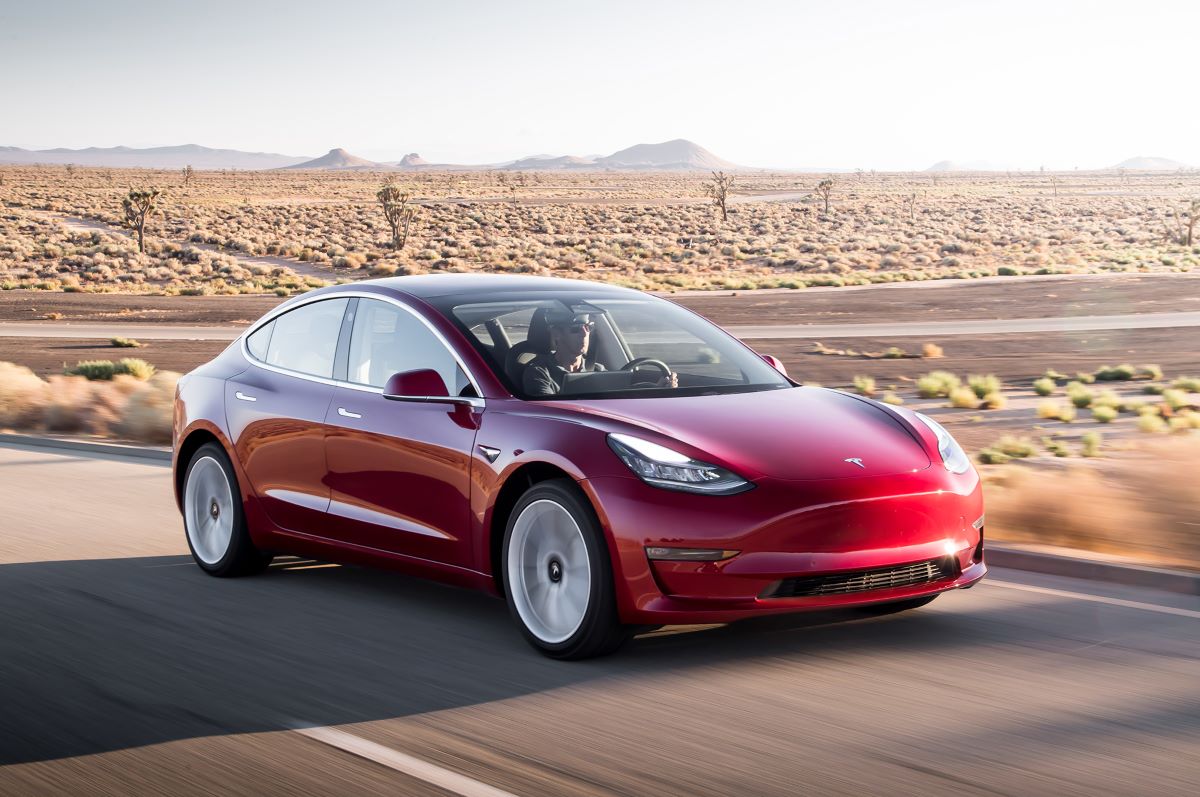
The Tesla Model 3 Long Range continues to stand out in the EV segment, particularly in terms of driving range and performance. According to the EPA, the Model 3 Long Range Rear-Wheel Drive offers an impressive range of 363 miles on a full charge.
While that figure falls slightly short of the EPA’s 346-mile estimate, it still ranks among the top in terms of range for electric vehicles in this price category. Performance-wise, the Model 3 remains a standout.
The standard Long Range version accelerates from zero to 60 mph in just 4.2 seconds, while the top-tier Performance model completes the same sprint in a remarkable 3.0 seconds—territory typically reserved for supercars.
Charging the Model 3 is straightforward, thanks to Tesla’s proprietary NACS plug. Using a 240V home charging setup, a full charge takes around 11.7 hours.
To help preserve battery health, Tesla recommends maintaining the battery charge between 30% and 80%. It’s also worth noting that Tesla’s extensive charging network is available to Model 3 owners, though access to NACS stations may vary based on location and availability.
The vehicle’s battery is backed by an 8-year or 120,000-mile warranty, and according to data from GeoTab, if current degradation rates hold steady, most batteries are expected to outlast the usable life of the vehicle. From a financial perspective, owning a Model 3 can be cost-effective, especially compared to traditional gas-powered cars.
For those considering the transition to electric, there are a few things to think about. EV ownership is most convenient when 240V charging is available at home or work. Without it, charging at public stations can take substantially longer, potentially ten times longer, than a fill-up at a gas pump.
Installing a 240V home charging setup can cost $1,600 or more, depending on installation factors. Still, the long range, rapid acceleration, and low operating costs make the Tesla Model 3 a compelling choice, especially when compared to similarly priced EVs.
Cars With Brakes That Wear Prematurely
When you think of vehicle maintenance, brake pads might not top the list of unexpected expenses—but they should. While brakes are designed to wear over time, some cars go through pads and rotors at an alarmingly fast rate, long before the average mileage benchmarks most drivers expect.
For unsuspecting owners, that can mean shelling out hundreds, sometimes thousands, on repairs far earlier than anticipated. Whether due to design flaws, weight distribution, performance tuning, or low-quality OEM components, premature brake wear is a frustrating and costly issue.
In this article, we’ll dive into which cars are most commonly affected, explore the underlying reasons, and give you the knowledge you need to avoid getting stuck with a lemon that chews through brakes like they’re going out of style.
1. Dodge Journey
The Dodge Journey, despite being a budget-friendly crossover, is notorious for premature brake wear. Many owners report needing new pads and rotors as early as 20,000 to 30,000 miles.
The issue is mostly due to the vehicle’s underperforming brake components combined with its relatively heavy body. Even aftermarket upgrades struggle to keep wear in check for long.
Dodge has made a few minor updates to this year’s Journey. The trim lineup has been simplified, dropping one version and allowing some of its previously exclusive features to trickle down to the base model.
A standout addition is the new Destroyer Gray paint color, it’s bold, eye-catching, and frankly, the Journey looks best in it. If anything, this fresh coat of paint adds a dose of much-needed character.
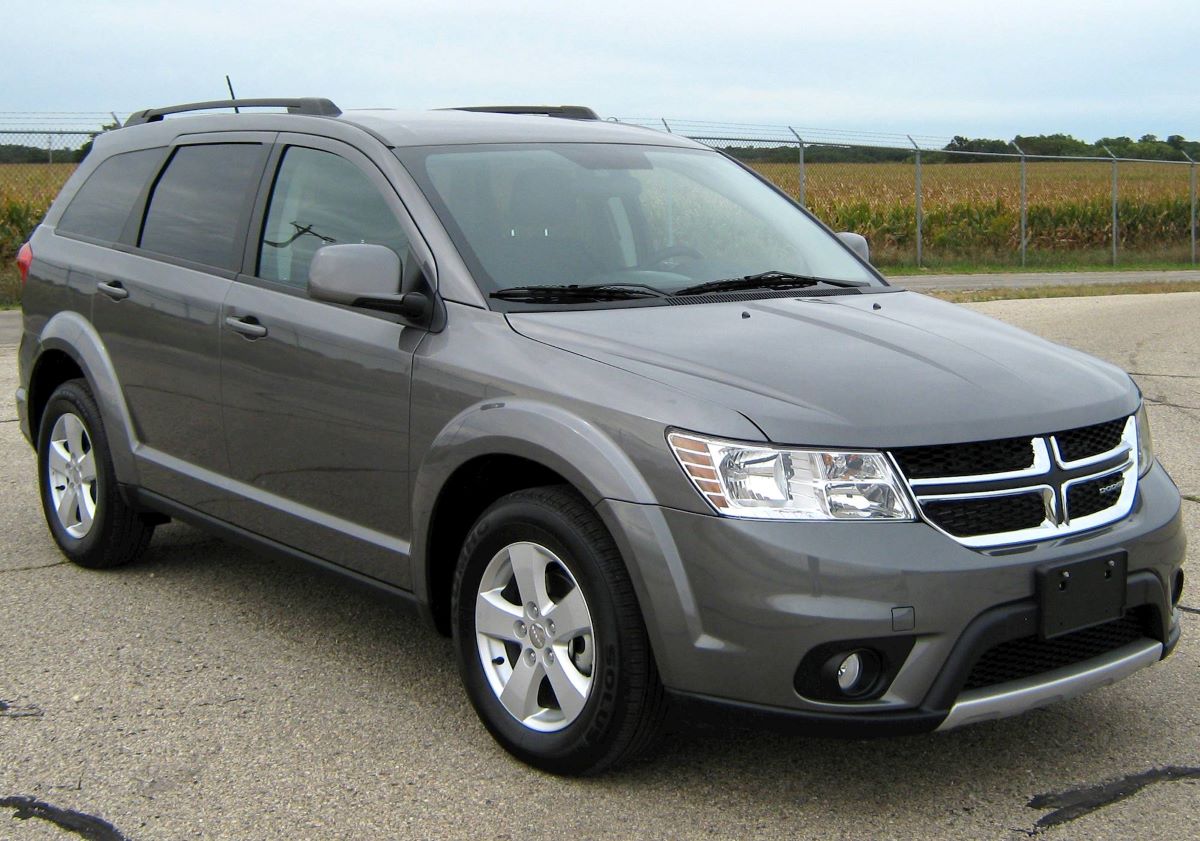
Unfortunately, character alone won’t be enough to elevate the Journey to serious contention against newer, more refined rivals from Kia and Volkswagen. Even when fully loaded, it lacks many of the modern safety features that today’s shoppers expect.
The standard four-cylinder engine delivers lackluster performance and is paired with an outdated four-speed automatic transmission, resulting in unimpressive fuel economy. There is a more powerful V6 option available, but even that upgrade struggles to keep up with the performance and refinement of competing three-row SUVs.
The 2019 Dodge Journey will get the job done, it’s a functional, affordable option that undercuts many rivals on price. But if you’re looking for a more complete, satisfying experience, you’ll likely find better value and overall satisfaction in alternatives like the GMC Acadia, Kia Sorento, or Volkswagen Tiguan.
2. Chevrolet Equinox
The Equinox often sees early brake wear, especially in city-driving environments. Brake pads wearing out around 30,000–40,000 miles isn’t unusual, and some owners also experience premature rotor warping.
The braking system struggles to handle the weight of the vehicle over the long term, particularly on the AWD models which add additional strain.
Chevrolet’s compact SUV gets a full redesign for 2025, and the new Equinox brings a tougher, more rugged appearance that makes it resemble a smaller version of the Traverse.
The interior has undergone a significant transformation as well. A reimagined center console and a strikingly styled new dashboard, flanked by two large circular air vents, give the cabin a modern and upscale look.
Dominating the dashboard are two digital displays: an 11.0-inch screen behind the steering wheel functions as the gauge cluster, while an 11.3-inch touchscreen houses the Google-based infotainment system.
Beneath the Equinox’s squared-off hood is an updated version of the familiar turbocharged 1.5-liter four-cylinder engine from the previous model, now paired with a continuously variable automatic transmission (CVT) in front-wheel-drive configurations. If you choose all-wheel drive, the CVT is swapped for a conventional eight-speed automatic transmission.
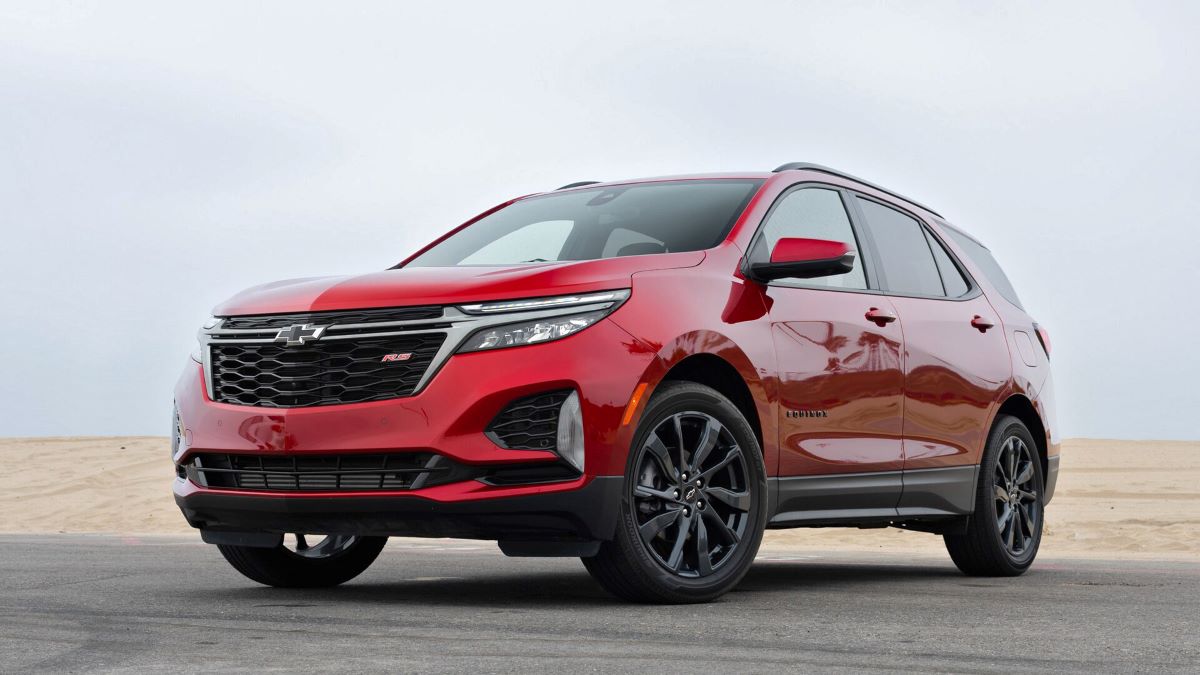
The 2025 model year marks the beginning of the Equinox’s fourth generation. It’s expected to arrive at Chevrolet dealerships by the end of 2024.
Pricing for the 2025 Chevrolet Equinox starts at $29,995 and can reach up to $34,395 depending on the trim and available options. The trim lineup consists of three distinct versions: LT, RS, and Activ. For those looking to get the most out of their Equinox, stepping up to either the RS or Activ trim is a smart move.
Both start at the same price, so the decision ultimately depends on your style preference, choose the Activ for a more rugged appearance or go with the RS for a more street-oriented look. Either way, you’ll benefit from additional features, unique wheel designs, and the option of a two-tone exterior paint scheme.
Powering every 2025 Equinox is a turbocharged 1.5-liter four-cylinder engine that produces 175 horsepower. Front-wheel-drive models come equipped with a CVT, while all-wheel-drive versions receive a traditional eight-speed automatic transmission instead.
In our test drive, the Equinox delivered a composed and comfortable ride, with smooth and slightly heavy steering that reinforces its easygoing driving nature. However, don’t expect sporty handling or off-road prowess—those traits simply aren’t part of this SUV’s mission.
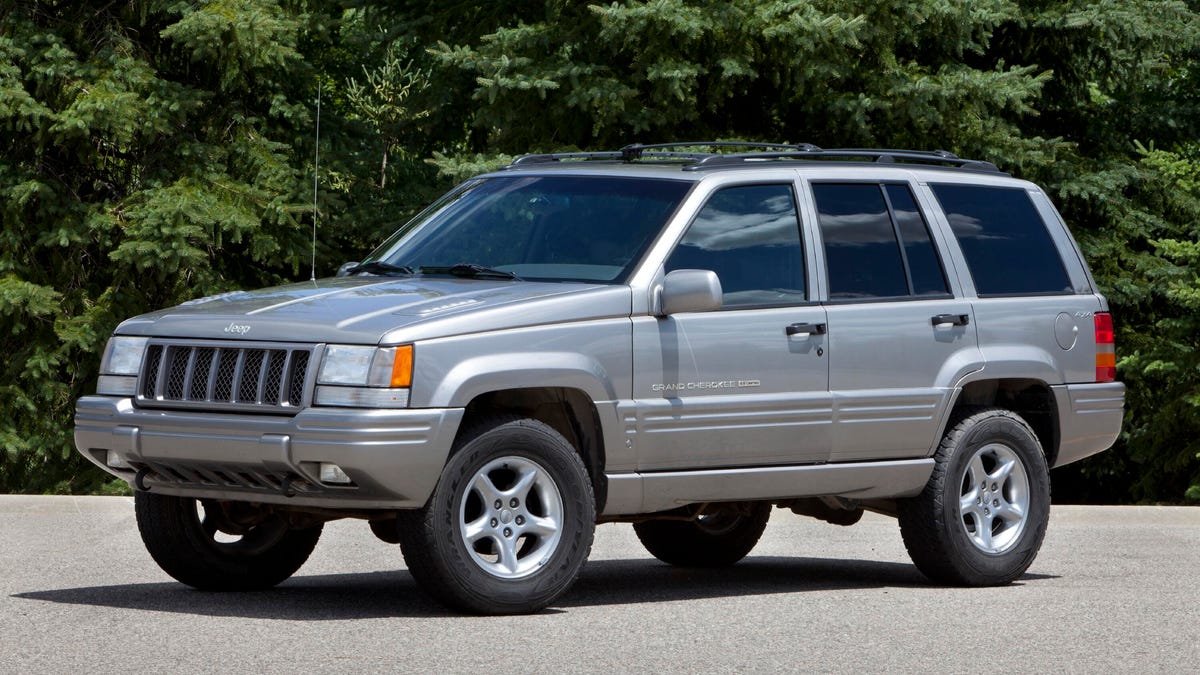
3. Jeep Grand Cherokee (older models)
The Grand Cherokee is a powerful SUV built for off-road and towing but that capability comes at the cost of brake life.
Earlier models (particularly pre-2016) are plagued with premature pad and rotor wear, often needing full brake jobs around 25,000 to 35,000 miles.
The combination of weight, aggressive gearing, and under-specced factory brake components contributes to the problem.
Embarking on a driving adventure into the wilderness doesn’t mean you have to compromise on comfort, luxury, or refinement—and the 2024 Jeep Grand Cherokee is proof of that.
This two-row midsize SUV offers a distinctive combination of rugged exterior design, an upscale interior, and impressive off-road capabilities that can tackle seriously difficult terrain.
Jeep introduced the current-generation Grand Cherokee for the 2022 model year, and the 2024 model carries over with no significant changes.
That means it remains in competition with rivals like the Honda Passport and Volkswagen Atlas Cross Sport, two midsize SUVs that prioritize on-road comfort over off-road prowess.
The three-row Honda Pilot was redesigned in 2023 and now includes an off-road-oriented trim that comes close to matching the Grand Cherokee’s capability. Given that, it wouldn’t be surprising if the next iteration of the Passport gains similar enhancements.
For those who demand even more off-road capability, options like the rugged Ford Bronco exist, but choosing one typically involves giving up some everyday comfort and road manners. Alternatively, buyers could spend significantly more for a Land Rover.
4. BMW X5
Luxury doesn’t guarantee longevity. The BMW X5, particularly the older turbocharged variants, is known for fast brake pad and rotor wear.
High-performance braking systems are a double-edged sword they stop fast but often require new pads around every 30,000 to 40,000 miles. Factor in high parts and labor costs, and you’re looking at a pricey recurring repair.
The 2025 BMW X5 is available with three distinct powertrains, each tied to a specific model designation. Those bearing the sDrive40i or xDrive40i badges come equipped with a remarkably smooth and sonorous 375-horsepower turbocharged inline-six engine, an overachiever no matter which BMW vehicle it’s placed in.
The plug-in hybrid xDrive50e variant, which is reviewed separately, pairs a turbocharged inline-six with an electric motor for a combined output of 483 horsepower.
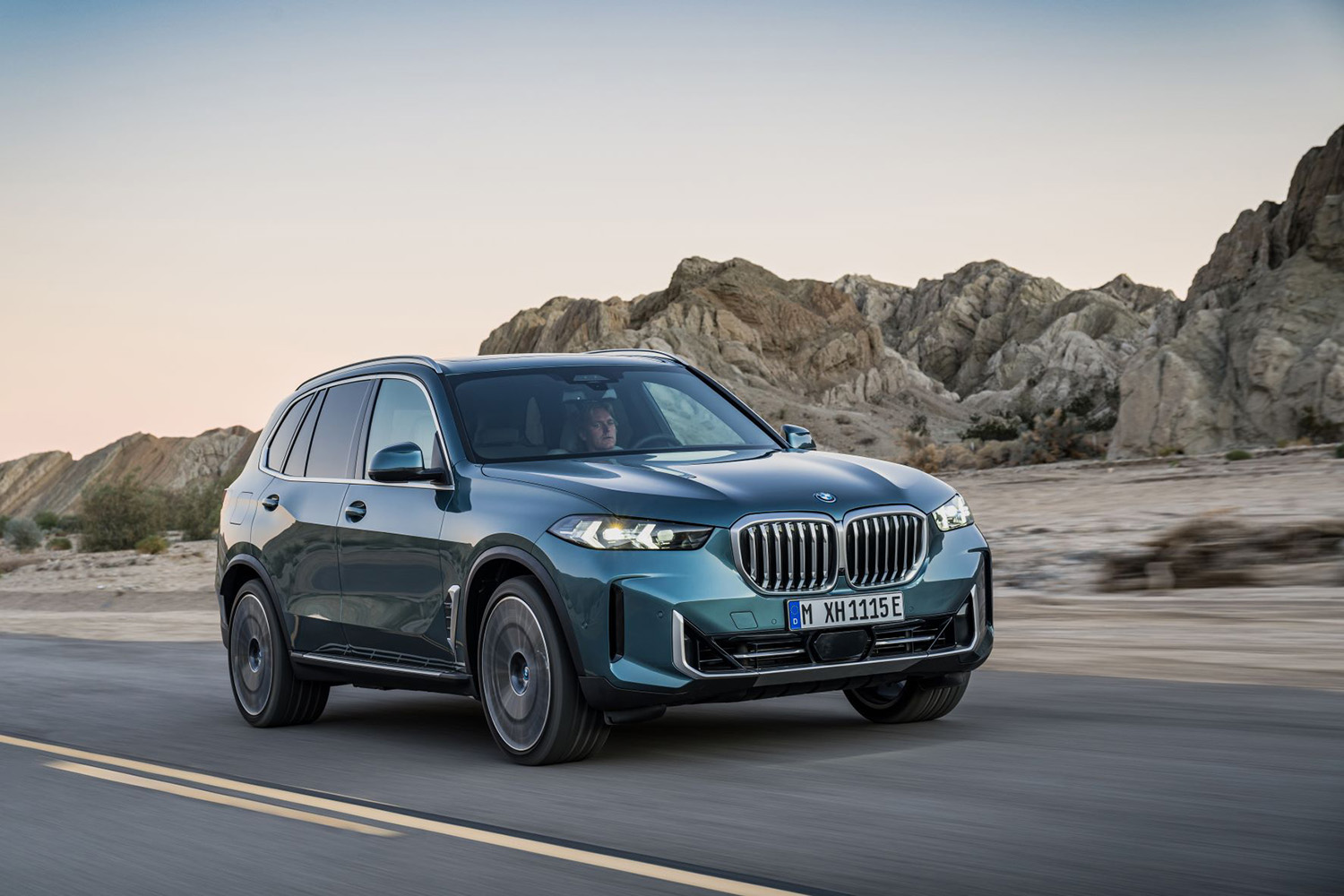
At the top of the performance spectrum, the M60i boasts a 523-horsepower twin-turbo V-8. Each of these powertrains is mated to an eight-speed automatic transmission, and none of them lack the muscle needed to satisfy drivers in just about any scenario.
The X5’s polished ride quality and composed handling continue to define this generation of BMW SUVs. Its steering is especially noteworthy, precise and communicative in a way that reinforces driver confidence.
While the Audi Q7 still edges out the X5 when it comes to steering feel, the gap between them has narrowed considerably.
5. Nissan Rogue
While the Rogue has improved in many areas, braking isn’t one of them. Numerous owners report rear brake pads needing replacement well before 40,000 miles, often with uneven wear.
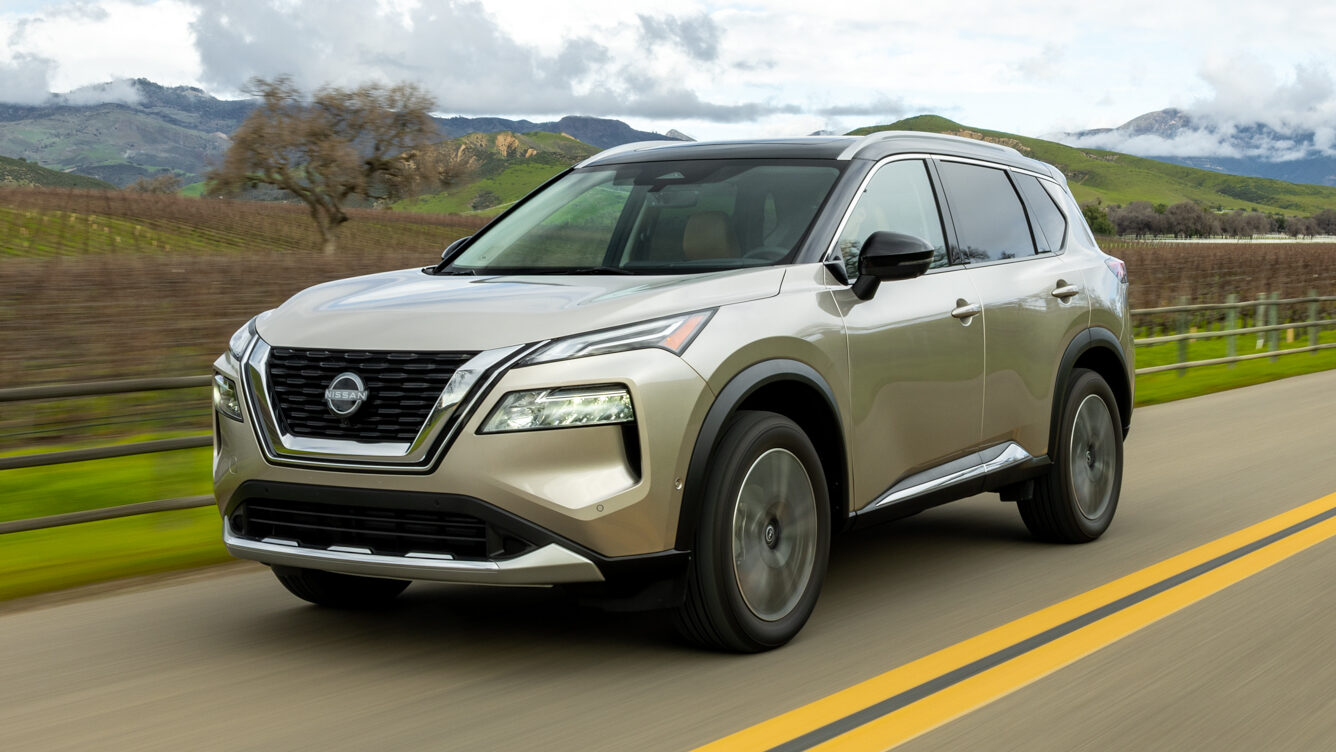
The rear calipers have also been known to seize prematurely, compounding the issue. Even with careful driving, brake wear seems to be an inherent design flaw on some Rogue model years.
The Nissan Rogue holds the title as both Nissan’s top-selling vehicle and one of the most in-demand crossovers in the compact SUV segment. Its popularity isn’t hard to understand.
Having undergone a redesign just two years ago, the latest iteration of the Rogue is significantly more appealing than the relatively bland version that came before it.
Its exterior showcases far more stylish sheetmetal, while the attractive interior introduces several high-tech enhancements, such as a fully digital instrument cluster, wireless Apple CarPlay, and the ProPilot Assist suite of advanced driver assistance features.
Following the prior year’s changes which notably replaced the 2021 model’s naturally aspirated four-cylinder with a turbocharged three-cylinder engine, the 2023 Rogue sees only minor updates.
A new Midnight Edition package for the SV trim brings black-painted wheels and exterior accents, while the SL and Platinum trims now offer Amazon Alexa compatibility. Apart from these additions, the Rogue remains unchanged.
The Rogue competes in a fiercely competitive compact SUV market filled with alternatives from nearly every major automaker. For shoppers seeking a compact SUV that’s roomy, well-equipped, and delivers respectable fuel efficiency, the 2023 Nissan Rogue is certainly a model to have on your radar.
Brakes are wear items by nature, but some vehicles do a far better job of stretching their lifespan. Lightweight design, smart engineering, and driving habits all play a role.
Whether you’re looking to minimize maintenance or just tired of frequent trips to the shop, picking a car with proven brake durability can save thousands over the life of the vehicle. Choose wisely and always monitor your brake performance, no matter the make.
