
When it comes to car reliability, flashy horsepower figures and sleek designs often steal the spotlight—but it’s the unsung heroes under the hood that really make or break your ownership experience.
It’s the beating heart of your car’s cooling system, keeping engine temperatures in check and preventing catastrophic failure. And yet, this small component is one of the most common (and costly) culprits behind breakdowns, especially in aging vehicles.
What makes a water pump so crucial is also what makes its failure such a headache. When it gives out, it doesn’t just leave you stranded, it risks severe engine damage, warped heads, and thousands in repairs.
Some manufacturers got it right, engineering water pumps that can go the distance without drama, not so much. There are cars that seem genetically predisposed to eat water pumps for breakfast.
Cars With Zero Water Pump Failures
In this article, we’re cutting through the fluff and giving it to you straight. We’ve dug deep into owner reports, mechanic logs, and reliability data to bring you five cars with rock-solid water pumps that almost never fail—and five that have become infamous for chewing through them like clockwork.
Whether you’re buying used, considering a long-term keeper, or just trying to avoid your next headache at the shop, this list will help you make smarter choices. Let’s get into it, starting with the cars that won’t leave puddles under your driveway.
1. Toyota Camry (2007–2017, 2.4L and 2.5L Engines)
The Toyota Camry’s four-cylinder engines from this era are built for longevity, and that includes their water pumps.
Owners regularly report reaching over 200,000 miles with the original pump still functioning flawlessly.
Toyota’s design isolates the water pump from the timing system in most variants, reducing the risk of catastrophic damage and making any needed service relatively easy.
The 2017 Toyota Camry delivers on every expectation typically associated with midsize sedans, which helps explain its strong sales performance.
Prioritizing comfort and user-friendliness, while also carrying a reputation for long-term durability and dependability, it’s not hard to understand the appeal. Some competitors in the class might offer more visual flair or a sportier edge, but the Camry continues to stand as a straightforward and dependable choice.

The 2017 Camry returns with minimal changes. Buyers can choose from four trim levels that span from basic to more performance-focused or upscale variants.
Engine options include a serviceable four-cylinder or a more robust V6. The upper trims offer access to the V6 and several advanced safety features, which is part of why these trims come recommended.
Of course, the midsize sedan market is full of worthy alternatives to the 2017 Camry, and exploring them is a smart move. Each competitor brings its own version of performance, value, and character to the table.
While choosing among them might ultimately come down to subjective preference, most will deliver on the key qualities drivers look for in this segment.
2. Honda Accord (2003–2012, 2.4L K-Series Engines)
The K24 engine used in these Accords is one of Honda’s finest achievements, and part of its strength lies in the water pump. Failures are rare, even on high-mileage vehicles.
Honda’s water pumps in these engines have earned praise for robust impeller design and high-quality seals that resist leakage over time.
The Honda Accord arguably holds the title as the best midsize car currently available in the U.S. market. This stands true despite strong competition and the arrival of numerous completely redesigned models in 2005. The Accord excels across the board.
While it might not top every single category, there’s virtually nothing it handles poorly. Buyers can choose between a four-door sedan or a two-door coupe, both of which come with either a four-cylinder or a V6 engine.
Along with several interior trim options, this variety makes the Accord a fit for a broad range of drivers. These factors and more, help explain why the Honda Accord remains one of the most popular cars in the country.
The Accord received a full redesign and engineering overhaul in 2003. The standout update for 2005 is the debut of the Accord Hybrid. This new version not only offers outstanding fuel efficiency and ultra-low emissions, but also manages to enhance performance, thanks to its hybrid gas-electric system. And, no, you don’t have to plug it in.
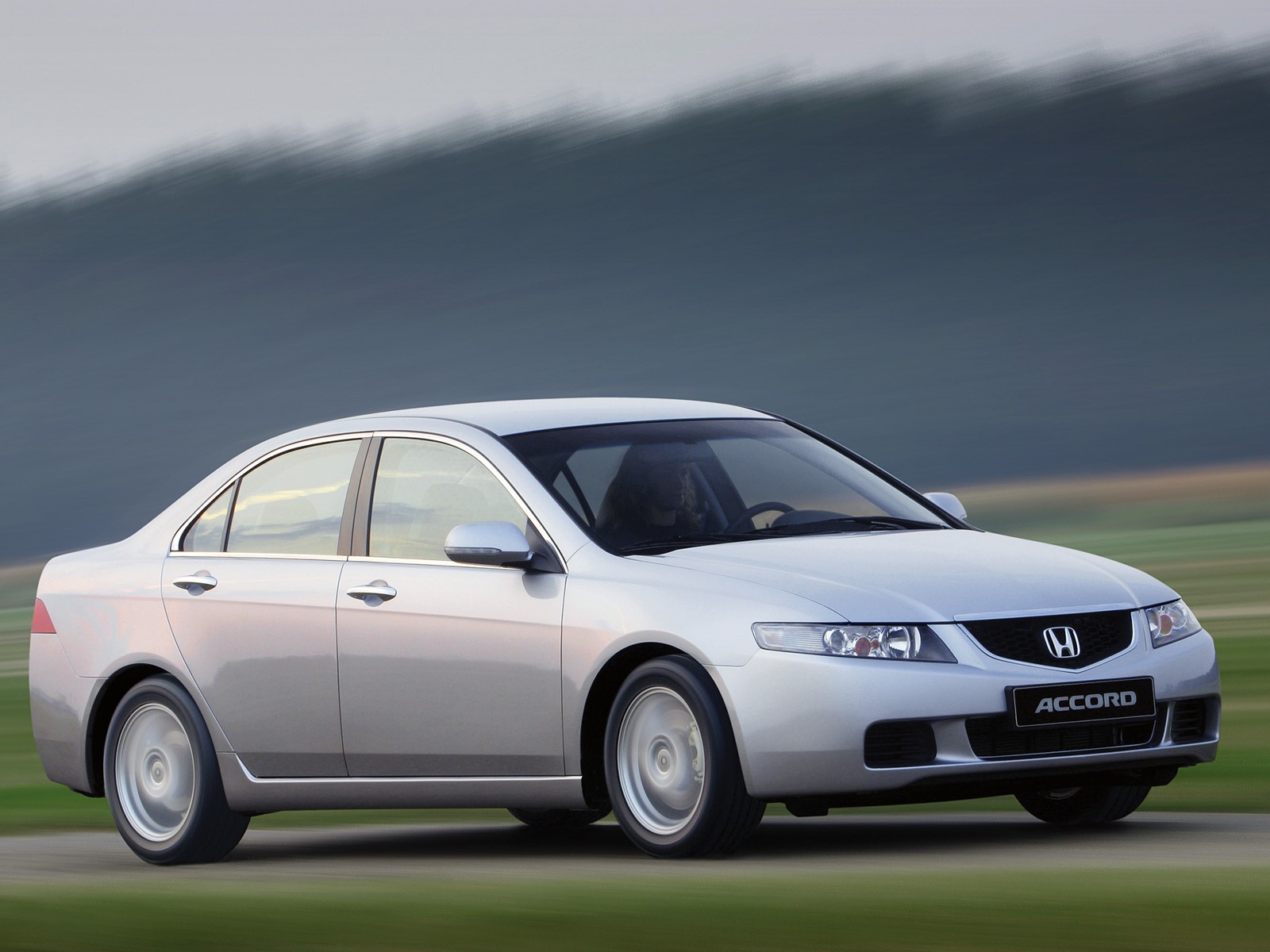
Accord sedans strike a smart balance between advanced technology, top-tier build quality, and affordable day-to-day operation—all with meticulous craftsmanship.
The well-liked LX and EX trims are strong choices, offering comfort and convenience features that make them ideal for everyday use. Opting for the leather interior in the EX trim elevates it to the level of a reasonably priced luxury sedan.
The four-cylinder VTEC engine stands out for its spirited, responsive feel, providing strong acceleration that’s more than adequate for passing maneuvers. Meanwhile, the available V6 engine injects an extra dose of sportiness into the driving experience.
There’s also a sleek, stylish coupe version of the Accord, which has a unique look compared to the sedan. The LX Coupe has a base price under $20,000, delivering a hassle-free, high-quality, sporty two-door ride perfect for commuting.
Add the V6 engine and leather interior, and it transforms into a fast, comfortable vehicle well-suited for professionals on the go.
For driving enthusiasts, the Accord Coupe EX V-6 MT offers the V6 engine paired with a close-ratio six-speed manual transmission, shattering any outdated assumptions you might have about the Accord’s personality. If that isn’t enough, a Factory Performance Package is available for the V6 Coupe.
Safety gets a notable boost for 2005 as well: All Accord models now come standard with side-impact and curtain airbags. Aside from that enhancement, the Accord lineup remains largely unchanged for the 2005 model year.
3. Lexus RX 350 (2007–2015)
Built on Toyota’s ultra-reliable 3.5L V6 platform, the RX 350 rarely suffers from cooling system issues.
The water pump is designed with longevity in mind and doesn’t suffer from the premature bearing or gasket wear that plagues lesser vehicles.
With proper coolant changes, many RX 350s go their entire life without needing a water pump replacement.
Under the hood of the 2010 Lexus RX 350 is a 3.5-liter V6 engine that produces 275 horsepower and 257 pound-feet of torque. This engine is paired with a six-speed automatic transmission as standard.
Buyers can choose between front-wheel drive or all-wheel drive configurations. According to Lexus, both drivetrains can accelerate from zero to 60 mph in approximately 7.5 seconds.
When it comes to fuel efficiency, the front-wheel-drive model is rated at 18 mpg in the city, 25 mpg on the highway, and 21 mpg combined.
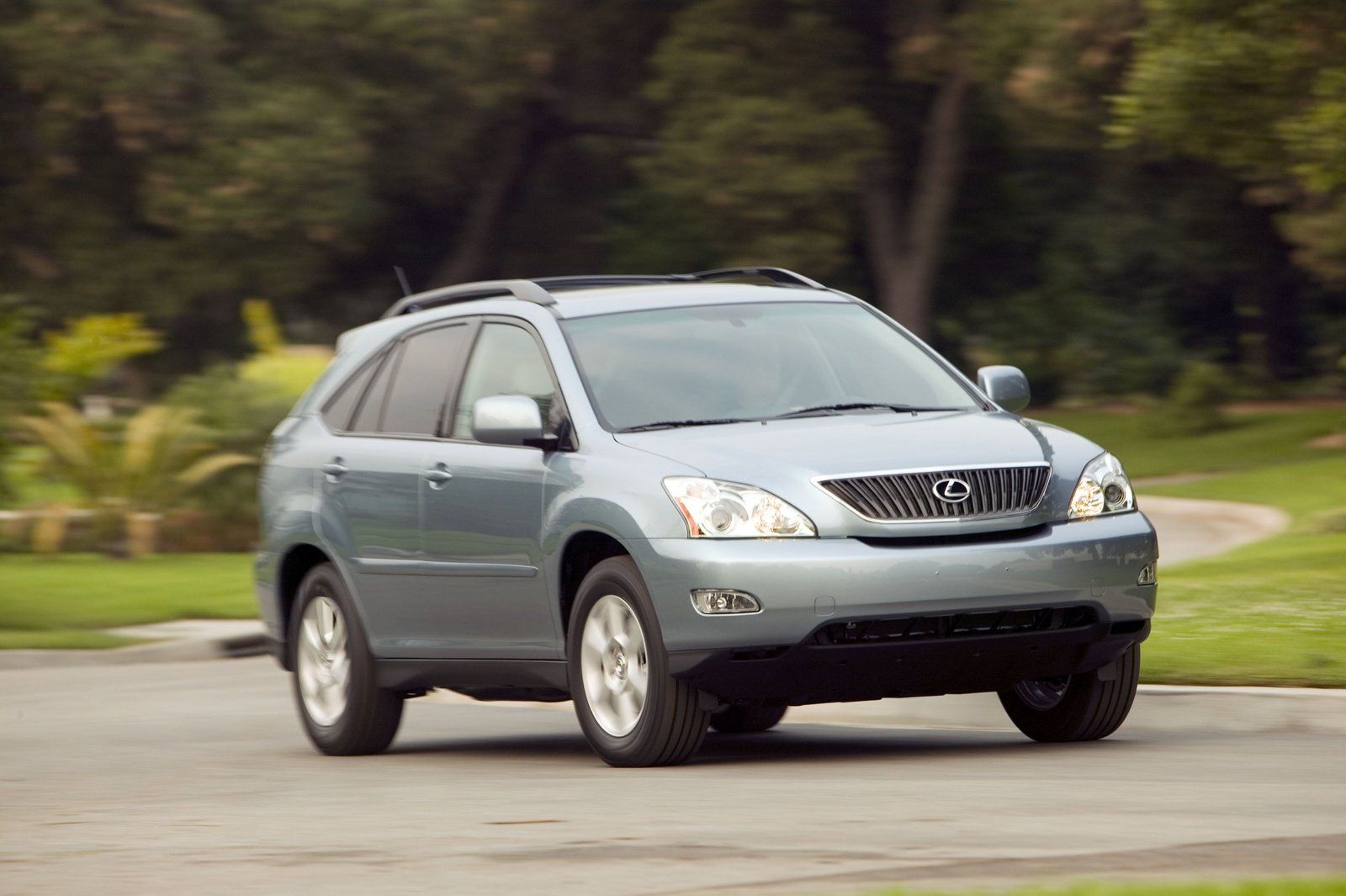
The all-wheel-drive version trails slightly, with fuel economy estimates coming in at 1 mpg lower across the board. When properly equipped, the RX 350 has a towing capacity of up to 3,500 pounds.
Standard safety features on the RX 350 include a total of 10 airbags, which cover front- and rear-seat side impact protection, full-length side curtain airbags, and dual front knee airbags.
Additional safety systems include standard stability and traction control, as well as antilock brakes with brake assist—these systems are designed to help drivers avoid accidents in the first place.
Staying true to Lexus tradition, the 2010 RX 350 delivers a driving experience that is both smooth and refined. Acceleration is quick and nearly silent, a result of the powerful 3.5-liter V6 and the cabin’s exceptional sound insulation.
The RX 350 is built first and foremost as a luxury SUV, and accordingly, the suspension favors ride comfort over sporty performance. Still, it never feels overly soft or disconnected from the road.
Drivers who prefer a firmer ride can opt for the Sport package, which adds a sport-tuned suspension and 19-inch wheels wrapped in performance tires. Even with these upgrades, however, the RX 350 still leans more toward delivering a quiet and cushioned ride than offering the kind of engaging, spirited handling that driving enthusiasts typically seek.
Though the RX 350 sits in the entry-level tier of Lexus’ luxury SUV lineup, its interior could easily be mistaken for that of a flagship model. Real wood accents and premium leather upholstery contribute to a rich, upscale atmosphere.
The available Mark Levinson premium sound system is particularly notable, rivaling some of the best audio setups available in any vehicle segment.
As for tech features, the optional navigation system includes voice command functionality and introduces Remote Touch, a redesigned interface that replaces the previous touchscreen with a mouse-style controller positioned on the center console.
4. Subaru Outback (2010–2014, 2.5L Non-Turbo)
While turbocharged Subarus are more demanding, the naturally aspirated 2.5L Outback has a simple and robust water pump design.
Many owners report original pumps lasting over 150,000 miles, often only replaced during timing belt service as a precaution rather than necessity.
Like most all-wheel-drive crossovers, the odds are pretty low that many 2012 Subaru Outbacks will ever set tires on terrain as wild or remote as the Australian outback it’s named after. Still, that reality does nothing to diminish this rugged wagon’s appeal.
What truly defines the Outback’s charm is its impressive 8.7 inches of ground clearance paired with a remarkably capable all-wheel-drive system. Though it’s not intended for hardcore off-roading, this midsize wagon inspires confidence when tackling snow-packed streets or venturing onto rough, unpaved fire roads.
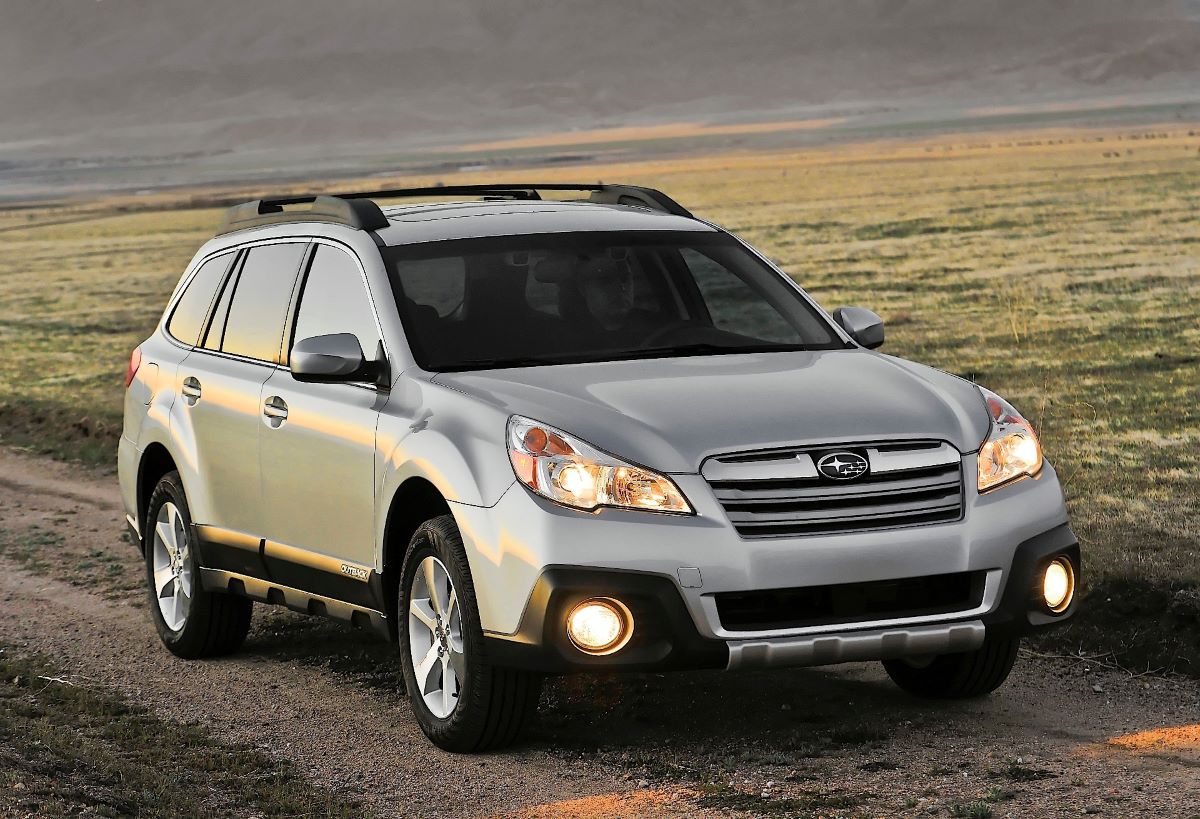
Even better, its ride quality and composed handling make it equally suited to everyday family use, giving it a versatility that’s hard to beat. Further bolstering its appeal are two horizontally opposed engine options, a fuel-conscious four-cylinder and a more powerful flat-6 that delivers strong performance.
Another major asset is the Outback’s well-designed, roomy interior. Passengers in both rows enjoy ample head- and legroom, and the vehicle’s large cargo area enhances its practicality.
The addition of a smart roof rack system, complete with fold-out crossbars, only adds to its utility. Combined with solid crash test ratings, the Outback provides both convenience and peace of mind.
For those specifically seeking a traditional wagon, the choices are surprisingly limited. The Volkswagen Jetta Sportwagen comes in at a similar price point, though it offers less space. On the other end of the spectrum, the Volvo XC70 matches the Outback in size but carries a significantly higher price tag.
Realistically, many buyers will also compare the Outback with mainstream crossovers like the Chevrolet Equinox, Dodge Journey, Honda CR-V, and Nissan Murano. We think the 2012 Subaru Outback makes a strong case for itself against these, offering a great balance of utility, capability and refinement.
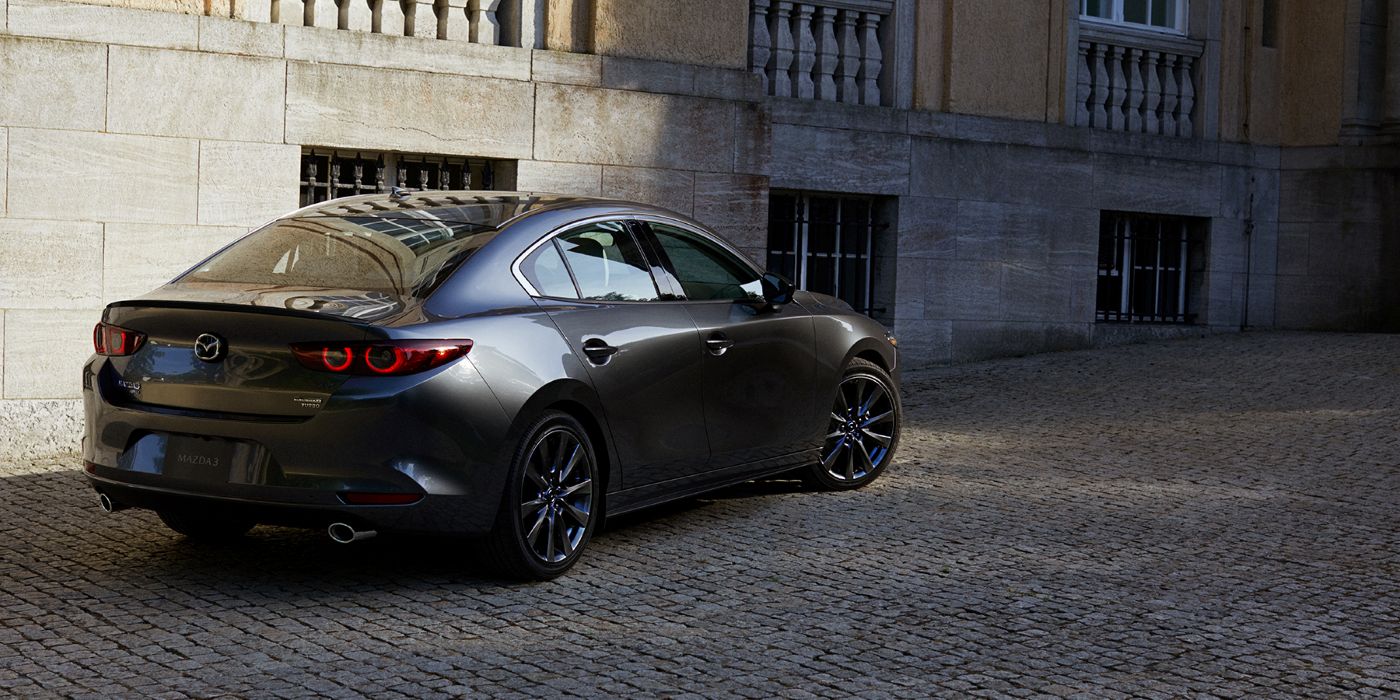
5. Mazda3 (2010–2018, SkyActiv 2.0L and 2.5L)
Mazda’s SkyActiv engines were engineered for efficiency and simplicity and that includes the cooling system.
The water pumps are durable, efficient, and rarely leak or fail prematurely. It’s common to see Mazda3s with over 180,000 miles running the factory pump without issue.
The Mazda 3 stands out as a top pick for compact-car buyers who value a fun-to-drive experience. Its strong acceleration, precise steering, and well-balanced suspension give it an engaging character that shines, even during something as simple as running errands around town.
Strong acceleration, sharp steering and a well-tuned suspension make the 3 truly come alive when you want it to, even if it’s just zipping around town for errands.
But the 3 offers more than just driving enjoyment. Its exterior styling strikes a balance between unique and refined, giving it a look that’s both modern and sophisticated.
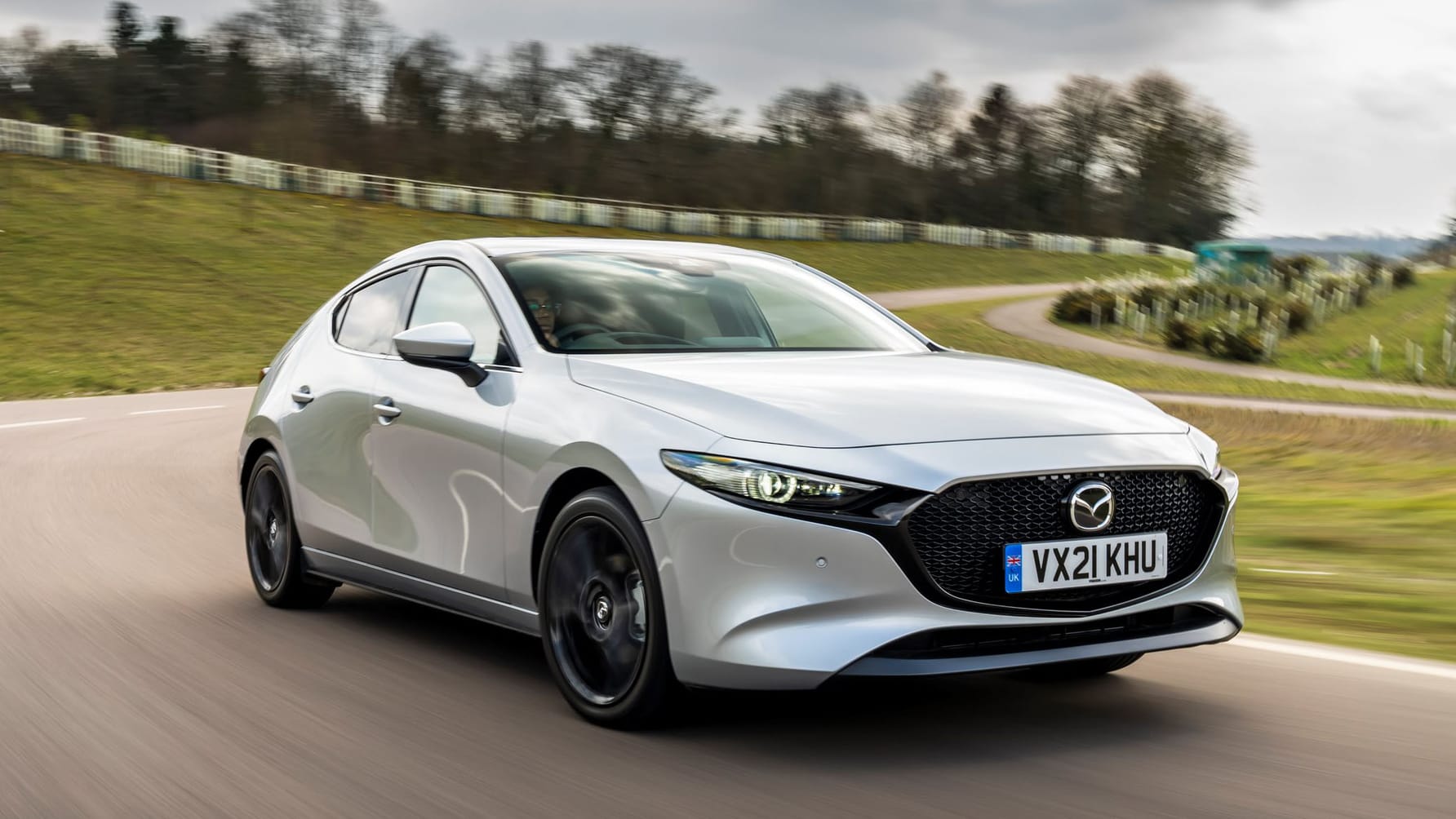
On top of that, Mazda has equipped the 3 with a wide range of advanced technologies rarely seen in this segment. Mazda offers many advanced features that you can’t get on other small cars, including adaptive cruise control, collision-mitigation technology and a head-up display.
What’s most impressive about the Mazda 3, though, is that it does all this while being competitively priced and fuel efficient. That balance of performance, innovation, and value makes it particularly compelling.
Still, it won’t be the perfect match for every driver. During a long-term test of the 2014 Mazda 3, we noted that the ride on the highway could be rough and noisy. This is especially true over choppy roads and if the 3 is fitted with the larger 18-inch wheels and tires.
Interior space is another area where the Mazda 3 doesn’t exactly lead the class. Rear-seat legroom and trunk capacity are average for a compact car. Interior space isn’t exactly a strength, either, as both rear seat room and trunk space are pretty average.
That said, Mazda also offers a hatchback variant of the 3. Mazda does offer a hatchback version, however, which does provide some extra versatility.
Cars That Are Constant Replacements
In this article, we’re spotlighting the cars that just don’t know how to quit, because something always seems to be breaking.
Backed by real-world data, mechanic insights, and owner horror stories, we’re breaking down why these vehicles earn their reputation as “constant replacements.” Whether you’re looking to avoid a nightmare on wheels or finally feel seen about your own problematic ride, this list is here to keep it real.
1. Chrysler 300 (2005–2012, 2.7L V6 Engine)
This infamous engine had a host of issues, and the water pump is one of its weakest links. Integrated into the engine block and driven by the timing chain, a failing water pump can cause catastrophic internal engine damage.
Premature failures often before 80,000 miles are incredibly common, making it a recurring repair point for owners.
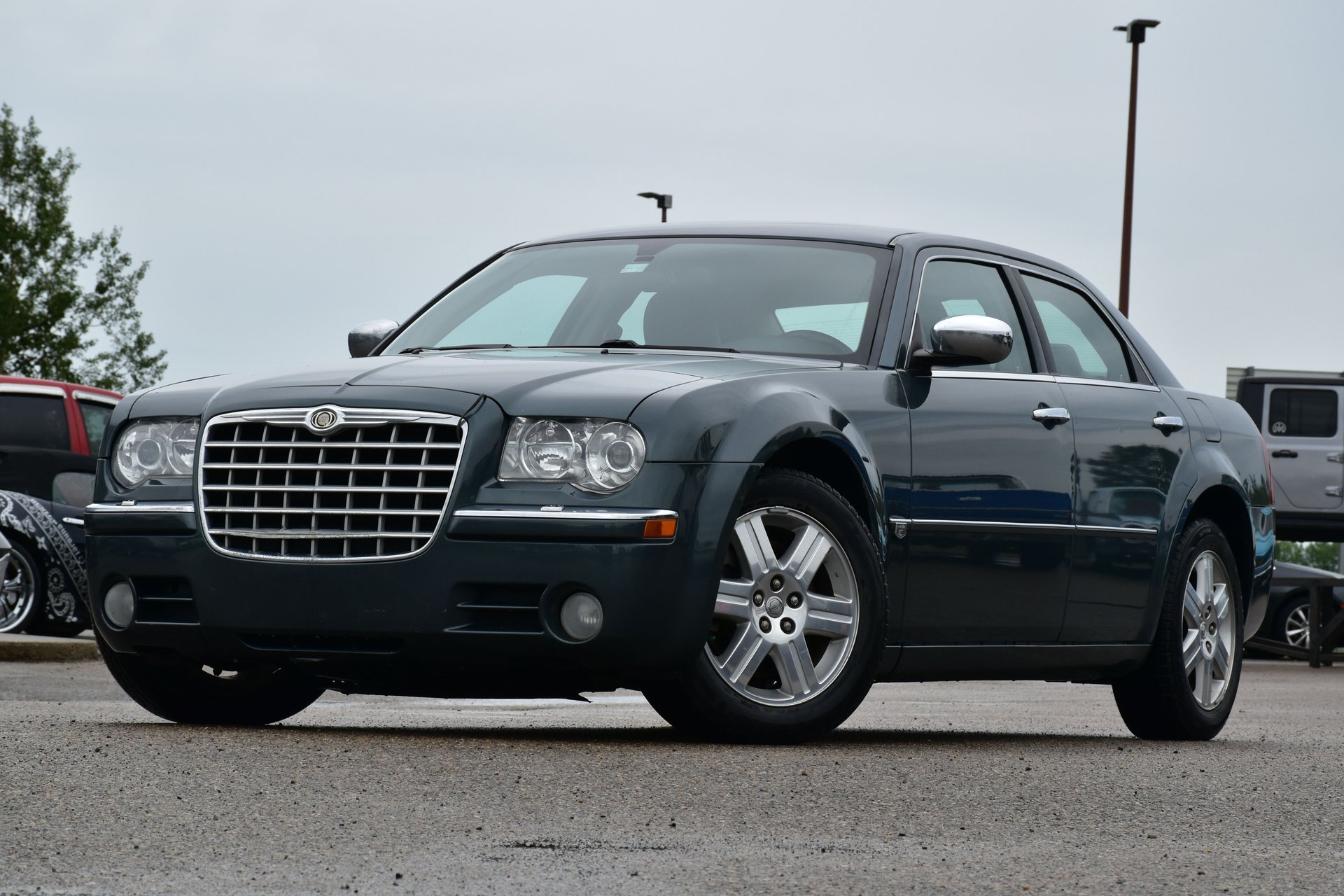
The 300 has been available for quite some time now, and naturally, some of the initial excitement around it has faded. The 300 has been on the market for awhile now, however, and some of the excitement surrounding the car has subsided.
Even so, Chrysler has rolled out a series of meaningful enhancements for 2008, aimed at keeping the 300 relevant and competitive in the full-size sedan market. Inside, you’ll notice a redesigned instrument panel paired with improved, more upscale materials. Inside, the 300 gains a redesigned instrument panel and higher-quality materials.
The car’s entertainment offerings have also been upgraded. Now, buyers can choose from a range of audio options that begin with a basic CD/MP3 stereo and go up to a sophisticated multimedia system.
New ear-pleasing audio options range from a standard CD/MP3 stereo to an available high-end multimedia system with available navigation and a separate eight-speaker Boston Acoustics Surround Sound system.
A particularly notable addition is Sirius Backseat TV, which delivers three kid-friendly channels through the rear-seat DVD entertainment system. This new video service provides three channels of children-oriented programming via the 300’s rear-seat DVD entertainment system.
That said, if the 300’s bold aesthetics or rear-wheel-drive setup don’t win you over, there are several capable front-wheel-drive alternatives to consider. Front-drive sedans like the Chevrolet Impala, Hyundai Azera, Toyota Avalon and Ford Taurus (also available with all-wheel drive) are worth checking out as well.
The entry-level 300 LX is equipped with a rear-wheel-drive layout and powered by a 2.7-liter V6 that delivers 178 horsepower and 190 pound-feet of torque. The base rear-wheel-drive 300 LX comes with a 2.7-liter V6 good for 178 horsepower and 190 pound-feet of torque.
Moving up to the Touring or Limited trims gets you a 3.5-liter V6, which generates 250 horsepower and 250 lb-ft of torque. Touring and Limited models upgrade to a 3.5-liter V6 capable of 250 hp and 250 lb-ft of torque. Both models are offered with either rear-wheel or all-wheel drive.
2. Volkswagen Passat (2006–2014, 2.0T TSI Engines)
The TSI engine found in many VW vehicles, including the Passat, is notorious for water pump failures.
Plastic housings crack, internal components wear, and many owners face repeated pump replacements under 60,000-mile intervals. Despite updated parts, the issue has persisted through multiple model years.
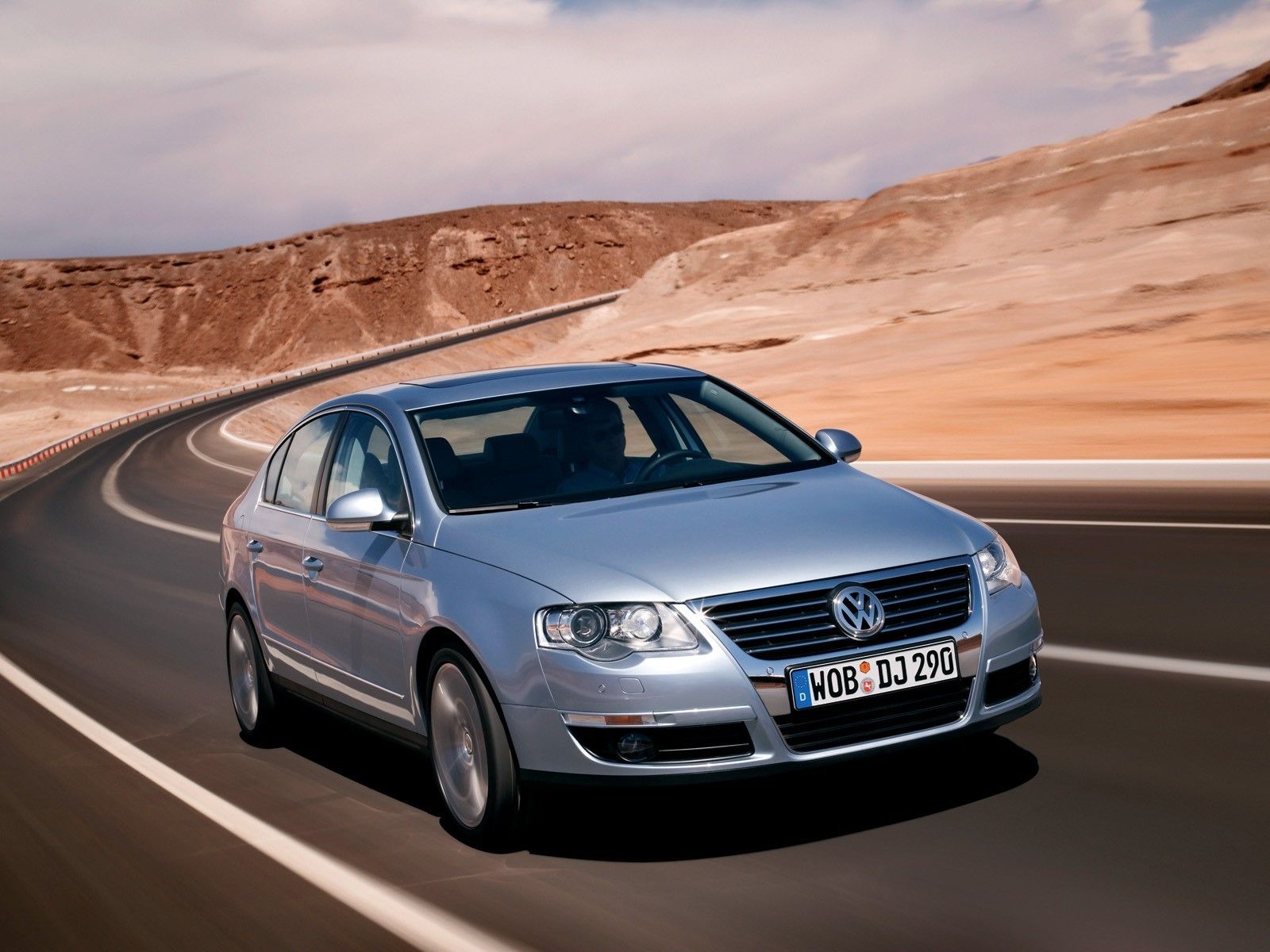
The Passat didn’t just stand out because it looked different from its Japanese and domestic-brand competitors, or because its interior finish rivaled that of a luxury car. What truly set it apart was how it drove. Its crisp steering and solid road manners gave it a level of character rarely seen in this practicality-driven vehicle class.
If the Passat had one notable flaw, it was its somewhat tight interior space, a shortcoming Volkswagen tackled with a redesign in 2006 that added 3 inches of width to the body.
While the current VW Passat may no longer boast the clean, geometric lines of the late-1990s version, it now offers as much real-world passenger room as most rivals and retains a unique personality.
Over time, prices have steadily crept upward alongside the Passat’s growing popularity, and many shoppers might be surprised to see that a V6-equipped 2008 Volkswagen Passat carries a starting price of around $36,000.
Prices have edged up steadily with the midsize VW’s rise in popularity, though, and many shoppers will be surprised to find that a V6-equipped 2008 Volkswagen Passat starts out around $36,000.
Volkswagen has shuffled the trim levels for 2008, introducing new names like “Komfort” and “Lux,” but the entry-level version, now labeled “Turbo,” still offers the strongest value.
Driving enthusiasts should also take note: only the base-trim VW Passat is eligible for a manual gearbox. Meanwhile, Volkswagen continues to offer its 4Motion all-wheel-drive system for those in need of extra traction during winter.
Still, considering the nearly $40,000 price tag, it’s smart to explore other options first — including models like the VW group’s own Audi A4 Quattro, along with any number of crossover SUVs, before making a final decision.
The 4Motion all-wheel-drive system remains an option for buyers needing winter-weather capability, but given the near-$40K price of admission, you’d be wise to investigate the alternatives, including the VW group’s own Audi A4 Quattro, along with any number of crossover SUVs, before committing.
We’re still big fans of the current Volkswagen Passat, thanks to its meticulously crafted cabin and engaging dynamics, but there’s no denying that it occupies the premium end of the midsize sedan segment, a segment filled with buyers who are often more focused on balancing mortgages and preschool costs than indulging in driving dynamics.
This car is the high-end option in a vehicle class patronized by consumers who worry about mortgage payments and preschool tuition. For budget-conscious buyers, rivals like the Honda Accord (redesigned for 2008), Nissan Altima and Toyota Camry may appear to deliver better value.
You can equip all of them with powerful and relatively fuel-efficient V6 engines for about what you’d spend on a comparably equipped four-cylinder Passat sedan.
3. BMW 3 Series (2007–2013, E90/E92, N54/N55 Engines)
These turbocharged inline-6 engines use an electric water pump that’s prone to sudden failure, often without warning.
The 3-series lineup delivers two refined and powerful gas-powered engines. The 330i features a turbocharged 2.0-liter four-cylinder that makes 255 horsepower and 295 pound-feet of torque and acts like it has even more power than that.
For those seeking more punch, the M340i steps it up with a turbocharged 3.0-liter inline-six combined with a 48-volt hybrid system. The M340i comes with an overachieving, turbocharged, 3.0-liter inline-six and a 48-volt hybrid system; the total output is 386 ponies and 369 pound-feet.
Each engine is paired with a precise and remarkably smooth eight-speed automatic transmission that responds as if it reads your mind. Each powertrain pairs with a telepathic and exceptionally smooth eight-speed automatic transmission and standard rear-wheel drive.
While all-wheel drive is available for an added cost, one thing you won’t find, regardless of price, is a manual transmission. You can power all four wheels for a price but no amount of money will get you a manual gearbox.
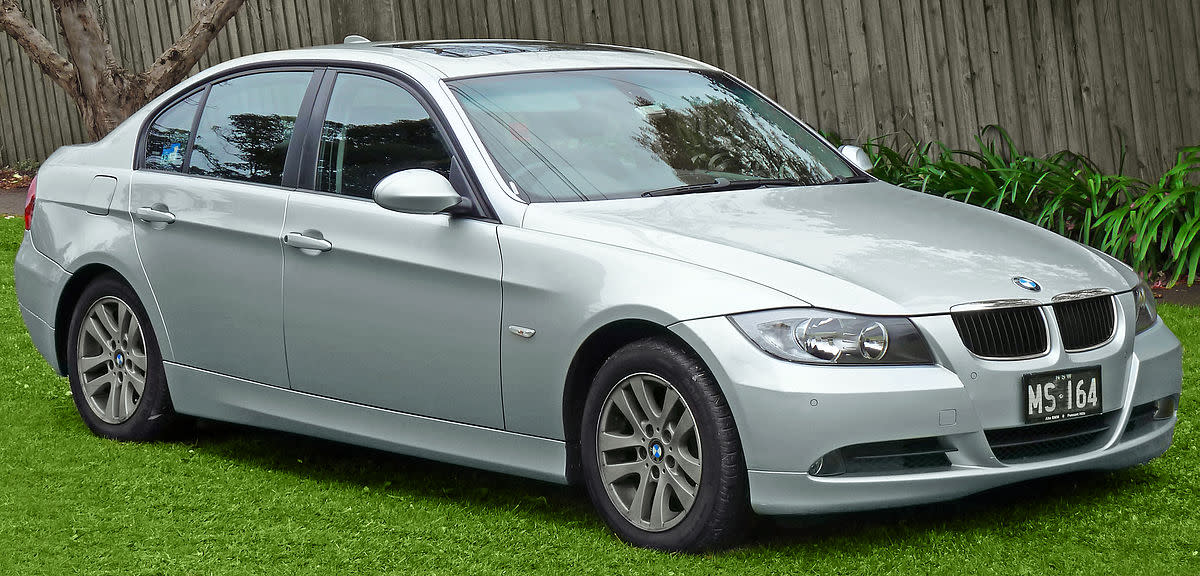
Buyers have multiple suspension configurations to choose from: the standard setup, the sportier M Sport tuning, or the Dynamic Handling package, which includes adaptive dampers. Buyers can choose between several suspension setups on the 3: the base arrangement, the tauter M Sport tuning, or the Dynamic Handling package with its adaptive dampers.
In real-world testing, the four-cylinder 3-series stood tall. The four-cylinder Bimmer proved its worth by winning a comparison test against other sports sedans.
Its versatility, shifting seamlessly between laid-back refinement and athletic sharpness, earned it widespread praise. We applauded its ability to transition from relaxed-and-refined to sharp-and-playful.
The 330i further proved its mettle by topping the Alfa Romeo Giulia—a rival known for its striking design—in a head-to-head comparison. The 330i also secured its spot at the top of its class by thwarting the gorgeous Alfa Romeo Giulia in a two-car comparo.
Meanwhile, our experience with a long-term M340i reaffirmed the 3-series’ legacy of excellence, showcasing both its muscular six-cylinder engine and outstanding composure. Our long-term M340i further proved the nameplate’s return to form, with its ripping six-cylinder and remarkable body control.
Not only are replacements costly, but the failure can occur anywhere from 60,000 to 90,000 miles and sometimes even sooner. For many owners, replacing the water pump becomes routine maintenance rather than a one-time event.
4. Ford Escape (2013–2019, 1.6L EcoBoost)
The 1.6L EcoBoost engine has a poorly located internal water pump that can fail and leak coolant into the crankcase.
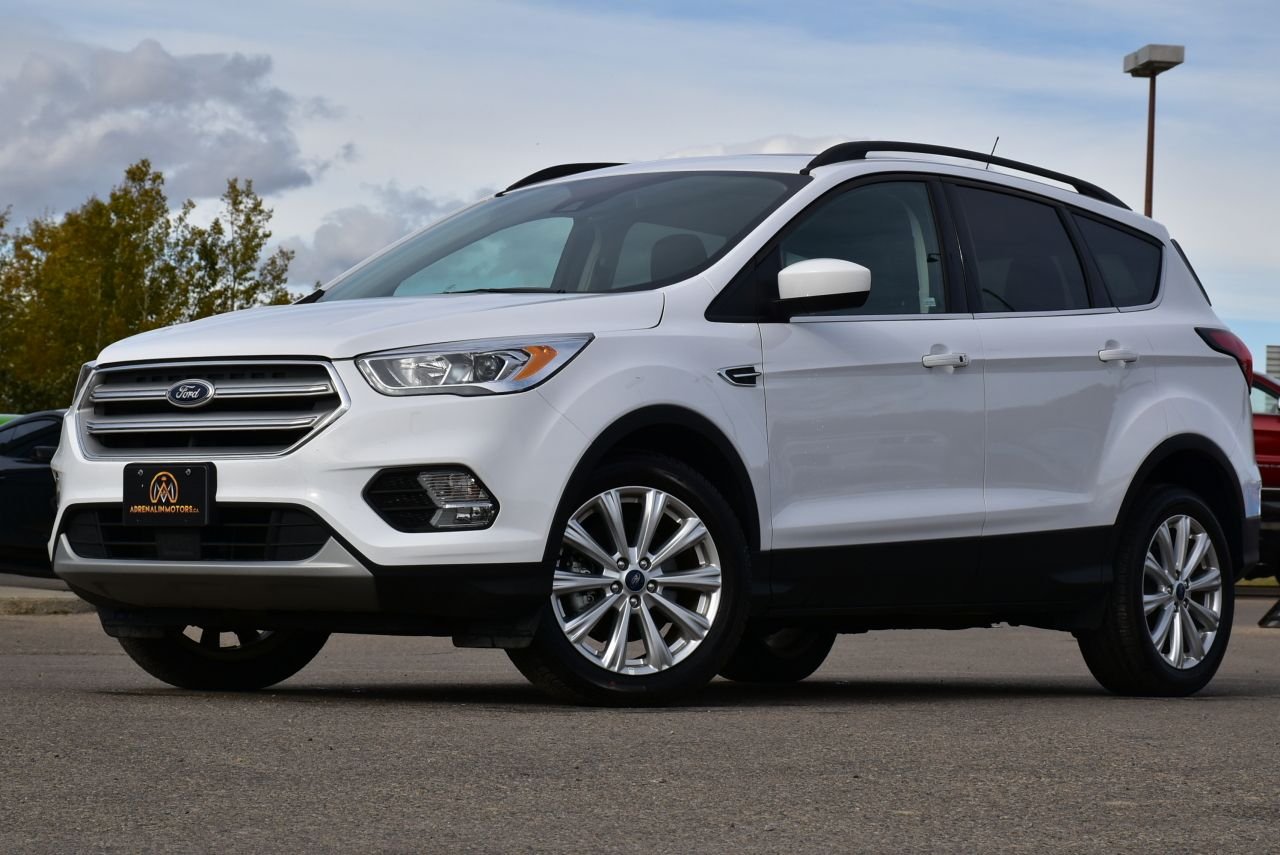
This not only damages the water pump but also leads to major engine failure if unnoticed. Some owners report multiple replacements, often under 100,000 miles, making it one of the Escape’s most common mechanical liabilities.
What sets the 2015 Ford Escape apart in the crowded compact SUV segment is its rare offering of three distinct engine choices.
A six-speed automatic transmission and front-wheel drive (FWD) are standard across the board, with all but the S available with all-wheel drive (AWD). Every version also boasts solid EPA fuel economy ratings, making efficiency a consistent strength across the lineup.
Under the hood of the base S trim is a 2.5-liter four-cylinder engine producing 168 horsepower and 170 pound-feet of torque. This same engine is also available as a cost-saving option on the front-wheel-drive SE. Fuel economy estimates for the 2.5 FWD are 25 mpg combined (22 city/31 highway).
Standard on both the SE and Titanium models is a turbocharged 1.6-liter four-cylinder that generates 178 horsepower and 184 pound-feet of torque.
When it comes to fuel efficiency, this engine delivers 26 mpg combined (23 city/32 highway) with front-wheel drive, while opting for all-wheel drive lowers that to 25 mpg combined.
If you’re seeking more power, an available upgrade for the SE and Titanium trims is a turbocharged 2.0-liter four-cylinder that cranks out 240 horsepower and 270 pound-feet of torque.
Fuel economy for this variant stands at 25 mpg combined (22 city/30 highway) with front-wheel drive, and 23 mpg combined with all-wheel drive. For those with towing needs, a properly equipped Escape fitted with this engine can pull up to 3,500 pounds.
On the safety front, the 2015 Escape comes well-equipped with essential features. Antilock disc brakes, traction and stability control, front-seat side airbags, a driver knee airbag and full-length side curtain airbags are standard on the 2015 Ford Escape.
Ford’s MyKey system is also included, letting owners establish specific driving parameters for younger or secondary drivers. A rearview camera and blind-spot mirrors are also standard.
Rear parking sensors are optional on the S and SE and standard on the Titanium. For added peace of mind, a blind-spot warning system with cross-traffic alert is optional on the Titanium model.
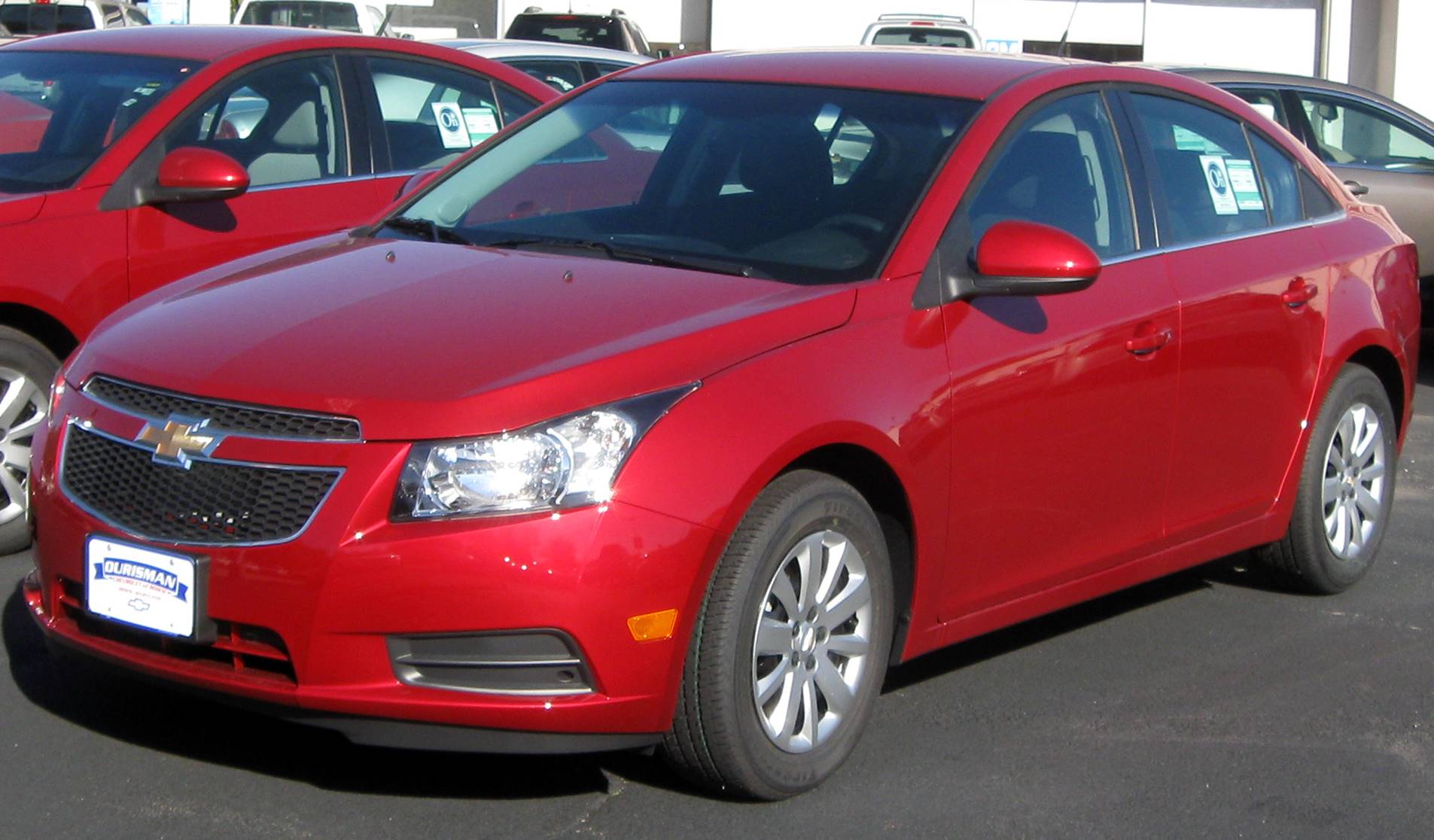
5. Chevrolet Cruze (2011–2016, 1.4L Turbo)
The Cruze’s 1.4L turbo engine is compact and efficient but the water pump isn’t built to last. Premature leaks, bearing noise, and complete failures before 70,000 miles are common.
GM even issued service bulletins for updated parts, but even those often fail again, leaving owners stuck with repeat repairs.
Powering the 2016 Cruze is a standard turbocharged 1.4-liter four-cylinder engine. Compared to the previous model year, Chevrolet has revised this engine to deliver an additional 15 horsepower and 29 pound-feet of torque.
It’s not just more powerful, it’s also pulling less weight. This engine has less work to do, too, as Chevrolet says the 2016 Cruze has shed about 250 pounds.
Another welcome improvement is cabin space. Pleasingly, the redesigned Cruze is also a bit roomier, particularly for rear seat passengers. It’s now possible for four adults to ride comfortably, with extra space to spare.
Inside, the 2016 Cruze benefits from Chevrolet’s updated tech approach, following the trend seen in other 2016 GM models.
The new Cruze’s standard MyLink touchscreen infotainment system (it used to be optional) provides quicker response times compared to last year’s version, as well as both Apple CarPlay and Android Auto smartphone integration.
In terms of creature comforts, the Cruze sees some impressive new available upgrades. These include a Bose audio system, wireless phone charging, heated rear seats and a heated steering wheel.
For safety-focused buyers, the Premier trim can now be equipped with advanced technologies like lane-departure intervention and forward collision alert.
Small-car drivers increasingly expect big feature content these days, and the 2016 Cruze is certainly poised to deliver.
Water pump reliability is often overlooked until it’s too late. Vehicles from Toyota, Honda, and Mazda consistently prove their engineering strength with pumps that last the life of the engine.
On the flip side, certain American and European models struggle to maintain basic cooling system integrity, leading to repeated repairs and unexpected breakdowns.
If you’re shopping for long-term ownership, keep an eye on the cooling system history because not all pumps are built the same.
