
Buying a used car under $12,000 can feel like walking a tightrope—balancing budget limitations against reliability, maintenance costs, and potential surprises hiding under the hood.
For many shoppers, this price range is where necessity meets compromise. However, not all budget-friendly used cars are created equal.
Some are surprisingly dependable and require only basic maintenance for years of service, while others, despite their low purchase price, quickly drain wallets with costly and recurring repairs.
In this guide, we’ll highlight both sides of the $12K used car market. First, we’ll focus on five models that consistently prove to be smart purchases for budget-conscious buyers.
These cars are known to keep running strong with minimal fuss and low maintenance costs—ideal choices for students, daily commuters, or anyone needing reliable transportation without breaking the bank.
Then we’ll shift to the flip side: five used cars that may seem like a bargain upfront but often come with expensive mechanical baggage.
These are models that mechanics see regularly for major repairs—engine failures, transmission issues, or chronic electrical problems that go far beyond normal wear and tear.
Whether you’re shopping for yourself or advising someone else, knowing which models to seek out—and which to avoid—can make the difference between peace of mind and ongoing frustration.
Also Read: 5 Engines That Last 300,000 Miles vs 5 That Fail Before 100,000
5 Used Cars That Cost Under $12K and Don’t Need Major Repairs
Finding a reliable used car for under $12,000 might seem like a daunting task, but it’s entirely possible—if you know where to look.
While the used car market can be unpredictable, certain vehicles have proven themselves as durable, low-maintenance options that consistently deliver solid performance well past 100,000 miles. These are the models that mechanics trust, often because they rarely see them in the shop for anything beyond routine maintenance.
What makes these cars stand out isn’t just their affordability—it’s their long-term ownership value. They’re built with quality components, have predictable wear patterns, and don’t rely on complicated or failure-prone technology.
Many of these models were sold in high volumes, making parts readily available and repairs (if ever needed) relatively cheap. From compact sedans to versatile hatchbacks and practical crossovers, these vehicles are ideal for buyers seeking peace of mind without a high monthly payment.
We’re featuring these five cars not just to showcase reliable choices, but to guide shoppers who are navigating the tricky intersection of affordability and durability.
Whether you’re a first-time buyer, a college student, or just someone who doesn’t want to gamble with repairs, these cars prove that you don’t need to spend a fortune to get dependable transportation.
1. 2012–2017 Toyota Corolla
The Toyota Corolla has long been a gold standard in affordable, reliable transportation, and the 2012–2017 models offer exceptional value under $12,000.
Known for its low cost of ownership and rock-solid dependability, the Corolla is the kind of car that rarely surprises owners—with either performance or repair bills.
This generation blends simplicity with refinement, offering a smooth ride, basic but user-friendly tech, and strong fuel economy, all wrapped in a platform that resists mechanical failure.
Under the hood is a 1.8L four-cylinder engine paired with either a 4-speed automatic or a manual transmission—both of which are known for their durability. The engine may not be exciting, but it’s nearly indestructible with basic maintenance.
Timing chains (not belts), low-stress operation, and widely available replacement parts make the Corolla a favorite among budget-focused drivers and mechanics alike.
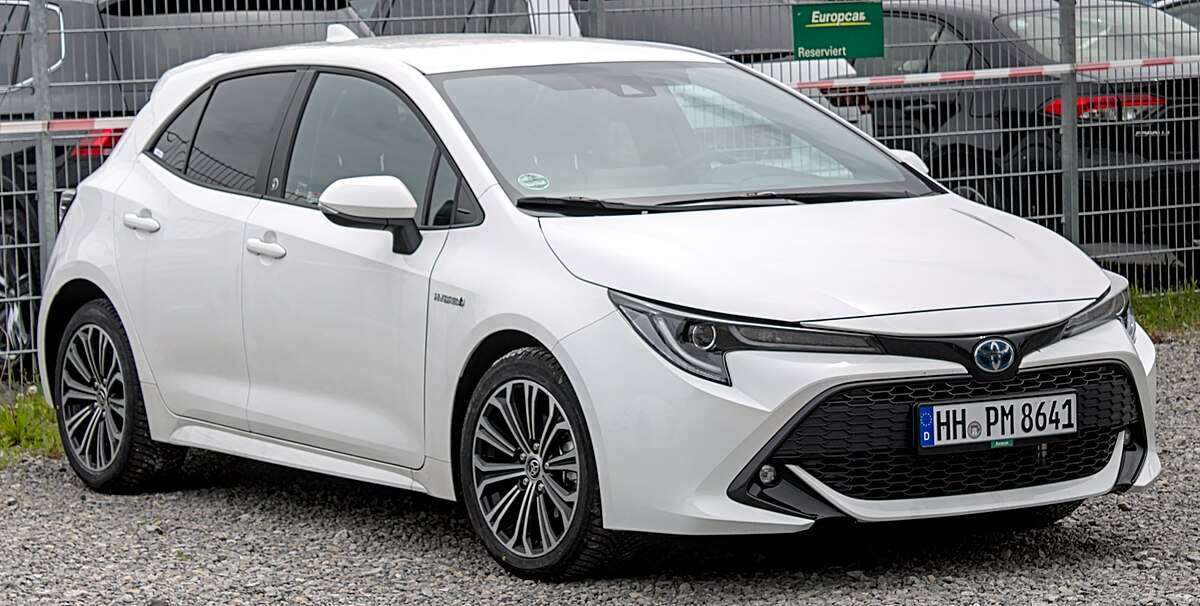
Why include it here? Because it’s one of the safest bets on the used market. Even high-mileage examples tend to run smoothly with nothing more than oil changes, brakes, and fluid flushes. Aside from the occasional water pump or wheel bearing replacement, major failures are rare.
The Corolla is ideal for students, daily commuters, and first-time buyers who want a no-nonsense car that simply works.
With many clean, well-maintained examples available for under $12K, this car exemplifies the phrase “buy it and forget it.” You won’t win any races—but you’ll almost never be left stranded.
2. 2010–2014 Honda Fit
The 2010–2014 Honda Fit is one of the smartest used car buys under $12,000 if you’re looking for reliability, practicality, and minimal repair costs. What makes the Fit so appealing is its ability to punch well above its weight in nearly every category.
It offers impressive fuel efficiency (up to 33 mpg combined), agile handling, and a surprisingly roomy interior—all within a subcompact footprint that’s perfect for urban driving. But what really seals its place on this list is its mechanical simplicity and reputation for long-term durability.
Powered by a 1.5L four-cylinder engine mated to either a five-speed manual or automatic transmission, the Fit has few moving parts that commonly fail.
The powertrain is tuned more for economy than speed, but its proven components are built to last. The timing chain design, efficient fuel system, and straightforward drivetrain translate into fewer expensive visits to the shop.
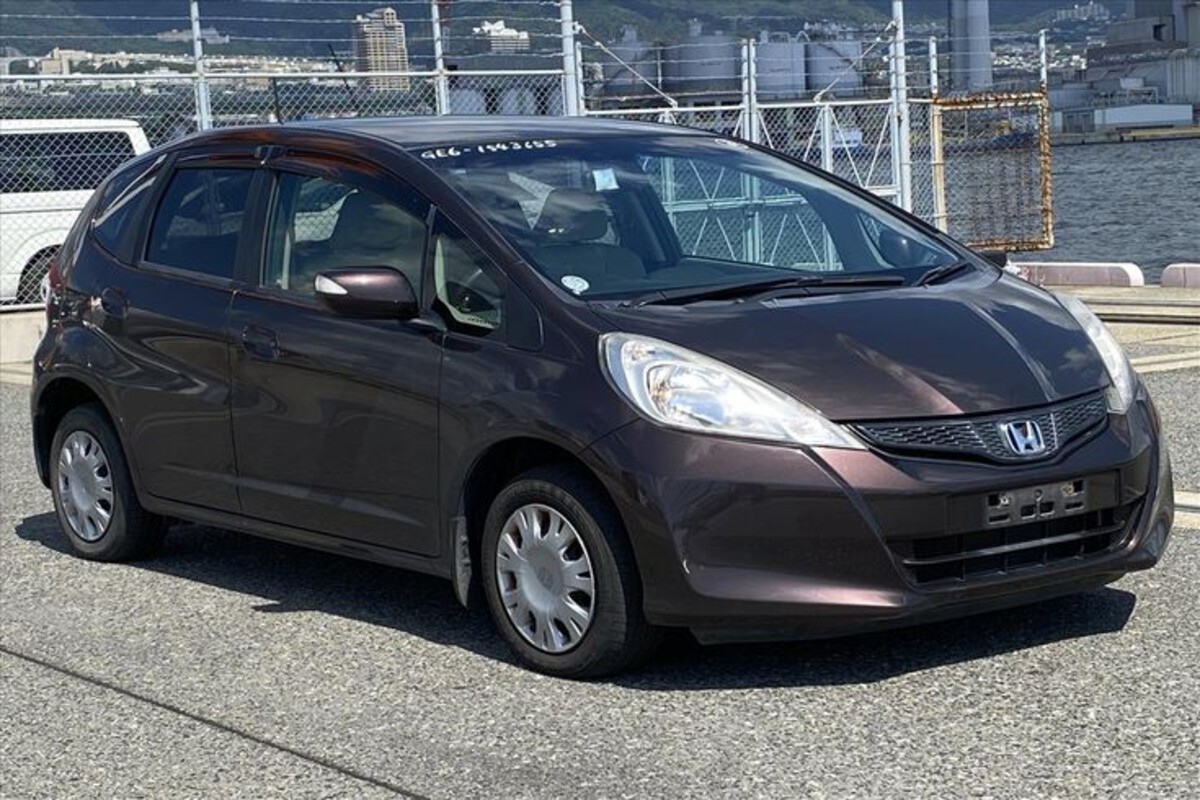
From a reliability standpoint, this generation of Fit is virtually bulletproof. Issues like worn-out motor mounts or noisy wheel bearings might crop up with high mileage, but they’re easy and inexpensive to fix. Major repairs—such as transmission or engine rebuilds—are exceedingly rare if the car has been maintained properly.
We’re spotlighting the Honda Fit because it represents a perfect mix of reliability, affordability, and utility.
Its flexible “Magic Seat” interior allows for SUV-like cargo capacity, and the car’s track record shows very few costly failures. If you need a practical hatchback under $12K that won’t turn into a money pit, the Fit is an easy yes.
3. 2011–2016 Hyundai Elantra
The 2011–2016 Hyundai Elantra stands out as a value-packed compact sedan that delivers more than you’d expect for a sub-$12,000 price tag.
Often overlooked in favor of its Japanese rivals, the Elantra offers a comfortable ride, modern styling, and surprisingly advanced features for the price.
But the reason it earns a place on this list is its strong reliability track record and low repair frequency—especially for models that have been regularly serviced.
This generation of Elantra is powered by a 1.8L four-cylinder engine paired with either a six-speed manual or automatic transmission.
While not particularly powerful, the engine is well-matched to the car’s size and delivers great fuel economy—around 30 to 38 mpg depending on driving conditions. More importantly, this powertrain is known for longevity when maintained properly.
Unlike some Hyundai engines that developed oil consumption issues or bearing failures, the 1.8L in the Elantra has largely avoided those problems.
The automatic transmission is also relatively trouble-free and not plagued by the complexity or fragility seen in some competitors’ CVTs. Aside from occasional suspension wear or sensor glitches, major mechanical issues are rare.
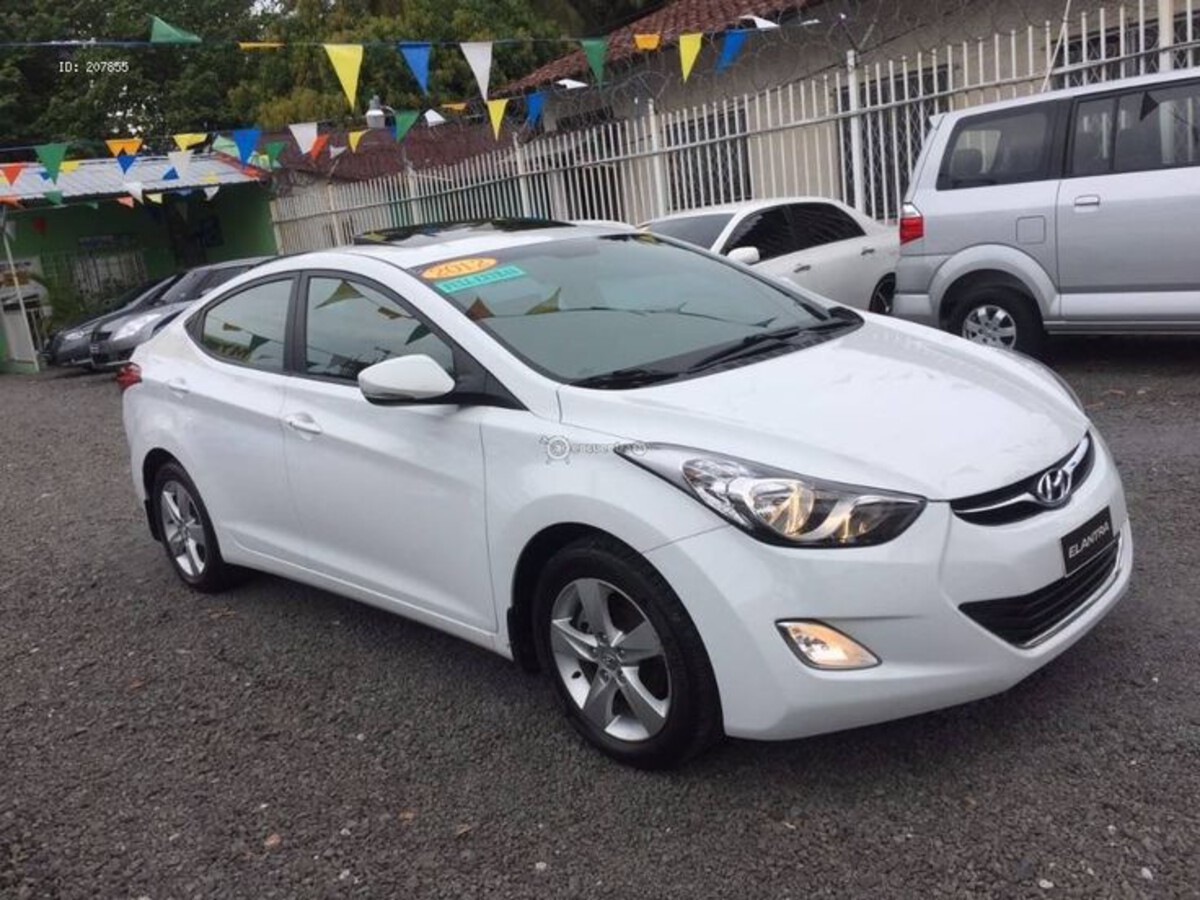
We’re featuring the Elantra because it represents a sweet spot in the used car market: affordable to buy, cheap to maintain, and equipped with features like Bluetooth, heated seats, and even navigation in some trims.
It’s ideal for a buyer who wants something newer-looking and well-equipped without sacrificing dependability. If you’re careful to avoid neglected examples, the Elantra can be a reliable partner for years to come—all under budget.
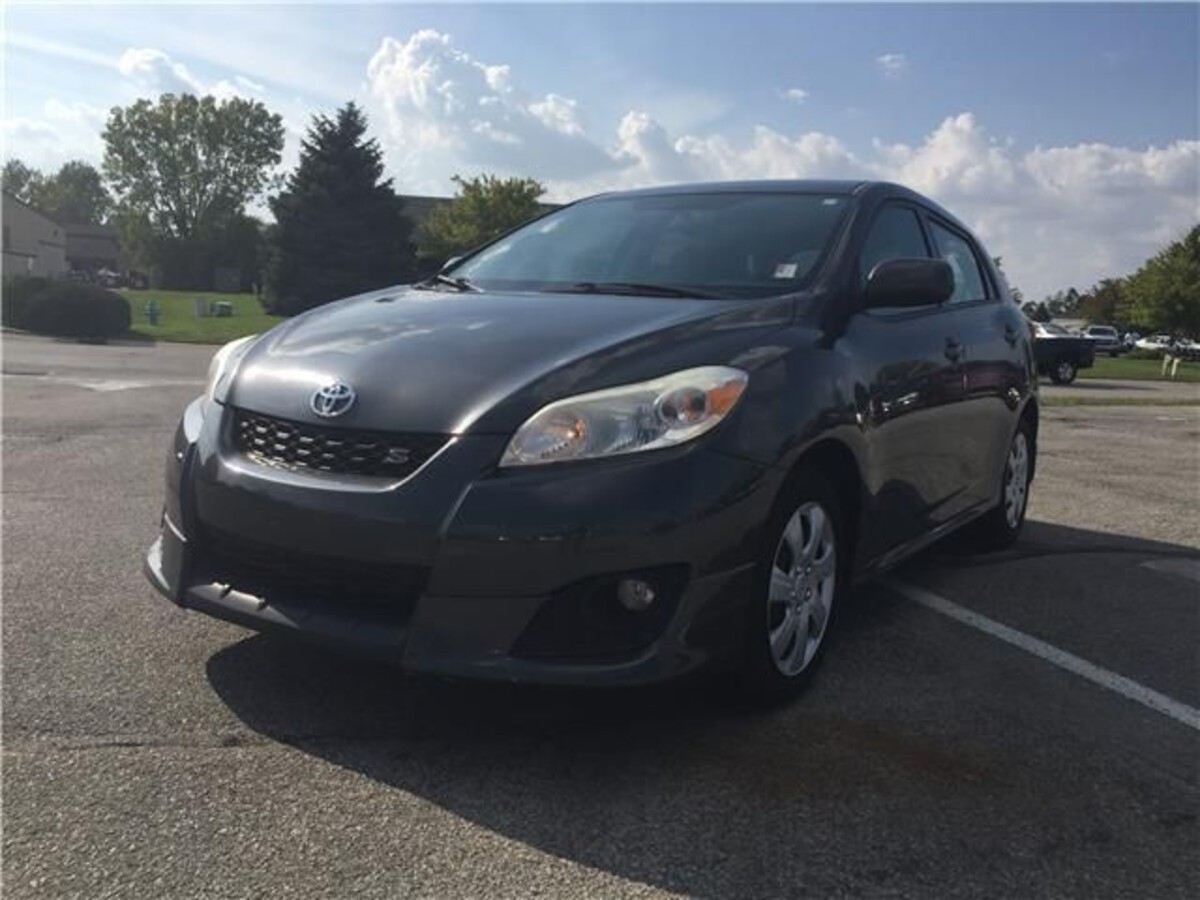
4. 2009–2013 Toyota Matrix
The 2009–2013 Toyota Matrix is a quiet hero in the used car world—often overshadowed by its more popular sedan sibling, the Corolla, but offering the same rock-solid dependability in a more versatile hatchback form.
Sharing its platform and powertrain with the Corolla, the Matrix blends cargo space, all-weather usability (with available AWD), and Toyota-grade reliability into one affordable package. And best of all, many clean examples fall under the $12,000 mark.
Most Matrix models are equipped with the proven 1.8L four-cylinder engine, mated to a 5-speed manual or 4-speed automatic transmission.
Higher trims and AWD versions received a 2.4L engine from the Camry, which is more powerful but slightly thirstier. Either way, the engines are non-interference, chain-driven, and known for running well past 200,000 miles with basic upkeep.
The Matrix rarely suffers from serious mechanical failures. Its most common issues are modest: coil packs going bad around 100K miles, minor suspension wear, or leaky valve cover gaskets—none of which break the bank.
The interior may be spartan by today’s standards, but it’s practical, durable, and easy to clean. And with the rear seats folded flat, the Matrix offers impressive cargo space—making it a great fit for urban dwellers, outdoor enthusiasts, or small families.
We’re including the Matrix because it’s one of those cars that does everything “just right.” It’s economical, reliable, flexible, and inexpensive to repair—qualities that make it an ideal used buy under $12K. If you can find one with a good maintenance record, it’s the kind of car you’ll likely keep far longer than you expected.
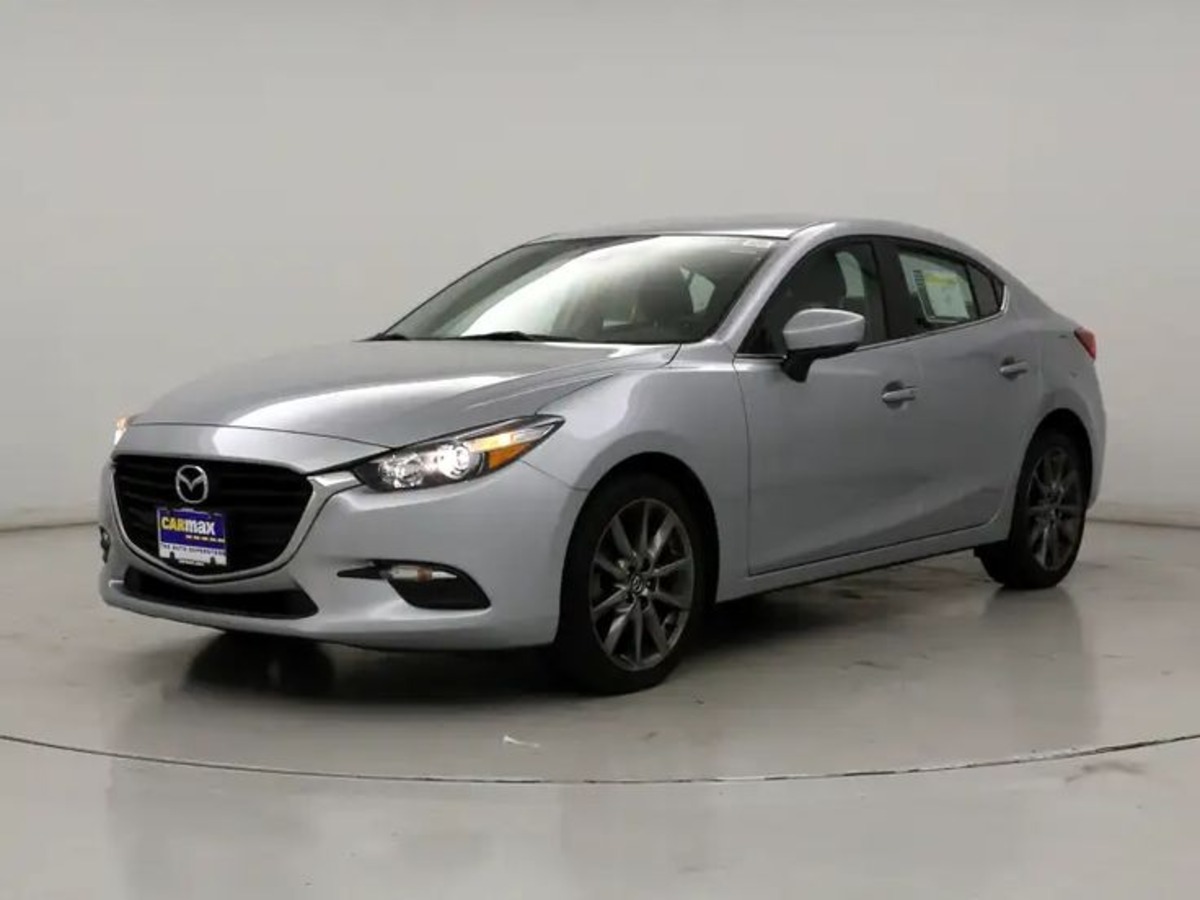
5. 2012–2015 Mazda3 (Skyactiv Models)
The 2012–2015 Mazda3, particularly models equipped with the Skyactiv 2.0L engine, delivers an unbeatable combination of driving fun, efficiency, and long-term reliability—making it one of the best used cars you can buy under $12,000.
While Mazdas sometimes fly under the radar in discussions of durable cars, this generation of Mazda3 proves that reliable doesn’t have to mean boring.
The Skyactiv engine introduced in 2012 was a major leap forward for Mazda. It offered a high-compression, direct-injection design that boosted both fuel economy (up to 40 mpg highway) and longevity—without the complexity of turbochargers or hybrid systems.
Paired with either a responsive 6-speed manual or a smooth automatic, the drivetrain feels refined yet simple, and critically, it hasn’t shown the kind of chronic failures or recalls common to more complex engines of the era.
Owners and mechanics alike praise this Mazda3 for its bulletproof engine, tight steering, and durable suspension. Typical issues—such as sway bar links or the occasional oxygen sensor—are inexpensive and easy to fix.
Rust can be a concern in northern climates, so buyers should inspect the underbody. But otherwise, this car holds up impressively over the long haul.
We’re spotlighting the Mazda3 because it’s proof that budget-friendly cars can still offer real driver satisfaction.
With sporty handling, excellent fuel economy, and a reputation for lasting well beyond 150,000 miles, the 2012–2015 Mazda3 Skyactiv hits that rare sweet spot of economy and excitement. If you want a reliable used car under $12K that’s also fun to own, this is a top contender.
5 Used Cars Under $12K That Do Need Major Repairs
While the under-$12,000 used car market offers some genuine gems, it also has its share of costly traps—vehicles that may look like bargains but are prone to significant mechanical issues.
These are the cars that show up frequently on mechanic lifts and owner forums, often for expensive repairs like transmission replacements, engine overhauls, or persistent electrical nightmares. They may be tempting due to their features, style, or low sticker price, but the long-term costs can far outweigh the upfront savings.
Many of these problem-prone vehicles were once praised when new, only to reveal serious durability concerns after 60,000 or 100,000 miles. Some suffer from poor engineering decisions, others from underbuilt drivetrains or overcomplicated electronics.
Either way, they’ve gained reputations in the automotive world not for reliability, but for frustrating—and often repeated—failures.
We’re writing about these five cars not to criticize the people who bought them, but to help future shoppers avoid costly mistakes.
If you’re shopping under $12K and need dependable transportation without surprises, these are the models best approached with caution—or avoided entirely.
A good-looking used car isn’t always a good long-term investment, especially when it comes with a track record of major repairs waiting just around the corner.
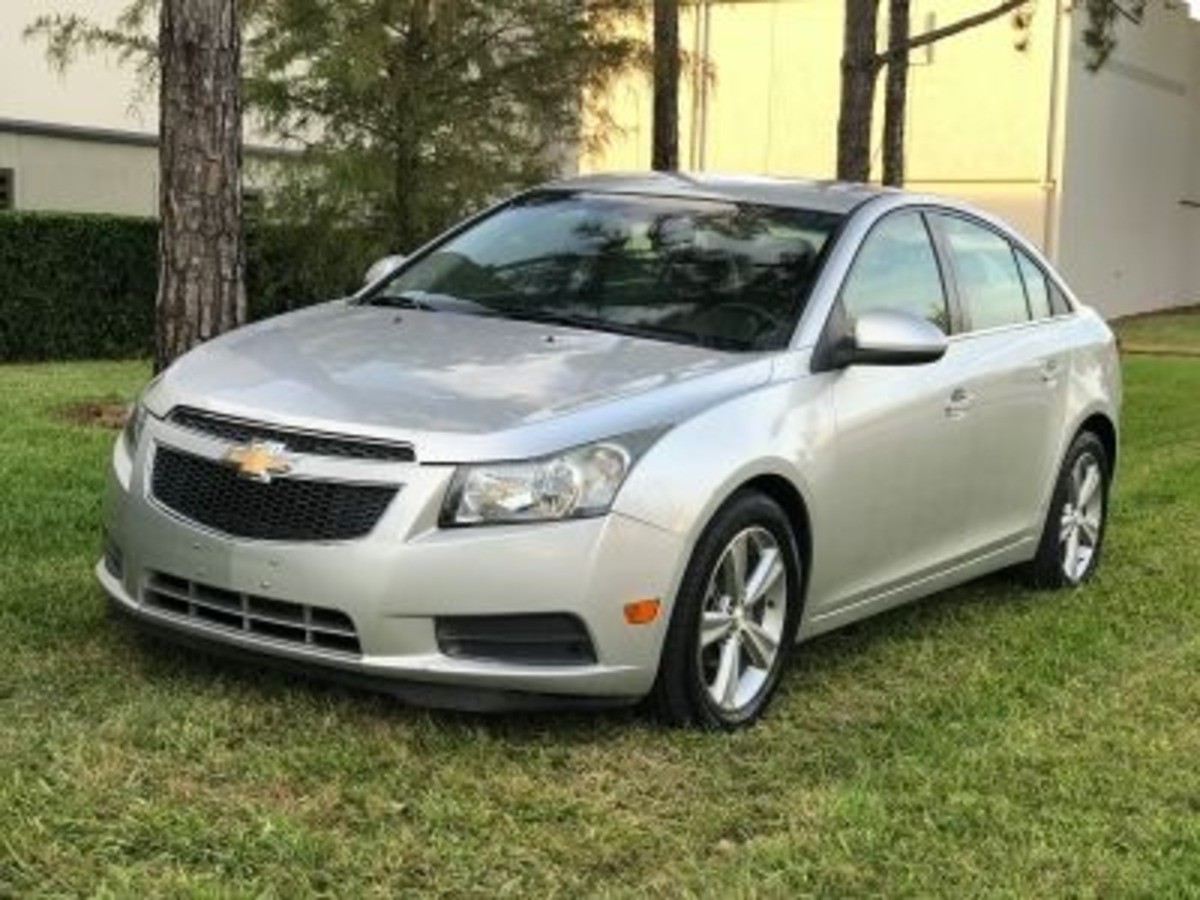
1. 2011–2014 Chevrolet Cruze (1.4L Turbo)
The 2011–2014 Chevrolet Cruze with the 1.4L turbocharged engine might look like a smart buy under $12,000—it’s stylish, fuel-efficient, and often loaded with features.
But beneath the surface lies a range of mechanical issues that have earned it a reputation as one of the more problematic compact cars of its time.
While not every Cruze is doomed, this particular engine and generation are frequently associated with major repair costs that often outweigh the car’s budget appeal.
The 1.4L turbo in these models suffers from several design flaws. The most notorious issue is related to the cooling system—thermostat housings and water pumps are prone to early failure, often leading to overheating.
A bad water pump is more than an inconvenience here; in the Cruze, it can lead to a warped cylinder head or blown head gasket if not caught early. Turbo failure is also relatively common, with oil leaks and loss of boost pressure developing well under 100K miles.
In addition, timing chain problems and oil leaks are frequent, and the transmission (especially the 6-speed automatic) has also proven unreliable in higher-mileage units.
These cars often reach a point where repair bills start to stack up quickly, making them poor choices for buyers trying to minimize maintenance costs.
We’re including the Cruze because it’s one of those cars that seems appealing on paper but quickly becomes a headache in real-world ownership. Even if you find a low-mileage model for cheap, the risk of major repairs in the near future makes it a risky bet for any budget-focused buyer.
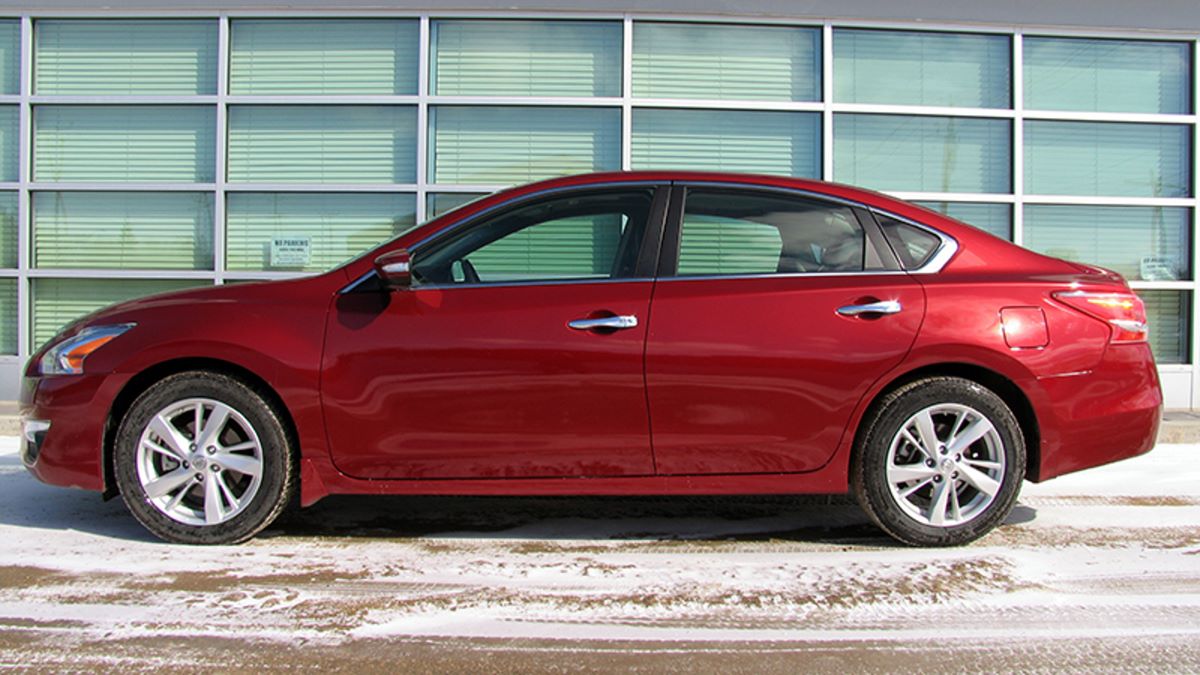
2. 2007–2011 Nissan Altima (2.5L CVT Models)
The 2007–2011 Nissan Altima with the 2.5L four-cylinder engine and CVT transmission may appear to be a sensible midsize sedan under $12,000—modern design, decent fuel economy, and a comfortable ride.
But unfortunately, this generation of Altima is best known not for its practicality, but for the chronic and expensive issues tied to its continuously variable transmission (CVT). It’s a common fixture in independent shops for all the wrong reasons.
The most serious problem is the CVT itself. Nissan’s early CVTs in this era were prone to failure—sometimes under 80,000 miles. Symptoms include slipping, jerking, overheating, and complete loss of power.
Replacing or even rebuilding a failed CVT can cost upwards of $3,500, making it a financial gut punch in a car that may have only cost $8,000–$10,000 to buy. Nissan extended warranties on these units, but many used Altimas on the market today are outside that coverage window.
On top of that, the 2.5L engine has its own issues, including oil consumption, head gasket leaks, and poor idle quality. The car’s interior materials and electronic components have also proven prone to early wear and failure—especially power locks and dashboard electronics.
We’re highlighting the Altima here because it represents a classic example of “cheap to buy, expensive to own.”
Even if you find one in seemingly good condition, the long-term costs of transmission failure or engine trouble can quickly erase any savings. Unless you’re a mechanic or you can verify an already-replaced CVT, this generation of Altima is best left on the lot.
3. 2008–2012 Dodge Avenger (2.7L V6)
The 2008–2012 Dodge Avenger equipped with the 2.7L V6 might catch your eye with its bold styling and low price, but it’s one of the most problematic sedans in its class—especially when paired with that particular engine.
What makes this vehicle so concerning isn’t just the number of issues owners report, but the frequency and cost of those problems relative to the car’s value. It’s not uncommon for buyers to spend more on repairs in two years than the car originally cost.
The 2.7L V6 engine is at the core of most complaints. This engine suffers from chronic oil sludge buildup due to poor internal oil flow design and narrow oil passages.
Even with regular oil changes, this sludge can clog vital pathways, leading to overheating, camshaft failure, or even complete engine seizure. Once sludge takes hold, it’s often too late—and engine replacement is often the only viable option.
Transmission failures are another common complaint, with rough shifting, slipping, and torque converter problems surfacing before the 100,000-mile mark.
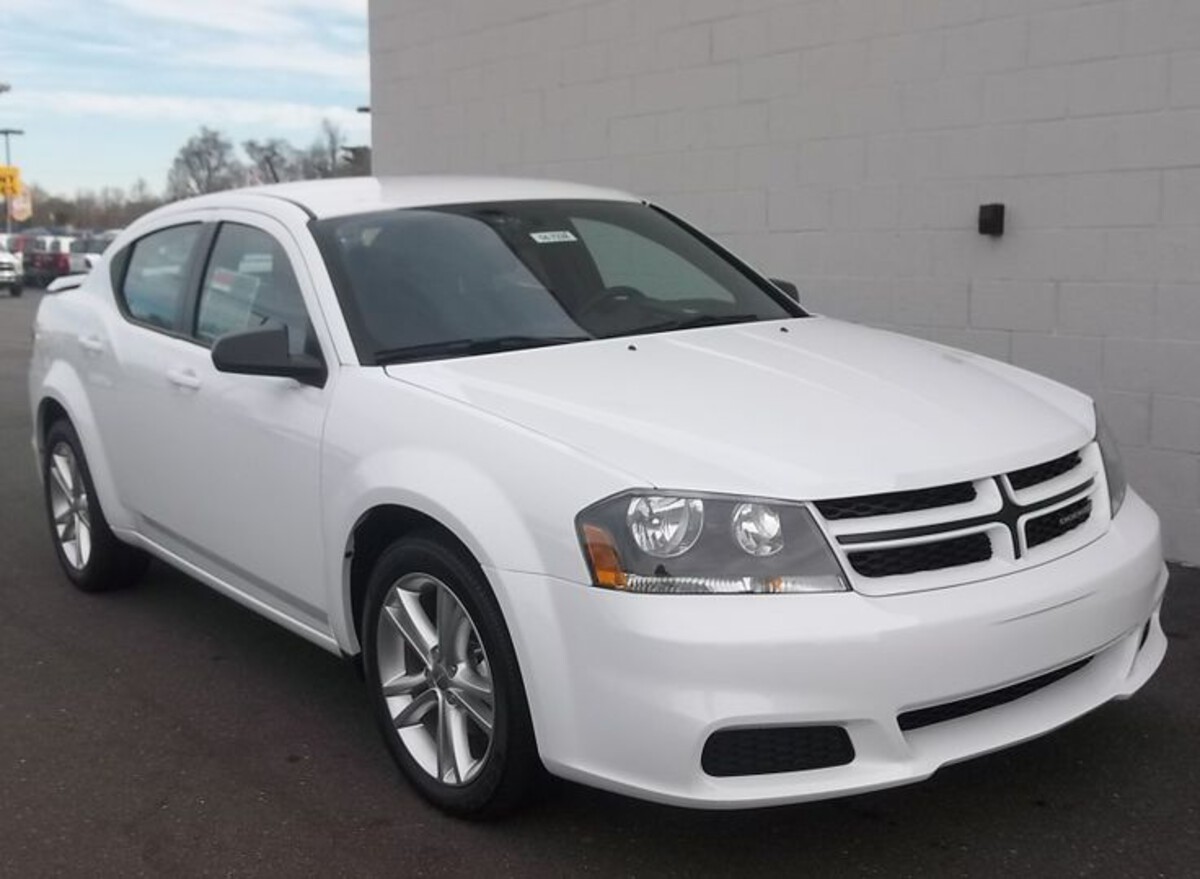
Electrical gremlins—such as faulty TIPM (Totally Integrated Power Module), malfunctioning windows, and shorted lighting circuits—round out the car’s long list of weaknesses.
We’re including the Dodge Avenger because it’s a prime example of how a car with attractive styling and a tempting price tag can quickly become a financial burden.
While higher-trim models may appear well-equipped, the mechanical shortcomings—especially with the 2.7L engine—make it a high-risk choice for anyone trying to avoid major repair bills under a tight budget.
4. 2006–2010 BMW 3 Series (E90 – 325i, 328i, 335i)
The 2006–2010 BMW 3 Series (E90 generation), particularly models like the 325i, 328i, and especially the 335i, are often seen as tantalizing used car deals under $12,000. For many buyers, the allure is clear: German engineering, strong performance, luxury interior, and refined handling.
But beneath the surface lies one of the most misleading value propositions in the used car world. These cars are affordable to buy but notoriously expensive to keep on the road.
The core issue is complexity. These BMWs are packed with advanced systems—direct injection, turbocharging (in the case of the 335i), VANOS variable valve timing, and high-end electronics—that tend to age poorly, especially when prior owners deferred maintenance due to cost.
Oil leaks from valve cover gaskets, oil filter housing gaskets, and oil pan gaskets are common and labor-intensive to fix. The electric water pump and thermostat are also frequent failure points—often costing $1,000 or more in repairs.
If you’re considering a 335i, be warned: the twin-turbo N54 engine is a powerhouse, but it’s plagued by high-pressure fuel pump (HPFP) failures, wastegate rattle, and carbon buildup on intake valves, all of which are expensive to address.
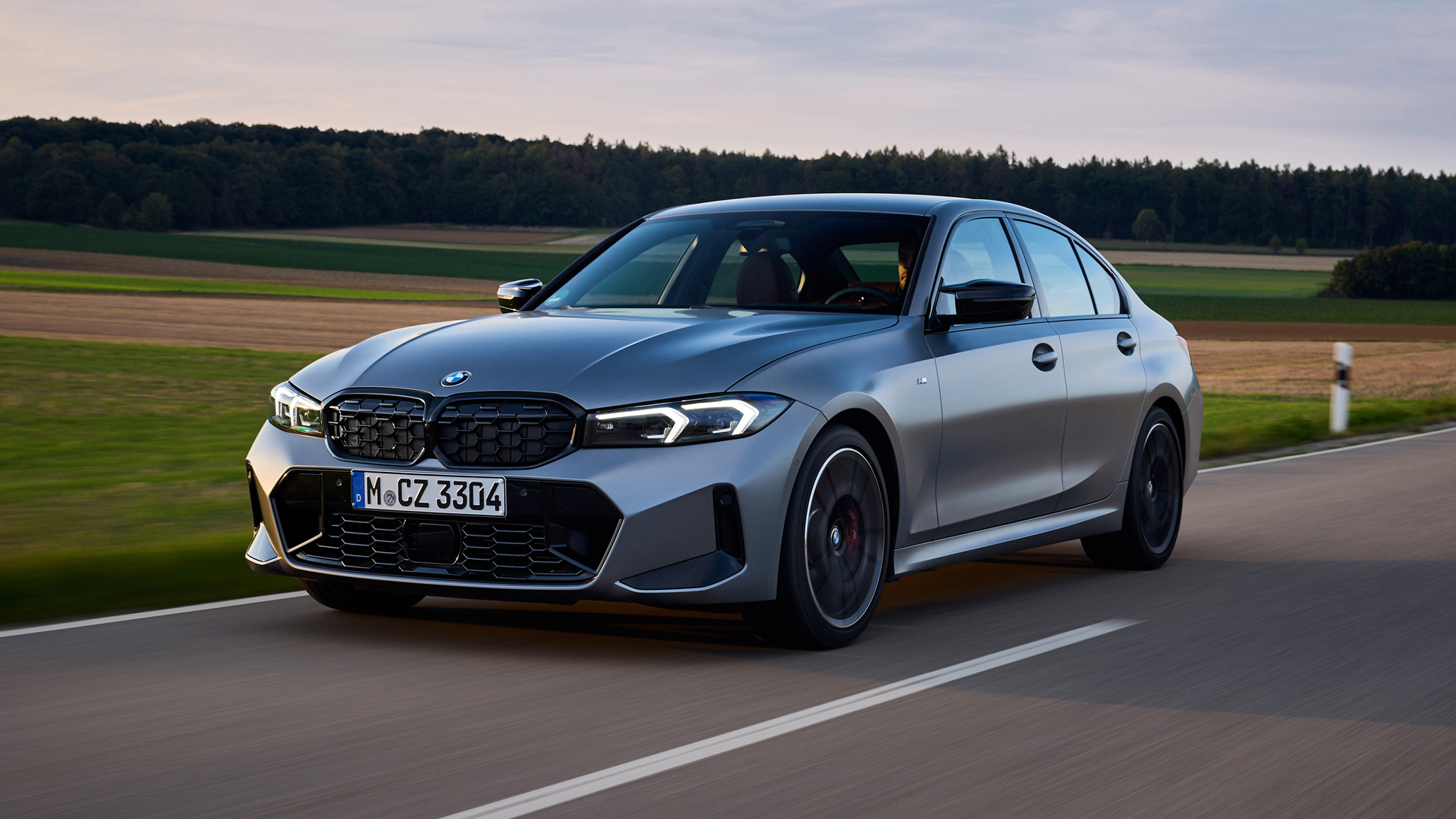
Even the non-turbo models can suffer from worn suspension bushings, faulty coil packs, and fragile electronic modules.
We’re including the E90 3 Series because it demonstrates how luxury and performance at a low price often come with a hidden tax: constant, costly repairs.
Unless you have a generous maintenance budget or plan to DIY everything, this car will almost certainly exceed the expectations of your wallet.
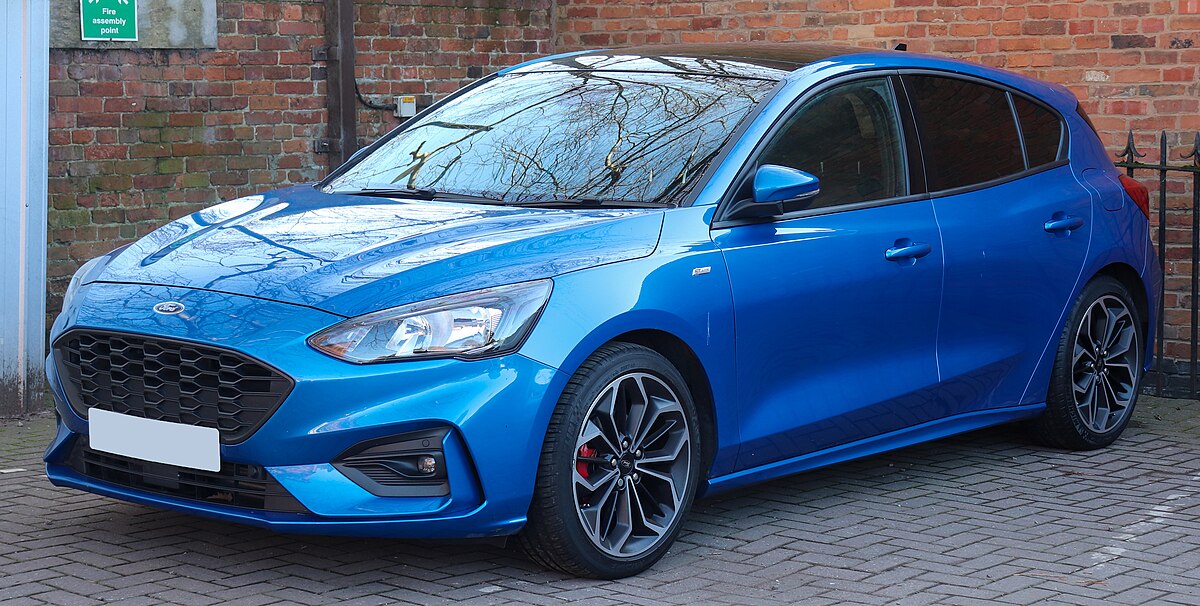
5. 2011–2015 Ford Focus (Automatic Transmission Models)
The 2011–2015 Ford Focus, particularly those equipped with the PowerShift dual-clutch automatic transmission, is a textbook example of a vehicle that looks like a solid buy under $12,000 but is widely known for severe mechanical issues.
While the Focus received praise for its sharp styling, handling, and interior quality, its automatic transmission system has caused major headaches for thousands of owners—and landed Ford in legal trouble.
At the center of the issue is the PowerShift transmission, a dry dual-clutch unit that was intended to improve fuel efficiency while mimicking the feel of a conventional automatic.
Instead, it delivered jerky shifting, hesitation, shuddering, and even sudden loss of power. These problems frequently started within the first 30,000–50,000 miles and often recurred even after software updates or hardware replacements.
Despite several technical service bulletins and warranty extensions, the transmission issues persisted. Class-action lawsuits followed, and Ford eventually admitted fault, but that doesn’t help used buyers today—especially when many vehicles are out of coverage.
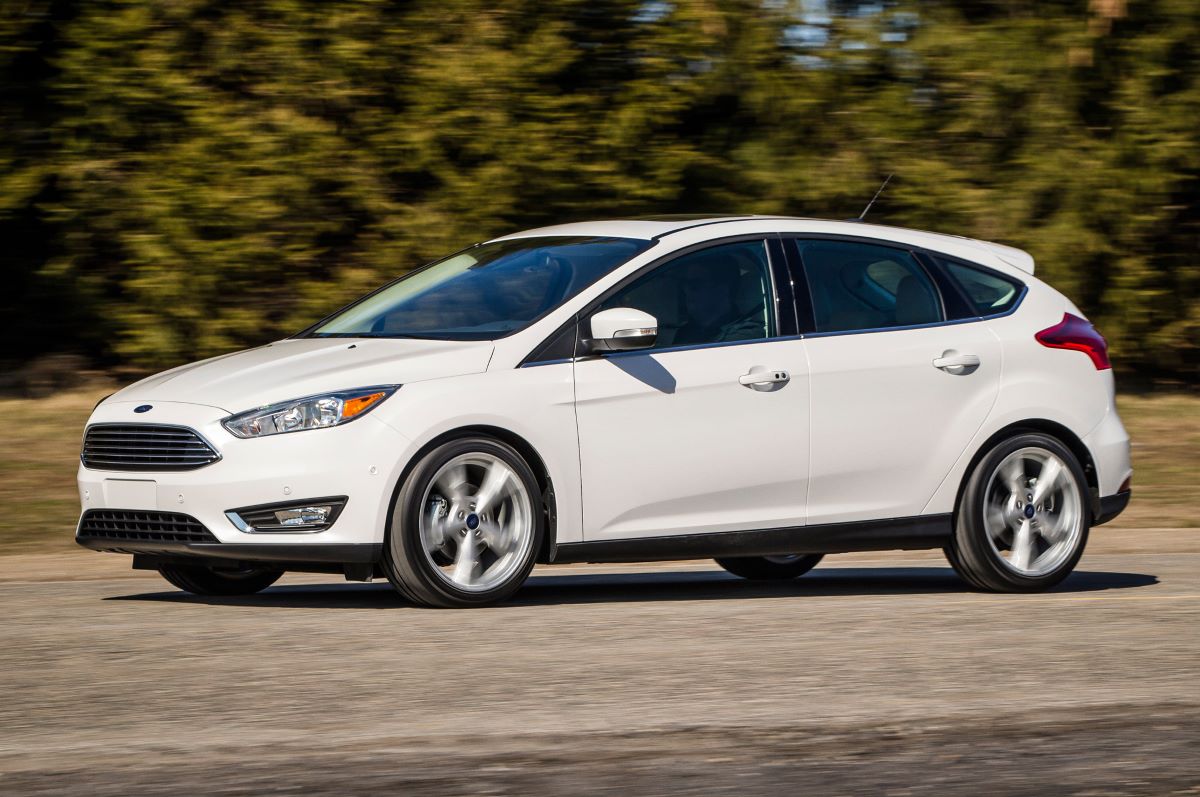
Repairs are expensive, often involving clutch pack or control module replacements, which can cost thousands of dollars and still not provide a permanent fix.
We’re including the 2011–2015 Focus because it’s one of the most commonly regretted used car purchases in this price range.
While manual transmission models are far more reliable, the automatics are a financial risk. For buyers shopping under $12K, the Focus might seem like a great deal—but unless it’s a stick shift, it’s a gamble that rarely pays off.
Also Read: 5 Rust-Resistant Trucks vs 5 Rust Buckets After a Few Winters
