
Hybrid vehicles have become the sweet spot for many drivers seeking fuel efficiency without the range anxiety of a full electric vehicle. But what truly determines a hybrid’s long-term value is something hidden beneath the surface: the battery.
A hybrid battery pack is not a minor component—it’s the heart of the powertrain and one of the most expensive parts to replace. As these cars age, battery reliability becomes a key differentiator between a good purchase and a potential money pit.
Some hybrids are known for crossing the 200,000-mile mark on their original battery packs without breaking a sweat.
Others? Not so much. In fact, a few models have earned a reputation for battery failure just past the warranty window, leaving owners with a choice between a steep replacement bill and abandoning the vehicle altogether.
This guide explores both ends of the spectrum: five hybrids with batteries that stand the test of time and five that are more likely to let you down once the warranty expires. Let’s begin with the reliable ones.
Also Read: 5 High-Mileage Cars You Can Still Buy Cheap and 5 That Cost a Fortune to Maintain
5 Hybrids With Long-Lasting Batteries
When it comes to hybrid vehicles, long-term reliability is often tied directly to how well the battery system performs over the years. The best hybrids don’t just save fuel—they keep doing it for well over a decade without throwing major repair bills your way.
In this section, we’re focusing on five standout hybrids that consistently prove their battery systems can go the distance.
Whether it’s the engineering approach, smart thermal management, or simply robust battery chemistry, these cars are celebrated by owners, mechanics, and fleet operators alike for their low battery failure rates.
Some have even gone beyond 300,000 kilometers on the original hybrid battery—no small feat for a component that works every day to balance electric propulsion and regenerative braking.
We’re highlighting these five not because they’re trendy, but because they’ve shown real-world endurance where it matters most. If you’re in the market for a used hybrid and don’t want a future of battery replacement estimates, these are the ones worth hunting for.
They’re not just efficient—they’re dependable, and in today’s market, that’s worth more than ever. Let’s dive into the five hybrids with long-lasting batteries that have earned their reputation.
1. Toyota Prius (3rd & 4th Gen)
The Toyota Prius has long been the poster child of hybrid reliability—and for good reason. The third- and fourth-generation models (roughly 2010 to 2022) have some of the most durable hybrid battery systems in the market.
It’s not just hype; it’s backed by millions of miles logged by taxi fleets, ride-share drivers, and long-time owners worldwide.
What makes the Prius battery so dependable? Toyota’s hybrid synergy drive system is among the most refined in the business. The company has had decades to perfect thermal management, battery cycling algorithms, and pack durability.
Its nickel-metal hydride (NiMH) chemistry in earlier models was chosen for stability and longevity. Later versions, especially in the fourth-gen, introduced lithium-ion options in certain trims, but the track record for both chemistries remains strong.
Reports frequently surface of Prius hybrids easily crossing the 300,000 km mark with original battery packs still functioning. Even when degradation starts, Toyota’s system doesn’t suddenly fail—it gradually reduces fuel economy, allowing owners to plan ahead.
Why are we spotlighting the Prius? Because in an era where battery replacement horror stories are common, the Prius offers a case study in how to build a hybrid that goes the distance.
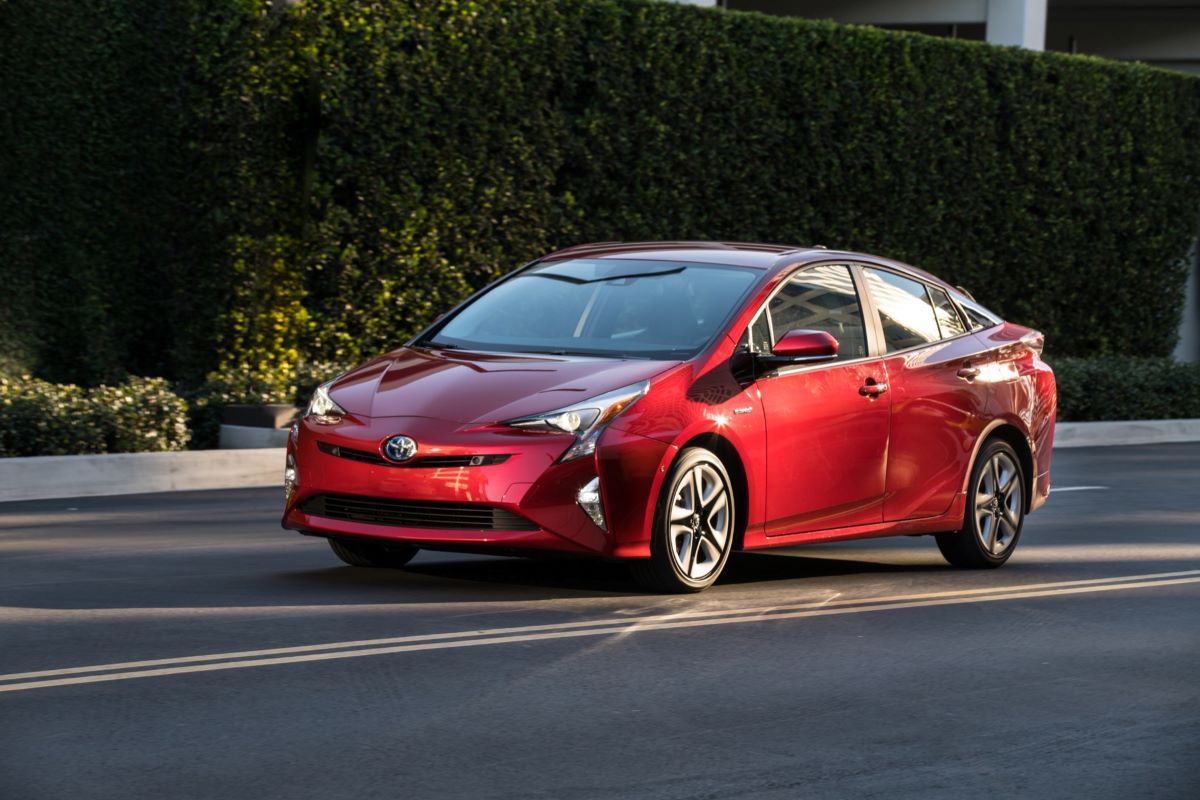
It’s the hybrid you buy if long-term reliability is your top priority. For used buyers, it’s also one of the safest bets if you want to avoid battery replacement costs that could rival the value of the car itself.
More long-lasting hybrids follow next.
2. Honda Accord Hybrid (2018–Present)
The Honda Accord Hybrid is a midsize sedan that blends efficiency with everyday drivability—and it does so with a battery system that has impressed both mechanics and long-term owners.
While early Honda hybrids had a mixed track record, the latest generation Accord Hybrid (2018 onward) represents a significant leap in battery reliability and overall hybrid integration.
Honda uses a lithium-ion battery paired with its unique two-motor hybrid system, which simplifies the drivetrain and minimizes mechanical stress.
What stands out is the intelligent cooling system that keeps battery temperatures in check even during extended city driving or highway cruising. The result? Batteries that remain healthy even past the 200,000 km mark.
Many taxi operators and high-mileage drivers report Accord Hybrids with minimal loss of electric performance well into high odometer readings.
And unlike older hybrids that relied heavily on the gas engine, this system favors electric operation at low speeds, meaning fewer starts and stops for the engine—and smoother battery cycling.
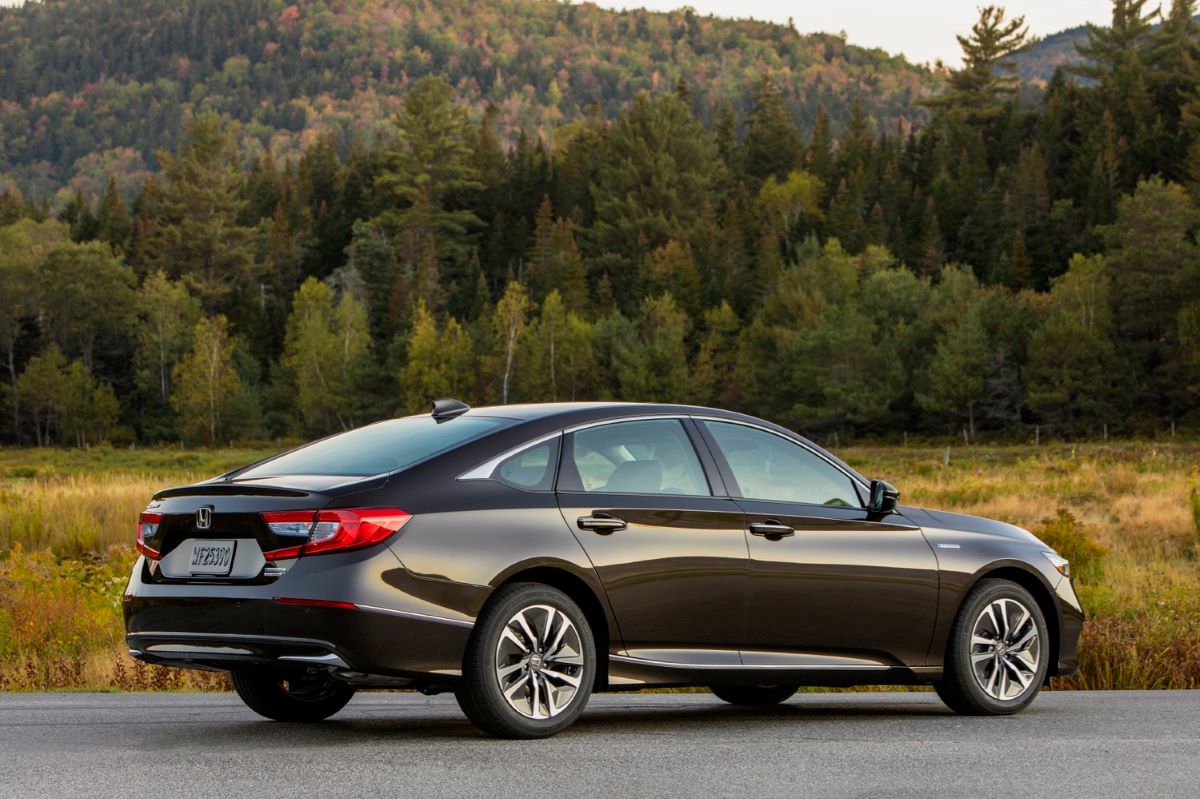
We’re featuring the Accord Hybrid not just because it’s efficient, but because it debunks the myth that larger hybrid sedans are inherently less reliable. It’s also proof that Honda has learned from past missteps and now builds hybrid systems that can truly go the distance.
For buyers looking at a used hybrid that feels more upscale than a compact, the Accord is a safe and smart choice. It delivers excellent fuel economy, smooth power delivery, and—most importantly—a battery setup that has proven it’s built to last.
Next up, a compact SUV that’s quietly become a battery reliability champion.
3. Toyota RAV4 Hybrid (2016–Present)
The Toyota RAV4 Hybrid is the go-to choice for buyers who want SUV practicality without sacrificing fuel efficiency—or long-term dependability.
Since its introduction in 2016, the RAV4 Hybrid has consistently ranked at the top for reliability, and a big part of that success comes from its bulletproof battery system.
Toyota engineered this hybrid with a similar powertrain foundation to the Prius, but tailored it to suit the needs of an SUV—more power, standard all-wheel drive, and the same meticulous approach to battery durability.
The battery pack, located under the rear seats, benefits from Toyota’s proven thermal management strategies and an intelligent energy distribution system.
Most models use the trusted nickel-metal hydride (NiMH) chemistry, which, while heavier than lithium-ion, tends to have better long-term endurance under varied load conditions—especially in stop-and-go city driving or hilly terrain.
Why are we highlighting the RAV4 Hybrid? Because it combines the best of both worlds: Prius-like battery dependability and the versatility of an SUV.
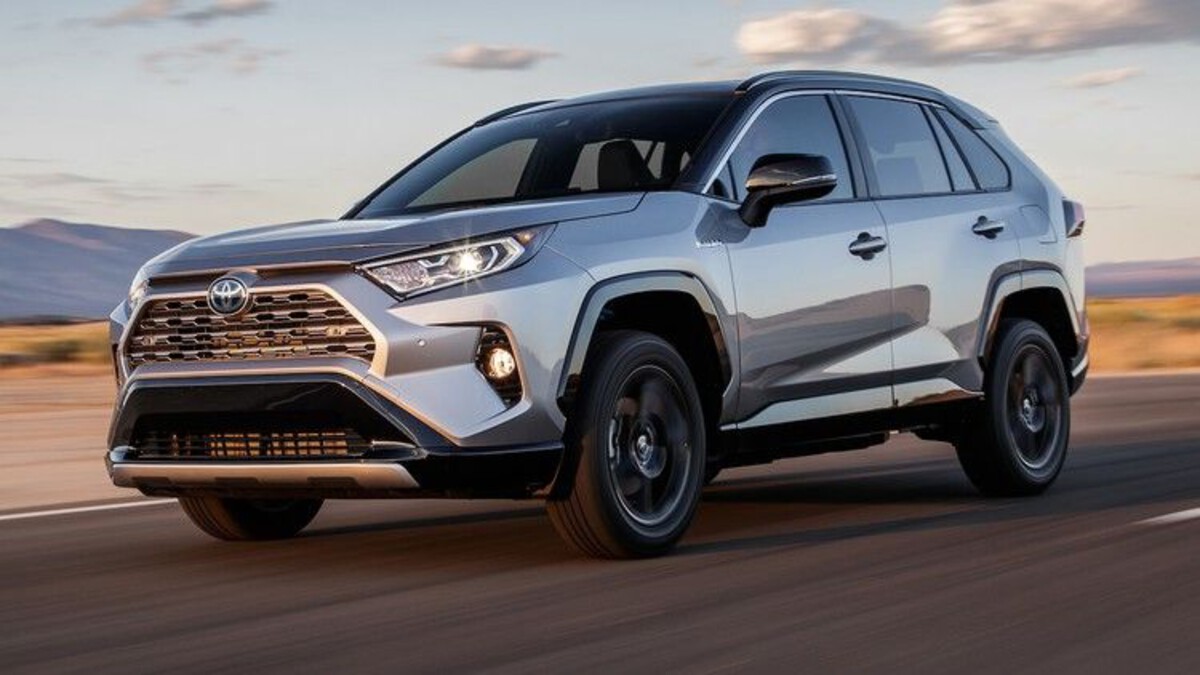
Mechanics often mention this vehicle as one of the least problematic hybrids in its segment, and owner testimonials back that up—many reporting well over 200,000 km without a hiccup in battery performance.
With hybrids becoming more common in the crossover space, the RAV4 stands out for proving that size doesn’t compromise battery longevity.
It’s a smart pick for families, commuters, and even light-duty fleet users who want reliability not just from the engine, but from the hybrid battery that keeps it all running smoothly.
Next, we move to a Lexus that borrows Toyota’s hybrid magic and adds luxury.
4. Lexus RX 450h (2010–2022)
The Lexus RX 450h blends premium comfort with hybrid efficiency—and it doesn’t skimp on battery reliability either.
Built on the same hybrid underpinnings as Toyota’s best systems, the RX 450h has gained a loyal following among luxury SUV buyers who want long-term durability without giving up refinement. And one of its biggest strengths is its high-voltage battery, which often outlasts the competition.
Lexus uses a nickel-metal hydride (NiMH) battery in this model, a deliberate choice for stability and longevity. The RX 450h’s hybrid system is tuned for smoothness rather than aggressive efficiency, which means gentler battery usage over time.
Add in Lexus’s reputation for overengineering and quality control, and you get a hybrid SUV that rarely runs into battery-related trouble, even with high mileage.
Many RX 450h owners report exceeding 250,000 km on the original battery, with no significant loss in performance.
It’s also a favorite among used-car dealers and luxury car buyers seeking a dependable hybrid, especially since the premium interior and quiet ride make it a joy to live with—even in its older model years.
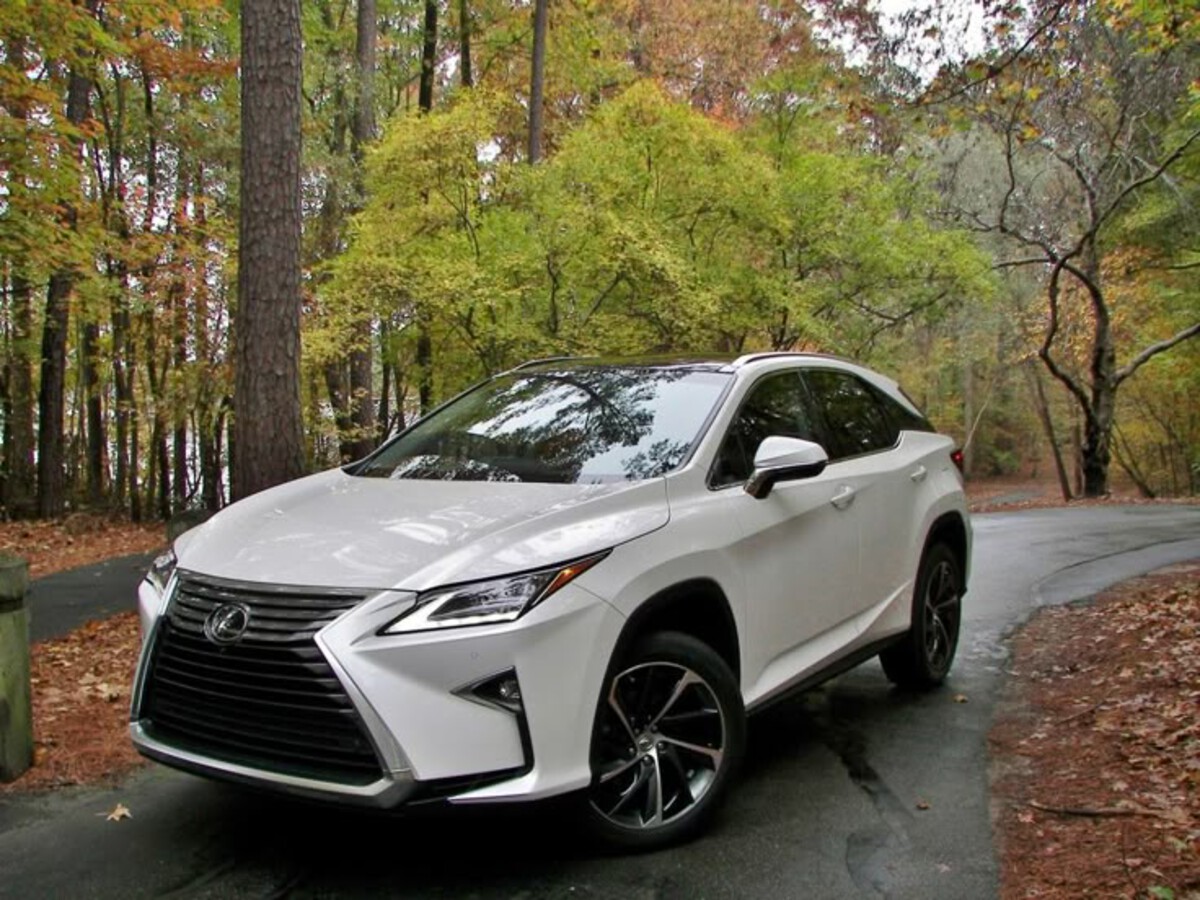
We’re spotlighting the RX 450h because it proves that luxury hybrids don’t have to come with the risk of expensive battery replacements. It’s the smart long-term buy in a segment often plagued by costly electrical issues.
If you’re looking for a hybrid SUV that pampers you today and won’t punish you tomorrow with a battery failure, the RX 450h is about as close to worry-free as it gets.
Next up: a compact hybrid hatchback known for its surprising durability.
5. Honda Insight (2019–2022)
The third-generation Honda Insight might fly under the radar, but it’s one of the most quietly reliable hybrids you can buy—especially when it comes to battery longevity.
Positioned as a more refined alternative to the Toyota Prius, the 2019–2022 Insight pairs a fuel-efficient powertrain with a lithium-ion battery setup that has proven extremely durable in real-world usage.
Unlike the original Insight models (which had a less sophisticated hybrid system prone to battery wear), the latest iteration uses Honda’s updated two-motor hybrid drive.
This setup allows for a smoother transition between gas and electric modes, keeping battery strain to a minimum. The electric motor handles most of the low-speed duties, while the engine comes in primarily for cruising and harder acceleration—ideal for extending battery life.
Mechanics and owners alike report very few battery-related issues, even as these vehicles cross the 160,000 to 200,000 km range.
The lithium-ion packs are compact, run cool thanks to active air-cooling systems, and rarely require intervention. Honda’s warranty support has also been solid, but the best part is that most owners never need to use it.
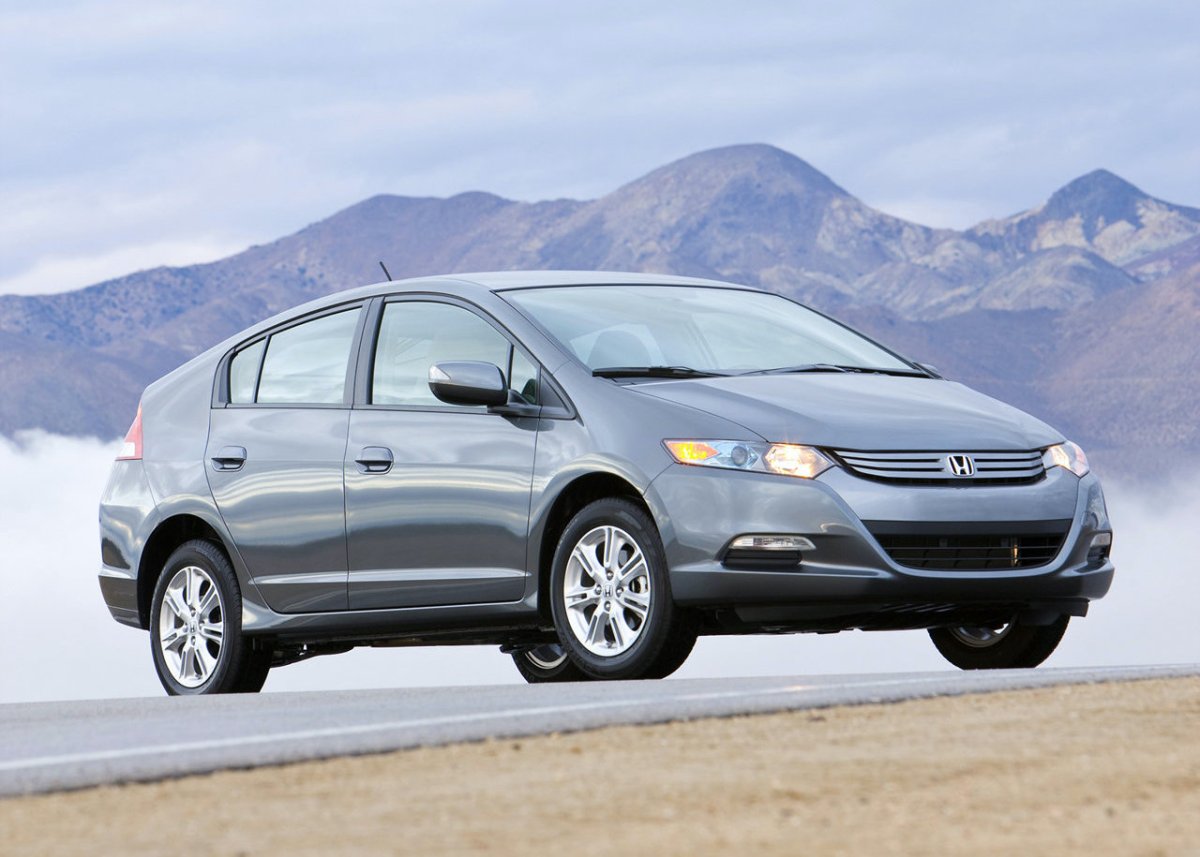
Why include the Insight? Because it proves that you don’t need to spend SUV money to get dependable hybrid tech. It’s affordable, efficient, and backed by a growing track record of solid performance—even as a used car.
If you’re in the market for a compact hybrid that won’t surprise you with a battery failure, the Insight is one of the best low-maintenance bets around.
Next, let’s shift focus to the other side of the spectrum—hybrids with batteries that fail too soon.
5 Hybrids That Fail Out of Warranty
While hybrids promise great fuel savings and reduced emissions, not all of them live up to expectations when it comes to long-term battery reliability.
For many owners, the honeymoon ends just after the warranty expires—right when a costly hybrid battery failure hits.
In some models, battery degradation begins earlier than it should due to poor thermal management, weak battery chemistry, or simply overambitious engineering.
The result is a shortened battery lifespan that leaves owners scrambling for aftermarket fixes, battery reconditioning services, or full replacements. In worst-case scenarios, the car is simply not worth fixing.
We’re diving into five hybrids that, despite good intentions or flashy marketing, tend to suffer battery issues sooner than expected.
These cars have either earned poor reliability ratings from mechanics, shown high failure rates in real-world ownership, or have been the subject of battery-related complaints and early replacements. If you’re shopping used or planning to hold onto a hybrid long-term, these are models you’ll want to approach with caution—or avoid altogether.
Let’s begin with one of the most common examples of battery issues cropping up just outside the warranty window. It might surprise you, especially given the badge on its nose.
1. Ford Fusion Hybrid (2010–2020)
The Ford Fusion Hybrid was praised at launch for bringing hybrid efficiency to a midsize sedan without sacrificing comfort or handling. But as these cars aged, a troubling pattern began to emerge: premature battery failure, often just after the warranty ended.
Many Fusion Hybrid owners have reported significant battery issues between 130,000–160,000 km, with some even experiencing failures earlier.
One of the biggest issues with the Fusion Hybrid lies in its battery cooling strategy—or lack thereof.
Unlike Toyota’s hybrids, which feature robust and well-placed air intakes to keep the battery pack cool, the Fusion’s system doesn’t manage heat as effectively, especially in hotter climates or when frequently driven in stop-and-go traffic.
Heat is a major enemy of battery longevity, and the lack of proper thermal regulation has shortened the lifespan of many of these packs.
Worse, the availability of affordable aftermarket options is limited, and battery reconditioning is only a temporary fix in many cases.
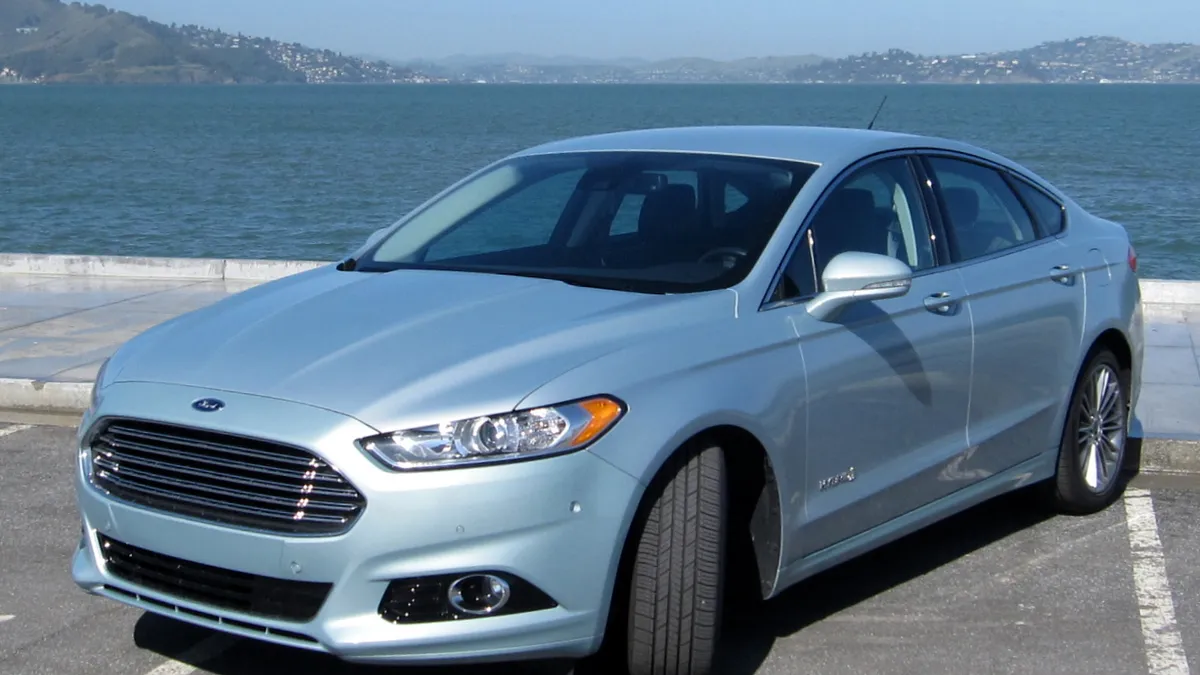
We’re including the Fusion Hybrid because it highlights a key risk in hybrid ownership: not all automakers engineered their early systems with long-term durability in mind.
While it may still be an attractive used buy due to its styling and comfort, prospective owners should be wary. Battery longevity remains a weak point, and replacement costs can easily exceed the car’s market value.
Next up is a luxury hybrid that didn’t age gracefully under the hood.
2. BMW ActiveHybrid 3 (2013–2015)
On paper, the BMW ActiveHybrid 3 sounded like a dream: a performance-oriented luxury sedan with electric assist and improved fuel economy.
But in reality, it’s become one of the clearest examples of a hybrid system that wasn’t built for long-term ownership—especially when it comes to battery durability.
The lithium-ion battery pack in the ActiveHybrid 3 has a troubling track record of failures that often occur just beyond the warranty period, and the repair costs are nothing short of staggering.
This model was part of BMW’s early hybrid push, but it lacked the kind of refined hybrid engineering that brands like Toyota and Honda had developed over a decade.
The ActiveHybrid 3 prioritized performance over efficiency, frequently cycling the battery during aggressive acceleration and spirited driving—conditions that shorten battery life. Worse, the battery pack is tightly packaged in the trunk with limited cooling airflow, leading to overheating and premature degradation.
Reconditioning isn’t widely available or reliable, and DIY repairs are impractical due to the complexity of the system and limited third-party support.
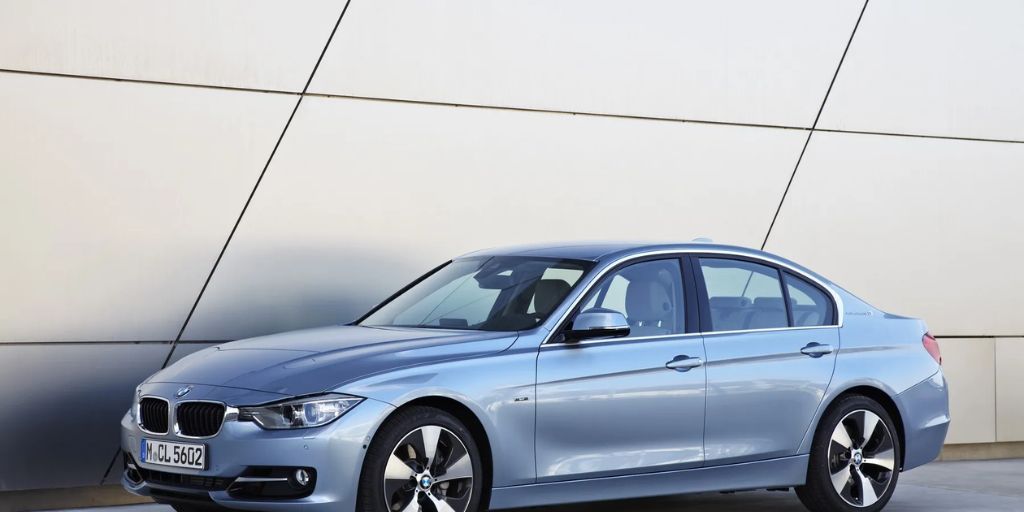
We’re spotlighting the ActiveHybrid 3 because it’s a cautionary tale: luxury badges don’t guarantee hybrid reliability.
While it may offer a thrilling drive and premium feel, the battery system simply isn’t built to last. If you’re looking at used BMW hybrids, this is one to approach with extreme caution—or skip altogether.
Next, a Korean hybrid sedan with surprisingly fragile battery longevity.
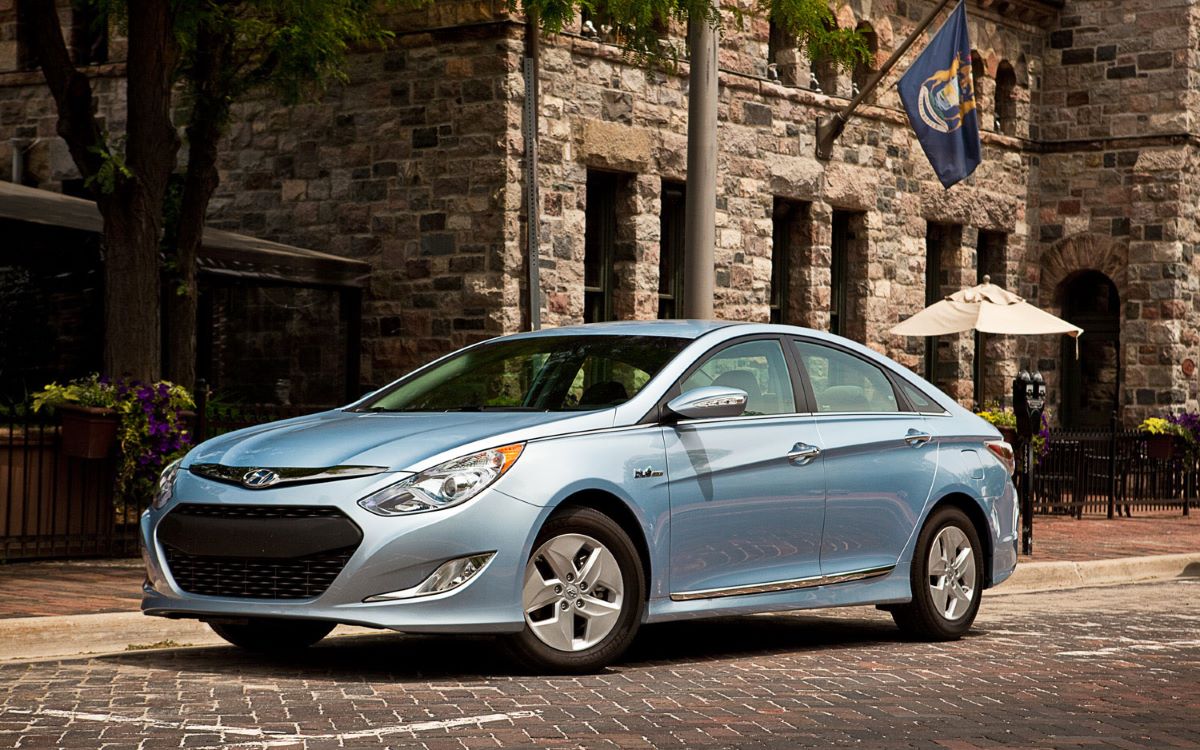
3. Hyundai Sonata Hybrid (2011–2016)
The Hyundai Sonata Hybrid from the 2011–2016 model years marked Hyundai’s serious entry into the hybrid sedan space.
While the car offered an attractive design and competitive fuel economy at launch, the long-term reliability of its hybrid battery system hasn’t lived up to expectations. Many owners have experienced battery issues between 120,000 and 160,000 km—sometimes even earlier.
The root of the problem lies in Hyundai’s early hybrid technology, which was still in its developmental stages during this generation.
The lithium-polymer battery chemistry used in the Sonata Hybrid was relatively untested compared to the more established nickel-metal hydride or lithium-ion technologies from competitors.
In real-world use, this battery type has proven to be more prone to early degradation, particularly in hot climates or for drivers with frequent short trips—both of which increase thermal stress on the pack.
While Hyundai did offer an 8-year/160,000 km warranty on hybrid components during these years, the problem is that many battery failures occurred just after that threshold.
We’re highlighting the Sonata Hybrid here because it reflects how rushed or unrefined hybrid systems can create major ownership headaches down the road.
While newer Hyundai hybrids have improved dramatically, this generation is known in the used-car world as a potential battery gamble. Buyers seeking a budget-friendly hybrid should be cautious—this one might cost more in repairs than it’s worth.
Next, a luxury crossover with a fancy badge—and a fragile battery.
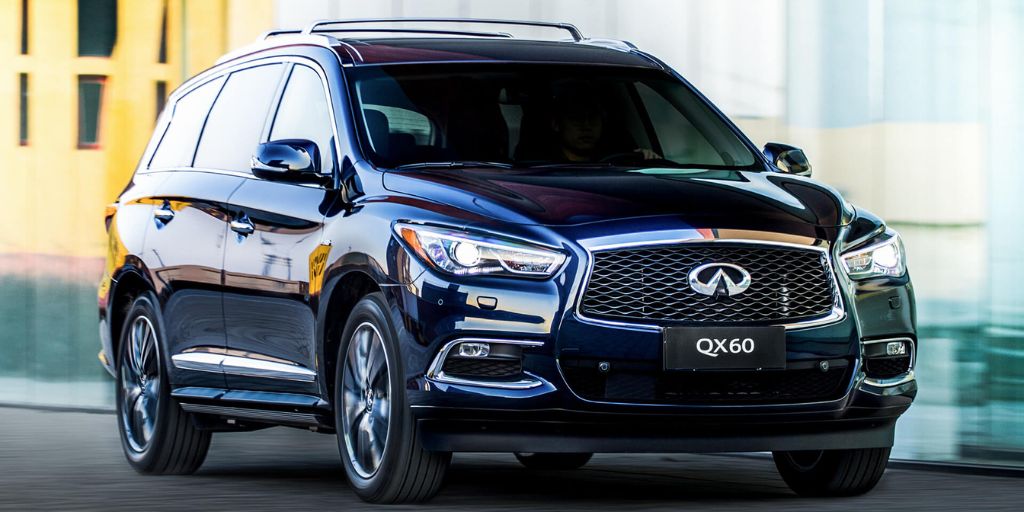
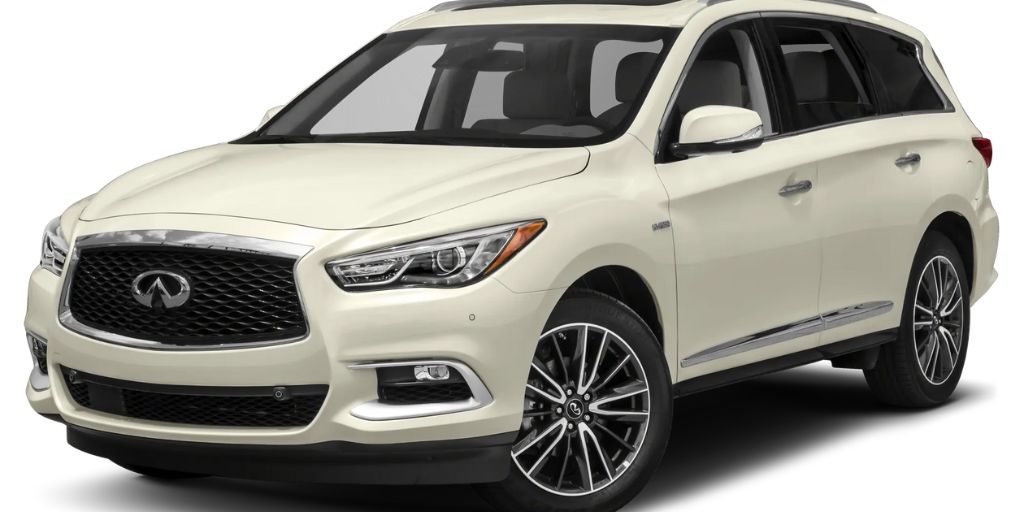
4. Infiniti QX60 Hybrid (2014–2017)
The Infiniti QX60 Hybrid was Nissan’s attempt to bring fuel efficiency into the premium midsize SUV space.
On the surface, it offered a compelling package: luxury features, seven-passenger seating, and improved mileage over its gasoline-only counterpart. But beneath all that polish was a hybrid system that didn’t hold up—especially when it came to battery durability.
The QX60 Hybrid uses a compact lithium-ion battery pack located beneath the third-row seats. While space-efficient, this location is problematic for cooling, and the vehicle lacks an aggressive thermal management system.
As a result, the battery is exposed to heat build-up over long drives or in warm climates. Over time, this leads to premature degradation and, eventually, failure—often just after the 8-year/160,000 km hybrid warranty expires.
Complicating matters is the fact that Infiniti produced this hybrid in limited volumes, making battery replacements rare and expensive.
Because of its low production numbers, there’s little third-party or aftermarket support—leaving owners with few cost-effective options when the battery goes bad.
We’re including the QX60 Hybrid because it shows how a hybrid powertrain, if poorly supported and insufficiently engineered, can become a serious liability.
The SUV might feel luxurious, but its hybrid components are not up to long-term expectations. If you’re shopping for a used three-row hybrid SUV, skip this one—you’re more likely to end up in the service bay than on a family road trip.
Next, a compact hybrid from a trusted brand that still managed to miss the mark.
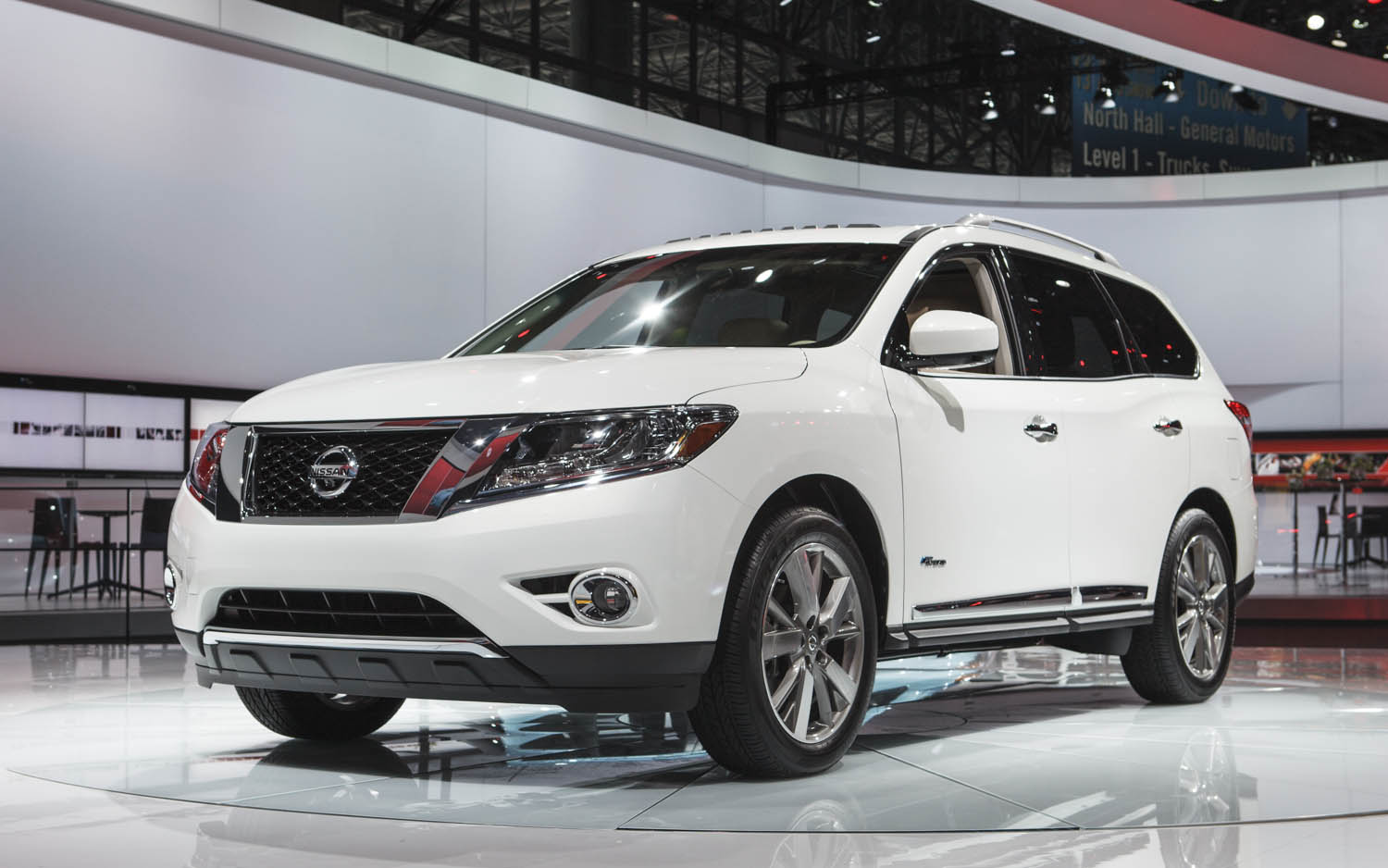
5. Nissan Pathfinder Hybrid (2014–2015)
The Nissan Pathfinder Hybrid seemed like a promising addition to the growing hybrid SUV segment when it debuted in 2014. It offered a spacious cabin, decent fuel economy, and a familiar nameplate.
However, it turned out to be a short-lived experiment—and for good reason. The hybrid system in the 2014–2015 Pathfinder has since become notorious for its poor battery reliability and lack of long-term support.
Under the hood, Nissan paired a supercharged 2.5-liter engine with a small lithium-ion battery and electric motor. While the concept sounded good, the execution fell flat.
The battery pack was undersized for the vehicle’s weight and power demands, meaning it was constantly strained—especially during city driving or towing scenarios.
Compounding the problem was an insufficient cooling system, which led to overheating and accelerated battery wear.
Battery failures in the Pathfinder Hybrid are common before the 160,000 km mark, and many owners have reported loss of hybrid function or warning lights just outside of warranty coverage.
We’re spotlighting the Pathfinder Hybrid because it’s a clear example of a hybrid model that was rushed to market without the engineering depth or support network to make it viable long-term.
If you’re browsing used hybrid SUVs and see this one for a tempting price, think twice—it’s more trouble than it’s worth.
Also Read: 5 Cars You Can Pass to Your Kids & 5 That Won’t Last Long Enough
