
Engine mounts might not be the first thing you think about when buying a car—but they can make a big difference in how a vehicle feels over time.
These often-overlooked components are designed to isolate the engine’s vibrations from the cabin, creating a smoother, quieter ride. When mounts are well-designed and built to last, you barely notice the engine running, even at idle.
But when they’re poorly engineered, wear quickly, or made of subpar materials, you’ll feel every pulse, shake, and rumble and over time, it can ruin the driving experience.
In this guide, we’re looking at two sides of the equation. First, we highlight five vehicles known for their rock-solid engine mounts, cars that stay smooth and vibration-free even after years of driving.
These vehicles use durable mount designs, often incorporating hydraulic or electronically controlled mounts that minimize cabin noise and movement.
Then, we’ll explore five vehicles that are notorious for engine vibration issues. In these cases, worn or poorly designed mounts lead to constant cabin tremors, steering wheel shake, and sometimes even visible engine movement. These problems can show up shockingly early and become costly and annoying over time.
Whether you’re after long-term refinement or trying to avoid frustration, knowing how a car handles engine vibration is key. Let’s begin with the five vehicles that get it right from the start—and stay smooth for the long haul.
Also Read: 5 Used Cars That Pass Inspection Every Time and 5 That Always Need Something
5 Cars With Rock-Solid Engine Mounts
When a vehicle has solid engine mounts, you might never even think about them—and that’s exactly the point. A well-designed engine mounting system absorbs vibration, minimizes noise, and keeps the engine stable under load.
Whether you’re idling in traffic or accelerating onto the highway, the cabin stays calm and composed. This subtle yet critical component separates a refined car from one that feels cheap or tiring to drive.
The best engine mounts combine smart engineering with durable materials. Hydraulic mounts, for instance, offer excellent vibration dampening while adapting to different RPM ranges.
Some modern vehicles even use electronically controlled active mounts that adjust stiffness based on driving conditions. But beyond the technology, the real test is how these mounts hold up after years of use.
In this section, we’re showcasing five vehicles with engine mounts so well-designed and resilient that drivers barely notice the engine at all—even after a decade.
These cars deliver a smooth, settled feel that lasts far beyond the warranty period, helping them retain their premium driving character over time.
We’re writing about them because engine vibrations—when they do show up—can make a car feel older, rougher, and more frustrating than it really is. These five vehicles prove that, with the right engineering, even powerful engines can run whisper-smooth for the long haul.
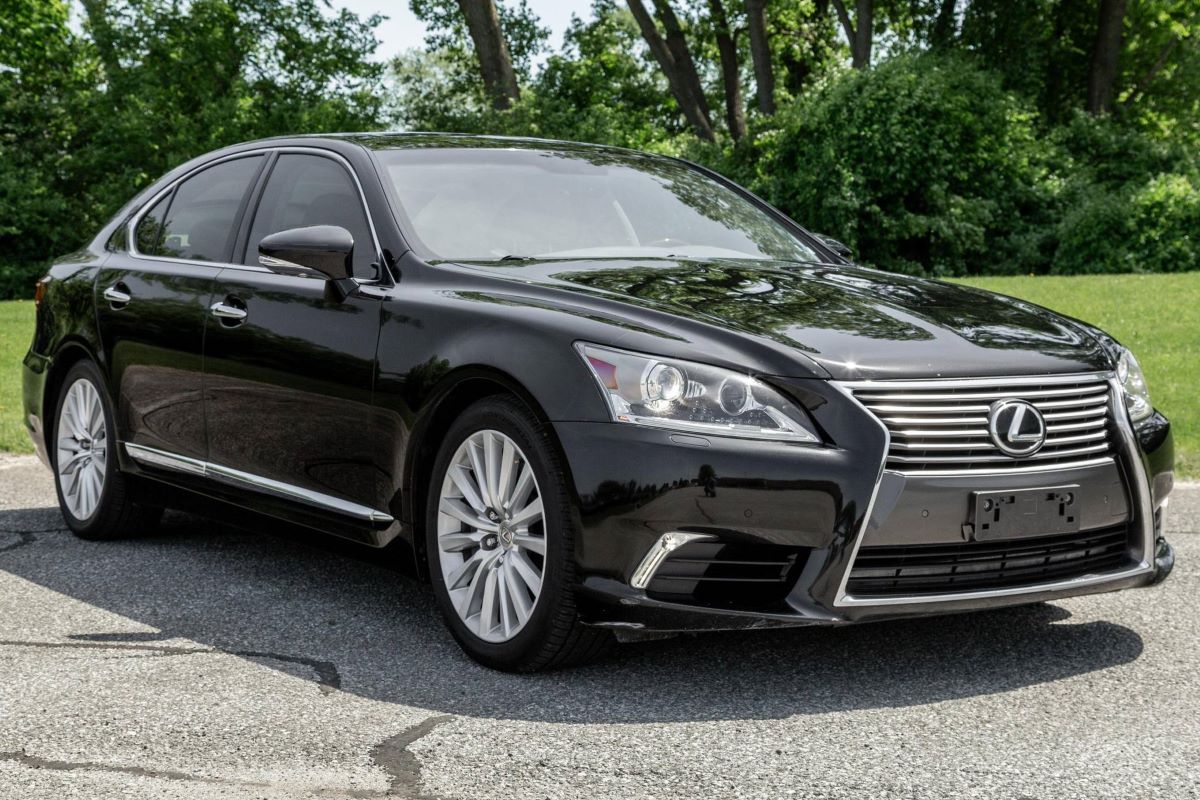
1. Lexus LS460 (2007–2017)
The Lexus LS460 is one of the finest examples of automotive engineering when it comes to ride comfort and mechanical isolation—largely thanks to its advanced engine mounting system.
Introduced in 2007 as part of the fourth-generation LS lineup, this full-size luxury sedan came equipped with a 4.6-liter V8 and an emphasis on making every drive feel like gliding on air.
A key reason for that smoothness is its use of high-quality hydraulic engine mounts, engineered specifically to eliminate vibration and harshness from the cabin.
Even at idle, the LS460’s cabin remains whisper-quiet, with virtually no detectable engine movement. The mounts are designed to absorb and neutralize a wide range of vibrations, including those produced during hard acceleration, gear changes, and low-speed driving.
Combined with the car’s exceptional soundproofing and multi-link suspension, the engine mounts help maintain a sense of calm and refinement even at higher mileages.
Unlike many other luxury sedans, the LS460’s mounts hold up well over time. It’s not uncommon to find decade-old models with over 150,000 miles that still idle smoothly and deliver vibration-free highway cruising. Mechanics and owners alike rarely report mount-related issues until well past the 200,000-mile mark.
We’re including the Lexus LS460 because it represents the gold standard in engine isolation. Its mount design reflects Lexus’ broader philosophy: over-engineer it to last, and make sure the driver never has to think about it. If you want to drive a powerful V8 car that still feels serene after ten years, this is it.
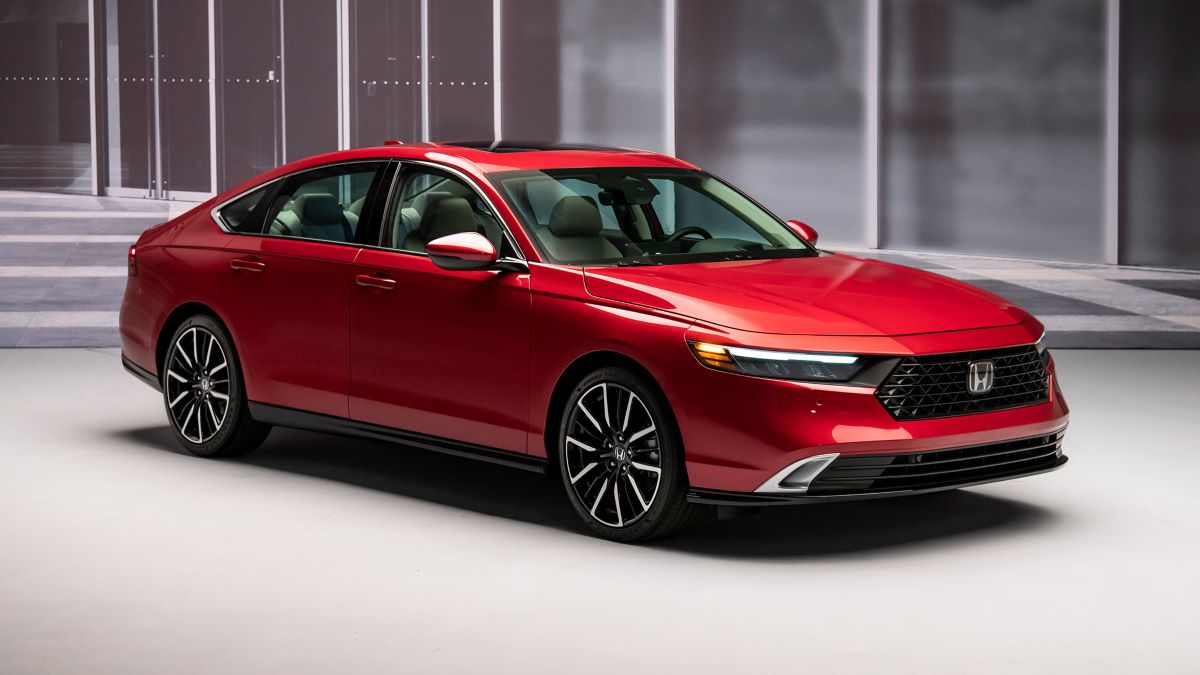
2. Honda Accord (2013–2017, 9th Generation)
The 9th-generation Honda Accord, especially in its 4-cylinder variants, is a textbook example of how well-engineered engine mounts can enhance long-term refinement.
Built between 2013 and 2017, this generation of Accord was praised not just for its handling and reliability, but for how smooth and composed it felt—even at high mileage.
A major contributor to that experience is its smart engine mount design, which effectively minimizes cabin vibrations without resorting to overly complex systems.
Honda equipped the Accord with a combination of hydraulic and electronically controlled active mounts that adapt to engine load and RPM. These mounts are especially effective at isolating idle vibrations, which are typically most noticeable in 4-cylinder engines.
In the Accord, however, the idle is so steady and quiet that many drivers report forgetting the engine is even running.
The real beauty of the Accord’s mounts is in how well they age. Many vehicles develop noticeable steering wheel tremors or seat vibration as the mounts wear out, often before 100,000 miles.
But in the 9th-gen Accord, mount degradation is minimal even after a decade of use, especially with routine maintenance. Failures are rare, and when they do occur, the parts are relatively affordable and easy to replace.
We’re including the Honda Accord here because it offers a rare blend of mainstream pricing and near-premium smoothness.
Its engine mounts do their job so well—and for so long—that they contribute significantly to why this car continues to feel tight, quiet, and modern, even deep into its second decade of life.
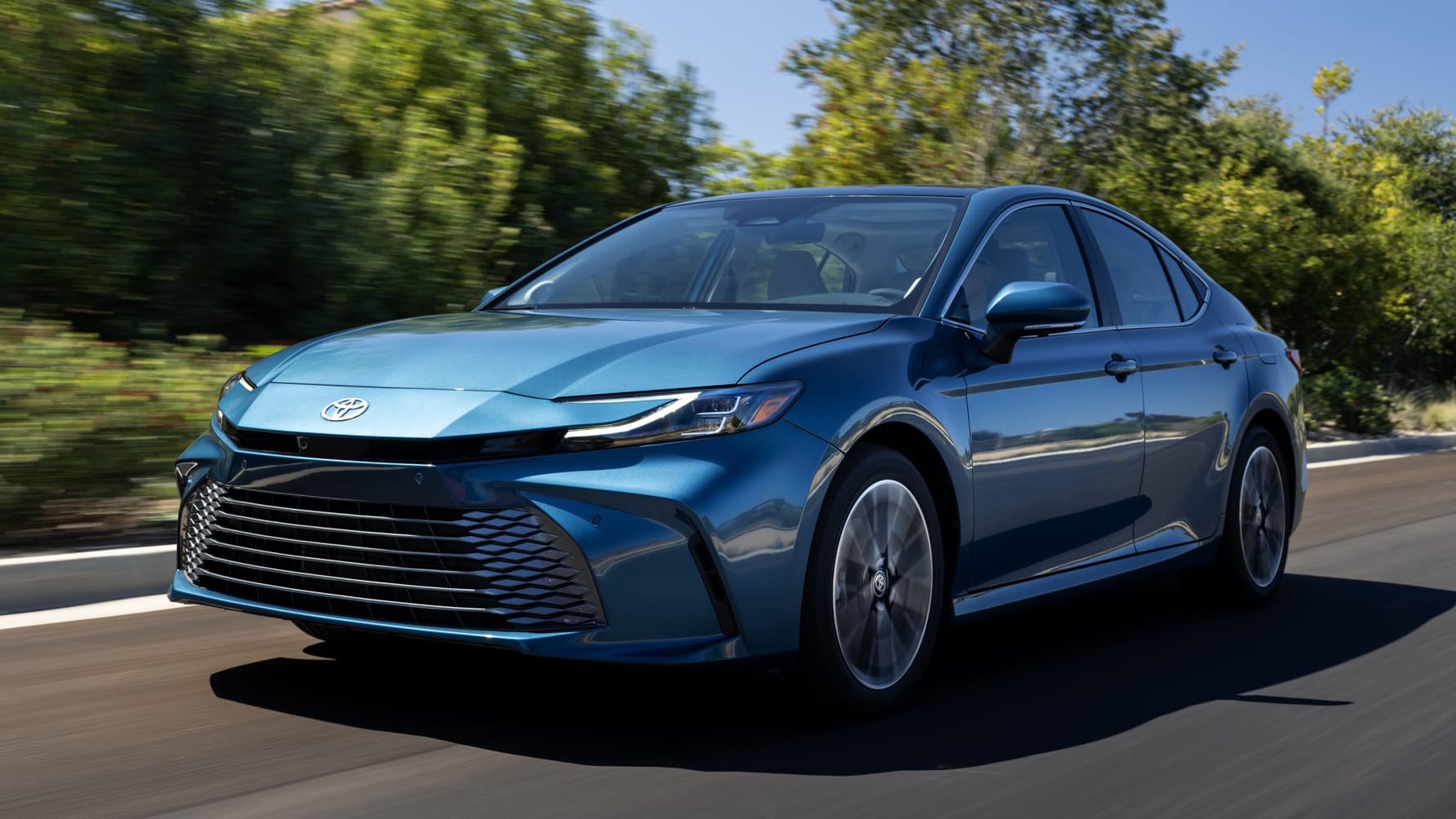
3. Toyota Camry (2012–2017, 7th Generation)
The 7th-generation Toyota Camry (2012–2017) is a standout in the midsize sedan segment not only for its reliability but also for how remarkably smooth it remains over time. A big part of that comes down to its robust engine mount design.
Whether you’re behind the wheel of the 2.5L inline-4 or the 3.5L V6, the Camry delivers a refined driving experience that feels solid and free of intrusive vibration—even a decade after it rolled off the lot.
Toyota used high-quality hydraulic mounts across the Camry lineup during these years, engineered to dampen engine movement and filter out vibrations during idle, acceleration, and shifting. They’re not overly complex, but they’re exceptionally well-tuned.
Many Camry owners comment on how quiet the cabin remains even at high mileage, and how the engine feels securely planted under all driving conditions.
One of the reasons we’re highlighting this car is because the mounts have proven to be long-lasting.
While many other vehicles start to show signs of degraded mounts—like steering wheel shimmy, vibration through the pedals, or clunking noises—well-maintained Camrys of this era continue to feel balanced and composed even past 150,000 miles. When engine mount issues do arise, they’re usually inexpensive and straightforward to fix.
We’re including the Toyota Camry because it’s a model that delivers on refinement, not just out of the showroom, but for the long haul. The ride quality and vibration control don’t deteriorate quickly—making it one of the most comfortable aging cars in its class.
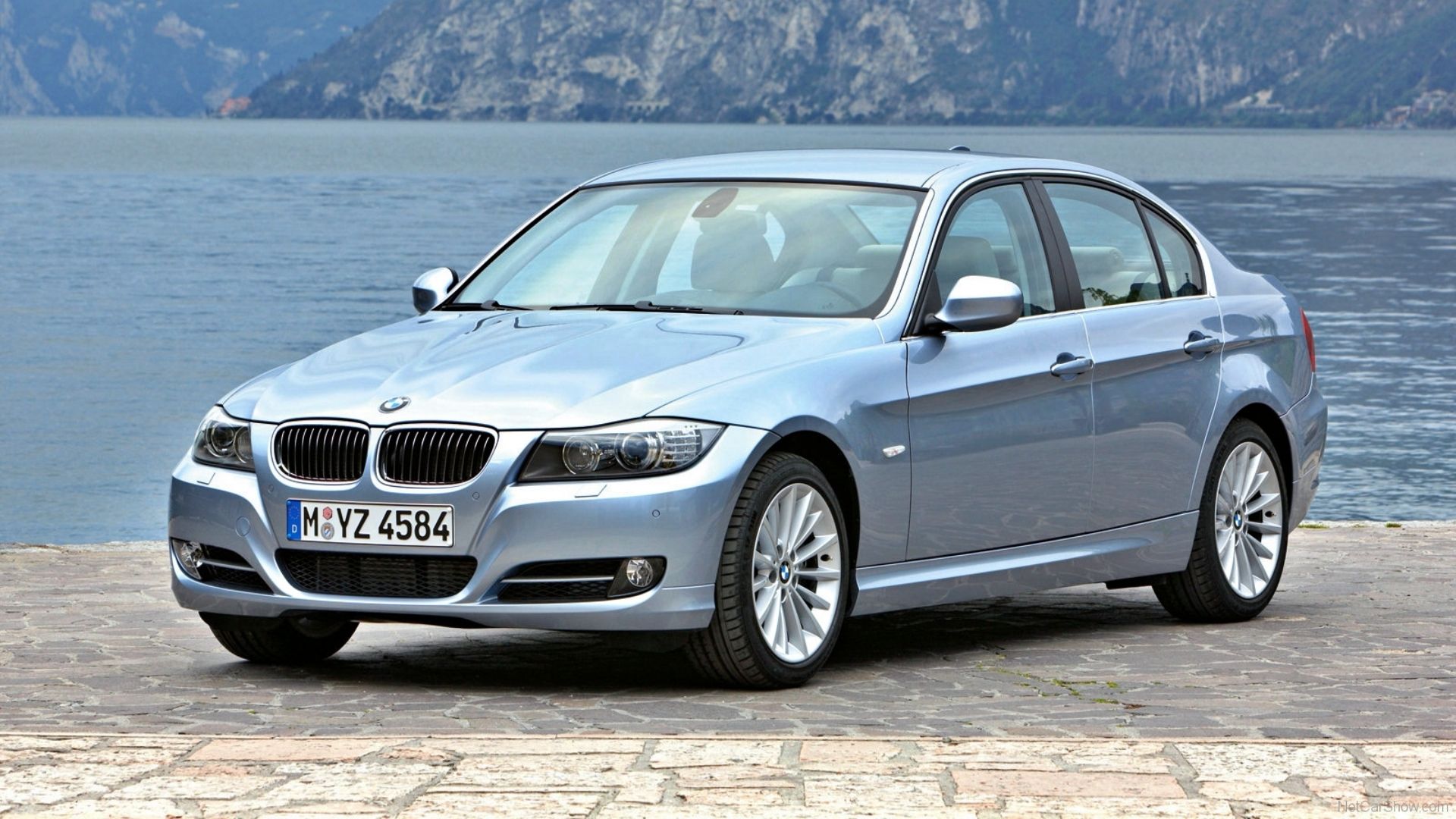
4. BMW 3 Series (2012–2018, F30 Generation)
The F30-generation BMW 3 Series, produced from 2012 to 2018, is often celebrated for its balance of performance and comfort—and part of that experience comes from its precise engine mounting system.
Whether equipped with the turbocharged four-cylinder (328i/330i) or the inline-six (335i/340i), the F30 feels composed, refined, and free from excessive engine vibration, even under spirited driving or high-mileage ownership.
BMW used a combination of hydraulic and electronically controlled mounts in this generation, particularly in the higher-output models. These mounts are specifically tuned to absorb vibrations without dulling the responsive character of the engine.
When the car is idling, there’s no harshness through the steering wheel or seats. Under load, the mounts keep the engine stable and allow for aggressive acceleration without letting drivetrain movement intrude into the cabin.
What makes the F30 stand out is how well the mounts hold up over time—especially given BMW’s performance pedigree.
While some performance cars develop looseness or vibration early on, the F30 typically remains smooth well past 100,000 miles, assuming regular maintenance and no abuse. Even track-capable models like the 340i retain a refined, settled feel in daily driving, thanks in part to this resilient mounting design.
We’re including the BMW 3 Series because it proves that you don’t have to compromise performance to enjoy long-term refinement.
It’s one of the few sport sedans that still feels buttoned-up and vibration-free a decade after launch—making it a solid pick for drivers who want both excitement and lasting comfort.
5. Acura TL (2009–2014, 4th Generation)
The 2009–2014 Acura TL may not always get the spotlight, but it quietly delivers one of the most refined driving experiences in its class—especially when it comes to engine vibration control.
Whether equipped with the smooth 3.5L V6 (front-wheel-drive models) or the more powerful 3.7L V6 (SH-AWD versions), the TL is known for its stable, confident feel—and that begins with its rock-solid engine mounts.
Acura engineered the TL with a hydraulic mount system that absorbs engine movement exceptionally well, especially during low-speed acceleration and idle, where vibration is typically most noticeable.
Even under full throttle or aggressive cornering, the mounts keep the engine securely in place, avoiding the sloppy drivetrain movement that can plague lesser designs.
More impressively, these mounts hold up over time. Owners routinely report that their TLs continue to feel smooth and tightly built well past 150,000 miles, with minimal vibration entering the cabin.

It’s not just about durability—it’s about how the car maintains its premium character year after year. When engine mount issues do arise, they tend to be rare and easily addressed without major cost.
We’re including the Acura TL because it represents a sweet spot between luxury and longevity. Its mounts were clearly engineered with long-term smoothness in mind, and it shows—whether you’re gliding through city traffic or cruising on the highway.
For drivers who want a performance-oriented sedan that still feels calm and composed after a decade, the TL more than delivers.
5 Cars That Vibrate Constantly
While good engine mounts make a car feel smooth and stable, bad ones can turn every drive into a noisy, shaky chore. Some vehicles suffer from poor mount design, cheap materials, or early deterioration that allows excessive engine vibration to pass directly into the cabin.
These vibrations can show up in the steering wheel, floorboards, or even the seats—making a car feel older and more worn than it really is.
In this section, we’re highlighting five cars known for their constant and often premature vibration issues.
These vehicles either leave the factory with flawed mounts or are notorious for rapid mount wear within the first 50,000 to 75,000 miles. In many cases, even replacing the mounts doesn’t guarantee a long-term fix—because the root issue is the design, not just the part.
We’re writing about these cars because persistent vibration isn’t just annoying—it can lead to other problems.
Over time, shaking can affect wiring, sensors, and even cause interior trim to rattle or loosen. It also gives drivers a feeling that the vehicle is less solid or dependable, even if the engine itself is mechanically sound.
If smoothness matters to you—especially during daily commutes or long drives—these are the vehicles you might want to approach with caution. Let’s begin with the first car that, despite good intentions, just can’t seem to stop shaking.
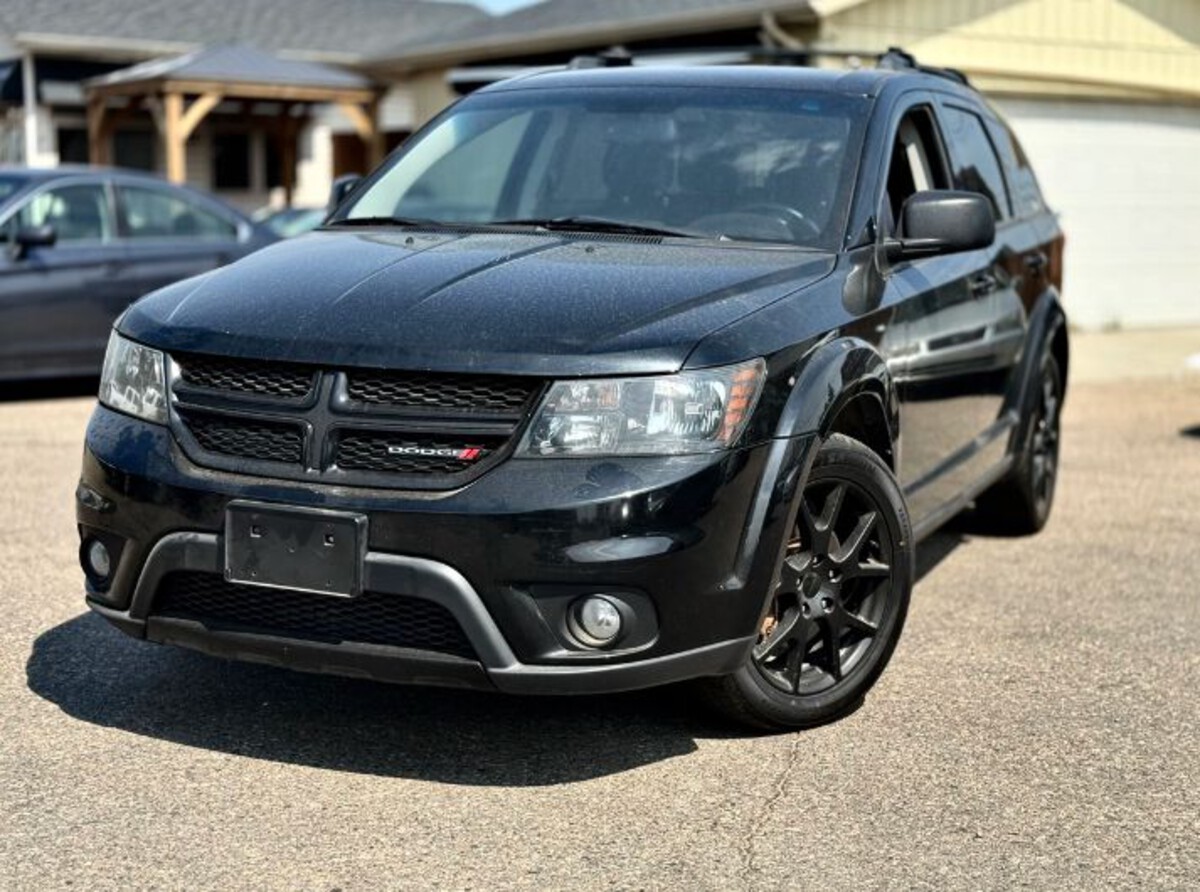
1. Dodge Journey (2009–2020)
The Dodge Journey is often criticized for feeling outdated, even when brand-new—and a big reason for that perception is its chronic vibration issues.
Built on a budget platform and saddled with aging drivetrain components, the Journey suffers from engine mount designs that never quite delivered the refinement most drivers expect, especially in modern crossovers.
Across both the 2.4L inline-4 and the 3.6L V6 engines, owners report vibration at idle, during acceleration, and at highway speeds.
The 4-cylinder version is particularly problematic, with harsh shaking in the steering wheel and seats—often noticeable with less than 30,000 miles on the clock. While the V6 models are slightly better, they still exhibit excessive drivetrain movement when shifting or under load.
Part of the issue stems from cheap rubber mounts that wear out prematurely. However, even replacing them doesn’t always solve the problem, because the mounts were poorly designed from the start.
The vibrations are amplified by a low-quality interior with hard plastic panels that rattle easily, giving the cabin an even more worn-down feel.
We’re including the Dodge Journey because it exemplifies what happens when mount design and material quality are afterthoughts.
The vibration isn’t just a minor annoyance—it’s a daily reminder that the vehicle isn’t aging well. For families or commuters who want a calm, quiet ride, the Journey often disappoints early and continues to underwhelm as mileage increases.
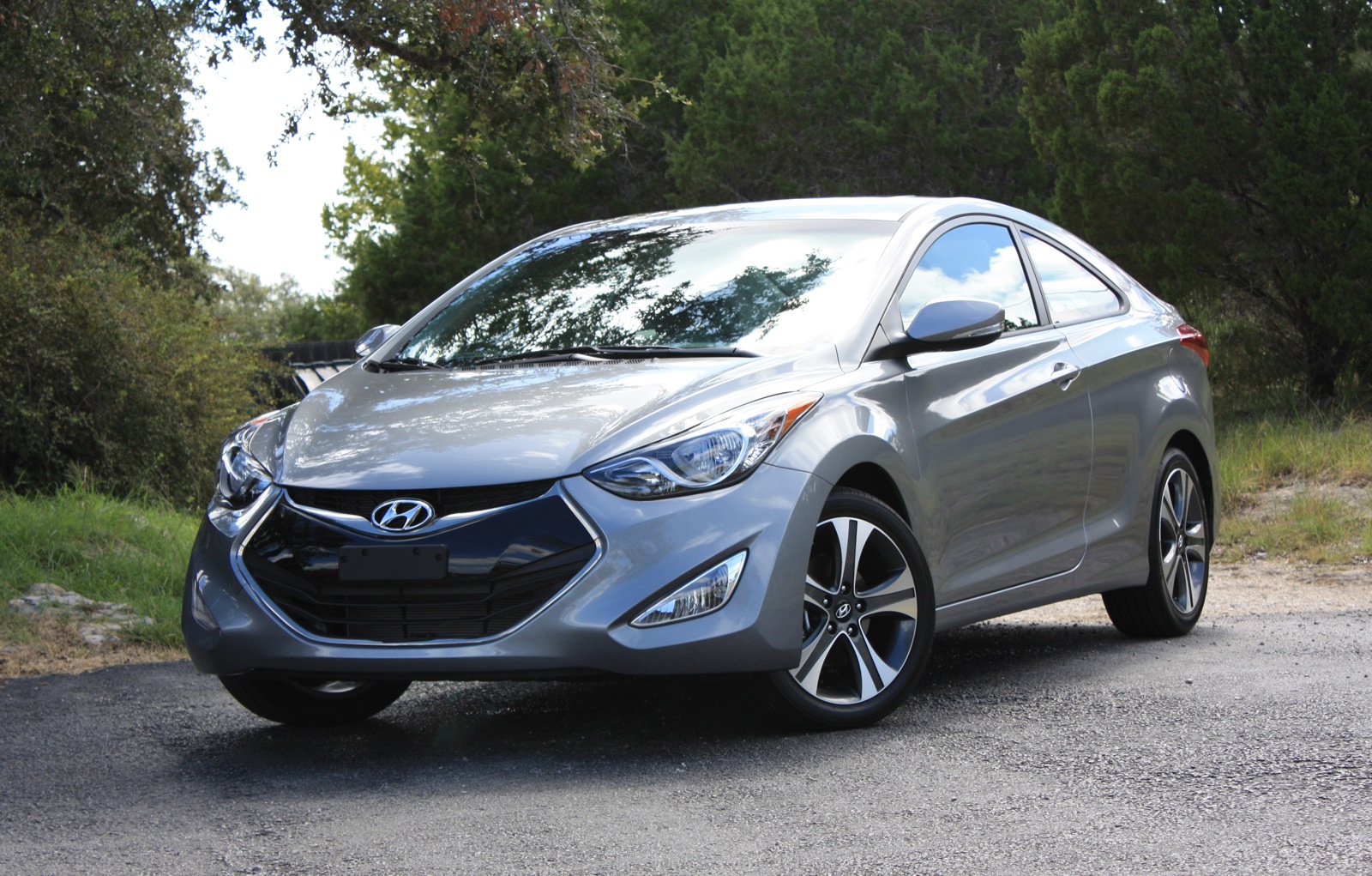
2. Hyundai Elantra (2011–2016, 5th Generation)
The 5th-generation Hyundai Elantra, sold from 2011 to 2016, was a huge sales success thanks to its modern styling, attractive pricing, and generous features.
However, despite the curb appeal, this Elantra is plagued by one of the most common complaints among owners: excessive engine vibration that often starts early and worsens with time.
The culprit? A combination of firm, low-cost engine mounts and a naturally shaky 1.8L inline-4 engine. Even when new, drivers reported a noticeable buzz in the steering wheel and floor during idle.
As the miles pile on, these vibrations become more pronounced—particularly in colder weather or when stopped at traffic lights. And while the engine may be mechanically reliable, the constant vibration makes the car feel rough, cheap, and prematurely aged.
Making matters worse, engine mount replacements don’t always resolve the issue. That’s because Hyundai’s factory mounts—especially the lower torque strut mount—are prone to quick deterioration and were never particularly effective, even when new. Some owners resort to aftermarket solutions or DIY fixes to reduce the shake, but results are mixed.
We’re including the Elantra here because it’s a prime example of a vehicle that delivers solid value on paper but falls short in day-to-day refinement.
For budget-conscious buyers, the deal is tempting—but they’re often left disappointed by the constant buzzing and unrefined cabin experience. If you care about how a car feels at idle or on long drives, this generation Elantra may test your patience sooner than expected.
3. Ford Escape (2013–2019, 3rd Generation)
The 3rd-generation Ford Escape, particularly models equipped with the 1.6L and 2.0L EcoBoost engines, is well known for offering turbocharged punch in a compact SUV package.
But what many owners discovered—not long after purchase—is that this generation Escape also delivers an unexpected and frustrating bonus: persistent vibrations that creep into the cabin and worsen with time.
The problem begins with the engine mounts, especially the passenger-side and torque strut mounts, which are known to degrade quickly—often by 50,000 miles or sooner.
These mounts do a poor job isolating the engine’s movement, especially during idle and low-speed acceleration. As a result, the steering wheel, driver’s seat, and floorboards often vibrate noticeably, creating a rough and uneasy feeling in daily driving situations.
The turbocharged EcoBoost engines, while efficient and powerful, generate more vibration than a naturally aspirated engine, which makes mount design even more critical.
Unfortunately, the Escape’s mounts seem ill-prepared for the task. Replacement parts help temporarily, but the issue tends to return, and multiple mount replacements are not uncommon among long-term owners.

We’re including the Ford Escape because it highlights how an otherwise capable and popular crossover can be seriously compromised by a vibration-prone design.
Many buyers expect a modern SUV to be refined and relaxing, but this Escape too often delivers a jittery, unsettled experience that undermines its other strengths.
For anyone seeking quiet confidence behind the wheel, especially at idle or during stop-and-go traffic, this Escape may fall short of expectations.
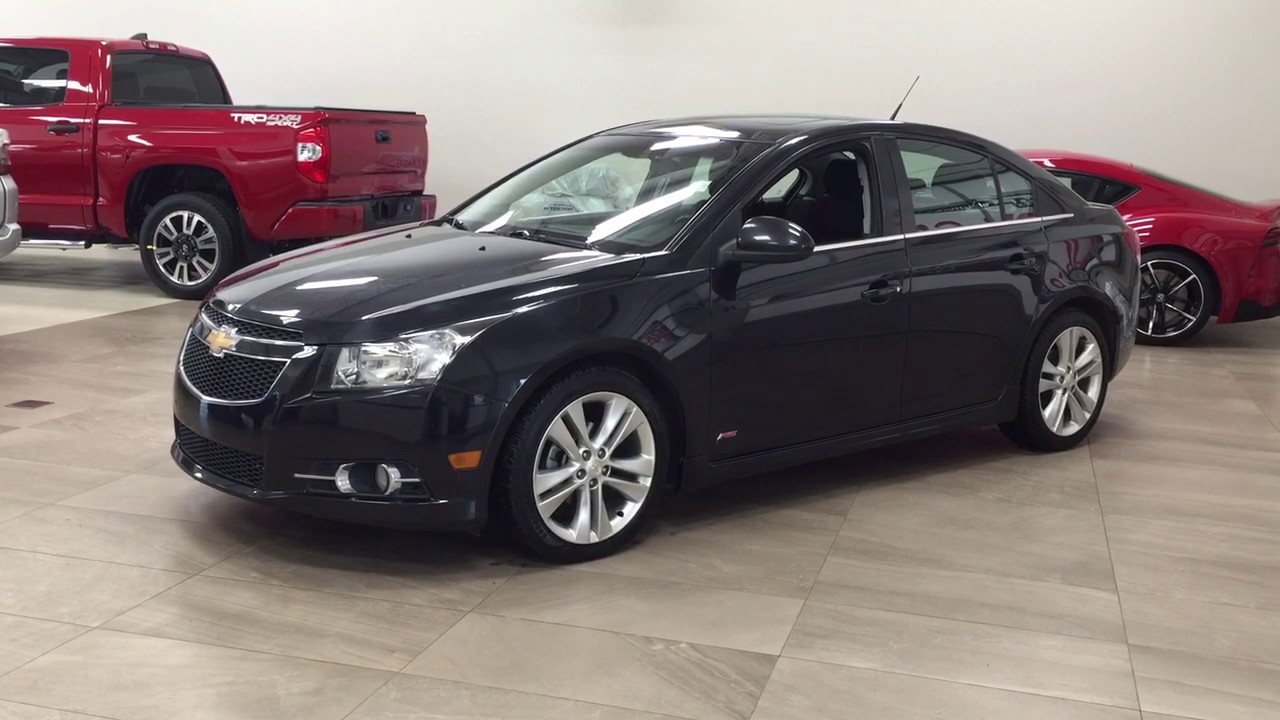
4. Chevrolet Cruze (2011–2015, 1st Generation)
The first-generation Chevrolet Cruze entered the market as a promising compact sedan meant to compete with the Civic and Corolla. With modern styling and decent fuel economy, it gained traction quickly.
But beneath the surface, one of the most persistent complaints from owners was the constant vibration—especially at idle and during low-speed driving. In fact, some Cruzes began exhibiting these issues before reaching 30,000 miles.
The problem largely stems from the 1.8L and 1.4L turbocharged engines paired with subpar engine mounts. Instead of effectively dampening engine vibration, the mounts on many Cruze models seem to transmit the movement directly into the cabin.
Drivers report rough idling, steering wheel and seat shake, and even visible engine movement under the hood. These issues are especially noticeable when stopped at traffic lights or when the air conditioning system places extra load on the engine.
Making things worse, replacing the mounts often doesn’t fix the issue permanently. Even new mounts wear quickly, and vibration returns sooner than it should.
Some owners go through multiple sets over the life of the car. In colder climates, the problem intensifies due to rubber mount hardening, further degrading cabin refinement.
We’re including the Chevy Cruze because it’s a clear example of how engine mount design can make or break the ownership experience.
The Cruze may offer decent MPG and comfortable seats, but the constant shaking undermines its appeal—and can make a relatively young car feel worn out far too soon. If quiet and smooth are priorities, this isn’t the right choice.
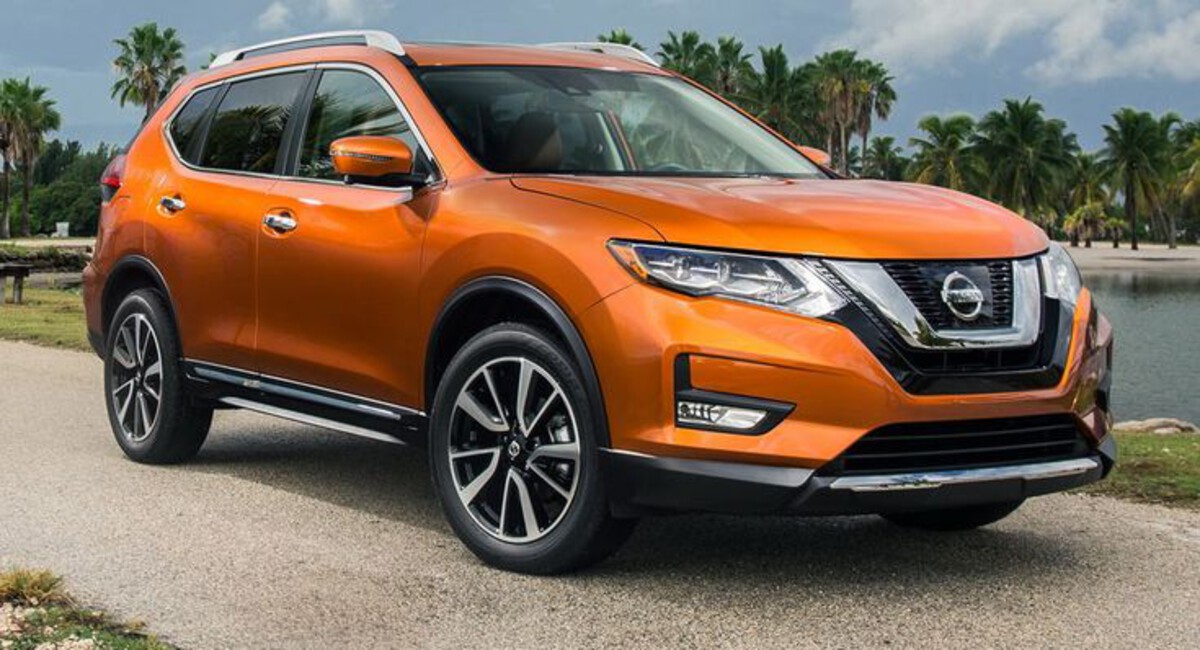
5. Nissan Rogue (2014–2019, 2nd Generation)
The second-generation Nissan Rogue, while a strong seller thanks to its value and practicality, is also widely criticized for its constant and intrusive vibrations, especially at idle and low speeds.
Many owners of the 2014–2019 Rogue report feeling engine movement through the steering wheel, seat, and floorboards well before hitting 60,000 miles. And unfortunately, the problem often begins much earlier.
The root cause lies in both the engine mount quality and the Rogue’s CVT (continuously variable transmission). The 2.5L four-cylinder engine isn’t inherently rough, but the Rogue’s mounts poorly isolate its vibrations.
The mounts, particularly the front torque strut, wear prematurely and do a poor job absorbing low-frequency engine tremors. As a result, drivers often feel the engine shuddering when stopped in gear or transitioning from idle to throttle.
Compounding the issue is the transmission. The CVT’s behavior, often holding RPMs or “lugging” the engine at low speeds—creates additional vibrations that the mounts struggle to control.
While new mounts may provide a temporary fix, vibration complaints tend to return, and dealers sometimes attribute them to “normal operation,” leaving owners frustrated.
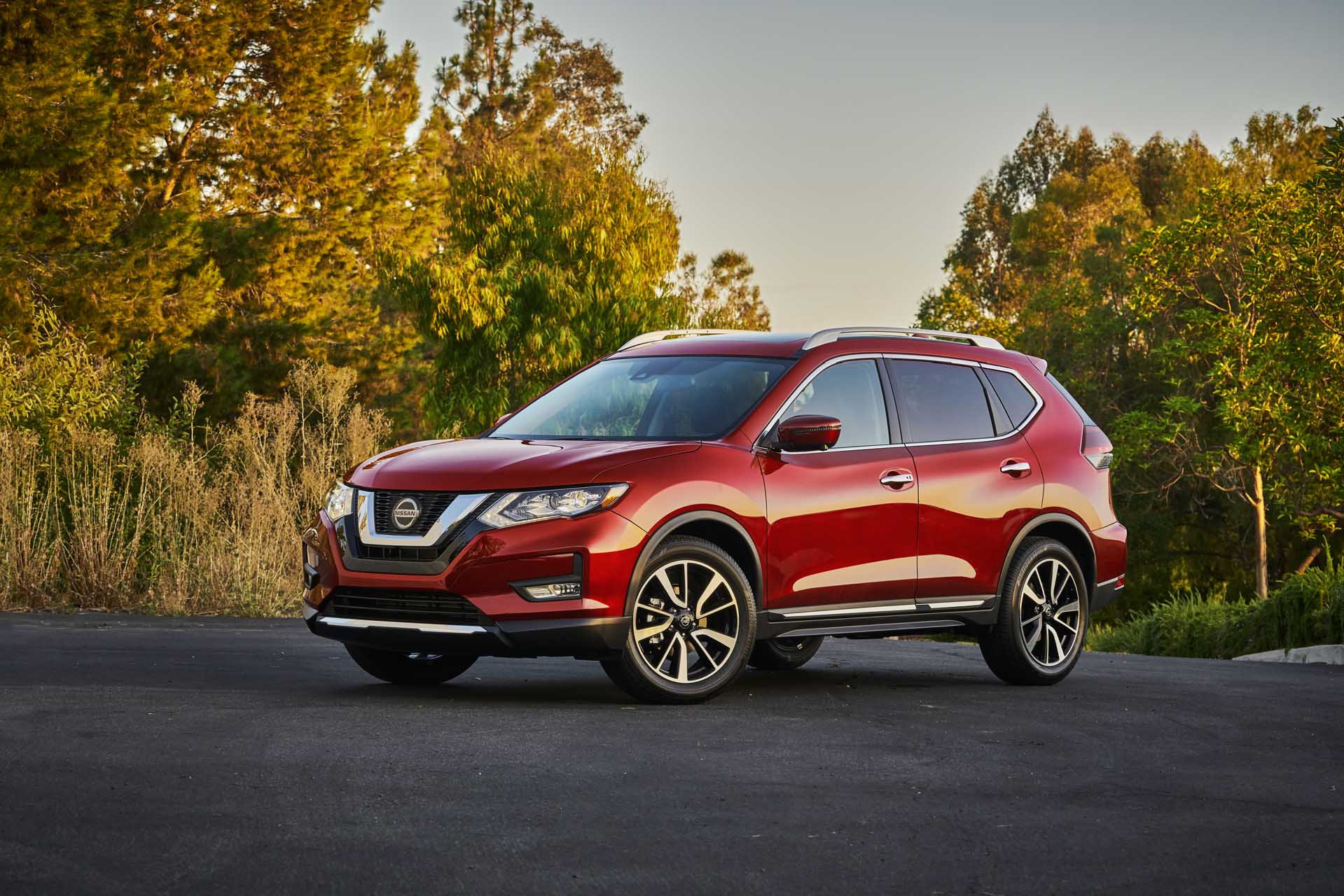
We’re including the Nissan Rogue because it highlights a case where design decisions across multiple components, mounts, engine tuning, and transmission behavior, combine to create an experience that feels unrefined far too soon.
Even though the Rogue is a practical choice on paper, its chronic vibration issues make it a tiring daily driver for those expecting a quiet, composed ride.
Also Read: 5 Cars with Solid Seat Structures vs 5 with Belt or Latch Failures
