
When it comes to car ownership, the real value of a vehicle often reveals itself over time, not in the first month, but in the years that follow.
Some cars hold their quality, comfort, and mechanical integrity for a decade or more, still feeling solid, responsive, and fresh after 100,000 miles.
Others begin to lose that “new car” sensation shockingly early, some in just their first year on the road, due to cheap materials, rushed engineering, or poor assembly.
In this guide, we’re taking a close look at both ends of that spectrum. First, we’ll highlight five cars that continue to feel nearly new after 10 years of regular use.
These models are engineering standouts with resilient interiors, durable drivetrains, and consistent build quality. They’re the cars that make you forget how long you’ve owned them because they never seem to degrade.
Then, we’ll shift to five cars that lose their luster way too soon, often within a year. Whether it’s rattling panels, failing infotainment systems, or worn-out seating, these vehicles age prematurely and leave owners frustrated before their first oil change is due.
Knowing which vehicles stand the test of time and which ones wear out early, can save you money and aggravation. Let’s start with the five cars that have proven to feel just as good a decade down the line as they did on day one.
Also Read: 5 Models Known for Fire Safety vs 5 with Fire Recalls
5 Cars That Feel New After 10 Years
In an era of planned obsolescence, finding a car that still feels solid, smooth, and refined after a full decade is a rare accomplishment. Many vehicles show their age within a few years, rattling trim, fading paint, sagging seats, or glitchy electronics.
But some cars buck that trend entirely. They’re engineered with precision, built with lasting materials, and designed to go the distance, both mechanically and emotionally.
The five cars in this section have earned reputations for standing the test of time. Whether it’s the tight steering feel, the quiet and well-insulated cabin, or the way the doors still close with a reassuring thud, these vehicles retain that “new car” feel even after 10 years of everyday use.
Some continue to run like clockwork at over 150,000 miles, with little more than routine maintenance. Others surprise with interiors that remain free of squeaks, rattles, or visible wear.
We’re writing about these models not just because they’re reliable, but because they offer a kind of long-term satisfaction most buyers hope for but rarely experience.
They don’t just survive, they thrive over time. If you’re the kind of driver who plans to keep a car for the long haul, these are the ones that won’t leave you wishing you’d traded them in sooner.
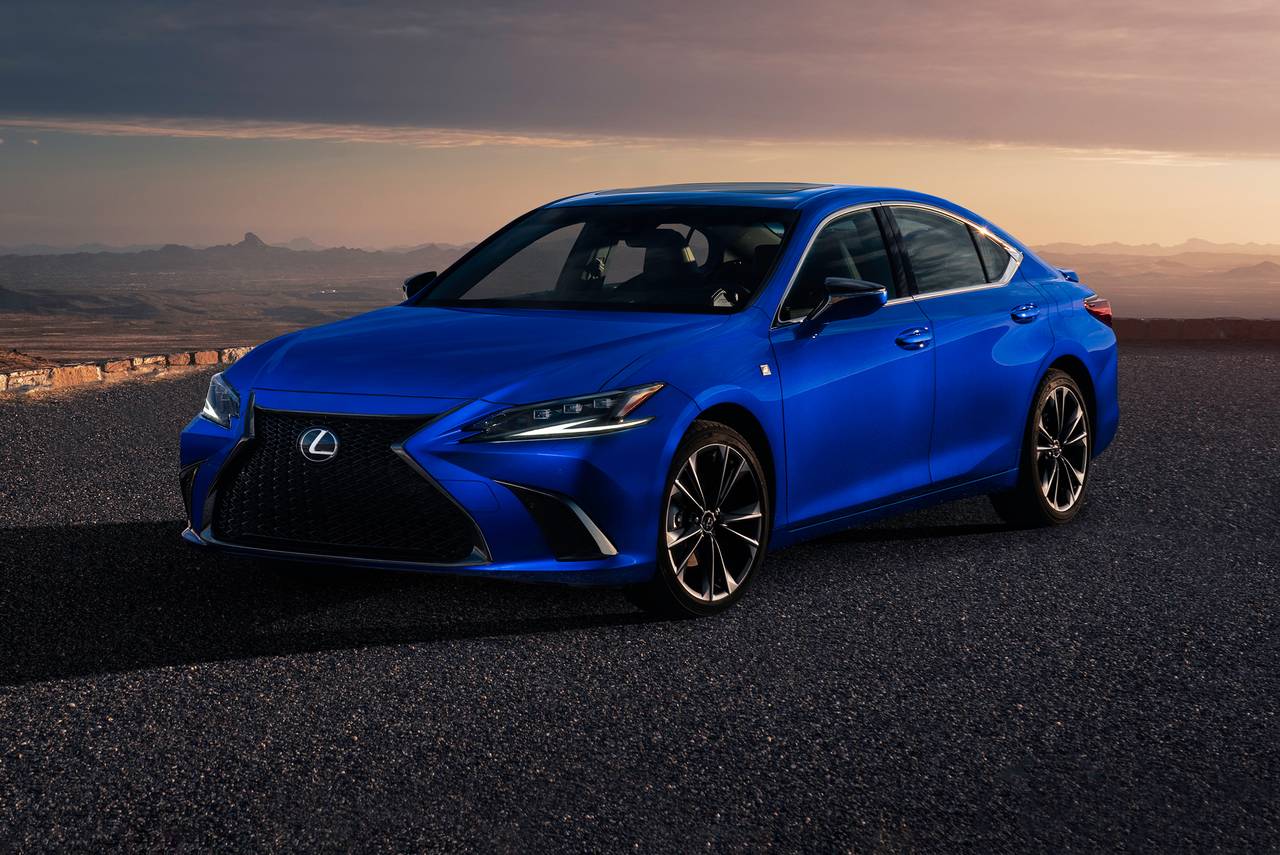
1. Lexus ES (2010–2020, 5th & 6th Generations)
The Lexus ES is one of the best examples of a car that refuses to age—both mechanically and cosmetically. Whether you’re behind the wheel of a 2011 or a 2019 model, the experience often feels like you’re driving something far newer than the odometer suggests.
Lexus engineered the ES to be a long-haul luxury cruiser, and the results speak for themselves: minimal wear, no creaks, and a sense of refinement that persists long after the warranty expires.
From the materials used inside to the rock-solid drivetrain under the hood, the ES was built to last. Soft-touch panels remain smooth and intact, even after a decade of sun exposure. The seats retain their shape and support.
Switchgear continues to click with precision. It’s common to find ES models with over 150,000 miles that still drive silently and smoothly, free from rattles or drivetrain vibrations. The cabin remains impressively quiet thanks to robust sound insulation and laminated glass, even after years of road use.
Under the hood, the naturally aspirated V6 and proven 6-speed (or later 8-speed) transmission keep things moving without drama.
The steering remains fluid, the suspension composed, and the brakes responsive, even with high mileage. Routine maintenance—oil, brakes, fluids—is typically all that’s required.
We’re including the Lexus ES because it embodies what most car owners dream of: a vehicle that feels luxurious and dependable no matter how long you’ve owned it.
It’s the kind of car you could hand down to a family member after a decade—and they’d still feel like they’re getting something premium.
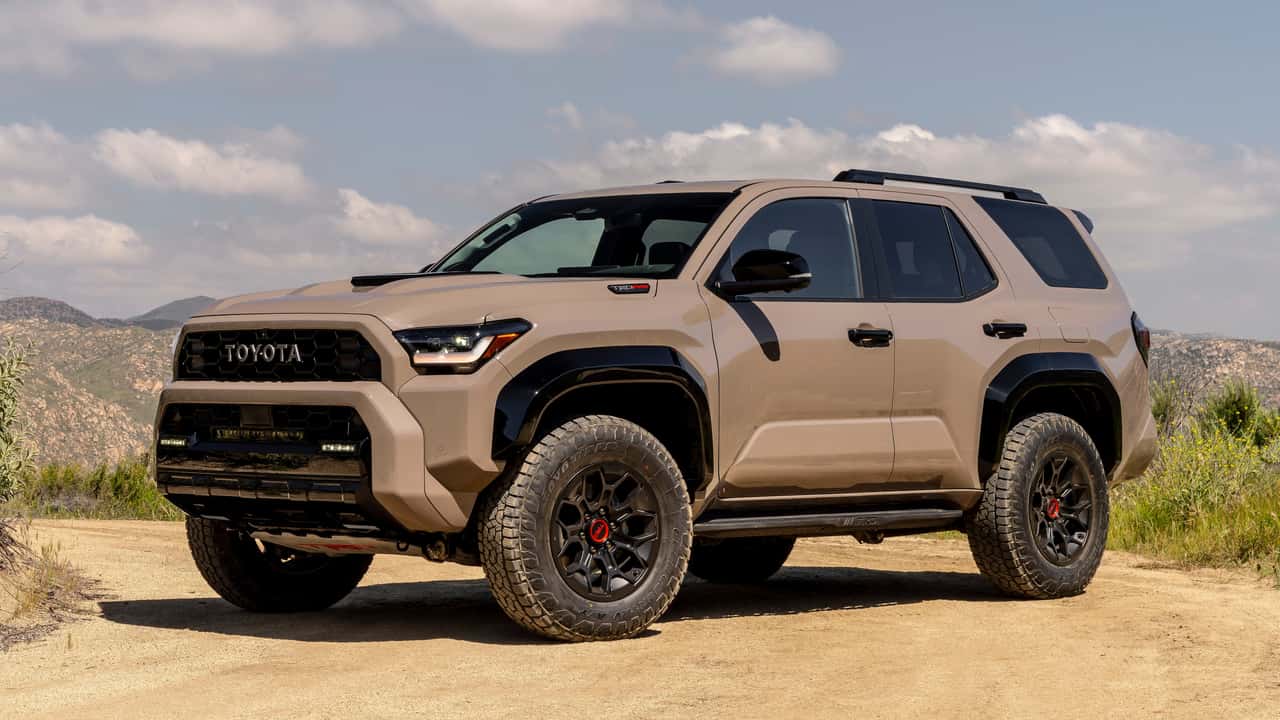
2. Toyota 4Runner (2010–Present, 5th Generation)
The Toyota 4Runner may be a rugged, body-on-frame SUV built for off-road use, but what’s remarkable is how new it continues to feel even after a decade of daily driving—or trail crawling.
Introduced in 2010 and largely unchanged since, the fifth-generation 4Runner has become legendary for its durability. Owners routinely report that even at 10+ years old and 200,000+ miles, the vehicle still drives like it did on day one.
This lasting performance comes down to Toyota’s commitment to overbuilding components. The 4.0-liter V6 engine and 5-speed automatic transmission are as simple as they are bombproof.
Suspension components wear slowly, even with occasional off-road abuse, and the frame is rust-resistant when properly maintained. There are few electronics to glitch out, and even older models tend to have fully functional 4WD systems and climate controls without fuss.
Inside, the materials are utilitarian but tough. Cloth and synthetic leather seats hold their shape well, plastics resist scratching, and there’s a refreshing lack of squeaks or rattles—even on vehicles that have seen gravel roads and mountain passes.
It’s not a luxury SUV, but it delivers a kind of timeless, no-nonsense solidity that feels reassuring with age.
We’re including the 4Runner because it’s a prime example of long-term toughness that doesn’t degrade your driving experience.
For those who want a vehicle that feels just as capable at year ten as it did at year one—without an endless stream of repairs or cabin deterioration—the 4Runner remains a top-tier choice.
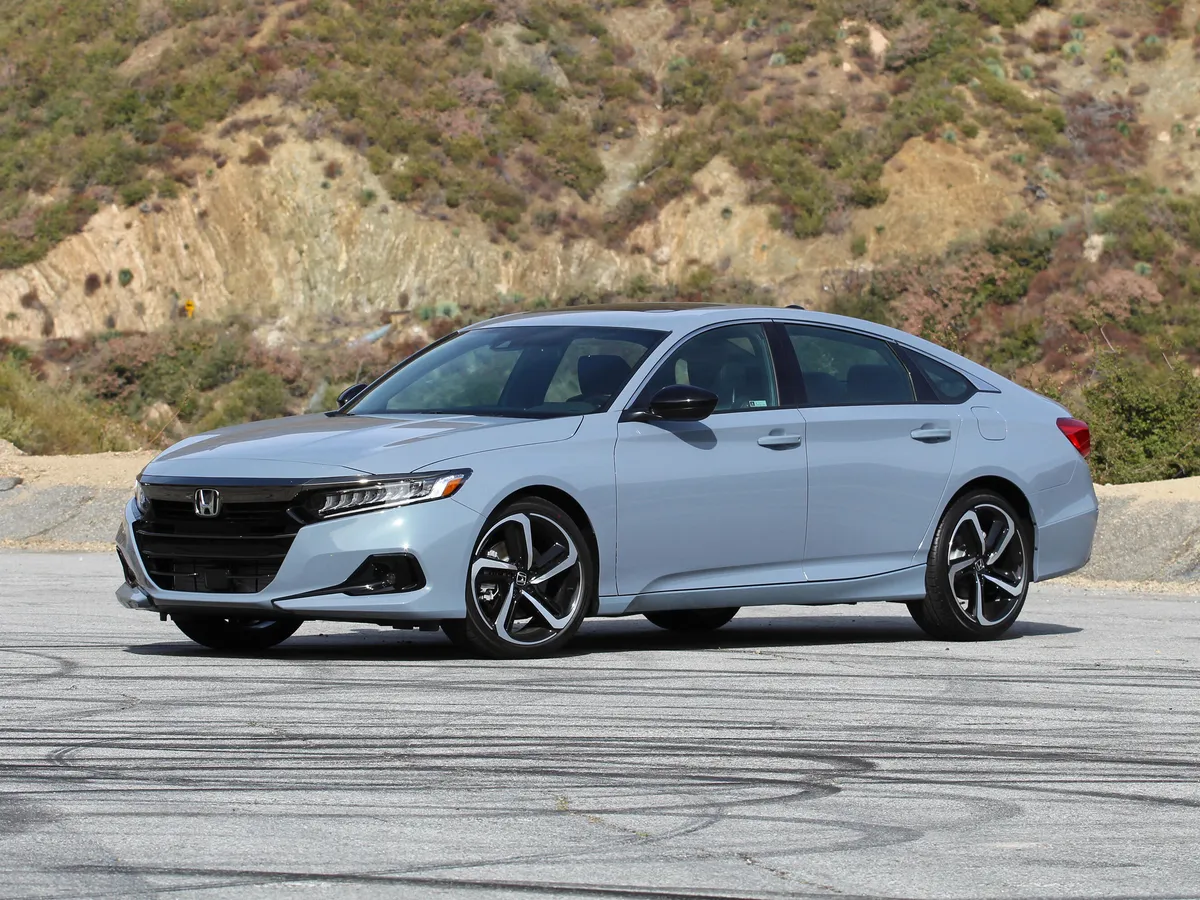
3. Honda Accord (2013–2017, 9th Generation)
The 9th-generation Honda Accord is one of those rare mainstream sedans that manages to feel tightly built and refined even after a decade on the road.
Introduced in 2013 and running through 2017, this generation of Accord returned to Honda’s strengths: simplicity, mechanical honesty, and driver-focused engineering. As a result, it’s not uncommon to find 10-year-old Accords that still ride quietly, steer precisely, and feel just as solid as when they left the lot.
The interior materials—while not flashy—are durable. Buttons still click crisply, armrests and seats retain their padding, and you won’t often hear creaks or rattles on rough pavement.
The doors close with a thunk that feels more German than Japanese, and even at 100,000+ miles, the cabin remains composed during highway driving.
Mechanically, the Accord’s naturally aspirated four-cylinder and V6 engines are among the most reliable powertrains in the business.
The CVT (in 4-cylinder trims) and traditional 6-speed automatic (in V6 trims) hold up well with routine maintenance. The steering and suspension maintain a sporty feel, and brakes remain responsive thanks to well-calibrated pedal feedback.
We’re including the Accord because it blends longevity with day-to-day refinement. It’s not just about not breaking down—it’s about how the car feels after a decade.
The 9th-gen Accord doesn’t sag, squeak, or deteriorate in the ways many competitors do. For anyone seeking a used midsize sedan that still feels modern and composed after 10 years, this generation Accord is one of the smartest choices you can make.
4. Mazda MX-5 Miata (2006–2015, NC Generation)
The Mazda MX-5 Miata isn’t just one of the most fun cars ever built—it’s also one of the best at holding onto that “new car” feel, even after a decade of spirited use. The third-generation NC Miata, produced from 2006 to 2015, is especially noteworthy for aging gracefully.
Owners frequently report that even after 10 years and six-digit mileage, these little roadsters continue to feel tight, responsive, and full of character.
What helps the NC Miata stand out is its simplicity. The naturally aspirated 2.0-liter four-cylinder engine is reliable and loves to rev, while the 5- and 6-speed manual transmissions are mechanical masterpieces that stay slick and precise for the life of the car.
There’s no complicated tech to break, and its lightweight design means less stress on suspension, brakes, and drivetrain components.
Inside, the cabin remains surprisingly well screwed-together over time. Despite minimal insulation and basic trim, rattles and squeaks are rare.
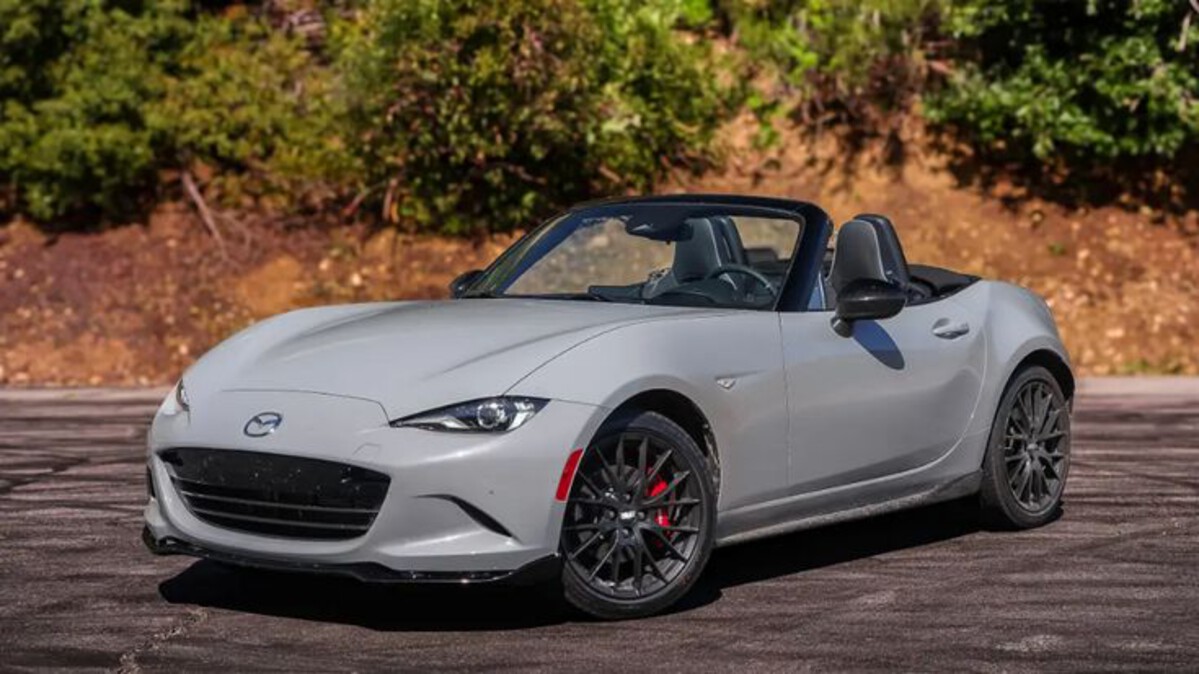
The seats, steering wheel, and controls wear slowly, and even convertibles with soft tops often maintain good sealing and low wind noise after a decade—provided they’re maintained properly.
We’re including the NC Miata because it proves that a car doesn’t have to be a luxury model to feel great for the long haul. It may be small and simple, but it’s built with precision and care.
For driving enthusiasts or second-car seekers who want something fun, low-maintenance, and youthful for the long run, the NC Miata continues to deliver that fresh, connected feel year after year.
5. Volvo XC60 (2010–2017, 1st Generation)
The first-generation Volvo XC60, produced from 2010 to 2017, quietly earns its place among vehicles that still feel new a decade later.
While not always the flashiest SUV on the market, the XC60 delivers a combination of build quality, safety, and understated luxury that continues to impress long after the initial purchase. It’s not uncommon to find well-maintained 10-year-old examples that feel far newer than their age would suggest.
Volvo built the XC60 with longevity in mind. The interior is crafted with soft-touch materials, real metal trim, and ergonomic seating that resists visible wear over time.
The switchgear is solid, the buttons retain their tactile feel, and the dashboard layout avoids the over-complication that can age poorly. Noise insulation is excellent, helping the XC60 maintain a quiet, composed cabin at highway speeds—even after years of road use.
Mechanically, the 3.2-liter inline-six and later turbocharged Drive-E engines have proven durable with regular maintenance.
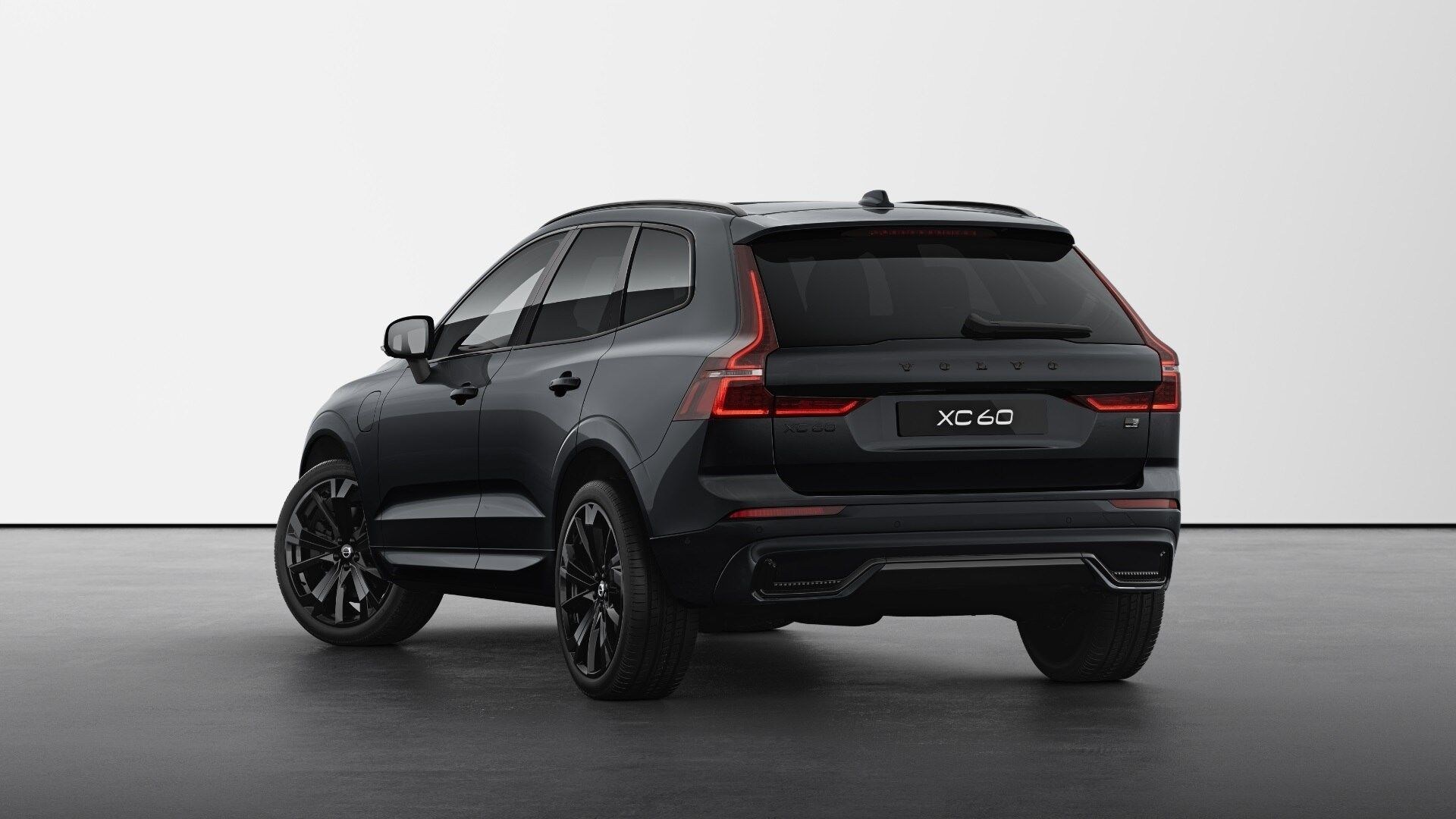
The suspension and steering systems hold up well, and the ride remains compliant without becoming floaty or harsh. Volvo’s reputation for safety and thoughtful design extends into how the vehicle feels over time—confident, secure, and unbothered by the miles.
We’re including the XC60 because it represents a long-term ownership win for those seeking a luxury feel without luxury headaches.
Whether used as a commuter, family hauler, or daily driver, the XC60 stays quiet, refined, and comfortable well past year ten. It’s a car that doesn’t beg for attention—because it simply keeps doing its job, gracefully and reliably.
5 Cars That Age Rapidly in Year One
It’s a harsh truth in the automotive world: some cars just don’t hold up, even in the short term. While many vehicles can go a decade without showing serious signs of wear, others begin to unravel in their very first year.
Whether it’s subpar materials, sloppy assembly, or buggy electronics, these early signs of decline are more than just cosmetic—they’re warning flags about long-term quality.
In this section, we highlight five cars that age too quickly. These are vehicles that might look great in the showroom but begin to feel used and worn far too soon.
Owners report trim pieces coming loose, seat cushions flattening, infotainment systems glitching, and various creaks and rattles developing after just a few thousand miles. In some cases, it’s the mechanical components that fail first—leading to breakdowns or warranty claims within the first 12 months.
We’re including these models not to shame them, but to inform prospective buyers. Some are entry-level cars built to meet a price point, while others are surprisingly expensive vehicles that don’t deliver lasting quality. Either way, rapid aging can ruin the ownership experience and reduce resale value.
If you’re considering one of these models, it’s important to know what you might be in for. Let’s begin with the first car that too often trades “new car smell” for early signs of wear—and frustration—within the first year of ownership.
1. Jeep Renegade (2015–Present)
The Jeep Renegade launched with a bold promise: a compact, affordable SUV with genuine Jeep styling and off-road capability. But for many owners, the excitement faded quickly—often within the first year—as quality control issues and premature aging started to surface.
Despite its rugged looks, the Renegade’s underlying structure and materials simply don’t hold up under regular use, and that becomes evident almost immediately.
Interior components are the most obvious trouble spots. From the start, many owners report flimsy switchgear, creaky door panels, and rattles from the dashboard and center console—some beginning within the first few thousand miles.
The seats lose firmness quickly, and soft-touch areas tend to show wear faster than average. The infotainment system, especially on earlier models, is also a sore spot: laggy, glitch-prone, and occasionally nonfunctional until reset.
The mechanical reliability isn’t much better. Transmission issues, particularly with the 9-speed automatic, were widely reported even within the first 10,000 miles. Rough shifting, delays between gears, and sensor-related transmission faults are common.
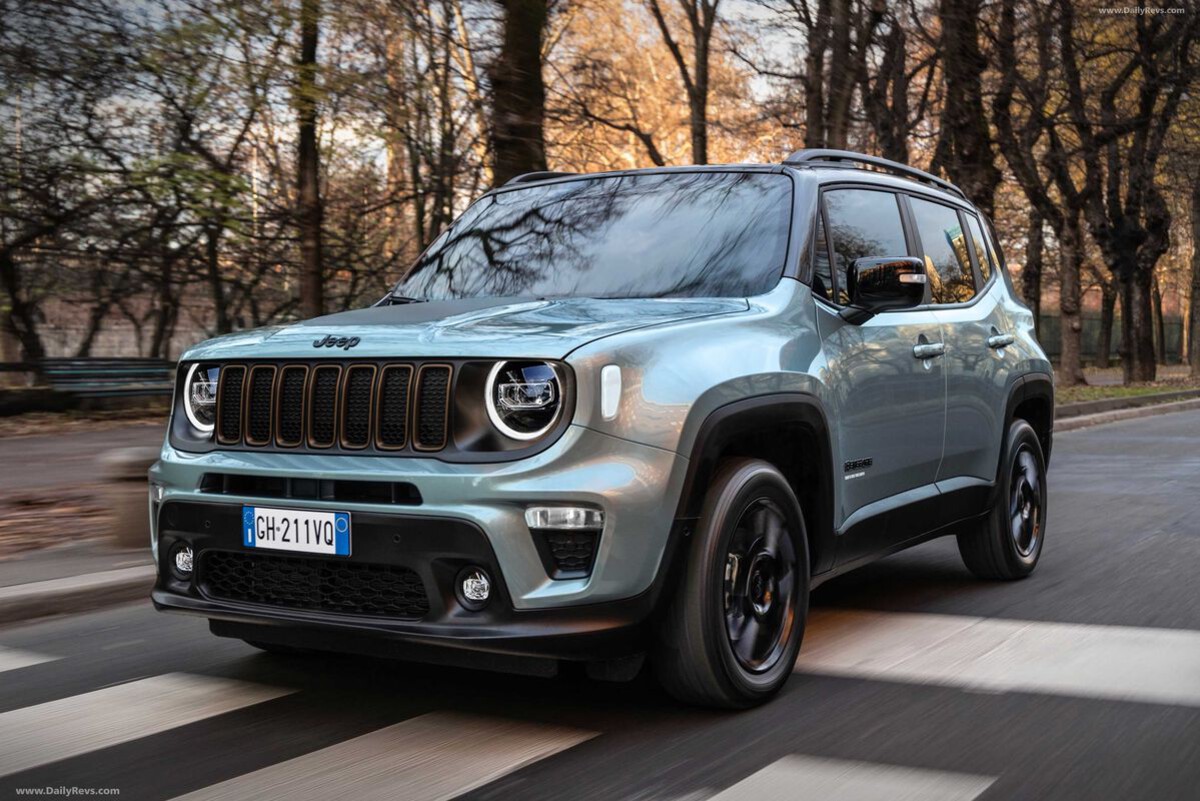
Add in early complaints about electrical gremlins—intermittent warning lights, stalling, or failed sensors—and it’s clear the Renegade starts to feel used before it should.
We’re including the Jeep Renegade because it’s a textbook example of a vehicle that appears fresh and full of personality, but doesn’t hold up to everyday wear.
If you’re looking for a small SUV that still feels solid after its first year, this isn’t the one. Many Renegade owners find themselves dealing with a tired-feeling car far earlier than expected.
2. Nissan Sentra (2020–Present, 8th Generation)
The 8th-generation Nissan Sentra, introduced for the 2020 model year, came with a bold redesign and the promise of better refinement, tech, and driving dynamics.
But while it may look upscale on the outside, many owners quickly discovered that the new Sentra doesn’t age gracefully—some say it doesn’t even make it through its first year without showing signs of premature wear and frustrating issues.
Inside the cabin, early wear is alarmingly common. Seat fabric pills or stretches, interior plastics scuff and scratch easily, and the faux leather options don’t hold their shape or texture.
Many drivers report trim pieces popping loose, dashboard rattles on rough roads, and center consoles that start to creak under minor pressure—all within the first 10,000–15,000 miles. The infotainment system also tends to lag or freeze, with Bluetooth and Apple CarPlay glitches being particularly widespread.
Mechanically, the issues are just as troubling. The CVT (continuously variable transmission) is known for hesitation, jerky performance, and even early failure in some cases—despite Nissan claiming to have improved it.
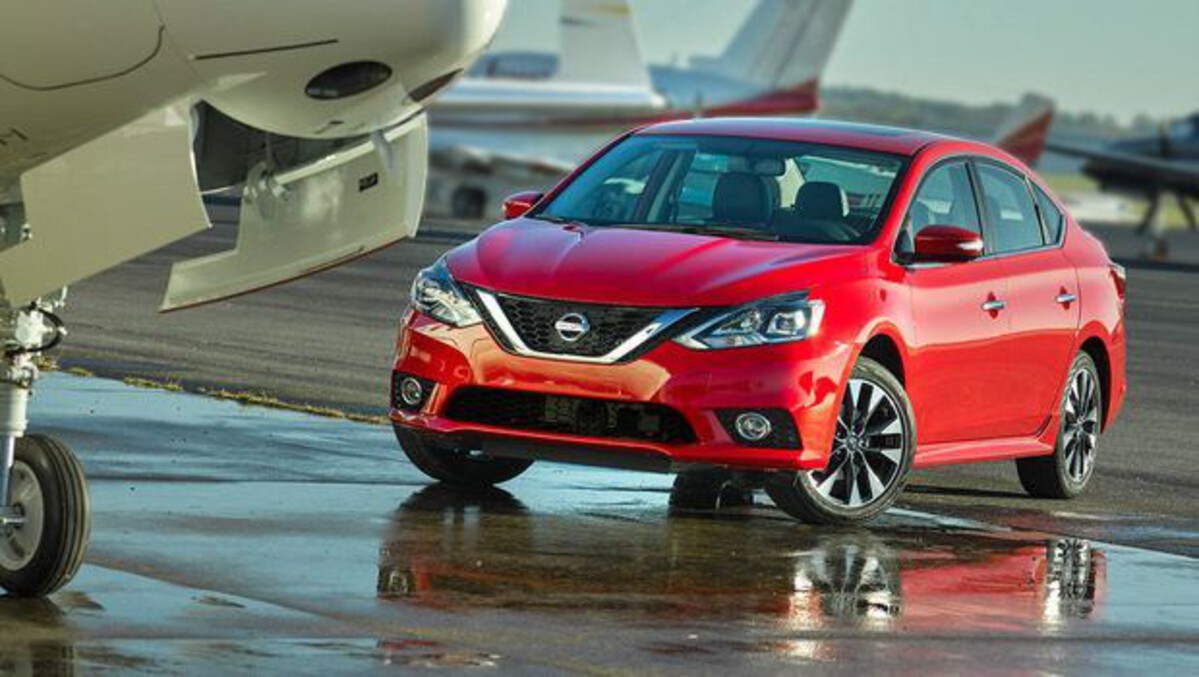
Owners also report warning lights appearing without cause, finicky sensors, and brake feel that deteriorates rapidly in just a few months.
We’re including the Nissan Sentra because it’s a modern sedan that should feel fresh and solid for years—but instead shows signs of decline shockingly fast.
While it may attract buyers with its price and styling, the Sentra’s early aging issues raise serious questions about its long-term quality. If you’re looking for durability right out of the gate, this isn’t the safest bet.
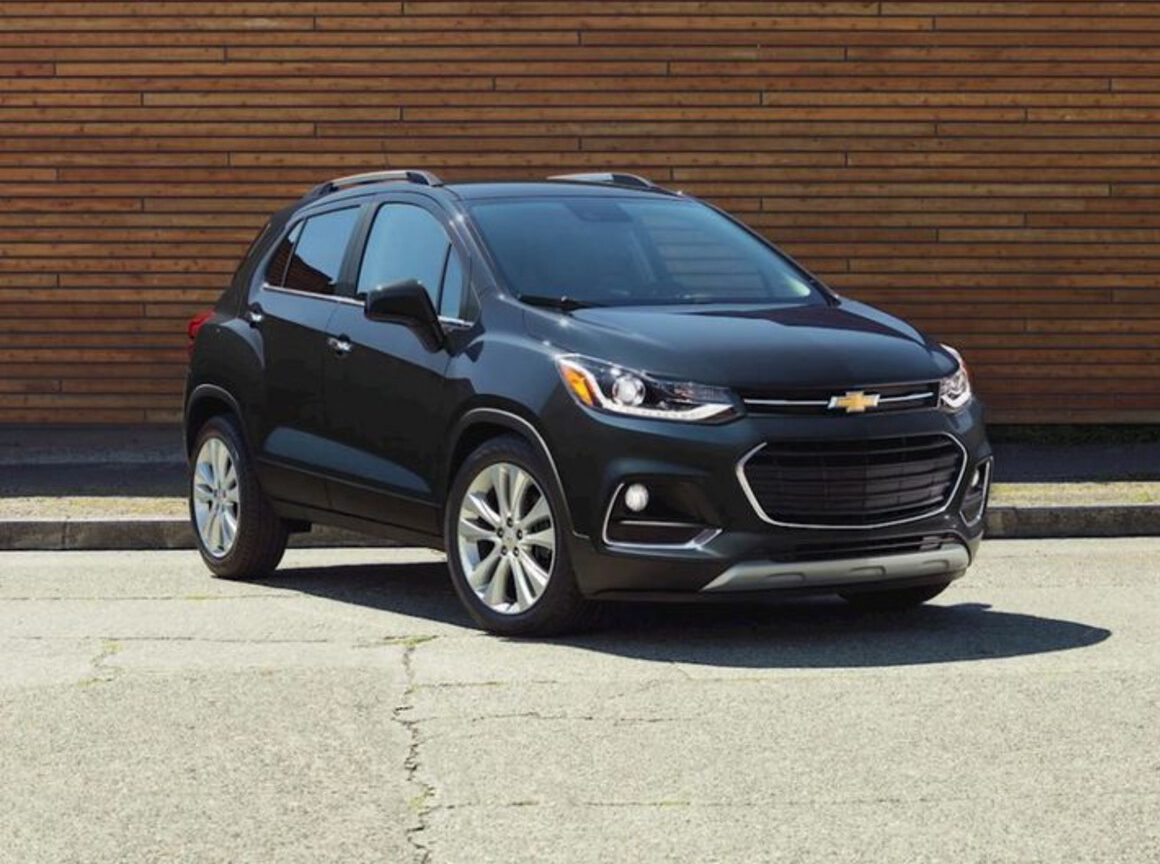
3. Chevrolet Trax (2015–2022)
The Chevrolet Trax is a subcompact crossover that offers city-friendly dimensions and a relatively low price, which has made it popular among first-time buyers and budget-conscious drivers. However, it’s also a car that frequently begins to feel worn, tired, and less refined than its competitors within the first year of ownership.
Interior quality is one of its biggest weaknesses. Owners often report early creaks from the dash, loose-fitting trim panels, and seats that start to lose cushioning and support within a few thousand miles.
The door panels and console areas are made of hard plastic that scratches easily, and the infotainment touchscreen—though modern in appearance—is prone to lag and occasional freezing. In short, the cabin begins to feel dated and fragile quickly.
Mechanical aging doesn’t lag far behind. The 1.4-liter turbocharged engine is underpowered and sometimes rough, and early models in particular have been noted for developing boost leaks or misfires before reaching 20,000 miles.
The 6-speed automatic transmission can become jerky or hesitant surprisingly early, especially in urban stop-and-go driving. Suspension components may also begin to rattle over uneven surfaces within the first year—especially in colder climates where road salt takes a toll.
We’re including the Chevrolet Trax because it’s a prime example of a vehicle designed to meet a price point at the expense of long-term feel.
It’s not just about reliability—it’s about how quickly the vehicle starts to lose the traits that make it feel new. In the Trax’s case, that breakdown often happens alarmingly early.
4. Mitsubishi Mirage (2014–Present)
The Mitsubishi Mirage holds the title of one of the most affordable new cars on the market, but that low price tag comes with compromises—and they start revealing themselves alarmingly fast.
While it may appeal to budget buyers or fleet operators, the Mirage often feels aged within the first year of ownership, not just in performance but in overall driving and build quality.
Inside the cabin, cost-cutting is immediately apparent. Hard plastics dominate, and they scratch, creak, and fade quickly.
The seats flatten and lose support early, especially on longer drives, and it’s common to hear dash rattles and loose door panel noises develop within the first 10,000 miles. Even the climate control knobs and window switches feel flimsy and sometimes develop play within months of daily use.
The Mirage’s 1.2-liter three-cylinder engine is known for being noisy and underpowered, but it also tends to sound rougher and more strained as early as 15,000 miles—sometimes even sooner.

The CVT struggles to deliver smooth power and is often cited in early-owner complaints for droning or jerky behavior. Suspension components wear fast under load, leading to bouncy rides and occasional clunking noises before the first year is out.
We’re including the Mirage not to knock its purpose—providing basic transportation—but to highlight how quickly it stops feeling “new.”
Many owners report feeling like their car has aged several years after just one, which defeats the point of buying new in the first place. If lasting refinement matters, the Mirage may not deliver.
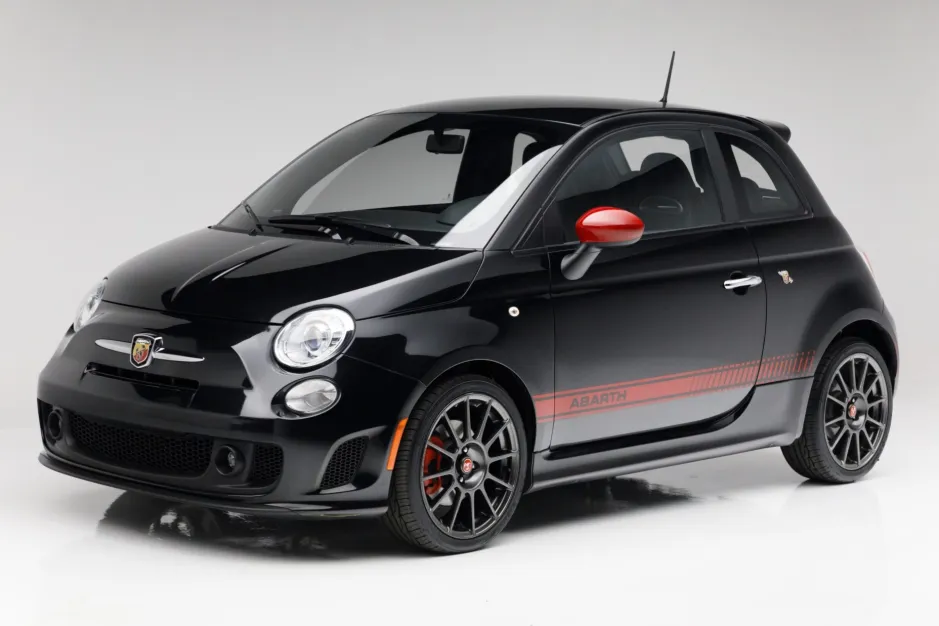
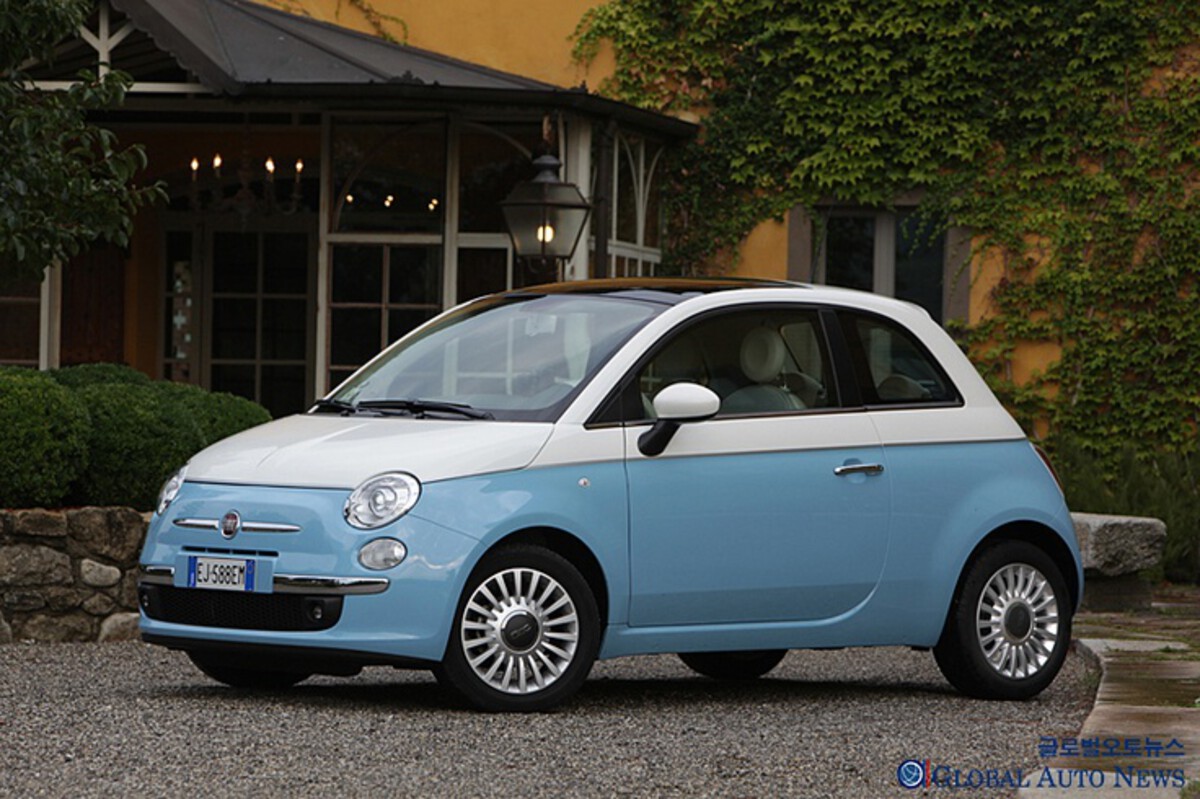
5. Fiat 500 (2012–2019, U.S. Market)
The Fiat 500 arrived in the U.S. with quirky styling and a fun-to-drive attitude, targeting urban drivers who wanted something small and distinctive.
But beneath the charm, the 500 has a reputation for feeling older than it should—sometimes shockingly so, even within the first year of ownership. While it makes a strong first impression, the car’s rapid aging issues soon undercut its appeal.
Interior durability is one of the most frequent complaints. The retro-styled dashboard looks great initially, but starts to creak, rattle, and loosen after just a few months—especially in areas with rough roads or temperature swings.
The seat fabric stretches and fades quickly, door seals may lose flexibility, and many owners report interior panels popping out of alignment. Even with low mileage, the 500’s cabin often sounds and feels like a much older car.
Mechanical problems also surface early. Transmission issues—particularly with the automatic Dualogic and 6-speed automatic options—are common, as are electrical gremlins involving warning lights, infotainment glitches, and failing sensors.
In some cases, vehicles under 20,000 miles begin to exhibit stalling, rough idling, or inconsistent throttle response. These problems don’t wait for year five—they begin well within year one.
We’re including the Fiat 500 because it illustrates how early deterioration—both cosmetic and mechanical—can sour the ownership experience.
It’s a fun, unique car when new, but too often it feels used and problematic almost immediately. For buyers looking for long-lasting quality or even just a “new” feeling after the first year, the 500 is a risky bet.
Also Read: 5 Models Known for Fire Safety vs 5 with Fire Recalls
