In crowded urban environments, having a car that’s small, fuel-efficient, and easy to maneuver is a dream come true. Many manufacturers capitalize on this need, marketing compact and affordable vehicles as ideal for city life.
However, the real-world test of daily commuting, pothole-strewn streets, frequent stops, and tight parking reveals a different story. The true challenge isn’t just driving in the city—it’s surviving it.
While some vehicles may appear perfect for urban driving on the surface, they break down too easily, cost too much to repair, or simply can’t keep up with the stress. Below are five cars that were marketed for city living—but fall apart under its weight.
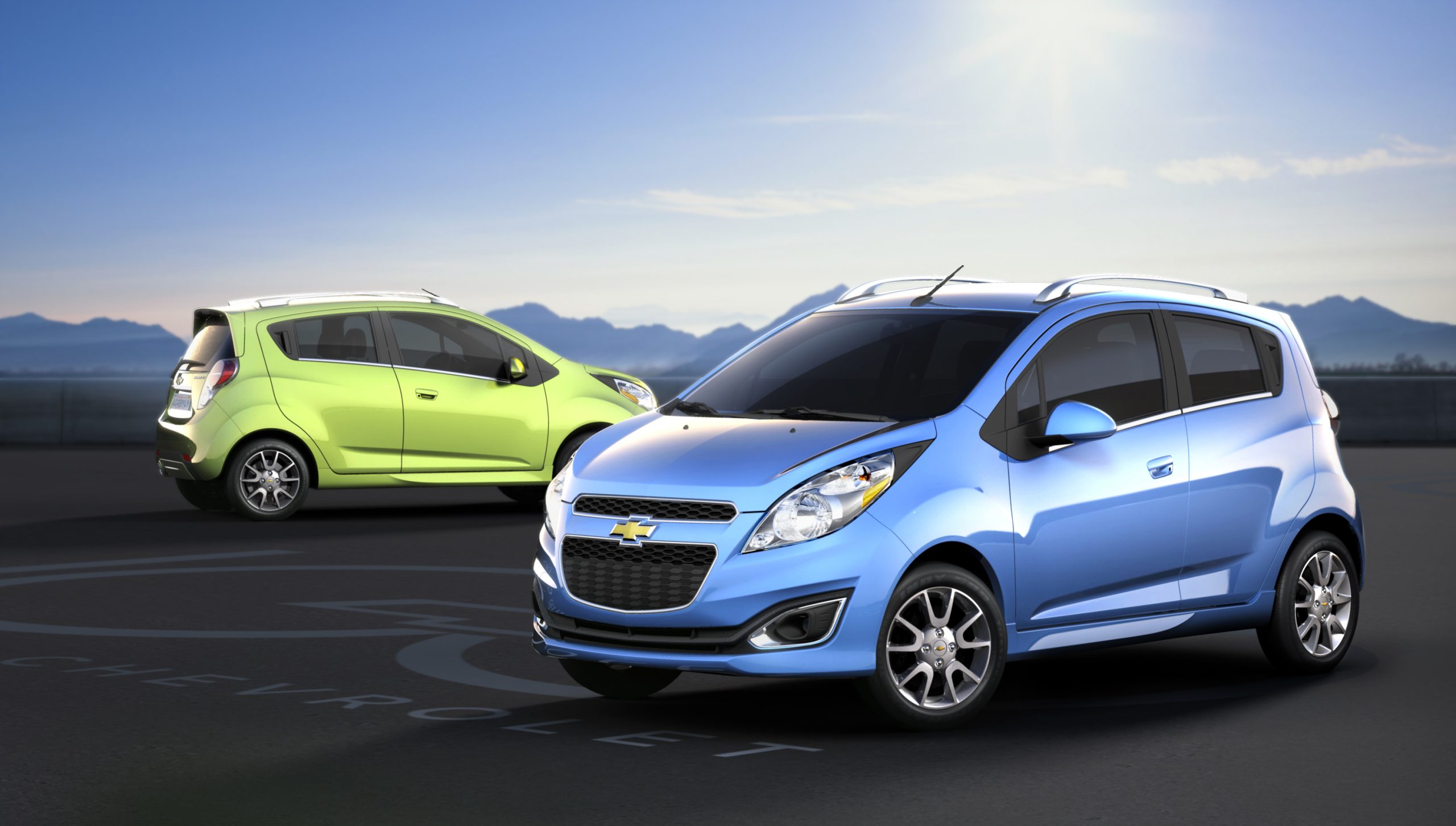
1. Chevrolet Spark (2013–2021): Small Size, Big Problems
The Chevrolet Spark was designed with affordability and efficiency in mind—two key qualities for urban drivers. Its compact size made it ideal for tight parking, and its fuel economy seemed to promise budget-friendly commuting. But underneath that appealing package lies a series of compromises that catch up with owners quickly.
Built to a price, the Spark’s suspension system—struts, mounts, and control arms—wears out quickly on city streets riddled with potholes. Its modest 1.2-liter and 1.4-liter engines feel overworked when loaded or forced through stop-and-go traffic, leading to common issues like misfires and ignition coil failures.
The CVT transmission, standard in later models, also suffers from constant urban strain, frequently overheating or failing. Inside, cheap materials degrade quickly, and electrical glitches become more common with age. While the Spark may look like the ideal city runabout, it crumbles when exposed to the harshness of daily urban life.
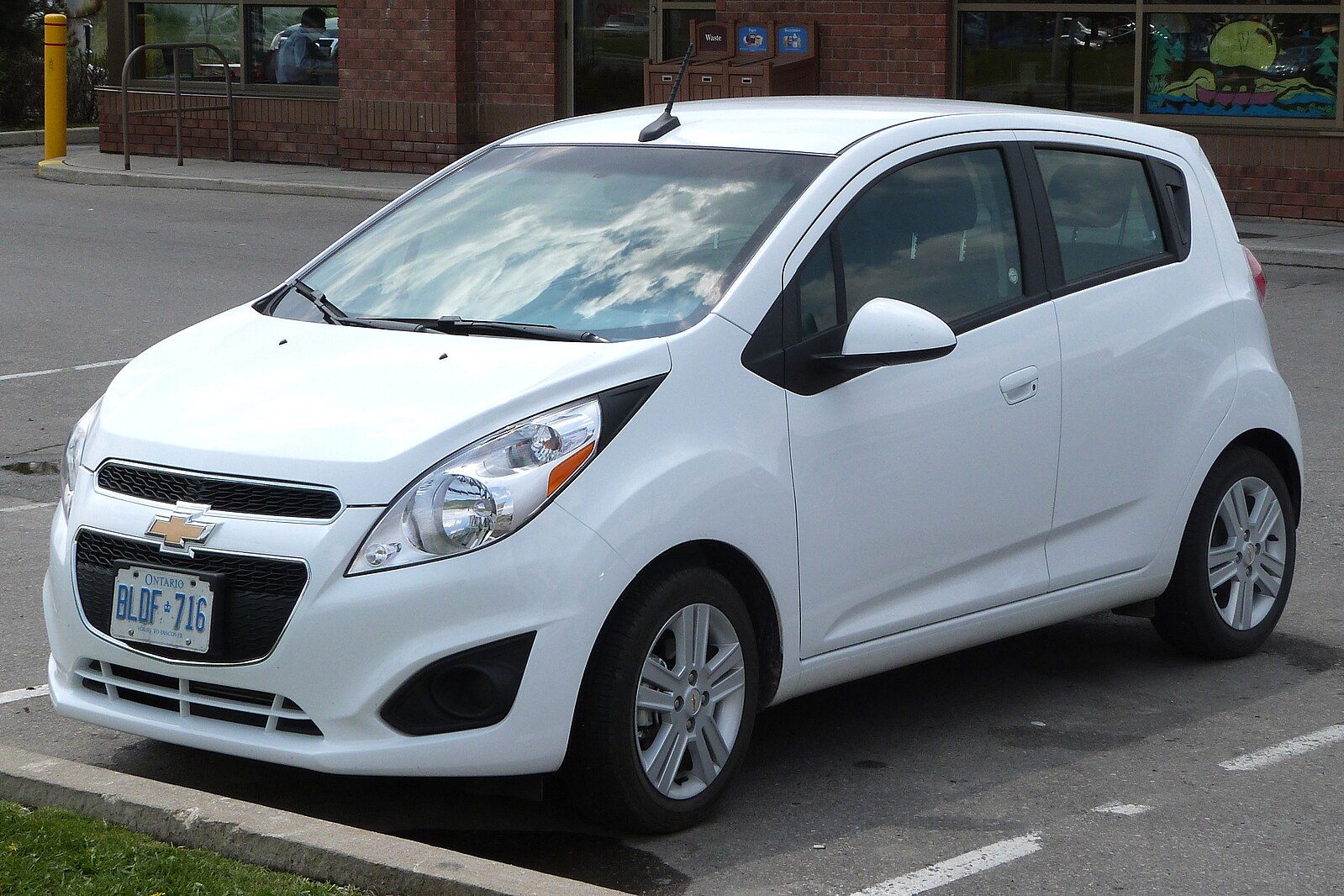
2. MINI Cooper (2011–2016): A Stylish Urbanite With a Fragile Backbone
Few cars blend charm and agility like the MINI Cooper. With its compact footprint, upscale feel, and fun-to-drive dynamics, it seems tailor-made for the twists and turns of city streets. But the 2011–2016 models, particularly the turbocharged Cooper S, prove too fragile to survive prolonged city abuse.
The 1.6-liter engine is known for carbon buildup, oil leaks, and water pump failures—issues exacerbated by the short trips and cold starts common in urban settings. Transmission problems are also frequent, with the automatic unit exhibiting overheating, hesitancy, and inconsistent behavior in stop-and-go traffic.
MINI’s stiff suspension, while excellent on smooth roads, becomes a liability on rough pavement, leading to early wear and rattling. Repairs are costly and complicated, thanks to tight engine bays and European parts pricing. Despite its urban appeal, the MINI Cooper lacks the mechanical durability needed for real-world city driving.
Also Read: 10 Cars Built for Towing That Last Decades Hauling Huge Weights
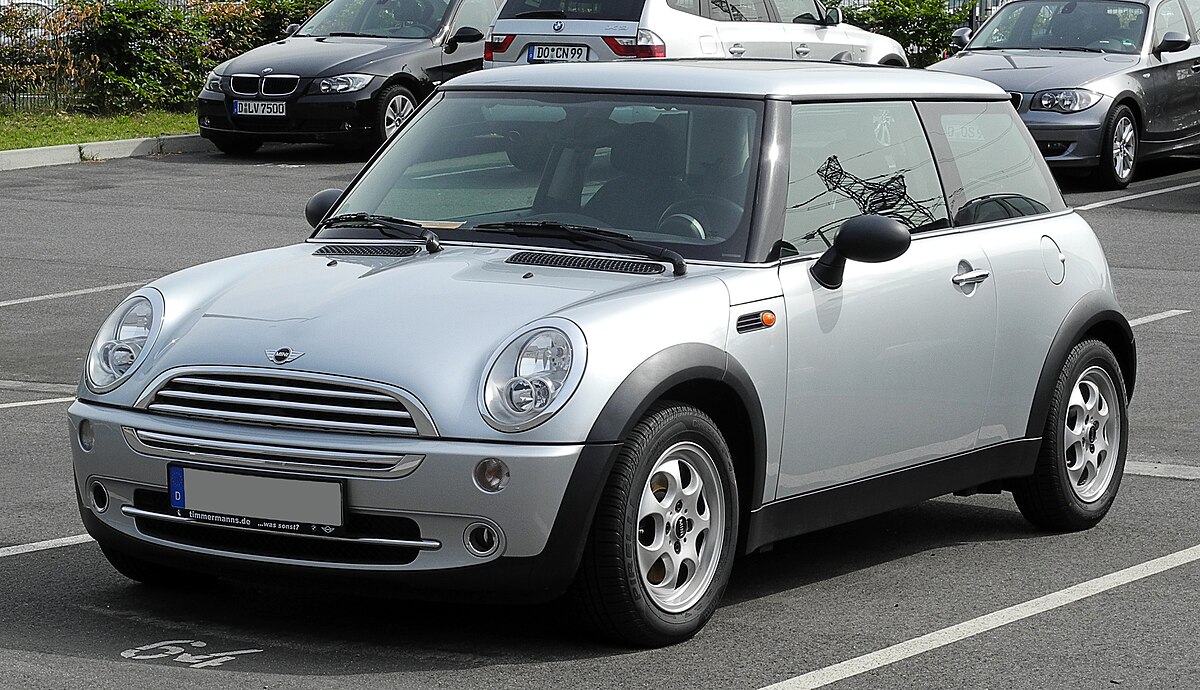
3. Smart Fortwo (2008–2018): Great on Paper, Painful in Practice
At just over 8 feet long, the Smart Fortwo is one of the easiest cars to park, maneuver, and store in a crowded city. Its microcar design, rear-engine layout, and quirky style make it a natural pick for urban living—or so it seems. In practice, the Fortwo reveals itself as a fragile, frustrating machine.
The automated manual transmission offers rough, jerky shifts and becomes increasingly unreliable with age. Its small engine lacks the torque and responsiveness needed for smooth low-speed driving, and its rear-mounted configuration leads to poor weight balance and a bumpy ride.
City drivers also deal with frequent sensor failures, electrical glitches, and poorly protected suspension components that don’t handle potholes or curbs well.
Despite its tiny stature, the Fortwo comes with disproportionately high repair costs, limited parts availability, and frequent breakdowns. What should be the perfect city car ends up being one of the least durable.
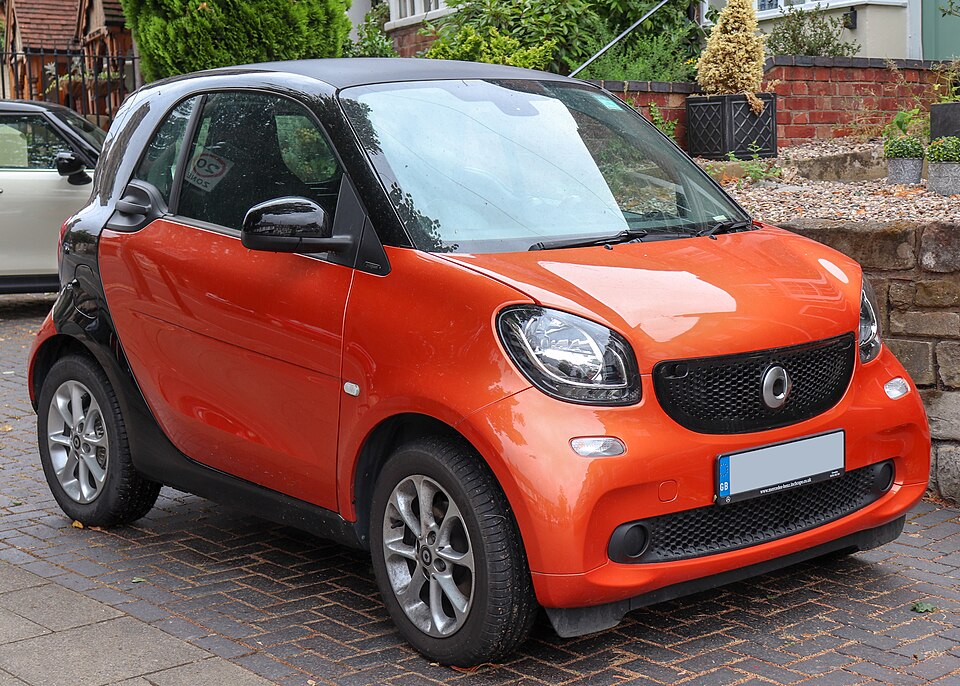
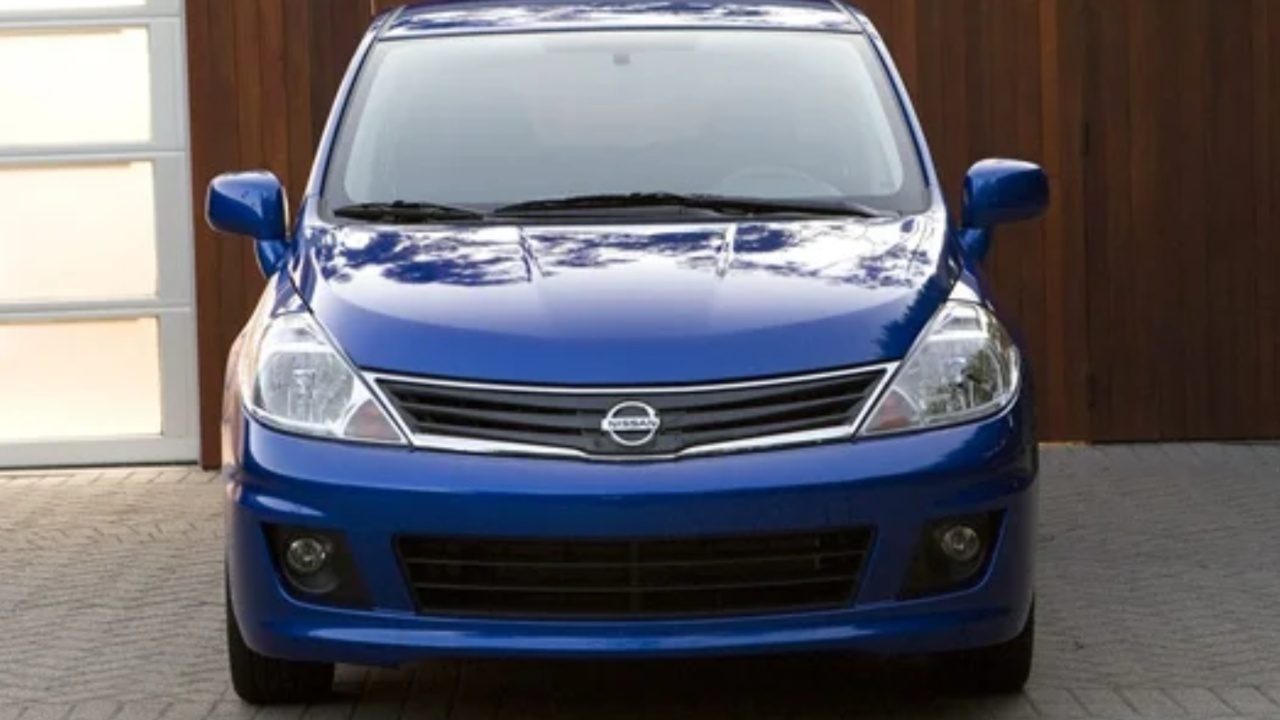
4. Nissan Versa (2012–2019): A Budget Buy That Breaks the Bank
The Nissan Versa has long been recognized as one of the cheapest new cars available—an attractive option for first-time buyers or those on a tight budget. However, affordability doesn’t always equal durability.
The Versa’s Achilles’ heel is its early-generation continuously variable transmission (CVT), which is notorious for overheating, slipping, and premature failure—especially in stop-and-go traffic. This is compounded by an underpowered 1.6-liter engine that struggles under pressure, particularly when maneuvering through dense city traffic.
Inside, cost-cutting is evident in the materials, which wear out quickly with frequent use. Suspension components aren’t built for rough streets, and the car develops rattles and squeaks long before its mechanical life ends.
Electronics like power windows and infotainment systems also tend to fail with age. The Versa may look like a smart buy on paper, but the cost of keeping it running in a city environment quickly undermines its budget appeal.
5. Fiat 500L (2014–2020): Urban Looks, Suburban Reliability
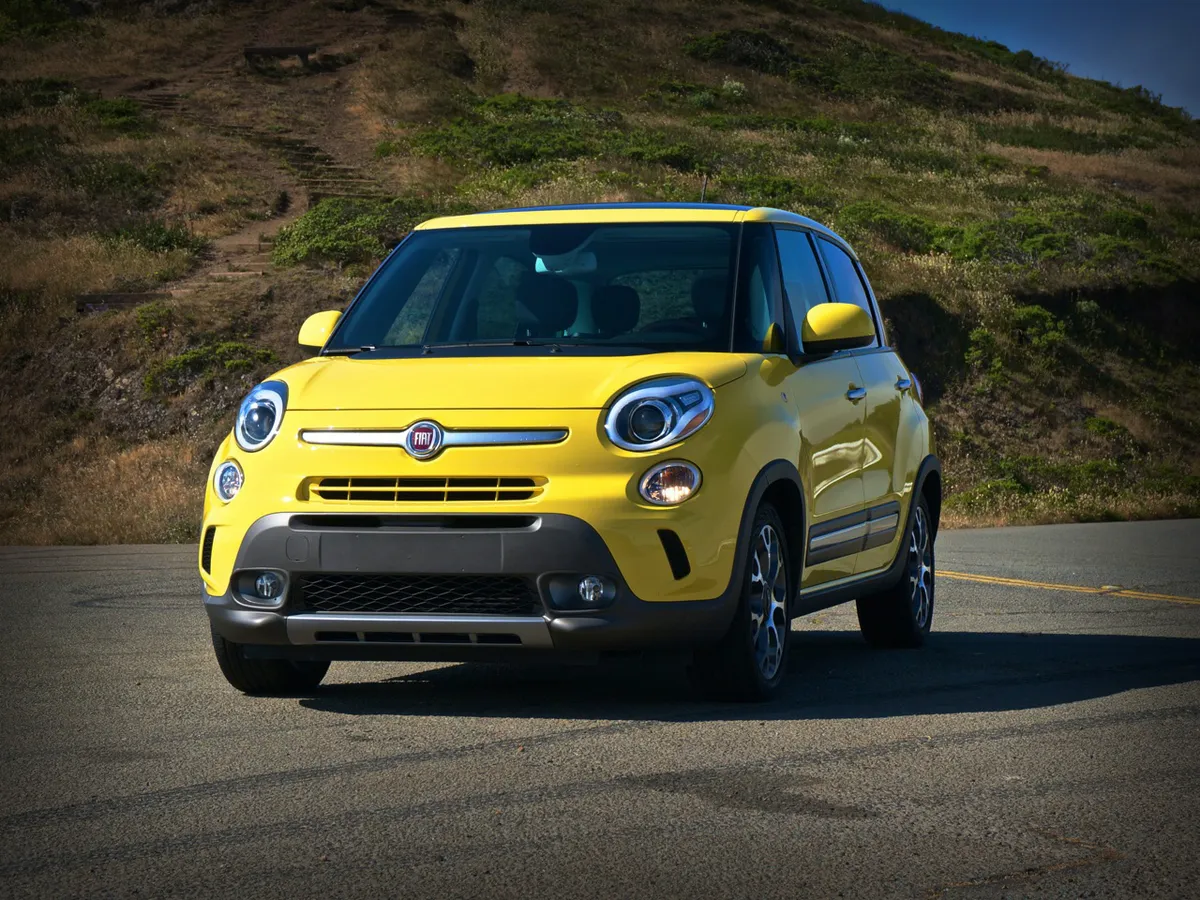
The Fiat 500L was designed to combine European flair with city practicality. With its tall cabin, compact dimensions, and spacious interior, it aimed to be a smarter alternative to small SUVs or hatchbacks. Yet, the reality of city driving reveals major flaws.
The 6-speed dual-clutch and traditional automatic transmissions suffer from rough shifting, overheating, and frequent failure in urban traffic. The 1.4-liter MultiAir turbo engine is prone to oil leaks, overheating, and sensor malfunctions under the stress of daily city commutes.
Suspension components wear out quickly due to the car’s inability to handle poor road conditions. Inside, Fiat tried to push a premium feel, but the materials don’t hold up—buttons fade, infotainment systems glitch, and power windows malfunction.
For a car that should be tough enough for urban chaos, the 500L falls short, requiring frequent repairs that sour its initial appeal.
All five of these vehicles were designed—or at least marketed—as ideal for city life. Whether it was a small footprint, budget-friendly pricing, or a stylish exterior, each one promised to make urban driving easier. But real-world experience paints a different picture.
City streets expose weaknesses in engineering, drivetrain design, and long-term durability. From unreliable transmissions to failing electronics and fragile suspensions, these vehicles demonstrate that size and style are not enough.
A true urban survivor must combine toughness, simplicity, and consistent performance—qualities these models consistently fail to deliver. If you’re shopping for a city car, look beyond the brochure and ask whether the vehicle can endure the reality of urban abuse, not just look good parked on the side of the street.
Also Read: 10 Cars That Survive Teen Drivers Built Tough Safe Smart and Budget Friendly