
Handing down a car to your kid is a classic American rite of passage. It’s not just about saving money, it’s a mix of nostalgia, practicality, and the hope that the car doesn’t leave them stranded halfway through freshman year. But here’s the reality: not all cars are built for the long haul.
Some are engineered to go the distance, while others are built like disposable razors. If you’re planning ahead, and want to avoid unexpected repair bills or late-night rescue missions, here’s a breakdown of five vehicles you can confidently hand down, and five that are best left off the family legacy list.
5 Cars You Can Pass to Your Kids
They’re not the flashiest rides on the road, but they’re reliable, affordable to maintain, and built with the kind of long-term quality you’ll thank yourself for later. These are the cars that won’t just last, they’ll endure.
1. Toyota Corolla
The Toyota Corolla has been the gold standard for reliable transportation for decades, and for good reason. With simple mechanics, a bulletproof powertrain, and the kind of engineering that borders on obsessive, a well-maintained Corolla can easily cross the 250,000-mile mark. It’s a car that just doesn’t quit.
On top of that, it’s safe, fuel-efficient, and incredibly easy (and cheap) to maintain. Parts are everywhere, labor is straightforward, and it’s forgiving enough to survive teenage driving habits. If there’s ever been a car you can confidently pass from parent to kid, or even grandkid, this is it.
Much like its larger sibling, the Toyota Camry, the Corolla has earned a reputation as a safe and sensible pick in the compact sedan category. It’s widely respected for its reliability, though it’s never exactly been considered the most thrilling option among small cars.
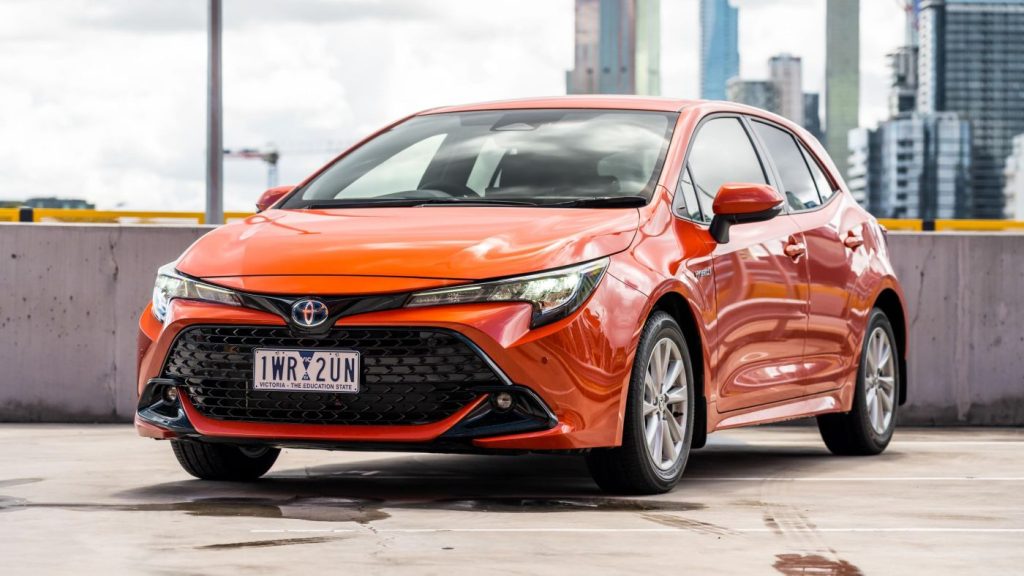
This current generation of Corolla has been on the road since 2020, and as it approaches the 2024 model year, not much has changed. However, one update stands out, the return of the Nightshade trim, which had been missing from last year’s lineup. This special edition features distinctive blacked-out exterior accents and a set of bronze-colored wheels.
Under the hood, the Corolla sedan offers just a single engine option, which is a departure from many rivals that provide multiple powertrain configurations. That said, the standard 2.0-liter four-cylinder engine impresses with its fuel efficiency, “we measured an outstanding 40.2 mpg in our real-world testing.”
Unlike some competitors, the Corolla is only offered with a continuously variable transmission (CVT), and if you’re looking for all-wheel drive, you’ll have to go for the Corolla Hybrid, as it’s not available on the standard gas-powered model.
Also Read: 5 Popular Cars That Everyone Regrets Buying and 5 They’d Buy Again
2. Honda CR-V
The Honda CR-V blends utility and longevity in a way few compact SUVs can. With its proven 4-cylinder engines and Honda’s knack for smart engineering, the CR-V regularly hits 200,000 miles or more with minimal fuss.
It offers a solid driving experience, plenty of cargo room, and enough ground clearance for snowy school mornings or weekend adventures.
It’s not flashy, but that’s the point, it’s a practical, reliable workhorse. For a teenager or college student, it’s exactly the kind of vehicle you want them to have: safe, stable, and unlikely to break your heart (or your wallet).
Compact crossovers like the 2025 Honda CR-V continue to see strong demand due to their well-rounded nature, offering comfortable interiors, respectable fuel economy, and easy maneuverability in tight spaces.
Honda’s entry into this increasingly competitive segment stands out not only for its practicality but also for its unexpectedly nimble handling.
Every CR-V also comes standard with hill-descent control, which helps regulate speed during low-speed descents on steep or slick terrain. Most versions ride on 18-inch wheels.
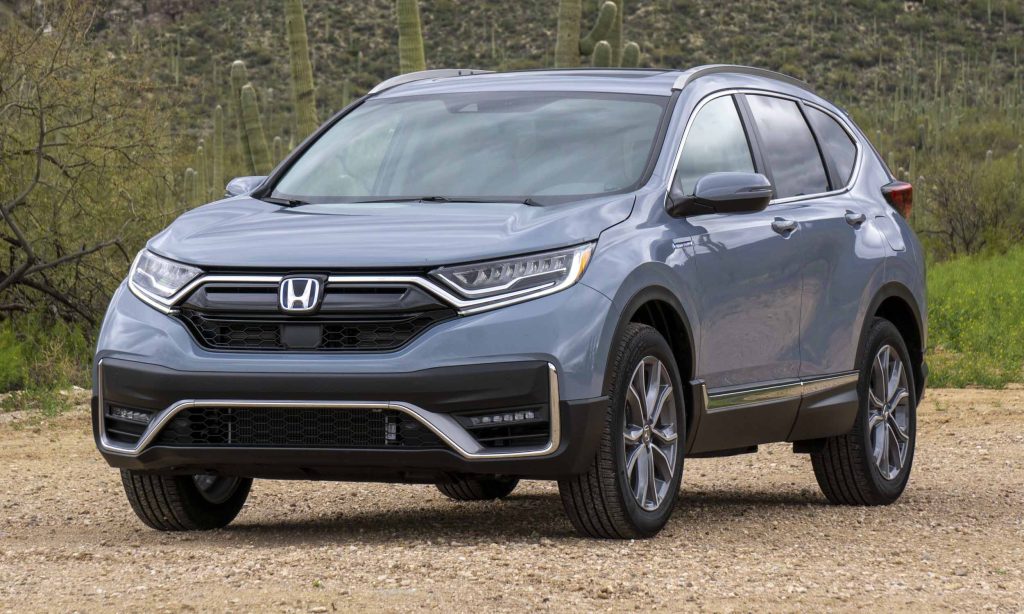
Although it doesn’t quite match the driving engagement found in the Mazda CX-50 or Volkswagen Tiguan, the CR-V delivers a composed, comfortable ride and enough performance to avoid feeling dull.
During testing, the gas-powered EX-L model took 8.1 seconds to reach 60 mph, a bit on the slower side for this class and a few tenths behind the hybrid version. The CVT also contributes to an engine note that tends to drone under heavy throttle.
Fuel efficiency is a strong point for the CR-V’s nonhybrid powertrain. The front-wheel-drive model with the 1.5-liter turbo-four achieves EPA estimates of 28 mpg in the city and 34 mpg on the highway.
Choosing all-wheel drive reduces those numbers slightly. On our real-world 75-mph highway test route, an all-wheel-drive EX-L returned a solid 31 mpg.
3. Mazda3 (2010s and Newer)
Mazda doesn’t get as much love as Toyota or Honda in the reliability conversation, but the Mazda3 has quietly built a reputation for being both durable and fun to drive. Starting in the 2010s, Mazda introduced its SkyActiv technology, which improved fuel efficiency and performance without sacrificing reliability.
The Mazda3 feels sportier than most compact cars, making it a solid choice for a younger driver who wants something engaging without the headache of higher insurance rates. Plus, it’s got solid safety scores and a simple, driver-focused interior that won’t distract or overwhelm.
The 2010 Mazda3 arrives as a completely redesigned model, showcasing Mazda’s updated MZR four-cylinder engine lineup and aiming to deliver an even more spirited “Zoom-Zoom” driving experience.
Offered in both a four-door sedan and a five-door hatchback, this second-generation Mazda3 places itself firmly among the top contenders in the fiercely competitive compact car segment.
The exterior design introduces Mazda’s now-signature grille, a styling element that has proven to be polarizing, along with dramatic, sweeping creases along the sides. It’s a visually engaging and sporty look, though not without its critics.
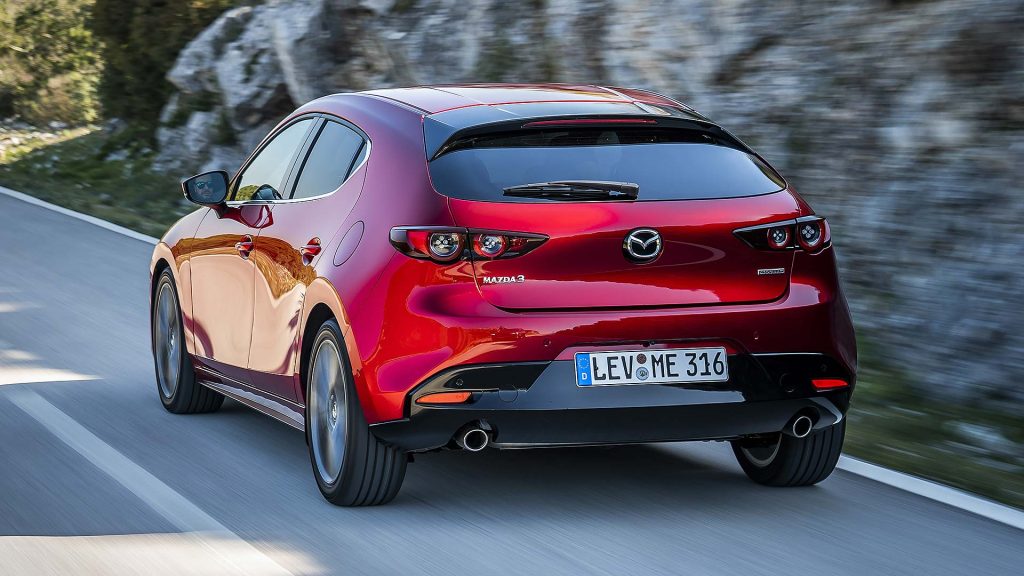
Mazda’s engineering team made sure the performance lives up to the design. Entry-level Mazda3i SV and Mazda3i trims are powered by a 2.0-liter inline-four, while the more performance-oriented Mazda3s models come equipped with a larger 2.5-liter four-cylinder engine.
Whether paired with a manual or automatic transmission, the driving experience is lively and engaging, and the new powertrain setup delivers approximately 10 percent better fuel efficiency than the previous generation.
Inside, the Mazda3 features a cabin roomy enough to seat five adults comfortably. Standard equipment includes power windows, front bucket seats, a four-speaker AM/FM/CD audio system, and a three-spoke steering wheel, offering a solid baseline of amenities across the board.
Almost every aspect of the Mazda3 has been either refreshed or reengineered for 2010. Notable updates include five new exterior color options and redesigned 16- and 17-inch wheels.
The Mazda3 “S” models now come with body-colored mirrors, a rear lip spoiler, and dual exhaust outlets. Moving up to the “GT” trims brings even more premium touches, such as adaptive bi-xenon headlights.
Higher trim levels also benefit from the addition of Bluetooth connectivity, automatic door locks, dual-zone climate control, and a multi-information display, features that push the Mazda3 into near-premium territory within the compact class.
4. Subaru Outback
If your family leans outdoorsy or lives in a snowbelt state, the Subaru Outback is a perfect long-term hand-me-down.
Standard all-wheel drive, rugged build quality, and a roomy interior make it ideal for hauling gear, pets, or a dorm room’s worth of stuff. Earlier Subarus had issues with head gaskets, but newer models, especially post-2010, have been more reliable.
As long as you keep up with oil changes and basic maintenance, the Outback will serve your kid for years. It’s the kind of car that’s just as comfortable on a back road as it is in a college parking lot.
Nearly three decades ago, Subaru took a Legacy station wagon, equipped it with all-wheel drive, raised the suspension, added rugged SUV-inspired styling cues, and called the finished product the Outback.
That original formula has proven to be a lasting success, and Subaru has wisely stuck with it over the years. Fast-forward to today: the 2025 Subaru Outback continues to be a cornerstone of the brand’s lineup, positioned neatly between the smaller Forester and the larger Ascent.
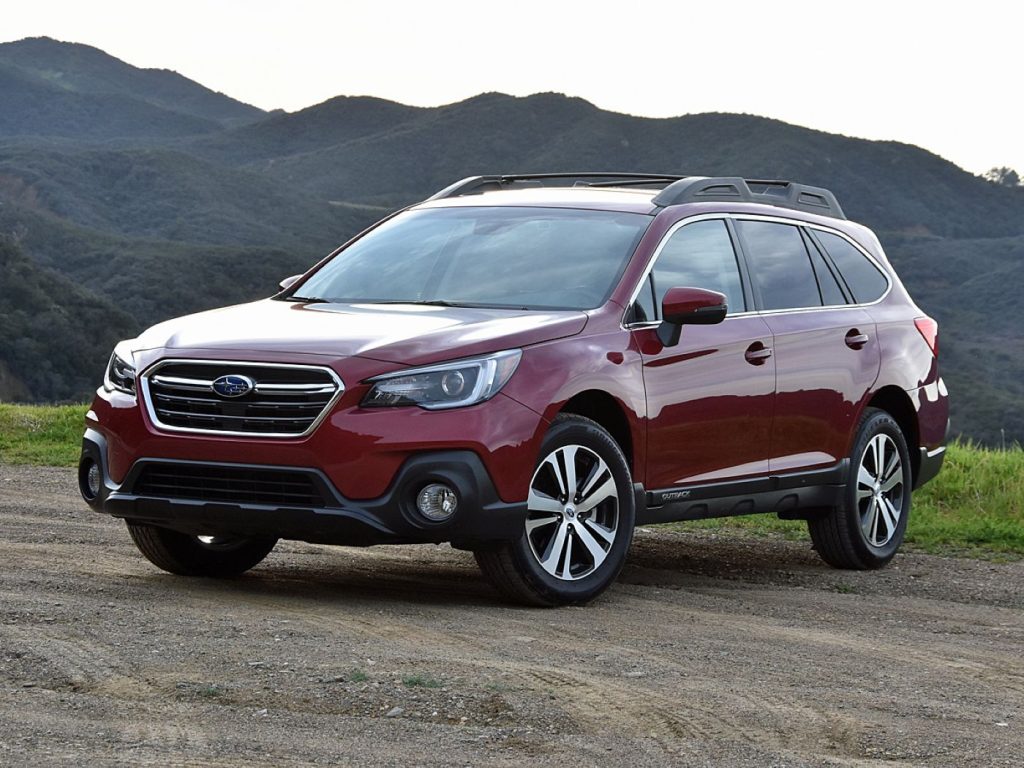
It remains reasonably priced, capable in all kinds of weather, and stands out as a reliable, practical, and versatile option for everyone from solo drivers to families and empty nesters.
The very first Subaru Outback, introduced in 1996, helped define the crossover SUV segment in the U.S. Now that nearly every automaker has a crossover in their portfolio, Subaru is banking on the Outback Wilderness to once again distinguish itself from the crowd.
You’ll recognize it instantly by its copper-colored accents, exaggerated wheel arch trim, and elevated suspension that boosts ground clearance to a rugged 9.5 inches. Additional exterior highlights include bold bumper styling, all-terrain tires, and a reinforced roof rack built to handle serious gear.
Inside, Subaru has equipped the Wilderness model with water-resistant synthetic leather upholstery. “So get it as wet and dirty as you like. It’ll clean up easily.” It’s a design meant to take abuse, whether from muddy boots, wet dogs, or messy kids, all without sacrificing comfort or style.
Also Read: 5 Cars That Don’t Burn Oil Even at High Mileage and 5 That Constantly Need Top-Ups
5. Lexus RX
Don’t let the luxury badge fool you, the Lexus RX is basically a Toyota Highlander in nicer clothes, and that’s a good thing. These SUVs are often meticulously maintained by their original owners and, with Toyota’s legendary engineering underneath, they can easily push past 200,000 miles.
It’s quiet, smooth, and safe, everything you’d want for your kid without giving off the vibe that they’re trying too hard. Plus, older RX models depreciate enough that you’re not handing over something absurdly valuable, but still extremely well-built.
The 2025 Lexus RX350 comes equipped with a 275-hp turbocharged 2.5-liter four-cylinder engine, paired with an eight-speed automatic transmission and standard front-wheel drive, though all-wheel drive is available as an option.
When Lexus redesigned the RX two years ago, it had a clear opportunity to redefine the SUV’s handling dynamics and inject some extra driver engagement into the mix. However, the chassis engineers ultimately chose not to make any substantial changes in that direction.
As a result, the newest RX350 retains the soft suspension and comfort-oriented ride of its predecessor, a decision that will certainly satisfy longtime Lexus loyalists, but one that’s unlikely to convert performance-minded drivers.
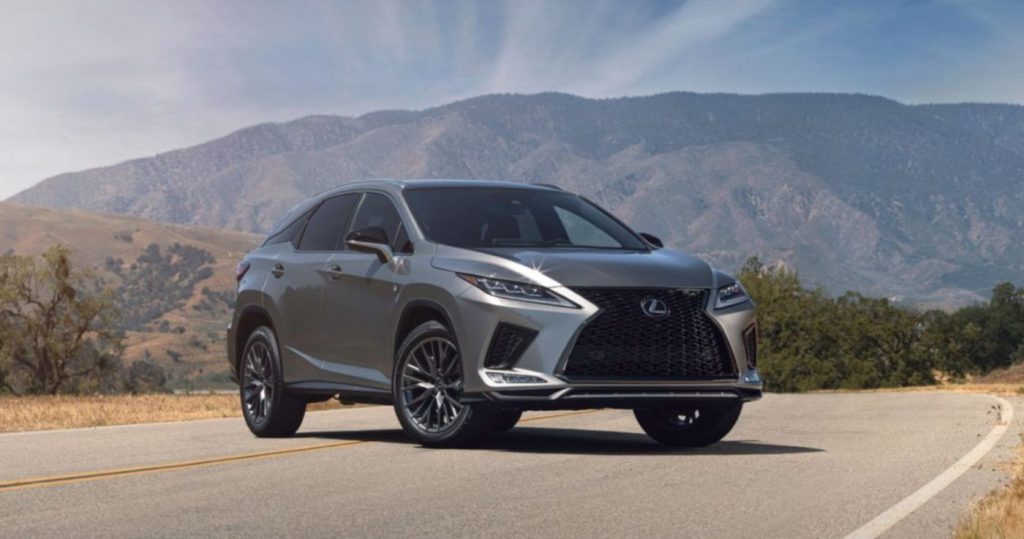
During our initial test drive, the turbocharged four-cylinder engine failed to impress in terms of acceleration. “With front-wheel drive, we estimate the RX350 will hit 60 mph in 7.0 seconds.” Opting for all-wheel drive may slightly improve that figure, but even then, “we still think it’ll need 6.8 seconds to hit 60 mph.”
The EPA has rated the RX350’s front-wheel-drive version at 22 mpg in the city and 29 mpg on the highway. Choosing the all-wheel-drive version reduces those figures slightly, down to 21 mpg city and 28 mpg highway. Once we have the chance to run the RX350 through our real-world 75-mph highway fuel economy test, we’ll provide updated numbers.
The RX is only offered in a two-row, five-passenger configuration, leaving space in the Lexus lineup for the newly introduced, three-row TX model.
Inside, the RX’s cabin is noticeably more contemporary than the previous generation’s, featuring textured fabric on the upper door panels, elegant ambient lighting, and natural-looking open-pore wood trim.
In terms of practicality, the RX provides a generous amount of cargo room behind the rear seats, more than enough to accommodate a week’s worth of groceries or a few full-size suitcases for a road trip.
5 Cars That Won’t Last Long Enough
Not all cars are built for the long haul. Some look tempting on the used market, but they come with baggage — mechanical problems, expensive repairs, or just poor engineering. If you’re thinking about handing one of these off to your kid, think twice. They might not survive long enough to make it worth the trouble.
1. Chrysler 200
On paper, the Chrysler 200 seemed like a decent midsize sedan option. In reality, it was plagued by subpar build quality, unreliable transmissions, and engine issues that made it one of the least reliable cars of its era.
Owners frequently report problems with the 9-speed automatic transmission, electrical systems, and overall driveability. Combine that with a cramped interior and poor resale value, and you’ve got a car that’s more liability than legacy. Don’t saddle your kid with a Chrysler 200, it won’t do either of you any favors.
“Not the worst but not the best” might be an accurate, if less than dazzling, way to describe the Chrysler 200. While it delivers a capable chassis, a user-friendly infotainment system, and ample storage space, it still falls short in overall refinement when compared to its competitors.
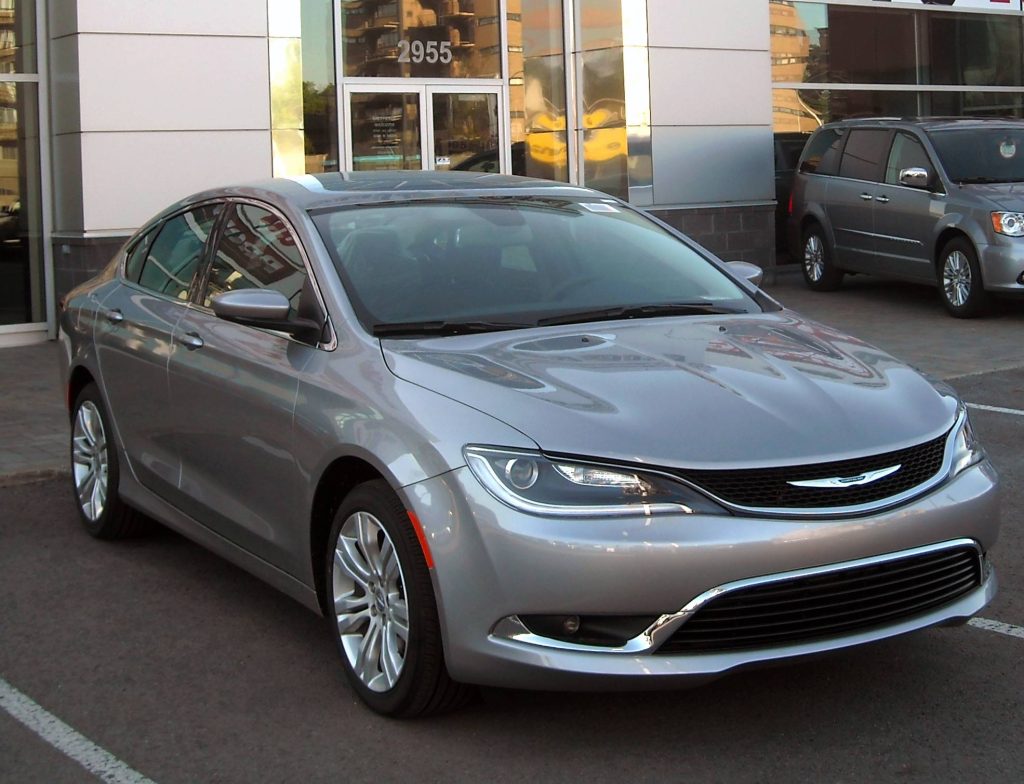
Standard equipment includes a 184-hp 2.4-liter four-cylinder engine paired with a nine-speed automatic transmission and front-wheel drive.
For those wanting more power, a 295-hp 3.6-liter V-6 and all-wheel drive were offered as options. The 200 makes for a pleasant, no-frills sedan that handles daily commutes and typical errands with ease. However, lackluster sales ultimately led to its discontinuation after the 2017 model year.
2. Chevy Spark
The Chevy Spark is one of the cheapest new cars money can buy and you get what you pay for. Its small size might be appealing for city driving, but long-term reliability is questionable at best. Engine performance is underwhelming, and the CVT transmission has had recurring issues.
Worse, crash protection is minimal, which is something you really don’t want to compromise on for a new driver. The Spark is fine for short-term use or as a fleet vehicle, but passing it down to your kid? Not a great plan.
The 2018 Chevrolet Spark is a subcompact hatchback that, given its petite size and modest horsepower, could easily be the butt of a joke.
However, this little Chevy proves its worth in city driving, where its nimble handling allows it to weave through traffic effortlessly. The engine is suitable for urban use — just don’t expect it to deliver anything resembling swift passing performance.
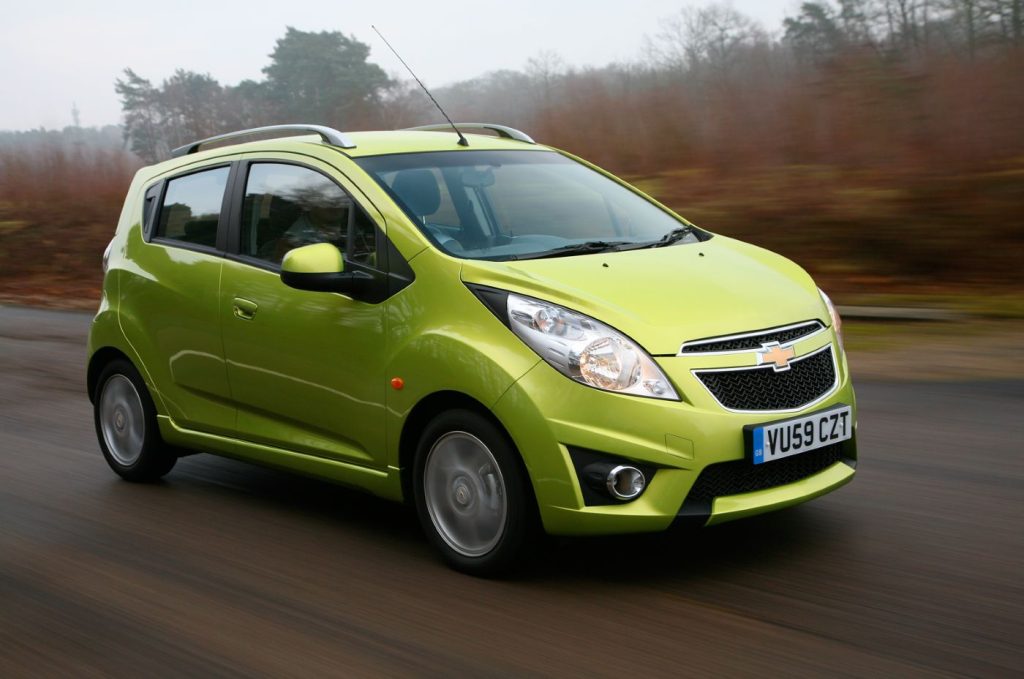
In a car that starts under $14,000, it’s no surprise you don’t get much engine. The Spark is powered by a 1.4-liter four-cylinder producing 98 horsepower, sending power to the front wheels via either a five-speed manual transmission or a continuously variable automatic (CVT).
Thankfully, even when equipped with the CVT, the Spark avoids excessive droning during hard acceleration or cruising at highway speeds.
Acceleration is, at best, modest — but it’s perfectly capable for local errands and day-to-day city driving. Navigating through traffic is easy thanks to the Spark’s quick responses and steady handling.
Its short wheelbase helps it maneuver through tight spots without compromising too much on ride quality. That said, the ride can be bouncy over uneven pavement, and the harshest road impacts are only lightly cushioned.
3. Mini Cooper (Any Year)
The Mini Cooper is fun to look at, fun to drive, and an absolute nightmare to maintain. Known for its quirky design and go-kart-like handling, the Mini quickly loses its charm once the warranty ends.
Turbo failure, oil leaks, and electrical gremlins are all common — and repairs aren’t cheap. You’ll spend more time at the mechanic than on the road. If your kid’s first car is a Mini, be prepared for them to call you often… usually from the side of the road.
The 2011 Mini Cooper proves that driving a fun, energetic car doesn’t have to put you at odds with eco-conscious sensibilities. With its nimble handling, undeniable charm, and a cool factor that’s hard to rival, it’s no wonder the Mini Cooper has sustained such strong popularity over the years.
The fun begins under the hood with a spirited yet fuel-efficient base 1.6-liter engine and ramps up with the sportier turbocharged Cooper S and the more aggressive John Cooper Works variants.
That low curb weight enhances fuel efficiency and keeps the Cooper feeling zippy and responsive in urban settings. Its compact dimensions also make maneuvering and parking incredibly easy.
Inside, the cabin offers impressive room for two adults, and Mini further sweetens the deal with an expansive selection of factory options and dealer-installed add-ons, giving owners plenty of ways to personalize their ride.
That said, the experience isn’t entirely without compromise. The suspension, designed to support the Cooper’s sharp handling, comes at the cost of a stiffer ride that may not appeal to everyone.
“We highly recommend sticking with smaller wheels.” Rear seat space is laughably tight, though those needing more practicality might consider the extended-wheelbase Cooper Clubman (reviewed separately) as a solution.

If these drawbacks seem significant, other compact hatchbacks may offer more comfort and space. Alternatives such as the 2011 Mazda 3/Mazdaspeed 3, 2011 Volvo C30, and 2011 Volkswagen Golf/GTI provide greater interior volume and cargo versatility.
For convertible shoppers, the 2011 BMW 1 Series offers a more refined experience, while the Volkswagen Eos is tuned for comfort. “That said, none of these cars can match the Cooper’s unique blend of personality, performance and frugalness.”
For buyers seeking a small coupe or drop-top with an unmistakable identity, the 2011 Mini Cooper comes highly recommended.The 2011 Mini Cooper is powered by a 1.6-liter four-cylinder engine that produces 121 horsepower and 114 pound-feet of torque.
A six-speed manual transmission with hill-start assist comes standard, while a six-speed automatic is optional. Mini estimates that a manual-equipped Cooper hatchback can accelerate from 0 to 60 mph in 8.4 seconds (9.7 seconds with the automatic).
For those wanting more punch, the Cooper S uses a turbocharged version of the same engine, delivering 181 horsepower and 177 lb-ft of torque, with a temporary boost to 192 lb-ft under full throttle thanks to an overboost function.
Mini estimates the Cooper S can sprint from 0 to 60 mph in 6.6 seconds with the manual and 6.8 seconds with the automatic. Fuel economy for the turbocharged model is rated at 27/36/30 mpg with the manual and 26/34/29 mpg with the automatic.
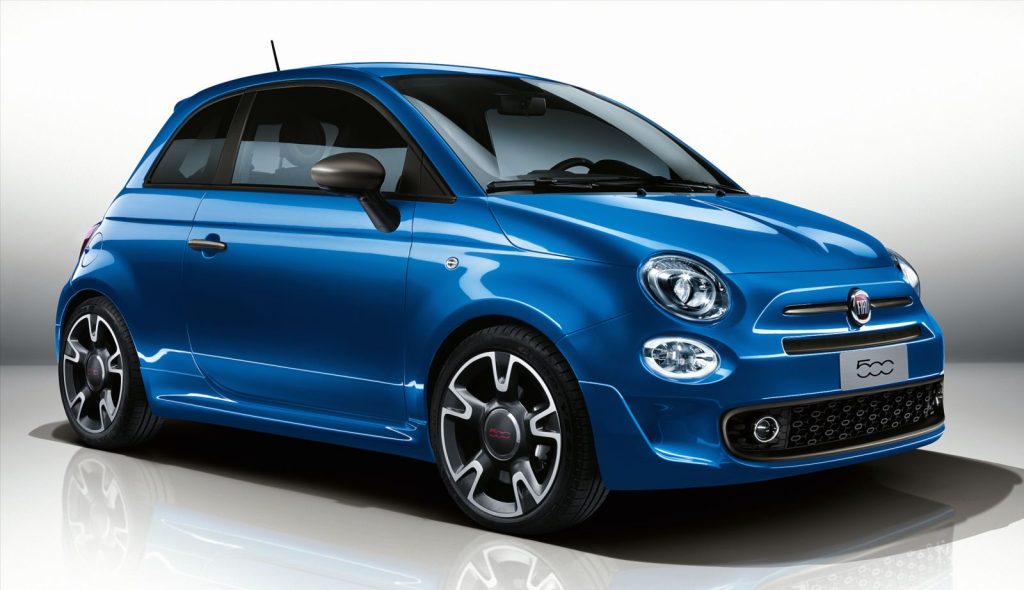
4. Fiat 500
The Fiat 500 was meant to be Fiat’s triumphant return to the U.S. market but it turned out to be a cautionary tale. Despite its charming design, the 500 suffers from poor build quality, unreliable transmissions, and frustrating serviceability.
Parts can be hard to find, and Fiat’s dealer network in the U.S. is basically nonexistent now. If you want to give your kid a car that teaches them character through adversity but if you want them to have a dependable ride, steer clear.
Fiat refers to it as the New 500, though in some circles it goes by 500e, a necessary distinction, given that the Old 500 continues to be sold alongside it. Of course, with several years under its belt now, the so-called New 500 isn’t exactly “new” anymore.
Visually, it still looks like a 500 – but that’s where the similarities end. This latest version shares no components with its predecessor. The New 500 is built on a new platform and features a completely redesigned chassis, body, and interior. Most importantly, it’s entirely electric.
Dimensionally, it’s larger: 61mm longer, 56mm wider, and 29mm taller than the petrol-powered 500. Its more pronounced proportions and clean surfaces give it a fresh edge. Some of the design details are genuinely excellent.
It manages, in our view, to avoid falling into overly cutesy territory. There’s a real confidence in how it’s styled, and it’s especially striking in the vibrant colours now available, thanks to Fiat’s decision to ditch dull paint options altogether.
Even though Fiat had the opportunity to start fresh, it stuck with a front-wheel-drive layout rather than opting for a rear motor and RWD setup, like the recently discontinued Honda e, for instance.
Or even the original Fiat 500. Fiat’s reasoning? Front-wheel drive is what today’s drivers are accustomed to. Still, for those curious, there is a company building electric conversions of the original if that’s more your style.
That same logic extends to how the accelerator responds, it mimics the feel of a petrol engine. Handling dynamics are familiar, too.
Even the location of the charge port is intentional: it sits on the right-rear wing, exactly where you’d fill a petrol tank. The canvas roof on the convertible model follows a similar philosophy to the older version, stretching between fixed metal rails to help maintain structural rigidity.
The electric 500 is offered with two battery options: a 24kWh pack paired with a 94bhp motor offering a claimed 118-mile range, and a 42kWh version matched with a 117bhp motor and a WLTP-rated range of 199 miles.
While Fiat quotes 199 miles for the larger battery and 118 miles for the smaller one, real-world conditions will vary – especially at motorway speeds, where range drops off significantly, as with any EV.
That said, in a realistic blend of city streets, suburban cruising, country lanes, and some motorway travel, the 500 came close to its official figures. The 24kWh version, however, had trouble exceeding 90 miles. For that reason, we wouldn’t suggest the smaller battery variant unless it’s strictly a second vehicle used for short city commutes.
As for charging, the 42kWh model supports up to 85kW rapid charging, meaning you can add around 100 miles in just over 15 minutes. That sounds great, but since most public rapid chargers in the UK top out at 50kW, you might be better off saving some money and charging at that rate.
Incidentally, 50kW is also the maximum charging rate for the 24kWh model. We ran a 500 as a long-term test car in 2021, if you’re interested in deeper insights into what it’s like to live with one.
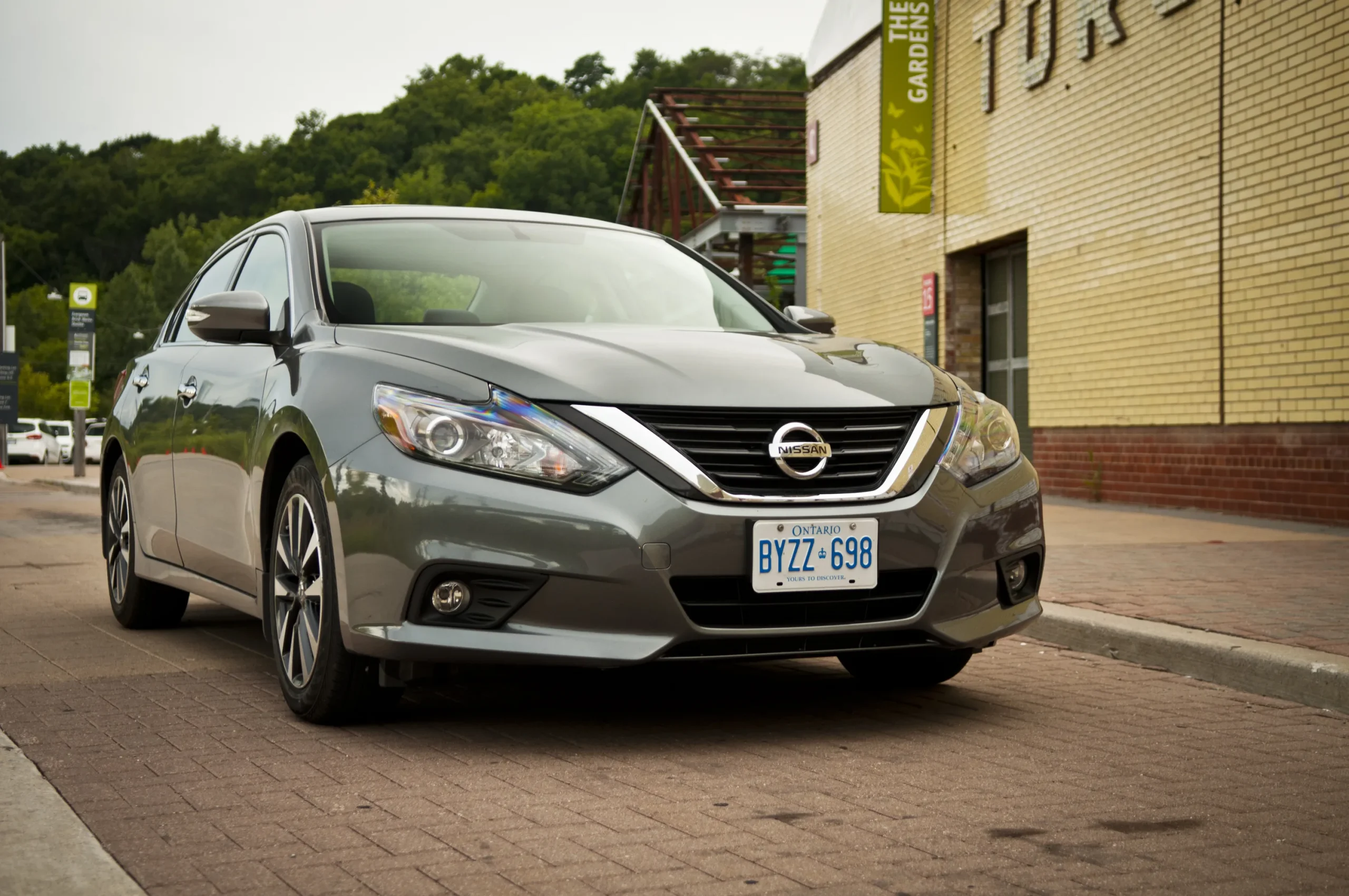
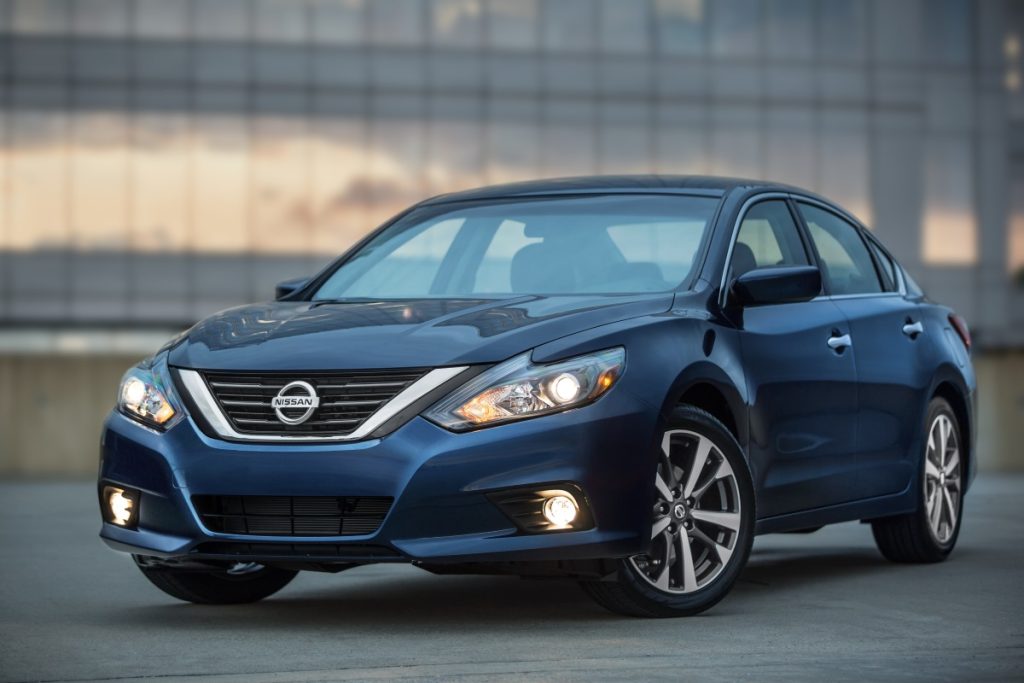
5. Nissan Altima (2013–2018)
The Nissan Altima used to be a solid, middle-of-the-road sedan. But models from the 2013–2018 range are notorious for one thing: failing continuously variable transmissions (CVTs). These CVTs tend to conk out around 80k–120k miles, and the cost of replacement is often more than the car is worth.
Combine that with cheap interior materials and other mechanical issues, and it’s clear this isn’t a car designed for longevity. It may look good on paper. decent fuel economy, modern features but it’s not one you want to hand down unless you enjoy gambling.
The 2016 Nissan Altima’s 2.5-liter four-cylinder engine delivers 182 horsepower and 180 pound-feet of torque. Power is directed to the front wheels via a continuously variable transmission (CVT) that simulates stepped gear changes to create a more traditional automatic-like feel.
In Edmunds testing of a mechanically comparable 2013 Altima 2.5, a 0-to-60-mph time of 7.8 seconds was recorded—impressive and above average for the midsize sedan class.
For those seeking more power, the 3.5-liter V6 engine produces 270 horsepower and 251 pound-feet of torque, delivering 0-to-60 acceleration in just 6.2 seconds.
Fuel economy for the V6 is estimated at 26 mpg combined (22 city/32 highway). These figures, for both engine options, place the Altima among the more fuel-efficient vehicles in its segment.
Every 2016 Altima comes standard with essential safety features including antilock brakes, stability and traction control, front-seat side airbags, and full-length side curtain airbags. A rearview camera becomes standard starting at the 2.5 S trim. Stepping up to the SV and SL trims adds a blind-spot monitor and rear cross-traffic alert.
Forward collision warning and mitigation with automatic braking is reserved exclusively for SL trims. Also available is the NissanConnect Services system, which offers automatic collision notification, emergency assistance, and stolen vehicle tracking.
Previously, the Altima held an edge in handling within the family sedan category, but recent updates from rivals have leveled the playing field. While still competent and predictable in corners, the Altima’s front tires can give up grip sooner than expected, limiting its handling prowess.
The newly introduced SR trim aims to address this with a more athletic setup, though it has yet to be thoroughly evaluated to confirm its potential.
Of course, handling precision isn’t a top concern for most midsize sedan shoppers. For everyday drivers, the Altima delivers a satisfactory experience, even if it doesn’t stand out.
Ride comfort falls slightly short of segment leaders, especially over rougher roads, but it never feels jarring. Much like the car as a whole, the driving experience is competent without being exceptional, it neither excels nor truly disappoints.
Handing down a car to your kid isn’t just a money-saving move, it’s a message. It says, “I trust this car enough to put your safety and future in its hands.” That’s a big deal. So think long-term. Look for vehicles with a history of reliability, low maintenance costs, and safe, predictable performance.
The Toyota Corolla, Honda CR-V, Subaru Outback, these are cars built to survive bad parking jobs, road trips, and everything in between. The others? They’re rolling time bombs. Pass on passing them down.
