
For many American drivers, performance cars represent more than just transportation they symbolize excitement, freedom, and personal expression.
Whether you’re carving up a twisty mountain road or enjoying a spirited highway pull, there’s something uniquely satisfying about a car built for speed and agility.
But there’s a catch: performance cars can be notoriously expensive to buy and maintain. Some manage to deliver an exciting drive without draining your wallet, while others bring more pain than pleasure in the form of constant repairs and high ownership costs.
Performance Cars That Don’t Break the Bank
Here’s a breakdown of five performance cars that are affordable and reliable, and five that, while thrilling, are infamous for frequent breakdowns.
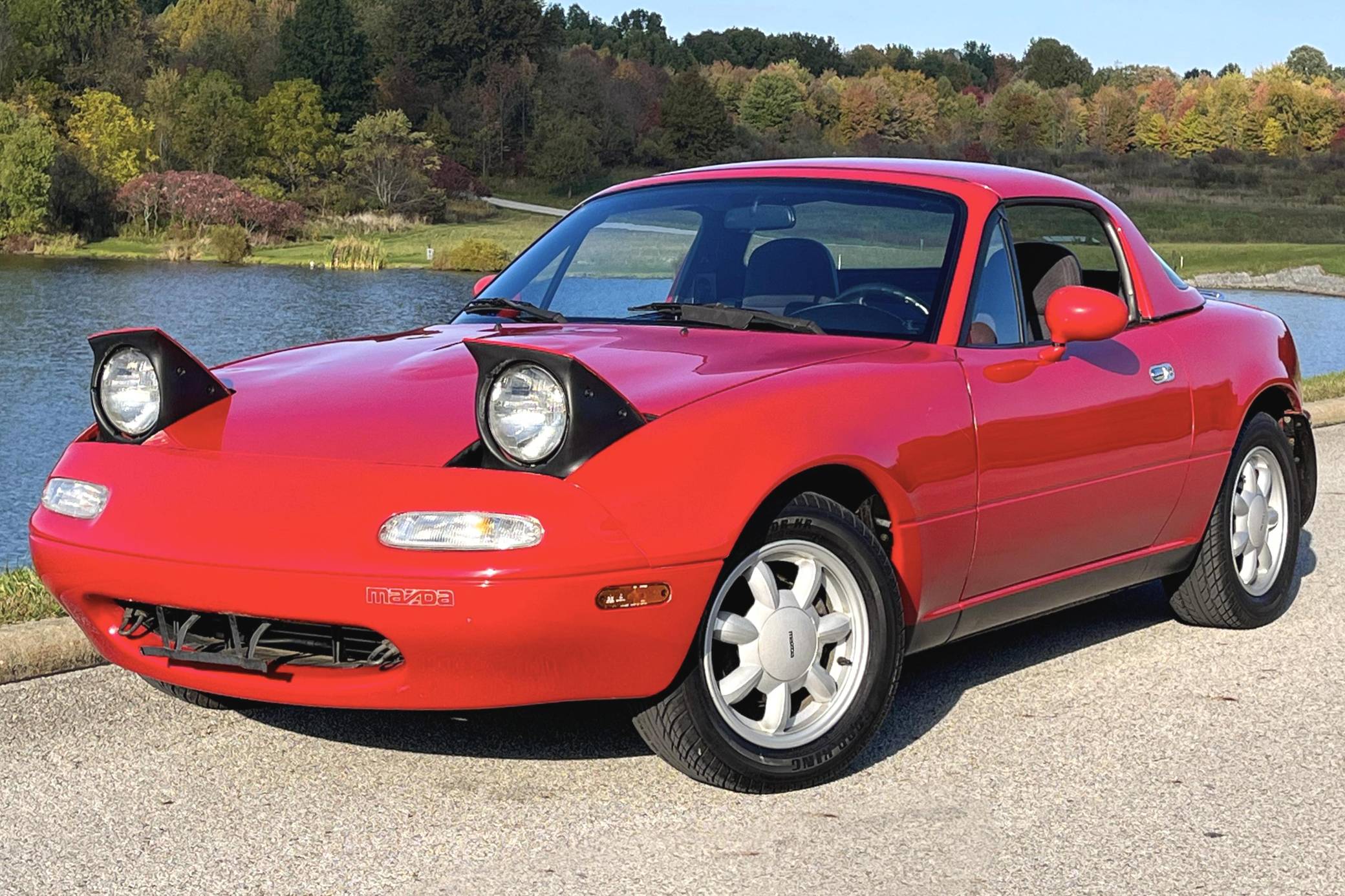
1. Mazda MX-5 Miata
The Mazda MX-5 Miata is a lightweight roadster that proves you don’t need massive horsepower to have fun.
With around 181 horsepower and a starting price under $30,000, the Miata offers razor-sharp handling, excellent fuel efficiency, and a manual gearbox that driving purists love.
Its simple, proven powertrain makes it incredibly reliable, and the low cost of maintenance only adds to its appeal. It’s not just a budget sports car it’s one of the most beloved driver’s cars in America.
The Miata’s high-revving naturally aspirated four-cylinder engine may not boast eye-popping horsepower figures, but it’s lively enough to deliver thrilling acceleration thanks to the car’s lightweight construction.
The manual transmission is direct and easy to shift, encouraging drivers to explore the upper reaches of the tachometer. Even the available automatic transmission is noteworthy, providing quick gear changes and sport-tuned behavior.
Ride quality is firm across the lineup, and the suspension can feel bouncy over a series of rapid bumps. The Club trim, in particular, features the stiffest shocks and springs of the group, but none of the Miata variants deliver a poor ride. Handling is sharp, agile, and genuinely fun.
The steering deserves special praise, it’s light, tactile, and offers excellent feedback, allowing the driver to stay well connected with what the front tires are doing. All in all, this is a car built purely for driving enjoyment.
The Miata scores another win thanks to its light curb weight. With such little mass to move, the 2.0-liter engine delivers impressive EPA fuel-economy ratings, up to 26 mpg in the city and 35 mpg on the highway.
On our 200-mile highway fuel economy test loop, a 2024 RF Club model with the manual transmission returned an even better 36 mpg. The Miata doesn’t just offer a cabin, you wear it.
It’s a snug space built for two, offering only the necessities, though those essentials are tastefully finished. Leather upholstery is available, and a splash of body-color trim along the door tops adds visual flair.
While some may describe the interior as minimalistic, we see it as refreshingly focused. Key driving components, the steering wheel, pedals, shifter, and tachometer—are front and center, just as they should be in a car built for engagement. Storage is limited: there are few cubbies, and the trunk is small.
The removable cupholders can be repositioned throughout the cabin, and while a bulkhead behind the seats prevents storing items back there, there is a small compartment between the seatbacks. If you travel light, the Miata’s trunk can manage a weekend’s worth of gear for two people.
Also Read: 5 Pickups With Best Front-Driving Visibility and 5 With Big Blind Zones
2. Ford Mustang EcoBoost
While the Mustang GT and its roaring V8 get all the headlines, the EcoBoost version of the Ford Mustang is a smart choice for buyers who want speed with fewer expenses.
Starting at around $31,000, the Mustang EcoBoost packs a turbocharged four-cylinder engine producing over 300 horsepower.
It’s fast, fun, and significantly more fuel-efficient than its V8 sibling. Plus, it has a solid reliability record, especially in its more basic trims, making it a dependable performance option.
Ford made us wait for our shot at the 2024 Mustang GT, first handing over a fleet of Mustang EcoBoosts for an afternoon drive with the promise that the GTs would be ours the next morning. We weren’t about to waste the opportunity.
This tight, twisting ribbon of pavement climbs into the San Gabriel Mountains toward Mt. Baldy and is typically dominated by hot hatches and compact sports cars like the Toyota GR86 or Subaru BRZ. It served as the perfect proving ground for the larger, heavier Mustang EcoBoost.
They were plagued by unsettled handling, vague steering, and a tendency to teeter between the front and rear axles. Compared to the now-discontinued four-cylinder Camaro 1LE, they didn’t stand a chance.
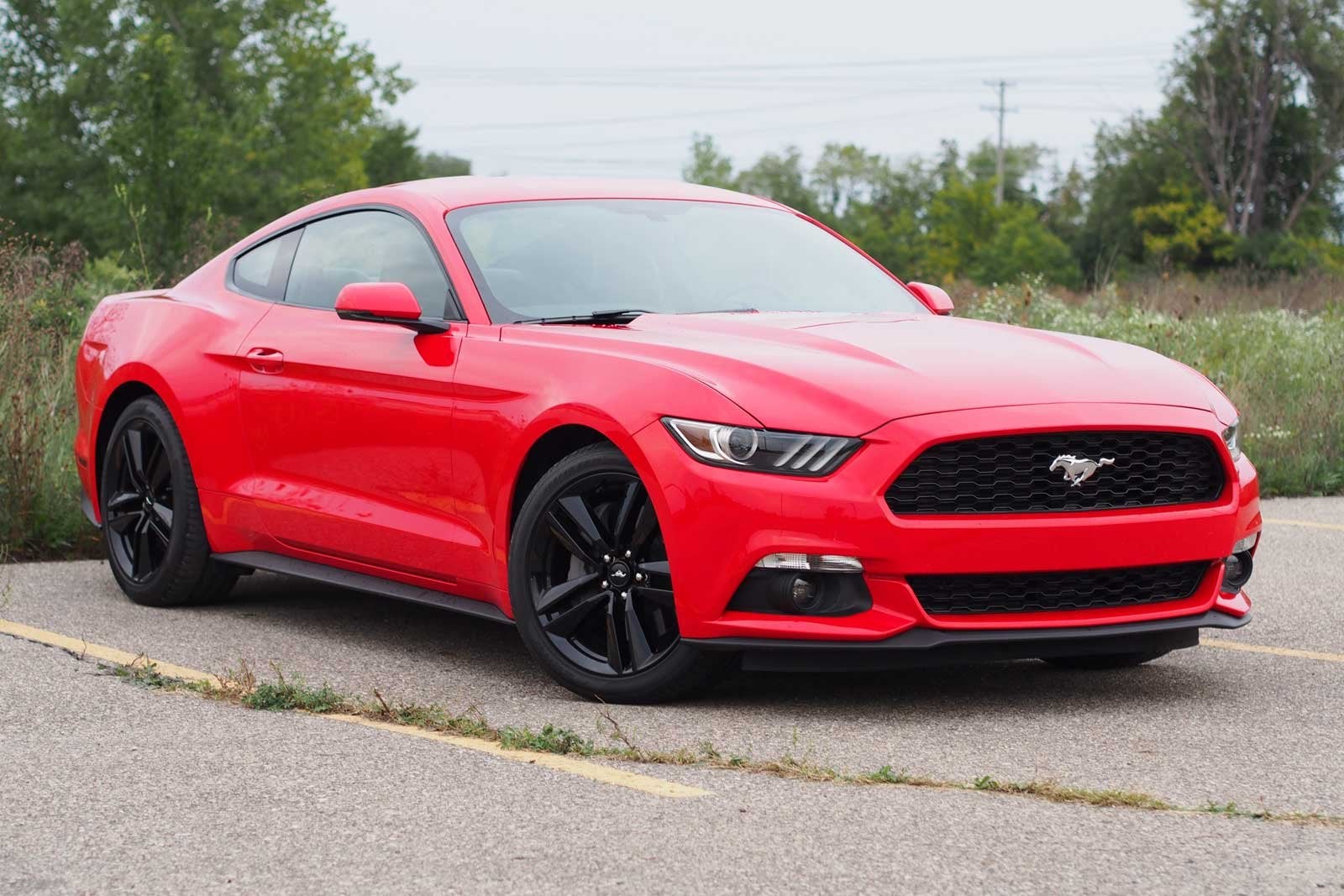
The 2024 Ford Mustang EcoBoost changes that narrative. Even without the optional performance package (we’ll get to that shortly), the improvements in ride quality and handling are immediately noticeable.
As we ascended into the mountains, the steering felt light and precise, gaining weight progressively through each tight bend and narrow passage. Drivers seeking more feedback can adjust the steering via a button on the wheel, toggling between Comfort and Sport settings.
There’s also a Track setting available for a heavier steering feel, though it’s only accessible in Track mode. On its standard steel springs, the EcoBoost rode smoothly, soaking up road imperfections with confidence and composure.
While it doesn’t deliver the kind of explosive speed that’s become common in today’s performance cars, the updated EcoBoost engine still feels strong.
It may not be blazingly fast, but it can easily outpace most V-8-powered Mustangs built before 2010. The fourth-generation EcoBoost unit delivers power earlier in the rev range than its predecessor and sustains it longer, offering more usable thrust throughout.
And thanks to the optional active exhaust system, the 2024 Mustang EcoBoost sounds far better than before. Gone is the old hot-hatch rasp; in its place is a deeper, throatier growl that gives this turbo-four a more muscular presence.
3. Subaru WRX
Known for its rally racing heritage, the Subaru WRX offers turbocharged excitement with the added benefit of standard all-wheel drive.
With about 271 horsepower and a starting price in the low $30,000s, the WRX is a performance sedan that’s practical year-round.
Though older versions had some engine reliability concerns, newer models have improved dramatically.
If you stay on top of scheduled maintenance and avoid excessive modifications, the WRX offers a lot of performance for the money.
Subaru’s 2025 WRX continues to stay true to its winning formula: a sporty compact sedan powered by a turbocharged flat-four engine sending power to all four wheels. This setup isn’t just for show—it’s rooted in the WRX’s rally racing heritage, a motorsport centered on pushing through unpredictable terrain at high speeds.
In such conditions, all-wheel drive becomes essential for maintaining grip on a variety of surfaces, whether it’s gravel, dirt, or pavement.
A compact yet potent turbocharged engine helps deliver the quick acceleration needed when rocketing out of tight corners. For 2025, the WRX adds even more excitement with the introduction of the new tS trim.
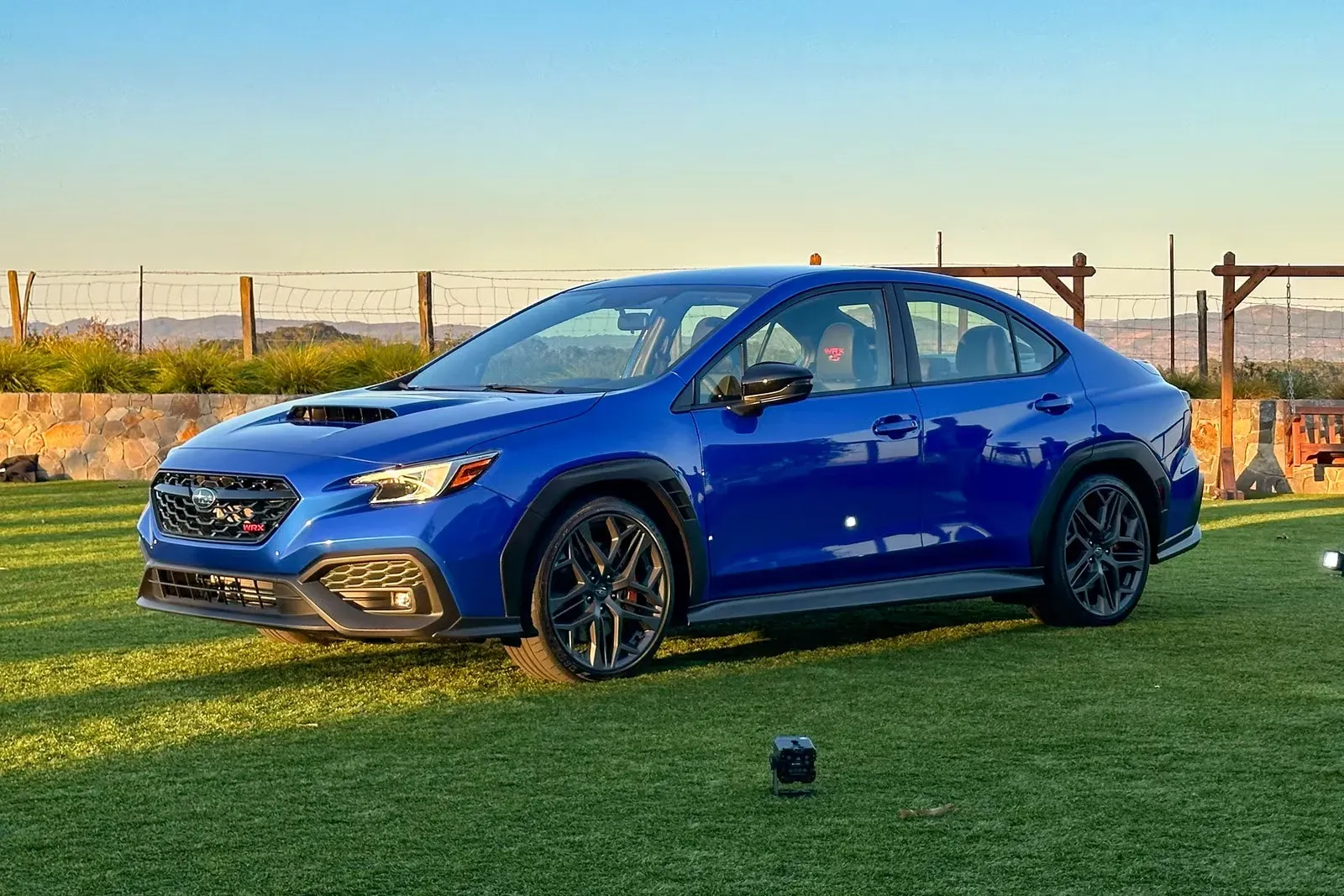
The tS is a new, performance-oriented trim level that replaces last year’s WRX TR. This version benefits from enhancements developed by Subaru Tecnica International (STI), the brand’s motorsport and performance arm.
These include larger Brembo brakes, STI-tuned steering and suspension components, revised throttle mapping, and distinctive styling elements.
For the first time outside the GT trim, the tS also features adaptive suspension dampers, giving it improved ride and handling dynamics. The result is a version of the WRX that feels more composed, responsive, and outright fun to drive—arguably the most refined and engaging model of the current generation.
However, there’s a catch: the price. With a sticker nearing $45,000, the WRX tS finds itself competing against high-performance rivals that can easily outrun it in straight-line speed.
Still, for those who value the WRX’s unique blend of rally-bred character, all-weather capability, and STI influence, the tS makes a compelling case. For a deeper dive, take a look at our 2025 WRX tS First Drive.
4. Honda Civic Si
For decades, the Civic Si has been a staple of the affordable performance car market. Priced at around $29,000 and delivering about 200 horsepower, the Si blends everyday usability with sporty dynamics.
It’s fuel-efficient, fun to drive, and backed by Honda’s reputation for bulletproof reliability. Low maintenance costs and a well-tuned manual transmission make the Civic Si a go-to choice for enthusiasts on a budget.
For 2025, the Honda Civic Si receives the same visual refresh seen across the broader Civic lineup. This includes redesigned front and rear ends, updated taillights, and the addition of a new paint color called Urban Gray Pearl.
Inside the cabin, Honda has made heated front seats standard, along with a fully digital 10.2-inch gauge cluster. The infotainment system, still a 9.0-inch touchscreen, has been upgraded with new software and now runs on a Google-based platform, which supports more apps and expanded connectivity features.
In terms of mechanical improvements, Honda says it has stiffened the Civic Si’s chassis and retuned the suspension for better dynamics. Summer tires are once again available for the 2025 model year, offered as a $300 option.
The starting price for the 2025 Honda Civic Si is $31,400. Choosing a trim is simple, as the Si is sold as a single, well-equipped model. The only decision buyers face is between all-season tires or the available summer tires. For the added grip and sharper handling, we’d go with the summer tires.
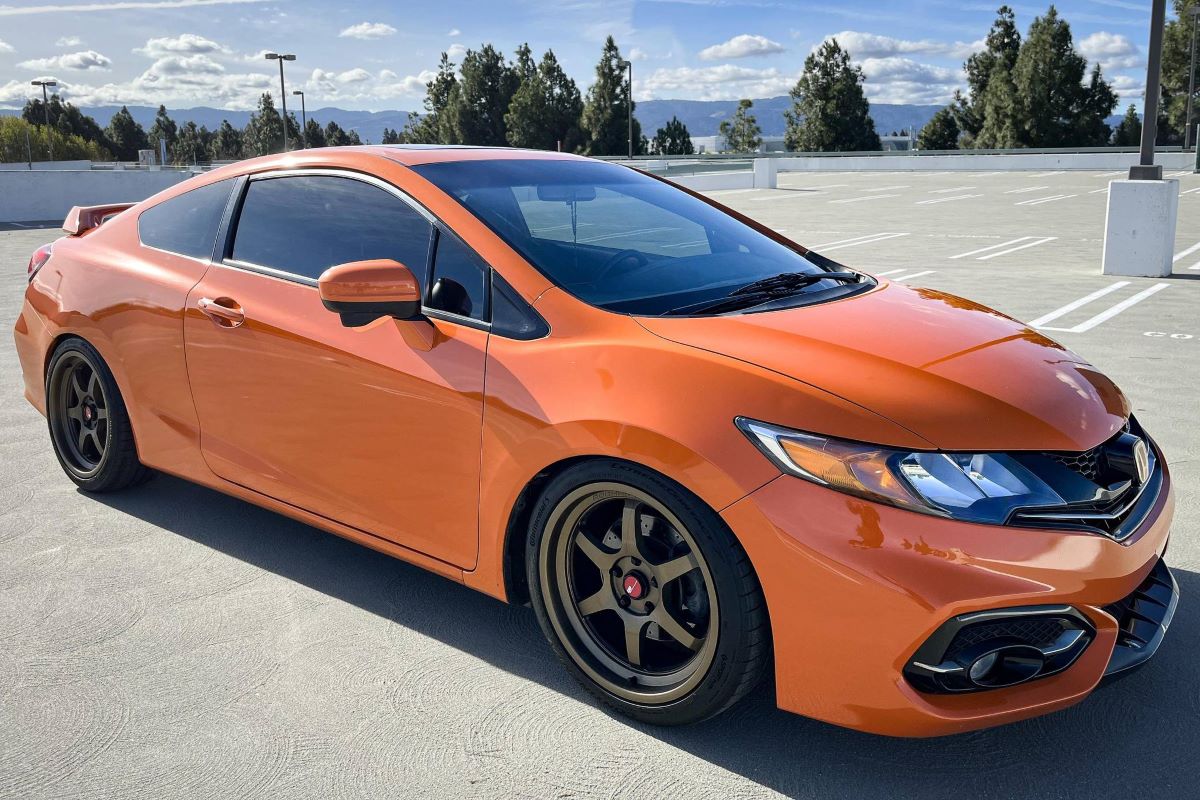
Powering the 2025 Civic Si is a 1.5-liter turbocharged four-cylinder engine that produces 200 horsepower and 192 pound-feet of torque. The engine drives the front wheels exclusively through a six-speed manual transmission, and a limited-slip differential is standard. Honda does not offer an automatic transmission for the Si.
From behind the wheel, the driving experience remains largely unchanged from previous models which is a positive thing. The engine still exhibits a bit of roughness at higher revs, but there’s minimal turbo lag.
The shifter stands out with its short throws and light, precise action. For added driver convenience, the manual now includes a rev-matching function that can be turned on or off depending on preference, making heel-and-toe downshifting optional.
Compared with the standard Civic, the Si comes with larger brake rotors and a firmer suspension setup. While adaptive dampers are no longer included, the standard suspension delivers a confident and composed ride that feels sporty without being overly harsh.
Also Read: Top 12 Cars That Run Like New Even After 15 Years With Minimal Maintenance
5. Hyundai Elantra N
Hyundai’s N division surprised everyone with how competent their performance models are, and the Elantra N is a standout example.
With nearly 280 horsepower and a starting price near $33,000, it delivers serious track-capable performance for the price. Even better, it comes with Hyundai’s 10-year/100,000-mile powertrain warranty.
It’s not just fast and fun it’s also one of the most confidence-inspiring new performance cars in terms of long-term ownership.
In today’s new-car market, affordability and high performance often seem like opposing forces but the 2025 Hyundai Elantra N proves they don’t have to be. This model successfully merges both qualities in a package that remains reasonably practical while delivering an exhilarating driving experience.
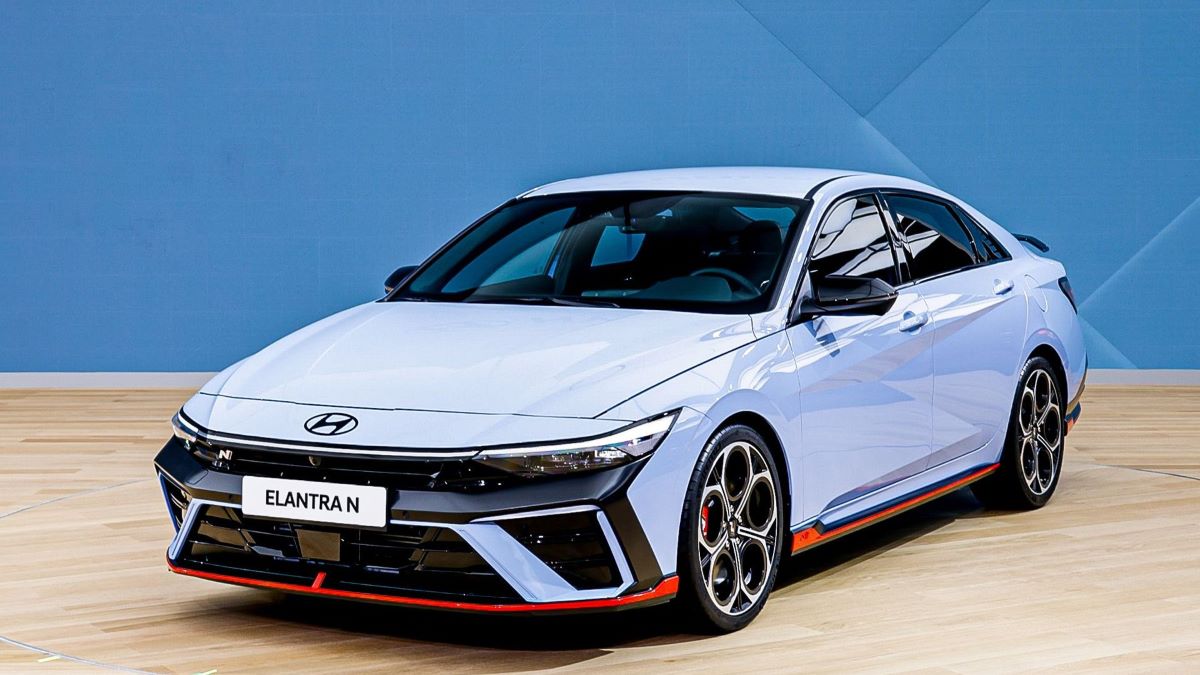
As the performance version of the standard Elantra compact sedan, the Elantra N keeps the same general layout: a relatively roomy interior that seats five.
However, it turns things up a notch with a 276-horsepower turbocharged engine, a sport-tuned adaptive suspension, an electronic limited-slip differential, summer performance tires, and your choice between a six-speed manual transmission or an optional eight-speed dual-clutch automatic.
Backing up its serious hardware is a suite of advanced performance-oriented software. “N mode launch control” is tailored for track use, managing engine torque and minimizing wheelspin for better acceleration from a standstill.
“N electronic stability control” allows some controlled rear-end slide in corners, while “torque steer control” manages torque between the front wheels to reduce steering tug during hard acceleration.
The “N Grin Shift,” or NGS, exclusive to models equipped with the dual-clutch transmission, temporarily raises output to 286 horsepower and sharpens transmission response. This boost lasts for 20 seconds, followed by a 40-second cooldown period.
Performance Cars That Constantly Break
While performance cars promise power, precision, and pulse-pounding excitement, some of them are notorious for spending more time in the shop than on the road.
In this article, we’re pulling back the curtain on the high-performance machines that constantly break, exposing the common failures, costly repairs, and the truth behind the badge.
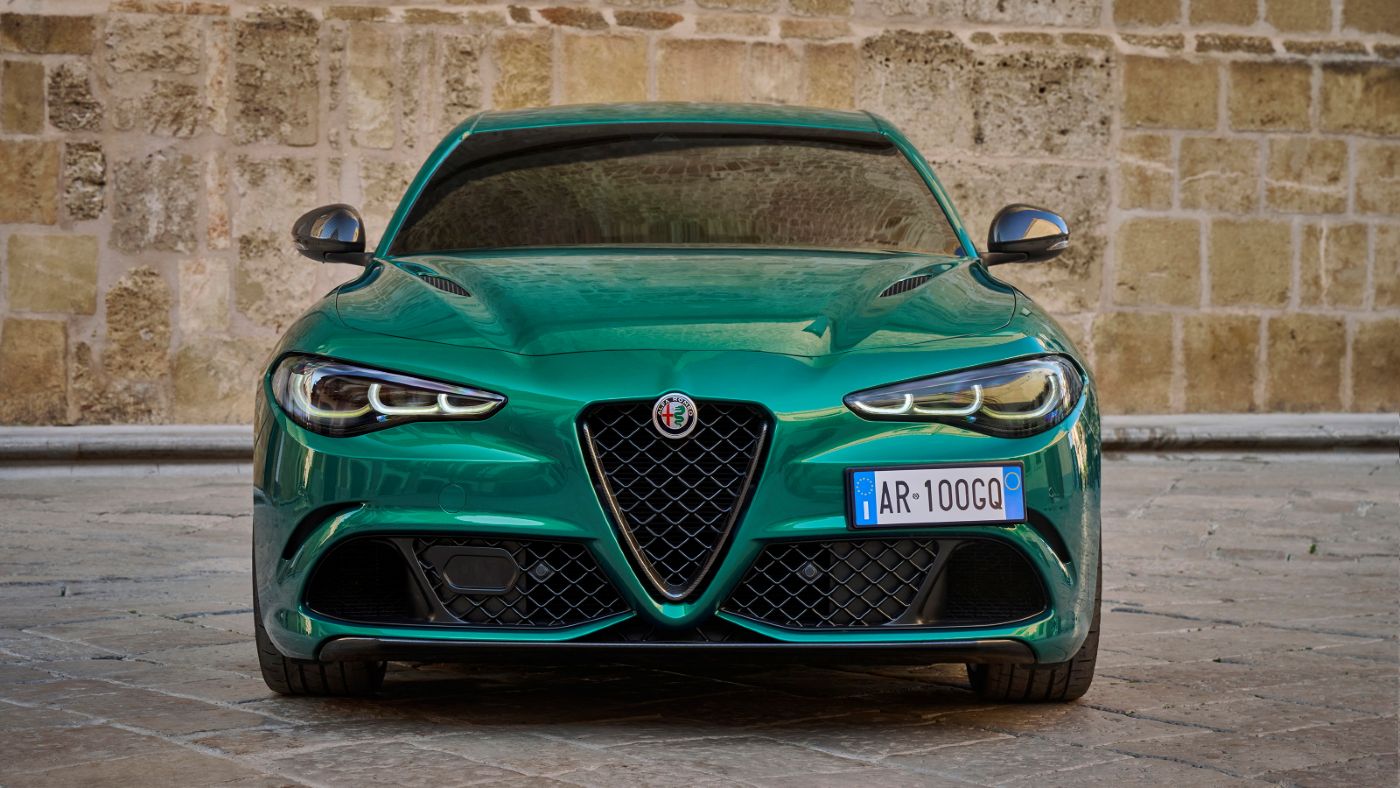
1. Alfa Romeo Giulia Quadrifoglio
The Alfa Romeo Giulia Quadrifoglio is breathtakingly fast and undeniably beautiful. With 505 horsepower and Italian design flair, it’s a car that commands attention. Unfortunately, it’s also plagued with reliability problems.
Owners have reported everything from electrical system failures to drivetrain issues and infotainment bugs.
Add to that the scarcity of Alfa dealerships and expensive parts, and you have a car that spends far too much time off the road and in the shop.
To honor a century of the Quadrifoglio—the iconic four-leaf clover badge that marks Alfa Romeo’s high-performance vehicles, the brand has introduced a special edition: the 100th Anniversario.
Limited to just 100 units, this version of the Giulia Quadrifoglio features gold-painted brake calipers, exclusive wheels, carbon fiber mirror caps and grille, gold interior stitching across the seats and dashboard, and commemorative badging both inside and out.
Also Read: 10 Most Anticipated Supercars of the Next Decade
Aside from that, the Giulia Quadrifoglio receives the same updates found on the standard non-QF Giulia, including redesigned LED headlights and taillights and a new 12.3-inch digital gauge cluster.
Unfortunately, 2024 will also mark the end of the Giulia Quadrifoglio’s run in North America. Production is slated to end in June 2024, so if you’re looking to own one, now’s the time to move.
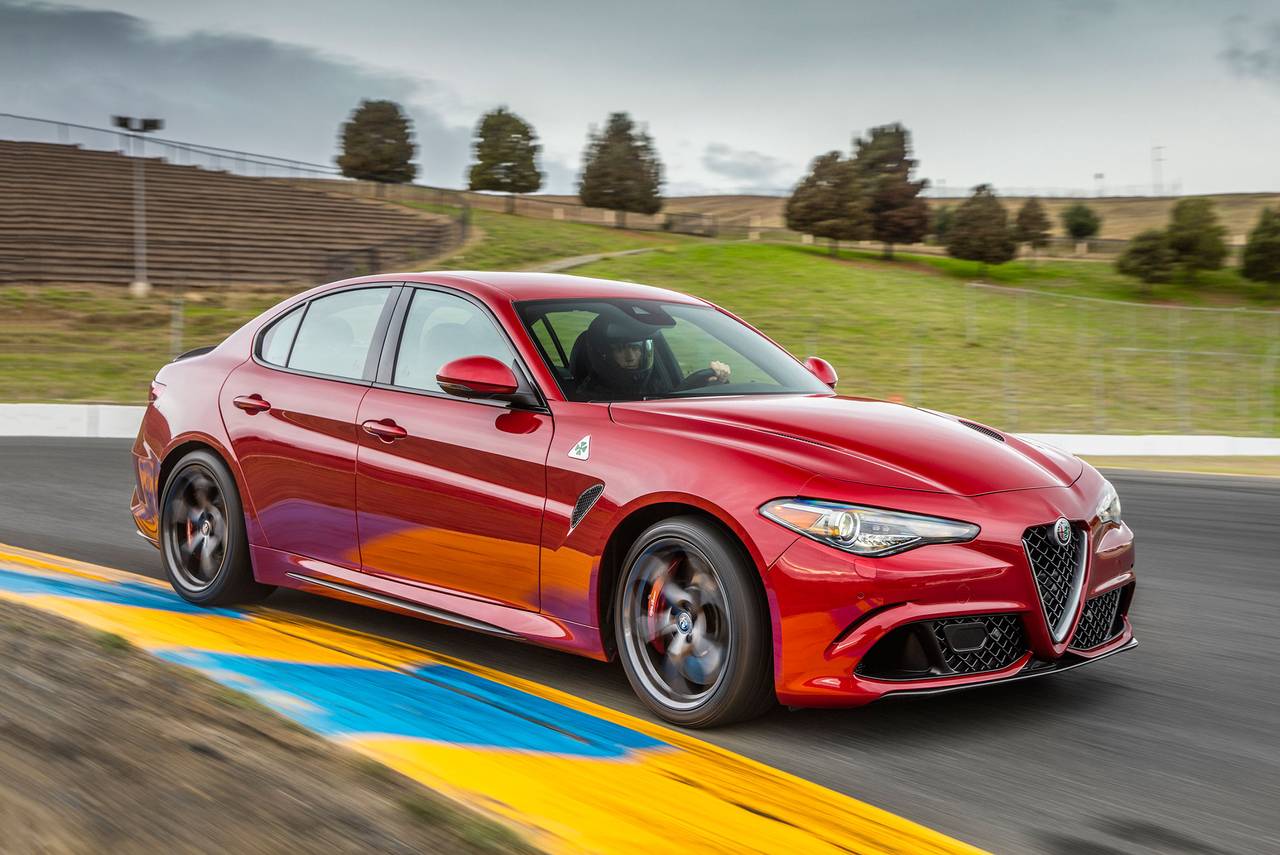
The 2024 Alfa Romeo Giulia Quadrifoglio comes with a starting price of $81,855, going up to $89,025 depending on the selected trim and optional features.
The Giulia Quadrifoglio’s twin-turbocharged 2.9-liter V-6, paired with a precisely tuned eight-speed automatic transmission, delivers a truly thrilling rear-wheel-drive experience.
This Ferrari-derived Italian engine cranks out 505 horsepower and 443 pound-feet of torque, accompanied by an engine note that’s arguably more emotive than any of its segment rivals. It’s just a shame there’s no manual transmission option.
Sadly, the stereotype about Alfa Romeo reliability issues holds true, our long-term test vehicle suffered from various mechanical issues. When cruising in top gear at low revs, the engine stays composed.
Give it throttle below 3000 rpm and there’s a momentary pause, but the turbos quickly kick in, launching the car forward with urgency and a fierce exhaust note.
The eight-speed transmission feels sharp and eager in performance modes, and the chassis offers remarkable composure whether you’re tearing up a track or cruising on broken pavement. Despite its aggressive tuning, the ride remains composed and comfortable, even in sportier settings.
One of the standout features remains the steering: thin-rimmed, retro-inspired, and wonderfully communicative. It offers feather-light effort, fast response, and all the feedback you’d expect from a car built for drivers who actually want to feel the road.
2. BMW M5 (F10 Generation)
The F10-generation BMW M5, produced from 2011 to 2016, is a used performance bargain on paper, often priced between $30,000 and $45,000.
With a twin-turbo V8 pushing out 560 horsepower, it’s a beast on the road. However, that performance comes at a steep cost.
The F10 is known for turbocharger failures, complicated electronics, and frequent transmission problems.
Maintenance and repair costs can skyrocket once it’s out of warranty, making it a risky choice for budget-minded enthusiasts.
Since its European debut in 1972, BMW’s 5-Series has defined what a mid-size sport sedan should be. The original model, known as the E12, featured a body designed through a collaboration between two automotive design legends:
Paul Bracq, the Frenchman who previously crafted elegant Mercedes models like the W113 “Pagoda” SL roadster before joining BMW, and Marcello Gandini, the Italian mastermind responsible for radical icons like the Lamborghini Miura and Countach.
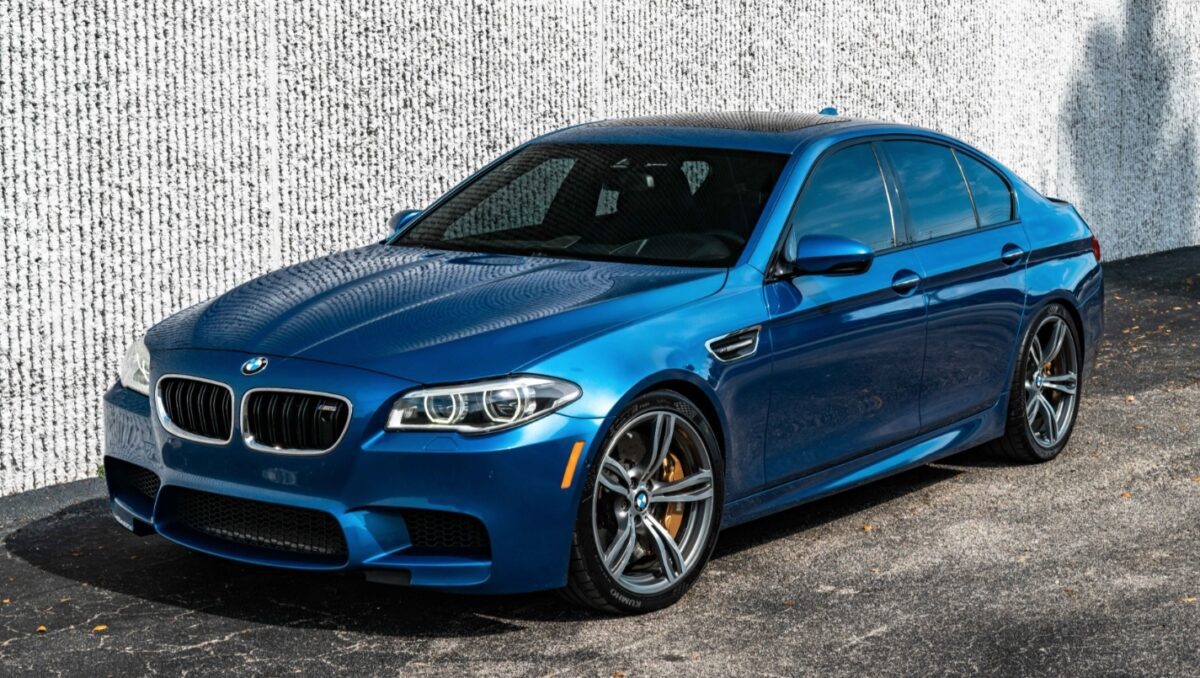
The result was a car that immediately raised the bar for sport sedans and ever since, the 5-Series, even in its standard, non-M form, has maintained a loyal following.
The “M” designation originated from BMW Motorsport, the division responsible for racing, developing competition engines, and generally building wild, no-compromise machines. Today, the M badge is everywhere, on everything from compact 2-Series coupes to oversized SUVs. But back then, M genuinely stood for Motorsport.
During the early 1980s, the Motorsport division was turning out outrageous machines, including a turbocharged four-cylinder engine said to produce over 1200 horsepower in qualifying trim for the 1983 Brabham BT52 Formula 1 car. They also built the legendary 3.0 CSL, based on the wide-shouldered E9 coupe.
The first M cars offered to the public were closely linked to BMW’s racing ambitions or used components derived directly from motorsport.
In 1985, the division launched its first M-branded sedan in Europe, based on the second-generation 5-Series. This was the E28 M5, which featured a version of the 3.5-liter inline-six found in the M1 supercar—originally built to meet FIA Group 5 racing regulations.
3. Jaguar F-Type (Early Models)
The Jaguar F-Type oozes charisma, with a throaty exhaust note and head-turning design. Available with up to 575 horsepower in its supercharged V8 form, it delivers drama in spades.
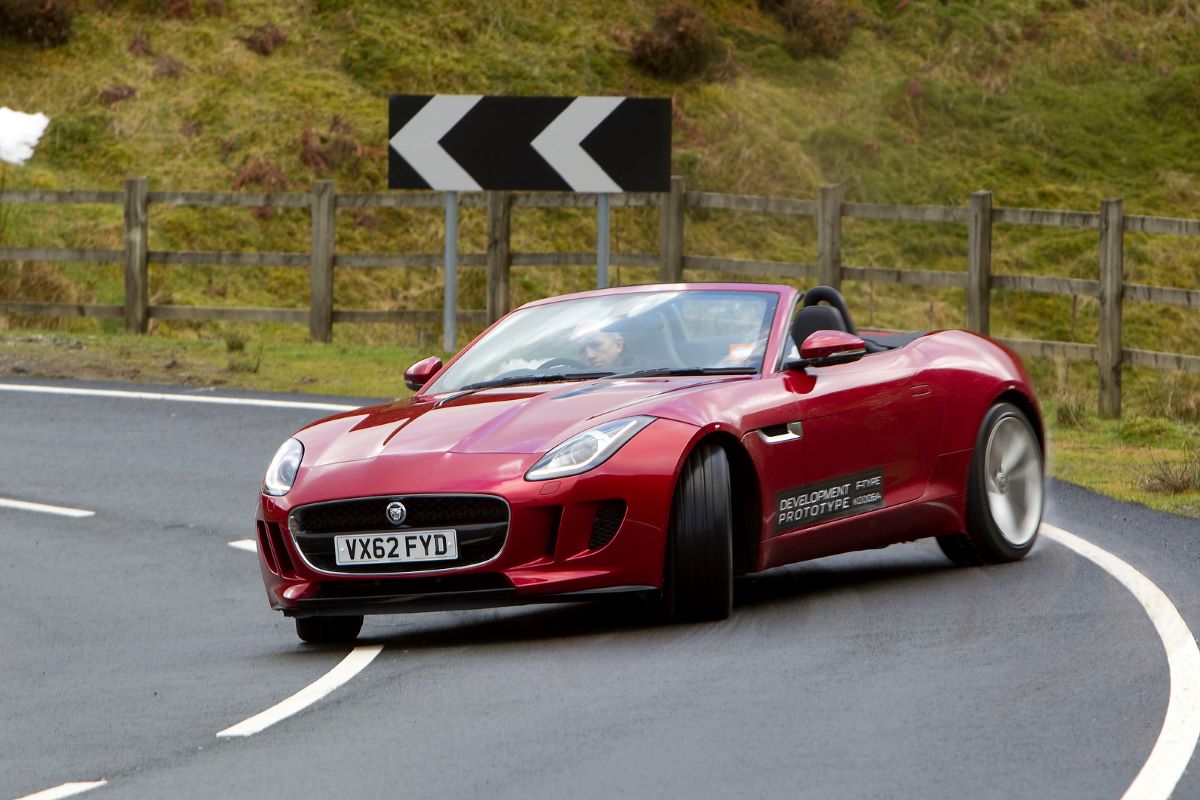
But early models were beset by reliability issues. Common complaints include electrical gremlins, suspension faults, and transmission hiccups.
The first generation of the Jaguar F-Type made its public debut at the 2013 Paris Motor Show. Initially launched as a convertible, it wasn’t long before a coupe version was added to the lineup.
Throughout its production run, the model saw a variety of versions, including the Base Model, S, R, SVR, and the limited-run Project 7. Production of the first-generation F-Type concluded in 2020, marking the transition to the Second Generation Jaguar F-Type.
While newer versions have improved, the older models can be a financial black hole for the unprepared.
4. Maserati Ghibli
The Maserati Ghibli was marketed as an affordable entry point into Italian luxury and performance, but many owners soon discovered the downsides.
Despite a seductive engine note and sporty handling, the Ghibli is plagued by reliability issues ranging from failing electronics to turbo problems and rapid brake wear.
It’s stylish and rare, but maintenance is expensive and parts are not always readily available, especially outside of large metro areas.
The V-8–powered Ghibli is nearing the end of its run, and to mark the occasion, Maserati is introducing a special Trofeo 334 Ultima trim, distinguished by exclusive styling cues that set it apart from its V-6–equipped counterparts.
The V-6 version continues in the Modena trim, which for 2024 receives updated 21-inch wheels, red-painted brake calipers, sport seats with red stitching, and an array of standard features including ventilated front seats, a Harman/Kardon sound system, and black leather upholstery.
Although the Ghibli name may return at some point, it doesn’t appear to be part of Maserati’s current brand revitalization strategy, which includes the MC20 supercar, a new-generation GranTurismo coupe, and the Grecale SUV.
If that starting price feels steep, it’s because it is. Most mid-size luxury sedans begin around the $55,000 mark, climbing higher as you move up the range. But those competitors often start with turbocharged four-cylinder engines before graduating to V-6 power.
The Ghibli skips the entry-level four-cylinder entirely, offering a twin-turbo V-6 as standard. While we appreciate the appeal of Maserati’s thunderous twin-turbo V-8, our pick would be the Modena Ultima; its 424 horsepower is more than sufficient for a sedan of this size.
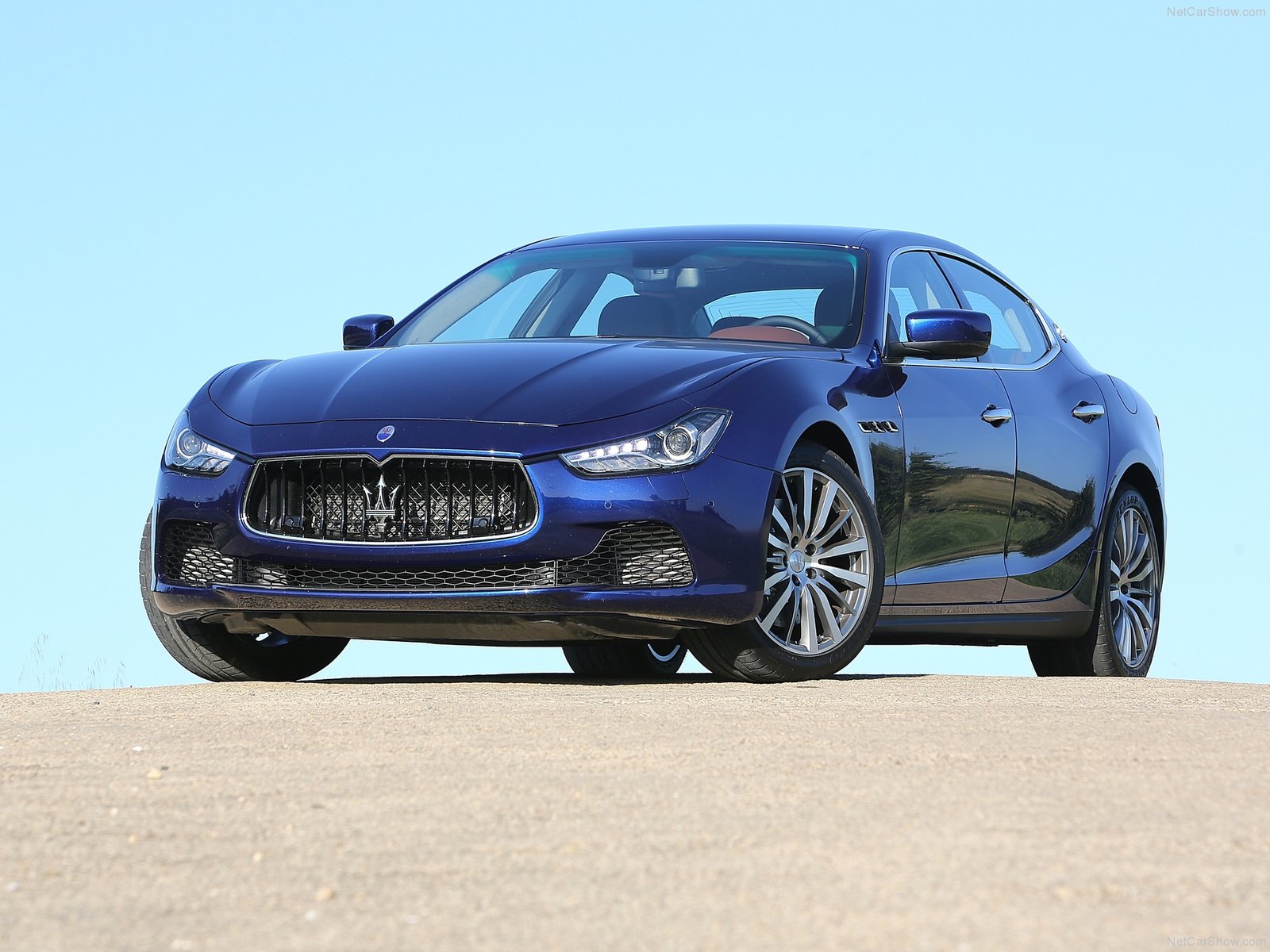
The Modena trim is the gateway into the Ghibli lineup for 2024, powered by a twin-turbocharged V-6 that produces 424 horsepower.
Opting for the top-tier Trofeo 334 Ultima gets you a twin-turbocharged 3.8-liter V-8 that cranks out 572 horsepower. The Trofeo is rear-wheel-drive only, while the Modena comes with all-wheel drive (known as Q4 in Maserati’s terminology) as standard.
Both variants use an eight-speed automatic transmission. When we tested a V-6 Ghibli back in 2014, we were taken in by the exotic note of its exhaust. At the time, it posted a 0–60 mph sprint of 4.7 seconds—quick then, though now even a non-AMG Mercedes-Benz E-Class can beat that time.
The V-8–powered Trofeo delivers considerably more punch, and we estimate it’s capable of hitting 60 mph in just 3.7 seconds. On the road, the Ghibli feels lively and engaging, yet it retains the level of refinement needed to hold its own among today’s top-tier luxury sport sedans.
5. Mini Cooper S / John Cooper Works
Mini Coopers are loved for their go-kart-like handling and funky styling, but when it comes to long-term reliability, the performance-oriented S and JCW trims fall short.
Common issues include coolant leaks, timing chain tensioner failures, and clutch problems.
Though they may be a blast to drive, repair costs can add up quickly, and maintenance complexity often requires specialist attention, making them more trouble than they’re worth for many buyers.
There’s nothing quite like owning a car that gets your pulse racing every time you turn the key. But before you dive headfirst into the performance car world, it’s important to look past the horsepower and 0–60 times.
Take the Mini Cooper’s trademark compact footprint, upbeat personality, and go-kart-like driving dynamics, enhance it with a more aggressive engine calibration, a suspension dialed in for tighter handling, and unique styling details inside and out, and what you get is the Mini Cooper JCW.
For 2025, the Mini Cooper JCW (short for John Cooper Works) has been updated and continues to be powered by a 2.0-liter turbocharged four-cylinder engine mated to a seven-speed dual-clutch automatic transmission.
Available in both two-door hardtop and convertible configurations, the Mini Cooper JCW has always prioritized driver enjoyment and a playful experience over practicality. The 2025 model sticks closely to that formula, remaining every bit as fun to drive and retaining the firm ride you’d expect.
Of course, comfort concerns fade fast when you’re carving through corners on a smooth road with blue skies above. Just don’t forget that the back seats are more suited for storing picnic baskets or blankets than accommodating actual passengers.
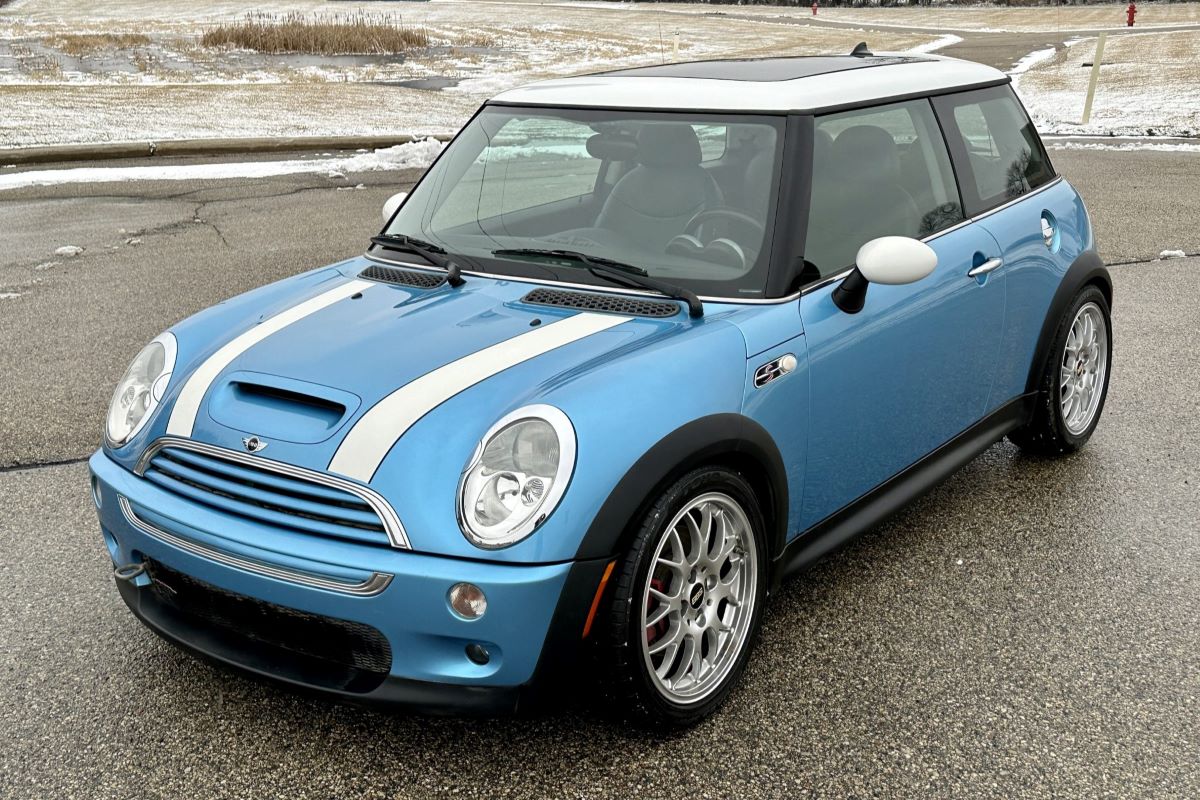
The 2025 Mini Cooper JCW ranks eighth in the Best Sport Compact Cars segment, trailing competitors such as the Honda Civic Type R, Honda Civic Si, Toyota GR Corolla, Hyundai Elantra N, and Volkswagen Golf GTI. Pricing for the Mini starts at $39,375 and climbs to $44,875 depending on body style and options.
Choosing between the two configurations isn’t easy: the hardtop channels the spirit of the original Minis that were tuned by John Cooper for rally competition in the 1960s, while the convertible adds extra fun in the sun. Either way, practicality isn’t this car’s strong suit—so you might as well enjoy every sunny mile.
New for 2025 is a notable bump in torque, now rated at 280 pound-feet versus the previous 236. The infotainment system also gets an upgrade via a new 9.4-inch central screen, and navigation has been enhanced to include 3D visualization and augmented reality, which Mini says provides a more streamlined user experience.
The JCW’s turbocharged 2.0-liter inline-four still produces 228 horsepower and is exclusively paired with a seven-speed dual-clutch automatic transmission.
Although the manual option is gone, the added torque softens that blow. In comparison to the standard Mini Cooper, the JCW includes serious performance gear like larger Brembo brakes, a more aggressive suspension setup, and an electronically controlled front differential.
The newly added Go-Kart mode changes the digital display to show performance metrics such as torque, power, and lateral grip, reinforcing the car’s performance-first personality.
Fuel economy for the JCW is rated at 27 mpg in the city and 37 mpg on the highway, which is notably lower than the standard Cooper and Cooper S, both of which achieve 28 mpg city and 39 mpg highway. We haven’t run the new JCW through our real-world 75-mph fuel economy test yet, but when we do, we’ll include the results.
Inside, the 2025 JCW boasts high-quality materials with the signature red-and-black color scheme. A knitted texture on the dashboard nods to the brand’s performance roots. However, like previous models, the new JCW ranks low in practicality. Rear-seat legroom is minimal, making the back seats more symbolic than functional.
Cargo space in the hardtop remains limited, with the previous model offering just nine cubic feet behind the rear seats and 34 with them folded. The convertible offers even less. In both versions, form and fun take clear precedence over utility.
Some cars manage to deliver affordable thrills and dependable performance, while others are deceptively expensive in the long run.
If you want the excitement without the financial stress, stick with trusted models like the Mazda MX-5 Miata or Honda Civic Si.
If your heart is set on something flashier like a Giulia or an F-Type, just be sure your wallet is ready for the ride.
