Electric vehicles (EVs) have become more than just an eco-friendly alternative, they’re now packed with advanced driver-assistance systems (ADAS) and safety technologies that aim to make driving safer, smoother, and more intelligent.
From automated emergency braking to lane-keeping assist, these systems often serve as selling points for tech-savvy buyers. However, while some EVs consistently deliver with precise, reliable, and user-friendly safety features, others tend to falter with inconsistent performance, software bugs, and even outright system failures.
For car shoppers who value peace of mind and expect their vehicle’s brain to back them up during unpredictable road conditions, it’s crucial to know which EVs truly live up to their safety promises.
Some brands like Tesla, Hyundai, and Volvo have refined their tech stacks to offer remarkably dependable safety aids that drivers trust. Meanwhile, others, despite strong performance or range figures, fall short in terms of digital reliability especially where critical safety software is concerned.
This blog will explore ten EVs, five with safety systems that owners and testers consistently praise, and five whose tech has left drivers frustrated, confused, or even endangered. We’ll look at real-world user feedback, performance reviews, and recall history to give you an informed look into how these systems perform beyond flashy marketing claims.
5 EVs with Reliable Safety Aids
Some EVs have truly nailed the integration of driver assistance systems, offering features that are not only advanced but incredibly reliable. These vehicles utilize sensors, cameras, and radar in perfect harmony with strong software execution, creating systems that respond swiftly and predictably in critical moments.
Brands like Hyundai, Ford, and Volvo have made it a priority to fine-tune ADAS technology to meet real-world demands.
These EVs inspire confidence, especially for families and commuters who rely on lane-keeping, adaptive cruise control, or emergency braking to work without a hitch, every time. Here’s a look at five EVs where safety aids are rock solid.
ALSO READ: 5 Cars That Always Pass the Smog Test and 5 That Never Do Without Work
1. Hyundai Ioniq 5
The Hyundai Ioniq 5 is a standout when it comes to combining futuristic design with cutting-edge safety technology that actually works as advertised.
Hyundai’s SmartSense suite is the backbone of the Ioniq 5’s safety features, offering high-performing tools like Forward Collision-Avoidance Assist (FCA), Lane Following Assist (LFA), Blind-Spot Collision-Avoidance Assist, and Highway Driving Assist (HDA). What sets the Ioniq 5 apart is how seamlessly these features operate in unison.
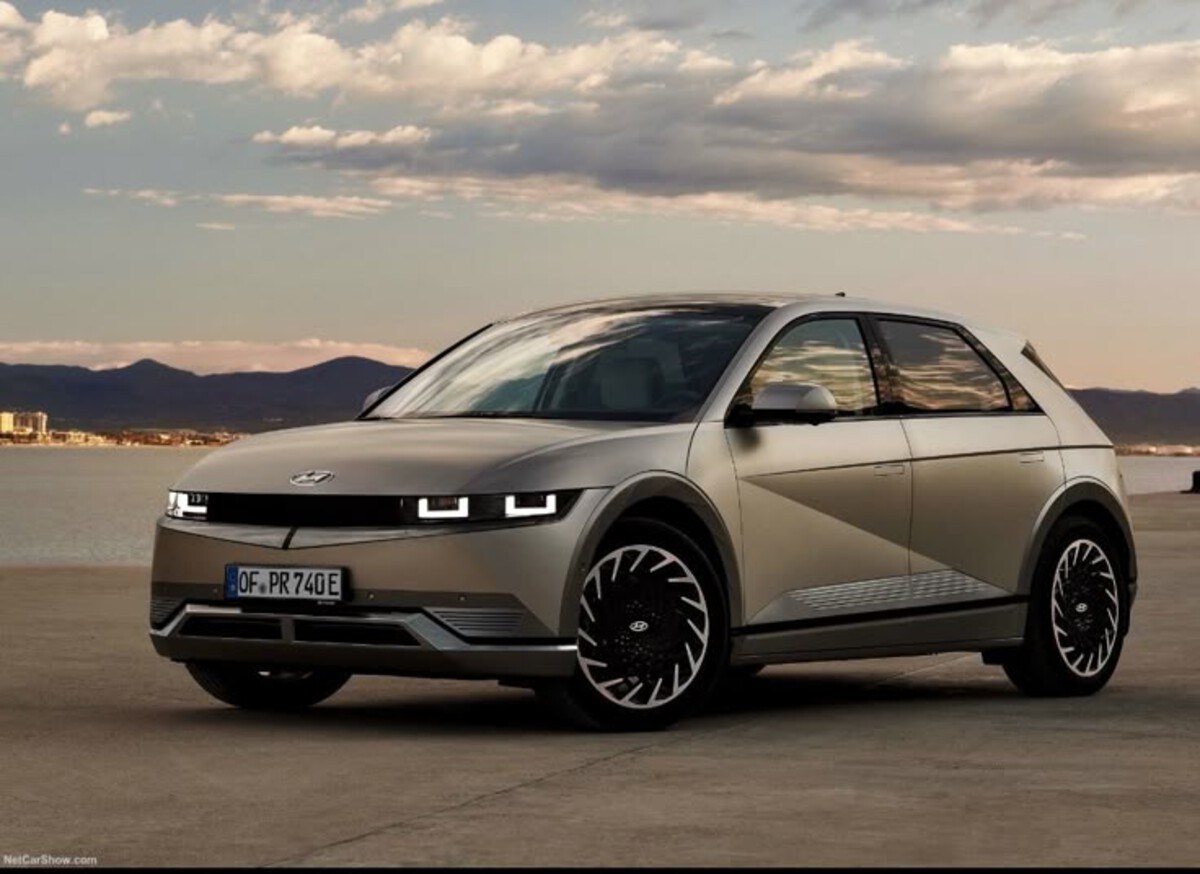
Highway Driving Assist, for example, combines adaptive cruise control with lane centering to keep the car cruising safely even during turns or heavy traffic conditions.
The sensors detect changes instantly and the response is fluid, not jerky or delayed like in some rivals. Blind-Spot View Monitor displays a real-time camera feed in the gauge cluster, giving the driver extra confidence while changing lanes.
Unlike some rivals, Hyundai’s safety aids don’t overwhelm or misfire. Owners report minimal false positives and appreciate the clarity of system alerts. Testers from IIHS and Euro NCAP also praise its overall safety performance, and the Ioniq 5 has consistently scored top marks in both active and passive safety categories.
What’s more impressive is how intuitive the interface is. You’re not left guessing what’s on or off, everything is clearly labeled and easy to adjust. In the growing world of electric cars, the Hyundai Ioniq 5 sets the gold standard for reliable safety aids that aren’t just smart, they’re confidence-boosting.
2. Volvo XC40 Recharge
Volvo’s reputation for safety carries through in its all-electric XC40 Recharge, which offers one of the most robust and well-executed driver assistance systems in the EV world.
Known for its Scandinavian engineering precision, Volvo’s Pilot Assist and City Safety features work seamlessly, enhancing driver confidence in both urban and highway environments.
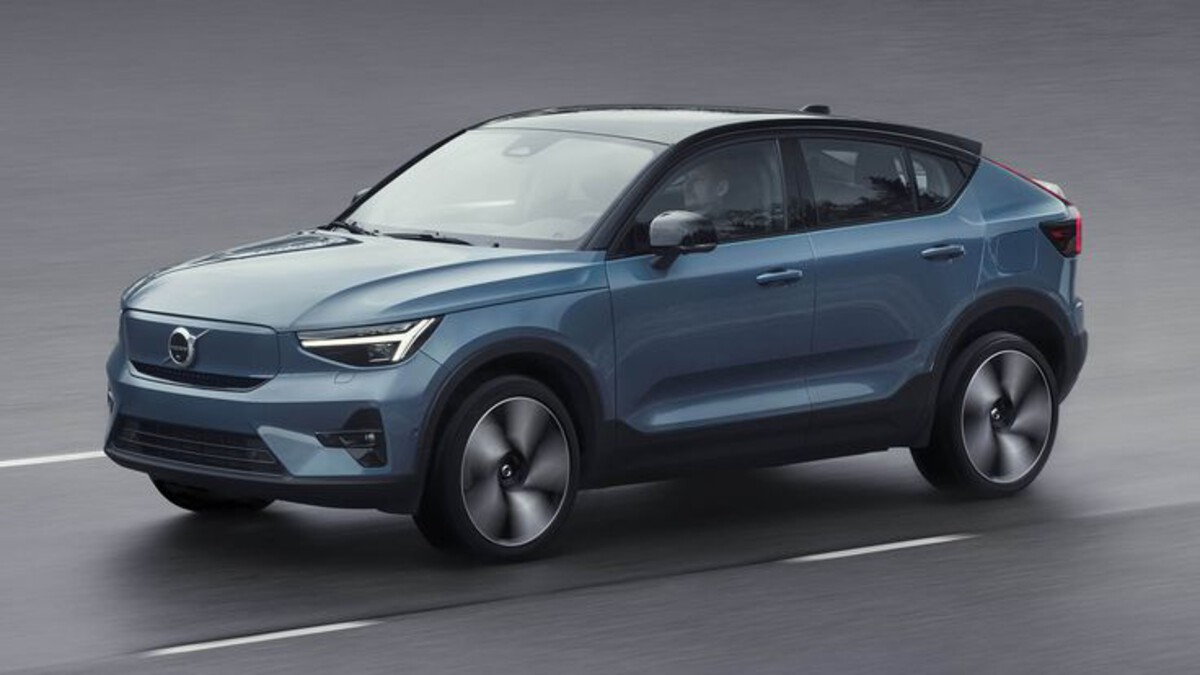
Pilot Assist on the XC40 Recharge uses radar and camera inputs to maintain lane position and adaptively control speed based on surrounding traffic.
It responds gently but firmly, making long drives far less fatiguing. Volvo also integrates real-time object detection that recognizes pedestrians, cyclists, and large animals, triggering automated braking or steering if the driver doesn’t act fast enough.
City Safety functions exceptionally well in low-speed environments, such as tight urban streets or parking lots. With 360-degree cameras and cross-traffic alerts, you’re rarely caught off-guard. Even the lane departure warning feels more like a gentle nudge than an annoying beeping session, Volvo prioritizes grace over aggression.
Reliability-wise, Volvo doesn’t leave anything to chance. Software updates are frequent and often improve already polished systems. Owners report minimal lag or failure and often praise the peace of mind they feel driving their XC40 Recharge in varying weather conditions.
In an era where some automakers overpromise and underdeliver on ADAS, Volvo remains steady, practical, and consistent. The XC40 Recharge proves that safety technology, when done right, doesn’t have to be flashy—it just has to work. And that’s exactly what Volvo delivers.
3. Ford Mustang Mach-E
The Ford Mustang Mach-E balances thrilling performance with surprisingly mature safety systems, making it a favorite among buyers who want both speed and smarts. Ford’s Co-Pilot360 is at the heart of the Mach-E’s safety technology, and its reliability puts it on par with some of the best in the business.
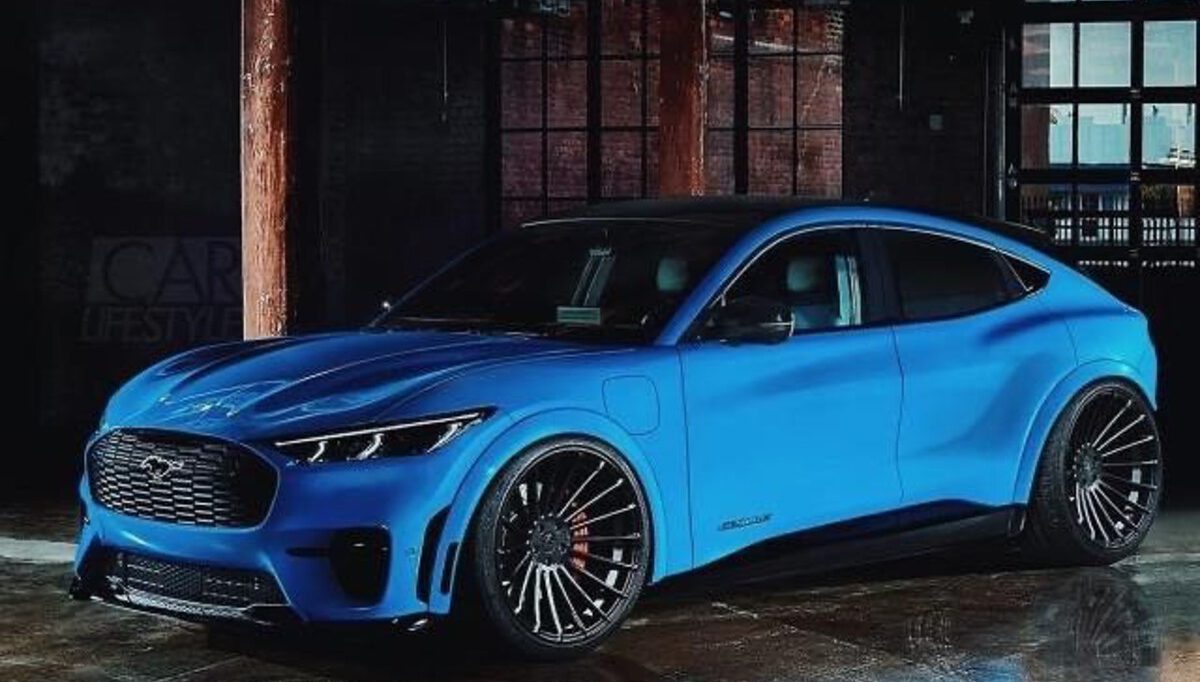
Key features like Pre-Collision Assist with Automatic Emergency Braking, Evasive Steering Assist, and Intersection Assist give the Mach-E a well-rounded suite that performs reliably in various driving conditions.
One standout element is BlueCruise—a true hands-free driving system that works on pre-mapped highways across North America. It has been widely praised for its consistency and minimal disengagements.
In real-world conditions, the Mach-E’s systems shine. Whether it’s detecting a slow vehicle ahead or keeping centered in a construction zone, the safety aids respond accurately without the annoying false positives common in less-refined EVs. Even the blind-spot detection is quick and accurate, warning drivers when it matters most.
Owners of the Mach-E regularly commend the interface’s user-friendliness. Adjusting system preferences is straightforward, and system alerts are more informative than annoying. Unlike some rivals, Ford keeps the human in the loop, offering strong support without being overly intrusive.
Ford has also shown a strong commitment to OTA (over-the-air) updates, continuously refining its systems to maintain reliability. With strong safety scores and consistently good reviews, the Mustang Mach-E proves that muscle and modern tech can coexist in a way that enhances, not hinders, your driving experience.
4. Tesla Model Y
While Tesla’s Autopilot system has stirred its fair share of controversy, there’s no denying that the Model Y delivers consistently reliable safety performance when used within its intended parameters.
The Model Y comes with a full suite of features like automatic emergency braking, blind-spot monitoring, and lane departure avoidance, all built on Tesla’s proprietary vision-based software.
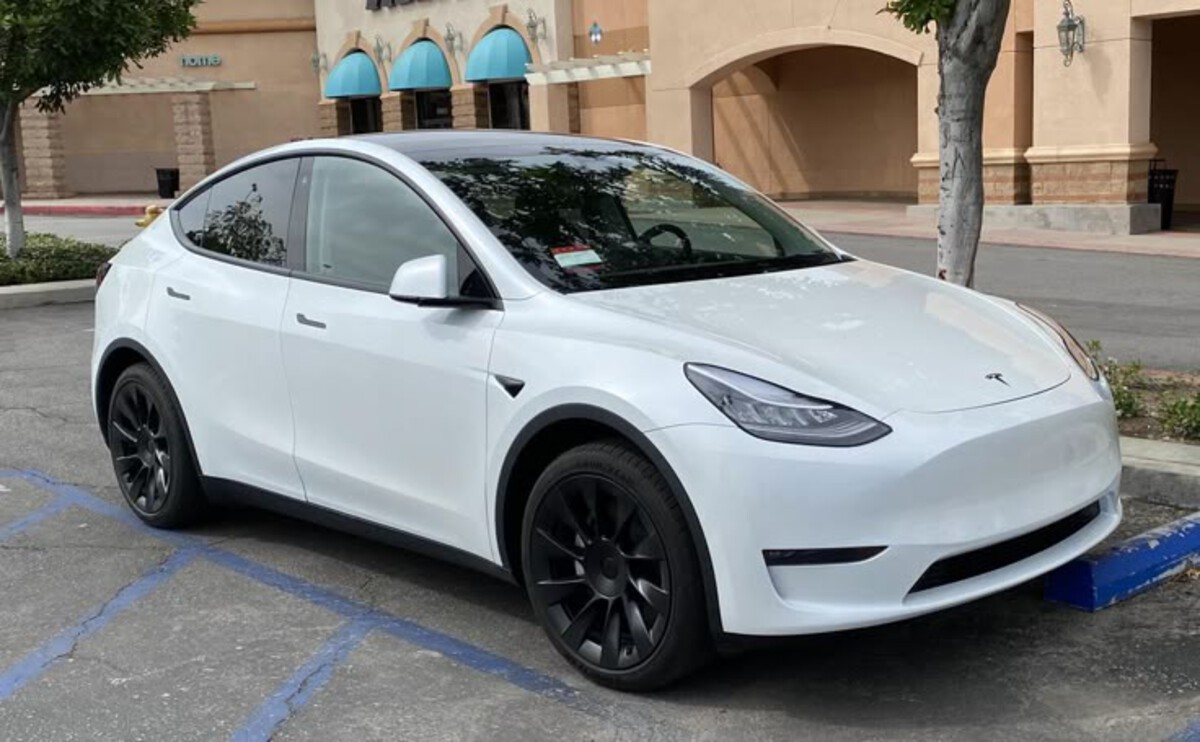
Autopilot and Enhanced Autopilot systems in the Model Y perform admirably during highway cruising, with intelligent lane centering and traffic-aware cruise control. The responsiveness is quick, and the car reads and reacts to road conditions efficiently, even in challenging environments.
Where Tesla truly excels is in system fluidity. Unlike many systems that feel bolted-on, Tesla’s ADAS is deeply integrated into the vehicle’s core systems, resulting in fast reaction times and consistent feedback. Frequent OTA updates help refine capabilities further, often adding new features without requiring a visit to the dealer.
While Tesla’s Full Self-Driving (FSD) is still a work-in-progress, the base Autopilot functionality in the Model Y remains highly reliable for daily use. It’s simple to activate, intuitive to monitor, and adapts well to fast-changing traffic scenarios.
One downside: because Tesla doesn’t use traditional radar, performance in heavy rain or snow can be somewhat reduced. But for fair-weather driving, the system is impressively stable.
For those comfortable with its technology-focused ecosystem, the Model Y offers dependable safety aids wrapped in a high-performance EV package that’s both future-facing and impressively polished.
5. Kia EV6
The Kia EV6 has quietly emerged as one of the best all-around electric vehicles on the market, and its safety tech plays a major role in that success. Built on the same E-GMP platform as the Hyundai Ioniq 5, the EV6 benefits from a similarly robust suite of driver assistance features but it adds its own flavor of refinement.
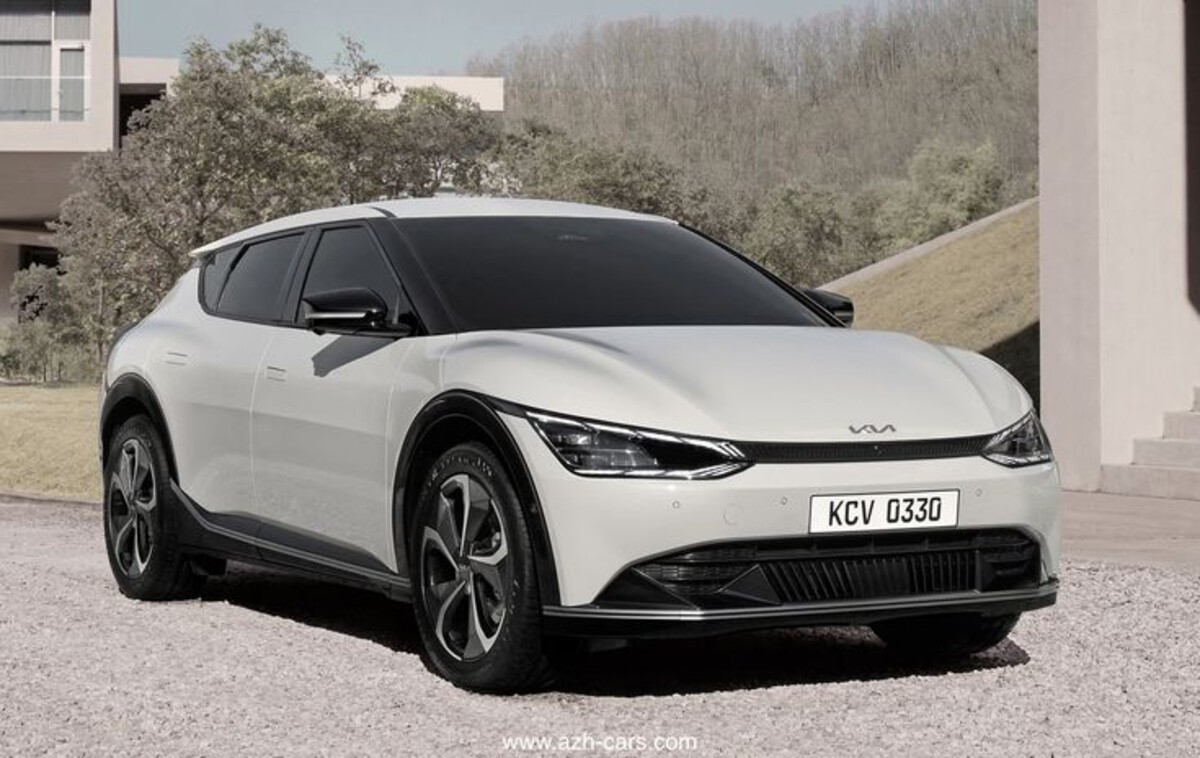
Kia’s DriveWise technology includes Smart Cruise Control with Machine Learning, which adapts not just to traffic, but to your driving habits over time. Features like Highway Driving Assist 2, Blind-Spot Collision Avoidance Assist, Rear Cross-Traffic Collision-Avoidance Assist, and Lane Following Assist are all part of the package.
What sets the EV6 apart is how well these aids work in day-to-day driving. Lane centering is smooth and not overly aggressive, and adaptive cruise control maintains a safe distance with minimal hiccups. Even in stop-and-go traffic, the EV6’s safety tech keeps everything calm and collected.
Owners often praise the system’s predictability and how it avoids the common “phantom braking” issues found in other brands. Interface controls are also highly accessible, allowing drivers to quickly adjust sensitivity levels and intervention strength.
Kia also ensures system stability with regular software updates, and initial reliability data from agencies like J.D. Power suggest above-average performance when it comes to safety-related technology.
For drivers looking for safety tech they can trust without needing to babysit the system constantly, the Kia EV6 makes a compelling, well-rounded case.
5 EVs with Glitchy Systems
Not all electric vehicles get their safety systems right. While features like lane-keeping assist and adaptive cruise control have become standard, execution varies wildly.
Some EVs suffer from over-sensitive alerts, inconsistent lane detection, or unreliable emergency braking. These shortcomings not only frustrate drivers but may actually create unsafe situations.
Even brands known for performance or luxury can drop the ball when it comes to ADAS. In this section, we highlight five EVs where the promise of safety tech often clashes with real-world experience. If dependability is your priority, these are the models to scrutinize or skip.
ALSO READ: 5 SUVs/Vans with Long-Term Safety Records vs 5 with Declining Safety
6. Chevrolet Bolt EUV
The Chevrolet Bolt EUV brings decent range and affordability, but its driver assistance systems lag behind the competition in both polish and performance. Chevy’s Super Cruise system, which promises hands-free highway driving, is only available on select trims and often performs inconsistently.
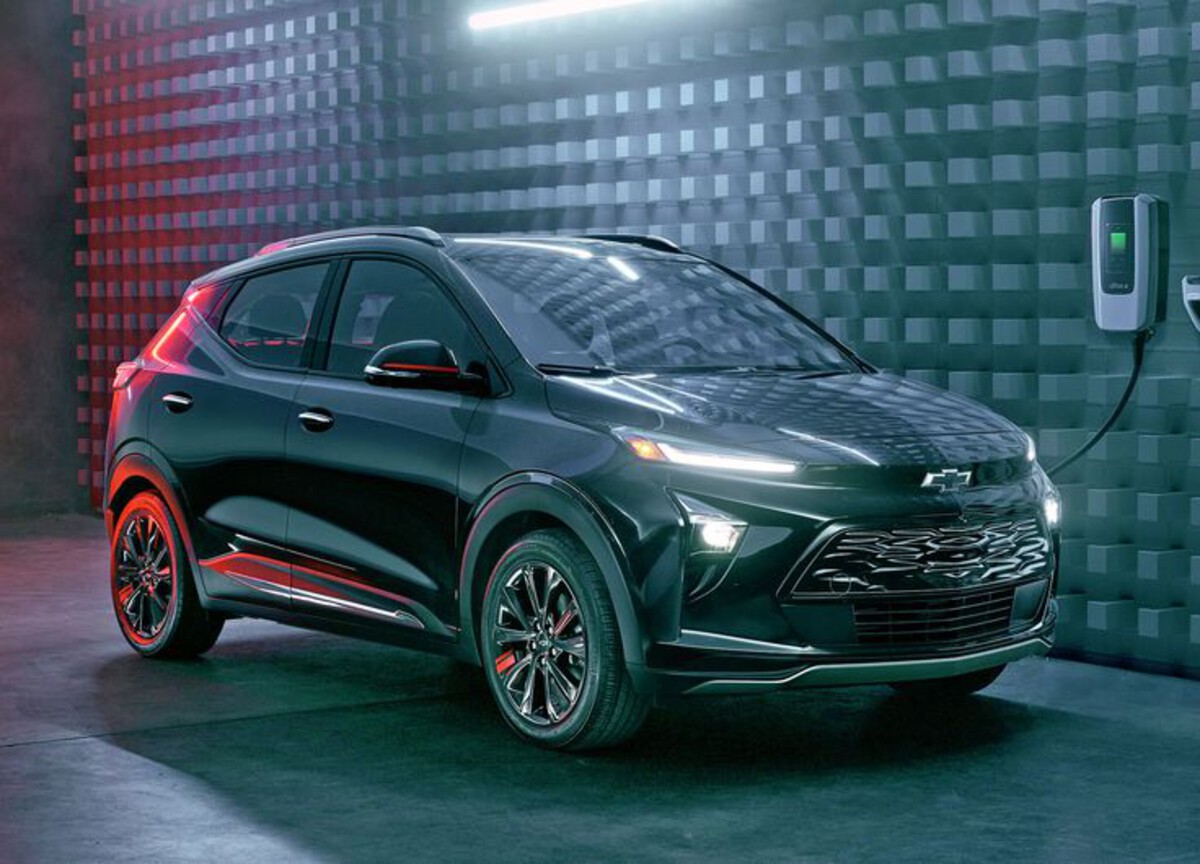
While features like Lane Keep Assist and Forward Collision Alert are included, their execution feels outdated. The alerts are overly sensitive at times and completely unresponsive at others.
Many users report “phantom alerts,” where the vehicle believes a collision is imminent even when there’s nothing ahead. It leads to unnecessary braking or loud warnings that startle rather than assist.
Super Cruise itself requires extremely specific highway conditions to function properly. If the road markings are faded or visibility drops, the system disengages without much notice. That makes it hard to rely on for everyday use. Drivers also report glitches during OTA updates that can knock systems offline temporarily.
Another complaint is the user interface, which feels clunky and dated compared to the smooth experience found in Kia or Tesla vehicles. Drivers are sometimes unsure whether a feature is active or not, leading to more stress rather than confidence.
Though the Bolt EUV offers value in price and range, its ADAS reliability doesn’t measure up. If safety tech is high on your priority list, this Chevy might be more of a gamble than a gain.
7. Volkswagen ID.4
Volkswagen aimed high with the ID.4, but its safety systems haven’t reached the level of refinement expected from such a global brand. The IQ.DRIVE suite offers lane centering, emergency braking, and adaptive cruise, but real-world feedback points to erratic performance and awkward system behavior.
One recurring issue is the hyper-sensitivity of the lane-keeping assist. It activates even when the car is properly aligned, leading to sudden steering corrections that feel jarring.
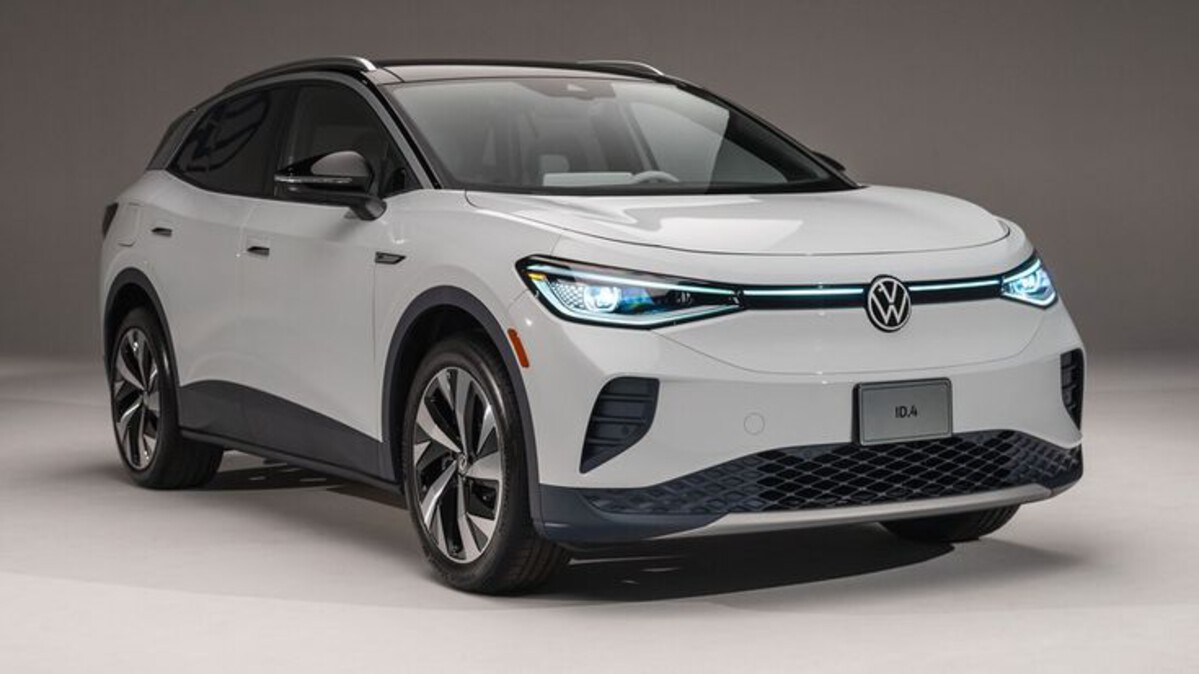
Many drivers have expressed frustration at the steering wheel “fighting” them during gentle turns or lane shifts. This ends up being more of a distraction than a safety net.
Another weak spot is the travel assist feature, which aims to combine cruise and steering support. The problem? It disengages too easily, especially in construction zones or under light rain, forcing the driver to take over abruptly. Alerts don’t always provide enough warning, making the system feel more like a burden than a backup.
Glitches in the touchscreen interface also impact the accessibility of these safety features. Drivers sometimes experience freezing menus or delayed inputs that make changing settings mid-drive nearly impossible. Over-the-air updates have been slow to resolve many of these problems.
Though the ID.4 earns decent crash test ratings, its digital safety aids don’t meet the expectations of modern EV buyers. VW has the hardware, but until software stability improves, this EV’s ADAS can’t be considered reliable.
8. Nissan Ariya
The Nissan Ariya is stylish and comfortable, but its ProPILOT Assist 2.0 system hasn’t impressed in terms of dependability. Marketed as a semi-autonomous highway driving system, it suffers from inconsistent performance and a lack of responsiveness in busy traffic environments.
ProPILOT Assist can sometimes fail to detect lane boundaries clearly, especially on worn roads or during dusk and dawn.
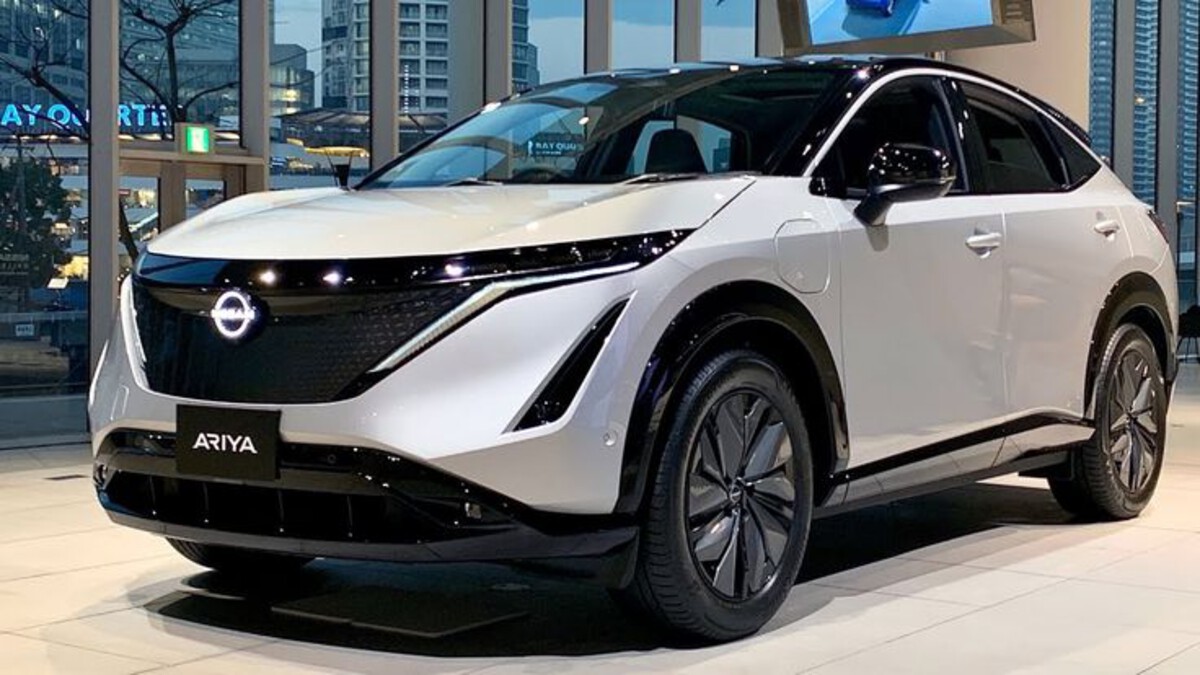
When that happens, the lane-centering feature either shuts off suddenly or drifts too close to lane edges. For a system that’s supposed to relieve driver stress, it often does the opposite.
Adaptive cruise control on the Ariya also gets mixed reviews. In stop-and-go traffic, it responds too late, braking abruptly instead of gradually.
This herky-jerky behavior makes for an uncomfortable ride and diminishes trust in the system’s judgment. Blind-spot warnings and rear cross-traffic alerts are slower to react than those in competitors like Hyundai or Ford.
Nissan’s interface does little to help the situation. The small icons and overly nested menus make it difficult for drivers to quickly check or adjust settings. OTA update support is also lacking, which means bugs linger longer than they should.
While the Ariya gets points for comfort and aesthetics, its inconsistent safety tech makes it hard to recommend for those who want stress-free assistance behind the wheel. Until Nissan gives its software a serious polish, ProPILOT Assist won’t live up to its “Pro” name.
9. Polestar 2
The Polestar 2 blends luxury with Scandinavian design, but its safety systems have been under scrutiny due to frequent glitches and confusing behavior. Built on Volvo architecture, you’d expect rock-solid performance—but the software execution tells a different story.
One key issue is system overload. Many drivers report false alerts from the front collision warning, particularly in urban settings where the Polestar 2 often misreads parked cars or cyclists. That leads to unnecessary emergency braking that jolts passengers and raises serious concerns.
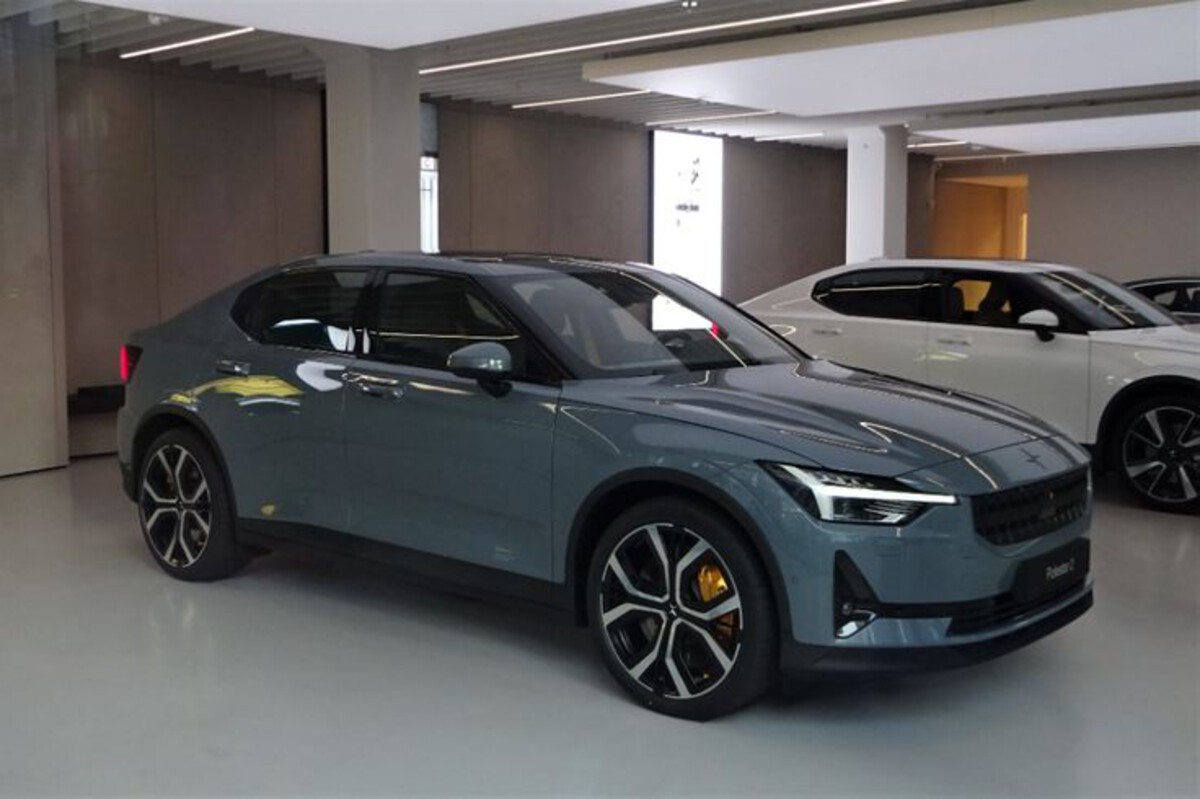
Lane Keeping Aid is also problematic. Instead of gently guiding the vehicle, it sometimes tugs aggressively or disengages without proper alerts. Worse still, the driver display doesn’t always show clear feedback on what systems are active, leading to guesswork rather than informed driving.
Another glitch arises during inclement weather. The cameras and radar tend to fog up or become blocked easily, disabling essential safety features like adaptive cruise and blind-spot monitoring. There’s also a lack of redundancy—when one sensor goes offline, backup systems don’t always pick up the slack.
Polestar has pushed several updates to try and fix these bugs, but owners still report inconsistent behavior and laggy performance. The brand’s aggressive software roadmap is ambitious, but in reality, many features feel like beta tests rather than fully developed tools.
For a premium EV, the Polestar 2 has the hardware to compete, but until its ADAS systems match the expectations of its price tag, it’s more flash than function when it comes to safety.
10. Jaguar I-PACE
The Jaguar I-PACE was one of the first luxury EVs to hit the market, but it hasn’t aged well, especially in the safety tech department. Jaguar’s InControl driver assistance suite tries to cover all the bases but stumbles in key execution areas.
Lane-keeping assist in the I-PACE is perhaps its biggest flaw. It struggles to maintain lane integrity during curved roads or when lane markings are less than perfect.
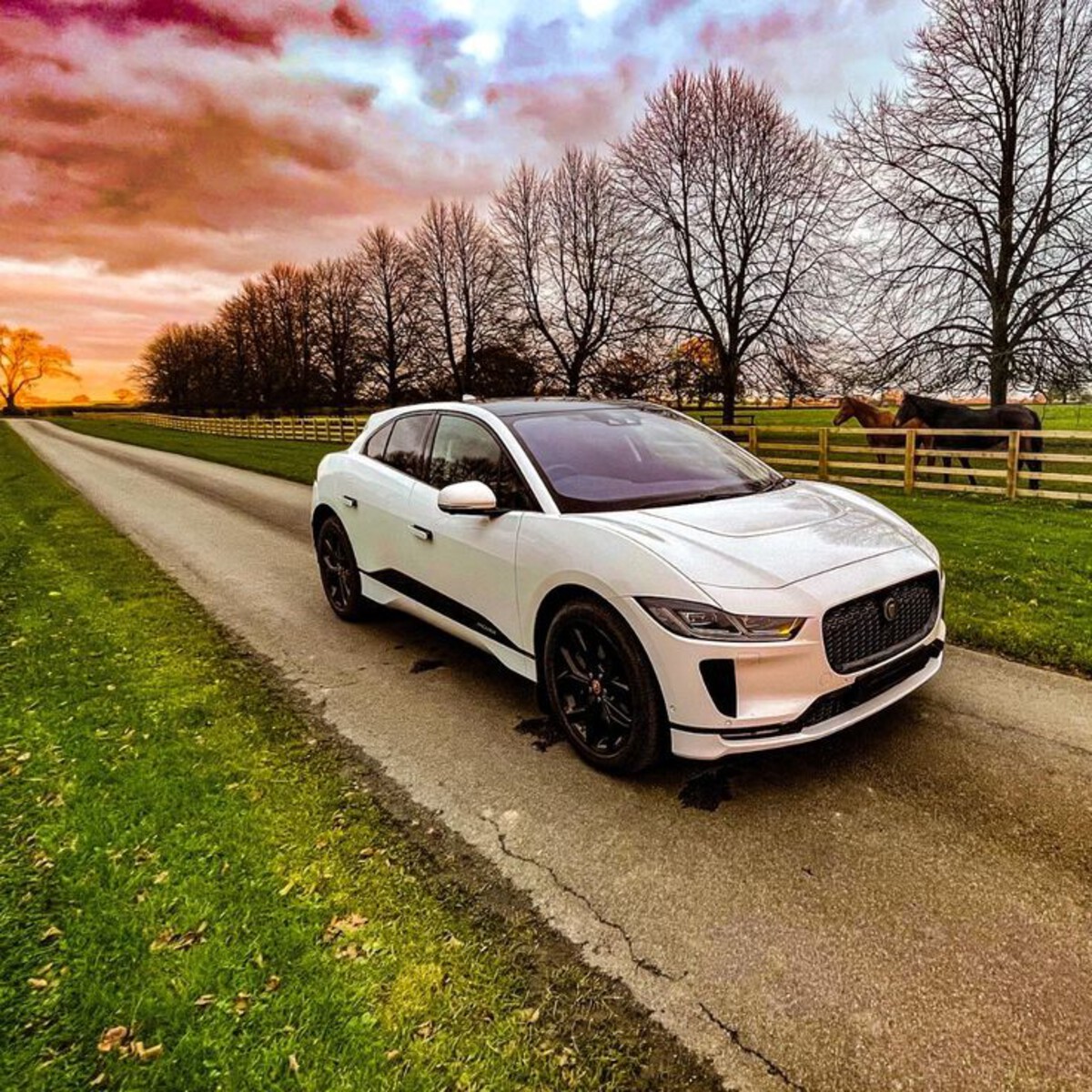
Drivers frequently report the vehicle drifting too close to the shoulder or disengaging unexpectedly. Instead of instilling confidence, the system creates tension during routine drives.
Adaptive cruise control also lacks refinement. It’s slow to recognize speed changes, causing late braking or excessive following distances. This isn’t just annoying, it can also create dangerous situations in fast-moving traffic. Rear cross-traffic alerts are inconsistent, sometimes missing approaching vehicles entirely.
InControl’s infotainment interface doesn’t help. Laggy menus and delayed system alerts make it difficult to manage safety settings on the fly. OTA updates are limited and slow to roll out, meaning bugs tend to linger for months.
Despite its stylish design and solid range, the I-PACE is a cautionary tale of great hardware compromised by weak software. Jaguar hasn’t kept pace with rivals in fine-tuning its driver assistance tech, and that shows in both user reviews and real-world reliability scores.
If safety aids are a top concern, the I-PACE’s inconsistent performance makes it a risky pick in a segment full of better-executed alternatives.
Electric vehicles have ushered in a new era of drivingone defined not just by battery range and acceleration, but by intelligent safety systems designed to prevent accidents before they happen.
In this rapidly evolving landscape, ADAS (Advanced Driver-Assistance Systems) aren’t just nice-to-haves—they’re critical features that impact everyday driving confidence.
The five EVs with reliable safety aids, Hyundai Ioniq 5, Volvo XC40 Recharge, Ford Mustang Mach-E, Tesla Model Y, and Kia EV6, demonstrate how well-executed tech can enhance your driving experience without adding stress.
These vehicles consistently deliver with smooth lane centering, trustworthy emergency braking, and user-friendly interfaces. Whether you’re navigating a tight city block or cruising on the freeway, their systems support the driver rather than hinder them.
On the flip side, the five EVs with glitchy systems, Chevy Bolt EUV, Volkswagen ID.4, Nissan Ariya, Polestar 2, and Jaguar I-PACE, show that not all safety tech is created equal.
Despite promising spec sheets, these models are marred by inconsistent performance, frustrating alerts, and software bugs that undercut their safety claims. When systems disengage without warning or behave unpredictably, they shift from being helpful to hazardous.
As EV adoption grows, so will the expectations for smarter, more reliable safety aids. Consumers should be cautious, not all manufacturers have figured out the delicate balance between hardware capability and software execution.
When buying your next EV, prioritize real-world safety performance over marketing jargon. Look for consistent reviews, robust OTA support, and a brand that’s actively refining its tech.
Because when your safety system works flawlessly, you’ll never notice it. But when it fails? It’s all you’ll think about.