When you live in a rural area, your vehicle isn’t just a mode of transportation, it’s a lifeline. Whether you’re navigating gravel backroads, hauling gear for work, or just trying to get to the nearest town, sometimes miles away, your car needs to be more than just reliable.
It has to be tough, self-sufficient, and easy to maintain without relying on a dealership that could be hours from your driveway.
Out here, roadside assistance isn’t a guarantee, and calling a tow truck might mean waiting half a day, if you even have cell service. That’s why choosing the right car for rural life isn’t just about preference, it’s about survival and convenience.
In contrast, some cars are engineered for more refined conditions, vehicles that shine in city streets or suburban neighborhoods but fall short when pushed beyond paved roads.
These are the models that send you straight to the dealership when the check engine light flashes or a sensor malfunctions. They’re high-maintenance by design, and in remote areas, that can become a serious liability.
In this article, we’ll break down five vehicles that are built for rural resilience, cars and trucks that thrive in the sticks, run for years with basic tools, and don’t flinch at a little mud or isolation.
Cars Perfect for Rural Areas
Then, we’ll contrast them with five vehicles that, while capable in their own right, demand dealership diagnostics for even the smallest hiccup, making them less than ideal for the self-reliant realities of rural life.
Let’s get into the list because in the countryside, the wrong car can be a burden, and the right one can be a game-changer.
1. Toyota 4Runner
The Toyota 4Runner is legendary in the rural U.S. for its bulletproof reliability and off-road capability. It uses a body-on-frame design and has a naturally aspirated V6 engine that’s easy to work on.
With available 4WD, high ground clearance, and minimal reliance on complex tech, it’s perfect for gravel roads, snow-covered trails, and long hauls to town. Best of all, many repairs can be done in a barn with basic tools.
Large, boxy, and purpose-built for the trail, the Toyota 4Runner stands out as one of the last remaining true truck-based SUVs on the market today.
While many modern vehicles marketed as SUVs boast elevated ride heights and spacious interiors, and some crossovers even attempt to look rugged with off-road-style tires or rugged-looking body cladding, very few offer the genuine off-road prowess of a fully committed SUV like the 4Runner.
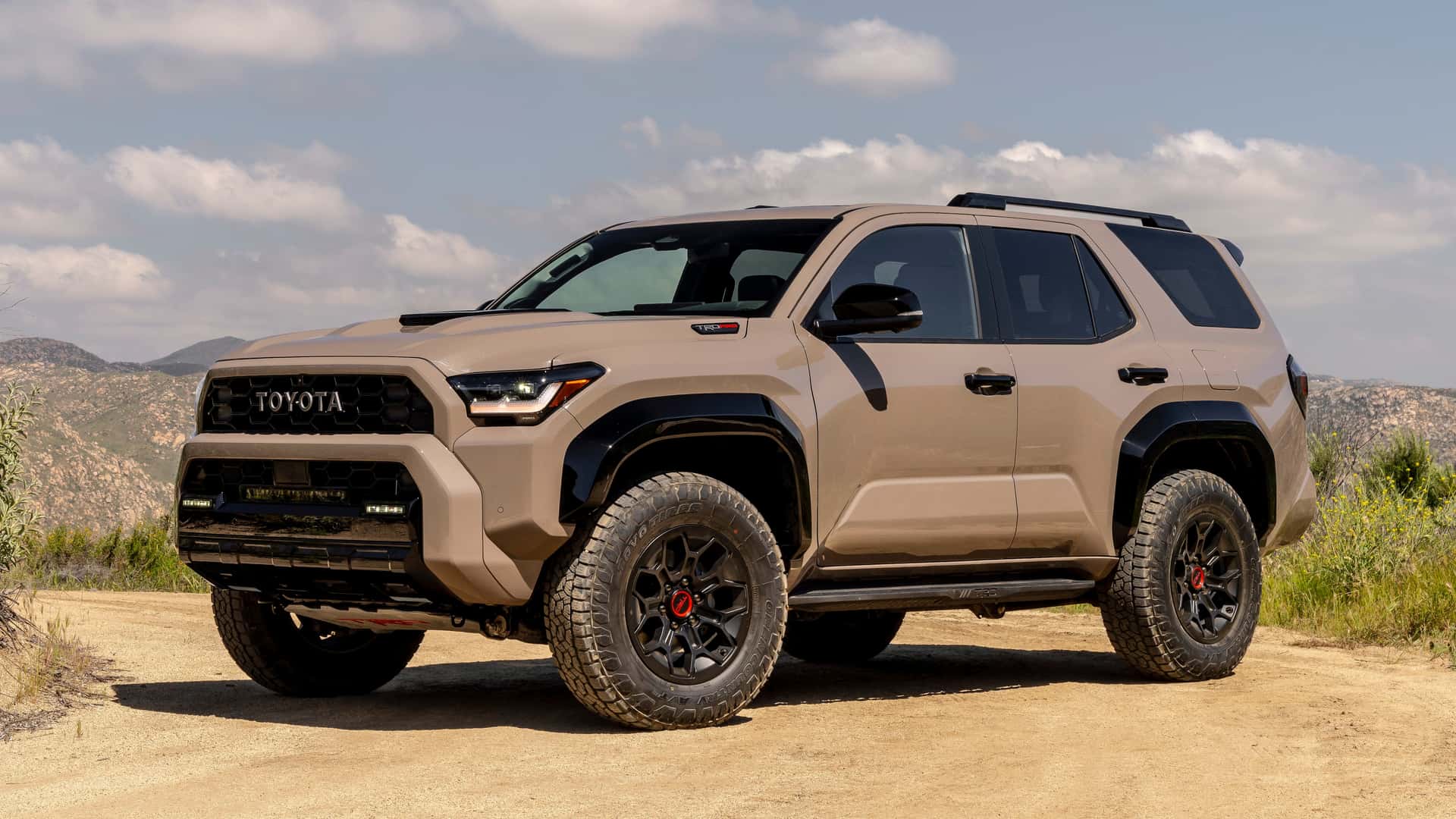
With its tough body-on-frame construction, ample ground clearance, and available four-wheel drive that includes low-range gearing, the 4Runner is well-equipped to venture deep off paved roads. And for those looking to push further into rugged territory, trims like the TRD Off-Road and TRD Pro offer even more specialized hardware.
These include features like a locking rear differential and Toyota’s advanced suspension system known as KDSS, both designed to enhance performance over rocky, uneven terrain.
However, for drivers primarily navigating city streets, the 4Runner may not be the most comfortable or efficient choice. It falls short in ride quality and fuel economy compared to more refined urban SUVs.
Plus, newer competitors such as the Land Rover Defender and the recently updated Jeep Grand Cherokee now offer off-road chops of their own, combined with greater on-road refinement.
Also Read: 5 Sedans With the Best Biometric Entry and 5 With Only Key Fobs
2. Subaru Outback
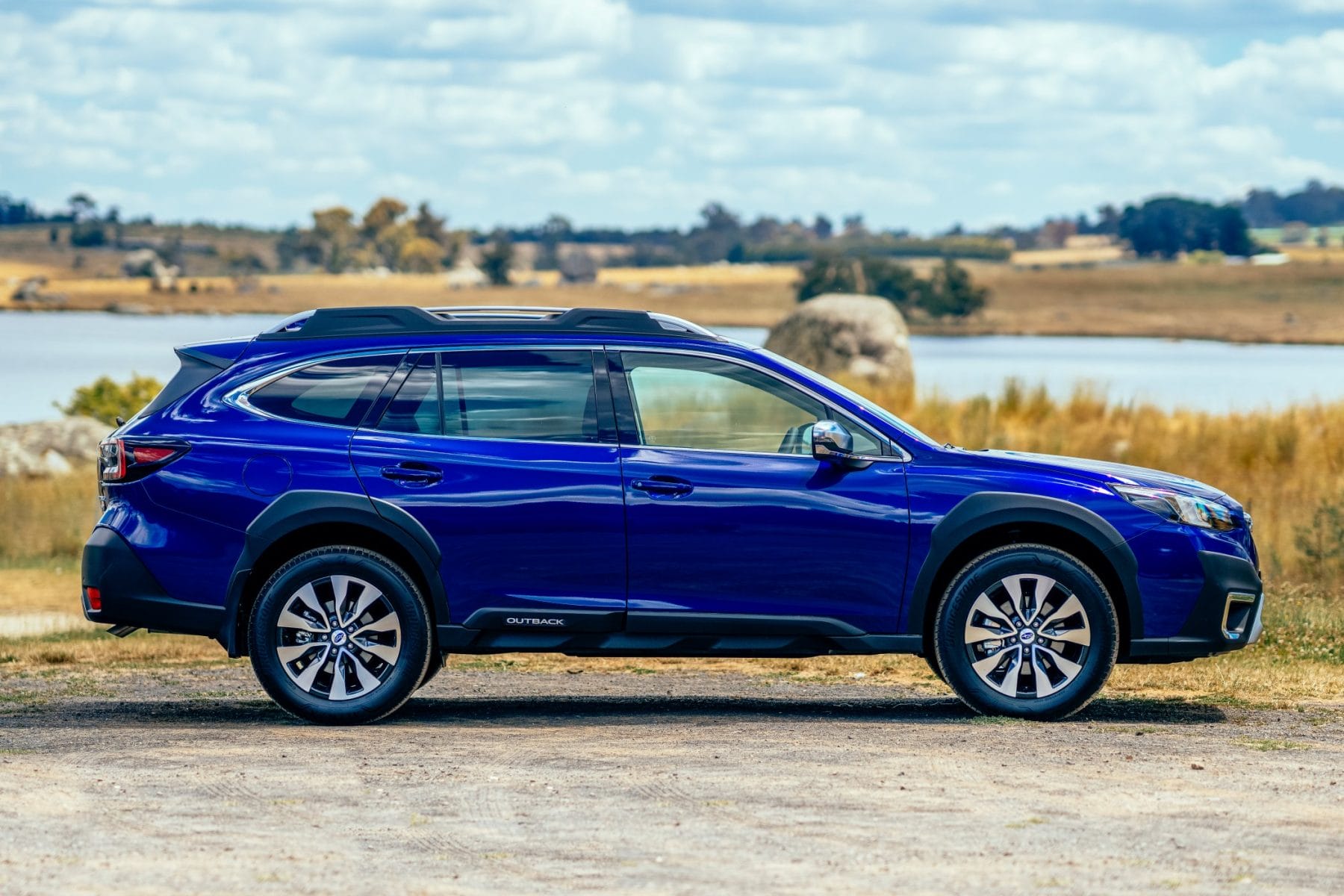
The Subaru Outback is the rural Northeast and Northwest’s favorite crossover. Its standard all-wheel drive, tall ride height, and reputation for ruggedness make it ideal for dirt roads and snowy conditions.
While it does have some tech, it’s still one of the most DIY-friendly AWD wagons around. Older models, especially those with the naturally aspirated 2.5L engines, are particularly simple to maintain.
he 2022 Subaru Outback may technically be a station wagon, but it wears the look and practicality of an SUV—and that’s hardly a drawback.
If you’re after a vehicle that blends SUV-like versatility with the composed driving dynamics of a wagon and a dash of off-road spirit, the Outback fits the bill perfectly. Its standard all-wheel drive and generous suite of advanced driver assistance features only add to its appeal.
While we’re less enthusiastic about the sluggish acceleration from the base engine, the available turbocharged engine more than compensates with its satisfying performance.
For the 2022 model year, Subaru introduces the Outback Wilderness, designed for drivers seeking enhanced off-road capability from this SUV-wagon hybrid.
This trim starts with a lifted suspension, boosting the Outback’s ground clearance to 9.5 inches, almost a full inch more than the standard model, making it better equipped to navigate rocky trails and uneven terrain.
Subaru also equips the Wilderness with a set of features aimed at overlanding fans, including a standard front skid plate, all-terrain tires, and an upgraded roof rack capable of holding up to 700 pounds, making it suitable for mounting a rooftop tent.
There are certainly other compelling midsize SUVs in this segment. Leading alternatives include the Honda Passport, Hyundai Santa Fe, and Volkswagen Atlas Cross Sport.
And if serious off-roading is a priority, you might also want to consider the Toyota 4Runner, Jeep Wrangler, or the new Ford Bronco. Still, the Subaru Outback strikes a compelling balance between everyday comfort and weekend capability, a combination that’s tough to beat.
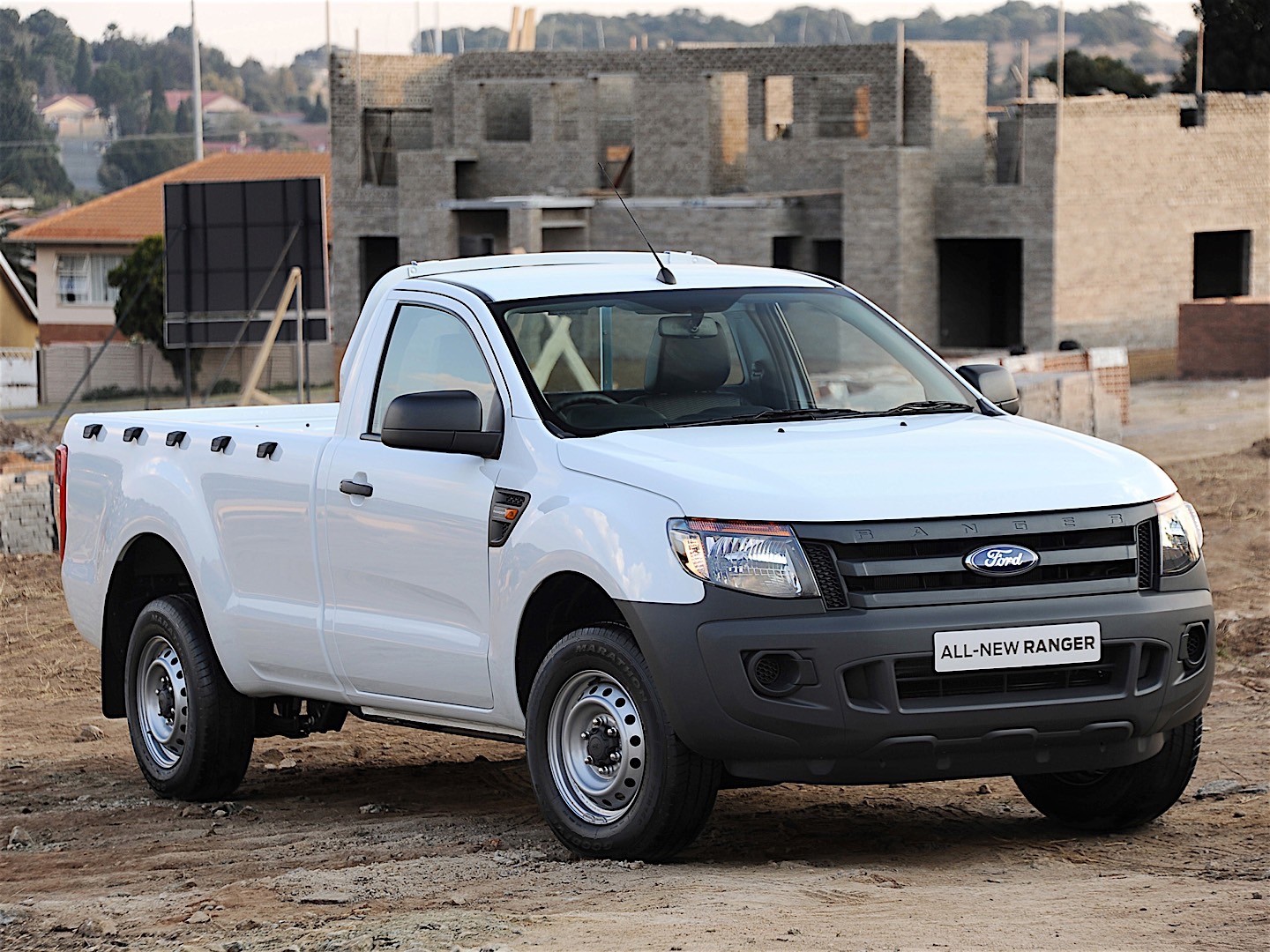
3. Ford Ranger (2011 and earlier models)
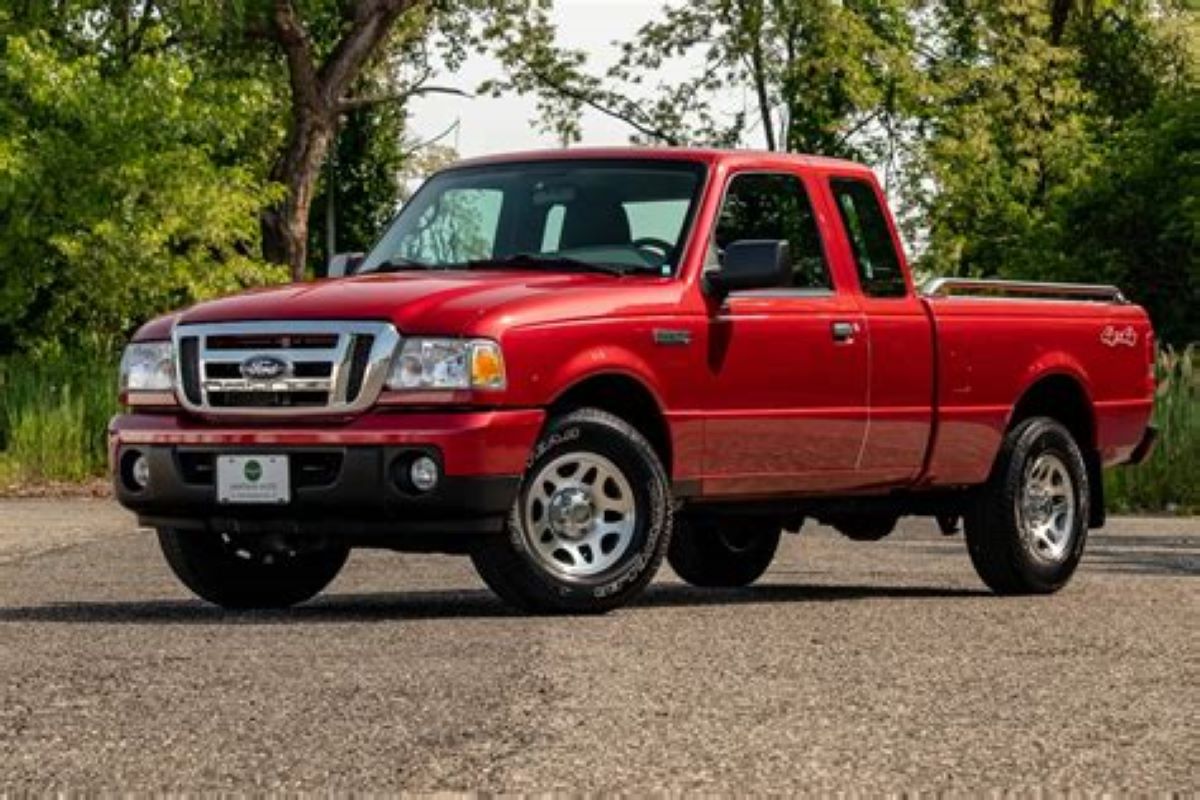
The pre-2012 Ford Ranger is a rural legend. Small, nimble, and easy to fix, these trucks can haul firewood, navigate backwoods paths, and survive years of abuse with minimal intervention.
They’re beloved by farmers, ranchers, and weekend DIYers because nearly every part can be found at your local parts store, not a dealership.
In a vehicle segment known for long product cycles, any significant new release is met with both excitement and close examination. The 2012 Ranger, known internally as the T6, arrives with bodywork that bears no resemblance to its predecessor.
Its streamlined, modern design would likely seem out of place in the U.S. market, where bold, angular shapes tend to dominate before design sketches are even finalized. Ford’s signature three-bar grille and distinctive front fender accents give the new Ranger a look all its own.
The truck has also grown significantly, now reaching about 90 percent of the F-150’s size, which places it firmly in the midsize category. Ironically, its increased dimensions are the main reason Ford has opted not to bring it stateside.
Inside, the Ranger caters to both blue-collar practicality and lifestyle-oriented refinement. Work crews will find an easy-to-clean, hose-down cabin, while personal-use buyers get access to higher-end finishes.
However, Ford emphasizes that every seat, panel, and trim piece has been subjected to strict durability testing to ensure long-term toughness.
Though the engine lineup doesn’t boast the same headline horsepower or cylinder count as the 2011 F-150’s V-6 and V-8 options, the Ranger’s powertrains are far from underwhelming. The entry-level engine is a 2.5-liter Duratec inline-four producing 164 horsepower and capable of running on pure ethanol (E100).
Ford will also offer two small-displacement diesel options, still a rarity in the American truck landscape, starting with a 2.2-liter four-cylinder rated at 148 horsepower and 277 pound-feet of torque, followed by a 3.2-liter five-cylinder generating 197 horsepower and 347 pound-feet.
Manual transmission lovers will be pleased to find both five- and six-speed stick shifts available, along with a six-speed automatic option.
In staying true to the classic pickup formula, the new Ranger appeals to both loyal return buyers and newcomers alike. Buyers can expect to configure their truck through upcoming online tools, choosing among regular, extended, and crew cab styles, as well as between rear- and four-wheel drive.
Beneath the cab and bed sits a completely new chassis, suspension system, and steering setup, developed and tuned in Australia, a country well-versed in tough pickup demands. Up front, double A-arm suspension with coil-over struts handles articulation, while the rear sticks with traditional leaf springs.
Two ride heights and custom-tuned dampers and spring rates adjust to the truck’s weight and intended setup. Braking is handled by 11.9 x 1.3-inch rotors and twin-piston calipers in the front, while the rear wheels are equipped with drum brakes.
Fuel efficiency played a major role in the new Ranger’s development, prompting engineers to make changes to the fuel pump and enhance aerodynamics. The redesign of the front fenders and reshaping of the front airdam helped reduce air pressure under the truck.
While Ford hasn’t yet disclosed exact towing or payload numbers, it says top-trim versions of the Ranger will be able to haul up to 3,300 pounds. The forthcoming gross vehicle weight (GVWR) and gross combined weight ratings (GCWR) will ultimately determine how well this truck can perform under pressure.
The redesigned Ranger will be sold in 180 markets globally, but not in the United States. With Ford choosing not to release its revamped workhorse domestically, American buyers will be left wondering whether this ambitious overhaul might have been the solution to reviving the stagnant compact and midsize truck market.
4. Jeep Wrangler (TJ and JK generations)
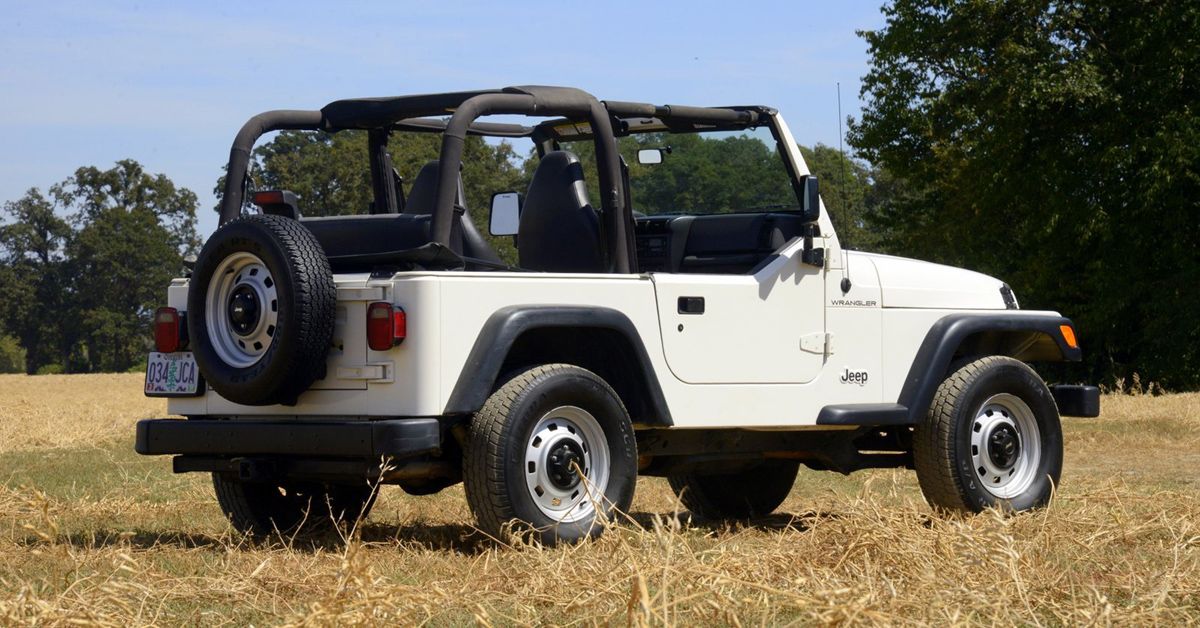
For those who truly live off-grid or near unpaved roads, the Wrangler especially the 1997–2018 models is a dependable workhorse.
With solid axles, a simple drivetrain, and excellent aftermarket support, it’s easy to repair in the field. While newer Wranglers have more electronics, the older versions can be stripped down and rebuilt with a wrench and a YouTube video.
Aside from its unmistakable design, this vehicle can venture into terrains few other factory-built SUVs would even attempt.
Its traditional mechanical architecture adds to its charm on the pavement, making it unexpectedly entertaining to drive simply because nothing else on the road steers or reacts quite like it does anymore. And let’s not forget, it’s currently the only convertible SUV available for purchase, and not just any convertible, it’s a four-door.
It’s also the sole vehicle on the market that lets you remove the doors and fold down the windshield, which makes it perfect for those rare occasions when taking a moth to the face at 45 mph somehow sounds appealing.
What further solidifies its place in the market is Jeep’s current lack of real rivals. With the discontinuation of the Nissan Xterra and Toyota FJ Cruiser, there are very few off-road-capable SUVs that remain within reach financially and are still reasonably livable day to day.
The Toyota 4Runner stands as a possible alternative, although it’s priced significantly higher than the Wrangler. Within Jeep’s own lineup, the Renegade and Cherokee Trailhawks, as well as the Grand Cherokee, are your other choices.
However, all of these competitors and even stablemates, offer better crash safety scores, more stable handling and braking, quieter cabins, more modern technology, and overall driving dynamics that feel light-years ahead of something that could double as a Cold War-era taxi. Still, none of them will give you the same rugged nostalgia or sense of adventure as the Wrangler.
Every 2016 Jeep Wrangler comes equipped with a 3.6-liter V6 engine producing 285 horsepower and 260 pound-feet of torque. Standard four-wheel drive includes both high and low-range gearing, making it capable across a variety of terrains.
The Rubicon model goes a step further with specially short gear ratios and an enhanced transfer case that offers an extra-low crawl ratio.
A six-speed manual transmission with hill start assist is included as standard, while a five-speed automatic, which adds both hill start assist and hill descent control, is offered as an option. As for towing capacity, it’s relatively modest: a maximum of 2,000 pounds for the standard Wrangler and up to 3,500 pounds for the Unlimited version.
5. Honda CR-V (2002–2011 models)
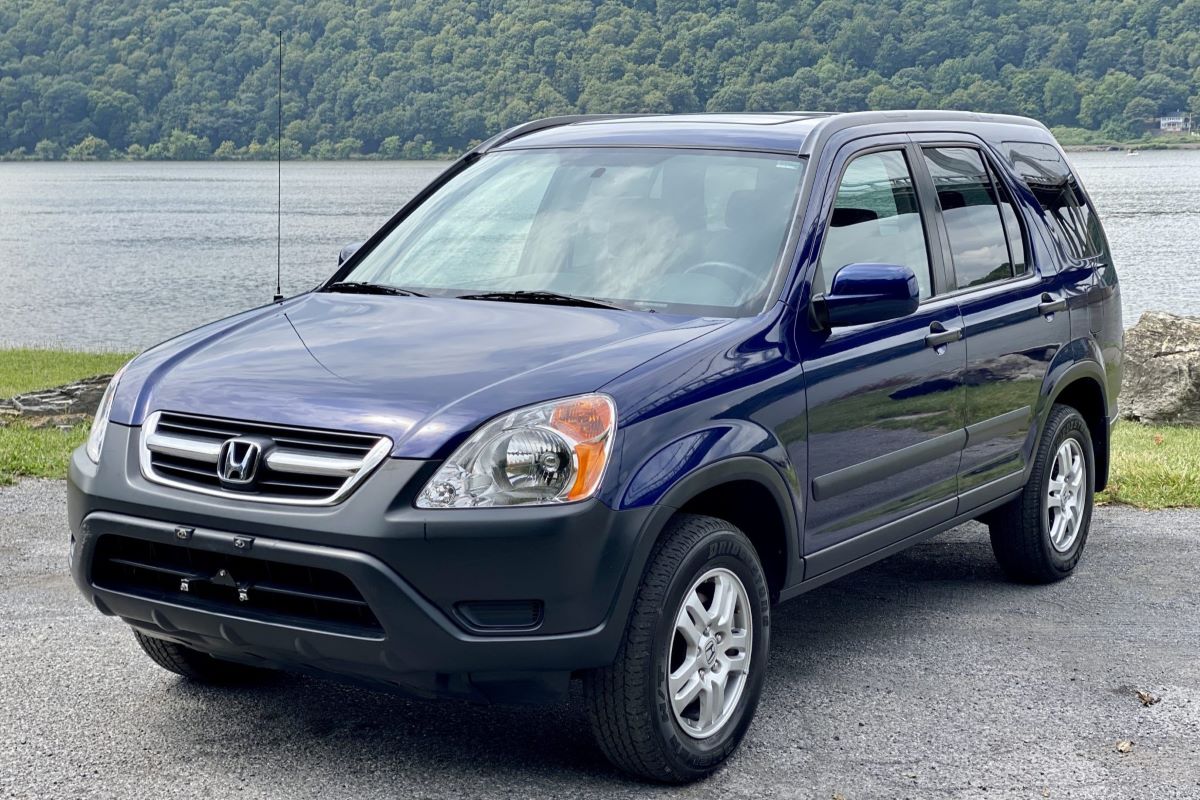
This compact SUV is known for blending fuel economy with rural practicality. It’s great for those who live in less remote areas but still deal with snow and long commutes.
The older CR-Vs have basic engines, reliable AWD systems, and little to no “gotcha” electronics. They’re known to hit 300,000 miles with little more than oil changes and basic care.
With gas prices climbing and environmental concerns growing louder, more Americans are shifting toward compact SUVs at an unprecedented pace. These vehicles strike a desirable balance: they offer the safety and family-friendly utility of larger SUVs while boasting far superior fuel economy.
Among them, the Honda CR-V stands out as one of the most capable at fulfilling this role. Although its power—especially during highway driving, leaves something to be desired, the CR-V’s 166-horsepower four-cylinder engine more than makes up for it with excellent fuel efficiency.
It’s also among the safest in its class, earning top crash test ratings from both the National Highway Traffic Safety Administration and the Insurance Institute for Highway Safety (IIHS).
Where the CR-V truly shines is in its interior design. It features a remarkably spacious and flexible cargo area that maxes out at 73 cubic feet. Beyond sheer space, Honda includes plenty of thoughtful storage solutions, bins, cubbies, and cupholders, strategically placed throughout the cabin.
The rear seat, which reclines and slides forward or backward, enhances passenger comfort and allows you to fine-tune legroom or bring little ones within arm’s reach of the front seats.
Over a decade ago, the CR-V played a key role in launching the compact SUV category. Now, that segment is among the most crowded and competitive in the automotive world, with over 16 different models vying for American buyers.
Still, the 2008 Honda CR-V remains an exceptionally well-rounded vehicle that gets most things right. Americans may have made some questionable choices in the past (Richard Nixon, Taylor Hicks), but picking the CR-V as a favorite SUV certainly isn’t one of them.
The CR-V is powered by a 2.4-liter four-cylinder engine producing 166 hp and 161 pound-feet of torque. It comes mated to a five-speed automatic transmission, and buyers can choose between front-wheel drive or an all-wheel-drive setup that sends power to the rear wheels only when front-wheel slippage is detected.
In performance testing, the all-wheel-drive CR-V managed a 0-60 mph time of 9.5 seconds, a bit sluggish for its class. Still, what the CR-V lacks in speed, it makes up for in efficiency. For 2008, front-wheel-drive models are rated at 20 mpg in the city and 27 mpg on the highway.
Also Read: 5 Cars With Easiest DIY Oil Changes And 5 Requiring Dealer Service
Cars That Need Dealer Fixes for Every Issue
In this article, we’re diving into the cars that just can’t seem to function or be fixed, without a dealer’s touch. If you’re someone who values repair freedom, or you’re just sick of getting nickel-and-dimed every time a warning light blinks, these are the models you’ll want to avoid.
Let’s break down the worst offenders when it comes to dealer-dependent repairs—and why they’ve earned that reputation.
1. BMW X5
The BMW X5 may look like a rugged luxury SUV, but in practice, it’s a dealer-dependent diva.
Its complex air suspension, turbocharged engines, and intricate electronics mean any issue from a leaking coolant system to a failed ABS sensor often requires dealership diagnostics. Rural roads and DIY repairs are not its friends.
The original X5 helped pioneer the luxury SUV segment, and with each new generation, BMW has continued to refine and elevate that winning formula.

The 2021 BMW X5, now in its fourth generation since launching just a few years back, stands out as an exceptionally well-rounded luxury SUV. Whether you’re after sharp performance, a high-end interior, or cutting-edge tech, the X5 delivers. For 2021, there’s even the addition of a new plug-in hybrid model.
In contrast to the early years of the X5, today’s midsize luxury SUV market is far more crowded. The Mercedes-Benz GLE is among the X5’s closest competitors, offering a similarly robust feature set and a lineup of trims and performance options that mirror BMW’s approach.
Shoppers willing to prioritize driving dynamics might gravitate toward the Porsche Cayenne, which is widely regarded as the most engaging SUV in the class, though it comes at a premium. For those needing extra passenger and cargo room, BMW’s own X7 steps in as a roomier, more spacious alternative.
2. Tesla Model Y
While Tesla’s all-electric platform might be fine in cities or suburbs with charging infrastructure, rural drivers can quickly run into problems.
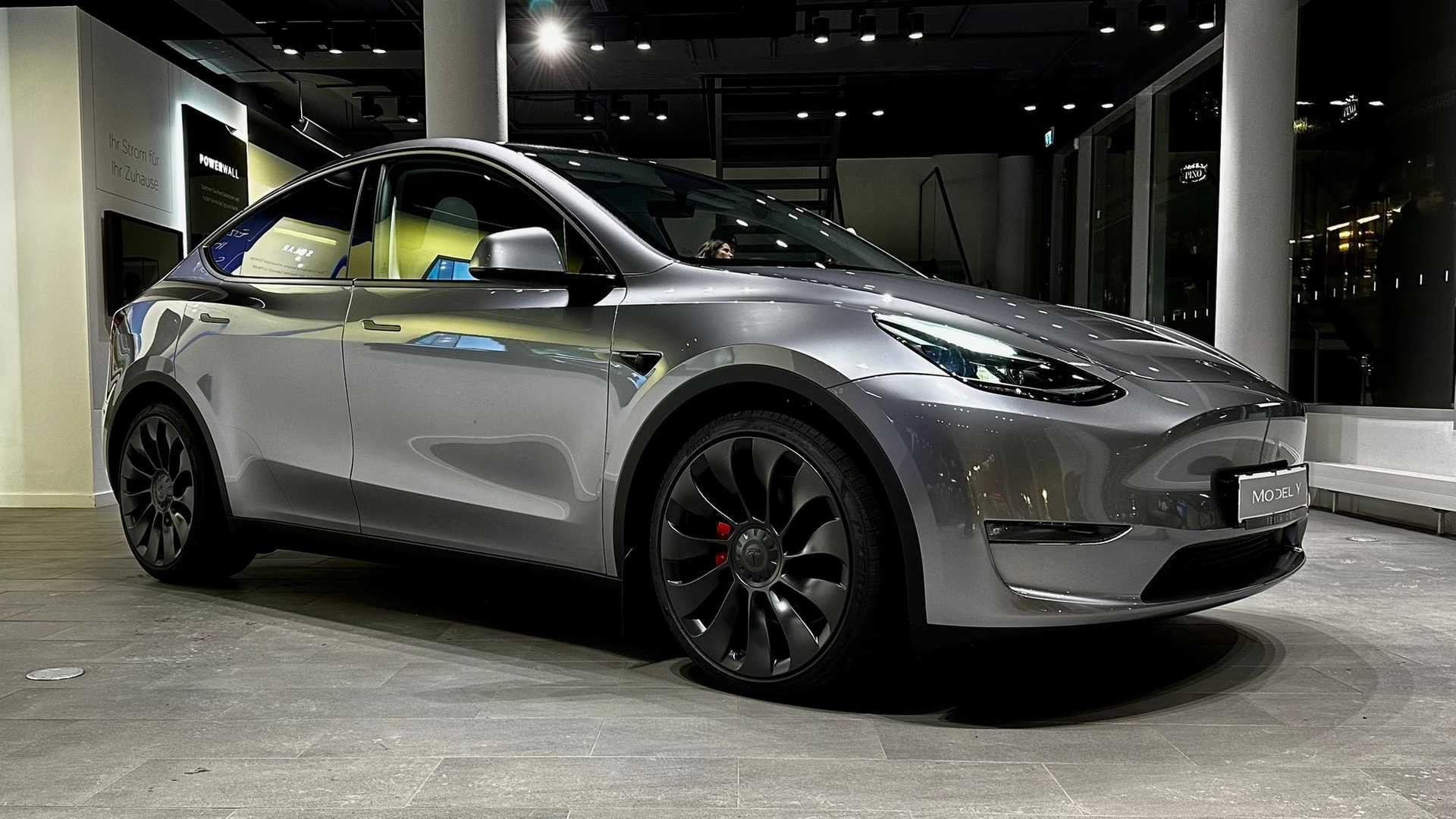
Not only is charging a challenge, but virtually every repair requires Tesla service which is often hundreds of miles away from rural communities. Even something as small as a door handle malfunction needs a specialist.
The Model Y has become the cornerstone of Tesla’s lineup and a consistent sales powerhouse since its initial release.
For 2026, Tesla is capitalizing on that momentum with a significantly updated version of the Model Y. Many of the revisions mirror what Tesla introduced for the 2025 Model 3. At the moment, the updated Model Y is only available as a high-spec Launch Series model.
Known as the New Model Y or by Tesla’s internal project name, Juniper, this refreshed SUV is most immediately recognizable by its revamped headlights and taillights. These, along with new full-width accent lighting, lend the Model Y a more distinctive nighttime presence.
The design refresh extends into the cabin, where new ambient lighting and a broader application of upscale materials significantly elevate the interior atmosphere. Tesla has finally introduced ventilated front seats, while rear-seat occupants now get access to an 8-inch touchscreen for gaming and entertainment.
Under the surface, Tesla has also worked to reduce cabin noise and has retuned the suspension for a smoother ride, without sacrificing the sporty handling characteristics the Model Y is known for.
3. Land Rover Discovery
Land Rovers are known for their off-road ability, but they’re notorious for reliability issues and software-dependent systems.
Suspension errors, drivetrain warnings, and infotainment glitches often require dealer-level diagnostics and updates. If you’re 50 miles from the nearest town, the last thing you want is a warning light you can’t clear.
The 2025 Land Rover Discovery positions itself in a unique space, landing somewhere between the ruggedness of a Ford Bronco and the upscale luxury of a Range Rover. It offers significantly more comfort and refinement than the Bronco, while being more rugged and attainable than the high-end Range Rover.
This balance makes it an appealing option for adventurous families who also need a sophisticated daily driver. When it comes to offerings from other European luxury manufacturers, none provide the same level of versatility. That leaves the Lexus GX and Jeep Grand Cherokee L as the closest competitors.
The Jeep does stand out with a roomier third row, but even though both the Lexus and Jeep are newer models, the Discovery remains the more capable off-roader and continues to deliver a more luxurious cabin experience.
For the 2025 model year, many features that were previously offered as standalone options are now bundled into the Comfort, Technology, and Cold Climate packages. Fog lamps have become standard across the board, and Land Rover is introducing tailored options specifically for dog owners and adventure cyclists.
The 2025 Land Rover Discovery starts at $62,050 and climbs to $81,650, depending on the chosen trim level and added options.
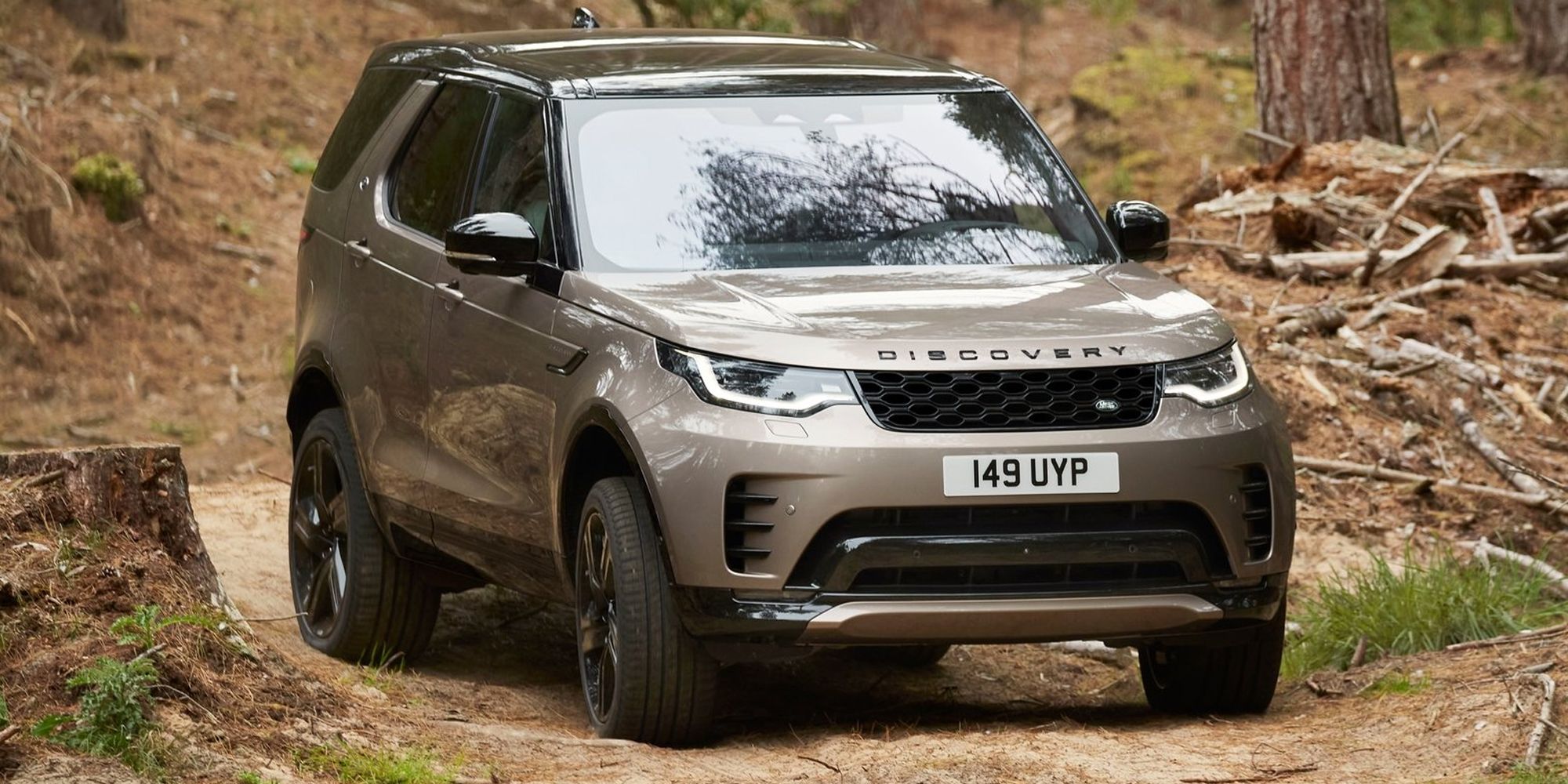
The Dynamic trim levels represent the best value in the Discovery lineup. These models add features such as LED taillights, aluminum interior trim, and distinctively styled front and rear bumpers.
The P300 is powered by a turbocharged four-cylinder engine, but those who want more power should consider the P360, which comes equipped with a stronger inline-six.
Every Discovery comes standard with full-time all-wheel drive. Buyers have a choice between two powertrains: a 296-horsepower turbocharged 2.0-liter four-cylinder, or a 355-horsepower turbocharged 3.0-liter inline-six that integrates a 48-volt mild hybrid system.
While we haven’t yet test-driven the Discovery with the base four-cylinder, the inline-six delivers a lively performance in urban environments and provides sufficient acceleration for highway merging and overtaking.
Handling isn’t as unwieldy as you might expect from a large SUV, yet it still feels heavy and somewhat awkward when changing direction. It’s clear at all times that you’re driving a sizable vehicle.
Ride comfort, however, is commendable; even sharp bumps are absorbed without much fuss. One drawback is the steering, which lacks feedback. Particularly on-center, the steering suffers from a noticeable dead zone, which means you’ll be making constant small corrections while cruising on the highway.
For those planning to haul serious weight, the Discovery is up to the task. It’s rated to tow up to 8,200 pounds.
4. Audi A6 Allroad
This luxury wagon offers AWD and good ground clearance, but the maintenance reality is far from rural-friendly.
Its air suspension, turbocharged engine, and complicated electronics make it a money pit outside of warranty. Parts are expensive, and many repairs can’t be completed without proprietary dealer tools or programming.
Picture the Audi A6 Allroad as a rugged, lifted take on the A6 sedan with the practicality of a wagon. It maintains seating for five, offers a taller roofline than the standard A6, and provides generous cargo space, all wrapped in Audi’s signature design and a full suite of advanced driving tech.
Each A6 Allroad is equipped with a turbocharged 3.0-liter V6 that produces 335 horsepower, paired with Audi’s standard all-wheel drive system. A seven-speed dual-clutch automatic transmission is also standard.
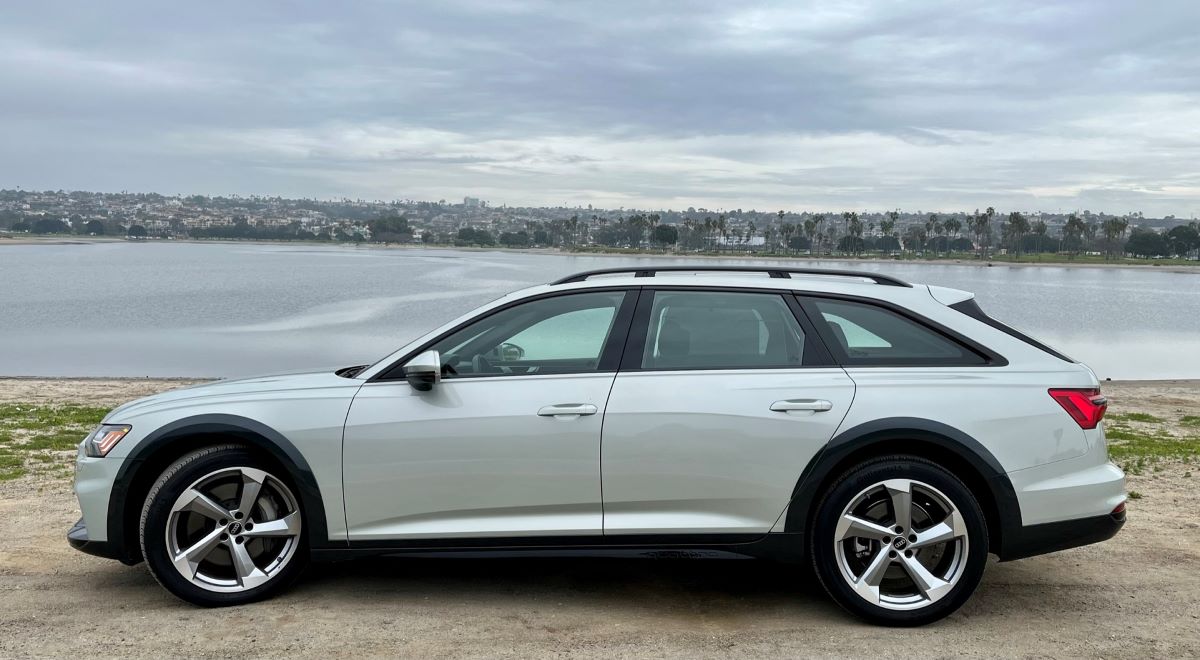
Its air suspension system enables adjustable damping and increases ground clearance compared to the A6, giving it a mild off-road stance. However, due to its low-profile tires, it’s only modestly suited for dirt roads. Don’t expect it to tackle serious off-road terrain: “Don’t plan any rock-crawling missions.”
We appreciate the A6 Allroad for its refined ride quality and technology-packed interior. However, its taller stance and softer suspension tuning do compromise the A6’s usual crisp road manners. Even within the already high-priced luxury wagon segment, the A6 Allroad carries a steep price tag.
If you’re in the market for a midsize luxury wagon that can also handle unpaved roads, your shortlist includes just a few alternatives: the Mercedes-Benz E-Class All-Terrain and the Volvo V90 Cross Country. Both offer similar blends of comfort and light off-road ability.
If you’re open to looking outside the premium badge circle, the Subaru Outback delivers comparable utility at nearly half the cost.
5. Chrysler Pacifica Hybrid
While the Pacifica Hybrid is efficient and family-friendly, it’s not built for rural independence. The plug-in hybrid system is complex and often requires dealer visits for diagnostics and software resets.
Even basic issues like battery faults or charging errors can’t be fixed by your local mechanic. Worse yet, access to hybrid-certified technicians in rural areas can be very limited.
The 2024 Pacifica represents more than just Chrysler’s adaptable minivan—it now stands as the brand’s sole offering, following the discontinuation of the 300 sedan. While having a one-model lineup may be a tough pill for Chrysler dealers to swallow, the Pacifica itself still brings plenty to the table.
It comes with available all-wheel drive and is the only minivan for 2024 to offer a plug-in hybrid variant that delivers about 32 miles of electric-only driving. If you’re someone who frequently plugs in your vehicle, that electric range can translate into meaningful fuel savings.
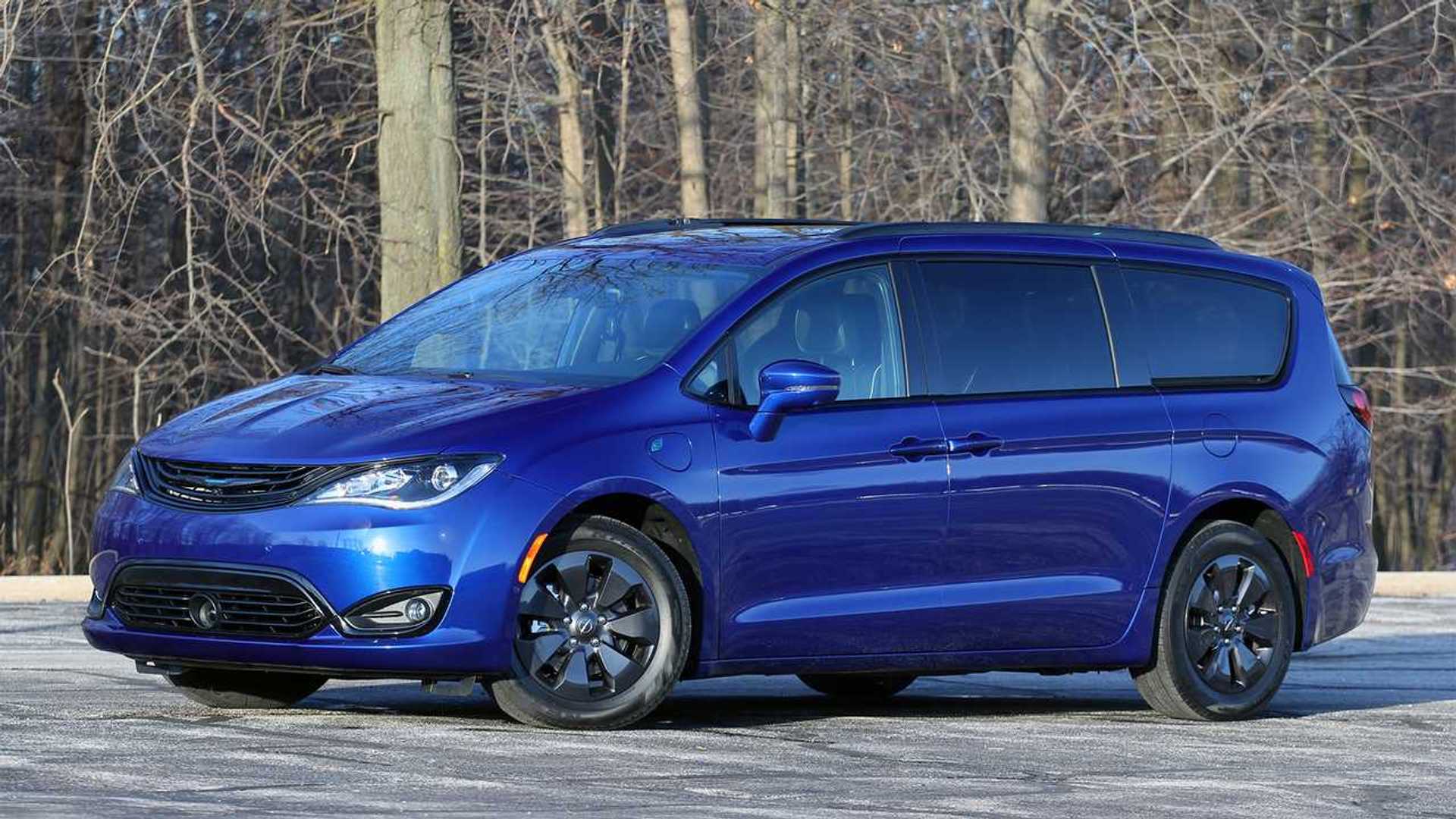
In its standard setup, the 2024 Chrysler Pacifica seats seven passengers, though it can accommodate up to eight when equipped with the optional second-row bench on the Touring L trim.
The interior provides a wealth of storage options, with an array of cubbies, trays, and other clever storage areas thoughtfully arranged throughout the cabin. When the second-row seats are upright, the compartments they normally fold into for Stow ‘n Go can double as hidden storage bins.
But it’s in cargo-hauling where the Pacifica truly stands out. On non-hybrid models, both the second and third rows fold flat into the floor, unlocking a massive 140.5 cubic feet of cargo space.
The result is an impressively flat loading surface with no need to remove heavy seats, making it a top contender for anyone who frequently needs to carry large or bulky items.
If you live in a rural area, you want a vehicle that won’t let you down when you’re far from help. The best rural cars are tough, simple, and don’t need a service computer to keep going.
Meanwhile, the worst offenders may offer luxury or fuel savings in the city but become liabilities on gravel roads or icy hills. When choosing a vehicle for rural life, prioritize old-school engineering, mechanical simplicity, and proven reliability.
Fancy screens and advanced sensors won’t matter much when you’re trying to get to town in a snowstorm or when your only mechanic lives an hour away.