Not all cars are created equal—some are built to thrive for generations, while others struggle to survive past basic mileage milestones. In 5 Cars With Million-Mile Owners vs 5 That Rarely See 100,000 Miles, we explore two extremes of automotive engineering.
On one side are legendary machines like the Toyota Land Cruiser and Honda Accord, trusted by owners to cross hundreds of thousands—sometimes even a million—miles.
On the other hand are models like the Fiat 500 and Chrysler PT Cruiser, whose flaws surface far too soon. This is a story of durability versus disappointment, and what truly sets long-haul legends apart.
5 Cars With Million-Mile Owners
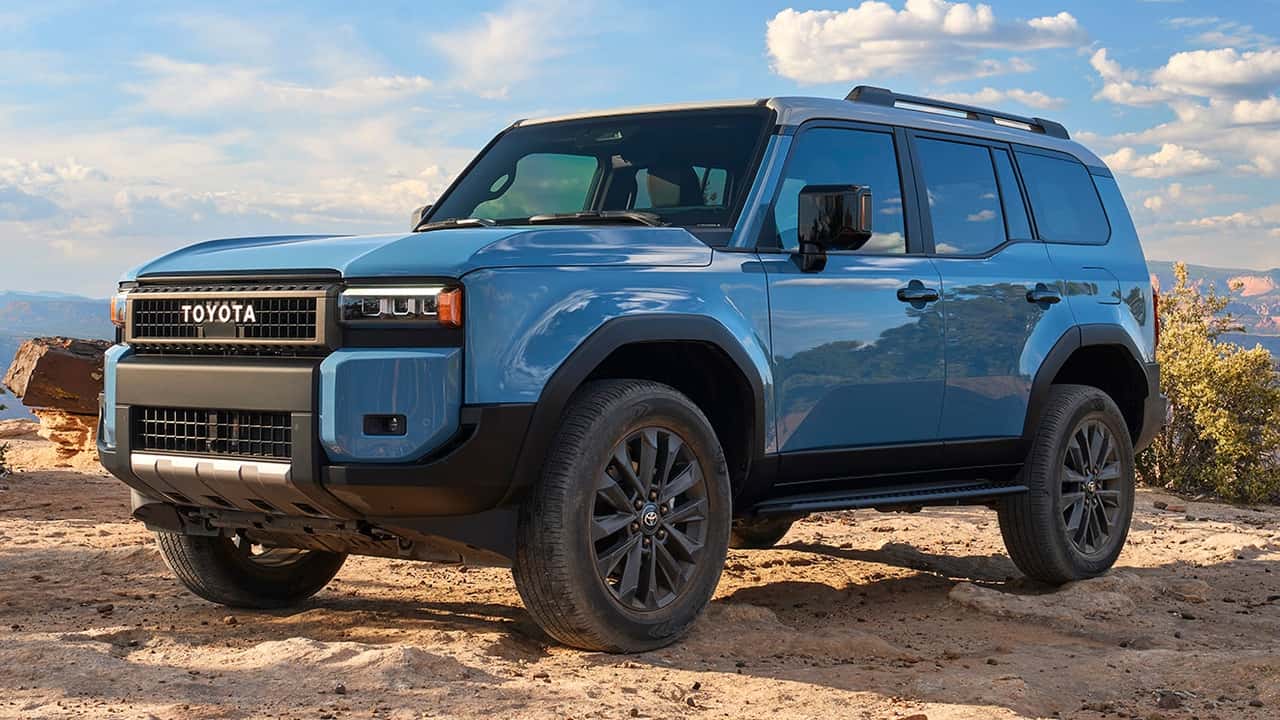
1. Toyota Land Cruiser: Engineered for Eternity
The Toyota Land Cruiser is legendary for its durability, especially in the harshest environments. Its engineering prioritizes simplicity and strength, making it a preferred vehicle for military, off-road expeditions, and remote humanitarian missions.
Unlike modern SUVs filled with delicate electronics, the Land Cruiser stays loyal to rugged mechanical components that prioritize endurance over sophistication. Its heavy-duty ladder-frame chassis and solid axle suspension ensure stability and toughness, even under extreme duress.
Owners worldwide have pushed their Land Cruisers well beyond 300,000 miles, and many cross the one-million-mile threshold without major failures. It’s a vehicle designed not just to last a long time, but to remain fully functional in the most hostile conditions.
Mechanics appreciate its ease of repair and consistent design logic, while owners often see their Land Cruisers as family heirlooms rather than disposable transportation. In every sense, the Land Cruiser proves that robust engineering and timeless design can outlast trends and generations.
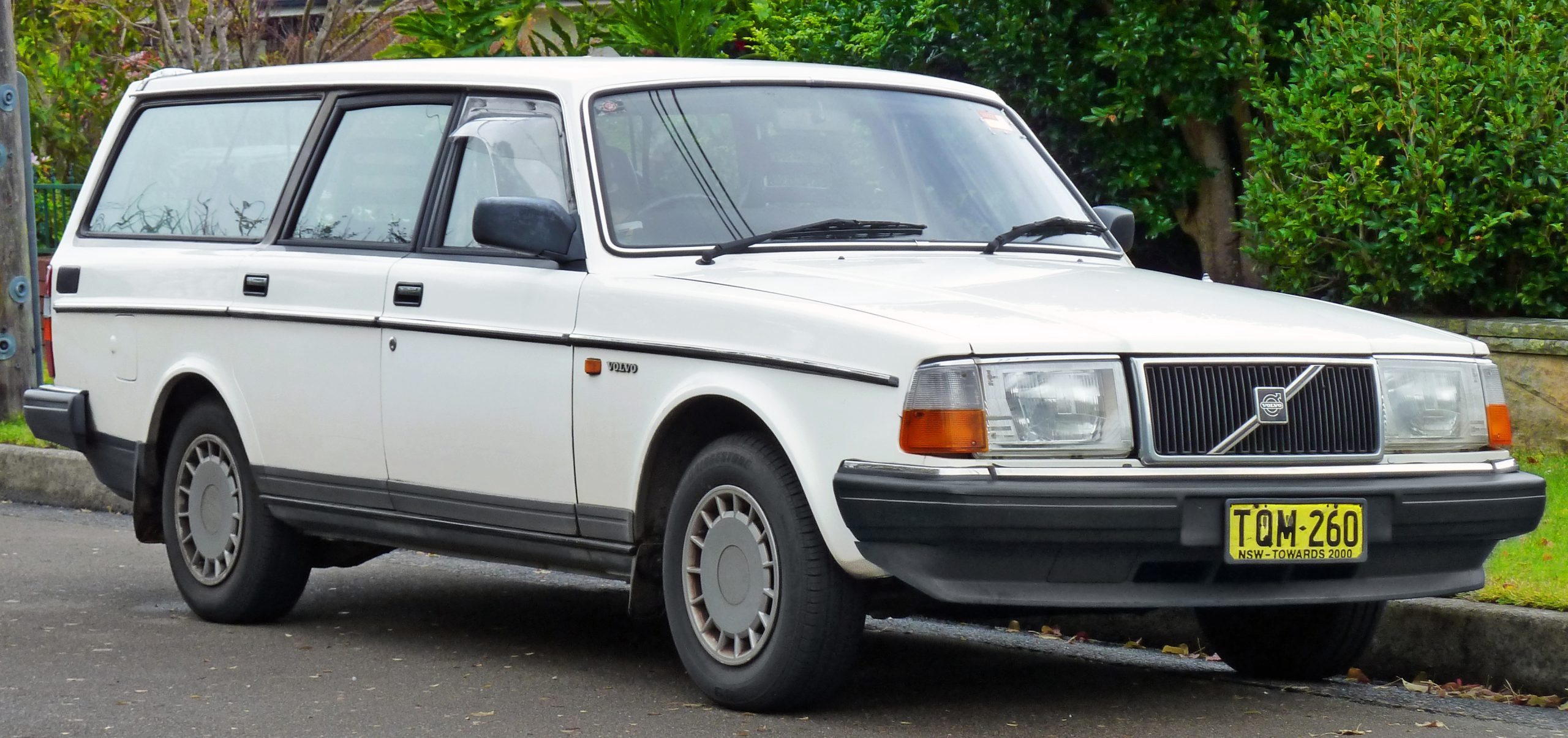
2. Volvo 240: The Brick That Wouldn’t Quit
The Volvo 240 series, with its unmistakable boxy profile, has achieved cult status for being nearly indestructible. Introduced in the 1970s, the 240 was built during a time when safety, simplicity, and mechanical integrity guided automotive design.
Its famously reliable 2.3-liter cast-iron engine, combined with a straightforward rear-wheel-drive layout, gives it mechanical longevity unmatched by most cars of its era. Unlike modern aluminum-based engines prone to warping, Volvo’s iron components handle stress and temperature with ease.
Additionally, its basic fuel injection system ensures consistent performance with low failure rates. The car’s structural integrity is bolstered by a strong steel frame and conservative design that resists corrosion over decades. Interiors, though spartan, are constructed with high-quality plastics and fabrics that age gracefully.
Volvo owners often maintain and restore their cars themselves due to excellent parts availability and a supportive community. The 240 is a textbook example of how smart, minimal engineering fosters unmatched long-term reliability.
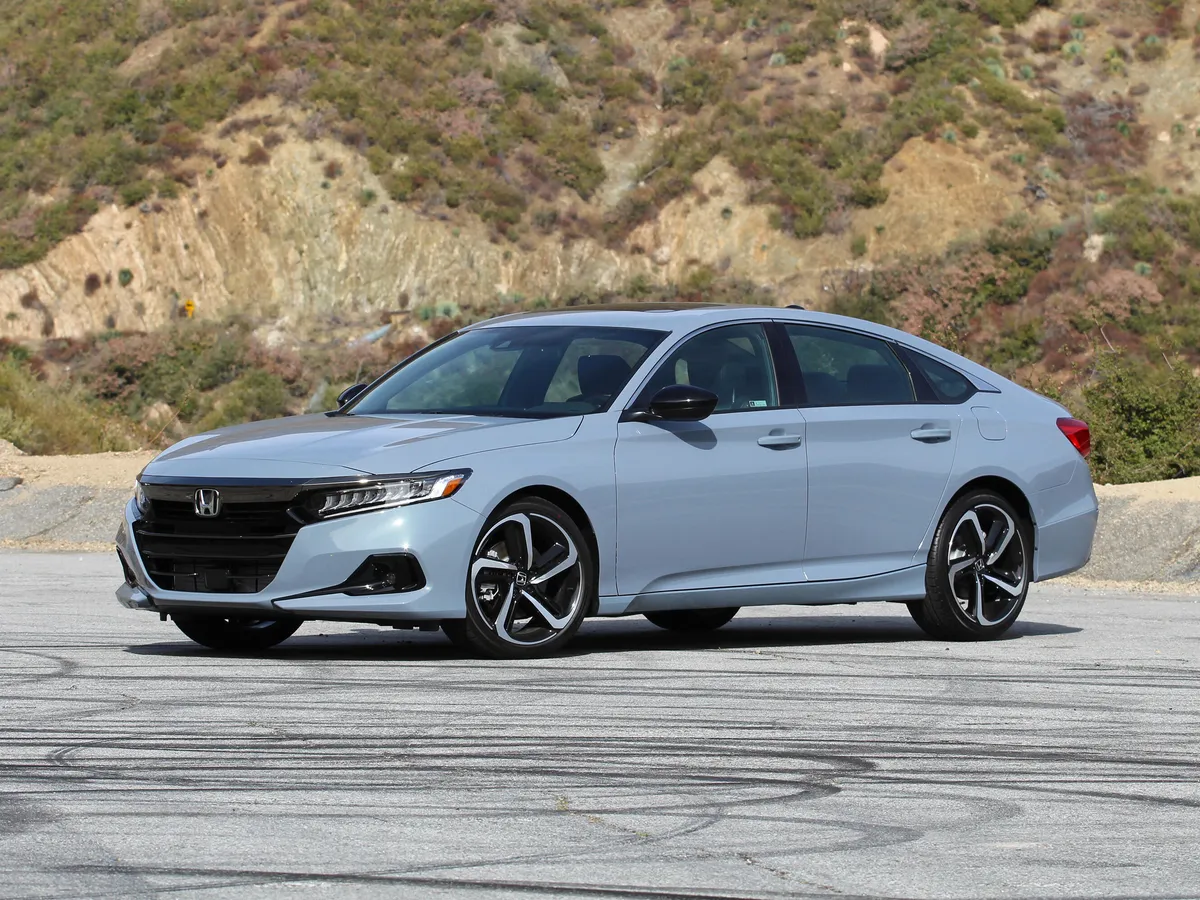
3. Honda Accord: The Everyday Million-Mile Hero
The Honda Accord exemplifies how a mainstream, affordable sedan can quietly dominate the million-mile club through consistency, quality, and practicality. Its design philosophy focuses on blending comfort and reliability, making it one of the most trusted daily drivers in history.
The Accord’s most iconic trait is its ultra-reliable inline-four engine, known for its ability to run for hundreds of thousands of miles with only basic maintenance. Honda’s switch to timing chains in more recent models further reduced failure risk, and the engines’ precision construction minimizes wear over time.
Beyond the powertrain, Honda engineered the Accord’s suspension and drivetrain with longevity in mind. Front-wheel drive reduces moving parts and strain, while strong corrosion resistance ensures the frame lasts decades. Owners benefit from abundant replacement parts and a well-documented repair history.
This ease of ownership and the Accord’s predictable reliability make it an ideal long-term car for anyone who prioritizes low maintenance and high mileage over flashiness.
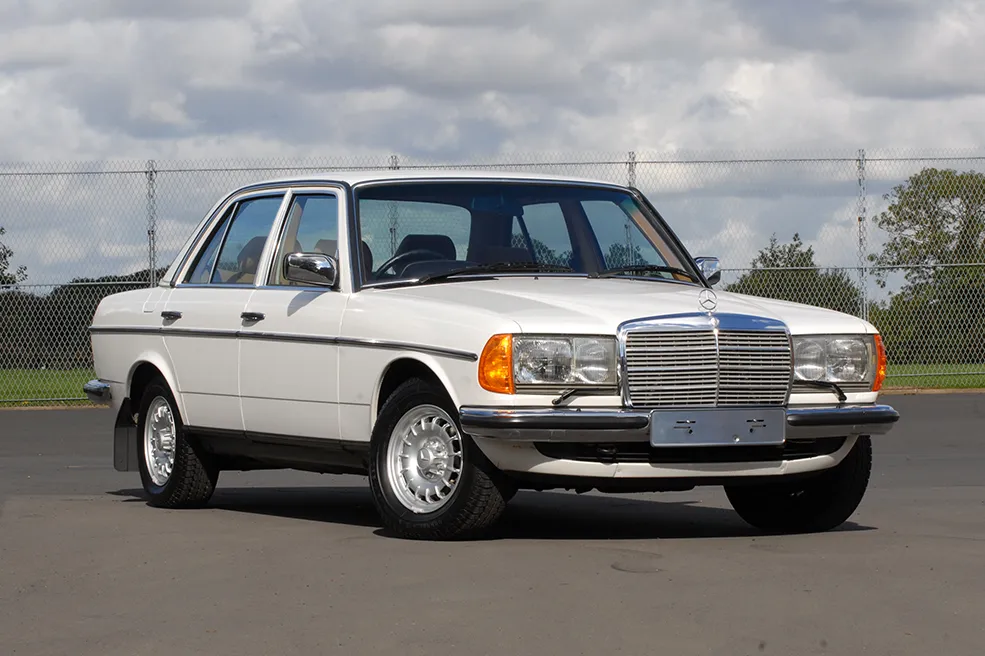
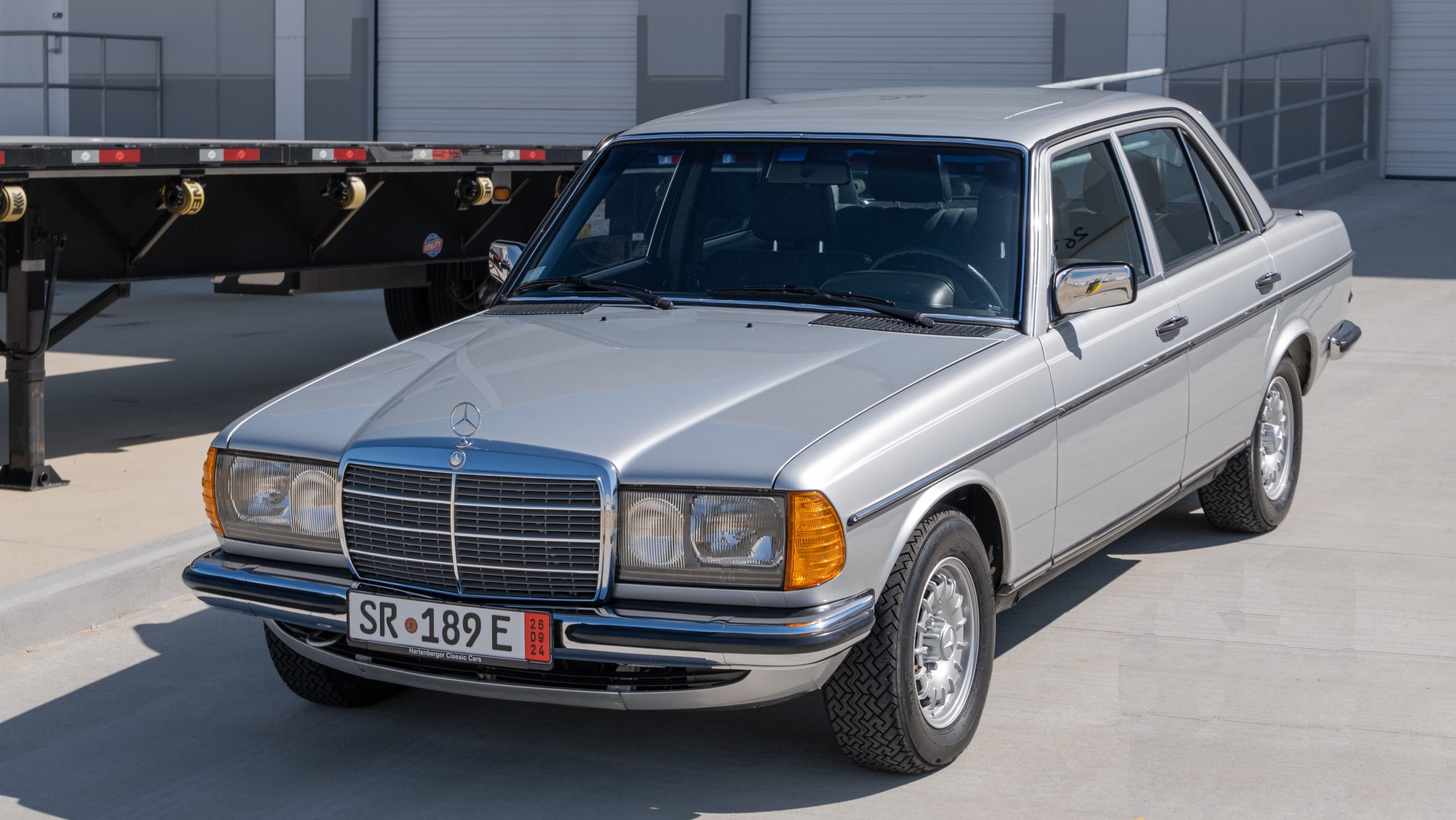
4. Mercedes-Benz W123: Timeless Diesel Workhorse
The Mercedes-Benz W123 is a shining example of when luxury and durability coexisted in perfect harmony. Built in the late 1970s and early 1980s, the W123 was constructed to a standard few modern cars attempt to match.
Its 3.0-liter diesel engine is a cornerstone of this durability, made from cast-iron and designed for longevity over performance. Operating at low RPMs with minimal stress, these engines regularly cross the 500,000-mile mark, and some far exceed a million miles with consistent oil changes and minor servicing.
The chassis is equally overengineered, featuring thick steel and body panels that resist rust far better than rivals. Inside, real wood trim and high-grade materials reflect a bygone era of craftsmanship.
Despite its luxury pedigree, the W123 is mechanically straightforward, making repairs simple and parts accessible even decades later. Taxi fleets around the world favored it for its reputation for unkillable dependability. The W123 isn’t just a car—it’s a lifelong companion.
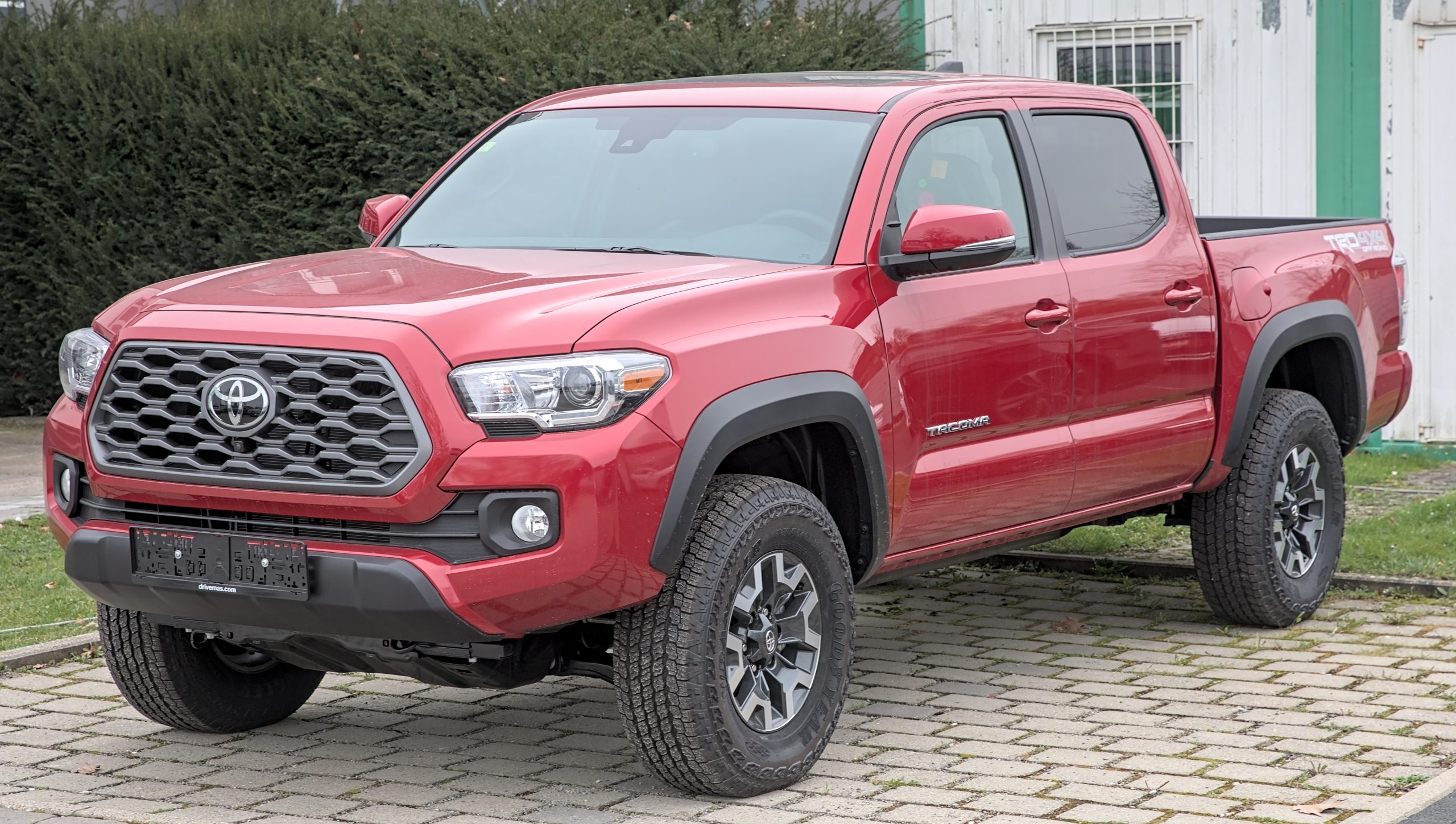
5. Toyota Tacoma: The Indestructible Pickup
The Toyota Tacoma has earned its place as one of the most reliable and long-lived trucks ever built. Its popularity stems from its unwavering commitment to ruggedness and simplicity, whether it’s used for off-roading, construction, or commuting.
Key to the Tacoma’s durability is the 3.4-liter V6 engine and robust manual or automatic transmission options. These drivetrains are engineered to withstand extreme usage without requiring constant attention, and many have surpassed 300,000 miles with only basic upkeep.
The Tacoma’s ladder-frame chassis is built for real truck use—resisting bending, fatigue, and corrosion far better than many competitors. Its leaf-spring suspension and body-on-frame construction make it ideal for hauling loads or tackling uneven terrain.
Owners are drawn to its DIY-friendly design, backed by Toyota’s immense parts network and a massive aftermarket. The Tacoma’s loyal fan base is known for maintaining their trucks meticulously, further ensuring million-mile achievements. It’s a truck that doesn’t just survive long-term use—it thrives in it.
5 Cars That Rarely See 100,000 Miles
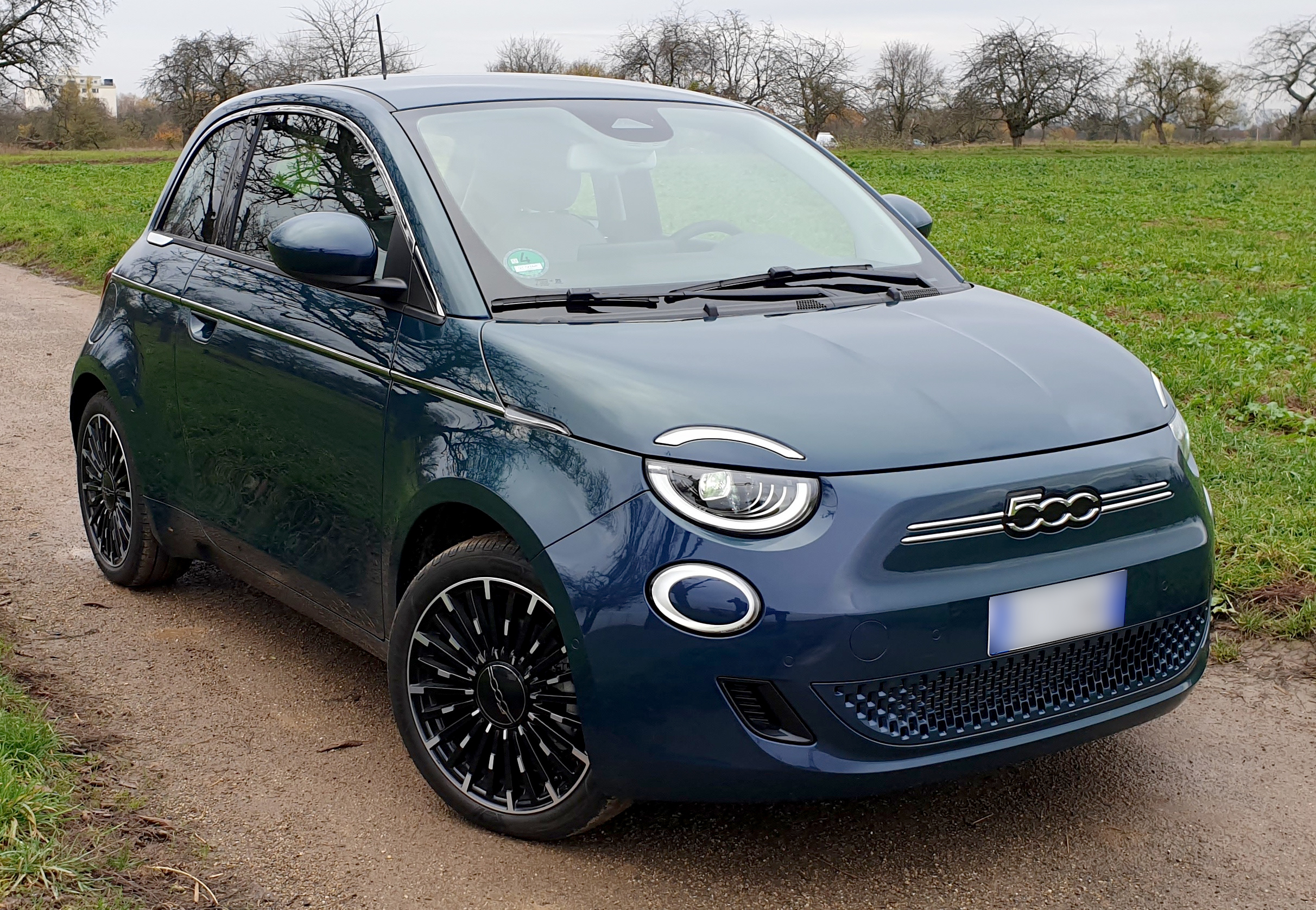
1. Fiat 500 (Modern Generation)
The modern Fiat 500, introduced in the late 2000s, wins hearts with its retro charm and nimble city driving, but struggles when mileage climbs past 100,000. Its compact, turbocharged 1.4‑liter engine excels in urban environments yet suffers from wear issues without strict maintenance.
Turbocharger problems, carbon buildup, and oil leaks are common, and the automated manual transmission is infamous for rough shifts and premature clutch wear. Electrical systems—infotainment units, power windows, and dashboard modules—are also prone to failure, with proprietary parts inflating repair costs.
The tightly packed engine bay exacerbates labor intensity and overall expenses for seemingly minor repairs. Front-end build quality uses cost-saving materials that deteriorate over time, including plastics and suspension components.
In sum, while stylish and fun, the Fiat 500’s fragility in engineering and materials composition undermines its ability to confidently reach six digits on the odometer.
2. Chrysler PT Cruiser
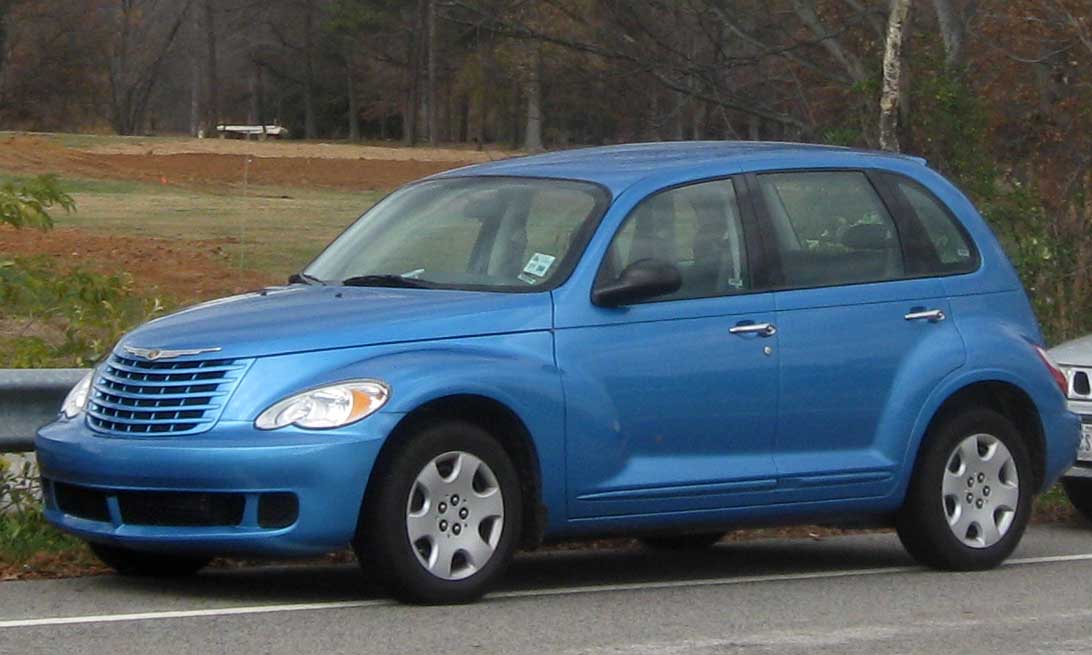
The Chrysler PT Cruiser, despite its retro-styled boxy appeal, faces serious longevity challenges that hinder its capacity to cross the 100,000-mile threshold reliably. Many models are equipped with a turbocharged 2.4‑liter inline‑four engine that suffers from premature turbo and intercooler failure, often exacerbated by a cooling system prone to overheating.
These issues frequently lead to warped heads or blown head gaskets, requiring costly repairs that frequently exceed the car’s residual value. Naturally aspirated variants fare only slightly better, encountering timing chain tensioner problems and persistent oil leaks.
Transmission woes—slippage, harsh shifts, and early automatic failures—are commonly reported, while manual transmissions bring their own clutch and linkage wear issues.
The PT Cruiser’s underpinnings—suspension bushings, ball joints, and struts—also wear prematurely, and interior build quality deteriorates through peeling trim, failing electronics, and rust‑prone panels. Altogether, the PT Cruiser’s aesthetic appeal is outweighed by its mechanical liabilities and high upkeep demands.
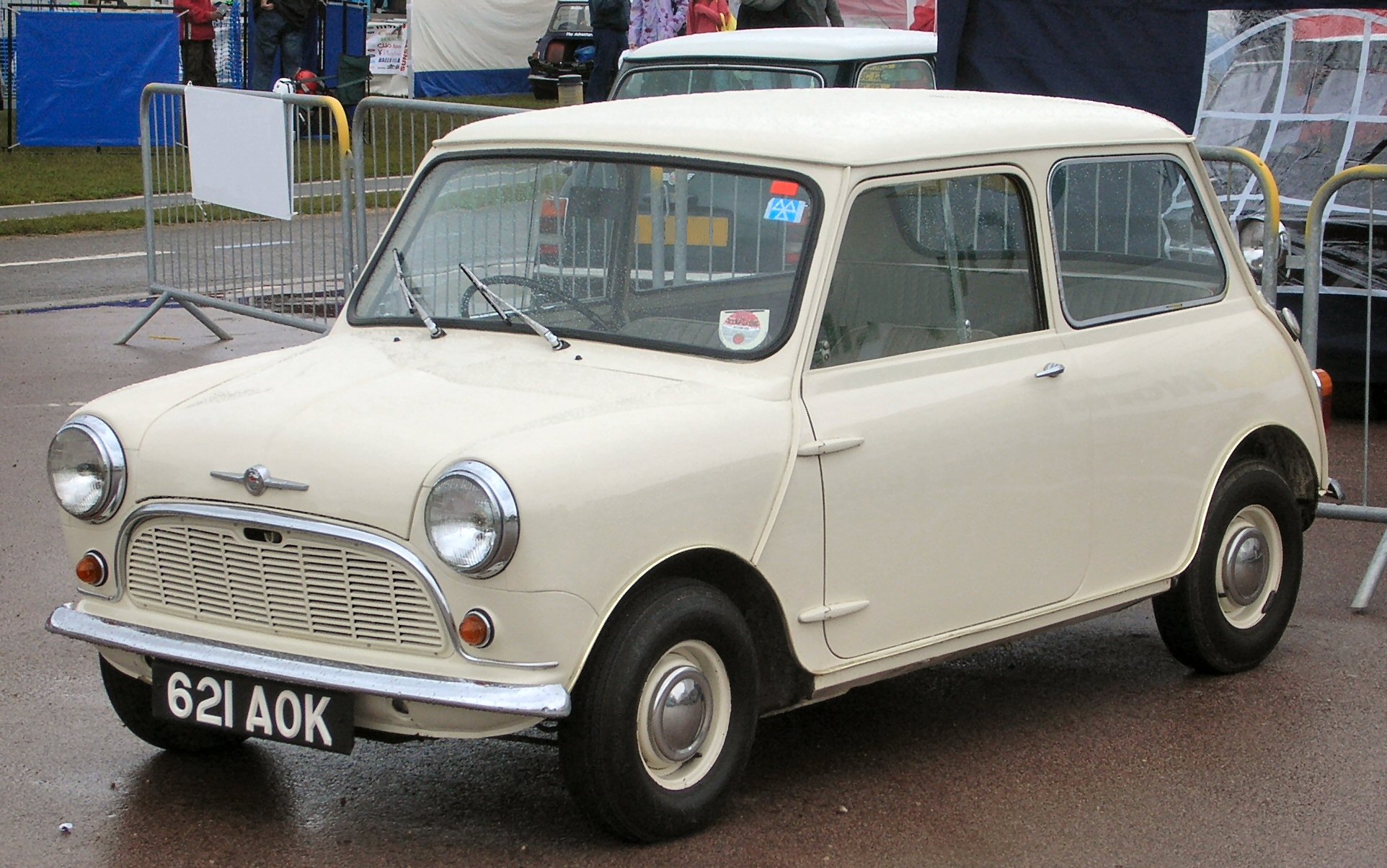
3. Mini Cooper (Early Models)
Early-generation Mini Coopers, revived by BMW, are celebrated for their sporty handling and compact design; however, they falter in durability after extended use. Powered by 1.6‑liter engines, these cars boast spirited performance but are plagued by head gasket issues, valve cover leaks, and weak cooling systems.
Without strict upkeep, they end up with carbon buildup and sludge, leading to early engine failure. Turbocharged versions add complexity, increasing the likelihood of turbocharger or engine component failure. Automatic transmissions are notoriously unreliable, often requiring rebuilds, while manuals face clutch and differential wear.
The Mini’s suspension and steering parts—engineered for agility—use small, precision components prone to accelerated wear, necessitating early replacement. The electrical systems are equally problematic: dashboard electronics, window regulators, and sensors frequently malfunction.
The tight engine bay and compact cabin packaging make even minor repairs labor‑intensive, driving up costs. Despite stylish driving dynamics, early Minis often fail to deliver the durability expected of a car reaching 100,000 miles.
4. Chevrolet Cobalt
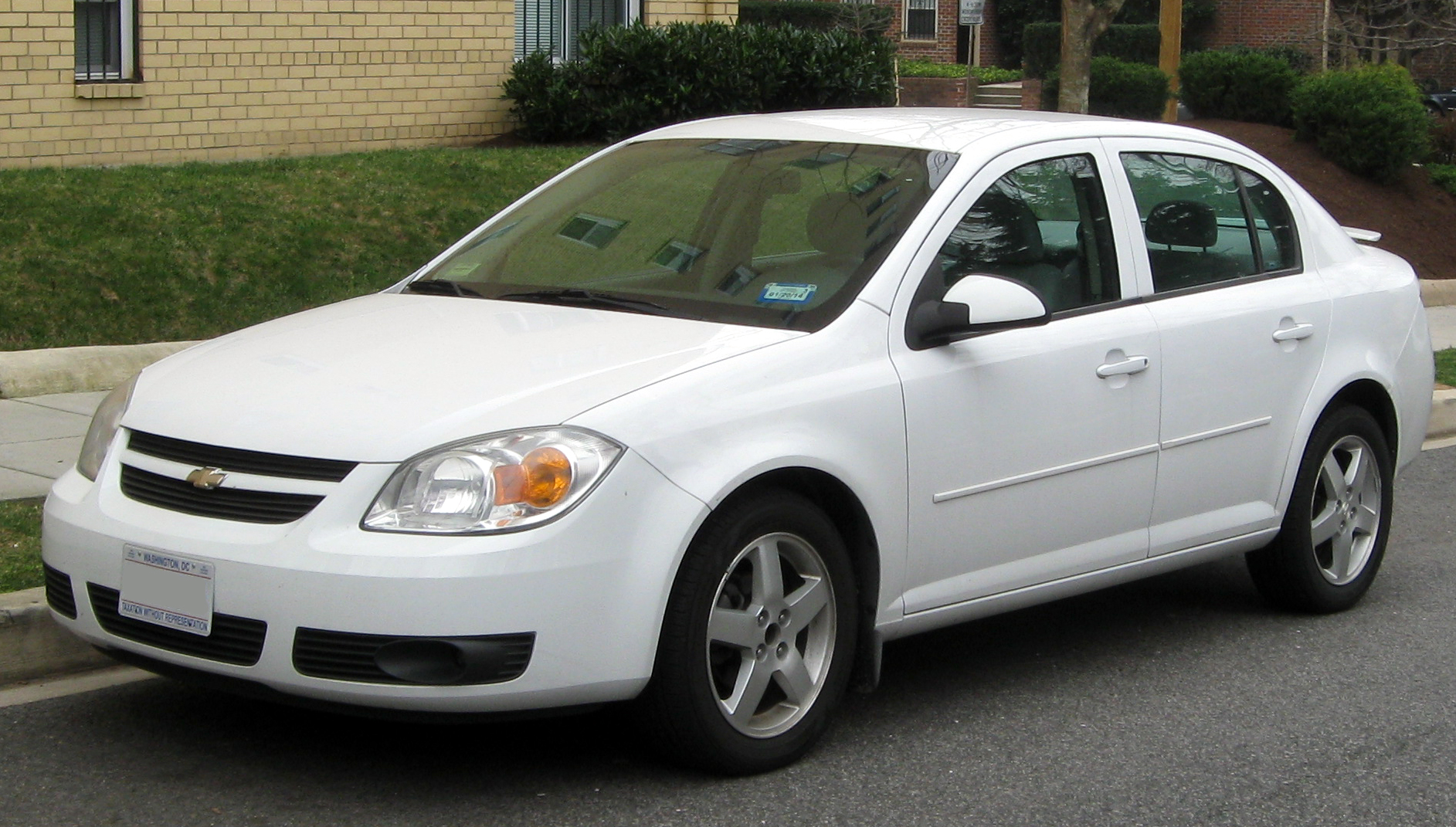
The Chevrolet Cobalt (2004–2010) offered a budget-friendly compact package, but its image suffered due to reliability challenges, making the 100,000-mile milestone a rarity for many owners.
It’s 2.2‑liter inline‑four, while simple, commonly encounters timing chain tensioner failures, excessive oil consumption, and head gasket problems—sometimes demanding engine rebuilds. Material inconsistency across production years amplified these concerns.
Later, turbocharged versions added performance but ushered in turbo‑related vulnerabilities. Transmissions—both manual and automatic—display early wear: manifests include slipping, harsh shifting, and torque converter issues. Leaks from transmission fluid and the need for replacements were widespread.
Suspension and steering components such as bushings, shocks, and ball joints deteriorated faster than expected. On the electrical front, the Cobalt wrestled with ignition system failures, dashboard malfunctions, and unreliable power accessories.
Interior quality was another weak point, marked by seat fabric wear, rattling trim, and faded plastics. While initially affordable, long-term ownership of the Cobalt became a liability due to the frequency and cost of mechanical, electrical, and cosmetic repairs near the 100K mark.
5. Nissan Altima (Early 2000s)
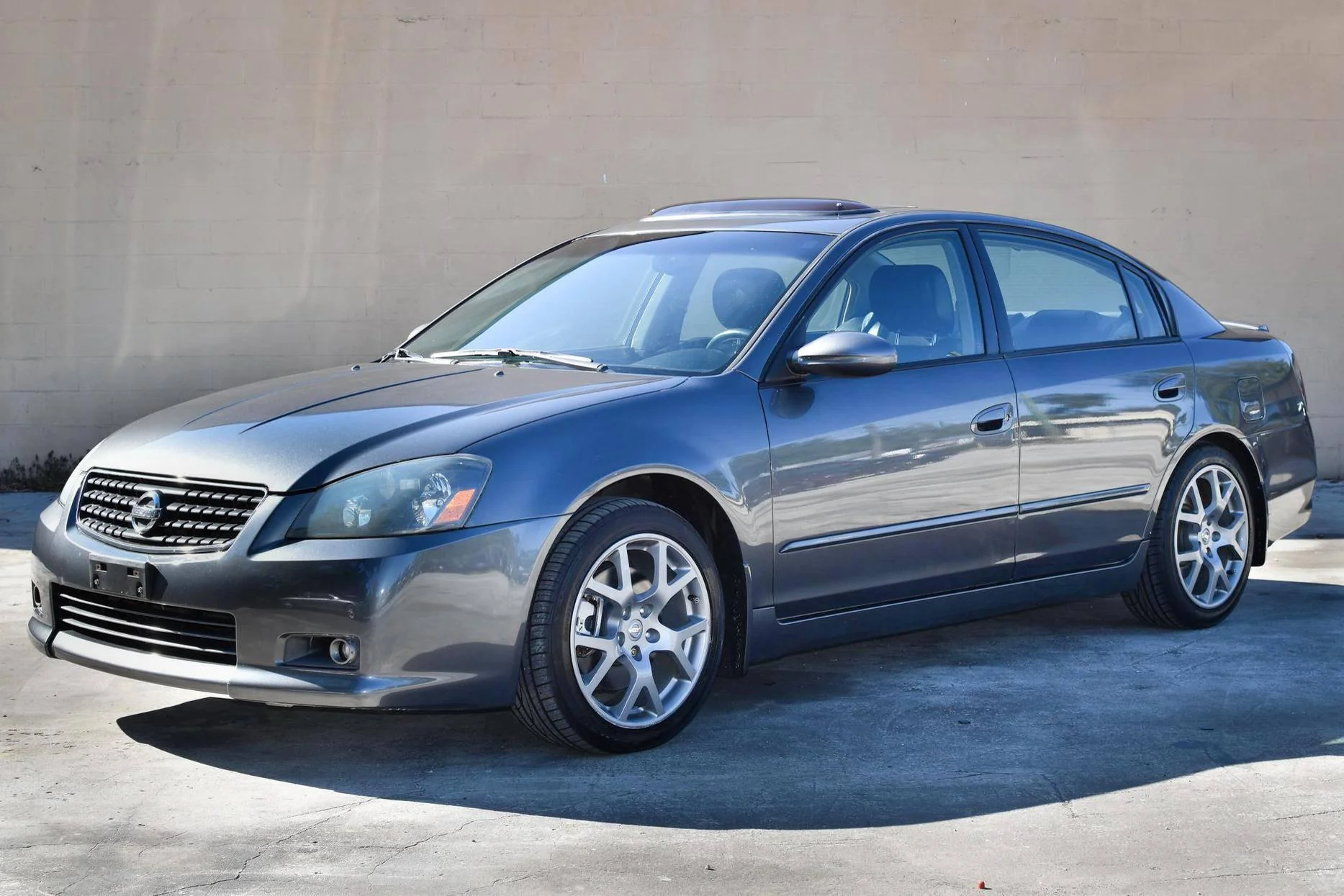
The early 2000s Nissan Altima was praised as a practical midsize sedan, but its engines and transmissions betray long-term reliability once the odometer nears 100,000 miles. The common 2.5‑liter inline‑four engine is notorious for excessive oil consumption, requiring constant monitoring to avoid premature wear.
Timing chain tensioners, camshaft, valve, head gasket, and coolant system failures are frequent, leading many owners to opt for engine rebuilds well before six digits on the clock.
The CVT-equipped models are especially problematic, with widespread premature wear, slipping, and breakdowns—often leading to full replacements or expensive engine swaps. Even the traditional automatic transmissions suffer from shifting issues and fluid leaks.
Suspension and braking components, including struts and calipers, wear faster than expected, demanding regular upkeep. Inside, the Altima struggles with premature upholstery wear, cracked dashboards, and failing power features.
These combined mechanical, electrical, and interior shortcomings dampen confidence in the vehicle’s durability, making a comfortable 100,000+ mile career rare without significant expense and effort.
As 5 Cars With Million-Mile Owners vs 5 That Rarely See 100,000 Miles makes clear, longevity isn’t a coincidence—it’s the result of smart design, quality materials, and mechanical integrity.
The million-mile club is reserved for vehicles built with purpose, not flash: simple drivetrains, easy maintenance, and time-tested engineering. Meanwhile, cars that falter before 100,000 miles often suffer from overcomplexity, cost-cutting, or poor long-term planning.
Whether you’re seeking a lifelong daily driver or a dependable adventure partner, understanding what separates durable legends from short-lived flops can save you thousands—and a lot of frustration—down the road.
Also Read: 5 Cars That Aced Tough Crash Tests vs 5 That Failed Miserably