
Let’s face it, once your car’s factory warranty runs out, even a small mechanical issue can feel like a major financial threat. Without that safety net, you want to be driving something dependable, something you won’t have to baby or pour cash into every few months.
That’s where certain vehicles stand out. Some cars are simply built to last, needing less repair work over time and offering more peace of mind, even when the warranty is long gone.
Whether you’re buying new with plans to keep it for the long haul or shopping used, here are 10 cars that have proven to stay strong and reliable after the factory coverage ends.
Toyota Corolla
The Toyota Corolla has long been a favorite among drivers who want a car that just keeps going. Known for its bulletproof engineering and no-nonsense simplicity, the Corolla is the kind of car that asks very little of you and gives back years, if not decades, of reliable service.
The naturally aspirated engines and straightforward design mean fewer things can go wrong, and regular maintenance is often all that’s needed to push well beyond the 200,000-mile mark. If you’re after an easy-to-own, low-drama daily driver, the Corolla remains one of the safest bets around.
Long known as the go-to for practical transportation, the Toyota Corolla continues to stand out more for its efficiency and value than for excitement behind the wheel.
Toyota has been leveraging the Corolla name in recent years, expanding the lineup to include the Corolla Cross, a crossover variant, and the limited-edition GR Corolla, both of which are covered separately. At the core of the lineup, though, are the Corolla sedan and hatchback models.
These remain the staples, powered by a reliable yet modest 169-horsepower inline-four engine paired with a continuously variable automatic transmission (CVT).
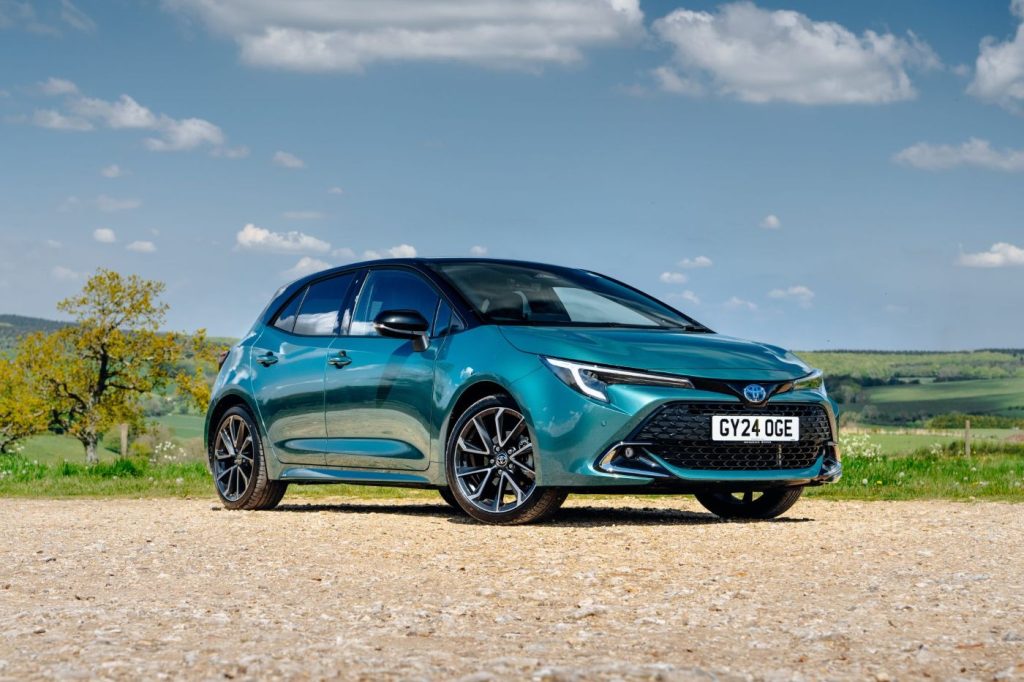
Drivers looking for a bit more engagement might prefer a Honda Civic or Mazda 3, which offer a sportier feel without sacrificing thrift. For those focused on maximum efficiency, the Corolla Hybrid is a standout—it even comes with all-wheel drive, though it’s limited to the sedan body style.
For 2025, Toyota introduces the Corolla FX, which is essentially a visual upgrade applied to the four-door sedan. Drawing inspiration from the 1980s Corolla FX16, the new FX unfortunately shares little of its predecessor’s performance DNA. Instead, the changes focus on styling and subtle tweaks.
The FX gets shorter springs for a slightly lower ride height and re-tuned electric power steering for a sportier feel. Cosmetic upgrades include 18-inch satin-black alloy wheels with machined accents, a blacked-out roof, rear spoiler, black badging, and black mirror caps.
Notably, the FX also marks the debut of a new 10.5-inch infotainment touchscreen, which will be optional across the rest of the 2025 Corolla lineup.
The 2025 Toyota Corolla starts at $23,520 and tops out at $29,385, depending on trim and options. The lineup includes the base LE at $23,520, the slightly sportier SE at $24,975, and the Hybrid LE at $25,020.
It also comes standard with a generous list of features, including LED headlights, 18-inch wheels and tires, a leather-trimmed steering wheel, and an 8.0-inch touchscreen infotainment system compatible with both Apple CarPlay and Android Auto.
Also Read: 5 Cars With Reliable Infotainment Systems and 5 That Glitch Nonstop
Honda Accord
The Honda Accord is one of those cars that mechanics love to see, not because it breaks down often, but because they know it’s easy to work on and rarely needs serious repairs.
With a reputation for outstanding longevity, especially in models with the base 2.4L engine, the Accord is roomy, refined, and impressively resilient. Even as the miles stack up, its quality build holds together better than most, making it a favorite among used car buyers who want peace of mind without sacrificing comfort or performance.
The Honda Accord isn’t quite the sales powerhouse it once was. While it used to lead the pack as Honda’s best-selling model, it now finds itself trailing behind the CR-V, HR-V, Pilot, and even the compact Civic in terms of sales volume.
It still moves plenty of units, but today’s buyers seem to favor crossovers over the Accord’s combination of a low, sporty seating position and a roomy interior.
Still, for those who appreciate what it offers, the Accord remains an excellent mid-size sedan. In fact, half of its buyers opt for the impressive gas-electric hybrid version, a testament to its blend of efficiency and performance.
The 2025 Honda Accord Hybrid, with a starting price of $33,655, now sits at the top of the Accord lineup. What makes it so compelling is that it delivers quicker acceleration along with significantly improved fuel economy.
We recently spent a week with the 2025 Accord Hybrid to dig deeper into what makes it such a well-rounded, enjoyable, and efficient sedan.
If that $33K-plus price tag on the Accord Hybrid sounds steep, it’s important to note this: “You can’t buy a low-cost base model like a Toyota Camry LE.” The Accord Hybrid Sport, which is the entry-level trim for the hybrid, comes with features comparable to those in the gas-powered Accord SE, which already starts at $30,560.
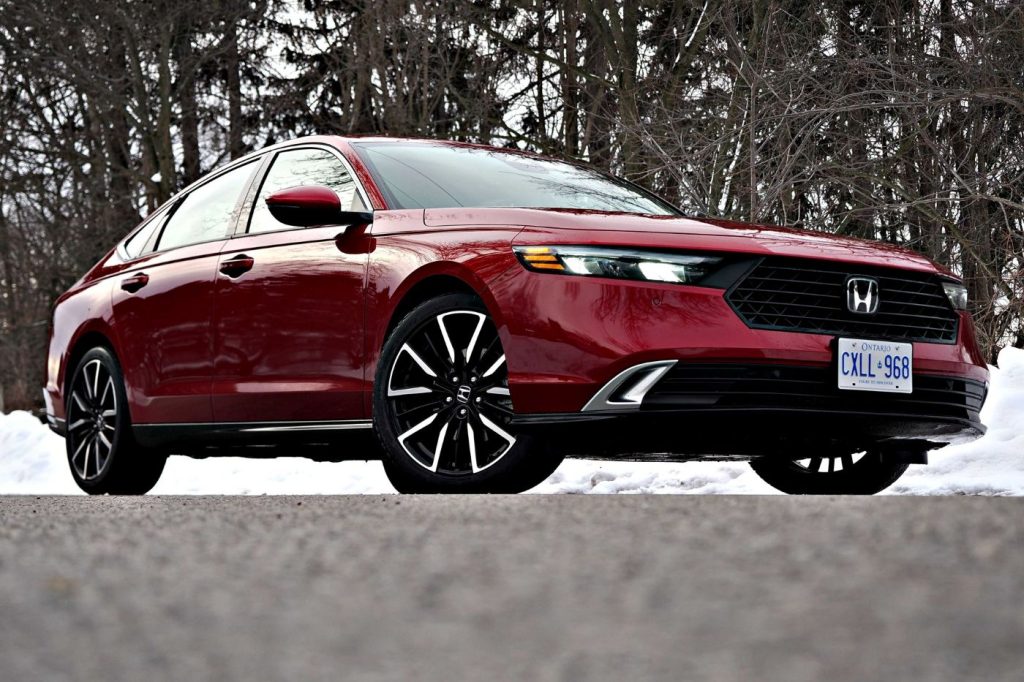
And as we’ll explain, spending around $3,000 more doesn’t just get you the hybrid label, it nets you noticeably better gas mileage, an additional 12 horsepower, and 55 more lb-ft of torque.
Under the hood, the Accord Hybrid combines a 2.0-liter gasoline engine with an electric motor. That gas engine powers the car while also charging a small battery, which in turn drives the electric motor.
With gentle acceleration or in the right conditions, the vehicle can even run on electric power alone. The switch between gas and electric is seamless and can happen automatically, or you can press an “E” button on the center console to deliberately engage more all-electric operation.
Standard features in the Accord Hybrid include a moonroof, a 10-way power-adjustable driver’s seat, heated front seats, a large 12.3-inch infotainment touchscreen, an eight-speaker sound system, and a comprehensive set of advanced safety and driver-assistance technologies, such as adaptive cruise control and blind-spot monitoring.
If you go up a level, the EX-L trim ($34,940) upgrades the cloth interior to leather. The Sport-L trim ($35,375) builds on the EX-L but adds a sportier aesthetic.
At the top of the range is the Touring trim, which was the version we tested. It’s priced at $39,300 and includes extras like ventilated front seats, heated rear seats, a heated steering wheel, a head-up display, rain-sensing windshield wipers, and an upgraded infotainment system.
Mazda CX-5
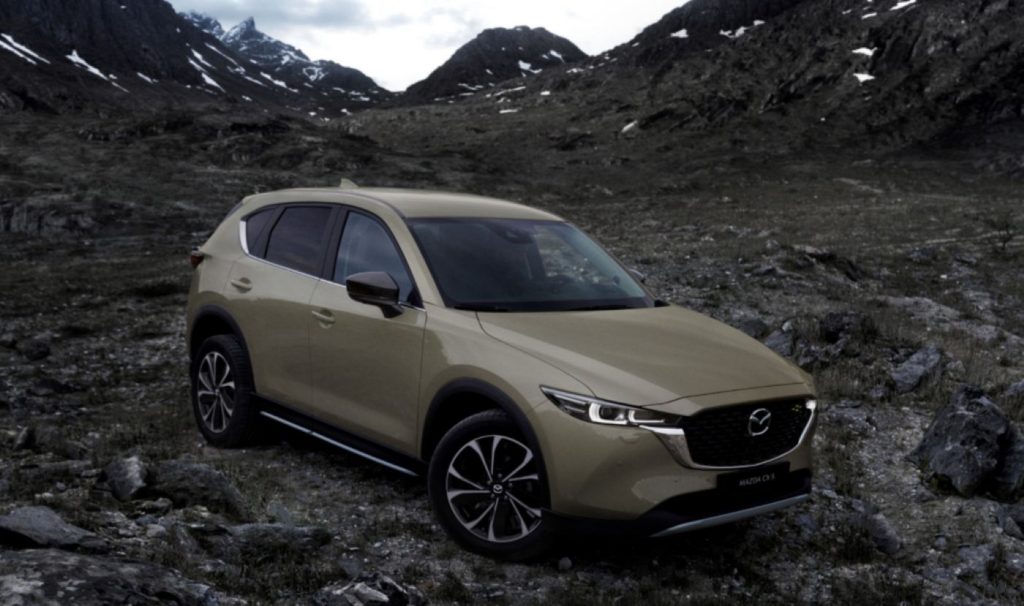
If you want a stylish crossover that won’t turn into a headache after the warranty ends, the Mazda CX-5 is a standout option. It blends sporty handling with upscale interior materials, and crucially, it doesn’t sacrifice reliability for looks.
The Skyactiv engines are known for their durability, and Mazda avoids loading the CX-5 with overcomplicated tech that could lead to trouble down the road. For drivers who want a compact SUV with just enough flair and plenty of staying power, this one’s a solid pick.
The S trim is back in the lineup, reintroducing a more affordable entry point to the Mazda CX-5 range. Meanwhile, the non-turbo Premium trim has been dropped. For 2025, the Carbon Edition model now comes standard with wireless Apple CarPlay, Android Auto, and a wireless phone charging pad.
If you opt for the Premium Plus, you’ll now get a surround-view camera system and parking sensors as part of the standard package. Across the board, all CX-5s have made the switch to USB-C inputs for the front seats.
The starting price for the 2025 Mazda CX-5 comes in at $30,265, with the range-topping trim reaching up to $42,295 depending on configuration and optional features.
- S – $30,265
- Select – $31,595
- Preferred – $32,945
- Carbon Edition – $33,845
- Premium Plus – $36,895
- Carbon Turbo – $38,420
- Turbo Premium (Recommended) – $39,495
- Turbo Signature – $42,295
When it comes to overall value and performance, we recommend the Turbo Premium trim. With its more potent 256-horsepower turbocharged engine, it finally delivers power that matches the CX-5’s already sharp handling.
On the outside, this trim gets a distinctively upscale look thanks to gloss-black accents, while the interior is enhanced with sporty red accents and stitching that elevate the cabin’s personality.
The base 187-horsepower four-cylinder engine in the CX-5 is surprisingly responsive when you’re pulling away from a stop or zipping around town. It gives the impression of being quicker than the numbers suggest.
That said, it does start to feel underpowered when you’re merging onto highways or attempting quick passes at higher speeds.
The CX-5 handles corners with composure and absorbs road imperfections gracefully. Road noise is subdued, the ride is balanced, not too stiff, not too soft, and overall, the experience is smooth and satisfying.
Even better, the CX-5 doesn’t just ride well, it comes alive when the roads get twisty. The steering, assisted by electronics, feels precise and well-weighted. In our tests, the Signature model impressed us with its brake pedal feel, it was firm and responsive without being overly sensitive, delivering solid, confident stops every time.
Subaru Forester
The Subaru Forester is a favorite among outdoor enthusiasts, dog owners, and just about anyone who wants dependable all-wheel drive in all weather conditions.
What makes the Forester great after warranty is its naturally aspirated 2.5L engine, which has proven to be more robust and longer-lasting than some of Subaru’s turbocharged alternatives.
Routine maintenance is key, especially with Subarus, but if taken care of, a Forester will serve you reliably well past the 100,000-mile mark, making it a favorite in snow states for good reason.
The Subaru Forester remains one of the brand’s most popular SUVs, right alongside the compact Crosstrek and the larger Outback. The engine carries over from the previous generation, and the rugged Wilderness trim continues to use the older platform. But for the rest of the sixth-generation Forester lineup, there are notable changes.
The exterior now sports a tougher, more muscular look, with beefier fender flares and a reshaped grille that gives off some Ford Explorer vibes. In essence, the new Forester feels more like a thoughtful refinement of the outgoing model than a complete overhaul.
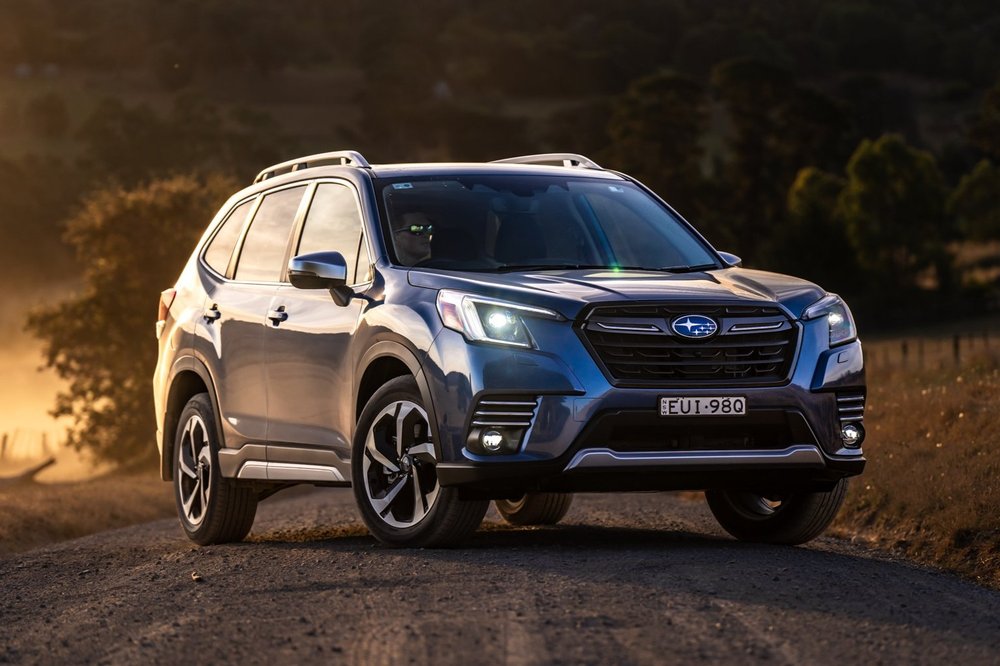
Most of the updates for the 2025 Forester are subtle and evolutionary. The SUV remains almost identical in size both inside and out. One of the key upgrades is the touchscreen interface.
Every trim level above the base now comes standard with Subaru’s larger 11.6-inch tablet-style touchscreen, similar to what’s been offered in the bigger Outback for a few years.
However, the most noteworthy addition to the 2025 lineup is the new Subaru Forester Hybrid. This new hybrid model delivers 194 horsepower, giving it 14 more horses than the standard engine, and achieves an estimated 35 mpg in combined city and highway driving.
That’s a decent improvement over the non-hybrid Forester’s 29 mpg, although it still lags slightly behind the fuel economy figures of most other compact hybrid SUVs on the market.
Lexus ES
If you’re dreaming of a luxury car but dread the thought of costly repairs down the line, the Lexus ES is the answer. Essentially a dressed-up Toyota Camry under the hood, the ES delivers high-end comfort and refinement without losing Toyota’s legendary reliability.
It’s one of the few luxury sedans you can confidently drive well beyond the warranty period without the fear of frequent shop visits. And with Lexus’ customer service and build quality, it ages gracefully, inside and out.
That’s because this is the first mainstream Lexus to be engineered as what the company calls a “dual-platform vehicle,” meaning it was designed from the ground up to accommodate both internal combustion engines and fully electric powertrains under the same body shell.
This idea isn’t entirely new—rival BMW has already rolled out several dual-purpose ICE/EV models, including the i4/4 Series Gran Coupe, i5/5 Series, and i7/7 Series but it marks a first for Lexus.
In fact, it’s the first Toyota-affiliated model to attempt this kind of flexible architecture since the third-generation RAV4, which briefly offered a Tesla-sourced EV variant.
Successfully designing a platform that can house both gasoline and electric systems without major compromises is no small feat, and Lexus appears ready to join the ranks of brands that have pulled it off.
Though full details are still limited, early information suggests the 2026 Lexus ES rides on a modified version of the outgoing model’s TNGA-K platform.
This updated architecture has been reworked to support both ICE and EV drivetrains. The new ES is larger in nearly every dimension, a decision likely made to ensure there’s adequate space for a competitive battery pack beneath the floor without sacrificing passenger comfort.
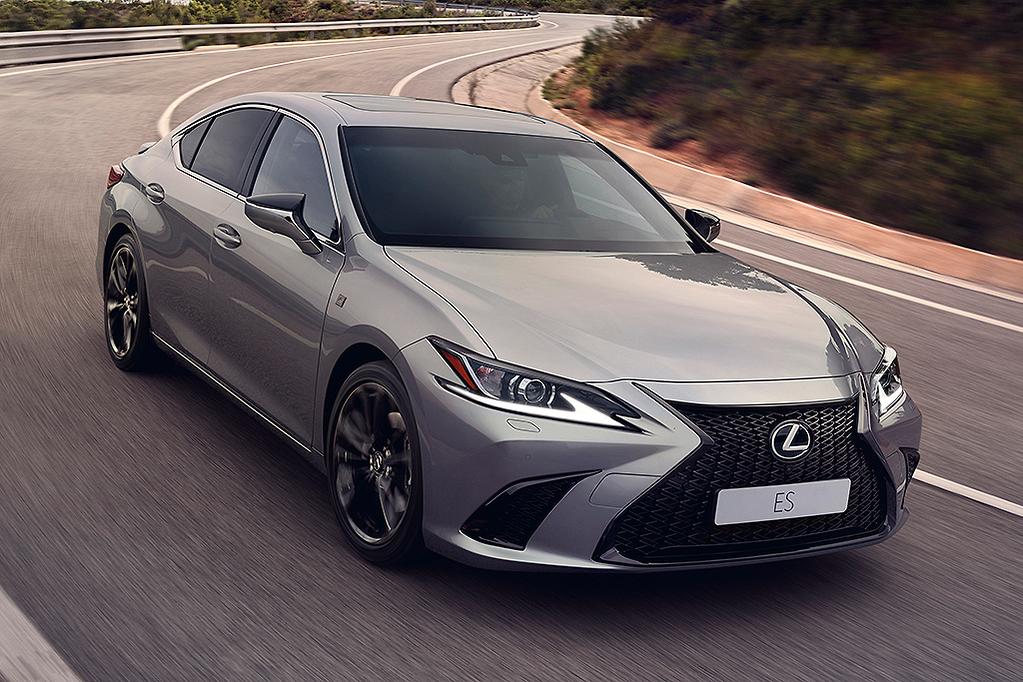
The wheelbase has been extended by an impressive 3.1 inches, now measuring 116.1 inches. Overall length jumps significantly too, from 195.9 inches to 202.3, putting it close to the flagship LS sedan in terms of footprint.
Width grows by 2.1 inches, and crucially, height has increased as well, though the amount depends on which model year you’re comparing against.
This height gain is a big deal. The current ES already offers generous legroom, but headroom has been a tighter squeeze. Since battery packs installed under the floor can eat into vertical space, Lexus appears to have countered this by raising the roofline.
The company even notes that “the seating position has been set higher to improve ease of entry and exit, while also providing a wide field of vision,” which all but confirms an increase in usable headroom.
Lexus also swapped out the old strut-type rear suspension in favor of a more compact multilink setup. That move likely helps with packaging efficiency and creates more room under the floor for the battery while improving ride dynamics.
All of these changes suggest that the next-generation ES wasn’t just mildly revised, it was strategically re-engineered for the brand’s electric future.
Also Read: 5 SUVs With the Best Spare-Tire Accessibility and 5 With Buried Spares
Hyundai Sonata (Post-2016 Models)
Hyundai has made huge strides in build quality, and the Sonata is proof of that. While older models were hit or miss, Sonatas built from 2016 onward offer solid performance and longevity, especially with the base 2.4L engine.
These cars are comfortable, efficient, and attractively priced, even new. And if you’re shopping certified pre-owned, many of these models still come with what’s left of Hyundai’s 10-year/100,000-mile powertrain warranty, offering a little extra reassurance as you move past the factory coverage.
While we expect the new models to offer solid competition, Hyundai’s decision not to fully reinvent the Sonata makes sense. The interior remains roomy and comfortable by modern standards, and the design tweaks, especially the redesigned center console and the new three-spoke steering wheel, give it a more premium look.
Combine that with the Sonata’s smooth, composed ride and a spacious trunk offering 16.3 cubic feet of cargo capacity, and you’ve got a sedan that handles both weekday errands and weekend trips with ease.
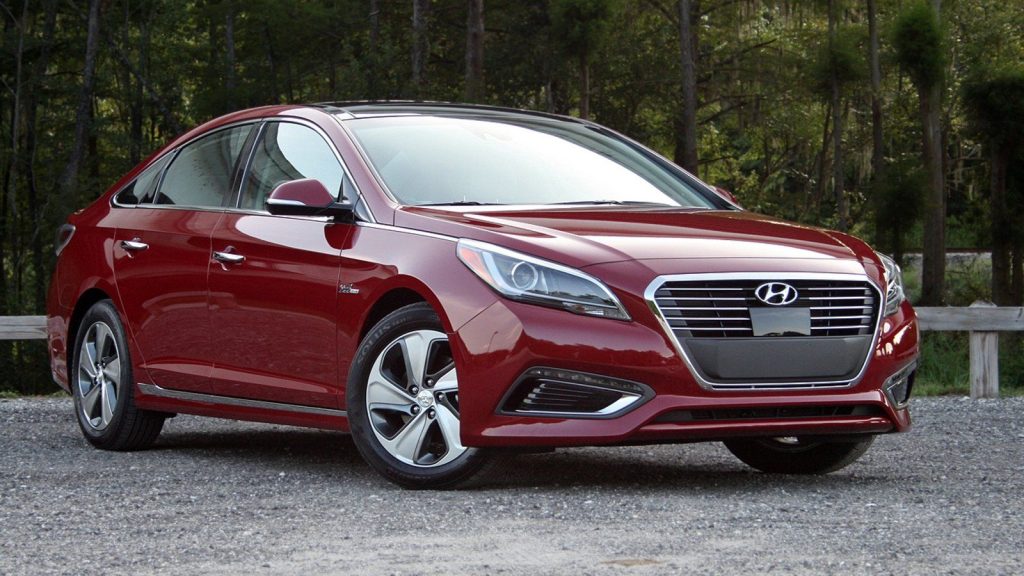
Another plus is the wide range of trim levels, seven in total, giving buyers plenty of flexibility. These range from the budget-conscious SE to the top-of-the-line Limited 2.0T, which is packed with nearly every convenience feature you could want.
While we’re not overly enthusiastic about the base four-cylinder engine found in the SE trim, we think the available turbocharged engines offer more satisfying performance. That said, even the base SE trim comes generously equipped with useful features, making it a solid choice.
The 2018 Hyundai Sonata looks like an all-new car thanks to significant updates it receives this year. The Sonata is a well-rounded midsize sedan that’s generous on space and fortified with tech and features. Add in competitive pricing, and its value proposition is very hard to ignore.
Toyota Prius
Say what you will about the design, but the Toyota Prius is one of the most dependable cars on the road, even years past its warranty expiration.
The 2024 Prius builds on the momentum of last year’s major redesign, which gave Toyota’s iconic hybrid a bold new look, improved performance, and an updated interior filled with fresh technology and modern design touches. In the past, it wasn’t uncommon to hear the Prius described as frumpy or dorky, but those days are behind us.
Thanks to its hybrid powertrain, the Prius delivers up to an EPA-estimated 57 mpg in combined city/highway driving. That’s right up there with the most fuel-efficient cars you can buy, and we’ve verified the EPA’s estimate in our own real-world testing. But fuel efficiency isn’t the only thing the Prius has going for it.
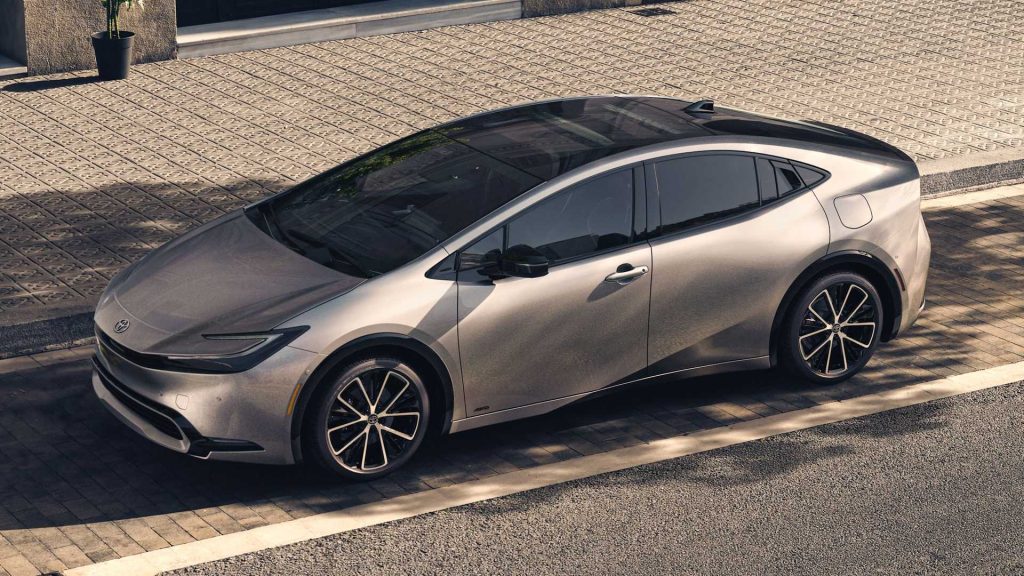
Underneath its appealing styling is a powertrain that helps the latest Prius to accelerate out of its own way, and then some. Compared to the previous-generation model, the 2024 Prius is packing up to 75 more horsepower, for a total of up to 196 ponies. And on top of all that, the Prius is more enjoyable to drive.
The hybrid system, once feared by skeptics, has proven itself with time, and battery replacement is far less common than it used to be. Many Prius owners report minimal maintenance and exceptional fuel savings long into six-figure mileage. For commuters or anyone wanting a dependable, eco-conscious choice, it’s hard to beat.
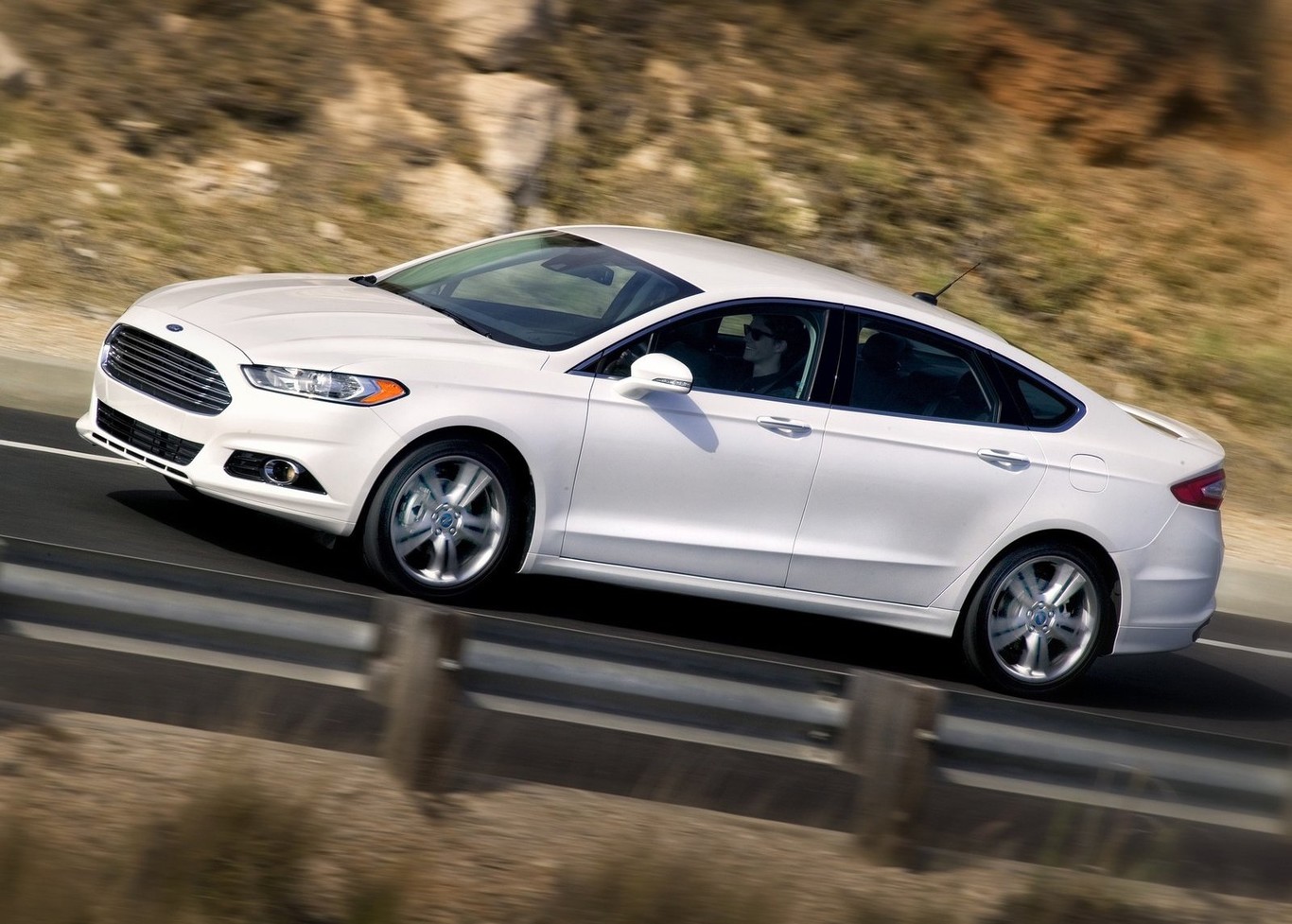
Ford Fusion (2015–2020)
Not all Fords are created equal, but the Fusion, particularly with the naturally aspirated 2.5L engine, has earned a reputation for surprising durability. It’s spacious, smooth-riding, and avoids the complexity that can come with turbocharged engines or high-end trims.
If something does go wrong, parts are easy to find and repairs are generally affordable. For buyers who want a reliable American sedan that won’t drain their savings once the warranty expires, the Fusion is a smart, underrated pick.
The Fusion S and SE trims come equipped with a 2.5-liter four-cylinder engine that produces 175 horsepower and 175 pound-feet of torque. This engine sends power to the front wheels via a six-speed automatic transmission.
For those opting for the SE trim, Ford offers two additional engine choices. One is a turbocharged 1.5-liter four-cylinder, also paired with a six-speed automatic transmission, delivering 181 horsepower and 185 lb-ft of torque.
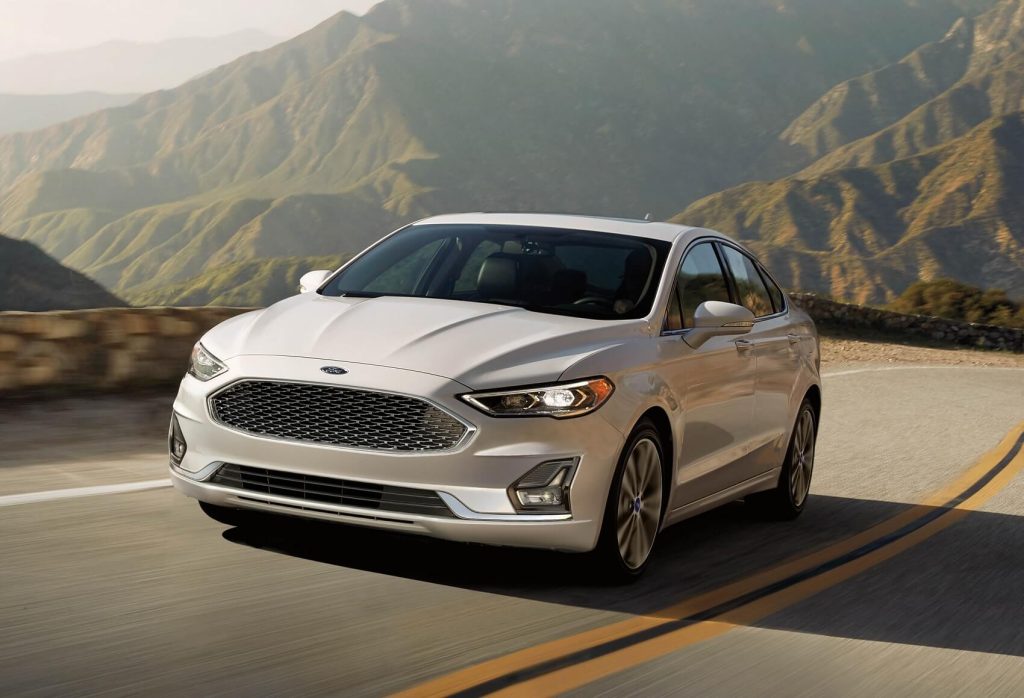
Drivers in search of stronger performance may want to go for the turbocharged 2.0-liter four-cylinder, which generates 240 horsepower and 270 lb-ft of torque. Like the others, it comes exclusively with a six-speed automatic, this time featuring paddle shifters for added driver engagement.
The Fusion Titanium trim comes standard with the more powerful 2.0-liter turbocharged engine. Notably, all-wheel drive is available as an option for any 2016 Fusion equipped with this engine.
In Edmunds’ track testing, the Fusion Titanium with the 2.0-liter turbo engine and all-wheel drive reached 60 mph in 6.9 seconds—right around the average for midsize sedans with upgraded engines and AWD. That model clocked a 0–60 mph time of 8.8 seconds, a typical figure for four-cylinder family sedans.
The EPA fuel economy ratings for the Fusion are respectable across its range. The base 2.5-liter engine returns an estimated 26 mpg combined (22 mpg city/34 mpg highway), placing it squarely in the middle of the pack for midsize sedans.
Kia Sportage (2017–Present)
Kia’s reputation has done a full 180 in the past decade, and the Sportage has become one of its most reliable nameplates. This compact SUV blends practicality with style and offers surprisingly strong reliability, especially when equipped with the base 2.4L engine.
Kia also builds in plenty of value, and like Hyundai, many used models still carry part of the original 10-year/100,000-mile powertrain coverage. Even beyond that, the Sportage holds up well with basic maintenance.
There’s a lot to appreciate about the 2019 Kia Sportage. One of its biggest strengths is the value it offers. You get a lot of features for the price, and Kia backs it up with one of the longest warranties in the industry. Out on the road, the Sportage impresses with its smooth, comfortable ride, roomy interior, and notably quiet cabin.
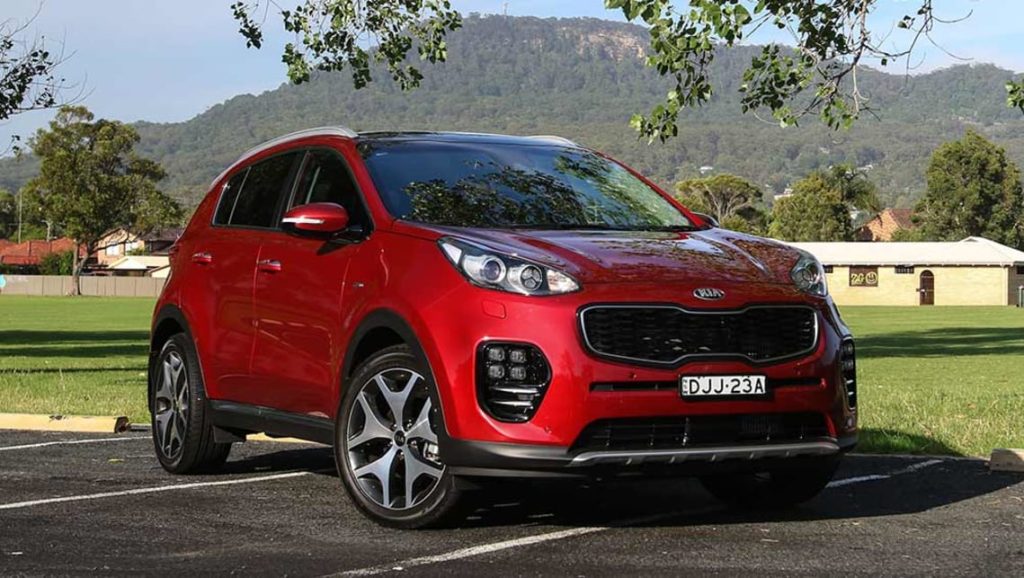
It also stands out in the compact crossover segment for offering an optional high-powered engine. If you go for the Sportage SX trim, you’ll get a turbocharged engine that delivers a solid 240 horsepower.
That said, the Sportage does come with a few drawbacks. Its cargo space is on the smaller side compared to rivals, and its fuel economy isn’t exactly a strong point. If you’re looking for maximum utility and better mileage, you might be happier with something like the Honda CR-V.
Likewise, shoppers drawn to stylish design or all-around versatility may prefer the Mazda CX-5 or Subaru Forester. Still, even with those limitations, the Kia Sportage confidently holds its ground in this competitive class. For many shoppers, it’s a smart and satisfying choice.
Chevrolet Impala (2014–2019)
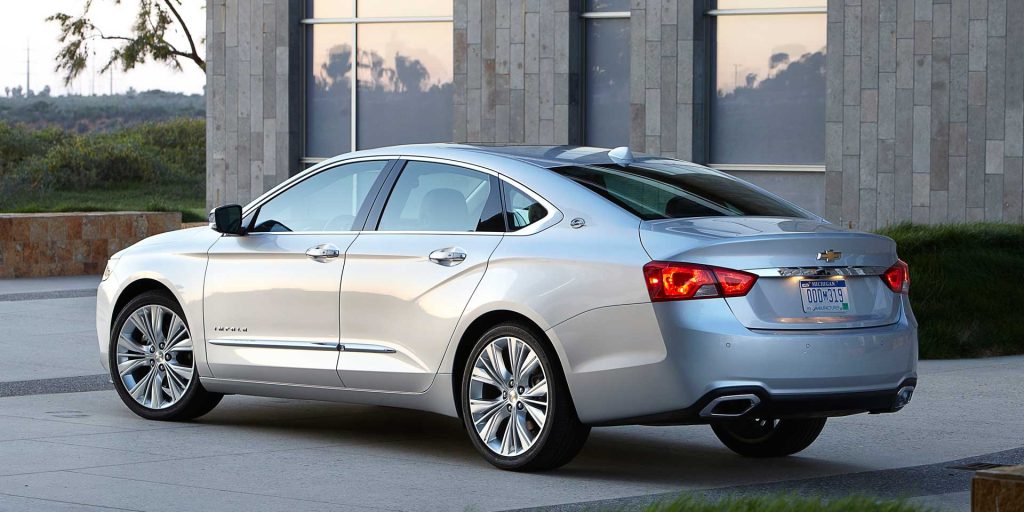
If space and comfort are your top priorities, the Chevrolet Impala is an excellent full-size sedan that doesn’t turn into a money pit after the warranty ends.
The 3.6L V6 engine is powerful and proven, and the car’s roomy interior and smooth ride make it great for highway cruising. These models were fleet favorites, which means they were built to take abuse and keep going. Find one with a clean service record and you’ve got yourself a reliable, budget-friendly cruiser.
We also have to give credit to the Impala for its tech improvements, especially when compared to the previous generation that often felt like a bare-bones rental car.
Most trims, excluding the base LS, come standard with Chevrolet’s 8-inch MyLink touchscreen infotainment system. It stands out with crisp visuals and a user-friendly layout, though it can occasionally lag in response.
When it comes to driver assistance features, the Impala keeps up with modern expectations. Available options include lane-departure warning, forward collision alert, and blind-spot monitoring.
At the top-tier LTZ level, you’ll even find adaptive cruise control with automatic emergency braking. Additional highlights include a strong-performing V6 engine available in the 2LT and LTZ trims, and exceptional crash-test ratings that make it a secure choice for families or frequent travelers.
That said, there are a few other full-size sedans worth cross-shopping before making a final decision. The Toyota Avalon remains a perennial favorite thanks to its spacious interior and availability of a fuel-efficient hybrid variant, in addition to its smooth V6.
The bold and capable Chrysler 300 brings a dose of style and rear-wheel-drive power to the mix. Lastly, consider the Hyundai Genesis — technically a step above in class, but Hyundai’s aggressive pricing strategy means it could still fall within the Impala’s pricing territory.
Every 2016 Impala model features front-wheel drive and a six-speed automatic transmission. The LS and 1LT trims are powered by a 2.5-liter four-cylinder engine delivering 196 horsepower and 186 pound-feet of torque.
According to the EPA, this setup achieves 25 mpg combined (22 city/31 highway). It also includes an automatic stop-start system, designed to conserve fuel by shutting the engine off when the vehicle is stationary.
Stepping up to the 2LT and 2LTZ trims brings a more potent 3.6-liter V6 engine that puts out 305 hp and 264 lb-ft of torque. This engine is rated by the EPA at 22 mpg combined (18 city/28 highway). It matched the acceleration time of the last Avalon tested and was notably quicker than both the Azera and the Cadenza.
Chevrolet also has a dual-fuel version of the Impala V6 available, capable of running on both compressed natural gas (CNG) and gasoline. The CNG is stored in a trunk-mounted tank that holds 7.8 GGE (gasoline gallon equivalent), offering a range of about 150 miles.
By default, this Impala runs on CNG, switching to gasoline once the CNG is depleted. A switch on the dashboard also allows drivers to manually toggle between fuel types.
Warranties are great while they last, but real value comes from a vehicle that doesn’t give you trouble once the factory coverage runs out. These 10 cars have proven they can go the distance with fewer problems and lower ownership costs than the average vehicle.
Whether you’re buying new with long-term plans or looking for a dependable used car, choosing something from this list puts the odds in your favor. Just remember: even the most reliable car still needs routine maintenance. But if you take care of these models, they’ll return the favor, mile after mile, year after year.
