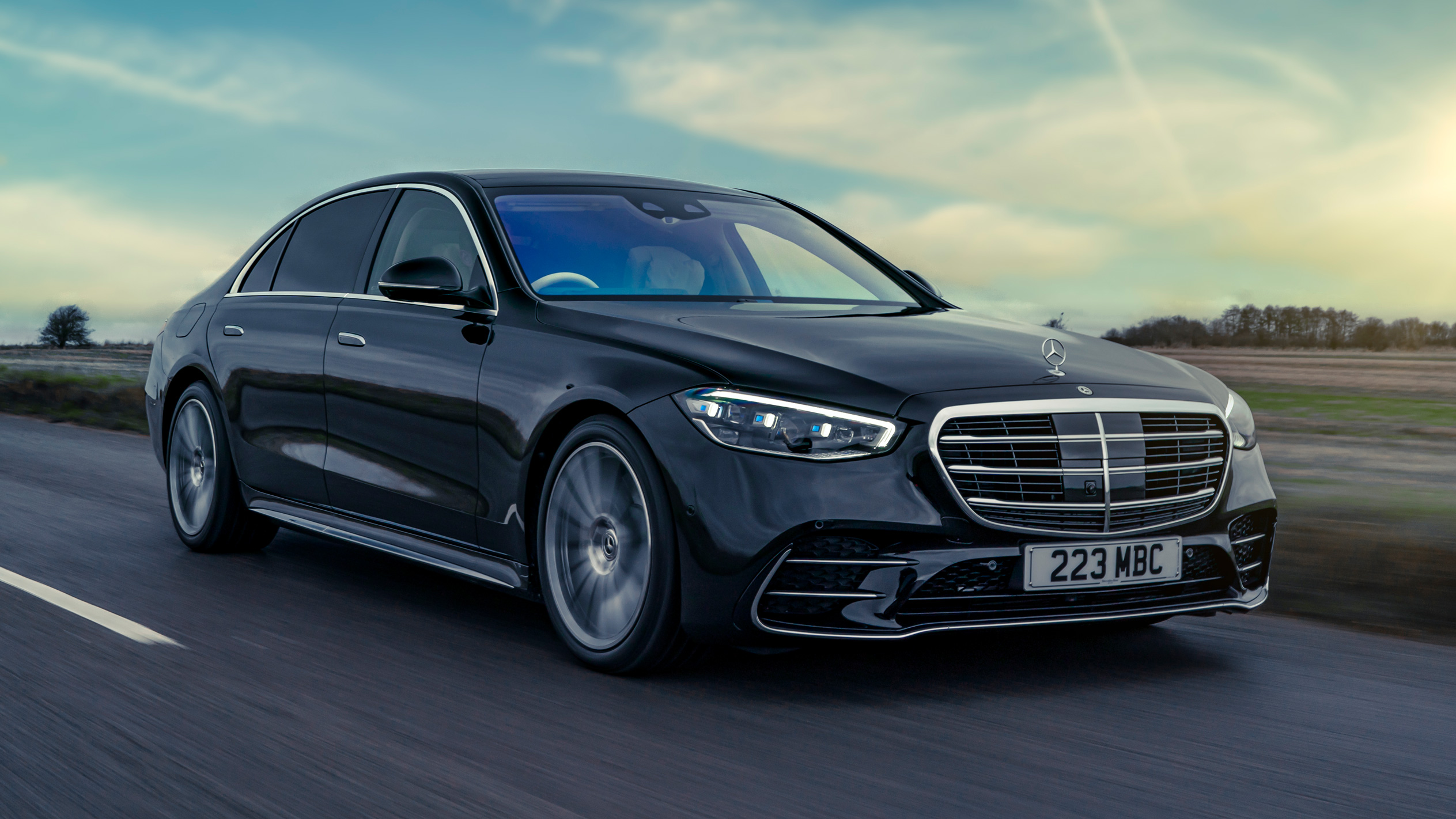
Luxury cars are built to impress, offering high-end materials, innovative features, and top-tier performance. Yet, many of these premium vehicles come with a financial caveat depreciation. While all cars lose value over time, some luxury models plummet in worth far quicker than others.
The reasons include high MSRPs, costly maintenance, rapid tech obsolescence, and in some cases, reliability concerns. In this section, we highlight five luxury vehicles like the Audi A6 and Mercedes-Benz S-Class that lose more than half their value in just three to five years.
These cars, despite their exceptional quality and performance, often make poor investments when bought new but present great opportunities on the used market. Understanding depreciation patterns is crucial for making informed decisions in the luxury automotive space, especially if financial prudence is as important as driving pleasure.
5 Luxury Cars That Lose Over Half Their Value in 5 Years
1. Audi A6 – 5-Year Depreciation: 56.3%
The Audi A6 balances executive elegance with daily usability, offering a refined driving experience across three trim levels and two engine options a 2.0-liter turbocharged four-cylinder and a 3.0-liter V6.
All models include standard all-wheel drive and deliver smooth performance, with the V6 accelerating from 0-60 mph in just over five seconds. The interior is plush, outfitted with leather upholstery, dual-screen infotainment, and an array of driver aids. However, Audi’s mixed reliability and high ownership costs significantly impact its resale value.
The A6 depreciates by 56.3% in five years, largely because of expensive maintenance and a high MSRP that doesn’t hold up against newer tech or models.
Though it’s a sharp and comfortable luxury sedan, its fast-declining value makes it a poor choice as a new car purchase but a strong contender for bargain-hunting used car buyers seeking a near-flagship experience at a fraction of the cost.

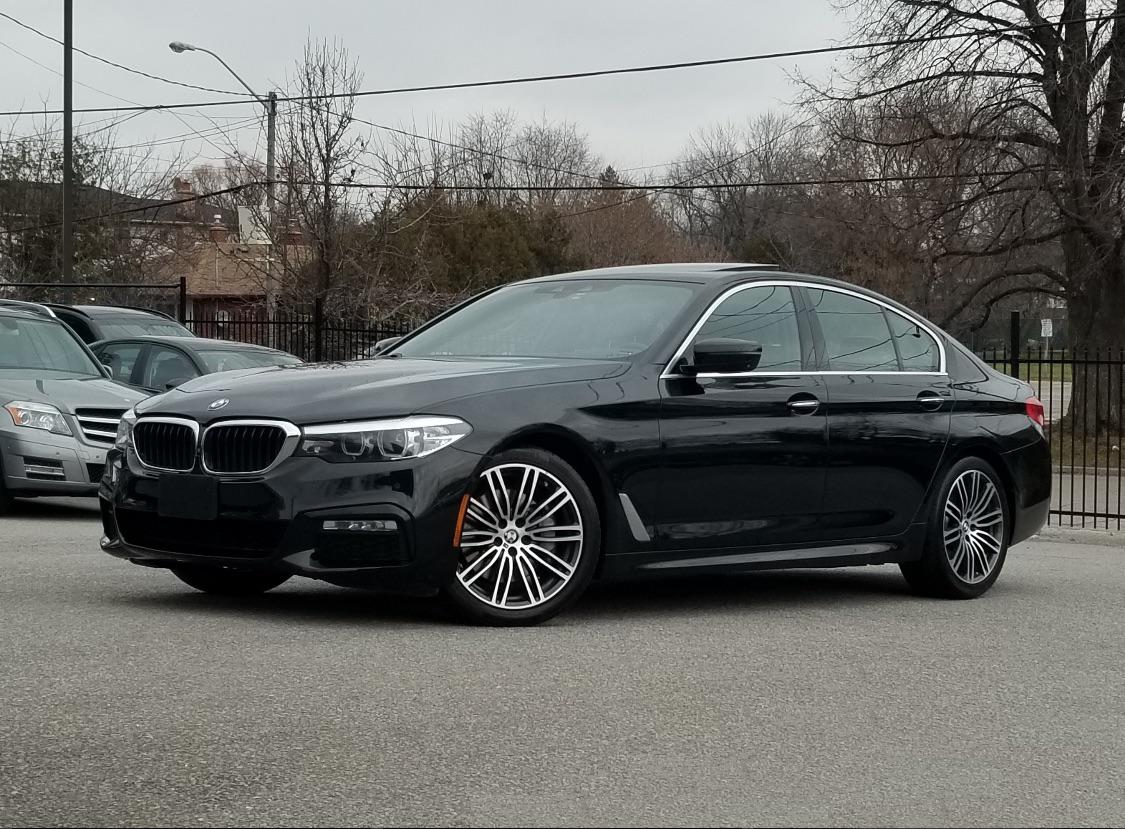
2. BMW 5 Series – 5-Year Depreciation: 55.3%
The BMW 5 Series combines the brand’s hallmark performance with business-class luxury. Offering turbocharged four- and six-cylinder engines, plus a PHEV version, the 5 Series caters to both thrill-seekers and efficiency-minded drivers. Inside, it features modern infotainment, heated seats, and optional luxury add-ons.
Despite this versatility, the 5 Series loses 55.3% of its value over five years. Reasons include lukewarm reliability ratings, expensive servicing, and competition from newer luxury sedans offering better tech at lower prices.
Additionally, BMW’s strategy of packaging premium features in expensive upgrade bundles turns off some buyers, reducing demand in the used market. While it drives like a dream and looks the part of a modern executive cruiser, the 5 Series struggles to retain value, especially in a market shifting toward SUVs and electrification.
It shines brightest as a certified pre-owned model, where steep depreciation turns it into a great luxury value proposition.
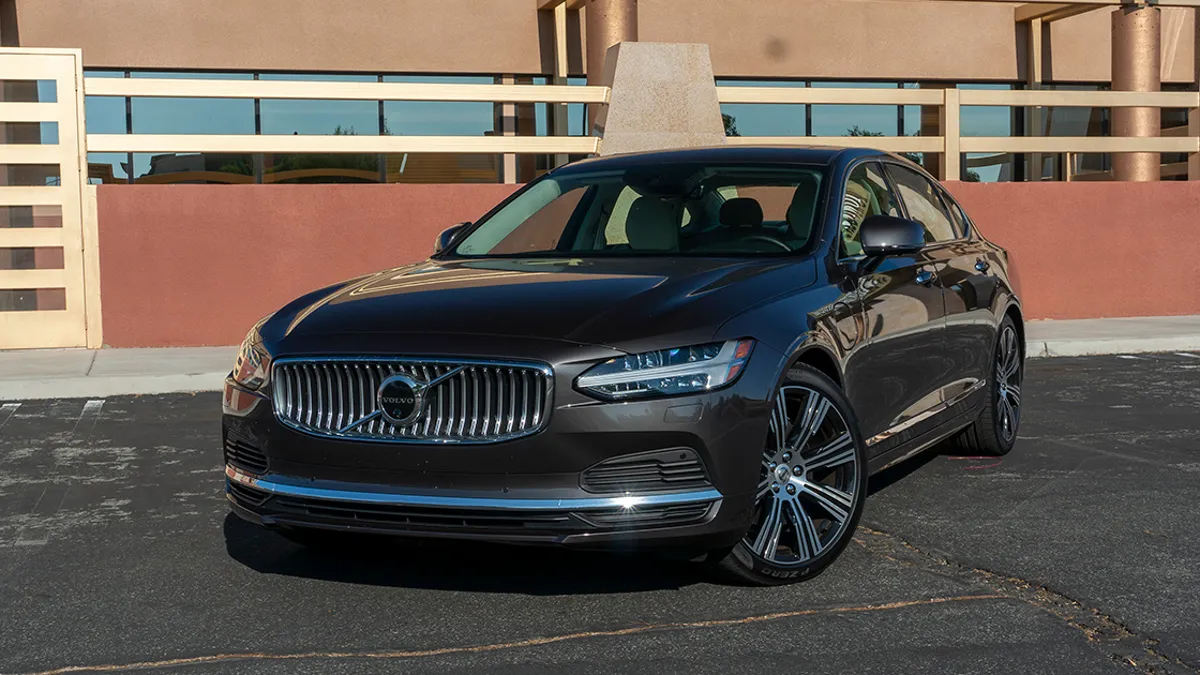
3. Volvo S90 – 5-Year Depreciation: 55.8%
The Volvo S90 exudes Scandinavian minimalism and offers impressive comfort and tech. Available with both a B6 turbocharged engine and a powerful T8 plug-in hybrid, the S90 provides strong acceleration, particularly in hybrid form, and a serene cabin experience.
Leather seats, four-zone climate control, Google-integrated infotainment, and a long list of driver-assistance systems come standard. Despite these strengths, the S90 depreciates 55.8% in five years.
Its lack of brand prestige compared to German rivals, middling performance in the gas-only model, and limited customer enthusiasm for full-size sedans all contribute to this rapid decline in value.
Reliability is average at best, and many buyers overlook it for flashier alternatives. However, as a used vehicle, the S90 offers remarkable value with top-shelf safety features and a comfortable ride for half the original price. It’s a luxury underdog that rewards secondhand buyers more than first-time owners.
4. Mercedes-Benz S-Class – 5-Year Depreciation: 55.7%
The S-Class is Mercedes-Benz’s crown jewel, offering a luxurious and technologically advanced experience unlike any other. With available V6, V8, and plug-in hybrid engines, its performance ranges from refined to awe-inspiring.
Features like massaging seats, adaptive air suspension, and cutting-edge infotainment systems make it feel like a rolling luxury suite. However, the S-Class loses 55.7% of its value over five years, primarily due to its high starting price often well above $100,000 and rapid tech evolution that quickly dates even recent models.
Maintenance and repair costs are also considerable, and Mercedes’ average reliability scores don’t help. Although it’s a status symbol on wheels, few buyers are willing to pay full price for one when the used market offers top-tier models at steep discounts.
For luxury buyers willing to purchase pre-owned, the S-Class is a golden opportunity; for new car buyers, it’s a financial misstep.

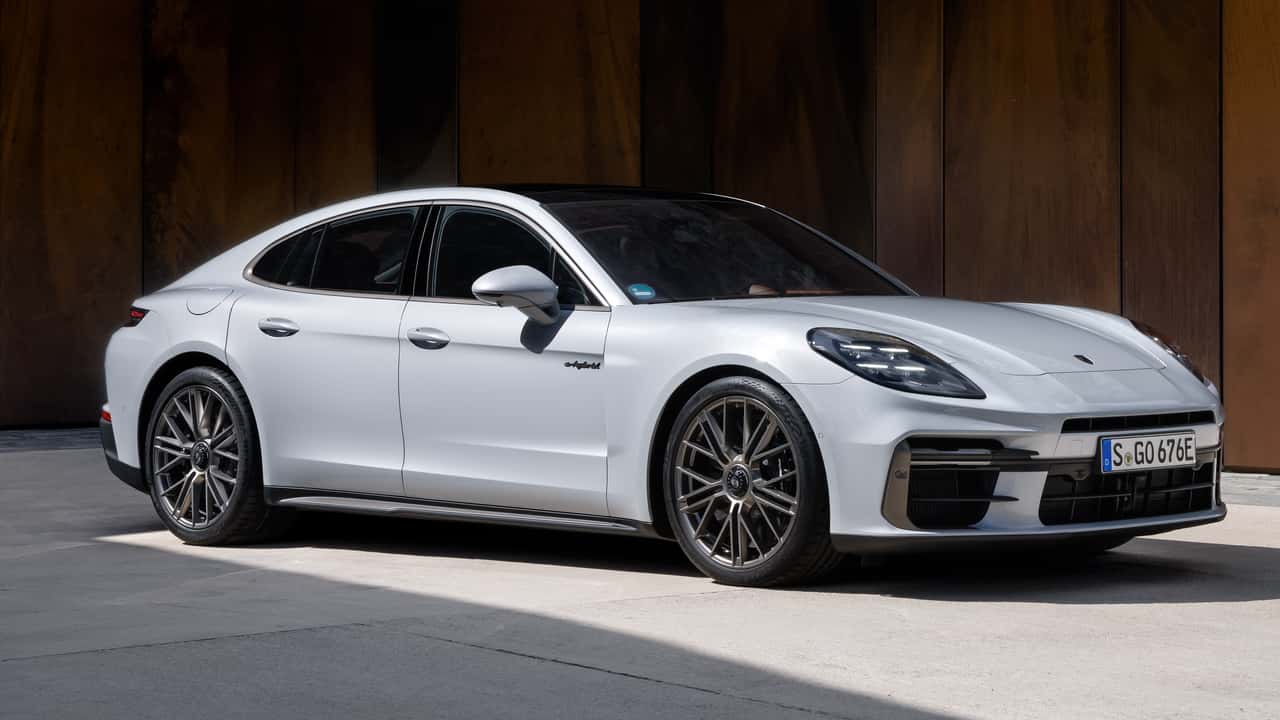
5. Porsche Panamera – 5-Year Depreciation: 54%
Porsche’s Panamera offers sports car agility with four-door practicality, serving as a luxury fastback that doesn’t compromise on performance. With powertrains ranging from a 325-hp V6 to a monstrous 690-hp PHEV V8, it hits 0–60 mph in as little as 3.1 seconds.
The cabin is rich with high-end materials, customizable options, and the latest tech. Despite all this, the Panamera loses 54% of its value within five years. Its high cost of entry, rapidly advancing Porsche tech, and pricey options contribute to this depreciation.
However, this decline makes it a prime candidate for used car shoppers who want Porsche prestige without the new car sticker shock.
It’s a luxury grand tourer that delivers both performance and comfort, but only truly makes financial sense when purchased pre-owned. For drivers seeking a Porsche 911 feel in a practical format, the Panamera is best experienced after someone else takes the depreciation hit.
5 Luxury Cars That Hardly Depreciate
While many luxury cars are infamous for heavy depreciation, some defy the trend. Thanks to brand loyalty, proven performance, and reliability, a select group of premium models retains value exceptionally well some losing less than 40% over five years.
These vehicles are often sportier, more niche, or come from manufacturers with strong resale reputations. In this section, we explore five such cars: from the agile BMW M2 to the stylish Audi S5 Sportback.
Each of these offers a compelling case for buyers seeking long-term value alongside luxury. Whether it’s high resale value, excellent engineering, or enduring brand appeal, these cars manage to age gracefully both mechanically and financially making them standout options in an otherwise depreciative segment.
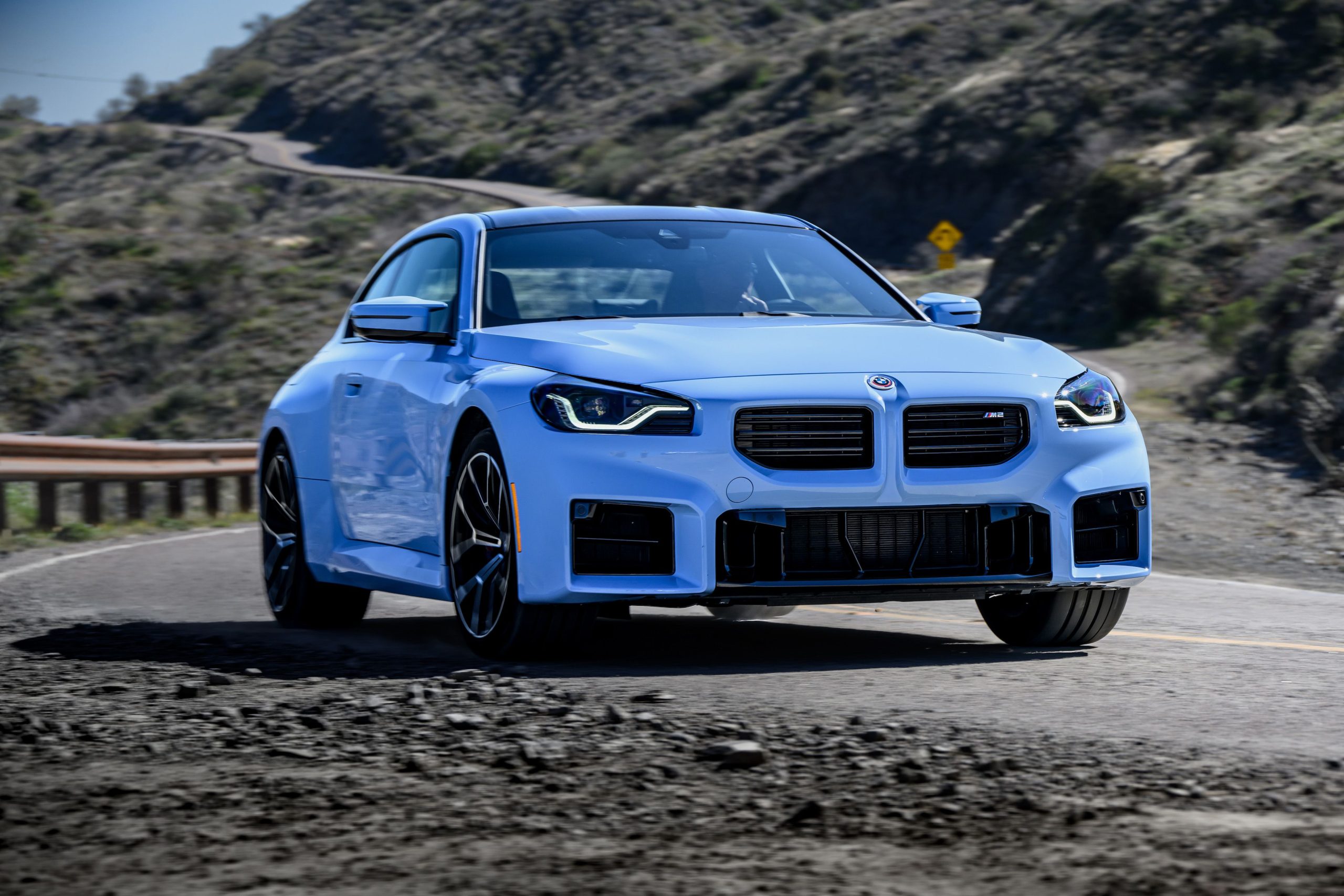
1. BMW M2 – 5-Year Depreciation: 31%
The BMW M2 is a compact sports coupe that delivers pure driving enjoyment with its 453-hp twin-turbo inline-six engine. Available with a manual or automatic transmission, it sprints from 0–60 mph in 3.9 seconds and tops out at 177 mph. Its agile handling and aggressive chassis tuning make it a favorite among enthusiasts.
The M2 also features a surprisingly refined interior, though rear-seat space is tight. What really sets it apart is its minimal depreciation just 31% over five years making it one of the best value-retaining luxury performance cars on the market.
Its limited production, enthusiast appeal, and manual transmission option make it highly sought after in the used market. While it lacks fuel efficiency and daily usability for families, the M2 is a near-perfect blend of collectability, performance, and financial sensibility. It’s a rare example of a luxury car that’s as rewarding to own as it is to drive.
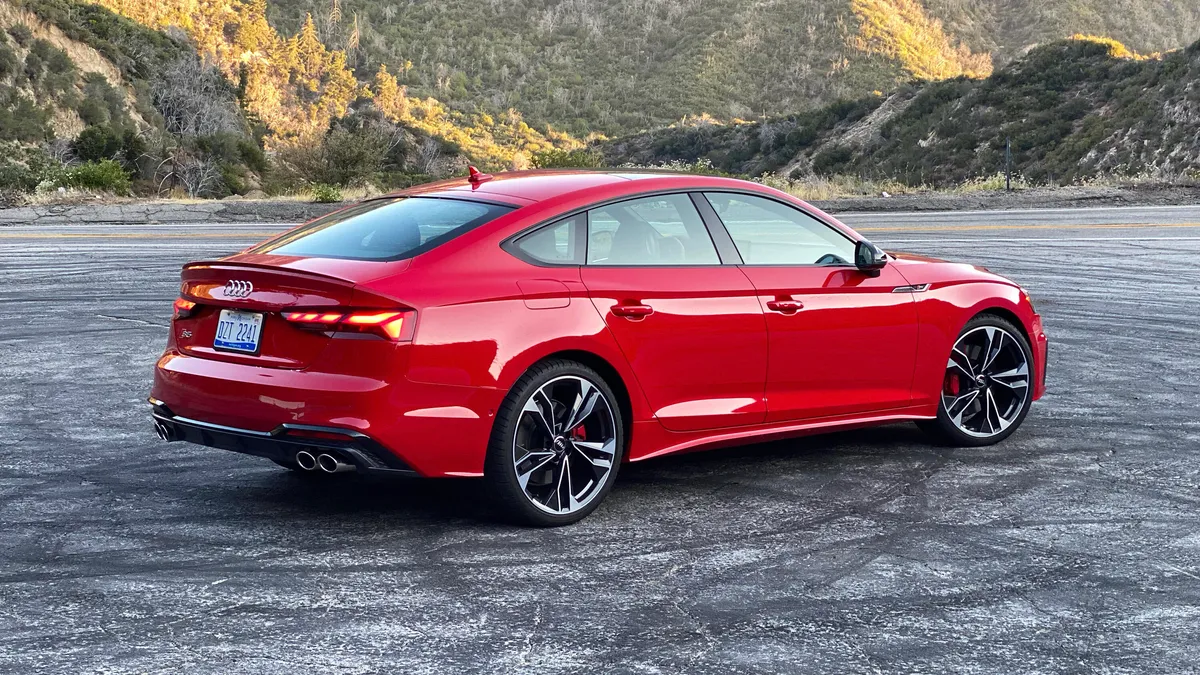
2. Audi S5 Sportback – 5-Year Depreciation: 37%
The Audi S5 Sportback blends coupe aesthetics with sedan practicality, thanks to its sleek fastback profile and roomy cabin. Powered by a 349-hp V6 and standard all-wheel drive, it hits 60 mph in just 4.5 seconds. Inside, the S5 features premium finishes, high-end infotainment, and a long list of standard safety tech.
Despite not receiving major updates recently, the S5 remains competitive and desirable, retaining 63% of its value after five years. Its modest depreciation is thanks to its balanced performance, attractive design, and practicality qualities that keep demand high in the used market.
Though it lacks standout driving excitement and has limited interior storage, the S5 is a stylish, well-rounded performer with strong long-term appeal. It’s ideal for buyers who want a luxury car that remains valuable and relevant, offering just enough flair and function to be both exciting and sensible.
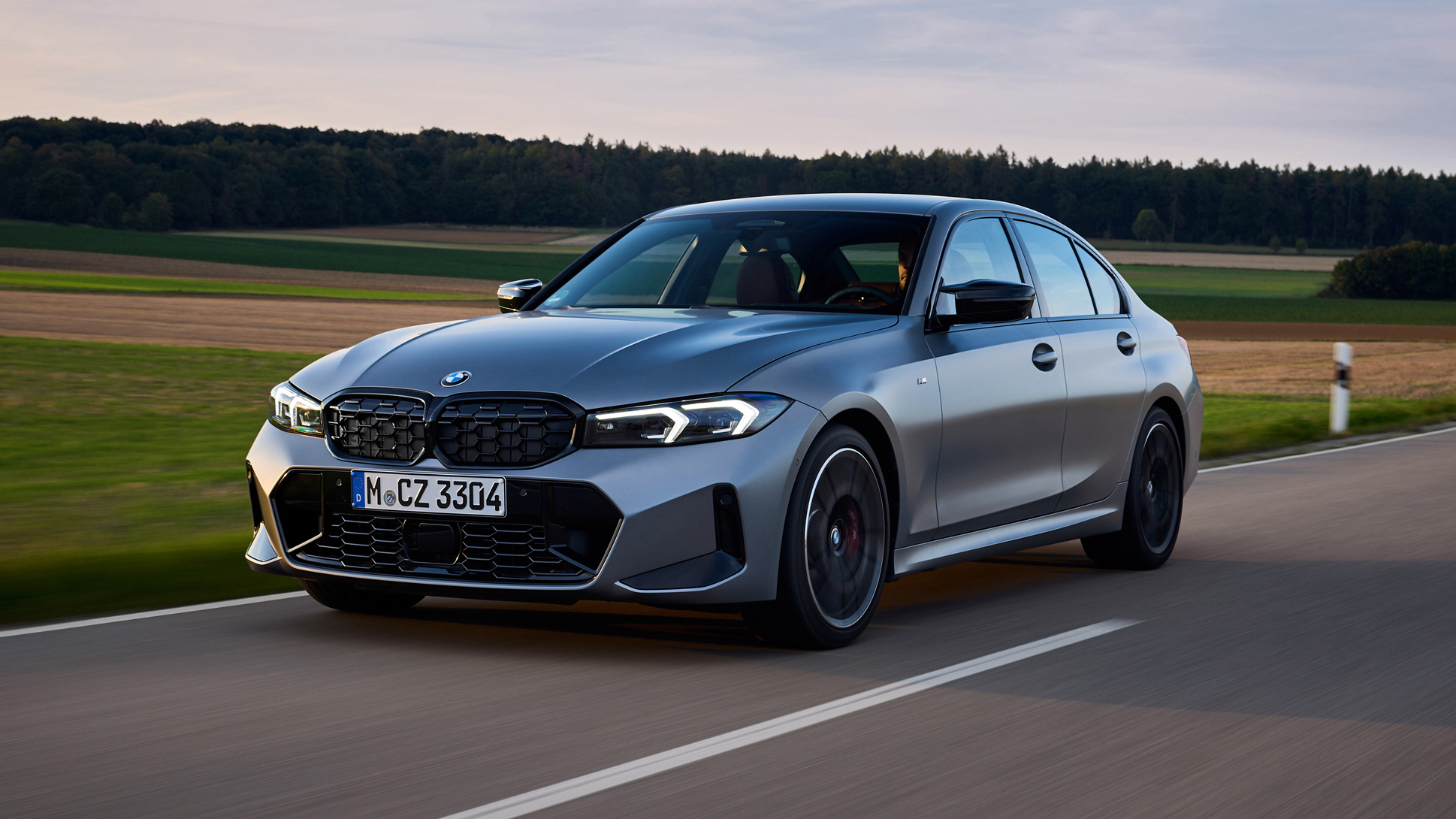
3. BMW 3 Series – 5-Year Depreciation: 37%
A cornerstone of the luxury compact segment, the BMW 3 Series continues to attract drivers with its athletic handling and powerful engine options. From the base 255-hp 330i to the 503-hp M3, there’s a model for every enthusiast level. Rear-wheel drive is standard, though all-wheel drive is widely available.
Despite lacking updates in recent years, the 3 Series depreciates just 37% over five years, thanks to its balanced blend of performance, luxury, and brand strength. It also features a comfortable, tech-forward cabin with strong resale value due to high demand in both new and used markets.
Reliability issues persist, and lower trims can feel sparse without upgrades. Still, the 3 Series manages to retain its position as a smart buy for those who want driving enjoyment and lasting value. Its legacy, reputation, and fun-to-drive nature contribute to its enduring appeal and resale strength.
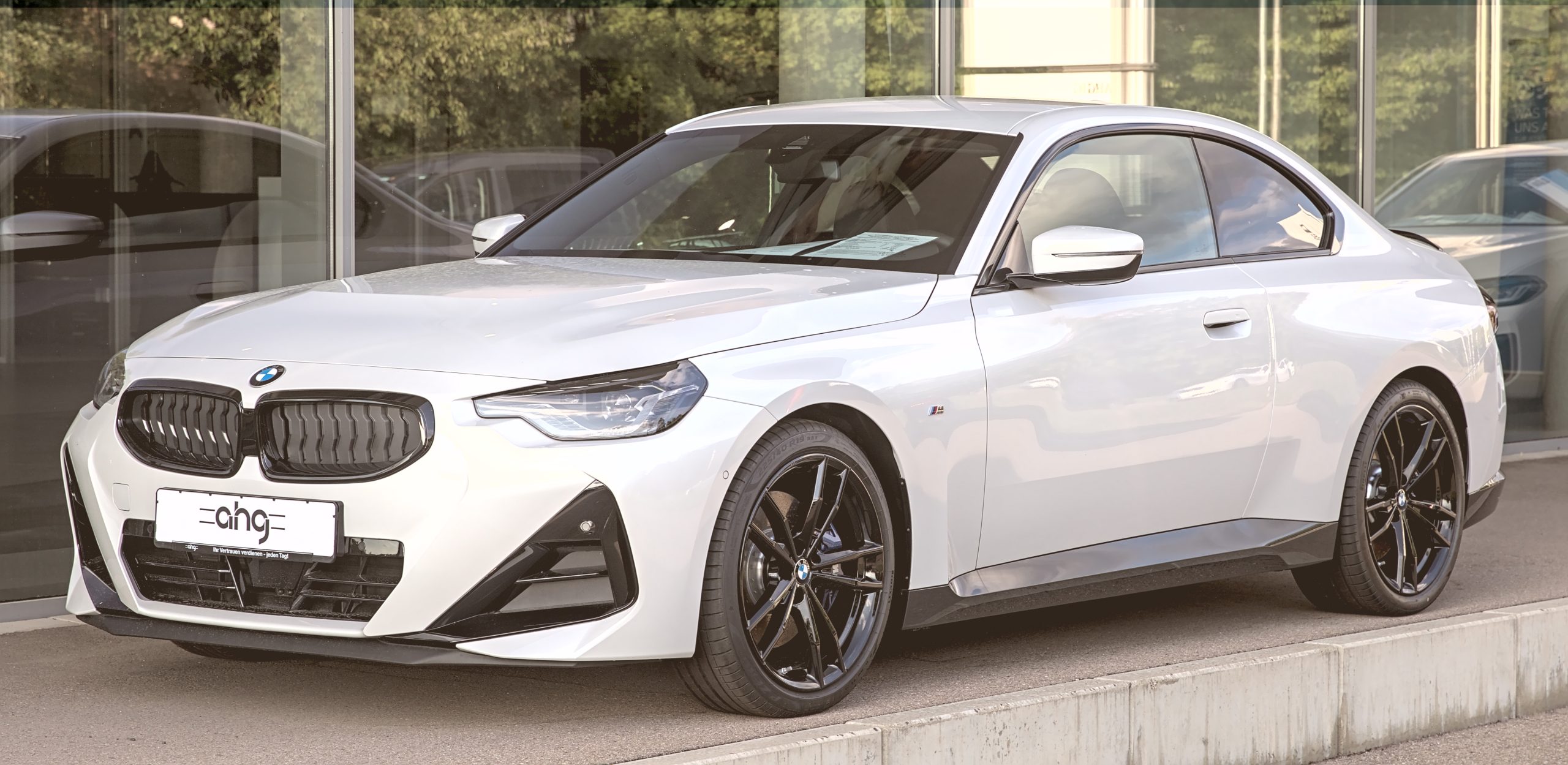
4. BMW 2 Series – 5-Year Depreciation: 38%
The 2 Series offers much of BMW’s sporty DNA in a smaller, more affordable package. It comes in various configurations, but the standout is the performance-driven M240i with a turbocharged 3.0-liter engine producing 382 hp. The 2 Series is quick, with a 0–60 time under five seconds, and offers nimble, rear-wheel-drive handling.
Inside, it delivers a refined experience, though space is limited. The 2 Series retains nearly 62% of its value over five years, due to its compact performance appeal and relatively low starting cost. It’s a top pick for drivers wanting a genuine BMW experience without committing to a larger or more expensive model.
Maintenance costs still apply, but overall value retention makes it a solid option in the entry-level luxury sports coupe market. The 2 Series is a practical yet exhilarating choice for younger buyers or those looking to downsize without losing driving excitement.
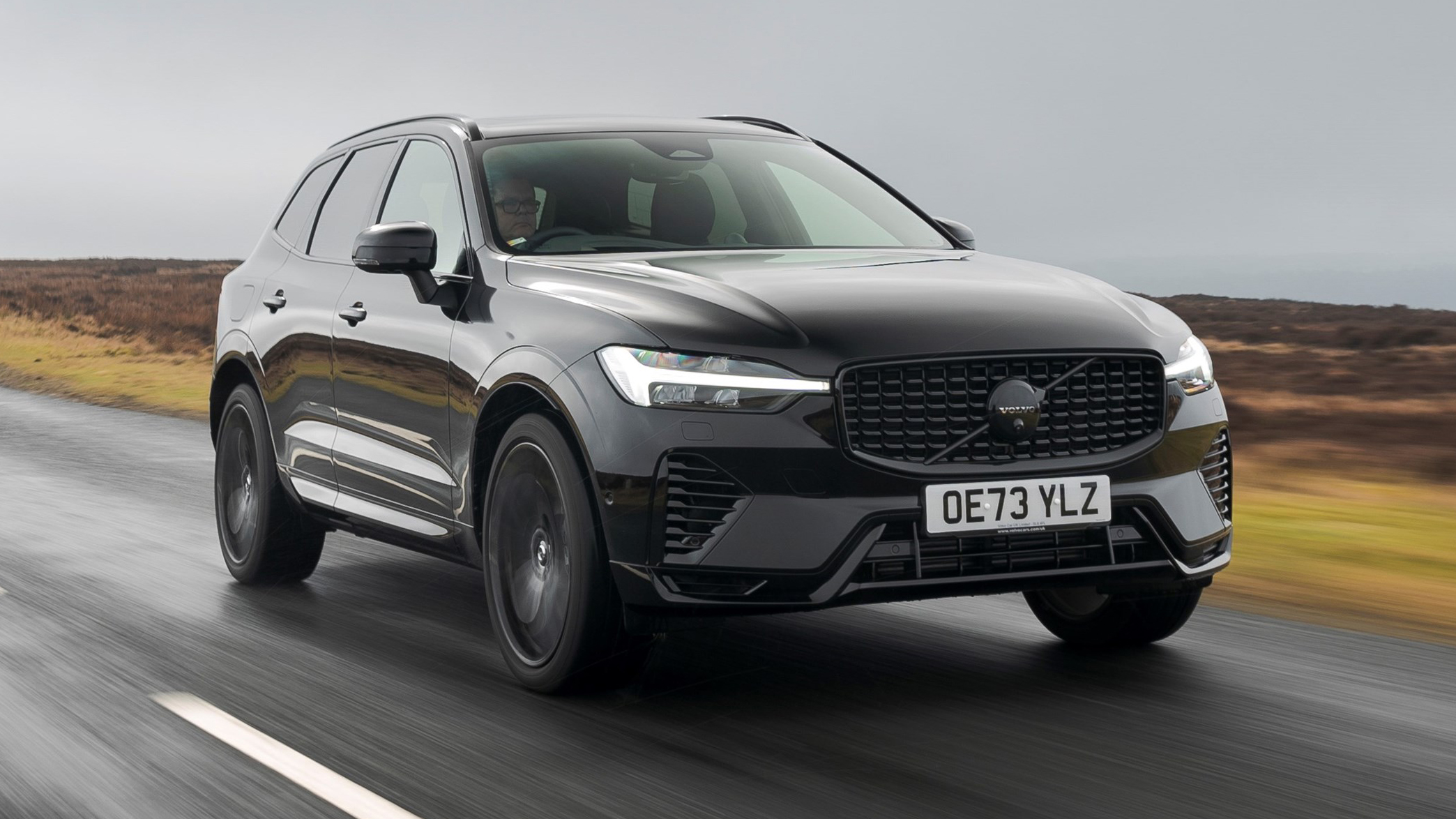
5. Volvo XC60 – 5-Year Depreciation: 43%
The Volvo XC60 stands out with clean, minimalist Scandinavian design and advanced safety features. Available with a 455-hp plug-in hybrid or a 247-hp base engine, this midsize SUV offers standard all-wheel drive and excellent ride comfort. Inside, you get premium materials, a Google-based infotainment system, and top-tier driver aids.
The XC60 depreciates just 43% over five years a strong figure in a crowded luxury SUV segment. Its high resale value stems from its consistent safety reputation, growing EV interest in the PHEV model, and rising consumer appreciation for practical luxury.
Downsides include limited cargo space and a slightly dated infotainment interface, but these are outweighed by the XC60’s overall build quality and strong resale value.
For buyers seeking a blend of elegance, advanced features, and long-term value in a practical format, the XC60 hits the mark proving itself as a refined choice that remains relevant even as the auto market rapidly evolves.
Luxury cars can be thrilling to own, but their financial impact varies dramatically. Some lose over half their value in a few short years, while others maintain strong resale worth thanks to desirability and brand strength.
Understanding these trends helps buyers make smarter decisions whether aiming to enjoy the perks of a new model or score a deal on a depreciated gem.
If long-term value is a priority, focusing on vehicles with historically low depreciation is essential. By balancing passion with pragmatism, you can enjoy luxury without sacrificing financial peace of mind.
Also Read: 5 Cars With Ergonomic Cockpits vs 5 With Poor Driver Positioning