Not all performance cars are built the same some become legends, others depreciate into obscurity. The difference often lies in heritage, rarity, and driver engagement. From analog sensations to final-model V8s, cars that offer a visceral experience, have limited production numbers, or mark the end of an era are seeing rising demand.
This section explores five modern sports cars from Audi, BMW, Chevrolet, and Dodge that are already appreciating or are poised to. If you’re looking for a vehicle that’s both thrilling to drive and a potential future classic, these are five excellent places to park your money and passion.
5 Sports Cars That Appreciate Over Time
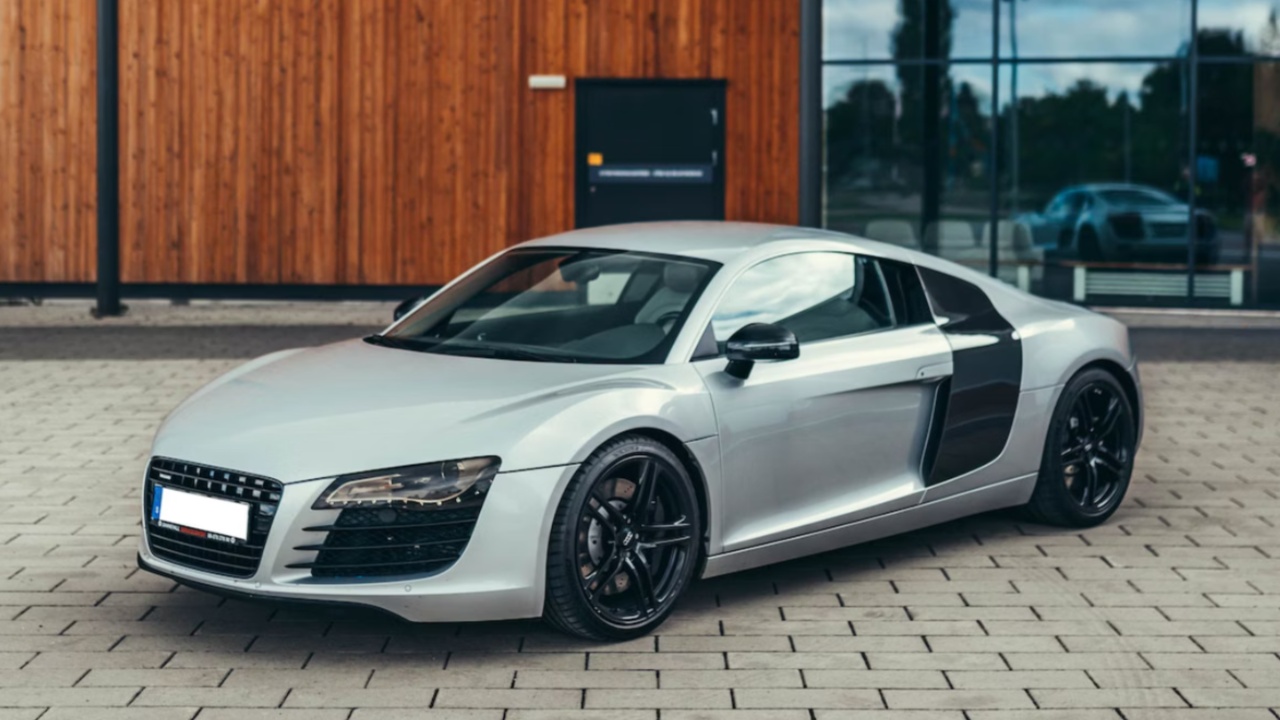
1. Audi R8 V8 (2007–2015): Everyday Supercar Turned Collector’s Gem
The first-generation Audi R8 V8 stunned the sports car world when it launched in 2007. Its 4.2-liter V8 engine, mid-engine layout, and striking design put it in direct competition with Porsche’s 911. With up to 428 hp and a 0–60 time of 4.2 seconds, it wasn’t just fast it was revolutionary for Audi.
Though a V10 followed, many enthusiasts now seek out the V8, especially with the gated manual gearbox. Its analog charm and balanced dynamics are increasingly rare. Prices are rising, especially for low-mileage, well-maintained models. It’s a modern classic in the making, already gaining serious collector interest.
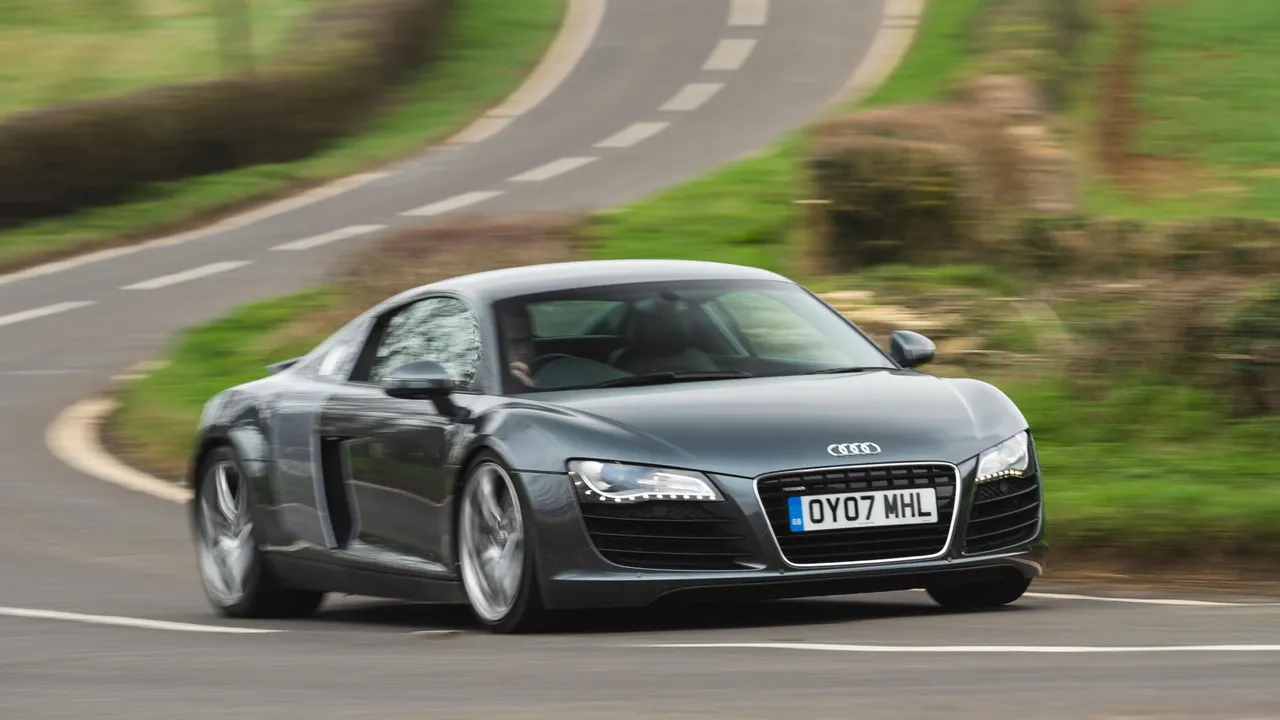
2. BMW E90 M3 (2007–2013): The Last of the V8 M3s
The E90 M3 is a standout for one key reason it’s the only M3 powered by a naturally aspirated V8. Its 4.0-liter engine produced 414 hp, making it one of the most exhilarating M cars to drive. Available in Coupe and Sedan forms, with manual gearboxes especially prized, the E90 M3 is on a clear path toward classic status.
Special models like the GTS and CRT already command high prices. With a solid maintenance record, a clean standard version is still relatively affordable. As the last analog M3 before turbocharging and electrification, its appeal and value are steadily climbing.
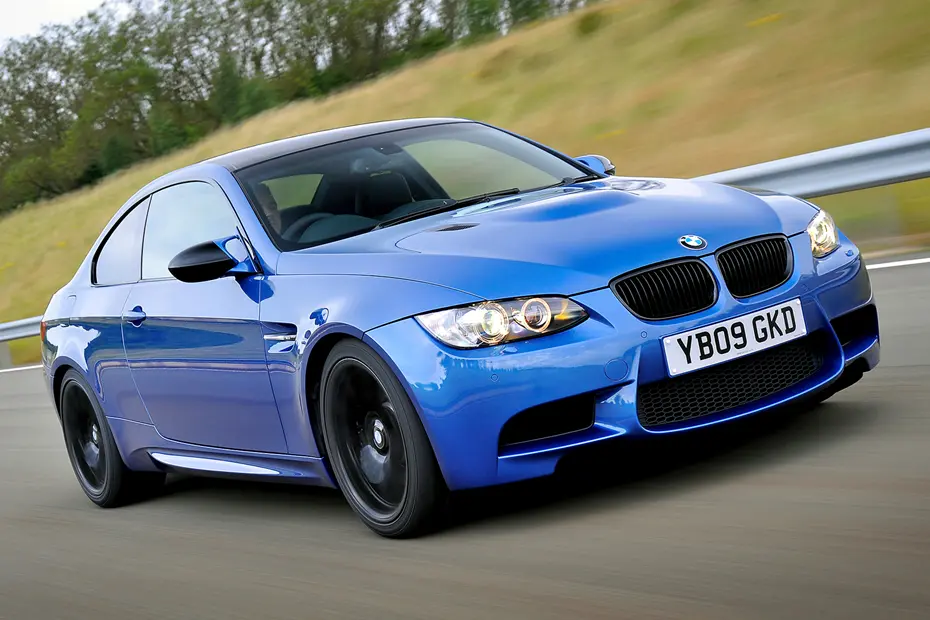
3. BMW Z4 M Roadster (2006–2008): A Rare Open-Air M Experience
Built in small numbers, the Z4 M Roadster is a lightweight sports car with the soul of an M3. Its S54 inline-six engine produced 330 hp, offering raw, top-down driving excitement with a 0–60 sprint in five seconds. Only 9,352 units were built, and the Roadster has remained in the shadow of the Z4 M Coupe.
Mechanically identical, it offers a more visceral experience with its open roof and is now attracting collectors looking for value and fun. With few electronics interfering, it delivers one of the purest BMW M experiences and its prices are slowly but surely increasing.
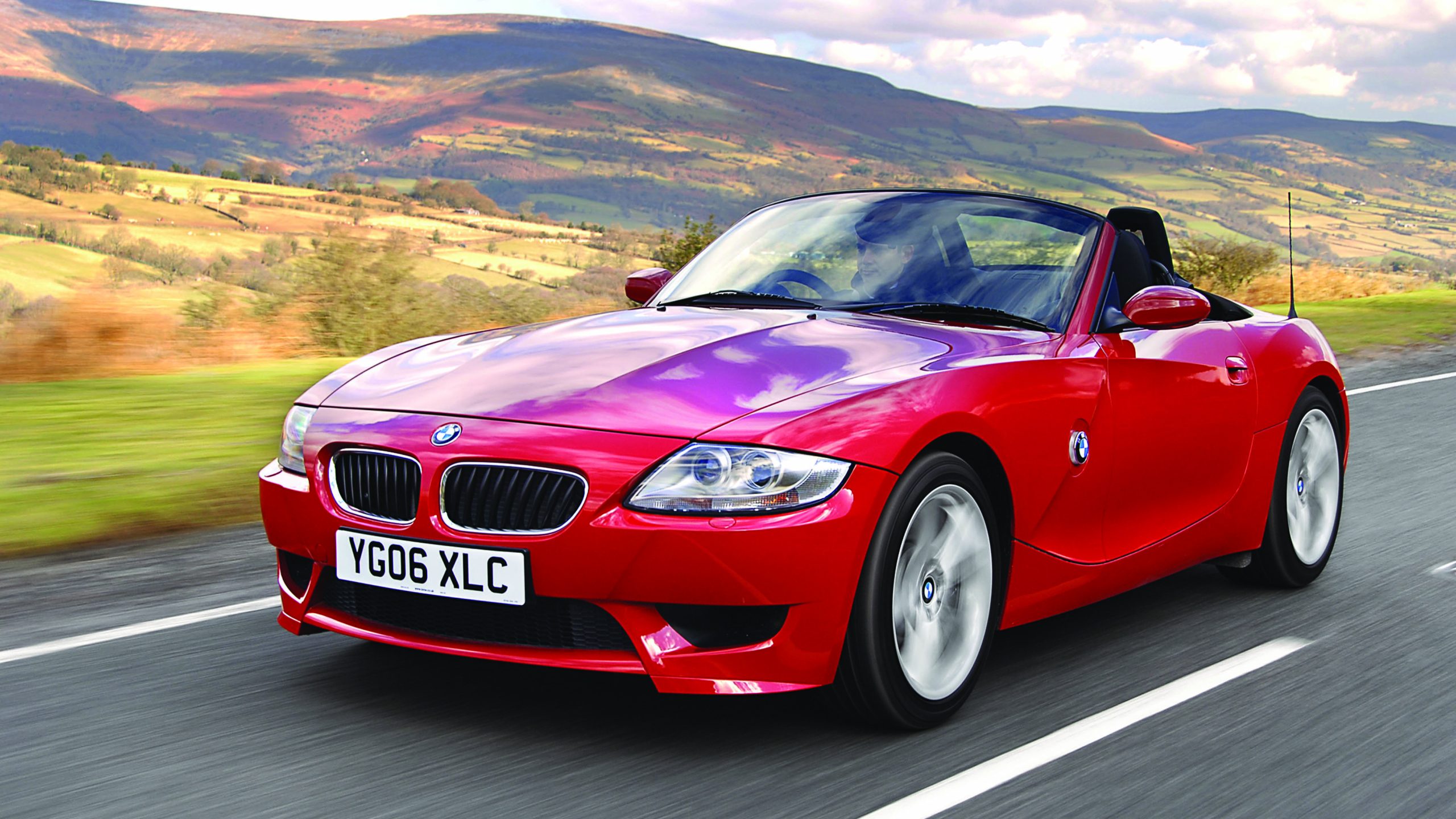
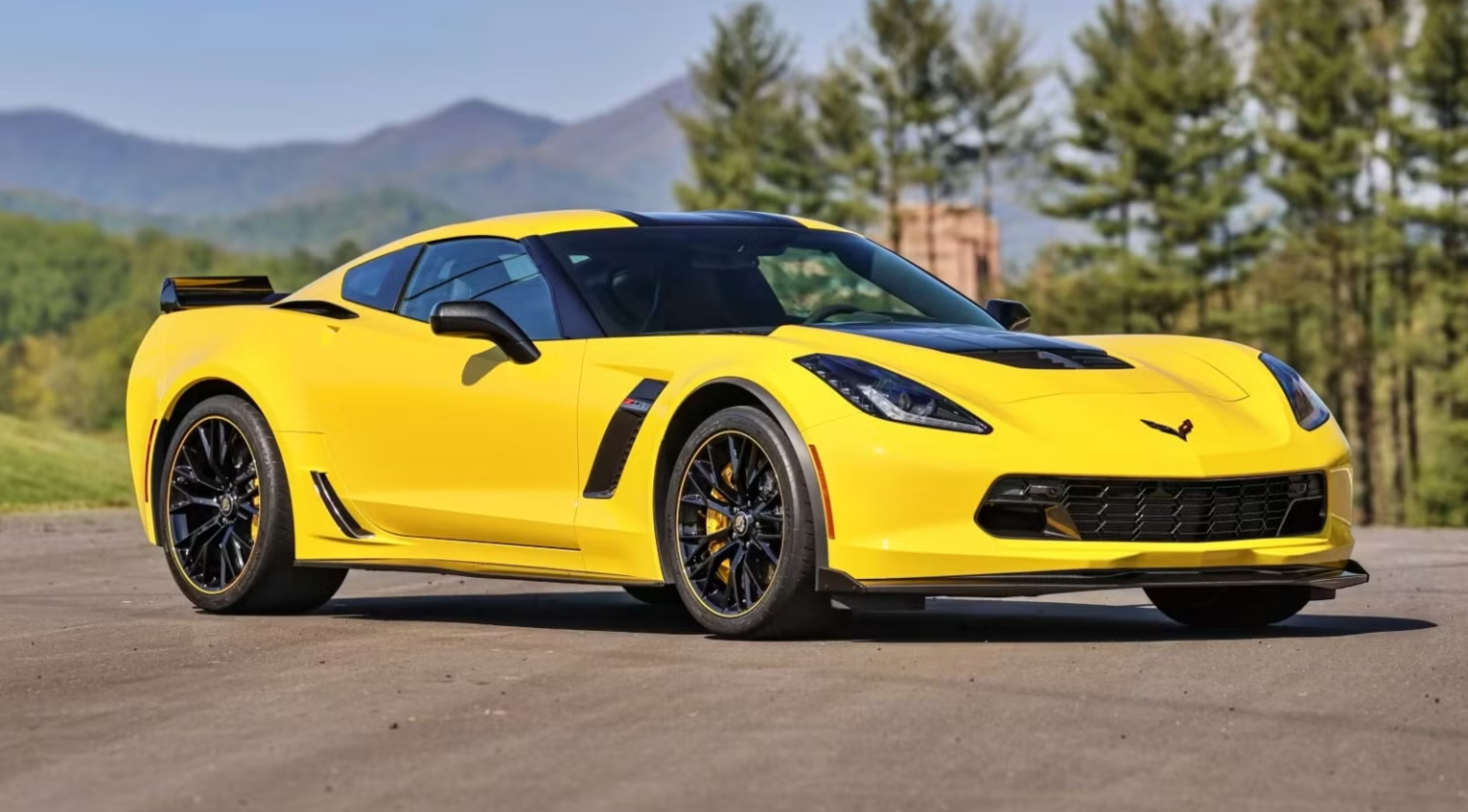
4. Chevrolet Corvette C7 (2014–2019): The Last Front-Engine Icon
The Corvette C7 marked the end of an era as the last front-engine Corvette, making it instantly special. With standout models like the Z06 (650 hp) and ZR1, it’s no surprise collectors are snapping them up. Manuals, particularly in the Stingray trim, are harder to find and are increasing in value.
Limited editions such as the Carbon 65 and Grand Sport Collector further boost collectability. Though values haven’t peaked yet, they’re holding strong. The C7 offers immense performance, V8 thunder, and heritage, all in one package making it one of the best long-term plays among American sports cars.
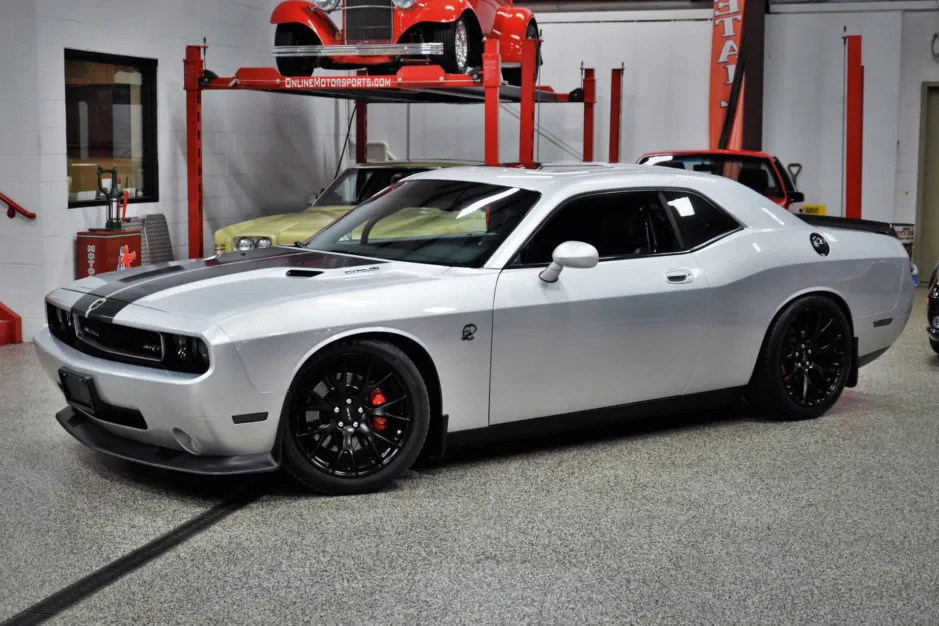
5. Dodge Challenger (2008–2023): Muscle Car Royalty with Staying Power
The Dodge Challenger, especially in its Hellcat and Demon variants, represents the last of raw, American muscle. With 808–840 hp from a supercharged 6.2-liter V8 and a 0–60 as quick as 2.3 seconds, the SRT Demon is a beast.
Now that V8 production has ceased, the remaining models are expected to soar in value especially untouched, original versions. Dozens of special editions and low-mileage examples will lead appreciation.
With electrification rapidly replacing combustion muscle, the Challenger marks the end of an iconic era. For collectors and purists, it’s more than nostalgia it’s an appreciating piece of American automotive history.
5 Sports Cars That Tank in Value
While some sports cars appreciate thanks to rarity and performance pedigree, others lose their shine and value shockingly fast. Many modern electric and luxury crossovers, despite their technology and comfort, struggle in the resale market. Brand perception, market saturation, and rapid innovation in EVs contribute to steep depreciation.
In this section, we look at five high-profile examples that have tanked in value since new. From the controversial Mustang Mach-E to the tech-loaded BMW iX, these cars remind us that not all innovation translates into lasting value. For bargain hunters, they’re intriguing. For investors, caution is advised.
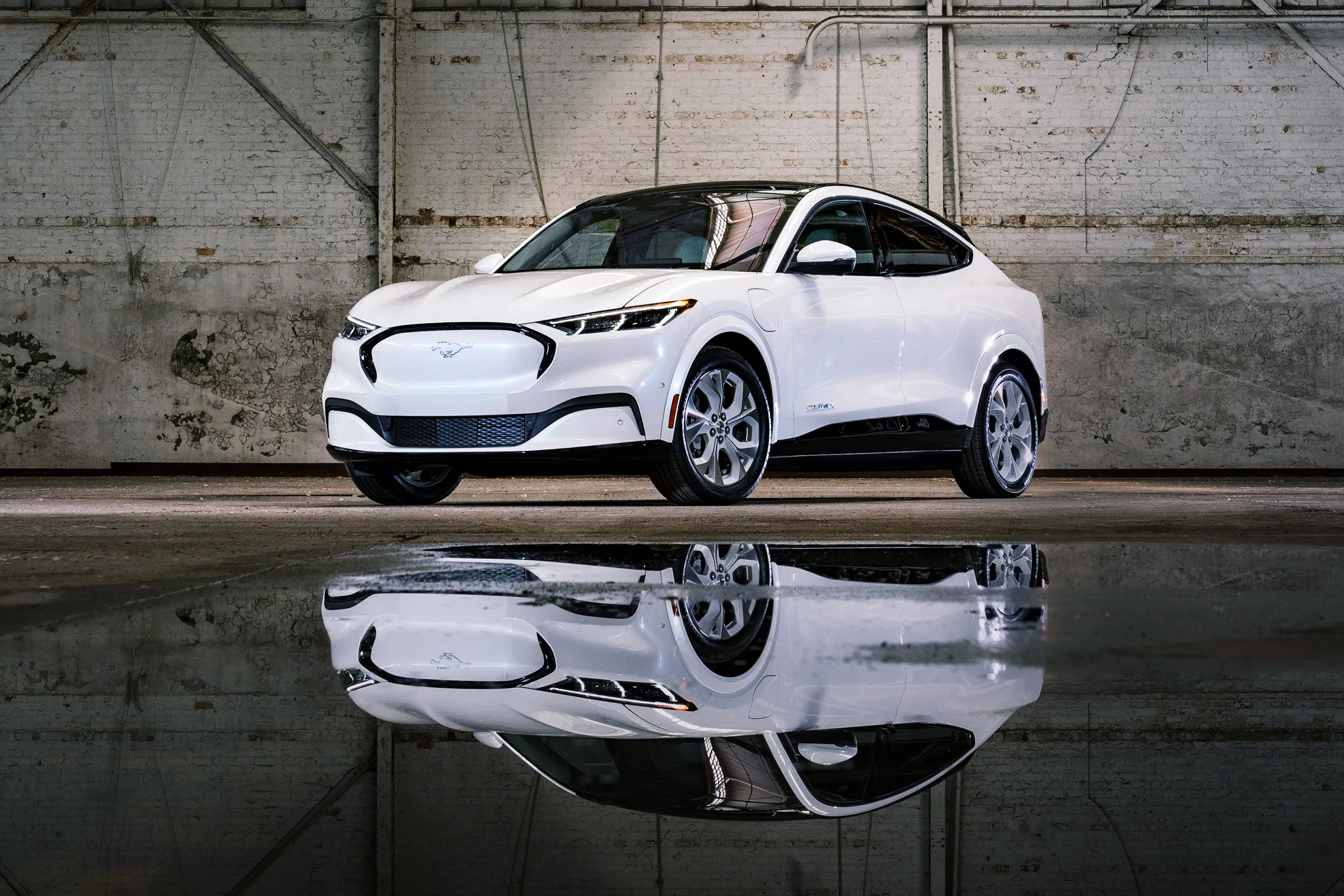
1. 2022 Ford Mustang Mach-E: Modern Tech, Misaligned Branding
Despite impressive performance and design, the Mustang Mach-E struggled with brand confusion and buyer resistance. Purists rejected the idea of an electric crossover bearing the Mustang name, and this identity crisis hurt its market perception.
Originally priced at over $52,000, the average used value now sits around $28,500 a loss of 46%. Still, the Mach-E is a well-equipped and enjoyable EV, and on the used market, it’s an attractive option for those who skipped the new-car premium.
It’s a classic case where marketing clashed with tradition, and resale value suffered because of that mismatch even if the product wasn’t bad.
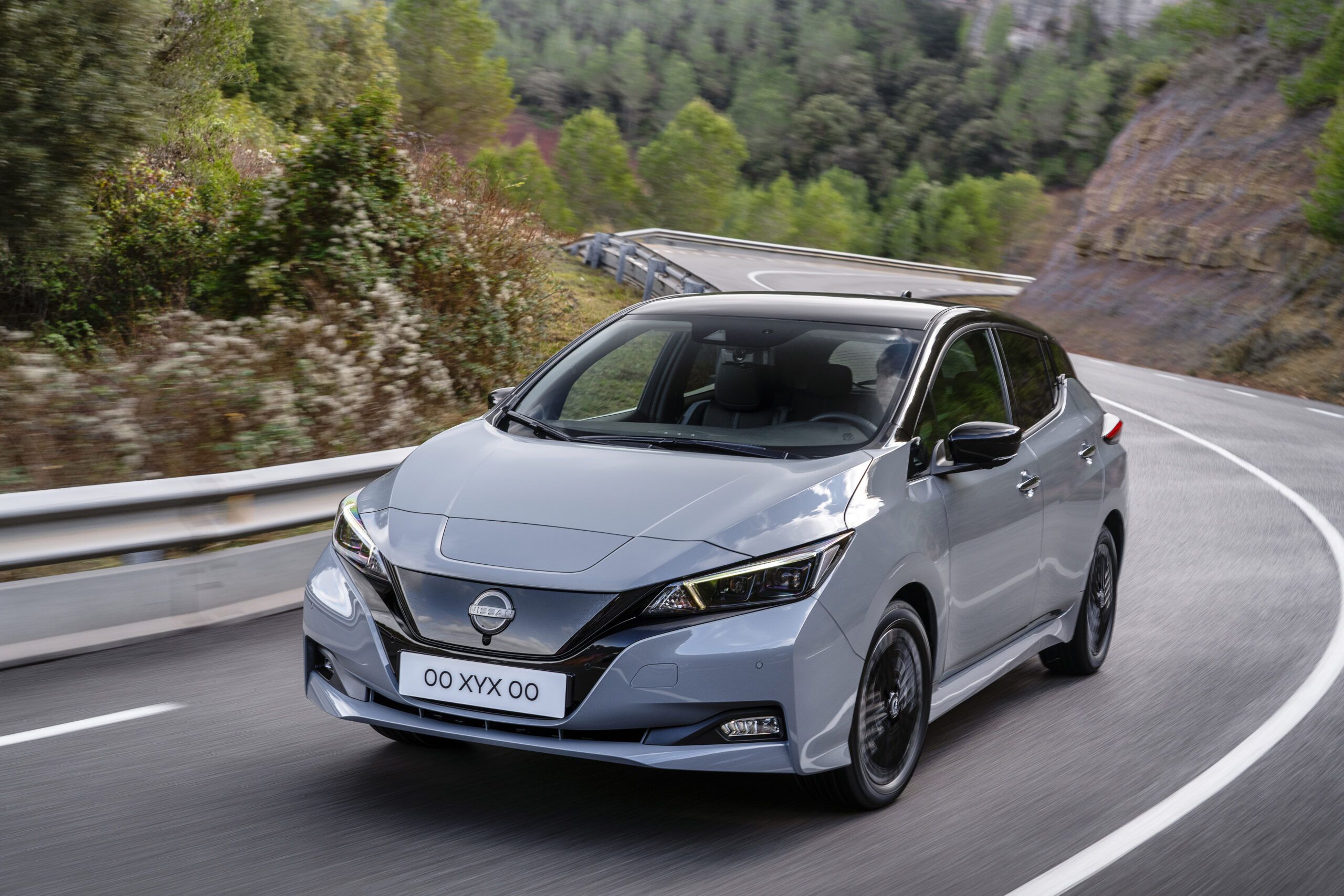
2. 2022 Nissan Leaf: Affordable Entry-Level EV, But Aging Fast
The Nissan Leaf remains one of the most accessible electric vehicles, but that’s both its strength and weakness. With a base price of $32,400 and used prices dipping below $18,000, the 2022 Leaf has lost almost half its value in just a couple of years.
Its limited range and aging design make it less competitive in today’s EV market. While it still serves well as a commuter car, it lacks the performance, range, and appeal of newer rivals. Nissan’s effort to make EVs affordable succeeded but at the cost of long-term value retention. It’s more tool than treasure.
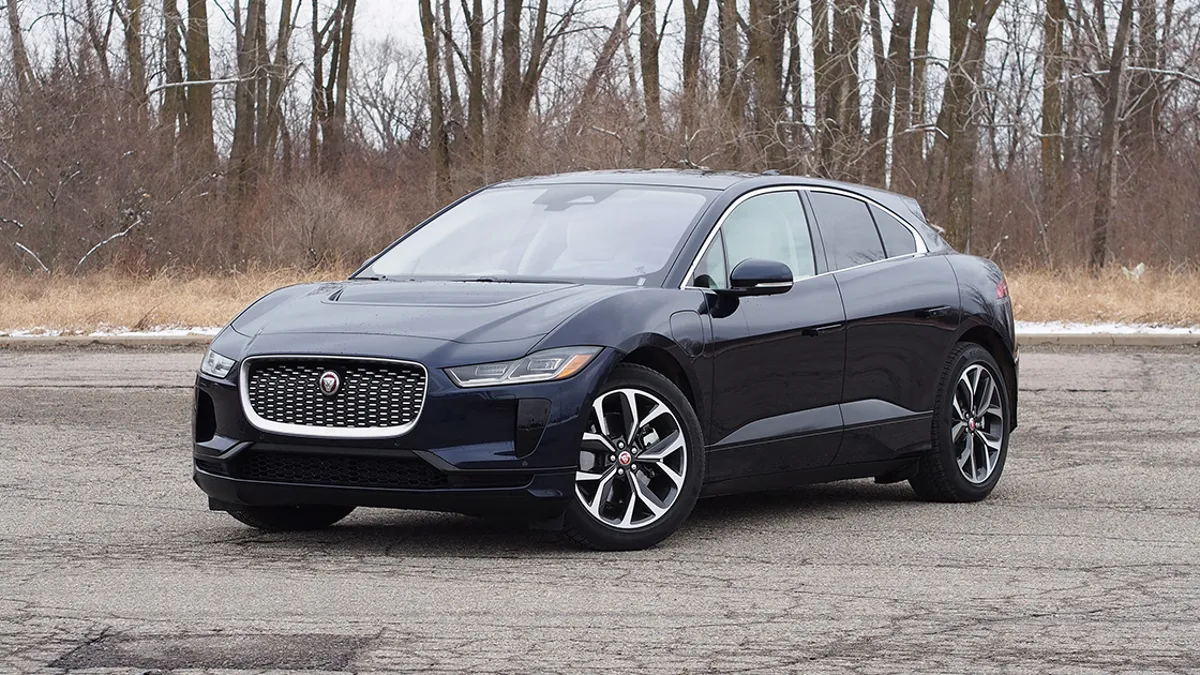
3. 2022 Jaguar I-Pace: A Stylish EV That Couldn’t Hold Value
With its sleek looks and luxury badge, the Jaguar I-Pace had all the ingredients of a premium EV hit. However, it lost over $33,000 (47.36%) in value quickly, reflecting Jaguar’s broader struggles with depreciation.
While it drives well and offers strong performance, used buyers hesitate due to concerns about long-term support, reliability, and Jaguar’s brand stability in the EV space.
The I-Pace may one day find cult appeal, especially if Jaguar pivots well to electrification, but for now, it’s one of the steepest depreciators in the segment gorgeous but financially painful for first owners.
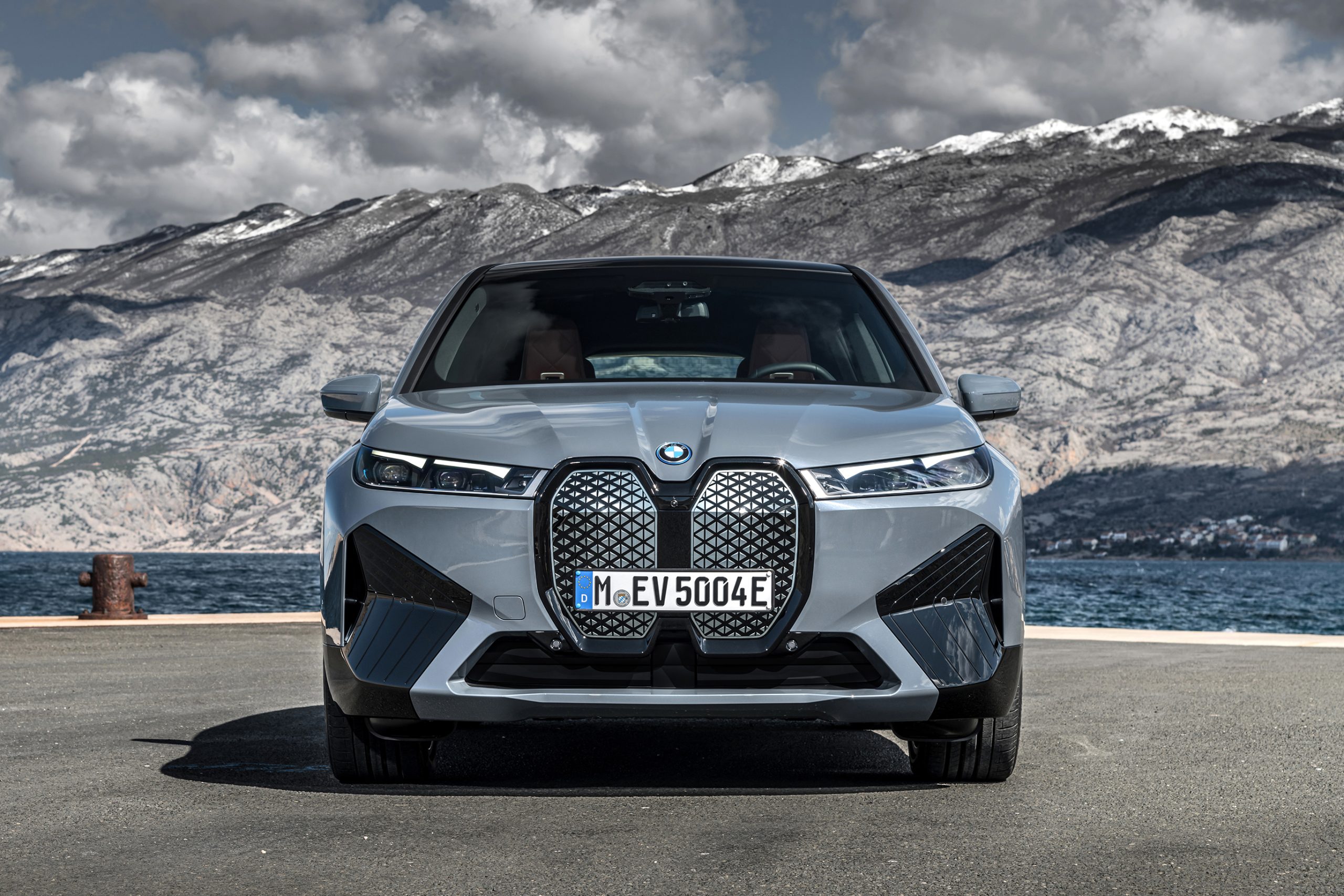
4. 2022 BMW iX: High-Tech Luxury with a Heavy Drop
BMW’s iX launched as a bold, tech-forward EV with luxury touches and a big price tag over $83,000 new. Just a few years later, average used values are under $44,000, reflecting a 47% drop. Despite its innovative design and strong performance, the market hasn’t embraced it as hoped.
The polarizing front-end styling didn’t help, and rapid EV development has left early iX models feeling outdated. Though it’s still a luxurious drive, the iX serves as a warning that premium EVs are especially vulnerable to rapid depreciation. For secondhand buyers, though, it offers a lot of car for much less money.
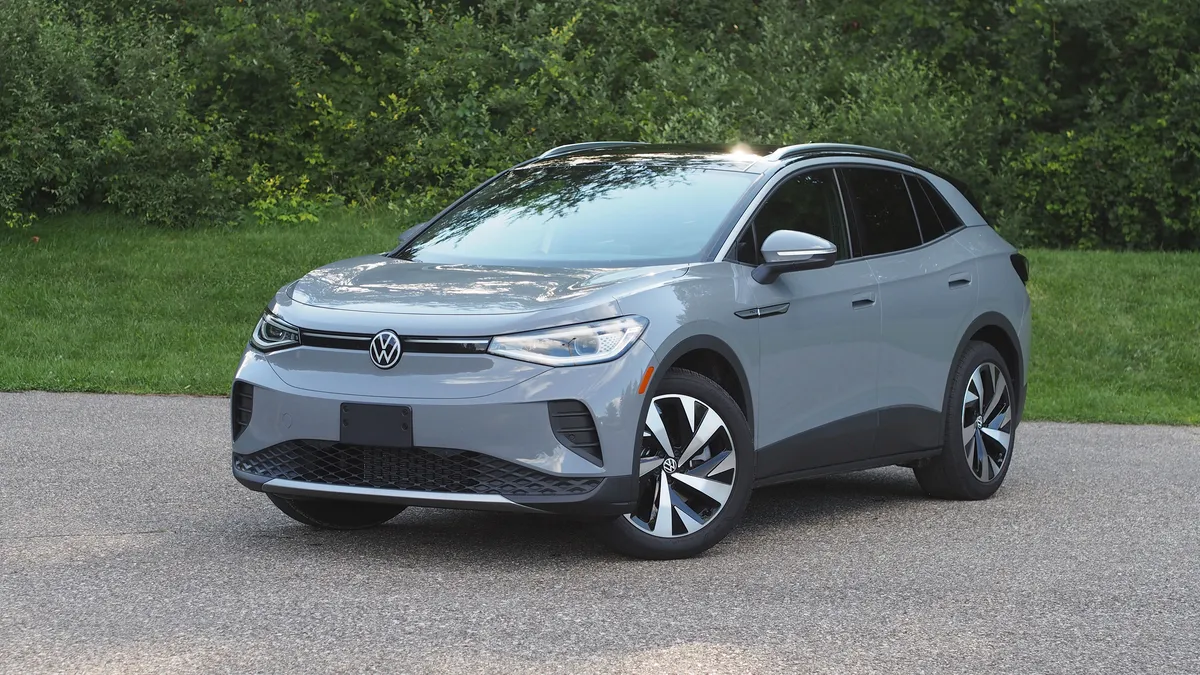
5. 2022 Volkswagen ID.4: Early Promise, Harsh Reality
The Volkswagen ID.4 was supposed to be VW’s breakout EV success story. Yet just a short time after launch, its resale value has crashed by over 51%. Priced new at around $45,000, used models now average only $22,000.
While the ID.4 is practical and spacious, competition has advanced quickly, offering more range, tech, and design innovation. For early buyers, the hit was painful. Still, it’s not without merit as a budget-friendly used EV.
But from an investment standpoint, it exemplifies how early EVs can age poorly in a fast-moving market. Wait a few years, and it might make more sense.
As automotive technology races forward, some cars gain cult status while others plummet in value. Enthusiast-focused, analog models like the Audi R8 V8 and BMW E90 M3 are climbing in value due to their unique appeal and mechanical purity.
Meanwhile, many modern EVs even premium ones see rapid depreciation due to fast product cycles and shifting buyer expectations. The divide is clear: emotional connection, rarity, and timeless engineering help a car appreciate.
Cutting-edge features and controversial styling aren’t always enough to hold value. For those shopping today, the key is to choose wisely some cars reward you in more ways than one.
Also Read: 5 Cars With Ergonomic Cockpits vs 5 With Poor Driver Positioning