
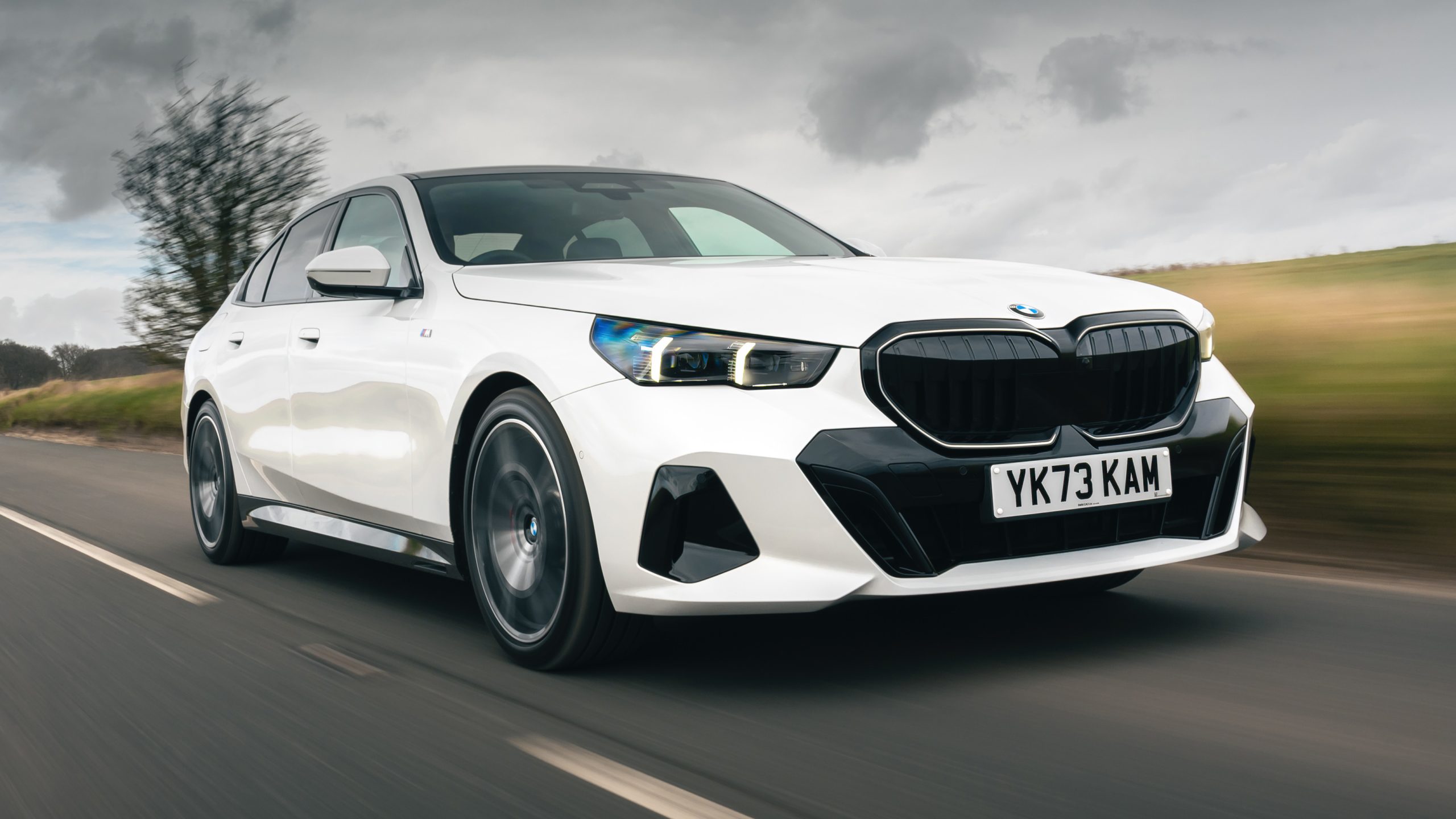
Limited-edition cars often start as passion projects or promotional novelties, but their rarity can make them prized possessions years later. Whether due to artistic collaborations, unique styling, or ultra-limited production runs, these vehicles defy depreciation and skyrocket in value.
They become collectors’ items not just because of how they look or perform, but because owning one means possessing something few others ever will.
In this section, we highlight five standout limited-edition cars whose value today far exceeds their original sticker prices. These are the stories of cars that transformed from quirky to coveted.
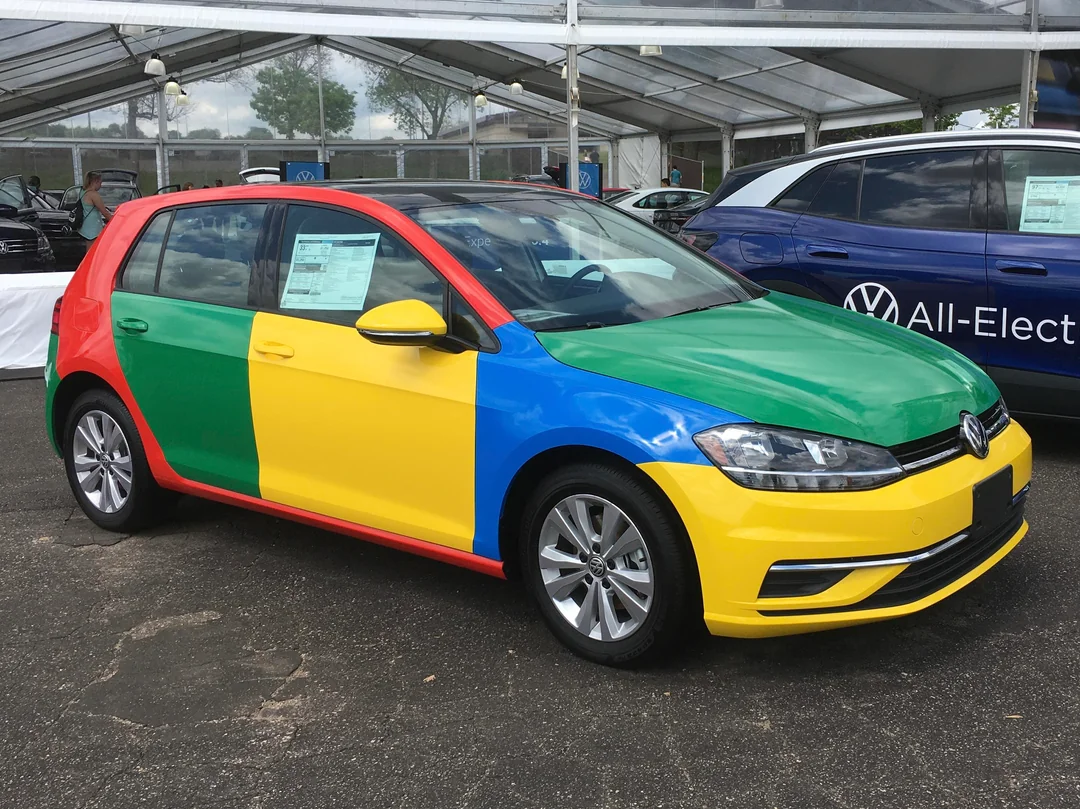
1. Volkswagen Golf Harlequin: A Rolling Patchwork of Profit
The Volkswagen Golf Harlequin was never meant to be a collector’s car, but its mismatched body panels and quirky appeal made it unforgettable. Produced in 1996 with only a few hundred units made, this colorful Golf stood out on the road and still does today.
Originally priced at around $13,000, surviving Harlequins in good condition now fetch more than $25,000 at auction. What was once a marketing gimmick has evolved into a rare icon of automotive playfulness. Its oddity and scarcity are exactly what have driven up its value in the modern collector car market.
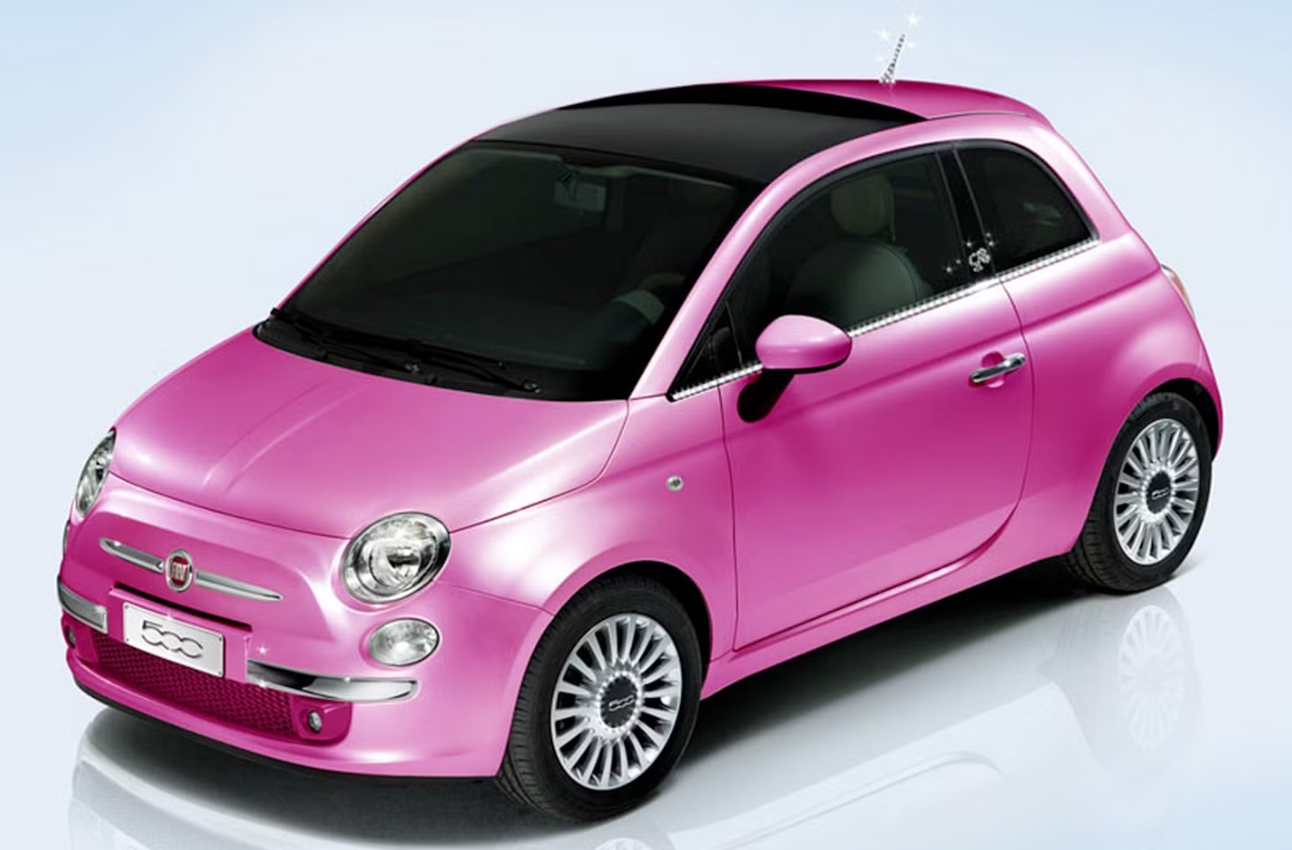
2. Barbie Fiat 500: Fashion-Fueled Fortune
The Barbie Fiat 500 may look like a toy, but it’s become a serious collector’s piece. Decked out in signature pink and detailed with Barbie-themed branding, this compact car was released in limited quantities. What initially seemed like a novelty now sells for far more than its original price.
Collectors of Barbie memorabilia and unique automobiles have driven up demand, making it hard to find and increasingly valuable. Its success is rooted in nostalgia and exclusivity, showing how pop culture collaborations, especially well-executed ones, can turn even small city cars into big-dollar collectibles.
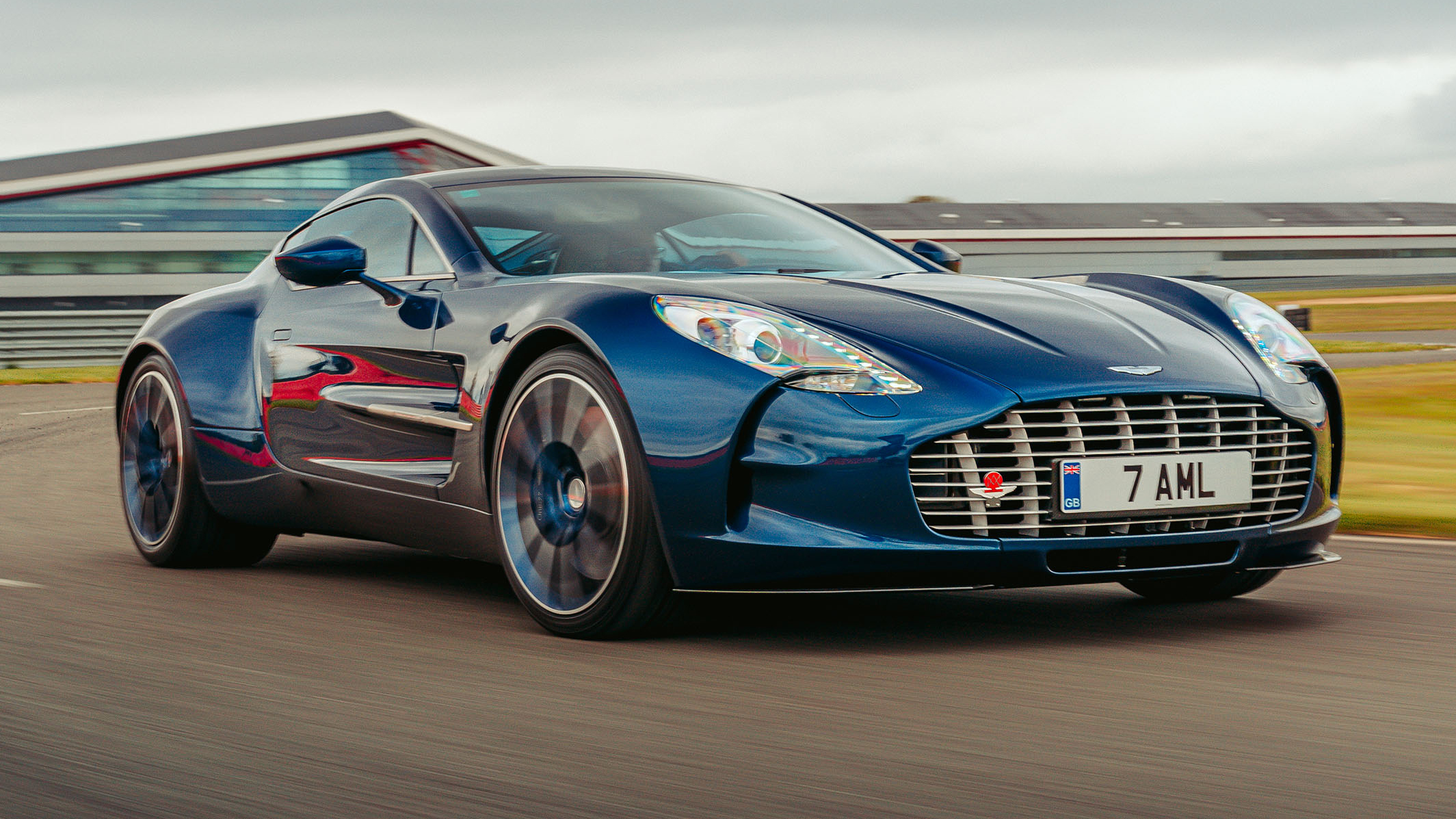
3. Aston Martin One-77: The Ultimate British Unicorn
With only 77 units ever made, the Aston Martin One-77 is the definition of exclusivity. Boasting a 7.3-liter V12 engine and over 750 horsepower, it’s as powerful as it is rare. Originally priced at $1.8 million, its value continues to climb, often selling for much more today in private sales.
Handcrafted with a carbon-fiber chassis and luxurious details, the One-77 isn’t just a car, it’s rolling art. Collectors regard it as one of the most exceptional modern supercars, not just because of performance, but because owning one means joining an elite circle of automotive connoisseurs.
4. Abarth 695 Rivale: Nautical Luxury on Four Wheels
Inspired by Italian Riva yachts, the Abarth 695 Rivale merges maritime elegance with road-going excitement. Only 350 units were made, each featuring nautical touches like chrome accents and custom interiors. With a 1.4-liter turbocharged engine and signature styling, it’s both fast and refined.
Originally a niche offering, it has gained a cult following among collectors. As the demand for unique hot hatches grows, so has the Rivale’s value, proving that design heritage and limited availability can make even small performance cars a big investment over time.

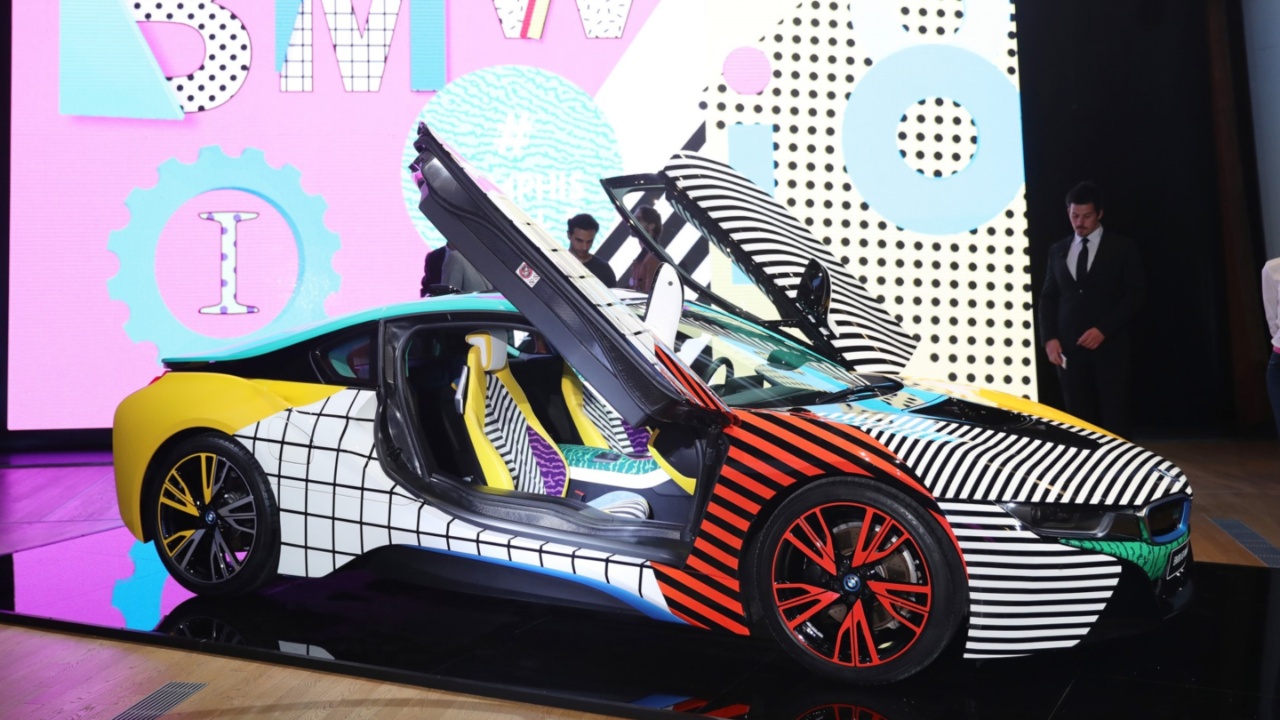
5. BMW i8 Memphis Style: Design That Defies Depreciation
BMW’s i8 already turned heads with its futuristic hybrid design, but the Memphis Style edition pushed it even further. Designed in collaboration with the Memphis Design Group, this ultra-rare version featured bold, geometric patterns and vivid colors. While BMW produced over 20,000 standard i8s, only a handful were Memphis Style.
What seemed eccentric at launch is now valuable, due to its art-meets-engineering aesthetic and scarcity. The result is a plug-in hybrid that appeals to both collectors and design aficionados. It’s proof that rarity, paired with artistic flair, can outpace even the most elite automotive competition.
5 Once-Popular Ones Worthless
Not every once-desirable car holds its value. In fact, many once-popular luxury sedans and performance models have depreciated steeply. Whether due to high maintenance costs, brand reliability issues, or shifting consumer preferences, these vehicles lose more than half their value within just five years.
What starts out as a prestige purchase often ends up as a steep loss for owners. Great news for used car shoppers, but a cautionary tale for buyers of new luxury vehicles. Below are five examples of once-popular cars now struggling to retain their worth in today’s resale market.
1. Audi A6: Executive Luxury, Budget Resale
The Audi A6 combines refined driving, elegant design, and solid tech, but it doesn’t retain value. With a five-year depreciation of over 56%, this luxury sedan struggles to command high resale prices. Buyers are turned off by its high cost of ownership and only average reliability.
Despite available powerful engines and advanced trims, used A6 models are available at deep discounts. While it still delivers a premium experience, especially with its AWD drivetrain and comfort features, the A6 is a prime example of a car that loses its shine and its value, far too quickly.

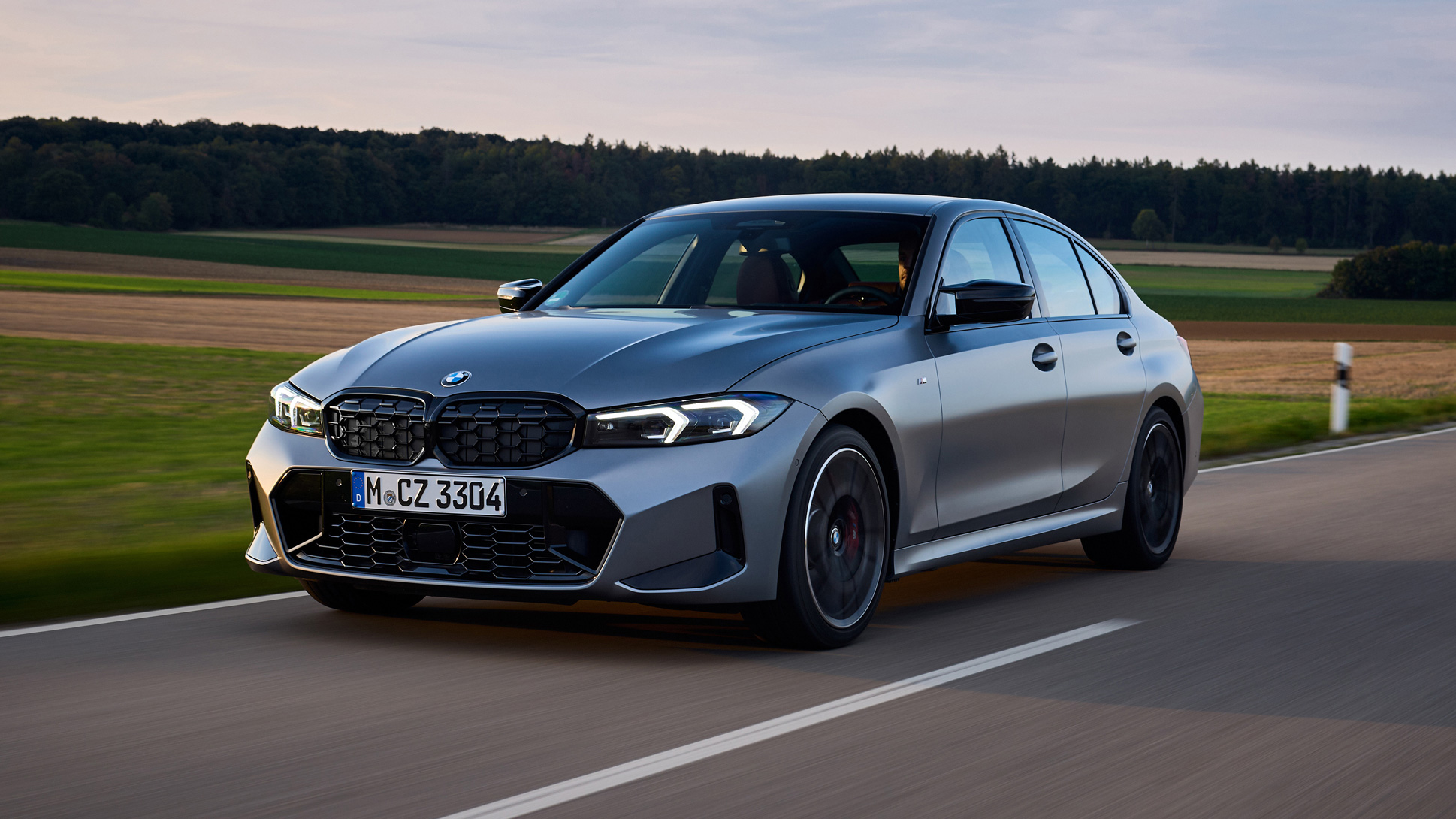
2. BMW 3 Series: Small Sporty, Rapidly Devalued
Known for its nimble handling and premium feel, the BMW 3 Series is a compact luxury staple, but it’s no champion of resale value. Depreciating by more than 56% in five years, it’s affected by BMW’s reliability concerns and expensive upkeep.
The 330i and M340i offer excellent performance, but maintenance costs often scare off long-term owners. Though it remains popular in the luxury compact segment, the depreciation curve is steep. It’s ideal for second-hand buyers who want a sporty BMW experience at a bargain price, but not so much for those who bought it new.
3. Volvo S90: Safe, Sophisticated, and Undervalued
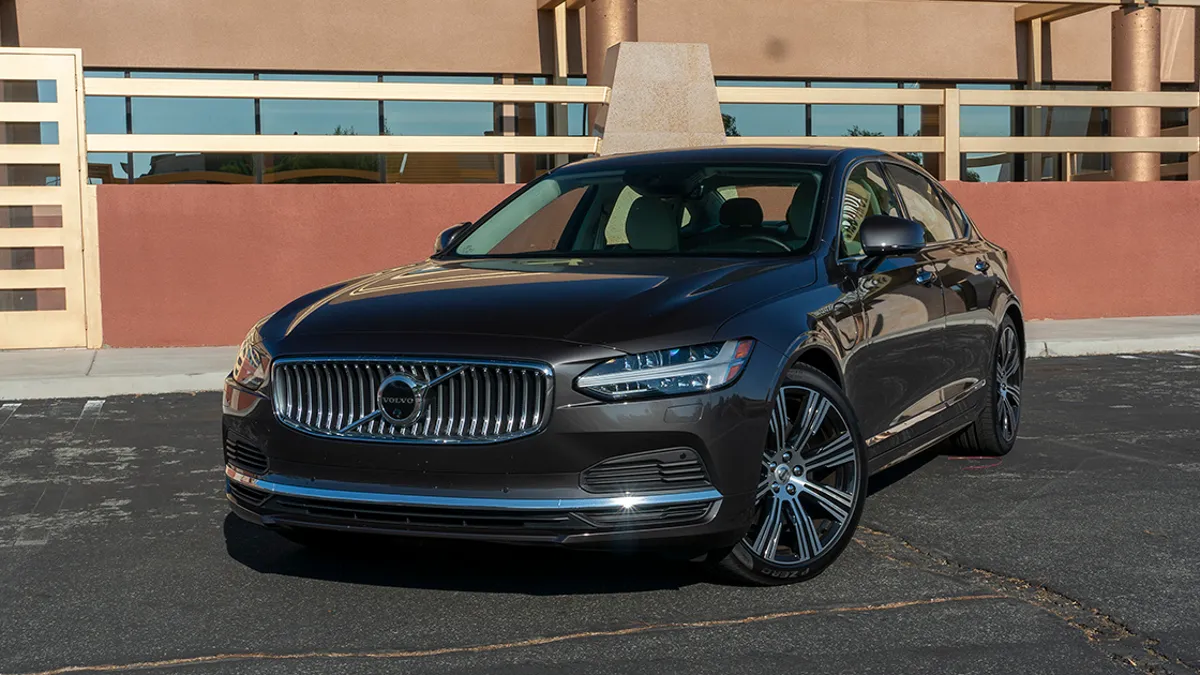
Volvo’s S90 represents Swedish refinement, offering serene interiors, strong safety tech, and plug-in hybrid efficiency. Yet, its resale value is among the worst in its class, dropping by 55.8% in just five years. Brand perception and limited demand contribute to this decline, despite its solid offerings.
Even with trims like the T8 PHEV delivering excellent performance and fuel economy, it struggles to compete in a crowded luxury market. Buyers looking for understated elegance can get great deals on used models, but original owners take a significant financial hit upon resale.
4. Mercedes-Benz S-Class: Prestige Can’t Prevent Plunge
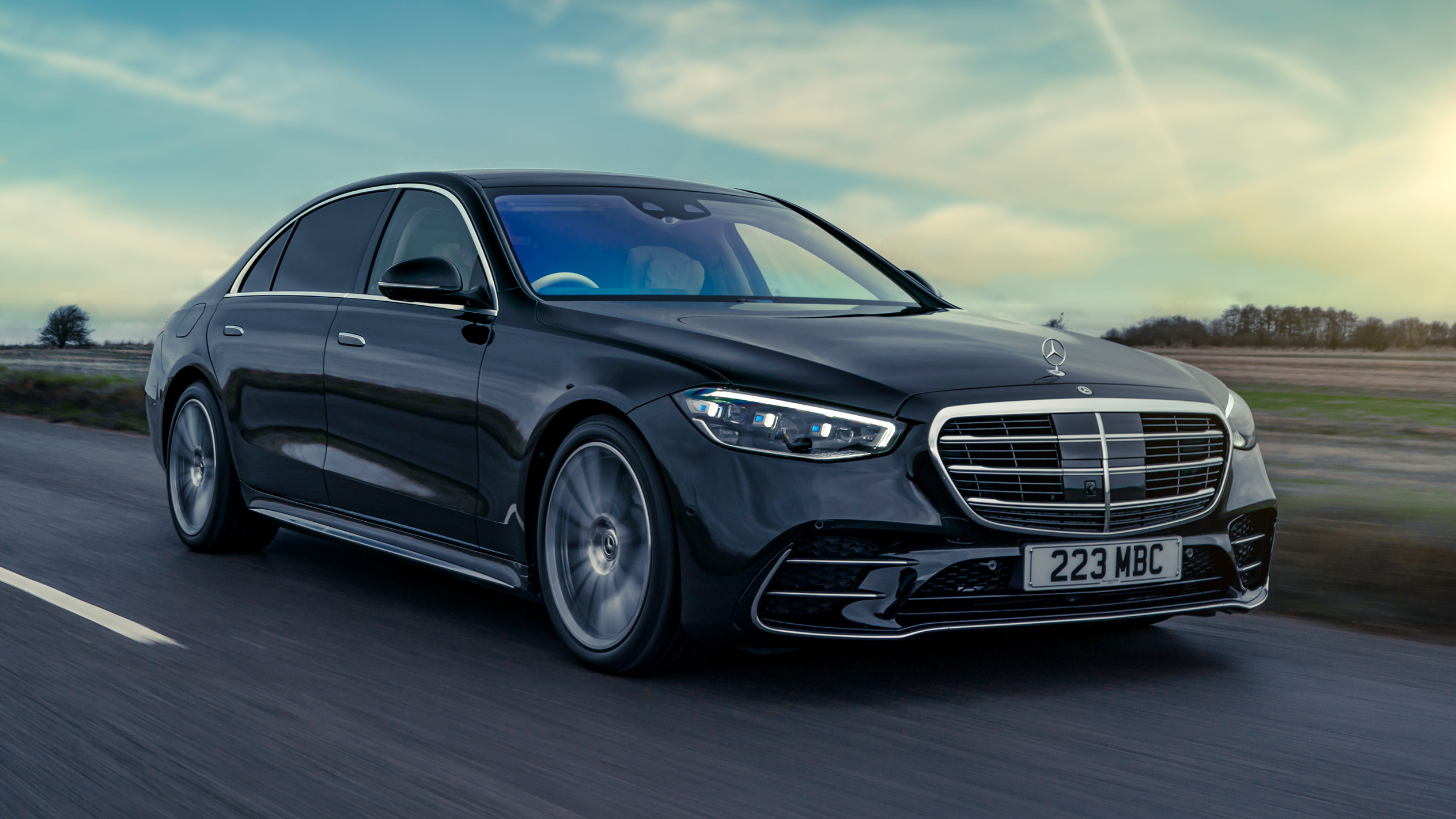
The S-Class is Mercedes-Benz’s flagship for a reason: luxury, innovation, and performance all come standard. Yet, this opulent sedan depreciates by 55.7% in five years. High maintenance costs and rapid depreciation are typical for high-end German sedans.
Its starting price is over $118,000, but used models can be found for a fraction of that. Despite offering massaging seats, semi-autonomous driving, and V8 or hybrid powertrains, it simply doesn’t hold its value. It’s a great second-hand luxury buy, but proves that even the most prestigious cars can’t escape the depreciation curve.
5. BMW 5 Series: Mid-Size, Maximum Depreciation
The BMW 5 Series blends luxury, space, and driving dynamics, making it one of the most versatile sedans in its class. Yet, it still depreciates by more than 55% after five years. Though available with several powertrains, including a plug-in hybrid, the model suffers from high ownership costs and BMW’s mediocre reliability track record.
While it appeals to drivers who want a balance of fun and comfort, its resale performance is lackluster. Many top-tier features remain optional, further complicating value retention. It’s a practical used luxury car, but not a smart investment when bought new.

In the automotive world, exclusivity, design, and cultural cachet can drive a car’s value far beyond its MSRP. On the flip side, mass-market luxury vehicles, even those once seen as status symbols, can quickly lose their luster.
Limited editions like the Aston Martin One-77 or VW Harlequin become sought-after collectibles, while common luxury sedans like the Audi A6 or BMW 5 Series fade into the used car market at bargain prices.
For buyers and collectors alike, understanding these value patterns is essential. Whether you’re investing or simply enjoying the drive, it pays to know what holds value and what doesn’t.
Also Read: 5 Cars Owners Keep Over 15 Years vs 5 That People Trade In Early
