
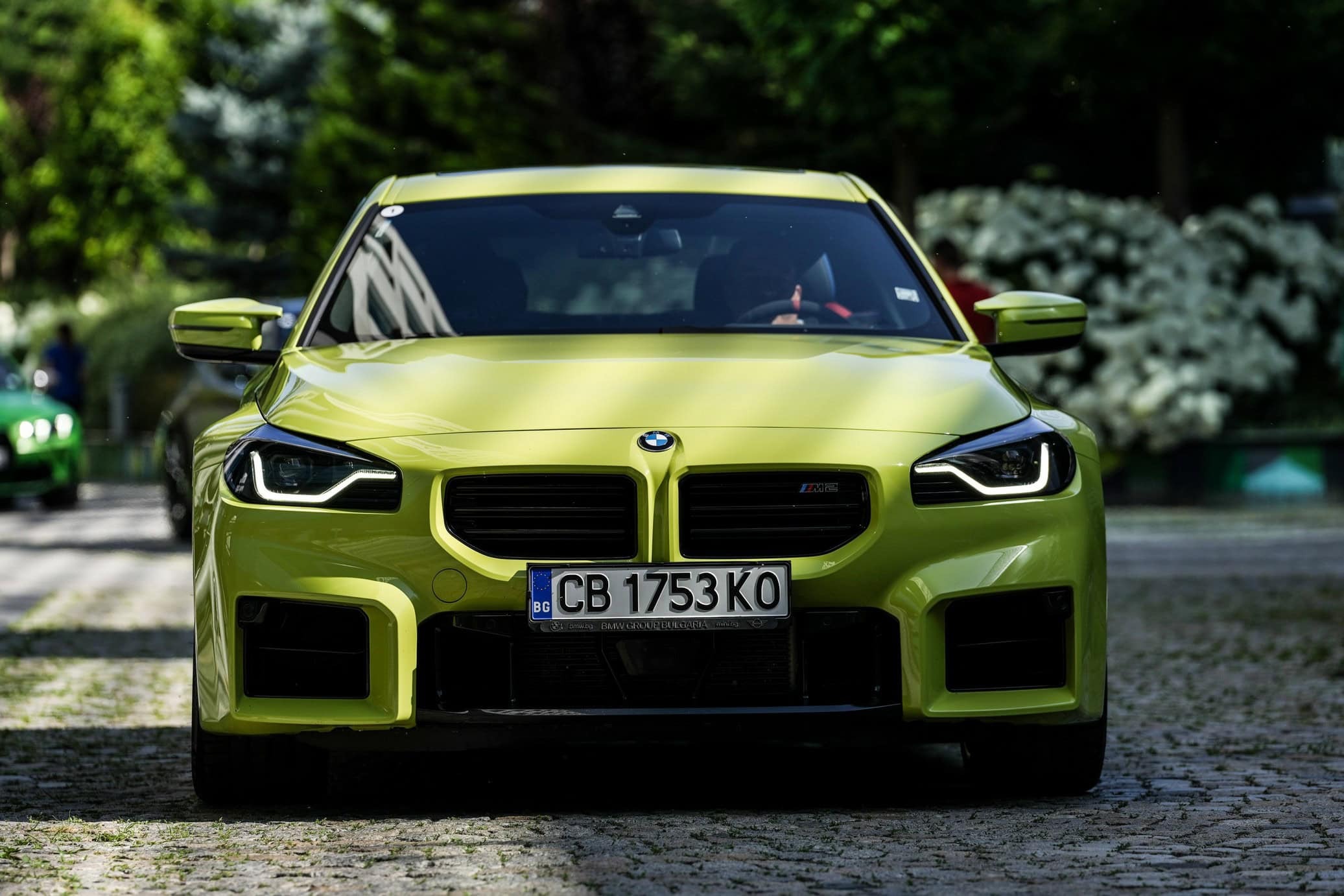
When it comes to purchasing a car, one of the most important factors many buyers consider is how well the vehicle will retain its value. Some cars hold their worth for years, even after crossing high mileage marks, while others begin to lose value shortly after leaving the dealership.
A vehicle’s depreciation rate plays a major role in long-term ownership costs, and choosing the right model can mean saving or losing thousands when it is time to resell or trade in.
Depreciation affects every car, but not all vehicles lose value at the same pace. Factors like reliability, brand reputation, parts availability, and maintenance costs can either help a car retain value or cause it to drop faster than expected.
For instance, a vehicle that performs well for over 300,000 kilometres without needing frequent repairs will always attract more interest on the second-hand market, even if it has high mileage.
On the other hand, some vehicles may still look new and have very low mileage, but buyers stay away due to concerns about long-term performance or expensive repairs.
Understanding which cars maintain their worth and which ones do not can help buyers make better decisions. Whether someone is planning to buy a car for long-term use or hopes to sell it in a few years, choosing a model with strong resale performance can offer real financial benefits.
Here on Daxstreet, we will focus on five vehicles known for holding their value even after extensive use, and five others that tend to lose value even when driven sparingly. Each car has its own story and set of characteristics that influence how it performs in the used car market. Choosing wisely can make a major difference down the road.
5 High-Mileage Cars That Hold Their Value
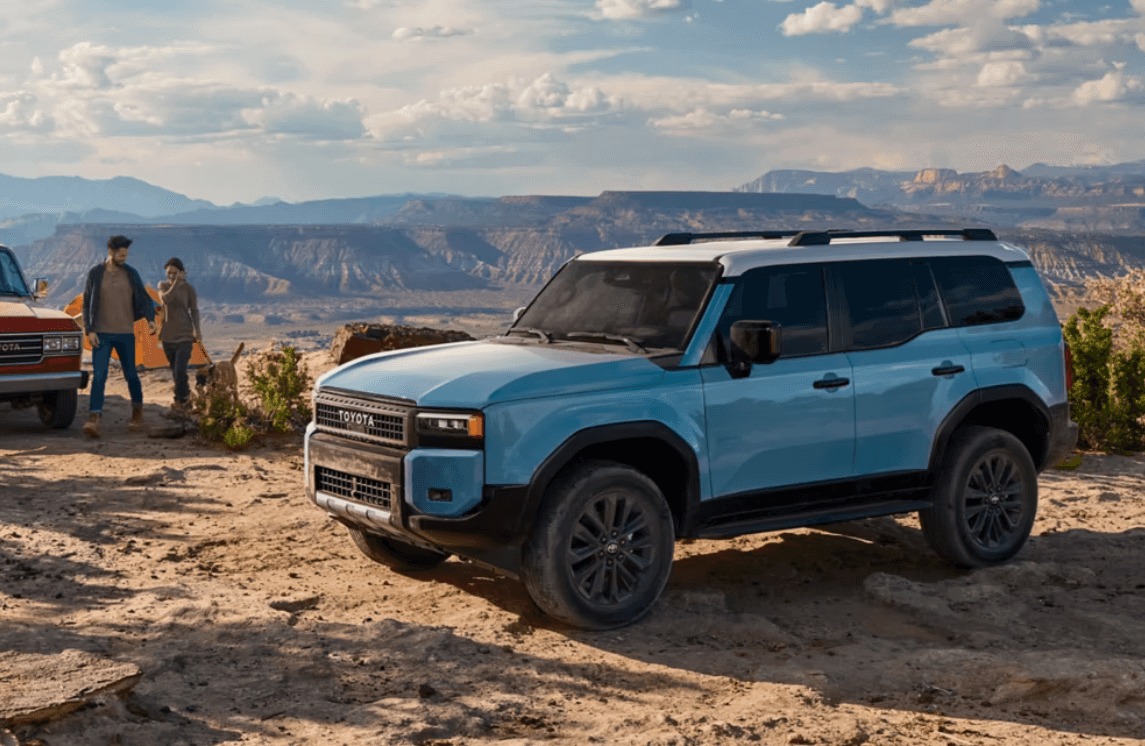
1. Toyota Land Cruiser
The Toyota Land Cruiser continues to prove itself as a vehicle that retains its market value, even after covering hundreds of thousands of kilometres. Buyers who go for the Land Cruiser are usually aware that they are investing in a machine designed for both reliability and long-term performance.
It remains one of the few SUVs that can go through rough terrains and harsh climates and still remain dependable without needing constant repairs. Even with high usage, this SUV maintains a solid resale value.
Its durability stands out as a major reason why used car shoppers continue to pay a premium for older models. Many owners report clocking well over 300,000 kilometres without experiencing major breakdowns.
This reputation makes it one of the top choices for those looking for dependable performance from a high-mileage vehicle. Its body-on-frame construction and powerful V8 engine play vital roles in helping it maintain strength, particularly under challenging driving conditions.
The interior, while conservative in design, offers all the essential features one would expect from a long-distance vehicle. It is built with quality materials that resist wear, which helps the car retain a cleaner look despite heavy usage.
Toyota’s reputation for quality engineering shines through in this model. The vehicle’s consistent reliability as time goes on keeps demand high on the used market.
Another reason the Land Cruiser holds its value is the limited availability of newer models in some regions. Fewer new versions mean the older ones continue to carry strong resale pricing, even when approaching high mileage.
This scarcity enhances its desirability among buyers who understand the cost-saving advantage of owning a reliable vehicle with minimal mechanical issues. For drivers who require strength, longevity, and resale confidence, the Land Cruiser remains a top option.
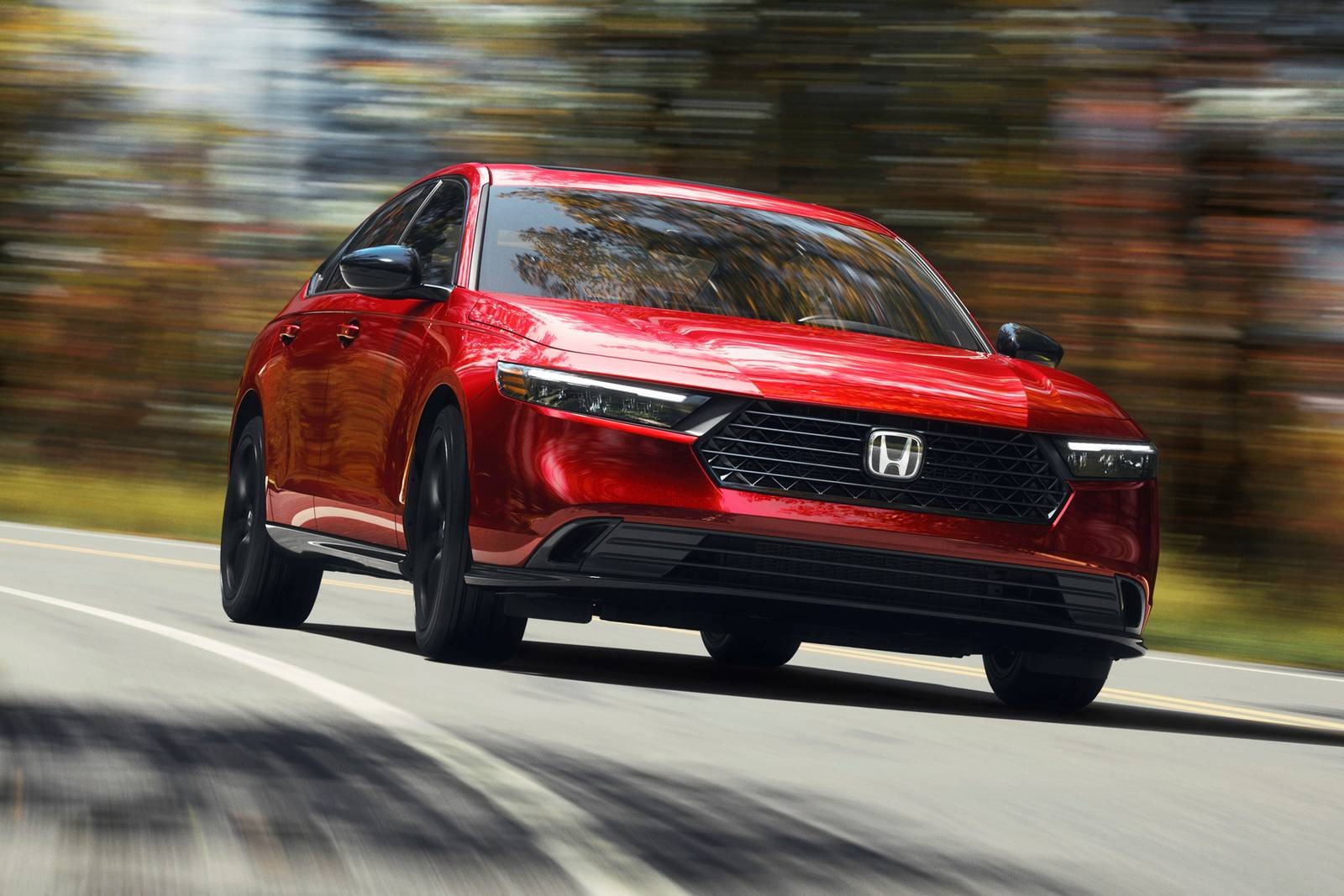
2. Honda Accord
The Honda Accord has managed to create a reputation for being one of the most dependable sedans over several decades. Its ability to stay relevant in the used car market, even when the odometer reads high, proves that it continues to appeal to second-hand buyers.
Unlike many mid-size sedans, the Accord does not depreciate rapidly once it has been driven extensively. Instead, it holds up well, thanks to its balance of reliability, fuel economy, and comfort.
One of the biggest strengths of the Accord lies in its engineering. Whether it is the four-cylinder or the V6 version, both engines are known to last a long time when properly maintained.
Many owners have reported driving their Accords past 300,000 kilometres with only routine maintenance and occasional repairs. This longevity gives future buyers confidence that a used Accord still has years of service ahead.
Inside the cabin, Honda focused on comfort and simplicity. The materials used resist wear and provide a clean, well-kept look, even after extensive use.
Buyers looking for value without luxury branding often see the Accord as a smart alternative. Features like responsive handling, smooth ride quality, and practical interiors help it maintain its reputation in the used market.
The model’s popularity also works in its favour. Since many people are familiar with it, mechanics across the country know how to service it.
Replacement parts are affordable and easy to find, making long-term ownership less of a financial burden. These factors contribute to high demand on the used market and better value retention.
So even when the mileage climbs, Honda Accords continue to command strong resale values. It has become a safe bet for families, commuters, and first-time car owners who want something dependable that does not lose worth too quickly.
Also Read: 10 Cars That Survive Teen Drivers Built Tough Safe Smart and Budget Friendly
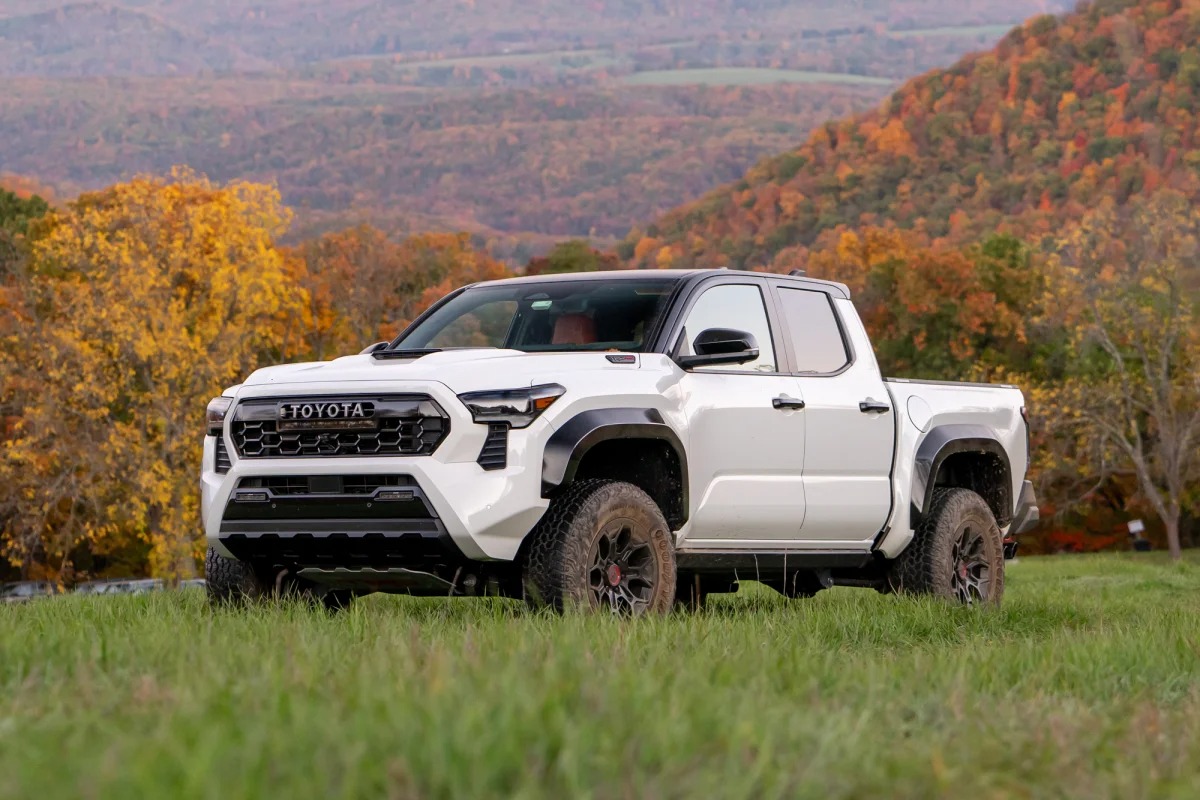
3. Toyota Tacoma
The Toyota Tacoma stands out as one of the most dependable pickup trucks available. Its value retention, even at high mileage, remains impressive.
Used buyers trust the Tacoma’s history of toughness, whether it has been used for daily driving or off-road adventures. It has built a strong reputation that allows it to retain its worth much longer than many other trucks in its class.
This model is commonly seen with high mileage, sometimes reaching over 400,000 kilometres, and still commands a strong asking price in the used market. The reason is simple.
The Tacoma is made with rugged suspension, reliable engines, and a durable frame. Its simple design means fewer electronic components to break down. This reliability appeals to truck buyers who do not want to deal with frequent mechanical problems.
Another reason for its strong resale value is its versatile use. Whether for small business owners, construction workers, or outdoor enthusiasts, the Tacoma serves various purposes without showing early signs of wear. Its resale value remains strong partly because buyers see it as an investment that will last for years.
Inside, the cabin may not be the most luxurious, but it is well designed for durability. Cloth seats and simple control layouts ensure it remains functional as time goes on. The interior materials can handle dust, sweat, and mud from years of hard work. This makes it ideal for both city and rural settings.
Even with high kilometres, used Tacomas often sell quickly, and buyers are ready to pay premium rates for them. For drivers looking for long-term durability in a compact truck, the Tacoma is an option that stays strong both on the road and in the resale market.

4. Lexus GX
Luxury vehicles often lose value faster than regular ones, but the Lexus GX is an exception. This SUV, based on a sturdy body-on-frame platform, delivers consistent performance and holds its worth, even with high usage.
Lexus managed to combine off-road ability with interior luxury, creating a unique vehicle that performs well across various conditions while maintaining its appeal among second-hand buyers.
The GX is known for its 4.6-litre V8 engine that continues running strong past 300,000 kilometres. Its mechanical design is straightforward and dependable, unlike other luxury brands that tend to include complicated electronic systems prone to faults. Buyers who want a luxurious driving experience but do not want to deal with expensive repairs lean toward the GX.
The resale value of the GX stays firm because it performs well in different driving environments. Whether it is used in urban areas or rugged terrains, it maintains performance without easily developing faults. This versatility contributes to demand in the used market, especially in places where road conditions are unpredictable.
Lexus also prioritised interior durability. Leather seats, soft-touch materials, and clear displays make the cabin comfortable while still holding up to wear. Even after years of use, the interior remains in good shape, giving used models a fresh look. Regular servicing helps preserve the appearance and function of its features.
Buyers appreciate that this luxury SUV is dependable and not overly complicated. When the kilometres increase, the value does not drop as quickly as other luxury brands. For drivers who want both style and strength, the GX is a reliable option that proves luxury and long-term durability can go together.
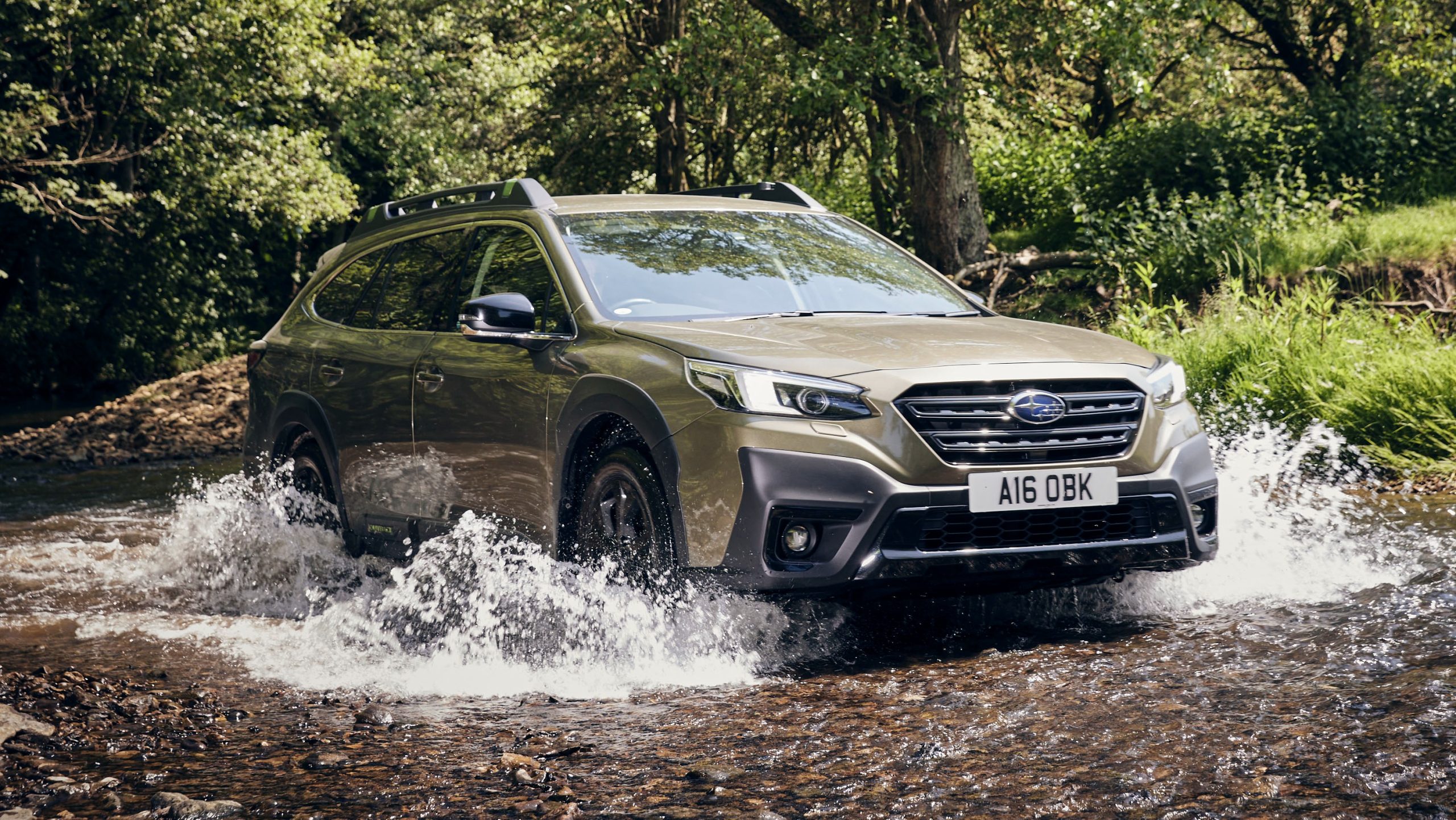
5. Subaru Outback
The Subaru Outback has earned its place as a reliable choice for people who enjoy active lifestyles. It delivers excellent performance in varying road conditions, thanks to its standard all-wheel-drive system.
Even with high kilometres on the odometer, the Outback continues to attract buyers who see it as a dependable and versatile vehicle. This strong reputation helps it hold its value as time goes on.
Its reliability is one of the main reasons used car buyers continue to pay well for it. Owners often report surpassing 300,000 kilometres without serious issues, especially when the vehicle is maintained properly. The four-cylinder engine is efficient, and the ride quality remains smooth even after many years on the road.
Inside, the Outback provides comfort and utility. The cabin is spacious, with enough room for passengers and cargo. Its materials are well chosen, allowing it to resist visible wear even when used regularly.
Many buyers appreciate that it offers features found in more expensive SUVs, such as heated seats and advanced driver aids, but at a lower price point.
Another reason the Outback maintains its value is its usefulness for people who live in areas with snow or rough terrain. The all-wheel-drive system, which comes standard on all models, adds to its reliability and practicality. This makes it a favourite among families, outdoor enthusiasts, and daily commuters.
Even as mileage increases, used Outbacks continue to command higher prices compared to similar cars. The combination of comfort, utility, and all-weather capability allows the Outback to remain a popular option in the second-hand market. Buyers see it as a strong choice that continues to perform well long after leaving the showroom.
5 That Lose Value Even with Low Miles
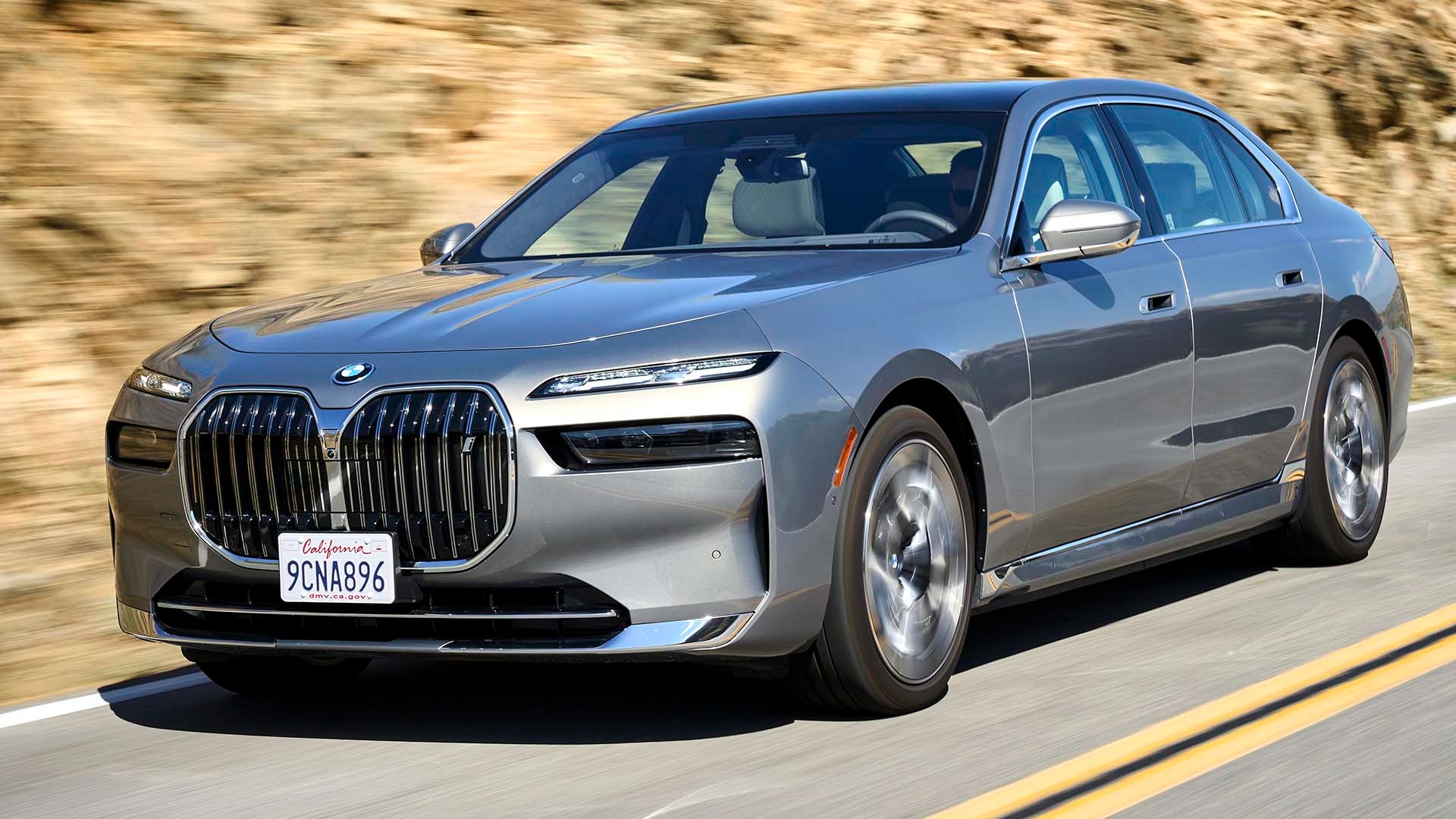
1. BMW 7 Series
While the BMW 7 Series offers a premium experience with powerful engines and advanced features, it tends to depreciate faster than expected, even with relatively low mileage. This large luxury sedan delivers strong performance, but its complicated systems and high cost of maintenance contribute to its steep loss in resale value.
The 7 Series is filled with difficult electronics, air suspension systems, and advanced driver assistance technologies. While these features are impressive when new, they can become sources of worry for second-hand buyers.
As the car gets older, the risk of repairs grows, and fixing these issues often comes with high expenses. Because of this, buyers may avoid it unless it is offered at a major discount.
Even with low kilometres, many used car shoppers shy away from purchasing a 7 Series due to the cost of ownership. Routine maintenance alone can be expensive, and once warranties expire, repair costs increase quickly. These factors cause depreciation to happen more quickly than with other models in the luxury segment.
The interior, while comfortable and luxurious, often requires specialised care to remain in good condition. Electronics, infotainment screens, and trim materials may begin to show early signs of wear, particularly if not well-maintained. As the car ages, even small cosmetic problems can affect the asking price.
Though the driving experience is undeniably strong, and the car offers a quiet, smooth ride with plenty of power, its long-term costs and difficult systems push buyers toward other options.
Those looking at used luxury sedans may opt for simpler models with better resale value. As a result, even a low-mileage 7 Series can experience a rapid decline in value within just a few years of ownership.
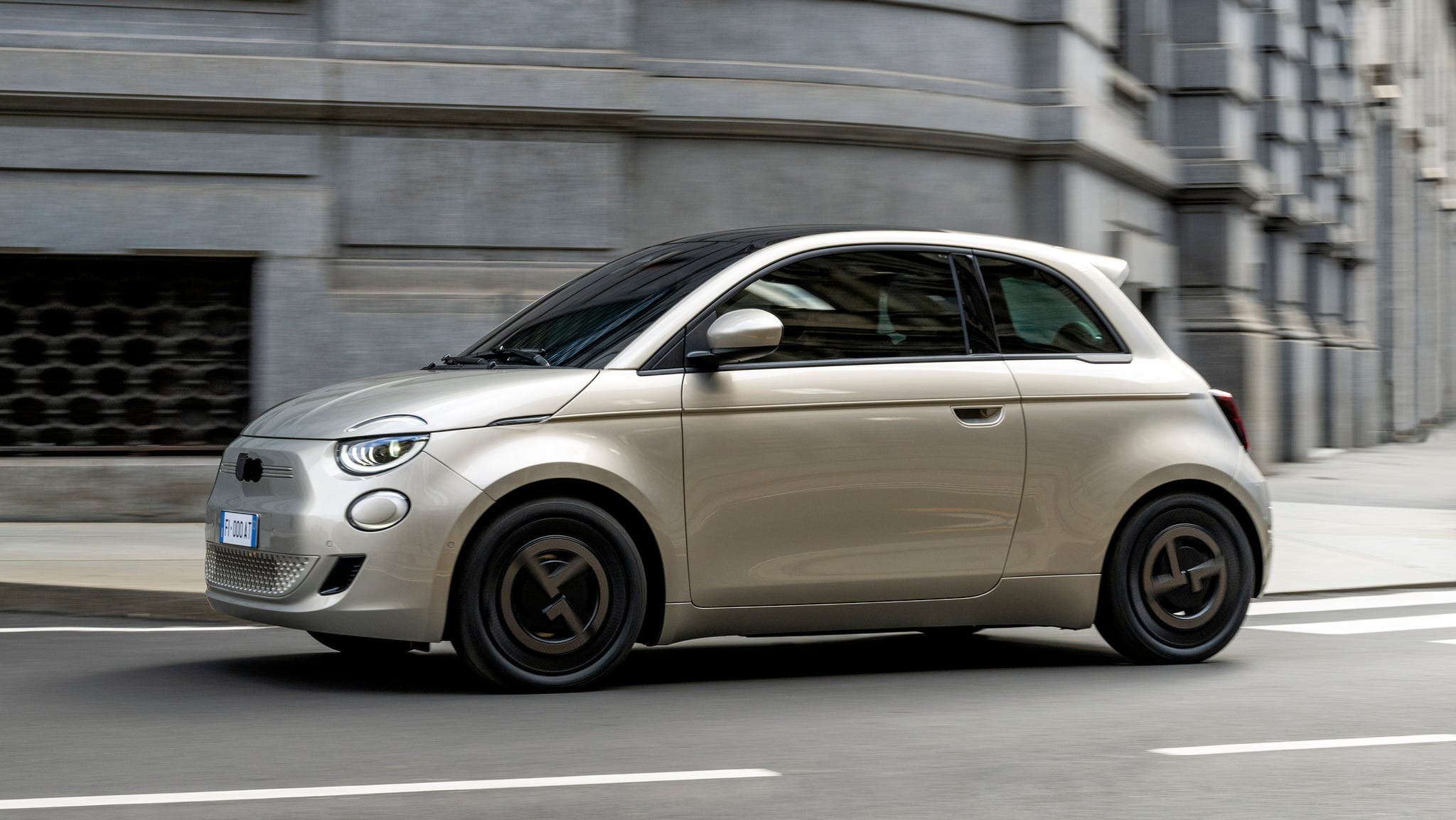
2. Fiat 500L
The Fiat 500L is an example of a car that does not retain its value well, even if it has barely been driven. Despite being marketed as a practical and stylish choice for small families or city drivers, the vehicle has struggled with public perception and long-term desirability. As a result, it depreciates quickly, regardless of mileage.
One major issue is reliability. Owners have frequently reported problems related to electronics, transmission systems, and engine performance.
Even when the car has only covered a short distance, the fear of mechanical faults discourages buyers from paying a premium. Maintenance is also not as straightforward as in many Japanese or Korean brands, making ownership less convenient.
The styling, though bold and unique, does not appeal to everyone. While some drivers may appreciate the attempt at combining a retro look with a compact MPV design, many consider it awkward. This reduces the pool of interested buyers in the second-hand market, placing downward pressure on its value.
Inside the cabin, the quality of materials is not always consistent. Plastics wear quickly, and the design does not always feel solid. Even a Fiat 500L with low kilometres may show signs of early ageing. This weakens buyer confidence, especially among those who are looking for a used car that feels almost new.
Resale values drop quickly, and dealerships are often hesitant to offer good trade-in prices for this model. Due to low demand, even a unit with less than 50,000 kilometres may sell for a fraction of its original price. For those considering a compact family vehicle with better long-term value, there are several alternatives with stronger reliability and wider appeal.
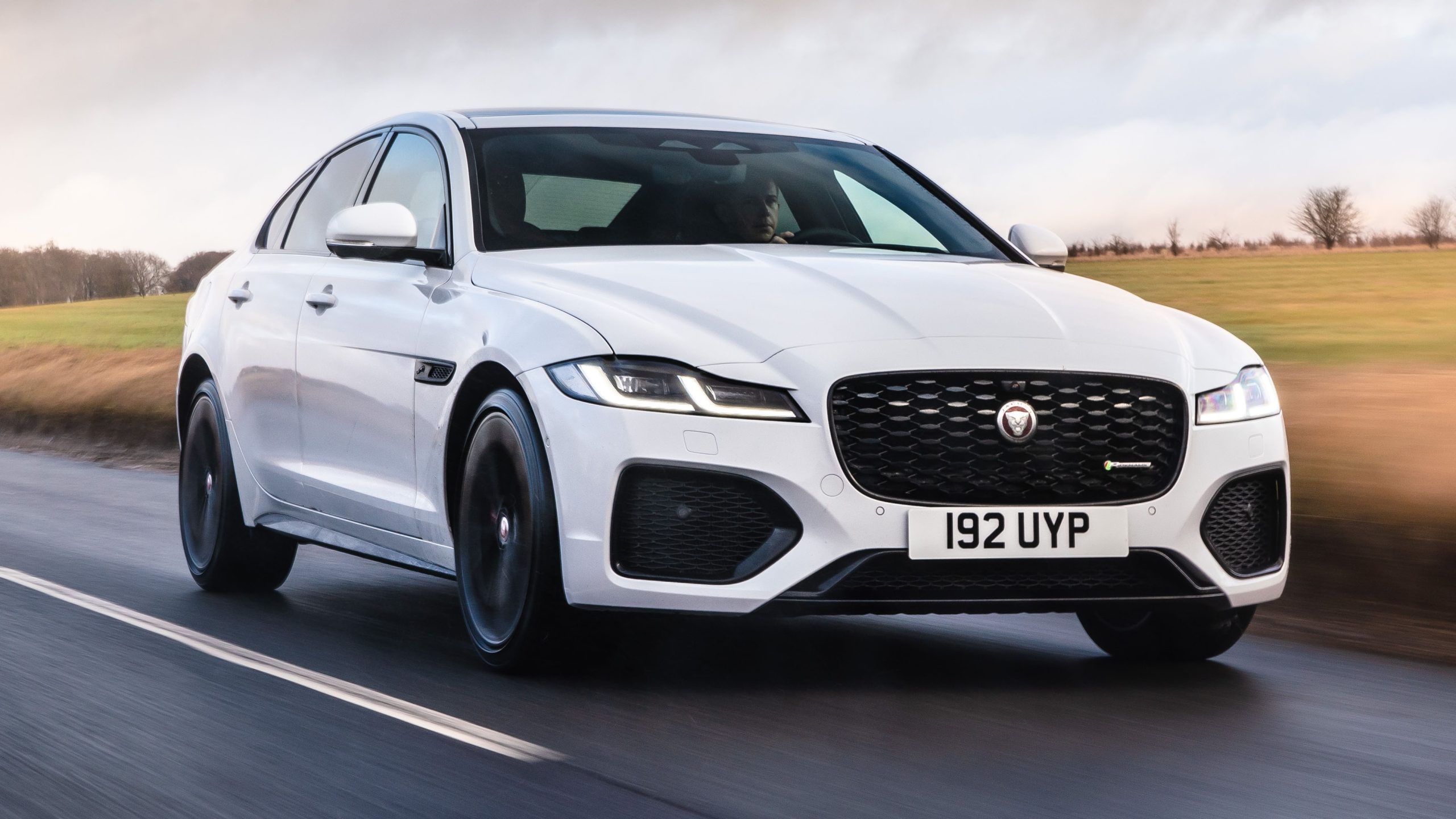
3. Jaguar XF
The Jaguar XF is a car that delivers refined looks and a comfortable ride, yet it loses its value rather quickly, even when the mileage is low. While the vehicle impresses with its styling and performance when new, its resale value takes a serious hit as time passes, whether or not it has seen much road use.
One of the reasons for this quick depreciation is buyer perception regarding reliability. Jaguars have a mixed record when it comes to long-term dependability. Even though improvements have been made over the years, the reputation still affects how buyers view models like the XF. This hesitance limits interest in the used market.
The XF also comes with high maintenance costs. Replacement parts and repair services are more expensive than those of many other mid-size luxury sedans.
Even small issues can lead to hefty bills, which discourages second-hand buyers. The cost of ownership, combined with potential reliability concerns, lowers demand and resale prices.
Although the car offers a premium interior, high-tech features, and smooth performance, those advantages are not always enough to attract used buyers at reasonable prices. Even units with low mileage suffer from poor depreciation performance. Potential customers prefer options that are easier to maintain and more familiar to mechanics.
The value of a used XF also drops due to high competition in the luxury sedan category. Brands with stronger reputations, such as Lexus or Mercedes-Benz, draw more attention. This makes it difficult for the XF to command higher prices, especially in resale markets where familiarity matters more than style.
Despite its luxurious appearance and strong driving feel, the Jaguar XF does not hold its value well and is often priced low on the used market, regardless of mileage.
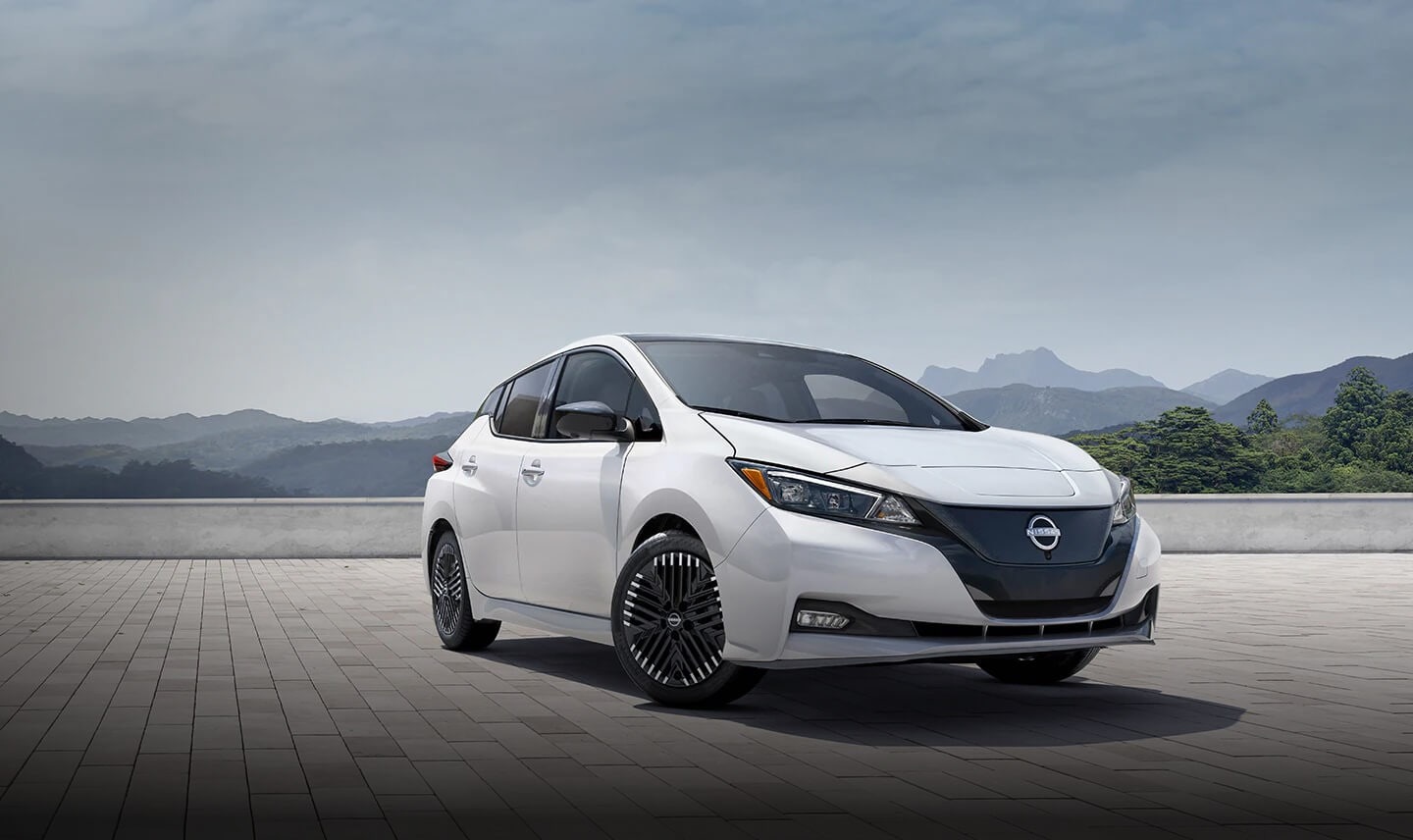
4. Nissan Leaf
The Nissan Leaf helped bring electric vehicles to mainstream buyers, but its depreciation rate is among the highest in its category. Even with low mileage, the Leaf tends to lose its value quickly due to several factors tied to technology, battery life, and changing buyer expectations.
One of the main reasons for the rapid depreciation is the battery range. Early models had a limited driving range that did not suit all types of drivers.
Even newer models, though improved, can lag behind competitors in terms of long-distance capability. As the EV market grows and new options with better range and faster charging enter the market, the Leaf’s value drops further.
Battery degradation is another concern. Buyers worry about the cost and complexity of replacing the battery, even when the car has not been used much. The uncertainty around future battery performance makes used Leafs less attractive, even if the mileage is low and the vehicle seems well-maintained.
The styling and interior design also affect resale value. While the car was futuristic at launch, it now looks dated compared to newer electric models. The materials used inside the cabin are functional but not luxurious, and wear can appear quickly. This reduces appeal in a market that continues to evolve rapidly.
Another factor is government incentives. When new EVs are sold with tax credits or rebates, their effective price becomes lower. This impacts the used market, where older models struggle to compete on value. Buyers prefer the latest technology and a better range, which reduces demand for previous versions.
As a result, even a Nissan Leaf with very low kilometres can lose a large portion of its original price. While it still offers an affordable entry into electric motoring, its resale performance remains weak across most markets.
Also Read: 5 Cars That Still Drive Like New After 10 Years and 5 That Age Like Milk
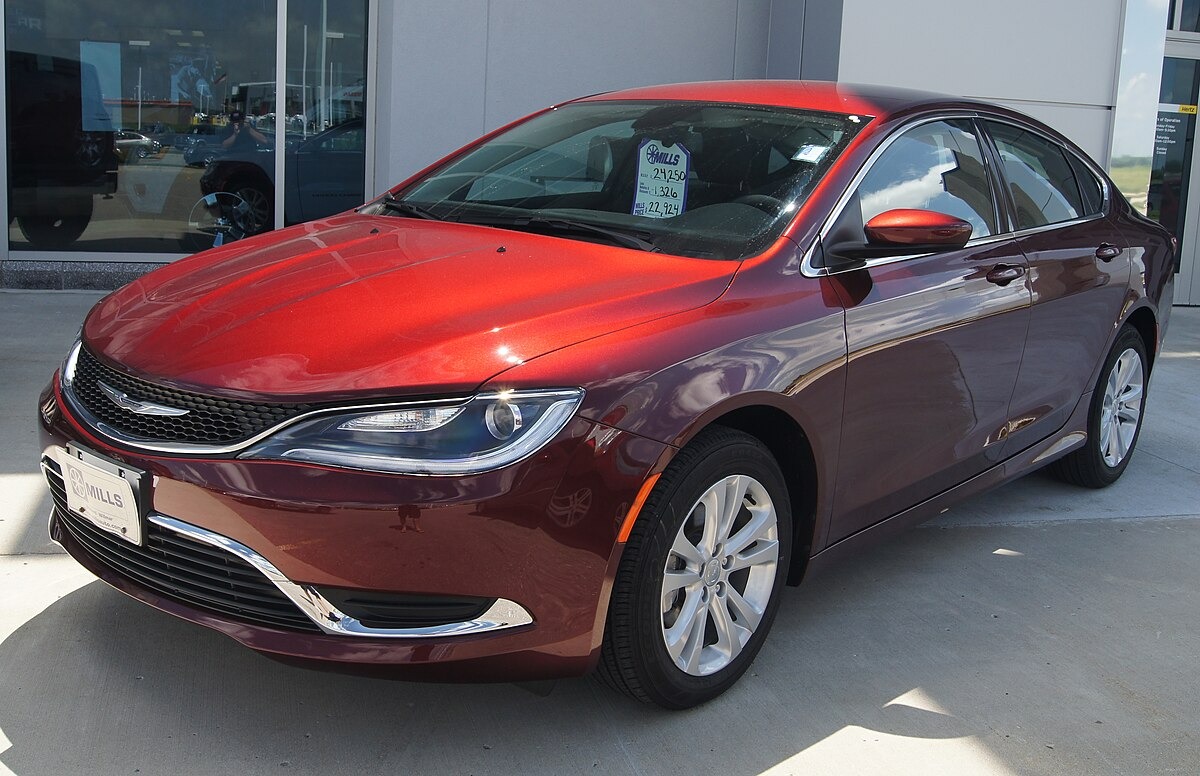
5. Chrysler 200
The Chrysler 200 was introduced as a mid-size sedan designed to compete with well-known rivals, but it failed to make a lasting impression. Even with minimal use, the car has experienced steep depreciation, and many units can be found on the market at prices much lower than expected. Low mileage does little to improve its resale value.
One of the reasons for this is the general design and performance of the vehicle. Though it came with a modern exterior and available V6 engine, it struggled with build quality and transmission issues. Buyers quickly learned that the 200 lacked consistency in both ride comfort and long-term dependability. This led to weak demand in the used car segment.
Chrysler discontinued the model a few years after its release, which also contributed to its depreciation. Once a carmaker stops producing a model, parts and service support become less reliable. Buyers hesitate to invest in vehicles with uncertain futures, especially if replacements and repairs may become difficult or costly.
The cabin, while stylish in parts, often suffered from cheap plastics and uneven fit. Even lightly used models may show signs of ageing or mechanical concerns. Buyers often compare it to alternatives like the Toyota Camry or Honda Accord, which enjoy far better reputations for lasting value and performance.
Dealerships often offer low trade-in values for the 200, even when the mileage is low and the condition is good. This situation reflects how weak the car performs in terms of resale. Low-mileage units may appear attractive initially, but when compared side-by-side with competitors, the disadvantages become clear.
Because of the uncertain quality, discontinued status, and weak brand support, the Chrysler 200 does not retain value, and low usage fails to reverse that pattern.
