
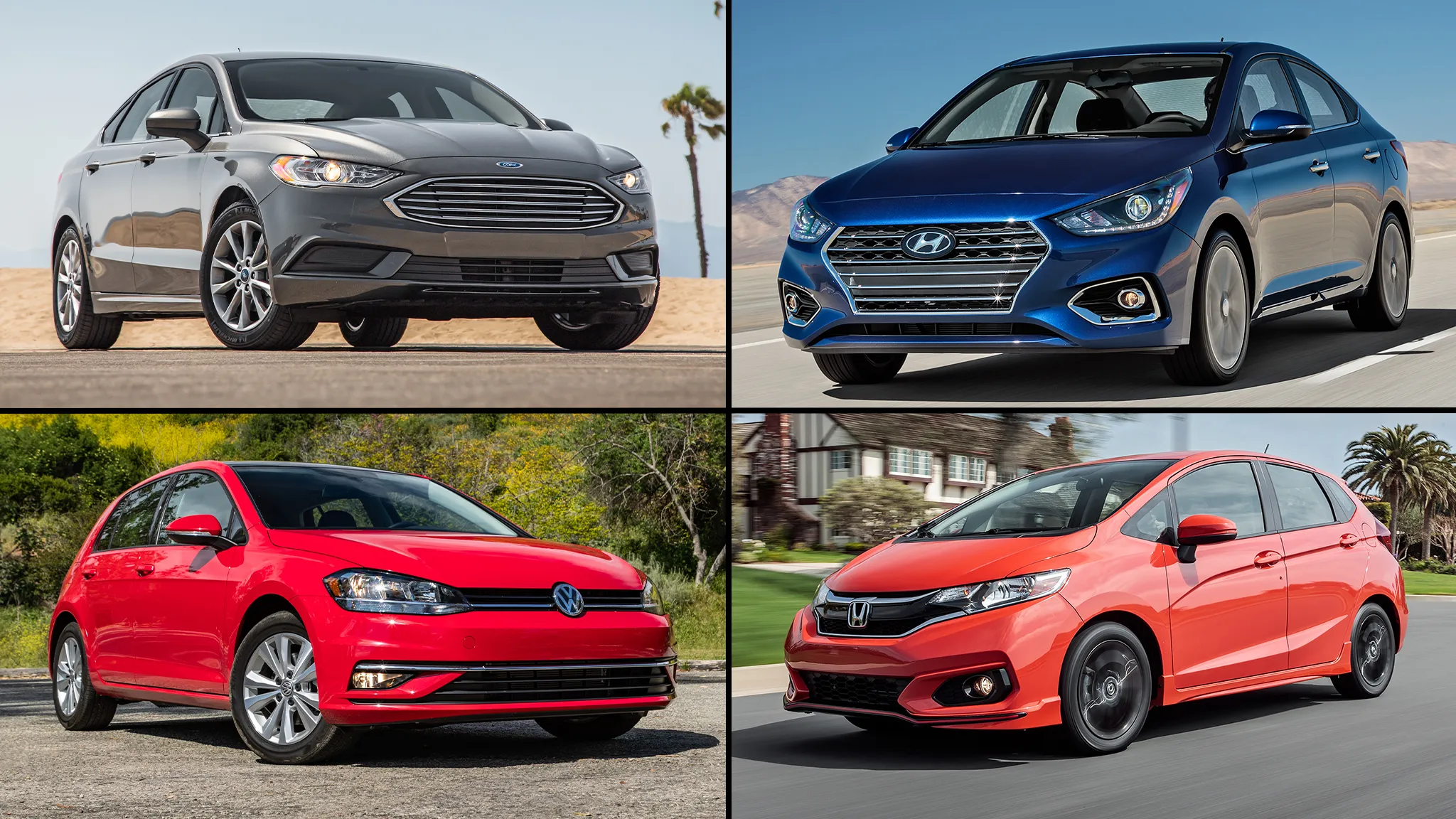
Many drivers are often tempted to stretch their budgets when buying a new car, especially when higher trims promise luxury features and upgraded aesthetics.
While those extras may seem worthwhile at the moment, a closer look at long-term value shows that base models often make smarter investments. This holds especially in the resale market, where depreciation plays a crucial role in determining whether your car maintains its worth or loses it quickly.
Some base trims are built with practicality and efficiency in mind, offering just enough tech, comfort, and powertrain capability to satisfy most drivers without the burden of expensive add-ons.
These versions often become resale favourites because buyers in the used market appreciate simplicity, low maintenance costs, and lower pricing.
Alternatively, some higher-end trims fail to hold their value once they leave the dealership lot. These top-level versions may include features that depreciate faster or appeal to only a narrow group of buyers. Because of this, they can become harder to sell or may fetch far less than expected during resale.
On this page, we will highlight five base-model cars that perform strongly in resale markets, offering more value in the long run than some of their pricier counterparts. It will also take a close look at five trims that are not worth the premium they demand upfront.
From practical sedans and efficient hybrids to compact SUVs and reliable hatchbacks, the following vehicles were selected based on their resale performance, cost efficiency, and appeal in the used market.
Whether you are buying your first car or replacing an old one, understanding which models maintain their value can save you from unnecessary costs and financial disappointment. Let us examine the base models that give you your money’s worth and the high-end trims that might not justify their price tag.
5 Base-Model Cars That Resell Best
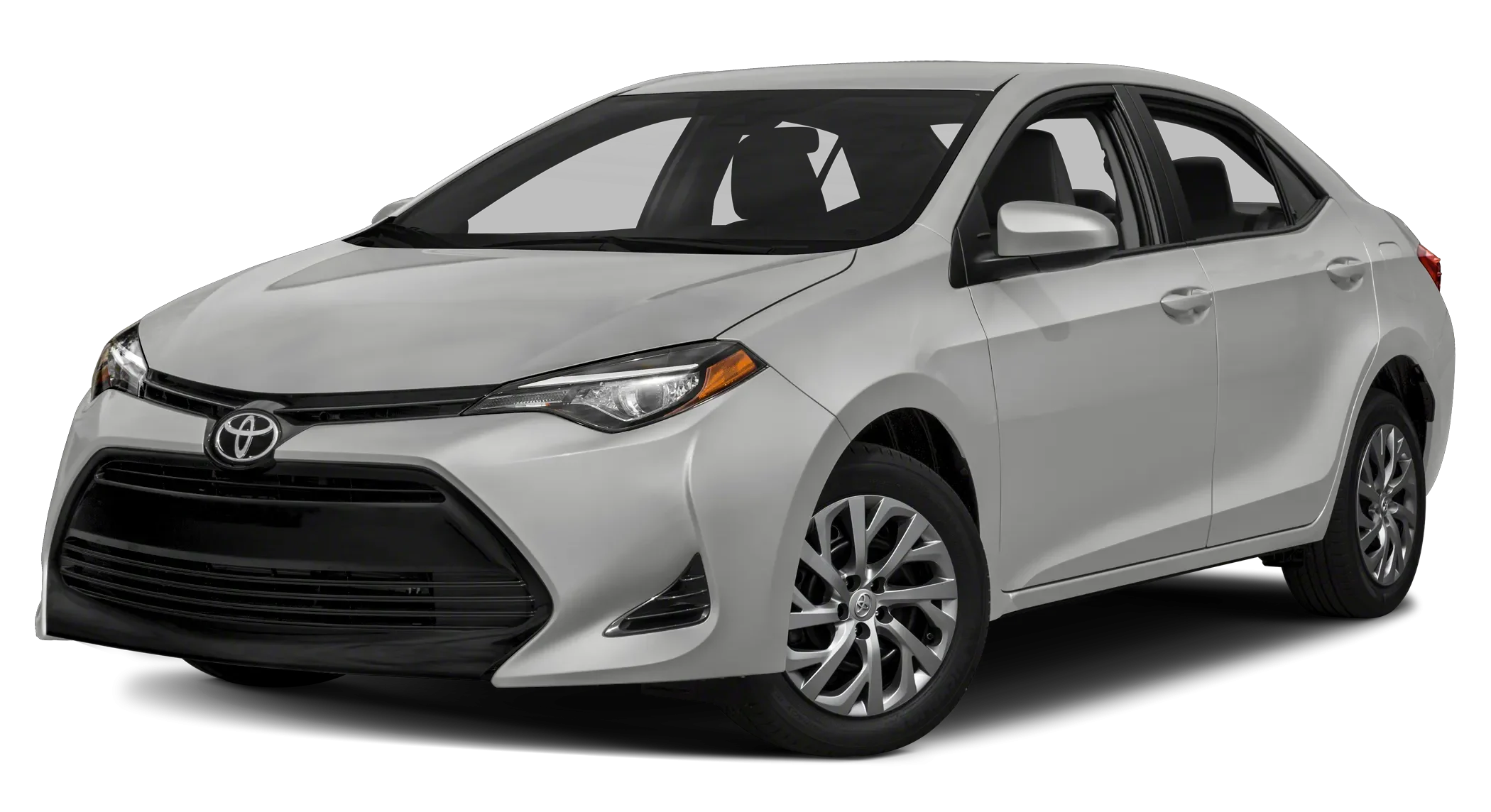
1. Toyota Corolla LE
The Toyota Corolla has maintained a strong presence in the compact car market for years, and the LE base model stands out as a smart choice for anyone focused on long-term value. The LE variant includes essential features while maintaining the affordability that Toyota is known for.
From a resale perspective, the LE version of the Corolla appeals to a broad set of buyers. It offers a balanced mix of reliability, fuel economy, and low maintenance costs.
With a continuously variable transmission (CVT) paired to a 1.8-litre four-cylinder engine, the Corolla LE keeps performance smooth and efficient without sacrificing reliability. Because of its wide availability and modest equipment list, this base model holds its value well when listed on the used market.
Another reason why the Corolla LE is a favourite among budget-minded drivers is its safety and durability. Toyota’s Safety Sense suite comes standard, including pre-collision warning, adaptive cruise control, and lane-keeping assist.
Many used car buyers prioritise these features, especially when shopping for family or commuter vehicles. With standard driver assistance technologies, buyers do not feel shortchanged even when choosing an older model.
Unlike sportier or tech-heavy trims that can lose value quickly due to fast-changing trends, the Corolla LE keeps things simple and timeless.
Cloth seats, basic infotainment, and minimalistic styling mean there is less to break or become outdated. The model’s reputation for lasting over 200,000 kilometres without major mechanical issues also builds confidence among second-hand buyers.
Since fuel economy is a major consideration for many buyers, the Corolla LE’s ability to deliver up to 35 miles per gallon on the highway adds to its long-term desirability. Even when compared to hybrid rivals, this gas-powered base trim still proves cost-effective to own and resell.
For anyone seeking value retention, low operating cost, and mass-market appeal, the Toyota Corolla LE remains a dependable and wise investment.
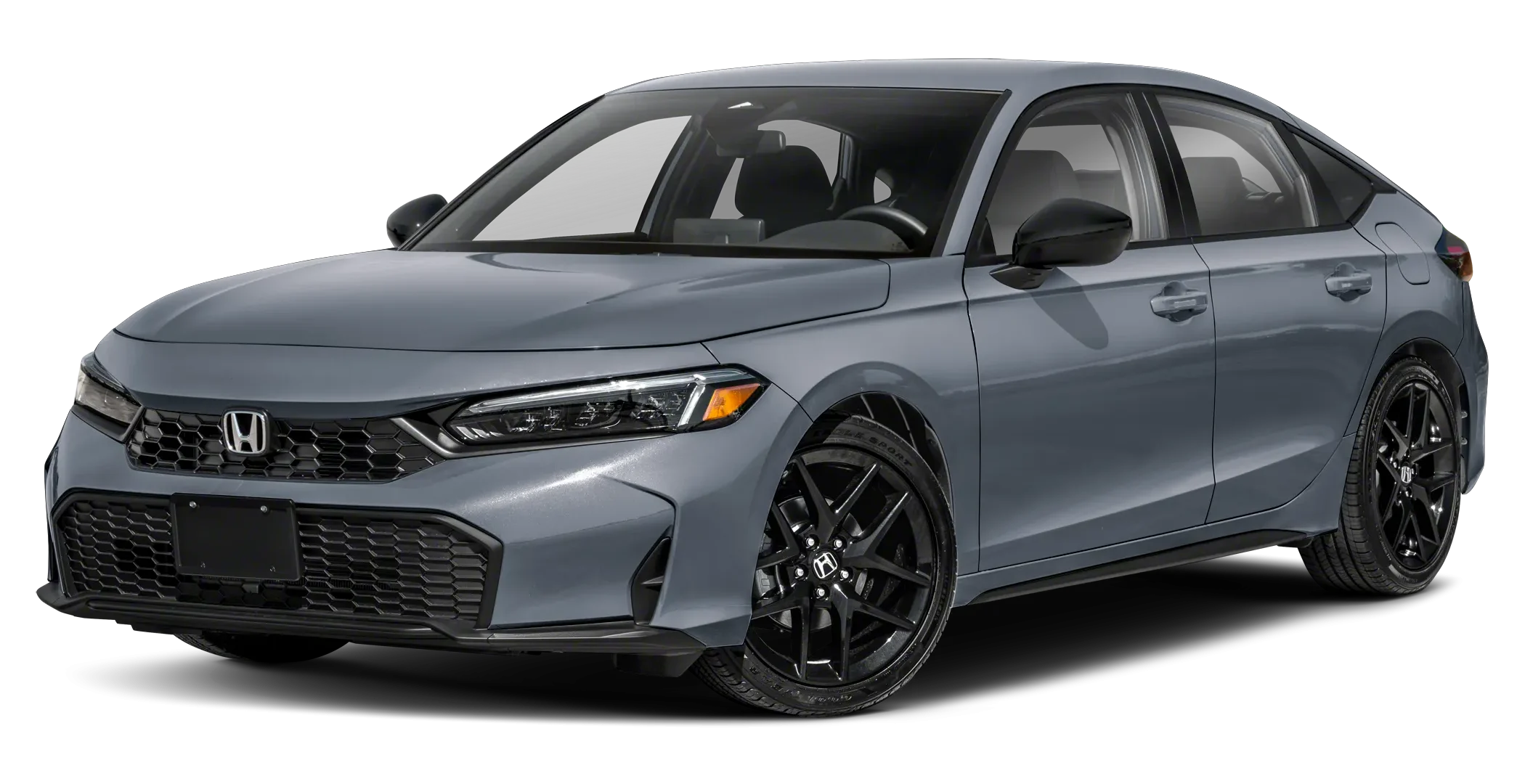
2. Honda Civic Sport
The Honda Civic Sport serves as a strong example of how a lower trim can outperform expectations on the resale market. While it is not the absolute base version, the Sport trim is considered entry-level among the more performance-focused Civic offerings and delivers well-rounded features without pushing the cost too high.
Equipped with a 2.0-litre naturally aspirated engine and a continuously variable transmission, the Civic Sport provides an engaging driving experience while staying within an affordable bracket.
Buyers looking for fuel efficiency, comfort, and a modern appearance are often satisfied with what the Sport trim offers. Unlike the Touring or EX trims, it avoids the premium cost of leather interiors, advanced sound systems, and added gadgets that do not substantially boost long-term value.
In the used car market, the Civic Sport appeals to young professionals, first-time car buyers, and budget-conscious families. Its clean design, generous cabin space, and fuel economy of around 32 city and 42 highway miles per gallon make it an easy choice for many.
Standard safety features and responsive handling further reinforce its standing as a dependable entry-level vehicle with lasting resale potential.
The Civic Sport also benefits from Honda’s strong reputation for longevity. Its solid build quality, reliable powertrain, and affordable maintenance have given this trim an edge when it comes to used market competitiveness. Drivers rarely face major repairs in the first several years of ownership, and this confidence translates into strong resale demand.
While higher trims of the Civic pack more features, they often do not bring proportional returns when resold. The Sport variant offers just enough tech, like Apple CarPlay, Android Auto, and keyless entry, to satisfy modern expectations without inflating cost.
This balance of practicality and affordability has made the Civic Sport a smart pick for those prioritising resale value. Anyone looking to drive a reliable, attractive, and efficient compact car without overpaying will find the Civic Sport a sound long-term choice.

3. Mazda3 2.5 S
The Mazda3 in its 2.5 S configuration has earned a reputation as one of the best-handling compact cars in its class, and the base model continues to draw attention from used car buyers. This version combines sharp styling, a responsive driving experience, and decent features at a price point that maintains value well.
Powered by a 2.5-litre four-cylinder engine that delivers 191 horsepower, the base Mazda3 offers an athletic yet refined driving experience. It feels more premium than its price would suggest, and this unique balance contributes to its popularity among both first-time buyers and those upgrading from smaller models.
Buyers often appreciate that even the entry-level model does not feel stripped down, offering essentials like an 8.8-inch infotainment display, push-button start, and adaptive cruise control.
When looking at depreciation trends, the Mazda3 base trim holds value better than some of its upgraded siblings. The Premium and Turbo trims may offer more bells and whistles, but their resale advantage is limited when compared to the added cost.
Many used buyers shy away from higher trims because of the jump in asking price, which makes the standard 2.5 S variant more attractive.
Mazda’s focus on stylish design and reliable engineering also contributes to the 2.5 S trim’s desirability. It has a solid build, quiet interior, and driving dynamics that appeal to people who want both practicality and enjoyment behind the wheel.
With features like blind-spot monitoring, lane departure warning, and rear cross-traffic alert included as standard, the safety suite adds to the model’s value appeal. These elements are high on the list for used buyers who do not want to sacrifice modern safety for affordability.
Because the base Mazda3 maintains its appeal across different age groups and lifestyles, it has remained one of the brand’s most popular options for resale. This makes the 2.5 S an ideal balance of price, performance, and return on investment.
Also Read: 5 Enthusiast Favorites that Retain Value vs 5 Once-Hyped Cars That Lost Their Luster
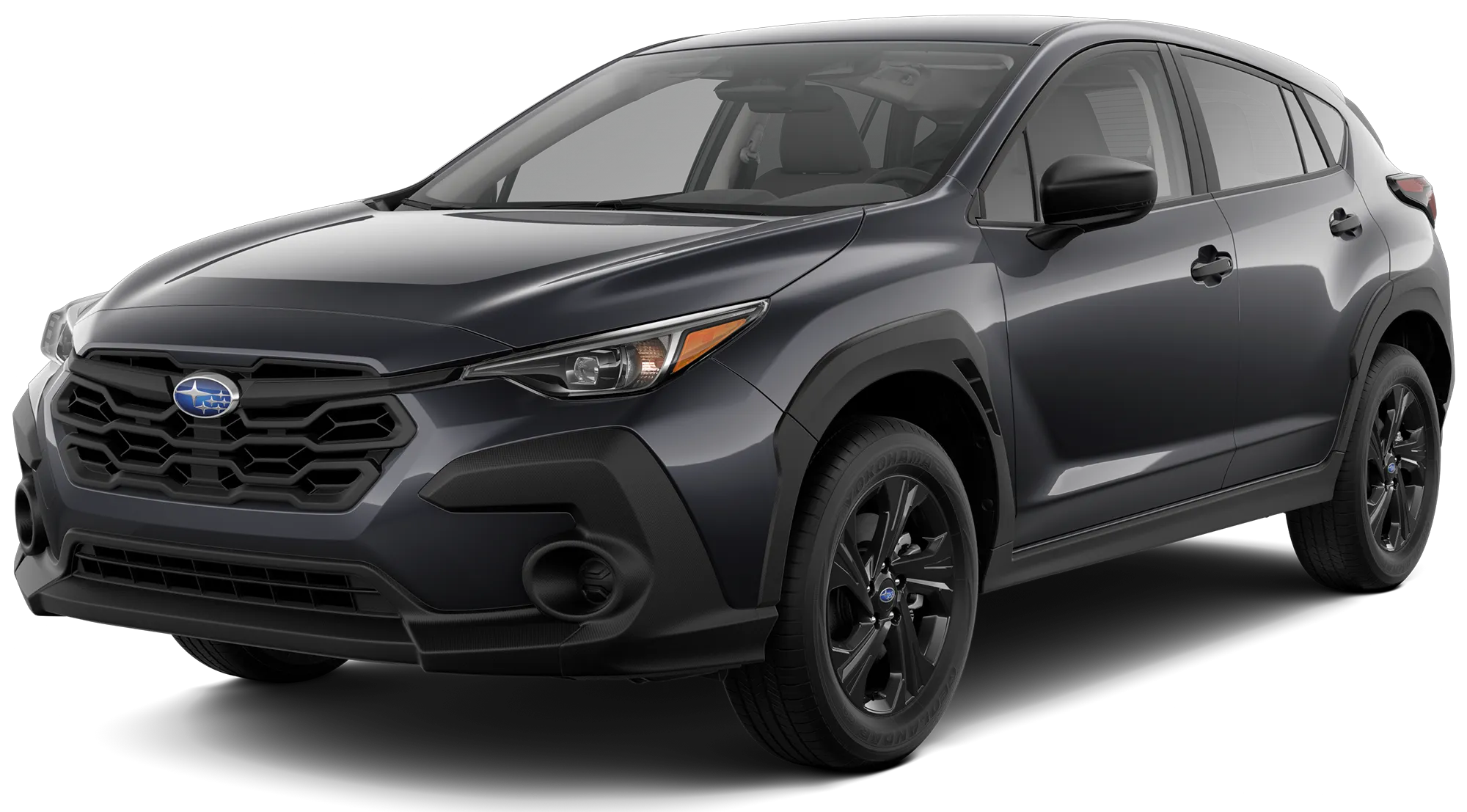
4. Subaru Crosstrek Base
The Subaru Crosstrek base model manages to remain a favourite among buyers who want versatility without overspending. Designed with practical utility in mind, this base version includes standard all-wheel drive, a high ride height, and rugged styling that appeals to a wide range of customers.
Under the hood, the Crosstrek base model runs on a 2.0-litre flat-four engine paired with a manual or CVT transmission.
While the power output may seem modest, the combination of engine reliability, drivetrain confidence, and excellent fuel economy keeps it competitive in both new and used markets. It averages around 28 city and 33 highway miles per gallon, which is impressive for a crossover in its class.
Standard features on the base Crosstrek include Subaru’s EyeSight driver assistance suite when equipped with the CVT. This offers automatic emergency braking, adaptive cruise control, and lane-keeping assist. These features make the car attractive to buyers looking for value in safety without jumping to higher trims.
The interior, though minimal in design, is built to last. Durable materials, straightforward infotainment, and user-friendly controls ensure that owners do not feel shortchanged.
This practical design approach means the vehicle ages better, both in use and in market perception. Buyers appreciate that there is less likelihood of malfunctions or costly repairs down the line.
Higher trims, such as the Limited or Sport, add features like larger wheels, leather seats, and more powerful engines, but these additions do not guarantee proportionate resale returns.
For many, the added cost does not match what the market is willing to pay for a used version. The base model, by dissimilarity, retains its appeal because of its affordability and solid feature set.
The Crosstrek’s reputation for reliability, coupled with all-weather capability and modest running costs, makes the base model a dependable choice for long-term ownership. Its value retention remains high, proving that keeping it simple often pays off.
5. Hyundai Elantra SE
The Hyundai Elantra SE trim has proven itself as a smart investment for buyers who prioritise value retention without sacrificing comfort or practicality. Positioned as the entry-level option in the Elantra lineup, the SE still includes several features that meet the needs of daily drivers while maintaining a lower purchase price.
Fitted with a 2.0-litre inline-four engine producing 147 horsepower, the Elantra SE delivers respectable performance for city and highway driving.
Paired with a smooth CVT, it offers responsive handling and impressive fuel economy, averaging around 33 miles per gallon in the city and 43 on the highway. This efficiency makes it an appealing choice for buyers looking to save on fuel without upgrading to a hybrid.
What helps the SE retain its value is its balance between simplicity and quality. The standard equipment includes an 8-inch touchscreen with wireless Apple CarPlay and Android Auto, a feature that many competitors restrict to higher trims.
Combined with forward collision warning, lane-keeping assist, and driver attention alert, the SE provides a well-rounded package that feels far from basic.
When it comes to depreciation, the SE holds its ground better than the Limited or N Line trims, which carry higher initial prices due to premium interiors or performance-focused tuning. On the resale market, the price gap between trims often narrows considerably, making the higher trims less appealing from a return-on-investment standpoint.
The Elantra SE also benefits from Hyundai’s strong warranty coverage, which continues to boost buyer confidence even when purchasing second-hand. Its reliability, low cost of ownership, and reasonable insurance rates all work together to keep its resale appeal intact.
Many drivers appreciate that the SE offers all the essential features without excessive complexity. By avoiding extras that may not appeal to all used car buyers, this base model stands as a practical and rewarding choice for anyone looking for dependable transportation that holds its value.
5 Trims That Aren’t Worth the Premium

1. Toyota Camry XSE V6
The Toyota Camry is well-regarded for being a dependable midsize sedan, but the XSE V6 trim sits at the top of the pricing ladder and does not always make sense from a resale standpoint.
This high-end trim includes a 301-horsepower 3.5-litre V6 engine and a collection of premium features. While it delivers a stronger performance and sportier appearance, those upgrades come at a steep price that used buyers may not be willing to match.
The styling of the XSE, which includes aggressive lines, 19-inch wheels, and dual exhaust, caters to a niche audience.
This sporty aesthetic may not appeal to the broader Camry buyer base that prefers practicality over performance. As a result, resale demand for this specific trim can be limited, especially when shoppers are comparing it to the more affordable XLE or SE versions.
Buyers of the XSE V6 pay substantially more at purchase, but the depreciation curve for this trim is steeper than others in the lineup. The V6 engine, while powerful, also raises long-term costs through higher insurance premiums and fuel consumption.
Used buyers often view the V6 as an unnecessary luxury when the four-cylinder models already provide adequate power for everyday driving.
Inside, the XSE V6 offers features like a panoramic roof, premium audio, and leather-trimmed seating. Though these are attractive on paper, they do not always translate into a meaningful resale advantage. Potential buyers may be more interested in lower operating costs than enhanced luxury or speed.
For drivers seeking better value retention, the LE or SE trims make a stronger case. These models have wider appeal, cost less initially, and deliver nearly the same level of comfort and efficiency. The XSE V6, though exciting, fails to maintain its edge in the resale market, making it a less rewarding purchase for cost-conscious buyers.
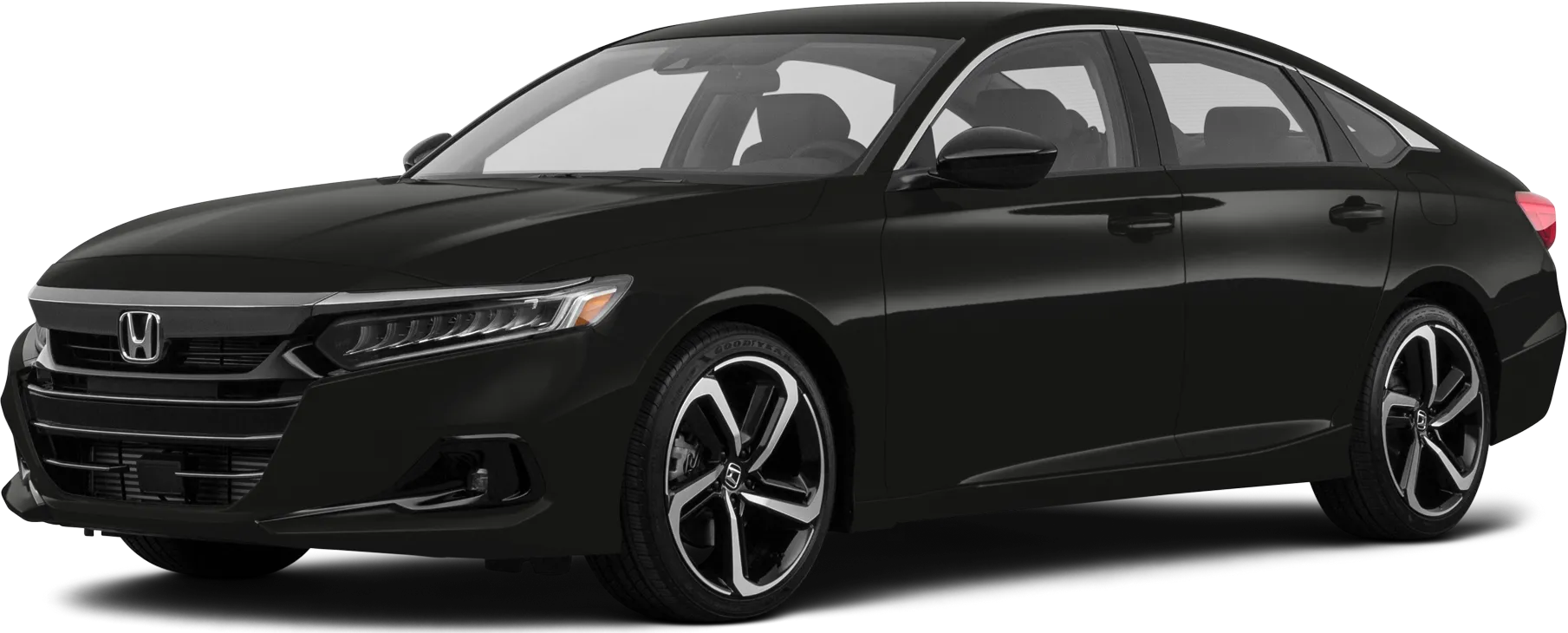
2. Honda Accord Touring 2.0T
The Honda Accord has long been seen as a reliable midsize sedan with solid resale strength. However, the Touring 2.0T trim often struggles to justify its high upfront cost once it hits the used market.
Priced much higher than other trims, the Touring 2.0T is packed with advanced features and a turbocharged engine, but these additions do not always hold strong resale appeal.
This trim features a 2.0-litre turbocharged engine that delivers 252 horsepower, paired with a 10-speed automatic transmission. While this powertrain improves driving dynamics, it also drives up the initial cost and ongoing fuel expenses. Buyers in the used market tend to look for affordability and efficiency, which puts this performance trim at a disadvantage.
Standard features include ventilated front seats, a head-up display, premium audio, and navigation. These features make daily driving more enjoyable, but they often have limited impact on resale value. Many used car shoppers are willing to forgo such extras for a more budget-friendly price.
When compared to trims like the Sport or EX-L, the Touring 2.0T loses much of its resale edge. It depreciates faster than lower trims due to its high starting price and specialised appeal. This trim’s complexity also means that repairs and replacements could cost more as the car ages, making it less desirable to second-hand buyers.
The Touring 2.0T may attract a small group of enthusiasts who appreciate luxury and performance in a midsize sedan, but the wider used car audience does not always value these features enough to pay a premium. This weakens its resale value and makes it a risky buy for anyone expecting strong returns.
Choosing a more moderate Accord trim can offer better value for money, lower depreciation, and a wider resale audience. For buyers focused on long-term financial sensibility, the Touring 2.0T trim is not the most cost-effective option.
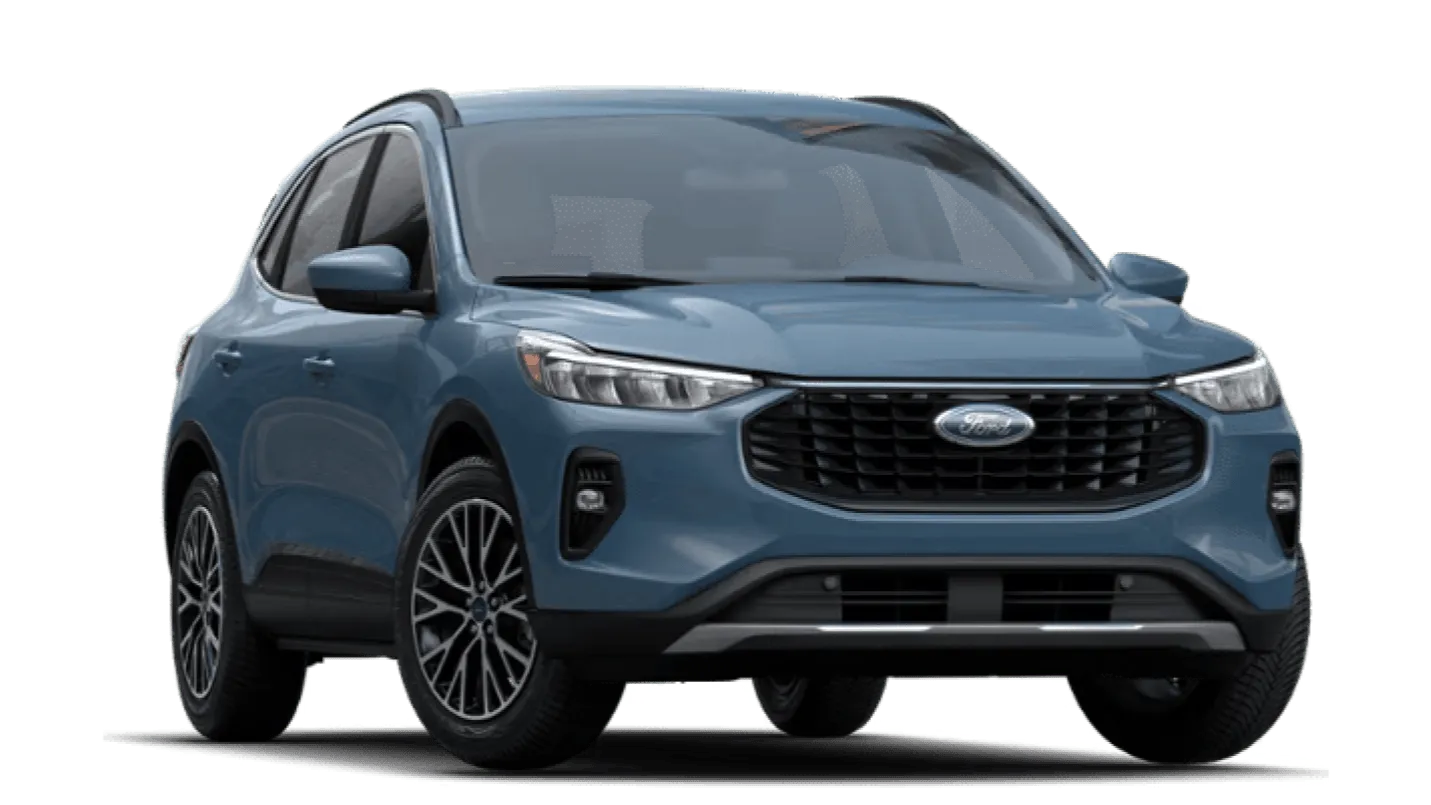
3. Ford Escape Titanium
The Ford Escape Titanium trim offers a full package of features, but it often struggles to retain its value on the second-hand market. As the top-tier version of this compact SUV, it comes with a higher price tag that includes leather seats, a premium sound system, and advanced driver aids. While appealing when new, these features do not always translate into better resale prices.
The Escape Titanium is powered by a turbocharged engine that delivers strong performance, but the additional cost for this engine is rarely recovered when reselling. Many buyers looking for a used compact SUV prefer base or mid-level trims that deliver decent performance and good fuel economy without the added complexity.
The trim also includes features such as a panoramic sunroof, hands-free liftgate, and built-in navigation. Although these may seem attractive, they also increase maintenance and repair costs as time goes by. Used car buyers tend to avoid vehicles with complicated electronics, especially when out of warranty.
Compared to the SE or SEL trims, the Titanium does not offer a proportional return on its extra cost. Many drivers find that the mid-level models provide enough comfort and tech without pushing the budget to the limit.
Resale values for the Titanium trim tend to drop faster, especially when newer competitors with similar features are available at lower prices.
The Ford Escape Titanium may be the most luxurious version of this SUV, but it does not provide strong returns during resale. Its price and feature list appeal to a narrow segment of buyers, making it more difficult to resell without offering major discounts. For most buyers, choosing a lower trim offers better value and fewer financial risks.
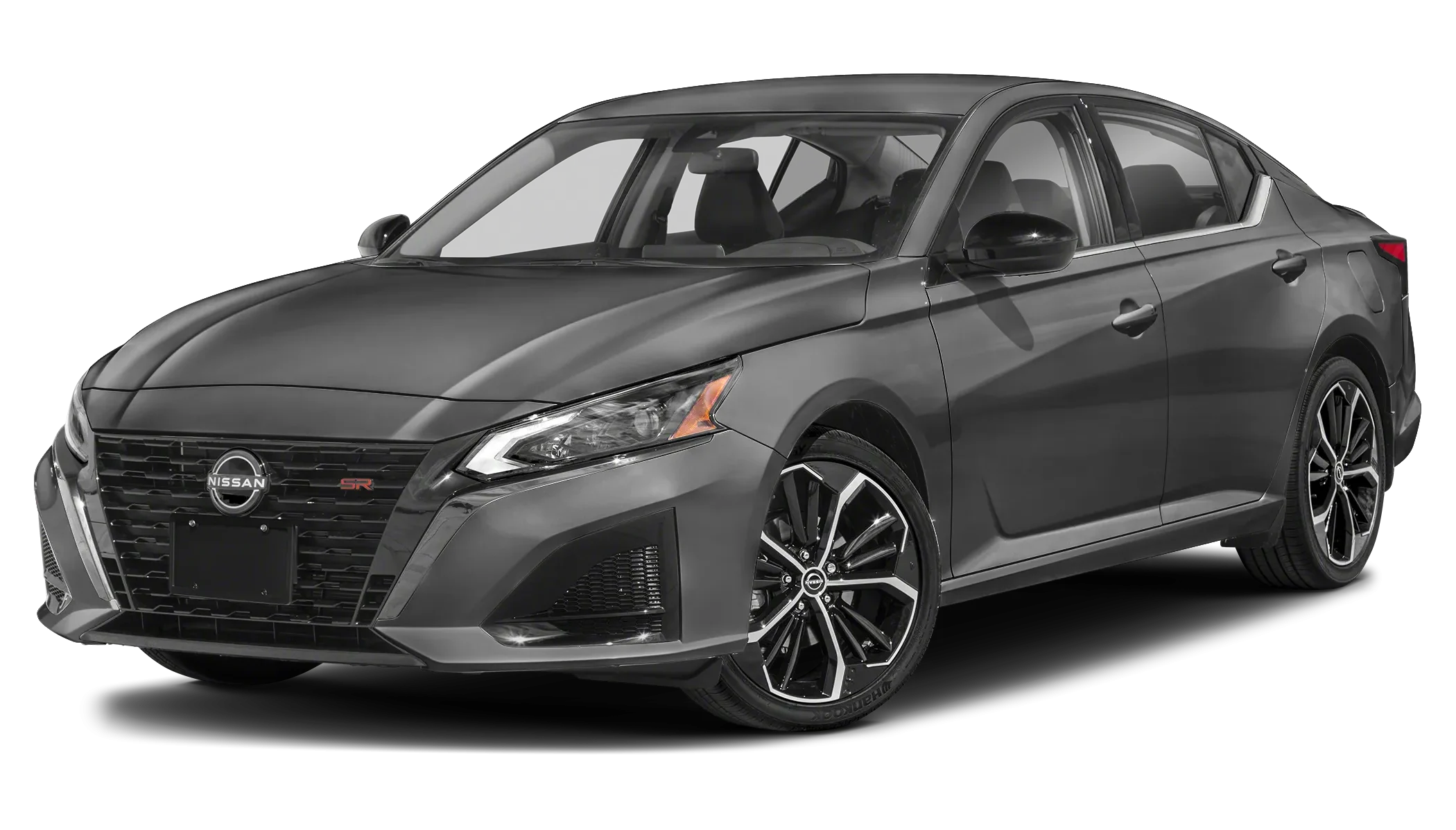
4. Nissan Altima Platinum
The Nissan Altima has a solid reputation as a midsize sedan with dependable performance, but the Platinum trim does not always deliver the same value when it comes to resale.
Positioned at the top of the range, this version includes all-wheel drive, premium leather interiors, and enhanced safety features. These upgrades sound attractive, but they often fail to hold strong resale value after some time.
Buyers who opt for the Platinum trim pay a huge premium compared to the S or SV trims. While features such as a 360-degree camera system, memory seating, and upgraded infotainment seem appealing, they do not always retain buyer interest when the car is listed on the used market.
Most second-hand shoppers are not actively seeking all the extra comfort and tech that the Platinum offers. Instead, they are often focused on reliability, mileage, and affordability.
This means the resale price gap between the Platinum and the lower trims becomes narrower, reducing the advantage of buying the premium version in the first place.
The Platinum trim also includes a turbocharged engine option that brings more power but requires premium fuel. This increases running costs and can turn off potential buyers, especially those looking for budget-friendly options. The complexity of extra systems also means greater potential for costly repairs in later years.
Compared to the more balanced SV or SR trims, the Altima Platinum does not offer a convincing return on investment. Used car buyers are more likely to pick a simpler, less expensive version that still delivers solid performance and practicality.
While the Platinum trim may attract attention in the showroom, its long-term resale performance does not justify its steep asking price. For drivers hoping to retain value and avoid unnecessary depreciation, more modest trims in the Altima lineup offer a wiser path.
Also Read: 5 Cheap Used Cars That Could Become Future Collectibles vs 5 That Remain Unvalued
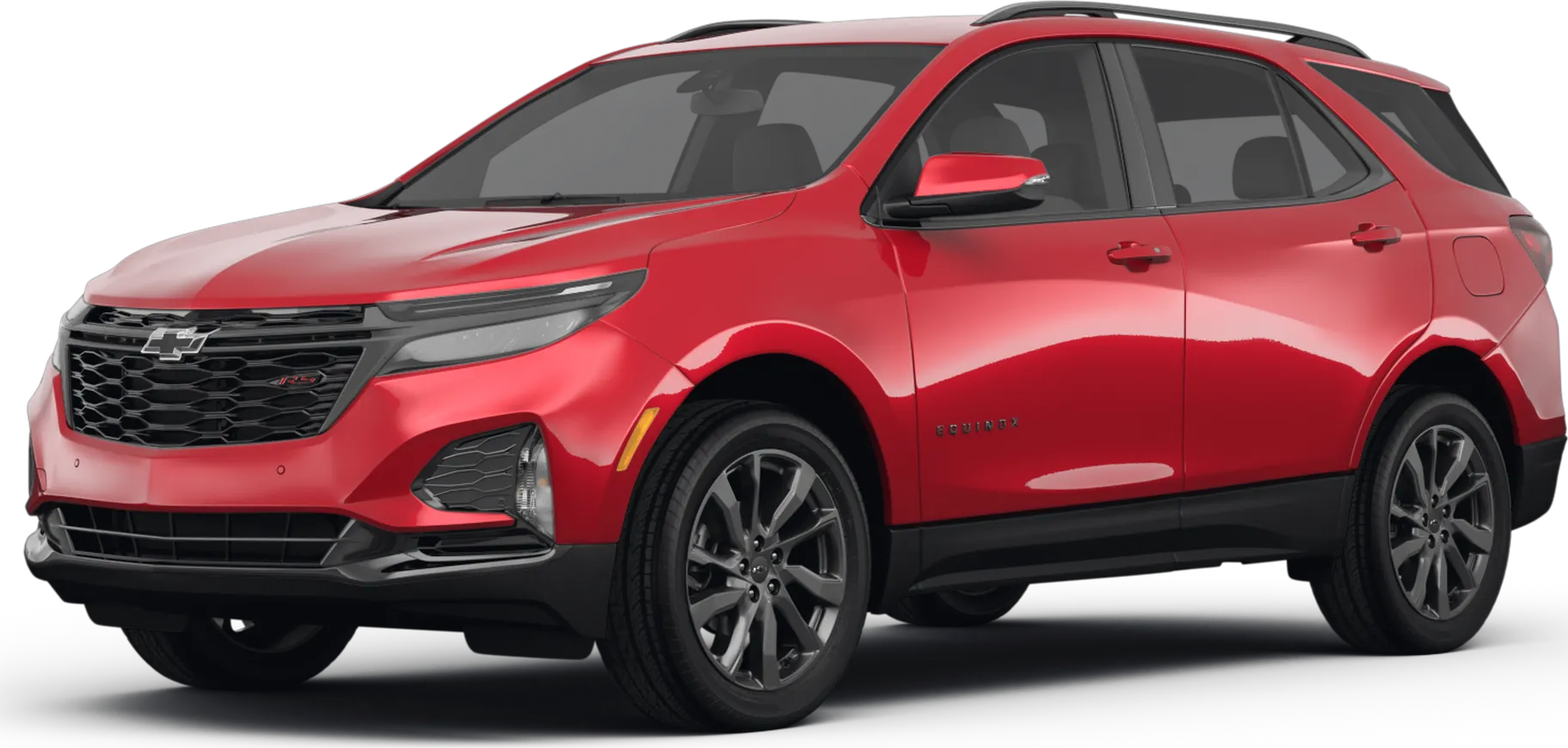
5. Chevrolet Equinox Premier
The Chevrolet Equinox has gained popularity as a compact SUV that offers reasonable performance and practicality. However, the Premier trim often fails to hold its value after a few years, even though it carries a higher price point. Buyers initially drawn to its top-tier features may later discover that this version depreciates faster than expected.
Equipped with upscale additions such as leather upholstery, a hands-free liftgate, ambient interior lighting, and advanced driver aids, the Premier trim targets buyers looking for a more refined driving experience. Although these features add to the initial appeal, they do not always generate corresponding interest on the resale market.
One of the reasons for the Premier’s weak resale performance is the availability of similar features in mid-tier trims.
For instance, the LT trim can be optioned with several comfort and safety packages that make it almost as well-equipped as the Premier, but at a lower cost. Used car buyers often find the better value in these versions, leading to reduced demand for the Premier.
Additionally, the turbocharged engine in the Premier trim increases fuel and maintenance costs. Combined with the higher price tag and limited improvement in reliability or performance, this makes the Premier a less appealing choice for second-hand buyers.
People searching for a dependable used SUV are typically less interested in cosmetic upgrades or extra technology that may come with long-term repair risks. Another issue is the rapid pace at which in-car tech becomes outdated.
Features that may seem cutting-edge at the time of purchase can quickly lose their shine. This is especially relevant in the Premier trim, which leans heavily on tech to justify its pricing. Used buyers often do not want to pay extra for systems that may not function as seamlessly after years of use.
For buyers who want a balance between features and resale value, the LS or LT trims present a better option. These trims offer practicality, decent equipment levels, and better long-term value without the extra depreciation burden carried by the Premier.
Choosing the right trim level when buying a new car is just as important as selecting the brand or model itself. The difference between strong resale value and disappointing depreciation often lies in how practical, affordable, and widely appealing a vehicle remains after its first few years on the road.
