
Car lovers often pay close attention not just to how a car performs or looks, but also to how well it holds its value after some time. Some vehicles manage to maintain a strong following and continue to command impressive resale prices many years after their release.
These machines often combine strong mechanical reliability, iconic styling, and a driving experience that never loses its appeal. They become the kinds of cars that buyers are willing to hold on to or even pay a premium for, long after newer models hit the market.
At the same time, there are those vehicles that burst onto the scene with massive expectations and aggressive marketing. They arrive with bold styling, advanced features, or promises of redefining a segment.
For a short while, they might enjoy strong sales and wide attention, but they struggle to stay relevant once initial excitement fades. Whether due to underwhelming performance, poor reliability, or simply failing to live up to their promise, these cars see their values drop faster than expected.
This comparison highlights two ends of the automotive spectrum. On one side, some cars retain their charm and respect in the eyes of enthusiasts, continuing to fetch strong prices and admiration.
On the other hand, we find models that could not maintain their momentum and are now remembered more for missed potential. From timeless classics to forgotten hype, this list will look at five enthusiast favourites that remain valuable, followed by five cars that failed to live up to their initial hype.
5 Enthusiast Favorites that Retain Value
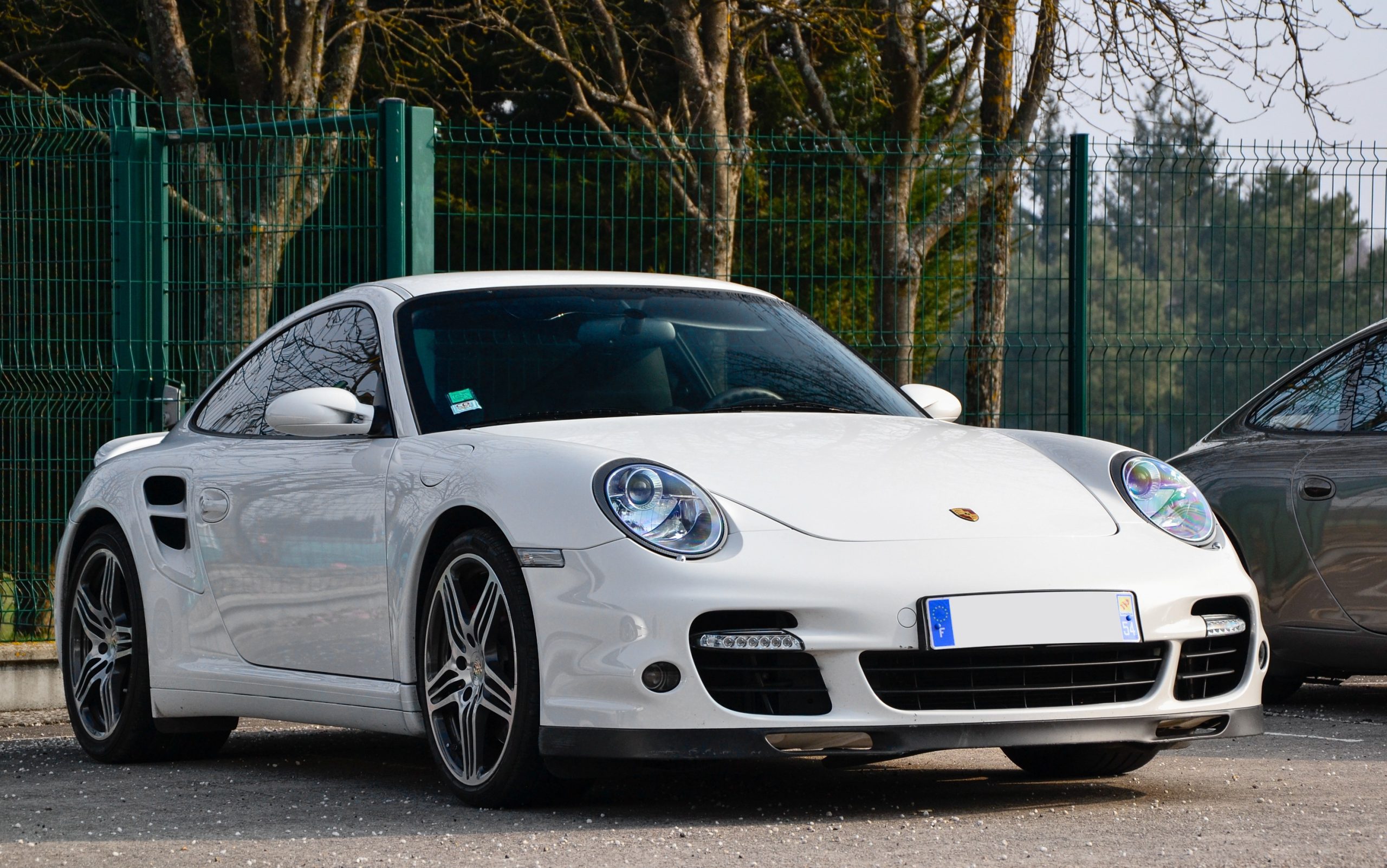
1. Porsche 911 (997 Generation)
The Porsche 911 from the 997 series has proven to be a vehicle that holds strong demand and monetary worth. Produced between 2005 and 2012, this generation is regularly praised by car lovers for striking a satisfying balance between modern mechanical engineering and a traditional analog driving experience.
It maintains the signature rear-engine layout and retains the hydraulic steering feel that many argue offers more feedback than the electrically assisted systems found in newer models.
Collectors and driving enthusiasts often prefer this model over later versions due to its purist design. It offers naturally aspirated engines across most variants, with the Carrera S providing a 3.8-litre flat-six engine that delivers power with a raw and connected feeling.
Manual transmissions are widely sought after, particularly the six-speed gearbox, which has become rare as more automatics dominate modern production. The entire build quality also contributes to its desirability. Materials used in the cabin were improved from the previous generation, and it’s a car that can be driven regularly without falling apart.
The resale value for this particular 911 has remained strong even with newer generations in the market. Clean examples with low mileage, especially those not modified or altered, continue to sell for prices close to their original cost. Special variants such as the 911 GTS or any of the GT-series models like the GT3 and GT2 hold even higher value.
The 997’s appeal lies in the fact that it is often considered the last of the analog 911s before Porsche began to fully embrace digital technology. Enthusiasts who want a reliable sports car that can also be a weekend thrill-seeker regularly turn to this generation.
It has managed to avoid the depreciation trend that many other performance vehicles face, earning its place as a lasting investment among those who understand and appreciate Porsche’s heritage.
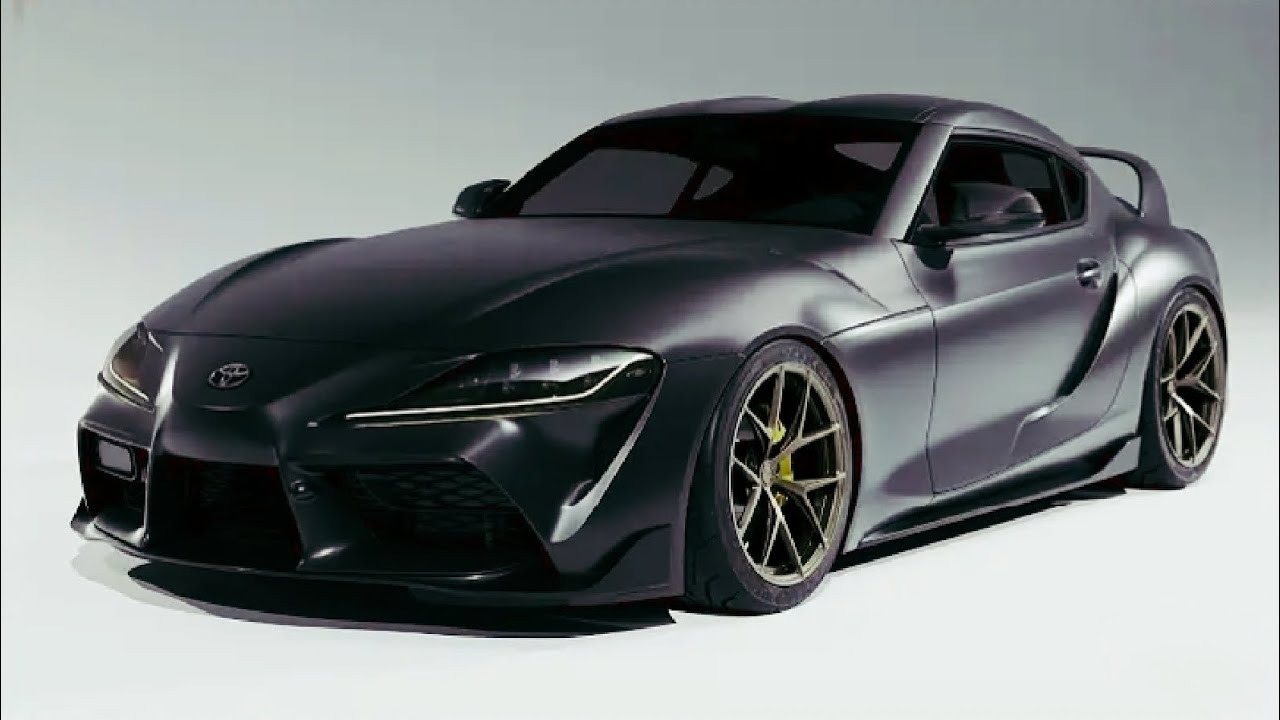
2. Toyota Supra Mk4
The fourth-generation Toyota Supra, which Toyota produced from 1993 to 2002, has built an unshakable reputation among performance car lovers.
The Mk4 Supra remains in high demand because of its engineering, reliability, and racing success. It rose to prominence through both motorsport achievements and pop culture appearances, especially in movies and video games, which made it a dream car for many.
What makes this vehicle so cherished is its engine. The 2JZ-GTE, a twin-turbocharged inline-six motor, has gained legendary status for its strength and tuning potential.
Enthusiasts have pushed these engines to produce extreme horsepower figures, sometimes even reaching over 1000 horsepower with the right upgrades. Despite being over two decades old, the Supra’s engine still draws admiration from modern tuners and traditional purists alike.
Aside from its performance, the Supra Mk4 also featured advanced technology for its time. The six-speed manual transmission available in the twin-turbo models, along with a limited-slip differential and double-wishbone suspension, contributed to sharp handling and acceleration.
Prices for clean, unmodified versions have surged in recent years. While the car initially saw a dip in value in the early 2000s, it has now firmly established itself as a blue-chip collectible. Auctions have reported Supras selling for over $100,000, especially if they come with low mileage and all-original parts.
The car’s desirability remains strong, partly because Toyota did not mass-produce the vehicle in the same volume as some other performance cars. Its value is bolstered by its cultural relevance and mechanical excellence.
For those who have held onto their Mk4 Supras, the reward has been a steady climb in worth, proving that this machine is more than just hype; it is a mechanical treasure with enduring presence.
Also Read: 5 Reliable Used Cars Under $10K and 5 That Will Cost You Twice That in Repairs
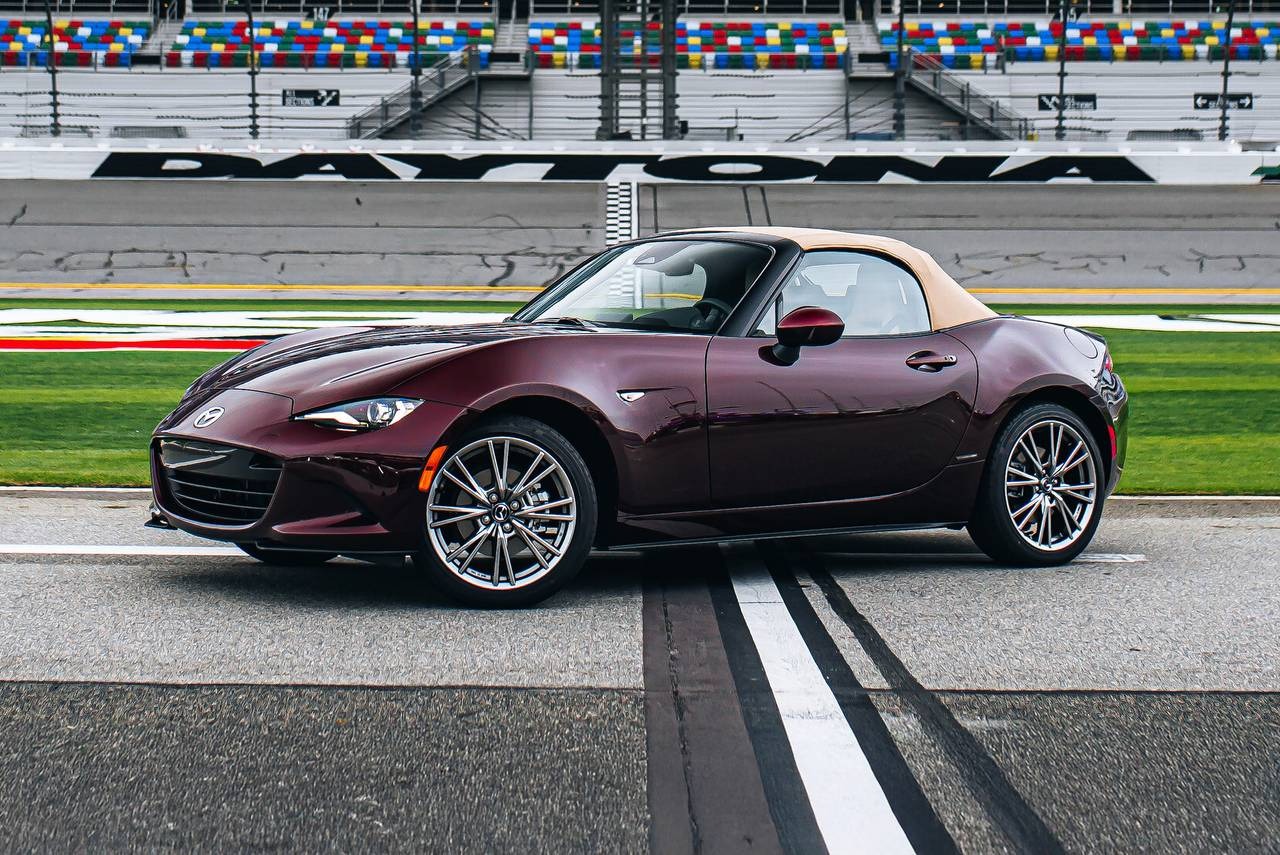
3. Mazda MX-5 Miata (NA and NB)
The Mazda MX-5 Miata, particularly the NA and NB generations, has maintained a respected position among driving enthusiasts for its simplicity and driver-focused design. Introduced in 1989, the Miata set out to recreate the feel of classic British roadsters while offering Japanese reliability.
The result was a lightweight, rear-wheel-drive convertible that prioritised joy behind the wheel over raw power or luxury. Its popularity is rooted in its accessible nature. The NA Miata, with its pop-up headlights and minimal electronic interference, remains an affordable entry point into the world of sports cars.
The NB generation, produced from 1998 to 2005, retained the same philosophy but improved structural rigidity and performance. Both versions weigh under 1100 kilograms and feature a well-balanced chassis, which allows drivers to experience cornering agility without needing high horsepower.
The engines, while modest in output, are known for their durability. The 1.6-litre and 1.8-litre inline-four motors provide enough power to enjoy spirited driving without sacrificing fuel efficiency. The five-speed manual gearbox offers precise changes, and the seating position makes it easy to feel connected to the car.
Because of their reputation for reliability, many Miatas are still on the road today. The car’s strong aftermarket support also plays a role in its retained value. From suspension upgrades to engine swaps and roll bars for track use, owners often enhance their Miatas while preserving the vehicle’s lightweight character.
The resale prices for well-maintained Miatas remain firm. Enthusiasts are increasingly recognising the value of unmodified examples, especially those with factory original parts.
Early NA models in good condition with clean history have started appreciating, with some collectors willing to pay top dollar for first-year models or rare colour combinations.
The Miata’s continued appeal comes from its honesty. It delivers what it promises, driving enjoyment in its purest form, and that quality has helped it hold its worth while other sports cars have faded from memory.
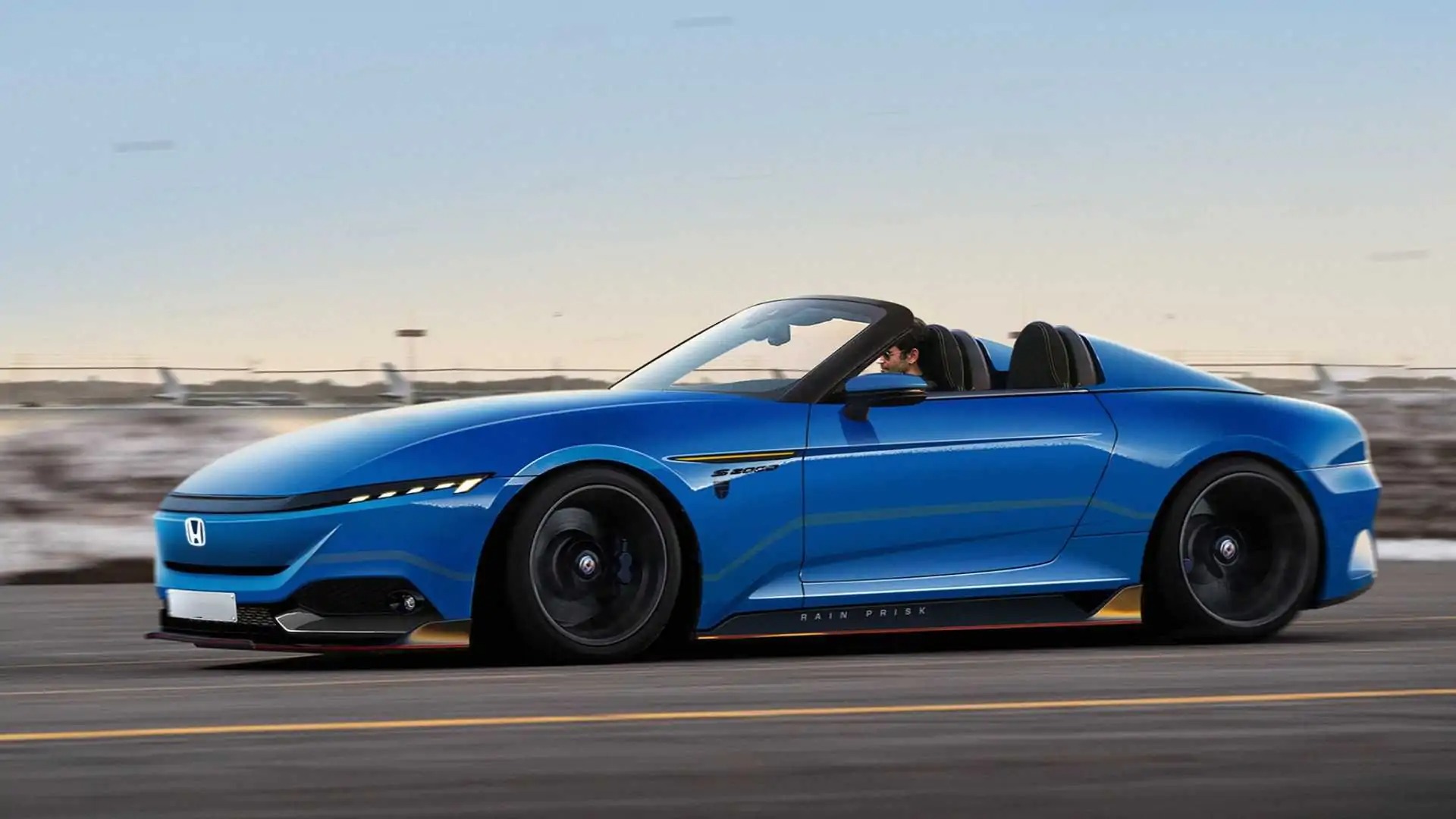
4. Honda S2000
The Honda S2000, built between 1999 and 2009, continues to enjoy strong demand because of its unique blend of high-revving performance and precise engineering. Designed to celebrate Honda’s 50th anniversary, the S2000 brought a focused roadster experience into a market that was gradually moving toward turbocharged engines and heavier cars.
One of the car’s most celebrated aspects is its engine. The F20C 2.0-litre inline-four engine, found in early models, produced 240 horsepower and could rev up to 9000 RPM. It was the highest specific output for a naturally aspirated production engine at the time.
Later models received a 2.2-litre F22C engine, offering more torque but slightly reduced revs. Either version provides a unique driving experience that rewards those who enjoy engaging with every gear change.
Its six-speed manual transmission is widely regarded as one of the best in the industry. The change feels short, crisp, and direct, which makes spirited driving especially enjoyable.
Coupled with a rigid chassis and perfect 50-50 weight distribution, the S2000 offers exceptional balance through corners. Honda’s use of double-wishbone suspension and rear-wheel drive keeps the handling sharp and communicative.
Even as the market has moved toward more digital driving aids, the S2000 remains mostly analog. That helps it retain its appeal among enthusiasts who appreciate a direct mechanical connection. The car is also relatively rare compared to mass-market roadsters, which gives it collector appeal.
Well-preserved examples, especially the AP1 versions with lower mileage, have steadily increased in price. Special editions like the Club Racer (CR) have seen particularly strong resale figures. Buyers continue to search for clean, unmodified units, as originality is becoming more valuable in the course of time.
The Honda S2000 represents an era when precision, simplicity, and high performance came together in a compact package. Its lasting value speaks to how well it was designed and how much enjoyment it continues to offer behind the wheel.
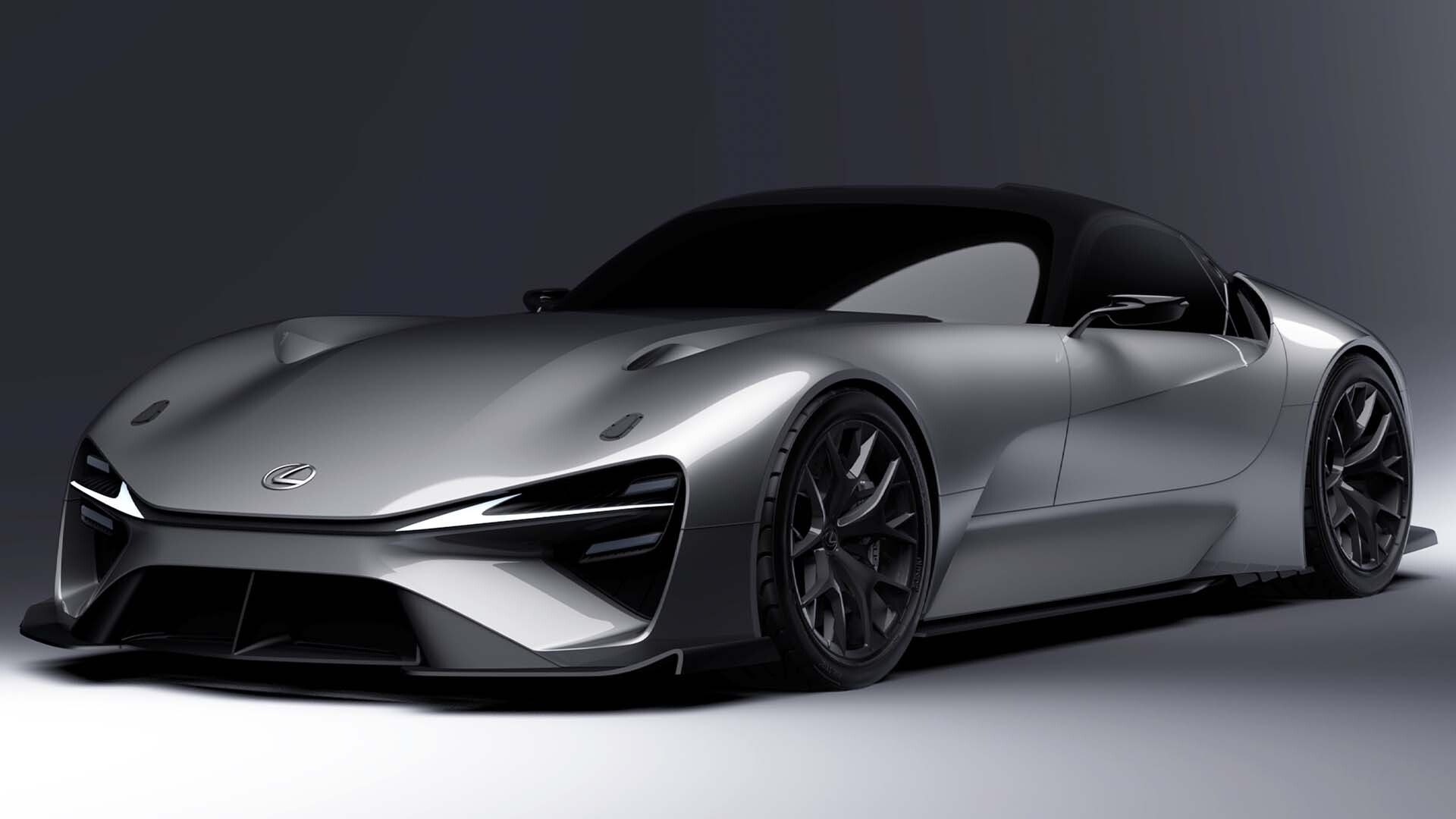
5. Lexus LFA
The Lexus LFA remains one of the most surprising performance cars to come from a brand typically known for comfort and refinement.
Released between 2010 and 2012, the LFA was a bold statement from Lexus, showcasing what the company could achieve with no restrictions on budget or ambition. Though its initial reception was mixed due to its high price, the LFA has since become recognised as a rare gem with increasing value.
The most remarkable feature of the LFA is its engine. The 4.8-litre V10 was developed in partnership with Yamaha and is widely celebrated for its sound and responsiveness.
It revs to 9000 RPM and produces 552 horsepower, but more than raw figures, it delivers a soundtrack that rivals some of the best engines ever made. The sound was tuned like a musical instrument, and it remains a core part of what gives this car its identity.
Its body construction involved extensive use of carbon-fibre-reinforced polymer, making it lightweight and incredibly rigid. This allowed for sharp handling without compromising ride quality.
The transmission, a six-speed automated manual, is quick but not as refined as modern dual-clutch units. Still, it suits the character of the car and offers an experience that remains engaging even by today’s standards.
Only 500 units were produced, which adds to its rarity. Initially, the car struggled to sell due to its $375,000 price tag. However, perceptions have changed in the course of time, and collectors now appreciate its engineering, exclusivity, and design.
Auction listings regularly feature LFAs selling for much more than their original price, particularly those with rare colour combinations or extremely low mileage.
The LFA was never meant to follow trends. It stood apart from the crowd with an identity that remains unique even now. As modern performance cars become more homogenised, the LFA’s singular focus on craftsmanship, emotion, and driving pleasure has made it a car whose value continues to rise.
5 Once-Hyped Cars That Lost Their Luster
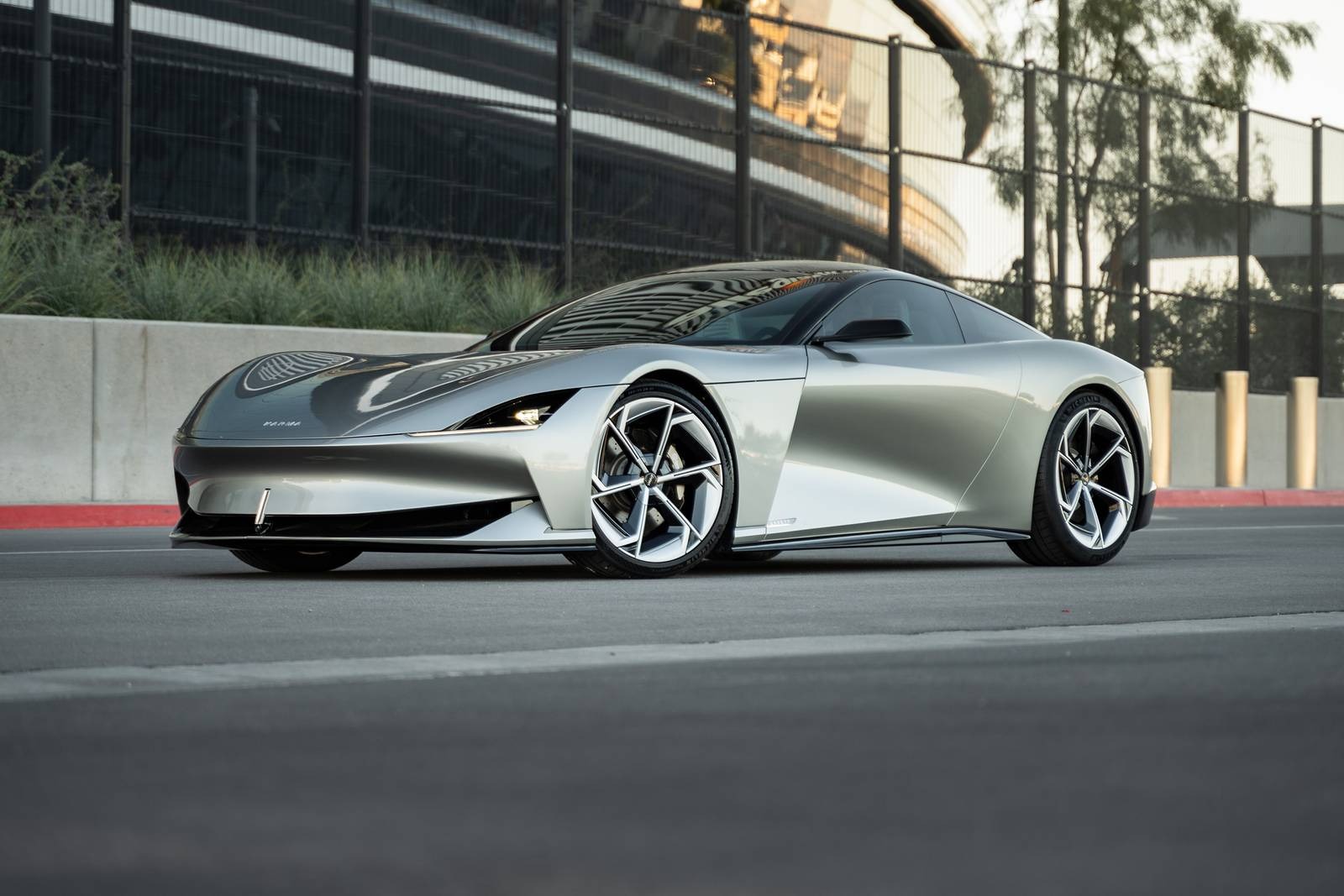
1. Fisker Karma
The Fisker Karma attracted plenty of attention when it was disclosed, combining sleek looks with an ambitious plug-in hybrid powertrain. Designed by Henrik Fisker, the car’s styling was admired by many.
With its long hood, muscular rear, and luxury grand touring presence, it drew comparisons to premium sports sedans and was even viewed as a futuristic alternative to combustion-based competitors. At launch, it was marketed as a blend of environmental consciousness and performance appeal.
Despite its stylish exterior, the Karma was weighed down by its mechanical shortcomings. The hybrid system paired a turbocharged 2.0-litre gasoline engine with electric motors, but the setup lacked harmony. Acceleration was sluggish compared to rivals in its price range, and the car’s handling was hampered by its considerable weight.
It also suffered from range limitations and battery problems that were not well-suited for longer drives. Build quality also did not meet the expectations of buyers in the luxury segment. Many reported software glitches, poor panel fitment, and interior features that felt more like a prototype than a polished production car.
Production issues worsened the situation. Fisker Automotive encountered supply chain difficulties and financial mismanagement.
A major supplier of batteries declared bankruptcy, halting vehicle manufacturing and leaving many customers with unfinished or unsupported vehicles. By 2013, Fisker had filed for bankruptcy, and production ended after fewer than 2,500 cars were sold.
The Fisker Karma, once viewed as a green luxury game-changer, faded quickly from relevance. Its values plummeted in the used market, as buyers became wary of the lack of parts availability and poor reliability record. Despite efforts to revive the car under new ownership as the Karma Revero, the original version never managed to recover.
Today, the Karma is remembered more for its missed potential than its accomplishments. The excitement it once generated has long been replaced by lessons on how innovation without execution can lead to rapid decline.
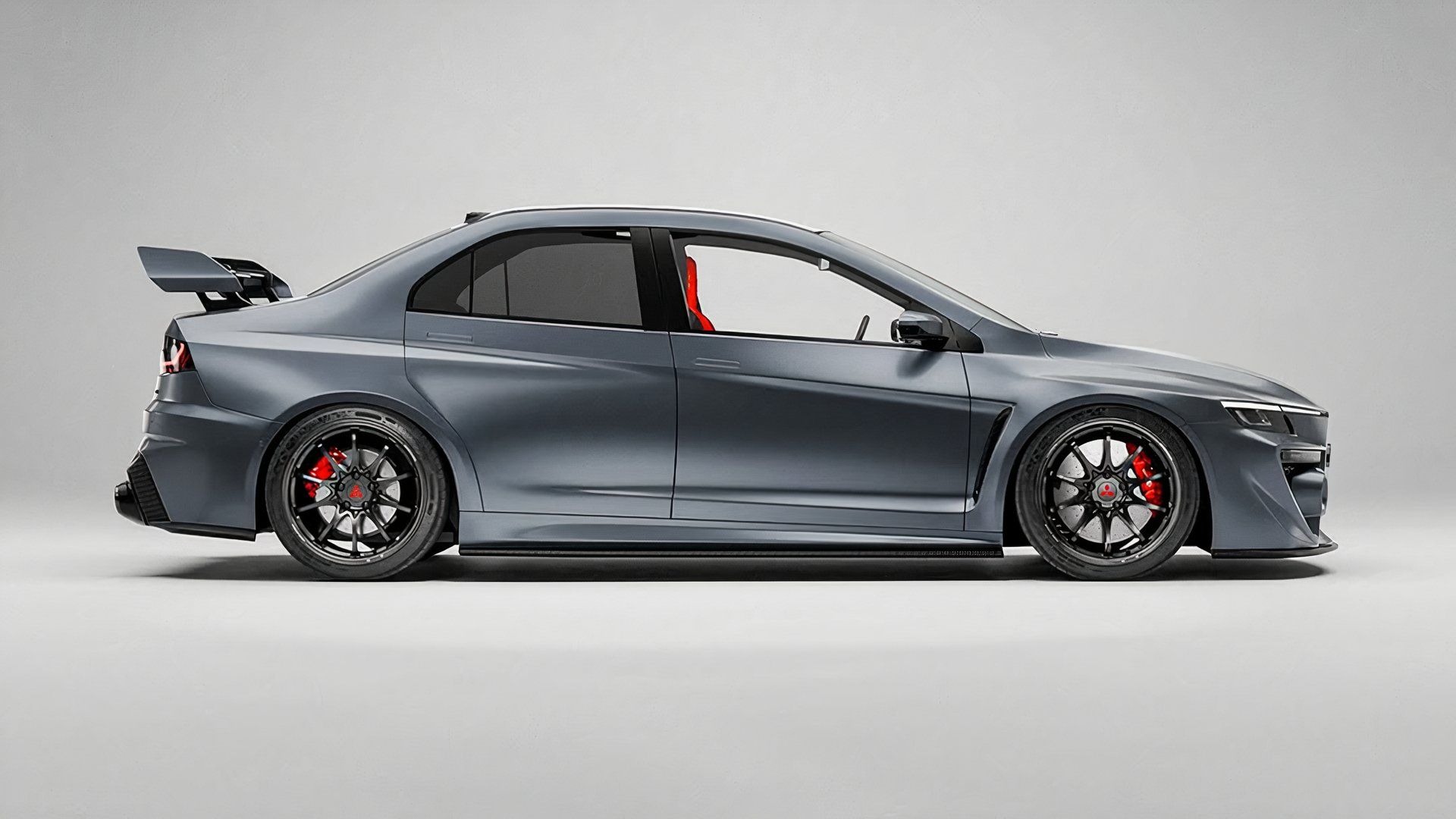
2. Mitsubishi Lancer Evolution X
The Mitsubishi Lancer Evolution X arrived with high hopes, continuing a respected lineage known for rally-bred performance. Enthusiasts expected it to carry the torch lit by the previous generations, particularly the Evo VIII and IX, which had earned a loyal following through razor-sharp handling and tunable turbocharged engines.
When the Evo X was introduced in 2008, it brought a new platform, updated styling, and a host of technological upgrades.
On paper, it looked like a worthy successor. It featured a 2.0-litre turbocharged engine producing up to 291 horsepower, all-wheel drive with active yaw control, and a choice between a five-speed manual or a dual-clutch transmission.
These features helped it deliver strong acceleration and secure grip under aggressive driving. The problem was that by this point, many competitors had caught up. The Subaru WRX STI offered a similar formula, and newer performance cars from Europe and the US began to offer more refinement with equal or better speed.
Beyond that, the Evo X became heavier than its predecessors. It lost the lightweight nimbleness that admirers associated with the earlier models.
The design also felt dated quickly, and the interior lacked the polish expected from a vehicle with a premium price tag. The decision by Mitsubishi to discontinue the Evolution line altogether in 2015 further dampened its standing.
While some buyers still seek clean Evo X models for tuning purposes, the aftermarket support has declined, and values have not appreciated the way they have for earlier generations. The special editions, like the Final Edition or GSR trims, have some appeal, but ordinary models now sit in a price range that does not reflect their former reputation.
The Lancer Evolution X represents a car that came in with high expectations but could not maintain the momentum of its predecessors. The performance was present, but the magic that once defined the Evolution name faded away, leaving this generation to linger in the shadow of those that came before.
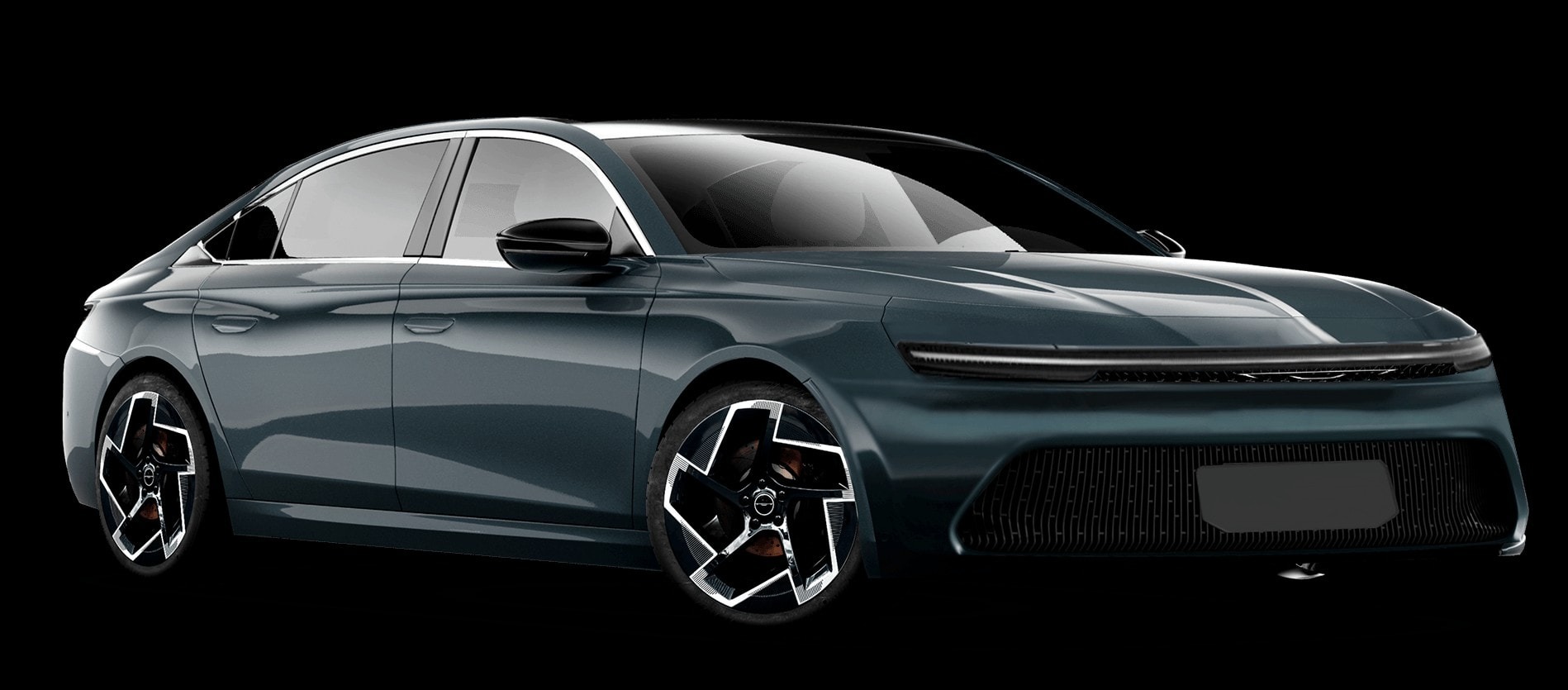
3. Chrysler Crossfire
When Chrysler introduced the Crossfire in 2004, it tried to combine American branding with German engineering by using components from the Mercedes-Benz SLK. With its fastback silhouette, long hood, and aggressive stance, the Crossfire had an eye-catching presence.
Chrysler promoted it as a sporty coupe that blended style, performance, and European build quality in a way that was relatively uncommon at the time.
Despite these promises, the Crossfire struggled to deliver an engaging experience. Under the hood, it used a 3.2-litre V6 engine from Mercedes, producing 215 horsepower in the base version and 330 horsepower in the SRT-6 trim.
While these figures seemed adequate, the driving dynamics left much to be desired. The steering lacked feedback, the suspension tuning leaned more toward comfort than sharp handling, and the automatic transmission in most models muted performance.
Inside, the car revealed its shortcomings. The interior design appeared dated, even by early 2000s standards. Many components looked directly lifted from older Mercedes models, which did little to excite buyers who expected a fresh experience. Cabin space was also tight, with limited room for both passengers and cargo.
Sales failed to meet expectations, and Chrysler ceased production by 2008. The car’s styling, once praised, began to look less appealing as trends shifted. Meanwhile, the performance and technology failed to hold their own against newer competitors.
Today, the Crossfire is remembered more for its unique shape than for any lasting impact on the sports car segment. Its resale value has dropped considerably, with many used examples available at prices far below their original cost. The SRT-6 retains a small following due to its AMG-sourced engine, but even that version struggles to maintain strong interest.
The Chrysler Crossfire showed how appearances can draw initial interest, but without a strong foundation in performance and engineering, long-term appeal is difficult to maintain.
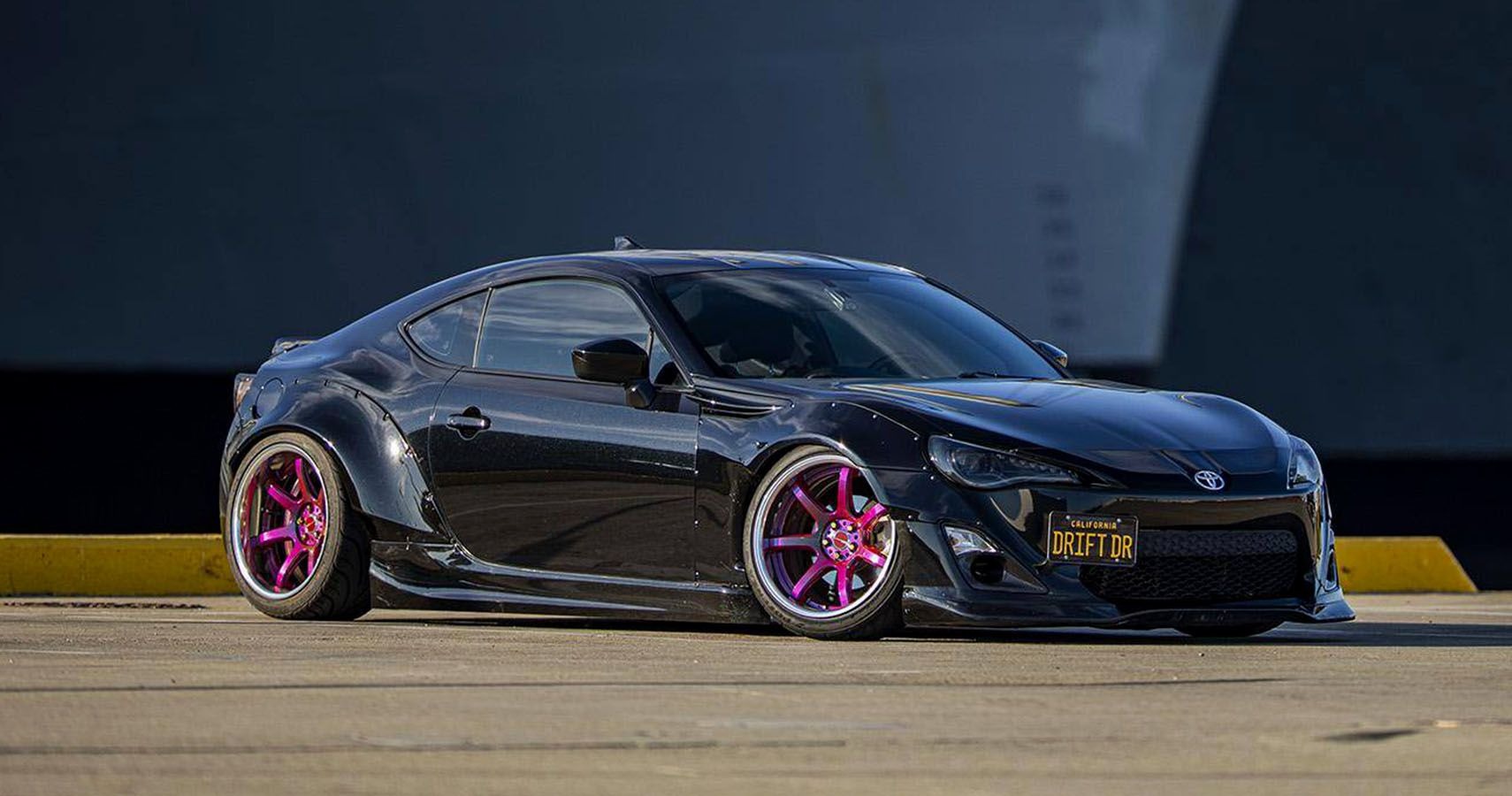
4. Scion FR-S
When the Scion FR-S entered the market in 2013, it came with plenty of promise. Developed as a joint project between Toyota and Subaru, the FR-S aimed to bring affordable rear-wheel-drive excitement to the masses.
It featured a low centre of gravity, lightweight body, and a naturally aspirated 2.0-litre flat-four engine delivering 200 horsepower. The car emphasised balance and handling over straight-line speed, and early reviews praised its nimble nature and predictable dynamics.
Despite the initial praise, buyer excitement began to fade. One major issue was the powertrain. While the car handled exceptionally well, its engine performance left many underwhelmed.
Drivers had to work hard to keep the engine in its sweet spot, and there was a noticeable torque dip in the midrange that made daily driving less enjoyable. Those looking for spirited performance often found themselves wishing for just a bit more horsepower.
The interior, though functional, lacked refinement. Materials were basic, and technology features felt dated compared to rival models.
As other manufacturers began introducing more powerful and better-equipped compact sports cars, the FR-S struggled to compete. Cars like the Ford Mustang EcoBoost and the Mazda MX-5 Miata RF started to draw more attention.
Another challenge was the branding. Scion’s image as a youth-focused label failed to resonate widely, and the brand itself was discontinued in 2016. The FR-S was later rebadged as the Toyota 86, but the momentum was lost.
While some drivers continue to enjoy the car for its handling and tuning potential, resale values have remained soft. Modified examples often sell for even less due to concerns about wear and reliability.
The FR-S serves as an example of a car that launched with the right ideas but failed to keep buyer interest alive. Its balance and driving dynamics are still appreciated, but its limited power, modest features, and lack of brand support contributed to its loss of value.
Also Read: 5 Reliable AWD Cars and 5 That Constantly Leak, Grind, or Fail
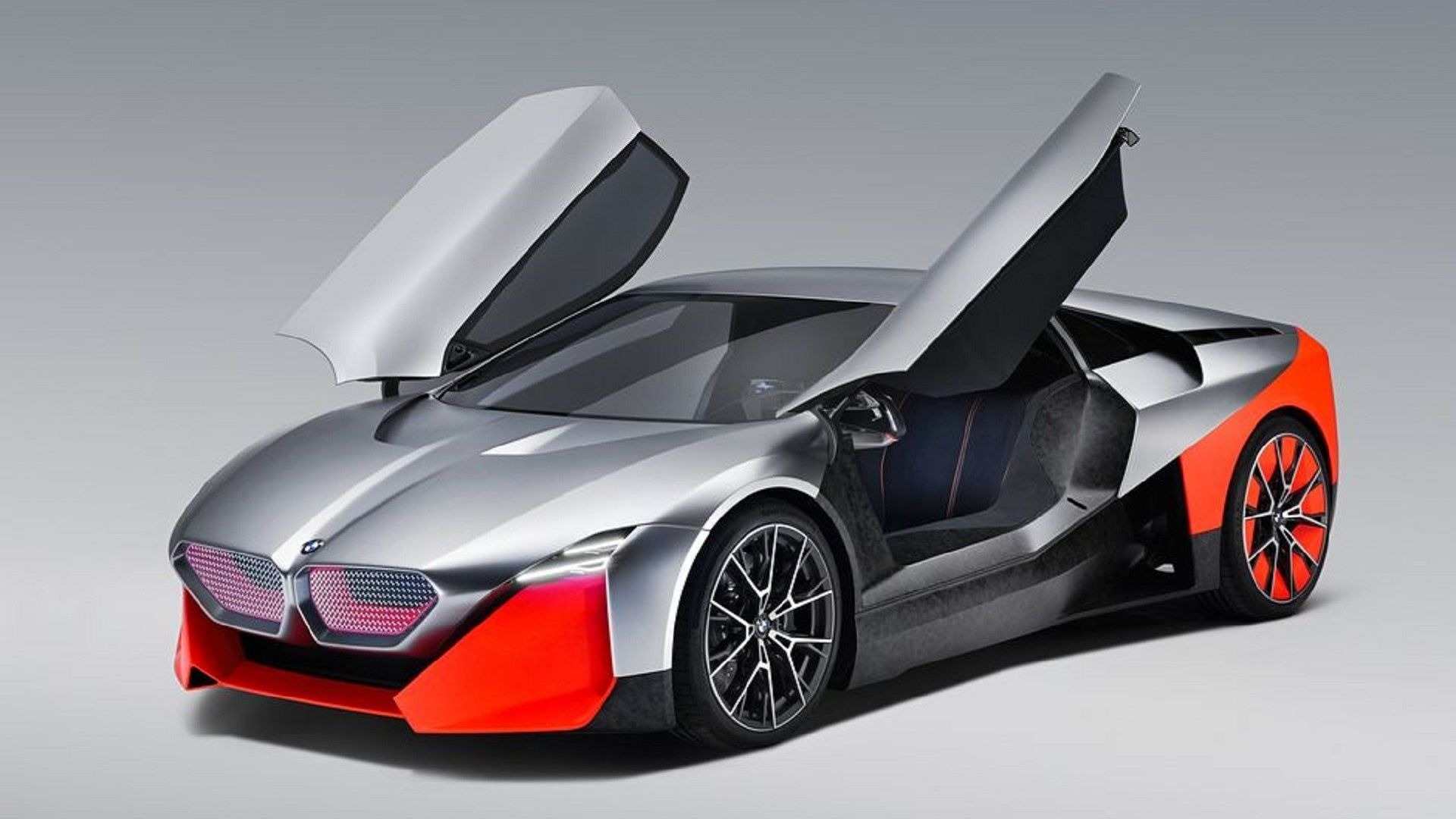
5. BMW i8
The BMW i8 made a strong visual impact when it debuted in 2014. Its futuristic design, gullwing-style doors, and plug-in hybrid technology signalled a bold direction for BMW’s performance segment.
The i8 was powered by a 1.5-litre three-cylinder turbo engine combined with an electric motor, delivering a total system output of 357 horsepower in early models, later rising to 369. BMW promoted it as a bridge between sustainability and sports car thrills.
Its carbon-fibre-reinforced chassis and all-wheel-drive setup were certainly advanced. The car offered brisk acceleration and a unique driving feel, especially in electric-only mode at low speeds.
However, for a car that costs upwards of $140,000, many expected much more. Its performance, while respectable, did not match what buyers could get from other sports cars in the same price range. The i8 was outperformed by the Porsche 911, Audi R8, and even some Tesla models in terms of both speed and driving engagement.
The interior also received mixed feedback. Although futuristic in appearance, the infotainment system and controls closely resembled those found in lower-tier BMWs, which made the experience feel less special. Limited cargo space and compromised practicality made it difficult to use as anything more than a weekend car.
Spirit for the i8 began to fade as its novelty wore off. Used examples quickly depreciated, with values dropping to nearly half their original price in just a few years. While it remains a conversation piece due to its styling, buyers looking for performance or daily usability tend to look elsewhere.
Production ended in 2020 without a direct replacement, and BMW has since shifted its attention to full-electric vehicles. The i8 represents an experiment that looked ahead of its time but failed to leave a lasting mark due to underwhelming execution.
