
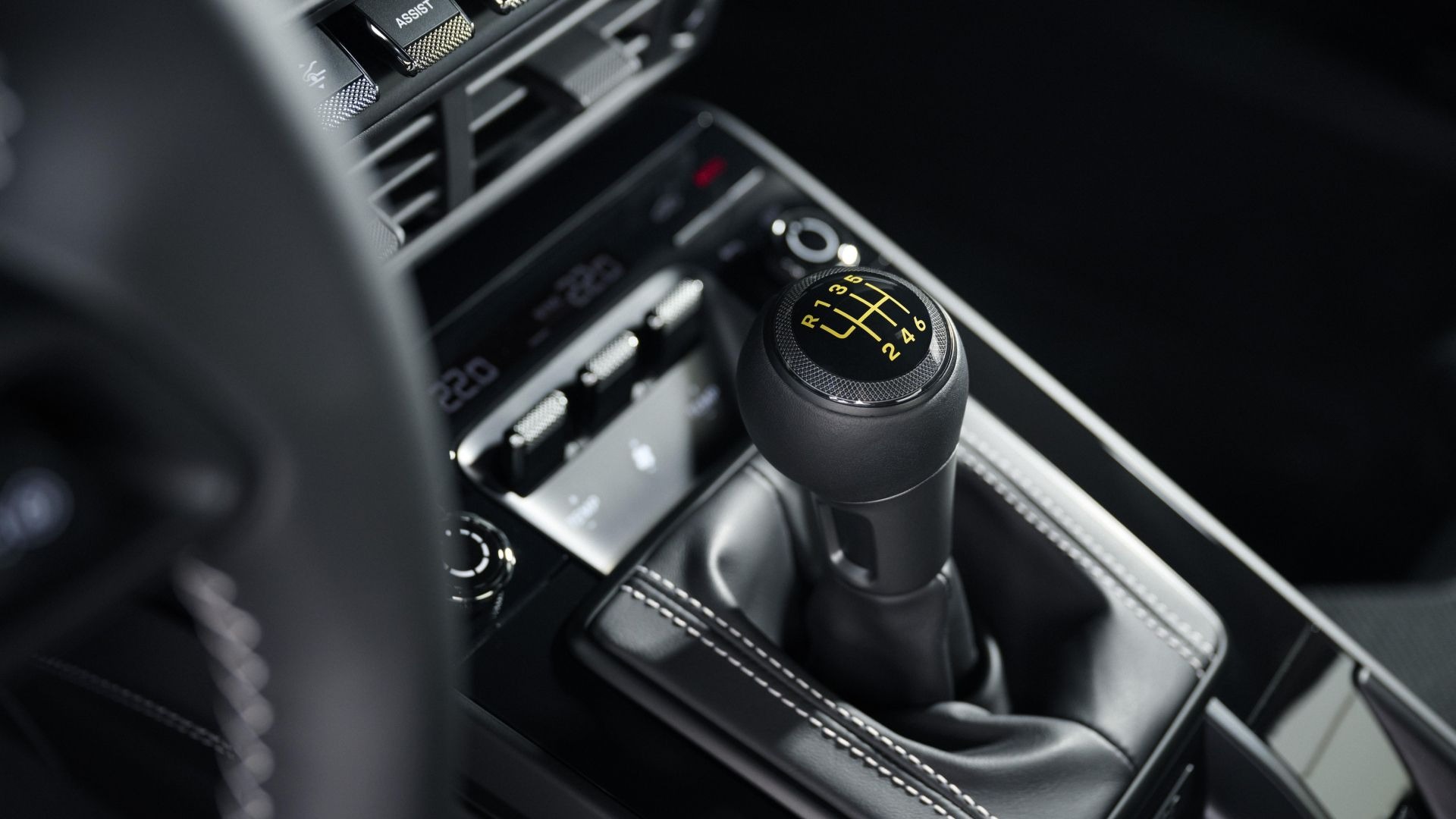
There was a time when manual-transmission cars dominated the streets. Drivers appreciated the sense of control, the satisfying rhythm of shifting gears, and the connection between engine and road that only a manual gearbox could offer.
With the spread of automatic and dual-clutch systems over the years, the number of new cars sold with manual transmissions has drastically declined.
Today, three-pedal setups are considered rare and often associated with driving purists or budget-level trims. Yet, even with their diminishing presence, certain manual-equipped cars remain valuable, especially to those who still seek that old-school driving experience.
It is important to understand that not every car benefits from being fitted with a manual gearbox. For some models, a manual transmission actually increases interest and resale value. In those cases, the manual variant is either rare, performance-focused, or tied to a strong enthusiast community.
On the other hand, some cars with manual transmissions struggle to find second-hand buyers and depreciate faster than their automatic counterparts. That can be due to buyer habits, poor pairing with the car’s characteristics, or limited feature availability when a manual is chosen.
Enthusiast cars like the Mazda Miata or Porsche 911 often gain more respect when they come with a manual. Their value is supported by strong demand among drivers who appreciate the traditional driving feel.
Meanwhile, daily-driven economy cars like the Hyundai Elantra or Chevrolet Cruze are usually better off with automatics when it comes to resale. Knowing which manual-transmission cars hold their worth and which ones lose it can make a big difference when buying or selling.
This guide features five manual cars that keep their value manual transmission, and five others that tend to drop quickly when offered with a manual gearbox. Each example below provides understanding into how transmission choice can affect long-term ownership value.
Manual-Transmission Cars
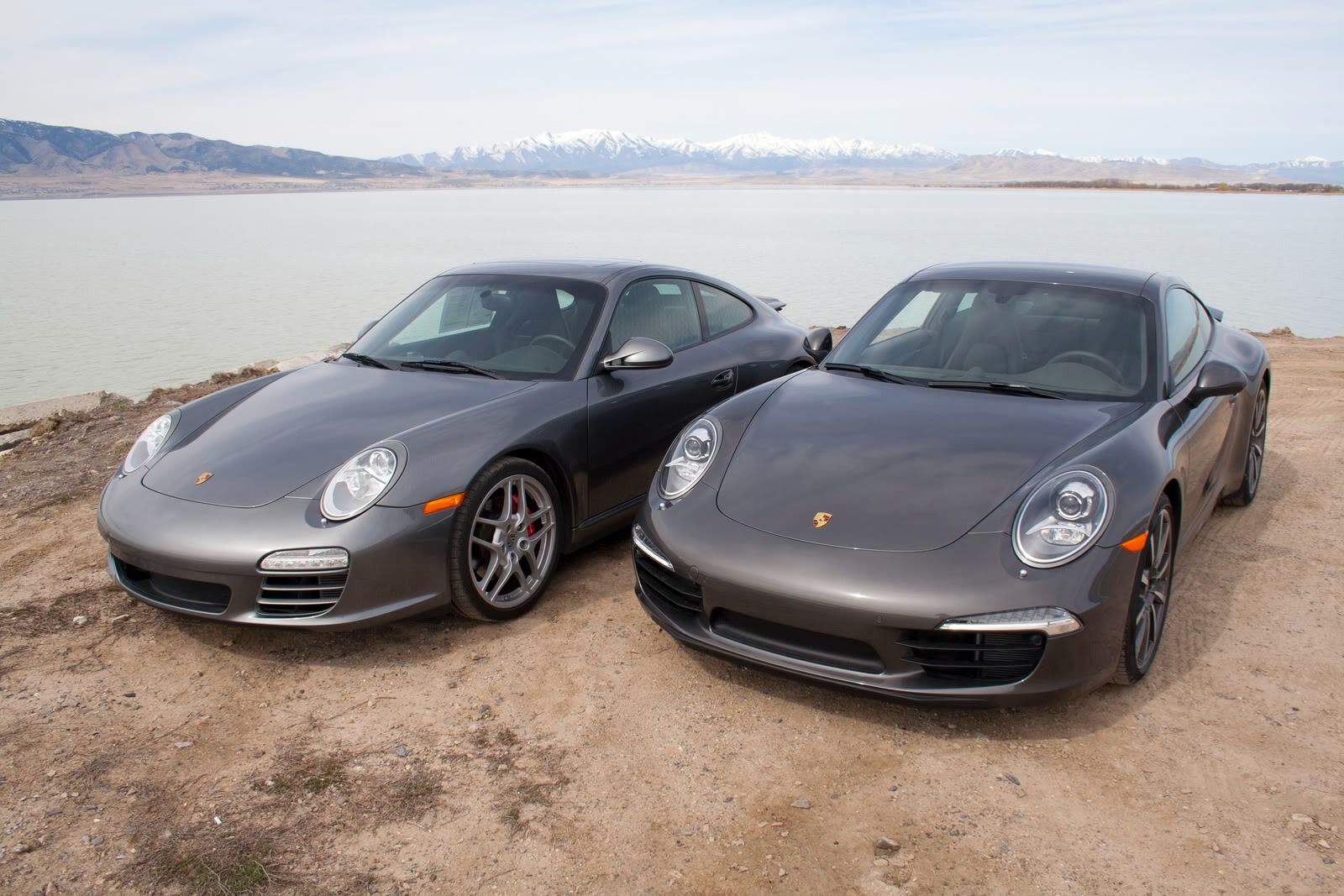
1. Porsche 911 (997 and 991 Series)
The Porsche 911 with a manual transmission, particularly models from the 997 and early 991 generations, continues to command attention among sports car collectors and driving purists.
The six-speed and seven-speed manual variants introduced during these production years brought a refined driving feel combined with the Porsche legacy for balance and performance.
One of the major reasons the manual 911 holds value lies in the diminishing availability of such configurations. As more 911 variants transitioned to PDK automatic gearboxes, the manual became a rare treasure for those who still believe in the art of shifting gears themselves.
Even more so, models like the 911 Carrera GTS and 911 R, available in limited numbers with manual setups, are heavily sought after. Collectors place a premium on these models because they signify Porsche’s commitment to pure driving joy.
The manuals also tend to attract buyers who are less likely to abuse the car, leading to better-preserved examples on the used market. The demand among enthusiasts ensures that prices remain stable, especially as fewer manufacturers offer true performance cars with three pedals.
Owners also appreciate the mechanical connection that a manual 911 provides. It is not just about speed but the sense of control and involvement behind the wheel. As such, resale values for these models continue to remain firm. In some cases, rare manual models have appreciated beyond their original sale price.
The combination of Porsche heritage, strong performance, and a shrinking supply of manual variants keeps the 997 and 991 series as highly desirable cars that maintain their value very well in the second-hand market.
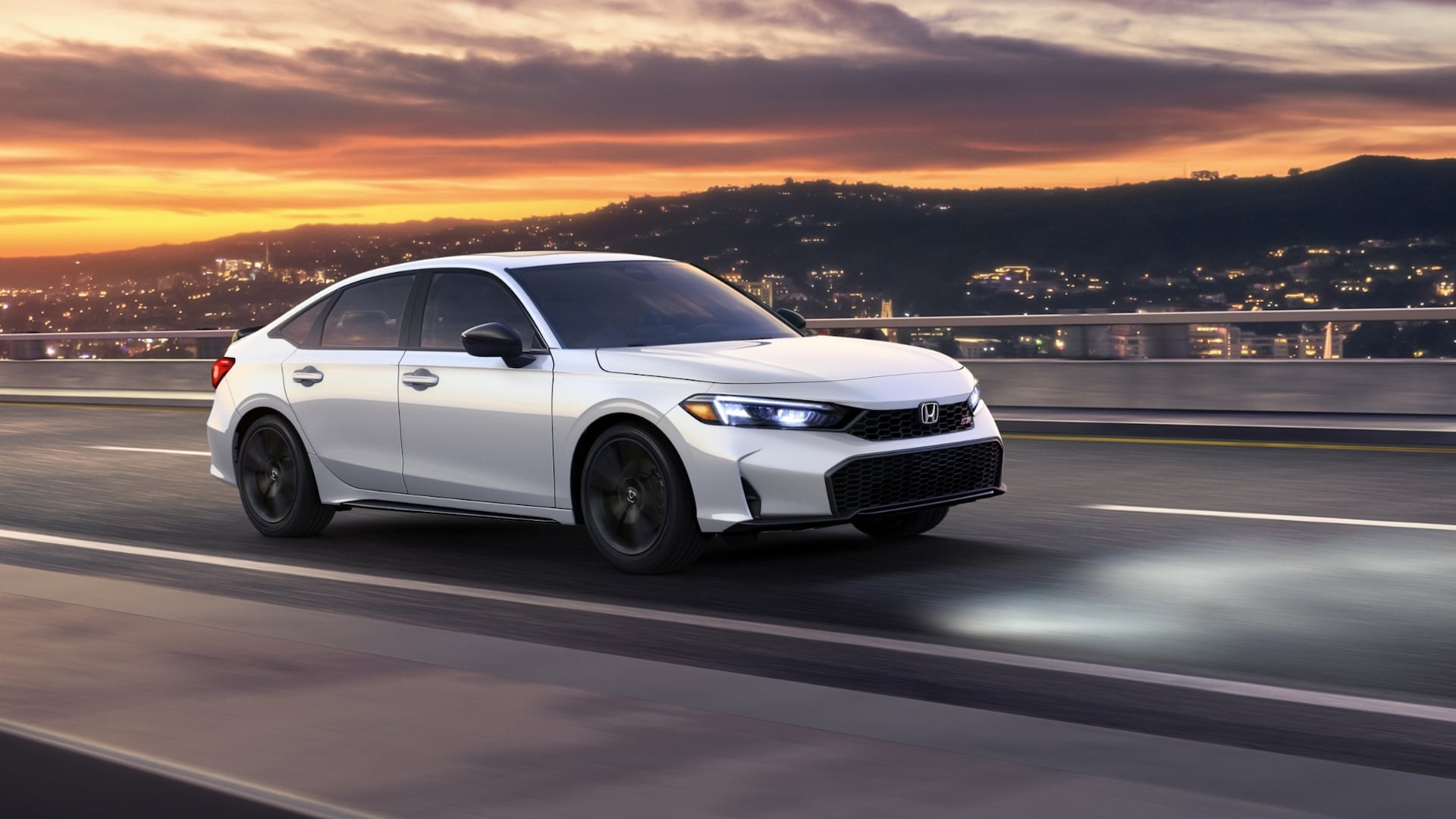
2. Honda Civic Si
The Honda Civic Si with a manual gearbox remains one of the most dependable compact performance cars that manages to retain its worth. Honda has consistently produced the Civic Si with a focus on engaging driving dynamics, practicality, and affordability. It has always come with a manual gearbox as standard, which has helped establish its identity among performance-minded drivers.
Part of its staying power in terms of value lies in its wide appeal. The Civic Si attracts both younger buyers looking for a fun, affordable car and experienced drivers who appreciate Honda’s engineering reliability.
These vehicles are typically well built, meaning they hold up as time goes by and tend to age gracefully. A strong aftermarket presence also contributes to demand, allowing owners to customise their Si to personal taste. This, in turn, fuels a loyal community that values and maintains these cars, helping them retain desirability and value.
Buyers seeking manual compact cars often turn to the Civic Si because alternatives are becoming scarce. Many automakers have discontinued their sporty small sedans with manual transmissions, which makes the Si stand out even more.
Newer models continue to stay true to their roots with precise shifters, responsive steering, and a fun-to-drive nature. Because manual transmission is standard, buyers accept and expect it, making it a major factor in why resale prices remain firm.
Even older Civic Si models from the 2000s are now showing appreciation in used markets, especially low-mileage units with clean titles. As fewer sporty compacts exist with manual gearboxes, the Civic Si has become a reliable option for those seeking an engaging drive without spending too much.
This steady demand helps keep its depreciation slower than average, particularly when compared with automatic rivals in its segment.
Also Read: 5 Cars with Consistently High Safety Honors vs 5 That Score Poorly
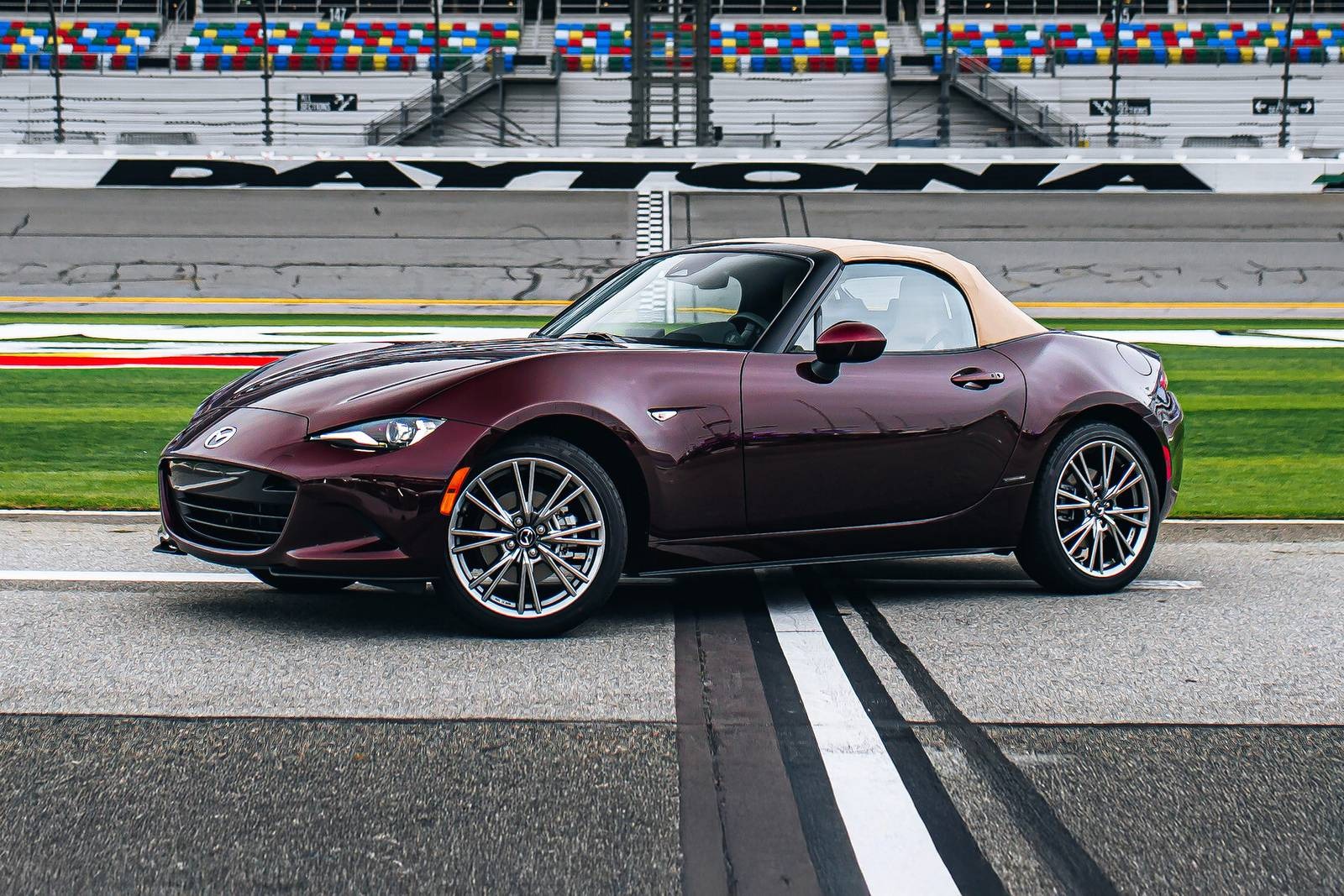
3. Mazda MX-5 Miata
Among manual-transmission cars that preserve their resale value, the Mazda MX-5 Miata stands out as a consistent performer. Its reputation as a lightweight, fun-to-drive roadster with a traditional manual gearbox has cemented its place in enthusiast circles for decades.
The Miata’s manual transmission is one of the most refined in the industry, known for short throws and satisfying engagement. That mechanical feel plays a central role in why buyers continue to value it so highly.
Part of the appeal lies in its simple, effective engineering. The Miata has never tried to overcomplicate its purpose. It exists as a driver-focused car that delivers joy on every drive.
That experience becomes even more rewarding with a manual gearbox, which allows drivers to make the most of the modest but responsive powertrain. Newer models continue to improve without losing the core elements that made the original NA Miata such a success.
Because of its lightweight build, excellent chassis balance, and responsive controls, manual Miatas remain in high demand on the used market.
They tend to be owned by individuals who take care of them, and the large enthusiast community ensures that parts and knowledge are always available. The manual versions in particular are favoured, while automatic ones often struggle to find the same level of buyer interest.
Even special edition models like the Miata Club or RF variants tend to retain their price if offered with a manual. Collectors and younger buyers both continue to seek them out, keeping values strong.
While some sports cars drop rapidly in value, the Miata avoids this trend, especially when equipped with three pedals. The ongoing appreciation for simple driving pleasure keeps this model desirable, and its manual nature enhances its value year after year.
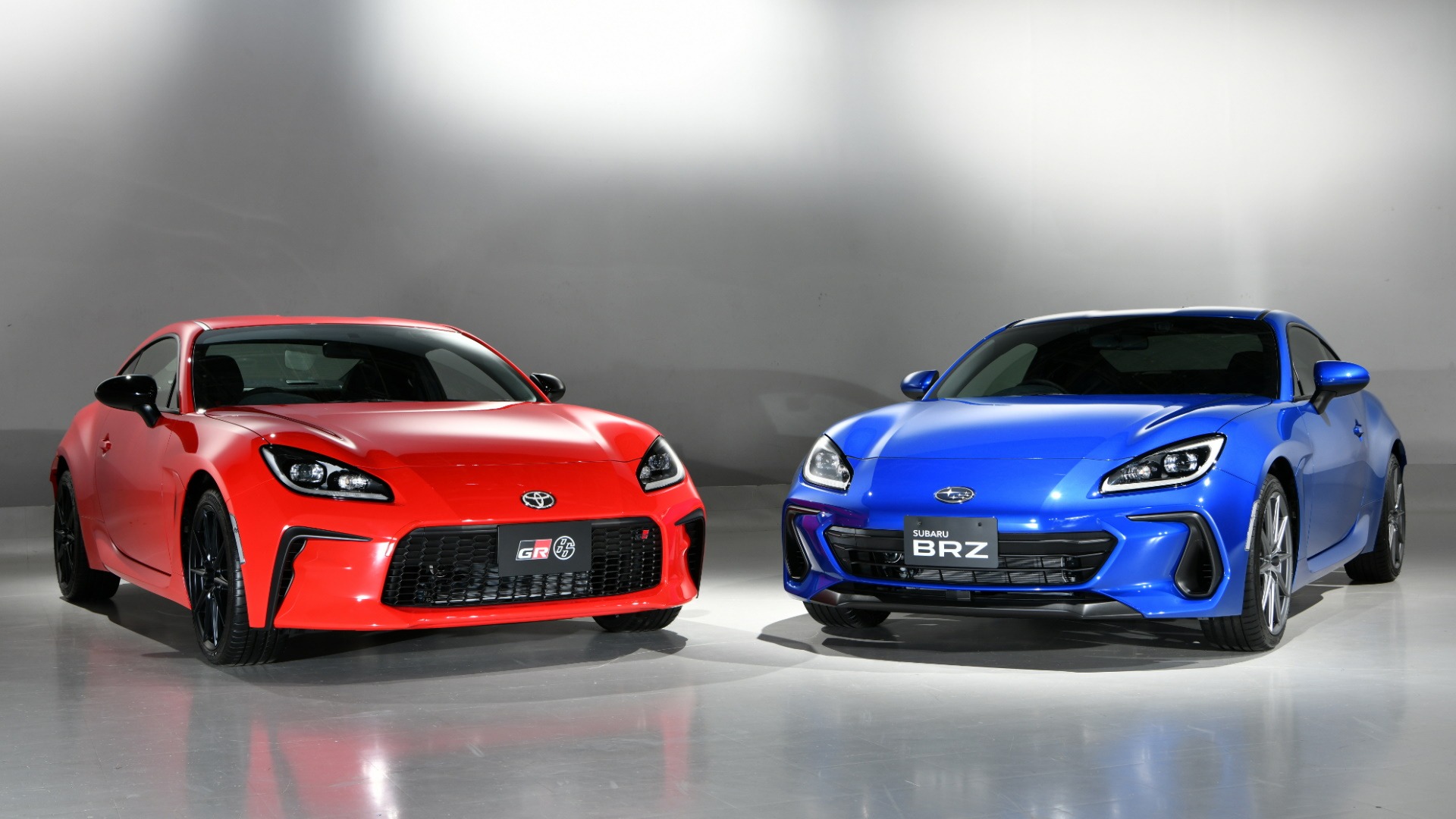
4. Toyota GR86 / Subaru BRZ
The Toyota GR86 and Subaru BRZ twins have carved a strong presence in the market for affordable, rear-wheel-drive sports cars. When these models are ordered with a manual gearbox, their appeal increases considerably.
Enthusiasts appreciate the raw and direct driving feel, and the manual setup enhances the sense of involvement that these cars offer. Unlike some competitors that bury performance behind electronics, these twins offer a back-to-basics approach to spirited driving.
One of the most appreciated aspects of these cars is how they prioritise driver engagement. The naturally aspirated engine, low centre of gravity, and responsive suspension give the GR86 and BRZ an agile personality.
With the manual gearbox, drivers get a heightened sense of control, which is something many sports car lovers prioritise. This connection between car and driver has created lasting appeal in the market.
Resale trends indicate that manual variants retain their worth more steadily than their automatic counterparts. A major reason is the limited availability of sports coupes with manual gearboxes.
As the industry continues to prioritise automatic and dual-clutch systems, fewer cars offer the choice. Those who desire a car with an old-school driving experience often have to look at the GR86 or BRZ, which makes them more desirable.
Buyers often appreciate that these cars remain relatively affordable without sacrificing excitement. Special trims and performance packages also tend to do better on the used market when paired with a manual.
Even owners who modify their cars typically begin with a manual version because of the platform’s flexibility and compatibility with aftermarket upgrades. This continued interest, combined with limited manual options elsewhere, helps the GR86 and BRZ remain strong in terms of value retention.
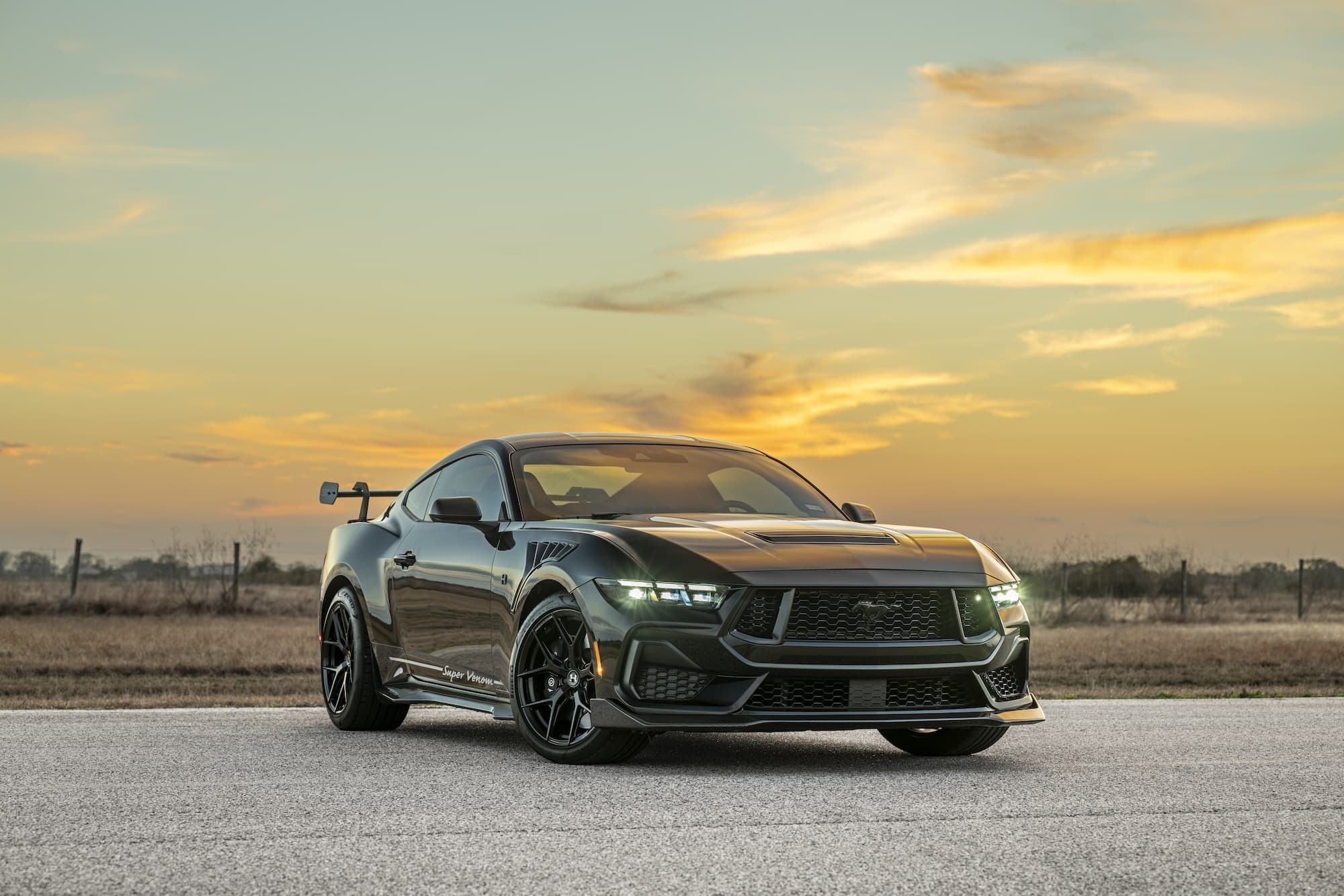
5. Ford Mustang GT
The Ford Mustang GT equipped with a manual transmission offers something that appeals across generations: power, personality, and presence. For many buyers, owning a Mustang with three pedals completes the experience.
The V8 engine, combined with a six-speed manual, creates a direct link between man and machine. While the Mustang is available with automatic gearboxes, many enthusiasts prefer to row their gears, keeping manual versions in demand.
American muscle cars have a legacy built around strong engines and manual transmissions. The Mustang GT continues that tradition, and drivers often see the manual as the more desirable version.
With the rise in horsepower and the availability of performance packages like the GT Performance Package or the Mach 1, buyers gravitate towards these models with the manual box as part of the ideal driving setup.
When it comes to resale value, manual Mustang GTs often hold their ground. Enthusiasts are willing to pay a premium for a well-maintained example, especially with low mileage.
Even as automatic transmissions become faster and more efficient, there remains a dedicated market for the manual GT. This demand is partly due to the experience the car offers: the sound, the power delivery, and the control of shifting through the gears all combine to make the drive memorable.
Collectors also tend to view manual GTs as better investments. Special trims and limited-edition versions almost always perform better in resale when offered with a stick.
Because fewer manual V8 performance cars are being produced, the Mustang GT with a manual remains a symbol of traditional motoring. That heritage keeps demand steady and ensures that depreciation is not as aggressive as it is for other models in the segment.
5 Cars That Lose Value with a Stick
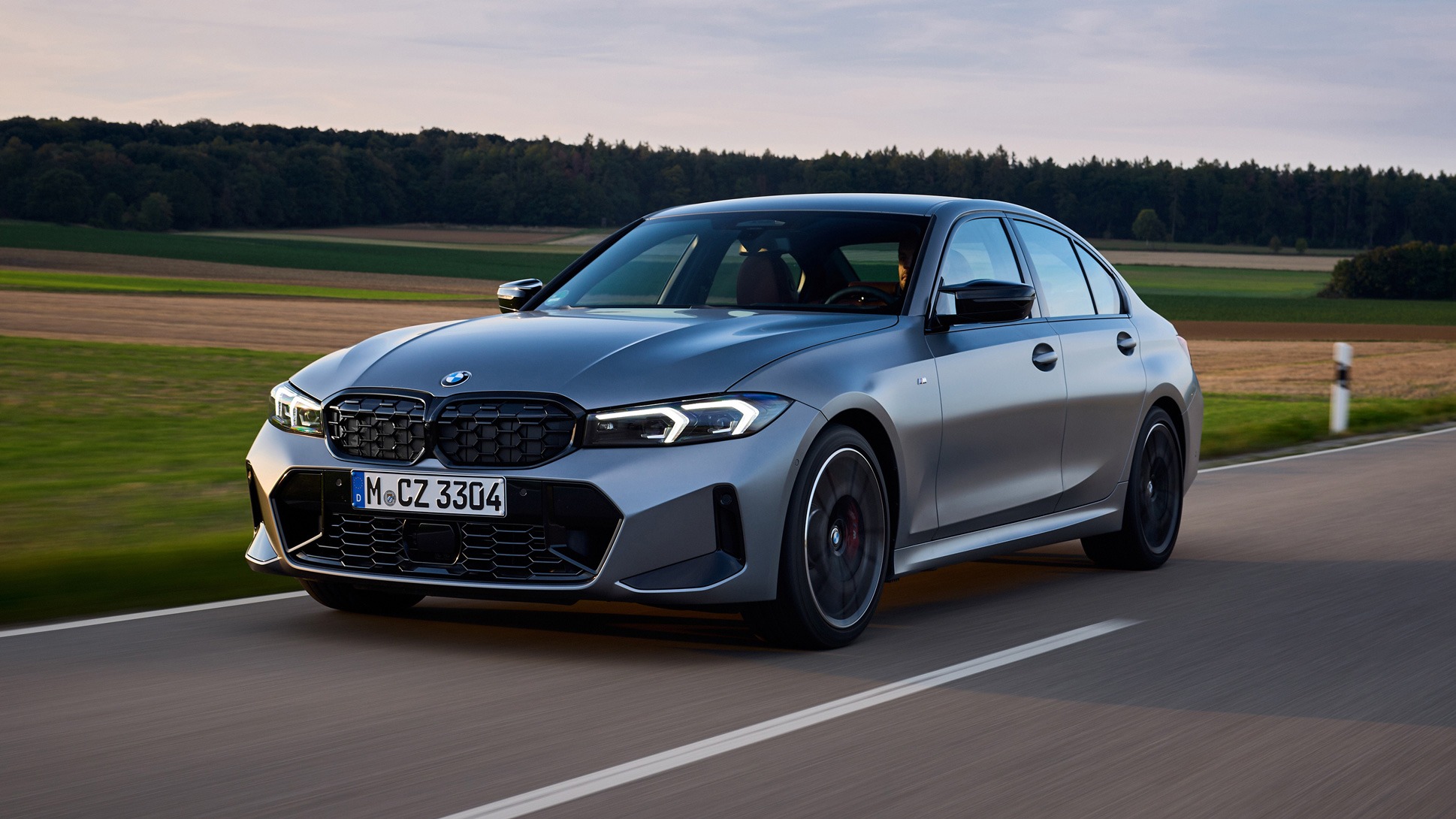
1. BMW 3 Series (F30 and G20)
The BMW 3 Series has long been associated with driving excellence, especially in the compact executive car segment. However, when paired with a manual transmission, certain versions from the F30 and G20 generations tend to lose value faster than expected.
This might seem surprising given BMW’s heritage, but market behaviour tells a different story. Buyers in this class often prioritise convenience, and many now prefer automatic transmissions for daily commuting and comfort.
One reason manual versions do not hold their value as well is the change in consumer habits. Most 3 Series buyers are not necessarily purists or driving enthusiasts. They often want a balance of performance and luxury, which makes the automatic variant more appealing.
BMW’s automatic transmissions have also become more refined and quicker than most manual gearboxes, which adds to the preference. This change has caused manual-equipped F30 and G20 sedans to sit longer on used car lots and sell for less.
Another issue is the limited availability of manual options in newer trims. While earlier F30 models did offer manuals more broadly, later versions and the current G20 have scaled back or eliminated the option altogether.
This has made some manual-equipped variants feel out of place or mismatched with buyer expectations. Drivers who want top features or advanced driver-assistance systems must often opt for the automatic, making the manual version seem less appealing.
Because of these factors, used car shoppers tend to overlook manual 3 Series models, unless they are seeking something very specific. As a result, sellers often have to lower the asking price to find a buyer.
While older enthusiast-spec BMWs like the E46 or E90 M3 with manuals remain strong, mainstream trims from the F30 and G20 generations are not as fortunate. They often face a steeper decline in value when fitted with a manual gearbox.
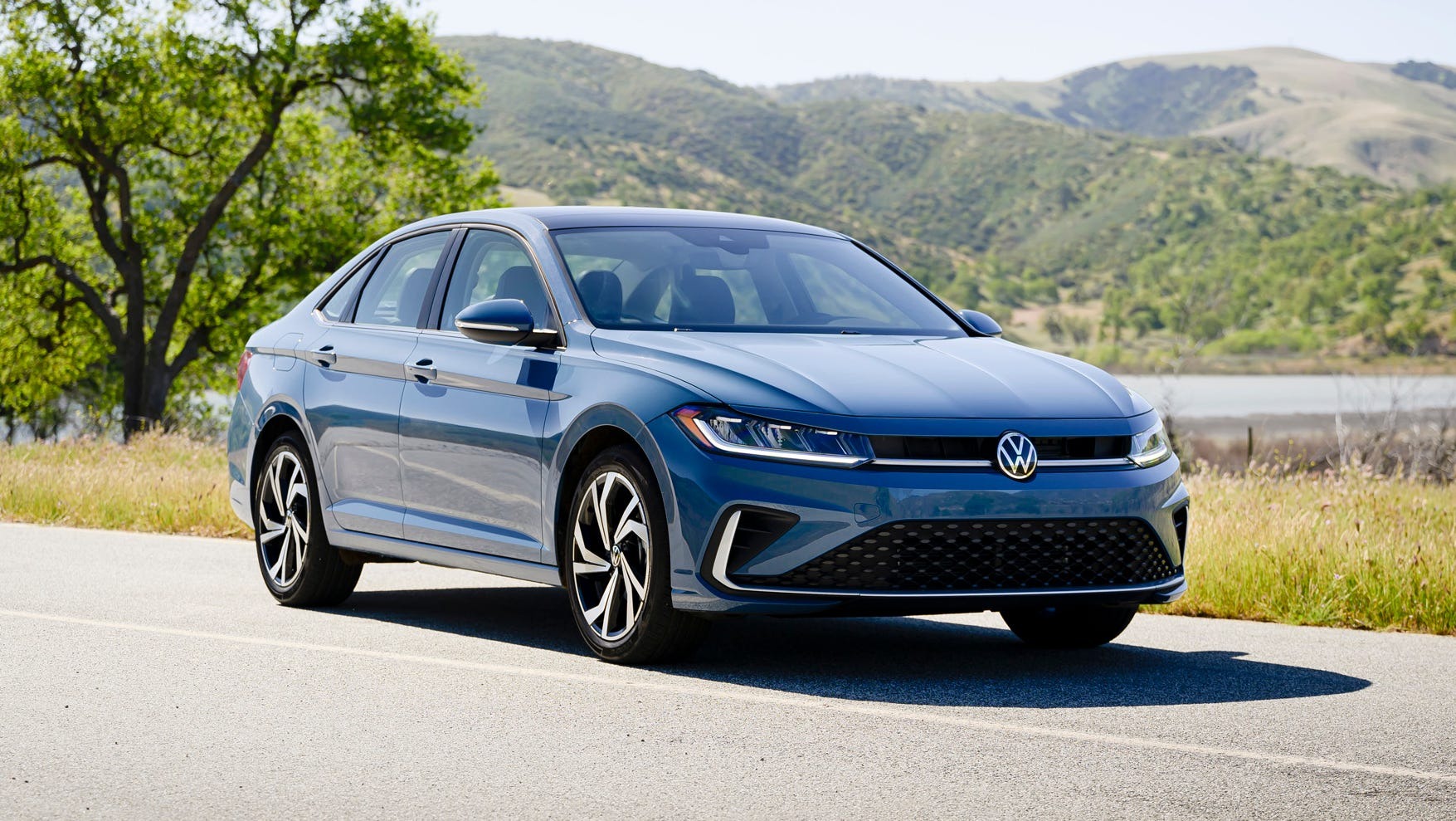
2. Volkswagen Jetta
The Volkswagen Jetta, when equipped with a manual gearbox, tends to depreciate faster than its automatic counterparts in the used car market. While Volkswagen has offered manual transmissions in various Jetta trims, the typical buyer for this compact sedan does not actively seek out a manual transmission version.
Many are looking for a reliable, fuel-efficient daily driver rather than a sporty experience, which affects the perception and demand for the manual variant.
Automatic transmissions in the Jetta line-up provide smoother performance and have become increasingly advanced over the years. These automatics offer better fuel economy, quicker acceleration, and greater ease in urban traffic conditions. Buyers leaning toward convenience naturally gravitate toward these features, leaving manual-equipped Jettas as harder sells. This demand imbalance affects resale prices quite visibly.
Resale values are also impacted by how often manual Jettas are passed over by buyers browsing used listings. Despite their lower price, manual versions frequently take longer to sell and can require deeper price cuts to move off dealership lots.
Even among driving enthusiasts, the Jetta does not always generate excitement. Models like the GLI are an exception, but base or mid-tier Jettas with a manual fail to offer the performance that might justify the extra effort of shifting gears.
Another consideration is the resale audience. Younger drivers are less likely to know how to drive a manual, and older buyers generally prefer the convenience of automatics. This reduces the potential pool of interested second-hand buyers for manual Jettas.
As a result, their depreciation curve is steeper, making them a less attractive investment for anyone hoping to retain vehicle value. The combination of market demand, shifting buyer priorities, and limited appeal makes manual Jettas depreciate faster than most automatic versions in the same lineup.
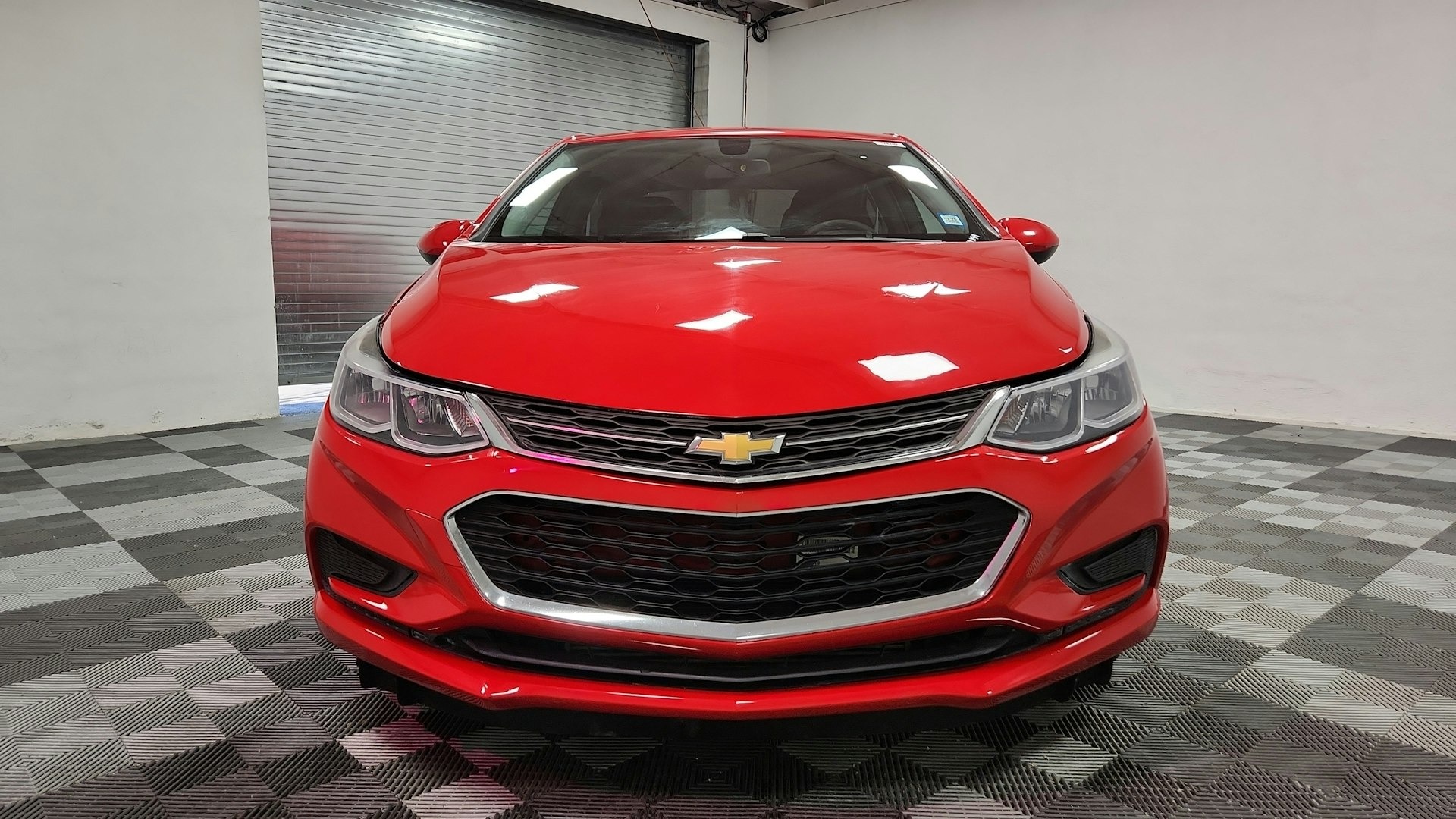
3. Chevrolet Cruze
The Chevrolet Cruze with a manual transmission tends to experience a higher rate of depreciation when compared with its automatic siblings.
The compact sedan was aimed at commuters, budget-conscious buyers, and small families who usually prioritise comfort, ease of use, and efficiency. In this market segment, a manual gearbox rarely attracts attention, as most consumers view it as unnecessary or inconvenient.
One of the main problems with the manual Cruze in the used market is that it does not add any performance benefit. Unlike sports cars or enthusiast models, the Cruze was never engineered to deliver an engaging drive.
The manual transmission feels more like a cost-saving measure rather than a choice to enhance the driving experience. As such, it does little to appeal to buyers who might otherwise seek out manual transmission vehicles.
Used car buyers looking at the Cruze are generally not interested in engaging with the gearbox themselves. Many actively avoid it.
This leads to reduced demand and makes it harder for owners to get a reasonable resale price. Manual versions often have to be priced lower than comparable automatic models to attract any interest. Dealers also tend to avoid taking them in on trade unless heavily discounted.
The Cruze’s reputation for being utilitarian and functional further pushes buyers toward the automatic variants. Manuals are often only found on the lowest trims, meaning they lack the comfort and tech features found in better-equipped models.
That compounds the depreciation problem, as shoppers comparing options will usually choose a more convenient automatic that offers more equipment.
With limited appeal, reduced desirability in the used market, and no real performance advantage, the manual Chevrolet Cruze is one of the vehicles that quickly loses value after purchase. Even though it may offer a lower upfront cost, the long-term resale value makes it less appealing to those who think about depreciation.
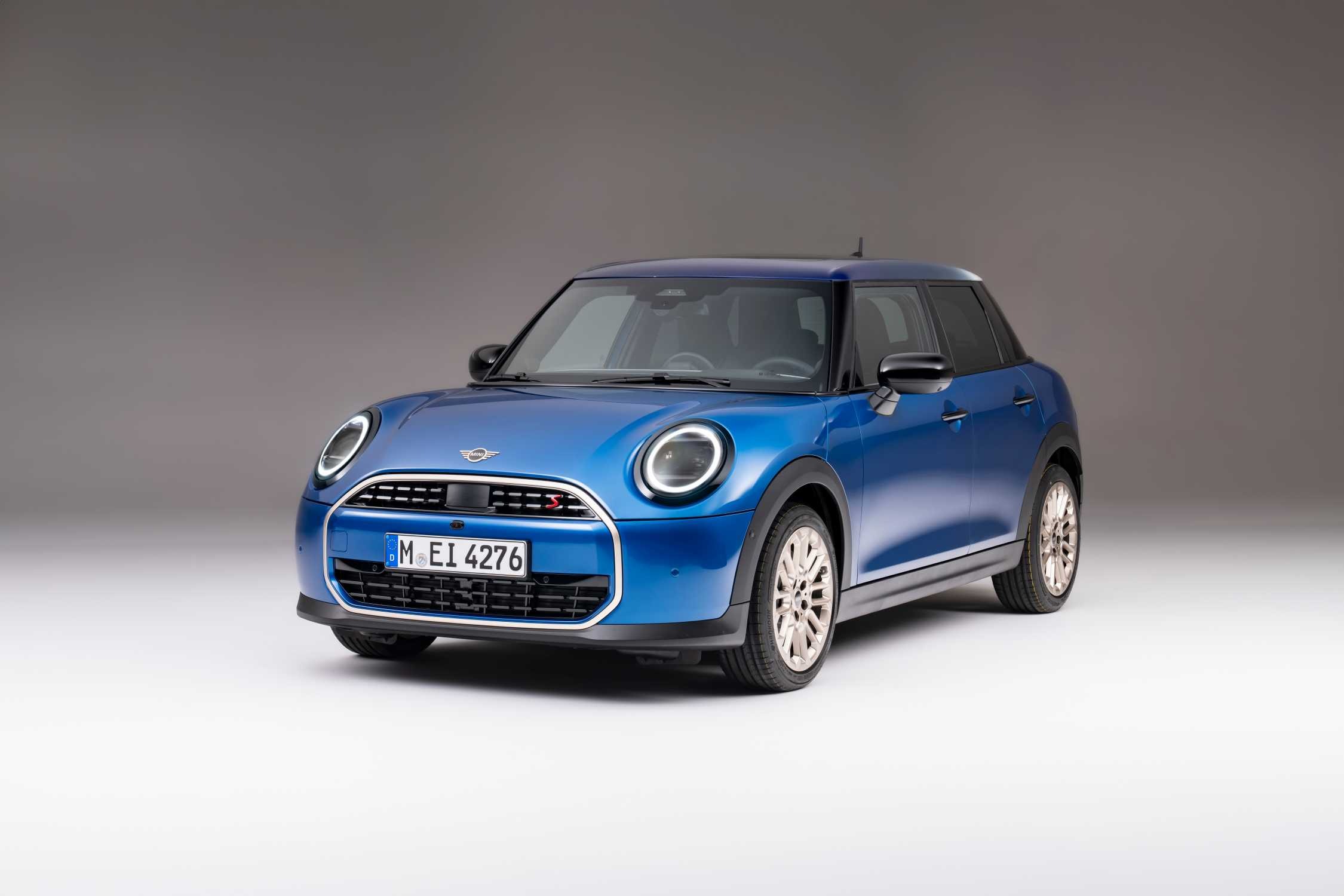
4. Mini Cooper
While the Mini Cooper is often associated with fun and quirky driving characteristics, models fitted with a manual transmission do not always hold their worth as one might expect.
This might surprise some drivers because the Mini has traditionally been seen as a stylish and energetic car. However, when it comes to resale value, the manual-equipped versions of the Mini can drop faster in price than automatic variants.
One of the challenges stems from maintenance and long-term reliability concerns. Many buyers interested in the Mini Cooper as a second-hand car are not always prepared to deal with manual clutch replacements or transmission servicing.
While manuals are typically cheaper to repair than automatics in theory, Minis are known for higher service costs in general, and that extends to manual gearboxes as well. This pushes some buyers away.
Another factor is the shrinking number of manual drivers. Many prospective Mini buyers include young urban professionals and retirees looking for a compact, stylish ride.
A growing number of these buyers have no experience with manual transmissions or simply prefer not to bother with shifting in traffic-heavy environments. This demographic change has made automatic Minis more attractive in the second-hand market.
There’s also the issue of performance. Although the manual versions might offer slightly more driver engagement, the automatic variants have caught up in terms of acceleration and responsiveness.
As a result, there’s less motivation for a buyer to actively seek out the manual version. This trend affects resale value because demand simply is not strong enough to support higher prices for three-pedal variants.
Finally, trade-in values for manual Minis often come in lower than expected. Dealerships know that it will take longer to move a manual car, and they reflect that in the resale offer.
Despite its image as a sporty city car, the Mini Cooper with a manual transmission loses value faster than many expect, particularly when competing against easier-to-drive alternatives in the same price bracket.
Also Read: 5 Cars Designed for Pedestrian Safety vs 5 That Pose Pedestrian Risks
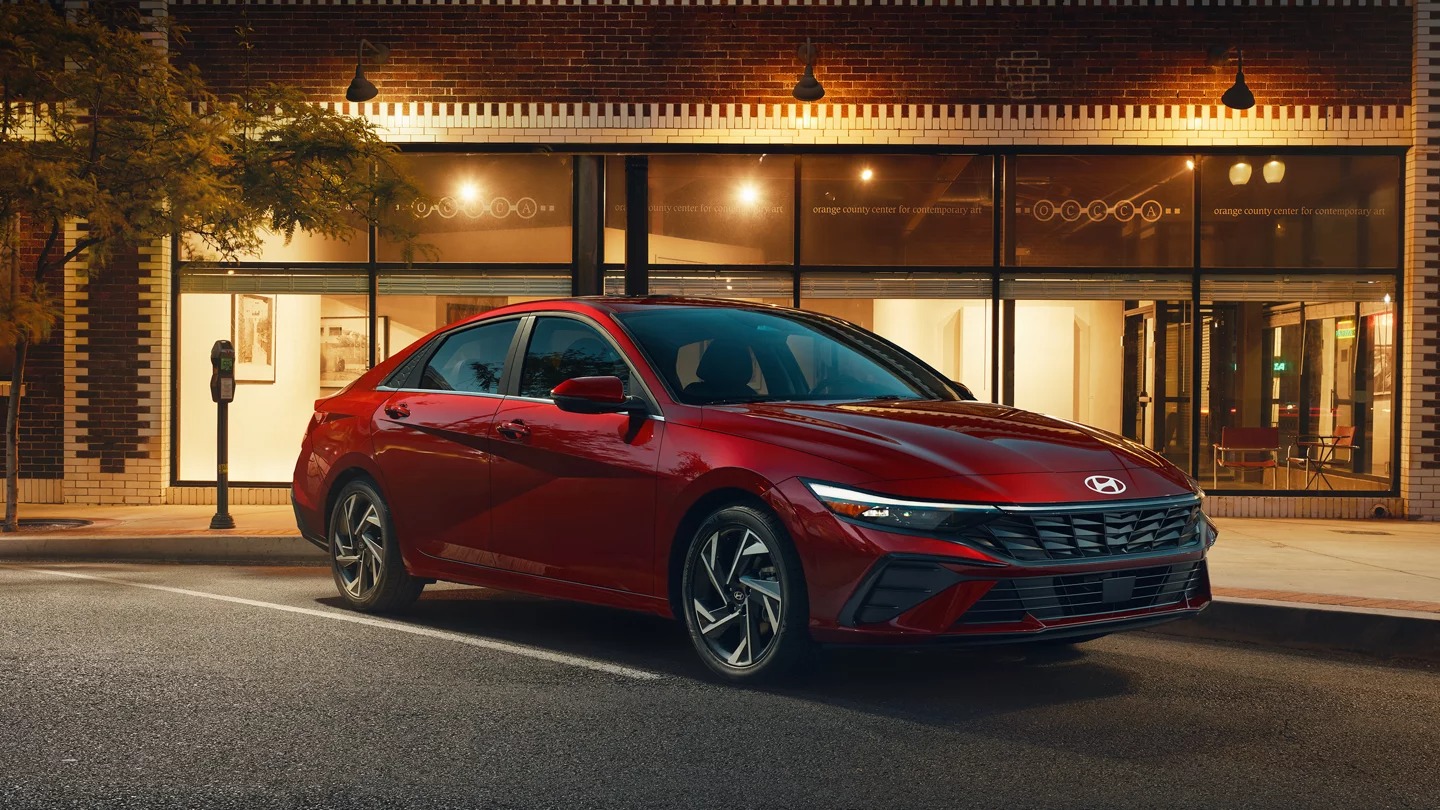
5. Hyundai Elantra
The Hyundai Elantra, particularly in its standard and mid-level trims, depreciates quickly when paired with a manual transmission. This is largely due to the type of buyers the car attracts.
Hyundai positioned the Elantra as a compact sedan for those who need reliable transportation, fuel efficiency, and a low cost of ownership. In this segment, convenience reigns supreme, and manual gearboxes are often seen as outdated or inconvenient.
Automatic versions of the Elantra come with more features and are usually better-equipped. Hyundai often limits manual transmissions to base models, which means missing out on touchscreen systems, upgraded audio, advanced driver aids, and even more comfortable interiors.
This makes the manual version less attractive to buyers in both new and used markets. The lack of amenities affects resale prices directly, as most used car shoppers want a better value in terms of features and comfort.
There is also very little enthusiasm surrounding the driving dynamics of the manual Elantra. It is not marketed as a performance car, and the manual gearbox does not considerably improve the experience behind the wheel.
Without any exciting traits or driver-focused engineering, the manual ends up feeling more like a downgrade than a fun option. As a result, it becomes less desirable as time goes by.
Another reason depreciation hits manual Elantras harder is the reduced market demand. Fewer and fewer drivers in the compact sedan category are interested in using a manual, particularly in urban environments.
This leads to limited resale interest, with manual variants often needing larger price cuts to move. Dealerships tend to offer lower trade-in values as well, knowing that demand for such configurations is low.
For budget-conscious shoppers, the automatic Elantra offers more in terms of technology and ease of use. That puts pressure on manual versions to undercut prices just to stay competitive.
With lower feature availability, minimal driving excitement, and dwindling demand, the Hyundai Elantra with a manual gearbox sees its value drop quicker than many of its peers.
