
When it comes to buying a car, many people focus on appearance, comfort, fuel economy, or the newest technology. But after the excitement of a new purchase wears off, what truly matters is how well the vehicle holds its value as time goes on.
Some cars lose their worth quickly because of repeated mechanical problems or poor reliability ratings. Others stay valuable for years because they are built to last and require fewer repairs. Understanding which models belong in either category can help buyers make smarter choices.
Vehicles with weak reliability records often face higher maintenance costs, frequent breakdowns, and more time spent in repair shops. These issues reduce confidence among used car buyers, leading to faster depreciation.
On the other hand, vehicles with a reputation for dependability tend to attract more interest on the second-hand market. They can be driven for years without major issues and offer better trade-in or resale prices when it is time for a change.
This guide compares five vehicles that lose value quickly due to ongoing reliability problems with five models known for maintaining their resale value because of dependable performance. Each example provides wisdom into what makes a vehicle either a long-lasting investment or a short-term disappointment.
Whether someone is buying new or used, paying attention to a car’s track record can protect their finances and reduce future stress. By recognising these patterns, consumers can avoid costly mistakes and choose vehicles that are more likely to reward them long after the purchase has been made.
5 Models Depreciating Due to Reliability Issues
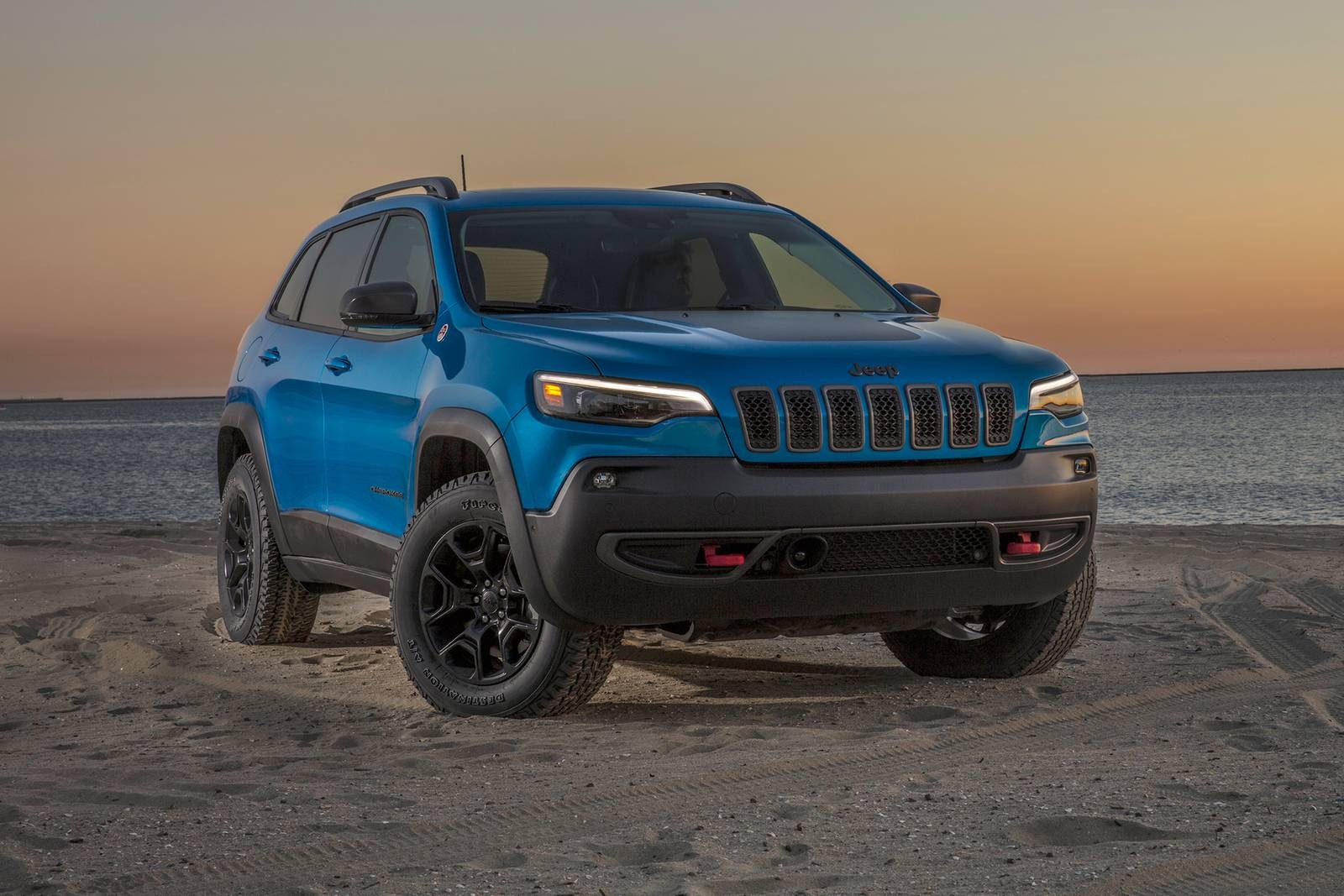
1. Jeep Cherokee
The Jeep Cherokee once had a strong image rooted in off-road prowess and adventurous appeal, but recent versions have struggled to maintain consistent build quality.
Owners of models from the last decade have reported repeated issues with the transmission system, especially with the nine-speed automatic unit that was introduced in later versions. This particular problem has led to performance inconsistencies and unplanned visits to the service center.
Electrical faults are another common complaint. Drivers have frequently highlighted faulty infotainment systems, dashboard malfunctions, and erratic sensor behavior.
Such defects not only impact the driving experience but also contribute to high ownership costs. In addition, some users have complained of water leakage into the cabin, particularly around the windshield and sunroof areas, leading to interior damage as time goes by.
When buyers begin to factor in these reliability challenges, the market perception starts to suffer. The Cherokee’s resale value has dropped considerably across several used car platforms.
Dealers often offer lower trade-in values due to concerns about expensive repairs that may follow. Even if the engine itself is solid, surrounding components like electronics and gear systems cause hesitation among second-hand buyers.
Unlike some rivals that age gracefully, the Cherokee has experienced depreciation that feels steep compared to initial expectations. This decline is compounded by the fact that some models within the same price range offer longer warranties, smoother drivetrains, and fewer trips to the workshop.
Consumers looking for long-term ownership and lower maintenance bills are choosing to bypass the Cherokee altogether.
This reputation has become difficult to reverse, even with Jeep introducing updated features in recent trims. The Cherokee’s image has taken a hit, especially with growing competition from Japanese and Korean brands that focus on durability. Buyers with an eye on reliability and steady resale performance now consider other options more appealing.
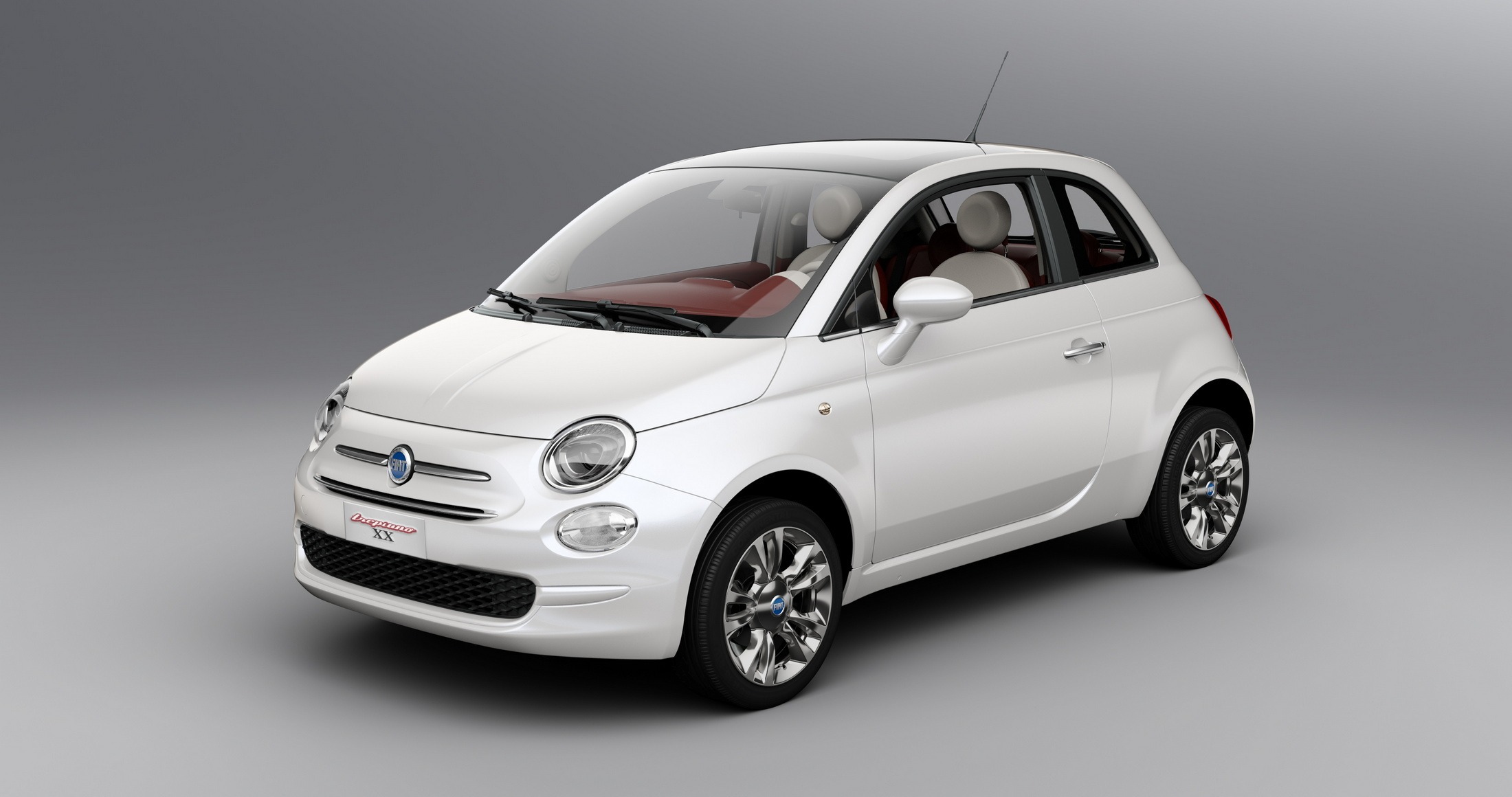
2. Fiat 500
The Fiat 500 has always stood out for its retro-inspired design and compact dimensions, making it appealing to those who want an urban-friendly car.
While it scores high in terms of aesthetics, it struggles to convince buyers when it comes to reliability. Owners have frequently expressed disappointment with mechanical faults and inconsistent electrical systems that affect daily use.
Engine-related complaints often point to low power output and noisy operation. The small engine tends to underperform, especially during highway driving.
Additionally, the automatic transmission in many models has received criticism for its jerky operation and delayed gear responses. These issues tend to appear early in the car’s life cycle, forcing owners to spend on repairs sooner than expected.
Apart from mechanical troubles, many drivers report dashboard warning lights that persist without actual faults. Faulty sensors and poorly wired electronics have raised questions about quality control.
While these glitches might not affect the car’s safety directly, they impact confidence and general user satisfaction. The cost of fixing such electrical faults can be disproportionate to the vehicle’s value.
Depreciation has been severe. Used Fiat 500s lose their value rapidly, and this is even more pronounced for older models. Dealers often hesitate to offer competitive prices for trade-ins, which reflects a broader concern about how the vehicle holds up after a few years on the road. Insurance rates have also risen slightly due to increased claims associated with repairs.
Although the car has charm and appeals to fashion-forward urban drivers, reliability remains a stumbling block. The Fiat 500 may look stylish, but it has not lived up to the standards set by its Japanese or Korean competitors. For many used car shoppers, reliability weighs more than aesthetics, making the Fiat 500 an option that loses its worth quicker than expected.
Also Read: 5 Cars Praised for Driver Visibility vs 5 Criticized for Blind Spots
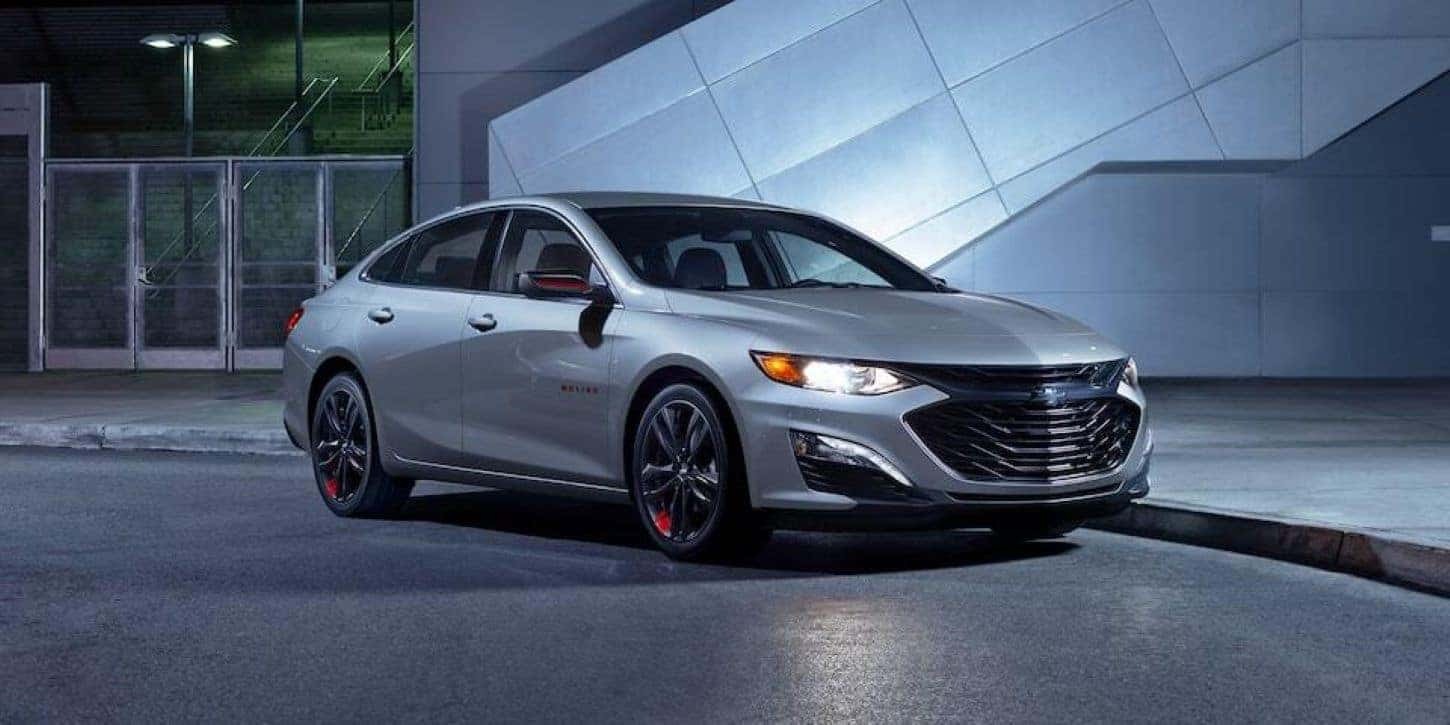
3. Chevrolet Malibu
The Chevrolet Malibu was once seen as a solid mid-size sedan offering value and comfort. However, in recent years, reliability concerns have put a dent in its reputation. Many owners have reported persistent issues with engine performance and electrical malfunctions that compromise both daily driving and long-term confidence.
Common problems revolve around the engine’s start-stop system and turbocharger units in later trims. The automatic start-stop function, meant to improve fuel efficiency, often causes delays or jerks during restarts.
Several drivers have also mentioned stalling incidents under normal driving conditions. These issues create uncertainty, especially during highway usage or in heavy traffic.
Beyond the engine, the infotainment system in newer models has drawn criticism for freezing and system crashes. Bluetooth connectivity, voice command functions, and touch-screen responses all show signs of poor calibration. Even safety features like lane departure alerts and rear cameras can malfunction due to software instability.
These recurring defects contribute to a noticeable decline in resale value. Pre-owned Malibus tend to sell for much less than comparable sedans from Toyota or Honda.
The fear of costly repairs pushes away potential second-hand buyers, and dealers take this into account when offering trade-in figures. Unlike rivals that inspire trust with reliability reports, the Malibu’s track record has become inconsistent.
Many buyers looking for long-term ownership now avoid the Malibu because of the frequency of repairs after only a few years. While its exterior styling and cabin space are attractive, buyers value function and durability more. This change in consumer expectations has affected Malibu’s appeal across the used car market.
Chevrolet has attempted to resolve some of these issues in recent versions, but past records continue to influence resale value. Once a go-to option for American families, the Malibu now sits behind in reliability rankings, causing quicker depreciation and limited market appeal for older units.
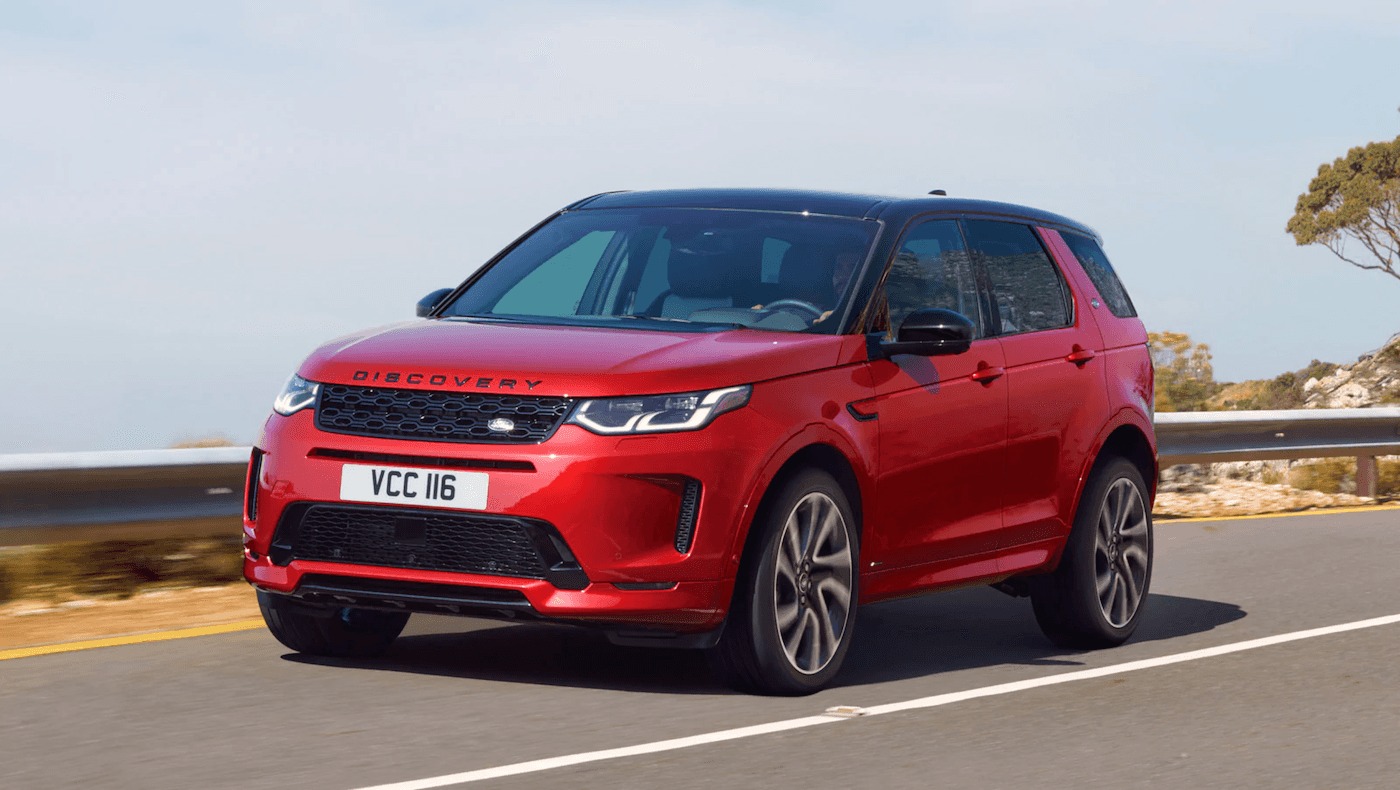
4. Land Rover Discovery Sport
The Land Rover Discovery Sport offers luxury and utility, promising premium finishes and strong off-road capabilities. But this model has consistently faced reliability challenges that affect its resale potential. Owners frequently point to mechanical and electrical problems that appear earlier than expected.
Engine-related troubles, especially with turbocharged units, are among the major complaints. Users have noted oil leaks, coolant system failures, and erratic temperature gauge behavior.
These are not just inconveniences but costly issues that require expert attention. Some repairs demand specialized diagnostics, making maintenance expensive and time-consuming.
Another serious concern lies in the electronics. From malfunctioning infotainment systems to failing digital dashboards and error-prone driver assistance features, the Discovery Sport struggles to maintain stable electronic performance. Faulty air suspension and unreliable keyless entry are also on the list of repeated issues across model years.
This reliability history has caused depreciation to accelerate. The moment warranty coverage ends, owners find themselves facing high service bills, which directly lowers the resale value.
Buyers browsing the used luxury SUV market tend to shy away from the Discovery Sport because the reputation for recurring faults looms large. Dealers also offer low trade-in prices, aware of potential future costs.
Despite the premium badge and attractive design, the vehicle’s ownership experience has created concerns that outweigh its luxury appeal.
Newer luxury SUV buyers now gravitate toward brands with proven reliability, even if they sacrifice certain design elements. The Discovery Sport has not been able to shake off the reliability tag despite several updates and improvements.
For those looking at used vehicles with dependable long-term performance, the Discovery Sport struggles to compete. Its rapid depreciation highlights the importance of reliability in maintaining vehicle value, regardless of brand prestige or initial pricing.
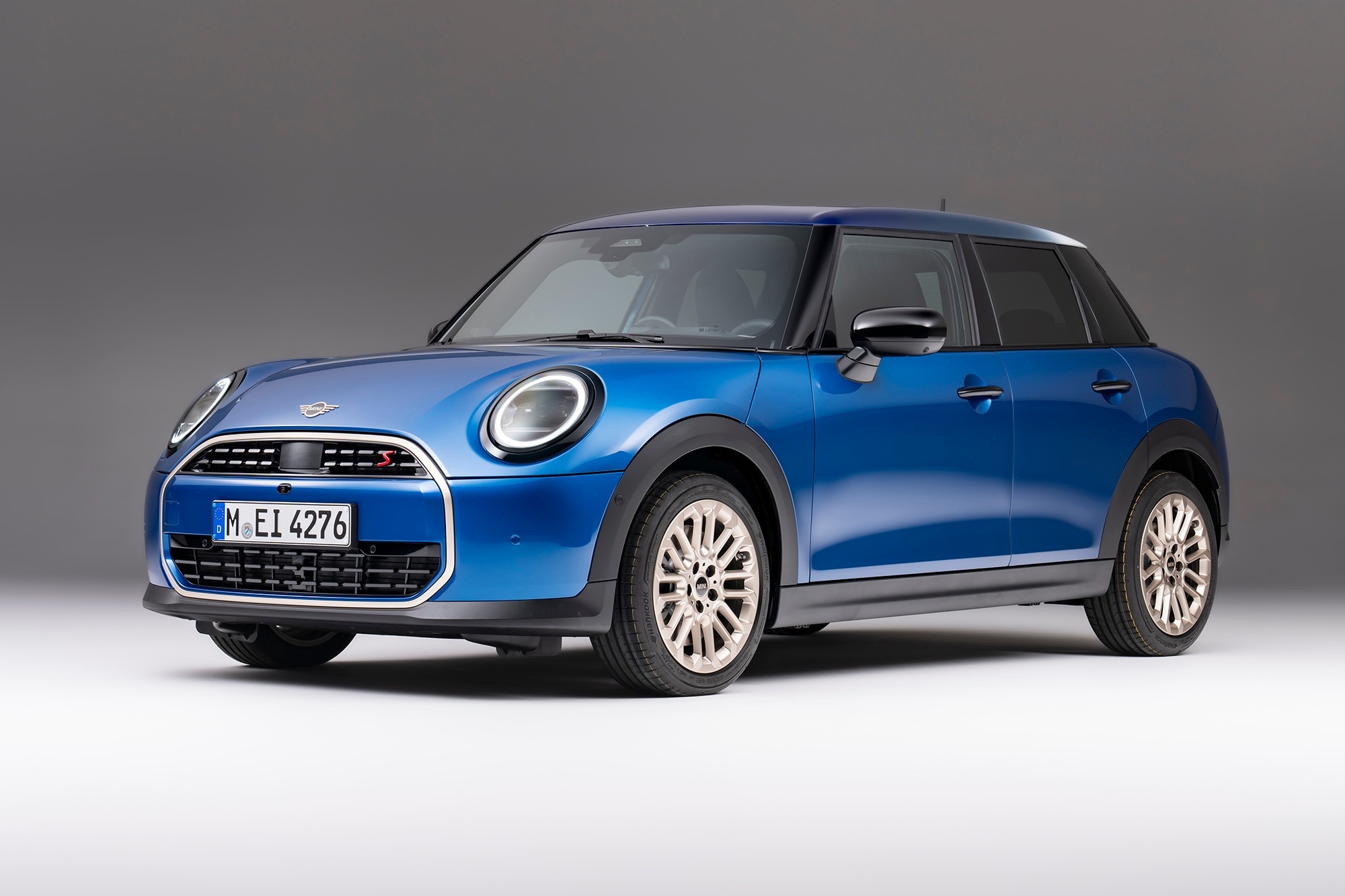
5. Mini Cooper
The Mini Cooper is known for its iconic design, agile handling, and compact proportions that make it a standout on city streets.
But despite the attention it receives for style and performance, this model often disappoints when it comes to dependability over a longer period. Recurring mechanical and electronic faults have contributed to a noticeable drop in value.
One of the most frequently mentioned concerns relates to the engine. Some versions of the Mini Cooper suffer from carbon buildup in the intake valves, especially in models that use direct injection.
This issue can affect performance and fuel efficiency. Additionally, turbocharged models tend to experience turbo failures that are expensive to fix.
Apart from the engine, several owners have experienced problems with the cooling system. Thermostat housings and water pumps often fail earlier than expected, sometimes requiring replacements within the first few years of use.
These problems, though common, are costly due to the compact design of the engine bay, which makes repairs labor-intensive. Electronic reliability is another sore point. Infotainment systems freeze, power windows malfunction, and keyless entry sometimes refuses to work without warning.
These repeated electrical glitches cause frustration and contribute to high repair bills. Buyers looking for long-term ease of use are discouraged by such inconsistent experiences.
Resale value takes a hit partly because of high maintenance costs. While the car may look premium and fun to drive, second-hand buyers know it comes with the likelihood of repairs. This knowledge reduces buyer demand and prompts dealerships to lower trade-in values.
Despite attempts by the brand to improve long-term reliability, many Mini Cooper models from the last ten years have struggled to shed the reputation of being expensive to maintain. Although they turn heads on the road, they lose value faster than similar-sized competitors that deliver fewer reliability issues after some time.
5 Models That Stay Valuable
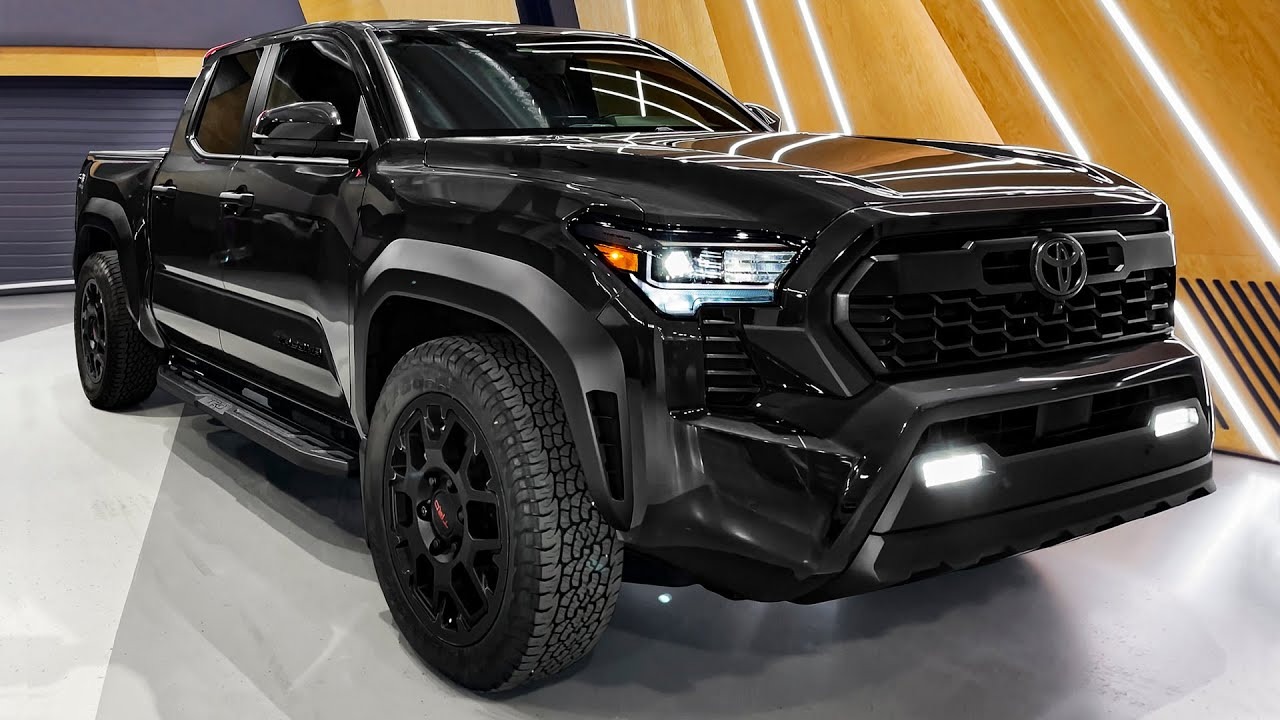
1. Toyota Tacoma
The Toyota Tacoma has built a reputation for being a mid-size pickup that combines durability with functional design.
For years, it has attracted buyers who want a vehicle that can take on both work-related tasks and recreational use without breaking down frequently. Its strong resale value is no surprise, considering its reliability record and cost-effective ownership experience.
One of the reasons the Tacoma continues to remain valuable is its engine reliability. Whether it is the four-cylinder or V6 variant, both powertrains have shown consistency across several model years.
Many owners have clocked over 300,000 kilometres without experiencing major mechanical issues. The transmission, though basic in feel, proves to be dependable, especially in off-road conditions.
Toyota’s build quality adds another layer of confidence. The frame and suspension systems are engineered to withstand demanding use.
From gravel roads to city traffic, the Tacoma holds up without frequent trips to the workshop. The brakes, steering components, and drive shafts also show lower failure rates compared to other trucks in its segment.
Maintenance costs remain reasonable. Routine services like oil changes, brake pad replacements, and tire rotations are not excessive, and parts are widely available. These factors play a strong role in shaping resale prices. Buyers seeking used trucks often prefer a Tacoma even with higher mileage, because of its history of trouble-free service.
Another advantage is the model’s popularity among adventure seekers and tradespeople. This wide market appeal ensures strong demand in the second-hand market. Whether it is a newer model or one that is a few years old, the Tacoma tends to attract competitive offers from buyers and dealers alike.
Resale performance is among the best in its class, often outperforming other mid-size trucks by several thousand dollars. The Toyota Tacoma shows how reliability and practical engineering can help a vehicle maintain its worth even years after the original purchase.
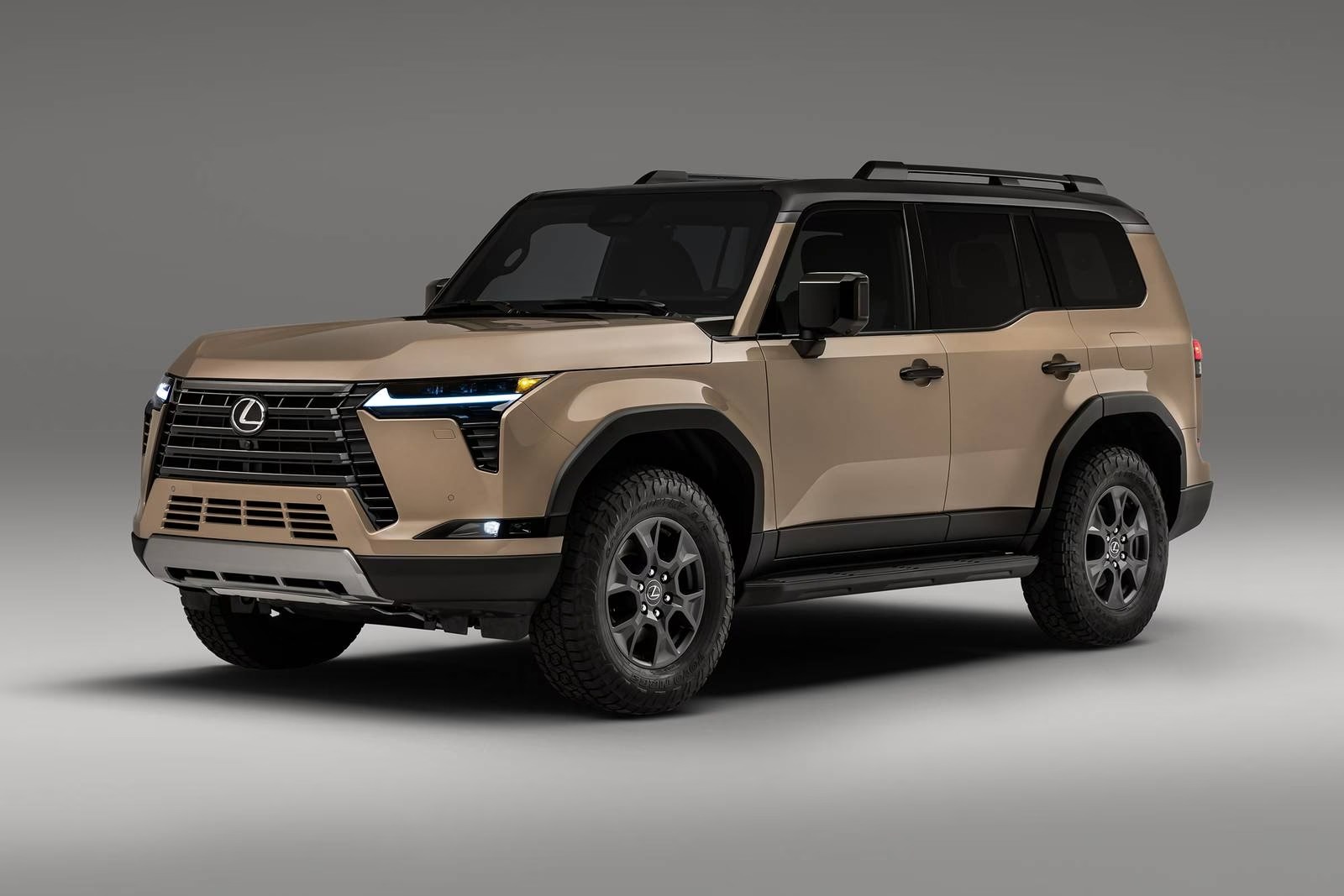
2. Lexus GX
The Lexus GX combines luxury comfort with off-road readiness, offering a rare mix of refinement and durability. After some time, this SUV has proven that reliability is not just reserved for basic models. It shows how a premium vehicle can hold its value when built with care and mechanical consistency.
Its engine is one of its strongest assets. The GX features a naturally aspirated V8 that delivers smooth power and operates reliably across varied conditions.
Unlike turbocharged engines that may experience lag or failure under stress, the GX’s powertrain continues to perform without unexpected issues. Many owners report exceeding 250,000 kilometres without serious repairs.
The suspension system, designed for both comfort and off-road use, uses hydraulic components that provide balance. While some premium vehicles suffer from expensive air suspension faults, the GX keeps things relatively simple, which helps in long-term durability. Its four-wheel-drive system is built to handle tough environments without strain.
Inside the cabin, the materials resist wear. Leather seating, wood accents, and well-assembled panels contribute to a long-lasting feel. Electronics rarely fail, and features such as the infotainment and climate controls function reliably across multiple model years. These qualities enhance the ownership experience and reduce service costs.
Because of its reliability and premium image, resale demand for the Lexus GX remains high. Used vehicle buyers are often willing to pay a premium for a unit that has a good service history. Dealerships also offer better trade-in rates, confident that resale will not be difficult.
Unlike some luxury SUVs that suffer rapid depreciation due to difficult features and frequent faults, the Lexus GX maintains strong resale figures. It attracts buyers who want both prestige and peace of mind. This vehicle serves as a reminder that luxury and dependability can work together to deliver lasting value.
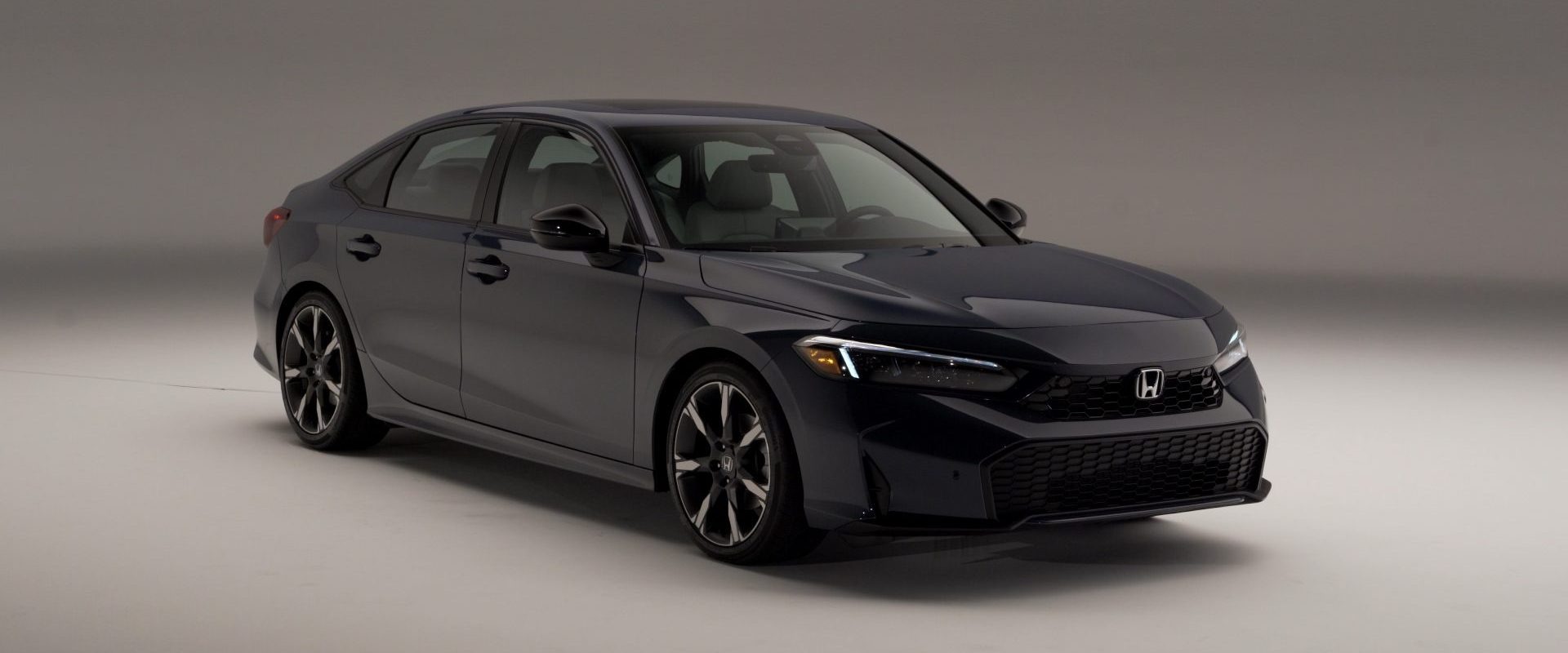
3. Honda Civic
The Honda Civic has long been a preferred choice for drivers seeking practicality, efficiency, and longevity. Over the years, this compact sedan and hatchback have proven that dependability is not limited by size or price.
The Civic consistently ranks among the vehicles with the lowest depreciation, due largely to its track record for mechanical stability and low running costs.
Its engines offer an excellent balance between performance and fuel economy. Whether it is the naturally aspirated models or the turbocharged variants introduced in recent years, the Civic’s powertrains have demonstrated resilience across tens of thousands of kilometres. Few owners report critical failures, and major repairs remain rare.
The manual and automatic transmissions are built to last. Unlike many vehicles that suffer early transmission problems, the Civic’s gearboxes tend to function smoothly with basic maintenance. This reliability extends to the suspension and braking systems, which have been shown to endure city use and highway travel without excessive wear.
Interior features like digital displays, sound systems, and cabin electronics also present minimal problems. The user interface remains intuitive, and most functions work seamlessly even in older models. This gives buyers confidence when purchasing used Civics, knowing they are unlikely to face costly repairs.
The Civic’s popularity is another factor contributing to its strong resale performance. There is consistent demand across all age groups, from first-time drivers to budget-conscious families.
This broad appeal ensures used Civics do not sit on dealership lots for long. Higher mileage units still fetch competitive prices because of the model’s dependable history.
Insurance and maintenance costs remain affordable, which makes long-term ownership even more attractive. These qualities help preserve value far better than several other vehicles in the compact segment. The Civic stands out as a car that delivers on durability, day-to-day usefulness, and market appeal.
Also Read: 5 Cars That Handle Emergency Maneuvers vs 5 That Tip or Roll
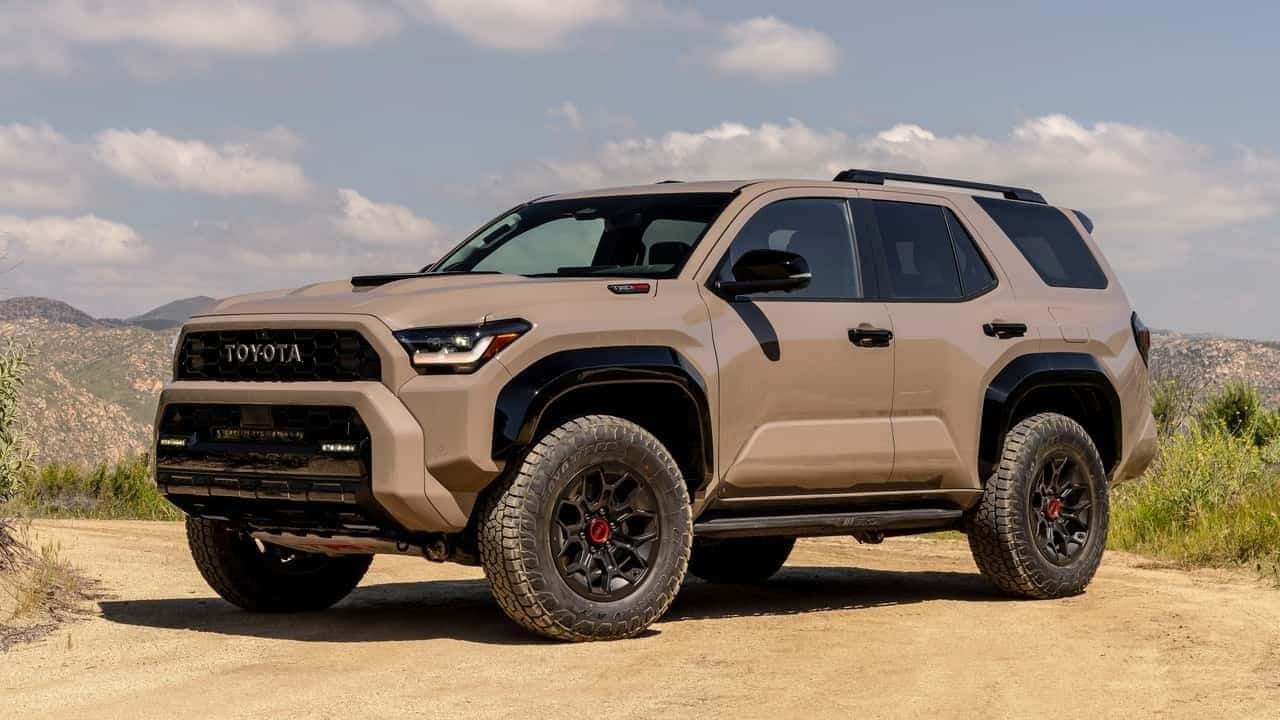
4. Toyota 4Runner
The Toyota 4Runner has earned a place as one of the most dependable mid-size SUVs available today. Known for its rugged construction and mechanical simplicity, it has built a reputation for lasting through years of hard use. This reputation continues to influence its resale strength, even as newer vehicles crowd the SUV market.
One of the most appealing aspects of the 4Runner is its body-on-frame design. This traditional construction method gives the vehicle extra strength, especially during off-road or towing situations.
Combined with a naturally aspirated V6 engine and a five-speed automatic transmission, the 4Runner keeps things simple and strong. These mechanical components rarely fail, even under strenuous use.
Many 4Runners from a decade ago are still active with original engines and drivetrains. Maintenance is straightforward, and parts are widely available.
The suspension is built for rugged use, which means fewer problems when driving over poor road surfaces. The four-wheel-drive systems are mechanical and less prone to electronic errors compared to newer SUVs.
Interior durability also plays a part in preserving value. The cabin may not feel luxurious, but it remains functional even after years of use. Electronics, air conditioning, and basic tech features operate reliably. Owners appreciate this predictability, especially in long-term ownership situations.
Buyers of used SUVs often place reliability above features, which is where the 4Runner shines. It commands high resale prices, even for models with considerable mileage.
Its popularity among outdoor enthusiasts and drivers in remote areas keeps demand steady. Dealerships often mark up used 4Runners due to how quickly they are resold.
The Toyota 4Runner demonstrates that a focus on durability and mechanical quality can protect a vehicle’s value. It remains a top choice for those seeking a no-nonsense SUV that will not let them down, regardless of road conditions or time owned.

5. Subaru Outback
The Subaru Outback is often recognised for its practicality, rugged charm, and consistent all-wheel-drive capability.
While it sits somewhere between a traditional station wagon and an SUV, it delivers the best of both forms. This flexibility, combined with strong reliability, helps the Outback hold its value far better than many other mid-size crossovers in the market.
Subaru’s engineering approach is centred on simplicity and function. The boxer engine, paired with symmetrical all-wheel drive, offers balanced performance and excellent traction across diverse driving conditions.
Though some earlier models faced minor oil consumption concerns, Subaru addressed these issues through improved engine design in recent models. The result has been a more reliable powertrain with minimal critical breakdowns.
The Outback’s continuously variable transmission (CVT) has also proven to be smoother and more durable than rivals using similar technology. Subaru has managed to fine-tune this system to reduce early failure rates, and owners report minimal trouble when following scheduled maintenance routines.
Inside the cabin, practicality takes centre stage. The infotainment system is user-friendly and has improved with each generation. Most features, including climate control, safety sensors, and power functions, continue to work reliably even after years of use. The quality of the materials also resists wear better than some more expensive SUVs.
Another strong point for the Outback is its appeal to a wide customer base. From outdoor lovers to growing families, its spacious cargo area, roof rack system, and higher ground clearance meet the needs of various lifestyles.
This consistent demand contributes to its higher resale prices. Even older models command strong interest from buyers who value reliability and utility over flashy features.
Subaru’s long-standing reputation for building dependable all-weather vehicles reflects strongly in the Outback. For many buyers, it represents a smart investment that retains value while delivering everyday comfort and confidence.
The Outback is a clear example of how smart design and reliable engineering can pay off not only at the point of sale but also years down the line when it is time to resell or trade in.
For anyone entering the car market, either as a first-time buyer or an experienced owner, reliability should be among the top considerations. Vehicles that stand the test of time will always offer better value, both during ownership and when it is time to move on.
The models discussed above highlight how choosing dependable engineering over flashy appeal can make a real difference in financial terms. Long after the new car smell fades, it is the vehicle’s strength and stability that hold the most worth.
