

Fuel prices do not remain stable for long periods. They often respond to global events, production decisions, and economic changes. When petrol becomes expensive, people tend to reconsider the kind of vehicles they drive. This leads to a change in how much cars are worth in the market.
Those with fuel-saving engines tend to attract more buyers, which increases their resale values. On the other hand, vehicles that consume a large amount of fuel may suddenly become less desirable. This affects their prices negatively, especially on used car lots.
Choosing the right vehicle during a period when petrol is expensive can be the difference between saving money or watching its value drop. Buyers are more drawn to hybrids and electric models when fuel prices rise. Their operating cost is lower, and many also come with technology that supports long-term efficiency.
These vehicles often move fast in the second-hand market. On the flip side, large trucks or performance vehicles with big engines are usually the hardest to sell in these moments. Some of them lose a huge amount of their worth once fuel costs go up.
We will present a list of five green cars that tend to rise in value whenever fuel prices climb. These cars offer strong resale potential when running costs become a concern. Afterward, we will look at five petrol-thirsty models that usually take a hit when the price of fuel becomes too high.
Each of the ten vehicles discussed will be given equal attention. You will find out what makes them gain or lose value and how they perform under different market conditions. Whether buying or selling, knowing these patterns can help make smarter decisions in the vehicle market.
Green Cars That Spike in Value When Gas Prices Rise
1. Toyota Prius
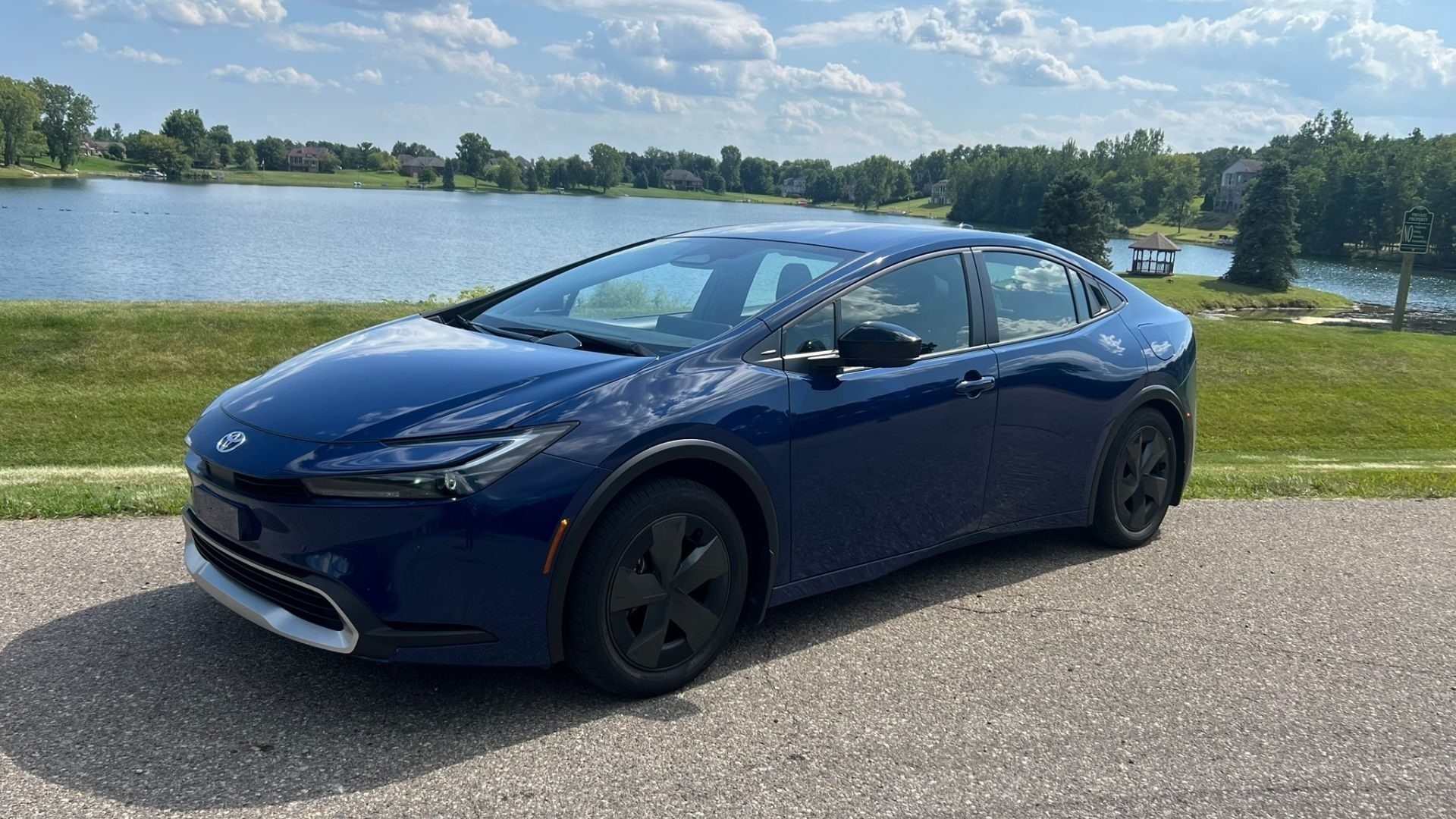
The Toyota Prius is often the first vehicle that comes to mind when discussions around fuel-efficient cars come up. It introduced hybrid technology to many households and remains one of the most dependable choices in that category.
During times when petrol costs more than usual, the Prius tends to move quickly in used markets. Buyers are drawn to its history of reliability and its ability to reduce trips to the filling station. This directly influences how much people are willing to pay for a well-maintained used unit.
Its battery and hybrid powertrain have seen continuous improvement through the years. This gives newer models even better efficiency, making them suitable for both city and highway driving.
Owners of older Prius models still enjoy respectable mileage figures. The car’s design may not be flashy, but it serves a purpose. Interior space is generous for a compact car, and the ride quality meets the expectations of drivers who want a calm experience behind the wheel.
Aside from saving on fuel, Prius owners also benefit from fewer mechanical issues compared to some other hybrids. The simplicity of its engine design plays a role here. Mechanics who are familiar with hybrid systems can carry out repairs at lower costs than on full-electric vehicles. As a result, its long-term maintenance budget remains reasonable.
During seasons when petrol becomes expensive, people usually seek out vehicles that allow them to control spending. The Prius, with its trusted track record, ends up being one of the top choices.
Used car lots and private sellers often report quick deals when listing this model during periods of fuel uncertainty. As demand increases, its value sees a boost. Those who own a Prius during such times may find that they can sell it for more than expected, making it a reliable option for both buyers and sellers.
2. Tesla Model 3
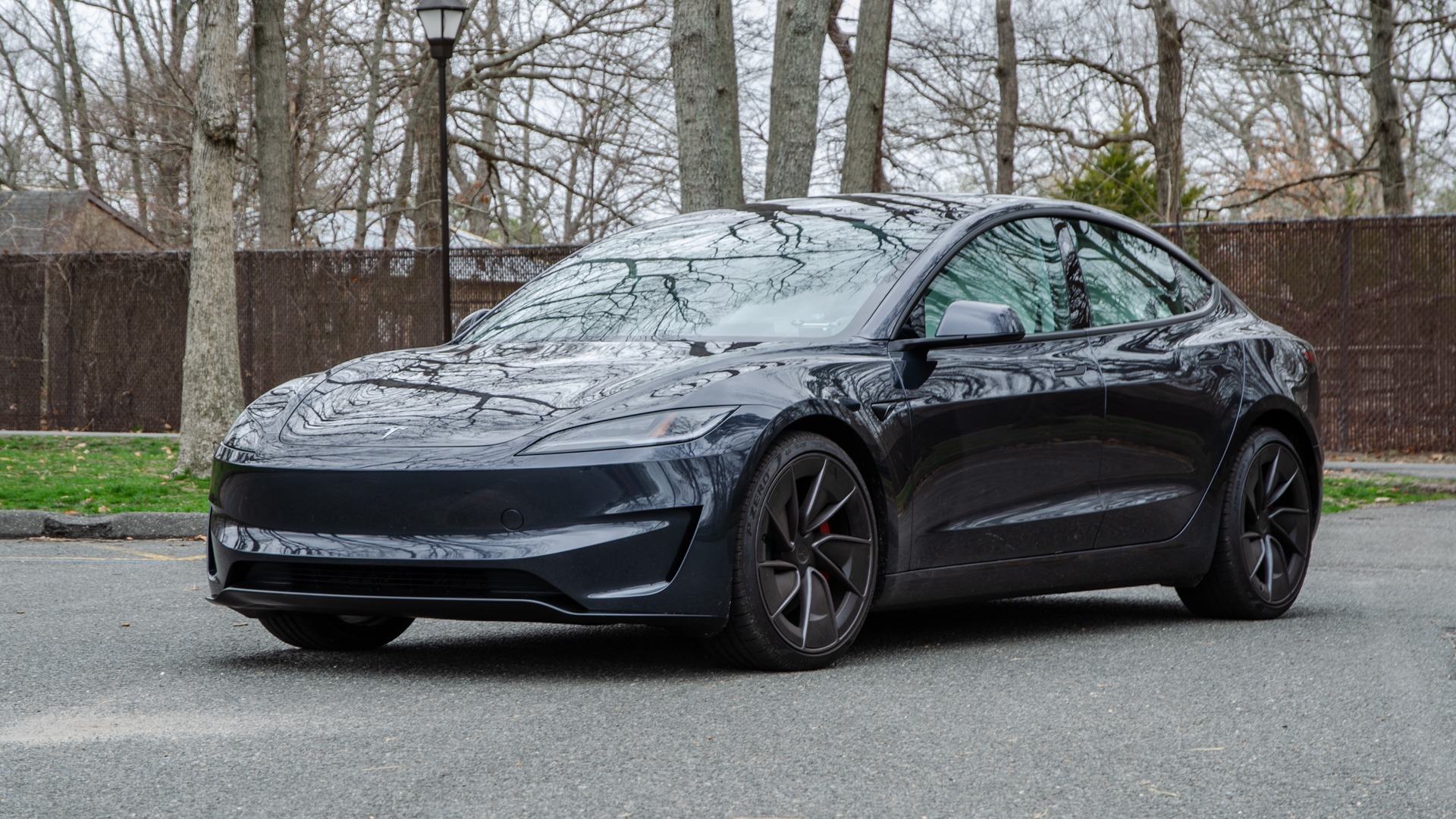
The Tesla Model 3 stands as one of the most popular electric vehicles on the market today. Its blend of driving performance, modern technology, and zero-petrol operation has drawn attention from buyers worldwide.
During periods when petrol prices climb, interest in this car increases sharply. This leads to more people competing to purchase used units, which causes the resale value to move upward.
Unlike many electric vehicles that came before it, the Model 3 offers impressive range on a single charge. Drivers who would usually cover long distances in petrol-powered cars have found relief in its ability to handle those trips without relying on expensive fuel. The availability of Tesla’s charging infrastructure adds another level of convenience.
Public and home charging options make it easy to use daily without stress. Many buyers also appreciate the lower maintenance costs that come with electric powertrains. No oil changes, fewer moving parts, and minimal wear on brakes all contribute to its lasting value.
Inside the car, you find a minimalist setup with a touchscreen interface that controls nearly all functions. While it may take a while to adjust, the layout keeps the cabin clean and free of unnecessary buttons. The driving experience also impresses, as acceleration is fast, handling is tight, and the vehicle remains quiet. These features give it appeal beyond just fuel savings.
As petrol becomes more expensive, people try to limit their exposure to fluctuating prices. The Model 3 allows them to avoid fuel stations altogether. This creates an increase in demand when fuel prices spike.
Many owners have reported selling their Model 3s at higher prices than they initially expected, particularly when buyers are in a hurry to switch to electric. Its growing reputation as a high-performing electric car means it remains a strong asset in the used car market when running petrol-powered vehicles becomes costly.
3. Honda Insight
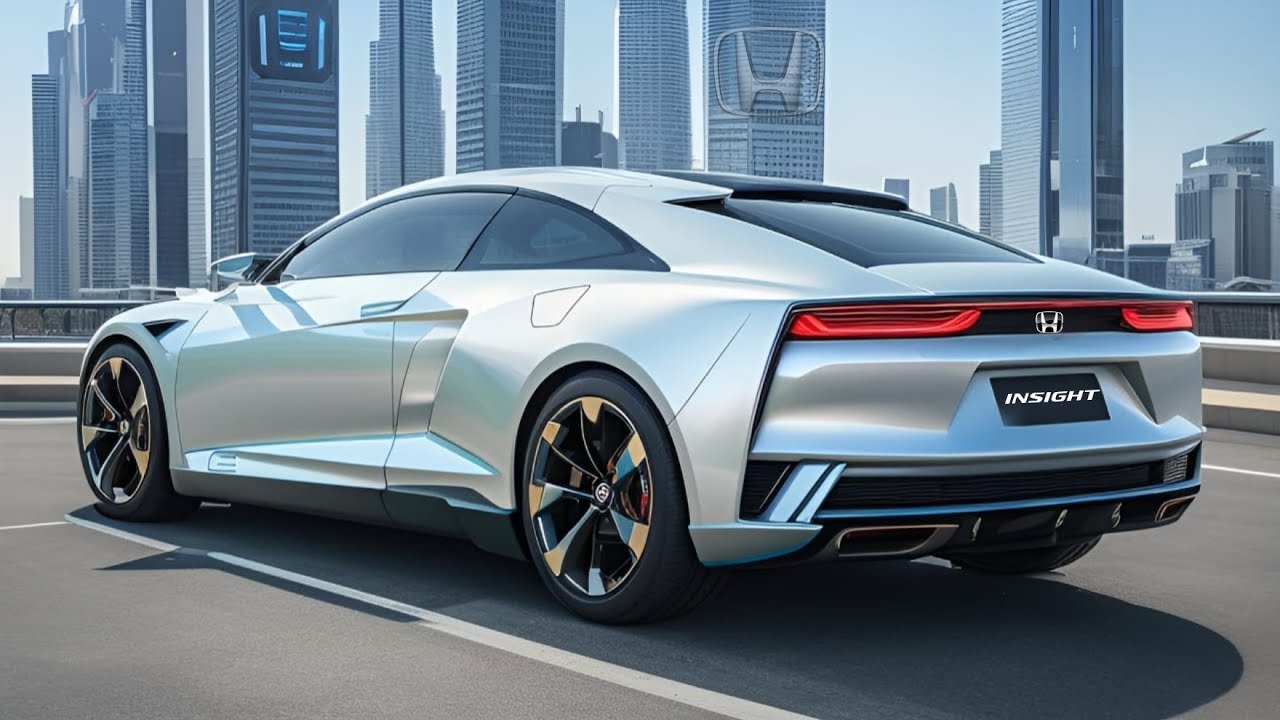
The Honda Insight may not receive as much attention as some of its rivals, but it has built a loyal following due to its efficiency and practicality. Designed as a hybrid sedan, it combines petrol and electric power in a way that ensures you get good mileage without giving up comfort.
When fuel prices start to rise, the Insight becomes an attractive choice for people trying to reduce their running costs. This increase in demand often improves its market value.
Unlike earlier hybrid attempts, newer Insight models offer a smoother driving experience. Honda made efforts to improve the transition between electric and petrol modes. The result is a ride that feels natural, especially during daily use.
The Insight’s exterior shares styling elements with other Honda sedans, making it look familiar. It avoids the look of a science experiment, which appeals to drivers who want a regular car that happens to save fuel.
Inside, the cabin remains quiet even on longer trips. Space is used efficiently, and features like touchscreen displays, smartphone integration, and driver-assist tools come standard on most trims.
The vehicle offers solid handling, especially for a hybrid. Drivers often comment on how it responds more like a traditional petrol car, without the sluggishness sometimes found in older hybrids.
Since people begin searching for fuel-saving options once petrol becomes expensive, the Insight gains more attention during those times. Dealerships and private sellers observe an increase in enquiries and quicker sales. Many people are willing to pay extra for a vehicle that lowers their monthly fuel expenses. Honda’s reputation for durability also boosts confidence in the purchase.
When petrol prices surge, the Honda Insight often sees a jump in resale value. Owners looking to sell during such periods tend to get offers above average, especially if the vehicle has low mileage and a proper maintenance history. It remains one of the better investments for those wanting to prepare for unstable fuel costs.
Also Read: 5 Cars That Still Run After a Flood and 5 That Fail in Light Rain
4. Hyundai Ioniq Hybrid
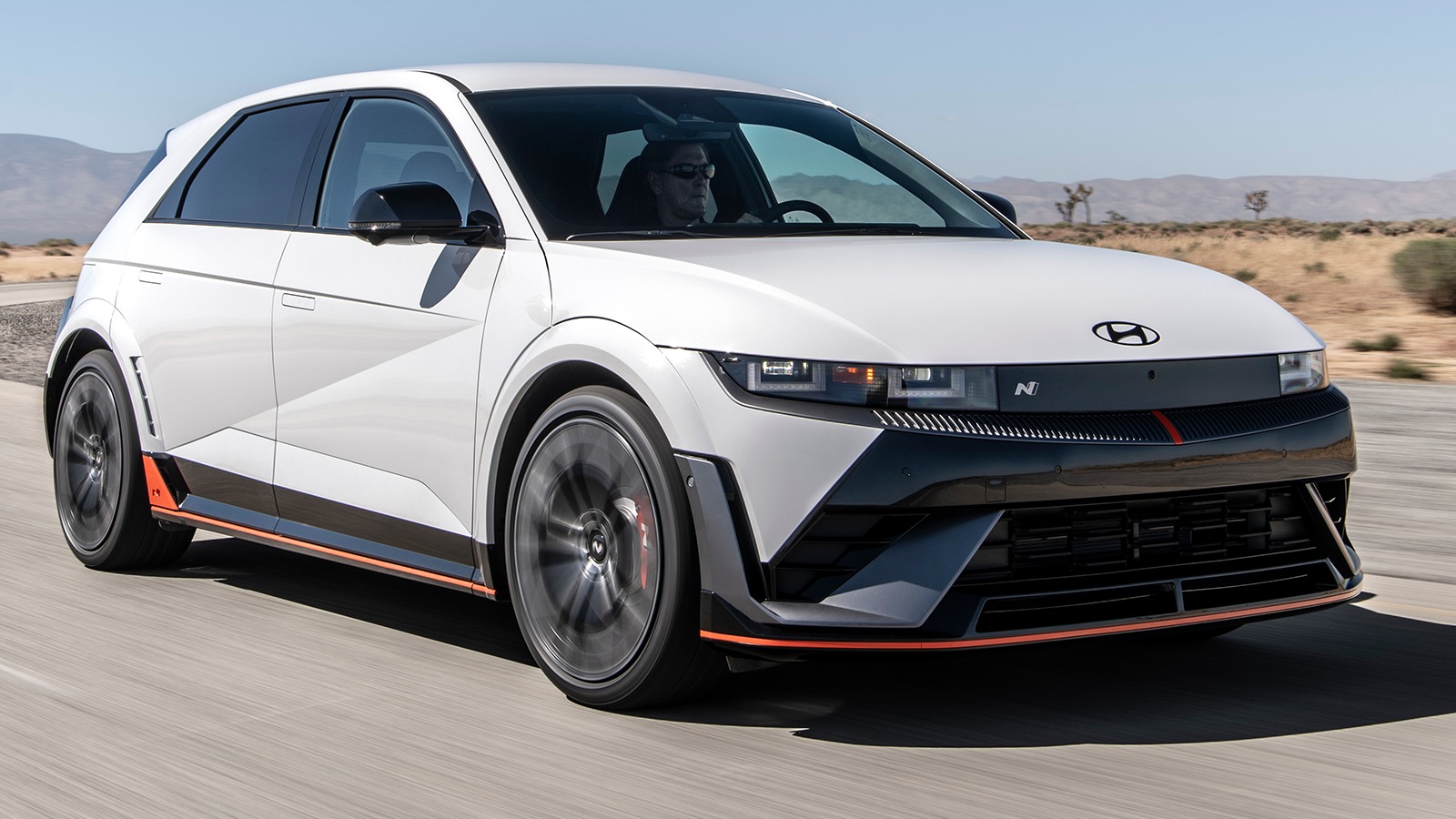
The Hyundai Ioniq Hybrid quietly entered the market but quickly earned praise for its strong efficiency and smart pricing. Positioned as a direct rival to the Prius, the Ioniq offers slightly better looks and competitive fuel economy.
It uses a hybrid system that switches between electric and petrol power, allowing drivers to save money on fuel without making big lifestyle changes. When petrol becomes more expensive, the Ioniq often receives more attention, and this increase in interest tends to boost its resale value.
One of the biggest selling points of the Ioniq Hybrid is its excellent fuel mileage. It can go long distances on a small amount of fuel, which proves helpful during times when petrol prices keep climbing.
The vehicle also comes with standard safety features and driver-assist tools that make it suitable for daily commuting and long drives. Its driving experience is calm and predictable, which many drivers prefer when they want reliability over flashiness.
The car’s design avoids the unusual appearance that some hybrids carry. This gives it a broader appeal. Inside, the dashboard is clean, controls are easy to reach, and rear seating space is adequate for adults.
The vehicle’s infotainment system is responsive, and smartphone connectivity comes standard. It creates a user-friendly environment for drivers who want something functional and cost-effective.
With petrol prices acting unpredictably, buyers look for vehicles that can protect them from rising costs. The Ioniq Hybrid answers that call by offering good economy, dependable performance, and modern features. When more people search for efficient vehicles, used Ioniq Hybrids move quickly in the market. Sellers benefit from this rise in interest, and prices increase accordingly.
Those who bought the Ioniq Hybrid before petrol became expensive often find themselves in a good position. They either save on fuel or get solid offers when they choose to sell. Its balanced mix of efficiency, comfort, and pricing keeps it popular when petrol costs go up.
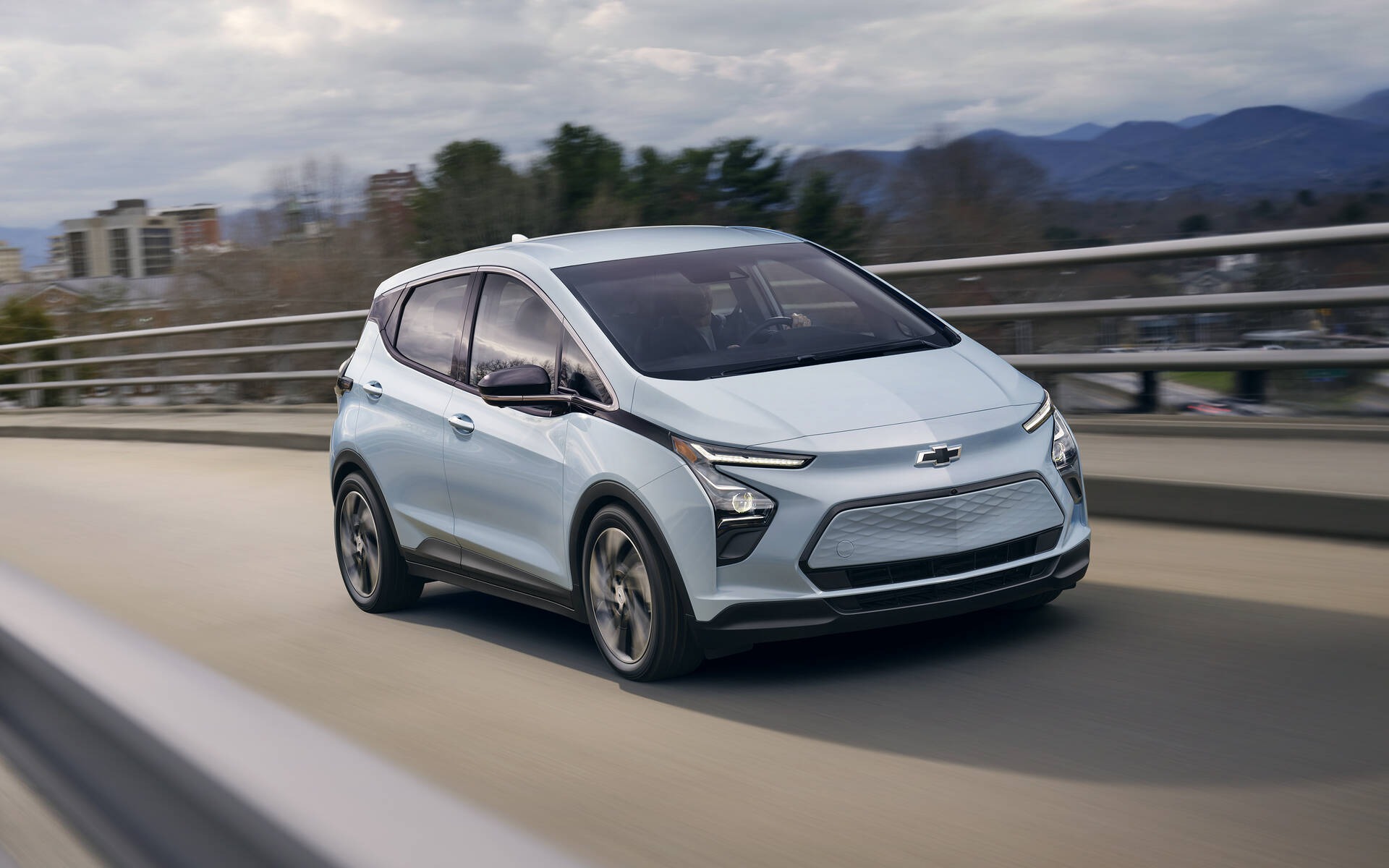
5. Chevrolet Bolt EV
The Chevrolet Bolt EV presents a strong case for drivers looking to avoid petrol entirely. As a fully electric vehicle, it eliminates the need for fuel, which becomes an advantage during periods when petrol prices increase.
It offers a decent range, impressive acceleration, and a compact design that works well for urban driving. These features help raise its appeal when operating costs become a concern for many buyers. As demand grows, so does its market value.
The Bolt EV provides one of the best electric ranges in its class. With full charge capability allowing over 250 miles in most recent models, it suits both city errands and longer trips. Charging options are available at public stations or through home installations. This makes the switch from petrol easier for drivers who want convenience and savings.
Inside the car, the cabin design is functional and roomy for a compact car. The rear seats fold flat to increase cargo space, which adds to its practicality.
While the materials may not match premium vehicles, the Bolt EV offers technology features that meet modern expectations. These include a large central display, smartphone pairing, and standard safety tools that help with braking and lane awareness.
As petrol prices move upward, people begin to re-evaluate how much they spend on transportation. Electric vehicles become more attractive during such periods.
The Bolt EV’s low running cost, combined with rising interest in greener mobility, increases its second-hand demand. Some buyers even look for used models to avoid waiting lists or new car markups.
Those who own a Chevrolet Bolt EV during petrol price spikes often enjoy higher resale value. The car moves fast in the used market, and people are ready to pay extra to get rid of petrol expenses. It proves to be a practical and money-saving vehicle when fuel prices become too high for comfort.
5 Guzzlers That Tank in Value When Gas Prices Rise
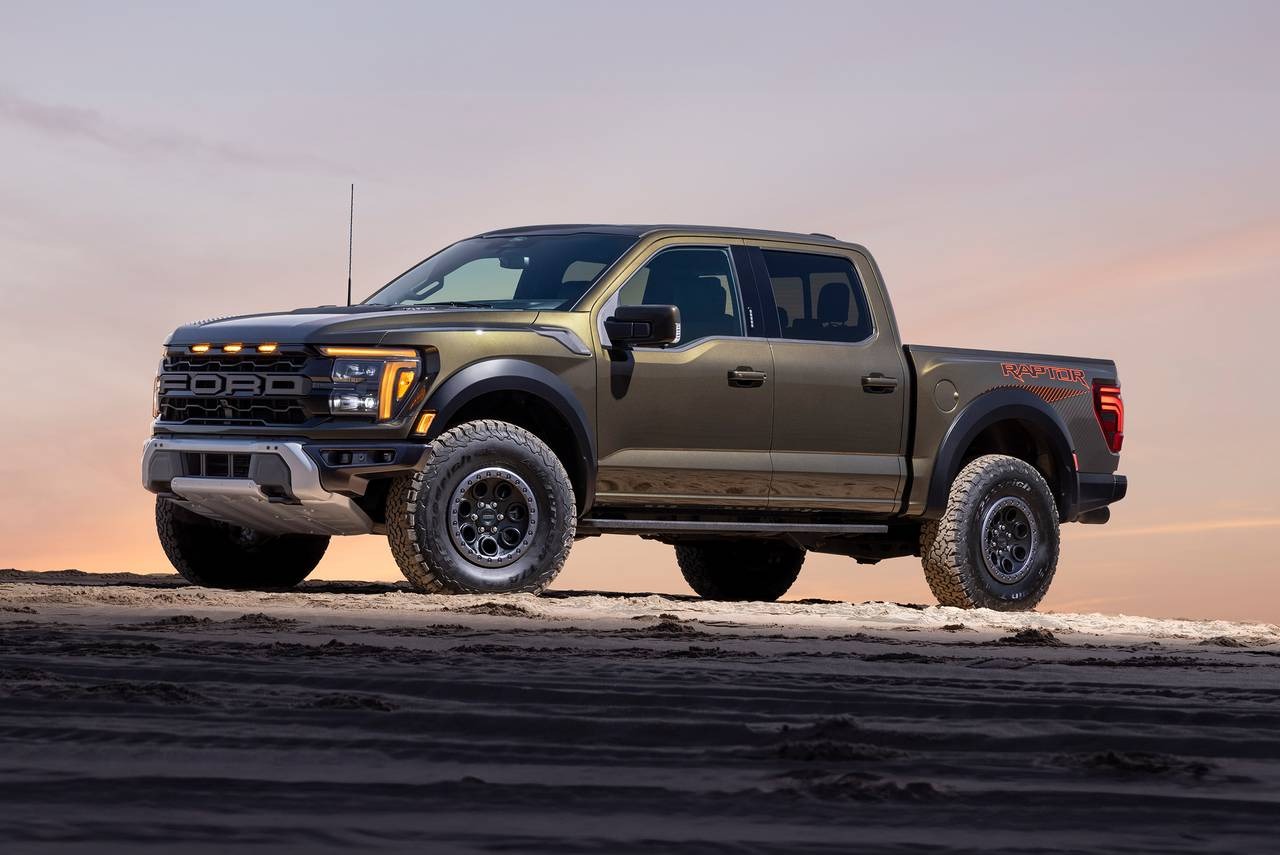
1. Ford F-150 Raptor
The Ford F-150 Raptor is a high-performance truck built for off-road use and strong power delivery. It stands tall among pickups due to its aggressive styling, wide stance, and turbocharged engine.
While it earns praise for performance and ruggedness, its resale value tends to suffer when petrol becomes expensive. This is due to its high fuel consumption, which discourages buyers when running costs increase.
Equipped with a large engine and off-road features, the Raptor burns through petrol at a faster rate than most vehicles on the road. It performs well in desert terrains or towing heavy equipment, but when used as a daily driver, the cost of keeping its tank full rises sharply during petrol spikes.
This affects how people perceive its value during tough economic periods, especially when buyers begin seeking alternatives that save fuel. Its interior matches the strength of its exterior. There is leather seating, a large infotainment screen, and driver-assist systems that improve convenience.
However, these extras do not prevent the depreciation it suffers when fuel prices climb. Most buyers during such times place fuel economy above comfort or entertainment. The Raptor ends up sitting longer at dealerships, or it sells for much lower prices than expected.
Trucks like the Raptor also face other cost-related challenges. Insurance, tyre replacements, and general upkeep add to the expenses.
These become harder to justify during periods of high petrol costs. Buyers lean toward smaller trucks or SUVs that can do similar jobs without consuming as much fuel. While the Raptor performs well in its field, its broad market appeal weakens when fuel prices are high.
Those who purchased the F-150 Raptor when fuel was cheap may face regret when trying to sell during a petrol surge.
The difference in resale value can be surprising, especially for owners who expected consistent demand. Its drop in market worth during expensive petrol seasons puts it among the vehicles that see the steepest decline when running costs become a major concern.
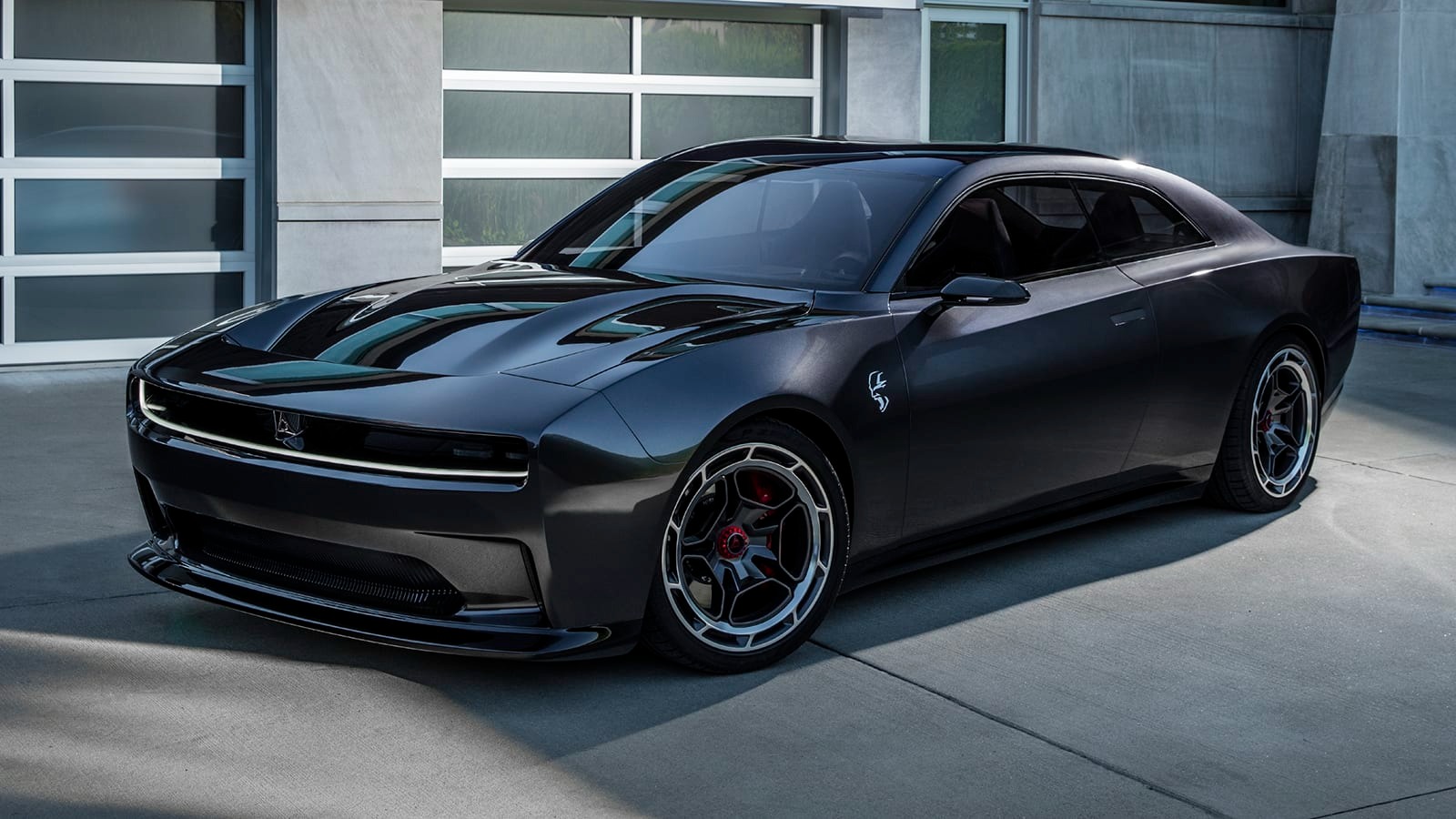
2. Dodge Challenger SRT Hellcat
The Dodge Challenger SRT Hellcat carries one of the most powerful engines in a modern muscle car. Its supercharged V8 delivers extreme horsepower and creates a driving experience that feels more suited to drag strips than everyday roads.
But despite its excitement factor, the Hellcat loses much of its market appeal whenever petrol prices move higher. Its heavy fuel demands become a financial burden, making resale more difficult.
One of the Hellcat’s selling points is its thrilling acceleration and raw strength. However, this performance comes with a price. The vehicle consumes large amounts of petrol even during light driving.
Once petrol costs increase, potential buyers become hesitant. They see the car as a luxury they cannot afford to maintain regularly, and this sentiment affects how much they are willing to pay for it.
Inside, the cabin features aggressive styling, sporty seats, and modern technology. Drivers who appreciate American muscle find satisfaction in the vehicle’s loud engine and classic look.
But many will only consider purchasing it when petrol prices are low. As soon as fuel becomes more expensive, the Hellcat is often passed over in favour of more sensible cars.
Even as a collector’s item, it suffers in resale during high fuel periods. Many owners decide to postpone selling or accept lower prices just to close a deal. Insurance and tax rates also discourage casual buyers.
Unlike fuel-efficient models that become more desirable during expensive petrol seasons, the Hellcat becomes a harder sell. Some owners report losing value faster than expected during such times.
Its appeal to performance lovers does not protect it from price drops during periods of petrol inflation. Unless someone is truly committed to the muscle car lifestyle, the running costs quickly outweigh the benefits.
This car ends up representing excess when buyers become cautious, and that leads to a noticeable fall in its value whenever fuel becomes a more expensive part of daily life.
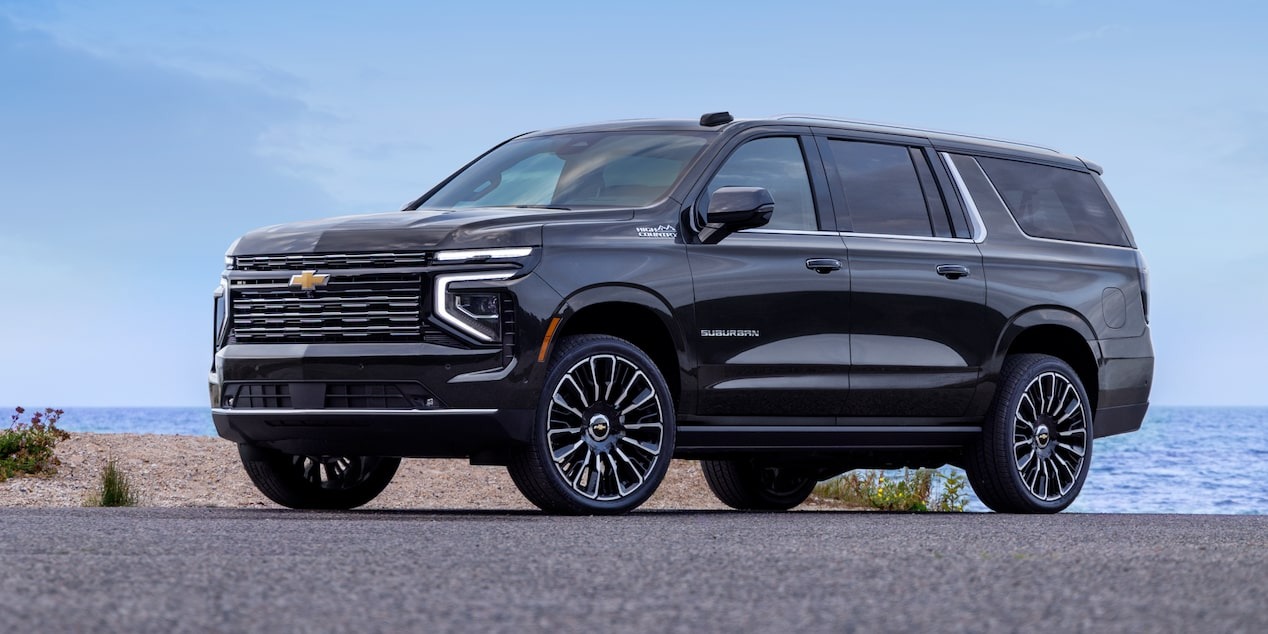
3. Chevrolet Suburban
The Chevrolet Suburban stands as one of the largest SUVs on American roads. It offers room for big families, strong towing ability, and comfort for long-distance trips.
But when petrol becomes costly, the Suburban’s reputation for size and power works against it. The high fuel consumption tied to its V8 engine makes it expensive to operate, and this causes a drop in market demand during periods of rising fuel costs.
Large SUVs like the Suburban are often bought for their capacity to move people and gear with ease. In areas where space and strength are more important than economy, it finds favour.
However, its daily petrol use makes it an expensive choice when fuel prices shoot up. This change in perception affects how quickly it sells and the kind of price it can command in the used market.
The vehicle comes packed with features, from leather interiors to advanced entertainment systems. Many models even include rear-seat screens and large cargo space for road trips.
These luxuries mean little, though, when buyers start looking for savings at the pump. Even with available fuel-saving driving modes, the Suburban’s size alone guarantees it will use more fuel than smaller SUVs or crossovers.
During fuel price spikes, many drivers leave their large vehicles parked and look to downsize. The Suburban becomes a burden, especially for those who use it for short city trips where its benefits do not get fully used. The result is fewer people showing interest in buying it used, which causes prices to fall faster.
Owners often struggle to get reasonable offers when petrol costs are high. Dealerships might accept the vehicle as a trade-in, but usually with a reduced price due to slow demand. Selling privately can be even harder.
People who might want such a large SUV often wait until fuel becomes cheaper again. That waiting game reduces the Suburban’s value during expensive petrol periods, placing it among vehicles most affected by changing fuel prices.
Also Read: 5 Sedans That Age Like Premium Cars and 5 That Feel Cheap in Year Two
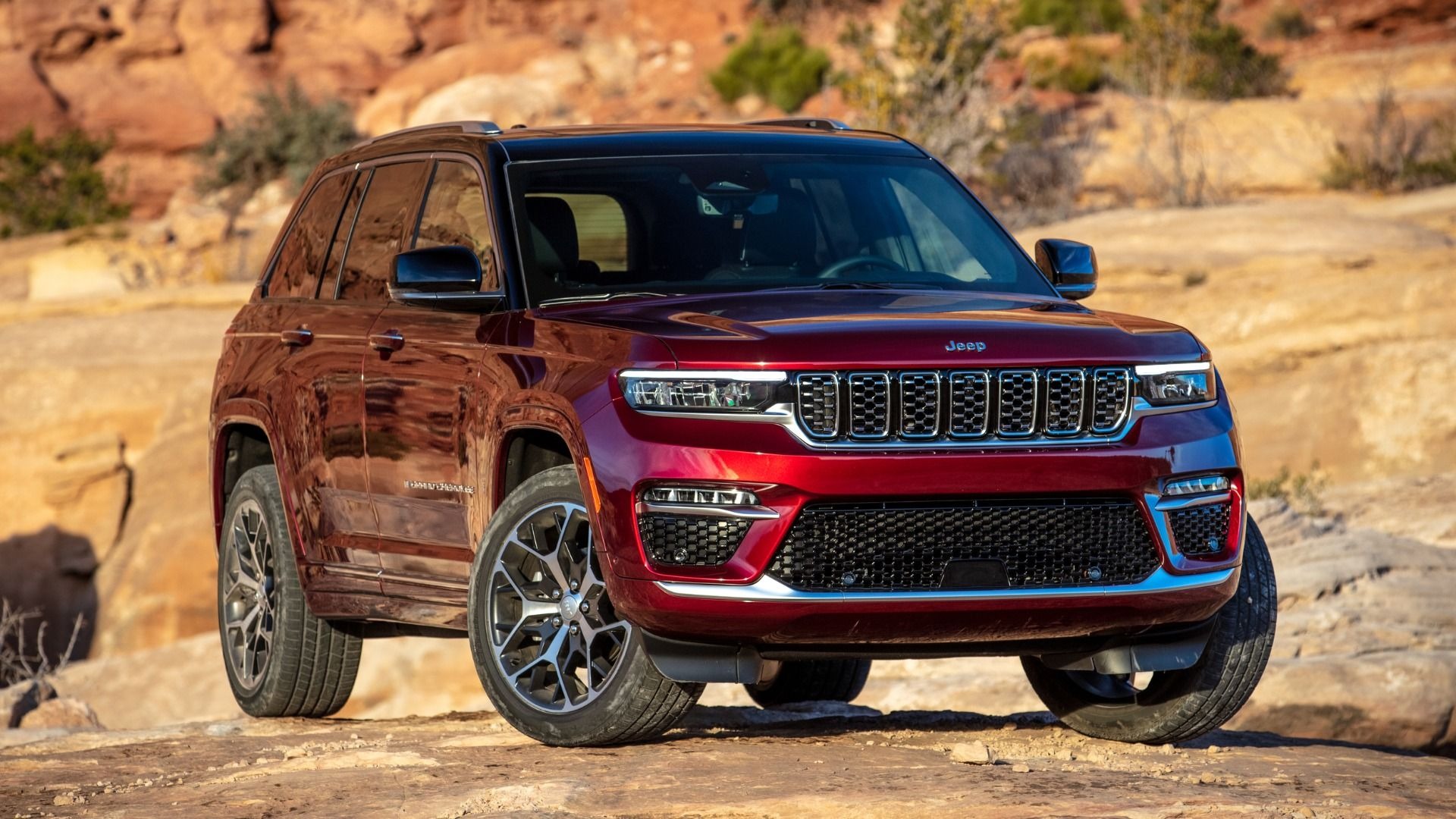
4. Jeep Grand Cherokee Trackhawk
The Jeep Grand Cherokee Trackhawk combines off-road toughness with supercharged V8 performance. This version of the Grand Cherokee delivers a mix of luxury and wild power, producing over 700 horsepower.
But when petrol prices increase, this blend quickly turns into a disadvantage. The Trackhawk becomes one of the first SUVs to lose value, as drivers seek more efficient options that offer savings at the fuel station.
This performance-focused model offers comfort, safety tech, and acceleration that rivals sports cars. But it is not designed with fuel economy in mind.
During normal driving, it burns through petrol at rates much higher than what most SUVs consume. That becomes a serious concern during petrol price hikes. Many buyers back away once they calculate the monthly cost of keeping the tank filled.
The interior includes leather seats, touchscreen displays, and a range of premium features. These touches place it in the luxury SUV category.
But resale becomes difficult when buyers focus on running costs. Even luxury car shoppers start leaning toward more efficient vehicles when petrol becomes expensive. The Trackhawk’s thirst for fuel cancels out many of its other benefits in those moments.
Its resale value often takes a noticeable dip during fuel spikes. Owners either wait for fuel prices to drop before selling or accept much lower amounts.
Insurance and maintenance costs add more weight to the total ownership experience. Combined with poor fuel economy, these expenses push potential buyers toward vehicles that offer more balance between strength and efficiency.
During periods when petrol remains cheap, the Trackhawk enjoys interest from performance lovers and Jeep lovers. But that interest drops quickly as soon as fuel prices increase.
Those who own one may find that their timing plays a big role in how much they can sell it for. When fuel is costly, the Trackhawk’s value takes a clear hit, showing just how sensitive high-performance SUVs are to fuel price changes.
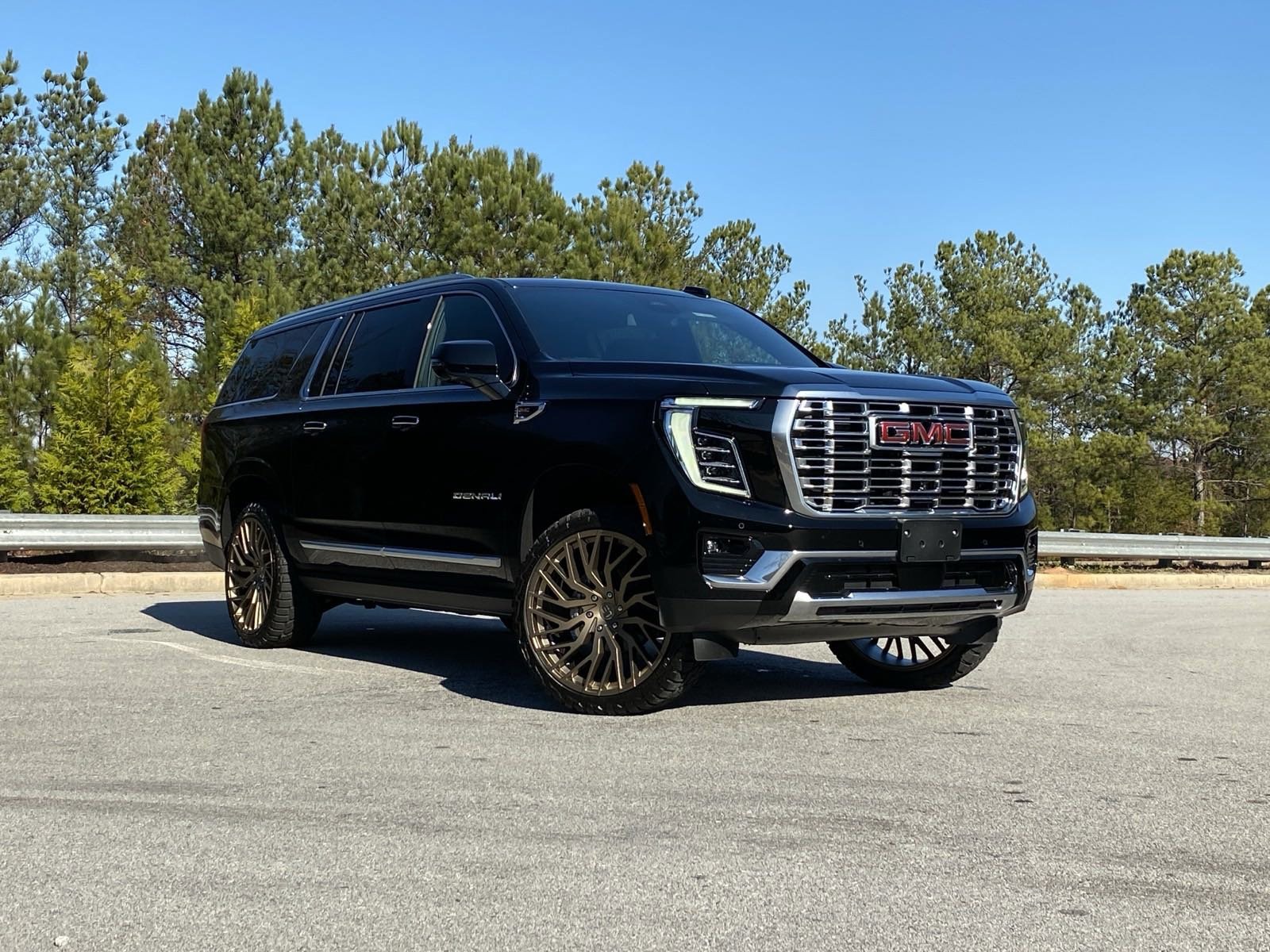
5. GMC Yukon XL Denali
The GMC Yukon XL Denali is known for its comfort, towing strength, and luxury features. It ranks among the top large SUVs when buyers want space and premium touches.
But its heavy petrol use becomes a serious concern when fuel prices spike. The vehicle’s large V8 engine consumes a high amount of petrol, which causes resale value to drop during periods of expensive fuel.
People often buy the Yukon XL Denali for family road trips, large cargo needs, or to tow trailers with ease. Its size and comfort make it a strong choice for those who prioritize space.
But it cannot avoid the weight of its own fuel demands. Buyers become hesitant when running costs rise, and that has a direct effect on resale demand. Vehicles that need frequent visits to the pump become less attractive during those seasons.
Inside, the cabin is refined with leather seating, wood trims, and technology that supports both driver and passenger comfort. It offers a quiet ride and solid handling for an SUV of its size. But petrol prices still have the final say in many buyers’ decisions. The Denali trim’s luxury does not keep it safe from the economic pressure that comes with rising fuel costs.
During fuel price spikes, even loyal GMC buyers look for smaller SUVs or consider hybrids. The Yukon XL Denali ends up sitting longer in showrooms or receiving lower offers from private buyers.
Owners looking to trade it in during high petrol seasons are often surprised by how much value it loses. The demand simply fades when fuel costs make driving it a more expensive daily task.
Its place among premium SUVs remains during times of stable fuel prices. But during petrol inflation, its position weakens.
The combination of size, fuel use, and general running expenses makes it one of the vehicles that drops fastest in value when petrol prices go up. Owners must carefully time their sales or prepare for reduced offers during such seasons.
