
Car collectors often chase rare or vintage models that command eye-watering prices at auctions, but what many do not realise is that some future collector cars are still affordable and hiding in plain sight.
These vehicles might not look like much at the moment, but due to their unique design, engineering quirks, or short production runs, they might rise in value in the coming years. Identifying such cars early allows buyers to enjoy them as daily drivers or hobby machines while possibly benefiting from future appreciation.
On the other side of the spectrum, there are several cars that, despite their affordability, are unlikely to ever be seen as collectible. Some of these vehicles were produced in large numbers, offered little in terms of innovation, or suffered from long-term reliability concerns. As a result, they remain overlooked by enthusiasts and show little to no sign of gaining value.
We are going to examine ten vehicles: five budget-friendly used cars that carry strong potential to become collector favourites shortly, and five others that continue to remain undervalued, both by collectors and by the used car market.
Each entry has been carefully selected based on its performance history, design character, production background, and market trends. While not every model is guaranteed to shoot up in price, there is reasonable evidence to suggest that some could become valuable within a decade.
If you are looking to build a collection on a tight budget, you will benefit from knowing which models to hold and which ones to avoid. Whether you are looking to invest in a future classic or hoping to avoid a depreciation trap, this list will be helpful to you.
Cheap Used Cars That Could Become Future Collectibles
1. 2005-2011 Mercedes-Benz CLK 63 AMG
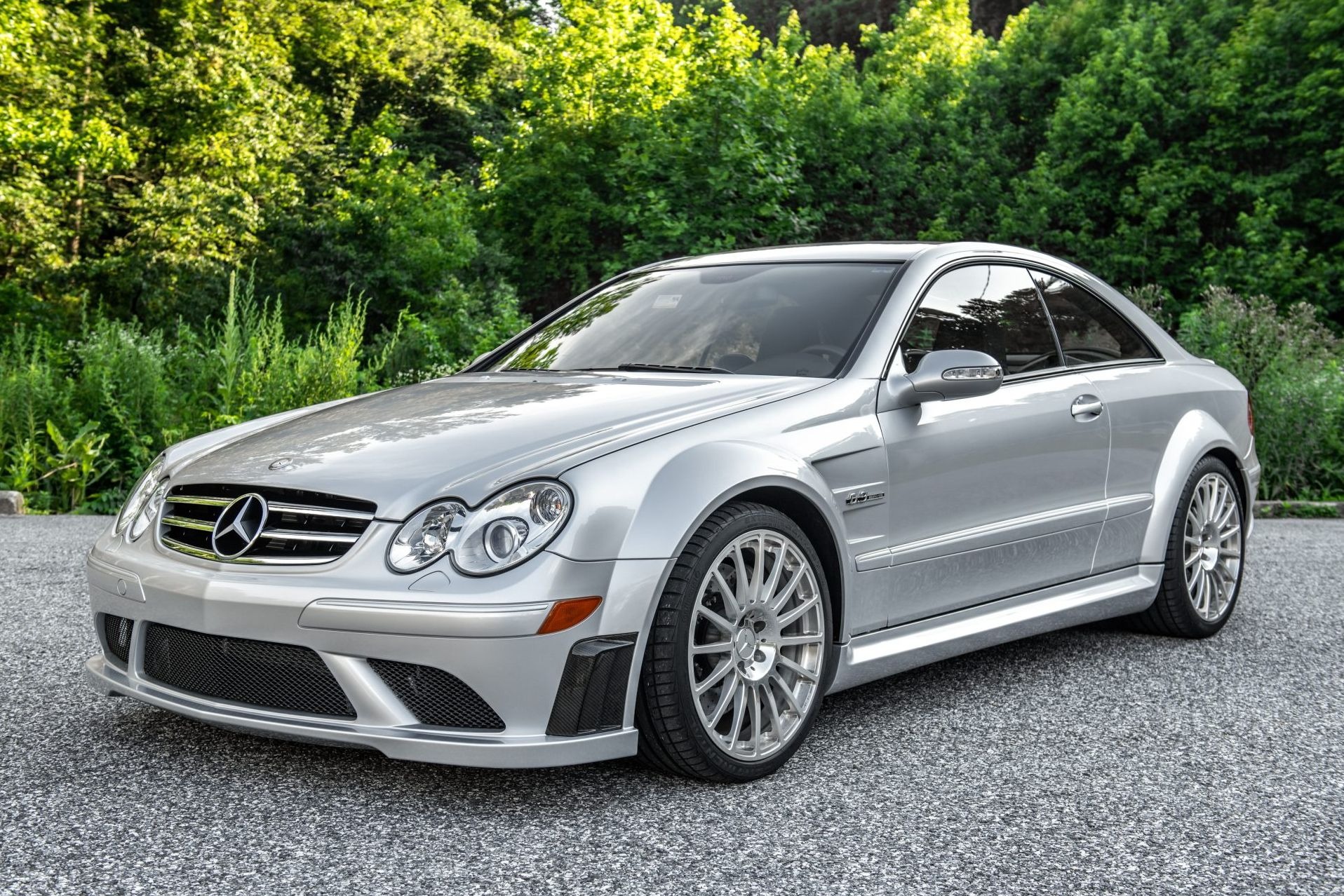
The CLK 63 AMG is one of those rare AMG offerings that have aged well, both in appearance and performance. Built during a period when AMG still hand-built their naturally aspirated V8 engines, the CLK 63 was not just another sporty Mercedes.
It carried the mighty 6.2-litre M156 V8, which produced close to 475 horsepower. This made the coupe blisteringly fast and far ahead of most of its rivals in terms of raw power at the time.
The CLK 63 did not flood the market. It remained relatively exclusive in terms of production numbers, which plays an important role in future desirability. The Black Series variant, in particular, already commands a hefty premium, but even the standard versions have started to gain attention from collectors.
While the design may not be considered radical today, its understated looks actually work in its favour, reflecting an era when performance cars could be subtle.
Many examples were driven hard, and maintenance was not always prioritised due to high servicing costs. That has made clean, well-maintained examples harder to come by. For collectors, this scarcity becomes an advantage. A low-mileage CLK 63 AMG that retains its original components and hasn’t suffered abuse could become a prized asset in a few years.
In addition, this car belongs to a time before turbocharging took over. Enthusiasts who value the roar and responsiveness of a large-displacement V8 engine are keeping an eye on such models.
While its current prices might still be accessible, especially for early production years, they are slowly climbing. If stored and maintained correctly, this is one car that might reward its owner with both driving pleasure and potential future value.
2. 2008-2013 BMW 1 Series Coupe
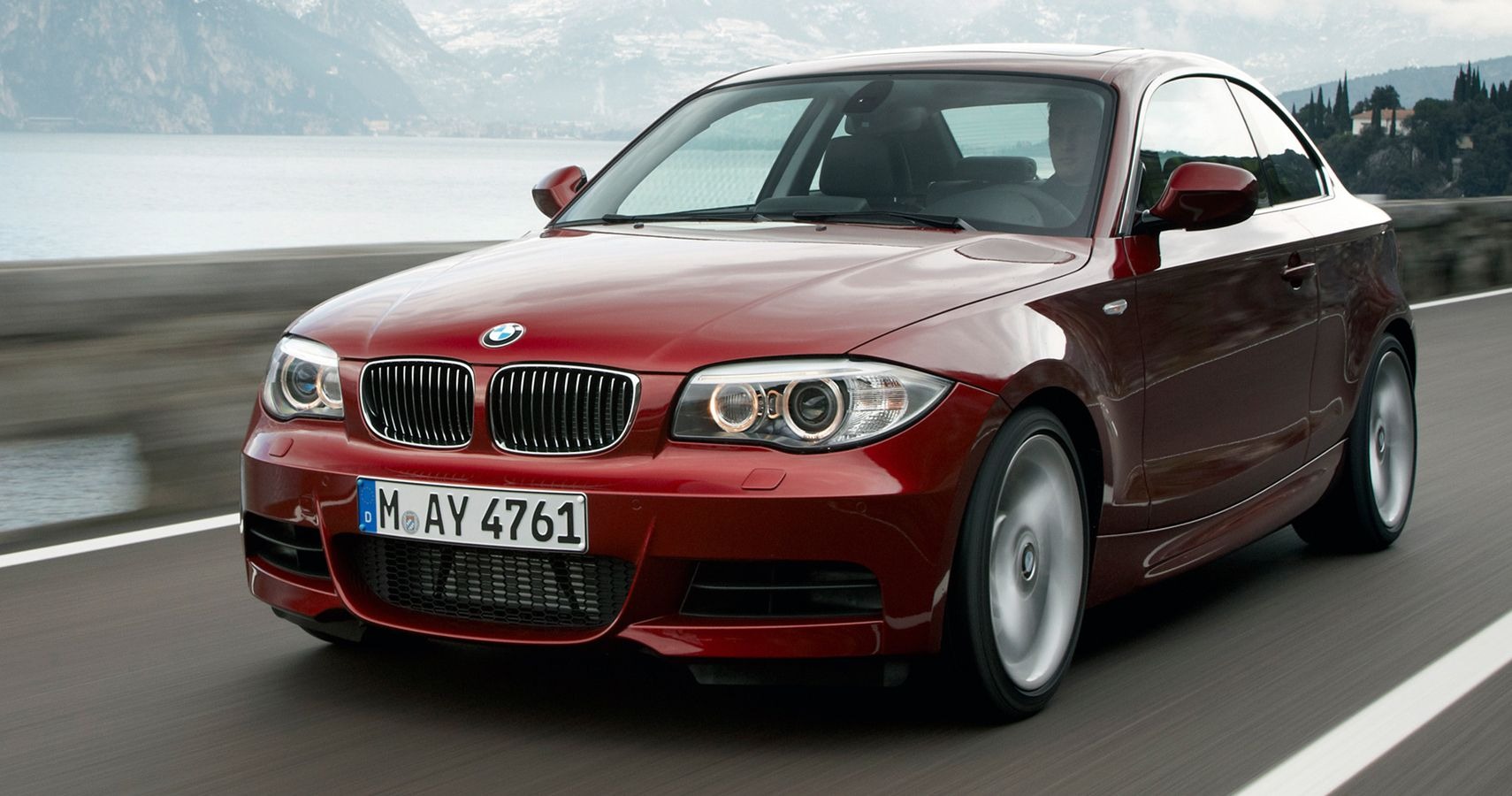
The BMW 1 Series Coupe, especially the 128i and 135i variants, offers a modern take on the brand’s classic rear-wheel-drive formula in a compact package.
With its short wheelbase and well-balanced chassis, this car brought back the feel of older BMWs that driving purists love. The 128i, with its naturally aspirated inline-six, remains a hidden gem, while the turbocharged 135i brought impressive power and torque to the table.
One of the main reasons this model might rise in value is the driving experience it provides. As newer BMWs became larger and more digitally controlled, the 1 Series Coupe retained a rawness that many enthusiasts are now seeking. The hydraulic steering, quick handling, and strong engine response make it feel alive in a way newer models sometimes fail to replicate.
This model was also produced in limited numbers compared to the more mainstream 3 Series, making it harder to find, especially in good condition.
The interior was well put together for its class, and manual transmission versions are already being looked at with increased interest. Clean examples with low mileage and service records are becoming less common, which is helping their prices remain stable.
The 135is and models equipped with the M Sport package or manual gearboxes are especially desirable. This was also one of the last small, rear-wheel-drive coupes from BMW before everything shifted to front-wheel drive in the newer 2 Series models. That marks it as a turning point car, which could contribute to future demand.
Anyone looking to own a future classic without paying vintage car premiums should keep an eye on the BMW 1 Series Coupe. It balances driving pleasure, build quality, and uniqueness in a package that has not yet been fully appreciated by the collector crowd.
Also Read: 5 Reliable First Cars for Teens and 5 That Are a Safety Hazard
3. 2004-2008 Acura TL
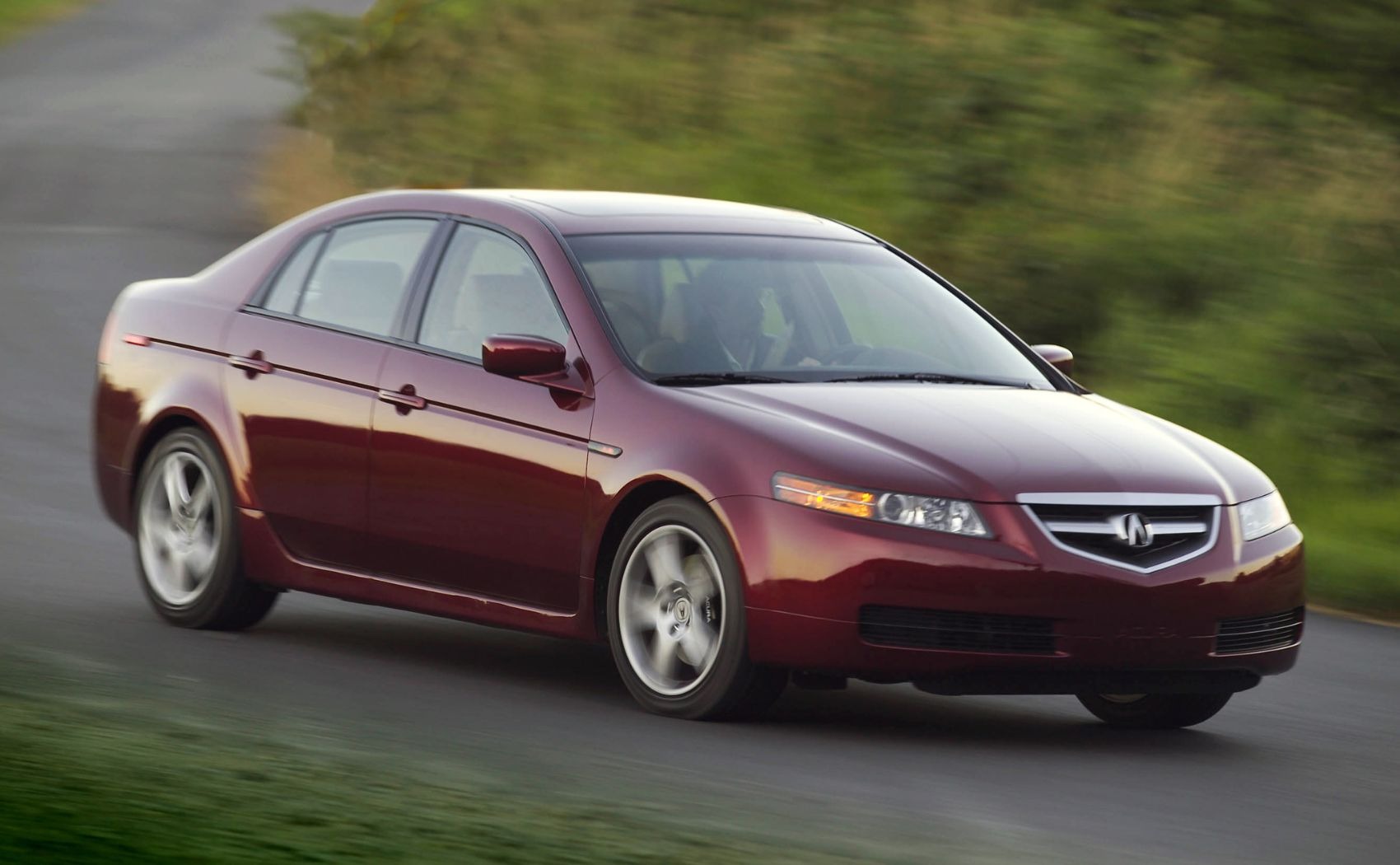
The third-generation Acura TL represented a solid blend of sporty driving character, refined design, and reliable engineering. Introduced with a powerful 3.2-litre V6 engine producing about 270 horsepower, it delivered impressive acceleration while maintaining a front-wheel-drive layout. Though not marketed as a performance car, the TL offered a level of engagement that surprised many drivers.
Its styling was sharp and clean for the time, marked by crisp lines, projector headlights, and an interior that felt more luxurious than its price tag suggested.
Inside, features like a premium audio system, touchscreen navigation, and high-quality materials made the TL stand out among other midsize sedans of the era. The six-speed manual transmission paired with Brembo brakes on some trims gave enthusiasts something extra to enjoy.
Today, this generation TL has aged gracefully. Unlike many of its rivals, it has not become overly common in junkyards or completely faded from memory.
Enthusiasts have started paying closer attention, especially to the Type-S models, which pushed performance and styling a step further. While those fetch slightly higher prices, even the standard TL now draws interest from those who want a blend of comfort and responsive driving in an affordable package.
One reason the TL might see a rise in value is that modern equivalents are heavily reliant on electronics and often lose the mechanical simplicity this car offered. Manual transmission TLs with low mileage are already becoming difficult to find, and their prices are slowly increasing. Because the car was also quite reliable, many were driven regularly, and pristine examples are scarce.
For buyers looking at future appreciation potential without jumping into sports car territory, the 2004–2008 TL offers a compelling case. Its mix of Japanese build quality, well-executed luxury, and strong resale interest place it on the shortlist of future collectibles within the used sedan category.
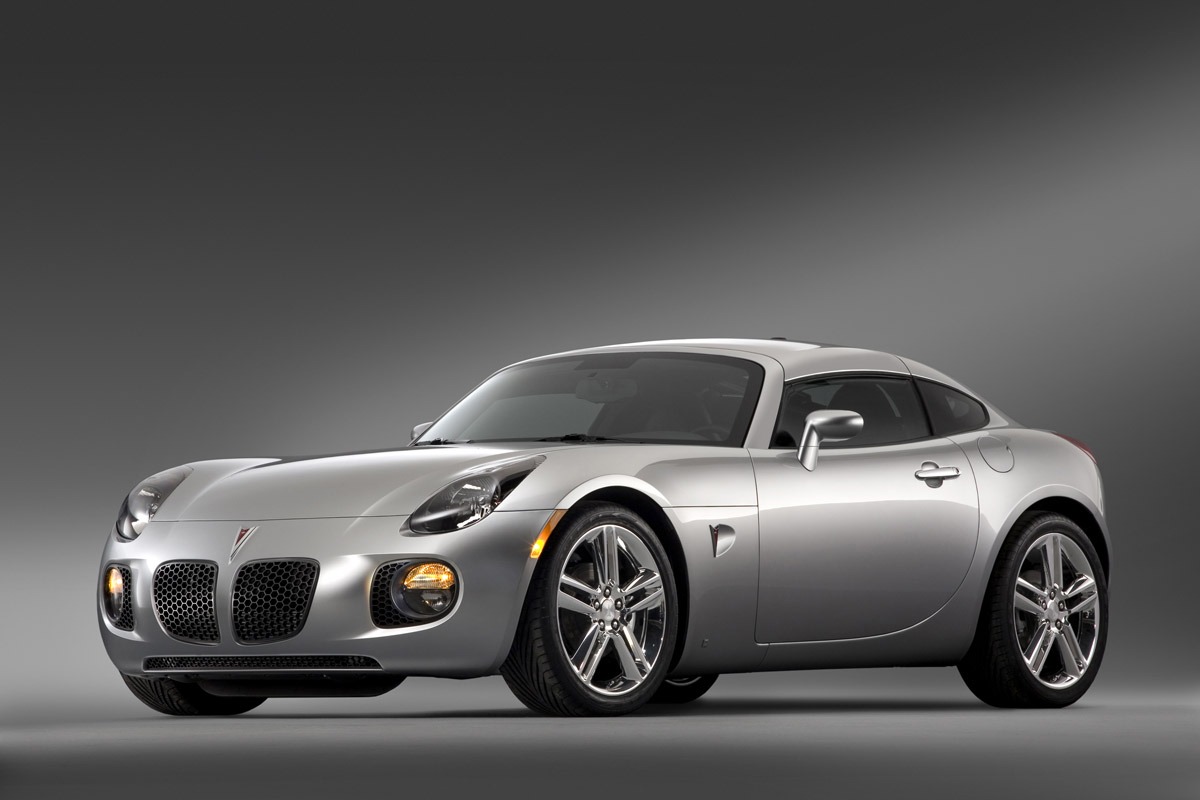
4. 2006-2009 Pontiac Solstice
Pontiac’s Solstice arrived during a period when General Motors tried to reinvigorate its brand image with stylish and sporty offerings. Built on the Kappa platform and offered as a roadster and later a coupe, the Solstice immediately caught attention for its curvy styling and aggressive proportions.
While its early models came with a naturally aspirated 2.4-litre four-cylinder engine, the GXP variant introduced turbocharging that gave it genuine performance credentials.
The Solstice was not perfect. Its trunk space was limited, interior materials were average at best, and the manual top mechanism required patience.
However, its strong design and rear-wheel-drive dynamics helped it stand out from many small convertibles of the time. The car delivered a rewarding experience behind the wheel, especially in turbocharged form, and offered a traditional sports car layout.
One reason the Solstice holds collector potential is its rarity. The coupe version, produced in very limited numbers, has already started appreciating. Even the GXP roadsters are becoming harder to find, especially with low mileage and original parts. Pontiac’s shutdown in 2010 means there will never be another car like it from the brand, adding to its appeal.
Design remains another strong point. Its long hood, short rear deck, and smooth fenders give it a timeless appearance that still looks fresh years after production ended. Enthusiasts have begun to view the Solstice as one of GM’s last true attempts at building a dedicated sports car for the masses, and that perception has helped sustain interest.
While prices have stayed reasonable, they are creeping up, particularly for manual models and rare colour combinations. For buyers who want a distinctive car that could rise in value while offering pure driving joy, the Pontiac Solstice deserves attention before the market catches on fully.
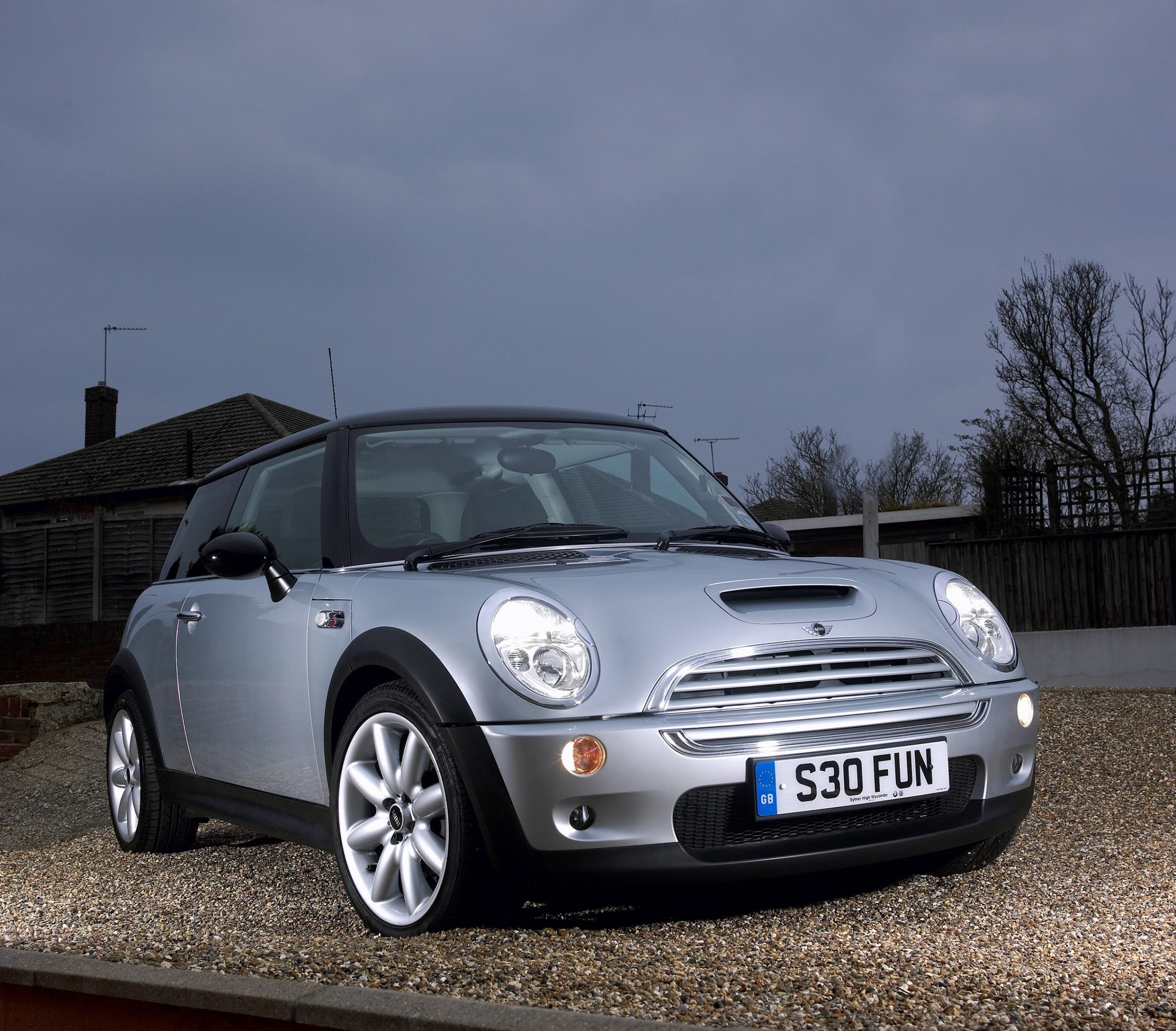
5. 2002-2006 Mini Cooper S
The rebirth of the Mini brand under BMW’s ownership brought with it the first generation of the modern Mini Cooper, known internally as the R53.
This model quickly won over enthusiasts due to its quirky styling, compact dimensions, and go-kart-like driving feel. The Cooper S variant took the formula a step further, with a supercharged 1.6-litre engine delivering punchy acceleration in a small and responsive package.
What makes the R53 Mini Cooper S a solid candidate for future collector status lies in its distinctive blend of performance and personality. Its retro design paid homage to the classic Mini without trying to replicate it, offering something both nostalgic and fresh. The handling was tight and engaging, aided by its short wheelbase and sharp steering, making it one of the most fun small cars of its era to drive.
The supercharged engine was only available during this generation, as later models switched to turbocharging. That mechanical distinction gives the R53 a unique place in Mini history.
Enthusiasts already view it as the purest iteration of the modern Mini, and manual transmission models have become increasingly sought after. Models with low mileage and minimal modifications are becoming harder to find, as many early Minis were driven hard or heavily personalised.
Interior quality may not have matched that of larger BMW models, but it offered a playful layout filled with circular motifs and toggle switches, which added charm. Some mechanical issues did affect the brand’s reputation during those years, but well-maintained examples are beginning to see modest appreciation.
As more driving enthusiasts and collectors begin to look for affordable, character-filled classics, the first-generation Mini Cooper S stands out as a prime option. Its combination of history, design, and performance gives it the ingredients to be a future classic, especially for those who value personality over raw power.
Cheap Used Cars That Could Remain Unvalued
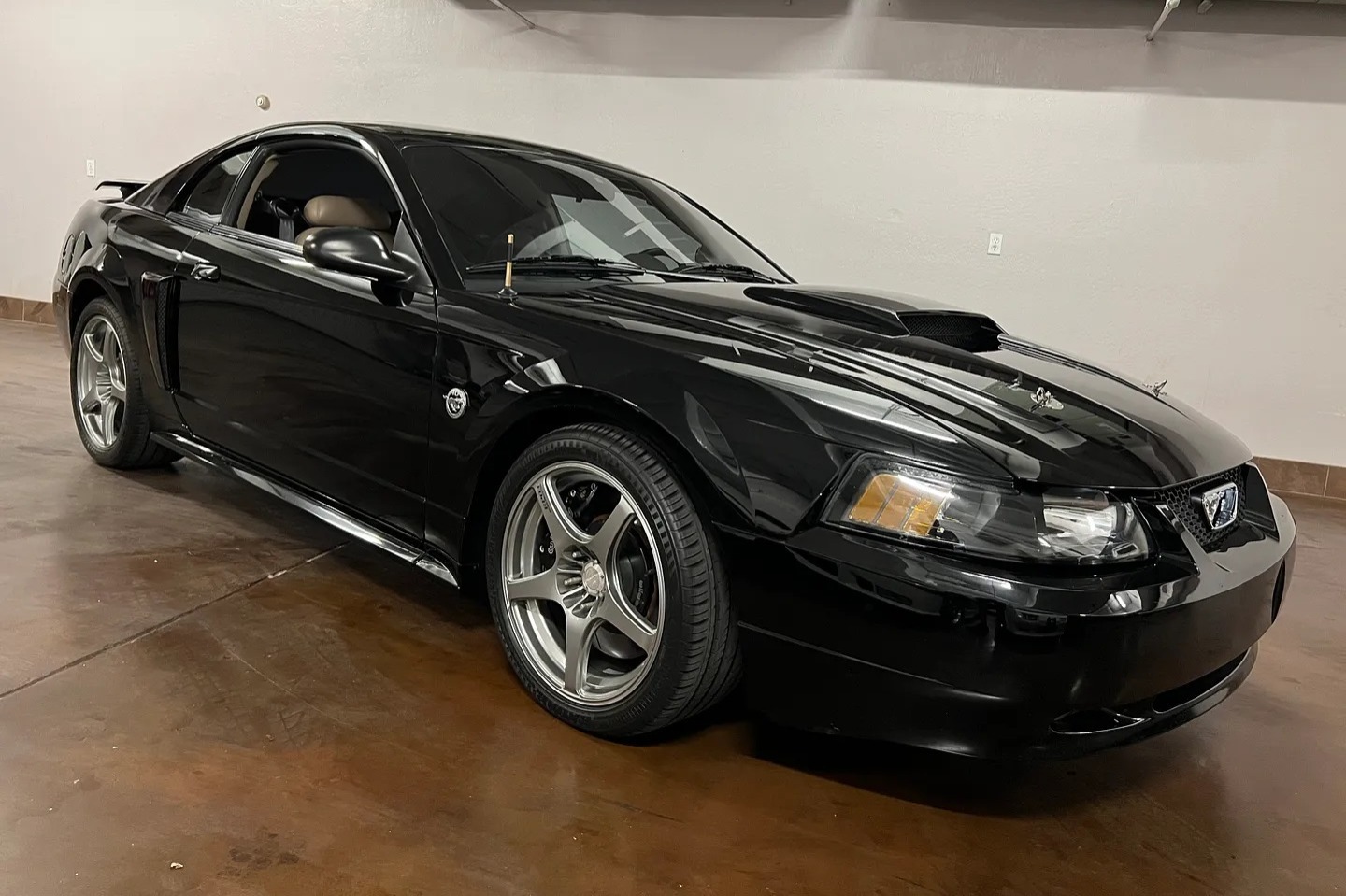
1. 1999-2004 Ford Mustang GT
The late 1990s and early 2000s Mustang GT models remain accessible and widely available, yet they rarely attract serious collector interest. While the Mustang name itself has an iconic place in American automotive history, this particular generation, known as the “New Edge,” tends to live in the shadow of more celebrated Mustang models.
Its 4.6-litre SOHC V8 engine produced about 260 horsepower, which was sufficient for its time, but it never delivered a truly thrilling experience compared to the Shelby or Mach 1 variants. Many of these cars were mass-produced and modified extensively by owners, making stock examples less common but still not rare enough to push prices upwards.
Stylistically, the design was aggressive but lacked timeless appeal. It does not stand out enough to be considered bold or groundbreaking.
For many collectors, styling plays as important a role as performance, and this generation of Mustang often fails to spark nostalgic admiration. It lacks the purity of earlier models and the refinement of later ones, placing it in an awkward position historically.
Another factor holding it back is the build quality. Interiors were filled with cheap plastic materials that have not aged gracefully. As time goes on, these flaws become more pronounced, making restoration more expensive than the car’s value might justify. It also lacks the mechanical uniqueness that tends to attract enthusiasts in the long run.
While it may remain popular among younger drivers looking for their first muscle car, the 1999–2004 Mustang GT is unlikely to make the jump from used sports coupe to collector status. Its ubiquity and average performance metrics keep it firmly planted as a used car with limited long-term potential.
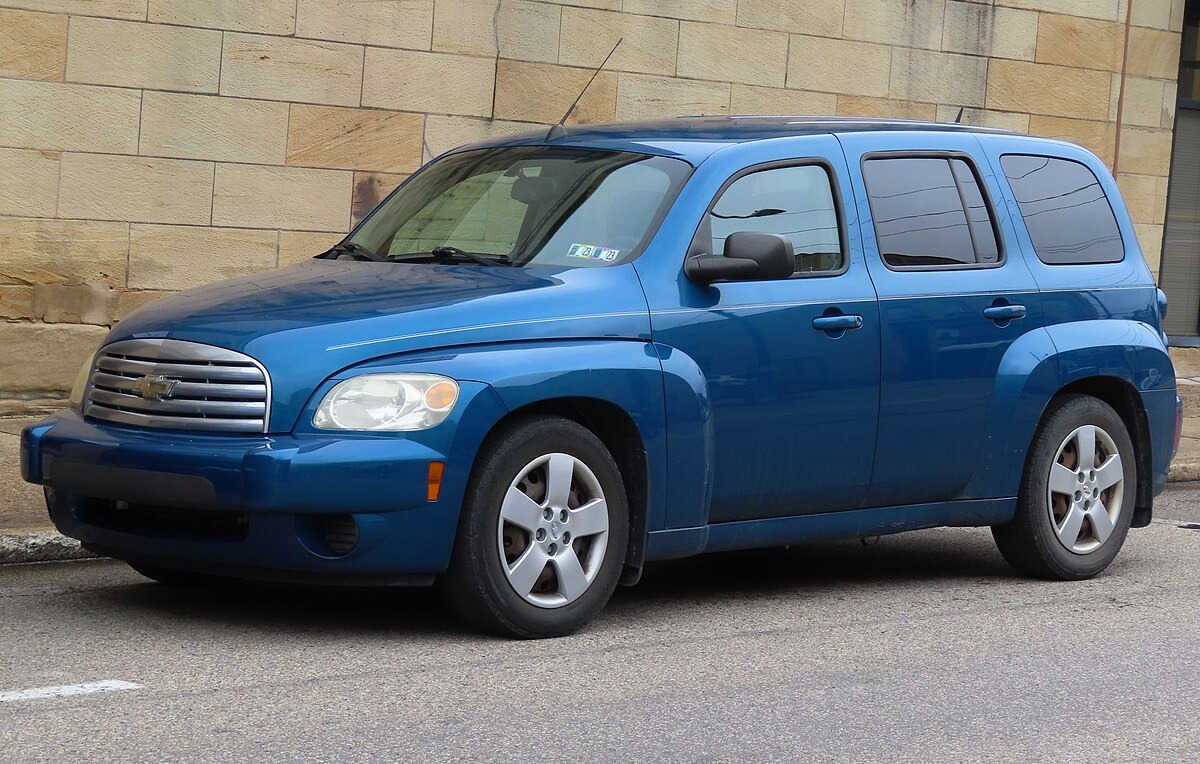
2. 2006-2011 Chevrolet HHR
Designed to evoke the styling of the 1940s Suburban, the Chevrolet HHR was General Motors’ answer to the Chrysler PT Cruiser.
While it had some visual charm and practical interior space, the HHR has failed to generate lasting interest among collectors. It was produced in high numbers and offered in various trims, including a panel van version that catered to small business owners.
Underneath its retro-inspired shell was a platform shared with the Chevrolet Cobalt. That meant modest performance, average handling, and an interior filled with hard plastics and budget finishes.
The more performance-oriented SS version tried to change that perception by adding a turbocharged engine and suspension upgrades, but even that model has not gained serious recognition among enthusiasts.
The design is one of the reasons the HHR remains overlooked. It tried to capture nostalgia without truly innovating in any area. For many buyers, it looked like a novelty vehicle rather than a serious automobile. That limited its long-term appeal, and now, used examples often sell for very little.
Reliability has been average, with electrical and build quality issues showing up in the long run. While the vehicle was spacious and served as a practical urban runabout, it never achieved anything close to cult status. It is also not rare, which leaves little incentive for collectors to hunt for well-preserved examples.
Most HHRs have lived hard lives as work vehicles or inexpensive transport solutions. This has left the used market full of high-mileage models in poor condition. Even the best-kept examples face stiff competition from better-built and better-driving vehicles in the same price range. As such, the Chevrolet HHR remains a vehicle with limited collector value and is likely to stay that way for years to come.

3. 2001-2006 Chrysler Sebring
The Chrysler Sebring from the early 2000s is often remembered more for its rental fleet presence than any collector charm.
While available as both a coupe and convertible, the Sebring never quite delivered on driving enjoyment, nor did it offer the kind of design that ages with grace. Its soft curves and uninspiring front fascia gave it a forgettable look that failed to excite buyers then and continues to be ignored now.
Mechanically, the Sebring was offered with a few different powertrains, including a 2.7-litre V6 that had known reliability issues, particularly with oil sludge and cooling system failures. Maintenance history played a large role in how long these cars lasted, but even well-maintained examples struggle to generate positive attention today.
Inside, the cabin suffered from cheap plastic finishes, limited technological features, and below-average build quality. The convertible version tried to position itself as a budget-friendly cruiser, but its soft-top design often leaked, and the ride comfort never lived up to expectations. As time has passed, these issues have only worsened, making restoration an uphill task that rarely makes financial sense.
Even the coupe, which had a slightly sportier look, failed to stand out in a crowded market. Sales numbers were not impressive, and resale values plummeted within just a few years. Today, it is not uncommon to see these cars sold at rock-bottom prices with little interest from the enthusiast community.
The Sebring has not developed a following and lacks any unique attributes that might make collectors reconsider. It does not offer rare features, outstanding performance, or meaningful historical context. As such, it remains a used car that is likely to keep depreciating with age, without any realistic chance of becoming a future classic.
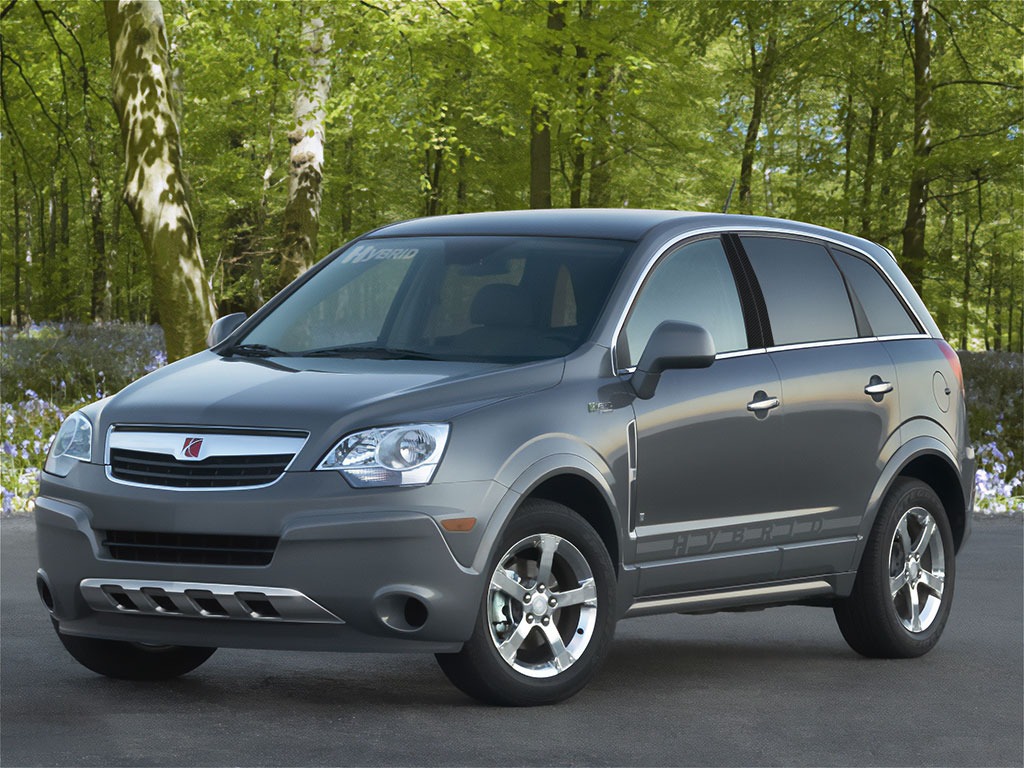
4. 2002-2007 Saturn Vue
The Saturn Vue was General Motors’ compact SUV offering in the early 2000s. Built during a time when Saturn still operated as a separate division, the Vue combined plastic body panels with affordable pricing and modest equipment. Despite its practicality, it never managed to appeal strongly to driving enthusiasts or collectors.
The Vue was offered with a variety of engines, including a Honda-sourced 3.5-litre V6 in later years. That version provided decent acceleration and better reliability than the in-house GM powertrains. However, most buyers still saw it as a functional family vehicle rather than something with long-term charm or design appeal.
The design itself was utilitarian, lacking bold lines or premium finishes. The interior suffered from basic plastics and limited comfort features, and the cabin design quickly felt outdated as competitors improved. It also never achieved widespread acclaim from reviewers, who often described the ride as unrefined and the handling as uninspiring.
Even though the Vue offered features like all-wheel drive and a Red Line performance trim, none of these additions were enough to move it into enthusiast territory. Most of the models sold were basic front-wheel-drive versions, which now litter used car lots and auction blocks with minimal buyer interest.
As time has passed, there has been no surge in Vue appreciation or nostalgia. Saturn’s closure has not created a demand spike for its models, partly because none truly established themselves as groundbreaking. The Vue remains a forgotten crossover from an era filled with similar, better-executed competitors. While it may still serve as an affordable transport option, its chances of becoming a collector car are virtually zero.
Also Read: 5 Sedans That Age Like Premium Cars and 5 That Feel Cheap in Year Two
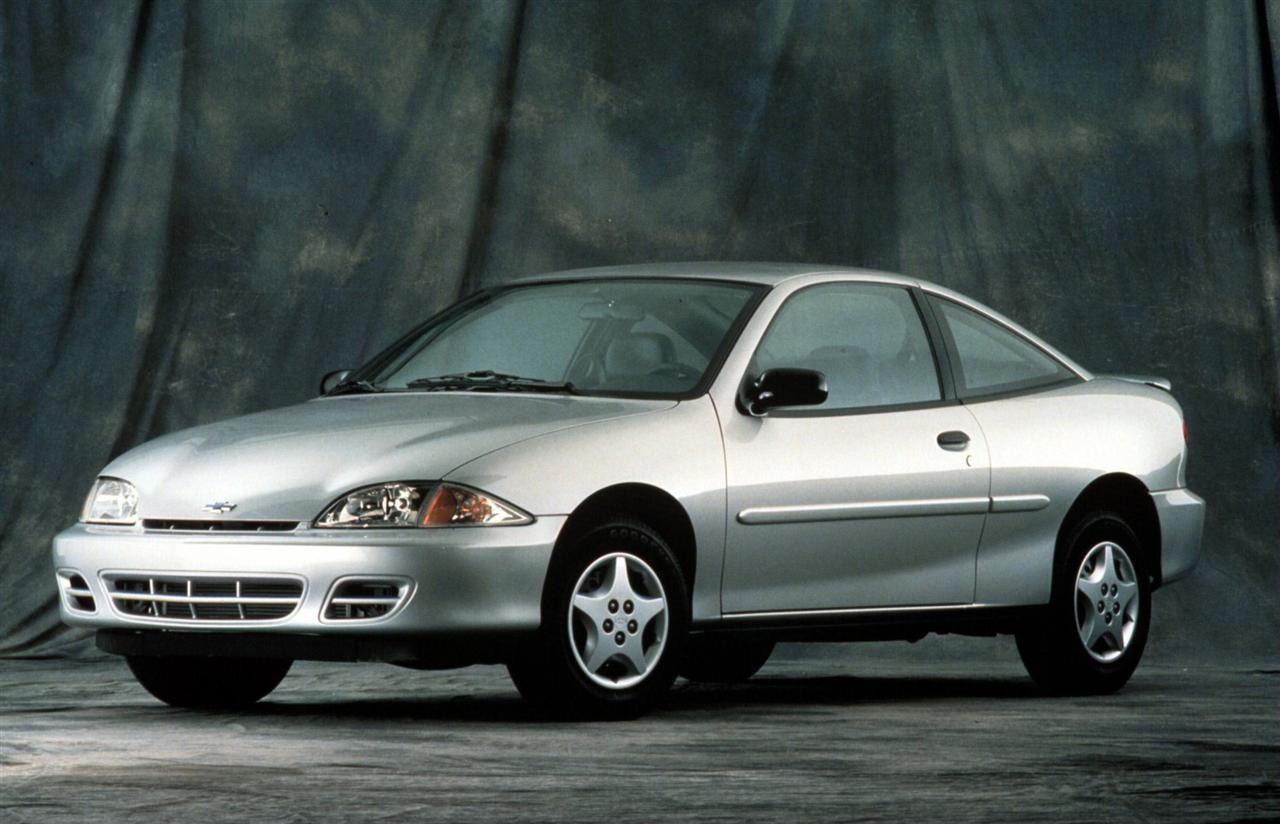
5. 2000-2005 Chevrolet Cavalier
The Chevrolet Cavalier, which served as one of General Motors’ entry-level compact sedans for much of the 1990s and early 2000s, is one vehicle that has failed to generate any collector interest over the years.
Despite being affordable and widely available when new, the Cavalier offered very little in terms of engineering excitement, design innovation, or lasting desirability.
It came with a variety of four-cylinder engines, most of which were reliable but uninspiring. The driving experience was geared entirely toward daily commuting, with soft suspension, vague steering, and limited performance. While a few sport-themed trims, such as the Z24, tried to add some flair, they never stood out in a meaningful way and have also faded into obscurity.
The design of the Cavalier was functional but dull. Its exterior styling never developed a strong identity, and the interior featured basic plastics and minimal features. The cabin was spacious enough for its segment, but it lacked the refinement or comfort that might give it nostalgic appeal. As a result, most owners viewed the Cavalier purely as transportation rather than something to cherish or preserve.
Today, the used market is filled with high-mileage Cavaliers that were driven hard and often poorly maintained. Few were preserved, and fewer still are worth restoring. The aftermarket support for modifications has also dried up, meaning there’s limited opportunity for enthusiasts to turn these into exciting projects.
With no motorsport pedigree, minimal collector following, and high production numbers, the Cavalier stands as one of those cars that served its purpose but has been forgotten.
While some budget-minded buyers might still rely on it for simple commuting, its long-term prospects as a collectible are virtually nonexistent. It remains one of the least talked-about sedans of its time, and that is unlikely to change going forward.
