
The car market has gone through some noticeable changes in recent years, driven by supply chain troubles, inflation, a turn in consumer preference, and changing dealership incentives.
For a long time, buyers had to accept that paying more than the Manufacturer’s Suggested Retail Price (MSRP) was simply part of the process, especially during peak demand periods. New vehicles were regularly listed with hefty markups, and those seeking trendy models or newly launched trims often had little choice but to comply.
However, the tide has started to turn for several once-hyped models. As supply gradually stabilises and interest rates stay high, the excitement surrounding some vehicles has started to wear off.
Dealers are now offering discounts on certain models that were previously hard to find. These vehicles are now sitting on lots longer than before, prompting sellers to price them below MSRP to attract buyers.
At the same time, some vehicles have held on to their appeal, refusing to slip below sticker price. These include options with proven reliability, enduring desirability, and tight inventory levels that continue to justify their premium status. In these cases, demand continues to outweigh supply, allowing dealers to maintain strong pricing.
Right here, we will separate the market into two clear halves. First, we will look at five formerly popular models that are currently available for less than their sticker price. Then, we will discuss five models that continue to command a price above MSRP due to steady demand or limited availability.
This detailed comparison gives a clearer view of how consumer demand and supply have started influencing new vehicle prices in today’s market. If you are thinking of buying soon, knowing which vehicles are trending below sticker and which are not can help you plan your next purchase more wisely.
Cars Selling Below MSRP
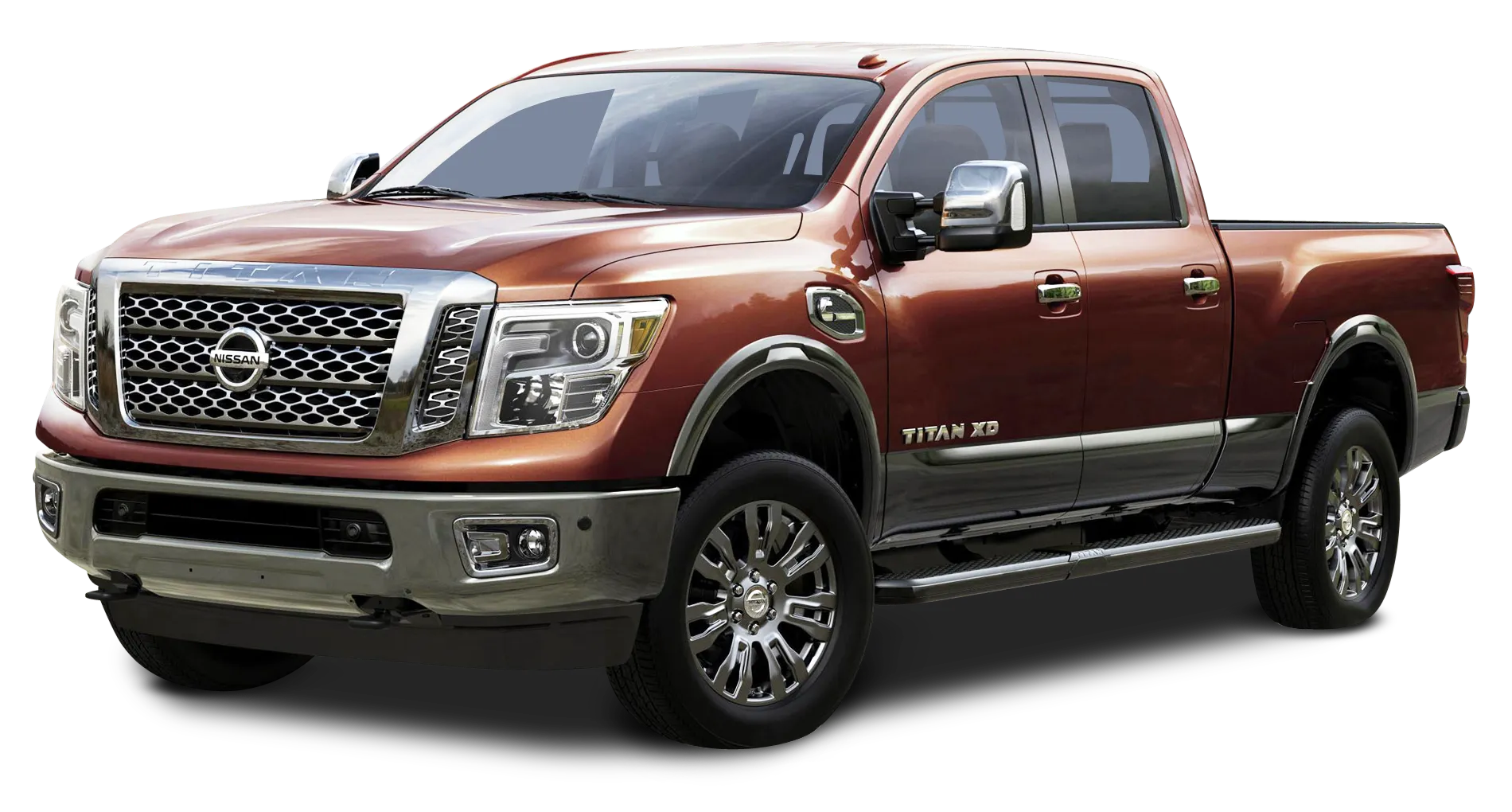
1. Nissan Titan
The Nissan Titan was once Nissan’s bold attempt to take on established full-size pickup trucks. While it offered solid horsepower, a standard V8 engine, and decent towing figures, the Titan has never managed to gain a serious foothold in the highly competitive truck market.
With the likes of the Ford F-150, Ram 1500, and Chevrolet Silverado offering broader configurations and more advanced features, the Titan struggled to keep pace.
One of the factors contributing to the decline in Titan’s pricing is its limited range of options. Unlike its rivals that come in hybrid trims, luxury editions, and multiple cab setups, the Titan’s offerings remain narrow.
This has made it difficult for dealers to position it as a viable alternative, especially among shoppers who want flexibility in their truck’s layout. In recent months, many Titans have started selling for thousands below MSRP, especially in markets where demand for full-size pickups is softening.
There is also the matter of discontinuation. Nissan has confirmed it will phase out the Titan soon, which further pressures sellers to clear remaining stock.
As the production winds down, many dealerships are pushing incentives and lowering prices just to move the inventory. This decision has made it less attractive for buyers who worry about parts availability or future resale value.
Those who still want a simple, V8-powered truck with fewer electronic gimmicks may find the Titan a reasonable deal at its discounted price. It still offers a rugged frame and acceptable off-road capability in its PRO-4X trim.
However, in today’s evolving truck market, where fuel efficiency, hybrid options, and technology-rich cabins matter more than ever, the Titan’s age and limited appeal are becoming clearer.
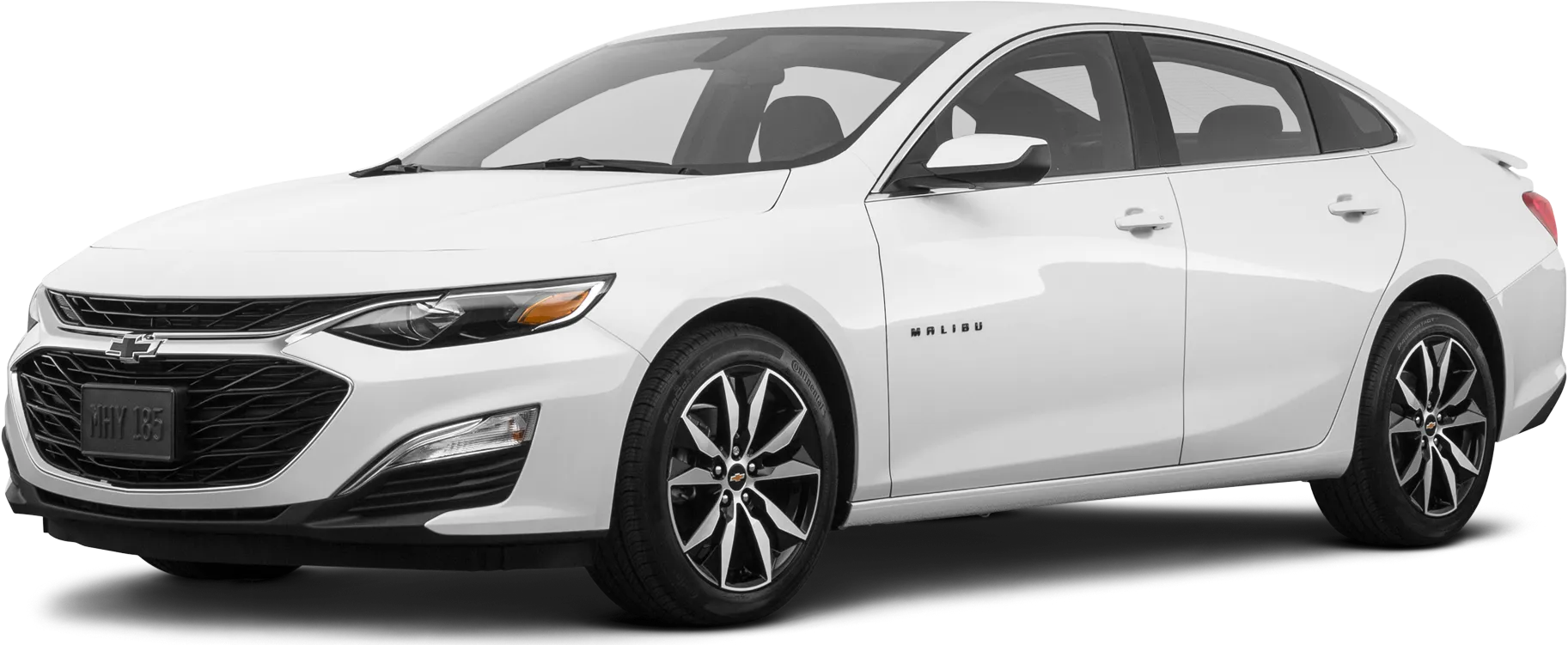
2. Chevrolet Malibu
The Chevrolet Malibu has seen better days. Once a staple in the midsize sedan market, the Malibu was General Motors’ answer to the Toyota Camry and Honda Accord.
While it enjoyed success in earlier years, the current generation has grown stale in design and features. Without major updates and facing heavy competition from more modern rivals, the Malibu has lost ground.
Dealerships across the United States are now offering the Malibu well below its original sticker price. This change stems largely from changing consumer interest.
Many buyers have moved away from traditional sedans in favour of SUVs and crossovers. As a result, sedans like the Malibu no longer attract the same attention they once did, especially when they do not come with standout tech features or performance upgrades.
Chevrolet has not made any dramatic changes to the Malibu’s powertrain in recent years. It continues to rely on a basic turbocharged four-cylinder engine that, while fuel-efficient, lacks excitement.
Interior technology also falls short compared to what other manufacturers are offering in this segment. Buyers are increasingly looking for larger infotainment screens, wireless smartphone integration, and more advanced driver-assist systems.
Even with its price cuts, the Malibu faces stiff competition. Other sedans like the Hyundai Sonata and Kia K5 offer more advanced safety features, fresher designs, and greater interior quality. Meanwhile, leasing and financing options on the Malibu often fail to make up for its outdated feel, even when offered at a discount.
Despite these obstacles, those on a budget may still consider the Malibu if they are simply looking for a reliable A-to-B commuter vehicle with decent mileage. But for anyone seeking something with a bit more character, equipment, or value retention, this sedan no longer sits near the top of the class.
Also Read: 5 Models Depreciating Due to Reliability Issues vs 5 That Stay Valuable
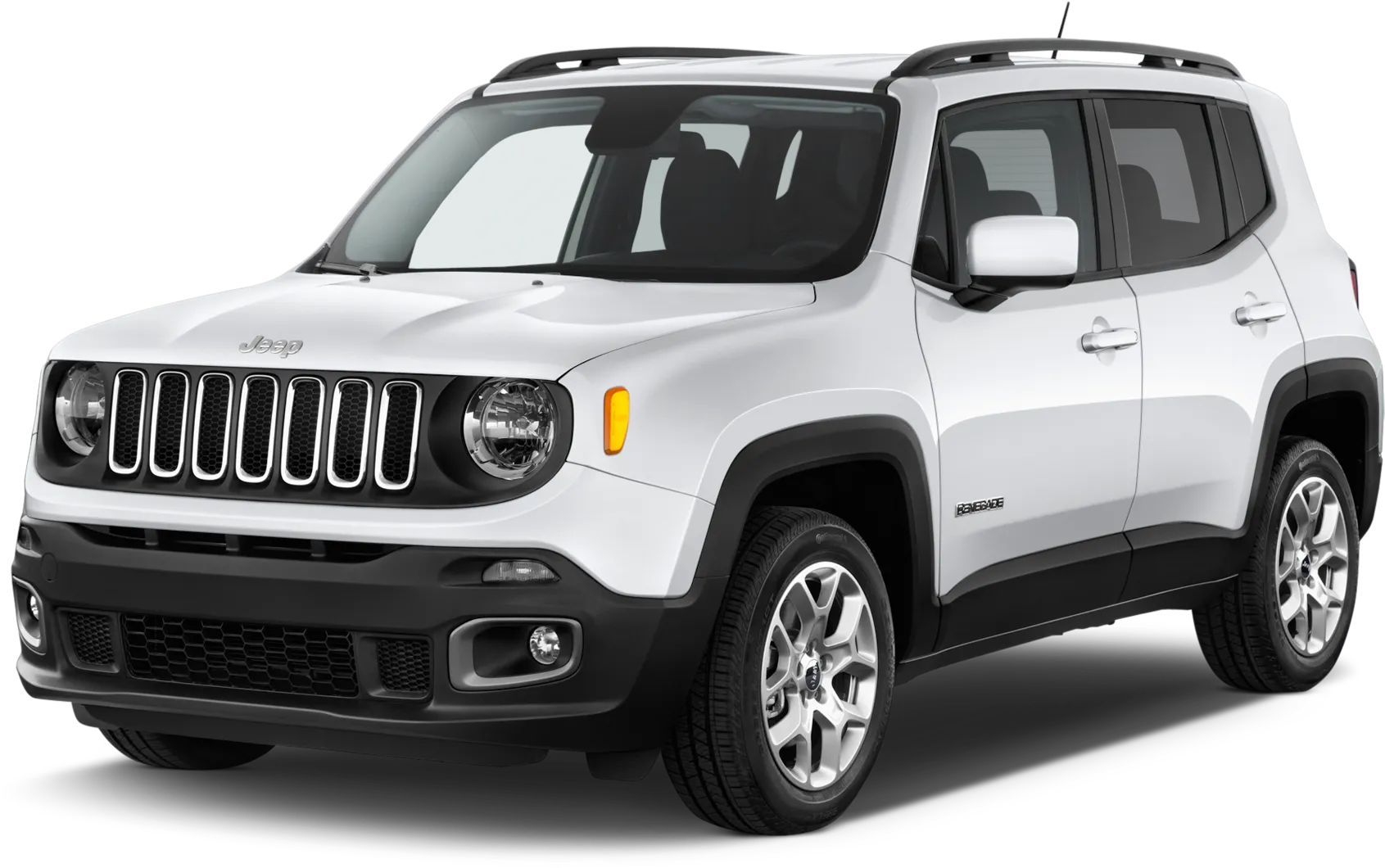
3. Jeep Renegade
The Jeep Renegade was once praised as a compact SUV with bold styling and off-road character. It brought a distinct boxy look and trail-rated trims into the small crossover segment, appealing to younger drivers or those who wanted a taste of adventure in a city-friendly format. But that initial excitement has started to fade.
As competition has grown in the compact SUV category, the Renegade’s weaknesses have become more visible. Its interior is cramped compared to rivals, and fuel efficiency lags behind models like the Honda HR-V or Toyota Corolla Cross. Ride quality is firm, and noise insulation is below average.
Even though Jeep offered 4×4 capability and some unique tech options, many shoppers no longer see the Renegade as worth its initial sticker price.
Because of this perception, many Renegade units are now selling for less than MSRP. Dealers in several regions are applying discounts to clear them out, especially as Jeep plans to phase out the Renegade in favour of more electrified models.
This has led to stockpile discounts, cashback offers, and other dealer-driven reductions that make the Renegade a more affordable option, but only for a certain type of buyer.
Those seeking a basic SUV with rugged style may still enjoy what the Renegade offers, especially in its Trailhawk variant, which includes off-road suspension and underbody skid plates. However, for those who want more cargo space, smoother handling, or the latest driver-assistance technologies, alternatives in the same price range deliver better value.
The Renegade’s fading popularity reflects a larger change among buyers who now expect more from compact SUVs. Stylish design alone no longer moves units, especially if the ride and tech do not measure up. As dealerships drop prices, the Renegade becomes a reasonable buy only for those who value form over modern comfort or tech advancements.
4. Hyundai Sonata
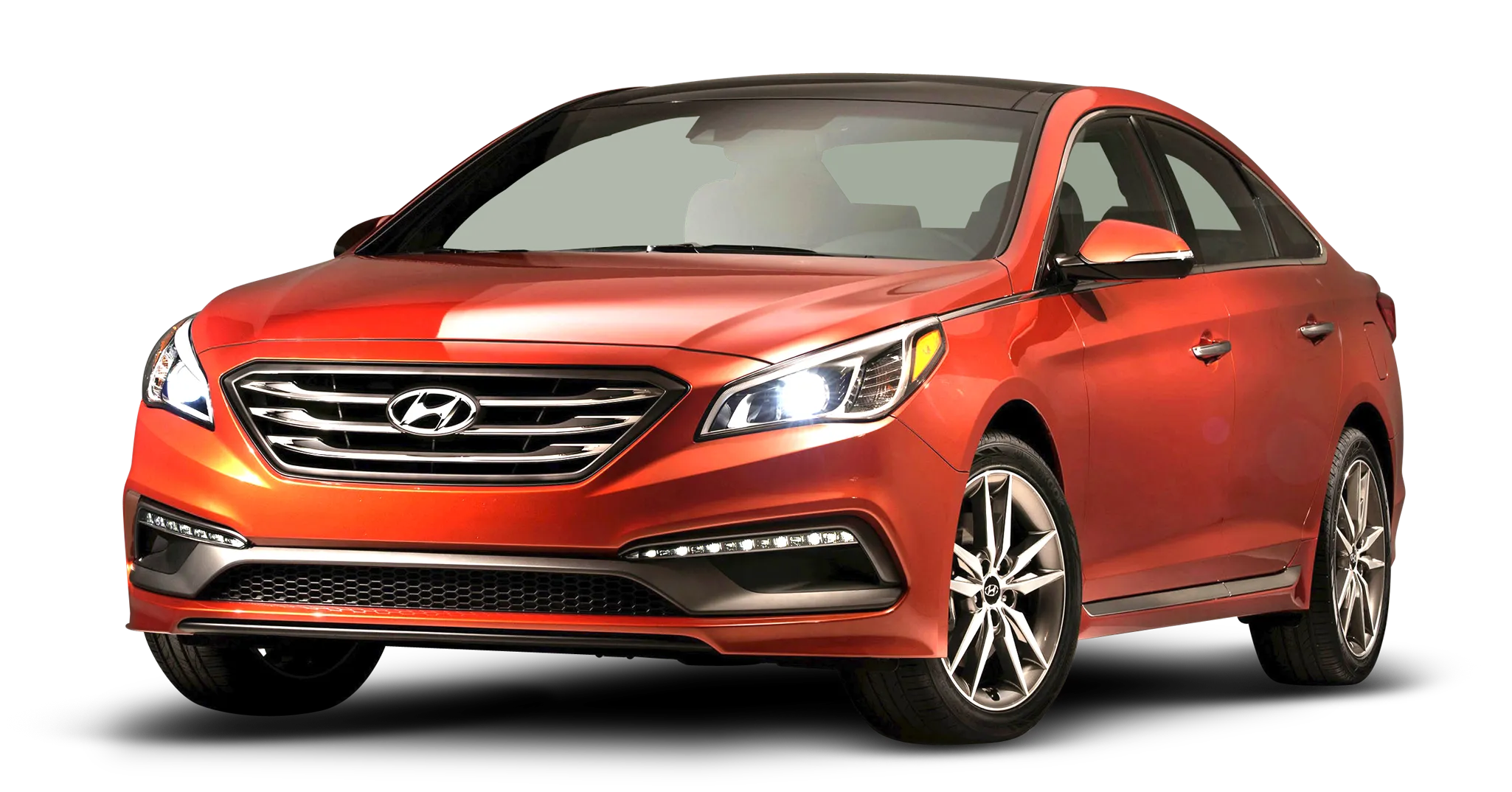
The Hyundai Sonata once captured attention as a stylish midsize sedan with modern features and a competitive warranty. It appealed to buyers looking for a blend of design, comfort, and practicality without paying a luxury-car premium. But lately, sales have cooled, and the Sonata is now widely available for less than MSRP.
Part of the reason comes from shifting preferences toward crossovers and SUVs. Like many sedans, the Sonata has seen its market shrink, and that has affected pricing. Even with a recent facelift, dealers are finding it harder to convince buyers to go for a traditional sedan when so many SUV options exist at similar price points.
Another issue is internal competition. Hyundai has expanded its SUV lineup with strong offerings like the Tucson and Santa Fe, which have taken the spotlight away from the Sonata. In many cases, buyers end up picking one of those crossovers instead, drawn by their higher seating position, cargo space, and availability of hybrid trims.
Dealerships are responding by lowering Sonata prices, offering factory cash incentives, and presenting leasing deals that reduce monthly payments. The current Sonata still comes with solid safety ratings, multiple powertrain options, and attractive styling, particularly in its N Line performance trim. But even these qualities have not prevented price drops.
For budget-conscious buyers still interested in sedans, the Sonata remains a value option when discounted. Its base trims come well-equipped, and the warranty continues to outshine some competitors.
Yet, the combination of market trends and product strategy has pushed the model into the discounted category, showing how even well-made vehicles can be overlooked in today’s SUV-driven market.
5. Mazda CX-9
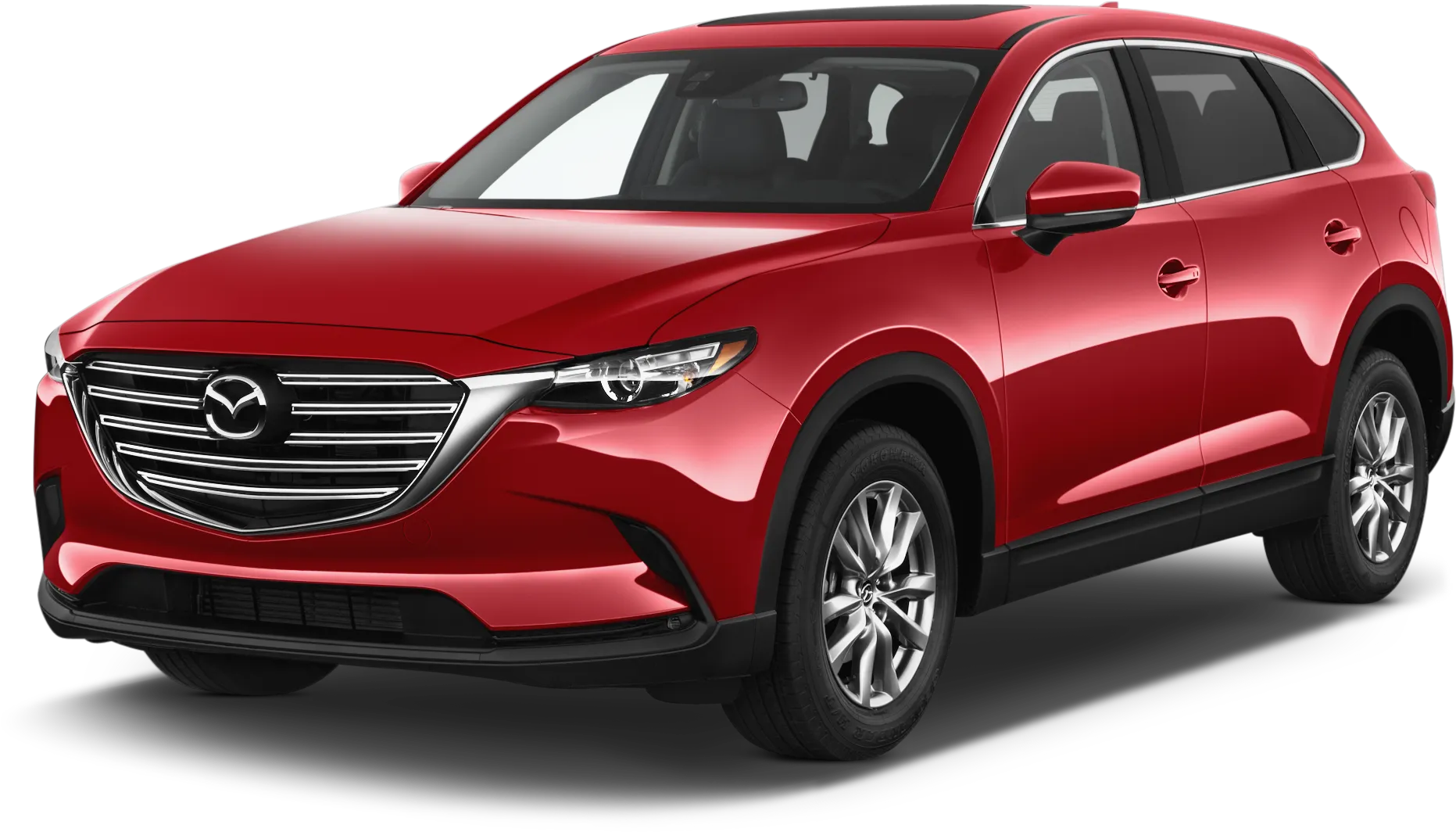
The Mazda CX-9 once stood out for offering an upscale experience at a mainstream price. Its sharp styling, quality interior materials, and sporty handling made it a favourite among drivers looking for something more engaging than the average three-row crossover.
For years, it enjoyed strong sales and strong resale figures. Now, however, many CX-9s are being sold below MSRP. Several things have contributed to this change. First, Mazda has introduced the newer CX-90, which directly replaces the CX-9 as the brand’s flagship SUV.
With a fresh platform, new powertrain options, and upgraded interior space, the CX-90 has drawn attention away from the CX-9. As a result, dealerships are marking down the older models to make room for the new generation.
Another factor is competition. The three-row SUV segment has exploded with attractive choices from Toyota, Kia, Hyundai, and Honda.
Many of these newer models offer more advanced infotainment systems, better fuel economy, or hybrid options that the CX-9 lacks. Although the CX-9 still delivers a refined drive and premium feel, it struggles to stand out when it does not offer something extra.
The CX-9 also suffers from a tighter third-row seat, which limits its usefulness for families with older children or frequent passengers. While adults fit comfortably in the front two rows, the back row is better suited for children. That limits its appeal as a true family hauler, especially when competitors offer more generous rear space.
Mazda loyalists may still see the CX-9 as a smart buy, especially when discounted. Its build quality and driving dynamics remain above average for the class. But with the arrival of a better replacement and plenty of strong alternatives, the days of the CX-9 commanding full price appear to be over.
Cars Selling Above MSRP
1. Toyota Sienna
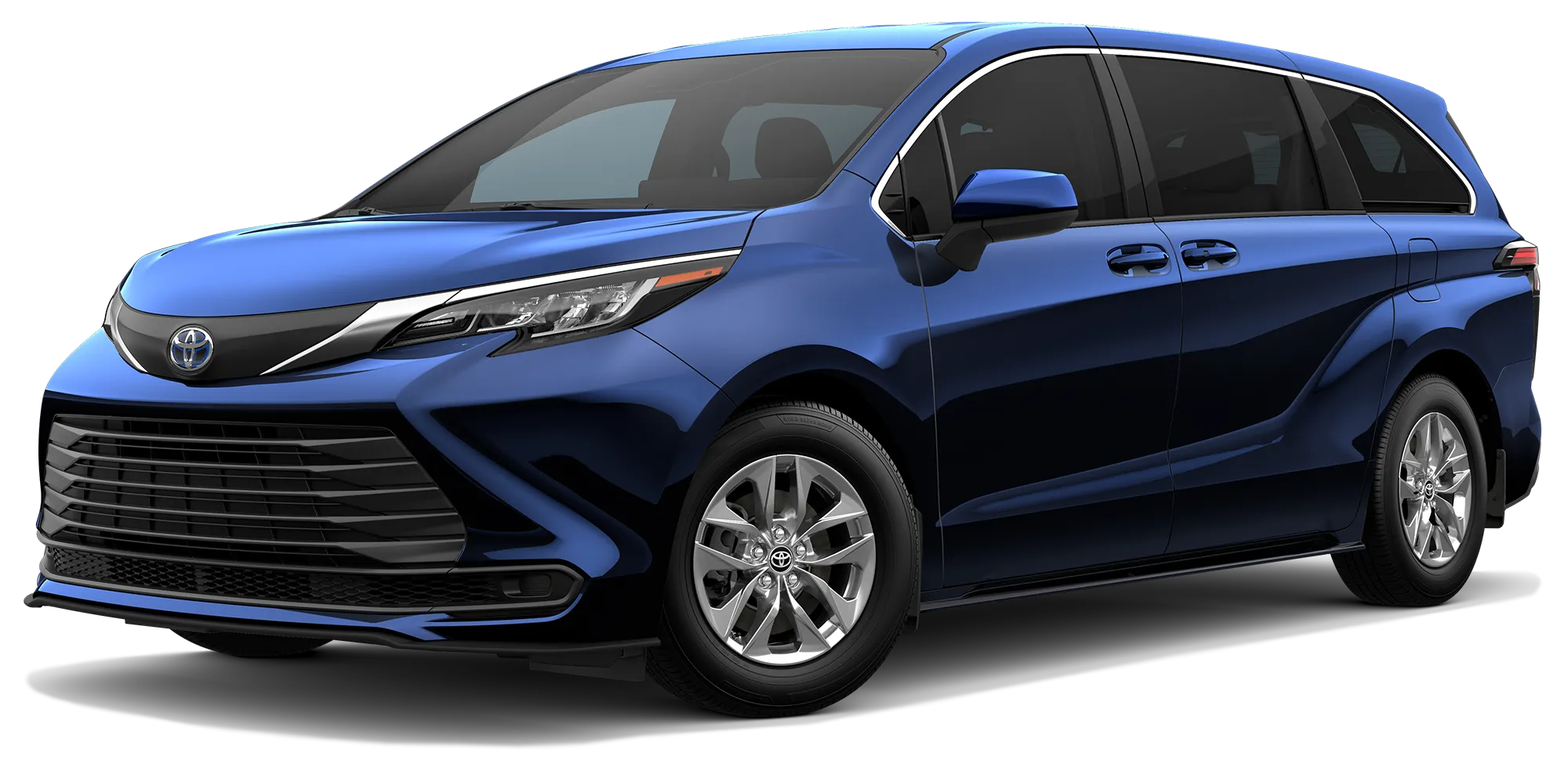
The Toyota Sienna has become one of the rare minivans that consistently sells above MSRP, thanks to its strong reputation, hybrid-only powertrain, and long-term value.
While many brands have seen interest in minivans dwindle, Toyota has managed to keep the Sienna relevant and appealing to families, ride-share drivers, and anyone seeking high practicality with impressive fuel economy.
The Sienna stands out by offering only a hybrid powertrain, delivering over 35 miles per gallon in both city and highway conditions. This level of efficiency is difficult to match in such a large and spacious vehicle.
Families who need seating for seven or eight passengers are drawn to its low running costs and reliability. Toyota’s all-wheel-drive availability also helps it win over shoppers in colder regions who prioritise better road grip in winter.
Since the supply chain recovery has been uneven, Toyota has struggled to meet demand for the Sienna across several parts of the country.
This scarcity, combined with high desirability, has allowed dealerships to hold firm on pricing or even add small markups. Buyers often have to join waitlists, and many are still paying above MSRP to secure a model in their preferred colour or trim.
Interior versatility is another advantage. The second-row seats in higher trims offer lounge-style reclining, while the third row folds flat into the floor. Sliding doors make it perfect for families with younger children, and Toyota’s user-friendly infotainment system does not require a learning curve.
Even though there are alternatives like the Chrysler Pacifica or Honda Odyssey, neither offers the same blend of efficiency, AWD availability, and resale strength. For this reason, demand for the Sienna continues to hold steady. It appeals to buyers willing to pay a little extra for peace of mind, better gas mileage, and years of dependable service.
2. Toyota Tacoma
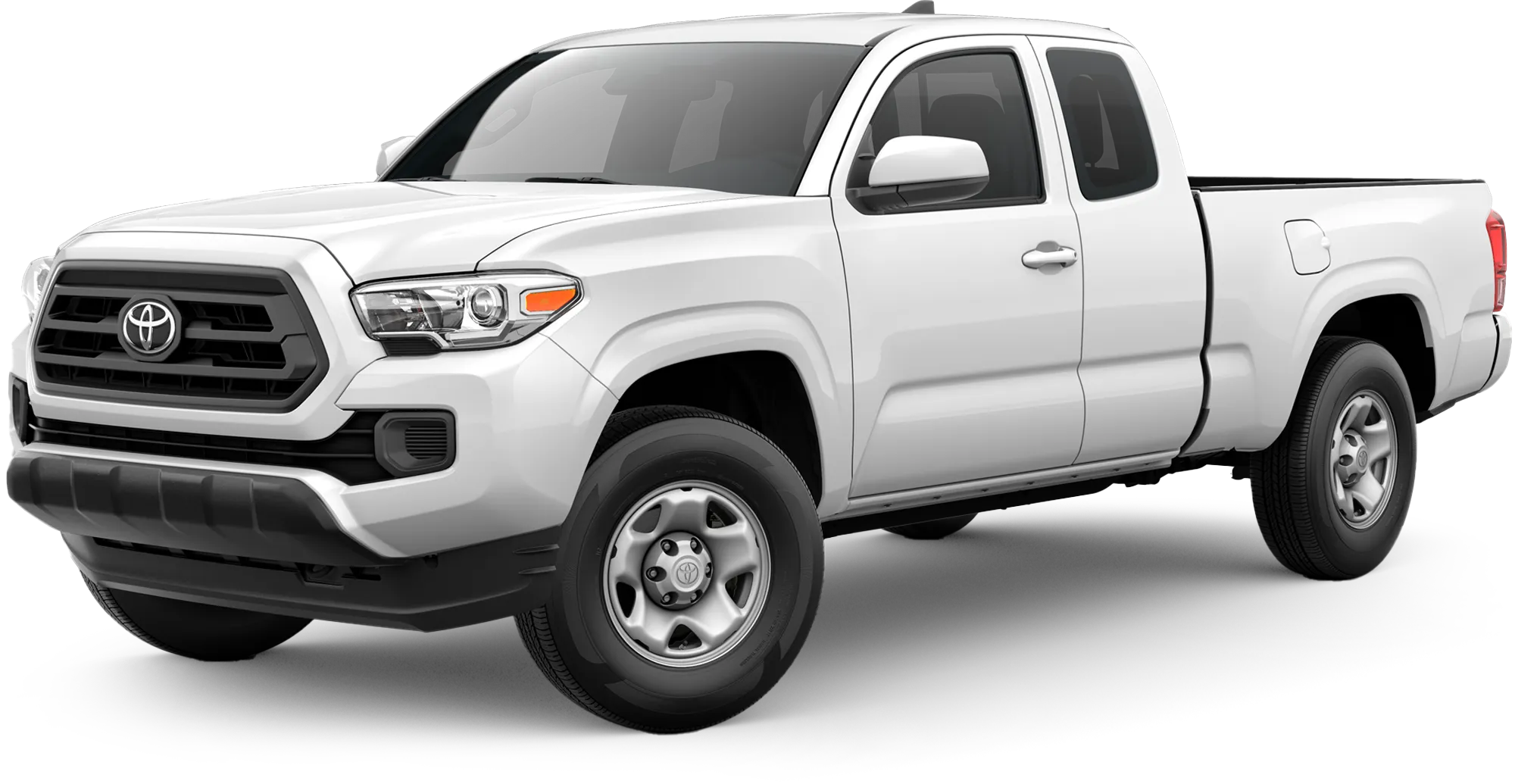
The Toyota Tacoma has maintained its strong presence in the midsize pickup market for years, and its pricing remains firm even as other trucks experience discounts. With a reputation built on dependability, ruggedness, and strong resale value, the Tacoma still commands prices above MSRP in many areas.
A major factor in Tacoma’s sustained popularity is its durability. Known for withstanding high mileage and rough use, it attracts buyers who want a long-term workhorse or adventure vehicle. From tradespeople to off-road enthusiasts, its strong frame and proven V6 engine continue to draw attention. This has helped maintain tight inventory at dealerships.
Toyota has introduced new generations in the course of time, but even older models hold their value due to a consistent mechanical setup and brand trust.
Buyers are often ready to pay above MSRP to get their hands on specific trims, especially those with off-road features like the TRD Pro or Trail Special Edition. These trims are frequently limited in availability, making them harder to find and pushing prices higher.
Production challenges and high demand have created delays for certain versions, particularly those with manual transmissions or specific equipment packages.
In many cases, buyers are opting to pay more rather than wait several months for their desired build. Dealerships continue to benefit from this demand by either applying premiums or offering minimal discounts, depending on the region.
Another reason the Tacoma avoids price reductions is that it appeals to both personal and commercial buyers. Its versatility as both a daily driver and a weekend off-roader makes it one of the few trucks that consistently sells well across different buyer groups.
With new inventory taking time to arrive and used models also priced high, the Tacoma remains one of the few pickups where paying above sticker is still common.
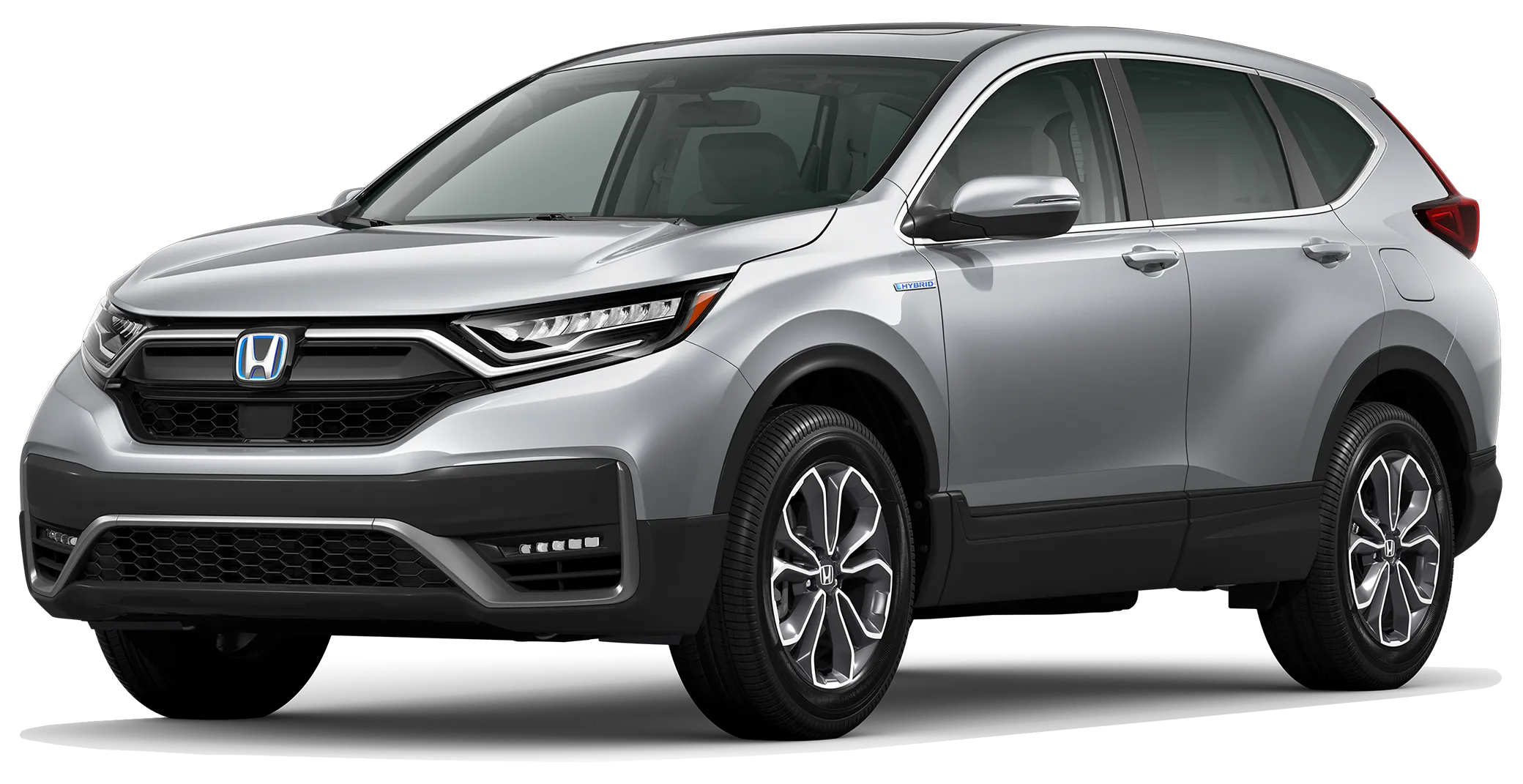
3. Honda CR-V Hybrid
The Honda CR-V Hybrid has become a top choice in the compact SUV segment, especially among buyers who want practicality combined with fuel efficiency.
Since its redesign, this hybrid model has continued to perform well in both reviews and sales charts. Demand for it has stayed high enough that some buyers are still paying above MSRP.
Fuel economy remains a strong selling point. With EPA ratings in the mid-40s for city driving, the CR-V Hybrid appeals to commuters and families alike. It provides generous interior space, a smooth driving experience, and Honda’s strong reliability record. As a result, it competes directly with hybrid SUVs like the Toyota RAV4 Hybrid, which also often sells above sticker.
Another reason for continued pricing strength is the balance between comfort and safety. The CR-V Hybrid includes Honda Sensing as standard, offering features like lane keeping assist, adaptive cruise control, and emergency braking. The cabin feels well-assembled, and materials are of a higher quality than many competitors in the segment.
The hybrid version of the CR-V tends to be produced in smaller quantities compared to the gas-only model. This difference in output means hybrid trims do not stay long on lots. Many buyers are placing factory orders or paying premiums to secure the hybrid without a long wait.
Dealerships are aware of the demand and adjust pricing accordingly. Lease offers and finance rates are less flexible on the hybrid, and trade-in values stay strong. Even as more hybrid SUVs enter the market, the CR-V Hybrid has carved a loyal customer base and continues to perform well in sales volume, even at a higher price point.
Its combination of economy, space, and resale strength has made it one of the few compact SUVs where buyers are still willing to go above sticker to secure one, especially in metro areas where gas prices tend to be higher.

4. Ford Bronco
The Ford Bronco made a major return to the market with heavy anticipation, and it has yet to lose that momentum. Even now, with production more regular and more units hitting dealership lots, many Broncos are still being sold above MSRP, especially in certain trims.
Its styling alone draws attention. With design cues that recall the classic models from the 1960s and 70s, the Bronco stands apart in a sea of crossovers.
But more than just looks, it delivers actual off-road capability. The GOAT (Goes Over Any Terrain) drive modes, available locking differentials, disconnecting sway bars, and optional 35-inch tires make it more than a visual throwback.
What keeps the Bronco in the above-sticker category is the demand for its off-road trims. Buyers looking for Badlands, Wildtrak, or Raptor versions often encounter limited allocations.
This has resulted in bidding wars, dealer-added premiums, and long waitlists in many regions. Even base trims do not linger long, and when they do, buyers still pay close to or above MSRP.
The aftermarket potential also plays a role. Many Bronco buyers are enthusiasts who plan to customise their vehicles with lifts, rooftop tents, or steel bumpers. This has built a lifestyle community around the model, pushing demand even higher. Ford also offers several factory accessories, adding to its appeal.
While other SUVs might offer more refined interiors or better fuel efficiency, the Bronco’s appeal lies in its capability and cool factor. Its removable roof and doors, strong chassis, and unique look make it stand out in a market full of soft-roaders.
As long as Ford limits production of its highest trims and keeps the Bronco focused on off-road performance, buyers will likely continue to pay above MSRP. This is a case where demand has remained stronger than availability, even two years after its launch.
Also Read: 5 Electric Cars With Minimal Battery Degradation vs 5 That Lose Capacity Rapidly
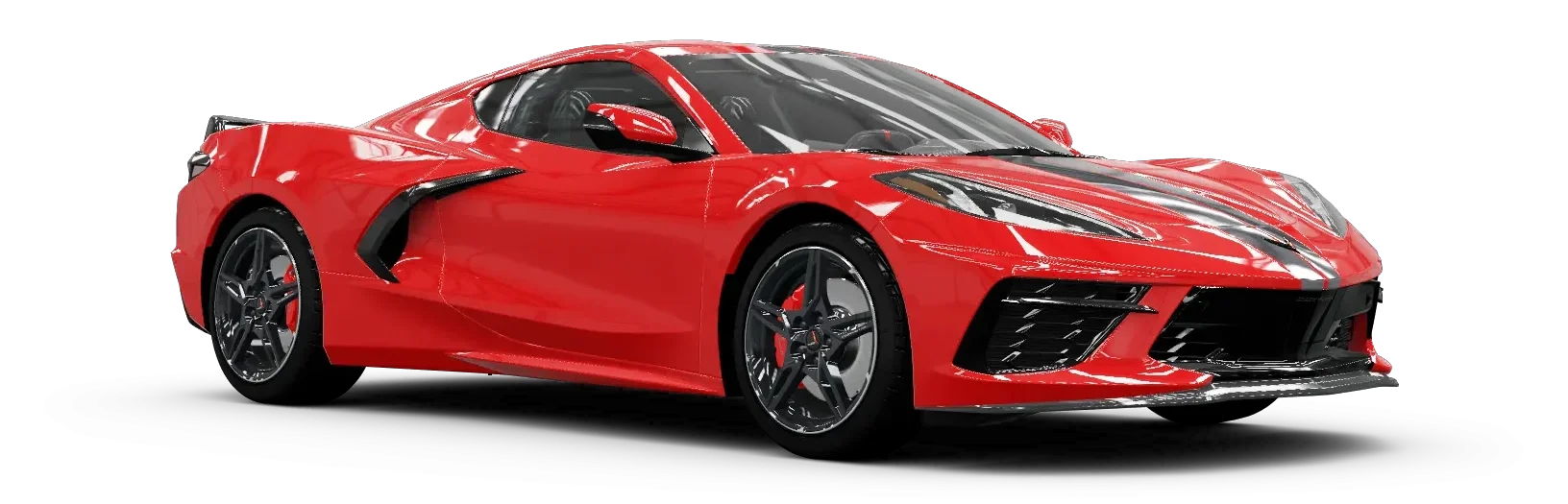
5. Chevrolet Corvette C8
The mid-engine Chevrolet Corvette C8 sent waves through the automotive world when it debuted, and its popularity has not slowed. Even with increased production and more visibility on the road, the C8 continues to attract strong interest, often leading to sales that exceed MSRP.
This generation of Corvette introduced dramatic change by moving the engine behind the driver, improving weight distribution and handling. The car’s performance now rivals European sports cars that cost twice as much. With a 6.2-litre V8, rapid acceleration, and striking styling, the C8 represents tremendous value even at elevated prices.
Performance aside, the supply-demand equation remains unbalanced. Many dealers receive limited allocations of C8s and often reserve them for long-time customers or those willing to pay a premium. Buyers face long waitlists, and in some cases, resale prices for lightly used models have climbed above what they originally cost new.
The C8’s appeal stretches beyond traditional Corvette enthusiasts. Younger buyers and those new to the brand have shown interest, drawn by its exotic layout and aggressive pricing. It also attracts collectors who see it as a turning point in Corvette history. These combined interests keep demand strong.
Chevrolet has added new trims like the Z06, which brings even more power and track-focused elements. These models are even more difficult to find and push markups higher. Dealerships with a few in stock rarely reduce prices, instead holding them for buyers ready to pay above sticker.
The interior also received attention in this generation. With better materials, a driver-focused layout, and advanced tech, the C8 shed the budget-sports-car image of earlier versions. Every aspect feels purposeful, reinforcing the idea that buyers are getting a serious performance machine without the supercar badge or supercar prices.
Until production outpaces demand or the novelty fades, the C8 will likely remain one of the few American cars that people are happy to pay extra for, just to get behind the wheel.
