
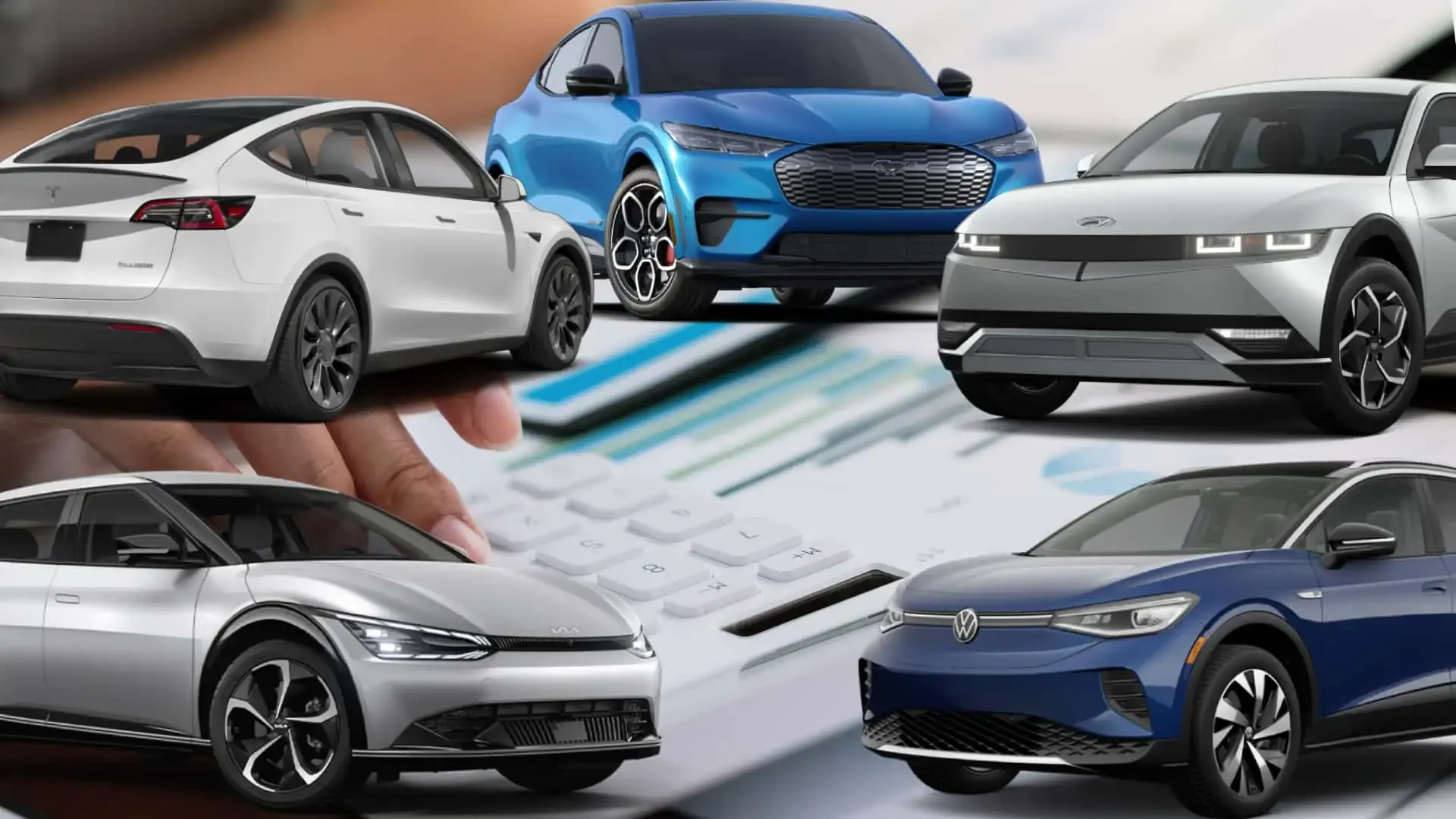
Leasing a car has become a popular choice for many individuals who want access to a new vehicle without committing to ownership. One important factor that influences how good or bad a lease deal might be is a car’s residual value. This figure represents the estimated worth of a vehicle at the end of the lease term.
When a car maintains a strong residual value, monthly lease payments tend to be lower since the car is expected to retain more of its initial cost. On the other hand, vehicles with weak residual values often translate to higher lease payments, as depreciation eats away more of their starting price.
Some manufacturers build vehicles that hold their value quite well due to consumer demand, brand reputation, reliability, and lower maintenance costs. Others struggle because of poor reliability ratings, lack of appeal, high running costs, or stiff competition in their category. Understanding which cars fall into each of these two groups can make a real difference when considering leasing as an option.
We will examine five cars that retain strong value by the end of their lease periods and are therefore good lease candidates. We will also look at five cars that tend to lose their value too quickly, making them less desirable from a leasing perspective.
Each vehicle profile will focus on its lease value, what contributes to its residual performance, and what drivers can expect during and after the lease term. This comparison should help anyone planning to lease a car make a more informed decision before signing any agreement.
Cars with High Lease Residuals
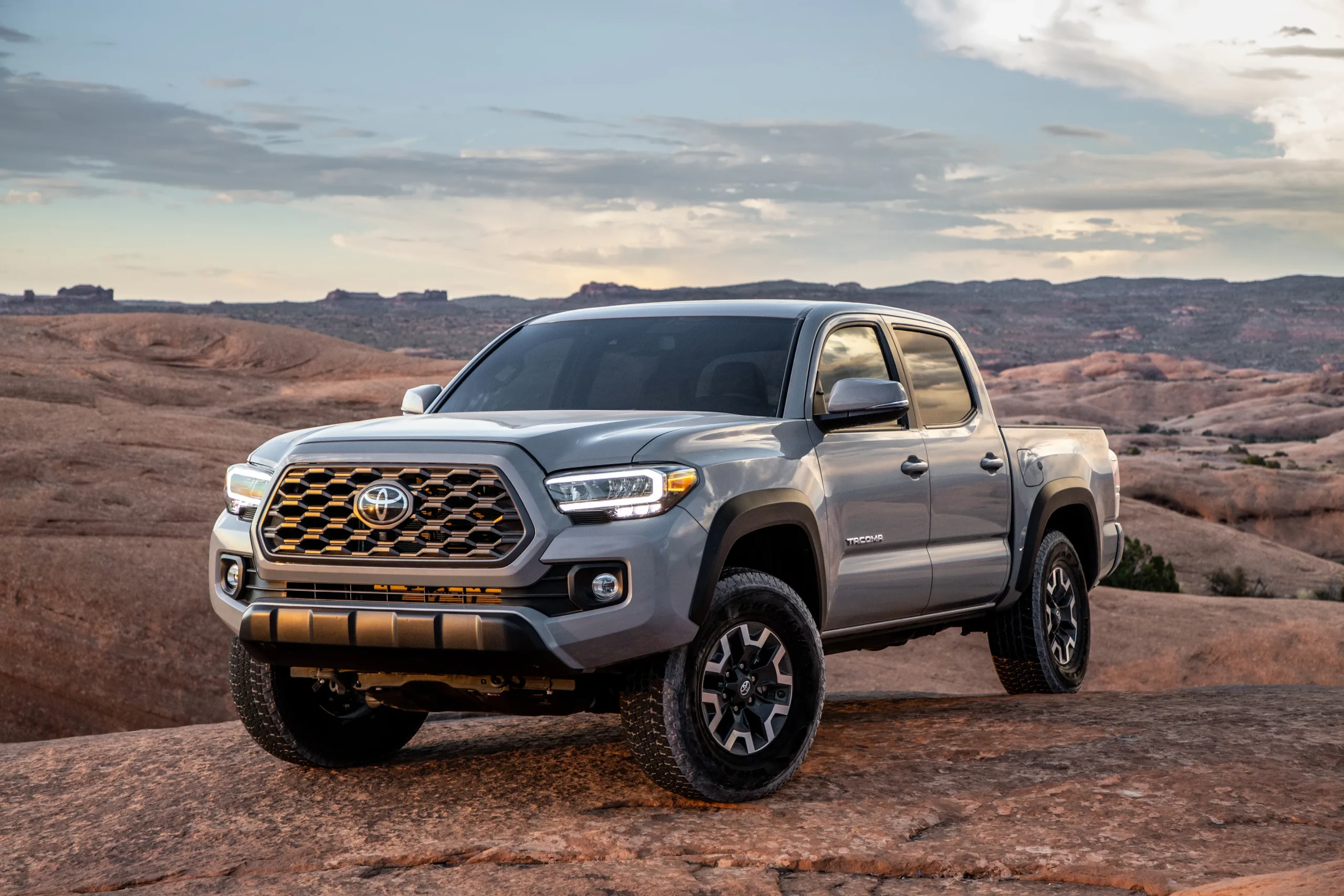
1. Toyota Tacoma
The Toyota Tacoma has earned a solid reputation as one of the most dependable midsize pickups available today. Its appeal extends beyond its robust design and off-road capability.
What makes the Tacoma particularly attractive for leasing is how slowly it depreciates compared to other vehicles in its class. This truck consistently ranks among the best in terms of residual value.
At the end of a typical three-year lease, the Tacoma often retains a large portion of its original value. This helps reduce the monthly lease payments for drivers, as the leasing company expects to recover more money when the vehicle is returned or resold.
Factors that contribute to this strong retention include Toyota’s proven reliability, loyal customer base, and limited competition in the midsize truck category. Some competitors may offer more luxurious cabins or powerful engines, but they often fail to match the Tacoma’s long-term durability.
Another reason this vehicle maintains such a high residual value is its versatility. The Tacoma appeals to both private owners and commercial users. Whether used for weekend adventures, daily commuting, or job site hauling, the truck handles a wide range of tasks. Its popularity in both urban and rural settings strengthens resale demand, which in turn keeps depreciation lower.
Toyota’s reputation for building dependable vehicles also gives lessees peace of mind. Routine maintenance tends to be straightforward and relatively affordable.
The availability of various trims from basic workhorse models to off-road-focused TRD Pro variants also broadens the Tacoma’s appeal. Buyers leasing this truck usually enjoy lower total costs compared to rivals with weaker residual values.
For those looking to lease a reliable and high-performing pickup that will not suffer rapid depreciation, the Toyota Tacoma remains a smart choice. It combines utility, resale strength, and trusted engineering in a package that keeps leasing costs in check.
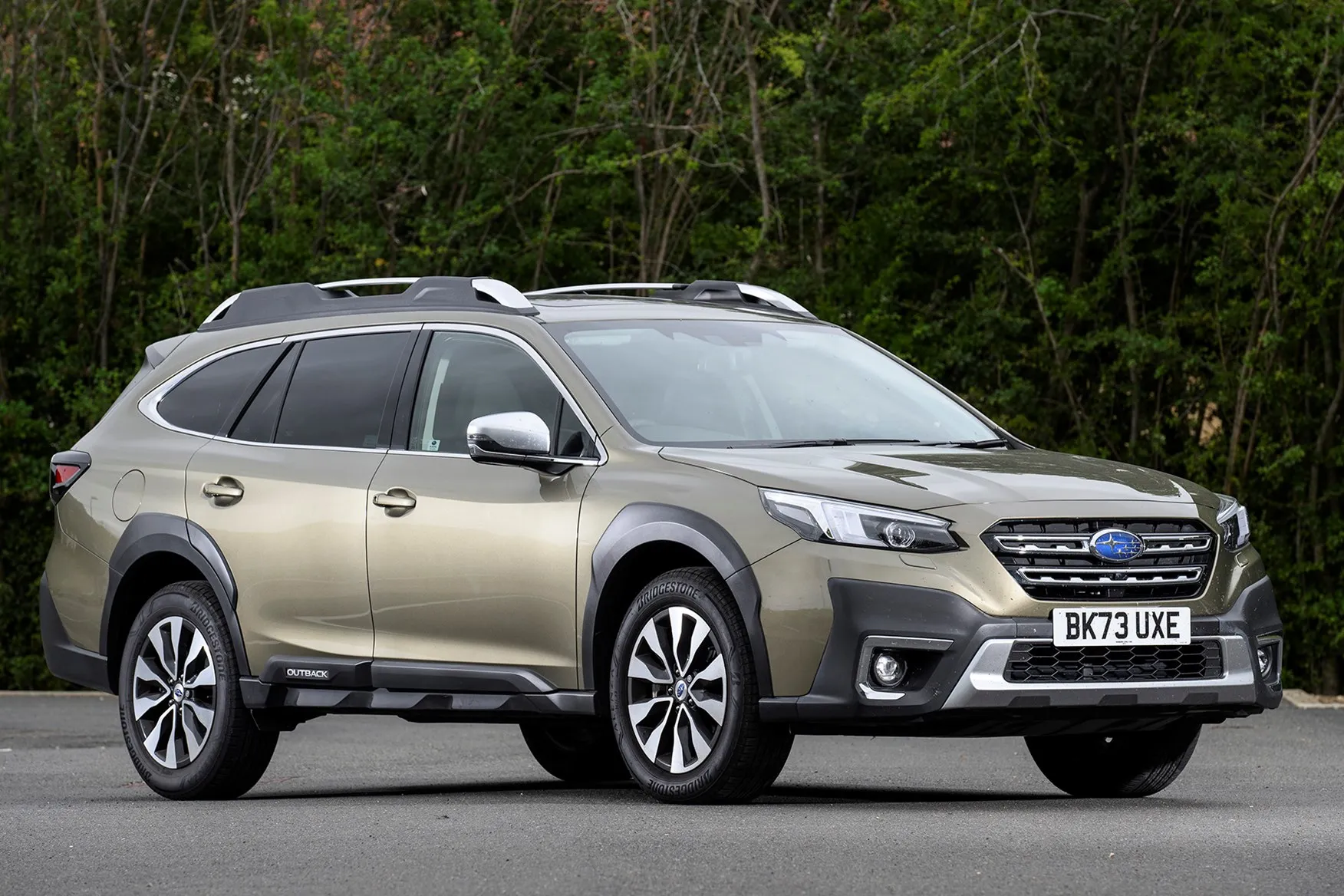
2. Subaru Outback
The Subaru Outback offers a unique combination of SUV-like utility with the comfort and driveability of a traditional wagon. Its appeal reaches both practical-minded families and outdoor enthusiasts. Over the years, the Outback has shown strong performance when it comes to residual value, making it a strong leasing option for those seeking long-term savings.
One of the main reasons the Outback performs well in leasing scenarios is because of its broad market appeal. The vehicle is capable on different terrains, thanks to its standard all-wheel drive system.
This feature increases its usefulness for those who deal with snow, rain, or off-road conditions regularly. Since many buyers and lessees appreciate this level of capability, it holds resale value much better than other wagons and even some compact SUVs.
Subaru’s brand image plays an important role in the Outback’s value retention. People associate the brand with durability, safety, and reliability. These qualities help ensure that the vehicle remains in demand even after a few years of use.
The Outback regularly receives high marks for safety and is often included in lists of vehicles most likely to reach high mileage without major issues. This durability directly contributes to slower depreciation.
The Outback’s interior and feature offerings also make it attractive for long-term leasing. It comes equipped with modern safety technologies, intuitive infotainment systems, and plenty of cargo space. Even base models provide useful features that appeal to budget-conscious drivers, while higher trims offer more luxury without driving up depreciation.
Drivers who lease a Subaru Outback tend to pay less in the course of time because of how much value the vehicle retains. Since leasing is based on the difference between the original price and the expected value after the lease ends, cars like the Outback with high retained value help lower monthly costs. For anyone wanting a reliable vehicle that offers excellent resale value and is suitable for both city and outdoor use, the Outback stands out as an excellent option.
Also Read: 5 Legendary Japanese Cars and 5 That Hurt the Reputation

3. Honda CR-V
The Honda CR-V continues to be one of the most sought-after compact SUVs in the American market. It has carved out a place among families, professionals, and retirees alike due to its practicality and strong track record. When leased, the CR-V frequently displays excellent residual value, making it a financially wise pick for cost-conscious individuals.
This SUV has built its reputation through a mix of fuel efficiency, smart packaging, and consistent reliability. As a result, resale demand for the CR-V remains high, which helps it hold onto more of its value over a lease term.
The combination of a well-known nameplate and a proven engine contributes to lower depreciation. Drivers interested in leasing often find the CR-V provides an ideal balance between performance, comfort, and value.
Honda has managed to keep the CR-V current by including up-to-date features, yet they avoid adding overly difficult systems that could lead to mechanical issues down the line.
This balance allows the CR-V to be seen as dependable, which again reinforces its high residual performance. Whether one chooses the base trim or a better-equipped variant, resale demand remains strong due to its broad appeal.
Another point in favour of the CR-V is its fuel efficiency. With rising fuel prices affecting vehicle choices, the CR-V offers an efficient engine lineup that makes it attractive for both leasing and long-term ownership. Because it costs less to run, used car buyers are also more likely to purchase it after its lease ends, which helps leasing companies keep the vehicle’s value estimates high.
For individuals looking at leasing a compact SUV that will retain its value and keep monthly costs reasonable, the Honda CR-V proves to be a dependable and practical choice. It checks the boxes for safety, comfort, and affordability while delivering strong residual value across different trims and model years.
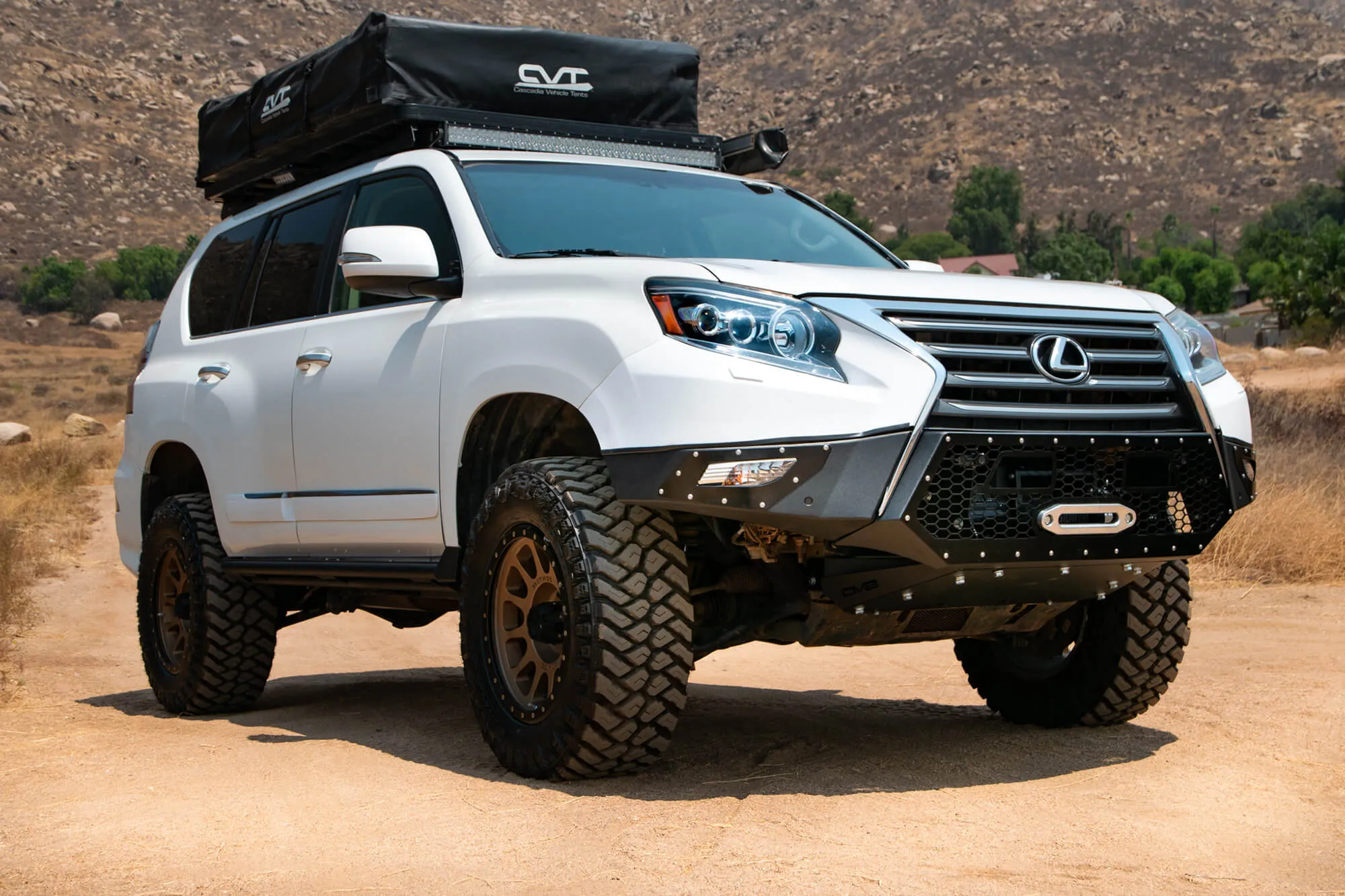
4. Lexus GX
The Lexus GX blends luxury with ruggedness, offering a unique combination that few other vehicles can match. Built on a truck-like platform, this luxury SUV retains traditional off-road abilities while delivering a plush driving experience. These qualities contribute to its ability to retain value in the course of time, making it a high performer when it comes to leasing.
While many luxury vehicles suffer quick depreciation due to high running costs and limited appeal in the used market, the Lexus GX bucks that trend. Its value remains strong because of its reputation for dependability, which Lexus has maintained over many years. The GX is not only well-built but also attracts a specific audience that values long-term performance over temporary trends. This loyal buyer base helps boost its residual value.
The vehicle’s design remains consistent, which works in its favour. While some might say the GX needs a redesign, others appreciate the simplicity and robustness it offers. Because it does not undergo frequent styling overhauls, earlier models still hold strong appeal, which keeps resale demand alive and high. This translates to better lease rates and reduced monthly payments for those interested in driving a luxury SUV without the usual financial strain.
Lexus also invests heavily in quality materials and engineering, which reduces the risk of wear and tear affecting resale value. Features like adjustable suspension, advanced safety systems, and a quiet cabin increase its premium feel without causing depreciation to spike. This makes the GX one of the few luxury SUVs that manages to combine reliability, resale strength, and comfort in a well-rounded package.
For people seeking a luxury lease option that will maintain its worth through the lease term, the Lexus GX presents a practical solution. Its blend of off-road strength, refined interior, and Lexus craftsmanship helps ensure that residual value remains high and leasing costs stay manageable.

5. Toyota 4Runner
The Toyota 4Runner has long established itself as one of the most durable and practical midsize SUVs available. Built with a body-on-frame structure, the 4Runner is often chosen by those who need both daily driveability and rugged capability. What sets it apart when considering a lease is how well it maintains its value in the course of time.
This SUV continues to appeal to a wide customer base because of its reliability and off-road capability. People who purchase or lease the 4Runner often use it for activities such as camping, towing, and cross-country driving.
Because of its versatility and reputation, the 4Runner is in high demand on the used market. That demand helps preserve the vehicle’s resale value, making leasing it a smart financial move.
While other midsize SUVs focus more on luxury features or urban comfort, the 4Runner maintains a simpler, more rugged design. This helps reduce issues that could affect depreciation.
Even after several years of use, 4Runners tend to look and perform well, adding to their appeal in the second-hand market. Strong demand from both off-road enthusiasts and families also supports its long-term value.
Toyota’s reputation for reliability adds another layer of protection against heavy depreciation. People know that a used 4Runner will likely last for many more years if properly maintained. This confidence keeps resale prices higher, which leads to stronger lease residual values and lower monthly costs.
Anyone seeking an SUV that balances function with durability should consider the Toyota 4Runner. It retains a large percentage of its value in the course of time, and this strong residual performance makes it a top contender for those searching for lease options in the midsize SUV category.
5 Cars with Poor Lease Values
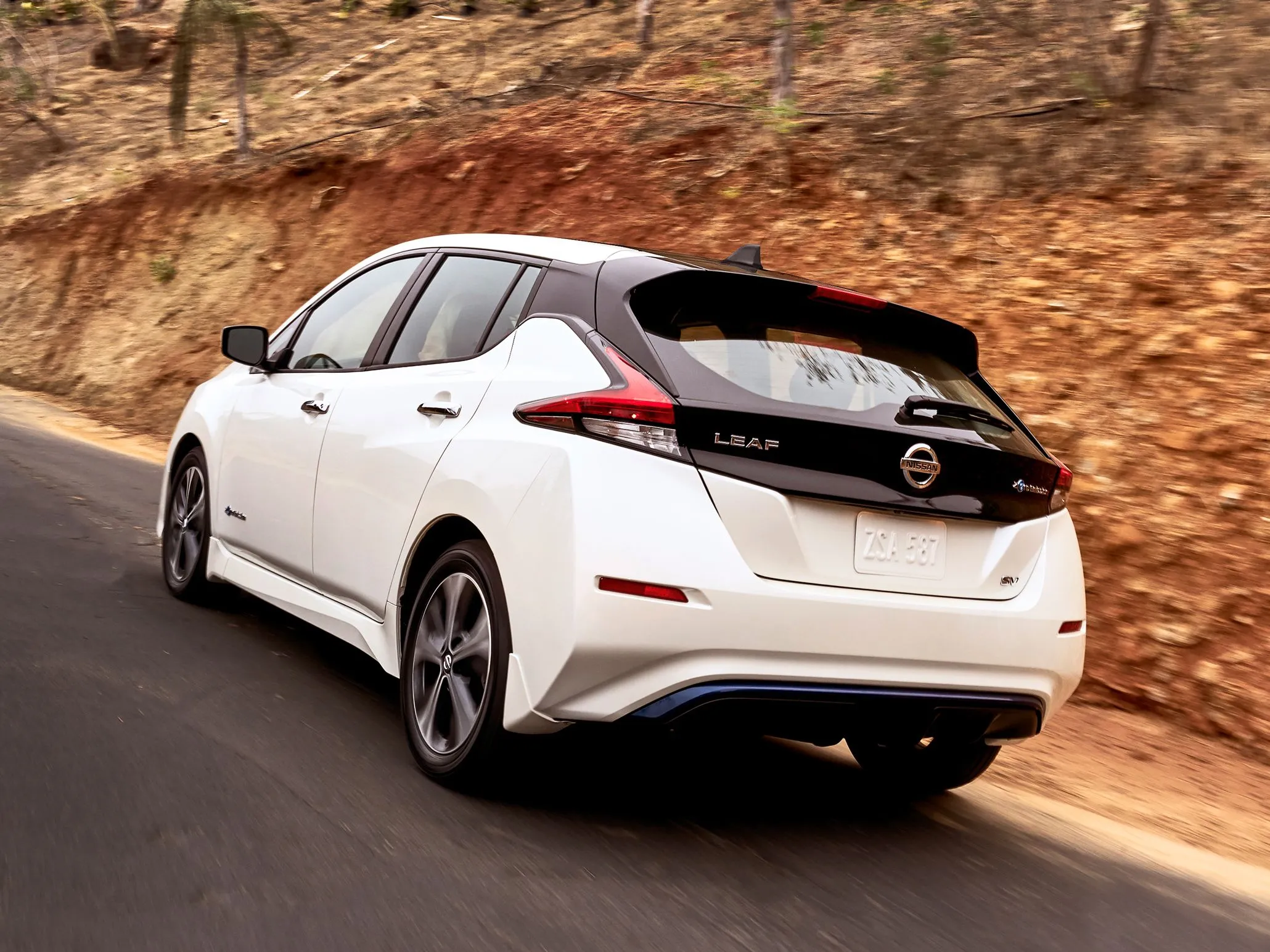
1. Nissan Leaf
The Nissan Leaf once led the charge into the electric vehicle segment, attracting attention as an affordable EV alternative for daily commuting. While it continues to provide decent electric range and quiet operation, its poor residual value has become a consistent concern for anyone considering leasing it. Depreciation for the Leaf happens at a faster pace than most rivals, making it less attractive from a leasing standpoint.
Electric vehicles, especially earlier models, tend to lose value quickly because of rapid advancements in battery technology. New EVs are introduced regularly with better range, improved charging options, and more modern features. This trend causes older models like the Leaf to become outdated faster, leading to weaker resale demand.
When resale interest is low, lease companies compensate by setting higher monthly payments to make up for the lower expected resale value. Another factor affecting the Leaf’s lease value is the limited charging network in some regions. While public charging stations are expanding, they remain inconsistent in some areas.
This limits the Leaf’s practicality for drivers who do not have access to home charging, which in turn affects resale potential. Buyers often shy away from older EVs due to concerns about battery degradation and outdated charging compatibility, both of which impact the Leaf’s future worth.
In addition, many used car buyers are still cautious about electric vehicles, especially when they are out of warranty. Concerns about battery replacement costs make it harder to sell or lease older EVs like the Leaf. This places a burden on lease providers who must assume the risk of a steep drop in value by the end of the lease.
For those seeking an electric vehicle to lease, it is advisable to compare options carefully. The Leaf may offer an affordable upfront deal, but its poor residual value often leads to higher monthly payments and limited appeal when the lease ends. This makes it a less attractive choice for anyone trying to manage long-term leasing costs.
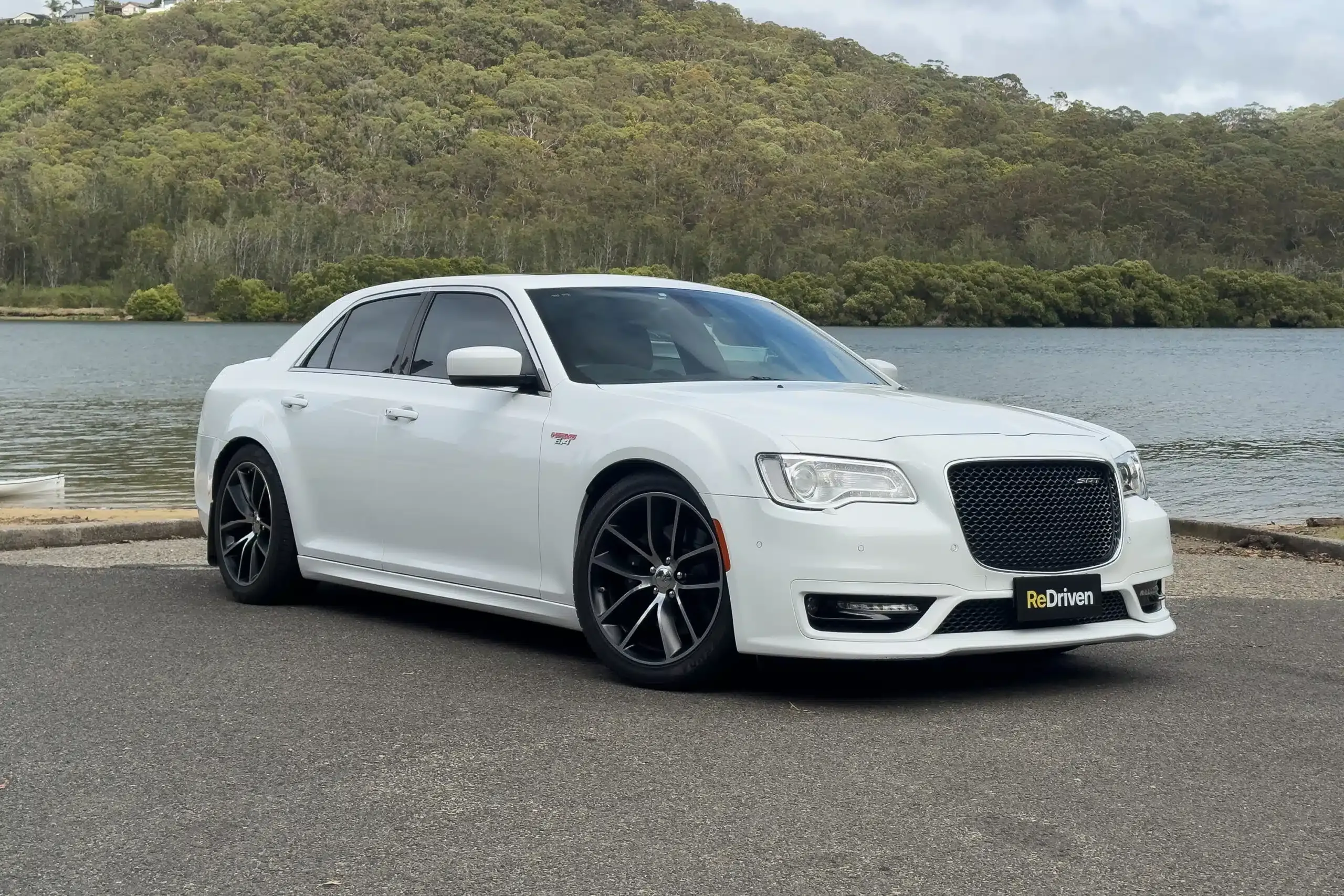
2. Chrysler 300
The Chrysler 300 once enjoyed popularity as a bold and luxurious full-size sedan. With its distinctive design and available V8 engine, it carved out a niche in the large car market.
However, times have changed, and the 300 no longer holds the same appeal it once did. This change in public preference has had a direct impact on its lease performance, resulting in a much lower residual value compared to competitors.
One of the reasons the Chrysler 300 depreciates quickly is its aging platform. While it still provides a comfortable and smooth ride, the basic structure and interior features have remained mostly unchanged for several years.
Buyers today often look for modern technology, better fuel efficiency, and advanced driver assistance systems. The 300 does not meet these evolving demands as effectively, which weakens its resale potential and leads to poor lease returns.
Another issue affecting its lease value is the shrinking popularity of full-size sedans. As more consumers choose SUVs and crossovers, vehicles like the 300 find it harder to maintain demand in both the new and used markets. Leasing companies respond to this by assigning low residual values, which results in higher monthly costs for lessees.
While some buyers may still appreciate the 300’s strong engine performance and upscale design, these features alone are not enough to preserve its value after some time.
Leasing this vehicle means dealing with the financial impact of a low resale estimate. For those who lease with the hope of buying the vehicle later, the resale loss can be even more disappointing.
Drivers looking for a car with long-term lease value are encouraged to look elsewhere. Although the Chrysler 300 may offer short-term appeal in style and comfort, its poor lease residual makes it a difficult choice when balancing entire leasing expenses with expected returns.
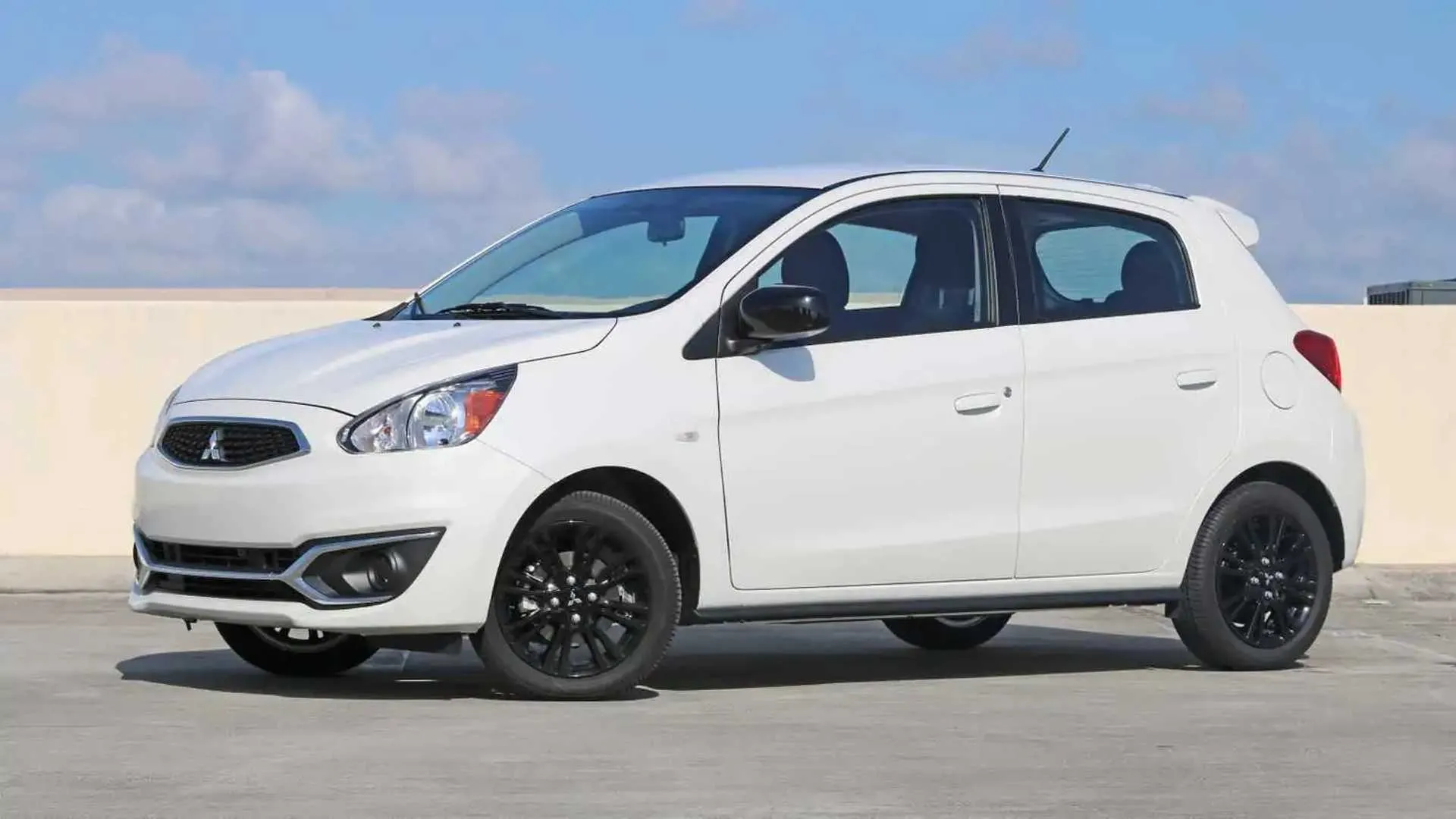
3. Mitsubishi Mirage
The Mitsubishi Mirage is known as one of the most affordable new cars available, which may attract attention from budget-focused buyers. However, what it offers in low purchase price, it loses in retained value. The Mirage suffers from one of the lowest residual values among compact cars, making it a poor performer when leased.
This car tends to depreciate faster than others because it struggles to keep up in major areas such as performance, comfort, and technology. Drivers often find that it lacks power and refinement when compared to other entry-level models. As a result, resale demand is weak, and lease companies calculate this into higher monthly payments to offset the drop in value during the lease period.
The interior of the Mirage, while functional, feels dated and basic even in higher trims. Although it can get drivers from point A to point B, the lack of modern features and average build quality affects its resale appeal.
Used car buyers usually have other options in the same price range that offer better performance and more advanced features, which makes the Mirage a less desirable vehicle after lease expiration.
Another drawback is its limited safety technology. While recent models include some basic systems, the entire safety ratings and equipment fall behind competitors. This affects both new car interest and resale confidence, especially among buyers with families. A weak resale market leads directly to reduced residual value and raises the cost of leasing.
While the Mirage may initially seem like a smart, low-cost car to lease, the hidden cost appears in the form of poor depreciation. For those focused on leasing value, it would be better to consider compact cars with stronger performance, better reliability, and more equipment. These factors contribute to better long-term value and more reasonable lease terms.
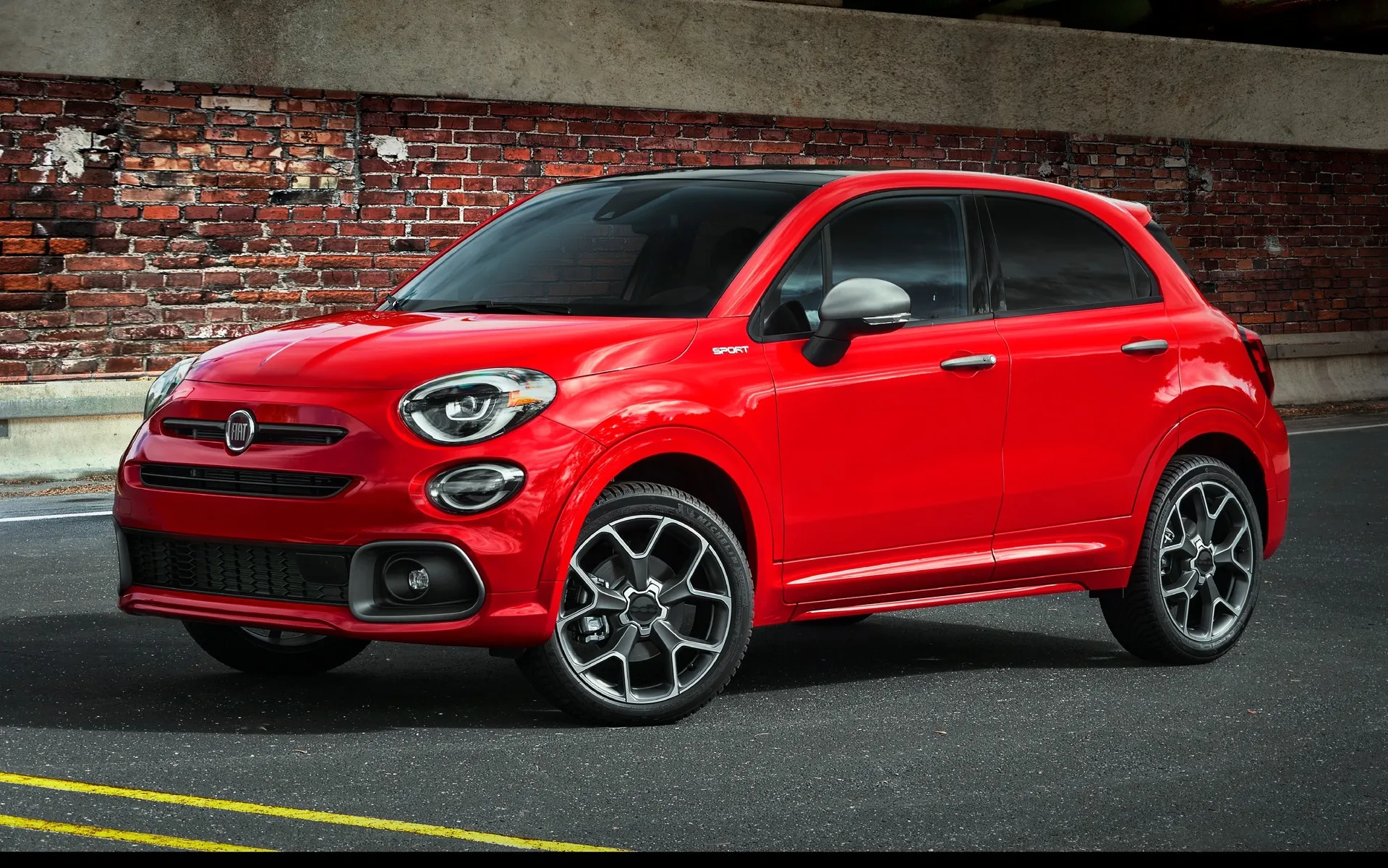
4. Fiat 500X
The Fiat 500X entered the compact crossover market with stylish looks and European charm. While it provides a distinctive design and decent ride quality, it has not been able to maintain strong resale value. This poor retention affects leasing outcomes by increasing the cost of monthly payments and reducing leasing attractiveness.
One of the main issues with the 500X is its brand recognition and consumer confidence. Fiat has not built the same reputation for reliability and long-term performance in the United States as some of its competitors. As a result, used car buyers often hesitate to invest in a pre-owned Fiat, which lowers demand and drags down residual values.
Another contributing factor is the limited dealership network. Maintenance and parts availability can be an issue in certain regions, making the 500X less convenient to own or lease. Concerns about future repair access discourage potential buyers from considering this model after a lease ends, reducing its appeal and hurting its retained value.
The 500X also faces stiff competition from better-equipped crossovers from brands like Honda, Toyota, and Mazda. These competitors offer similar pricing but better technology, more cargo space, and improved reliability. This comparison makes the 500X less compelling in both the new and used markets.
For someone thinking about leasing, the 500X might appear affordable upfront, but poor residual values mean lease companies must charge more per month to cover the expected drop in value. The end result is a vehicle that ends up costing more to lease than others in its class, despite having fewer advantages in terms of features or resale.
Leasing a Fiat 500X may not be the best option for someone looking to minimise long-term costs. With poor brand trust and weak value retention, it struggles to compete with rivals that hold their worth more effectively during the lease term.
Also Read: 5 Cars Designed for Pedestrian Safety vs 5 That Pose Pedestrian Risks
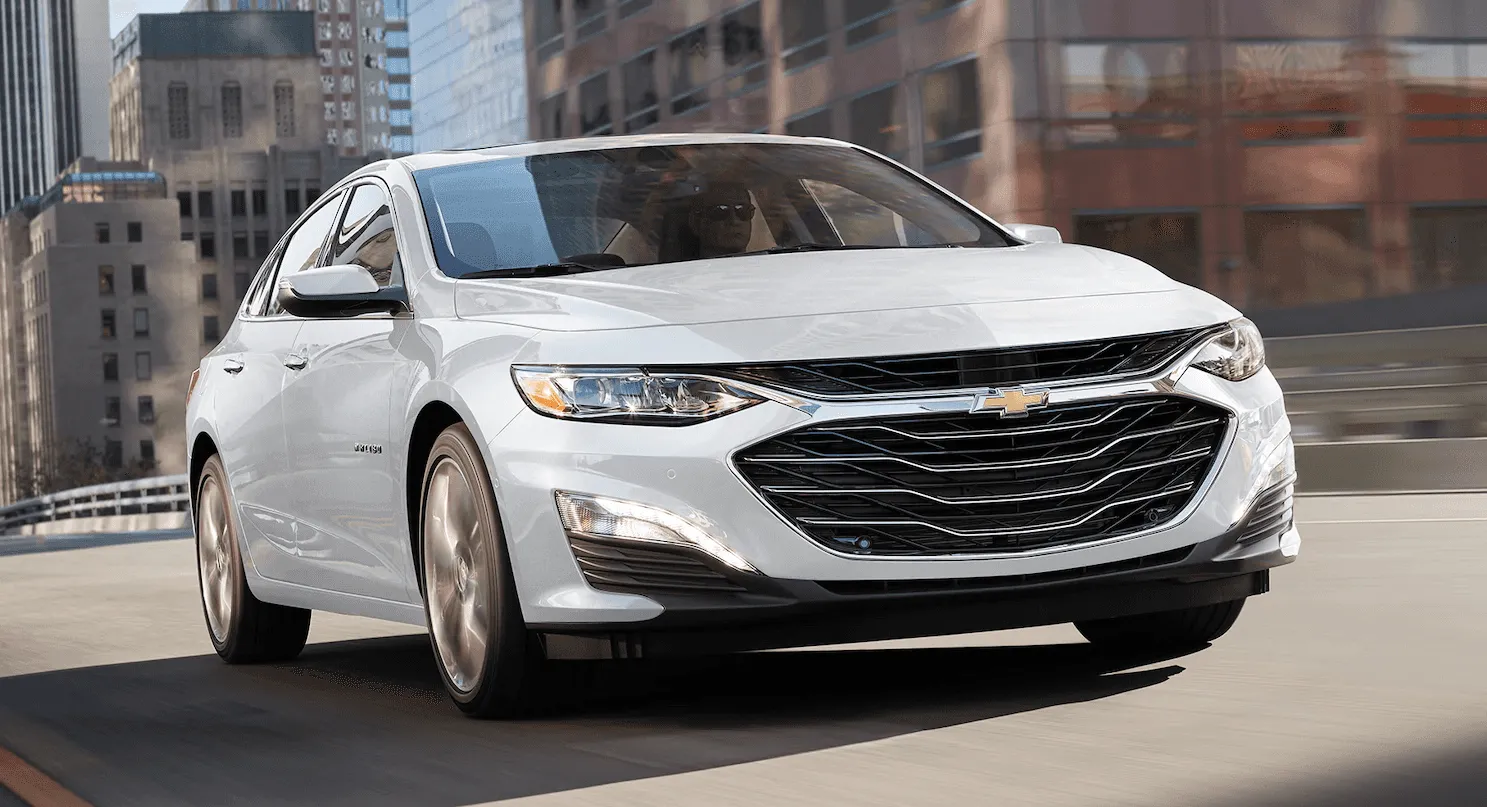
5. Chevrolet Malibu
The Chevrolet Malibu has long been part of the midsize sedan category, offering decent value, smooth handling, and comfortable seating. Despite these positives, it continues to perform poorly when it comes to lease residuals. Sedans like the Malibu face growing disinterest as buyers move toward crossovers and SUVs, which affects how well they retain value.
Depreciation hits the Malibu harder because the demand for traditional midsize cars has declined. As fewer people seek out used sedans, the market becomes flooded with vehicles that struggle to attract buyers. This weak demand causes lease companies to lower their residual value estimates, which leads to higher monthly payments for lessees.
Although the Malibu does offer modern styling and a user-friendly infotainment system, it lacks the strong resale pull that other vehicles have. Buyers looking for used cars often bypass it in favour of models with better reputations for durability, technology, and fuel efficiency. Without strong resale interest, the cost of leasing increases.
Another issue is that the Malibu has undergone fewer updates compared to its competitors. Brands like Toyota and Honda regularly refresh their sedan lineups to stay competitive.
When a car fails to keep up with changing trends, it becomes less desirable on the second-hand market. This again contributes to poor lease value as companies anticipate higher depreciation rates.
Drivers considering the Malibu as a lease option should keep the resale outlook in mind. Although the vehicle might provide a smooth driving experience and modern conveniences, its lease performance suffers due to low residual value. Those seeking lower leasing costs and better long-term value may want to look at alternatives with stronger resale records.
