

The car market is constantly influenced by trends, economic conditions, collector interest, and technological advancements. While some vehicles gradually gain more admiration and financial worth due to rarity, legacy, or specific performance traits, others fall out of favour, often losing value much faster than expected.
These changes can be subtle over a few years or sudden, based on a change in consumer preference or a new model release that overshadows an existing one.
For some car owners, discovering that a model sitting in their garage has now become desirable and has started appreciating can be exciting. These are usually vehicles with limited production numbers, unique engineering, or some kind of cultural relevance that grows stronger with age.
On the other hand, some cars depreciate sharply, either due to reliability issues, oversupply in the used market, or because buyers are no longer interested in their styling, performance, or fuel economy.
It is important to recognise that car appreciation is not limited to exotic or luxury models. Even practical daily drivers have witnessed rising prices when supply tightens or their demand unexpectedly increases. Meanwhile, even premium nameplates can take a hit if perception drops or newer technology leaves them behind.
This piece highlights five cars whose values have gone up recently and five that have gone down, based on resale figures, auction activity, and buyer interest.
Each model covered here shows how unpredictable automotive value trends can be, reminding both enthusiasts and regular drivers that timing can matter just as much as the badge on the hood.
Cars That Have Begun Appreciating in Value
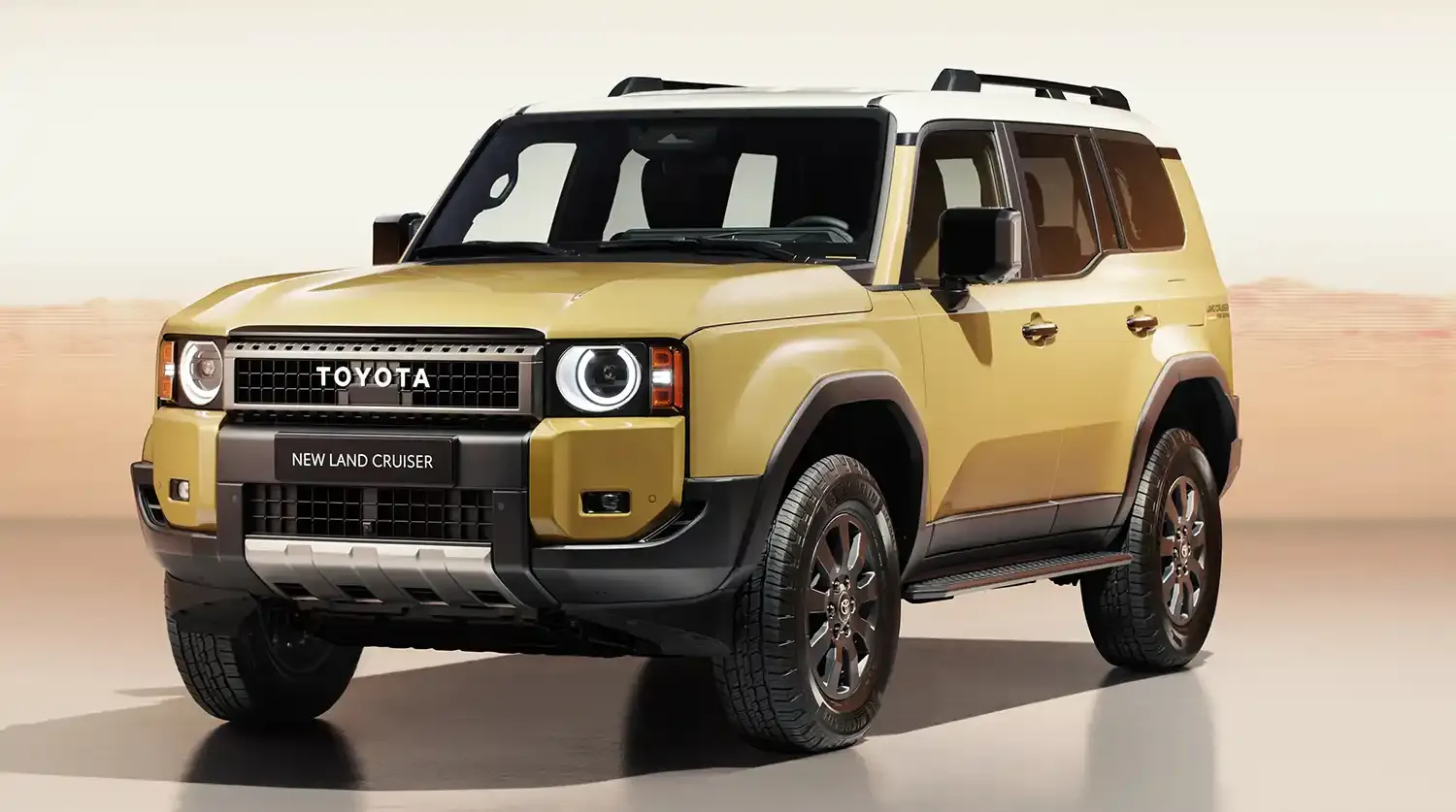
1. Toyota Land Cruiser (J80 and J100 Series)
The Toyota Land Cruiser has maintained a strong presence across global markets due to its reliability and off-road reputation. Recently, attention has shifted to the J80 and J100 generations, particularly among collectors and off-road enthusiasts who now view these models as dependable classics.
These vehicles were once regarded simply as utility-focused SUVs, but they are increasingly seen as well-built machines with enduring appeal.
The J80 Land Cruiser, produced from the early 1990s until 1997, combined traditional body-on-frame construction with advanced features for its time, including full-time four-wheel drive and optional locking differentials.
With bulletproof inline-six engines and minimal electronic complexity, these trucks have stood the test of time, which makes them increasingly attractive to those who want analog toughness without modern fragility.
The J100 generation, introduced in 1998 and running until around 2007, introduced more comfort without losing the durability that defines the nameplate.
It came with a V8 engine, more refined ride quality, and better road manners, which gave it broader appeal. As newer versions of the Land Cruiser have become more expensive and less utilitarian, many buyers have returned to these older models, pushing prices upwards.
Recent auction sales and private transactions have shown values creeping up, particularly for well-maintained, unmodified examples.
Collectors are increasingly willing to pay premium prices for low-mileage units, especially those with factory features like triple lockers or original paint. This appreciation is not just limited to the US but can be seen across many markets where these vehicles were once workhorses.
The rising price of the Land Cruiser is a reflection of how ruggedness, heritage, and brand trust can combine to lift a once-utilitarian SUV into a collector’s gem. With newer models becoming increasingly rare or unavailable in some regions, demand for the older versions continues to build steadily.
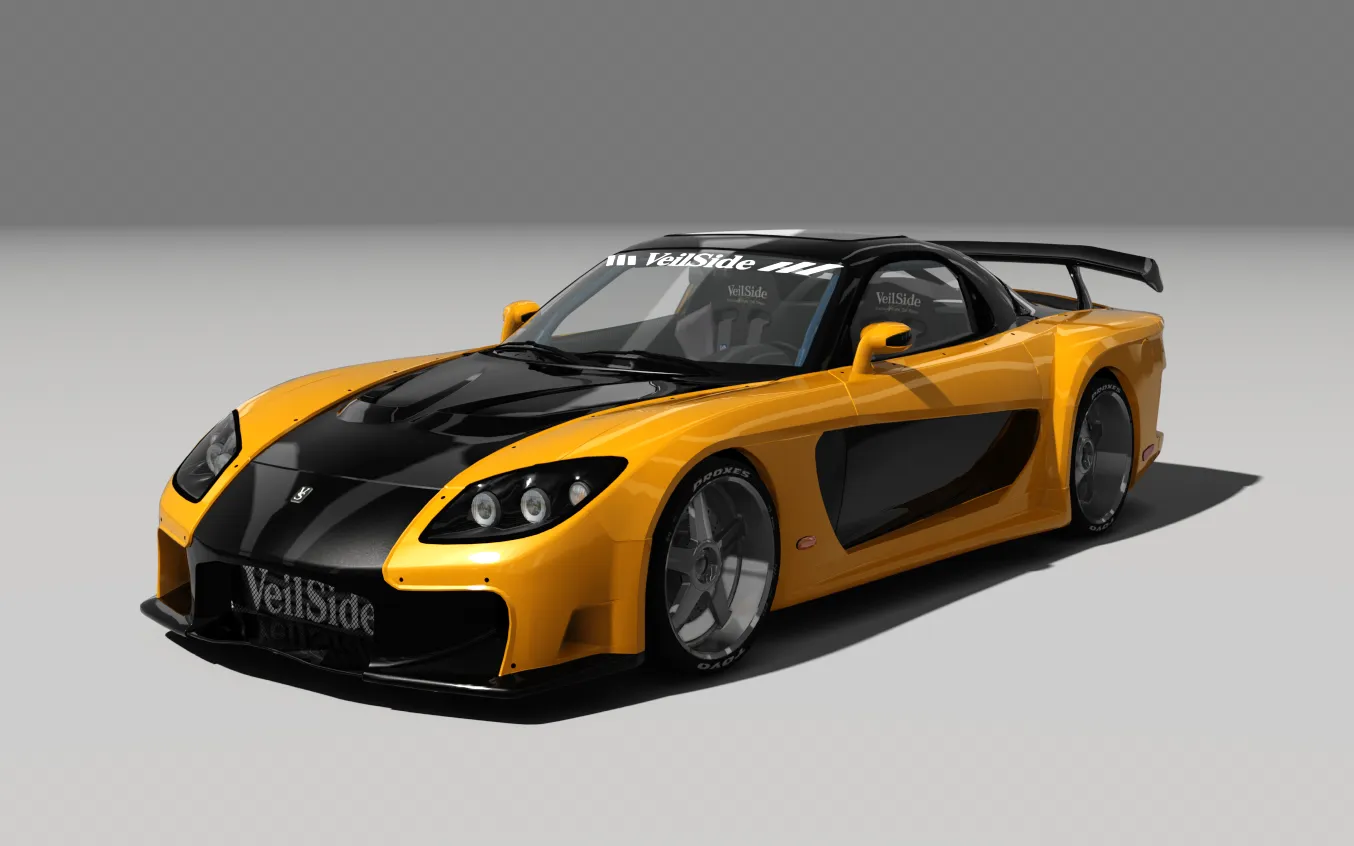
2. Mazda RX-7 (FD Generation)
The FD-generation Mazda RX-7, produced from 1992 to 2002, has transitioned from a niche rotary-powered sports car to a highly sought-after collectible. Its value trajectory has been driven by limited supply, motorsport legacy, and a design that still appears modern decades after its debut.
The car’s unique engine layout and balance made it a favourite among driving enthusiasts, while its appearances in pop culture cemented its reputation among a younger audience.
Equipped with a twin-rotor 13B-REW rotary engine and weighing just under 2,800 pounds, the RX-7 delivered a thrilling driving experience that rivalled many high-end European sports cars at the time.
The car’s low centre of gravity and near-perfect weight distribution allowed it to handle corners with precision. However, the rotary engine’s maintenance complexity kept many buyers away during its production years, contributing to a relatively low number of surviving examples today.
Now that time has passed, enthusiasts and collectors have begun appreciating the RX-7 for what it offered: a pure, focused sports car experience that is hard to find today.
The growing interest has resulted in higher resale values, especially for stock models with clean service records. Modified versions still attract attention, but originality often brings the best returns.
Auction results and private sales over the past three years show a consistent rise in asking prices, with some well-kept units fetching well over six figures. The FD RX-7’s rising appeal is also aided by its eligibility for various classic car shows and import markets, where legal restrictions once prevented buyers from accessing the car easily.
Increased recognition of its engineering, paired with nostalgia and a dwindling pool of good examples, has pushed this Japanese icon into a new price bracket. As interest in analog performance cars continues to grow, the FD RX-7 is likely to remain a prized asset among collectors.
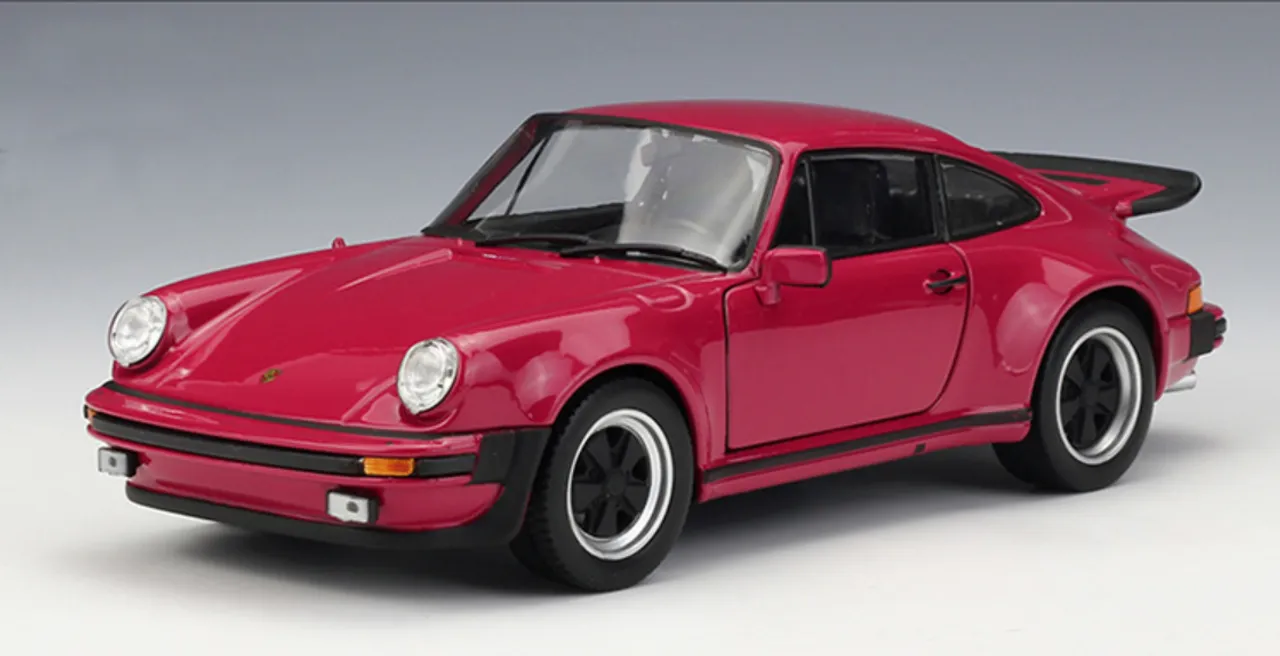
3. Porsche 944 Turbo
Often overshadowed by its more famous rear-engined siblings, the Porsche 944 Turbo is now experiencing a resurgence in value. Produced from 1985 through 1991, this front-engined, rear-wheel-drive coupe offered exceptional balance and impressive performance during its time, all while delivering Porsche’s quality engineering in a more accessible package.
The 944 Turbo, also known as the 951, came with a 2.5-litre turbocharged inline-four engine producing around 220 horsepower in standard form and up to 250 horsepower in later S models.
It also featured upgraded suspension, larger brakes, and subtle aerodynamic enhancements compared to the standard 944. What made the 944 Turbo stand out was its near-perfect weight distribution and composed handling, thanks to the transaxle layout.
While values were stagnant for many years, the tide has changed recently. Enthusiasts are taking a second look at these cars, appreciating them not only for their driving dynamics but also for their increasing rarity.
Many examples have been poorly maintained or heavily modified, which makes clean, original units much harder to find. As a result, well-documented models with service history are now commanding higher prices at auctions and through private sales.
The growing interest in 1980s and early 1990s sports cars has also helped the 944 Turbo. With air-cooled 911 prices out of reach for most buyers, the 944 has become a gateway into Porsche ownership. Collectors now view it as a bargain no longer, which has driven up demand.
Another factor contributing to its rising appeal is the combination of modern usability and vintage charm. The car’s interior remains functional and relatively simple, and its driving dynamics still compare favourably with many newer cars. As more people look to invest in cars that offer a unique experience and mechanical engagement, the Porsche 944 Turbo is rising in value and appreciation.
Also Read: 5 Cars You Can Maintain at Home and 5 That Require Dealer Visits for Everything

4. Honda S2000
The Honda S2000 has become a favourite among car collectors and enthusiasts seeking a naturally aspirated, high-revving roadster that remains both exciting and relatively affordable.
Launched in 1999 and produced until 2009, the S2000 offered an experience that no longer exists in today’s market, especially as turbocharging and electric assistance have become more common.
This two-seater roadster featured a 2.0-litre four-cylinder engine capable of revving to 9,000 RPM in its early AP1 models. It produced around 240 horsepower without any forced induction, relying solely on high engine speed and precise engineering.
The car’s six-speed manual transmission was often praised as one of the best made, and the chassis provided immediate feedback and control.
During its early years, the S2000 was respected but did not receive the same collector attention as other Japanese icons. However, its values began climbing once people realised how few unmolested examples remained. Many S2000s were modified heavily or driven hard, leaving only a small percentage of the cars in original condition with low mileage.
Recent auction sales have highlighted this renewed appreciation. Clean AP1 models, especially from the first few years of production, have reached prices above thirty or forty thousand dollars.
AP2 versions, which had revised suspension and a slightly larger engine, have also seen increasing demand. Limited editions like the Club Racer and the 20th Anniversary edition have pushed prices even higher.
The combination of engineering purity, reliability, and fun-to-drive character has helped the Honda S2000 gain a loyal following. As manual transmission sports cars continue to disappear from showrooms, this roadster’s value is expected to remain on an upward trajectory, especially among buyers who want mechanical involvement over digital convenience.
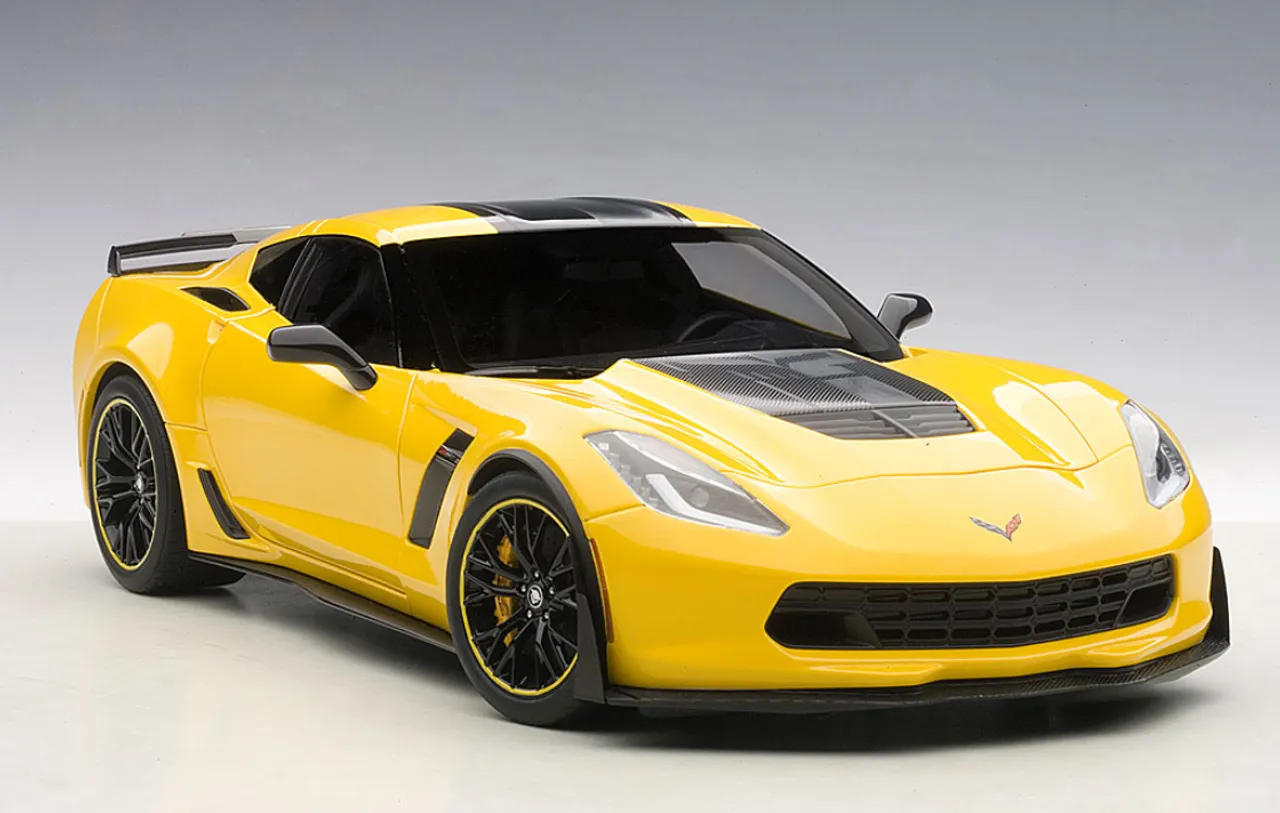
5. Chevrolet C5 Corvette (Z06)
The C5-generation Chevrolet Corvette, particularly the Z06 variant, has recently gained recognition among performance car enthusiasts looking for value and track-ready capabilities.
Manufactured from 2001 to 2004, the Z06 offered a focused performance version of the standard C5, and it is now being viewed as a strong candidate for long-term appreciation.
Equipped with the LS6 5.7-litre V8 engine, the Z06 produced 385 horsepower in its early years and 405 horsepower by 2002. It was lighter than the standard C5 due to features like a fixed roof, thinner glass, and a titanium exhaust system.
With a six-speed manual transmission, rear-wheel drive, and a relatively low curb weight, the Z06 could go from zero to sixty miles per hour in just under four seconds.
Despite offering performance numbers that rivalled more expensive cars, the Z06 did not carry a high price tag when new. That accessibility led to widespread use on tracks and sometimes neglectful ownership, which has now made clean examples harder to locate. Buyers are now realising how much performance they can get in a naturally aspirated American sports car without needing to spend beyond their means.
Interest has been growing steadily, especially for low-mileage, original Z06 models in excellent condition. Auction sites and enthusiast forums are showing increased discussions and higher asking prices. The simplicity of the car, paired with the dependability of the LS platform, makes it appealing to those who want both performance and long-term ease of ownership.
As new performance vehicles rely more on electronic systems and driver aids, the raw and direct feel of the C5 Z06 has become more desirable. Collectors and drivers alike are starting to treat this Corvette with more respect, and the appreciation in its value reflects that growing admiration for analog speed and engineering purity.
Cars That Have Dropped in Value
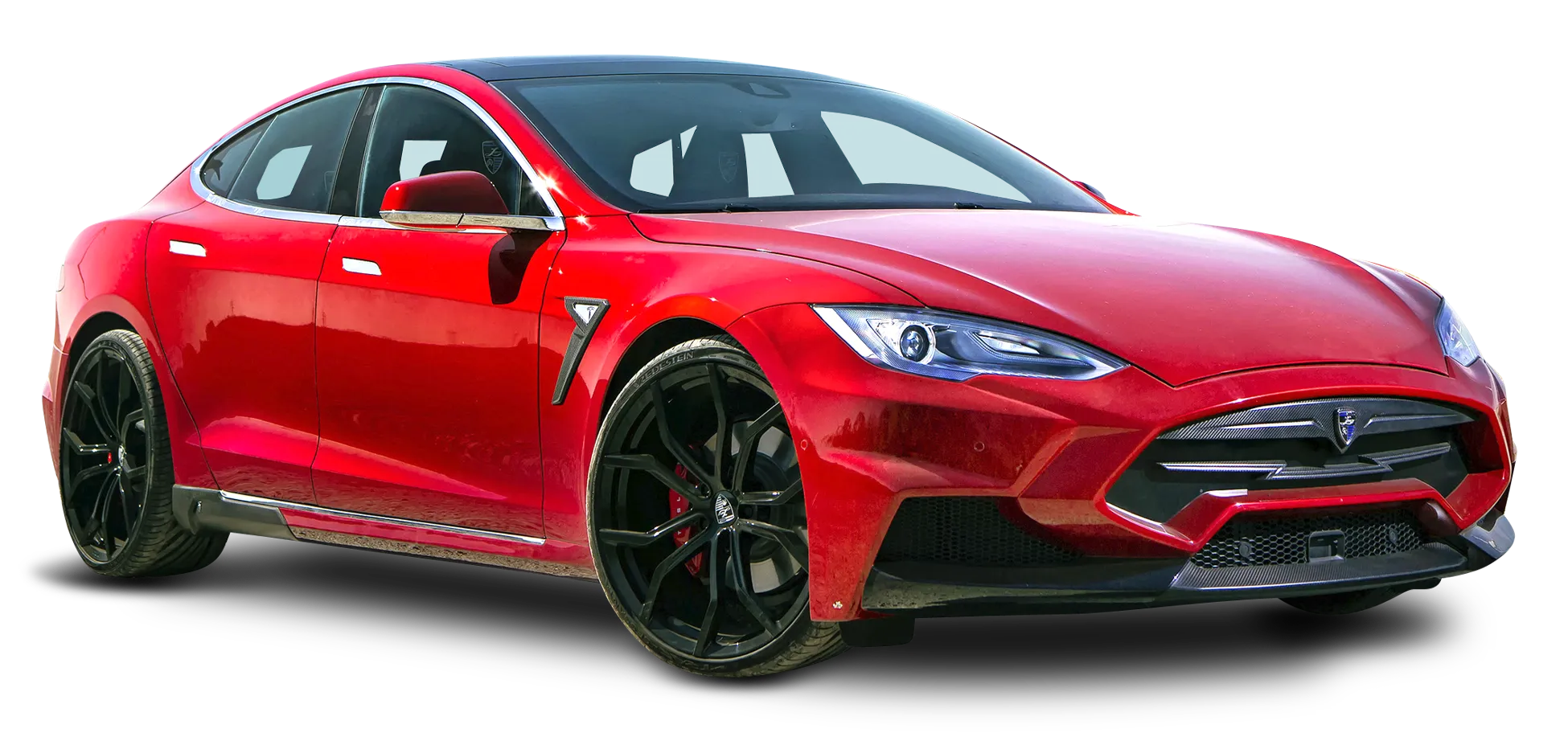
1. Tesla Model S
The Tesla Model S, once considered a game-changer in the electric vehicle space, has experienced an outstanding drop in resale value recently.
As one of the first luxury electric sedans to gain mass appeal, the Model S received wide attention for its acceleration, futuristic features, and sleek design. Early adopters were eager to embrace this new automotive experience, but the dynamics of the used EV market have shifted rapidly.
Several factors have contributed to the price reduction. First, Tesla’s constant software and hardware updates have made older models feel outdated much faster than traditional vehicles.
A 2015 Model S, for example, lacks many of the interior and performance upgrades now available in newer models. The result is that earlier versions struggle to attract strong resale prices because buyers are more inclined to purchase a newer version for not much more money.
Battery degradation also plays a role in diminishing value. While Tesla batteries generally perform well after a while, buyers remain cautious about the long-term health of electric powertrains. The uncertainty about replacement costs and how much range has been lost often pushes down resale figures.
Another factor is the increased availability of electric vehicles from competing brands. Buyers now have more choices than before, which has softened demand for used Tesla units. The luxury sedan market, in general, has also become more competitive, with buyers preferring newer features, longer range, and fresher styling.
Additionally, Tesla has been adjusting new vehicle prices more frequently than traditional automakers. These adjustments can create instability in the used market because they lower the perceived value of similar models that were purchased just a few years earlier at a higher price point. Owners looking to resell their vehicles often find that the car has depreciated faster than they anticipated.
Although the Model S still offers strong performance and advanced features, its depreciation curve has steepened. For buyers, this creates opportunities to buy luxury EVs at relatively lower prices. However, for sellers, it represents a loss in equity that reflects the fast-moving nature of the electric car segment.
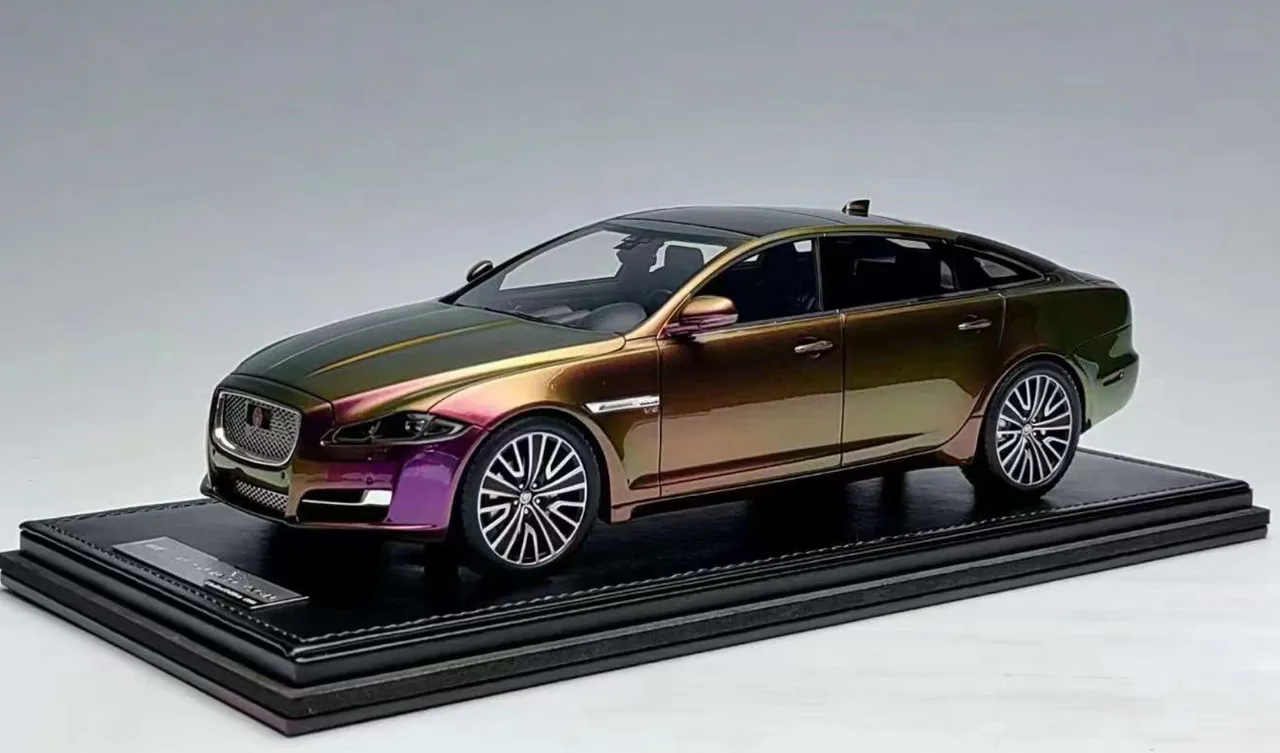
2. Jaguar XE
The Jaguar XE arrived intending to compete against popular German compact sedans like the BMW 3 Series and Audi A4. It came with sleek British styling, a range of engines, and a premium interior that aimed to attract buyers seeking something different.
At launch, many considered it a viable alternative to the established German options, but the vehicle’s resale value has not held up well.
One of the main reasons for the depreciation is brand perception. Jaguar has faced persistent concerns about long-term reliability, and these worries have influenced how buyers perceive used models.
The XE, while stylish and engaging to drive, was not immune to the brand’s reputation for inconsistent quality, which affected buyer confidence in the pre-owned market.
Sales figures during its production years were also relatively low, especially in markets like North America. The XE was never able to match the popularity of its rivals, and this limited recognition has contributed to reduced demand on the used market. Less demand usually translates into steeper depreciation.
Another issue was Jaguar’s approach to technology and interior layout. While the XE included premium materials and decent features, it often lagged behind competitors in infotainment responsiveness and usability.
In a market where tech integration plays a big role in buyer satisfaction, this became a drawback. As a result, newer buyers often skipped the XE in favour of cars that offered more advanced user interfaces.
Additionally, Jaguar’s decision to streamline its lineup and scale back sedan production has affected perceptions about long-term support. When a brand pulls back from a segment, buyers may worry about parts availability and future servicing. This uncertainty has weighed down resale prices even further.
Although the XE remains a pleasant and stylish sedan with impressive driving manners, its drop in value is a reflection of shifting preferences and hesitations around the brand. Buyers looking for a used luxury sedan might find it at a bargain now, but sellers have seen resale values fall much faster than expected.
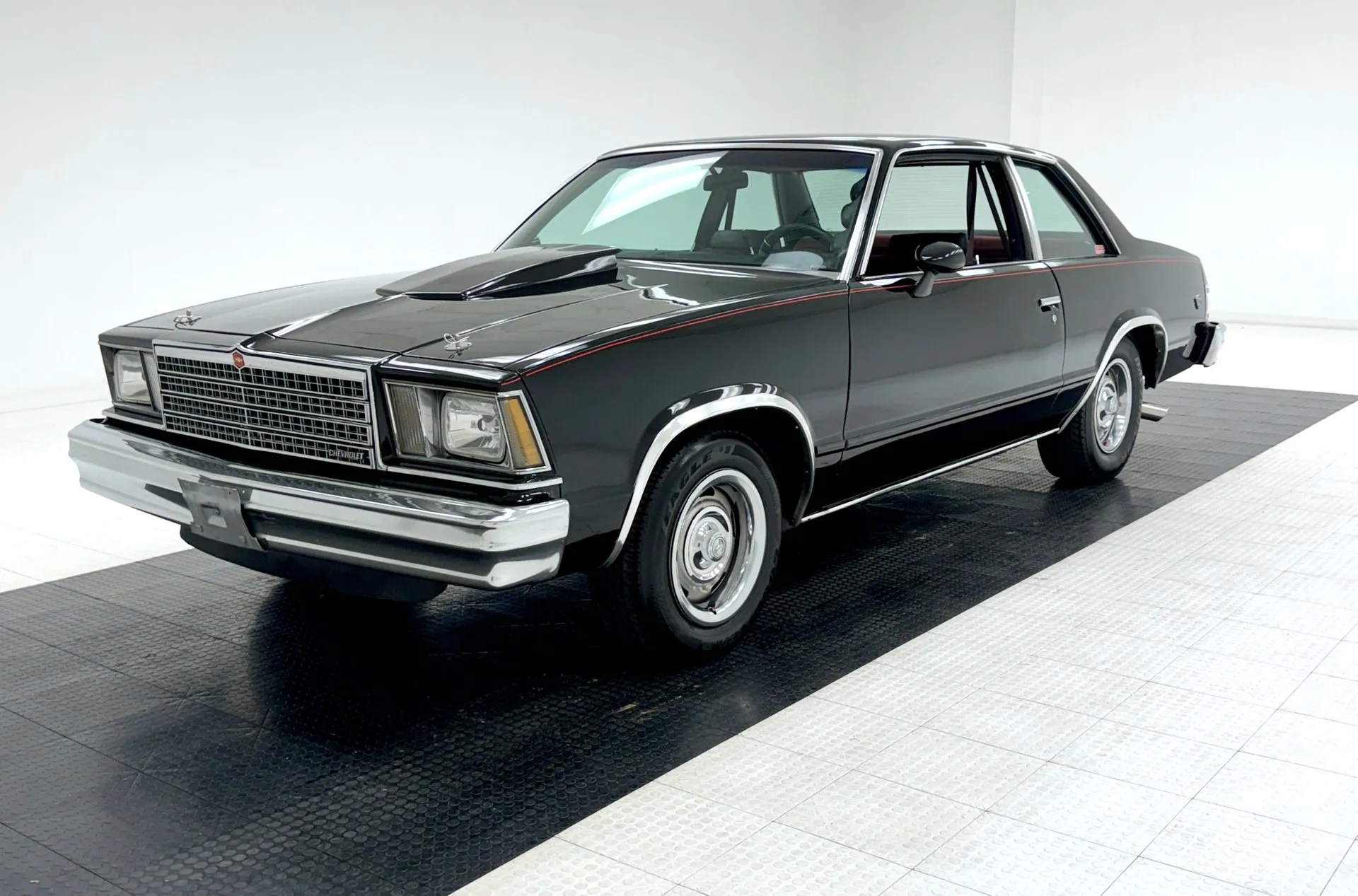
3. Chevrolet Malibu
The Chevrolet Malibu has long served as a practical midsize sedan aimed at buyers seeking everyday transportation without breaking the bank. Despite being a consistent presence on roads for decades, recent models have seen a dramatic decline in resale value, even in relatively good condition and with low mileage.
One major reason for this decline is the rapid decrease in demand for traditional sedans. As consumers move toward crossovers and SUVs, cars like the Malibu have lost appeal, especially among younger buyers who prioritise higher seating positions, cargo versatility, and perceived ruggedness. This drop in interest has led to a surplus of used Malibus on dealer lots, which drives down prices.
The Malibu also faces stiff competition within its segment. Vehicles like the Honda Accord and Toyota Camry tend to retain their value better due to stronger reputations for reliability and better brand loyalty.
Even though the Malibu is often priced lower, resale values are still affected because shoppers prioritise long-term dependability and build quality, areas where the Malibu has faced mixed reviews.
Chevrolet’s own marketing efforts have gradually reduced focus on the sedan category, and this affects buyer perception. When a manufacturer places more emphasis on trucks and SUVs, their sedans can start to feel like an afterthought. This perception impacts resale interest and value, particularly among those looking for long-term support and brand stability.
Another contributor is the design cycle. The most recent Malibu facelift did little to boost interest, and the lack of major innovation compared to other brands made it harder to justify new or used purchases at higher prices. Interiors were often described as dated, and performance did not stand out among rivals.
Owners trying to sell recent model-year Malibus often face underwhelming offers, which reflects how quickly interest has faded. While the car still performs its intended function well, the drop in resale value shows that practicality alone does not guarantee strong resale performance in today’s market.
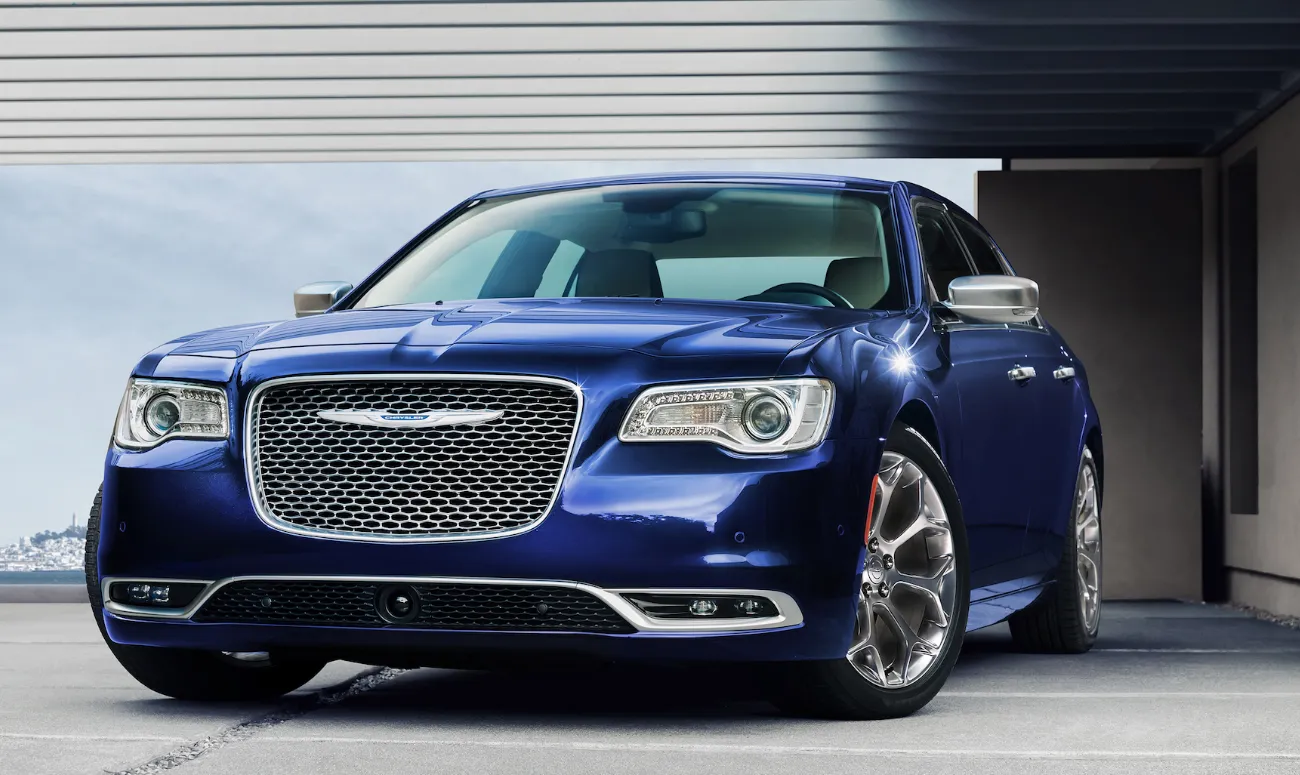
4. Chrysler 300
The Chrysler 300 once stood out as a bold, rear-wheel-drive sedan with an imposing design and a smooth V6 or V8 under the hood.
With its muscle-car-inspired presence and roomy cabin, it appealed to buyers looking for something with a bit of American flair. However, as market trends shifted and Chrysler failed to keep the model fresh, the 300 has seen a sharp drop in resale value.
One of the challenges the 300 faced was its aging platform. Though it received updates through the years, the car’s core architecture dates back to the early 2000s.
As competitors brought newer technology and more refined interiors to the segment, the Chrysler 300 began to fall behind. Buyers today expect more advanced safety features, infotainment systems, and better fuel economy, all areas where the 300 started lagging.
Another issue has been brand identity. Chrysler, as a brand, has reduced its presence in the sedan market and has offered little in terms of innovation or new model introductions.
With fewer new offerings, many buyers associate the brand with stagnation. This perception affects used vehicle values, especially when buyers question whether support for the model will continue in the years ahead.
Fuel economy is also a concern. With available V8 options, the Chrysler 300 can be thirsty compared to newer four-cylinder turbocharged rivals. Rising fuel costs and emissions considerations have made these older powertrains less desirable to a wide range of buyers.
The shrinking sedan market has also played a role. Fewer people are shopping for large sedans, and those who are often prefer models with more current styling and better technology. This makes it harder for sellers to get strong resale prices for the 300, even if the car is in excellent condition.
Although the 300 still delivers a comfortable ride and classic appeal, its fall in value shows how a lack of innovation and changing buyer preferences can quickly push a once-popular car down the resale ladder.
Also Read: 5 Cars With Generous Legroom vs 5 With Tight Rear Seats
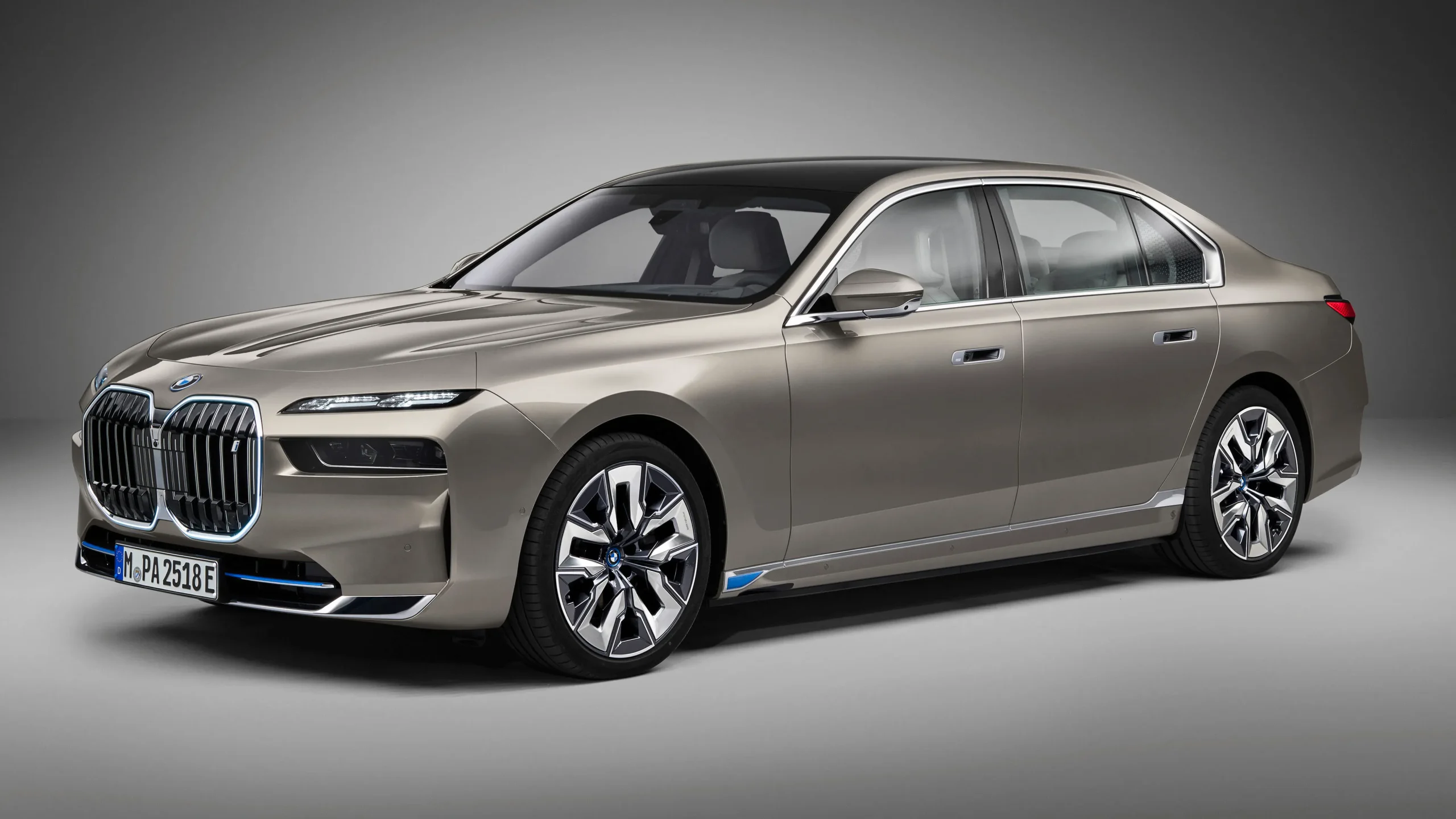
5. BMW 7 Series (F01 Generation)
The F01-generation BMW 7 Series, produced from 2009 to 2015, represents one of the most luxurious full-size sedans of its time.
It came with a long list of features, powerful engine options, and advanced technologies that were ahead of their time. However, this model has seen a steep decline in value, making it one of the most rapidly depreciating vehicles in the luxury segment today.
The main reason for the drop lies in ownership costs. While buying a used 7 Series might seem like a deal at first, maintaining one can be expensive. Repairs, parts, and service labour for these complicated vehicles often cost more than what many buyers expect. The high cost of ownership deters people from the used market, pushing prices down.
The car’s advanced electronics, which were cutting-edge when new, can become liabilities as they age. Outdated iDrive systems, electronic suspension, and various sensors are prone to issues after several years.
Replacing or repairing them requires specialised skills and parts, which can quickly become costly. As a result, many buyers avoid used 7 Series models once they are out of warranty.
Depreciation also happens faster in this segment because new versions are frequently released with major updates. Each time BMW introduces a newer generation with more tech and better efficiency, older models lose more of their resale value. Luxury car buyers tend to want the latest features, which makes it difficult for previous models to hold their value.
There is also the issue of supply. Leasing was common for the F01 7 Series, which resulted in many units returning to the market after a few years. This surplus of used models further depresses prices, especially when sellers compete with each other to move their cars.
Although the F01 7 Series delivers refinement, performance, and prestige, the used market does not treat it kindly. Sellers are often shocked at how little they can get for a vehicle that originally cost over seventy thousand dollars. The combination of high upkeep costs and rapid technological aging makes it one of the models hardest hit by depreciation.
