
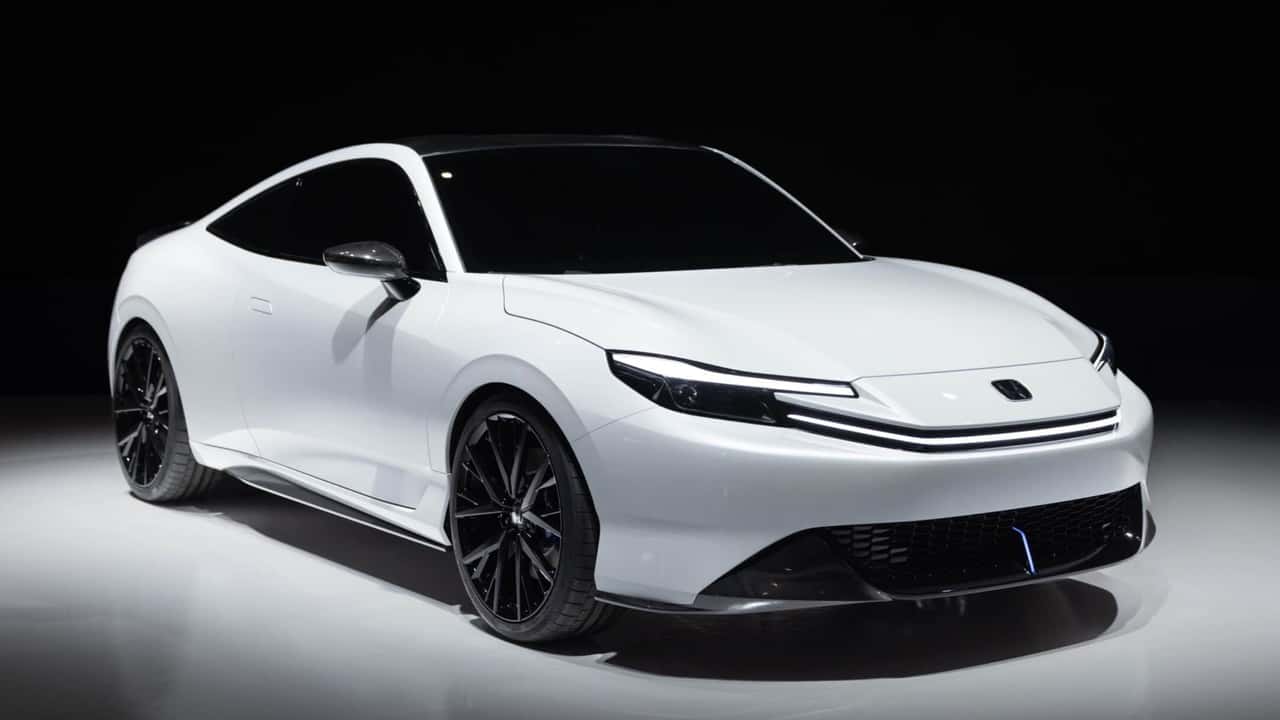
Japanese Domestic Market (JDM) vehicles have profoundly shaped global car culture, especially through passionate communities of import enthusiasts. These cars, once meant for Japanese roads, now attract buyers and collectors worldwide.
Some JDM imports have soared in value, breaking auction records and becoming icons thanks to unique engineering, limited production numbers, or stardom through racing and cinema. Their desirability continues to intensify, pushing prices far beyond initial expectations.
Conversely, not every imported JDM car enjoys this trajectory. For every legend that commands six-figure sums, some models lose ground in resale and are often overlooked by collectors.
Factors such as mainstream competition, maintenance complexity, or simple lack of emotional connection can lead to lackluster demand and soft pricing, regardless of their origins. These “value misses” demonstrate how market dynamics can influence the fate of vehicles once hailed as innovative.
Examining both extremes reveals what drives a car’s reputation and actual worth, within this fascinating slice of car culture.
Appreciating why certain JDM imports command such high prices, while others struggle to hold their value, helps shine a light on the nuanced factors underpinning desirability, nostalgia, and collectability in the car hobby. This article aims to look at five standout high-priced JDM imports and five that failed to maintain or grow their value.
Also Read: 5 Cadillacs That Surprise With Reliability vs 5 That Are Reliability Nightmares
5 Imported JDM Cars Commanding High Prices
Collectors and enthusiasts are increasingly pursuing JDM imports that combine rarity, performance, and a legacy cemented by culture and competition.
Auction results continue to confirm that some models fetch hefty premiums, with prices escalating as demand remains high and supply becomes more constrained.
These vehicles usually represent the pinnacle of Japanese engineering during their era, featuring advanced technologies or timeless designs. Many are also remembered for appearances in pop culture or motorsport, elevating their desirability even more.
This segment focuses on five imported JDM models that have become true icons among collectors and investors. Included cars routinely bring large sums at international auctions and attract attention far beyond their country of origin.
It’s not only their performance that wins fans—story, nostalgia, and rarity all play significant roles. Each car’s rise is examined in depth, highlighting why they’ve come to define success among JDM imports.
The analysis also includes why discussing them holds value, reflecting on what their trajectory reveals about shifting tastes and the evolving car market.
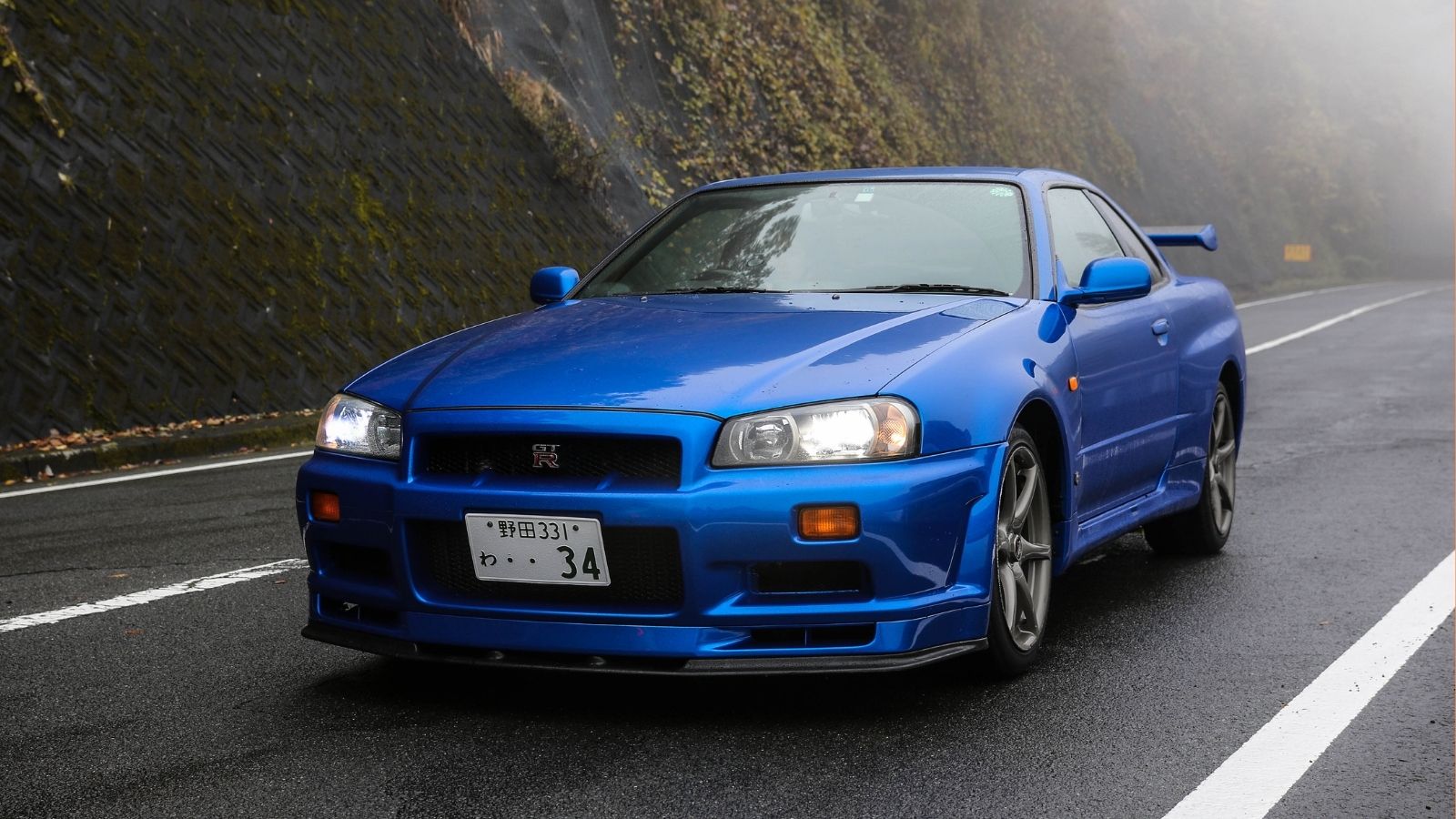
1. Nissan Skyline GT-R (R34)
The Nissan Skyline GT-R R34 stands among the most sought-after JDM imports, acclaimed for its blend of technology and sheer performance.
Produced from 1999 to 2002, it symbolized the pinnacle of Nissan’s engineering for the era, riding on success from motorsport and a solid reputation for reliability. At its heart lies the RB26DETT inline-six engine, lauded for its robustness and street-tuning potential.
The ATTESA E-TS all-wheel-drive system and sophisticated electronics enabled unprecedented handling and traction, giving the R34 an edge in both street and track scenarios.
One of the factors propelling R34 prices is its association with the Fast & Furious franchise, which granted the car a mythical status outside Japan. Consumers now see the R34 as not just a high-performing machine but also a cultural symbol.
Production numbers were relatively low compared to more mainstream models, further stoking demand. As US import restrictions on 25-year-old cars begin to lift, legal R34s are already attracting well over $200,000 at auctions.
Maintenance parts are still available, and the tuning community remains very active, supporting continued collector interest.
Discussing the R34 is essential because it illustrates how performance, legacy, and popular media combine to fuel astronomical prices for JDM imports.
It represents a turning point for Japanese sports cars, making it a reference point for both collectors and car historians when analyzing long-term investment potential.
2. Toyota Supra (A80)
The Toyota Supra A80, manufactured from 1993 to 2002, is a hero car that defines the image of Japanese performance in the minds of many. Its twin-turbocharged 2JZ-GTE engine is legendary for robustness and high output, allowing for extraordinary aftermarket tuning.
The Supra’s reputation extends far beyond club circuits, especially after gaining widespread fame through video games and films, with appearances in “The Fast and the Furious” solidifying its iconic status.
This car’s enduring appeal is grounded in its engineering excellence, reliability, and the immense tuning possibilities offered by its powerplant.
Auction and resale data show that clean, unmodified Supras can reach prices over $150,000, particularly if equipped with the rare six-speed manual transmission.
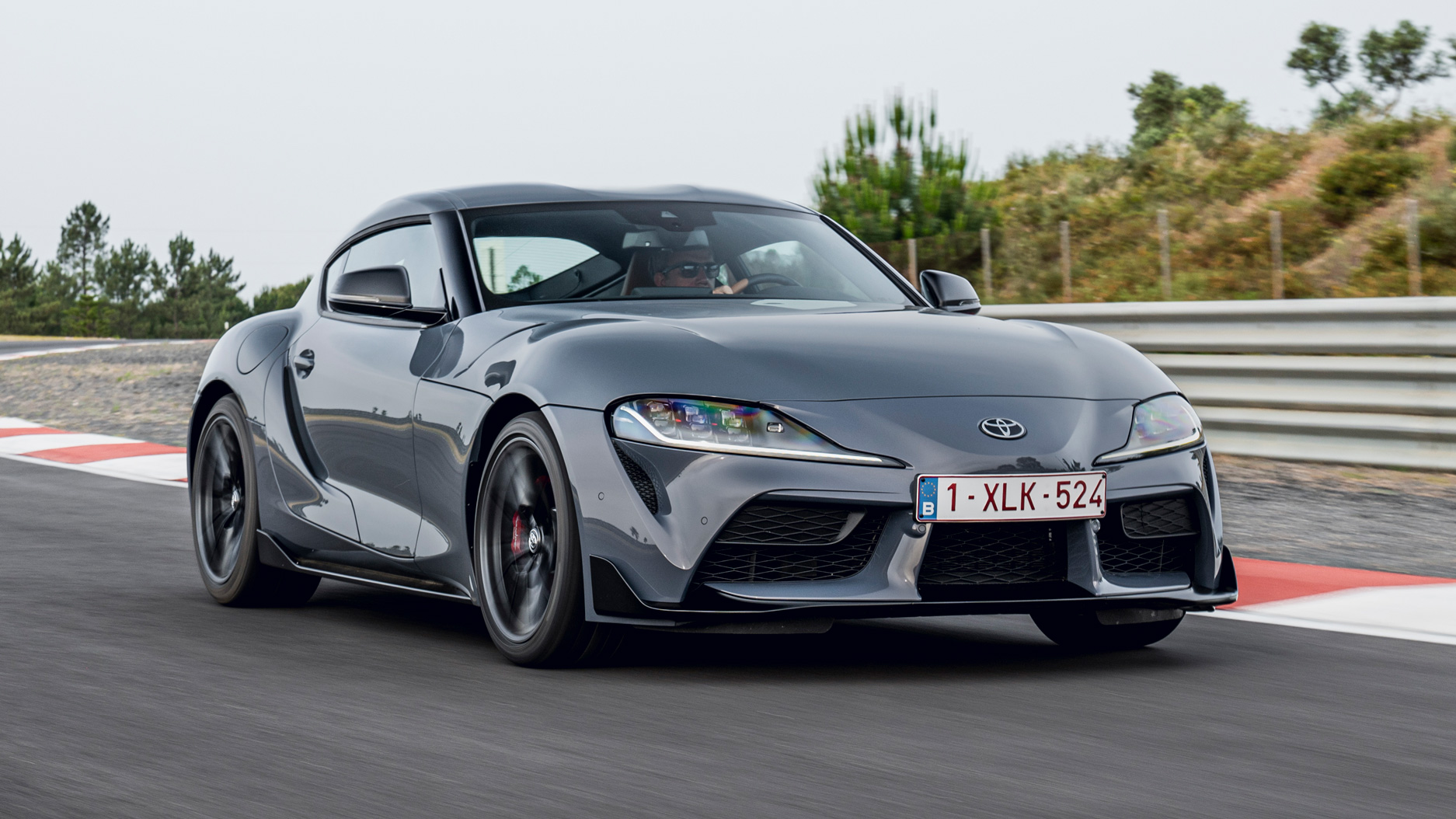
Official US-market models are especially favored, but imported JDM examples have quickly caught up, with values surging in recent years.
Discussing the Supra is important because it offers insight into how a model, originally popular for its blend of reliability and speed, can morph into a major collector’s item.
The Supra story highlights how cultural resonance, combined with intrinsic mechanical quality and rarity, pushes certain JDM vehicles to the top tier of desirability and price.
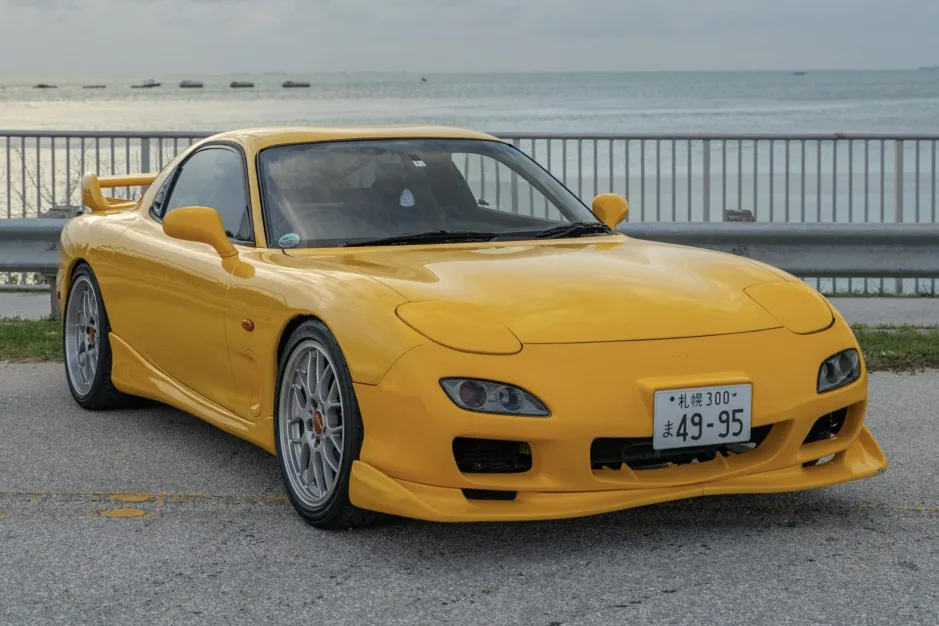
3. Mazda RX-7 (FD3S)
Produced from 1992 to 2002, the Mazda RX-7 FD3S commands considerable interest among JDM enthusiasts for its unique rotary engine and lightweight, driver-focused chassis.
The FD’s 1.3L twin-rotor turbocharged engine offered a driving experience distinct from piston-powered competitors. Its near-perfect weight distribution, advanced suspension, and sleek design established it as a favorite on both the street and track.
Limited production numbers, combined with growing appreciation for the rotary engine’s engineering, have helped push values up as supplies dwindle.
Enthusiasts treasure the FD’s purity of focus, as it was developed without compromise for handling at the expense of mass-market appeal.
High-quality imported FD RX-7s fetch significant prices at auction, often exceeding $70,000 for low-mileage or rare variants. The model enjoys continued reverence through motorsports and its digital-life in racing simulators.
Writing about the RX-7 FD3S is essential because it stands as a symbol of a unique engineering philosophy.
Its success on the market reveals that unconventional approaches—when executed at a high level—can create long-lasting demand among enthusiasts, even as maintenance challenges and parts scarcity pose hurdles for owners.
4. Honda NSX (NA1/NA2)
The first-generation Honda NSX (sold as Acura NSX in North America) arrived in 1990 to worldwide acclaim.
Featuring a mid-mounted V6 engine, all-aluminum body, and input from Formula One legend Ayrton Senna, it was intended to rival European exotics while maintaining the practicality, reliability, and refinement of a Japanese car.
The NSX offered an approachable supercar package with a level of precision and build quality rarely seen at the time.
Global collectors prize the early NSX for its engineering and influence, which changed perceptions of what Japanese manufacturers could achieve.
Because Honda manufactured it in limited quantities and kept updates subtle, competition for well-kept cars is intense. Prices for original, low-mileage JDM NSX models have soared, now often exceeding $150,000.
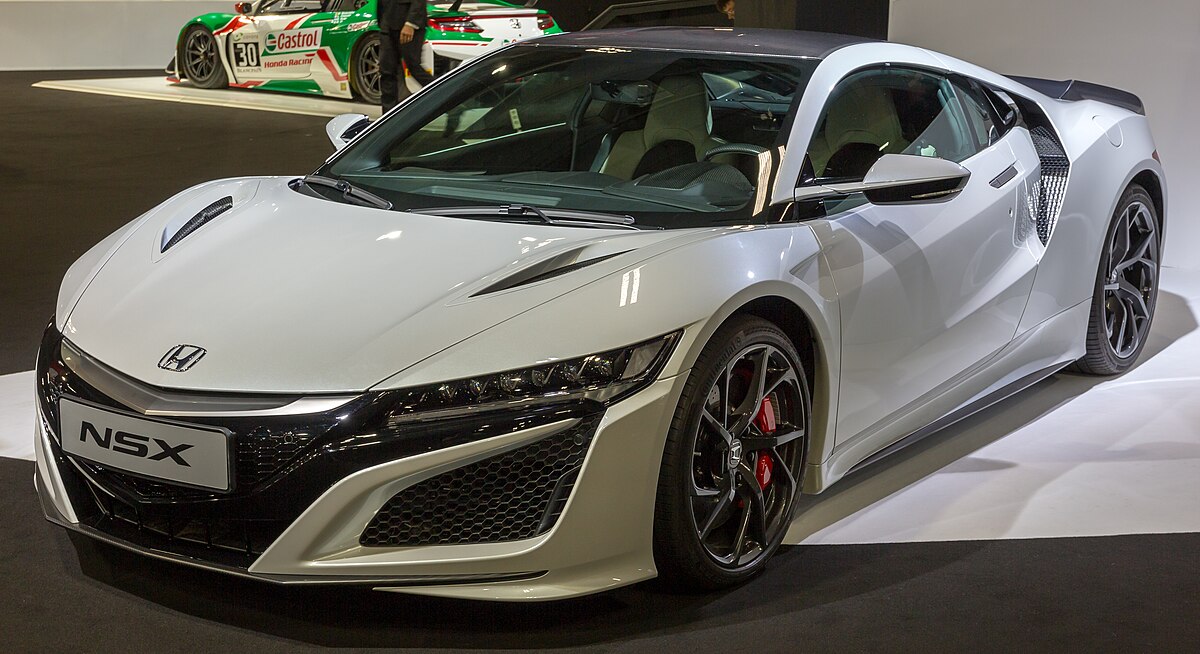
Including the NSX is vital because its rise demonstrates how breakthrough engineering—paired with a captivating story and significant motorsport pedigree—can push a car’s value far beyond its initial market.
It further illustrates changing attitudes toward JDM imports, which now stand shoulder to shoulder with their European counterparts in both price and prestige.
5. Toyota Chaser (JZX100)
The Toyota Chaser JZX100 has developed cult status in recent years, surging in value as collectors recognize its blend of practicality, performance, and rarity. Produced from 1996 to 2001, it was never officially sold outside Japan, boosting the cachet of imported examples.
The Chaser’s 1JZ-GTE turbocharged six-cylinder engine, rear-wheel drive platform, and understated sedan styling made it a favorite among tuners and drift athletes.
Demand has increased rapidly, especially among those seeking an alternative to better-known models like the Supra or Skyline.
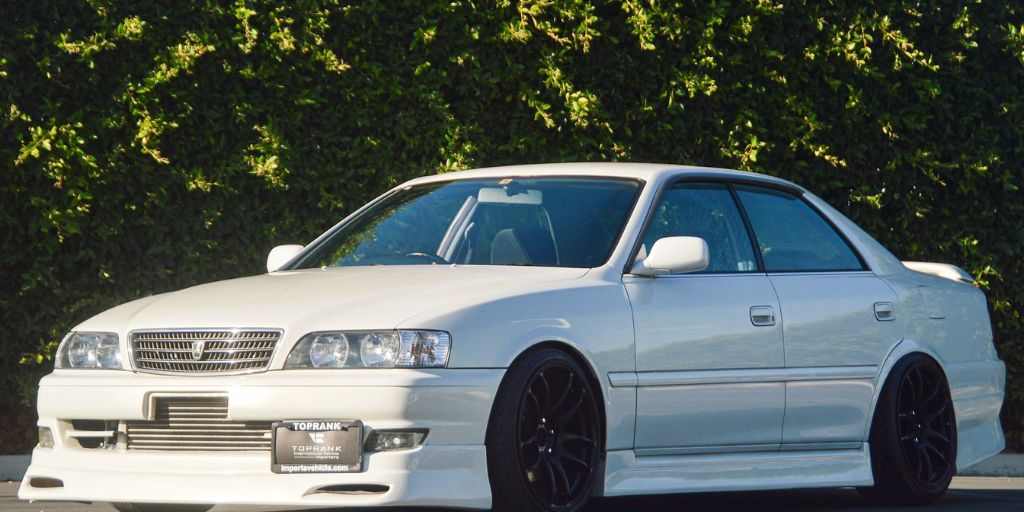
Prices have reflected this trend: clean, unmodified JZX100 Chasers can fetch over $40,000—often outpacing more common sports sedans of the era. Its practicality, combined with genuine racing credentials, sets it apart from other four-door imports.
Focusing on the Chaser is important because it reflects the expanding range of high-value JDM imports, showing that niche models with loyal followings can see exponential appreciation.
The Chaser stands as proof that the collector car market can reward not just fame, but also performance and versatility.
5 Imported JDM Cars That Didn’t Retain Value
Not every Japanese import becomes a collector darling or proves a sound investment. Many JDM cars failed to hold, much less increase, their value after crossing borders.
While these cars initially attracted attention for quirks or features unavailable in domestic models, factors like expensive upkeep, lack of performance, or plain styling have dampened enthusiasm over time. Overproduction or a narrow appeal in export markets can also undermine long-term desirability.
Analyzing these less successful JDM imports provides important context for buyers and collectors, reminding that origin does not translate to lasting appeal.
Reviewing which models missed their mark helps reveal the market’s shifting priorities, as trends in classic car collecting continue to reward only select vehicles for uniqueness, performance, or pop-culture status.
This section discusses five imported JDM cars whose presence in the used market has been marked by value drops, frequently due to changing tastes or intrinsic limitations. Understanding their journeys can illuminate lessons for future buyers looking to balance nostalgia with sound investment.
1. Nissan Silvia S15
The Nissan Silvia S15 was the final iteration of a beloved drift car lineage, renowned for its agile handling and turbocharged engines. Produced from 1999 to 2002, it developed a strong following in Japan and among the global drifting community.
While initially attracting buyers through its reputation and performance potential, the boom in values never materialized for imported S15s as it did for the Skyline GT-R.
Several factors contributed to this plateau. The S15, while fun and tunable, was overshadowed by the more iconic models mentioned earlier, both in motorsport and media recognition.
High import numbers and the tendency for many cars to be heavily modified or raced have left the used market flooded with non-original, high-mileage examples. Parts and maintenance needs can be demanding, further driving down demand for daily use.
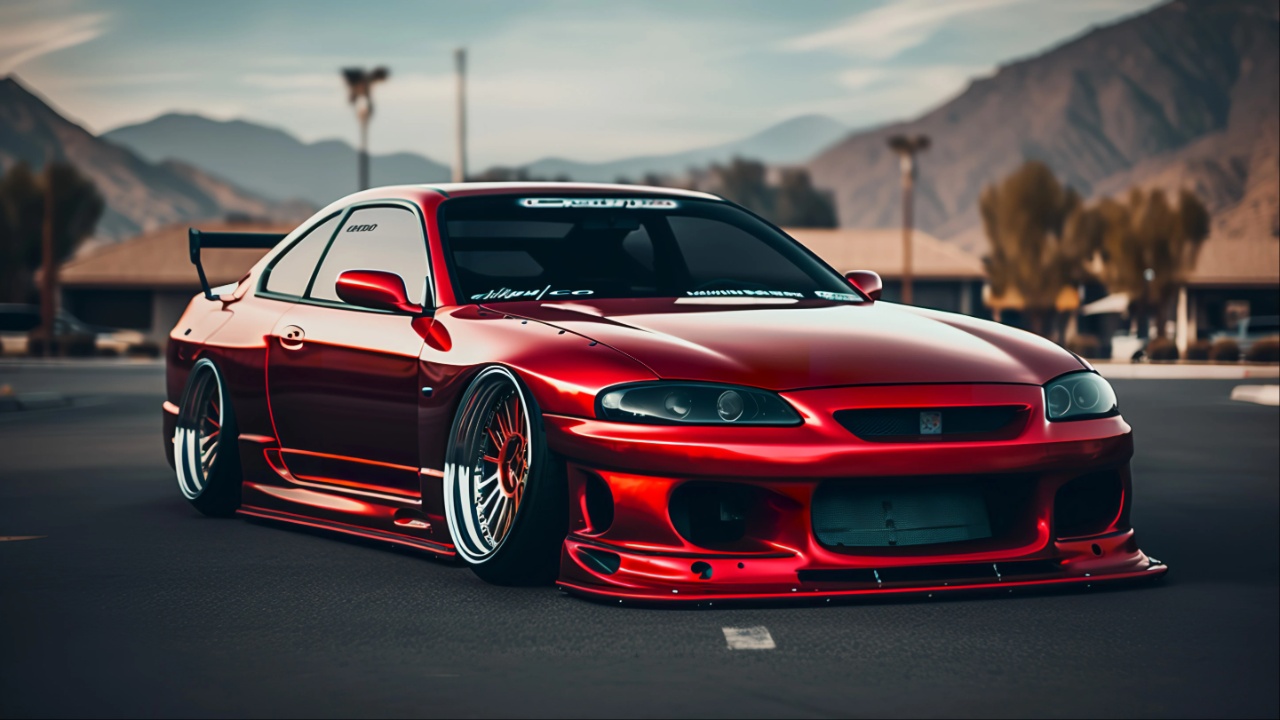
Writing about the S15 illustrates that strong community respect does not necessarily convert to investment-grade appreciation. Its trajectory shows how oversaturation and a lack of unique positioning can cause even respected cars to underperform in long-term value, serving as a cautionary tale for those seeking future collectible JDM imports.
2. Toyota Soarer (Z30)
The Toyota Soarer Z30, produced from 1991 to 2000, served as a luxury grand tourer with advanced features ahead of its time.
Under its skin, the Soarer shared much with the Lexus SC sold in other markets, but imported JDM versions offered additional engine options and some special features. Despite this, the Soarer hasn’t maintained value as well as other JDM imports.
Much of the issue revolves around shifting consumer interests. As tastes moved toward sportier models and more obvious performance cars, the Soarer’s luxury orientation and restrained styling felt less compelling.
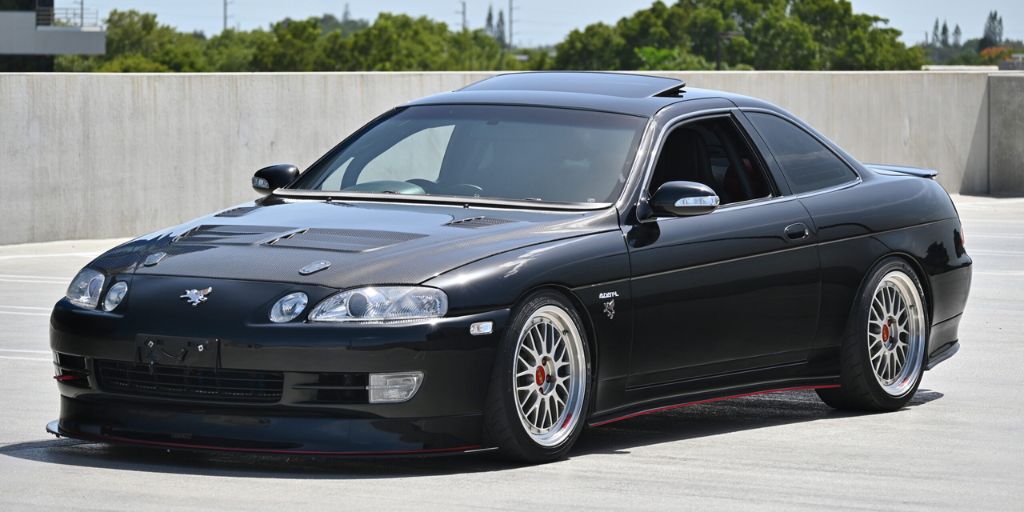
Maintenance complexity, especially for higher-end versions with electronic gadgets, also put off would-be buyers. Values for JDM Soarers have often lagged behind other imports, and many well-kept examples remain affordable compared to iconic sports coupes.
Highlighting the Soarer points out that even technological superiority and comfort can fail to ensure lasting collector status. Its journey suggests that emotional connection and unique styling can trump features and quality in the battle for collector attention and value retention.
3. Subaru SVX
Released between 1991 and 1996, the Subaru SVX was an ambitious attempt by Subaru to move upmarket. With its flat-six engine, all-wheel drive, and dramatic window-within-window design, the SVX carried the promise of unique luxury performance from Japan.
However, its reception in international markets, including those for JDM imports, was lukewarm after early interest faded.
Problems with the SVX’s automatic transmission reliability and the high costs associated with maintenance and parts made ownership challenging.
Additionally, its substantial curb weight and lack of a manual transmission option limited its appeal among performance buyers, compared to lighter, more agile JDM imports.
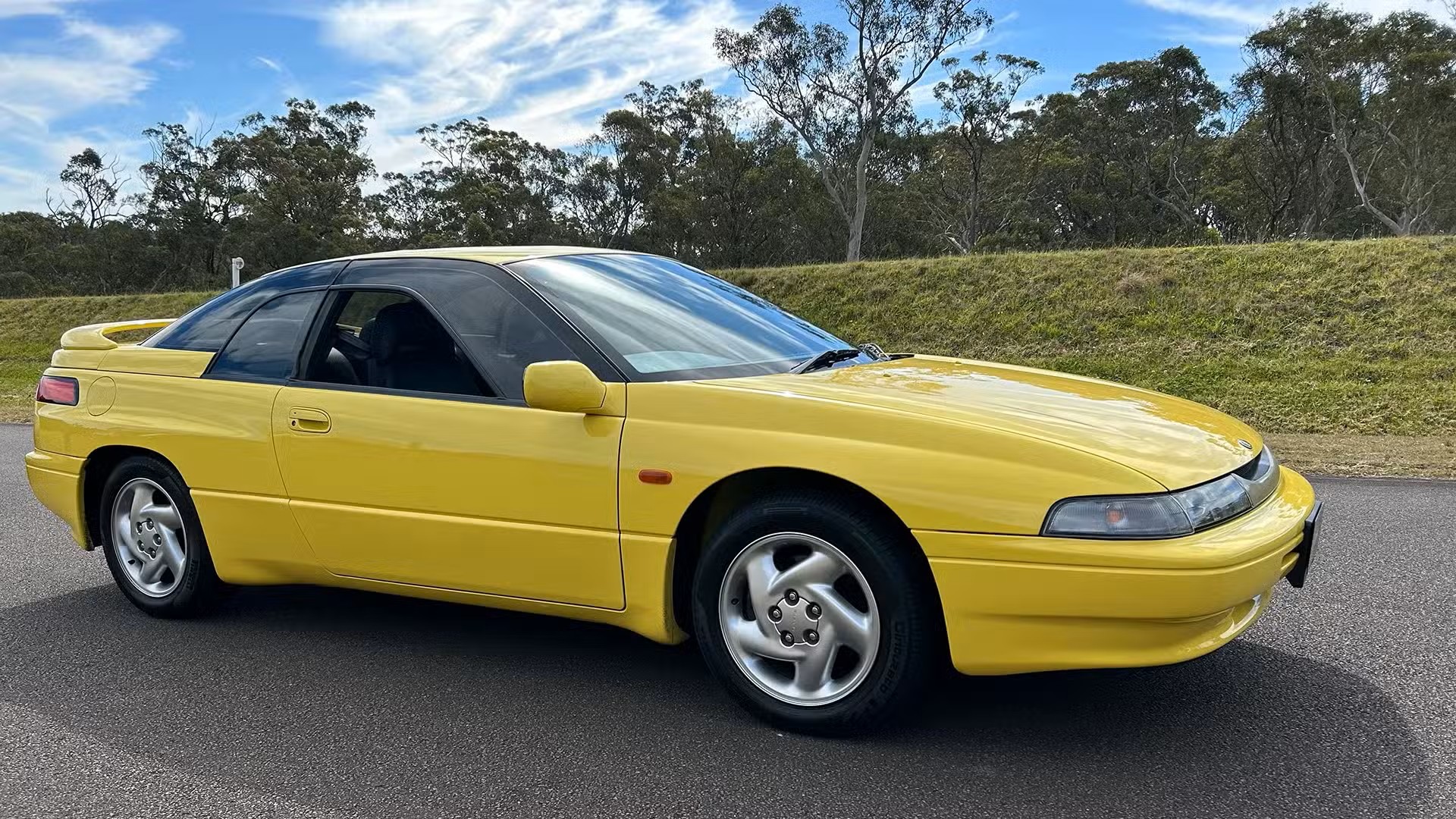
As a result, imported SVXs rarely command prices above modest levels, often trailing commuter cars from the same era.
Focusing on the SVX tells the story of how innovation and style are not enough without market fit and usability.
Value trends show that collector sentiment is often swayed by practicality and cost-of-ownership, especially for models competing outside their maker’s traditional segment.
4. Mitsubishi FTO
The Mitsubishi FTO, produced from 1994 to 2000, offered sporty styling and nimble handling at an approachable price point.
Positioned as a compact coupe, it was powered by a range of V6 engines and enjoyed acclaim in its home market, especially after being named Japan’s Car of the Year in 1994. However, FTOs imported to other countries have not fared nearly as well as some of their more illustrious contemporaries.
Despite benefits such as a lightweight chassis and responsive steering, the FTO’s front-wheel-drive layout limited its appeal among performance enthusiasts who gravitated towards rear-wheel-drive or all-wheel-drive alternatives.
Furthermore, the relative abundance of FTO imports and limited cultural recognition outside Japan meant that values didn’t keep pace with other models.
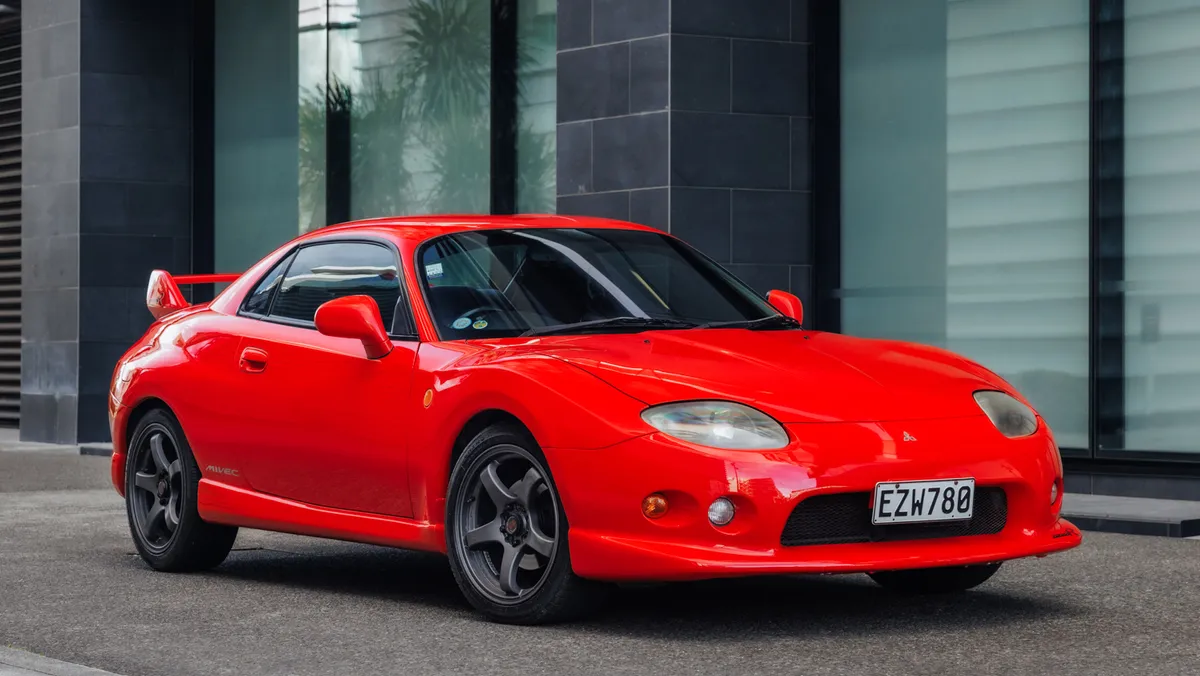
Today, the Mitsubishi FTO is considered a budget-friendly entry into JDM ownership, lacking the appreciation that marks blue-chip collector imports.
Discussing the FTO showcases how crowd-pleasing attributes in the domestic market do not always translate to export success. Its story underscores the significance of both engineering features and the more intangible elements of collector appeal.
5. Honda Prelude (BB6/BB8)
The fifth-generation Honda Prelude, manufactured between 1996 and 2001, exemplifies Honda’s commitment to sporty front-wheel-drive coupes.
With a high-revving four-cylinder engine, advanced handling technology, and sharp looks, the Prelude had much to offer enthusiastic drivers. However, market conditions and brand focus hampered its value trajectory once imported outside Japan.
While regarded as reliable and enjoyable, the Prelude faced stiff competition from within Honda’s own lineup and from more iconic rivals offered by other Japanese automakers.
The prevalence of high-mileage examples and modifications further diluted the market, making original, low-mileage JDM Preludes hard to find yet still reasonably priced compared to collectible imports. Import restrictions in key markets like the US also delayed demand.
Including the Prelude here is important because it demonstrates that quality and heritage alone do not guarantee future collectability. Its steady drop in value reinforces the lesson that a model’s future is shaped as much by external circumstance as by inherent appeal.
The story of imported JDM cars, as reflected through both the high-value icons and those that failed to retain their worth, reveals a fascinating interplay between performance, culture, rarity, and perception.
The market’s treatment of these Japanese imports is no accident—each car’s journey is shaped by a blend of engineering excellence, media exposure, evolving tastes, and even regulatory quirks. These elements decide whether a model is propelled to collector royalty or left as a curiosity for budget-minded buyers.
Looking across the five JDM vehicles commanding premium prices, certain patterns become apparent. Each one—be it the Nissan Skyline GT-R R34, Toyota Supra (A80), Mazda RX-7 FD3S, Honda NSX, or Toyota Chaser—offers a potent combination of technical innovation and emotional connection.
Many pushed the boundaries of automotive technology in their own eras, with designs and engineering solutions that continue to impress today.
Their limited production runs or restricted access outside Japan have added to their mystique, while global exposure through motorsport, gaming, and film has embedded them in pop culture.
The result is a sustained and sometimes exponential increase in value, as buyers worldwide seek to own a piece of this history. Their price trajectories tell a story where rarity, mechanical excellence, and nostalgic resonance translate into financial appreciation and lasting demand.
On the other hand, the JDM cars that have not retained value as effectively offer just as important a lesson.
Models like the Nissan Silvia S15, Toyota Soarer Z30, Subaru SVX, Mitsubishi FTO, and Honda Prelude once promised much but did not achieve cult status on the used market. Some suffered from lack of unique appeal or were overshadowed by higher-profile stablemates.
Others succumbed to challenges like costly maintenance, oversupply, or styling that failed to ignite broader enthusiasm among car collectors abroad.
In certain cases, innovative features were offset by high running costs or mechanical issues that ultimately deterred buyers looking for trouble-free ownership.
This contrast also highlights how timing and external influences can shape collector markets as much as the vehicles themselves.
The Skyline GT-R and Supra benefitted from cinematic fame and racing victories at the exact time that global JDM interest peaked, while the FTO and SVX remained largely anonymous, their merits unrecognized by a wider audience.
The ability for a car to ignite nostalgia, capture a cultural moment, or symbolize a technological breakthrough often means more to long-term value than simple engineering quality or performance numbers on paper.
Even a car regarded fondly in Japan can become just another used import elsewhere if it lacks the critical spark that drives international demand.
Ultimately, the evolution of imported JDM cars in the collector market tells a broader story about the mechanics of desire, economic value, and cultural memory.
Some models transcend their material form to become symbols of a particular era and ethos; others, despite genuine merit, become footnotes—treasured by passionate few but overlooked by the mainstream.
For enthusiasts and collectors, understanding these dynamics is crucial. It allows for informed decisions, whether searching for the next big investment or simply following a personal passion for Japanese engineering and style.
As interest in JDM imports continues to grow amid shifting generational tastes and tightening supply, these stories will only become more relevant.
The market’s lessons—on the importance of uniqueness, provenance, and emotional connection—remain timeless, guiding those navigating the future of automotive enthusiasm in a world where the rarest Japanese cars are now among the most treasured on the planet.
Also Read: 5 ’80s–’90s Cars That Became Collectibles vs 5 That Stayed Cheap
