
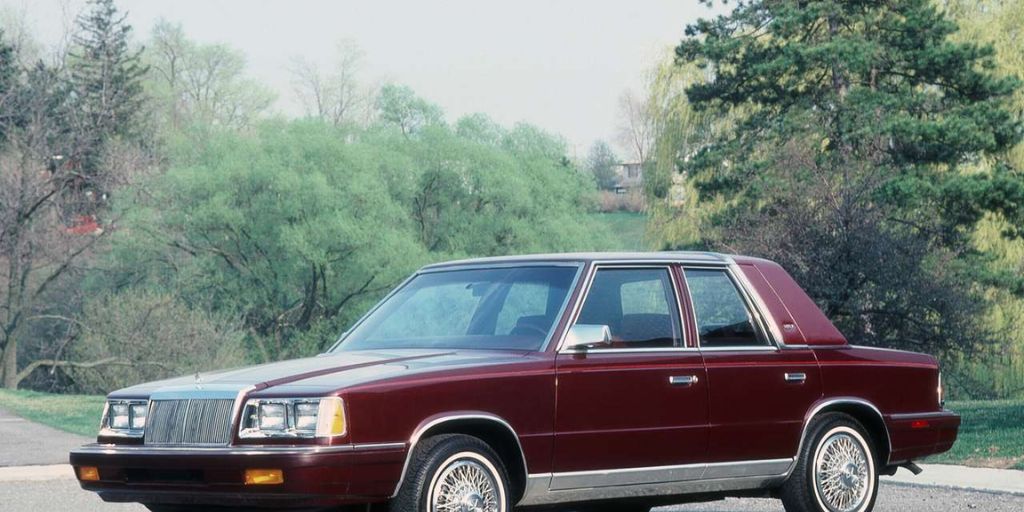
The automotive industry of the 1980s and 1990s produced some of the most memorable and polarizing vehicles in automotive history. As car culture has evolved, cars from these two decades have become a focal point for collectors and enthusiasts alike.
What sets this era apart is how vehicles that were once affordable daily drivers have, over time, either soared in value or remained stubbornly attainable.
Nostalgia has a powerful effect: for some models, it has driven prices sky-high as enthusiasts chase the memories of their youth.
For others, even decades of history and quirky charm have not lifted them out of bargain-basement territory at auctions and classifieds.
Understanding which cars from the ‘80s and ‘90s have become highly sought-after collectibles, versus those that are still widely accessible, provides a fascinating look at car culture, evolving tastes, and market dynamics.
This comparison shines a light on the difference between mere age and real significance, and how some vehicles survive the years to become icons, while others simply become older used cars.
This feature presents five cars from this era that have appreciated and gained significant collectible status, as well as five models that, despite their age and sometimes robust followings, have mostly remained modestly priced.
Also Read: 5 Timeless Designs vs 5 That Feel Obsolete Quickly
5 ‘80s–’90s Cars That Became Collectibles
Nostalgia is a powerful force, but not every car from the ’80s or ’90s rides the same wave. A rare blend of design, performance, pop culture significance, and sometimes just the right amount of rarity has propelled a select group of these vehicles to collector status.
Whether because of turbocharged engines, unique styling, racing heritage, or starring roles in movies and video games, these cars have not only resisted the depreciation that plagues most automotive history—they’ve started to climb in value.
Owners hang onto them, enthusiasts restore them, magazines write tributes, and dedicated forums keep their legacies alive.
This section highlights five models that have experienced a dramatic rise in desirability and price. Each choice represents more than just an increase in value; they connect with car enthusiasts on different levels.
These are cars that demonstrate how connection, scarcity, and performance can transform a used car into a cherished icon.
By examining these models individually, we can see why they continue to provoke bidding wars and spark restoration projects decades after they rolled off the assembly line—and why interest only seems to be growing. Each car on this list tells its own story and embodies the culture and excitement of its era.
1. Toyota Supra Mk IV (1993–1998)
Few cars from the nineties have created as much buzz as the fourth-generation Toyota Supra. What was once an underrated Japanese sports car now commands serious money at auction, and for good reason.
Its instantly recognizable shape, especially with the iconic rear wing, makes it a poster car for a generation. Under its sleek exterior, the Supra’s 2JZ-GTE twin-turbo inline-six engine earned a reputation not only for its silky smoothness but also for breathtaking tuning potential.
Car enthusiasts and tuners quickly realized that this engine could handle enormous power upgrades—1,000-horsepower Supras are common in the tuning world.
Cultural relevance played a massive part in its ascent. The Supra became a star in the original “The Fast and the Furious,” where it was introduced to millions as the ultimate tuner car. Video game franchises also helped cement its status.
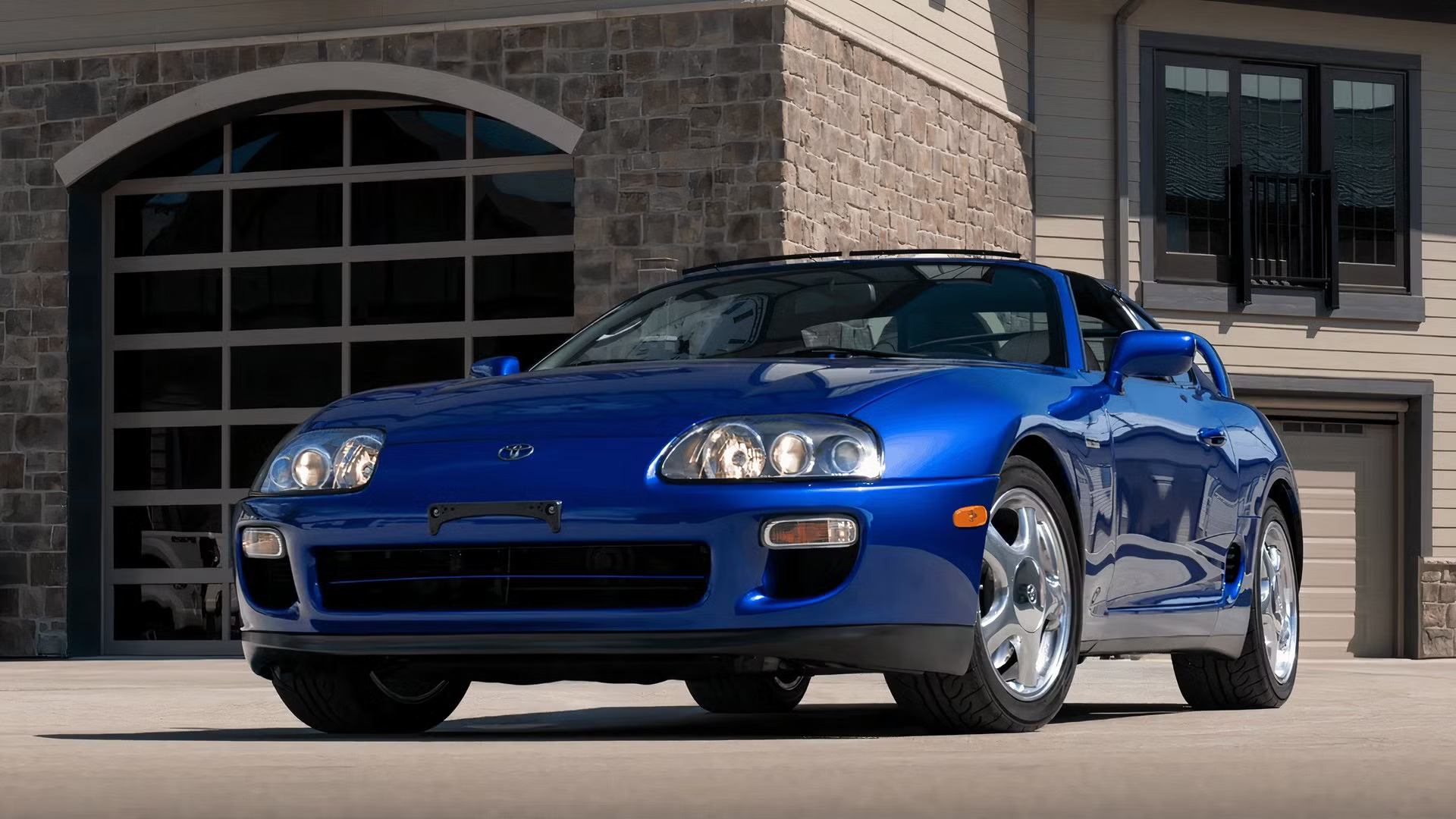
The recipe of Japanese reliability, brute performance, and pop culture prominence led to demand that outstripped supply, especially after rising export restrictions and the model’s overall rarity in North America.
The Supra’s collectible status isn’t just hype. Clean, low-mileage, or tastefully modified examples now routinely fetch six-figure sums.
Its mix of heritage, potential, and media presence makes it a textbook example of what can transform a used ’90s car into a prized collectible.
2. BMW E30 M3 (1986–1991)
Now regarded as one of the most influential performance cars ever produced, the BMW E30 M3 began life as a homologation special for touring car racing. Its box-flared fenders, dogleg gearbox, and race-bred S14 engine set it apart from other compact sedans of the period.
While early collectors were mostly European motorsport purists, its legend grew with time, and demand skyrocketed both for original and well-maintained examples as well as for lower-mileage survivors.
The E30 M3’s handling and excitement are nearly unmatched, and for many, it stands as the quintessential sports saloon.
Reviews continue to praise its purity and driver engagement, qualities that later generations could not quite deliver. This car wasn’t produced in huge numbers, and many were driven hard, leading to genuine rarity among pristine examples.
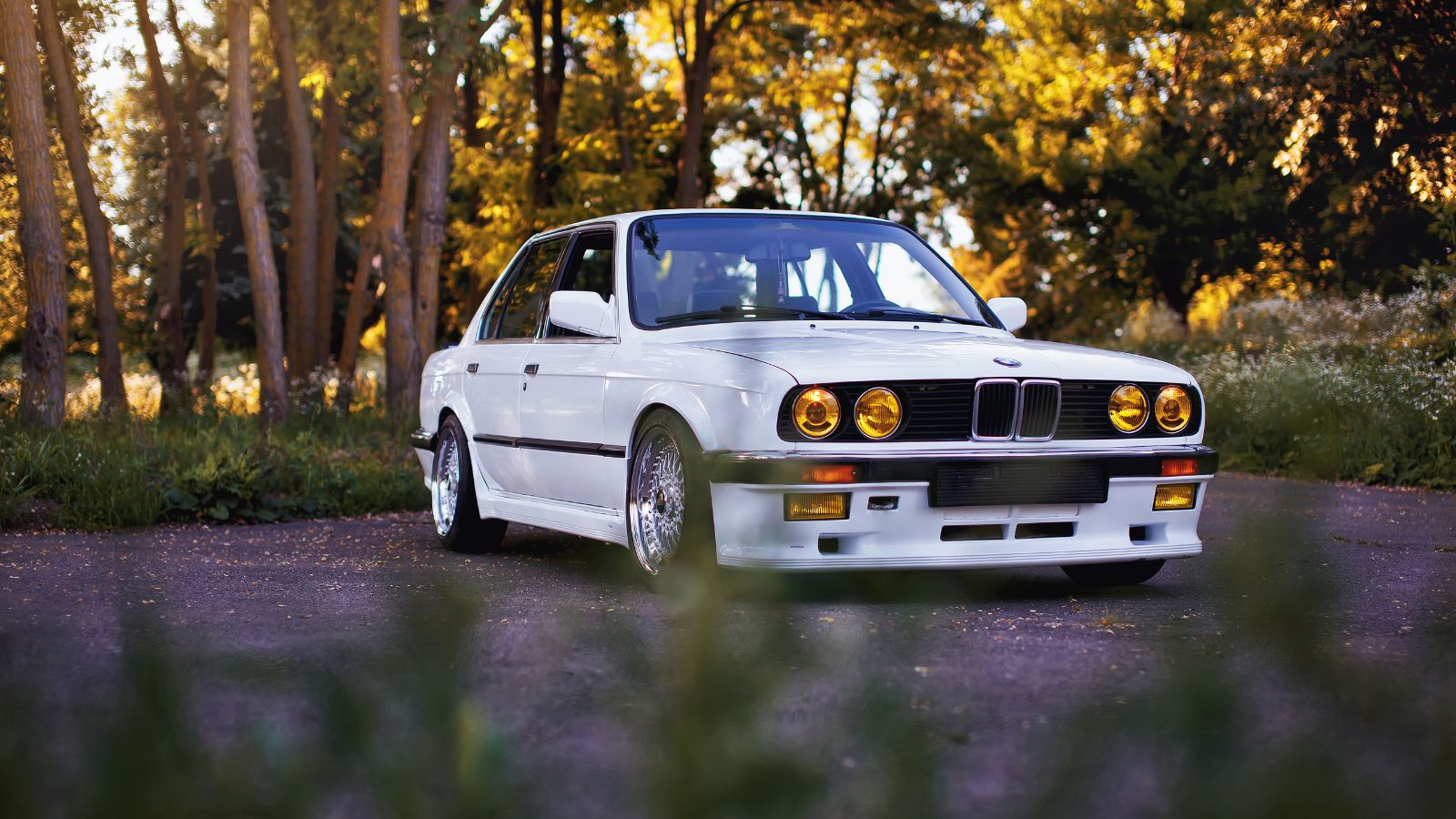
What drove its price up? An irreproachable racing pedigree, a strong enthusiast community, and an unmistakable design all contributed.
The rise of Radwood, the growing value of analog driving experiences, and the broader appreciation of 1980s car culture have only added fuel to the E30 M3’s appeal.
This classic sits not just as a great investment but as a symbol of driver-focused engineering still revered decades later.
3. Acura NSX (1990–2005)
When Honda launched the NSX (marketed as Acura in North America), it set new benchmarks for reliability and refinement in the exotic car segment. Engineered with input from Ayrton Senna, the NSX combined supercar performance with the dependability of a Civic.
For years, it lurked in the shadows of its Italian competitors, often ignored by collectors who favored more flamboyant marques.
That perception changed dramatically in recent years, as automotive enthusiasts began to recognize the NSX’s unique combination of style, usability, and innovation—including its all-aluminum monocoque construction and mid-mounted V6 with VTEC. The blend of balance, feedback, and everyday reliability soon gave it a devoted following.
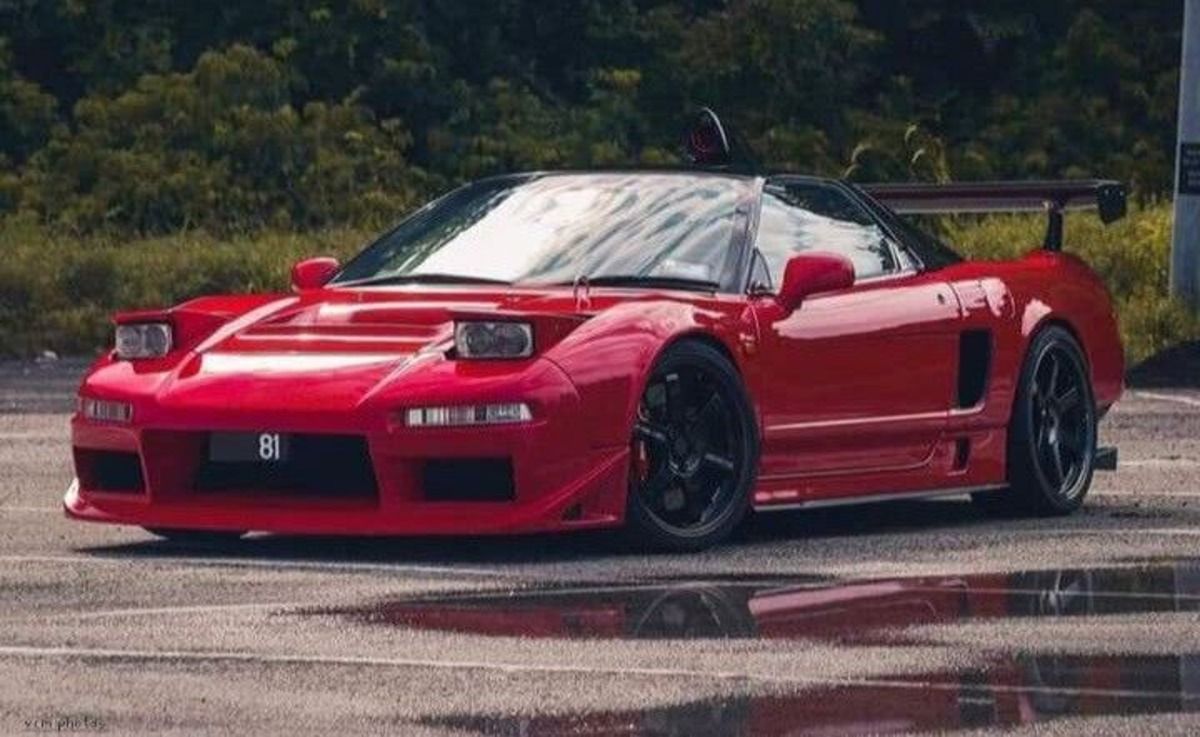
Rarity has played into the NSX’s climb in value, especially for manual transmission cars and early pop-up headlight models.
As analog driving becomes a premium experience and JDM desirability continues to grow, pristine NSXs are now highly prized.
Media coverage and prominent appearances at Concours events have helped the NSX climb from used car obscurity to international collectible fame, demonstrating that subtlety and ingenuity can win long-term recognition.
4. Nissan Skyline GT-R (R32/R33/R34, 1989–2002)
Never officially sold in the US until recently, the Nissan Skyline GT-R represents the ultimate forbidden fruit among enthusiasts.
These “Godzilla” models, especially the R32, R33, and R34, earned their nickname by dominating in motorsports and standing at the top of the JDM performance hierarchy.
Early on, fans imported them in small numbers and enthusiastically shared stories of their all-wheel-drive grip and turbocharged RB26 engine.
Interest escalated further because of their appearances in video games like Gran Turismo and manufacturers’ racing dominance in Japan’s touring car series.
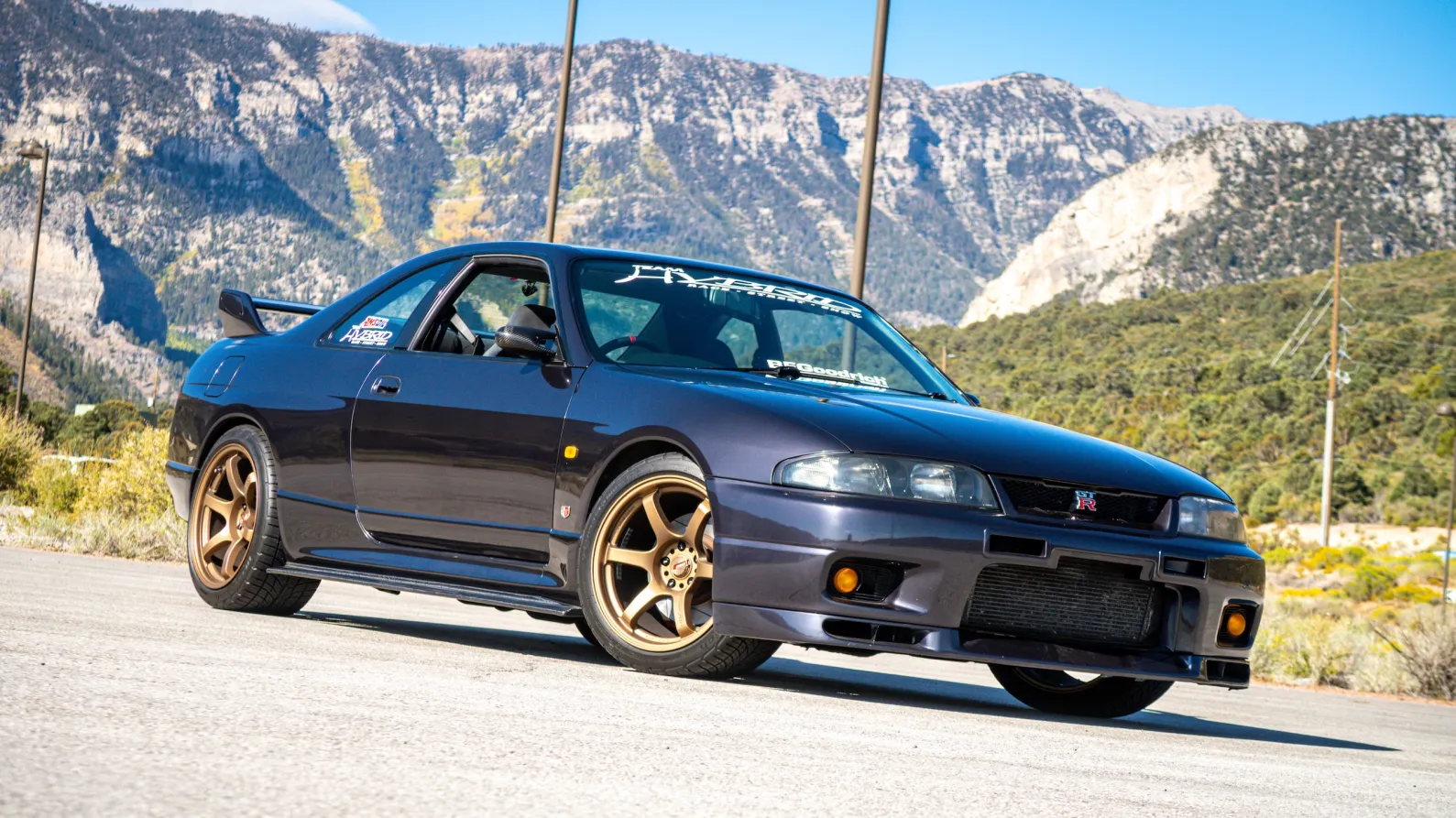
Once US import laws permitted Skyline GT-Rs older than 25 years, values rose dramatically—these cars, especially the R34, are now highly sought-after, with prices far exceeding their original sticker.
Low production numbers, the enduring motorsport connection, and a fiercely dedicated international community have solidified their place among blue-chip collectibles of this era.
Each GT-R model features a blend of technology, mystique, and street presence that appeals to savvy buyers, making them key representatives of collectible 1990s performance cars.
5. Ferrari F40 (1987–1992)
There are few cars as evocative of late-1980s supercar allure as the Ferrari F40. Born to celebrate Ferrari’s 40th anniversary and the last car personally approved by Enzo Ferrari, the F40 embodies an era of minimal electronic interference and raw, analog excitement.
Its aggressive styling, over-the-top rear wing, and bare-bones interior send a clear message: this is a driver’s machine.
Powered by a twin-turbocharged, 2.9-liter V8, the F40’s performance numbers were extraordinary for its time—and still impressive today.
For years, the F40 lingered somewhat in the shadows of newer supercars, but collectors soon began to appreciate its rarity (just over 1,300 were built) and historical significance.
Demand for these cars has exploded as a new generation recognizes the unique driving sensations and unfiltered charm that define the F40 experience.
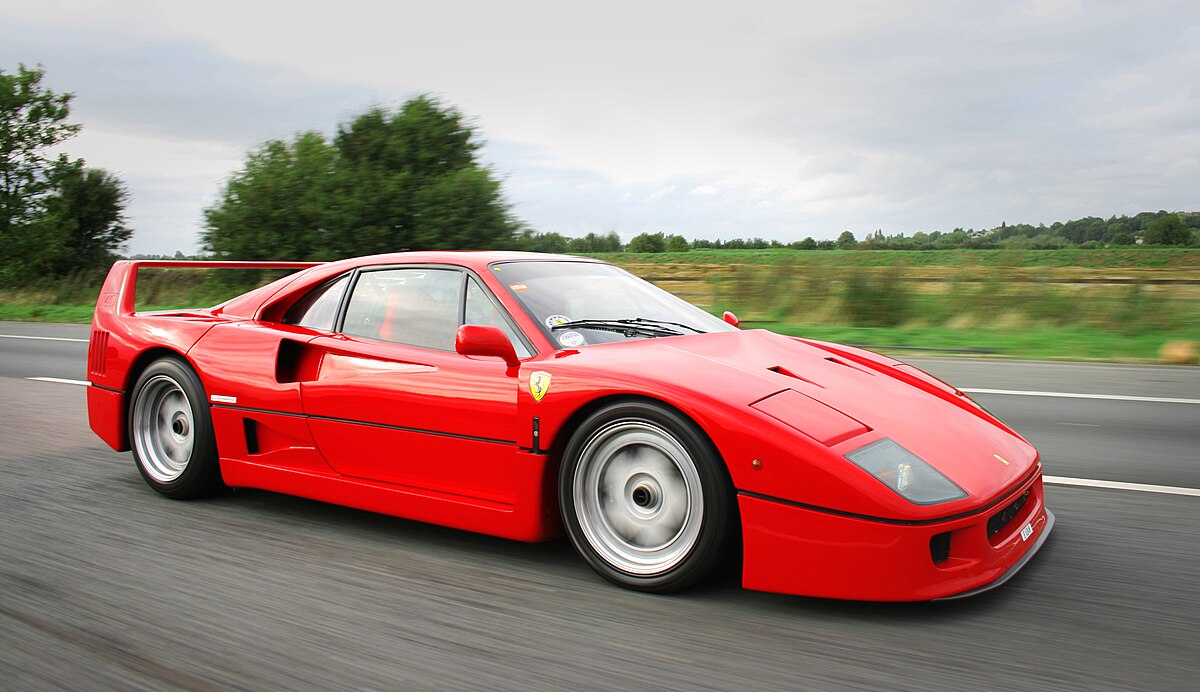
Values have subsequently soared, with pristine examples regularly trading hands at multi-million-dollar figures.
Its mythical status, combined with true motorsport heritage and exclusivity, ensures that the F40 stands not just as a collectible, but as an automotive icon that defines the collector car world of the late ’80s and early ’90s.
5 ‘80s–’90s Cars That Stayed Cheap
Despite the flood of nostalgia that has lifted some ’80s and ’90s vehicles into collector territory, many cars from this period have not seen much appreciation.
Age alone doesn’t guarantee value, popularity, design, build quality, and cultural impact all play significant roles. Some models remain stubbornly affordable, often due to high production volumes, lack of sporting pedigree, or reputations for unreliability.
For anyone searching for an inexpensive taste of retro motoring, these cars can be an appealing proposition. They offer the opportunity to experience period-correct driving and design without breaking the bank.
The reasons for their continued affordability are as varied as the cars themselves. In some cases, they were simply too common in their time, flooding the market with used examples for decades after production.
Others suffered from reputational flaws that hurt their desirability, or they never quite connected with enthusiasts on an emotional level. By looking at these models, we gain a better understanding of what keeps a car from climbing the classic-car value charts.
This collection presents five cars from the ’80s and ’90s that have remained wallet-friendly, reflecting on why their fortunes haven’t matched those of their more celebrated contemporaries.
1. Pontiac Fiero (1984–1988)
The Pontiac Fiero seemed to have all the ingredients to become a future classic: mid-engine design, bold styling, and a halo-car aura for Pontiac. When it debuted, gearheads expected Corvette-like thrills at a bargain price.
However, reality proved different. Early Fieros suffered from lackluster performance, poor handling, and significant quality control issues. The infamous tendency to catch fire due to oil leaks didn’t help its reputation either.
Later versions addressed many flaws, but the damage was already done, the Fiero became known more for being problematic than for its innovation.
High production numbers meant plenty of examples survived, but most had been neglected or poorly modified, making original survivors relatively rare yet still not highly prized.
The Fiero community remains enthusiastic, and the car is a fun, affordable way to sample 1980s quirkiness. Yet, despite nostalgia and enthusiasts who champion its underdog status, the Fiero has never truly shaken its reputation.
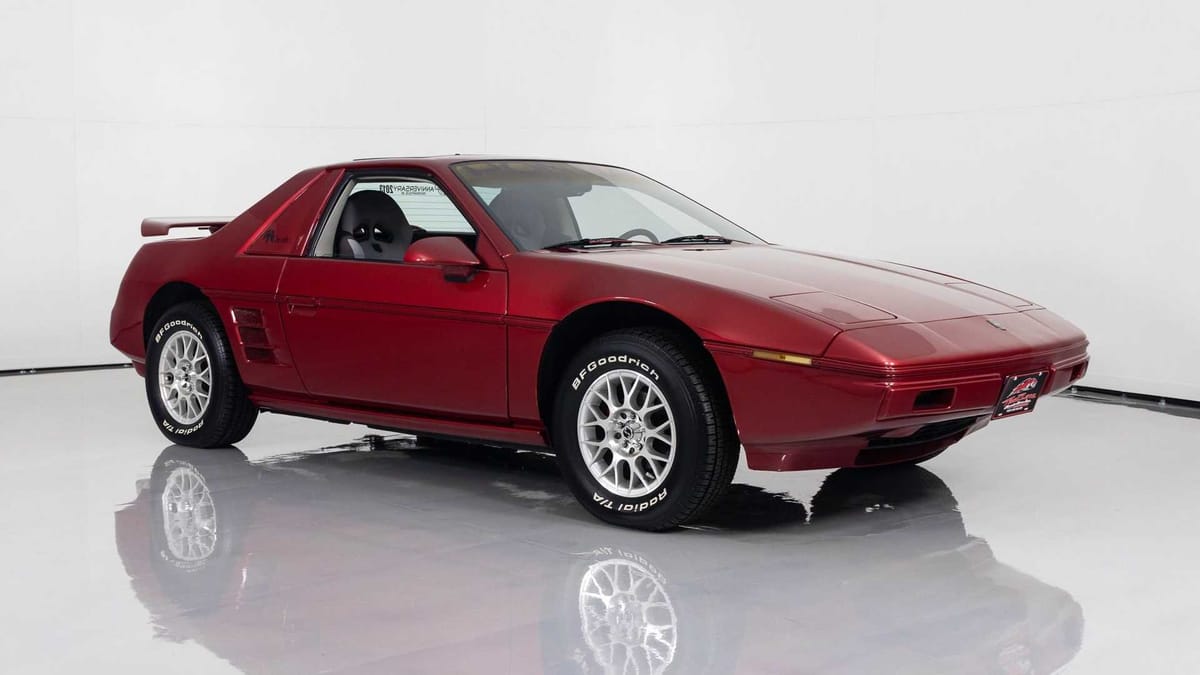
It continues to be accessible on the used market, even as other cars from its era have seen their values leap. This makes it a compelling study of how promise and reality can diverge, keeping even distinctive vehicles from collectible status.
2. Ford Taurus (1986–1995)
When it arrived in 1986, the Ford Taurus was considered revolutionary. Its aerodynamic shape, digital dashboard (on certain trims), and front-wheel-drive chassis impressed many, and the car became one of America’s best-selling vehicles by the early 1990s.
Its comfort and practicality made it the go-to family sedan for millions. However, mass popularity doesn’t always translate to future classic status. With millions sold, there is no shortage of survivors on the roads or in junkyards today.
Despite its significant place in automotive history, the Taurus lacks the performance credentials or enthusiast appeal that tends to drive collectibility. Most versions were powered by utilitarian four-cylinder or V6 engines, focusing on economy rather than excitement.
Even the SHO performance model, which did gain some devoted fans, has remained relatively affordable compared to other period sport sedans. The Taurus’s image as a basic “appliance” car has stuck with it.
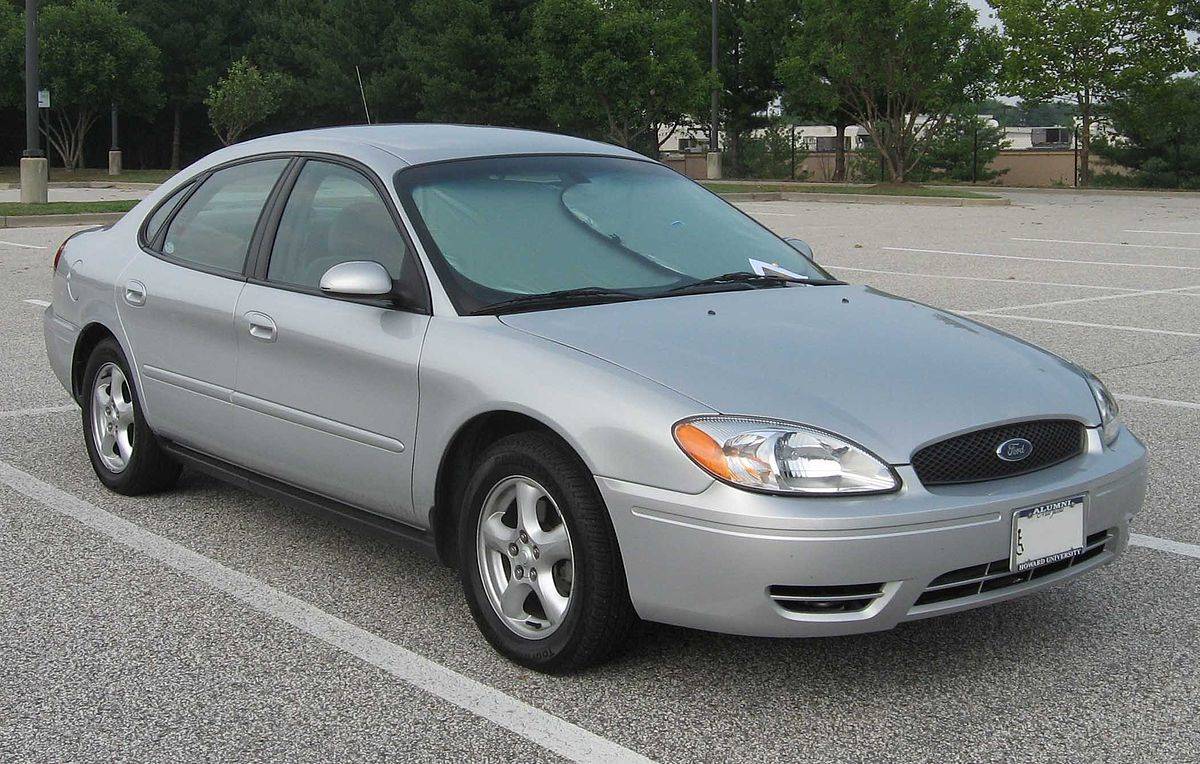
Why focus on it? The Taurus underlines an important lesson: not every influential car begins, or ends,life as a collectible. While it kept households moving and influenced automotive design, its sheer ubiquity, humble performance, and simple looks have kept prices low.
For those curious about accessible period motoring, it remains a symbol of just how quickly stardom can fade into everyday normalcy.
3. Geo Metro (1989–1997)
The Geo Metro, featuring a featherweight body and fuel-sipping three-cylinder engine, offered an economy-focused approach when it launched. It arrived during an era marked by rising fuel prices and a growing demand for affordable transportation.
The Metro became the quintessential commuter: inexpensive to buy, easy to repair, and delivering remarkable fuel economy, even by modern standards.
Yet these practical virtues weren’t enough to inspire future value among collectors. The Metro’s basic design, lack of significant performance, and minimalist interior kept it from achieving the kind of nostalgia that translates into rising prices.
Many saw the Metro simply as an appliance, functional, but completely devoid of passion or collectibility. While a few dedicated fans praise its simplicity and efficiency, the car failed to develop an enthusiastic following.
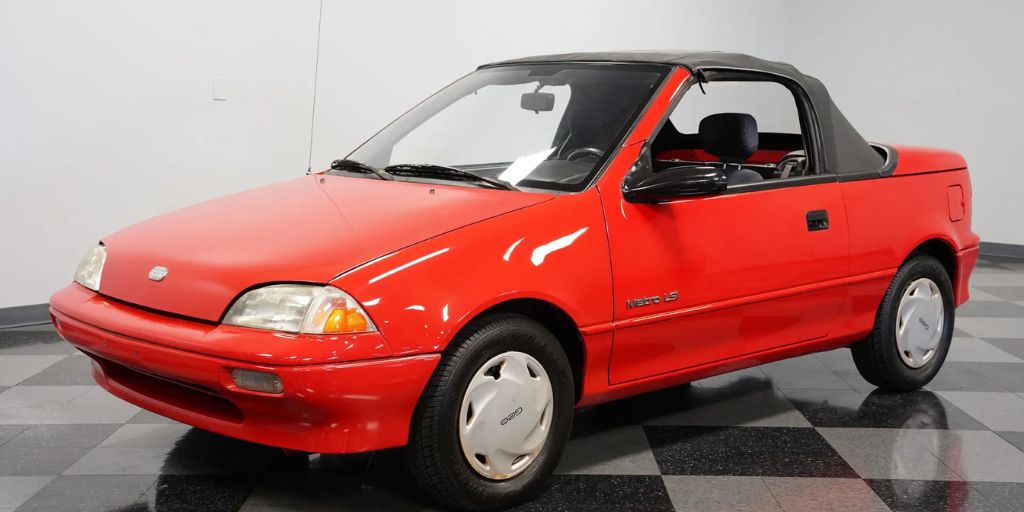
The rationale for including the Metro on this list is clear. Its remarkable sales numbers and relentless practicality cemented its role as a fixture of the era’s automotive scene, yet today it offers one of the cheapest entries into 1990s motoring.
Aging gracefully into affordable obscurity, the Metro shows that practical, sensible cars rarely make the leap to collectible status—even if they were everywhere at the time.
4. Saturn S-Series (1991–2002)
Saturn, GM’s bold experiment, was introduced with enormous fanfare and expectations. The S-Series was meant to compete with Japanese rivals by offering innovative design features, such as polymer body panels that resisted dents and never rusted.
The cars were affordably priced, durable, and famous for honest dealership practices. For a brief window, Saturn developed a cult-like following of loyal customers.
Despite its early success, the S-Series failed to inspire much desire among collectors. While it was reliable and easy to maintain, it lacked the performance, style, and emotional impact that fuels car enthusiasm.
Interiors were utilitarian, engine choices unremarkable, and after an initial rise, Saturn’s reputation faded as competitors caught up quickly.
The S-Series never achieved the kind of racing pedigree, pop-culture connection, or aesthetic flair that drives value upward in old cars.
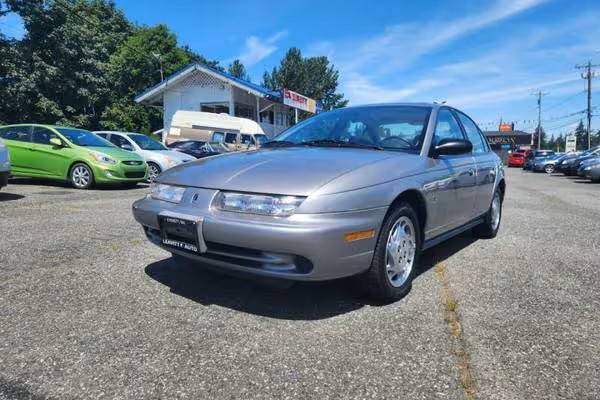
Why discuss the S-Series? It’s a cautionary tale of missed potential. Despite being a symbol of experimentation and American optimism during the 1990s, its utilitarian nature means used examples remain some of the least expensive cars of their era.
This highlights how even innovation and novelty aren’t always enough to guarantee collector attention or elevated values.
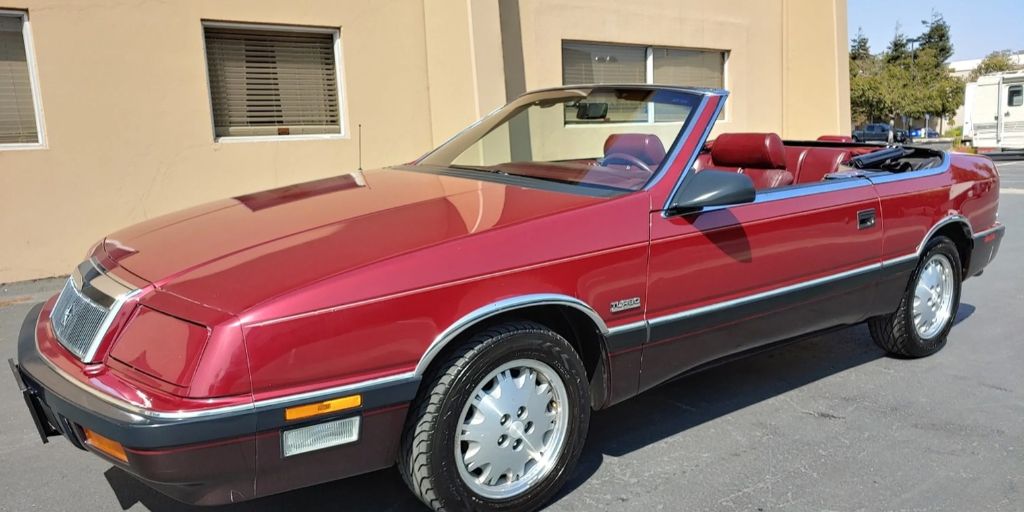
5. Chrysler LeBaron (1982–1995)
The Chrysler LeBaron occupied a unique space in the 1980s and 1990s, serving as one of Chrysler’s go-to affordable luxury models. Available in sedan, coupe, and convertible forms, the LeBaron was marketed as a refined, stylish choice for those seeking comfort on a budget.
With front-wheel drive and a range of inline-four and V6 engines, the LeBaron provided decent performance for its class—but never enough to excite driving enthusiasts.
Over the years, the LeBaron earned a reputation for being sensible rather than special. While it appeared in a few television shows and movies, it failed to achieve the wider pop-culture embrace of other cars of the era.
Build quality was inconsistent, and a lack of standout features or a devoted owner base kept it from being cherished as a nostalgic icon. Production numbers were high, meaning used models remained commonplace for years afterward.
The LeBaron’s story is relevant because it reflects how luxury aspirations and mass-market intentions don’t always translate into lasting appeal.
While collectors chase rare convertibles and performance icons, the LeBaron remains firmly in the “cheap classic” category—illustrating how even a taste of style from yesteryear can remain stubbornly affordable.
The story of cars from the 1980s and 1990s is far more than a simple tale of machines getting older—it is a reflection of how culture, memory, design, and engineering come together to shape the collective imagination.
As the years pass, it becomes evident that only a select group of vehicles from this period escape the downward gravity of depreciation to achieve widespread admiration and higher market values.
Their counterparts, meanwhile, remain within easy reach, serving as reminders that nostalgia alone doesn’t elevate a car into the realm of treasured classic.
Across both groups, a few recurring themes emerge. First, true collectibility almost always connects to a sense of significance.
The Toyota Supra Mk IV reaches staggering heights not just because of what it is, but because of what it represents, a blend of Japanese performance, pop-culture influence, and extraordinary engineering potential.
Similarly, the BMW E30 M3, Acura NSX, Nissan Skyline GT-R, and Ferrari F40 each carry the marks of motorsport, engineering ambition, and cultural relevance.
They are the vehicles that enthusiasts remember, aspire to, and actively seek, not only for their rarity but also for the experiences they offer.
Their strong communities, prominent media presence, and racing pedigrees contribute greatly to their ongoing rise in status and value.
On the flip side, cars like the Ford Taurus, Pontiac Fiero, Geo Metro, Saturn S-Series, and Chrysler LeBaron tell a different story. Despite innovative features, strong sales, or even short-lived moments in the spotlight, they largely remain affordable today.
This outcome often comes down to mass production, modest performance, or an association with ordinary daily life. The Taurus is remembered as a workhorse for families, the Metro as an ultra-economical commuter, and the LeBaron as budget-friendly luxury, yet none of these achieved the aura that sparks bidding wars among collectors.
In some cases, reputational setbacks or a lack of emotional connection with drivers kept them from reaching classic status.
Crucially, this divide demonstrates that age is not enough to confer desirability. Performance, racing history, looks, rarity, and even an element of aspirational dreaming all play their part. Collectible cars spark emotion—whether through the memory of a childhood poster, a legendary race win, or that magical movie chase scene.
Affordable older cars, while just as legitimate as historical artifacts, fulfill a different role; they provide access to retro motoring and remind us of a time before GPS, turbocharging in every engine bay, and touchscreens everywhere, but they do not tend to fuel dreams.
Another important factor is how the community around each model shapes its path. Strong owner clubs, restoration support, and passionate online forums can help boost a car’s presence long after production ends.
The Supras, Skylines, and E30s have benefited from this consistent support, which further increases their appeal and encourages preservation rather than neglect.
Meanwhile, the continued availability of cheap, usable examples of the Metro, Taurus, and similar vehicles speaks to their success as modes of transportation during their time. They served ably, but their role was utilitarian more than aspirational.
Some may yet see modest gains as nostalgia deepens, but without the added spark of performance, rarity, or cultural status, they are likely to remain budget friendly.
Ultimately, looking at both sides of the coin showcases how memories, context, and emotion define which cars rise above their humble origins and which remain time capsules at accessible prices.
Whether searching for a blue-chip collectible or a slice of everyday history, the cars of the 1980s and 1990s continue to offer stories and opportunities for every sort of enthusiast.
Also Read: 5 Vehicles With Reliable Voice Controls vs 5 With Unreliable Recognition
