
Selecting a vehicle is more than just picking a way to get from one place to another. It is an investment, an expression of personal priorities, and a bet on the future.
The car market is shaped by two distinct philosophies: technological innovation and time-tested simplicity. On one side, automakers chase modern appeal by cramming their vehicles with the latest features and exciting electronics.
These cars offer everything from digital dashboards and voice-activated assistants to complex driver-assistance packages and personalized comfort settings.
This level of innovation not only seduces buyers with a taste for luxury and novelty but also sets benchmarks for what’s considered modern in the market. However, this pursuit of advancement brings unintended consequences once these vehicles begin to age.
On the other end of the spectrum are cars that favor mechanical dependability and straightforward engineering.
These cars may seem less thrilling at first glance, but their resale strength and reputation for reliability attract practical buyers looking to maximize long-term value.
Used car shoppers gravitate toward these vehicles, drawn by lower operation costs, predictable maintenance, and a history of holding strong value even after several years on the road.
This examination of five gadget-laden cars known for dramatic depreciation, alongside five fairly basic models praised for value retention, will underscore how a car’s design philosophy carries real financial implications.
The analysis will guide those deciding between cutting-edge excitement and grounded practicality, helping future buyers recognize not only what might impress them now, but what will take care of their wallet in years ahead.
Also Read: 5 Cadillacs That Surprise With Reliability vs 5 That Are Reliability Nightmares
5 Gadget-Filled Cars That Depreciate
Cutting-edge cars promise a glimpse of tomorrow. Manufacturers set their sights on creating vehicles that address nearly every driver desire with electronic wizardry and bleeding-edge features.
Innovations include features that seem like science fiction: massive touchscreens that appear to hover out of the dashboard, seats with temperature control and massage settings, head-up displays that project vital information onto the windshield, and AI-driven driver aids.
These advances attract attention and can be genuinely useful, delivering a bespoke driving experience that was barely imaginable in the past.
Nevertheless, the chase for supremacy in gadgetry occasionally creates a problem: technology ages quickly. Hardware that once seemed fresh may quickly become outdated when new models emerge with refreshed systems and greater capabilities.
The international used car market grows ever more sophisticated, with buyers and sellers keenly aware of the risks and costs associated with complicated electronics.
The more heavily a car leans on its gadget suite, the greater the likelihood that expensive repairs and updates may loom shortly.
This frequently translates into steep and rapid depreciation; technology becomes a liability as much as it was an asset, especially as warranties expire and parts become trickier to source.
This section highlights five prominent vehicles that typify this pattern of rapid value loss. Each car included is a leader in technological innovation when new, but that very reliance on gadgets becomes a sticking point once the years and miles accumulate.
The aim is to provide insight on why focusing on tech can make these vehicles costly in the long run, especially for second and third owners.
1. BMW 7 Series
The BMW 7 Series has long acted as the Bavarian automaker’s flagship and test bed for future technologies. With every generation, BMW loads this full-size luxury sedan with the most forward-thinking equipment on offer.
Gesture-based controls, full-color heads-up displays, soft-touch closing doors, recently updated electronic driver aids, and a sprawling array of rear-seat entertainment screens: for the original buyer, these features make each journey feel extraordinary, placing the 7 Series in elite company.
But even as the technological prowess distinguishes the 7 Series at launch, that same complexity quickly becomes a source of concern once the car leaves the showroom.
Sophisticated infotainment systems, with their custom software and proprietary hardware, require specific expertise to fix if anything goes wrong—and that means steep labor costs.
The more intricate the tech, the higher the risk: air-ride suspensions, adaptive cruise hardware, sunroofs with motorized shades, and digital dashboards all have more potential failure points than purely mechanical counterparts.
Another factor contributing to swift value loss is BMW’s swift technology turnover. New 7 Series generations arrive with even more impressive features, including AI-based assistants and enhanced connectivity.
This arms race makes current versions feel dated only a few years after release. Used buyers frequently avoid older 7 Series cars, worrying about repair costs and the hassle of tracking down replacement parts for discontinued gadgets.
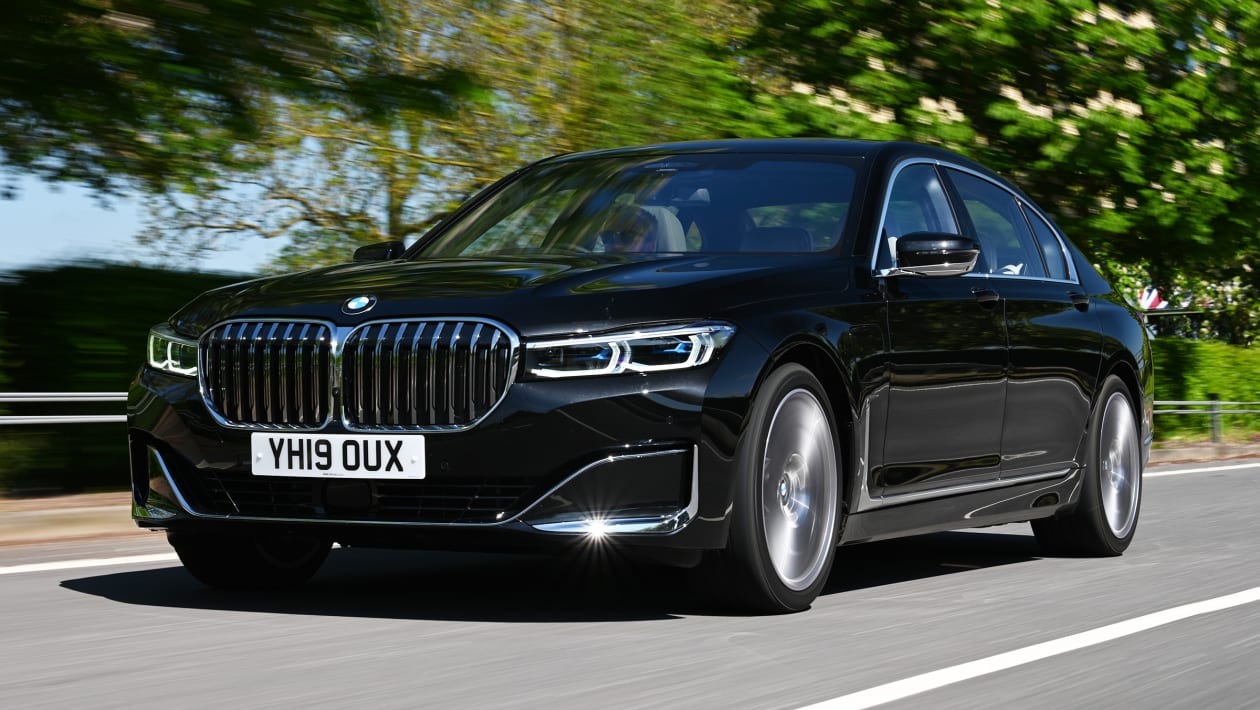
The premium paid for gadgetry rarely translates into premium resale value, which is why the 7 Series is consistently found on lists of fastest-depreciating luxury cars.
When discussing value retention, the 7 Series serves as a clear-cut illustration of how high-tech features—no matter how desirable they seem at first—can create challenges for future owners, and quickly transform a status symbol into a difficult asset.
2. Land Rover Range Rover
The Range Rover sits near the top of automotive wish lists for anyone dreaming of opulence combined with unrivaled off-road talent. Built to showcase British luxury, it is designed for both country estates and city avenues.
Standard equipment packs in adaptive driving modes, self-leveling and height-variable air suspension, multi-touch infotainment, rear-seat climate and entertainment control, and electronic driver assists that push the limits of what’s possible.
Yet, the bigger the tech offering, the bigger the potential pains for long-term owners. Range Rover models, particularly in their high-end trims, are stuffed with proprietary electronics: sliding panoramic roofs, deployable running boards, terrain response systems that rely on a suite of sensors, and digital instrument groups that replace basic analog gauges.
Critics, reviewers, and thousands of owners have noted a pattern of trouble—software updates that go wrong, sensors that fault, and air suspensions prone to costly repairs.
These problems hit especially hard after a few years, when the original warranty has expired and even simple fixes escalate in cost and complexity.
Another challenge is availability. Some Range Rover components are unique to a specific model year or trim, making aftermarket replacements difficult to locate. Labor-intensive work on electronics or air suspension often requires well-paid brand specialists, driving costs high.
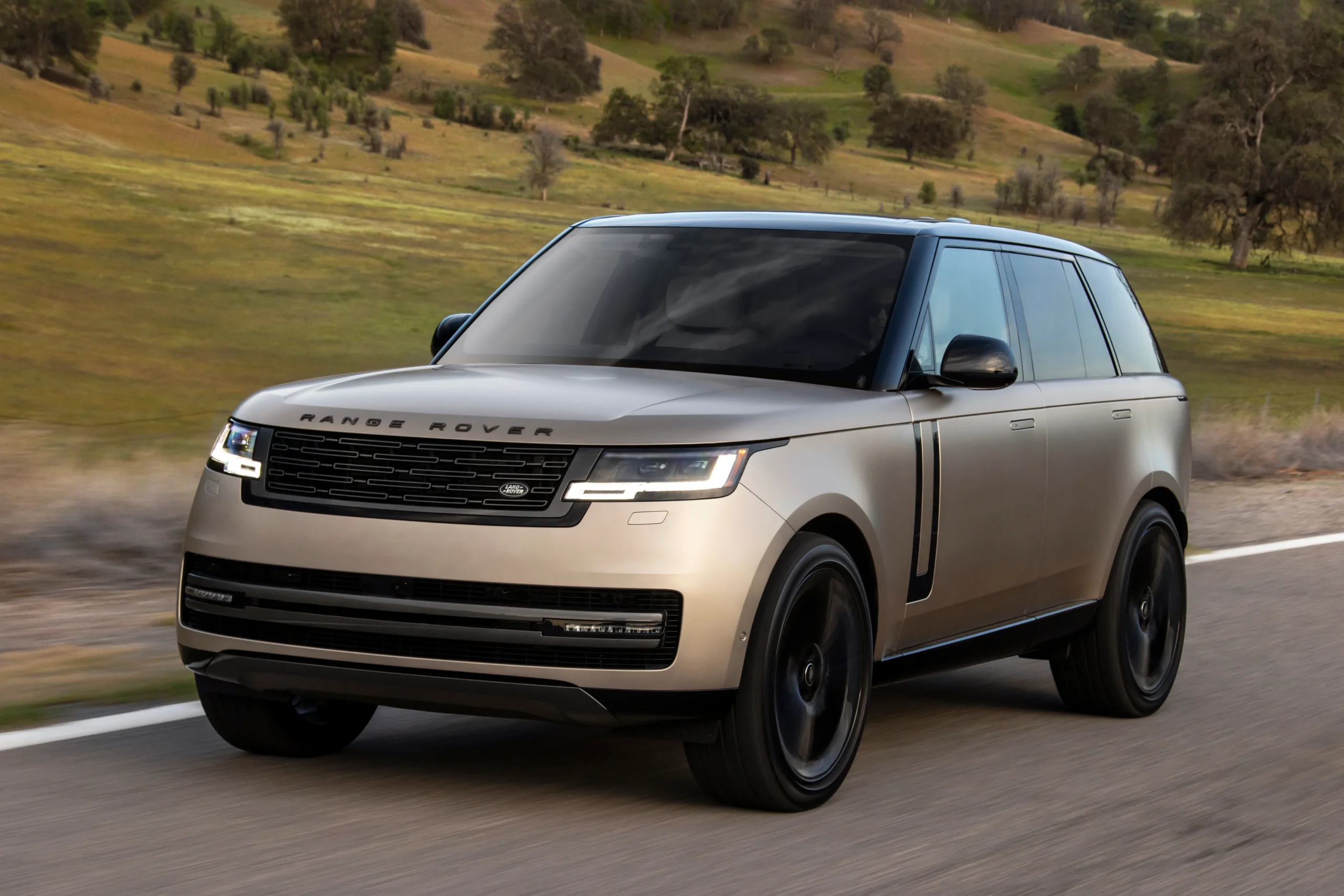
As a result, the Range Rover suffers sharp depreciation. Even well cared for examples can lose a significant percentage of their manufacturer value within a brief period compared to more sensible brands and models.
The Range Rover is offered here because it so perfectly encapsulates the risks inherent in betting on gadgetry and luxury above all else.
Sophistication sells new Range Rovers, but expensive-to-maintain complexity is a leading cause for their abrupt value drops in the used car arena.
3. Mercedes-Benz S-Class
Owning a Mercedes-Benz S-Class promises access to one of the automotive world’s most sophisticated experiences.
Each generation introduces a suite of innovations to the public: radar-controlled cruise control, intelligent lighting systems, lane-keeping assistants, touch-capacitive controls, and upscale cabin environments featuring massaging, climate-controlled seats covered in rare materials.
At the time of their debut, these features signal Mercedes’ ongoing commitment to leading the luxury class.
However, the intricate marriage of hardware and software, even though it makes the car attractive to first owners, often means more problems over the long run.
Each digital gadget represents another item that can break—and, with S-Class models, the price of repair is rarely modest.
The ownership cost outside warranty is sometimes measured in unpredictable, high-dollar bills for a failed command module, adaptive LED system, or malfunctioning infotainment center.
In addition to the risk of failures, obsolescence creeps in quickly. Mercedes is relentless about upgrading technology with each facelift and generational update, diminishing the perceived value of previous iterations.
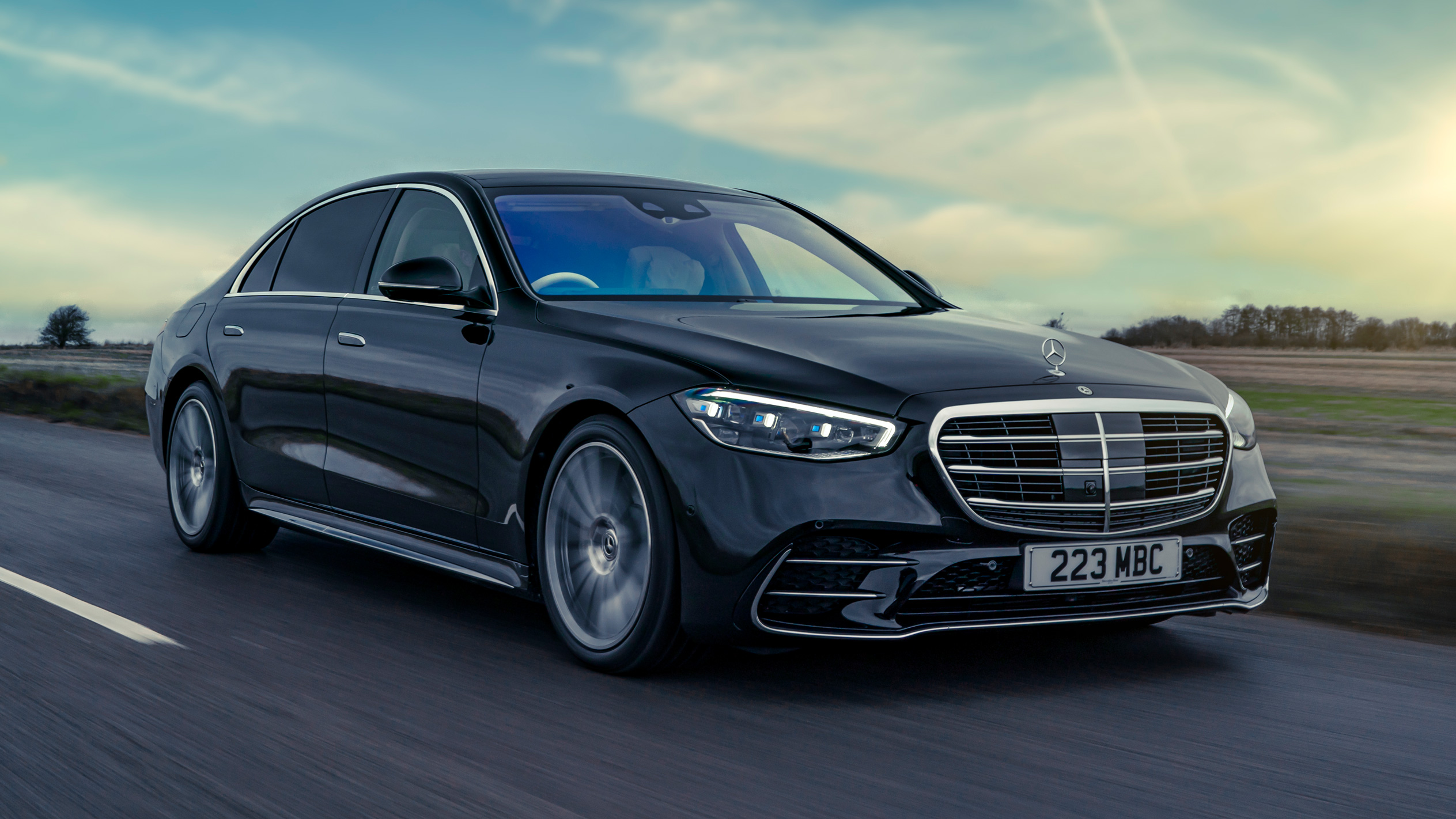
Advanced safety packages and entertainment systems quickly look older when current S-Class cars introduce newer solutions. This cycle must be repeated, creating a gap between the technology’s actual usefulness and its resale perception.
Because of this, used buyers either walk away or demand steep discounts. The S-Class is a luxury benchmark for first owners but loses much of its luster in subsequent resale transactions, making it a textbook model in the pitfalls awaiting car-makers and buyers who prioritize the latest gadgets above all other factors.
4. Tesla Model S
Tesla markets itself as the future of driving, and nowhere was this clearer than with the Model S. Its debut changed expectations for electric vehicles and premium sedans, offering a unique mix of high battery range, striking acceleration, vast touchscreens, and high levels of connectivity through over-the-air software updates.
Features like “Autopilot” semi-autonomous driving, all-digital instrument displays, and regular bug fixes or upgrades rolled out without ever visiting a service center were truly revolutionary at launch.
Yet, these same selling points contribute to a sharp loss in value over time. The pace of progress within Tesla itself means old software and hardware start to look outdated in just a few years.
The company has rolled out revised batteries, improved motor technology, and more advanced driver-assist sensors so regularly that a Model S from only five years ago can feel like it lags behind.
Repairs or upgrades for older models are also tricky, because parts or support for earlier iterations of the hardware become scarce or simply aren’t backward compatible.
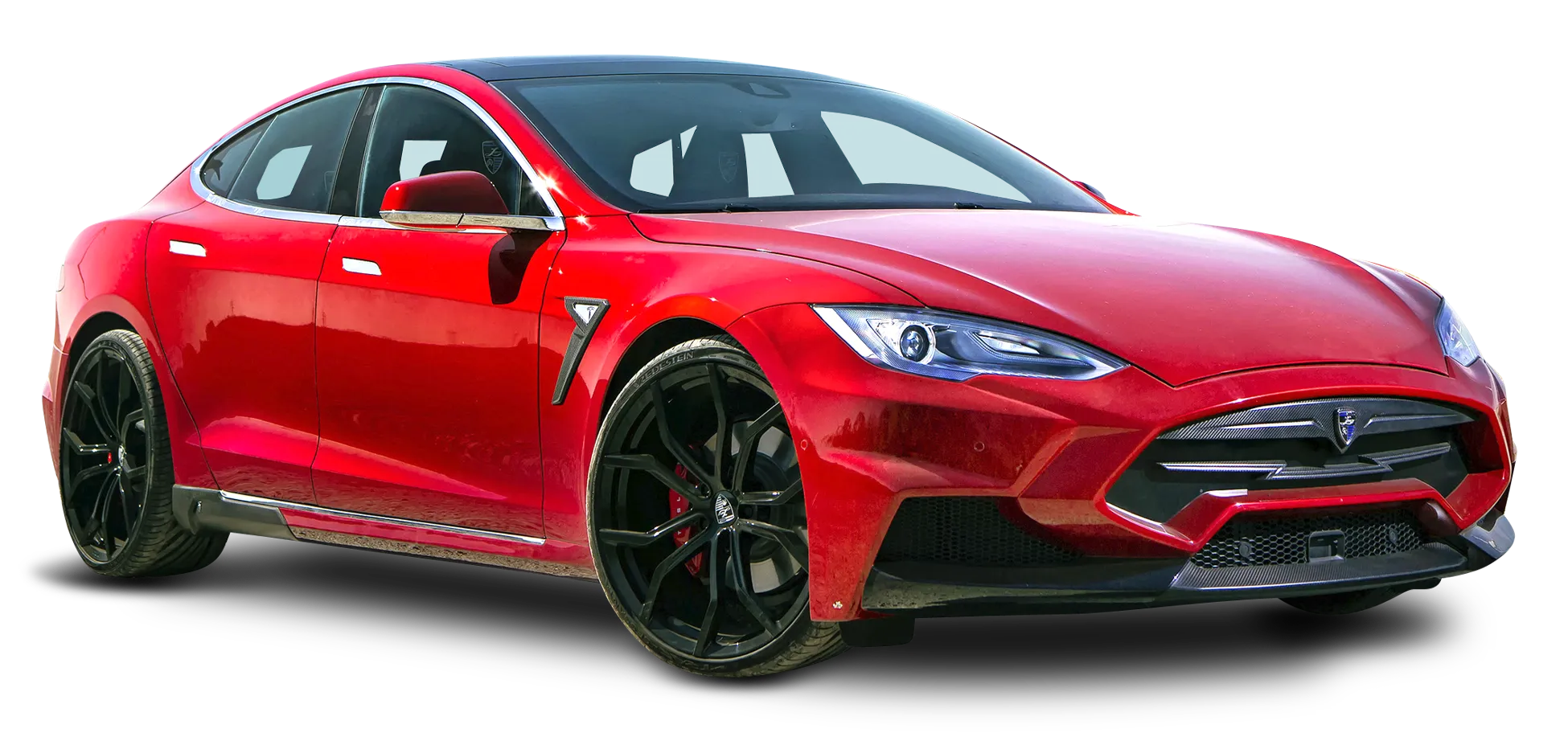
Potential buyers often hesitate at the prospect of a used Model S out of warranty, with concerns ranging from high battery replacement costs to touchscreen panel failures.
While some improvement has been made, many early adopters encountered repair bills that other brands simply don’t face at the same mileage or age.
The Model S thus stands as an innovative car that has difficulty aging gracefully, especially when measured by how much value it retains and how quickly owners must accept a major drop in market worth.
5. Audi A8
The Audi A8 presents itself to the luxury-sedan buyer seeking above-average comfort and technological superiority. Audi invests in every modern feature, from laser headlights to advanced concierge systems and haptic digital controls.
Inside, passengers enjoy a blend of classic elegance and futuristic function: multi-screen layouts for entertainment and information, custom lighting themes, and predictive safety systems that scan the road ahead.
However, the A8’s approach of emphasizing new gadgets can serve as a double-edged sword in terms of long-term ownership.
Over the years, recurring issues have arisen with complex electronic air suspensions, advanced infotainment modules, and networked driver-assistance hardware. Once warranty protection fades, these repairs present both logistical and financial headaches.
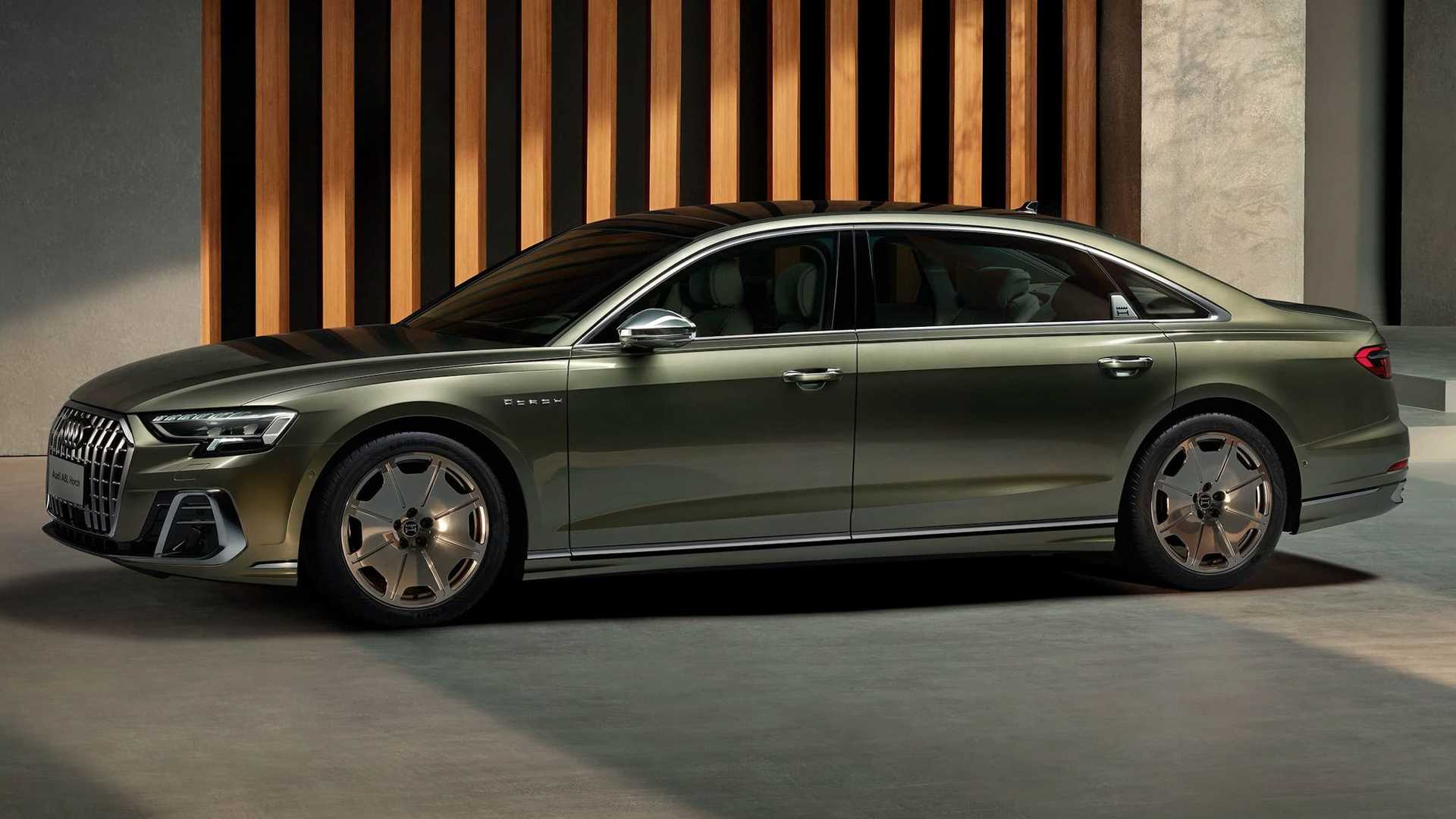
Third-party workshops may lack the specialized tools or training needed, further elevating labor charges. Audi’s updating of these sophisticated systems with each new iteration means that some replacement parts and modules are only available at great expense, if at all.
As a result, A8s can lose value rapidly, sometimes at rates even quicker than direct rivals. Used car buyers shy away from high-end gadgets that could soon require thousand-dollar fixes, especially since simpler executive cars can deliver most of the intended luxury with less risk.
Audi’s flagship here proves the point: prioritizing innovation and high-spec features for the sake of standing out when new is a major cause for rapid value loss just a few years later.
5 Simple Cars That Hold Value
In an era where complexity and digital interfaces seem to dominate industry thinking, some manufacturers have chosen a different path.
Instead of outpacing competitors with more screens, more sensors, and more software, these car makers build reputations on enduring quality, minimal fuss, and clear user focus.
They prize mechanical reliability above entertainment or gadgetry, keeping designs straightforward both under the hood and throughout the cabin.
The result is a loyal following and, often, a level of resale retention that stands out across the global auto market.
Owners find that these vehicles offer more than just reduced complexity—they become dependable companions that keep performing as intended for years or even decades.
Repair bills are more manageable, maintenance is less frequent and easier, and fewer hidden faults arise because there are fewer gizmos and sensors waiting to go bad.
Demand among used buyers and enthusiasts for these models means prices remain high long after most competitors have seen the bottom fall out.
This section examines five standard-bearing cars known for their enduring simplicity and value.
Each is chosen as a case study in how clarity and restraint, rather than an excess of features, produce the kind of ownership experience and long-term financial security that appeals to sensible car buyers everywhere.
1. Toyota Tacoma
The Toyota Tacoma occupies a unique space in the automotive market: it’s a pickup with practicality at its core, loved by everyone from off-roaders to contractors to outdoor-lifestyle families.
Unlike rivals that add frequent facelifts and increasingly complicated options like turbocharging or networked off-road management, the Tacoma has charted a path defined by robust construction and restrained tech integration.
From chassis to drivetrain, almost every component of the Tacoma is designed for durability under harsh conditions. Both four- and six-cylinder engines have proven their mettle in climates ranging from deserts to high-altitude mountains.
Instead of layering on complex air suspensions or all-electronic dashboards, the Tacoma’s most popular trims stick with honest-to-goodness analog controls, sturdy gear levers, and buttons that function reliably whether on a paved road or cracked dirt trail.
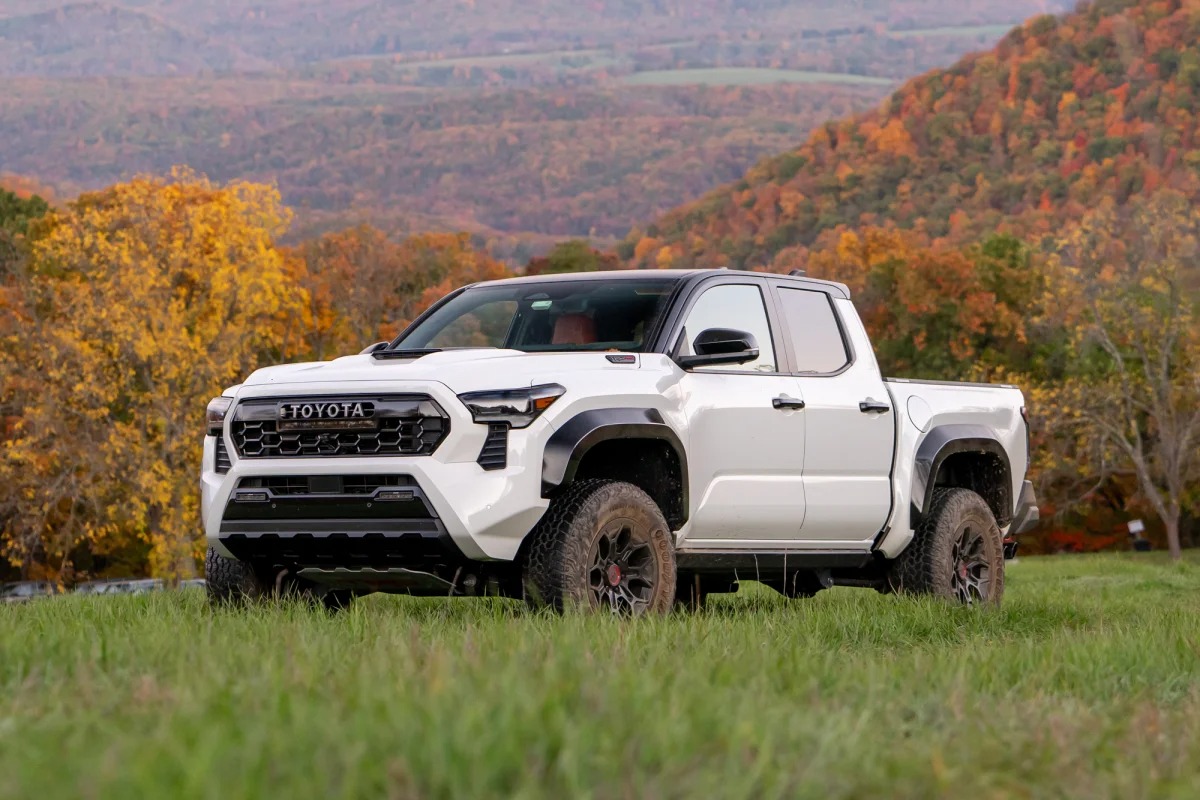
Maintenance over the years is typically affordable, because access to replacement parts is plentiful and mechanics everywhere know how to work on them.
This simplicity drives impressive used market values. Tacomas frequently appear atop rankings for best resale value and slowest depreciation, regardless of whether they are equipped as base work trucks or upmarket TRD Off-Road editions.
The inclusion of the Tacoma in this discussion underscores just how powerfully mechanical dependability and straightforward layout contribute to a vehicle’s enduring worth, making it a sound investment whether you plan to keep your truck for five years or fifteen.
2. Honda Civic
Few models carry the reputation for equally strong practicality and retained value like the Honda Civic.
Its millions of satisfied owners are a testament to a winning formula perfected over decades: efficient, unfussy engines, easy-to-use interiors, and a lack of unnecessary technology in the trims that form the backbone of Civic sales.
While premium versions have introduced conveniences like large infotainment screens or advanced safety assists, the Civic’s value and popularity rest with standard editions.
These models focus on doing the basics very well: predictable handling, manageable upkeep, and economical comfort.
Even as automotive trends have shifted toward larger and more complex vehicles, the Civic has retained its core identity by dodging unnecessary mechanical or electronic “innovation” that rarely translates into meaningful real-world benefits.
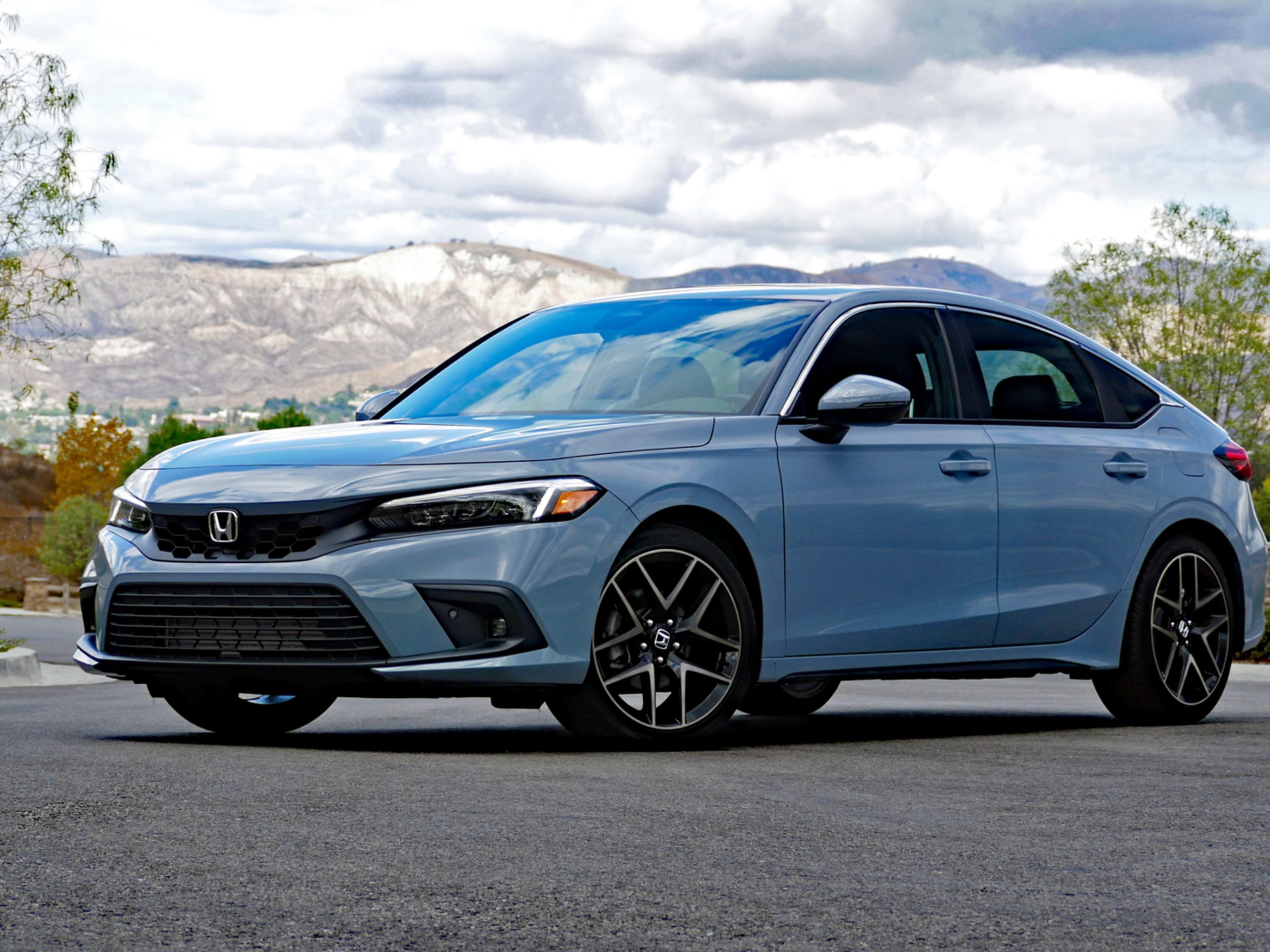
Mechanics regularly cite older Civics as among the easiest cars in the world to maintain. Parts are widely distributed and inexpensive; even older examples seldom force owners into specialty shops or surprise bills.
Used car buyers, aware of the Civic’s record, regularly pay a premium rather than risk a more complex competitor. Civics, especially those maintained with only routine service, are purchased with confidence and marginalized depreciation compared to similarly sized or priced peers.
The Civic is included here because it demonstrates that restraint has major payoffs: skipping flashy but untested innovation for solid, simple engineering leads to a car that guards both your peace of mind and your wallet even years after the original sale.
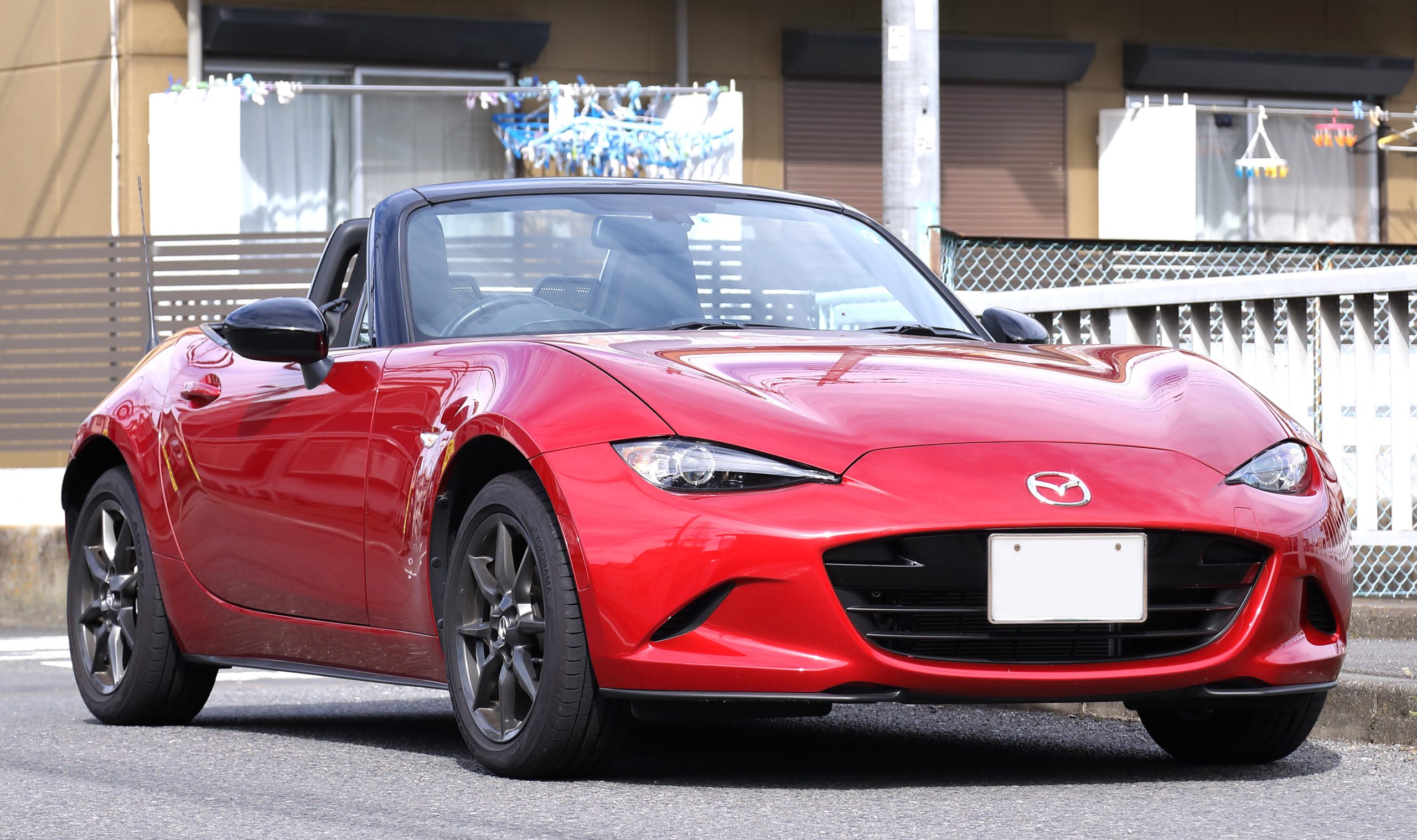
3. Mazda MX-5 Miata
The Mazda MX-5 Miata is a rare object—an enthusiast’s sports car that manages to hold value as reliably as any family sedan.
Central to the Miata’s appeal is its minimalistic ethos: instead of packing the cockpit with advanced electronics, heavy-duty sound systems, or customizable digital dashboards, Mazda opted for a lightweight, honest approach that keeps the driving experience at the fore.
This paired-down design influences every aspect, from a close-ratio manual gearbox to a naturally aspirated, high-revving engine.
The Miata’s steering and suspension are engineered for maximum feedback and fun, not complexity. Buyers and reviewers consistently note that what the Miata lacks in bells and whistles, it more than compensates for in long-term reliability and sheer enjoyment.
Miata ownership also translates to significant financial smiles: used prices frequently approach, and in some cases even exceed, the original purchase price for special trims.
The reason is clear—fewer parts mean fewer things can break, and the simplicity of the design means anyone mechanically inclined can keep an older example in pristine condition for years. An active community of fans and owners means strong demand and limited supply on the used market.
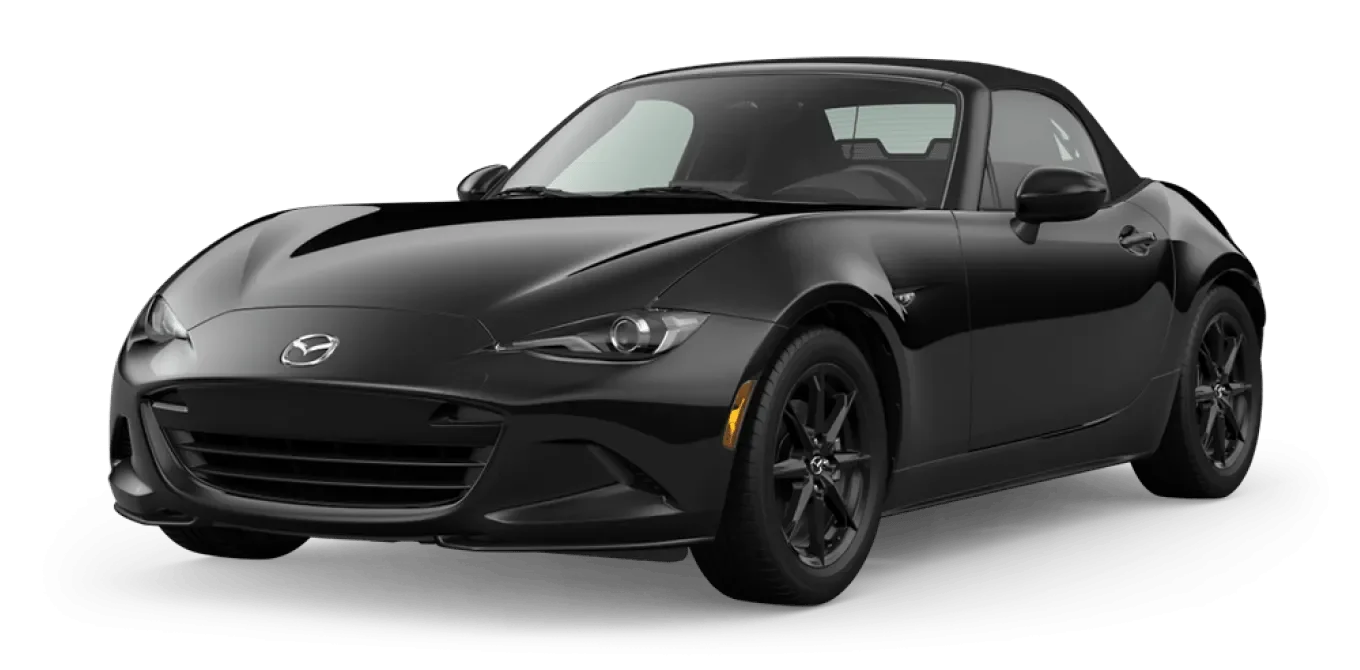
By featuring the Miata in this article, credit is given to a philosophy that puts driving pleasure above fashionable technology.
It has allowed the Miata to outlast and out-value countless “more modern” sports cars loaded with complex components unlikely to stand the test of time.
4. Toyota 4Runner
The Toyota 4Runner has become virtually legendary with those who need a reliable, all-purpose SUV for real-world use—be it on the highway, in the hills, or down unpaved roads.
While competitors have come and gone from the midsize SUV scene, the 4Runner has retained a confidence-inspiring focus: body-on-frame architecture, a proven V6 motor, and a reliance on physical controls instead of extensive digital networks.
This ensures the 4Runner keeps working when lesser SUVs falter. While there are convenience options, the standard 4Runner avoids most “must-have” tech fads.
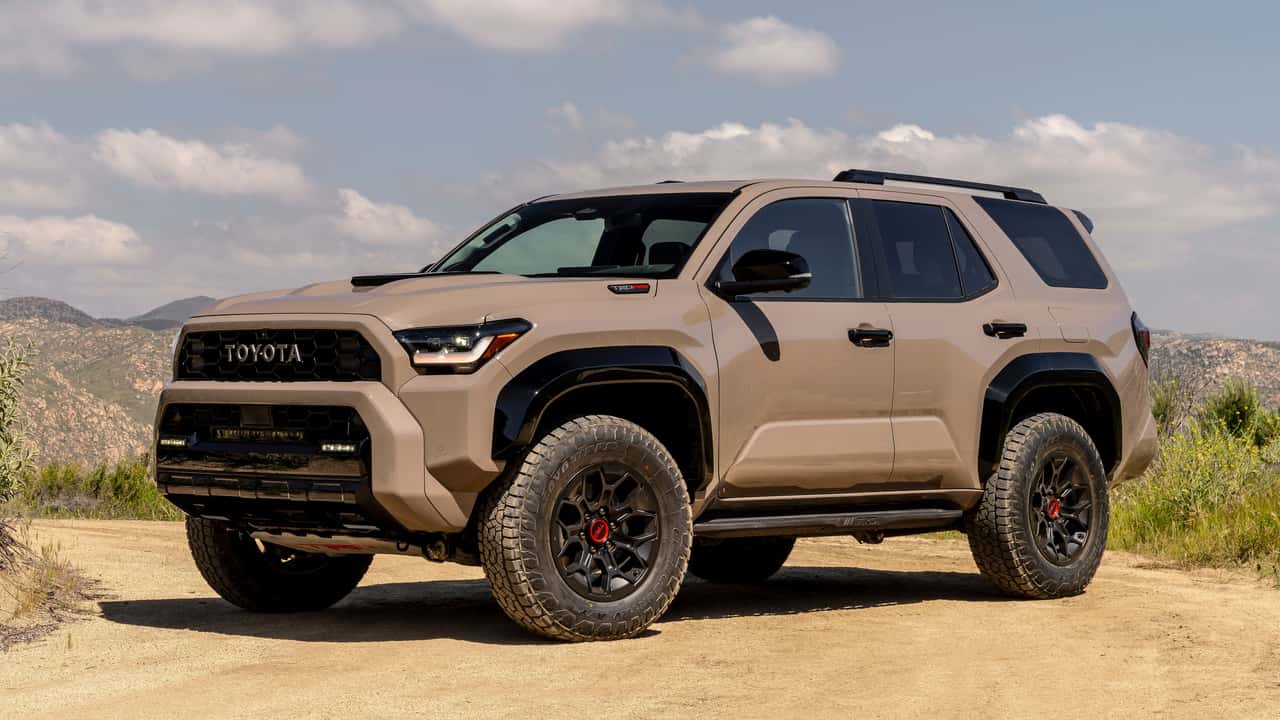
Items like all-wheel-drive selector knobs and manual HVAC controls fail less frequently and are easy for any service shop to maintain. Owners report simple 4Runners staying reliable for 200,000 miles or more, with many early models still on the road today.
High resale value is thus almost guaranteed. Used 4Runners sell quickly and at prices far above peers of similar age and mileage. This reflects the real-world priorities of people who want an SUV that “just works” no matter what.
The 4Runner reinforces the point that prioritizing simple, time-tested engineering and serviceability produces vehicles with longevity both on the road and in the used car arena.
5. Jeep Wrangler
The Jeep Wrangler has achieved almost mythic status for its go-anywhere attitude and focus on genuine durability.
For decades, Jeep stuck to a template: solid axles, robust ladder frame, minimal digital equipment, and engines designed for torque and longevity. While small updates occur with each generation, the fundamental character remains unchanged.
Wranglers are bought for their ability to do serious work and tackle off-road challenges few other vehicles dare attempt. Owners (and would-be owners) love the ease with which these Jeeps can be repaired, modified, and customized.
Most versions can be serviced by any competent mechanic, and parts—both stock and performance upgrades—are easy to source.
This simplicity pays off: Wranglers, whether newer or vintage, command premium prices on the second-hand market. Used buyers know these vehicles often outlast their more complicated SUV competition.
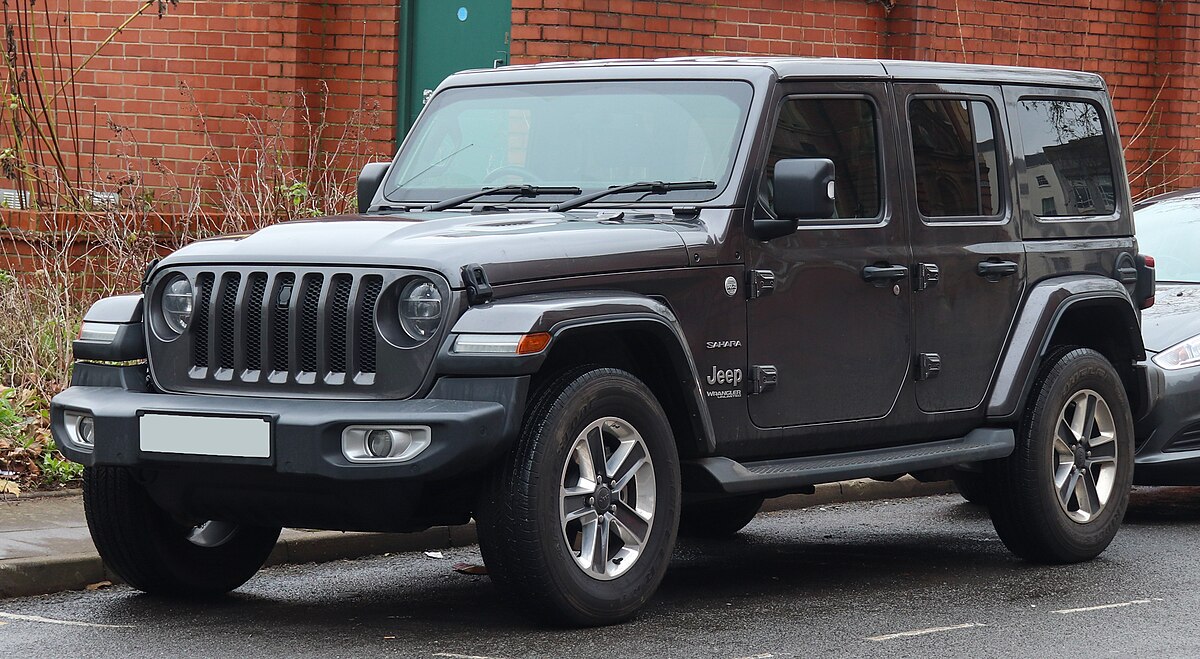
The Wrangler’s approach has also fostered a passionate owner community. Events, clubs, and online forums help support each other, sharing repair tips and keeping older vehicles running strong.
This loyalty, combined with trustworthy engineering, helps Wranglers keep their value at a level most SUVs can only imagine.
Including the Wrangler in this article underscores the value of sticking with what works. Simplicity and toughness offer rewards far beyond the trail—used buyers know they’re getting machines worth the investment.
Also Read: 5 ’80s–’90s Cars That Became Collectibles vs 5 That Stayed Cheap
