Taxis are more than just vehicles, they’re urban lifelines, cultural icons, and in many cases, mechanical workhorses that outlast trends, governments, and even city skylines.
Over the decades, a select group of cars earned legendary status by doing one thing better than most: reliably getting people from point A to point B, day in and day out.
Whether it’s the instantly recognizable silhouette of a London black cab or the never-say-die attitude of a Toyota Crown in Asia, these cars became synonymous with taxi life.
In this article, we’re not just listing cabs, we’re honoring the unsung heroes of the streets. These are the 10 cars that didn’t just survive in the taxi business, they defined it.
1. Ford Crown Victoria
When most Americans picture a traditional yellow cab, the Ford Crown Victoria immediately comes to mind.
Produced until 2011, the Crown Vic was beloved by fleet operators for its body-on-frame construction, V8 engine, and bulletproof reliability.
Known to easily cross the 300,000-mile mark with regular maintenance, this full-size sedan dominated New York City streets and other major U.S. metros for decades. Its ease of repair and comfort sealed its place as a taxi legend.
The first Panther cars arrived in 1979 as the Ford LTD and Mercury Marquis, offered in two-door, four-door, and wagon configurations. They came equipped with overhead-valve, carbureted small-block V-8s: a 4.9-liter producing 129 horsepower and a 5.8-liter version pushing up to 142.
An optional 40-channel CB radio reflected the era’s trends. In 1980, Lincoln adopted the Panther platform, and the “Crown Victoria” name made its debut as a luxury LTD trim, complete with a distinctive half-vinyl roof that quickly found a fan base.
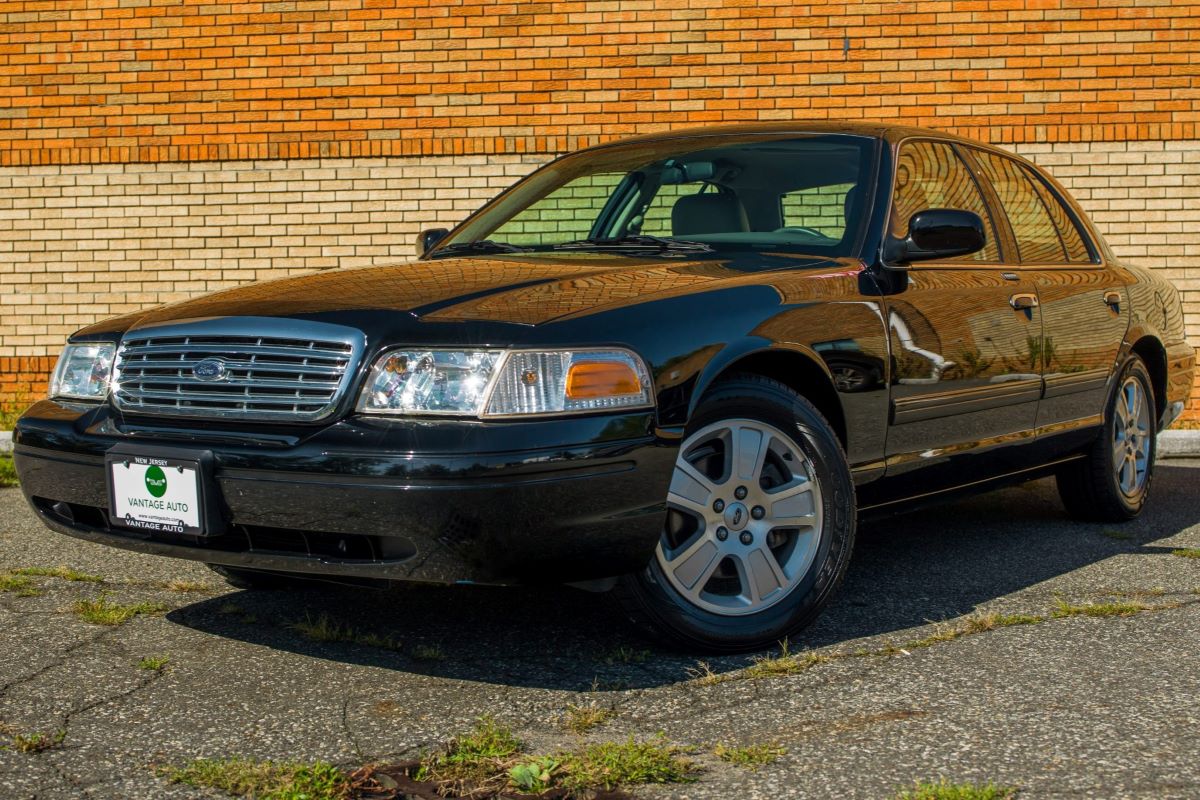
In 1992, a redesigned Crown Victoria debuted, sporting a Taurus-inspired body and omitting the front grille. It came with a new 4.6-liter SOHC V-8 rated at 190 horsepower, an engine that would power Panthers until 2011.
Touring sedans and police versions were upgraded with dual exhausts and 210 horsepower. A shallow grille was reintroduced in 1993 to bring visual balance back to the design.
Passenger safety took center stage in 1994 with the addition of a standard passenger-side airbag. In 1995, the Crown Vic got a refreshed interior featuring new gauges, door panels, and grille design.
By 1998, it shared a body shell with the Grand Marquis, featuring a more upright front end and eliminating the quarter windows in the C-pillars. The V-8 engine now came in 200- or 215-horsepower variants, depending on trim and configuration.
In 2002, Ford addressed safety concerns by retrofitting police Crown Vics with plastic shields to cover bolt heads near the fuel tanks, aiming to reduce fire risks during high-speed rear impacts.
That same year, fleet customers were offered a long-wheelbase version with an extra six inches of stretch for additional rear legroom. Finally, in 2003, Ford introduced major chassis upgrades.
These included new rear suspension geometry with monotube shocks, a redesigned front suspension, rack-and-pinion steering, and a new aluminum crossmember, bringing much-needed improvements in handling and structural integrity.
Also Read: 10 Best Car Models That Improved in New Generations
2. Toyota Prius
In more recent years, the Toyota Prius hybrid has become a staple in the taxi world, especially in eco-conscious cities like San Francisco, Portland, and New York.
While not as powerful as older sedans, the Prius makes up for it with exceptional fuel economy and surprising longevity.
Many fleet vehicles surpass 300,000 miles with the original battery. Its low cost per mile and spacious hatchback design made it a go-to for modern taxi fleets.
It delivers 52 mpg in the city and 48 on the highway, and is available from Carlson Toyota, located 208 miles away. The vehicle features AWD/4WD, a back-up camera, Bluetooth connectivity, keyless entry and start, and upgraded headlights.
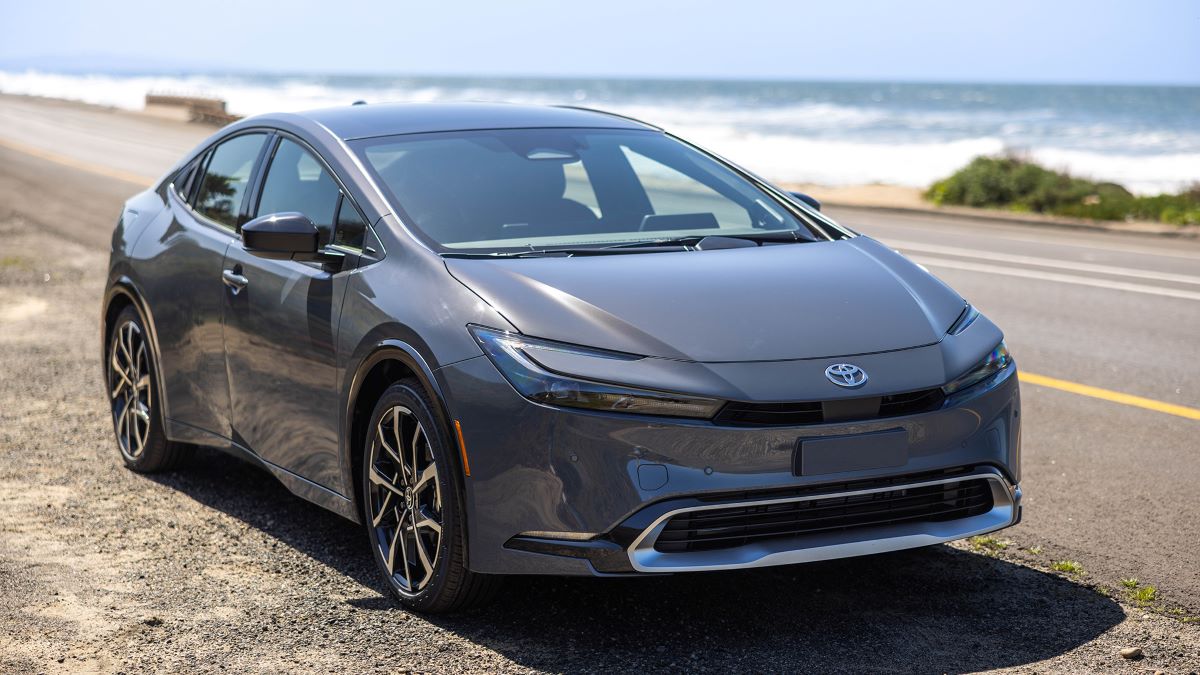
Another listing features a certified 2019 Toyota Prius LE 4dr Hatchback for $17,977, a fair price that’s $75 above market value. This one has 117,268 miles, a record of one accident, one previous owner, and was also used personally.
For 2019, buyers had another reason to consider the Prius: the introduction of all-wheel drive. The AWD-e variant adds an electric motor that drives the rear wheels for added traction from 0 to 6 mph and re-engages at speeds up to 43 mph when the front wheels slip.
This feature is especially helpful for those living in areas with snowy or icy winter conditions. Even with the addition of AWD, fuel economy remains strong, with only a slight decrease compared to the standard Prius.
That said, every Prius comes with some compromises. Performance isn’t its strong suit—it’s neither quick nor particularly engaging to drive.
Its infotainment system can also be frustrating, lacking both Apple CarPlay and Android Auto smartphone integration. While the Prius remains a solid option, newer and more refined competitors like the Honda Insight give shoppers more to think about than in years past.
3. Chevrolet Caprice
Before the Crown Vic took over, the Chevrolet Caprice was the American taxi of choice during the 1980s and early ’90s.
This full-size sedan featured a roomy interior, V8 power, and durable construction traits that made it ideal for constant stop-and-go driving.
Many Caprice taxis were known to last well beyond 200,000 miles, earning a loyal following among cab companies in cities like Chicago and Los Angeles.
The 1989 Chevrolet Caprice was a traditional full-size, rear-wheel-drive American sedan that represented the tail end of an era. Built on GM’s B-body platform, which it shared with other big sedans like the Buick LeSabre and Oldsmobile Delta 88, the Caprice was known for its roomy interior, body-on-frame construction, and bulletproof reliability, especially in fleet applications.

It came with a range of engines, starting with a 4.3-liter V6 that was mainly used in fleet or base models, but the more common choice was the 5.0-liter (305 cubic inch) V8.
An optional 5.7-liter (350 cubic inch) V8 was also available, primarily in police and taxi packages or in the station wagon variant. Power output ranged from around 140 to 190 horsepower depending on engine and tuning, and all engines were paired with a 4-speed automatic transmission, the rugged 700R4.
By 1989, the Caprice had solidified its role as a workhorse in police departments and taxi fleets across North America. The car’s rear-wheel-drive layout, reliable drivetrain, and cavernous trunk made it a favorite for law enforcement, while taxi companies valued its durability and ease of maintenance.
The suspension was soft and comfort-oriented, offering a floaty ride that soaked up bumps with ease, even if it leaned heavily in corners.
Design-wise, the 1989 Caprice hadn’t changed much since its 1977 redesign. It featured a boxy, squared-off shape with large chrome bumpers, simple rectangular headlights, and conservative lines.
While it looked outdated next to sleeker imports of the late ’80s, it had a certain charm and a presence that appealed to traditional full-size car buyers. Inside, the Caprice was all about space and comfort, with wide bench seats, lots of soft-touch plastics, and straightforward analog gauges.
4. Mercedes-Benz W123
Across Europe, the W123 series Mercedes-Benz produced from 1976 to 1985 gained near-mythical status among taxi drivers. Known for its overbuilt diesel engines, this car was a fixture in cities from Berlin to Cairo.
In some cases, these cars crossed the million-mile mark. Although relatively rare in the U.S., its reputation for indestructibility makes it a global taxi legend and a favorite among import enthusiasts.
The W123 E-Class was a major success for Mercedes-Benz, and in 1977, a coupe version was introduced to replace the brand’s previous mid-size sporty-look segment, though in reality, it wasn’t particularly sporty.
Unlike its predecessor, the W123 coupe featured a shorter wheelbase than the four-door sedan by 85 mm (3.3”). This change allowed for a more refined and elegant design.
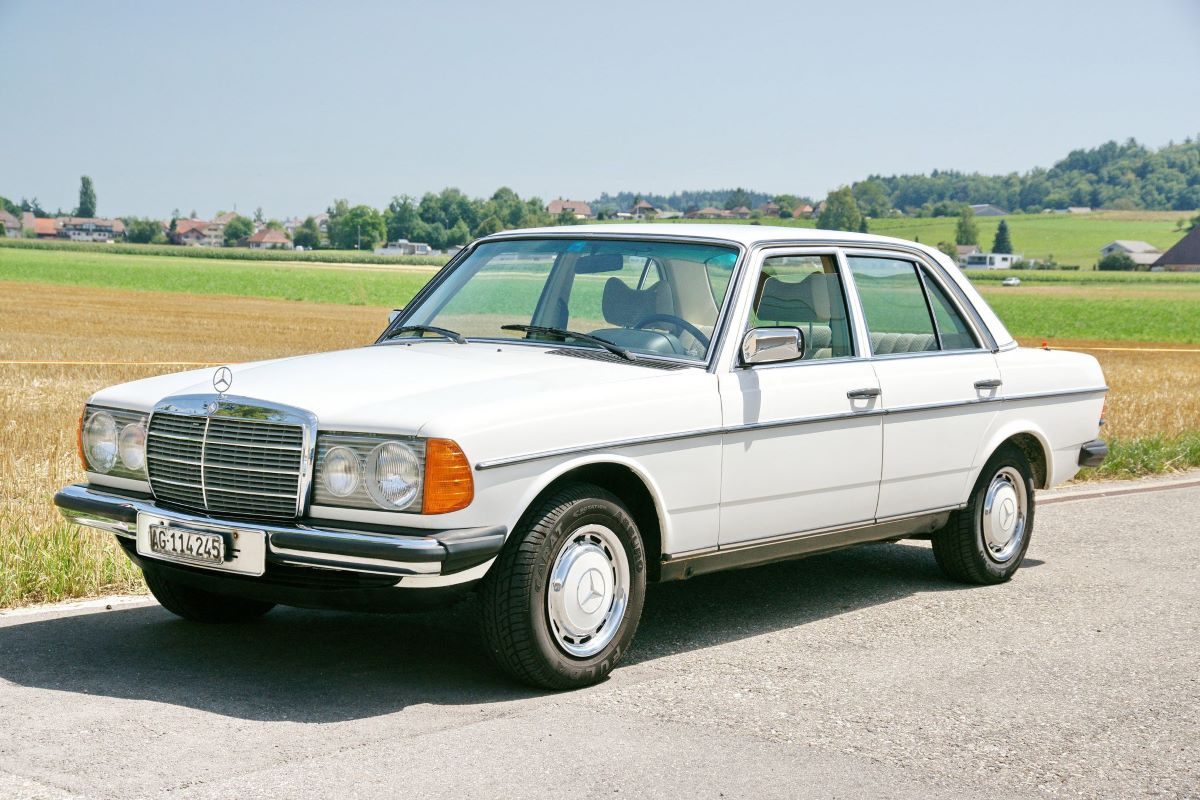
By removing the C-pillar, the body took on a silhouette that resembled a convertible with the roof in place, earning it the nickname “fake-cabriolet.” The coupe shared many components with the sedan, which simplified logistics and made maintenance and parts availability much easier.
Inside, the cabin offered enough space to accommodate four adults, although rear-seat passengers were likely to find long journeys less than ideal. The instrument cluster featured three large dials arranged in an unusual configuration.
One of the dials combined three gauges, the central position housed the speedometer, and the right-hand dial contained a large, conventional analog clock but notably, there was no tachometer. Buyers could choose between a 4-speed manual transmission or a 4-speed automatic, depending on preference.
Over the model’s production span, the coupe was offered with a range of engines. It initially launched with a 2.3-liter carbureted unit but eventually transitioned to fuel-injected engines exclusively. A unique diesel version, the 300 CD, was developed specifically for the U.S. market.
Also Read: 5 EVs With the Best Regenerative Paddles and 5 With Fixed Regeneration
5. Checker Marathon
A true American icon, the Checker Marathon was purpose-built for taxi service and produced from the 1960s into the early 1980s.
Its boxy shape, cavernous rear seat, and heavy-duty frame made it ideal for the punishing nature of city streets.
While the brand eventually folded due to tightening safety regulations, the Marathon’s silhouette remains etched in pop culture and is still spotted in classic films set in New York.
Oddly enough, one of the most iconic automobiles in American history remains unnamed in the minds of most people. Over its 22-year production run, it completed billions of trips, transporting millions of Americans, and it even outlived the Ford Model T by three years.
It appeared thousands of times across countless films, and if you asked any American over the age of twenty to sketch a taxi cab, chances are they’d draw this very vehicle even though it’s been absent from regular service since the early 1990s.
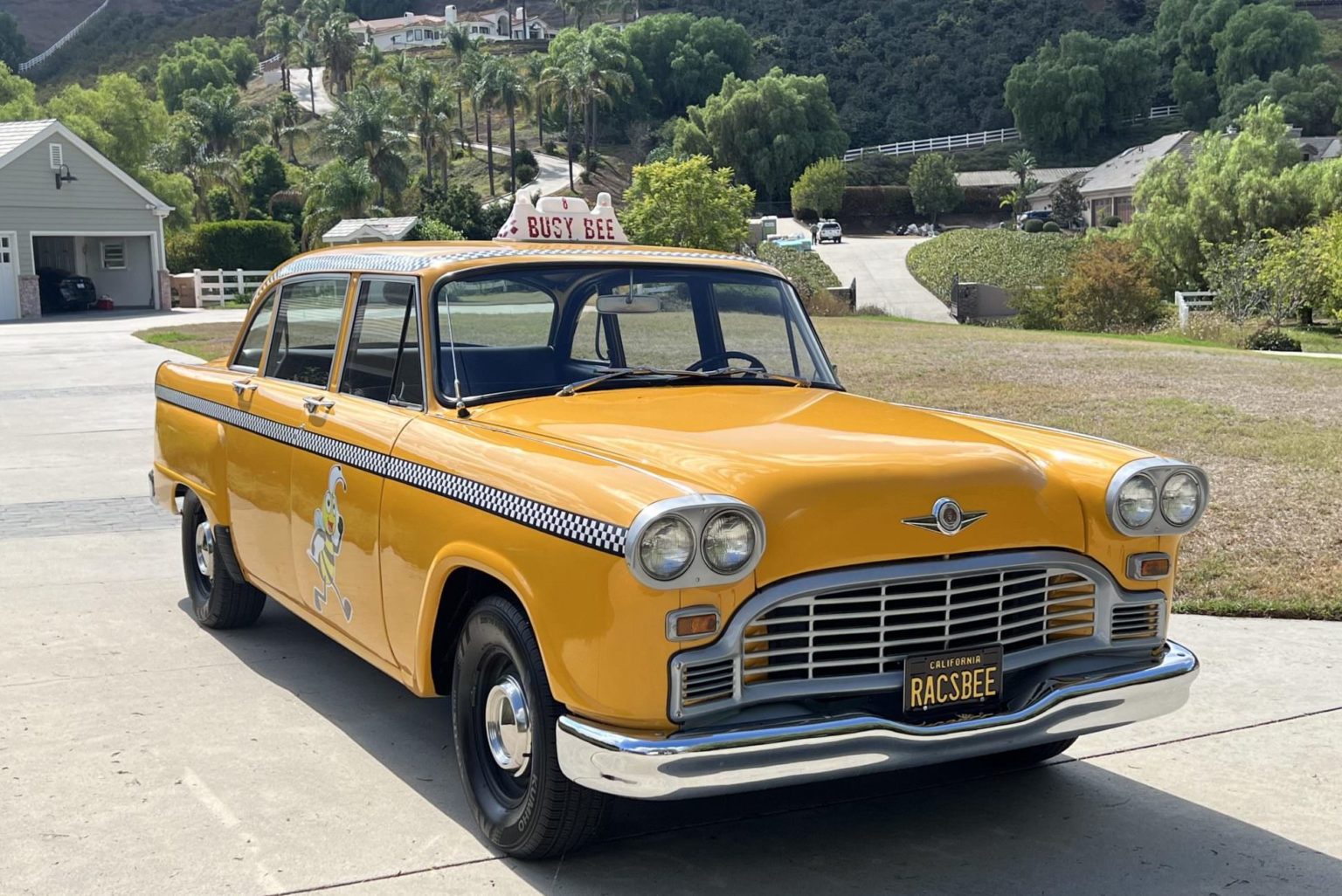
The car is the Checker Marathon. With its bulbous body, minimal trim, bumpers that looked like structural steel beams, and plain, unbranded hubcaps, the Marathon seemed like a living cartoon of 1950s American automobiles.
Its styling was outdated and cheap even when it was new, giving off the vibe of a Soviet-era Plymouth knockoff. The so-called “design department” was reportedly just a corner of the factory curtained off from the rest of the operation. In many ways, the Checker could be considered the most truly generic American car ever built.
Its drivetrain components were similarly eclectic. While Checker manufactured its own bodywork and some suspension elements, many of its parts were sourced from other U.S. automakers.
By selecting the most durable components available and producing its cars in small batches, Checker managed to build an impressively tough vehicle at a time when Detroit was churning out cars known more for their flaws than their longevity.
Despite its slow, almost agricultural handling and a ride that was anything but smooth, the Marathon earned praise from both drivers and passengers for its durability, roomy interior, couch-like seating, and flat floors.
6. Toyota Camry
The Camry is one of the most common cars in America and for good reason. Its legendary reliability and affordable maintenance costs make it a popular choice for independent taxi drivers and ride-hailing services.
Especially in the 2000s and 2010s, Camrys became an unofficial workhorse in cities and suburbs alike, capable of handling high-mileage use without breaking a sweat.
The standout change for 2020 is the introduction of the performance-focused Camry developed by Toyota Racing Development (TRD). This more aggressive version of the Camry rides on recalibrated dampers and stiffer springs, which lower the car’s ride height by 0.6 inch.
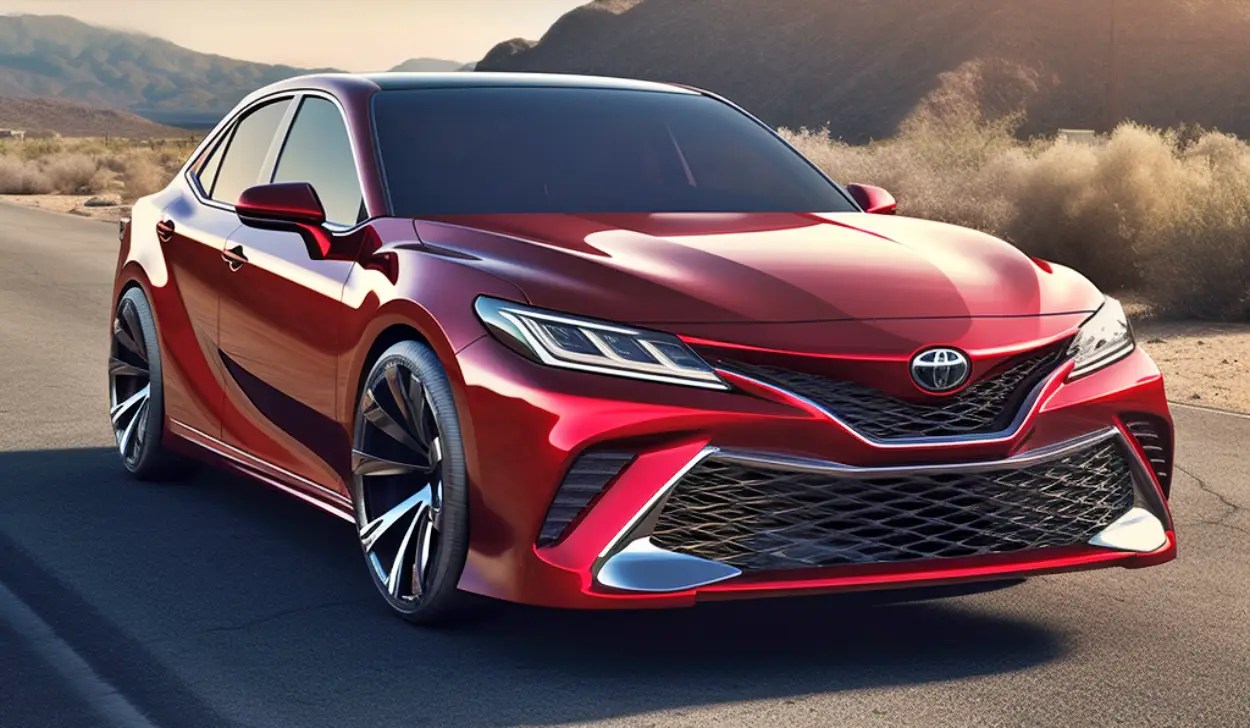
It features thicker anti-roll bars, added chassis bracing, and wider lightweight wheels fitted with summer performance tires, all geared to make the Camry TRD feel at home at the Old Country Buffet 500. To back up its sharper dynamics, the front brake rotors are enlarged by 0.9 inch and paired with dual-piston calipers.
A TRD-specific exhaust system is included to give it a more distinctive sound. Visually, the exterior is set apart by a unique aerodynamic body kit, while the interior is finished in red accents to complete the racy vibe. Additionally, Android Auto, previously missing from the Camry lineup, is now standard across all trims.
The price of the 2020 Toyota Camry starts at $25,420 and can climb to $36,125 depending on the trim level and selected options. The base L trim begins at $25,420, followed by the LE at $25,965 and the SE at $27,165. The SE Nightshade edition is listed at $27,865.
7. Volkswagen Passat (Diesel)
In European cities, especially in Germany and the UK, the diesel-powered Volkswagen Passat was a staple of taxi fleets.
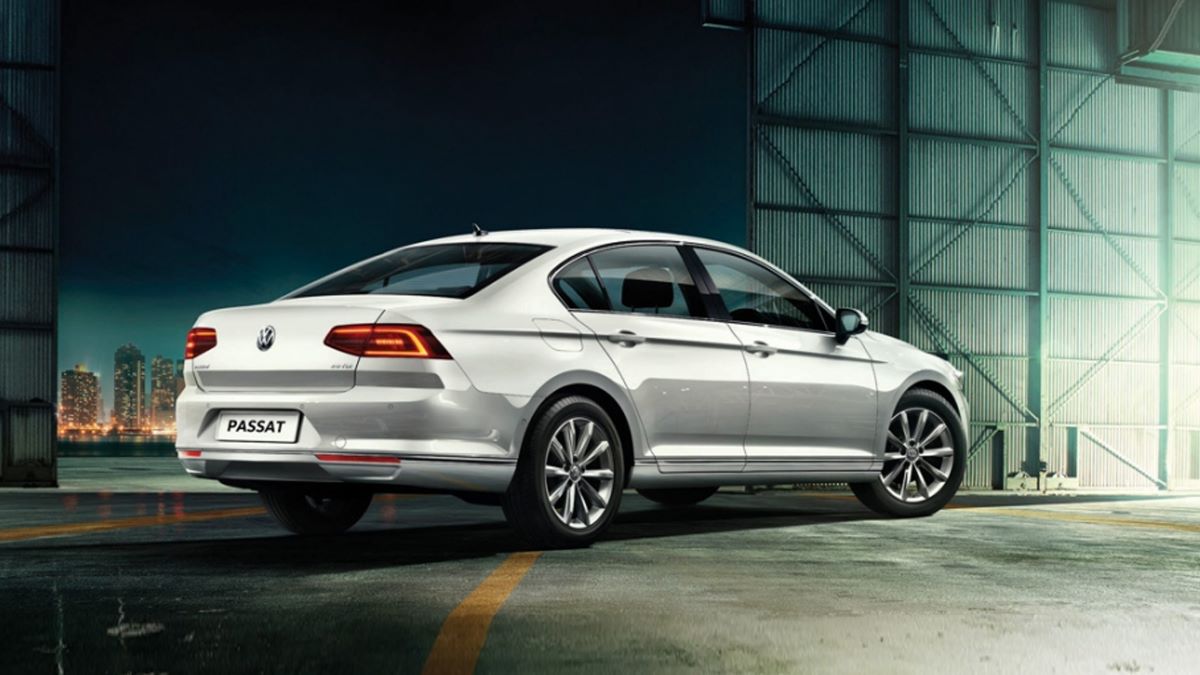
With impressive fuel economy, a spacious interior, and a solid ride, the Passat was well-suited for both city driving and longer airport runs.
Its TDI diesel engines were known for longevity until the diesel emissions scandal cast a shadow on VW’s reputation.
The Volkswagen Passat (US version) made its debut in 1992 and has since become one of the most popular vehicles available today.
The 2020 Volkswagen Passat features a 2.0-liter engine producing 174 horsepower and 207 lb-ft of torque, paired with a 6-speed automatic Tiptronic gearbox. Power is delivered to the front wheels through this 6-speed automatic Tiptronic transmission.
On the exterior, the Passat maintains the key design elements of its previous model while undergoing a complete restyle. It now showcases a dynamic coupe-like roofline, a dramatic “tornado” line, and a bold, aggressive grille—giving the newest iteration of the Volkswagen Passat a striking presence on the road.
Inside, the Passat introduces a refreshed design and upgraded technology within a spacious cabin. The dashboard is outfitted with air vents that stretch across its width in a design inspired by premium vehicles. In addition, new color options and high-quality materials elevate the interior’s visual appeal, giving it a sleek and polished look.
8. Hyundai Sonata
A more recent entrant into the taxi world, the Hyundai Sonata has found favor thanks to its budget-friendly pricing, long warranty, and increasingly refined engineering.
Fleet operators have praised the later-generation Sonatas (post-2011) for improved reliability, comfortable interiors, and fuel-efficient four-cylinder engines.
Its presence in American taxi fleets has grown steadily, particularly in secondary cities.
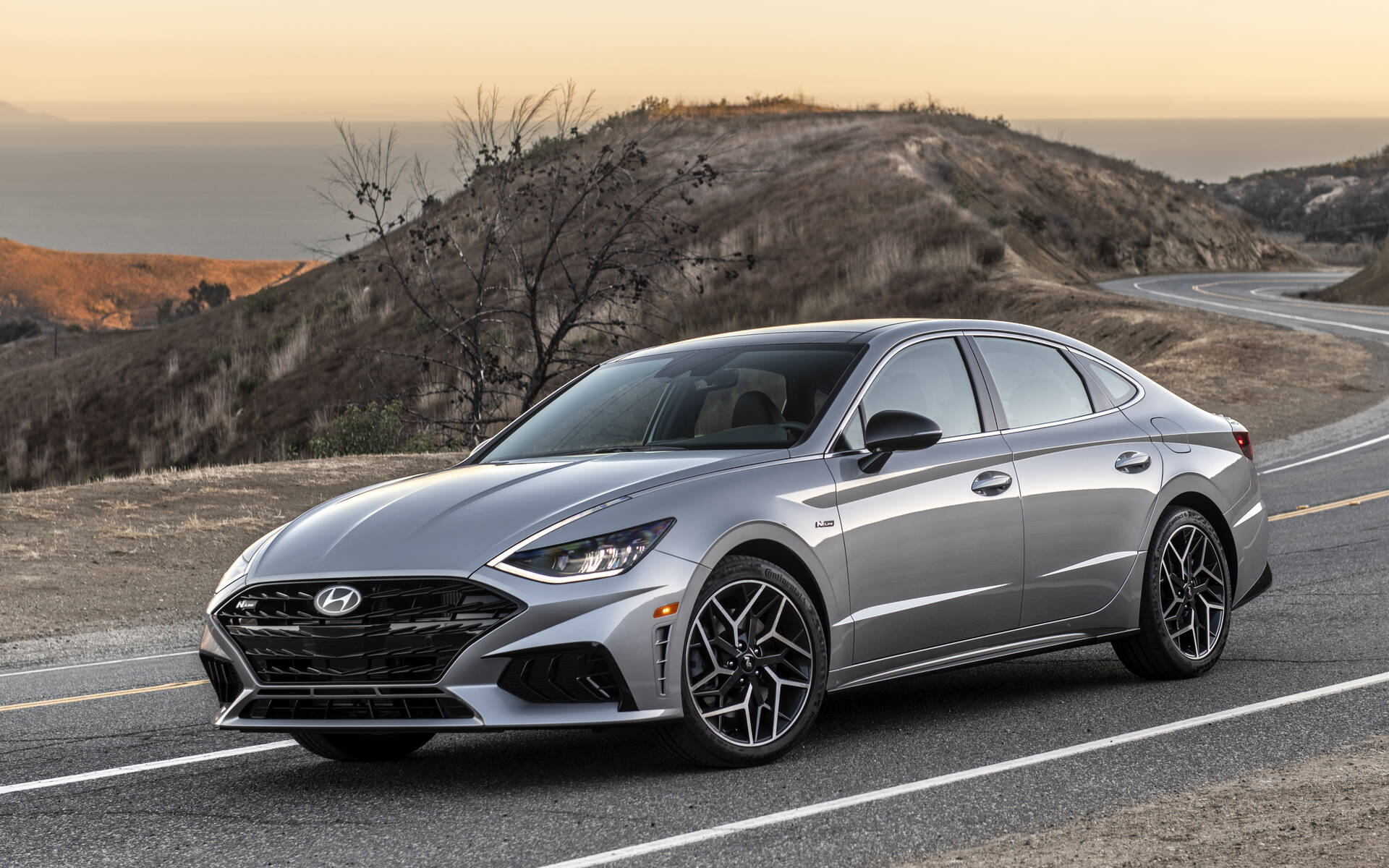
The Hyundai Sonata offers a broad selection of powertrains, beginning with a 192-hp 2.5-liter four-cylinder engine and topping out with a 290-hp turbocharged four-cylinder. Most trims come with front-wheel drive, but all-wheel drive is an option when paired with the base 2.5-liter four-cylinder.
While the Sonata may not deliver the sharpest handling in its class, the Honda Accord and Nissan Altima both offer a more engaging driving experience, it remains composed and suitably responsive.
Hyundai also deserves credit for continuing to equip the Sonata with a conventional automatic transmission, especially as many rivals have switched to continuously variable automatic transmissions (CVTs), which are efficient but tend to drone.
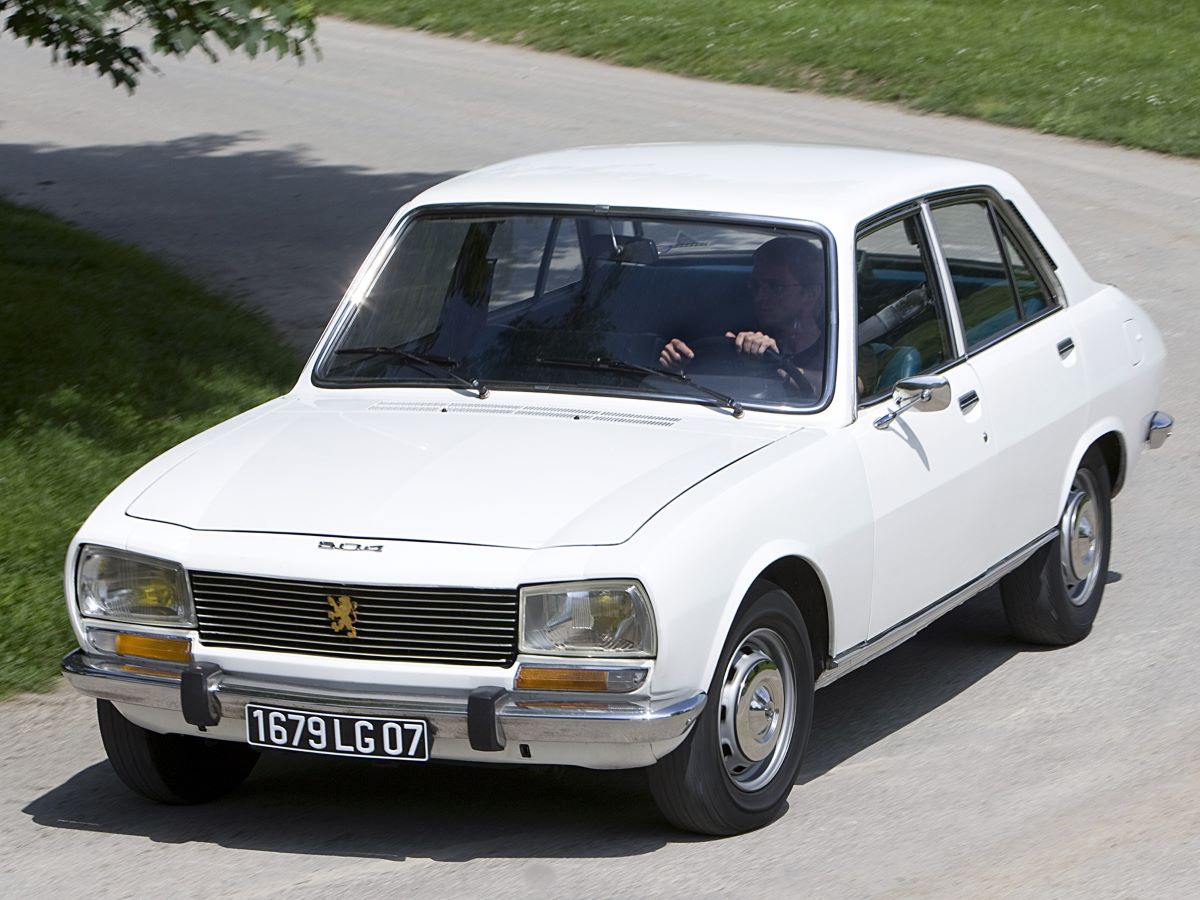
9. Peugeot 504
In Africa and parts of the Middle East, the Peugeot 504 became an unstoppable taxi machine. While not popular in the U.S., its global footprint and ruggedness deserve recognition.
Built to withstand rough roads and scarce parts availability, the 504 became a symbol of endurance. Some are still in service decades after their production ceased in the early 2000s.
Though the auto industry is currently undergoing rapid and tumultuous changes, one thing has remained remarkably consistent: the Peugeot 504. First introduced in France in the late 1960s and imported to the U.S. beginning in 1970, this car has withstood the test of time.
While other low-volume European automakers, such as Volvo, Saab, and Lancia, have overhauled their model lineups multiple times since then, Peugeot has kept the 504 remarkably familiar. To be fair, there have been new Peugeots over the years, but when it comes to the 504, the diesel engine tells the whole story.
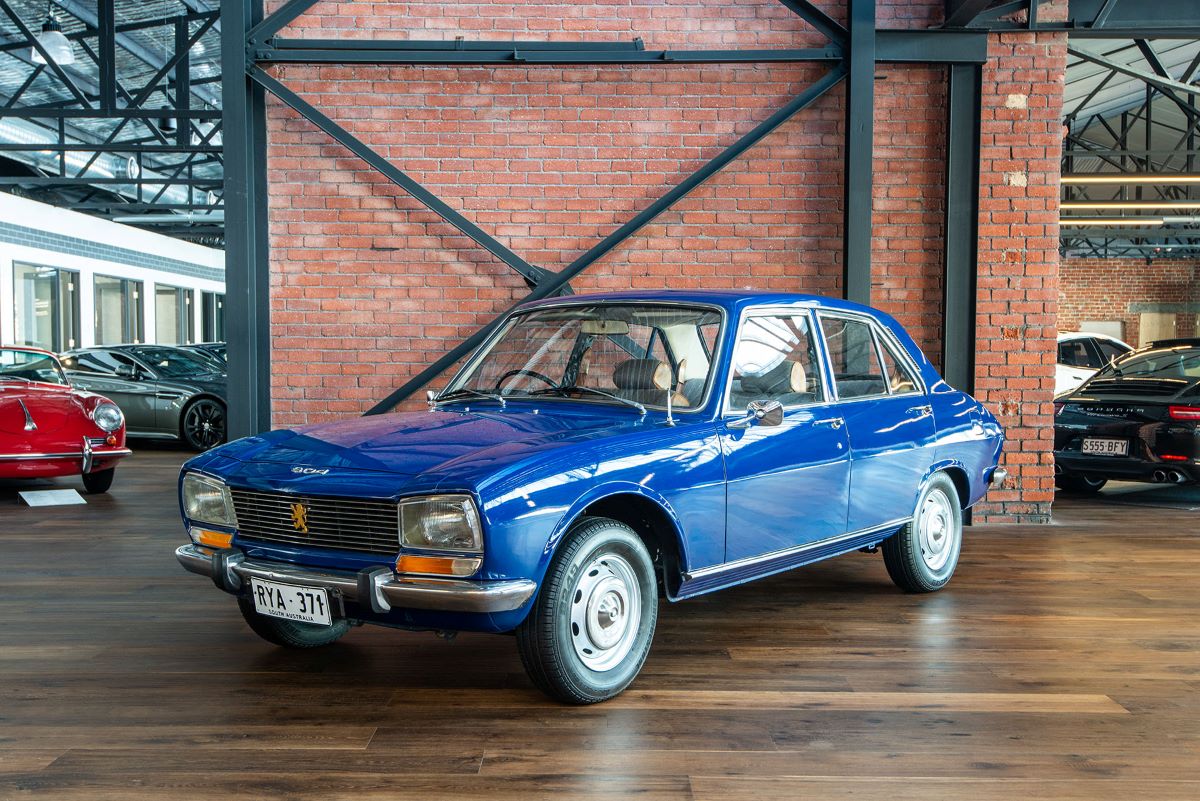
Actually, it tells two stories. The original diesel version, brought stateside in 1974, featured a 2.1-liter four-cylinder engine. In 1977, this was upgraded to a 2.3-liter version, producing 71 horsepower at 4500 rpm.
Our test car was powered by this latter engine, mated to an easy-shifting four-speed manual transmission, though an automatic transmission is also available.
Perhaps the reason the 504 has seen so few changes over the last decade is that it simply hasn’t needed them. The car is exceptionally comfortable, more German than French in its demeanor and engineering.
The seats have a firm, German-style feel rather than the typically softer French cushioning. Its suspension delivers a controlled, resilient ride, with roll stiffness provided by anti-sway bars at both the front and rear, rather than relying on the springy, floaty setup typical of many French vehicles.
There is, however, one notable exception to the otherwise Germanic approach: the placement of the turn-signal lever. Located on the right side of the steering column, it doubles as the horn button, an unmistakably French touch that drivers will need to get used to.
10. Nissan NV200
In 2011, New York City made headlines by selecting the Nissan NV200 as the “Taxi of Tomorrow.” This compact van offered sliding doors, a tall roof for easy entry, and cargo room for both passengers and luggage.
Though it received mixed reviews from drivers, its purpose-built design, fuel efficiency, and safety features gave it a solid place in modern taxi evolution especially in one of the world’s most iconic cab markets.
Despite sharing its name’s first two letters with Nissan’s full-size work van, the 2021 NV200 is a much smaller cargo vehicle with dimensions well-suited for urban environments. These compact vans are a common sight serving as taxis in New York City, though their presence might fade in the near future.
Not much has changed for the NV200 in 2021. The entry-level S model now includes cruise control as a standard feature, and the SV trim has been upgraded to include rear backup sensors. Buyers also get a new paint color option: Gun Metallic.
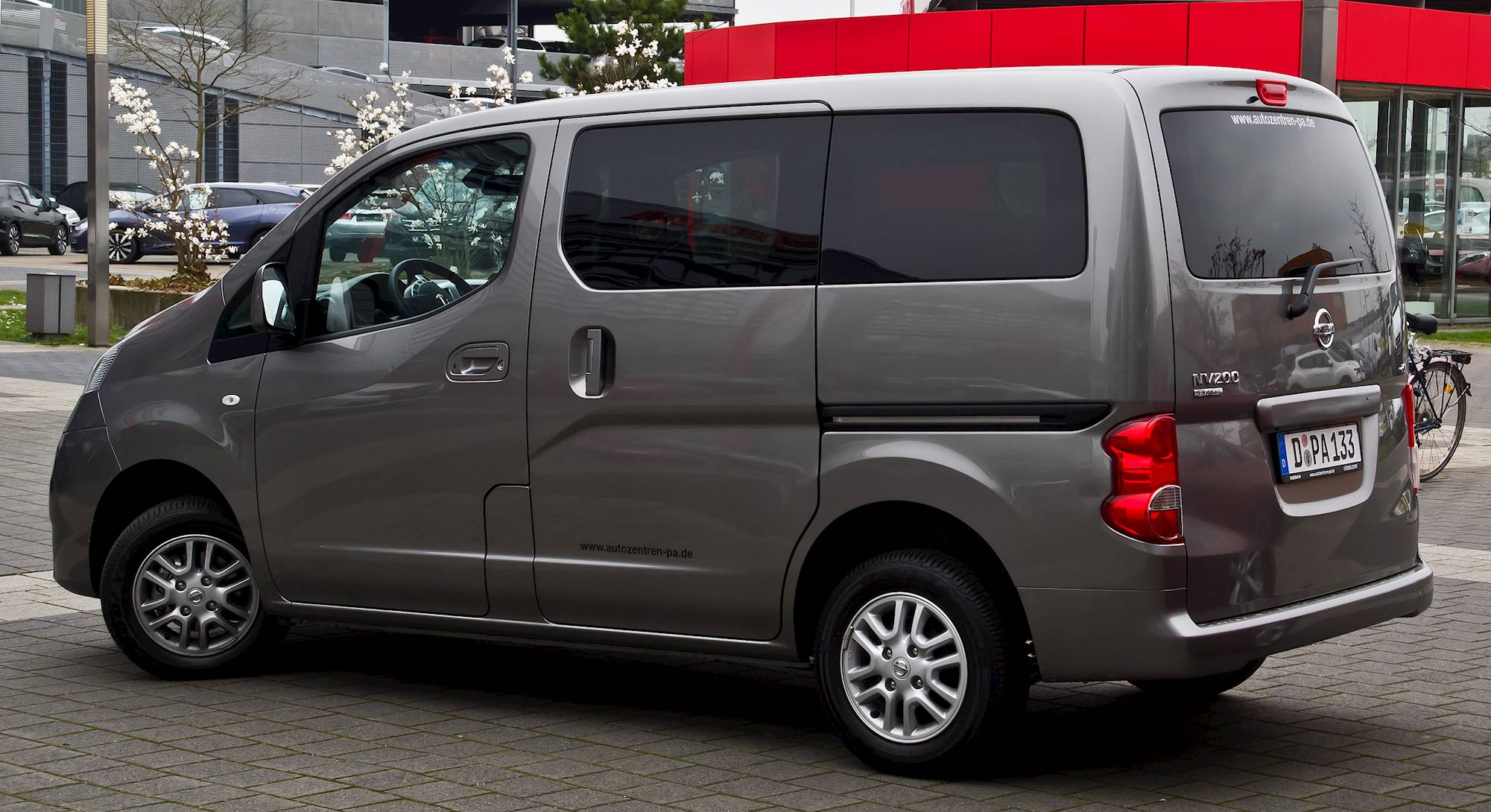
The Nissan NV200 is the most affordable entry in the compact cargo van segment. Between the two available trims, the SV is the better buy.
It includes several additional features that help justify its higher price, such as power-adjustable heated side mirrors, remote keyless entry, steering-wheel-mounted cruise control, an extra 12-volt power outlet located in the rear of the center console, body-colored trim, full wheel covers, and a chrome grille.
Under the hood, the NV200 is powered by a 2.0-liter four-cylinder engine that produces 131 horsepower and 139 pound-feet of torque.
While these figures are modest, even by compact van standards, they’re adequate for light-duty tasks. Competitors like the Mercedes-Benz Metris, Ram ProMaster City, and Ford Transit Connect offer more powerful engine options.
The NV200 stands out as the only van in its class to utilize a continuously variable automatic transmission (CVT), which prioritizes smooth operation and fuel efficiency over raw acceleration and throttle response.
These cars represent the gold standard for taxi duty vehicles chosen not for luxury or performance but for their dependability, practicality, and economy.
From diesel-powered beasts in Europe to hybrid pioneers in America, they’ve served millions of passengers, weathered extreme conditions, and racked up mind-blowing mileage.
In the demanding world of taxi service, only the toughest survive and these ten cars have earned their legendary status.