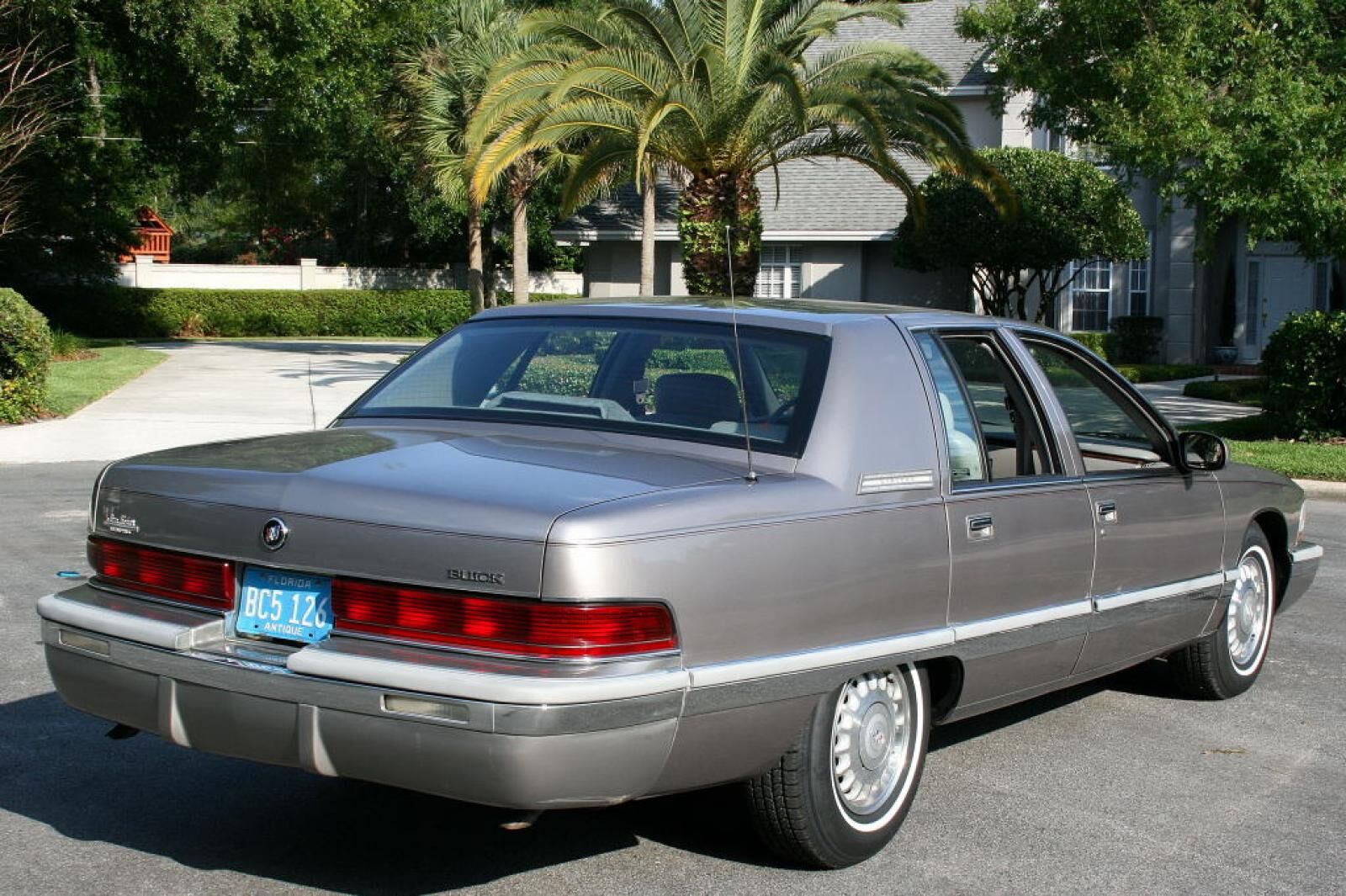
For over a century, Buick has stood as a symbol of attainable American luxury, blending comfort, technology, and understated style.
Often considered a step above Chevrolet but just below Cadillac, Buicks have earned a reputation for offering solid engineering and lasting value.
While some may dismiss the brand as old-fashioned, many Buicks have proven to be durable daily drivers with cult followings, thanks to their reliability, timeless styling, and smooth ride quality.
Here are the top 10 Buicks that are built to last and remain iconic in the automotive world.
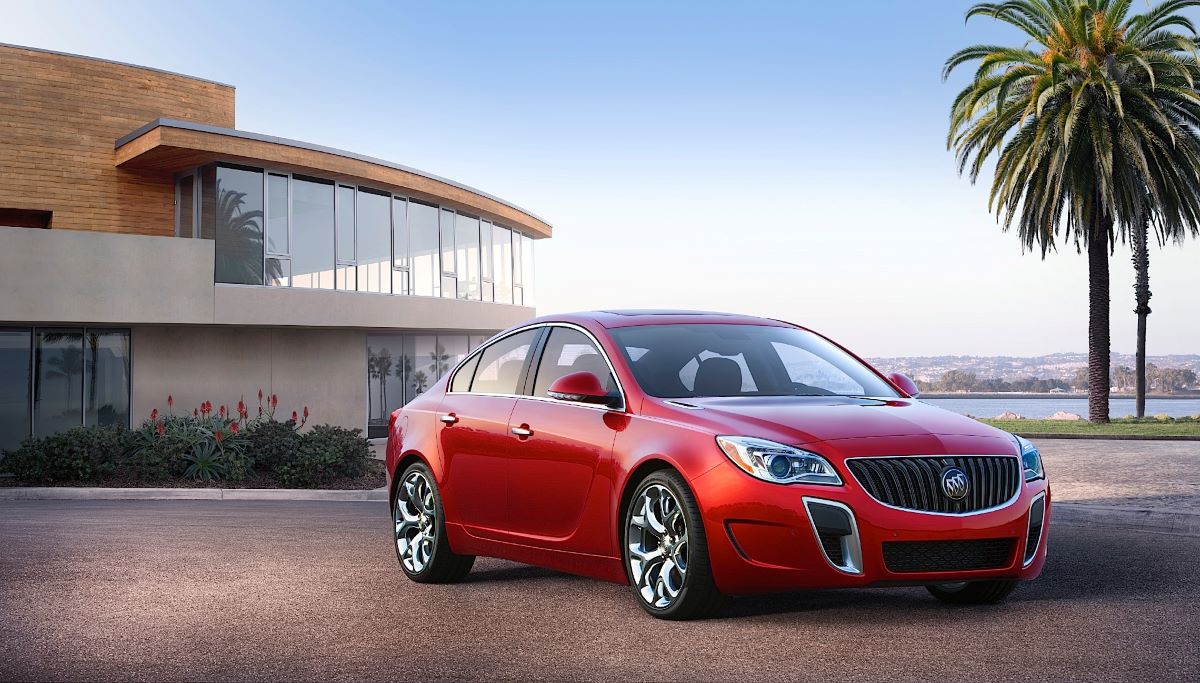
1. Buick Regal GS (2012–2017)
The Regal GS proved Buick could still be sporty without compromising comfort. With its turbocharged 2.0-liter engine, available manual transmission, and European-inspired chassis, the GS stood out in a field of bland sedans.
The 2014 Buick Regal sedan evokes the image of a capable boxer striving to compete in a higher weight class rather than remaining in a more comfortable division. From our perspective, the Regal, both stylish and sporty, serves as a compelling alternative to mainstream premium sedans like the Acura TSX.
However, Buick has aimed higher, positioning the refreshed 2014 Regal alongside established luxury names like the Audi A4 and BMW 3 Series. That’s a vastly different playing field, and while the Regal is impressive in several ways, there’s value in recognizing your lane.
That said, it’s easy to see how someone might take the 2014 Regal for a spin and come back impressed. The car has no major weaknesses, and its newly standard 259-horsepower turbocharged engine leaves a strong first impression. The Regal also delivers when it comes to features, both standard and optional.
Also Read: 5 EVs With the Best Regenerative Paddles and 5 With Fixed Regeneration
Its interior benefits from a redesigned dashboard that feels less cluttered and more modern, partly thanks to an updated touchscreen with improved graphics. Looking at the pricing of the base front-wheel-drive Regal, it’s also worth noting that it’s several thousand dollars cheaper than the far less powerful 180-hp BMW 320i.
However, gaining entry into the luxury sport sedan segment involves more than horsepower and a long list of features. If it were just about numbers, the 274-hp Kia Optima SX would be mentioned in the same breath as Audi and BMW.
What sets true luxury sport sedans apart is an intangible sense of refinement, the effortless driving dynamics and precision that make every BMW 3 Series a pleasure to drive. Unfortunately, that intangible quality is something the Regal doesn’t quite capture.
The car can certainly be enjoyable, particularly in its livelier GS trim, but it lacks that special feel that defines true sport sedans. As a result, it doesn’t pose a serious challenge to purpose-built models like the Cadillac ATS, even though it comes from the same parent company.
Still, the Regal makes a strong case against vehicles that straddle the line between mainstream and luxury. The four-cylinder 2014 Acura TSX, for example, feels noticeably less engaging after driving the turbocharged Regal, while the more powerful TSX V6 has a price tag similar to that of the Regal GS AWD.
The 2014 Volvo S60 with a turbocharged engine offers a more upscale cabin, but when it comes to driving enjoyment, the Buick holds its own. Another comparable option is the 2014 Mercedes-Benz CLA250, which may have a sleeker, more modern image but falls short in rear seat space, an area where the Regal holds a distinct advantage.
It’s still a favorite on the used market for offering a reliable drivetrain and upscale features with a performance edge, all at a reasonable price.
2. Buick Grand National (1984–1987)
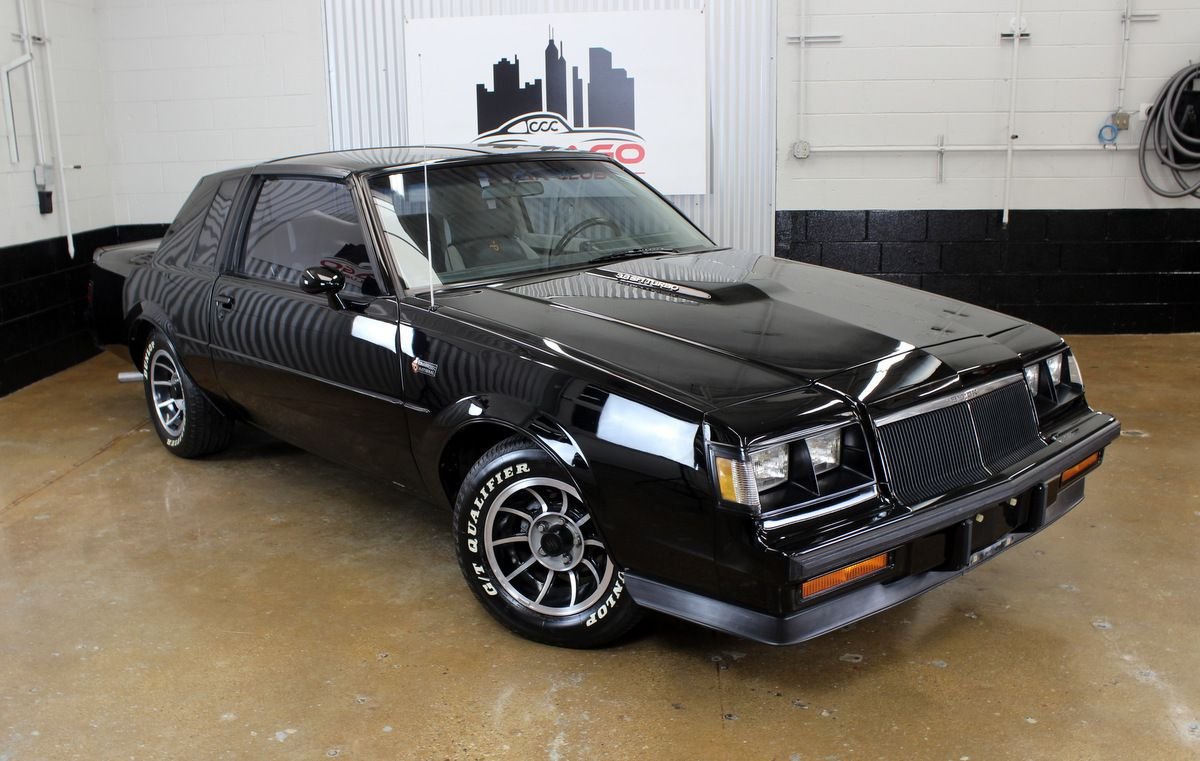
Arguably the most iconic Buick ever built, the Grand National shattered the brand’s conservative image in the 1980s. Its turbocharged 3.8L V6 was powerful, efficient, and reliable frequently outrunning V8-powered muscle cars of the era.
With its jet-black exterior, this 1984 Buick Grand National casts a bold silhouette that catches the eye and doesn’t let go. Encapsulating the spirit of the mid-80s muscle car era, it commands attention with a style that’s both sleek and sinister.
Its body, which has received a full repaint, shines with aggressive charm, further accentuated by 15-inch factory aluminum wheels wrapped in vintage 215/65R15 tires that solidify its road presence. Every line, curve, and angle pays tribute to its heritage, presenting a non-convertible form that embraces modern sensibilities while honoring its roots.
Inside, the Grand National delivers a driver-focused cockpit that seamlessly blends functionality with comfort. It features gray Lear Sigler bucket seats upholstered in a tasteful mix of leather and cloth, offering both support and visual appeal.
The original layout remains intact, with a floor-mounted shifter and a centrally positioned console, all dressed in a monochromatic gray palette that complements the car’s serious and performance-driven demeanor.
The cabin doesn’t just look the part, it’s equipped for real-world driving, with features like air conditioning, power steering, and an AM/FM cassette player, creating an environment suited for both spirited performance and relaxed cruising.
This powertrain delivers a confident balance of performance and refinement, aided by electronic fuel injection that ensures smooth and reliable engine operation.
Mechanical credibility continues with power front disc brakes that provide strong stopping power and a dual exhaust system that adds just enough growl to hint at the car’s underlying capability without overpowering the experience.
This 1984 Buick Grand National isn’t just a nod to a bygone era, it’s a fully realized expression of 1980s American performance, blending iconic styling, respectable power, and everyday drivability into one unforgettable package.
The Grand National and GNX editions are not just collector’s items they’re mechanically robust and known to rack up high mileage when properly maintained.
3. Buick Roadmaster (1991–1996)
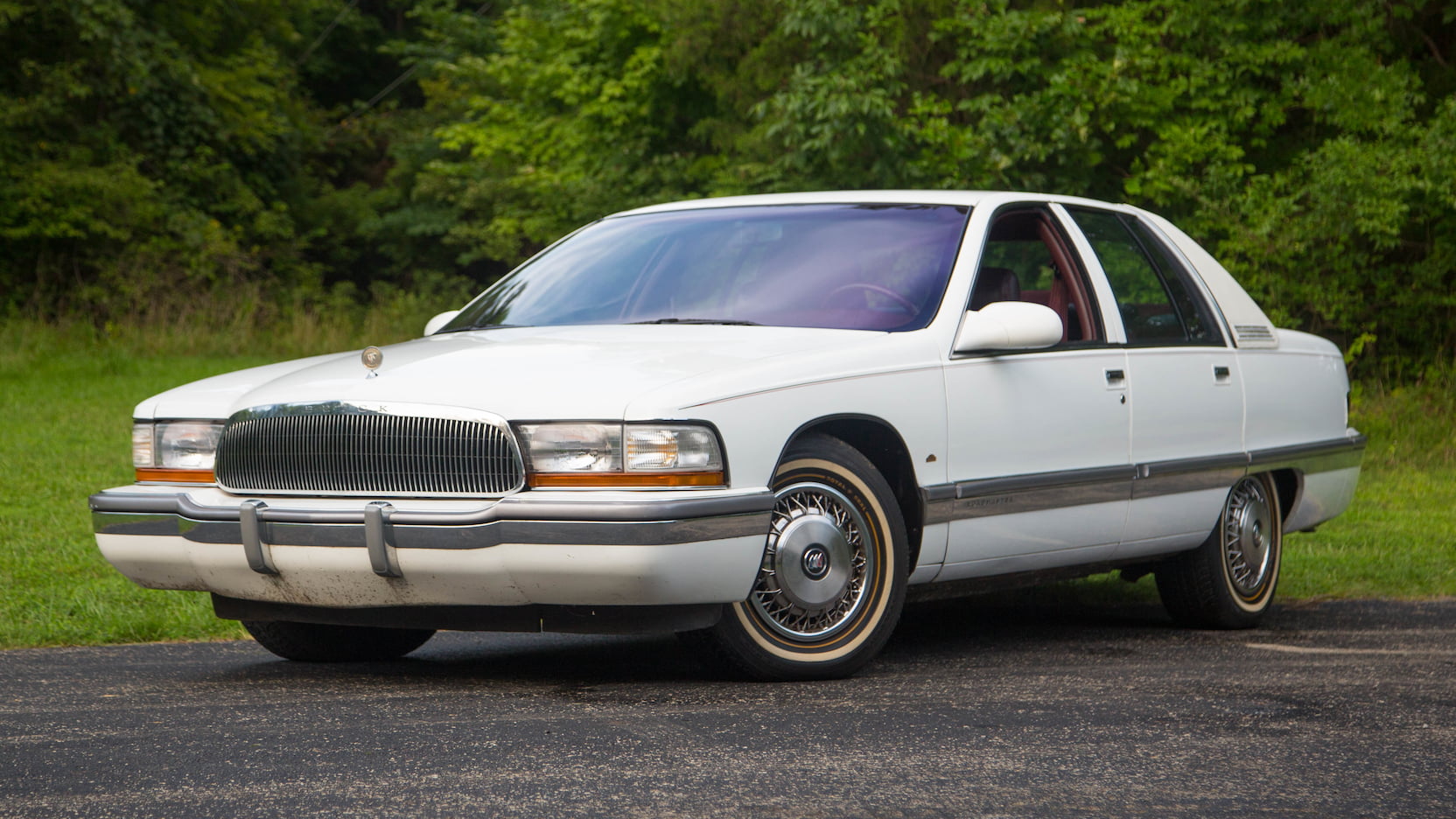
The final great American station wagon, the Roadmaster was built on GM’s body-on-frame platform, powered by the legendary LT1 Corvette-derived V8 in later models.
It offered massive space, surprising performance, and bulletproof longevity. Many are still on the road today with well over 200,000 miles, proving its old-school engineering was made to endure.
The 1992 Buick Roadmaster stands as a genuine icon of automotive excellence. This isn’t a vehicle built to impress with gaudy flair or blistering speed, though the presence of a 5.7-liter V8 under the hood might suggest otherwise.
These words come not from a blind devotee, but from someone who, despite an intense personal admiration for this rolling monument to automotive greatness, is prepared to lay out legitimate reasons why certain aspects of this car make it, objectively, the best ever built.
So, rest assured: this isn’t the work of a deluded Roadmaster zealot. Rather, it’s written by an admittedly biased but somewhat honest enthusiast who’s fully ready to provide cold, hard facts.
Whether you’re a seasoned gearhead or someone who’d rather walk than engage with anything on four wheels, it’s impossible to ignore the sheer indestructibility of the 1992 Buick Roadmaster. Tipping the scales at over 4,000 pounds and encased in steel body panels, this car is a rolling tank.
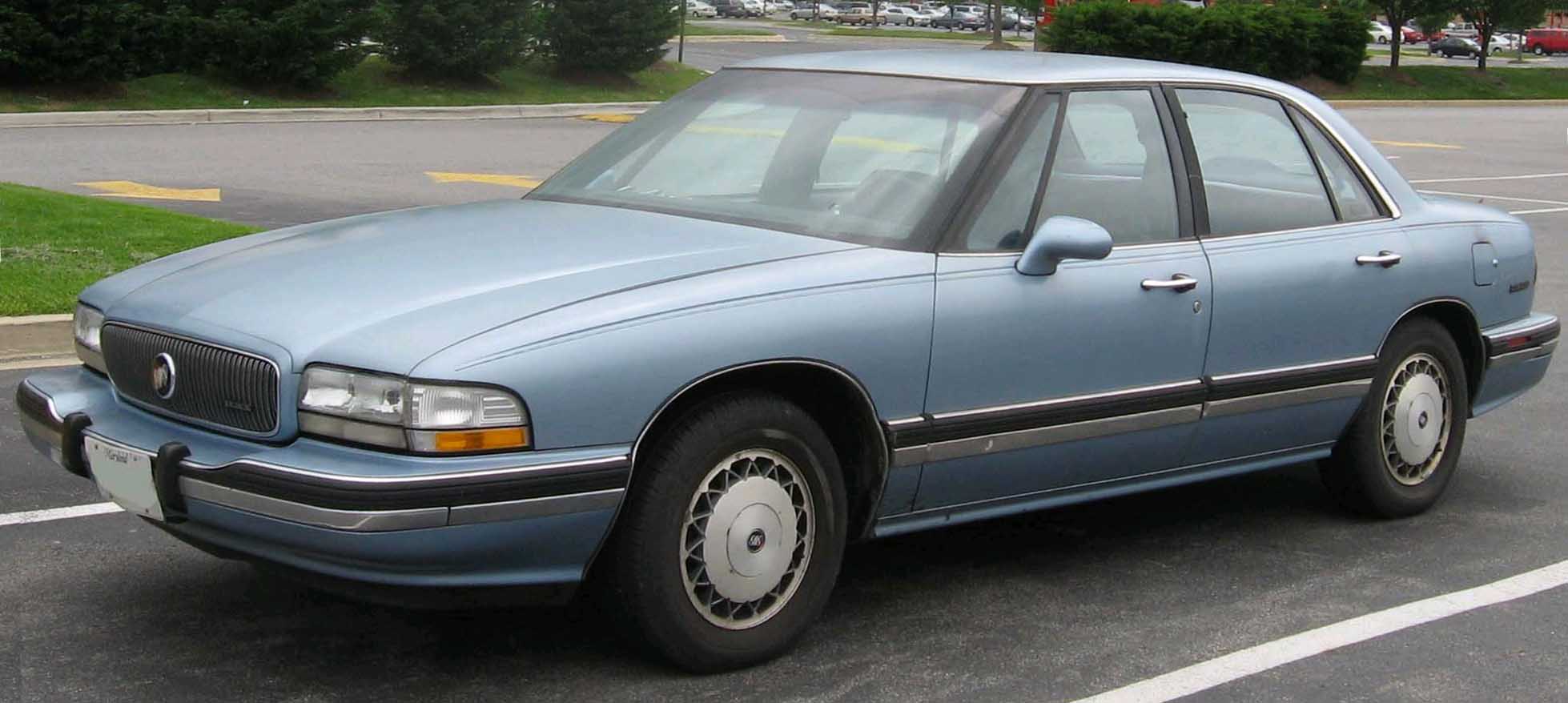
4. Buick LeSabre (1992–2005)
The LeSabre was a staple of middle-class America for decades. Powered by the venerable 3800 Series II V6, it earned its reputation for reliability and low maintenance costs.
Its comfortable ride, roomy interior, and simple mechanics make it one of the most dependable large sedans of the late 20th century and a common sight at 200K+ miles.
The LeSabre continues to hold its position as the most popular full-size car among American consumers, a title it has maintained for several consecutive years. It’s easy to see why so many buyers gravitate toward this large front-wheel-drive sedan.
Known for its reliability and low-maintenance performance, this award-winning Buick delivers a smooth driving experience, seats six passengers comfortably, and is powered by a torque-rich V6 engine that moves it confidently through city streets and highways alike.
Buyers can choose between the Custom and Limited trims, but for those seeking improved driving dynamics, the Gran Touring Package is the one to consider.
However, it’s worth noting that this package does not include upgraded seats, and unfortunately, no option short of a full redesign can remedy the frustrating and poorly designed interior ergonomics that plague the cabin.
Adding to the quirks of the LeSabre, two standard reminder chimes stand out for their oddity. One tells the driver that the parking brake has been engaged for more than 50 feet. The other reminds the driver that the turn signal has been blinking for nearly a mile.
While these alerts may seem helpful, they also serve as a rather bleak reflection of the average driving awareness in America, an unflattering commentary on just how little attention some drivers seem to pay behind the wheel.
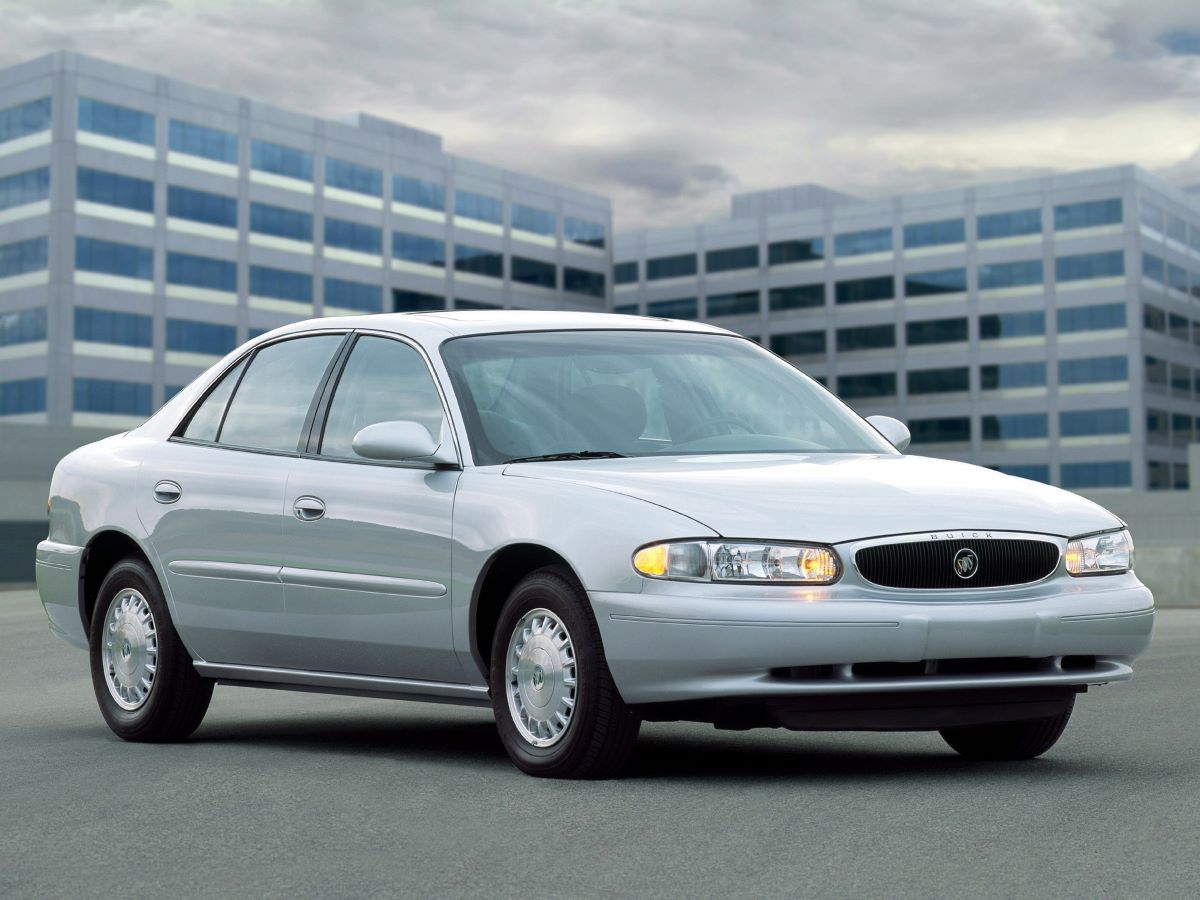
5. Buick Century (1997–2005)
For years, the Century served as a reliable family sedan and fleet vehicle, praised for its durability and low cost of ownership.
Like the LeSabre, it shared the 3.1L or 3.8L V6 engines, which were virtually unkillable with basic maintenance. It may not be flashy, but in terms of sheer reliability and longevity, it’s one of Buick’s most quietly successful cars.
All Buick Centurys come equipped with the dependable 3100 V6 engine, delivering 175 horsepower and 195 pound-feet of torque. This engine is paired with a smooth-shifting, electronically controlled four-speed automatic transmission that effectively transfers power to the pavement.
Standard features across the Century lineup include remote keyless entry, automatic power door locks, and daytime running lamps with Twilight Sentinel, which automatically adjusts the headlamps based on current lighting conditions.
Also Read: Top 10 Most Reliable Used Cars You Can Buy for Under $10,000 in 2025
Additional standard equipment includes door courtesy lights, battery rundown protection, antilock brakes, traction control, a tire inflation monitor, and GM’s PASS-Key II theft-deterrent system.
On the Limited trim, OnStar in-vehicle safety, security, and information services now come standard, further enhancing the model’s appeal to safety-conscious buyers.
In the competitive midsize sedan market, the Century continues to perform strongly, holding its own against domestic competitors in this high-volume segment. Its reputation for solid build quality and a respectable safety record has helped it maintain popularity over the years.
As a result, the Century has received “top buy” recognition from several consumer publications and rating agencies. Boasting the highest customer-loyalty rating in its class, the Century has clearly earned the long-term trust of its owners, who appear more than ready to stay loyal to this Buick well into the new century.
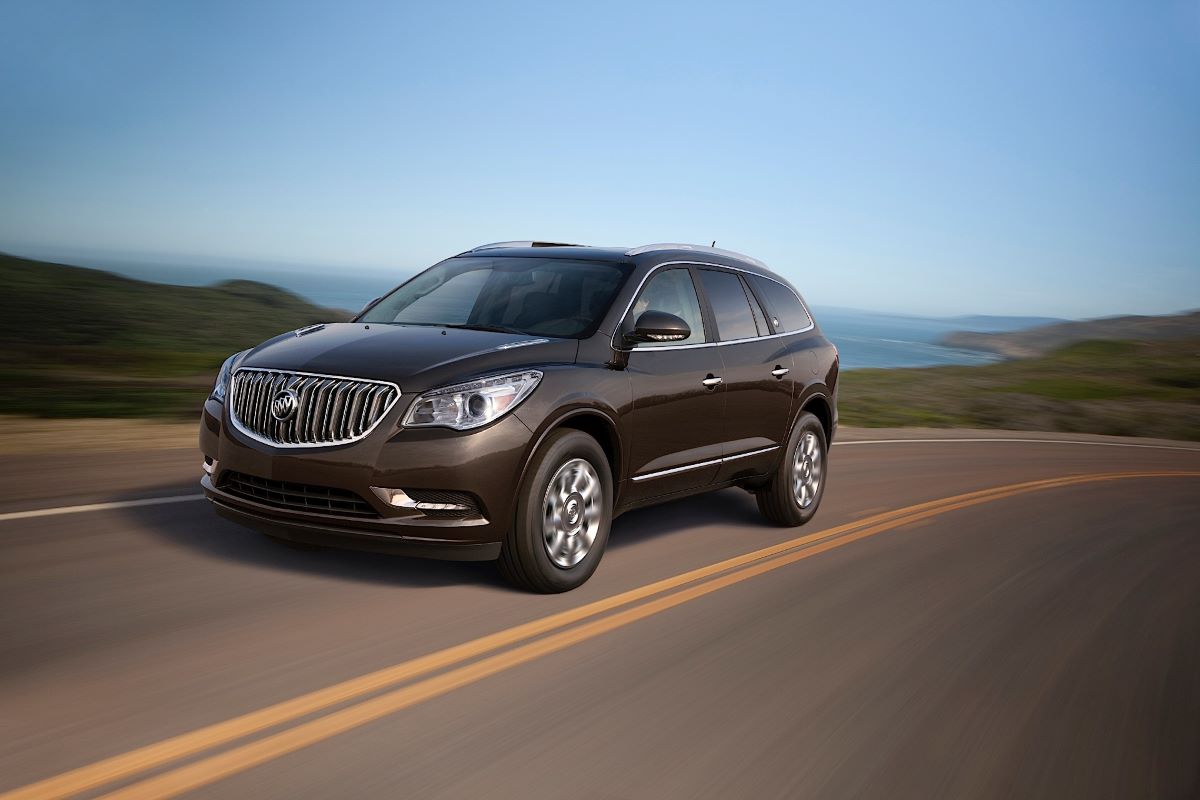
6. Buick Enclave (2008–2017)
As SUVs took over American roads, the Enclave helped reshape Buick’s identity. Combining three-row versatility with premium features and a smooth ride, the Enclave won over families.
Early models with the 3.6L V6 had some timing chain issues, but post-2012 versions ironed those out, becoming long-lasting SUVs known for comfort and refinement.
Each of these models features a fully independent suspension system and is powered by an all-aluminum 3.6-liter V6 engine that produces 275 horsepower, paired with a six-speed automatic transmission.
When it comes to interior space, the Enclave stands out, offering dimensions that are generous even by midsize SUV standards. Not only does it provide seating for adults in all three rows, but it also boasts a maximum cargo capacity of 116 cubic feet, more than what’s offered by many full-size SUVs.
A 60/40-split, fold-flat third-row seat is standard in every Enclave, and staying true to Buick’s upscale positioning, twin captain’s chairs are included in the second row. For families requiring additional seating, a bench seat is offered at no extra cost and can also fold flat for added versatility.
All Enclave models come standard with cloth upholstery and upscale wood-grain trim, while the higher-end CXL model features leather seats. Safety is a top priority as well, with every Enclave equipped with expected features such as stability control and three-row side curtain airbags.
We’re confident that the 2008 Buick Enclave will serve as a highly practical family vehicle for buyers with a budget between $35,000 and $45,000 who are seeking an alternative to a minivan. However, its prospects as a true luxury SUV are somewhat less certain.
Although the Enclave represents a more opulent direction for Buick in terms of design and interior appointments, there are still a few materials, particularly certain vinyls and plastics, that raise questions.
This could put the Enclave at a disadvantage when compared to the refined cabin environments of luxury competitors like the Acura MDX, BMW X5, Lexus RX 350, and Mercedes-Benz M-Class. Still, the Enclave is priced below all of these rivals, which may help counterbalance its minor shortcomings in material quality.
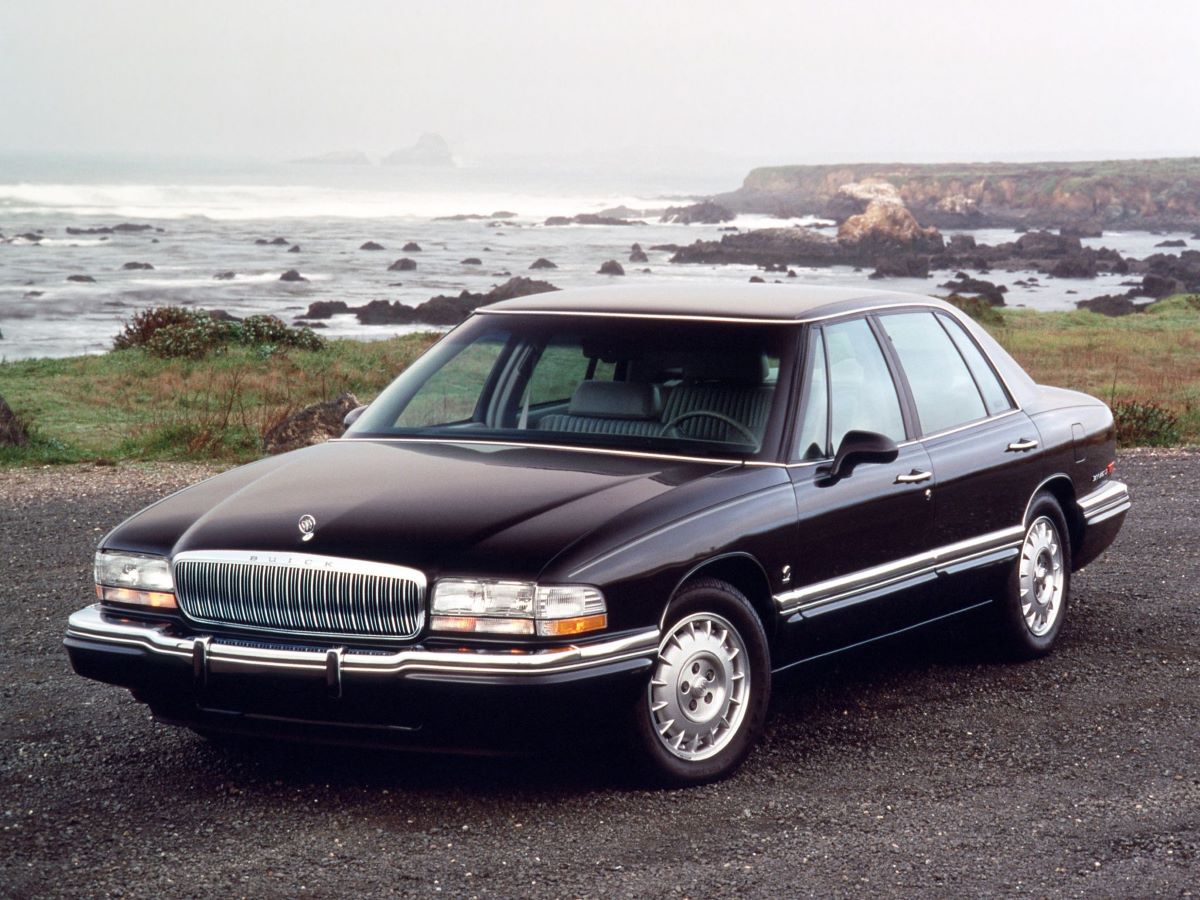
7. Buick Park Avenue (1991–2005)
Another iconic Buick sedan, the Park Avenue was the brand’s flagship before Lucerne. Built on the same reliable 3800 Series II engine as the LeSabre, it added more luxury and technology.
Known for floating on the highway and soaking up miles, many Park Avenues are still running strong with minimal repairs decades later.
The Park Avenue is offered in two versions: a standard model and a more luxurious Ultra trim. The Ultra comes equipped with magnetic variable-assist steering, which can be reprogrammed by the dealership to deliver either higher or lower steering effort depending on the driver’s preference.
A range of upscale features is either standard or available as options, such as rain-sensing windshield wipers and a head-up display that projects key information, including speed, turn signals, high beams, and warning lights, onto the lower portion of the windshield for enhanced driver visibility.
Under the hood, the powertrains remain unchanged from the previous model, and that’s actually a strong point. Buick’s proven 3800 Series II engine continues to deliver V8-like performance in a fuel-efficient V6 format.
The supercharged version of this engine is especially enjoyable and comes standard on the Ultra trim. However, it’s worth noting that the fully loaded Ultra model does weigh in at a solid two tons.
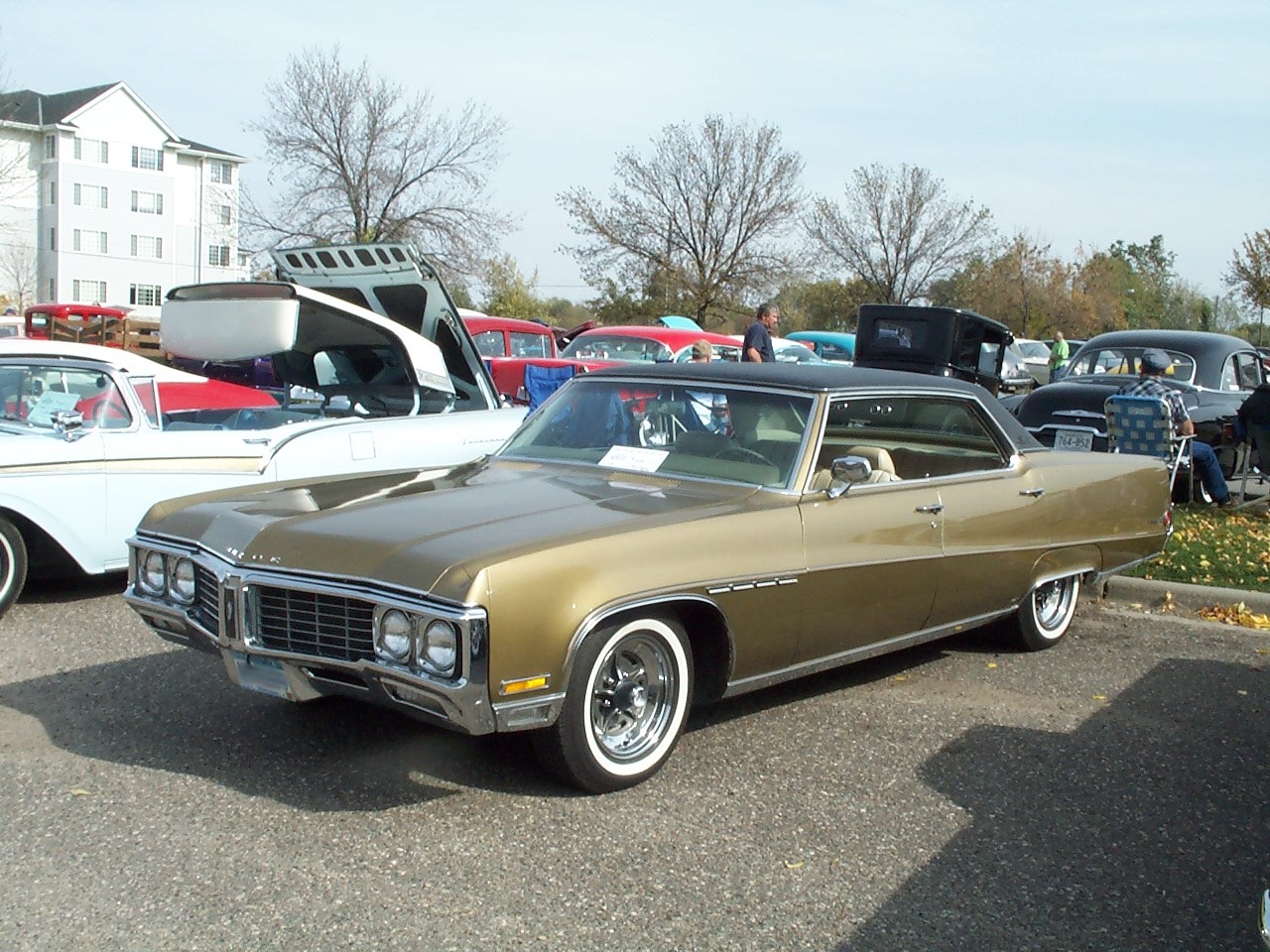
8. Buick Electra 225 (1960s–1970s)
Nicknamed the “Deuce and a Quarter,” the Electra 225 embodied full-size American luxury at its peak.
With its massive frame, cushy suspension, and big-block V8s, the Electra delivered unmatched comfort and lasting mechanical simplicity.
Many examples from the ’60s and ’70s still run today, showcasing GM’s durability during the golden age of Detroit.
9. Buick Riviera (1963–1973)
The original Riviera remains a high-water mark for GM design and engineering. The 1963–1973 models, particularly the boat-tail generation, were both powerful and reliable, offering muscular V8s paired with rock-solid automatics.
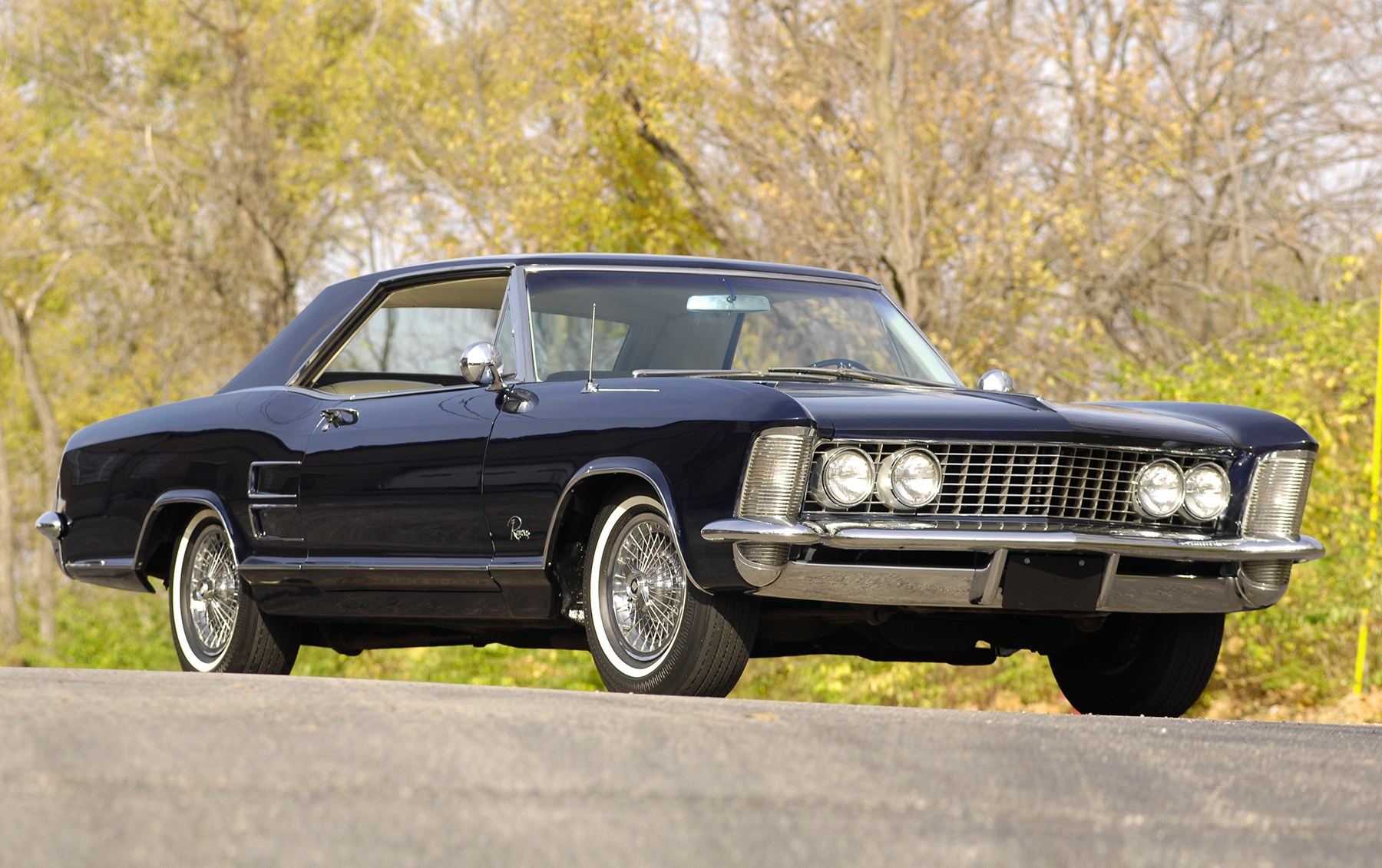
The Riviera is cherished by collectors for its iconic looks, but it also remains surprisingly roadworthy with proper upkeep.
It was customary for Buick to implement notable improvements to its models with each new year, and the 1970 Buick Riviera was no exception, especially as the brand aimed to stay ahead in an increasingly competitive market.
The original second-generation Riviera initially featured a 7.0-liter V8 Nailhead engine, a carryover from the final first-generation model, producing approximately 340 horsepower.
In 1967, however, Buick introduced a completely new 7.0-liter V8 engine, which increased performance to 360 horsepower and delivered an impressive 475 pound-feet of torque.
Even with strong performance figures and sales reaching record highs, Buick didn’t ease off the throttle. Instead, the company pushed further, refining the Riviera’s powertrain for the final year of its second-generation run in 1970.
The 1970 Buick Riviera is powered by a 7.5-liter V8 engine that produces 370 horsepower and a massive 510 pound-feet of torque. This engine is paired with a three-speed automatic transmission that sends power to the rear wheels. Thanks to this robust setup, the car is capable of accelerating from 0 to 60 miles per hour in under seven seconds.
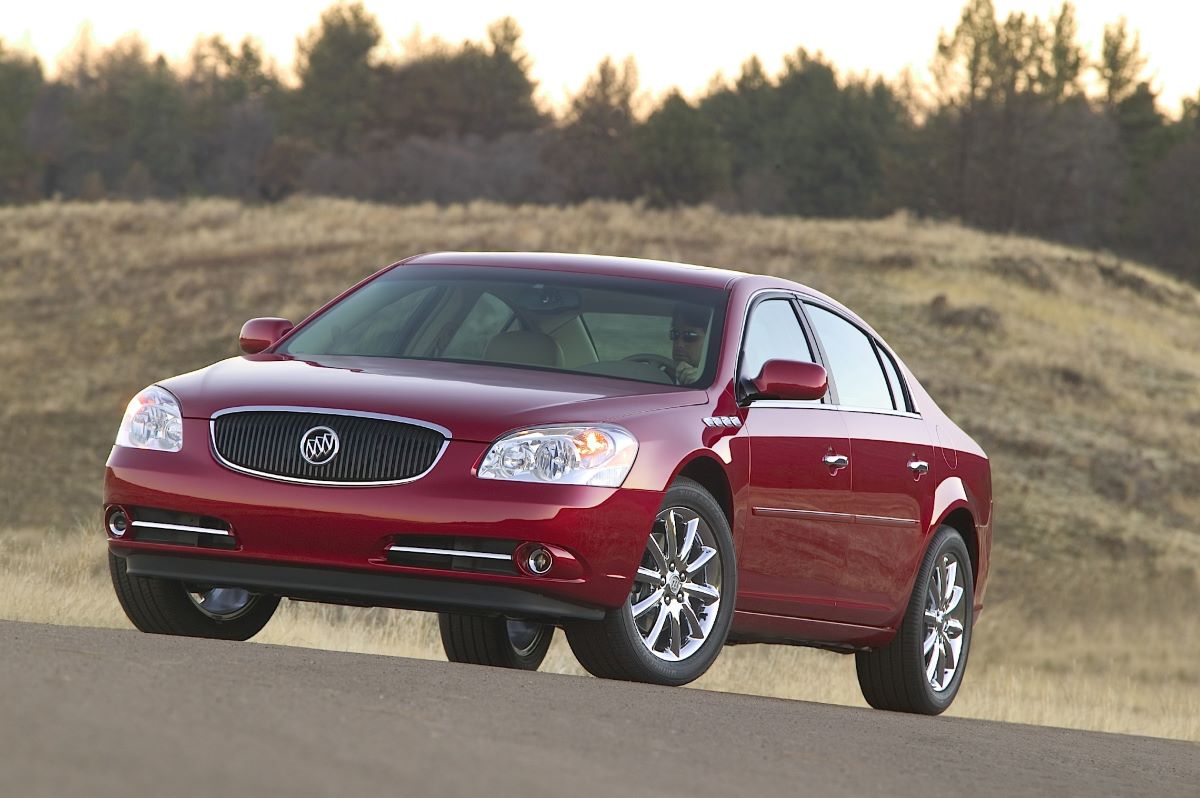
10. Buick Lucerne (2006–2011)
The Lucerne marked the end of the traditional Buick full-size sedan and served as a spiritual successor to the Park Avenue.
Offering either the reliable 3.8L V6 or Northstar V8, the Lucerne came with a quiet cabin and soft ride that Buick fans loved.
Its simple drivetrain and solid construction give it lasting power on the used market, often surpassing 150,000 miles with ease.
The 2008 Buick Lucerne carries a significant legacy to uphold. As Buick’s flagship sedan, it represents a nameplate long associated with traditional American luxury and large, comfortable cars.
It also bears the important task of retaining the brand’s loyal customer base, drivers who appreciate Buicks for being exactly what they’ve always been: soft-riding, spacious, and supremely comfortable.
For those loyal buyers, the Lucerne hits very close to the mark. It remains one of the largest sedans on the market, providing ample room for five adults or six, if equipped with the optional front bench seat.
The interior is designed with simplicity in mind, featuring user-friendly controls and a quiet cabin that glides over road imperfections with the kind of smooth, relaxed motion preferred by older drivers.
Additionally, Buick distinguishes itself from many import rivals by offering not just a V6, but also the option of a V8 engine for added performance.
New for 2008 are several upgrades intended to broaden the Lucerne’s appeal. Taking cues from the original Buick Super series of the 1940s, the new Lucerne Super will debut in spring 2008 as the top-tier trim.
This version features a more robust 292-horsepower V8 engine, firmer suspension tuning, suede-trimmed seating, a wood-accented steering wheel, and several exclusive cosmetic enhancements.
+Safety updates have also been introduced across the lineup. Stability control is now available on V6-powered models, and all Lucernes above the base CX trim can now be equipped with lane-departure warning and blind-spot monitoring systems.
Despite these additions, the Lucerne continues to fall short in several critical areas, particularly in its on-road performance. Its handling and braking abilities remain below average. The large turning radius contributes to an overall sense of bulkiness, and the steering feels oddly abrupt given the car’s otherwise laid-back demeanor.
While the four-speed automatic transmission shifts smoothly, its tall and widely spaced gear ratios compromise both acceleration and fuel economy, a disadvantage in a segment where competitors often feature five- or six-speed transmissions.
Lucernes fitted with the base 197-horsepower V6 engine feel especially dated and underpowered when compared to similarly priced V6 family sedans that offer more modern performance and refinement.
Buick may not always get the spotlight like Cadillac or Chevrolet, but it has produced some of America’s most dependable and beloved cars.
Whether you’re after classic muscle, understated family haulers, or cushy luxury sedans, there’s a Buick out there that’s stood the test of time.
These 10 models represent the best of Buick’s blend of longevity, engineering, and enduring design a testament to the brand’s legacy in American motoring.